EU EN 13859-2:2026 Mandates Extreme Humidity Heat-Loss Tests




On June 25, 2026, a new compliance requirement took effect for cooling towers sold into the EU market as Germany’s VDE released the updated EN 13859-2:2026 standard. The change centers on measured heat-loss reporting under extreme hot and humid operating conditions, including 40°C and 85% RH, and is immediately relevant to exporters, manufacturers, certification-related parties, and project delivery teams because it directly affects CE conformity work, customs clearance, and end-user handover timelines.
What the updated standard now requires
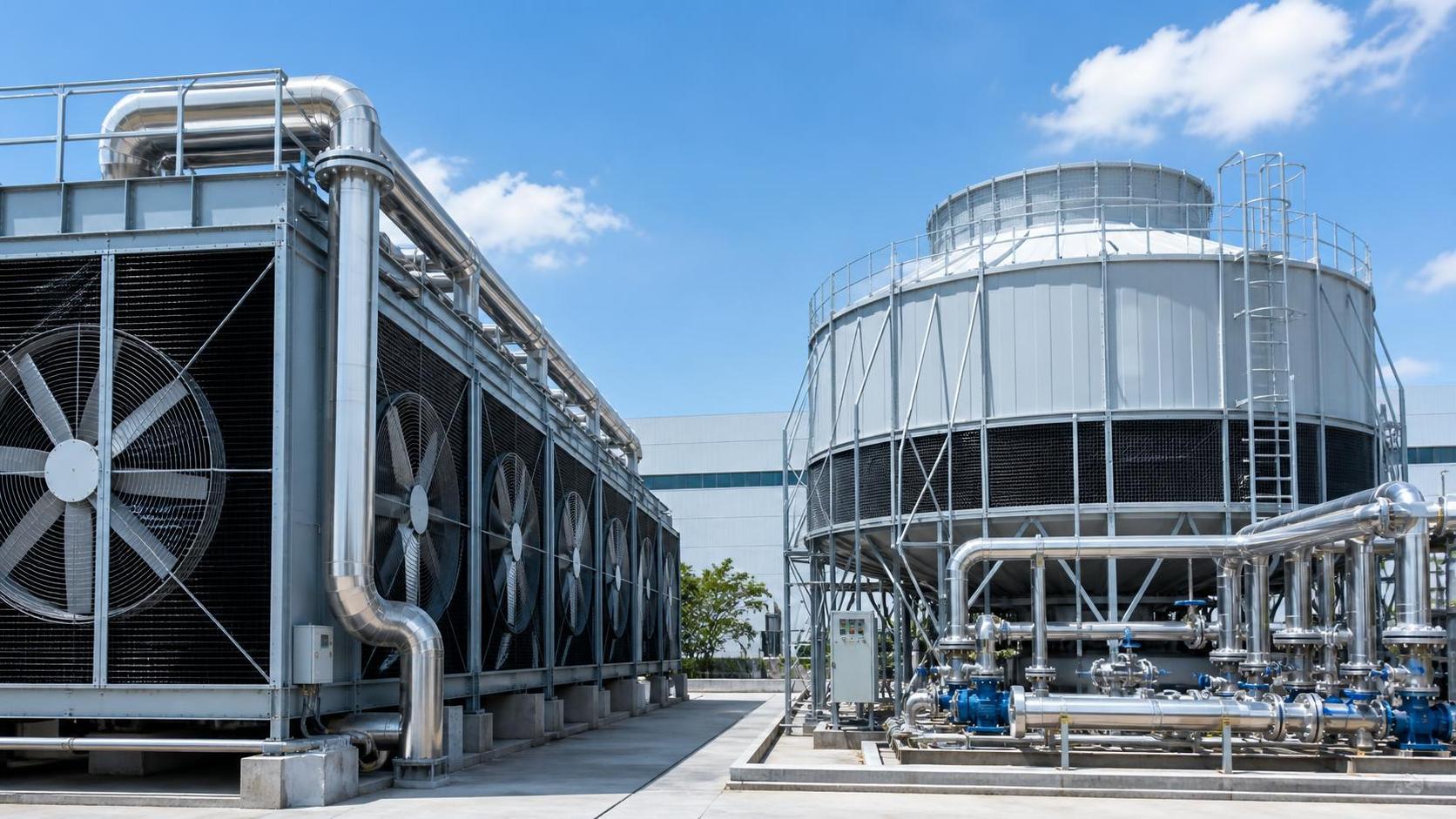
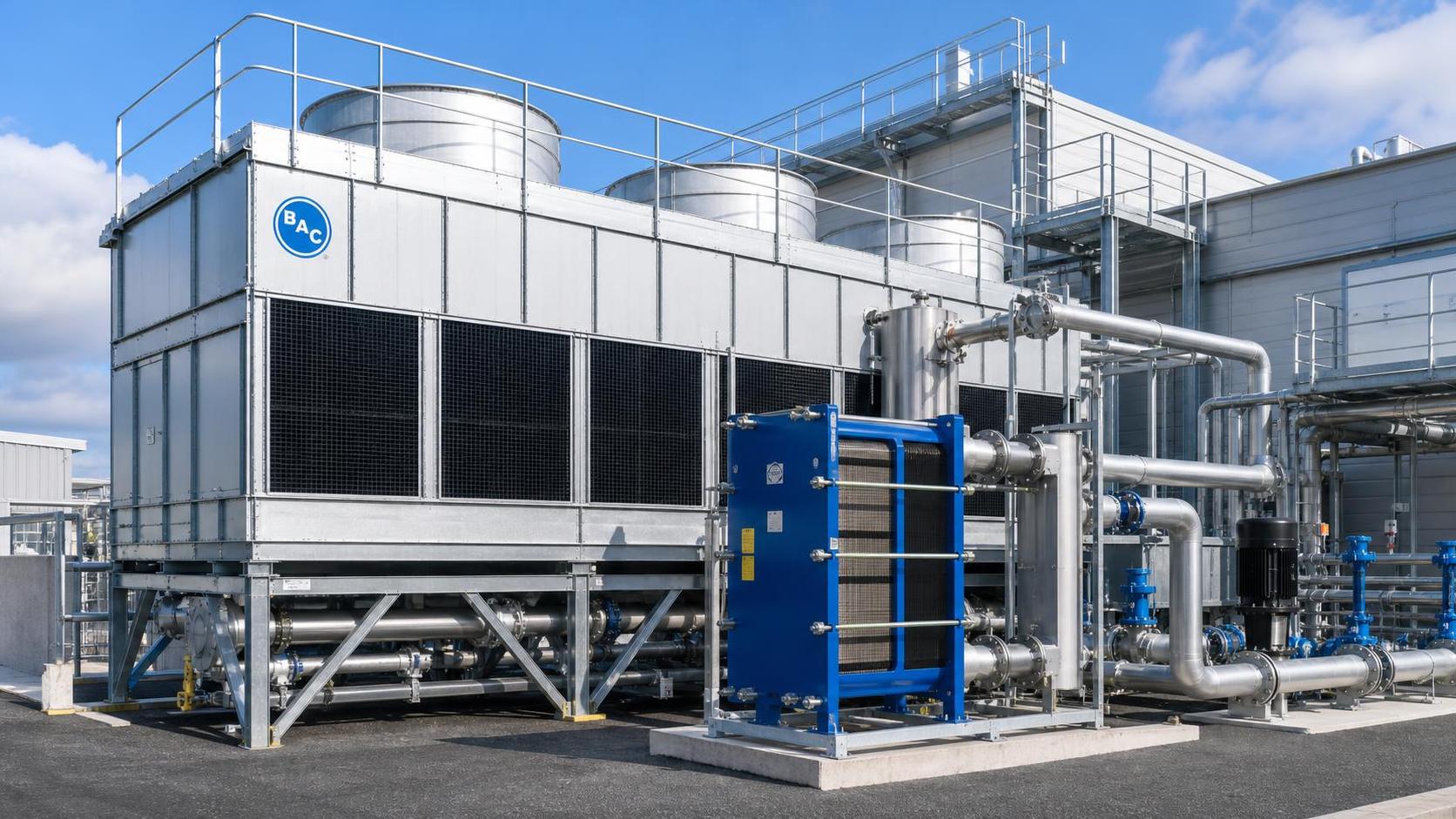
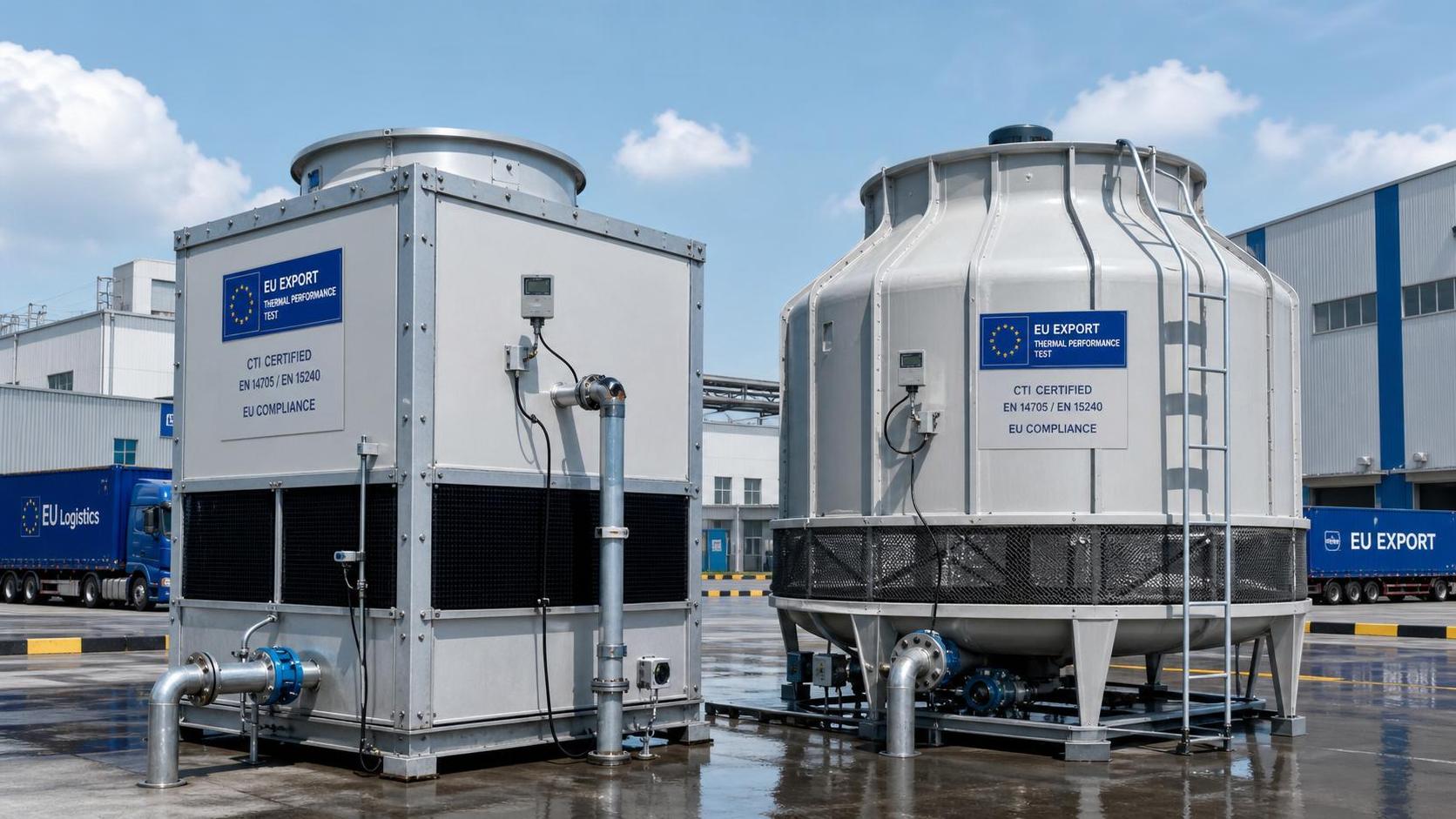
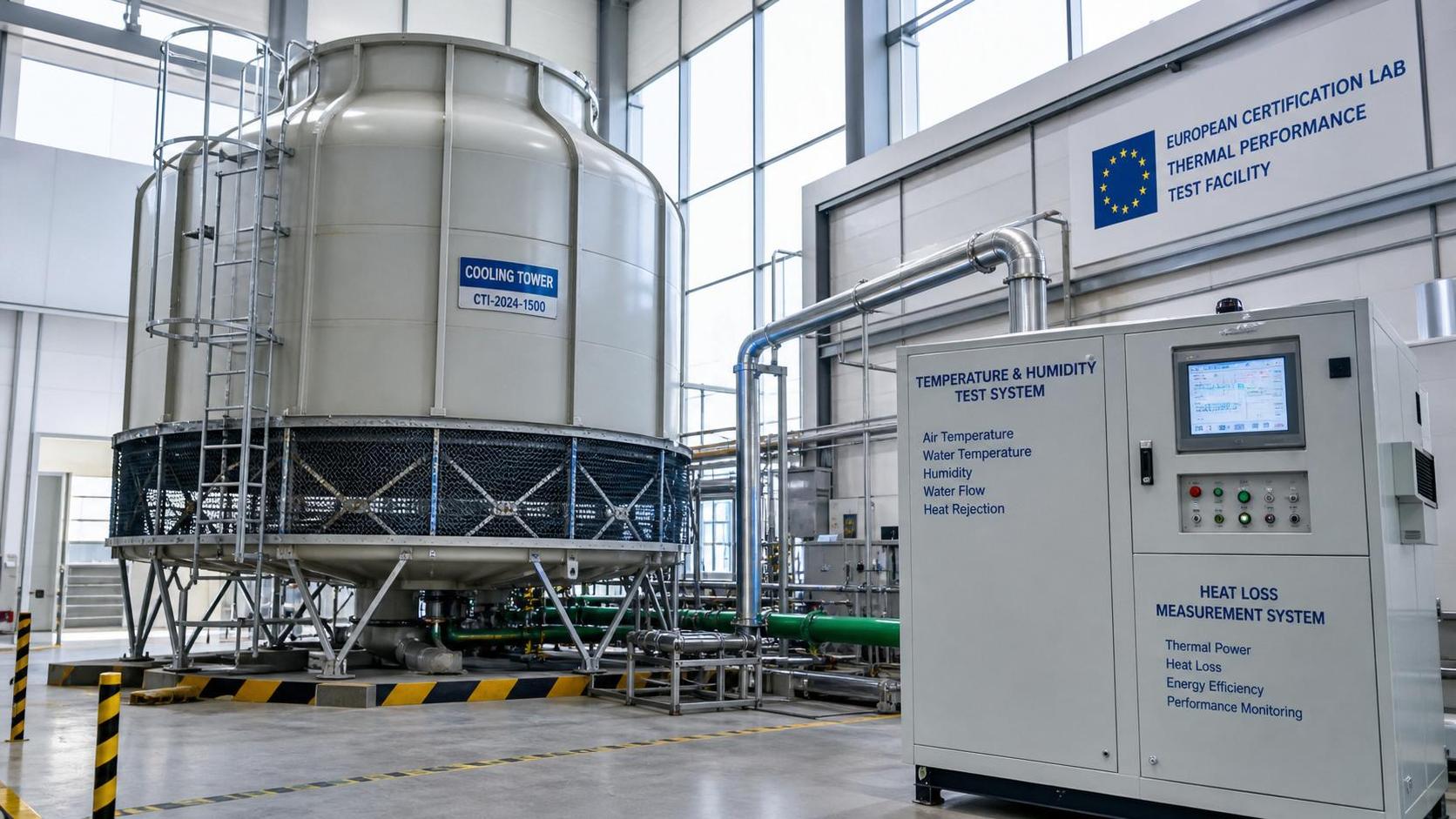
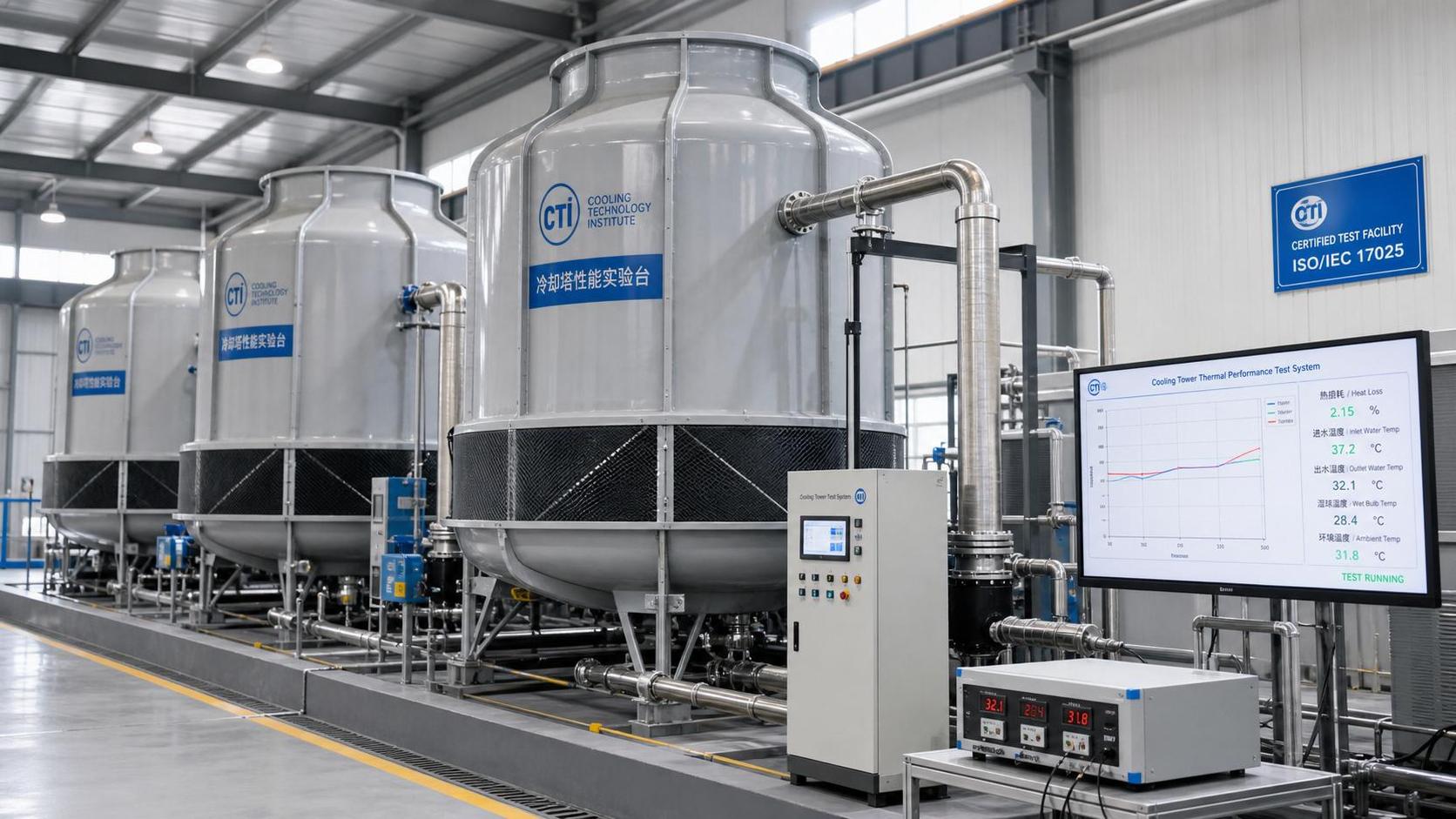
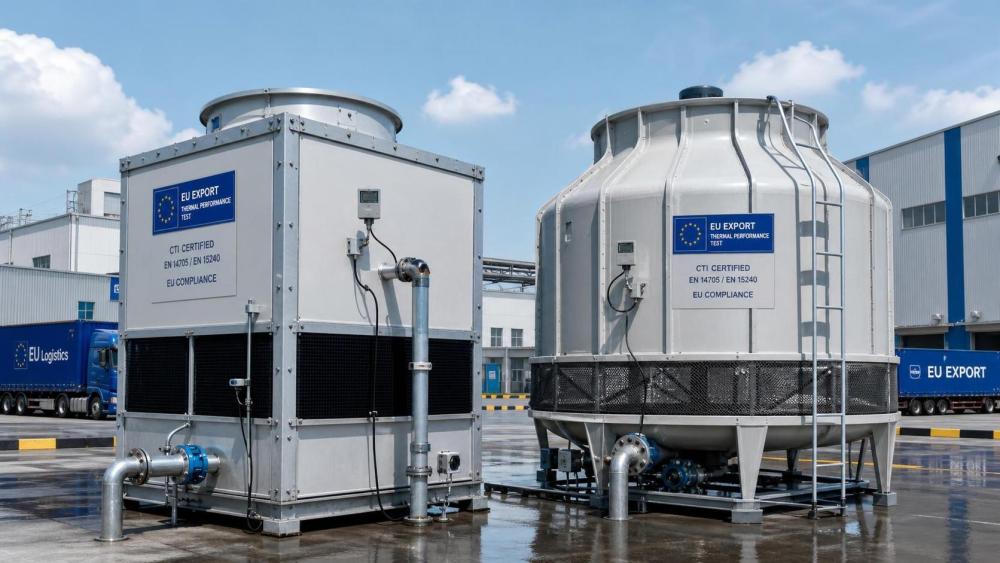
According to the provided information, VDE formally released the EN 13859-2:2026 update on June 25, 2026. The updated standard requires all cooling towers sold to the EU, including FRP round towers and closed-circuit towers, to provide measured heat-loss reports covering extreme temperature and humidity combinations such as 40°C and 85% RH.
The standard takes effect immediately, with a transition period of only 60 days. The provided information also states that products without the required certification will not be able to complete the CE conformity declaration, which directly affects customs clearance and final delivery.
Where the pressure is likely to appear first
Export-facing manufacturing programs
From an industry perspective, manufacturers that ship cooling towers to the EU are likely to feel the change first because the new requirement is tied to product testing evidence rather than general paperwork alone. The immediate concern is whether existing models, including FRP round towers and closed-circuit towers, already have measured heat-loss data that matches the newly required extreme hot-humid conditions.
Certification and technical file preparation
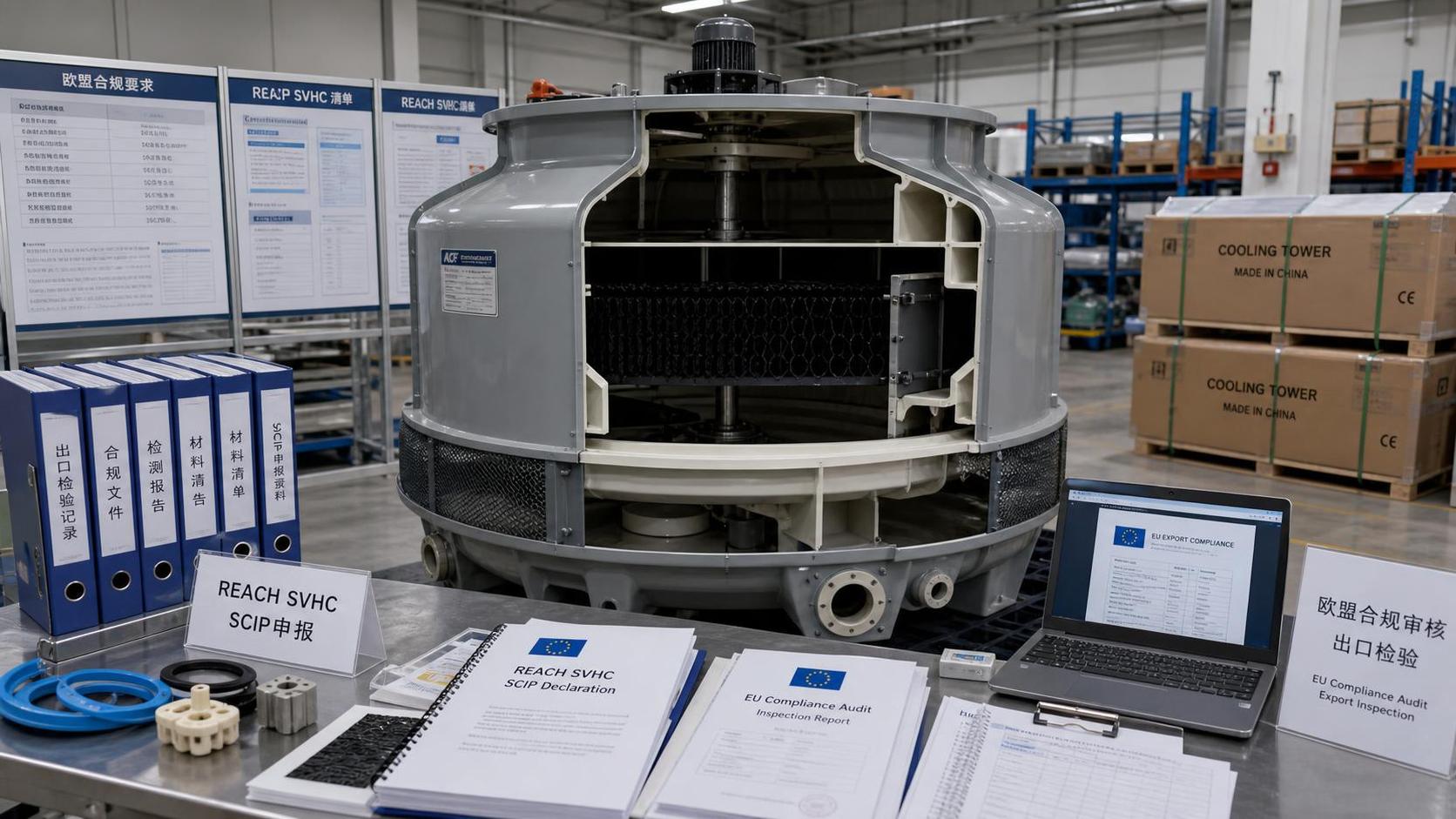
Analysis shows that certification-related workflows may become more time-sensitive because the rule change affects whether a CE conformity declaration can be completed. What deserves closer attention is the linkage between test reports, technical documentation, and the compliance file used for export and market entry.
Procurement and project delivery coordination
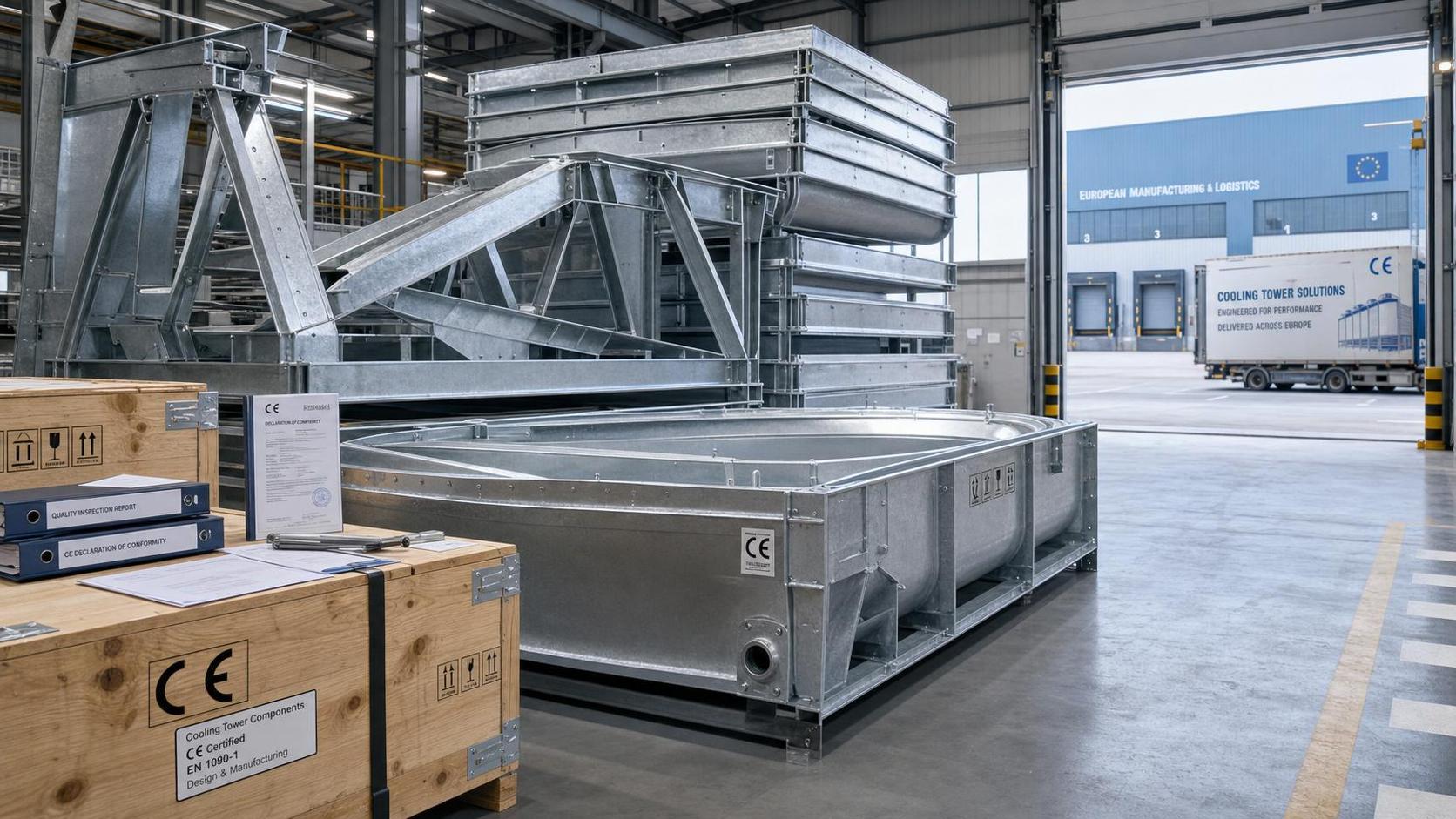
For buyers, distributors, and project delivery teams, the main exposure is not only product selection but also document readiness before shipment and handover. Observably, if a product cannot complete the required conformity process, delays may appear in customs handling, delivery scheduling, or acceptance planning even when the product itself is otherwise ready.
Testing and supply-chain support services
Testing service providers and supply-chain support parties may also be affected because demand may shift toward documentation updates, report preparation, and schedule coordination within a short transition window. It is more appropriate to understand this as pressure on compliance timing rather than a confirmed long-term market outcome.
What companies should review now
Check model coverage against the new test condition
Companies should closely review whether their existing product files include measured heat-loss results for the required extreme temperature and humidity combination. If current reports do not match the updated requirement, the compliance gap may affect export scheduling within the 60-day transition period.
Reconfirm CE-related document chains
Analysis shows that attention should focus on the document chain behind CE conformity work, especially the consistency between test reports, technical files, product specifications, and delivery documents. Where internal and external documentation are not aligned, trade and handover risks may rise.
Reassess orders already moving toward shipment
For orders approaching production completion, shipment, or customs processing, companies should examine whether the updated standard changes the documentation status of those units. The provided information does not specify detailed enforcement treatment for individual shipment stages, so this remains an area that requires careful follow-up rather than assumption.
Watch for execution language in bids and customer documents
What deserves closer attention is whether tenders, purchase specifications, and customer acceptance documents begin to reflect the updated testing requirement explicitly. Even where a transaction is commercially agreed, technical bid alignment and document acceptance may become practical checkpoints.
Why this reads as an execution signal
Observably, this development is not just a technical standard update in isolation. Because the provided information links the new testing requirement directly to CE conformity completion, customs clearance, and end delivery, it is more appropriate to understand this as an execution-level compliance signal for EU-bound cooling tower business.
At the same time, analysis shows that some aspects still require observation, including how certification practice, documentation review, and market-side acceptance language develop after the immediate effective date. The short transition period suggests urgency, but it does not by itself answer every operational question companies may face.
How the market is likely to read the change
From an industry perspective, the most rational reading is that EN 13859-2:2026 has moved the heat-loss test under extreme hot-humid operating conditions closer to a practical market-entry requirement for relevant cooling towers entering the EU. The immediate significance lies in compliance readiness and delivery continuity, not in broad claims about market restructuring.
It is more appropriate to understand this event as a rule already in force with direct trade and certification implications, while still recognizing that detailed execution language, customer-side adoption, and industry feedback need continued attention.
Basis of this article and points still to verify
This article is generated from the user-provided news title, event date, and event summary. For developments of this kind, commonly relevant source types may include official notices, regulator releases, trade or customs authority information, industry association updates, standards organization documents, and reporting by authoritative media.
No specific official source link was provided in the input, so the exact official publication path still requires further verification. Observably, the next points worth tracking include detailed implementation wording, certification execution practice, changes in tender and specification documents, market feedback, and how companies are handling compliance and delivery during the transition period.
Related News
- When does an industrial cooling radiator outperform a cooling tower?Author :Thermodynamics Analyst

- EU Cooling Tower Standard EN 13771:2026 Takes EffectAuthor :Thermodynamics Analyst

- EU REACH SVHC Update Triggers Cooling Tower DisclosureAuthor :Thermodynamics Analyst

- SASO Adds Bio-Durability Test for Cooling Tower FillAuthor :Thermodynamics Analyst

- EU REACH Update Bars Phthalates in Cooling Tower PVC FillAuthor :Thermodynamics Analyst

- EU Tightens CE Rules for Cooling Tower Steel PartsAuthor :Thermodynamics Analyst

- Shanghai-Rotterdam Cooling Tower Space TightensAuthor :Thermodynamics Analyst

- Hamburg Port Strike Delays Cooling Tower Parts ClearanceAuthor :Thermodynamics Analyst

- ASHRAE 188-2026 Makes Cooling Tower Microbial Control MandatoryAuthor :Thermodynamics Analyst

- India Enforces BIS IS 17842:2026 for Cooling TowersAuthor :Thermodynamics Analyst

- EU REACH Restricts Zinc Inhibitors in Cooling TowersAuthor :Thermodynamics Analyst

- TUV Rheinland Switches Cooling Tower Labels to IEC 61800-9-2Author :Thermodynamics Analyst

- EU REACH Rule Takes Effect for Cooling Tower CoatingsAuthor :Thermodynamics Analyst

- Vietnam to Require IoT Modules in Imported Cooling TowersAuthor :Thermodynamics Analyst

- How to Compare Industrial Cooling Equipment Dry Coolers for Year-Round EfficiencyAuthor :Thermodynamics Analyst

- SASO Tightens Cooling Tower Import Rules for 2027Author :Thermodynamics Analyst

- REACH SVHC Update Limits Copper Corrosion InhibitorsAuthor :Thermodynamics Analyst

- SASO Starts Cooling Tower Data Rule for CoCAuthor :Thermodynamics Analyst

- Saudi SASO Portal Adds Corrosion Data RuleAuthor :Thermodynamics Analyst

- SASO Adds Corrosion Report Rule for Cooling TowersAuthor :Thermodynamics Analyst

- RDHx Prices Rise as AI Demand Lifts Premium ModelsAuthor :Thermodynamics Analyst

- EU EN 13859-2:2026 Mandates Extreme Humidity Heat-Loss TestsAuthor :Thermodynamics Analyst

- VDE Tightens Cooling Tower Test ScopeAuthor :Thermodynamics Analyst

- SASO Tightens Cooling Tower Test Proof for SaberAuthor :Thermodynamics Analyst

- Saudi SABER Cooling Tower Rule Takes Effect EarlyAuthor :Thermodynamics Analyst

- EU Carbon Labels to Cover Cooling Tower ExportsAuthor :Thermodynamics Analyst

- Saudi SABER Cooling Tower Rule Takes Effect EarlyAuthor :Thermodynamics Analyst

- EU Carbon Label Rule Hits Cooling Tower ExportsAuthor :Thermodynamics Analyst

- Saudi SABER Cooling Tower Rule Adds EN 13859-2 TestAuthor :Thermodynamics Analyst

- Saudi SABER Tightens Cooling Tower Energy Report RulesAuthor :Thermodynamics Analyst

- Saudi SASO Tightens Cooling Tower Efficiency FilingAuthor :Thermodynamics Analyst

- Saudi SABER Tightens Cooling Tower Energy Report ChecksAuthor :Thermodynamics Analyst

- Thermal Management Problems That Cause Equipment DowntimeAuthor :Thermodynamics Analyst

- Saudi Rule Requires Local Certification for Imported Cooling TowersAuthor :Thermodynamics Analyst

- EU Law Tightens Cooling Imports for Data CentersAuthor :Thermodynamics Analyst

- India Extends FRP Duty Relief for Cooling TowersAuthor :Thermodynamics Analyst