EU REACH Restricts Zinc Inhibitors in Cooling Towers




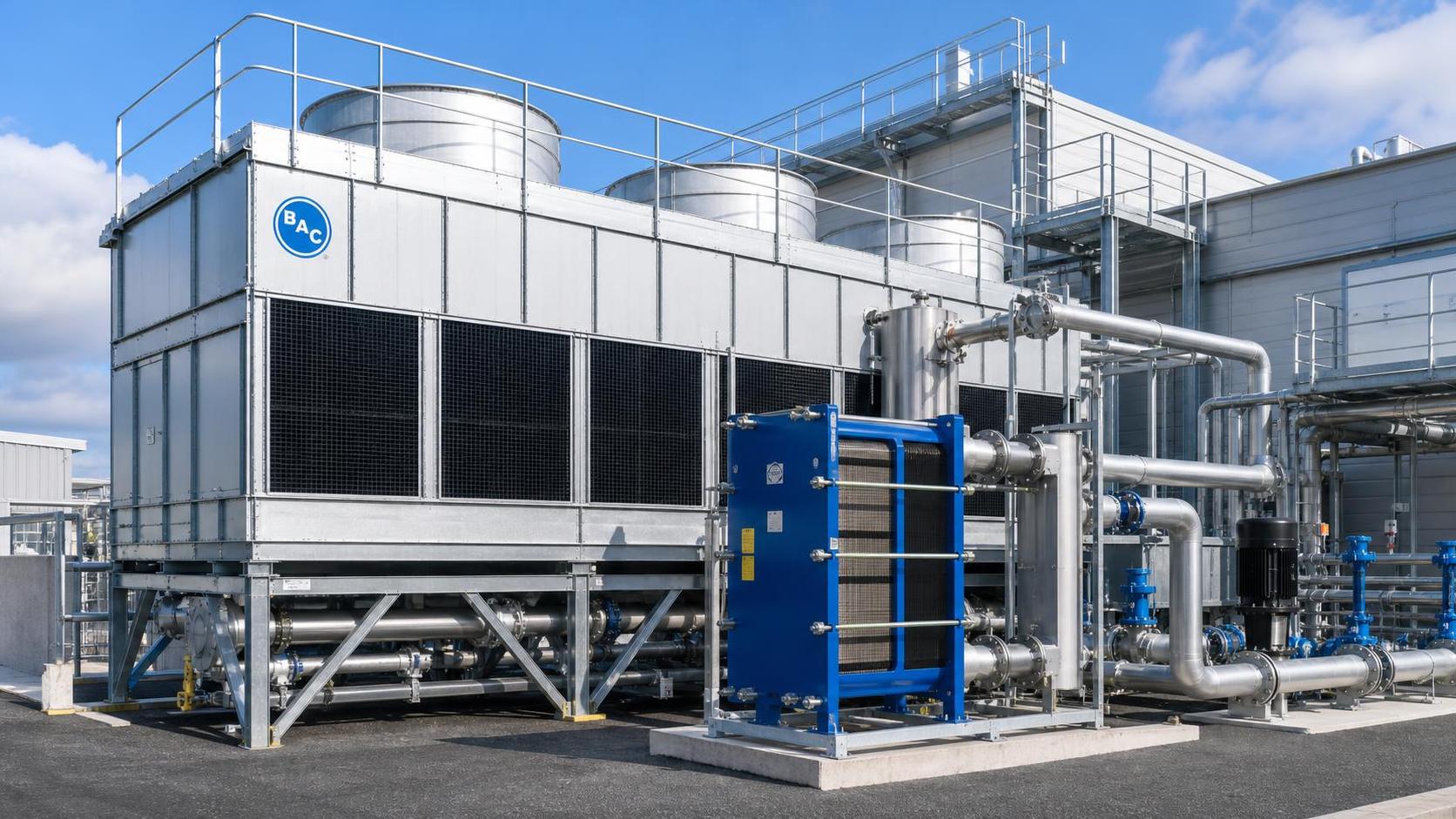
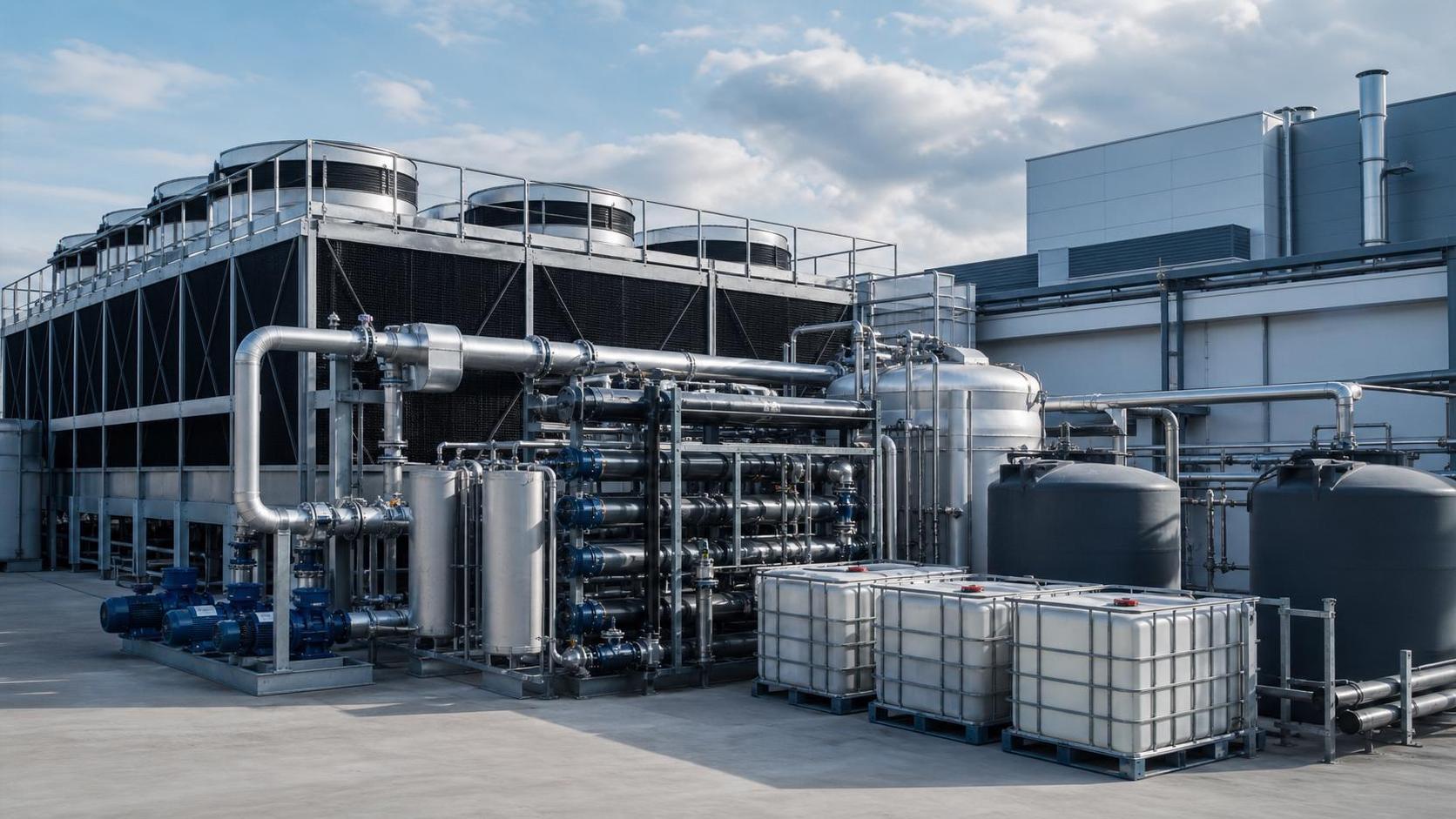
On October 1, 2026, a new EU REACH restriction takes effect for water treatment used in open cooling towers, after the European Commission formally adopted the amendment on July 5, 2026. The change puts zinc-based corrosion inhibitors such as ZnSO₄ under Annex XVII, entry 76, while leaving closed systems exempt. For cooling tower manufacturers, water treatment suppliers, procurement teams, and cross-border supply chain operators, the development matters because it links product formulation, equipment compatibility documentation, and purchasing decisions within the same compliance timeline.
What the New Restriction Covers
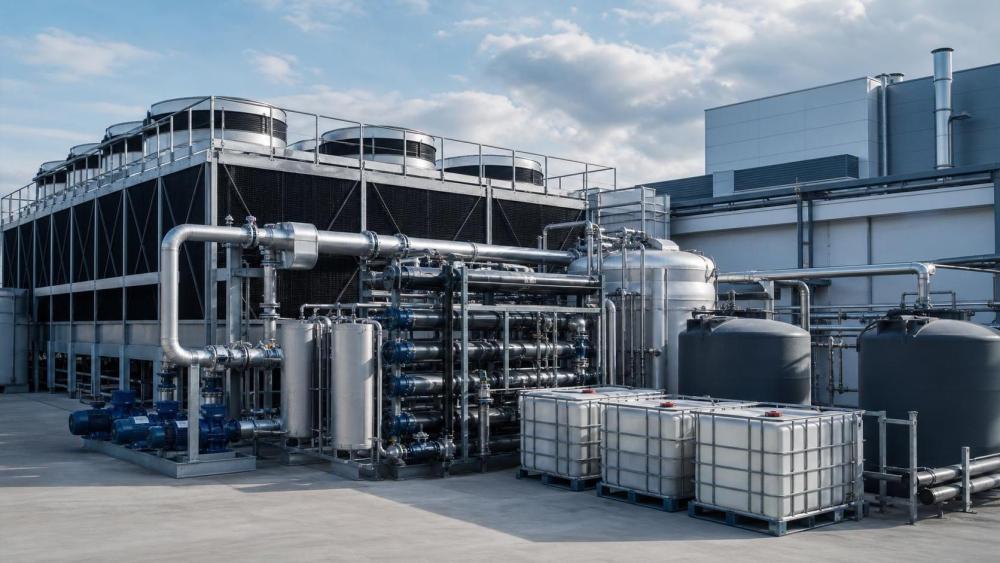
According to the information provided, the European Commission adopted a revision on July 5, 2026 that adds zinc-based corrosion inhibitors, including ZnSO₄, to REACH Annex XVII entry 76 for open cooling tower water treatment systems. The restriction becomes effective on October 1, 2026. The new rule does not apply to closed systems. It also requires all cooling tower manufacturers to provide statements on material compatibility.
Where the Pressure Will Be Felt First
Formulation and water treatment suppliers
From an industry perspective, suppliers of corrosion inhibitors and related water treatment products may be affected first because the restriction directly targets the use of zinc-based chemistry in open cooling tower systems. The main impact is likely to appear in product portfolios, customer specifications, and order planning for EU-related business. What deserves closer attention is how quickly demand shifts toward zinc-free alternatives.
Cooling tower manufacturers and equipment providers
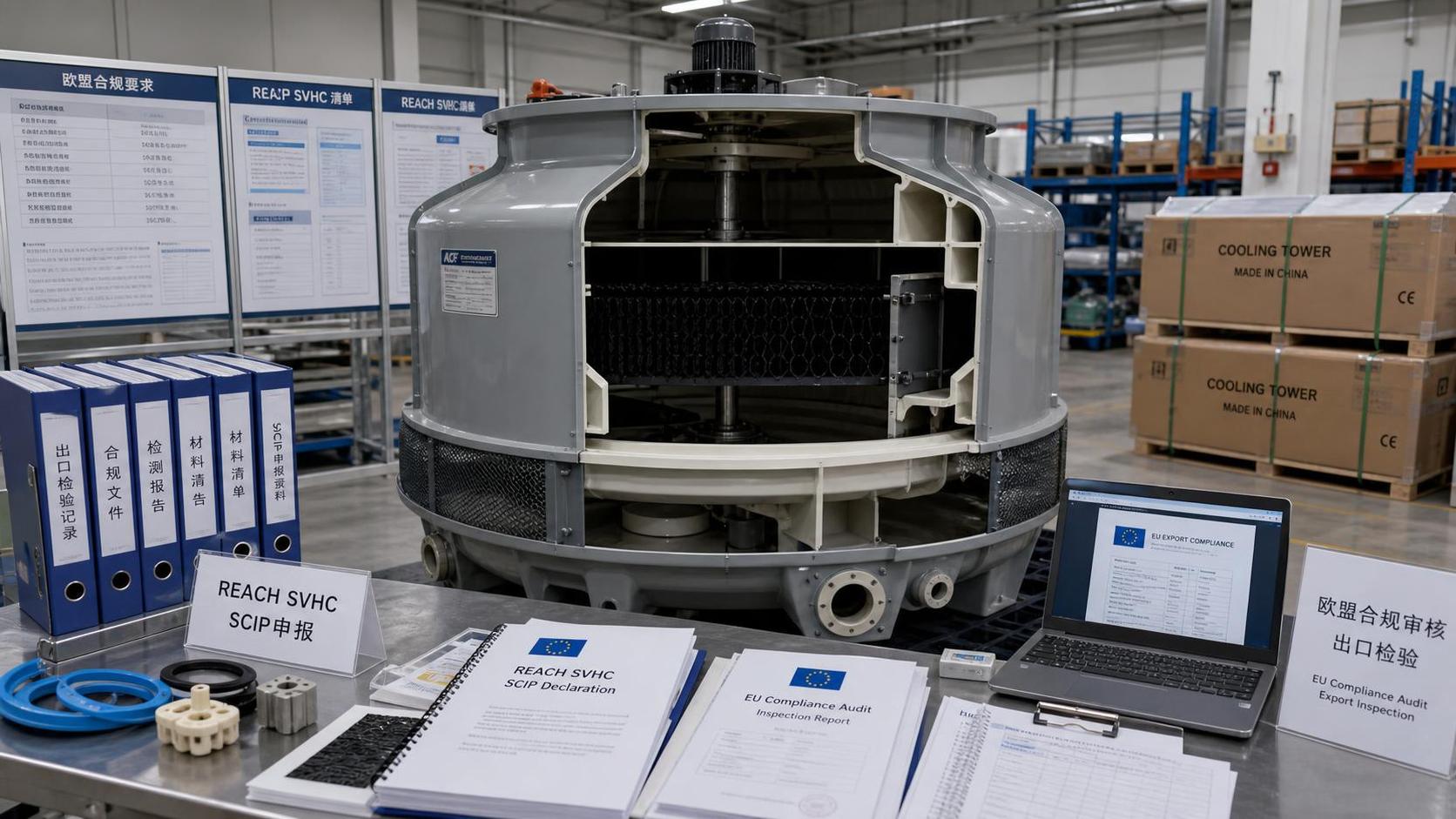
Manufacturers are drawn into the regulatory change through the requirement to provide material compatibility statements. Analysis shows that this is not only a chemical compliance issue but also a documentation and equipment interface issue. The practical impact may fall on technical files, customer support, bid materials, and communication with system operators that need confirmation of compatible treatment programs.
Procurement and supply chain teams
Procurement functions may be affected because the restriction can alter approved product lists and sourcing priorities for open cooling tower operations tied to the EU market. Observably, the pressure point is not limited to buying replacement chemistry; it also includes checking whether suppliers can support the required documentation, delivery timing, and formulation transition without disrupting ongoing contracts or maintenance schedules.
Operators and service-side buyers
For buyers and service providers managing cooling tower treatment programs, the change may affect product selection and supplier coordination. The immediate concern is whether current treatment chemicals for open systems fall within the restricted scope and whether an alternative program can be aligned with equipment material requirements stated by the manufacturer.
What Companies Should Track Now
Separate open and closed system exposure clearly
The exemption for closed systems makes system classification a practical compliance issue. Companies involved in sales, specification, or purchasing should pay close attention to whether a project is treated as an open or closed system in internal records, customer communication, and procurement documents.
Check compatibility paperwork, not only chemistry
The requirement for material compatibility statements means the compliance task extends beyond replacing zinc-based inhibitors. What deserves closer attention is whether technical and commercial teams have a clear path to obtain, review, and pass along compatibility documentation from cooling tower manufacturers where needed.
Prepare for sourcing shifts in zinc-free alternatives
Analysis shows that expected growth in demand for zinc-free formulations could affect sourcing strategy and supplier discussions. Companies should focus on whether existing suppliers can support the transition, whether product substitution affects lead times, and whether customer-facing commitments need adjustment during the changeover period.
Watch for the difference between rule text and business execution
Although the effective date is clear, practical implementation often depends on how companies translate the rule into contracts, specifications, and operating procedures. Observably, businesses should keep following official wording and any related compliance communication because the operational burden may fall unevenly across documentation, supply planning, and customer approval cycles.
Why This Looks Like More Than a Short-Term Adjustment
Analysis shows that the restriction should be read as both an immediate compliance event and a longer-term signal for cooling tower water treatment. The confirmed fact is limited to the ban on zinc-based corrosion inhibitors in open systems, the exemption for closed systems, and the requirement for material compatibility statements. It is more appropriate to understand the broader market effects, including the pace of substitution and procurement reshaping, as an industry response that is beginning to form rather than a fully settled outcome.
How to Read the Development at This Stage
At this stage, the development is best understood as a concrete regulatory change with direct consequences for open cooling tower treatment in the EU and with likely knock-on effects for documentation and sourcing across the supply chain. It should not be treated as a generalized ban across all cooling water systems, because closed systems remain exempt. From an industry perspective, the most useful reading is that compliance, compatibility, and procurement now need to be managed together.
Basis of This Article and What Still Needs Verification
This article is based on the user-provided news title, event date, and event summary. For this type of development, source categories commonly reviewed include official notices, company statements, industry association updates, authoritative media coverage, and standards-related documents. A specific official source link was not provided in the input, so the exact official publication path still needs ongoing verification. What deserves continued attention is any further official wording, implementation clarification, and market-side response related to zinc-free alternatives and compatibility documentation.
Ready when you are. Send us a message to get started.
Related News
- Kentucky Regulators Approve $191 Million Cooling Tower at Mitchell Coal PlantAuthor :Thermodynamics Analyst

- Cooling Tower Market Trends Reshaping Replacement Plans and Capital BudgetsAuthor :Thermodynamics Analyst

- Field-Erected Cooling Tower Market: Why Utility Projects Favor Custom DesignsAuthor :Thermodynamics Analyst

- Evaporative Cooling Tower Market Outlook: Demand Drivers, Risks, and Growth AreasAuthor :Thermodynamics Analyst

- When does an industrial cooling radiator outperform a cooling tower?Author :Thermodynamics Analyst

- EU Cooling Tower Standard EN 13771:2026 Takes EffectAuthor :Thermodynamics Analyst

- EU REACH SVHC Update Triggers Cooling Tower DisclosureAuthor :Thermodynamics Analyst

- SASO Adds Bio-Durability Test for Cooling Tower FillAuthor :Thermodynamics Analyst

- EU REACH Update Bars Phthalates in Cooling Tower PVC FillAuthor :Thermodynamics Analyst

- EU Tightens CE Rules for Cooling Tower Steel PartsAuthor :Thermodynamics Analyst

- Shanghai-Rotterdam Cooling Tower Space TightensAuthor :Thermodynamics Analyst

- Hamburg Port Strike Delays Cooling Tower Parts ClearanceAuthor :Thermodynamics Analyst

- ASHRAE 188-2026 Makes Cooling Tower Microbial Control MandatoryAuthor :Thermodynamics Analyst

- India Enforces BIS IS 17842:2026 for Cooling TowersAuthor :Thermodynamics Analyst

- EU REACH Restricts Zinc Inhibitors in Cooling TowersAuthor :Thermodynamics Analyst

- TUV Rheinland Switches Cooling Tower Labels to IEC 61800-9-2Author :Thermodynamics Analyst

- EU REACH Rule Takes Effect for Cooling Tower CoatingsAuthor :Thermodynamics Analyst

- Vietnam to Require IoT Modules in Imported Cooling TowersAuthor :Thermodynamics Analyst

- How to Compare Industrial Cooling Equipment Dry Coolers for Year-Round EfficiencyAuthor :Thermodynamics Analyst

- SASO Tightens Cooling Tower Import Rules for 2027Author :Thermodynamics Analyst

- REACH SVHC Update Limits Copper Corrosion InhibitorsAuthor :Thermodynamics Analyst

- SASO Starts Cooling Tower Data Rule for CoCAuthor :Thermodynamics Analyst

- Saudi SASO Portal Adds Corrosion Data RuleAuthor :Thermodynamics Analyst

- SASO Adds Corrosion Report Rule for Cooling TowersAuthor :Thermodynamics Analyst

- RDHx Prices Rise as AI Demand Lifts Premium ModelsAuthor :Thermodynamics Analyst

- EU EN 13859-2:2026 Mandates Extreme Humidity Heat-Loss TestsAuthor :Thermodynamics Analyst

- VDE Tightens Cooling Tower Test ScopeAuthor :Thermodynamics Analyst

- SASO Tightens Cooling Tower Test Proof for SaberAuthor :Thermodynamics Analyst

- Saudi SABER Cooling Tower Rule Takes Effect EarlyAuthor :Thermodynamics Analyst

- EU Carbon Labels to Cover Cooling Tower ExportsAuthor :Thermodynamics Analyst

- Saudi SABER Cooling Tower Rule Takes Effect EarlyAuthor :Thermodynamics Analyst

- EU Carbon Label Rule Hits Cooling Tower ExportsAuthor :Thermodynamics Analyst

- Saudi SABER Cooling Tower Rule Adds EN 13859-2 TestAuthor :Thermodynamics Analyst

- Saudi SABER Tightens Cooling Tower Energy Report RulesAuthor :Thermodynamics Analyst

- Saudi SASO Tightens Cooling Tower Efficiency FilingAuthor :Thermodynamics Analyst

- Saudi SABER Tightens Cooling Tower Energy Report ChecksAuthor :Thermodynamics Analyst