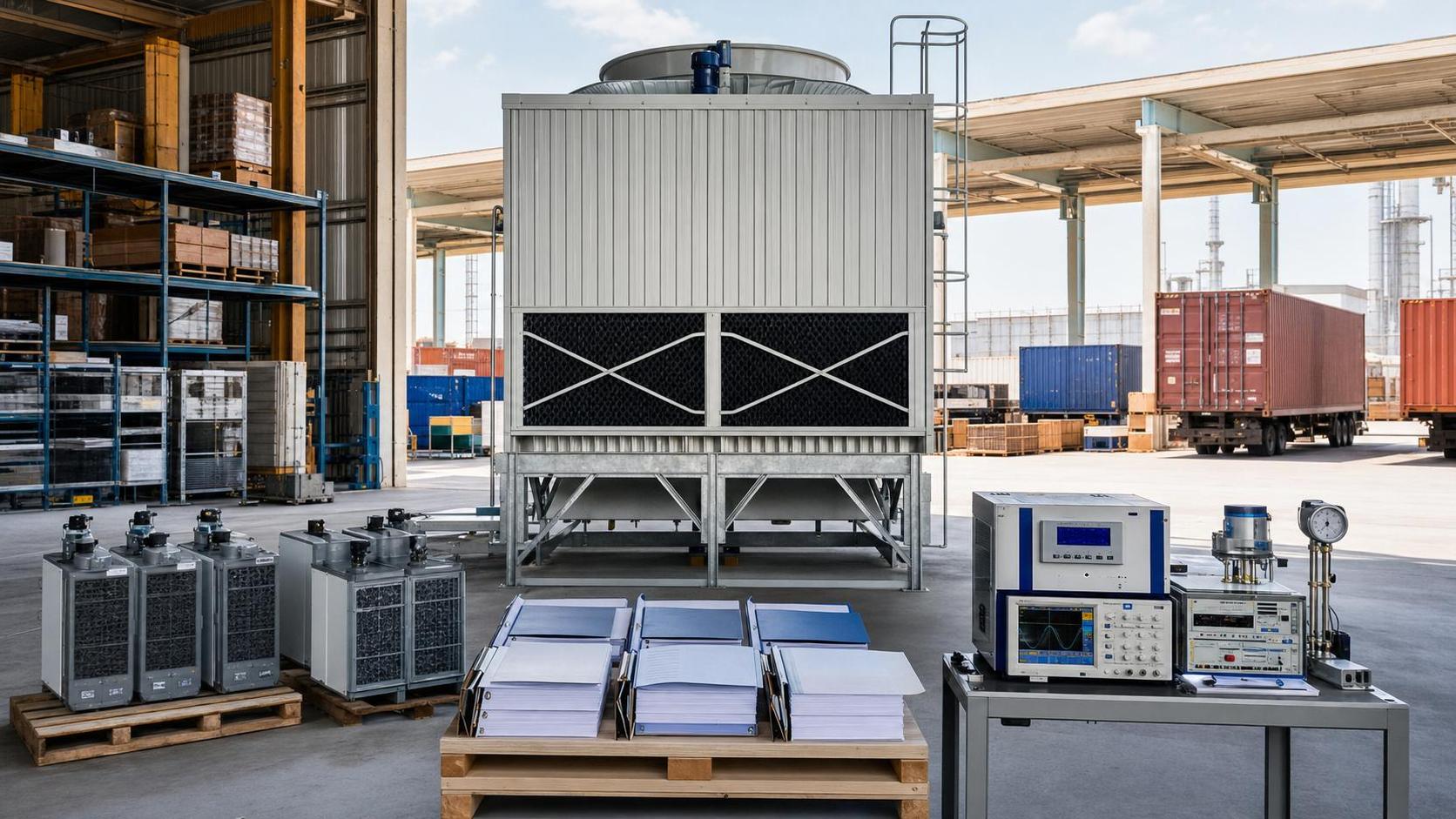
ASHRAE 188-2026 Makes Cooling Tower Microbial Control Mandatory




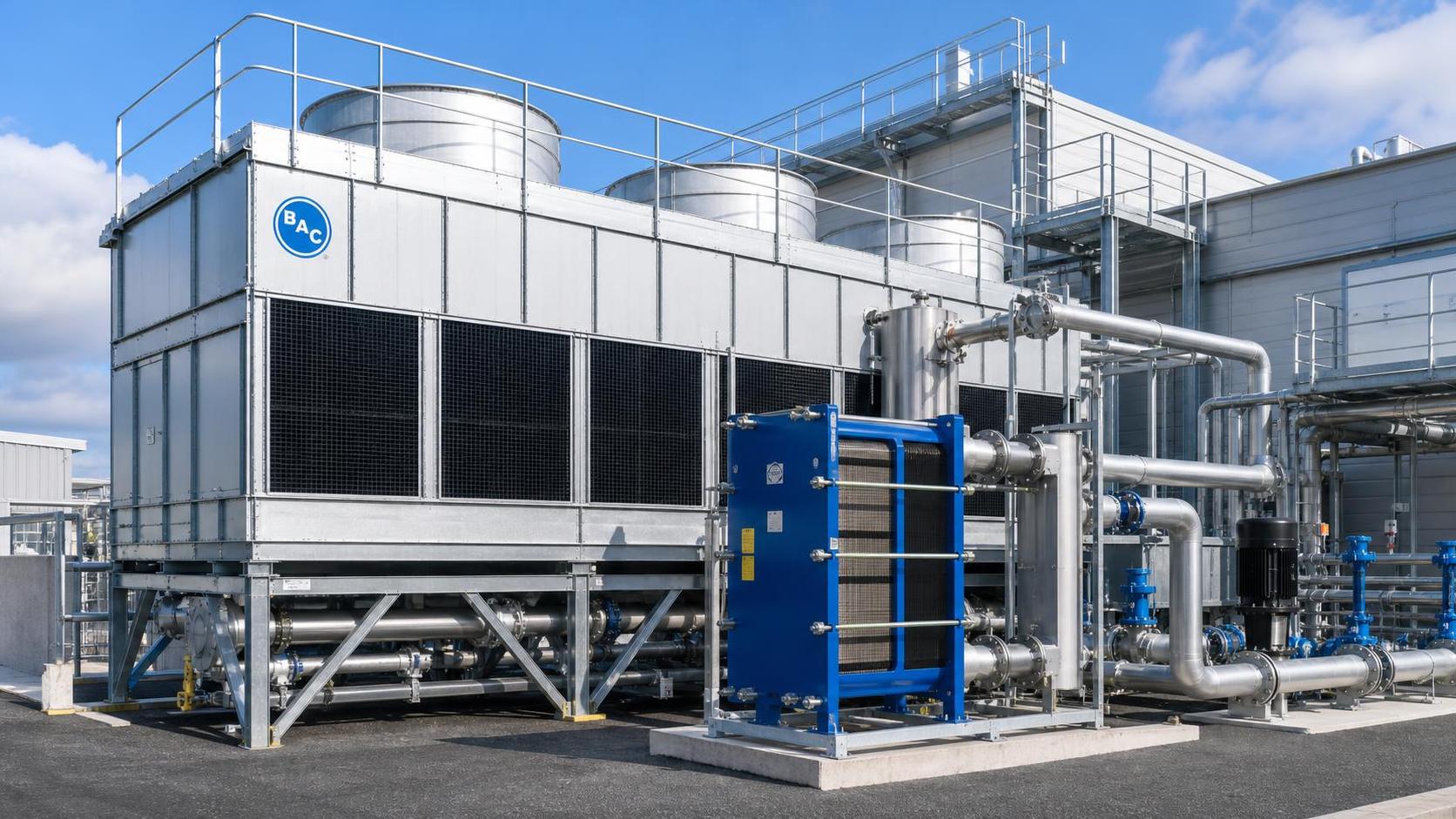
On October 1, 2026, the revised ANSI/ASHRAE Standard 188-2026 takes effect for new and retrofit cooling tower projects, turning Legionella risk assessment and real-time monitoring from a recommended practice into a mandatory design and operations requirement. For equipment makers, exporters, project bidders, buyers, and service providers involved in cooling tower delivery, this is worth close attention because the change reaches beyond technical design and into procurement specifications, compliance documents, interface compatibility, and cross-border shipment readiness.
What the revised standard now requires
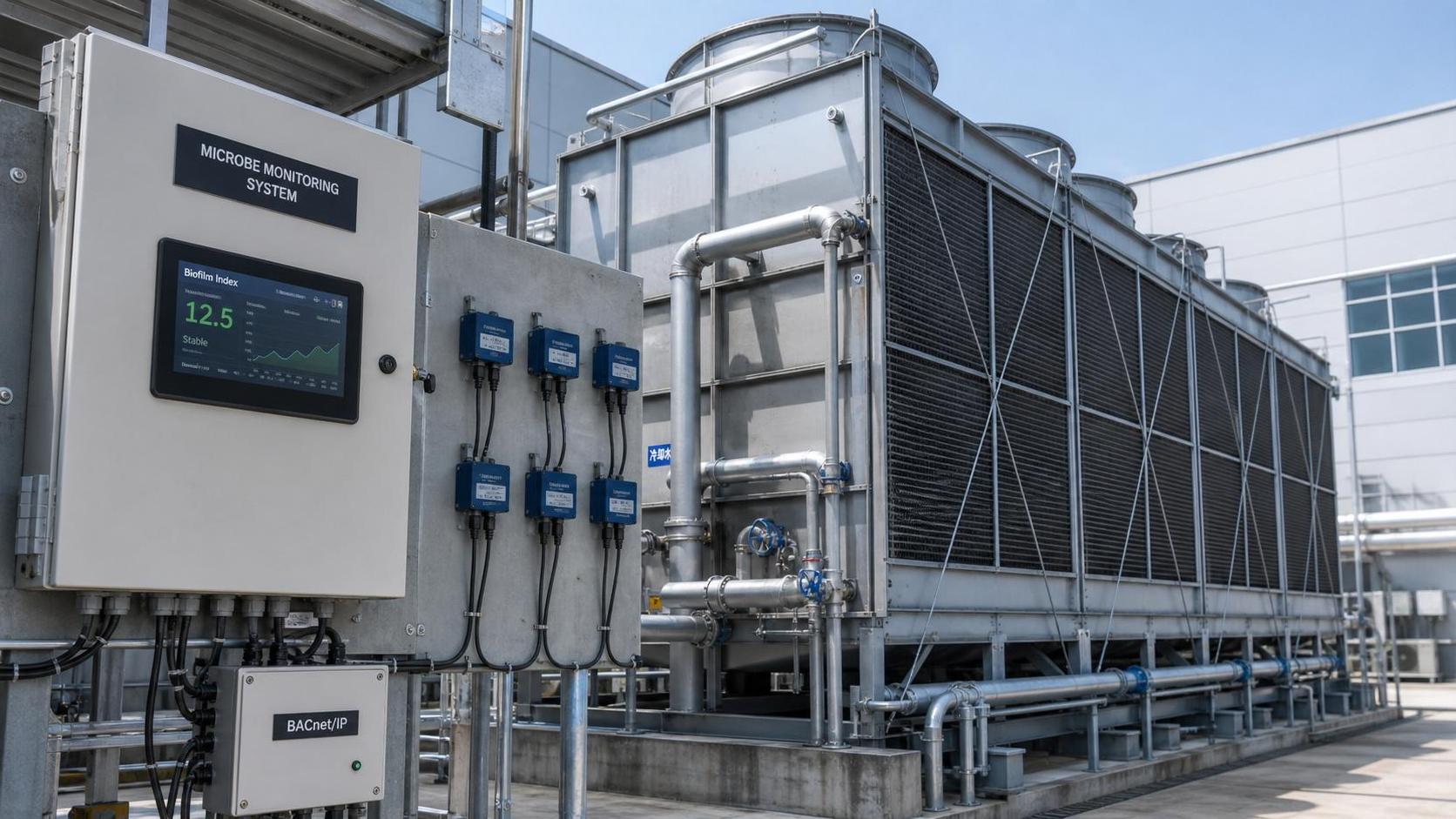
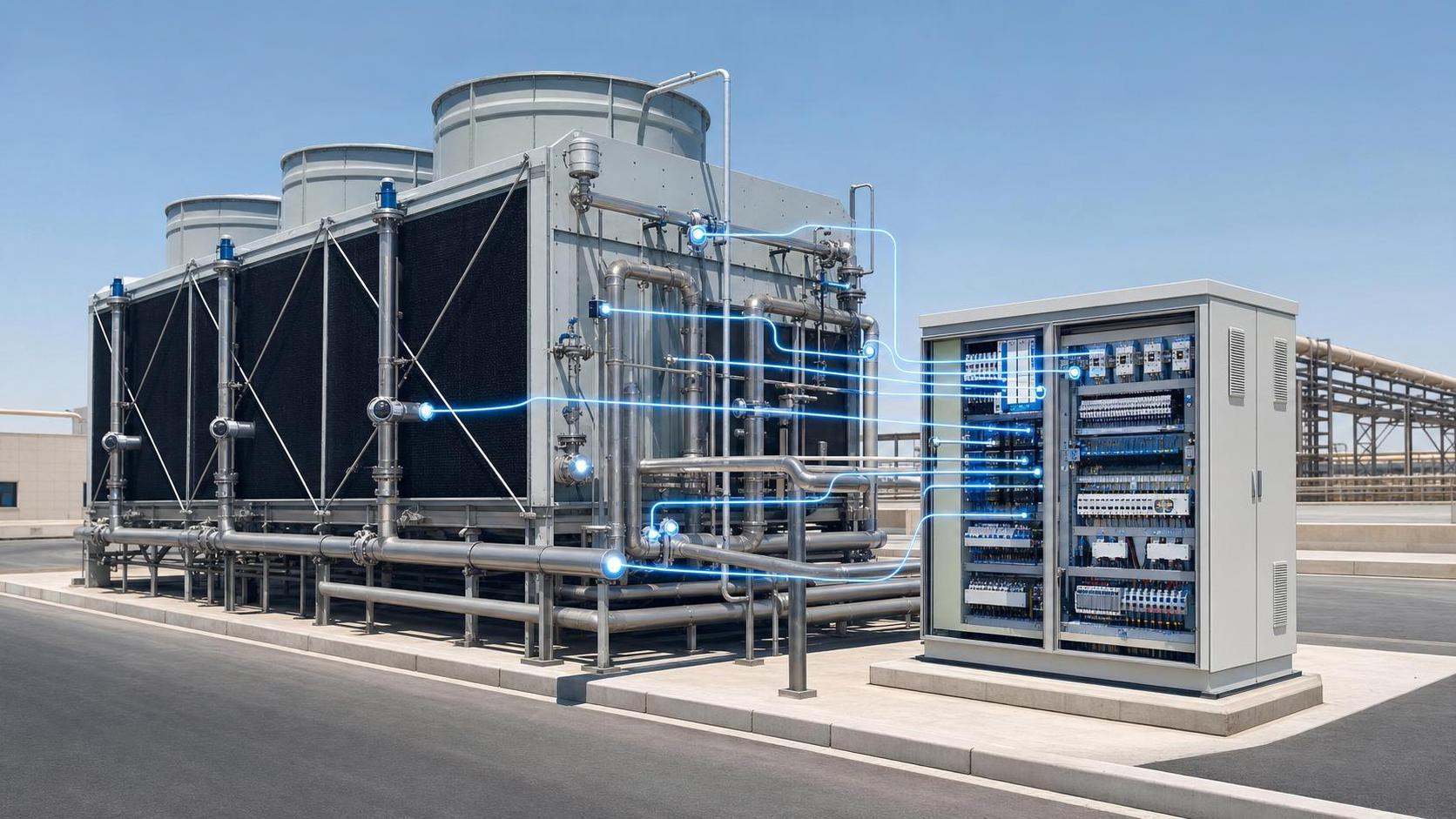
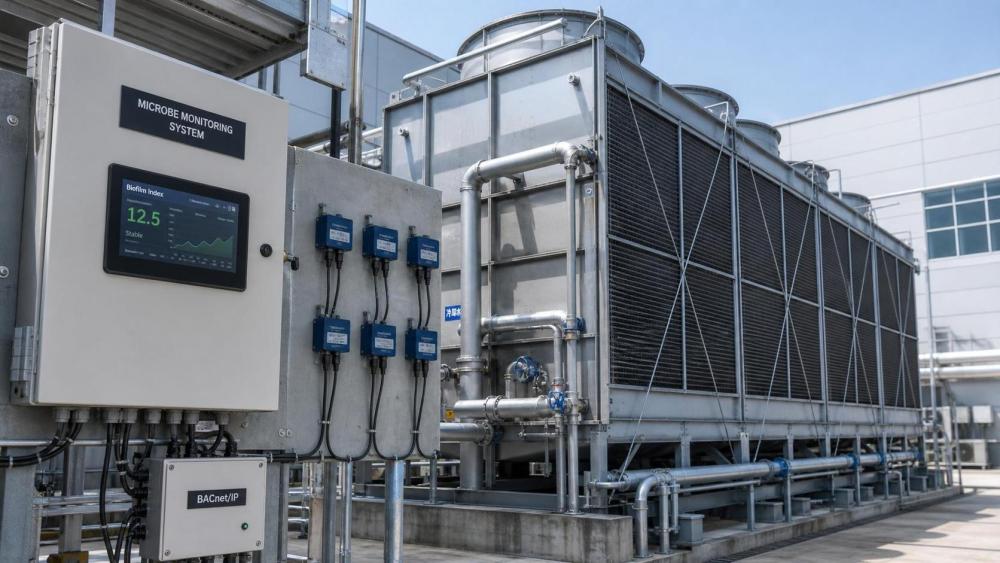
ASHRAE formally released ANSI/ASHRAE Standard 188-2026 on July 7, 2026. According to the provided event summary, the revised standard brings Legionella risk assessment and real-time monitoring systems for cooling towers into mandatory design and operation requirements. The new rule applies to all new-build and retrofit projects and becomes effective on October 1, 2026. The same summary also states that Chinese cooling tower manufacturers exporting to the market concerned must ensure control-system compatibility with BACnet/IP and provide proof for FDA-grade biofilm-inhibiting materials.
Where the commercial and compliance pressure is likely to appear
Specification alignment will matter earlier in project bidding
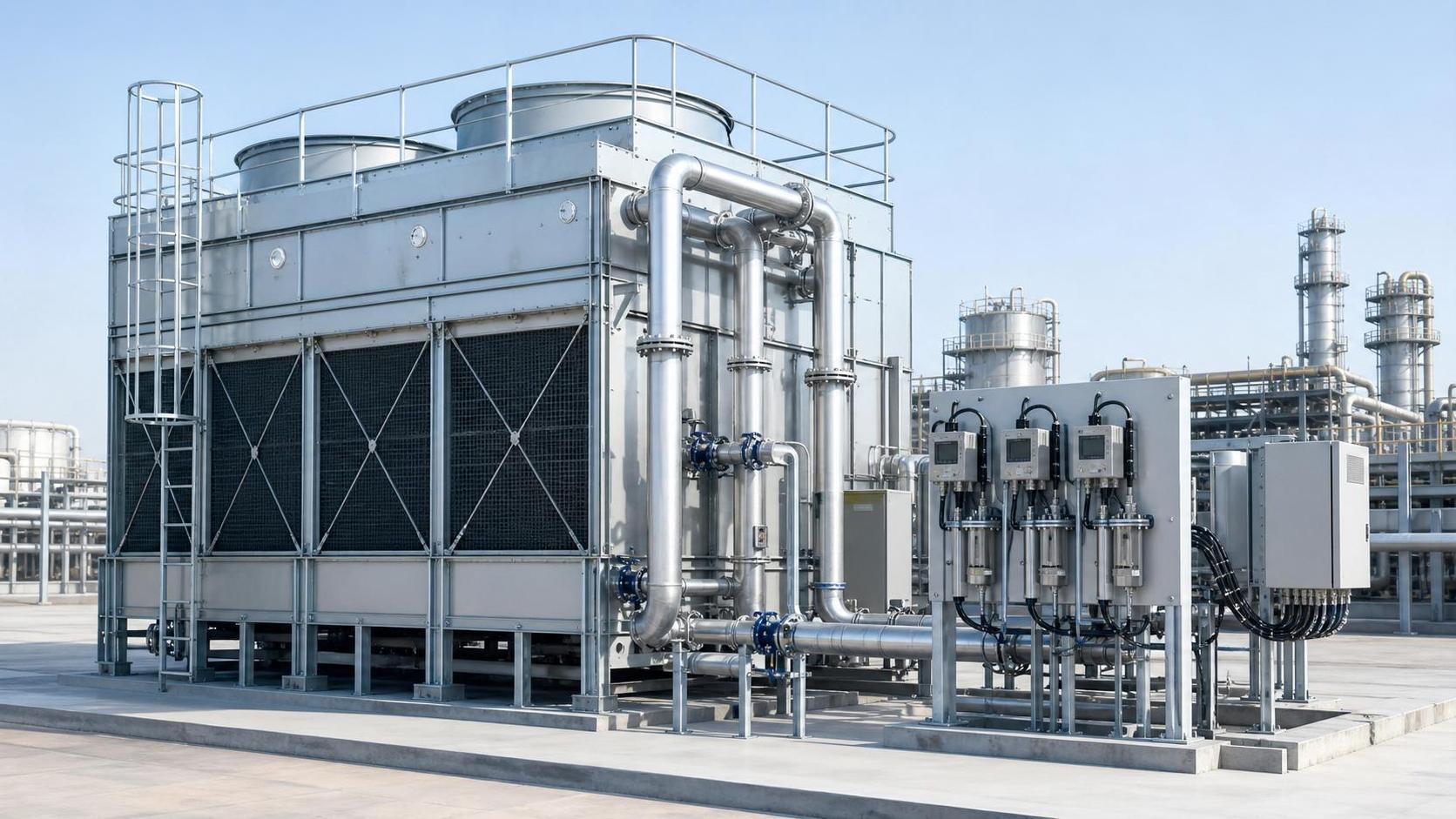
From an industry perspective, manufacturers and export-oriented suppliers may be affected first at the technical bid and specification review stage. Because the revised rule makes microbial risk control a mandatory part of design and operations, buyers and project teams are likely to focus more closely on whether a cooling tower package can support the required monitoring approach and whether the control system can align with BACnet/IP expectations stated in the event summary. In practice, the affected business links may include pre-sales documentation, bid clarification, contract attachments, and design-submittal packages.
Procurement teams may need tighter document checks
For buyers and procurement intermediaries, the main impact is likely to fall on document review and supplier qualification. Analysis shows that once a rule change becomes effective for new and retrofit projects, purchasing decisions may rely more heavily on technical conformity statements, material proof, and interface-related documents. What deserves closer attention is whether suppliers can present the required FDA-grade biofilm suppression material proof in a form acceptable to project counterparties, since missing or unclear paperwork can delay supplier approval or project handover.
Export delivery may depend on control and material evidence
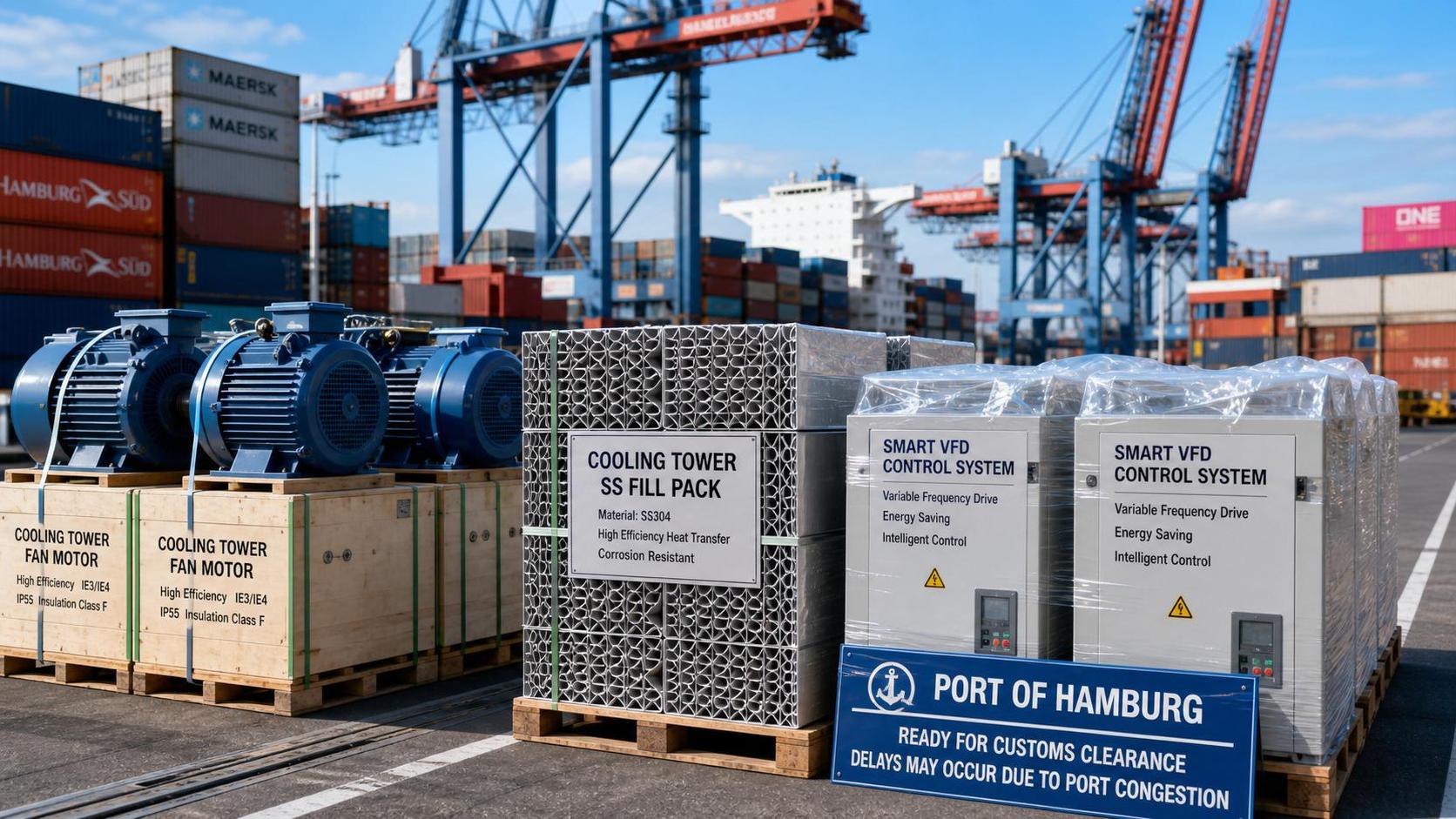
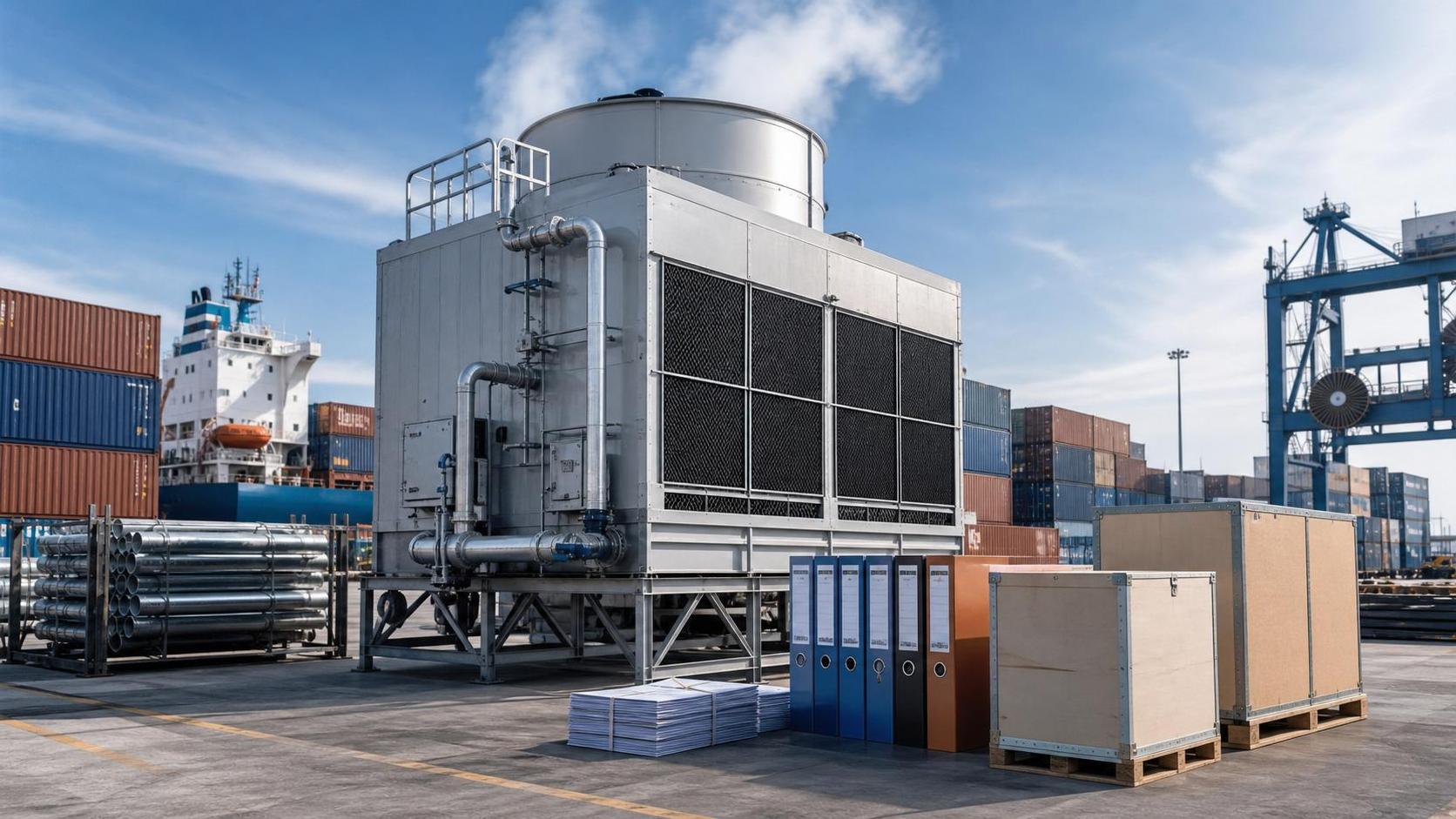
For exporters and supply chain service providers, the rule change may affect shipment preparation, compliance communication, and after-sales support planning. The event summary points to two concrete areas that may shape export readiness: BACnet/IP compatibility and proof related to FDA-grade biofilm-inhibiting materials. Observably, this means delivery risk may no longer sit only in the mechanical equipment itself, but also in controls integration records, product documentation, and traceable supporting files presented before or during project execution.
Service and retrofit work may face a narrower margin for omission
Retrofit contractors and after-sales service providers may also be affected because the effective scope explicitly includes renovation projects. Analysis shows that projects involving upgrades, replacements, or system modifications may need closer review of whether monitoring functions and microbial risk control expectations are reflected in the delivered scope. The pressure point here is less about broad market change and more about whether legacy project assumptions still match the revised compliance baseline after October 1, 2026.
Practical points companies should review now
Check whether current product files support BACnet/IP claims
Companies involved in export sales should review whether their current control-system descriptions, interface documents, and technical submissions clearly support BACnet/IP compatibility where required by customers or tenders. If the existing file set is vague, the risk may appear during bid review, design approval, or commissioning preparation rather than at the manufacturing stage.
Prepare material proof in a project-usable format
What deserves closer attention is not only whether a supplier has internal material evidence, but whether the proof for FDA-grade biofilm-inhibiting materials can be presented in a form usable for customer review, procurement filing, or project documentation. The provided information does not define the exact acceptance format, so companies should treat documentation readiness as a point for continued verification rather than assume one file set will satisfy every counterparty.
Review retrofit exposure in active order pipelines
Because the revised standard applies to both new-build and retrofit projects, firms with ongoing quotations, pending orders, or design revisions should examine whether any projects crossing the October 1, 2026 effective date may require updated technical scope, revised submittals, or additional compliance communication. This is especially relevant where project delivery depends on previously approved specifications that may not yet reflect the new mandatory framing.
Watch for downstream changes in tender language and acceptance practice
The event summary confirms the rule change and effective date, but it does not provide detailed enforcement wording for every procurement or project pathway. For that reason, companies should continue monitoring how customers, specifiers, and project documents describe monitoring obligations, controls compatibility, and material proof requirements in actual tender and acceptance workflows.
How this change is best understood at this stage
Analysis shows that this development is better understood as an implemented compliance signal rather than a distant policy discussion, because the revised standard has been formally released and an effective date has been specified. At the same time, it should not yet be treated as a fully settled picture of market execution in every transaction or project scenario. Observably, the most important follow-up questions now sit in execution details: how procurement teams phrase requirements, how project documents verify BACnet/IP compatibility, how proof for biofilm-related materials is requested, and how retrofit scopes are interpreted in practice.
What the industry can reasonably conclude now
At this point, the revised ANSI/ASHRAE Standard 188-2026 signals a firmer compliance baseline for cooling tower microbial control, with implications that extend into design review, export documentation, procurement screening, and retrofit delivery. A neutral reading is that the change has already crossed from standards language into practical market requirements, but the exact execution path still deserves close observation through project documents, customer requirements, and acceptance practice.
Basis of this article and what still needs verification
This article is generated based on the user-provided news title, event date, and event summary. For developments of this kind, relevant source categories usually include official announcements, regulator publications, trade or customs authority information, industry association releases, standards organization documents, and reporting by authoritative media. A specific official source link was not provided in the input, so continued verification is still necessary. What remains worth monitoring includes detailed implementation language, certification or documentation expectations, tender wording changes, industry feedback, and how companies actually execute the requirement in delivery and after-sales practice.
Ready when you are. Send us a message to get started.
Related News
- Kentucky Regulators Approve $191 Million Cooling Tower at Mitchell Coal PlantAuthor :Thermodynamics Analyst

- Cooling Tower Market Trends Reshaping Replacement Plans and Capital BudgetsAuthor :Thermodynamics Analyst

- Field-Erected Cooling Tower Market: Why Utility Projects Favor Custom DesignsAuthor :Thermodynamics Analyst

- Evaporative Cooling Tower Market Outlook: Demand Drivers, Risks, and Growth AreasAuthor :Thermodynamics Analyst

- When does an industrial cooling radiator outperform a cooling tower?Author :Thermodynamics Analyst

- EU Cooling Tower Standard EN 13771:2026 Takes EffectAuthor :Thermodynamics Analyst

- EU REACH SVHC Update Triggers Cooling Tower DisclosureAuthor :Thermodynamics Analyst

- SASO Adds Bio-Durability Test for Cooling Tower FillAuthor :Thermodynamics Analyst

- EU REACH Update Bars Phthalates in Cooling Tower PVC FillAuthor :Thermodynamics Analyst

- EU Tightens CE Rules for Cooling Tower Steel PartsAuthor :Thermodynamics Analyst

- Shanghai-Rotterdam Cooling Tower Space TightensAuthor :Thermodynamics Analyst

- Hamburg Port Strike Delays Cooling Tower Parts ClearanceAuthor :Thermodynamics Analyst

- ASHRAE 188-2026 Makes Cooling Tower Microbial Control MandatoryAuthor :Thermodynamics Analyst

- India Enforces BIS IS 17842:2026 for Cooling TowersAuthor :Thermodynamics Analyst

- EU REACH Restricts Zinc Inhibitors in Cooling TowersAuthor :Thermodynamics Analyst

- TUV Rheinland Switches Cooling Tower Labels to IEC 61800-9-2Author :Thermodynamics Analyst

- EU REACH Rule Takes Effect for Cooling Tower CoatingsAuthor :Thermodynamics Analyst

- Vietnam to Require IoT Modules in Imported Cooling TowersAuthor :Thermodynamics Analyst

- How to Compare Industrial Cooling Equipment Dry Coolers for Year-Round EfficiencyAuthor :Thermodynamics Analyst

- SASO Tightens Cooling Tower Import Rules for 2027Author :Thermodynamics Analyst

- REACH SVHC Update Limits Copper Corrosion InhibitorsAuthor :Thermodynamics Analyst

- SASO Starts Cooling Tower Data Rule for CoCAuthor :Thermodynamics Analyst

- Saudi SASO Portal Adds Corrosion Data RuleAuthor :Thermodynamics Analyst

- SASO Adds Corrosion Report Rule for Cooling TowersAuthor :Thermodynamics Analyst

- RDHx Prices Rise as AI Demand Lifts Premium ModelsAuthor :Thermodynamics Analyst

- EU EN 13859-2:2026 Mandates Extreme Humidity Heat-Loss TestsAuthor :Thermodynamics Analyst

- VDE Tightens Cooling Tower Test ScopeAuthor :Thermodynamics Analyst

- SASO Tightens Cooling Tower Test Proof for SaberAuthor :Thermodynamics Analyst

- Saudi SABER Cooling Tower Rule Takes Effect EarlyAuthor :Thermodynamics Analyst

- EU Carbon Labels to Cover Cooling Tower ExportsAuthor :Thermodynamics Analyst

- Saudi SABER Cooling Tower Rule Takes Effect EarlyAuthor :Thermodynamics Analyst

- EU Carbon Label Rule Hits Cooling Tower ExportsAuthor :Thermodynamics Analyst

- Saudi SABER Cooling Tower Rule Adds EN 13859-2 TestAuthor :Thermodynamics Analyst

- Saudi SABER Tightens Cooling Tower Energy Report RulesAuthor :Thermodynamics Analyst

- Saudi SASO Tightens Cooling Tower Efficiency FilingAuthor :Thermodynamics Analyst

- Saudi SABER Tightens Cooling Tower Energy Report ChecksAuthor :Thermodynamics Analyst