Shanghai-Rotterdam Cooling Tower Space Tightens




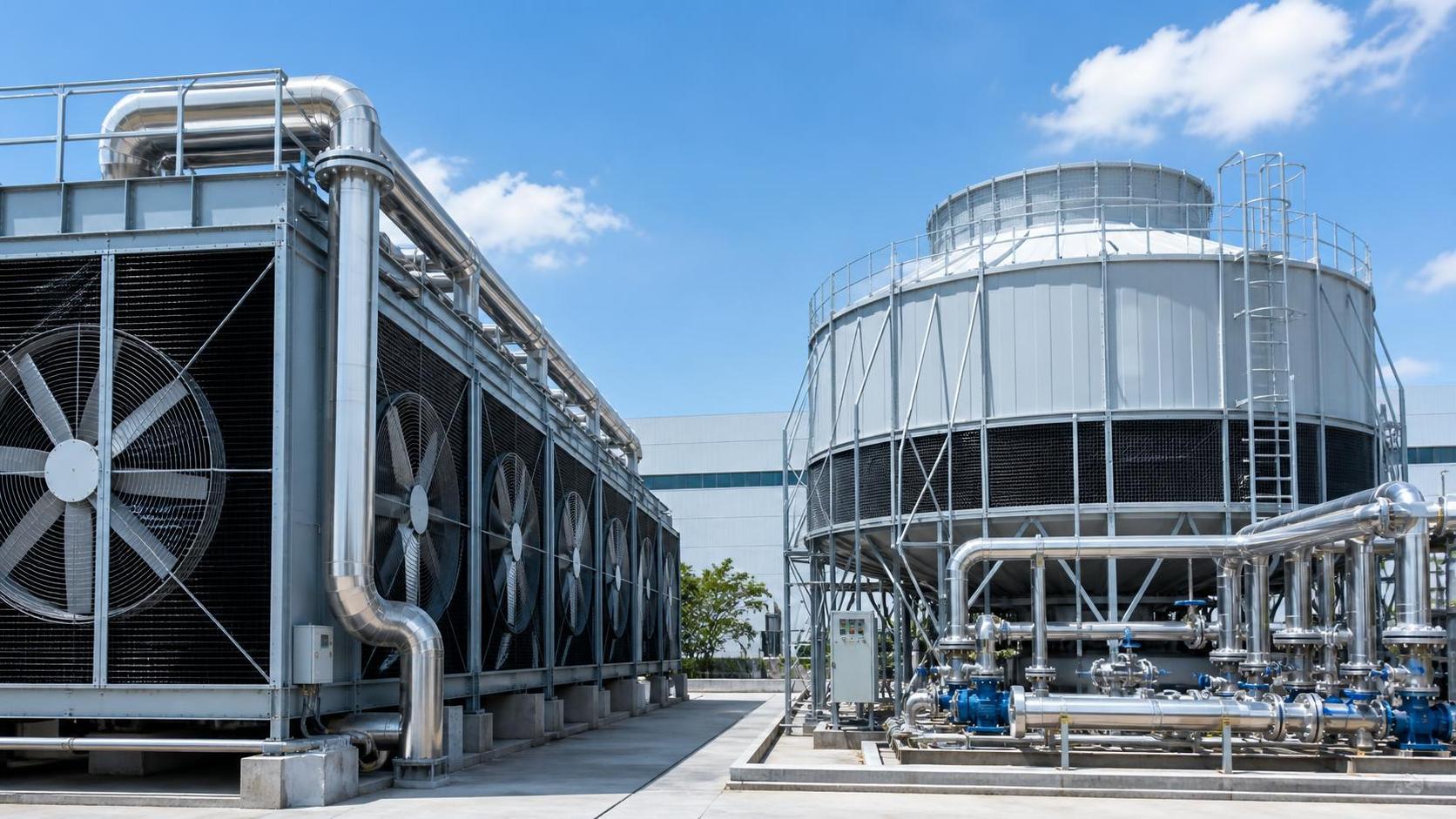
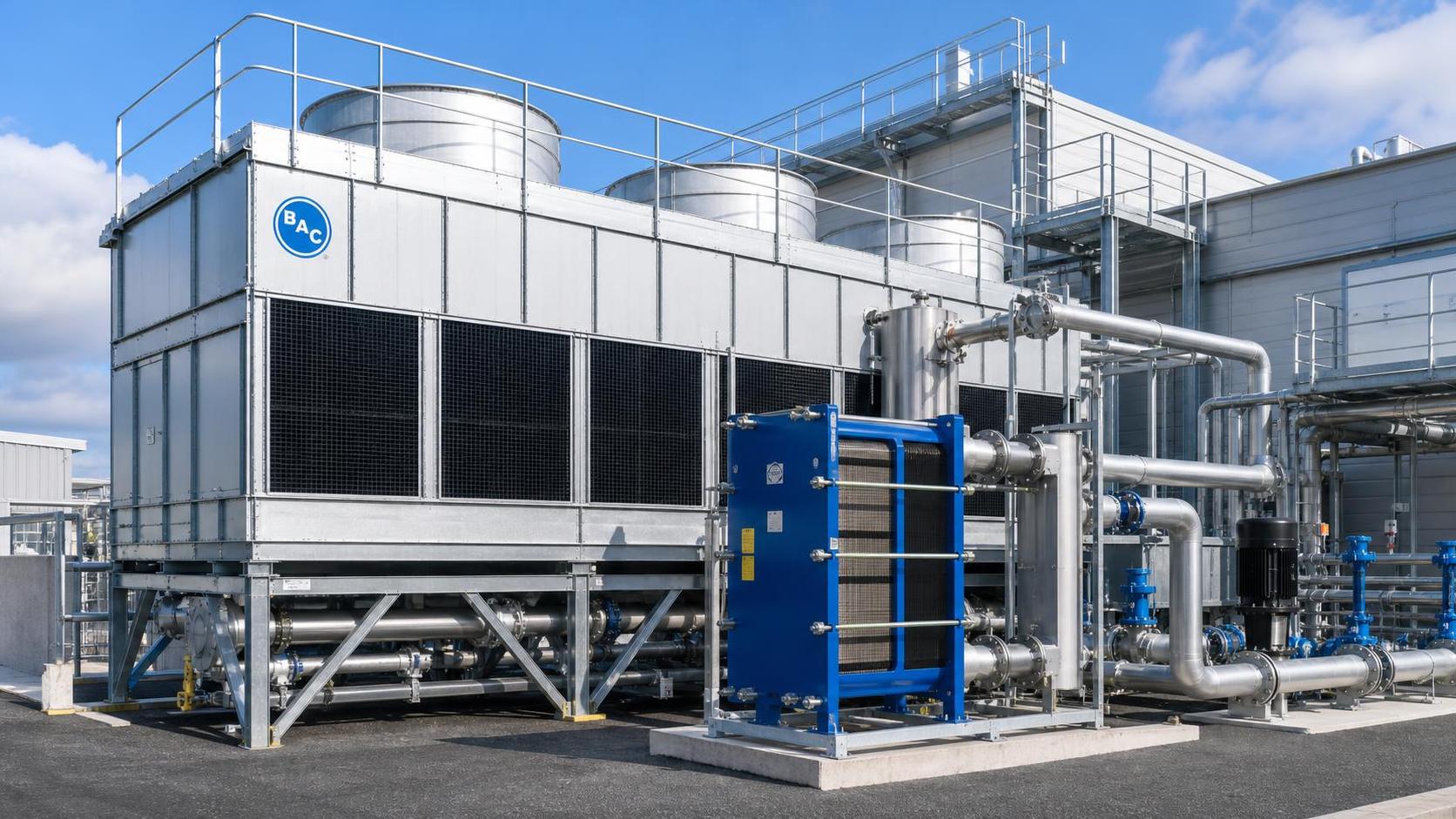
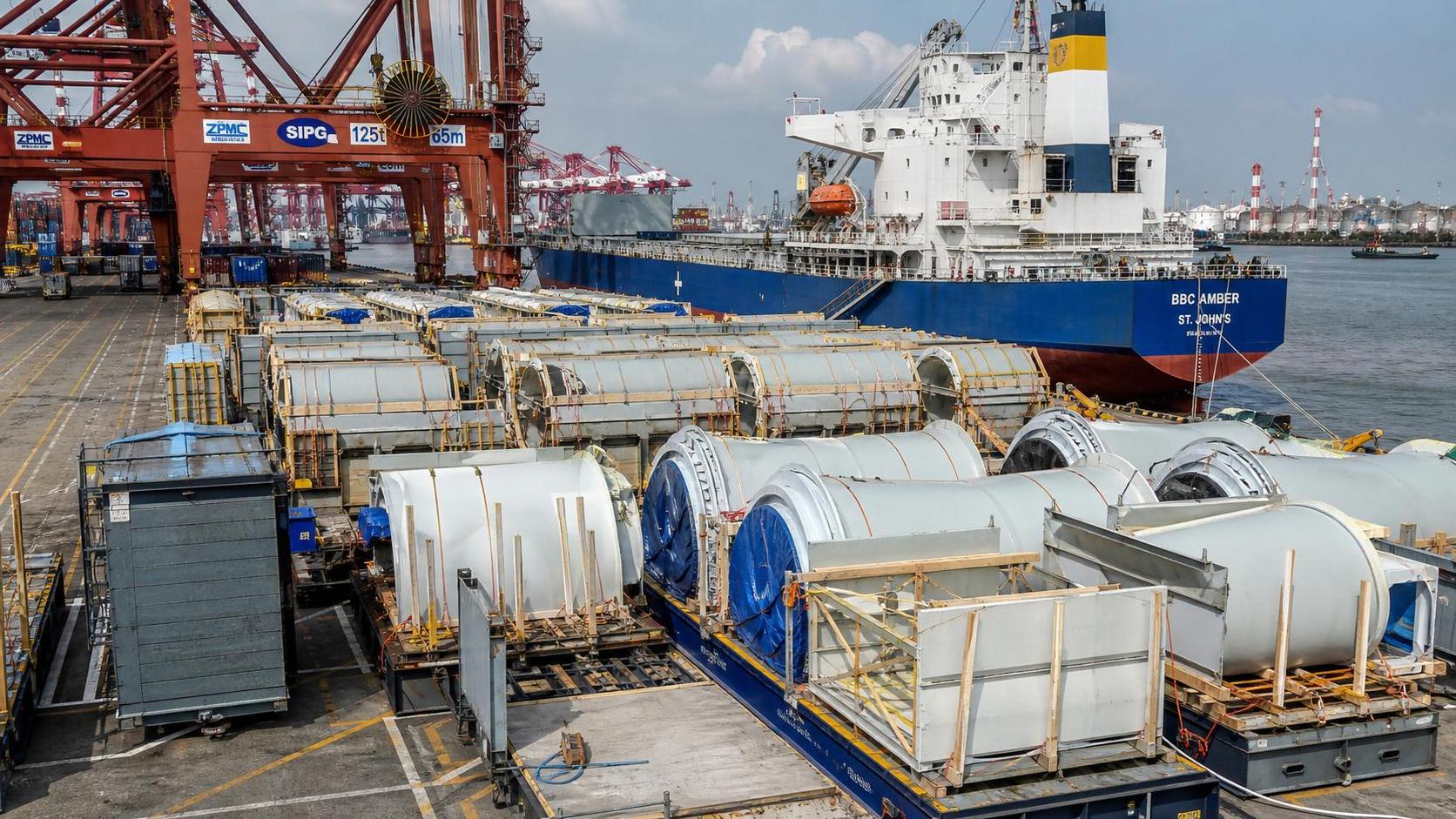
The timing of the underlying disruption was not clearly specified in the provided information, but a shipping alert jointly issued by Maersk and Hapag-Lloyd on July 12 points to mounting delivery pressure on the Shanghai-to-Rotterdam route for oversized cooling tower components. For exporters, project cargo teams, manufacturers, procurement functions, and downstream buyers handling large breakbulk items, this matters because lower booking success and longer booking lead times can quickly turn into contract execution and delivery scheduling risks.
What the July 12 shipping alert confirms
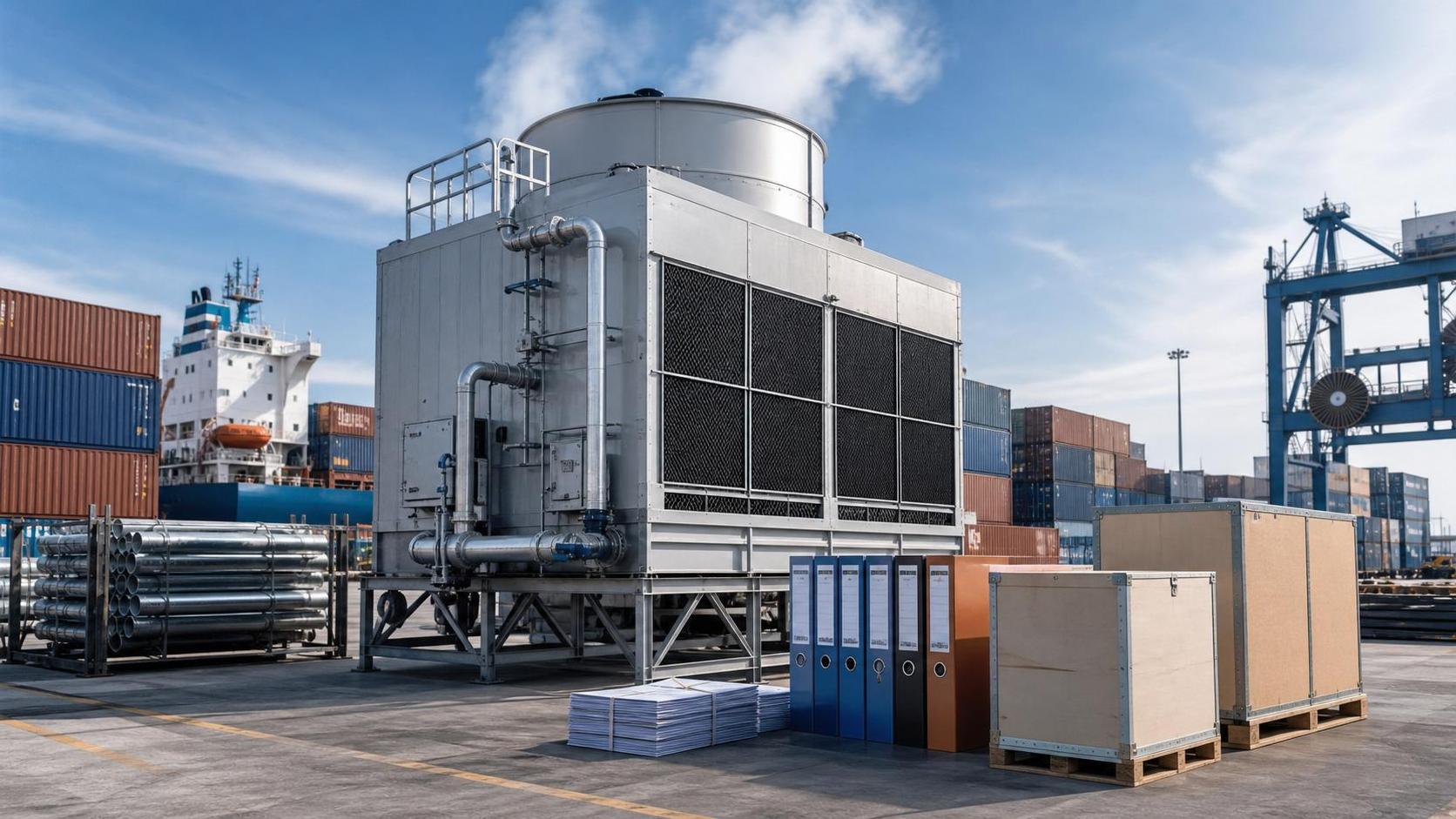
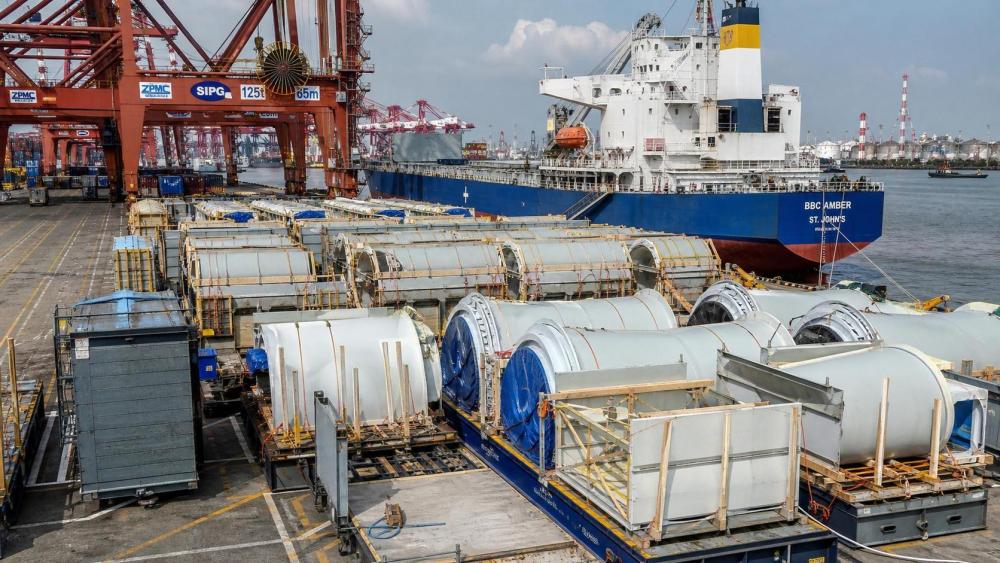
According to the provided alert, ongoing port strikes in Europe and insufficient empty-container repositioning have reduced booking success on the main Shanghai-Rotterdam route for cooling tower oversized loose cargo measuring more than 3 meters in length and weighing more than 2 metric tons. The reported booking success rate has fallen to 28%.
The same alert states that the average booking cycle has extended to 14 days. It also indicates that orders scheduled for delivery in late July face a delay risk of at least 10 working days, with the delivery delay risk rising to 72%.
Where the pressure is likely to appear first
Export execution for project and equipment suppliers
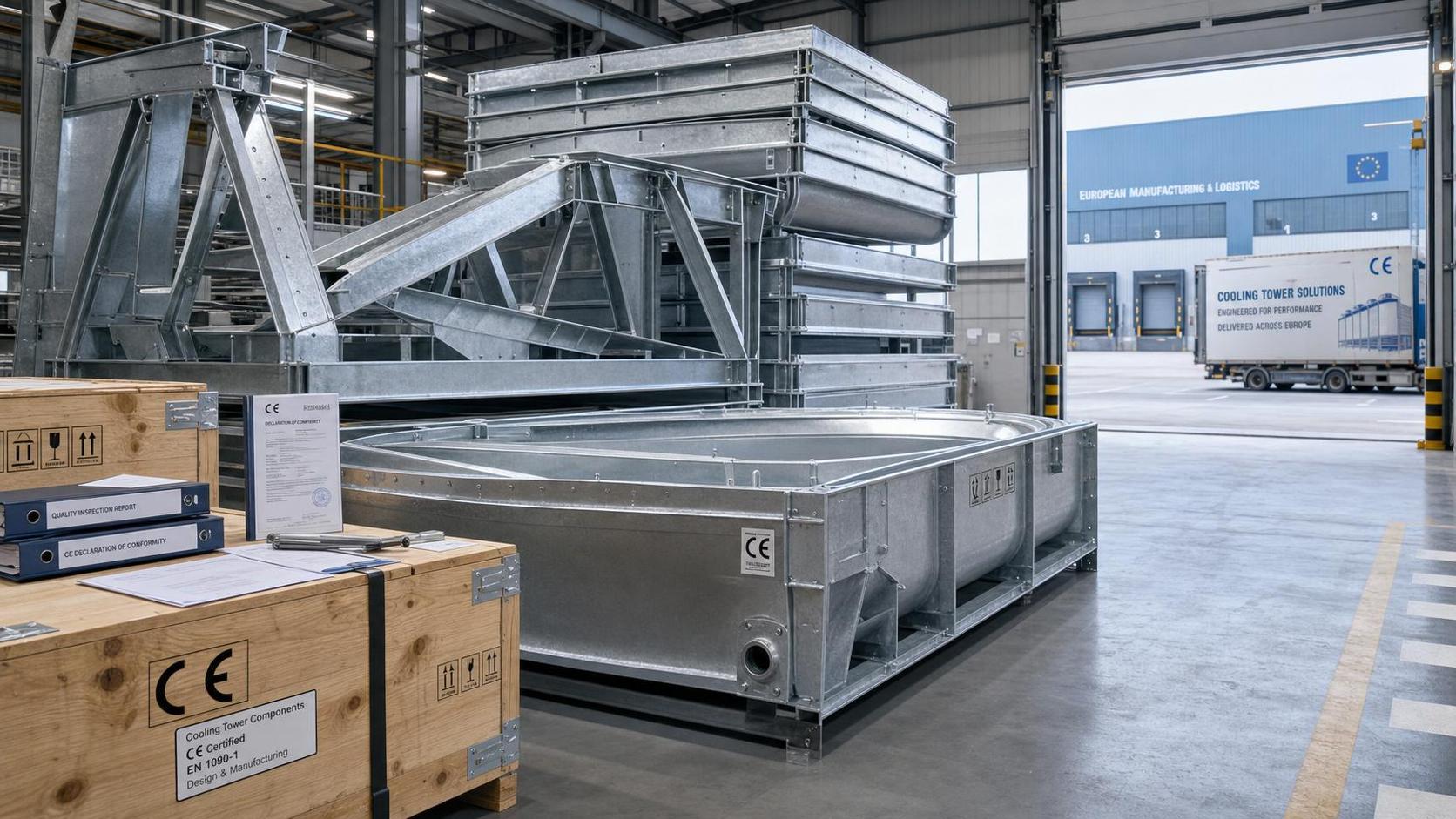
From an industry perspective, exporters of cooling tower large components may be affected first because their shipments depend on space availability for oversized cargo rather than standard container flow alone. The main pressure point is likely to be shipment confirmation and outbound scheduling, especially where delivery windows were already tight.
Manufacturing and packaging coordination
Processing and manufacturing businesses involved in these large components may also feel the impact in production handover and dispatch preparation. When booking cycles stretch to 14 days, the connection between factory readiness, packing, and vessel allocation becomes harder to manage. What deserves closer attention is whether finished goods are ready before confirmed space is secured, or whether dispatch plans need to be resequenced.
Procurement and delivery planning on the buyer side
Procurement teams and end users expecting late-July arrivals may face downstream timing pressure. Analysis shows that the issue is not only transit uncertainty, but also the increased probability that cargo cannot be loaded on the intended schedule at origin. Buyers should therefore watch for changes in confirmed shipment dates rather than relying only on original delivery expectations.
Supply chain service providers under tighter coordination demands
Freight forwarders, project logistics providers, and related service firms are likely to face a higher coordination burden. Their exposure centers on booking follow-up, customer communication, and adjustment of shipment windows for oversized cargo. The most immediate variable to monitor is whether allocation conditions on this route continue to tighten for cargo above the stated size and weight thresholds.
What companies should monitor now
Changes in carrier updates and operational wording
Companies moving cooling tower large parts on the Shanghai-Rotterdam corridor should closely track any follow-up wording from carriers on space allocation, booking acceptance, and late-July delivery expectations. The current alert provides a warning signal, but operational language in subsequent notices may determine how broadly the constraint applies in practice.
Cargo qualification against size and weight thresholds
The alert is specifically tied to oversized loose cargo above 3 meters in length and 2 metric tons in weight. Businesses should review which planned shipments fall into that category, because the operational risk described in the alert is linked to that cargo profile rather than to all shipments on the route in general.
Lead-time adjustment in booking and dispatch preparation
With the average booking cycle extended to 14 days, companies should reassess booking lead times and the alignment between cargo readiness and vessel planning. Observably, this is a practical issue in execution: shipment preparation, document timing, and customer delivery communication may all need to move earlier than usual.
Customer communication around late-July delivery risk
For orders targeted at late July, the stated risk of at least 10 working days of delay makes communication discipline important. Companies should focus on updating customers based on booking confirmation status and revised delivery windows, rather than treating original schedules as unchanged.
How this signal should be read at this stage
Analysis shows that this is best understood as a near-term operational warning on a specific trade lane and cargo type, not yet as a broad conclusion about all Europe-bound heavy equipment shipments. The signal is meaningful because it combines three concrete indicators at once: reduced booking success, a longer booking cycle, and a defined delay risk for late-July delivery.
At the same time, it is more appropriate to understand this as a development that still requires observation. The provided information confirms pressure on the Shanghai-to-Rotterdam main route for large cooling tower parts, but it does not establish how long the constraint will last beyond the stated period or whether conditions will spread beyond the described cargo segment.
Why the market should keep this on watch
The immediate industry significance lies in execution risk rather than in a confirmed structural shift. For companies tied to oversized cooling tower components, the alert suggests that booking success has become a critical control point in July delivery planning. A neutral reading is that the market should treat this as a live logistics constraint with direct commercial implications for shipment timing, while avoiding broader conclusions that are not supported by the available facts.
Basis of this article and what still needs verification
This article is based on the user-provided news title, the note that the event timing was not clearly specified, and the supplied event summary describing the July 12 shipping alert from Maersk and Hapag-Lloyd. For this type of industry update, commonly relevant source categories may include official carrier notices, company announcements, industry association updates, authoritative trade media reports, and operational bulletins.
No specific official source link was provided in the input, so the underlying notice and any later updates still require ongoing verification. The next points to monitor are whether carriers revise allocation language for oversized cargo on the Shanghai-Rotterdam route, whether booking lead times change further, and whether the late-July delay risk is updated in subsequent notices.
Ready when you are. Send us a message to get started.
Related News
- Kentucky Regulators Approve $191 Million Cooling Tower at Mitchell Coal PlantAuthor :Thermodynamics Analyst

- Cooling Tower Market Trends Reshaping Replacement Plans and Capital BudgetsAuthor :Thermodynamics Analyst

- Field-Erected Cooling Tower Market: Why Utility Projects Favor Custom DesignsAuthor :Thermodynamics Analyst

- Evaporative Cooling Tower Market Outlook: Demand Drivers, Risks, and Growth AreasAuthor :Thermodynamics Analyst

- When does an industrial cooling radiator outperform a cooling tower?Author :Thermodynamics Analyst

- EU Cooling Tower Standard EN 13771:2026 Takes EffectAuthor :Thermodynamics Analyst

- EU REACH SVHC Update Triggers Cooling Tower DisclosureAuthor :Thermodynamics Analyst

- SASO Adds Bio-Durability Test for Cooling Tower FillAuthor :Thermodynamics Analyst

- EU REACH Update Bars Phthalates in Cooling Tower PVC FillAuthor :Thermodynamics Analyst

- EU Tightens CE Rules for Cooling Tower Steel PartsAuthor :Thermodynamics Analyst

- Shanghai-Rotterdam Cooling Tower Space TightensAuthor :Thermodynamics Analyst

- Hamburg Port Strike Delays Cooling Tower Parts ClearanceAuthor :Thermodynamics Analyst

- ASHRAE 188-2026 Makes Cooling Tower Microbial Control MandatoryAuthor :Thermodynamics Analyst

- India Enforces BIS IS 17842:2026 for Cooling TowersAuthor :Thermodynamics Analyst

- EU REACH Restricts Zinc Inhibitors in Cooling TowersAuthor :Thermodynamics Analyst

- TUV Rheinland Switches Cooling Tower Labels to IEC 61800-9-2Author :Thermodynamics Analyst

- EU REACH Rule Takes Effect for Cooling Tower CoatingsAuthor :Thermodynamics Analyst

- Vietnam to Require IoT Modules in Imported Cooling TowersAuthor :Thermodynamics Analyst

- How to Compare Industrial Cooling Equipment Dry Coolers for Year-Round EfficiencyAuthor :Thermodynamics Analyst

- SASO Tightens Cooling Tower Import Rules for 2027Author :Thermodynamics Analyst

- REACH SVHC Update Limits Copper Corrosion InhibitorsAuthor :Thermodynamics Analyst

- SASO Starts Cooling Tower Data Rule for CoCAuthor :Thermodynamics Analyst

- Saudi SASO Portal Adds Corrosion Data RuleAuthor :Thermodynamics Analyst

- SASO Adds Corrosion Report Rule for Cooling TowersAuthor :Thermodynamics Analyst

- RDHx Prices Rise as AI Demand Lifts Premium ModelsAuthor :Thermodynamics Analyst

- EU EN 13859-2:2026 Mandates Extreme Humidity Heat-Loss TestsAuthor :Thermodynamics Analyst

- VDE Tightens Cooling Tower Test ScopeAuthor :Thermodynamics Analyst

- SASO Tightens Cooling Tower Test Proof for SaberAuthor :Thermodynamics Analyst

- Saudi SABER Cooling Tower Rule Takes Effect EarlyAuthor :Thermodynamics Analyst

- EU Carbon Labels to Cover Cooling Tower ExportsAuthor :Thermodynamics Analyst

- Saudi SABER Cooling Tower Rule Takes Effect EarlyAuthor :Thermodynamics Analyst

- EU Carbon Label Rule Hits Cooling Tower ExportsAuthor :Thermodynamics Analyst

- Saudi SABER Cooling Tower Rule Adds EN 13859-2 TestAuthor :Thermodynamics Analyst

- Saudi SABER Tightens Cooling Tower Energy Report RulesAuthor :Thermodynamics Analyst

- Saudi SASO Tightens Cooling Tower Efficiency FilingAuthor :Thermodynamics Analyst

- Saudi SABER Tightens Cooling Tower Energy Report ChecksAuthor :Thermodynamics Analyst