EU Tightens CE Rules for Cooling Tower Steel Parts




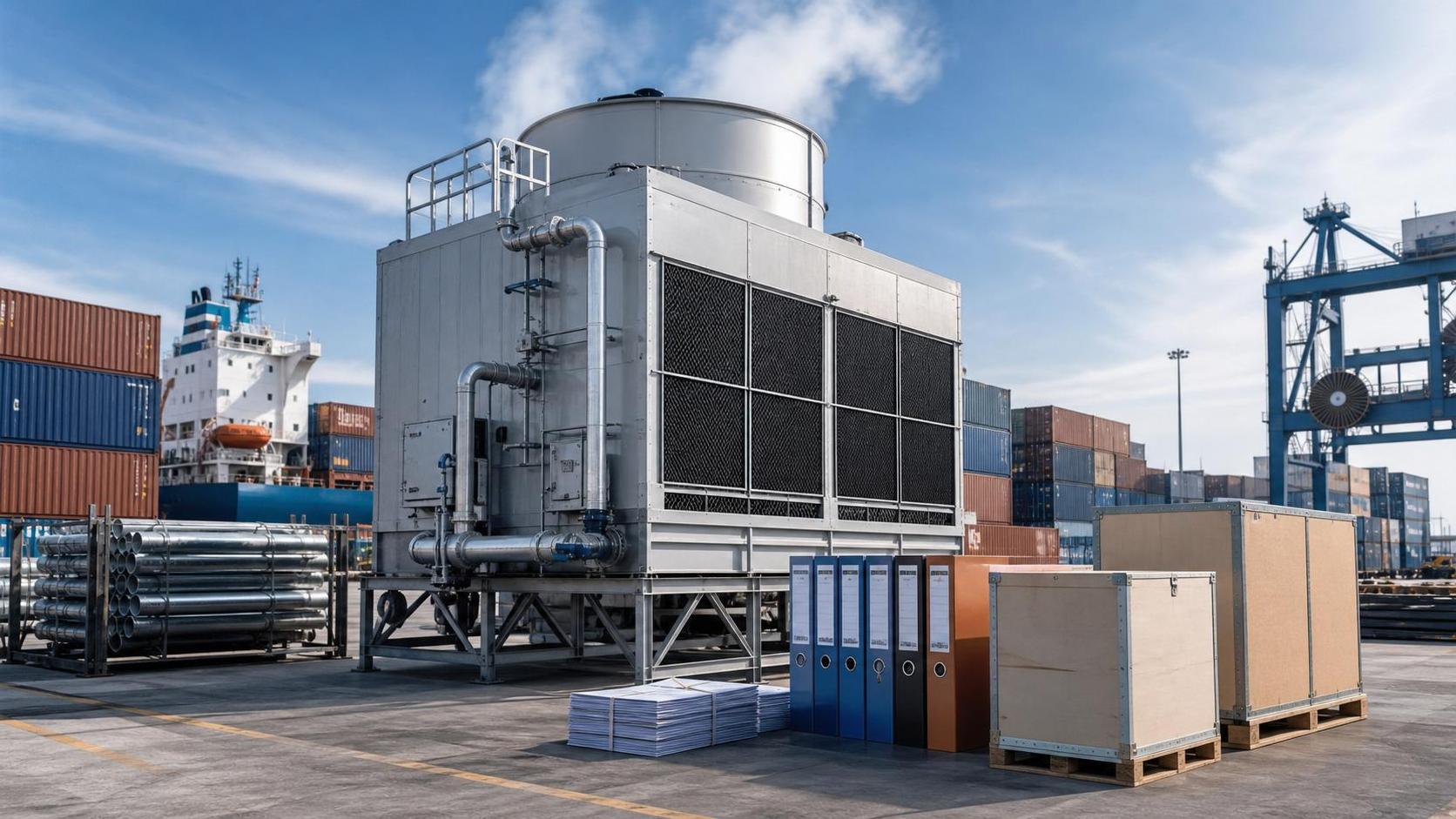
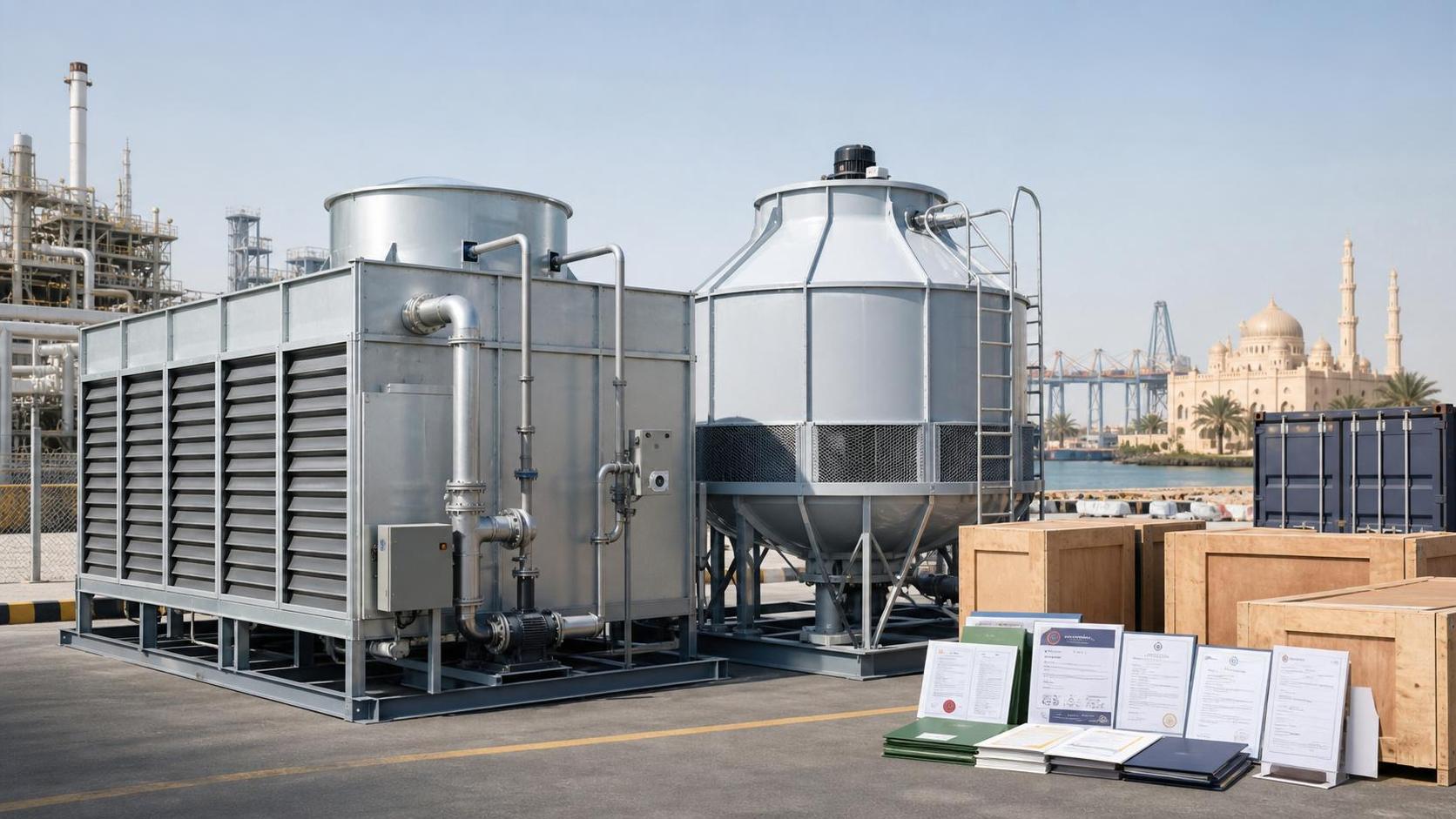
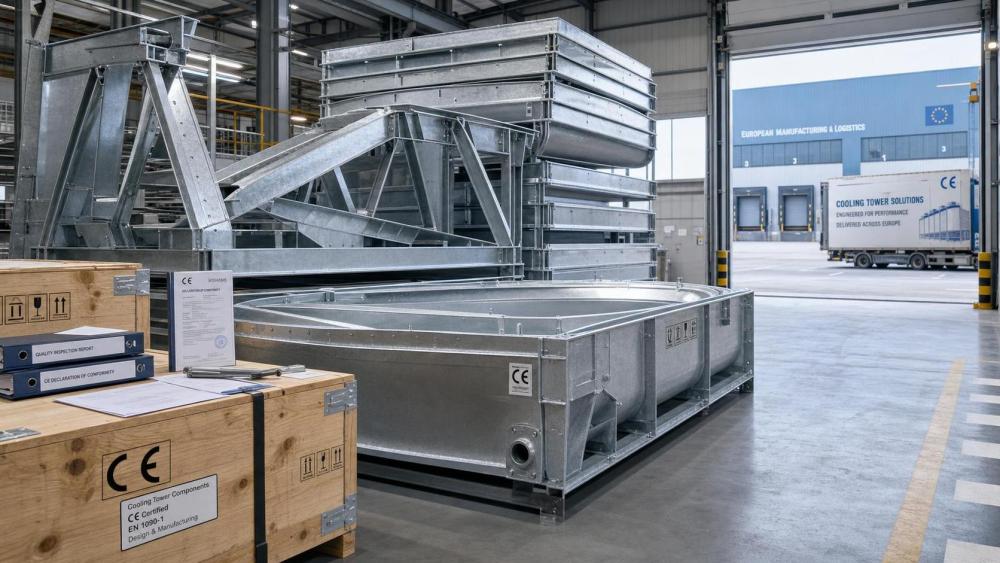
On July 12, 2026, the European Commission issued an urgent technical notice that puts imported cooling tower structural components under a more explicit compliance requirement. From October 1, 2026, products such as tower bodies, fan supports, and water collection basins will need CE marking under EN 1090-1:2023, together with a DoP conformity declaration issued by an EU Notified Body (NB). For exporters, manufacturers, buyers, and supply chain operators involved in cooling tower projects, this matters because the change directly affects market access and shipment acceptance, while current supplier coverage in China is described as generally incomplete.
What the notice explicitly requires
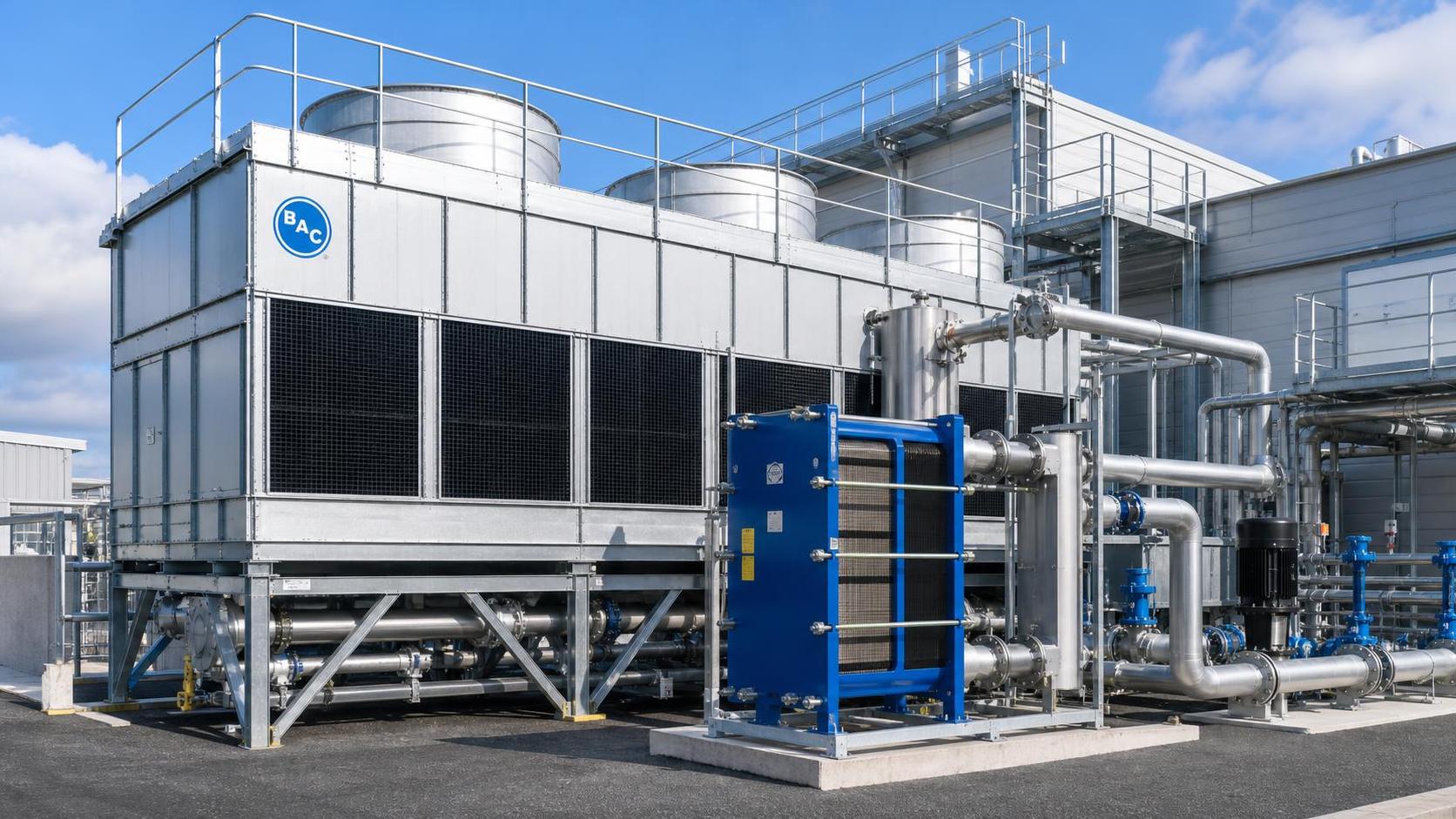
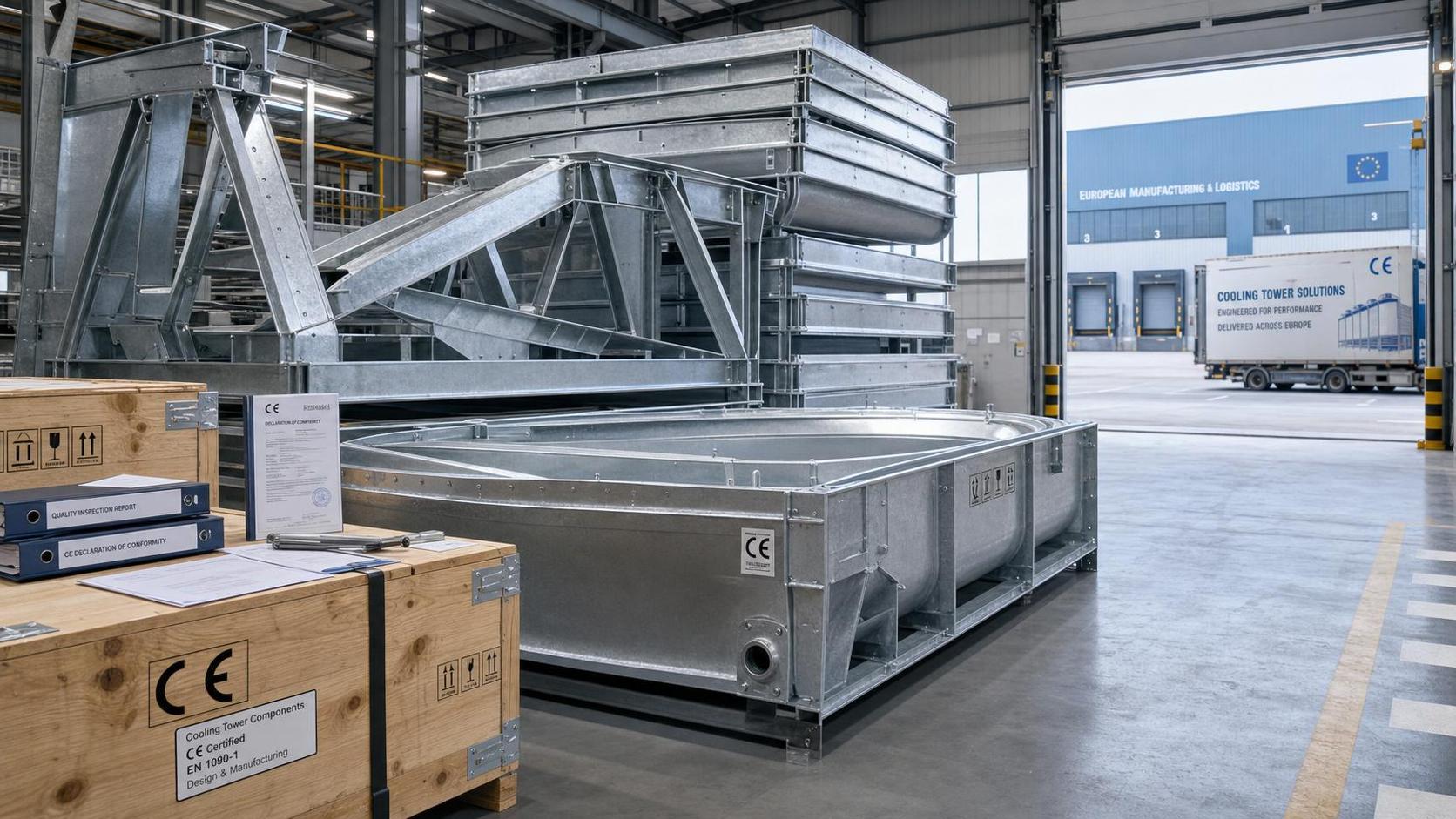
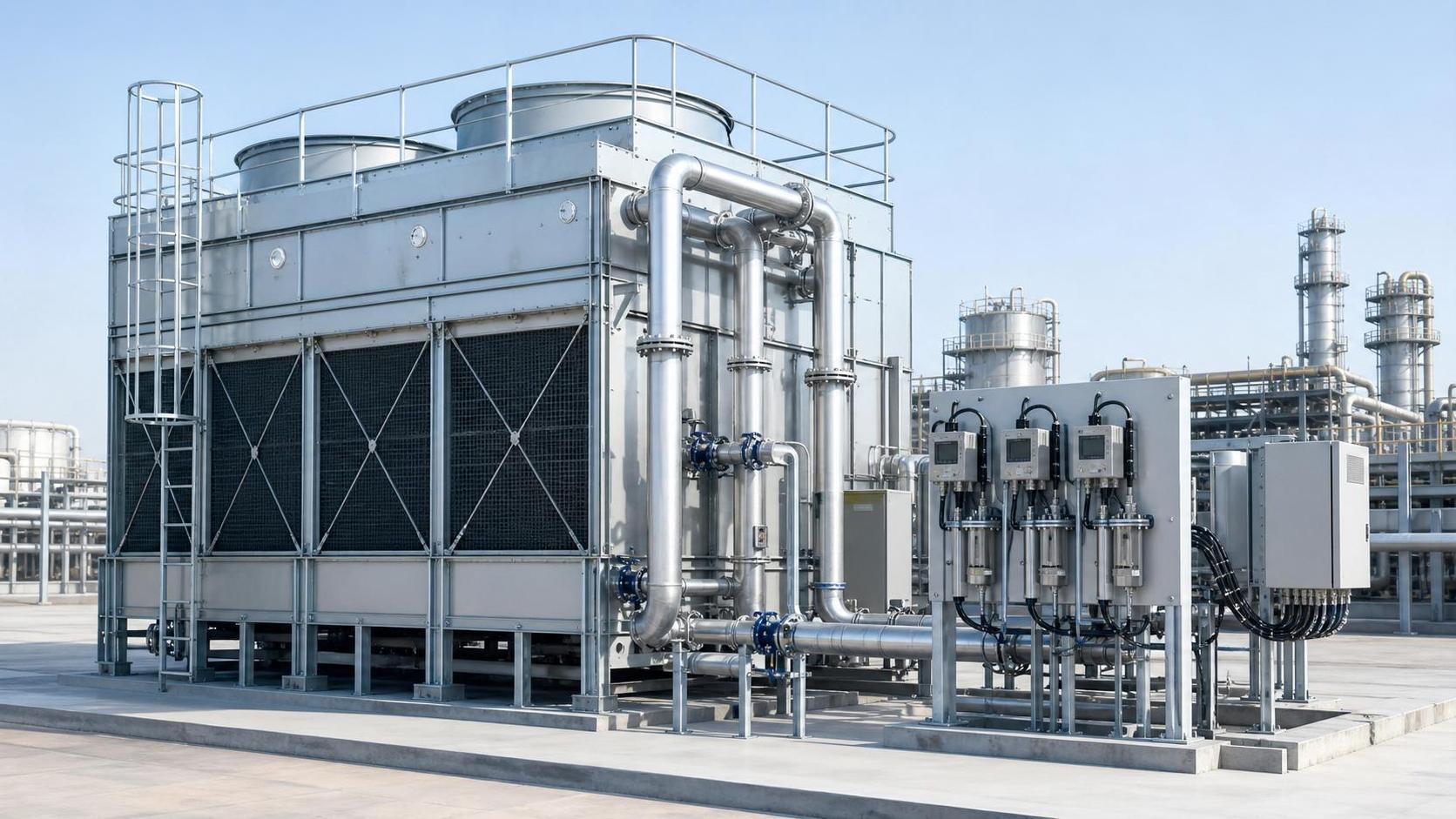
The confirmed information is limited but commercially significant. According to the urgent technical notice released by the European Commission on July 12, 2026, under Ref. 2026/EC-CT-0712, all imported cooling tower structural parts must follow EN 1090-1:2023 for CE marking starting on October 1, 2026. The scope described in the input includes tower bodies, fan supports, and water collection basins.
The same notice also requires a DoP conformity declaration issued by an EU Notified Body. The input further states that Chinese suppliers generally have not yet covered this steel structure execution standard, creating a risk of bulk shipment returns.
Where disruption may appear first in the supply chain
Export-facing manufacturers may face immediate compliance gaps
From an industry perspective, manufacturers producing galvanized steel components for cooling towers are likely to be the first group affected. The reason is straightforward: the new requirement is tied directly to whether the product can enter the EU market. The main pressure points are likely to appear in product qualification, documentation preparation, and shipment release readiness. What deserves closer attention is whether existing product files and compliance workflows actually align with EN 1090-1:2023 and the NB-issued DoP requirement.
Trading companies may see higher contract and delivery risk
For direct trading companies, the issue is not only product availability but also whether committed deliveries remain executable under the new rule after October 1, 2026. The impact may show up in quotation validity, contract terms, order confirmation, and customs or receiving-stage rejection risk. Observably, any transaction built on older compliance assumptions may need to be rechecked before shipment.
EU buyers and project-side purchasers may tighten supplier screening
Purchasers sourcing imported cooling tower structural parts may also need to adjust. Their exposure comes from procurement continuity and acceptance risk. If a supplier cannot present the required CE marking basis and the relevant DoP issued by an EU Notified Body, the issue may move from a documentation problem to a delivery problem. What deserves closer attention is whether current approved supplier lists still match the new compliance threshold.
Logistics and supply chain service providers may be pulled into document control
Supply chain service providers are not the policy target, but they can still be affected through shipment delays, return handling, and cross-border documentation checks. Analysis shows that once compliance requirements become more explicit, operational friction often concentrates around document completeness, timing, and consistency between product scope and declaration scope. For this reason, service providers involved in export execution may need closer coordination with manufacturers and customers.
What companies should review now
Check which product categories fall within current export exposure
Companies involved in cooling tower exports should first identify whether their EU-bound products include the structural items named in the notice, especially tower bodies, fan supports, and water collection basins. This is a practical starting point because the rule is product-specific, and the business risk depends on whether those categories are already in shipment plans or customer quotations.
Separate standard awareness from usable compliance readiness
Analysis shows that knowing a new rule exists is not the same as being ready to ship under it. The notice points to EN 1090-1:2023 CE marking and an NB-issued DoP, so the key business question is whether suppliers can support those requirements in a form customers and border-side checks will accept. The distinction between policy wording and operational readiness is likely to be critical in the coming months.
Review lead times for qualification, documents, and customer communication
Because the effective date is October 1, 2026, companies should pay attention to timing rather than only substance. Procurement teams, manufacturers, and exporters may need to review whether compliance preparation affects production scheduling, booking decisions, or agreed delivery windows. Customer communication also matters, especially where orders were negotiated before the notice was issued.
Prepare for return risk in shipment planning
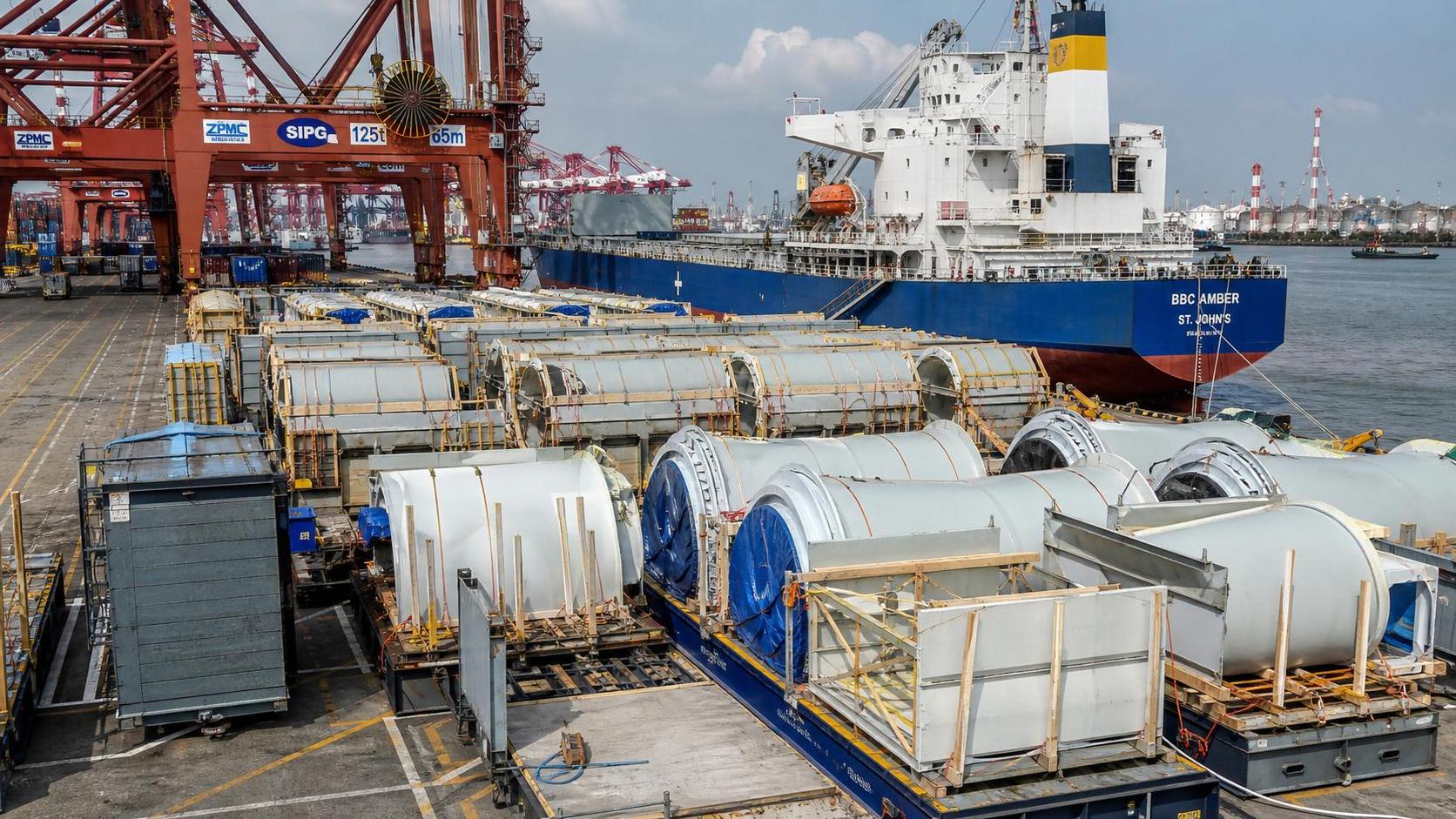
The input specifically mentions the risk of bulk shipment returns for suppliers that have not covered the required standard. That makes contingency planning a practical issue rather than a theoretical one. Companies may need to review how they handle pre-shipment checks, document collection, and customer confirmation for EU-bound orders involving cooling tower structural steel parts.
Why this looks like more than a short-term paperwork issue
Observably, this notice should not be read only as a narrow labeling adjustment. The combination of an effective date, a named technical standard, and a requirement for an NB-issued DoP suggests a compliance threshold tied to product entry rather than optional best practice. Analysis shows that the immediate issue is short term because shipments after October 1, 2026 may face execution risk, but it is more appropriate to understand the notice as a broader market-access signal as well.
At the same time, the available information remains limited to the title, date, and summary provided in the input. That means the market should avoid overstating downstream effects beyond confirmed scope. Continued attention is warranted because implementation details, enforcement intensity, and any follow-up clarification could materially shape how the rule works in practice.
How this notice is best understood at this stage
At this stage, the industry significance is clear even without broader background detail: the notice points to a near-term compliance requirement for imported cooling tower structural components entering the EU, and the stated gap among Chinese suppliers raises direct trade and delivery concerns. A neutral reading is that this is already an actionable development for affected businesses, while still remaining a policy item that requires ongoing verification as more official detail becomes available.
It is more appropriate to understand this as both an immediate operational issue and a compliance signal that merits continued monitoring, rather than as a fully settled market outcome.
Basis of this article and points for continued verification
This article is based on the user-provided news title, event date, and event summary. The confirmed inputs are the urgent notice date of July 12, 2026, the reference number Ref. 2026/EC-CT-0712, the October 1, 2026 effective date, the scope covering imported cooling tower structural parts including tower bodies, fan supports, and water collection basins, the EN 1090-1:2023 CE marking requirement, the NB-issued DoP requirement, and the stated risk of bulk shipment returns due to incomplete supplier coverage in China.
For this type of development, source categories that usually warrant ongoing review include official notices, company disclosures, industry association information, authoritative media reporting, and standard-related documents. A specific official source link was not provided in the input, so it still needs to be continuously verified. Further attention should remain on any subsequent official wording, clarification of enforcement practice, and practical documentation expectations for affected shipments.
Ready when you are. Send us a message to get started.
Related News
- Kentucky Regulators Approve $191 Million Cooling Tower at Mitchell Coal PlantAuthor :Thermodynamics Analyst

- Cooling Tower Market Trends Reshaping Replacement Plans and Capital BudgetsAuthor :Thermodynamics Analyst

- Field-Erected Cooling Tower Market: Why Utility Projects Favor Custom DesignsAuthor :Thermodynamics Analyst

- Evaporative Cooling Tower Market Outlook: Demand Drivers, Risks, and Growth AreasAuthor :Thermodynamics Analyst

- When does an industrial cooling radiator outperform a cooling tower?Author :Thermodynamics Analyst

- EU Cooling Tower Standard EN 13771:2026 Takes EffectAuthor :Thermodynamics Analyst

- EU REACH SVHC Update Triggers Cooling Tower DisclosureAuthor :Thermodynamics Analyst

- SASO Adds Bio-Durability Test for Cooling Tower FillAuthor :Thermodynamics Analyst

- EU REACH Update Bars Phthalates in Cooling Tower PVC FillAuthor :Thermodynamics Analyst

- EU Tightens CE Rules for Cooling Tower Steel PartsAuthor :Thermodynamics Analyst

- Shanghai-Rotterdam Cooling Tower Space TightensAuthor :Thermodynamics Analyst

- Hamburg Port Strike Delays Cooling Tower Parts ClearanceAuthor :Thermodynamics Analyst

- ASHRAE 188-2026 Makes Cooling Tower Microbial Control MandatoryAuthor :Thermodynamics Analyst

- India Enforces BIS IS 17842:2026 for Cooling TowersAuthor :Thermodynamics Analyst

- EU REACH Restricts Zinc Inhibitors in Cooling TowersAuthor :Thermodynamics Analyst

- TUV Rheinland Switches Cooling Tower Labels to IEC 61800-9-2Author :Thermodynamics Analyst

- EU REACH Rule Takes Effect for Cooling Tower CoatingsAuthor :Thermodynamics Analyst

- Vietnam to Require IoT Modules in Imported Cooling TowersAuthor :Thermodynamics Analyst

- How to Compare Industrial Cooling Equipment Dry Coolers for Year-Round EfficiencyAuthor :Thermodynamics Analyst

- SASO Tightens Cooling Tower Import Rules for 2027Author :Thermodynamics Analyst

- REACH SVHC Update Limits Copper Corrosion InhibitorsAuthor :Thermodynamics Analyst

- SASO Starts Cooling Tower Data Rule for CoCAuthor :Thermodynamics Analyst

- Saudi SASO Portal Adds Corrosion Data RuleAuthor :Thermodynamics Analyst

- SASO Adds Corrosion Report Rule for Cooling TowersAuthor :Thermodynamics Analyst

- RDHx Prices Rise as AI Demand Lifts Premium ModelsAuthor :Thermodynamics Analyst

- EU EN 13859-2:2026 Mandates Extreme Humidity Heat-Loss TestsAuthor :Thermodynamics Analyst

- VDE Tightens Cooling Tower Test ScopeAuthor :Thermodynamics Analyst

- SASO Tightens Cooling Tower Test Proof for SaberAuthor :Thermodynamics Analyst

- Saudi SABER Cooling Tower Rule Takes Effect EarlyAuthor :Thermodynamics Analyst

- EU Carbon Labels to Cover Cooling Tower ExportsAuthor :Thermodynamics Analyst

- Saudi SABER Cooling Tower Rule Takes Effect EarlyAuthor :Thermodynamics Analyst

- EU Carbon Label Rule Hits Cooling Tower ExportsAuthor :Thermodynamics Analyst

- Saudi SABER Cooling Tower Rule Adds EN 13859-2 TestAuthor :Thermodynamics Analyst

- Saudi SABER Tightens Cooling Tower Energy Report RulesAuthor :Thermodynamics Analyst

- Saudi SASO Tightens Cooling Tower Efficiency FilingAuthor :Thermodynamics Analyst

- Saudi SABER Tightens Cooling Tower Energy Report ChecksAuthor :Thermodynamics Analyst