Red Sea Diversion Delays Empty Container Return, Extends Cooling Towers' Pallet Lead Time




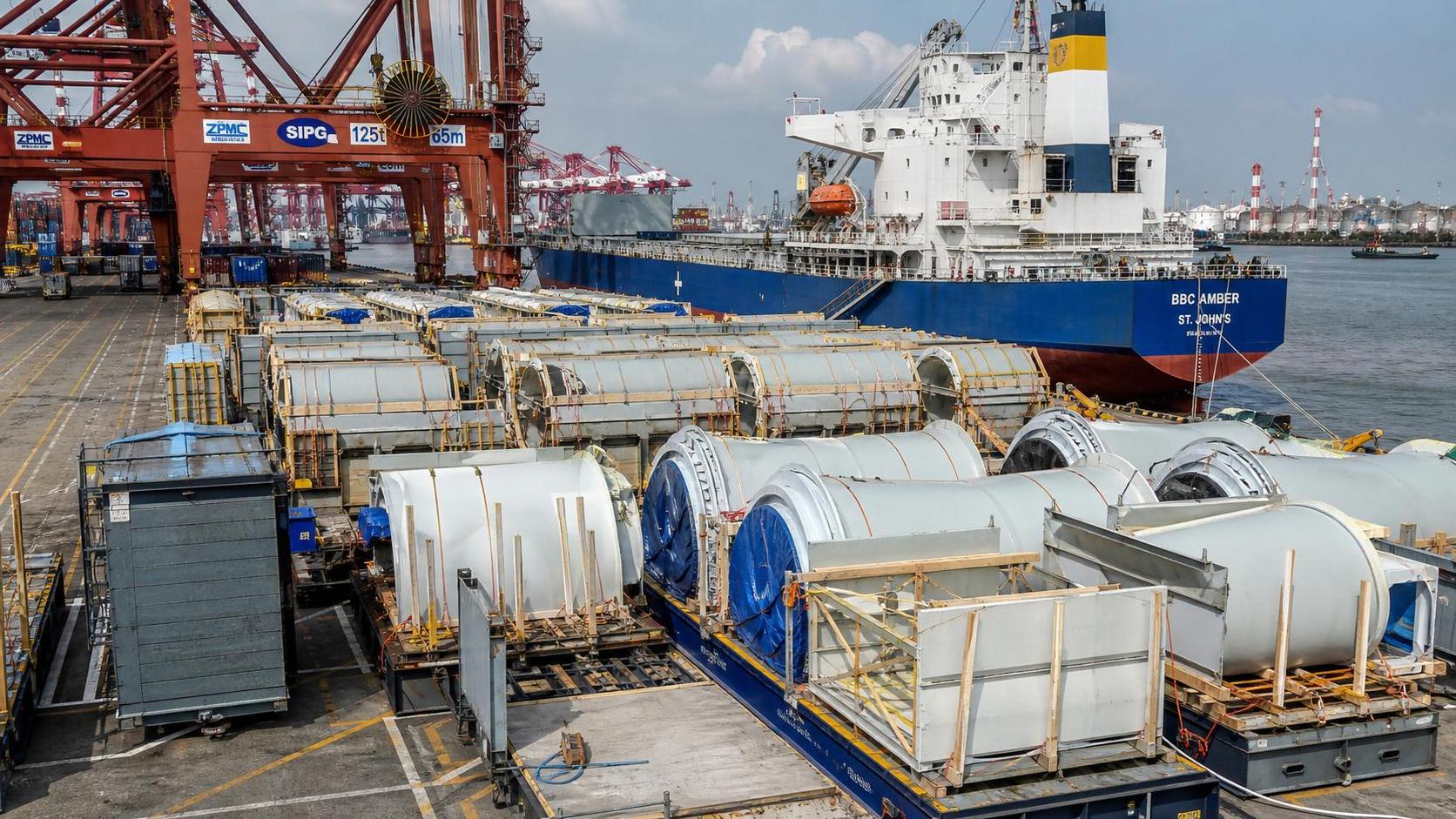
Red Sea shipping disruptions have extended empty container return cycles from Shanghai to Rotterdam and delayed export-ready wooden pallet deliveries for large cooling towers, according to a May 24, 2026 bulletin from the Shanghai International Shipping Research Institute. This development warrants close attention from manufacturers of industrial HVAC equipment, international freight forwarders, packaging suppliers, and European distribution partners handling oversized engineered goods.
Event Overview
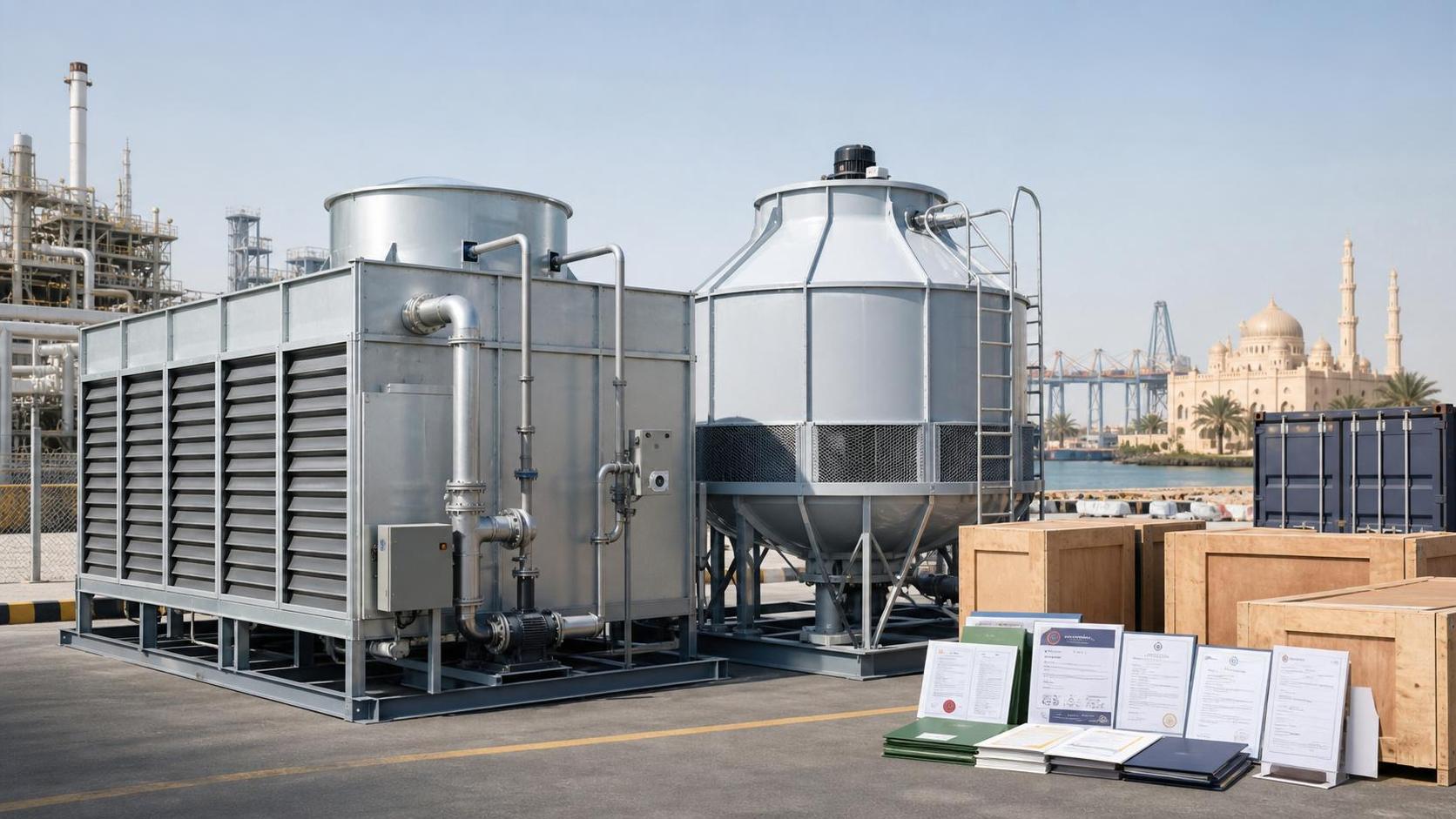
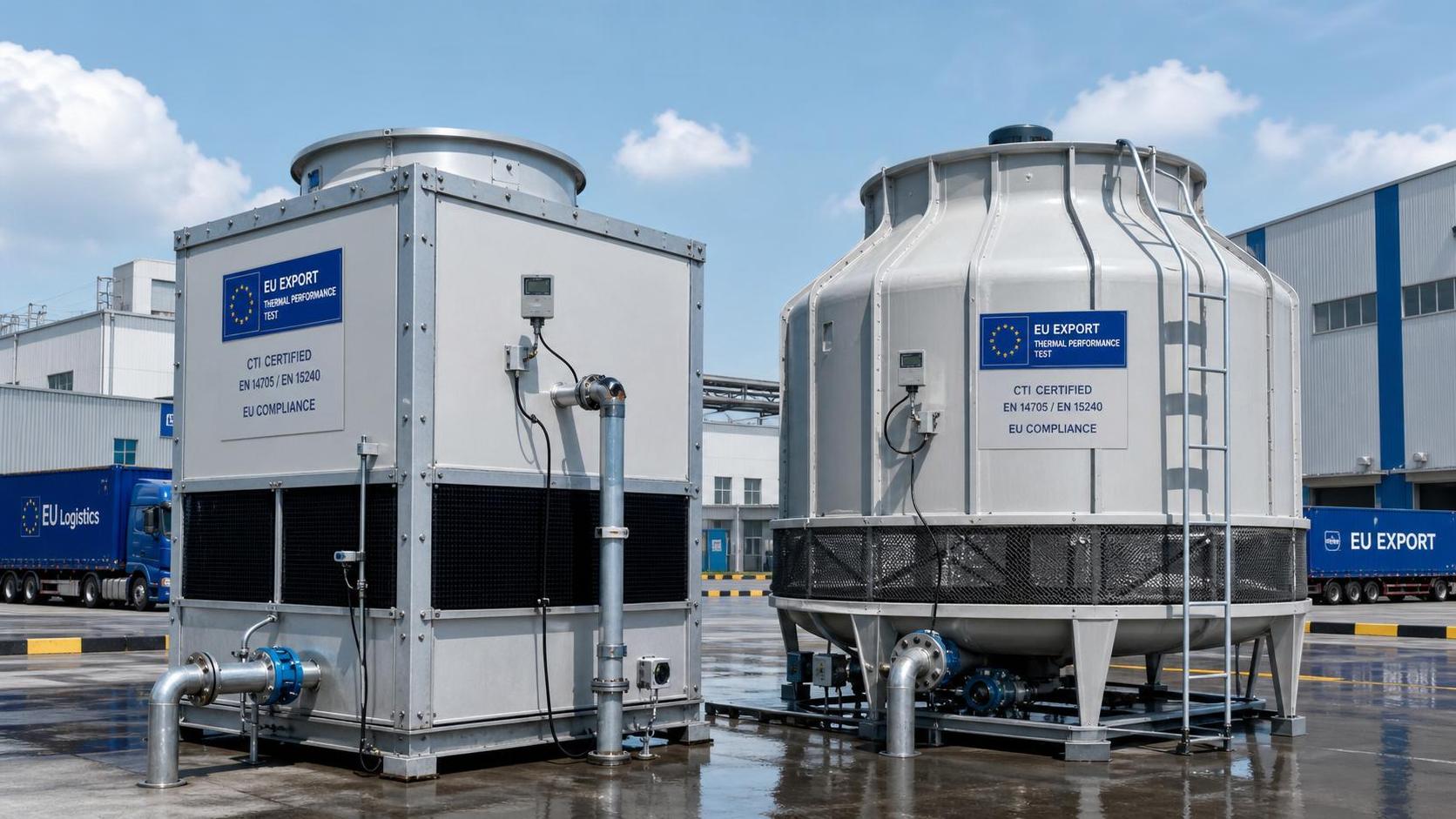
On May 24, 2026, the Shanghai International Shipping Research Institute reported that ongoing Red Sea conflict has led Maersk, MSC, and other major carriers to significantly reduce empty container repositioning frequency on Asia–Europe routes. As a result, the average empty container return time from Shanghai Port to Rotterdam Port has increased from 4 weeks to 7.2 weeks. Separately, manufacturers of cooling towers in East China indicated in late May 2026 that export order delivery windows have shifted to late June; some European distributors have activated emergency stockpiling protocols. Cooling towers require custom wooden pallets due to their large dimensions and structural sensitivity.
Impact on Specific Industry Segments
Manufacturers of Oversized Industrial Equipment
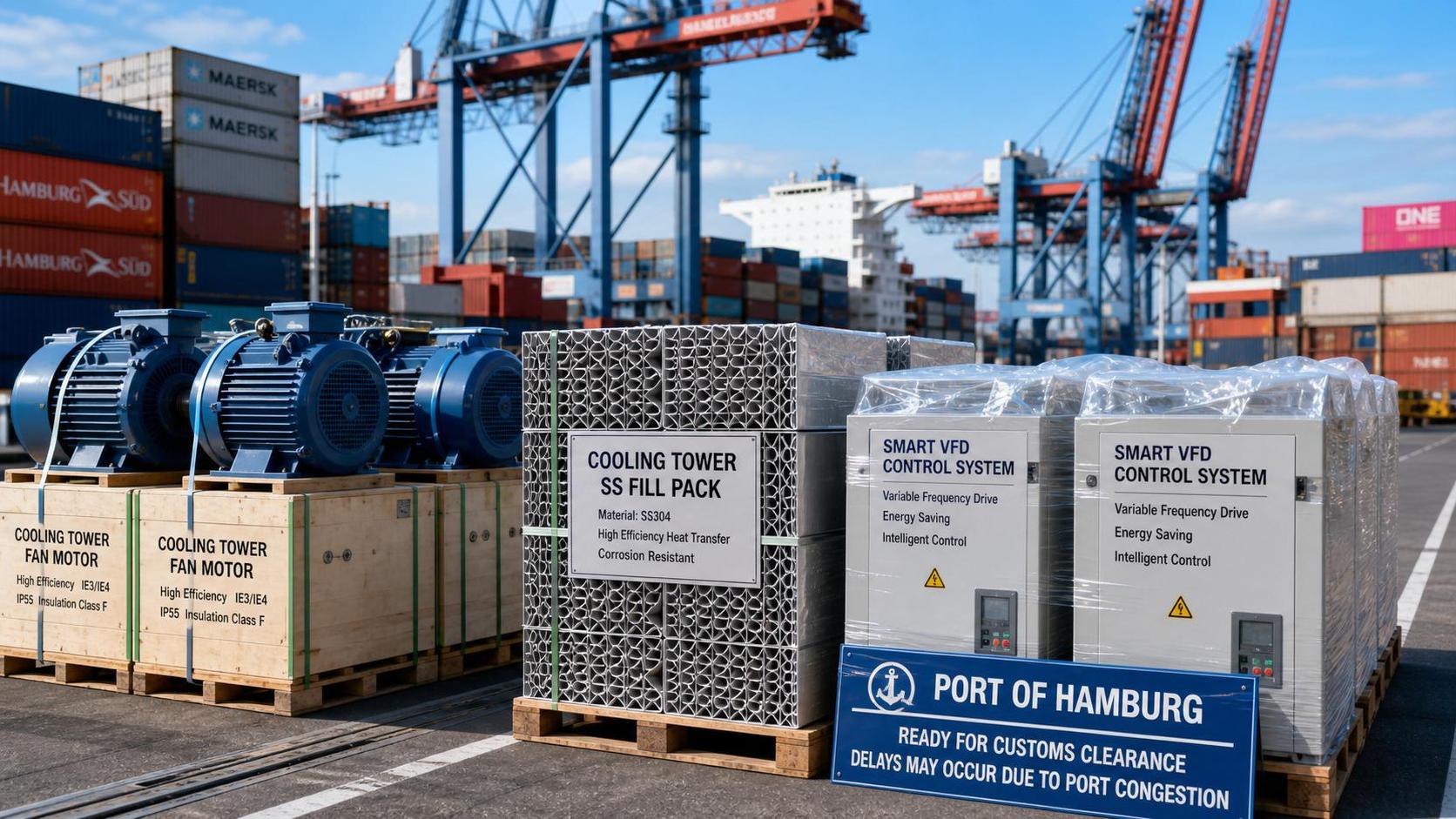
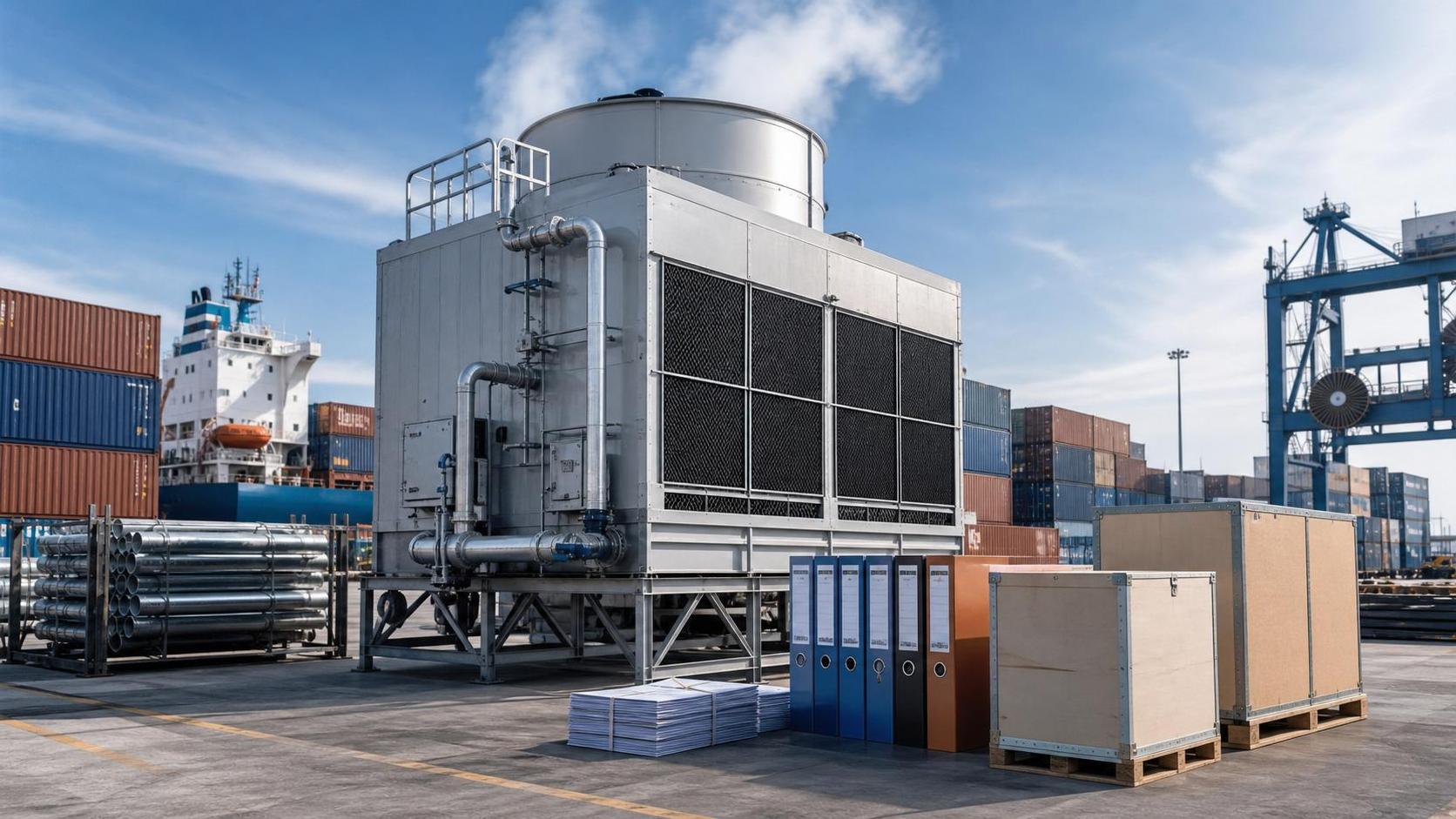
These companies rely on fixed-size, certified wooden pallets for safe ocean transport of cooling towers. With pallet production lead times now extended to 6–8 weeks—and dependent on timely container availability—their ability to meet confirmed export schedules is directly constrained. Impact manifests as delayed shipment dates, potential demurrage/detention exposure, and pressure on customer service commitments.
Wooden Packaging Suppliers (Custom Pallet Producers)
Suppliers serving industrial equipment exporters face cascading scheduling pressure: longer lead times reflect not only raw material or labor constraints but also dependency on container availability for outbound logistics planning. Their production planning cycles are now tightly coupled with vessel schedule volatility and port-level container inventory data—factors previously less critical for domestic-focused operations.
International Freight Forwarders & NVOCCs
Forwarders managing Asia–Europe project cargo shipments must now factor in extended container dwell and repositioning delays when quoting transit times and booking space. The 7.2-week empty return cycle reduces effective equipment utilization and increases the risk of last-minute container shortages for urgent bookings—especially for non-standard cargo requiring pre-stowed or pre-inspected units.
European Distributors & Aftermarket Service Providers
Distributors holding inventory for cooling tower installation and maintenance face higher working capital requirements and greater forecast uncertainty. Emergency stockpiling—already underway at some firms—implies earlier purchase commitments and tighter coordination with upstream suppliers on lot sizing, documentation, and customs clearance timing.
What Relevant Enterprises or Practitioners Should Monitor and Do Now
Track official carrier announcements on Asia–Europe empty container policies
Maersk, MSC, and Hapag-Lloyd have issued periodic updates on empty repositioning adjustments. Current policy language—not just historical trends—will clarify whether delays are temporary operational responses or indicative of longer-term capacity rebalancing.
Verify pallet lead time assumptions with local packaging vendors—separately from container availability forecasts
Lead time extensions cited (6–8 weeks) reflect combined bottlenecks: wood sourcing, kiln-drying certification, ISPM 15 compliance, and physical loading readiness. These must be validated per vendor—not assumed uniformly across the supplier base.
Align export documentation and customs pre-clearance timelines with revised container availability windows
Extended dwell at origin ports increases the likelihood of document mismatches (e.g., BL issuance vs. actual stowage date). Exporters should coordinate closely with customs brokers to avoid hold-ups triggered by timing discrepancies in ENS, AES, or EU Entry Summary Declarations.
Assess buffer stock requirements for high-priority SKUs in European warehouses
Rather than reacting to individual order slippage, distributors should model minimum safety stock levels based on observed median delay (e.g., +3.2 weeks beyond prior baseline) and current order backlog—using actual shipment data, not projections.
Editorial Perspective / Industry Observation
Observably, this situation reflects a shift from isolated port congestion to systemic interdependence across container logistics, packaging infrastructure, and engineered goods supply chains. Analysis shows the 7.2-week empty return figure is not merely a transit delay—it signals reduced carrier flexibility in equipment allocation, which amplifies downstream constraints where customization and compliance are non-negotiable (e.g., ISPM 15 pallets). From an industry perspective, this is less a short-term shock and more a stress test of end-to-end visibility: gaps between container tracking, pallet production scheduling, and customs readiness are now operationally consequential. It is currently more accurate to interpret this as an early-stage operational signal—indicating widening friction in predictable execution—rather than a fully crystallized market shift. Continued monitoring is warranted because resolution depends on geopolitical stability in the Red Sea region, not just carrier schedule adjustments.
This event underscores how maritime routing decisions cascade into tangible constraints for manufacturers of heavy, compliance-sensitive industrial products—and highlights the growing importance of integrated logistics visibility across packaging, container, and documentation workflows. It does not indicate a broad-based trade slowdown, but rather a localized bottleneck with disproportionate impact on specific product categories and supporting service providers.
Source: Shanghai International Shipping Research Institute Bulletin, May 24, 2026.
Note: Ongoing developments related to Red Sea security conditions and carrier repositioning policies remain subject to change and require continuous observation.
Ready when you are. Send us a message to get started.
Related News
- Kentucky Regulators Approve $191 Million Cooling Tower at Mitchell Coal PlantAuthor :Thermodynamics Analyst

- Cooling Tower Market Trends Reshaping Replacement Plans and Capital BudgetsAuthor :Thermodynamics Analyst

- Field-Erected Cooling Tower Market: Why Utility Projects Favor Custom DesignsAuthor :Thermodynamics Analyst

- Evaporative Cooling Tower Market Outlook: Demand Drivers, Risks, and Growth AreasAuthor :Thermodynamics Analyst

- When does an industrial cooling radiator outperform a cooling tower?Author :Thermodynamics Analyst

- EU Cooling Tower Standard EN 13771:2026 Takes EffectAuthor :Thermodynamics Analyst

- EU REACH SVHC Update Triggers Cooling Tower DisclosureAuthor :Thermodynamics Analyst

- SASO Adds Bio-Durability Test for Cooling Tower FillAuthor :Thermodynamics Analyst

- EU REACH Update Bars Phthalates in Cooling Tower PVC FillAuthor :Thermodynamics Analyst

- EU Tightens CE Rules for Cooling Tower Steel PartsAuthor :Thermodynamics Analyst

- Shanghai-Rotterdam Cooling Tower Space TightensAuthor :Thermodynamics Analyst

- Hamburg Port Strike Delays Cooling Tower Parts ClearanceAuthor :Thermodynamics Analyst

- ASHRAE 188-2026 Makes Cooling Tower Microbial Control MandatoryAuthor :Thermodynamics Analyst

- India Enforces BIS IS 17842:2026 for Cooling TowersAuthor :Thermodynamics Analyst

- EU REACH Restricts Zinc Inhibitors in Cooling TowersAuthor :Thermodynamics Analyst

- TUV Rheinland Switches Cooling Tower Labels to IEC 61800-9-2Author :Thermodynamics Analyst

- EU REACH Rule Takes Effect for Cooling Tower CoatingsAuthor :Thermodynamics Analyst

- Vietnam to Require IoT Modules in Imported Cooling TowersAuthor :Thermodynamics Analyst

- How to Compare Industrial Cooling Equipment Dry Coolers for Year-Round EfficiencyAuthor :Thermodynamics Analyst

- SASO Tightens Cooling Tower Import Rules for 2027Author :Thermodynamics Analyst

- REACH SVHC Update Limits Copper Corrosion InhibitorsAuthor :Thermodynamics Analyst

- SASO Starts Cooling Tower Data Rule for CoCAuthor :Thermodynamics Analyst

- Saudi SASO Portal Adds Corrosion Data RuleAuthor :Thermodynamics Analyst

- SASO Adds Corrosion Report Rule for Cooling TowersAuthor :Thermodynamics Analyst

- RDHx Prices Rise as AI Demand Lifts Premium ModelsAuthor :Thermodynamics Analyst

- EU EN 13859-2:2026 Mandates Extreme Humidity Heat-Loss TestsAuthor :Thermodynamics Analyst

- VDE Tightens Cooling Tower Test ScopeAuthor :Thermodynamics Analyst

- SASO Tightens Cooling Tower Test Proof for SaberAuthor :Thermodynamics Analyst

- Saudi SABER Cooling Tower Rule Takes Effect EarlyAuthor :Thermodynamics Analyst

- EU Carbon Labels to Cover Cooling Tower ExportsAuthor :Thermodynamics Analyst

- Saudi SABER Cooling Tower Rule Takes Effect EarlyAuthor :Thermodynamics Analyst

- EU Carbon Label Rule Hits Cooling Tower ExportsAuthor :Thermodynamics Analyst

- Saudi SABER Cooling Tower Rule Adds EN 13859-2 TestAuthor :Thermodynamics Analyst

- Saudi SABER Tightens Cooling Tower Energy Report RulesAuthor :Thermodynamics Analyst

- Saudi SASO Tightens Cooling Tower Efficiency FilingAuthor :Thermodynamics Analyst

- Saudi SABER Tightens Cooling Tower Energy Report ChecksAuthor :Thermodynamics Analyst