2026 Intellectualization Trends in Cooling Towers




As industrial systems enter a new era of data-driven optimization, intellectualization is redefining cooling tower performance in 2026. The shift is no longer optional.
Cooling towers now sit inside wider digital ecosystems that connect heat exchange, compressed air, water treatment, and plant energy management. This makes intellectualization a strategic capability.
For global industry, the value is clear: lower energy intensity, better uptime, tighter compliance, and more transparent thermal decision-making. These priorities align closely with GTC-Matrix’s intelligence focus.
Why 2026 marks a turning point for intellectualization in cooling towers
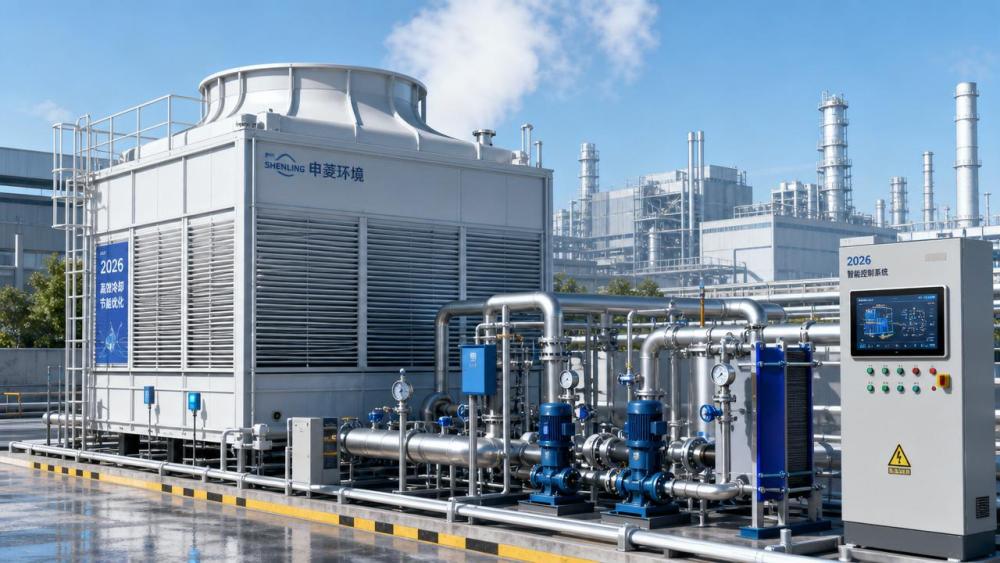
Several market signals show that intellectualization is moving from pilot projects to mainstream industrial practice. Cooling towers are becoming active assets rather than passive utilities.
Rising electricity prices continue to pressure thermal systems. At the same time, water scarcity, emissions targets, and stricter operational reporting are pushing smarter cooling strategies.
Sensor costs have fallen, industrial connectivity has improved, and analytics platforms are easier to deploy. These conditions make intellectualization more practical across diverse facilities.
Another signal is integration demand. Cooling towers are increasingly linked with chillers, pumps, compressors, heat exchangers, and building or plant control layers.
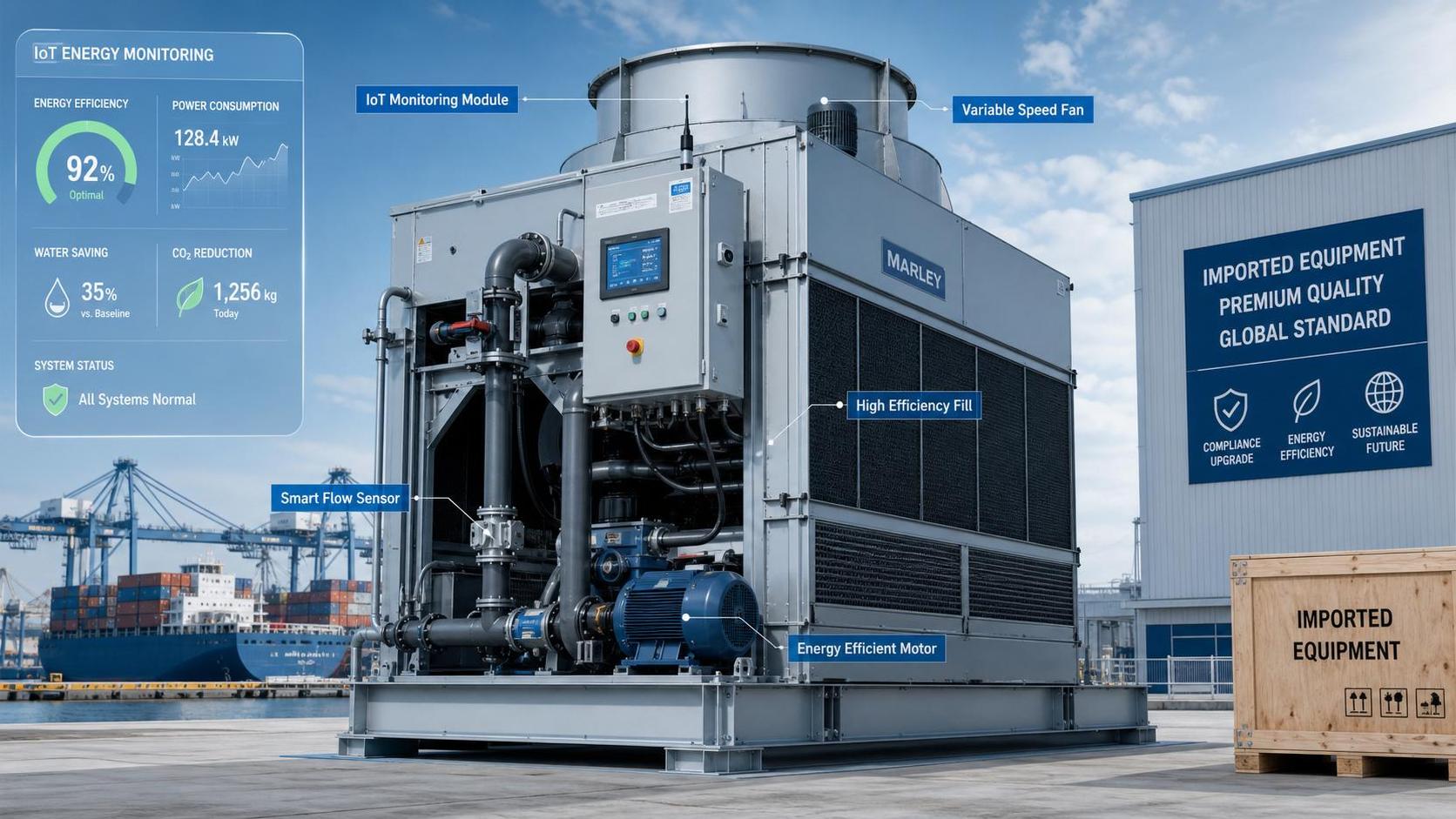
In this environment, intellectualization means real-time sensing, adaptive control, predictive alerts, and decision support based on thermal behavior rather than fixed schedules.
The strongest forces accelerating intellectualization
The 2026 outlook is shaped by technical, economic, and regulatory drivers. Together, they explain why intellectualization is becoming central to cooling tower investment decisions.
Technology maturity is reducing adoption barriers
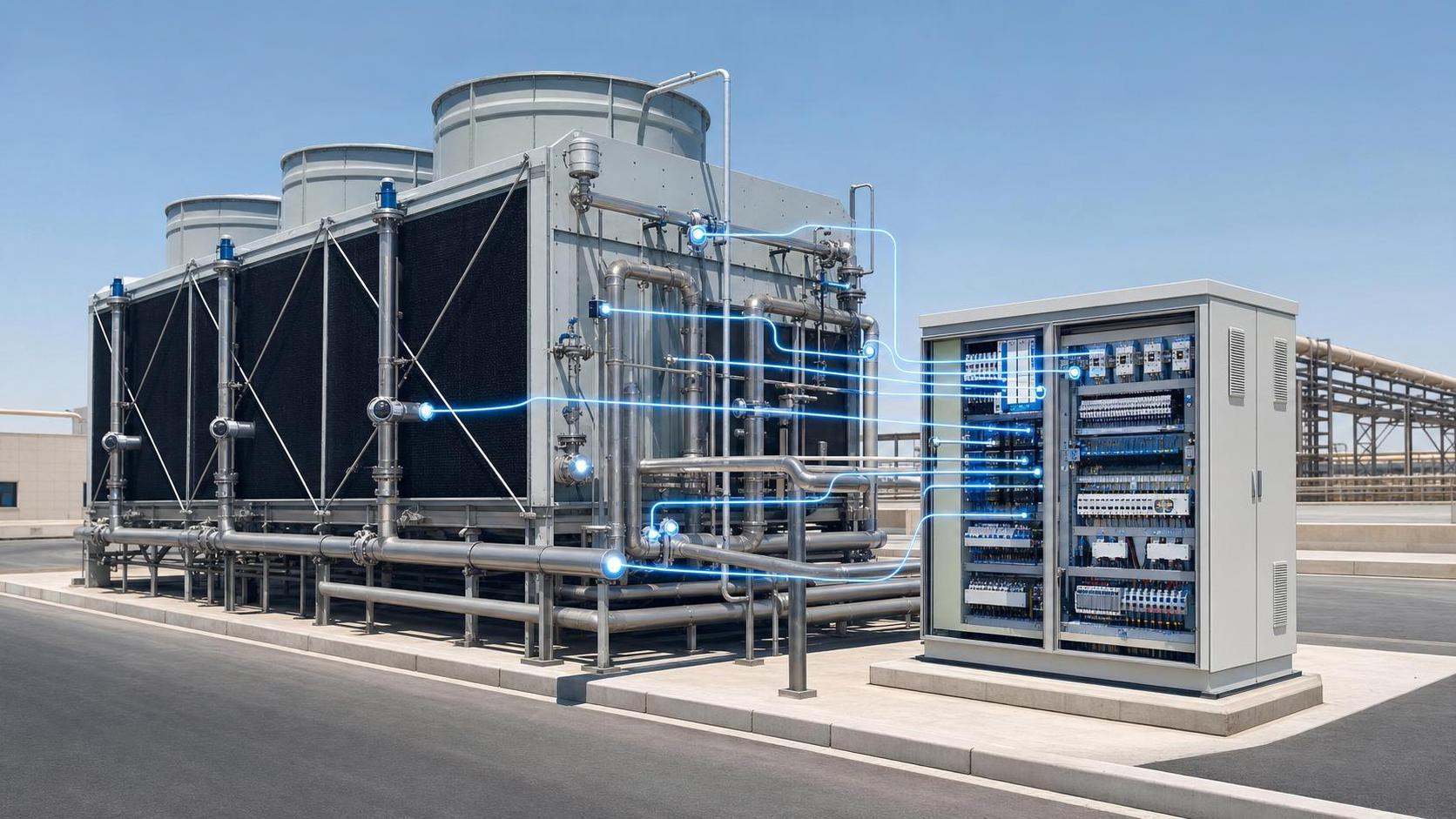
Wireless sensing, edge gateways, and cloud dashboards are no longer niche options. They allow intellectualization without fully replacing existing mechanical infrastructure.
This matters in mixed-age industrial sites. Many facilities can begin with targeted retrofits and still unlock measurable value from intellectualization.
How intellectualization is changing cooling tower operations
The biggest operational shift is from reactive management to condition-based optimization. Instead of waiting for thermal drift, systems learn and respond continuously.
- Fan speed adjusts according to load, weather, and return water temperature.
- Water quality trends trigger earlier intervention before scaling or fouling spreads.
- Vibration and motor signatures reveal developing faults.
- Digital twins simulate thermal performance under varying production scenarios.
- Supervisory systems coordinate cooling towers with chillers and heat exchangers.
In practice, intellectualization also improves visibility. Operators can compare design assumptions with actual conditions and identify where energy or water losses emerge.
This visibility is valuable in pharmaceuticals, food processing, electronics, chemicals, logistics campuses, and large commercial infrastructure where thermal stability affects product quality.
The wider business impact across industrial value chains
Intellectualization influences more than equipment efficiency. It changes planning, maintenance, compliance, and capital allocation across the thermal management chain.
Operational impact
Smarter cooling towers stabilize process temperatures and reduce avoidable performance drift. This supports output consistency and protects upstream and downstream systems.
Financial impact
Better control often lowers fan power, pumping energy, treatment expenses, and service interventions. Intellectualization can also extend asset life through gentler operating profiles.
Compliance impact
Digital records strengthen reporting on water use, energy performance, and maintenance actions. That creates stronger audit readiness in regulated or sustainability-sensitive sectors.
Strategic impact
Once intellectualization is established in cooling towers, similar methods can scale across compressed air, vacuum, and heat exchange systems for broader efficiency intelligence.
What deserves the closest attention in 2026
Not every digital feature creates equal value. The most effective intellectualization strategies focus on a few practical capabilities first.
- Data quality: inaccurate sensors undermine every optimization layer.
- Contextual analytics: dashboards must connect thermal data with production and weather conditions.
- Open integration: systems should communicate with existing controls and enterprise platforms.
- Cybersecurity: remote visibility increases attack surfaces if unmanaged.
- Water-energy balance: gains should be measured across both resources.
- Lifecycle economics: intellectualization should be judged by total value, not installation cost alone.
A common mistake is adding software without clarifying decisions it should improve. Intellectualization works best when linked to specific operating risks and performance targets.
A practical framework for judging the next move
A staged approach helps separate useful intellectualization from expensive digital noise. The goal is measurable progression, not technology accumulation.
Where the 2026 trend is likely to move next
The next phase of intellectualization will likely emphasize autonomous optimization, not just monitoring. Systems will recommend or execute changes with minimal manual intervention.
Another direction is cross-system intelligence. Cooling tower data will increasingly influence compressed air heat recovery, chiller loading, and process temperature strategies.
Expect more use of scenario modeling as climate variability intensifies. Intellectualization will help sites prepare for hotter peaks, unstable water supply, and changing production profiles.
Platforms with strong industrial intelligence, such as GTC-Matrix, will matter more because decision quality depends on connecting equipment data with market, policy, and technology signals.
The next actionable step for strengthening intellectualization
Start with a focused audit of cooling tower data readiness, control logic, and integration gaps. Then rank opportunities by energy impact, water impact, reliability value, and implementation speed.
If the objective is resilience, prioritize predictive maintenance and alarm quality. If the objective is sustainability, prioritize water-energy optimization and transparent reporting.
In 2026, intellectualization is no longer a future concept for cooling towers. It is a practical path toward smarter thermal performance, stronger industrial efficiency, and better competitive positioning.
Ready when you are. Send us a message to get started.
Related News
- Kentucky Regulators Approve $191 Million Cooling Tower at Mitchell Coal PlantAuthor :Thermodynamics Analyst

- Cooling Tower Market Trends Reshaping Replacement Plans and Capital BudgetsAuthor :Thermodynamics Analyst

- Field-Erected Cooling Tower Market: Why Utility Projects Favor Custom DesignsAuthor :Thermodynamics Analyst

- Evaporative Cooling Tower Market Outlook: Demand Drivers, Risks, and Growth AreasAuthor :Thermodynamics Analyst

- When does an industrial cooling radiator outperform a cooling tower?Author :Thermodynamics Analyst

- EU Cooling Tower Standard EN 13771:2026 Takes EffectAuthor :Thermodynamics Analyst

- EU REACH SVHC Update Triggers Cooling Tower DisclosureAuthor :Thermodynamics Analyst

- SASO Adds Bio-Durability Test for Cooling Tower FillAuthor :Thermodynamics Analyst

- EU REACH Update Bars Phthalates in Cooling Tower PVC FillAuthor :Thermodynamics Analyst

- EU Tightens CE Rules for Cooling Tower Steel PartsAuthor :Thermodynamics Analyst

- Shanghai-Rotterdam Cooling Tower Space TightensAuthor :Thermodynamics Analyst

- Hamburg Port Strike Delays Cooling Tower Parts ClearanceAuthor :Thermodynamics Analyst

- ASHRAE 188-2026 Makes Cooling Tower Microbial Control MandatoryAuthor :Thermodynamics Analyst

- India Enforces BIS IS 17842:2026 for Cooling TowersAuthor :Thermodynamics Analyst

- EU REACH Restricts Zinc Inhibitors in Cooling TowersAuthor :Thermodynamics Analyst

- TUV Rheinland Switches Cooling Tower Labels to IEC 61800-9-2Author :Thermodynamics Analyst

- EU REACH Rule Takes Effect for Cooling Tower CoatingsAuthor :Thermodynamics Analyst

- Vietnam to Require IoT Modules in Imported Cooling TowersAuthor :Thermodynamics Analyst

- How to Compare Industrial Cooling Equipment Dry Coolers for Year-Round EfficiencyAuthor :Thermodynamics Analyst

- SASO Tightens Cooling Tower Import Rules for 2027Author :Thermodynamics Analyst

- REACH SVHC Update Limits Copper Corrosion InhibitorsAuthor :Thermodynamics Analyst

- SASO Starts Cooling Tower Data Rule for CoCAuthor :Thermodynamics Analyst

- Saudi SASO Portal Adds Corrosion Data RuleAuthor :Thermodynamics Analyst

- SASO Adds Corrosion Report Rule for Cooling TowersAuthor :Thermodynamics Analyst

- RDHx Prices Rise as AI Demand Lifts Premium ModelsAuthor :Thermodynamics Analyst

- EU EN 13859-2:2026 Mandates Extreme Humidity Heat-Loss TestsAuthor :Thermodynamics Analyst

- VDE Tightens Cooling Tower Test ScopeAuthor :Thermodynamics Analyst

- SASO Tightens Cooling Tower Test Proof for SaberAuthor :Thermodynamics Analyst

- Saudi SABER Cooling Tower Rule Takes Effect EarlyAuthor :Thermodynamics Analyst

- EU Carbon Labels to Cover Cooling Tower ExportsAuthor :Thermodynamics Analyst

- Saudi SABER Cooling Tower Rule Takes Effect EarlyAuthor :Thermodynamics Analyst

- EU Carbon Label Rule Hits Cooling Tower ExportsAuthor :Thermodynamics Analyst

- Saudi SABER Cooling Tower Rule Adds EN 13859-2 TestAuthor :Thermodynamics Analyst

- Saudi SABER Tightens Cooling Tower Energy Report RulesAuthor :Thermodynamics Analyst

- Saudi SASO Tightens Cooling Tower Efficiency FilingAuthor :Thermodynamics Analyst

- Saudi SABER Tightens Cooling Tower Energy Report ChecksAuthor :Thermodynamics Analyst