India Extends Petrochemical Duty Relief for Cooling Tower Inputs




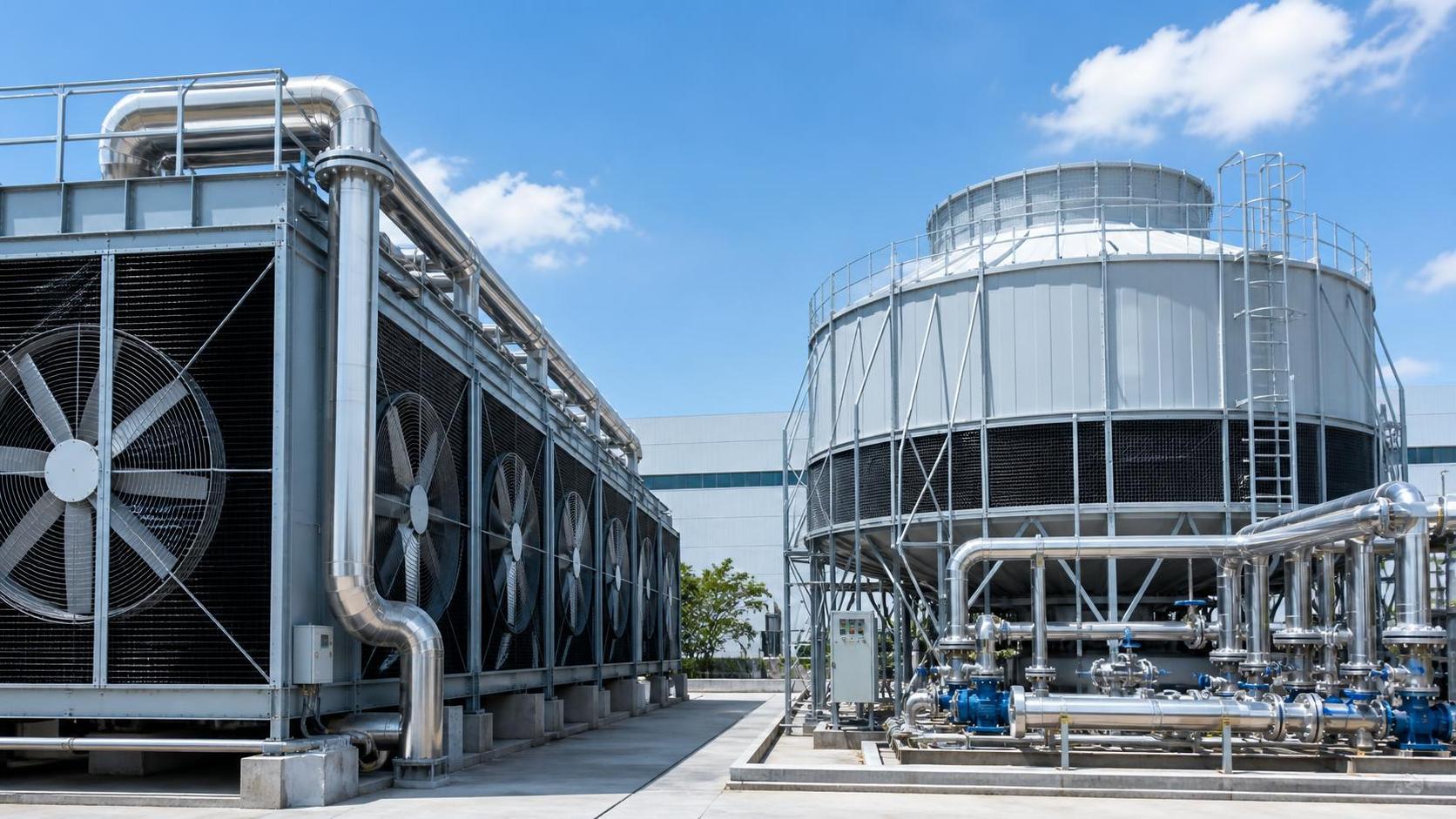
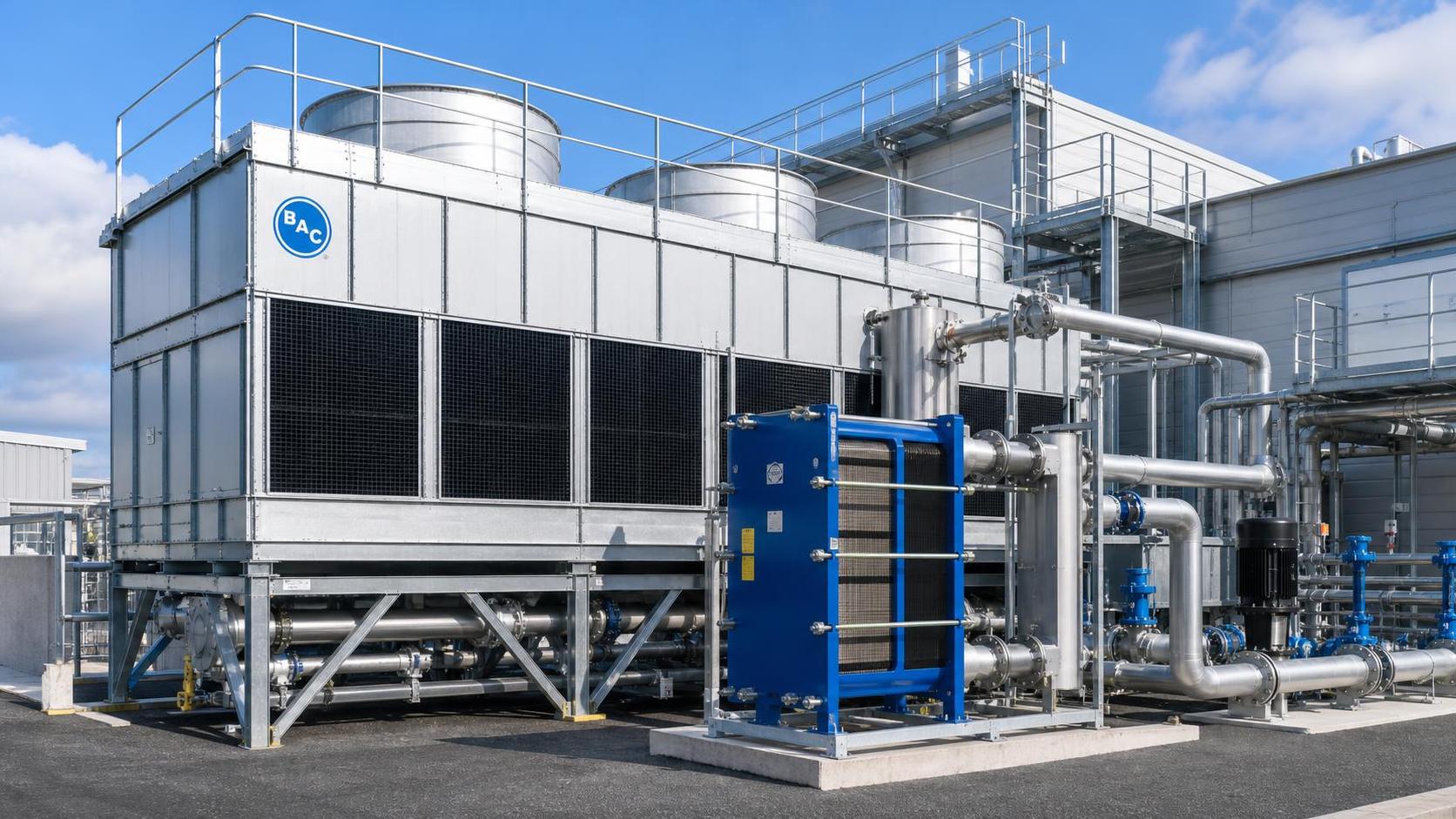
On June 9, 2026, India announced an extension of its import duty exemption for 40 petrochemical products through December 31, 2026, keeping tariff relief in place for reinforced PVC sheets, flame-retardant FRP substrates, and specialized resins used in cooling tower production. For companies involved in materials sourcing, cooling tower manufacturing, export supply, and tender preparation, this is worth close attention because it changes the cost base for key inputs and may affect procurement timing, delivery planning, and cross-border business coordination.
What Has Been Officially Extended
According to the provided event summary, India’s Ministry of Commerce announced on June 9 that the import duty exemption for 40 categories of petrochemical products, which had been due to expire on June 30, has been extended to December 31, 2026. The covered scope includes reinforced PVC sheets for cooling towers, flame-retardant FRP base materials, and specialized resins. The same summary states that the extension is expected to lower raw material procurement costs for local cooling tower manufacturers in India by about 12% to 18%, accelerate tender activity in the second half of the year, and create additional matching demand for cooling tower units and core components exported from China.
Where the Immediate Business Effects May Appear
Procurement teams may see a different input-cost baseline
From an industry perspective, local manufacturers in India are the first group likely to feel the impact because the exemption directly concerns imported raw materials used in cooling tower production. The main business effect may appear in sourcing schedules, supplier comparisons, and tender costing. What deserves closer attention is whether procurement documents, technical material descriptions, and import-related paperwork are aligned with the covered product categories so that purchasing decisions match the scope of the exemption.
Manufacturers may need to adjust tender and production coordination
Analysis shows that when input costs fall, manufacturing planning and bid preparation may move more quickly, especially if buyers respond by advancing project timelines. For cooling tower producers and component makers, the relevant operational links are quotation preparation, bill-of-material assumptions, delivery scheduling, and technical specification alignment. Companies should therefore watch for changes in tender language, requested material grades, and delivery expectations rather than assuming that lower input costs automatically translate into uniform project terms.
Export suppliers may face more matching-demand inquiries
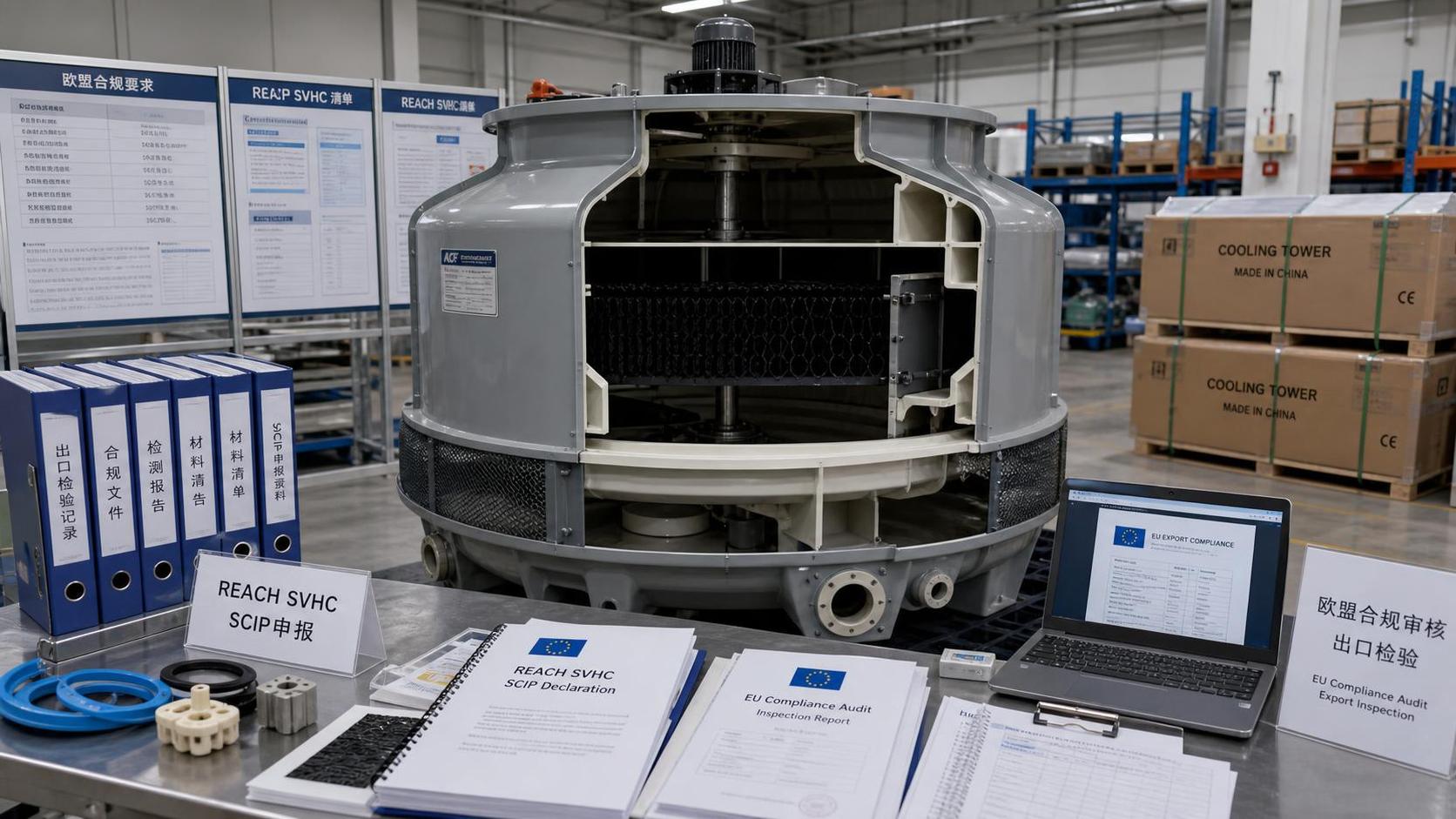
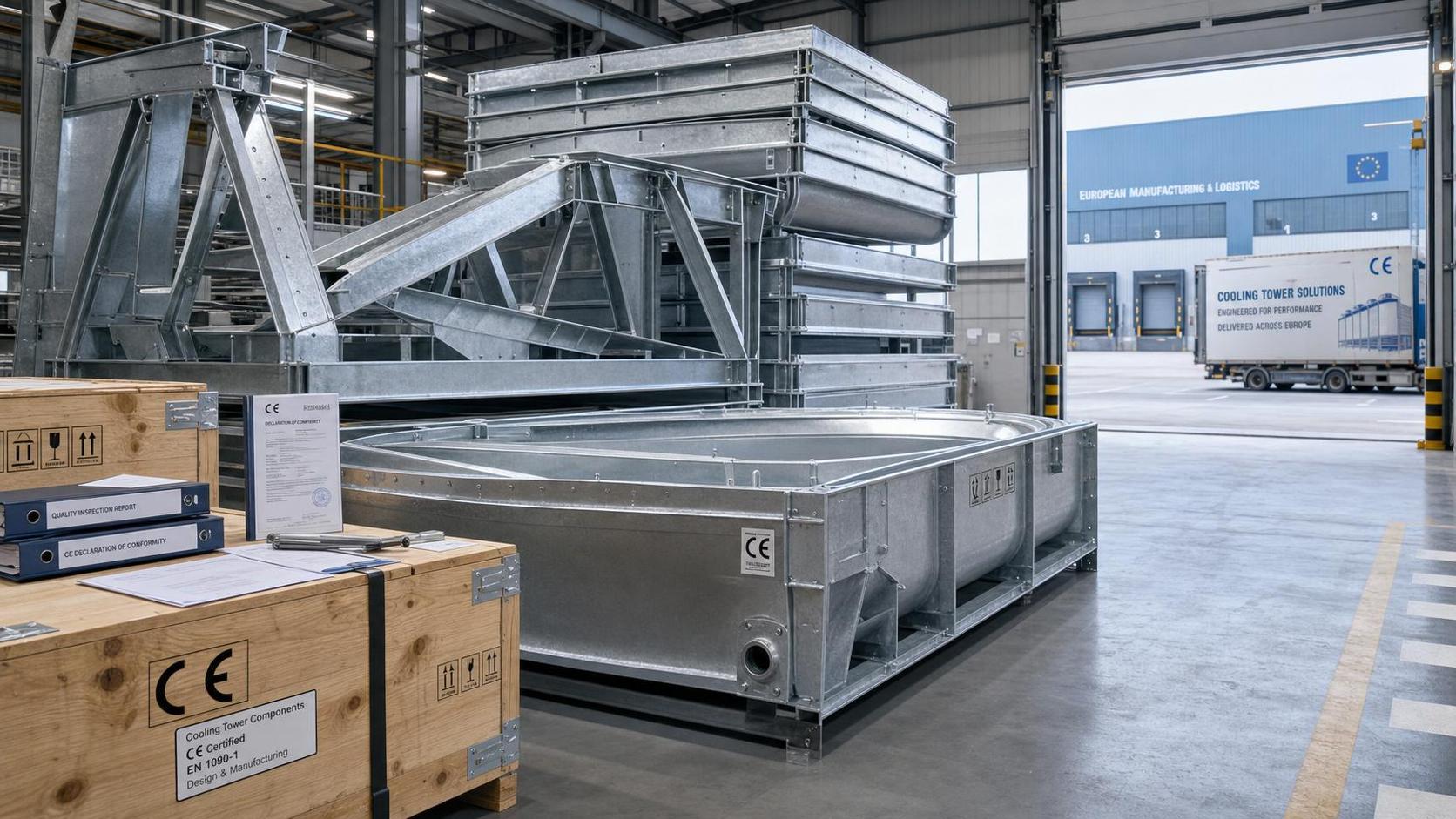
The provided information indicates potential incremental demand for complete cooling tower systems and core components exported from China. For export-oriented businesses, the likely impact is not only on order opportunities but also on document readiness, product specification consistency, and delivery coordination with Indian buyers. In practice, that means closer attention may be needed on technical files, product descriptions, and contract documents used in cross-border transactions, especially where material inputs and assembled equipment are linked in the same procurement cycle.
Supply-chain and after-sales participants may need tighter handoffs
Observably, if tenders accelerate, logistics, order management, and after-sales coordination may also come under more time pressure. Supply-chain service providers and downstream support teams may need to monitor whether procurement acceleration creates shorter lead-time expectations or stricter handover requirements for components and replacement parts. This is less a confirmed outcome than a practical area to watch as the policy extension begins to influence market behavior.
Practical Points Companies Should Track Now
Check whether product scope and internal documents match
Companies dealing with PVC, FRP, resins, cooling tower assemblies, or core parts should review whether product names, technical descriptions, and commercial paperwork are clearly consistent with the material categories referenced in the announced exemption scope. This is particularly relevant where purchasing, customs-facing documentation, and bid files are prepared by different teams.
Monitor follow-up wording and execution practice
What deserves closer attention is not only the extension itself, but also how it is reflected in later procurement notices, trade documentation requirements, and buyer-side execution practice. The provided information does not include detailed implementation language, so companies should avoid treating every commercial effect as fully settled and continue to track official wording and market-side application.
Prepare for faster tender response cycles
If lower input costs do encourage faster tender activity in the second half of the year, suppliers may need to prepare quotations, technical responses, and delivery plans on shorter timelines. Analysis shows that the practical issue is less about headline policy interpretation and more about whether commercial and technical teams can respond quickly with complete and consistent documentation.
Keep quality and traceability aligned with export growth
For businesses expecting more component or equipment demand linked to the Indian market, it is more appropriate to focus on document completeness, quality traceability, and after-sales readiness than on volume assumptions alone. Where execution details are still not fully visible, strong recordkeeping and clear technical correspondence can reduce friction during order confirmation and delivery.
How This Policy Signal Should Be Read
Analysis shows that this development is best understood as an already effective policy signal on input-cost conditions rather than as a complete picture of downstream market outcomes. The extension itself is a confirmed rule change within the scope provided, but its full effect on procurement pace, tender conversion, and export matching demand still depends on how buyers, manufacturers, and suppliers act on it. Observably, the market should continue watching for changes in tender documents, material specifications, and execution language before drawing firm conclusions about the scale of follow-through.
Why the Market Should Stay Measured
The industry significance of this update lies in its direct connection between a trade-rule adjustment and cooling tower supply-chain economics. It suggests a clearer cost environment for certain imported materials and a possible opening for faster procurement and related export demand. Even so, it is more appropriate to understand this as a grounded execution signal with follow-up variables still worth monitoring, rather than as a final indicator of fixed market results.
Basis of This Article and What Still Needs Verification
This article is based on the user-provided news title, event date, and event summary. For developments of this kind, relevant source types typically include official government announcements, releases from trade or customs authorities, industry association updates, standards-related documents, and reporting from authoritative media. A specific official source link was not provided in the input, so the exact official reference still requires ongoing verification. Further observation should focus on detailed policy wording, execution interpretation, tender document changes, market feedback, and how companies implement procurement, export, and delivery decisions under the extended exemption period.
Ready when you are. Send us a message to get started.
Related News
- Kentucky Regulators Approve $191 Million Cooling Tower at Mitchell Coal PlantAuthor :Thermodynamics Analyst

- Cooling Tower Market Trends Reshaping Replacement Plans and Capital BudgetsAuthor :Thermodynamics Analyst

- Field-Erected Cooling Tower Market: Why Utility Projects Favor Custom DesignsAuthor :Thermodynamics Analyst

- Evaporative Cooling Tower Market Outlook: Demand Drivers, Risks, and Growth AreasAuthor :Thermodynamics Analyst

- When does an industrial cooling radiator outperform a cooling tower?Author :Thermodynamics Analyst

- EU Cooling Tower Standard EN 13771:2026 Takes EffectAuthor :Thermodynamics Analyst

- EU REACH SVHC Update Triggers Cooling Tower DisclosureAuthor :Thermodynamics Analyst

- SASO Adds Bio-Durability Test for Cooling Tower FillAuthor :Thermodynamics Analyst

- EU REACH Update Bars Phthalates in Cooling Tower PVC FillAuthor :Thermodynamics Analyst

- EU Tightens CE Rules for Cooling Tower Steel PartsAuthor :Thermodynamics Analyst

- Shanghai-Rotterdam Cooling Tower Space TightensAuthor :Thermodynamics Analyst

- Hamburg Port Strike Delays Cooling Tower Parts ClearanceAuthor :Thermodynamics Analyst

- ASHRAE 188-2026 Makes Cooling Tower Microbial Control MandatoryAuthor :Thermodynamics Analyst

- India Enforces BIS IS 17842:2026 for Cooling TowersAuthor :Thermodynamics Analyst

- EU REACH Restricts Zinc Inhibitors in Cooling TowersAuthor :Thermodynamics Analyst

- TUV Rheinland Switches Cooling Tower Labels to IEC 61800-9-2Author :Thermodynamics Analyst

- EU REACH Rule Takes Effect for Cooling Tower CoatingsAuthor :Thermodynamics Analyst

- Vietnam to Require IoT Modules in Imported Cooling TowersAuthor :Thermodynamics Analyst

- How to Compare Industrial Cooling Equipment Dry Coolers for Year-Round EfficiencyAuthor :Thermodynamics Analyst

- SASO Tightens Cooling Tower Import Rules for 2027Author :Thermodynamics Analyst

- REACH SVHC Update Limits Copper Corrosion InhibitorsAuthor :Thermodynamics Analyst

- SASO Starts Cooling Tower Data Rule for CoCAuthor :Thermodynamics Analyst

- Saudi SASO Portal Adds Corrosion Data RuleAuthor :Thermodynamics Analyst

- SASO Adds Corrosion Report Rule for Cooling TowersAuthor :Thermodynamics Analyst

- RDHx Prices Rise as AI Demand Lifts Premium ModelsAuthor :Thermodynamics Analyst

- EU EN 13859-2:2026 Mandates Extreme Humidity Heat-Loss TestsAuthor :Thermodynamics Analyst

- VDE Tightens Cooling Tower Test ScopeAuthor :Thermodynamics Analyst

- SASO Tightens Cooling Tower Test Proof for SaberAuthor :Thermodynamics Analyst

- Saudi SABER Cooling Tower Rule Takes Effect EarlyAuthor :Thermodynamics Analyst

- EU Carbon Labels to Cover Cooling Tower ExportsAuthor :Thermodynamics Analyst

- Saudi SABER Cooling Tower Rule Takes Effect EarlyAuthor :Thermodynamics Analyst

- EU Carbon Label Rule Hits Cooling Tower ExportsAuthor :Thermodynamics Analyst

- Saudi SABER Cooling Tower Rule Adds EN 13859-2 TestAuthor :Thermodynamics Analyst

- Saudi SABER Tightens Cooling Tower Energy Report RulesAuthor :Thermodynamics Analyst

- Saudi SASO Tightens Cooling Tower Efficiency FilingAuthor :Thermodynamics Analyst

- Saudi SABER Tightens Cooling Tower Energy Report ChecksAuthor :Thermodynamics Analyst