Freight Surge Raises Cooling Tower Export Costs




On June 5, 2026, an upgraded navigation safety alert in the Strait of Hormuz quickly translated into a trade execution issue for exporters shipping large cooling tower equipment. The immediate jump in spot container rates on routes from the Gulf to Northern Europe and the Mediterranean is not just a freight story; it is a rule-and-risk signal affecting quotation structures, delivery planning, distributor purchasing decisions, and the commercial handling of FOB terms across the cooling tower supply chain.
What has already changed in the shipping environment
Confirmed information shows that the navigation safety alert escalation on June 5 led to a sharp weekly rise in spot freight rates on Gulf-to-Northern Europe and Gulf-to-Mediterranean routes. The weekly increase reached 37%, and the rate for a 40HQ container rose to $4,820.
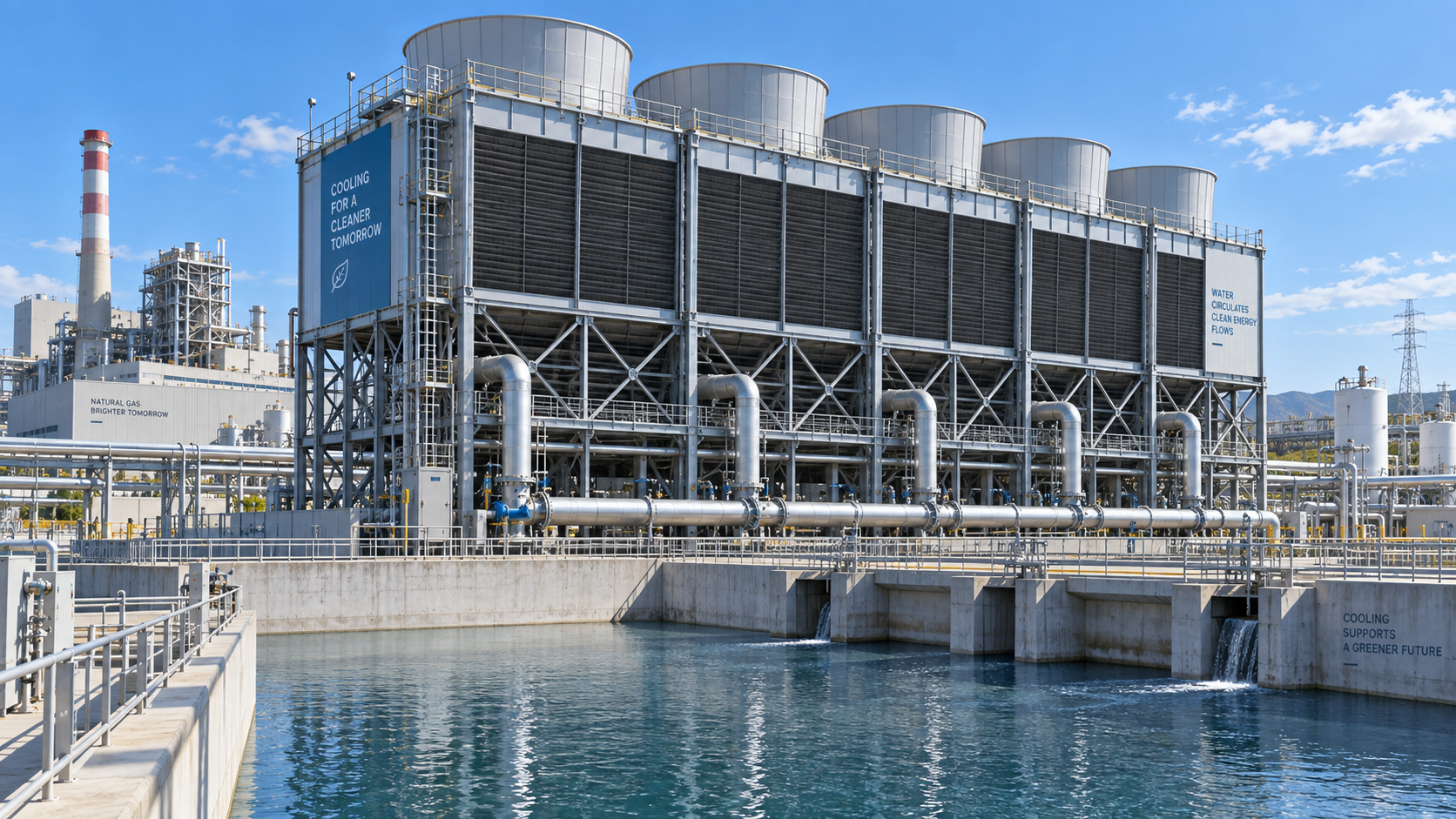
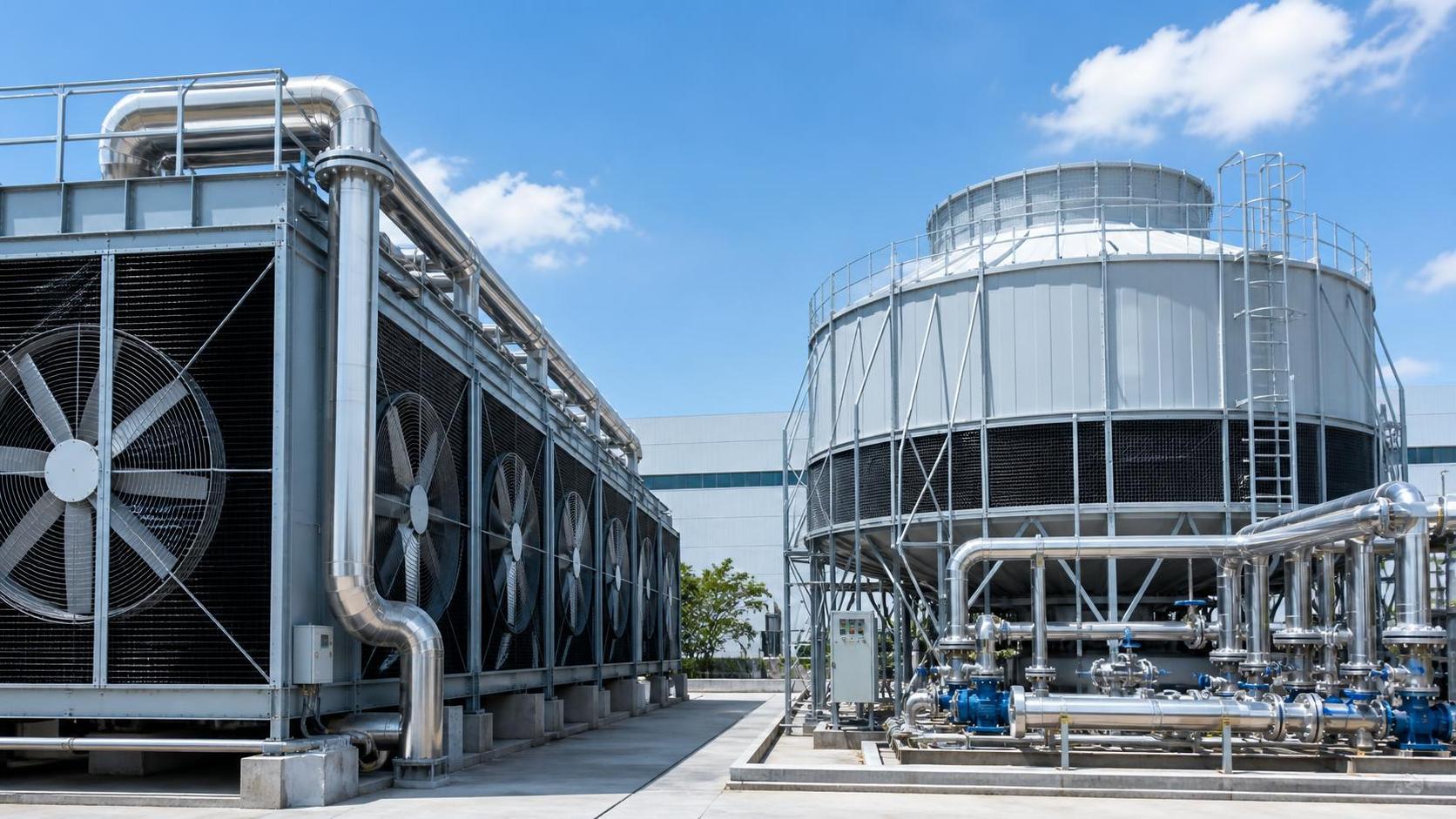
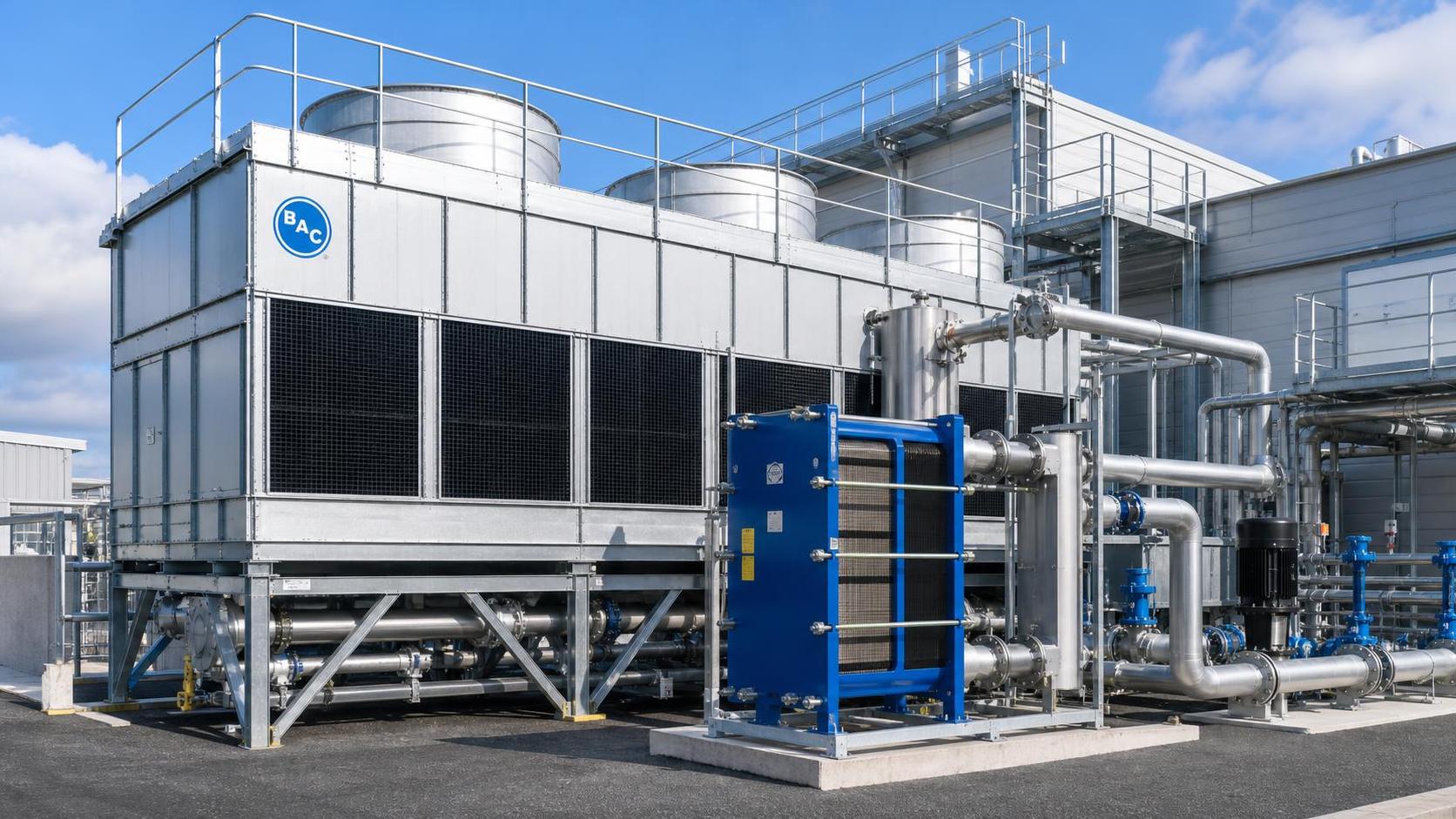
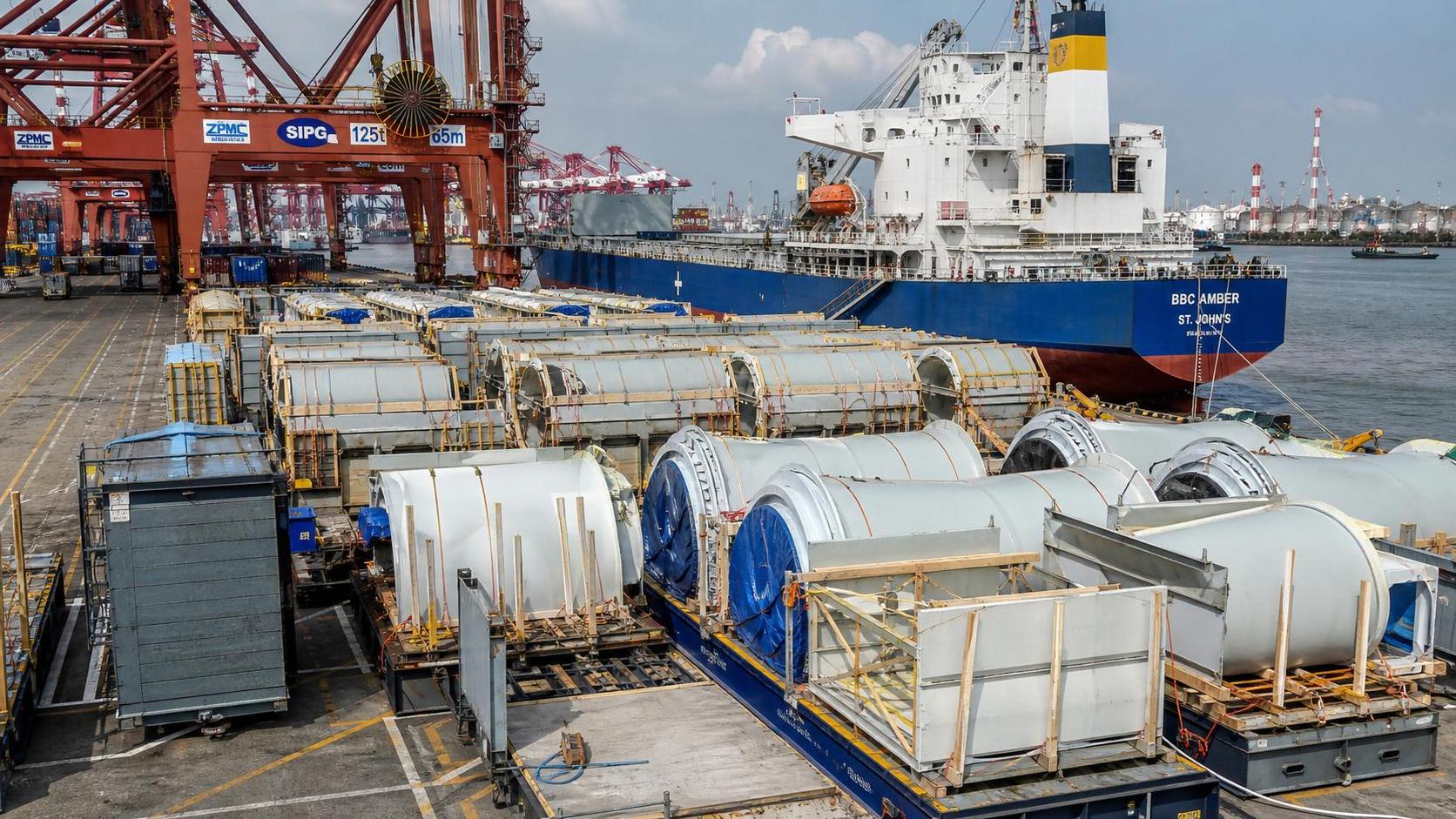
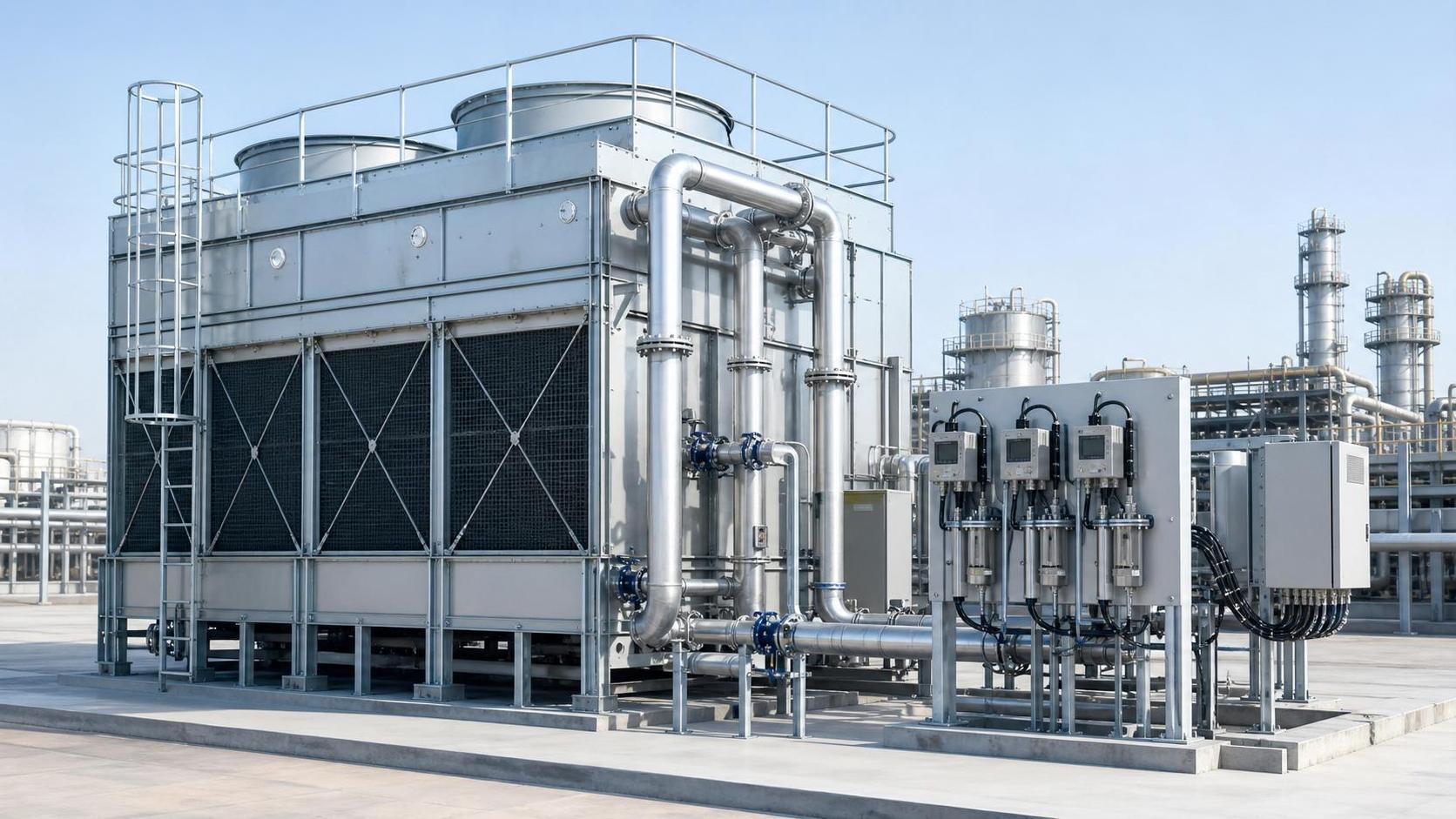
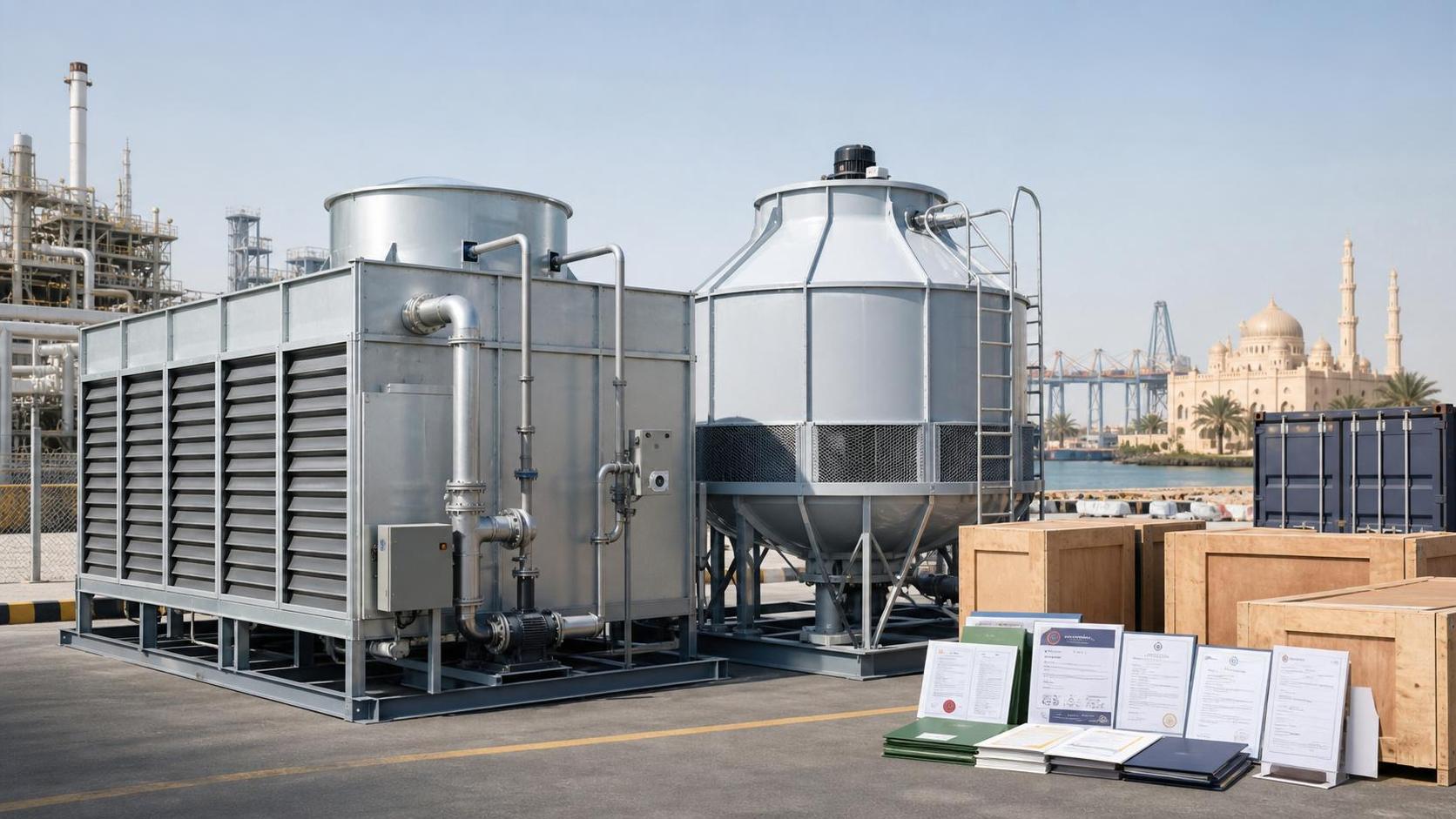
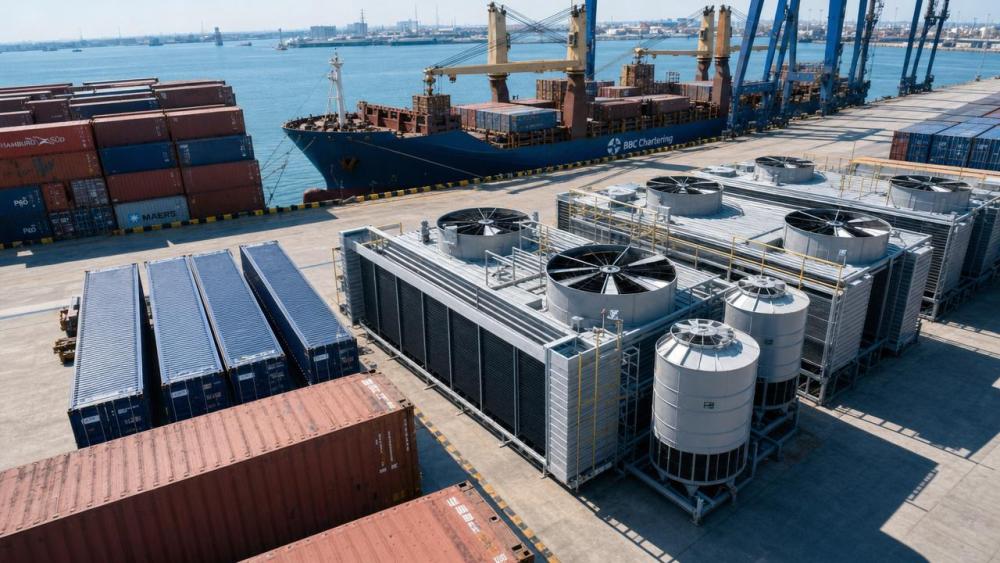
The reported cost impact is especially visible in large crossflow and counterflow cooling towers. Because these products occupy substantial container space while carrying relatively low cargo value per box, logistics cost per refrigeration ton increased by more than 22%.
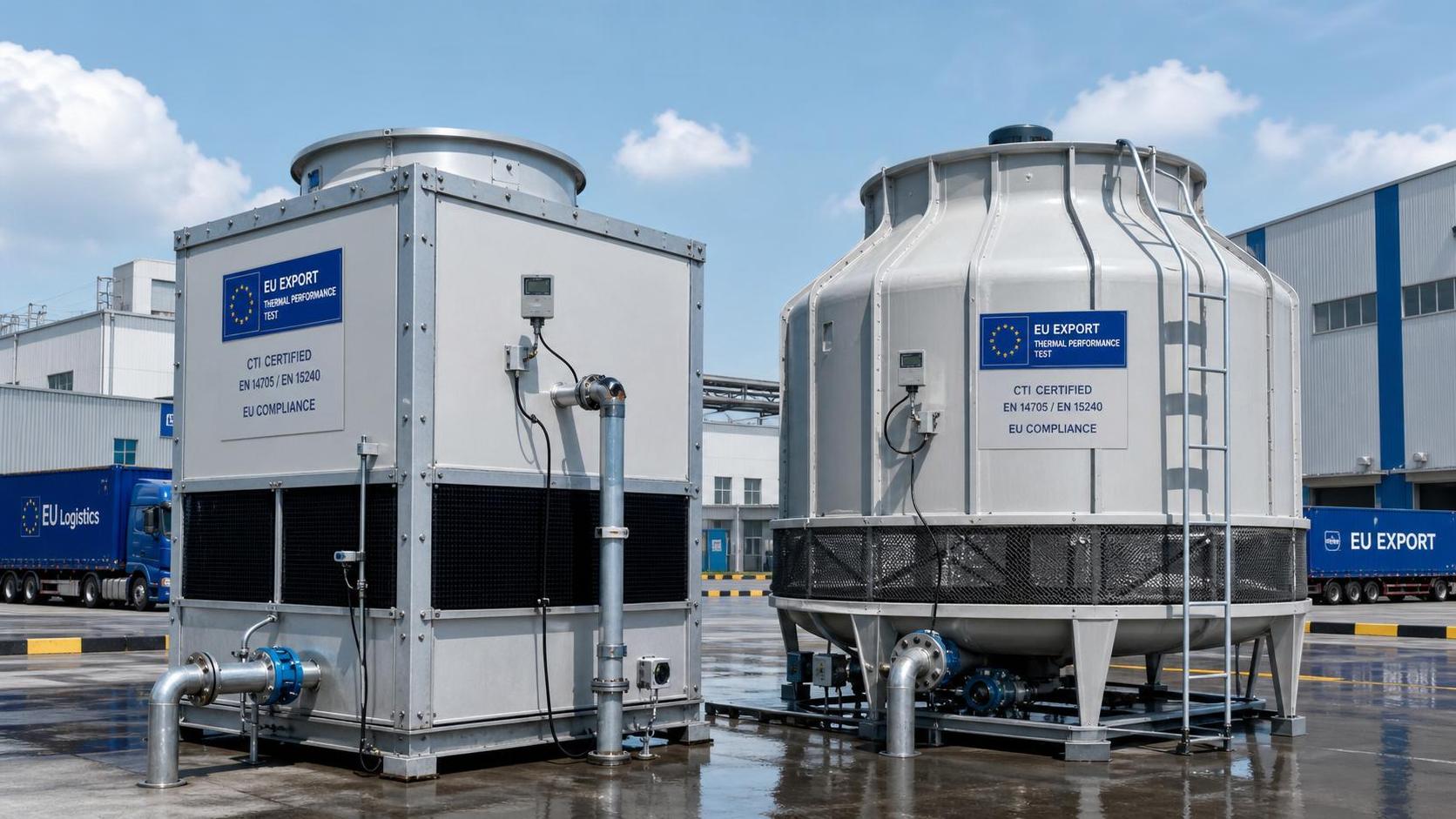
The same development has already prompted some European distributors to reassess the FOB quotation structure offered by Chinese suppliers.
Why the pressure is spreading across the transaction chain
Export quotations are becoming harder to hold steady
From an industry perspective, exporters of large cooling towers may feel the impact first at the quotation stage. When freight moves sharply within a short period, FOB pricing can come under renewed scrutiny because overseas buyers and distributors may revisit whether the original division of cost and risk still reflects actual shipment conditions. What deserves closer attention is not only the product price itself, but also how freight volatility changes commercial discussions around shipment timing and offer validity.
Distributor purchasing decisions may become more selective
For distributors handling bulky equipment, the issue is practical rather than abstract. A product category with low cargo value per container is more exposed when container rates rise quickly. Analysis shows that this can affect purchasing rhythm, model selection, and the comparison of suppliers whose offers appear similar at the factory gate but lead to different landed-cost outcomes once logistics pressure is added.
Supply chain service providers face tighter delivery coordination
Freight forwarders, logistics coordinators, and shipment planners may also face greater pressure in execution. Observably, once navigation safety conditions affect route pricing, booking arrangements, container utilization, and delivery scheduling become more sensitive points in export performance. Businesses involved in handover, shipment documentation, and customer delivery commitments should therefore pay closer attention to whether existing arrangements remain commercially workable under higher transport cost assumptions.
What companies should watch in current transactions
Review the commercial wording behind FOB offers
Analysis shows that the immediate issue is not a new formal trade regulation in the narrow legal sense, but a market response to a safety-related shipping risk signal that is already influencing trade behavior. Companies should therefore review how FOB quotations are presented, how long pricing remains valid, and whether internal approval rules for freight-sensitive offers still match current shipment conditions.
Track buyer-side requests tied to bidding and technical files
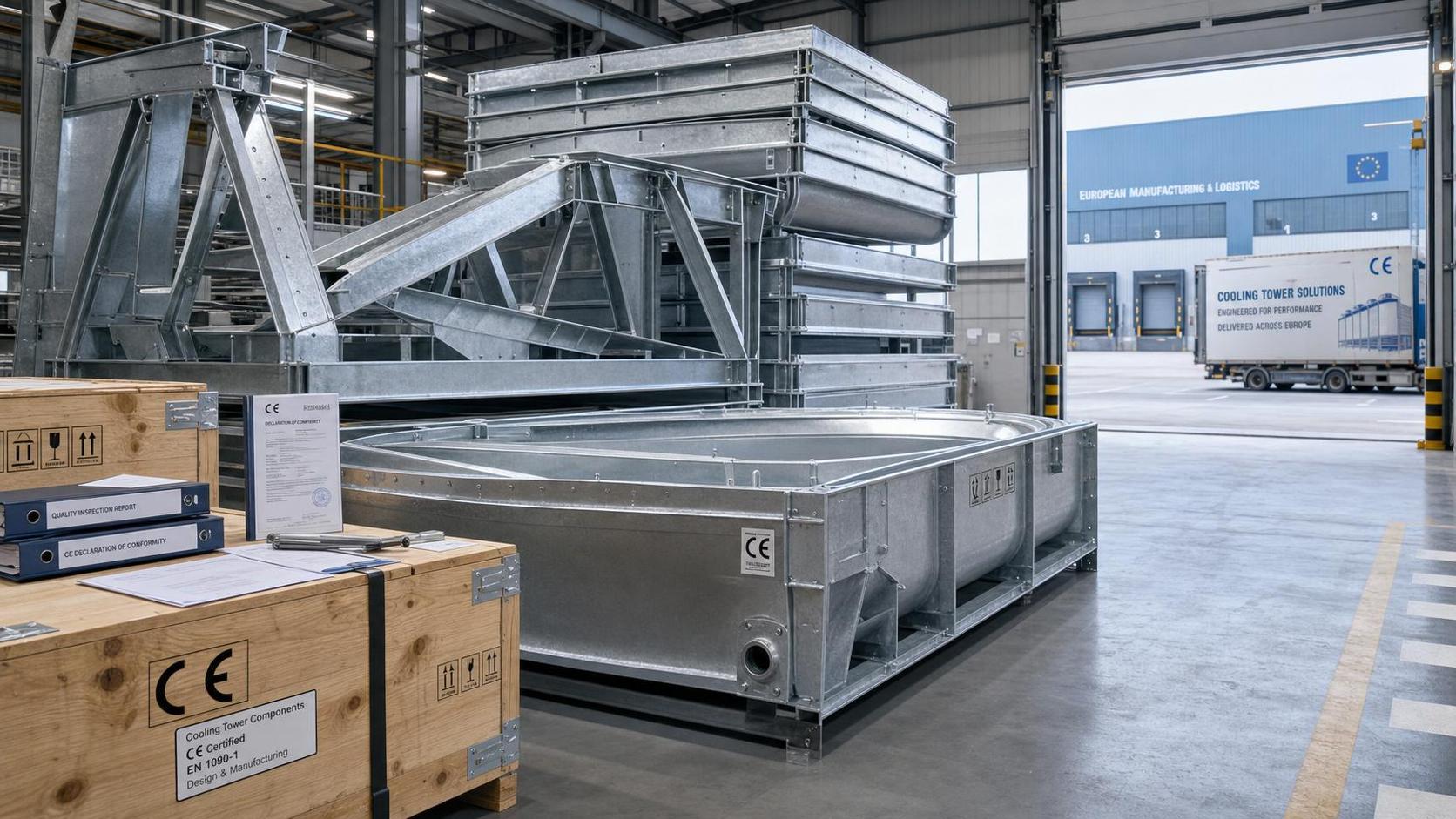
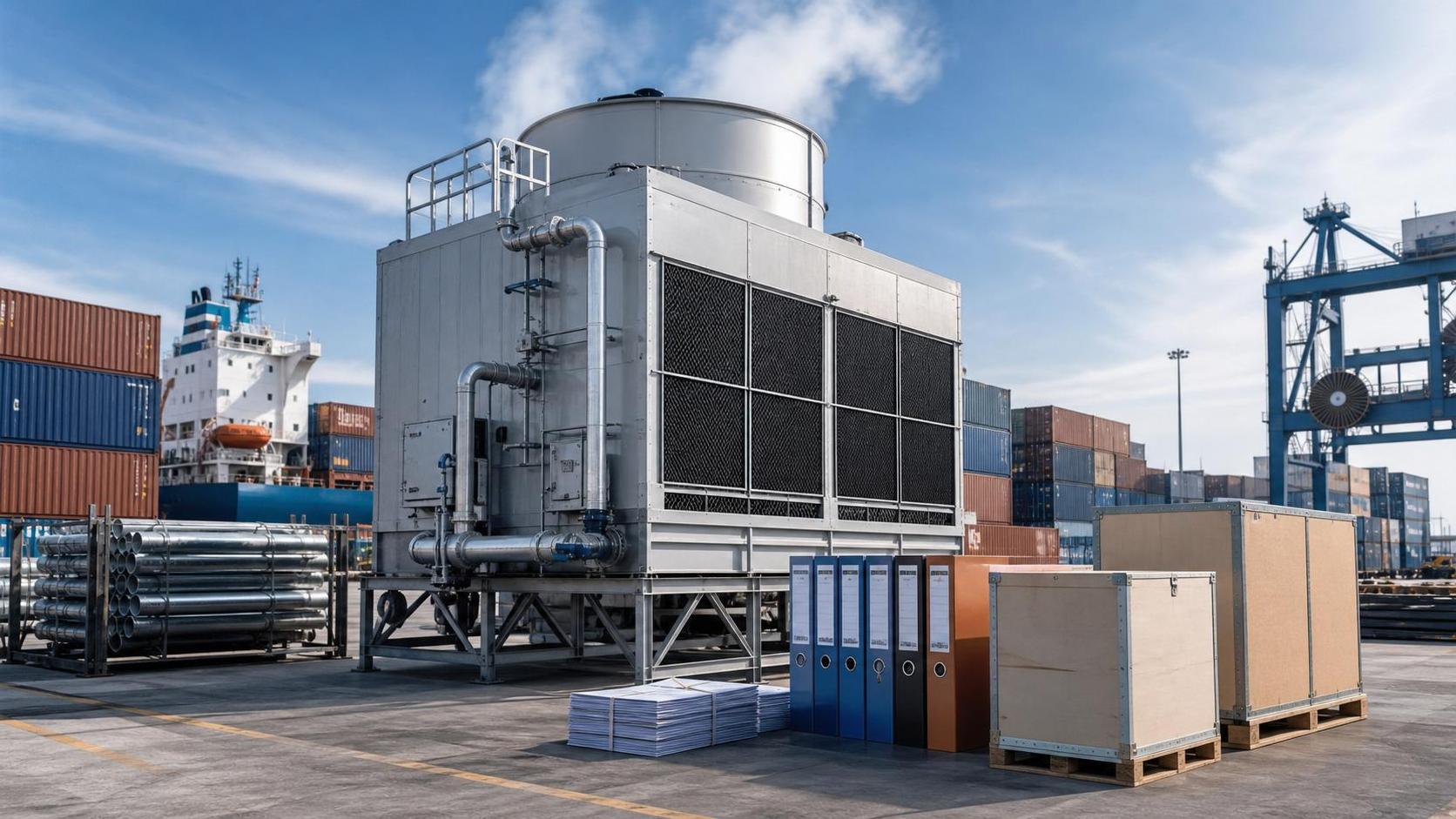
Because some European distributors are reassessing supplier offers, exporters should watch for changes in buyer requests linked to tender files, commercial annexes, packing assumptions, and shipment-related supporting documents. It is more appropriate to understand this as a possible execution adjustment rather than a confirmed new mandatory rule, but it can still affect deal closure and order conversion.
Check delivery planning for bulky, low-value-per-container products
Large crossflow and counterflow cooling towers are specifically exposed because of their space profile. Companies handling these products should pay closer attention to delivery windows, shipment batching, container loading assumptions, and internal cost review procedures. Observably, even where product specifications remain unchanged, logistics cost pressure can alter the commercial viability of a shipment.
Continue monitoring the language used in market execution
If distributors and buyers continue to re-evaluate FOB structures, the market may begin to reflect that through revised negotiation language, tighter quotation conditions, or changes in order timing. At present, no broader execution outcome beyond the facts provided should be treated as confirmed, so companies should focus on monitoring rather than assuming a fixed market pattern.
How this signal should be read for now
Analysis shows that this development is best read as an execution signal rather than a fully settled rule change with clear long-term boundaries. The navigation safety alert has already had a measurable effect on freight, and that freight move is already affecting commercial behavior in cooling tower exports. What deserves closer attention is whether this remains a short-cycle logistics shock or begins to influence how buyers structure tenders, evaluate FOB offers, and allocate sourcing decisions in coming transactions.
A practical reading for the cooling tower trade
For the cooling tower sector, the main significance of this event lies in how quickly a shipping safety warning can move from transport conditions into pricing discipline and buyer review. It is more appropriate to understand the current situation as a real and already visible trade-cost adjustment, while the broader commercial and rule-execution implications still require continued observation. Companies should stay focused on quotation logic, delivery coordination, and buyer-side documentation requests rather than assuming that the present freight spike alone determines a lasting market outcome.
Basis of this article and what still needs verification
This article is generated from the user-provided news title, event date, and event summary. For events of this kind, relevant source types typically include official notices, regulatory releases, customs or trade authority information, industry association updates, standard-setting documents, and reporting from established media. No specific official source link was provided in the input, so the underlying source path still requires ongoing verification. Follow-up observation should focus on any further official wording, execution guidance, tender document changes, buyer response patterns, and how companies actually adjust export quotations and delivery arrangements.
Ready when you are. Send us a message to get started.
Related News
- Kentucky Regulators Approve $191 Million Cooling Tower at Mitchell Coal PlantAuthor :Thermodynamics Analyst

- Cooling Tower Market Trends Reshaping Replacement Plans and Capital BudgetsAuthor :Thermodynamics Analyst

- Field-Erected Cooling Tower Market: Why Utility Projects Favor Custom DesignsAuthor :Thermodynamics Analyst

- Evaporative Cooling Tower Market Outlook: Demand Drivers, Risks, and Growth AreasAuthor :Thermodynamics Analyst

- When does an industrial cooling radiator outperform a cooling tower?Author :Thermodynamics Analyst

- EU Cooling Tower Standard EN 13771:2026 Takes EffectAuthor :Thermodynamics Analyst

- EU REACH SVHC Update Triggers Cooling Tower DisclosureAuthor :Thermodynamics Analyst

- SASO Adds Bio-Durability Test for Cooling Tower FillAuthor :Thermodynamics Analyst

- EU REACH Update Bars Phthalates in Cooling Tower PVC FillAuthor :Thermodynamics Analyst

- EU Tightens CE Rules for Cooling Tower Steel PartsAuthor :Thermodynamics Analyst

- Shanghai-Rotterdam Cooling Tower Space TightensAuthor :Thermodynamics Analyst

- Hamburg Port Strike Delays Cooling Tower Parts ClearanceAuthor :Thermodynamics Analyst

- ASHRAE 188-2026 Makes Cooling Tower Microbial Control MandatoryAuthor :Thermodynamics Analyst

- India Enforces BIS IS 17842:2026 for Cooling TowersAuthor :Thermodynamics Analyst

- EU REACH Restricts Zinc Inhibitors in Cooling TowersAuthor :Thermodynamics Analyst

- TUV Rheinland Switches Cooling Tower Labels to IEC 61800-9-2Author :Thermodynamics Analyst

- EU REACH Rule Takes Effect for Cooling Tower CoatingsAuthor :Thermodynamics Analyst

- Vietnam to Require IoT Modules in Imported Cooling TowersAuthor :Thermodynamics Analyst

- How to Compare Industrial Cooling Equipment Dry Coolers for Year-Round EfficiencyAuthor :Thermodynamics Analyst

- SASO Tightens Cooling Tower Import Rules for 2027Author :Thermodynamics Analyst

- REACH SVHC Update Limits Copper Corrosion InhibitorsAuthor :Thermodynamics Analyst

- SASO Starts Cooling Tower Data Rule for CoCAuthor :Thermodynamics Analyst

- Saudi SASO Portal Adds Corrosion Data RuleAuthor :Thermodynamics Analyst

- SASO Adds Corrosion Report Rule for Cooling TowersAuthor :Thermodynamics Analyst

- RDHx Prices Rise as AI Demand Lifts Premium ModelsAuthor :Thermodynamics Analyst

- EU EN 13859-2:2026 Mandates Extreme Humidity Heat-Loss TestsAuthor :Thermodynamics Analyst

- VDE Tightens Cooling Tower Test ScopeAuthor :Thermodynamics Analyst

- SASO Tightens Cooling Tower Test Proof for SaberAuthor :Thermodynamics Analyst

- Saudi SABER Cooling Tower Rule Takes Effect EarlyAuthor :Thermodynamics Analyst

- EU Carbon Labels to Cover Cooling Tower ExportsAuthor :Thermodynamics Analyst

- Saudi SABER Cooling Tower Rule Takes Effect EarlyAuthor :Thermodynamics Analyst

- EU Carbon Label Rule Hits Cooling Tower ExportsAuthor :Thermodynamics Analyst

- Saudi SABER Cooling Tower Rule Adds EN 13859-2 TestAuthor :Thermodynamics Analyst

- Saudi SABER Tightens Cooling Tower Energy Report RulesAuthor :Thermodynamics Analyst

- Saudi SASO Tightens Cooling Tower Efficiency FilingAuthor :Thermodynamics Analyst

- Saudi SABER Tightens Cooling Tower Energy Report ChecksAuthor :Thermodynamics Analyst