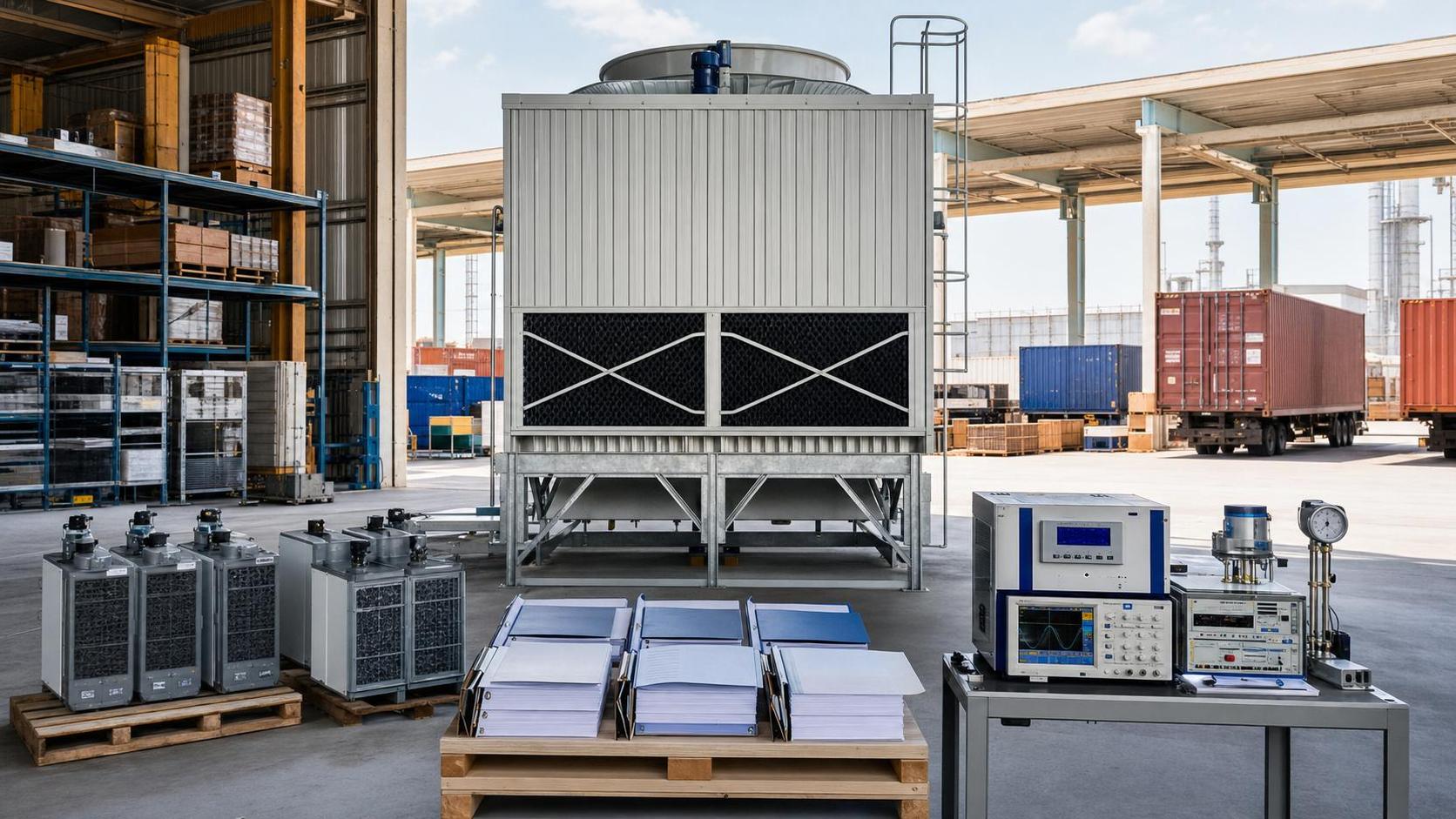
Kunming Forum Signals New Cooling Equipment Entry Rules




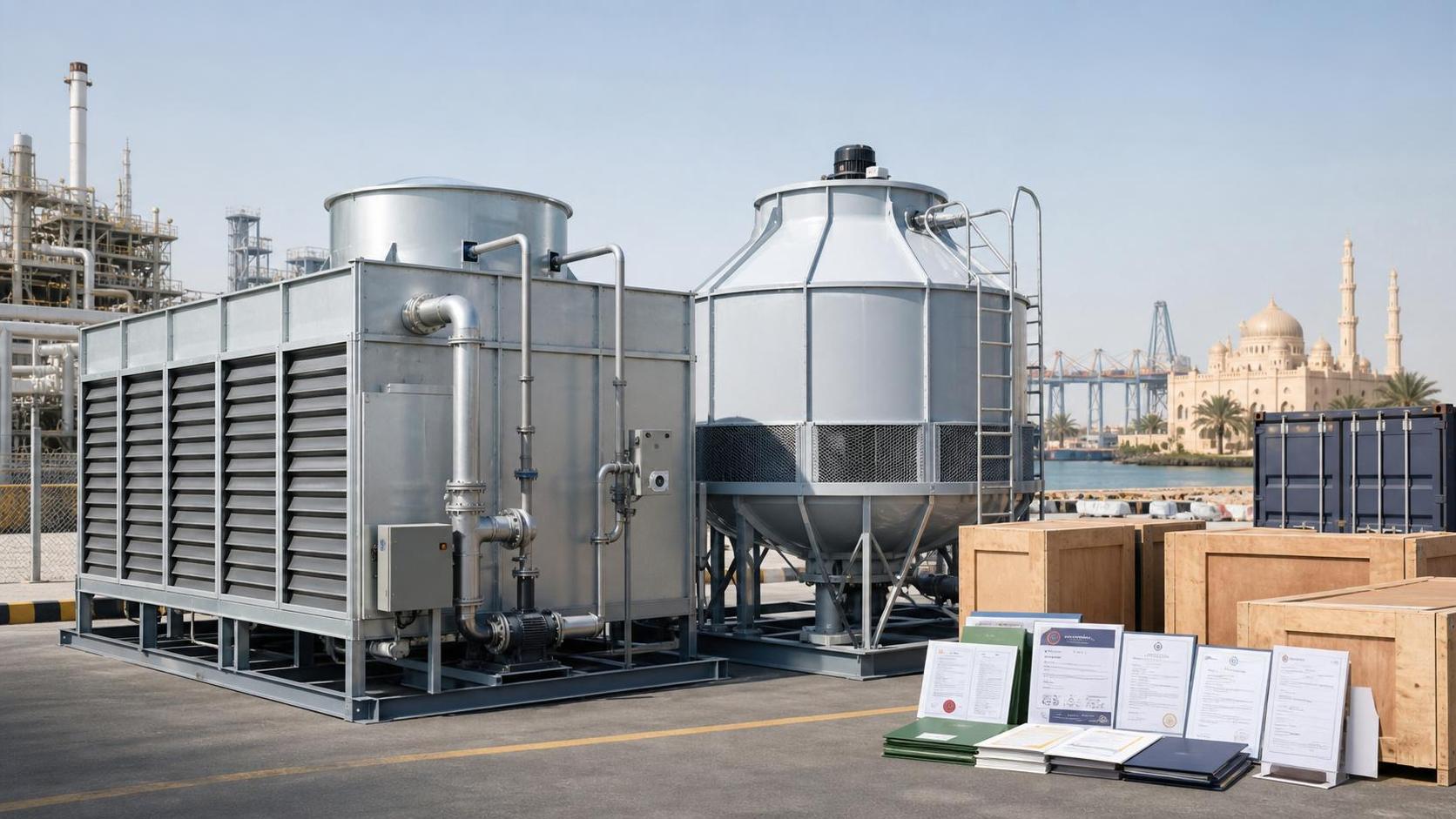
On June 11, 2026, a South Asia-focused international public procurement conference opened in Kunming and brought into sharper view a new compliance direction for refrigeration and energy equipment entering UN-linked and South Asian procurement channels. The update matters not only because it names product categories such as industrial cooling towers, screw compressors, cold storage systems and plate heat exchangers, but also because it ties future access more closely to ISO 50001 energy management certification, low-GWP refrigerant transition pathways and localized after-sales response capacity, all of which can affect bidding, export readiness, technical documentation and delivery planning.
What the conference explicitly put on the table
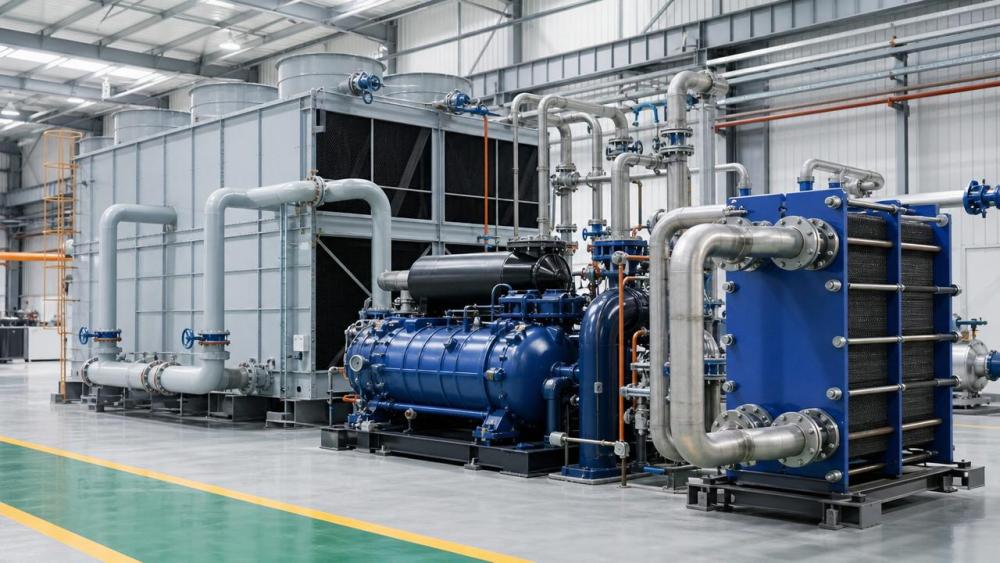
Confirmed information shows that the conference was launched in Kunming on June 11, 2026, under the guidance of the Yunnan Department of Commerce and organized by the China Chamber of Commerce for Import and Export of Machinery and Electronic Products. At the event, the United Nations Office for Project Services, the Asian Development Bank and Bangladesh's BRAC institution released procurement and compliance signals for 2026-2027 covering equipment including industrial cooling towers, screw compressors, cold storage systems and plate heat exchangers.
The confirmed requirements highlighted at the conference centered on green procurement lists and compliance expectations. These included the need to meet ISO 50001 energy-efficiency related certification requirements, follow low-GWP refrigerant replacement pathways, and demonstrate localized after-sales response capability.
Where the pressure points are likely to emerge
Export bids may face a higher documentation threshold
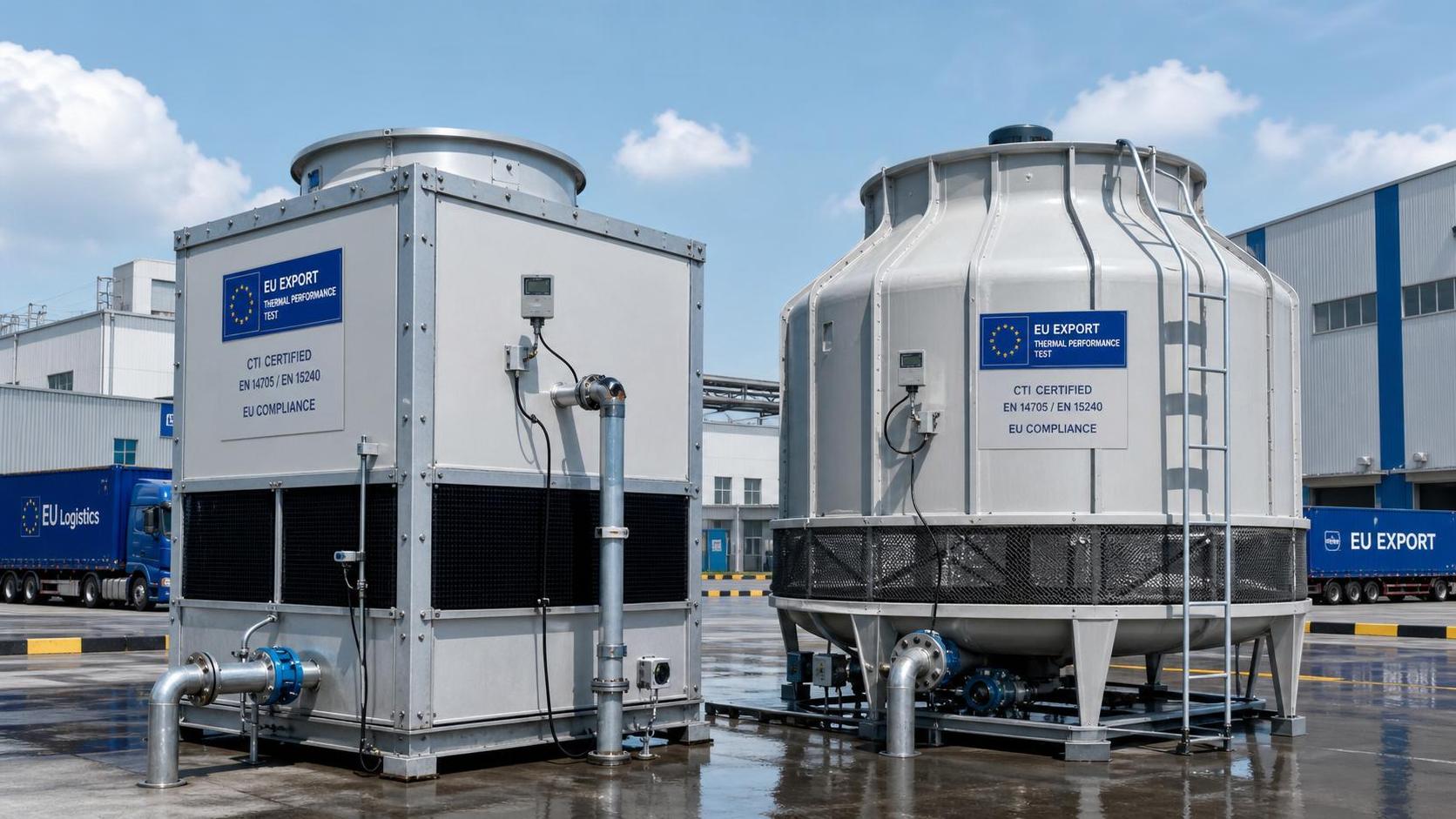
From an industry perspective, exporters targeting public procurement projects linked to international organizations or South Asian buyers are likely to feel the change first in pre-bid preparation. The reason is straightforward: once green procurement lists and compliance conditions become more visible, product access is no longer judged only on technical performance, but also on whether certification files, refrigerant route descriptions and service commitments are ready for review.
What deserves closer attention is the effect on tender alignment. For trading companies and export-oriented manufacturers, the practical impact may appear in qualification screening, technical bid alignment, certificate submission and clarification rounds during procurement.
Manufacturers may need tighter coordination between design and compliance
Manufacturing enterprises involved in cooling and energy equipment may be affected because the conference signals that product configuration and market access expectations are moving closer together. If a buyer or procurement framework emphasizes low-GWP refrigerant pathways, compliance is not just a sales matter; it can also shape technical selection, supporting documentation and product positioning for specific tenders.
For this group, the core business links likely to be affected are product specification management, compliance file preparation, factory-side certification readiness and handover materials used during export delivery.
Service capability becomes part of market access, not only post-sale support
After-sales providers, channel partners and supply-chain service firms may also be affected because localized response capability was singled out alongside certification and refrigerant transition requirements. Analysis shows that service readiness may increasingly be treated as part of supplier credibility in procurement, especially where equipment uptime, maintenance response and operating continuity matter to project owners.
In practice, this can influence partner selection, local support arrangements, service commitments written into bids and the supporting records used to prove fulfillment capacity.
What companies should start checking now
Review whether current certification materials match buyer expectations
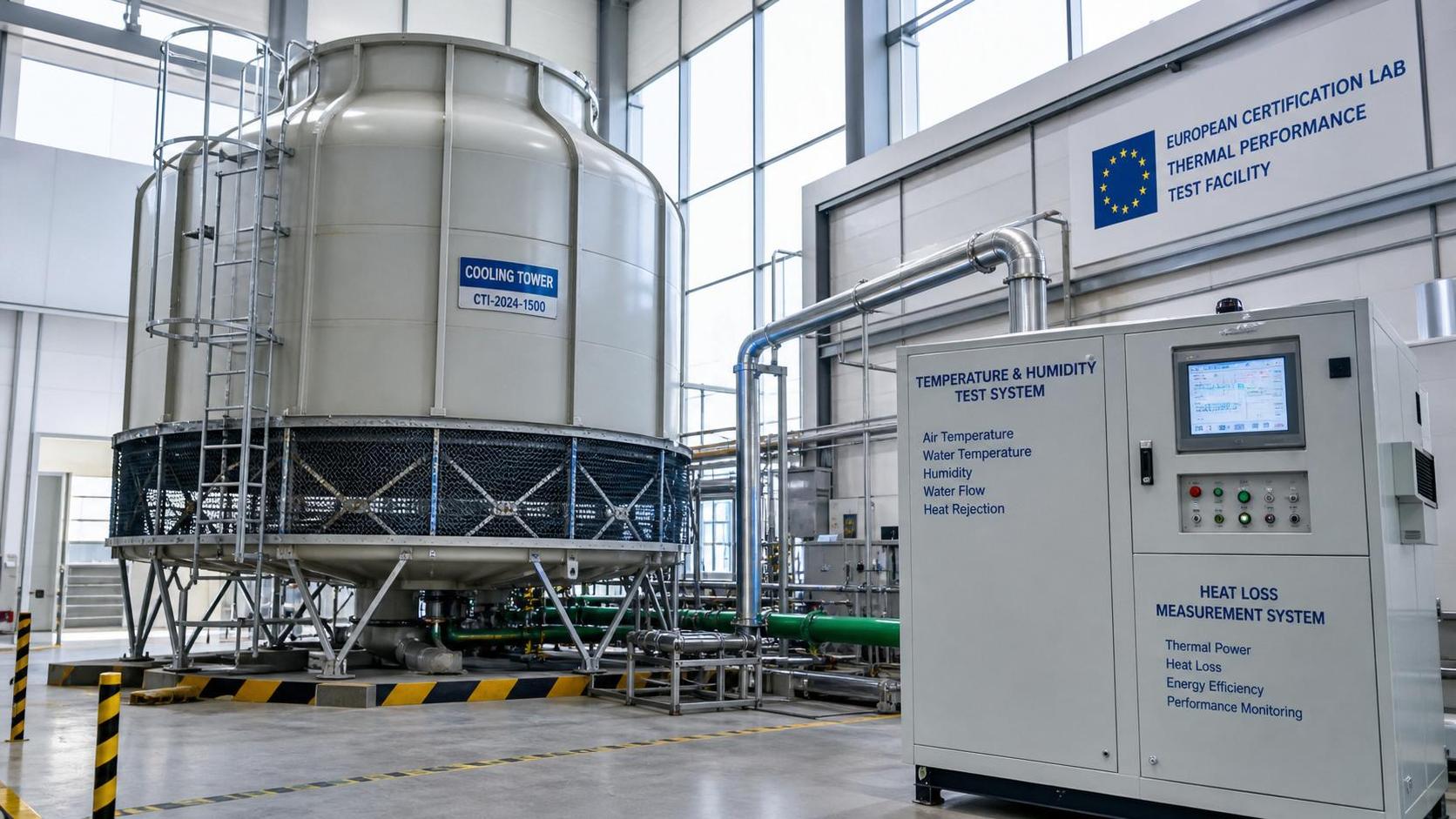
Analysis shows that companies active in the listed product categories should first verify how ISO 50001-related materials are presented in their existing compliance package. If internal certification, energy management descriptions or supporting files are incomplete or not procurement-ready, the issue may surface during qualification review rather than during final delivery.
Track how low-GWP language appears in future bid documents
What deserves closer attention is not only the general reference to low-GWP refrigerant replacement, but also how that requirement is later expressed in tender documents, technical specifications or buyer clarifications. The current information signals direction, but it does not yet provide a full execution standard for every procurement case.
Prepare service proof, not just service promises
Companies should also examine whether their localized after-sales arrangements can be evidenced through service networks, response processes, partner structures or contractual support commitments. Observably, once service capability becomes an access condition, unsupported statements may carry less weight than verifiable delivery and response mechanisms.
Align procurement planning with compliance lead times
Suppliers, procurement teams and project delivery managers should pay attention to whether certification review, technical document updates and service arrangement confirmation will extend bid preparation or shipment planning. The current signal does not confirm a single execution timeline, but it does indicate that compliance readiness may need to be built earlier into export and procurement schedules.
Why this looks more like an execution signal than a finished rulebook
Observably, this development is best read as a clear market-access signal rather than a fully detailed regulatory text. The conference did not merely repeat broad sustainability language; it connected named product categories with concrete compliance themes, including ISO 50001, low-GWP refrigerant transition and localized service capability.
At the same time, analysis shows that the market still needs to watch how these requirements are translated into formal procurement wording, qualification checklists and bidder evaluation practice. That means the direction is visible, but some of the operational interpretation still depends on later documents and implementation feedback.
How the market may need to read this stage
A cautious reading is that the Kunming conference has raised the practical entry bar for certain refrigeration and energy equipment categories in upcoming public procurement channels tied to international and South Asian demand. The most relevant takeaway is not that all rules are already finalized, but that compliance, refrigerant transition planning and service localization are moving closer to the front end of bidding and supplier selection.
It is more appropriate to understand this as a meaningful execution signal with follow-up relevance for exporters, manufacturers, certification-related service providers and after-sales operators. The commercial impact will depend on how later tender texts and implementation practice define the details.
About the basis of this article
This article is generated from the user-provided news title, event date and event summary. The confirmed factual basis is limited to the information provided about the June 11, 2026 conference in Kunming and the stated procurement and compliance requirements concerning listed refrigeration and energy equipment categories.
For events of this type, commonly relevant source categories may include official notices, releases from regulatory or trade authorities, information from industry associations, standard-setting documents, procurement materials and reporting from authoritative media. A specific official source link was not provided in the input, so subsequent verification is still needed.
What still requires continued observation includes policy detail, certification interpretation, procurement document wording, bidder qualification practice, market feedback and how enterprises implement related compliance and service requirements in actual projects.
Ready when you are. Send us a message to get started.
Related News
- Kentucky Regulators Approve $191 Million Cooling Tower at Mitchell Coal PlantAuthor :Thermodynamics Analyst

- Cooling Tower Market Trends Reshaping Replacement Plans and Capital BudgetsAuthor :Thermodynamics Analyst

- Field-Erected Cooling Tower Market: Why Utility Projects Favor Custom DesignsAuthor :Thermodynamics Analyst

- Evaporative Cooling Tower Market Outlook: Demand Drivers, Risks, and Growth AreasAuthor :Thermodynamics Analyst

- When does an industrial cooling radiator outperform a cooling tower?Author :Thermodynamics Analyst

- EU Cooling Tower Standard EN 13771:2026 Takes EffectAuthor :Thermodynamics Analyst

- EU REACH SVHC Update Triggers Cooling Tower DisclosureAuthor :Thermodynamics Analyst

- SASO Adds Bio-Durability Test for Cooling Tower FillAuthor :Thermodynamics Analyst

- EU REACH Update Bars Phthalates in Cooling Tower PVC FillAuthor :Thermodynamics Analyst

- EU Tightens CE Rules for Cooling Tower Steel PartsAuthor :Thermodynamics Analyst

- Shanghai-Rotterdam Cooling Tower Space TightensAuthor :Thermodynamics Analyst

- Hamburg Port Strike Delays Cooling Tower Parts ClearanceAuthor :Thermodynamics Analyst

- ASHRAE 188-2026 Makes Cooling Tower Microbial Control MandatoryAuthor :Thermodynamics Analyst

- India Enforces BIS IS 17842:2026 for Cooling TowersAuthor :Thermodynamics Analyst

- EU REACH Restricts Zinc Inhibitors in Cooling TowersAuthor :Thermodynamics Analyst

- TUV Rheinland Switches Cooling Tower Labels to IEC 61800-9-2Author :Thermodynamics Analyst

- EU REACH Rule Takes Effect for Cooling Tower CoatingsAuthor :Thermodynamics Analyst

- Vietnam to Require IoT Modules in Imported Cooling TowersAuthor :Thermodynamics Analyst

- How to Compare Industrial Cooling Equipment Dry Coolers for Year-Round EfficiencyAuthor :Thermodynamics Analyst

- SASO Tightens Cooling Tower Import Rules for 2027Author :Thermodynamics Analyst

- REACH SVHC Update Limits Copper Corrosion InhibitorsAuthor :Thermodynamics Analyst

- SASO Starts Cooling Tower Data Rule for CoCAuthor :Thermodynamics Analyst

- Saudi SASO Portal Adds Corrosion Data RuleAuthor :Thermodynamics Analyst

- SASO Adds Corrosion Report Rule for Cooling TowersAuthor :Thermodynamics Analyst

- RDHx Prices Rise as AI Demand Lifts Premium ModelsAuthor :Thermodynamics Analyst

- EU EN 13859-2:2026 Mandates Extreme Humidity Heat-Loss TestsAuthor :Thermodynamics Analyst

- VDE Tightens Cooling Tower Test ScopeAuthor :Thermodynamics Analyst

- SASO Tightens Cooling Tower Test Proof for SaberAuthor :Thermodynamics Analyst

- Saudi SABER Cooling Tower Rule Takes Effect EarlyAuthor :Thermodynamics Analyst

- EU Carbon Labels to Cover Cooling Tower ExportsAuthor :Thermodynamics Analyst

- Saudi SABER Cooling Tower Rule Takes Effect EarlyAuthor :Thermodynamics Analyst

- EU Carbon Label Rule Hits Cooling Tower ExportsAuthor :Thermodynamics Analyst

- Saudi SABER Cooling Tower Rule Adds EN 13859-2 TestAuthor :Thermodynamics Analyst

- Saudi SABER Tightens Cooling Tower Energy Report RulesAuthor :Thermodynamics Analyst

- Saudi SASO Tightens Cooling Tower Efficiency FilingAuthor :Thermodynamics Analyst

- Saudi SABER Tightens Cooling Tower Energy Report ChecksAuthor :Thermodynamics Analyst