Hormuz Tensions Raise Cooling Tower Freight Costs




On June 1, 2026, the latest freight movement linked to shipping security conditions around the Strait of Hormuz became a practical trade and delivery issue for cooling tower exporters rather than a simple logistics headline. The immediate rise in Asia-Europe spot rates highlights a change in transport risk pricing and execution conditions, with the strongest impact likely to fall on export contracting, shipment planning, cost allocation, and renegotiation across projects that rely on full-container ocean transport.
Freight pressure is now visible in export execution
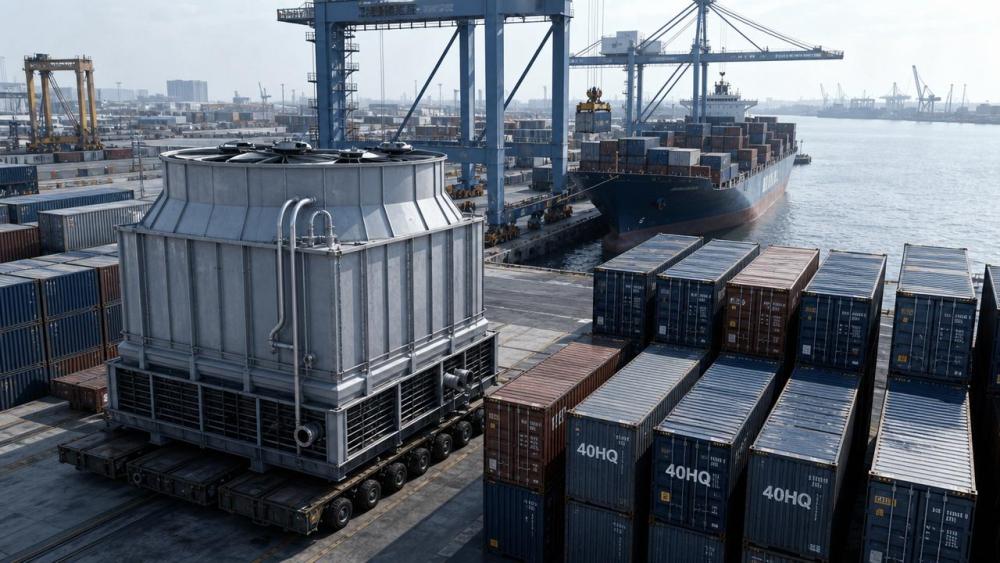
According to the provided event summary, shipping security conditions related to the Strait of Hormuz pushed Asia-Europe spot freight rates up by 37% in a single week from June 1, with the rate for a 40HQ container moving above $3,800.
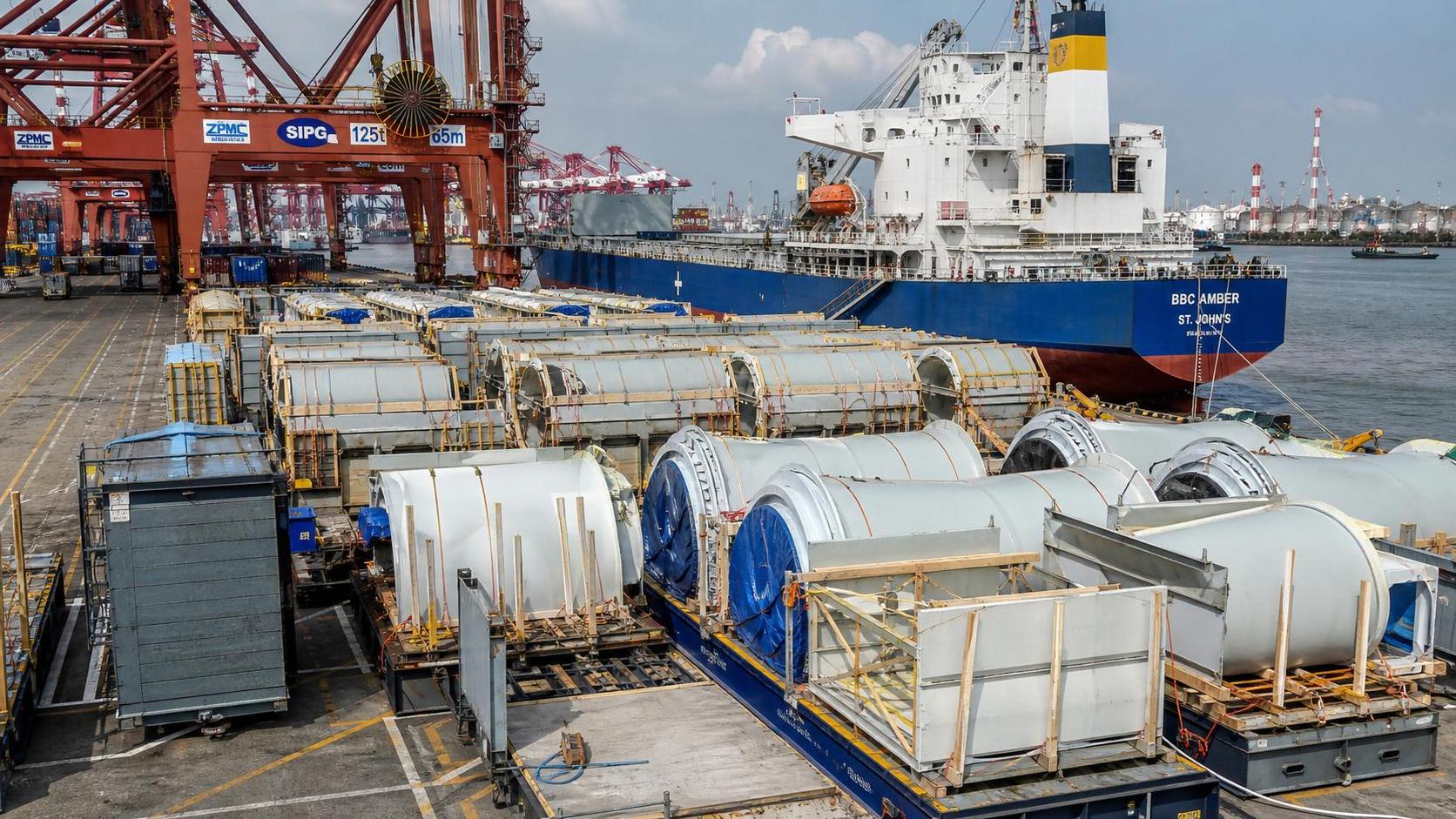
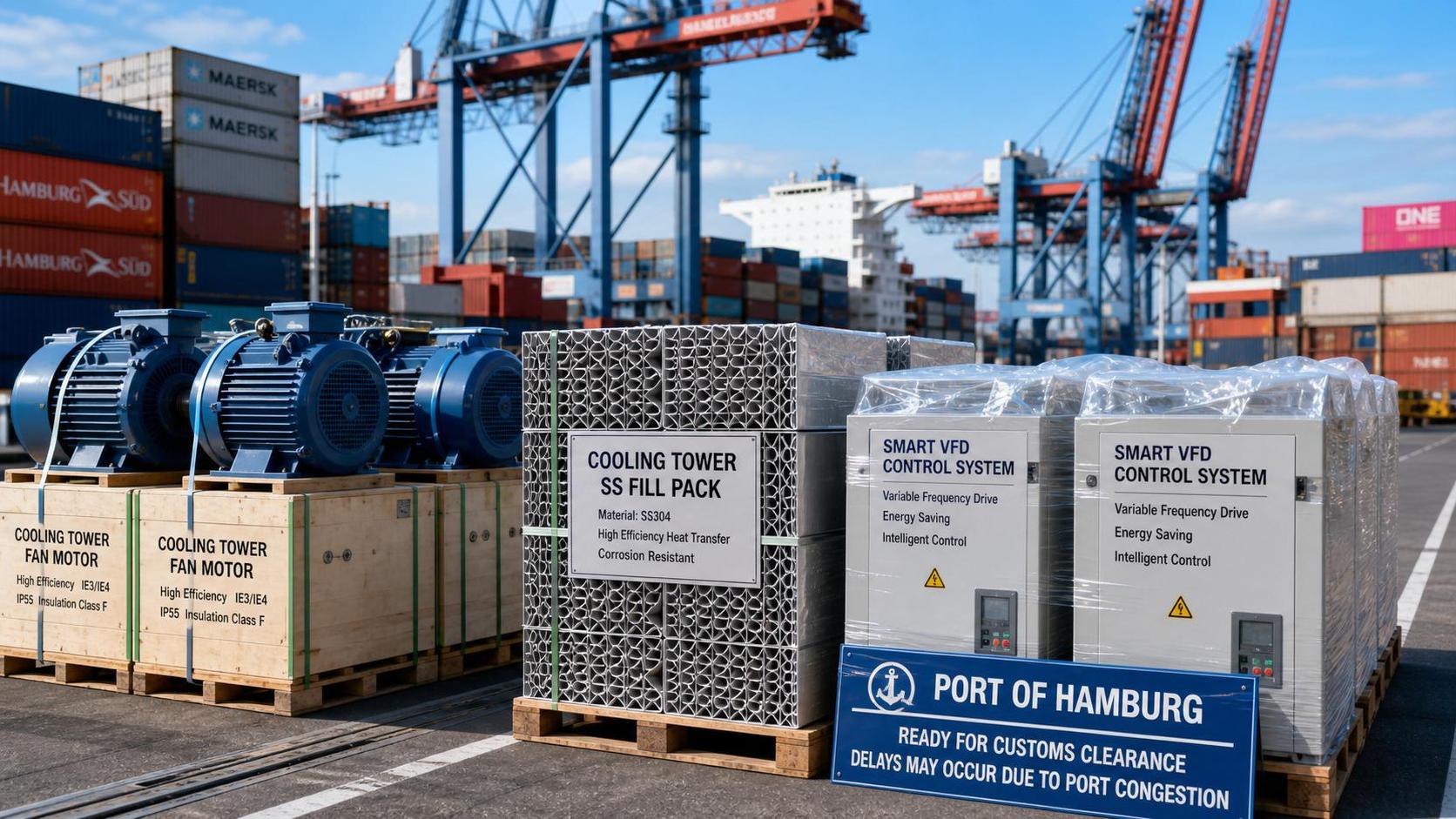
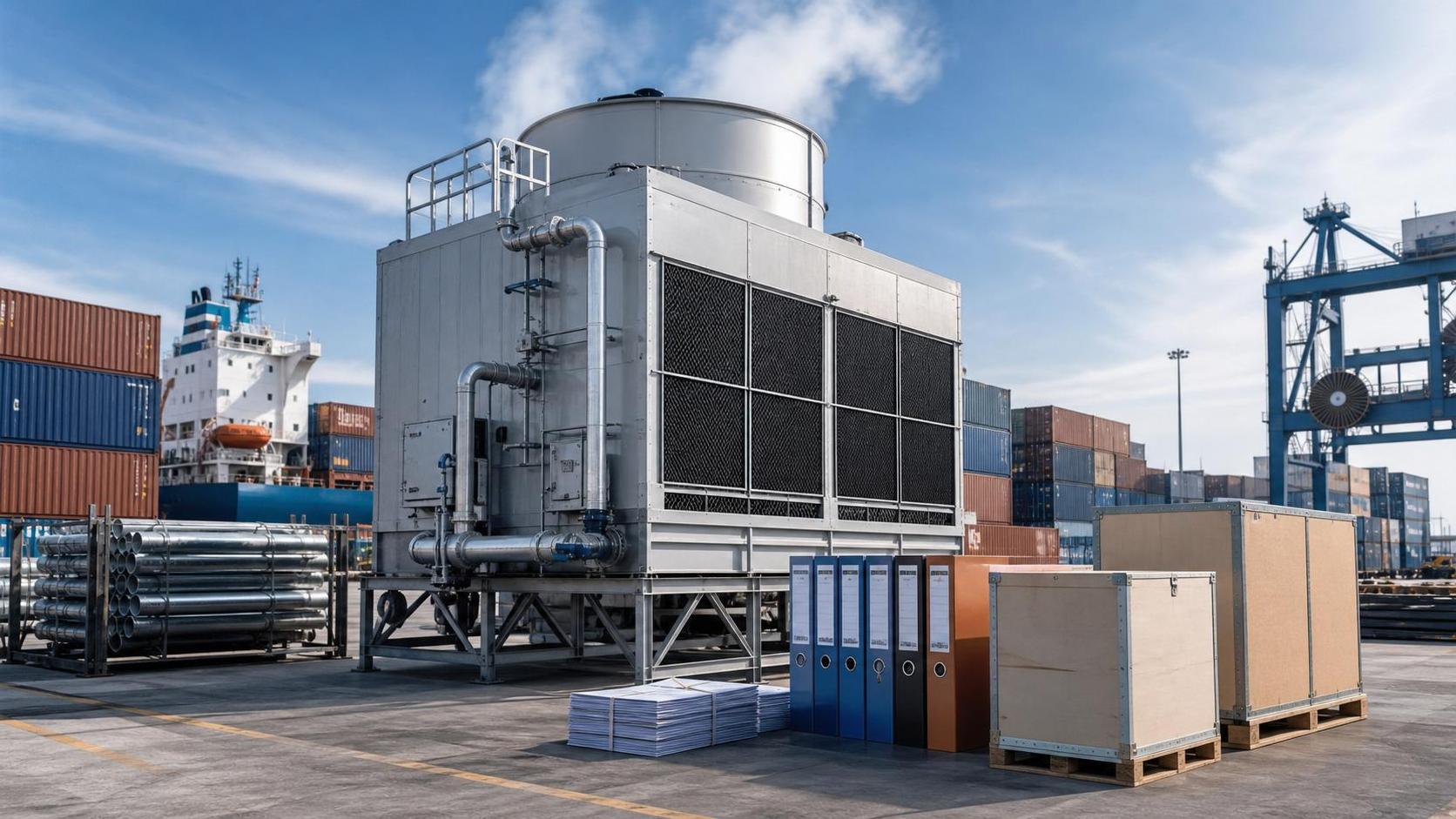
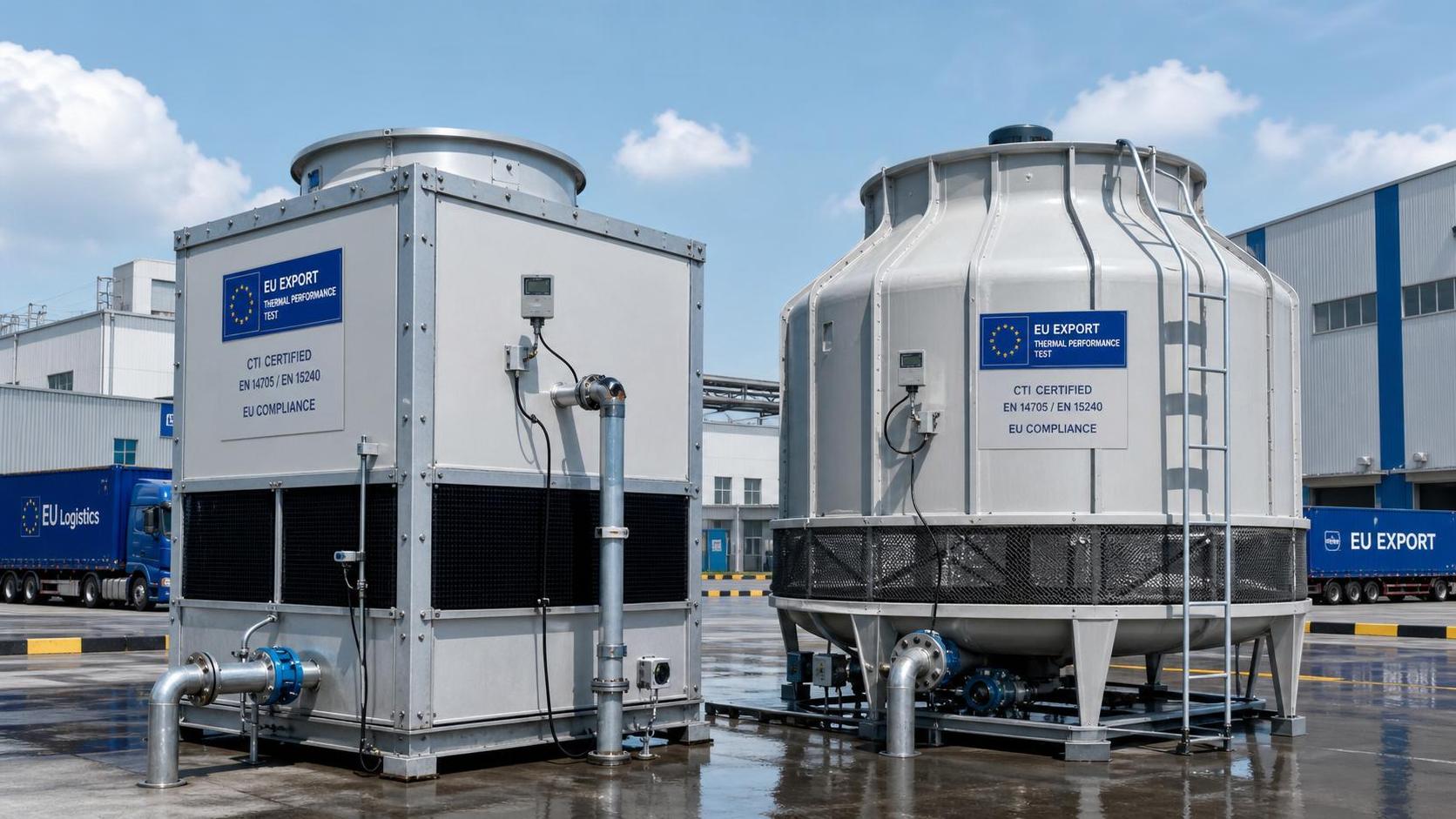
The same information indicates that cooling towers are especially exposed because of their large volume, high unit weight, and frequent reliance on full-container ocean shipments. As a result, logistics costs have risen to 8–12% of total contract value.
The provided facts also show that some orders for the Middle East and South America are facing renewed price negotiations. At the same time, exporting companies are accelerating a near-sea shipping plus local assembly model as a risk-hedging response.
Where the pressure is spreading across the chain
Export quotations are under closer contractual review
From an industry perspective, exporters may be affected first because freight is no longer a background cost assumption for large equipment shipments. The main pressure point is the link between quoted price, delivery commitment, and the actual landed logistics burden. What deserves closer attention is whether existing quotation files, tender responses, shipping terms, and delivery schedules still match the new freight environment.
Project buyers face changes in procurement timing and total cost
Procurement teams may be affected because cooling towers often move as project cargo in containerized export arrangements, making transport cost a visible part of total acquisition cost. Analysis shows that buyers may need to recheck bid comparisons, delivery windows, and whether freight-related changes trigger contract review or commercial clarification during ongoing orders.
Manufacturing and fulfillment teams must watch shipment feasibility
For manufacturers and delivery coordinators, the impact is concentrated in packing plans, container allocation, and shipment sequencing. Observably, when freight volatility becomes material, documentation tied to packing configuration, dispatch readiness, and delivery milestones may require tighter coordination so that execution risk does not migrate into delay claims or post-award disputes.
Supply chain service providers may see stricter documentation demands
Logistics and related service providers may also be affected because large, heavy, full-container shipments usually require precise coordination on booking, cargo readiness, and delivery documentation. It is more appropriate to understand this as a signal that freight execution records, shipment notices, and supporting commercial documents may receive greater scrutiny during order fulfillment and renegotiation.
What companies should review now
Recheck the commercial basis of ongoing export orders
Analysis shows that companies should closely review how freight assumptions are reflected in signed contracts, pending quotations, and tender-stage commercial terms. Where some orders are already facing renewed negotiations, the practical issue is not only cost recovery but also whether delivery commitments remain commercially realistic.
Watch how local assembly affects compliance documents
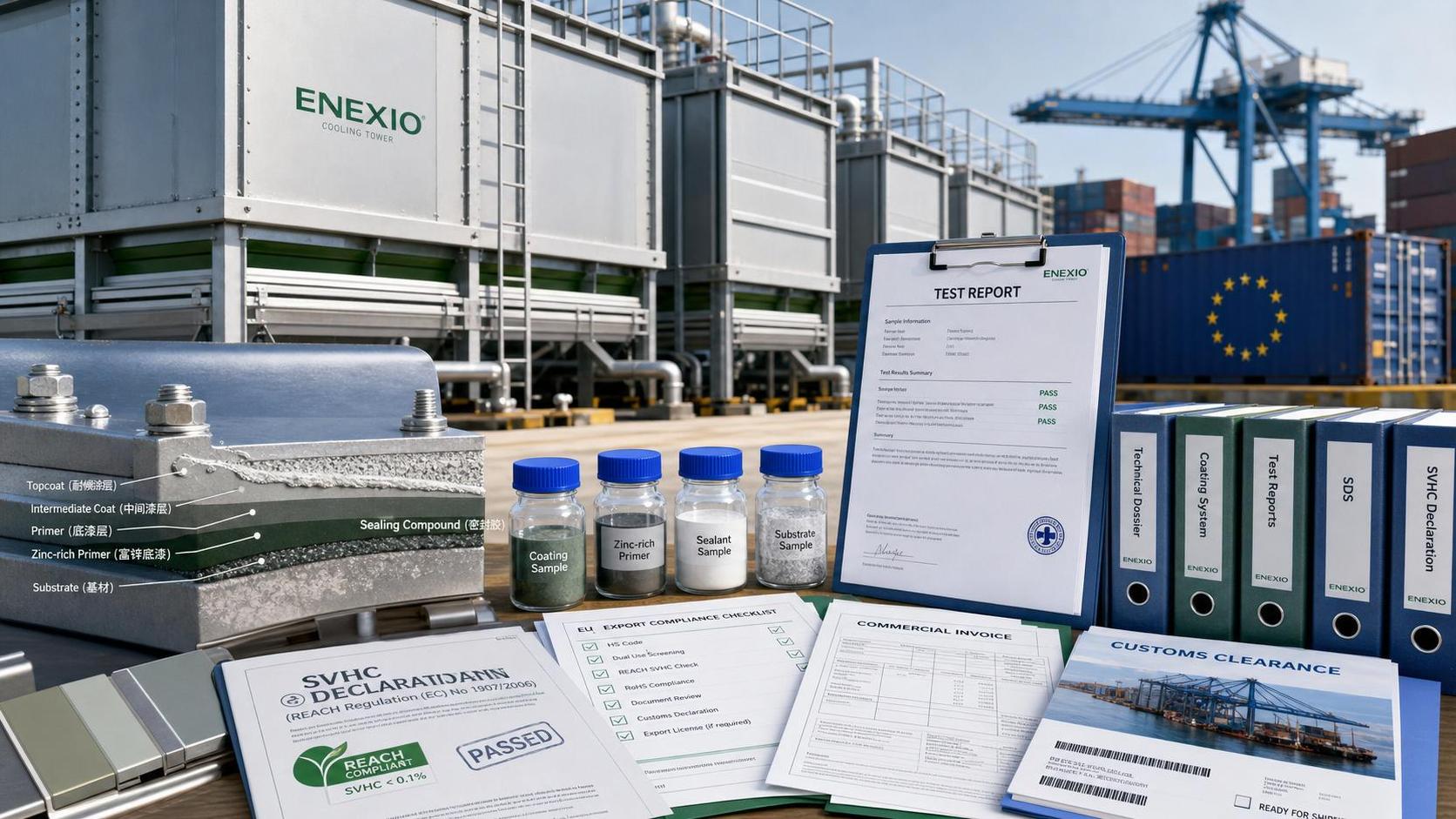
The move toward near-sea shipping plus local assembly deserves close attention because it may alter how technical documents, shipment lists, quality records, and after-sales responsibilities are organized. The provided information does not confirm a settled execution standard, so companies should treat this as an area requiring ongoing review rather than a finalized compliance path.
Align procurement, packing, and delivery records earlier
Observably, products with large size and heavy single-unit characteristics are more sensitive to booking and packing decisions. Companies should therefore pay closer attention to the consistency of packing data, shipment documentation, technical files, and customer delivery expectations, especially where freight cost now accounts for a larger share of contract value.
Track changes in tender and order documentation
What deserves closer attention is whether customers begin adjusting bid language, delivery clauses, or supporting document requirements in response to freight volatility. The current input does not provide official execution wording, so this remains a monitoring point rather than a confirmed rule change.
Why this matters beyond a weekly freight spike
Analysis shows that this development is better read as an execution signal in trade conditions than as a standalone market fluctuation. The confirmed facts point to a direct cost shock, but the broader industry relevance lies in how that shock may reshape pricing discipline, contract review, and delivery planning for equipment categories that depend heavily on full-container ocean freight.
Observably, the shift toward near-sea shipping plus local assembly suggests that some exporters are already adjusting operational models to reduce exposure. Even so, it is more appropriate to understand the current situation as an evolving trade and supply-chain response, not yet as a fully settled industry rule.
How the market is likely to read this stage
At this stage, the event points to a real and already felt change in export execution costs for cooling towers, especially where shipment economics are closely tied to container freight. A neutral reading is that the market is seeing a concrete delivery and pricing signal, while the longer-term treatment in contracts, procurement practices, and order structures still requires observation.
For industry participants, the key takeaway is not only that freight has become more expensive, but that logistics risk is moving closer to the center of export compliance, commercial review, and project delivery management.
Basis of this article and what still needs verification
This article is generated from the user-provided news title, event date, and event summary. For developments of this kind, source categories typically relevant to later verification may include official announcements, regulator publications, customs or trade authority information, industry association updates, standard-setting documents, and reporting from authoritative media.
No specific official source link was provided in the input, so further verification remains necessary. What still needs continued observation includes any later official wording, execution guidance, tender document adjustments, customer-side contract changes, market feedback, and how companies implement local assembly and shipping adjustments in practice.
Ready when you are. Send us a message to get started.
Related News
- Kentucky Regulators Approve $191 Million Cooling Tower at Mitchell Coal PlantAuthor :Thermodynamics Analyst

- Cooling Tower Market Trends Reshaping Replacement Plans and Capital BudgetsAuthor :Thermodynamics Analyst

- Field-Erected Cooling Tower Market: Why Utility Projects Favor Custom DesignsAuthor :Thermodynamics Analyst

- Evaporative Cooling Tower Market Outlook: Demand Drivers, Risks, and Growth AreasAuthor :Thermodynamics Analyst

- When does an industrial cooling radiator outperform a cooling tower?Author :Thermodynamics Analyst

- EU Cooling Tower Standard EN 13771:2026 Takes EffectAuthor :Thermodynamics Analyst

- EU REACH SVHC Update Triggers Cooling Tower DisclosureAuthor :Thermodynamics Analyst

- SASO Adds Bio-Durability Test for Cooling Tower FillAuthor :Thermodynamics Analyst

- EU REACH Update Bars Phthalates in Cooling Tower PVC FillAuthor :Thermodynamics Analyst

- EU Tightens CE Rules for Cooling Tower Steel PartsAuthor :Thermodynamics Analyst

- Shanghai-Rotterdam Cooling Tower Space TightensAuthor :Thermodynamics Analyst

- Hamburg Port Strike Delays Cooling Tower Parts ClearanceAuthor :Thermodynamics Analyst

- ASHRAE 188-2026 Makes Cooling Tower Microbial Control MandatoryAuthor :Thermodynamics Analyst

- India Enforces BIS IS 17842:2026 for Cooling TowersAuthor :Thermodynamics Analyst

- EU REACH Restricts Zinc Inhibitors in Cooling TowersAuthor :Thermodynamics Analyst

- TUV Rheinland Switches Cooling Tower Labels to IEC 61800-9-2Author :Thermodynamics Analyst

- EU REACH Rule Takes Effect for Cooling Tower CoatingsAuthor :Thermodynamics Analyst

- Vietnam to Require IoT Modules in Imported Cooling TowersAuthor :Thermodynamics Analyst

- How to Compare Industrial Cooling Equipment Dry Coolers for Year-Round EfficiencyAuthor :Thermodynamics Analyst

- SASO Tightens Cooling Tower Import Rules for 2027Author :Thermodynamics Analyst

- REACH SVHC Update Limits Copper Corrosion InhibitorsAuthor :Thermodynamics Analyst

- SASO Starts Cooling Tower Data Rule for CoCAuthor :Thermodynamics Analyst

- Saudi SASO Portal Adds Corrosion Data RuleAuthor :Thermodynamics Analyst

- SASO Adds Corrosion Report Rule for Cooling TowersAuthor :Thermodynamics Analyst

- RDHx Prices Rise as AI Demand Lifts Premium ModelsAuthor :Thermodynamics Analyst

- EU EN 13859-2:2026 Mandates Extreme Humidity Heat-Loss TestsAuthor :Thermodynamics Analyst

- VDE Tightens Cooling Tower Test ScopeAuthor :Thermodynamics Analyst

- SASO Tightens Cooling Tower Test Proof for SaberAuthor :Thermodynamics Analyst

- Saudi SABER Cooling Tower Rule Takes Effect EarlyAuthor :Thermodynamics Analyst

- EU Carbon Labels to Cover Cooling Tower ExportsAuthor :Thermodynamics Analyst

- Saudi SABER Cooling Tower Rule Takes Effect EarlyAuthor :Thermodynamics Analyst

- EU Carbon Label Rule Hits Cooling Tower ExportsAuthor :Thermodynamics Analyst

- Saudi SABER Cooling Tower Rule Adds EN 13859-2 TestAuthor :Thermodynamics Analyst

- Saudi SABER Tightens Cooling Tower Energy Report RulesAuthor :Thermodynamics Analyst

- Saudi SASO Tightens Cooling Tower Efficiency FilingAuthor :Thermodynamics Analyst

- Saudi SABER Tightens Cooling Tower Energy Report ChecksAuthor :Thermodynamics Analyst