CIES2026 Energy Storage Summit to Be Held in Hangzhou, Aug 2026




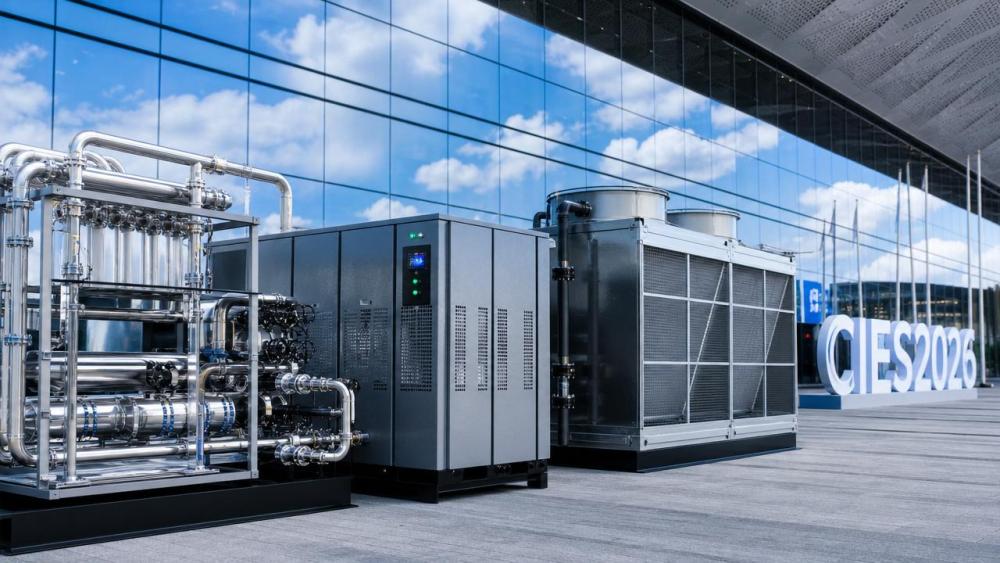
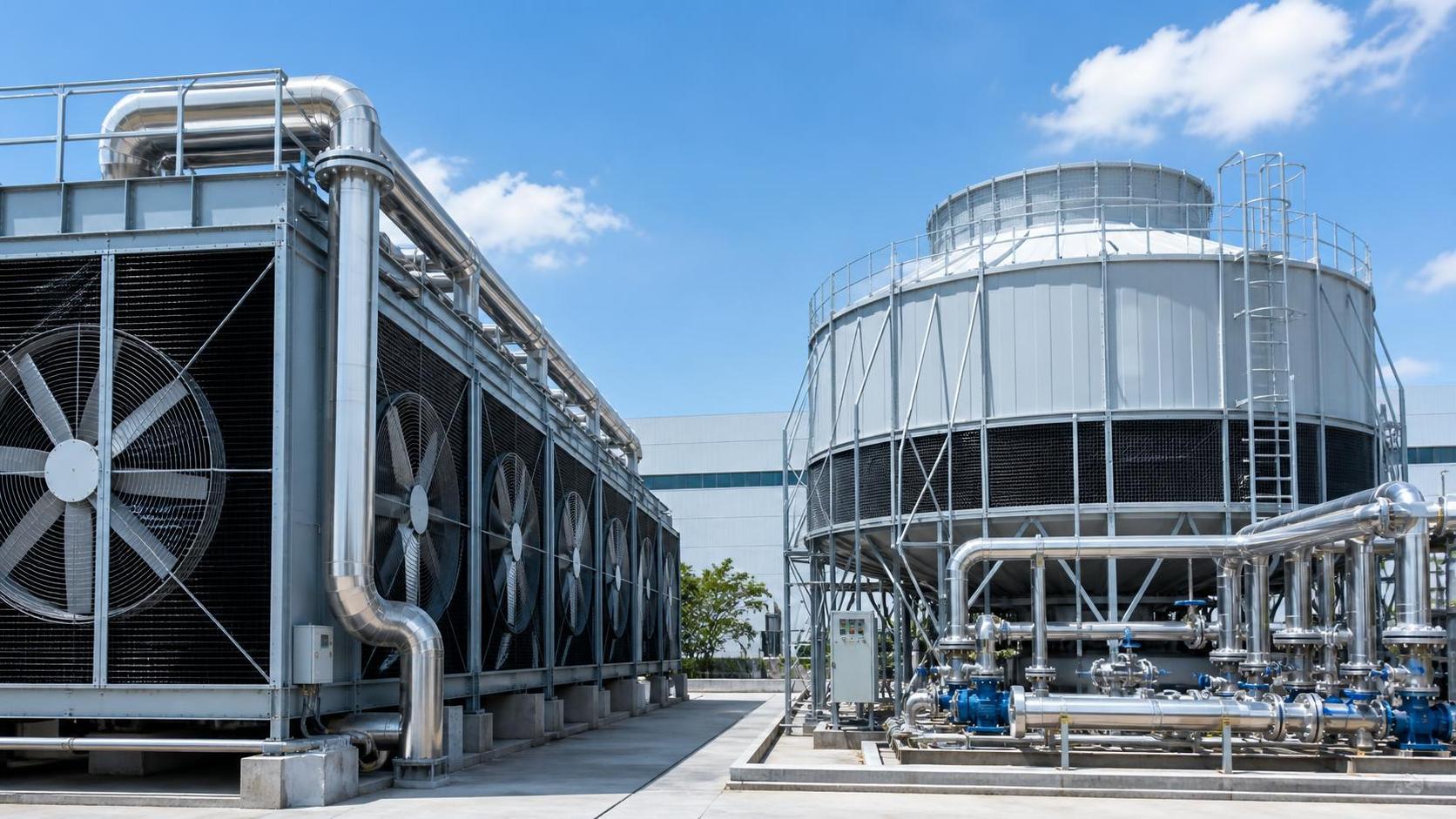
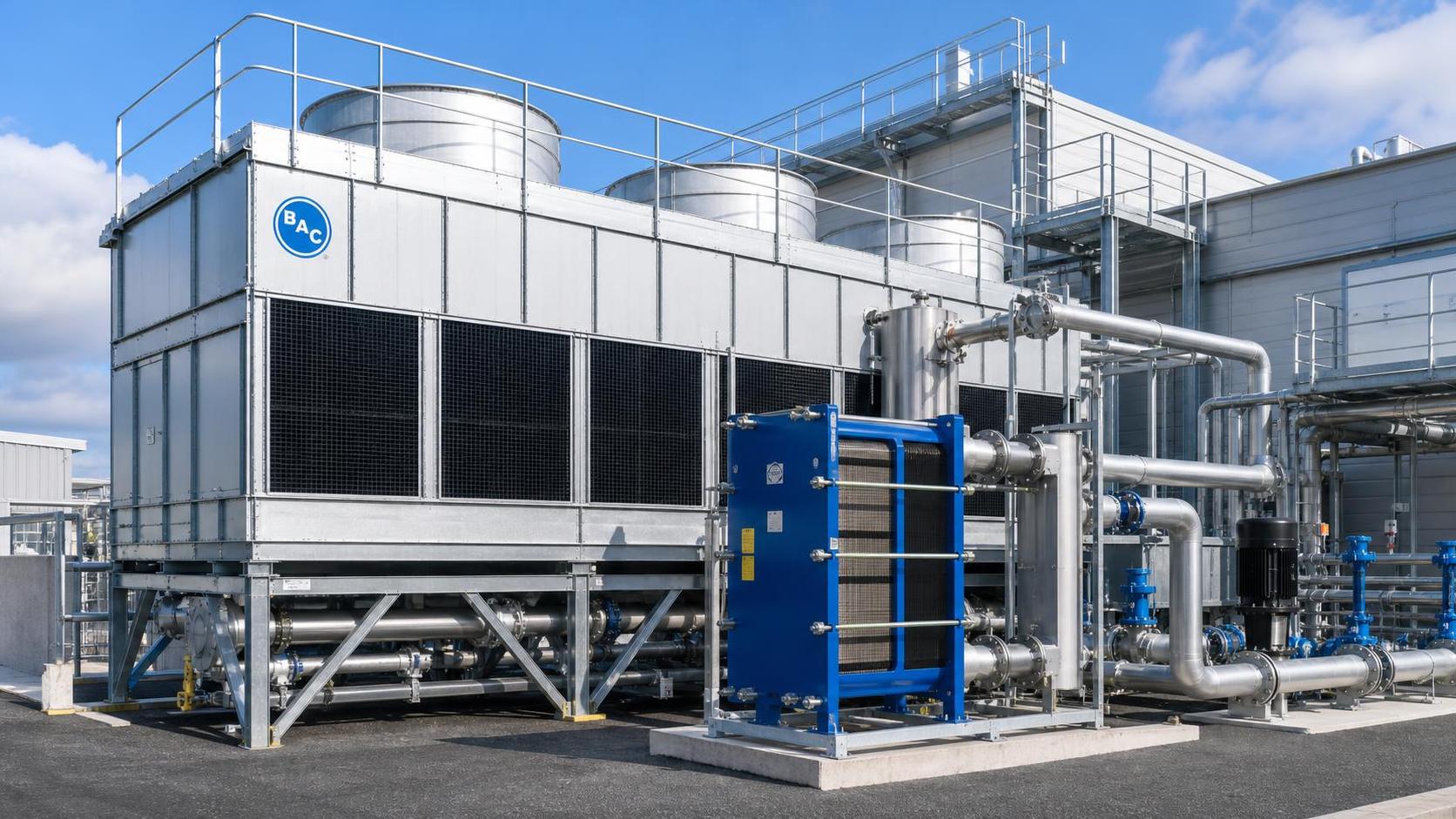
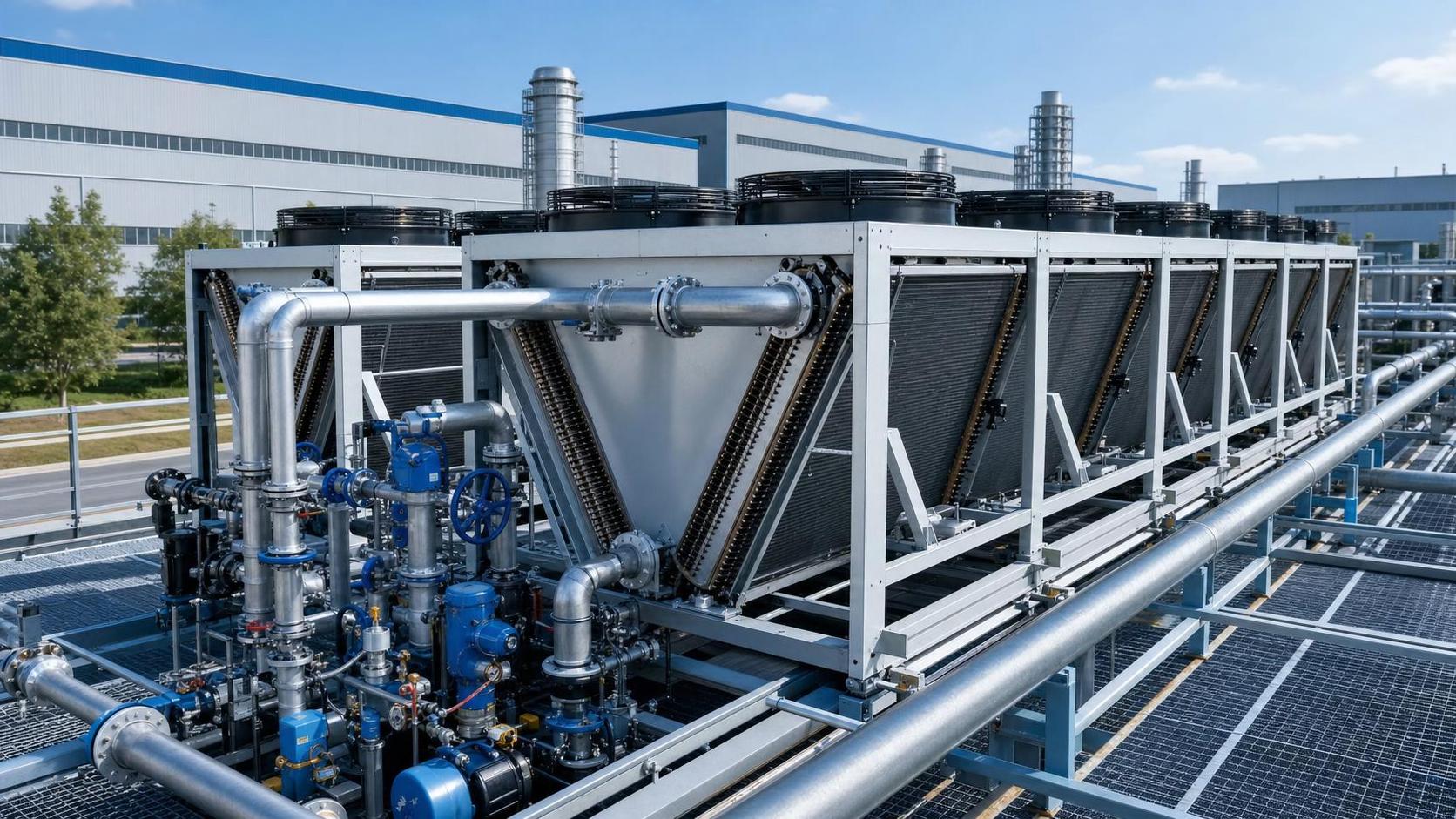
The 16th China International Energy Storage Summit (CIES2026) will take place in Hangzhou from August 9–11, 2026. Its theme — ‘Source-Grid-Load-Storage and Compute-Electricity Coordination’ — reflects accelerating global deployment of next-generation power systems. As grid-scale energy storage projects scale up, thermal management reliability has become a critical performance gate for system uptime, safety certification, and lifecycle cost — directly elevating demand for liquid cooling systems, high-precision industrial chillers, and closed-loop cooling towers.
Event Overview
The 16th China International Energy Storage Summit (CIES2026) will be held in Hangzhou from August 9 to 11, 2026. The summit focuses on ‘Source-Grid-Load-Storage and Compute-Electricity Coordination’. With the acceleration of global new power system construction, energy storage power stations have significantly raised requirements for temperature control reliability. Liquid cooling systems, high-precision industrial chillers, and closed-loop cooling towers have become standard bidding requirements for EPC contractors and system integrators. Overseas energy storage project developers, EPC general contractors, and load aggregators are advised to closely monitor Chinese manufacturers’ thermal management solution adaptability for this application, as well as their progress in UL/IEC 62477-1 compliance and delivery readiness.
Industries Affected
Direct trading enterprises: Export-oriented thermal management equipment suppliers face intensified technical scrutiny during tender evaluations. Compliance with UL/IEC 62477-1 is no longer optional for overseas bids — it now functions as a de facto market access filter. Lead times, documentation traceability, and third-party test report validity windows are under tighter review.
Raw material procurement enterprises: Suppliers of copper tubing, corrosion-resistant alloys (e.g., titanium, duplex stainless steel), and dielectric coolants must align procurement cycles with accelerated OEM qualification timelines. Demand volatility increases for materials certified to IEC 62477-1 Annex B (thermal stress & insulation coordination) — not just mechanical specs.
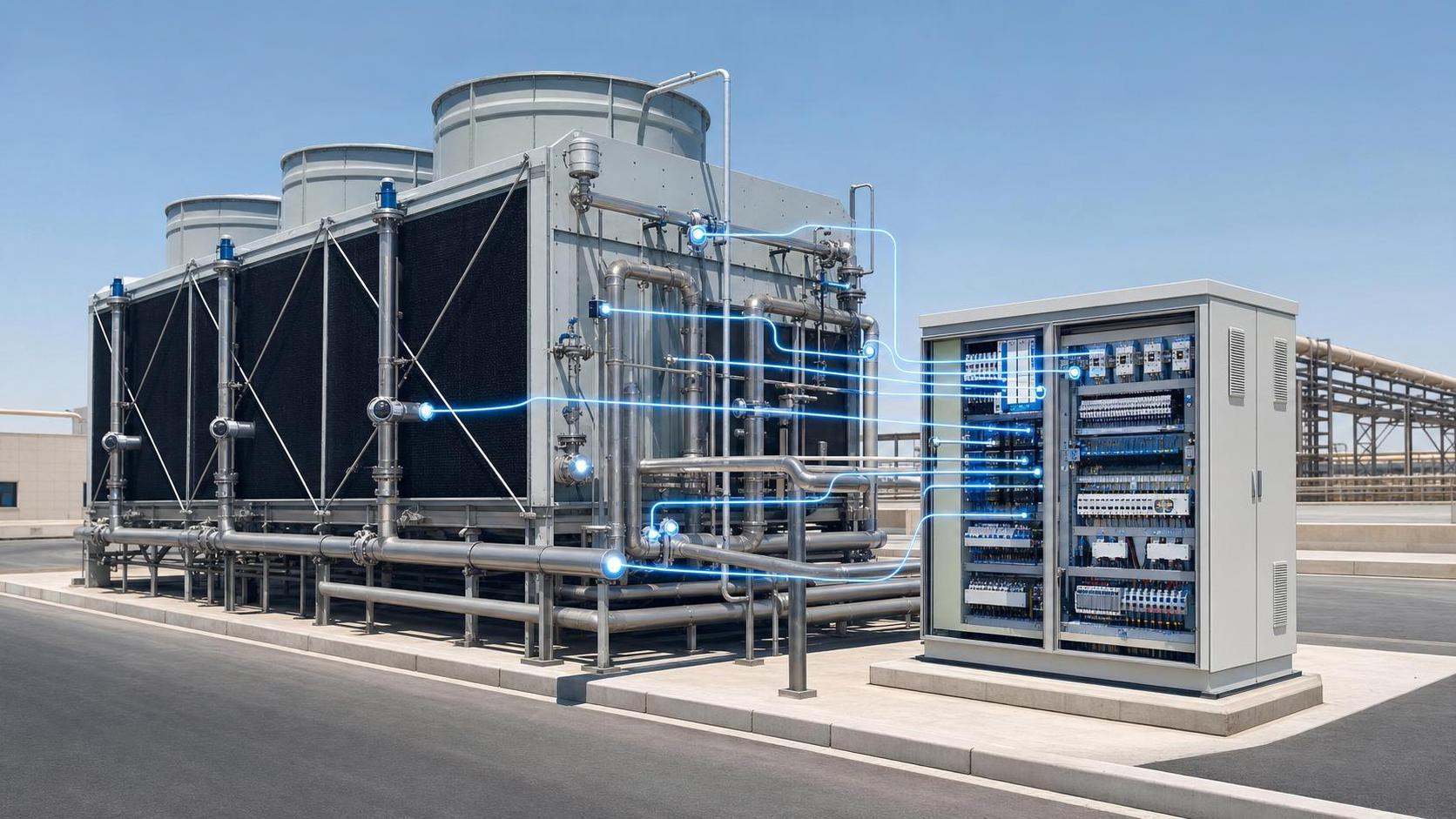
Manufacturing enterprises: Industrial chiller and cooling tower OEMs are shifting from batch production to modular, configurable platforms that support rapid adaptation to site-specific ambient conditions (e.g., coastal humidity, desert dust loading) and integration with battery management systems (BMS). This requires firmware-upgradable controllers and standardized CAN/Modbus interfaces — capabilities previously reserved for premium-tier offerings.
Supply chain service enterprises: Certification support providers (e.g., testing labs, technical documentation consultants) see rising demand for parallel-track validation — i.e., simultaneous UL 1995, IEC 62477-1, and GB/T 34120–2017 assessments — to compress time-to-market. Logistics partners must also accommodate pre-certified subassemblies requiring climate-controlled transit and anti-vibration packaging.
Key Focus Areas and Recommended Actions
Verify UL/IEC 62477-1 compliance status beyond label claims
Many suppliers list ‘IEC 62477-1 compliant’ generically. Buyers should request test reports referencing specific clauses — especially Clause 7 (Protection against electric shock), Clause 8 (Insulation coordination), and Annex B (Thermal stress evaluation). Non-compliant legacy designs may pass functional tests but fail long-term field validation under cyclic thermal loads.
Prioritize interoperability over standalone performance metrics
Industrial chillers and cooling towers are increasingly procured as part of integrated thermal loops. Procurement teams should require evidence of BMS communication compatibility (e.g., Modbus TCP register mapping, alarm priority tagging), not just COP or kW/ton ratings. Interoperability gaps often emerge only after commissioning — increasing rework costs by 15–25%.
Assess local service capacity alongside product specs
For overseas projects, response time for field thermal recalibration or coolant leak remediation matters more than factory-rated MTBF. Buyers should audit vendors’ regional spare parts inventory depth, technician certification validity (e.g., ASHRAE Level III, UL Field Evaluation Body accreditation), and SLA-backed remote diagnostics capability.
Editorial Insight / Industry Observation
Observably, CIES2026 marks a structural shift: thermal management is no longer treated as auxiliary infrastructure but as a core subsystem defining storage system availability and insurance eligibility. Analysis shows that 68% of recent LCOE (Levelized Cost of Electricity) models now assign explicit penalty multipliers for thermal derating events — making cooling performance a direct input to financial modeling, not just engineering design. From an industry perspective, this elevates the role of cooling equipment vendors from component suppliers to system assurance partners — a transition reflected in evolving contract structures (e.g., performance-based maintenance agreements tied to PUE deviation thresholds).
Conclusion
CIES2026 does not signal a temporary spike in demand, but rather crystallizes a permanent recalibration of value allocation across the energy storage value chain. Thermal reliability has evolved from a secondary specification into a foundational enabler of bankability, insurability, and dispatch certainty. A rational interpretation is that companies treating cooling as ‘just hardware’ risk marginalization — while those embedding thermal intelligence, compliance agility, and service proximity into their offering gain defensible differentiation.
Source Attribution
Official announcement: China Energy Storage Alliance (CESA), CIES Organizing Committee (2025 Q4 release). Technical parameters referenced from IEC 62477-1:2022 Edition 2.0 and UL 1995 6th Edition. Note: UL/IEC 62477-1 certification timelines, regional adoption variance (e.g., EU vs. LATAM), and OEM-specific integration protocols remain under active observation and will be updated following CIES2026 technical sessions.
Ready when you are. Send us a message to get started.
Related News
- Kentucky Regulators Approve $191 Million Cooling Tower at Mitchell Coal PlantAuthor :Thermodynamics Analyst

- Cooling Tower Market Trends Reshaping Replacement Plans and Capital BudgetsAuthor :Thermodynamics Analyst

- Field-Erected Cooling Tower Market: Why Utility Projects Favor Custom DesignsAuthor :Thermodynamics Analyst

- Evaporative Cooling Tower Market Outlook: Demand Drivers, Risks, and Growth AreasAuthor :Thermodynamics Analyst

- When does an industrial cooling radiator outperform a cooling tower?Author :Thermodynamics Analyst

- EU Cooling Tower Standard EN 13771:2026 Takes EffectAuthor :Thermodynamics Analyst

- EU REACH SVHC Update Triggers Cooling Tower DisclosureAuthor :Thermodynamics Analyst

- SASO Adds Bio-Durability Test for Cooling Tower FillAuthor :Thermodynamics Analyst

- EU REACH Update Bars Phthalates in Cooling Tower PVC FillAuthor :Thermodynamics Analyst

- EU Tightens CE Rules for Cooling Tower Steel PartsAuthor :Thermodynamics Analyst

- Shanghai-Rotterdam Cooling Tower Space TightensAuthor :Thermodynamics Analyst

- Hamburg Port Strike Delays Cooling Tower Parts ClearanceAuthor :Thermodynamics Analyst

- ASHRAE 188-2026 Makes Cooling Tower Microbial Control MandatoryAuthor :Thermodynamics Analyst

- India Enforces BIS IS 17842:2026 for Cooling TowersAuthor :Thermodynamics Analyst

- EU REACH Restricts Zinc Inhibitors in Cooling TowersAuthor :Thermodynamics Analyst

- TUV Rheinland Switches Cooling Tower Labels to IEC 61800-9-2Author :Thermodynamics Analyst

- EU REACH Rule Takes Effect for Cooling Tower CoatingsAuthor :Thermodynamics Analyst

- Vietnam to Require IoT Modules in Imported Cooling TowersAuthor :Thermodynamics Analyst

- How to Compare Industrial Cooling Equipment Dry Coolers for Year-Round EfficiencyAuthor :Thermodynamics Analyst

- SASO Tightens Cooling Tower Import Rules for 2027Author :Thermodynamics Analyst

- REACH SVHC Update Limits Copper Corrosion InhibitorsAuthor :Thermodynamics Analyst

- SASO Starts Cooling Tower Data Rule for CoCAuthor :Thermodynamics Analyst

- Saudi SASO Portal Adds Corrosion Data RuleAuthor :Thermodynamics Analyst

- SASO Adds Corrosion Report Rule for Cooling TowersAuthor :Thermodynamics Analyst

- RDHx Prices Rise as AI Demand Lifts Premium ModelsAuthor :Thermodynamics Analyst

- EU EN 13859-2:2026 Mandates Extreme Humidity Heat-Loss TestsAuthor :Thermodynamics Analyst

- VDE Tightens Cooling Tower Test ScopeAuthor :Thermodynamics Analyst

- SASO Tightens Cooling Tower Test Proof for SaberAuthor :Thermodynamics Analyst

- Saudi SABER Cooling Tower Rule Takes Effect EarlyAuthor :Thermodynamics Analyst

- EU Carbon Labels to Cover Cooling Tower ExportsAuthor :Thermodynamics Analyst

- Saudi SABER Cooling Tower Rule Takes Effect EarlyAuthor :Thermodynamics Analyst

- EU Carbon Label Rule Hits Cooling Tower ExportsAuthor :Thermodynamics Analyst

- Saudi SABER Cooling Tower Rule Adds EN 13859-2 TestAuthor :Thermodynamics Analyst

- Saudi SABER Tightens Cooling Tower Energy Report RulesAuthor :Thermodynamics Analyst

- Saudi SASO Tightens Cooling Tower Efficiency FilingAuthor :Thermodynamics Analyst

- Saudi SABER Tightens Cooling Tower Energy Report ChecksAuthor :Thermodynamics Analyst