Resource Circularity in Cooling Systems: Practical Savings in 2026




In 2026, resource circularity is no longer a branding concept for industrial cooling. For business leaders, it is a practical operating model that reduces water use, refrigerant losses, maintenance waste, and total lifecycle cost.
The core search intent behind this topic is clear: decision-makers want to know where circular cooling creates measurable savings, which investments are worth making, and how to avoid regulatory and operational risk.
They are less interested in abstract sustainability language than in payback, uptime, compliance, retrofit feasibility, and supplier choices. The most useful article, therefore, must focus on business value, decision criteria, and realistic implementation paths.
This article examines how resource circularity in cooling systems can deliver practical savings in 2026, where the strongest returns usually appear, and what executives should evaluate before approving capital or operational changes.
Why resource circularity matters now in industrial cooling
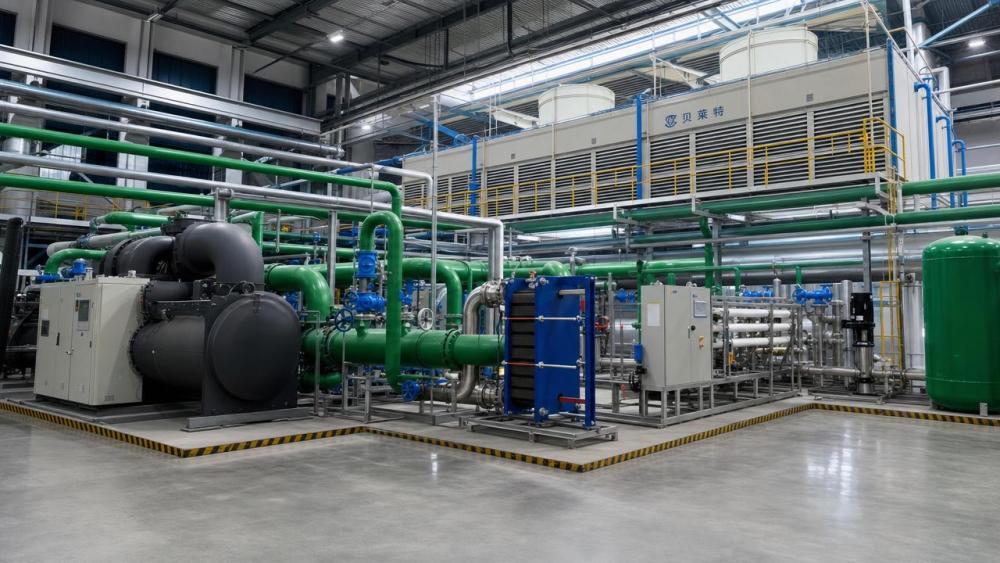
For many facilities, cooling is one of the most overlooked resource drains in the plant. It consumes electricity, water, refrigerants, treatment chemicals, spare parts, and labor, often through systems that were designed for reliability, not circular performance.
In 2026, that model is becoming expensive. Energy price volatility, tighter refrigerant rules, water stress, and pressure for lower carbon intensity are exposing the hidden cost of linear cooling operations: buy, use, leak, replace, dispose.
Resource circularity changes that logic. Instead of treating water, cooling media, components, and waste heat as one-way consumables, circular systems aim to keep resources in productive use for longer, with less loss and higher value recovery.
For executives, the important point is practical: circularity improves unit economics when it lowers operating inputs, extends asset life, reduces failure events, and cuts compliance exposure across the cooling system lifecycle.
What business decision-makers usually want to know first
Most senior readers do not begin with technology. They begin with three questions: where are the savings, how quickly can they be captured, and what operational risks come with changing a working cooling system.
The first concern is financial materiality. If a circular initiative only improves ESG reporting but does not reduce cost, protect uptime, or strengthen compliance, it will struggle to earn budget priority against production investments.
The second concern is implementation complexity. Cooling assets are deeply tied to production continuity. Decision-makers need to know whether changes require shutdowns, retraining, new vendors, or redesign of adjacent utilities and controls.
The third concern is measurability. Leaders want proof through key performance indicators such as water intensity, refrigerant loss rate, maintenance frequency, coefficient of performance, thermal stability, and lifecycle replacement cost.
That is why the most valuable discussion of resource circularity is not philosophical. It is operational and economic, grounded in where circular practices create visible savings without undermining process reliability.
Where practical savings from resource circularity actually come from
In industrial cooling, circularity usually creates savings in five areas: water reuse, refrigerant retention, component life extension, heat recovery, and better matching of cooling supply to process demand.
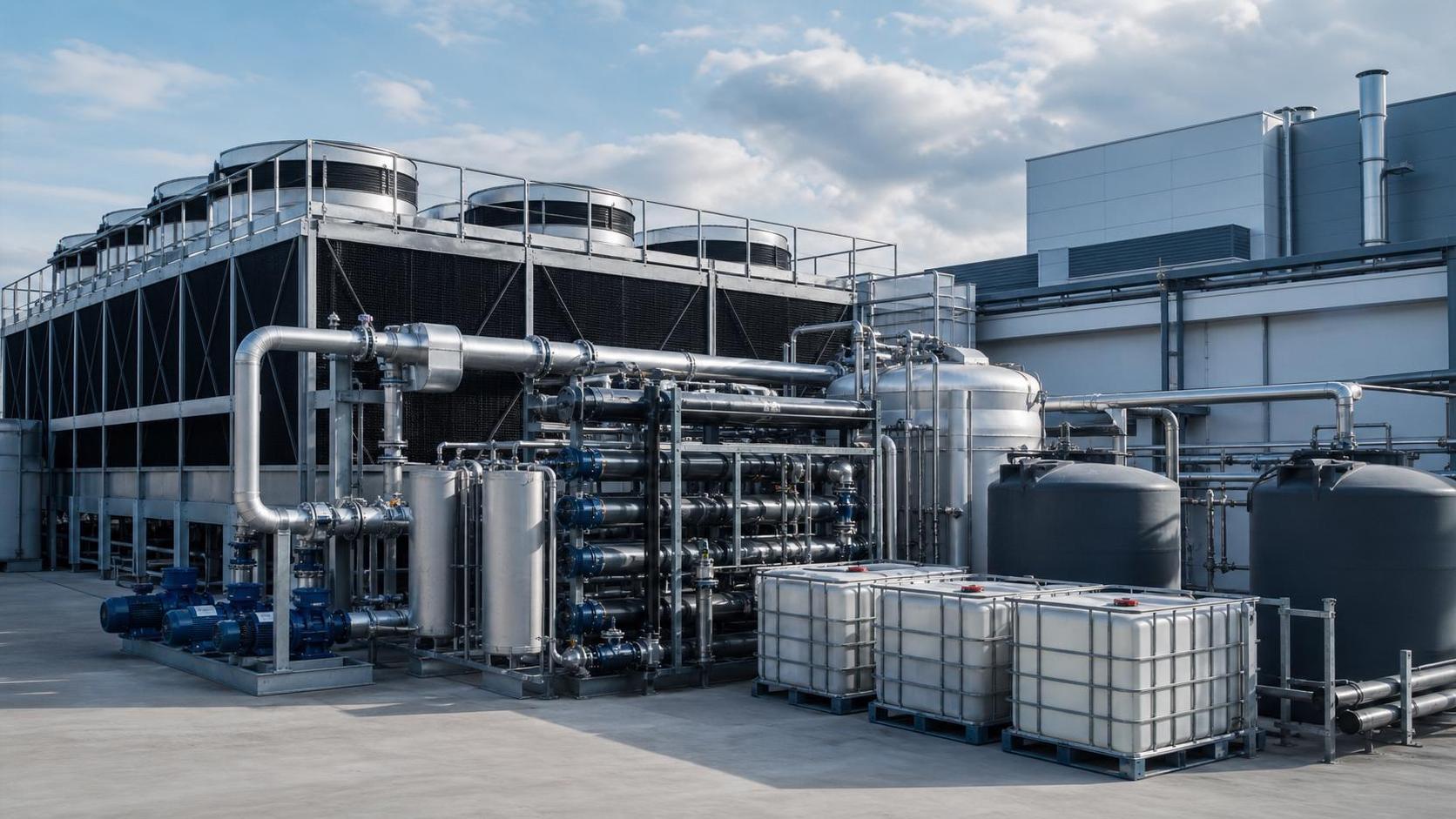
Water is often the fastest place to find value. Recirculating loops, improved filtration, side-stream treatment, and tighter blowdown control can reduce freshwater intake and wastewater discharge while stabilizing thermal performance.
For sites in water-stressed regions or under rising utility tariffs, that benefit can be immediate. Circular water management also reduces the indirect cost of scale, corrosion, and biological fouling that shortens equipment life.
Refrigerant management is another major opportunity. Leakage in chillers and connected systems is both a direct financial loss and a compliance risk, especially as lower-GWP transitions reshape servicing practices and refrigerant availability.
A circular approach here means leak detection, refrigerant recovery, reclamation, charge optimization, and equipment choices that support easier servicing and lower dependence on scarce or regulated refrigerants.
Materials and component life matter more than many procurement models assume. Pumps, valves, heat exchangers, seals, controls, and fan assemblies often fail early because systems operate outside ideal conditions, not because parts are inherently poor.
When circularity improves water chemistry, load stability, cleaning strategy, and predictive maintenance, it reduces premature replacement. That lowers spare inventory demand, labor disruption, and the waste stream associated with avoidable parts turnover.
Waste heat recovery can also turn a cost center into a value stream. In some facilities, rejected heat from cooling can support low-temperature process heating, space heating, preheating, or integration with heat pump systems.
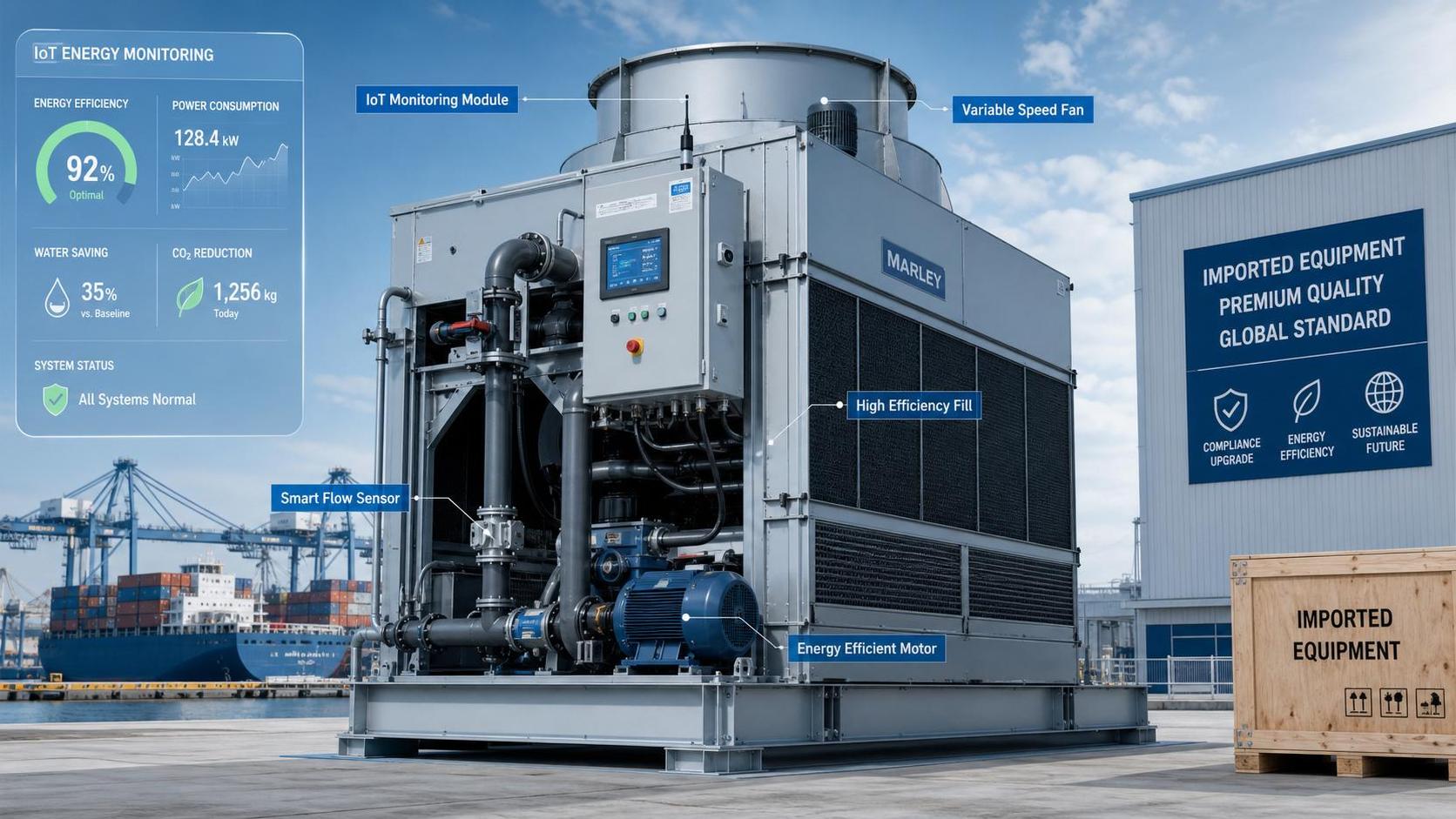
Finally, intelligent control delivers circular gains by reducing unnecessary resource use. Variable-speed drives, digital twins, sensor-based control, and load sequencing keep cooling assets operating closer to their efficient range instead of constantly oversupplying capacity.
How to evaluate circular cooling investments without oversimplifying payback
One common mistake is assessing circularity projects only through simple energy payback. That misses several value layers that matter in cooling, especially where uptime, water, refrigerant, and maintenance costs are significant.
A stronger evaluation model includes direct operating savings, avoided failure cost, avoided regulatory cost, deferred capital replacement, and resilience value. This broader view gives a more realistic picture of total return.
Start with a baseline. Decision-makers need current data on energy consumption, water use, chemical treatment, refrigerant top-up, unplanned downtime, maintenance hours, and asset replacement frequency across the cooling chain.
Next, separate no-regret measures from structural projects. No-regret measures may include leak detection, controls tuning, water treatment optimization, cleaning protocols, and sensor upgrades. These often deliver fast returns with limited operational disruption.
Structural projects include closed-loop redesign, chiller replacement, thermal storage, heat recovery integration, or changes in refrigerant architecture. These typically need deeper engineering and stronger financial justification.
Scenario analysis is useful in 2026 because utility pricing and environmental rules remain volatile. A project with moderate payback under current prices may become highly attractive when water tariffs, carbon costs, or refrigerant servicing costs rise.
Executives should also ask whether a circular investment improves future optionality. Systems that are modular, repairable, and compatible with new refrigerants or digital monitoring usually protect value better over the medium term.
Which cooling system strategies are most relevant in 2026
Not every circular measure fits every site. The right strategy depends on process criticality, plant age, cooling load profile, water availability, climate conditions, and existing utility architecture.
For many brownfield sites, the best first move is optimization rather than replacement. Existing systems often have hidden circularity potential that can be unlocked through controls, leak reduction, treatment upgrades, and better maintenance discipline.
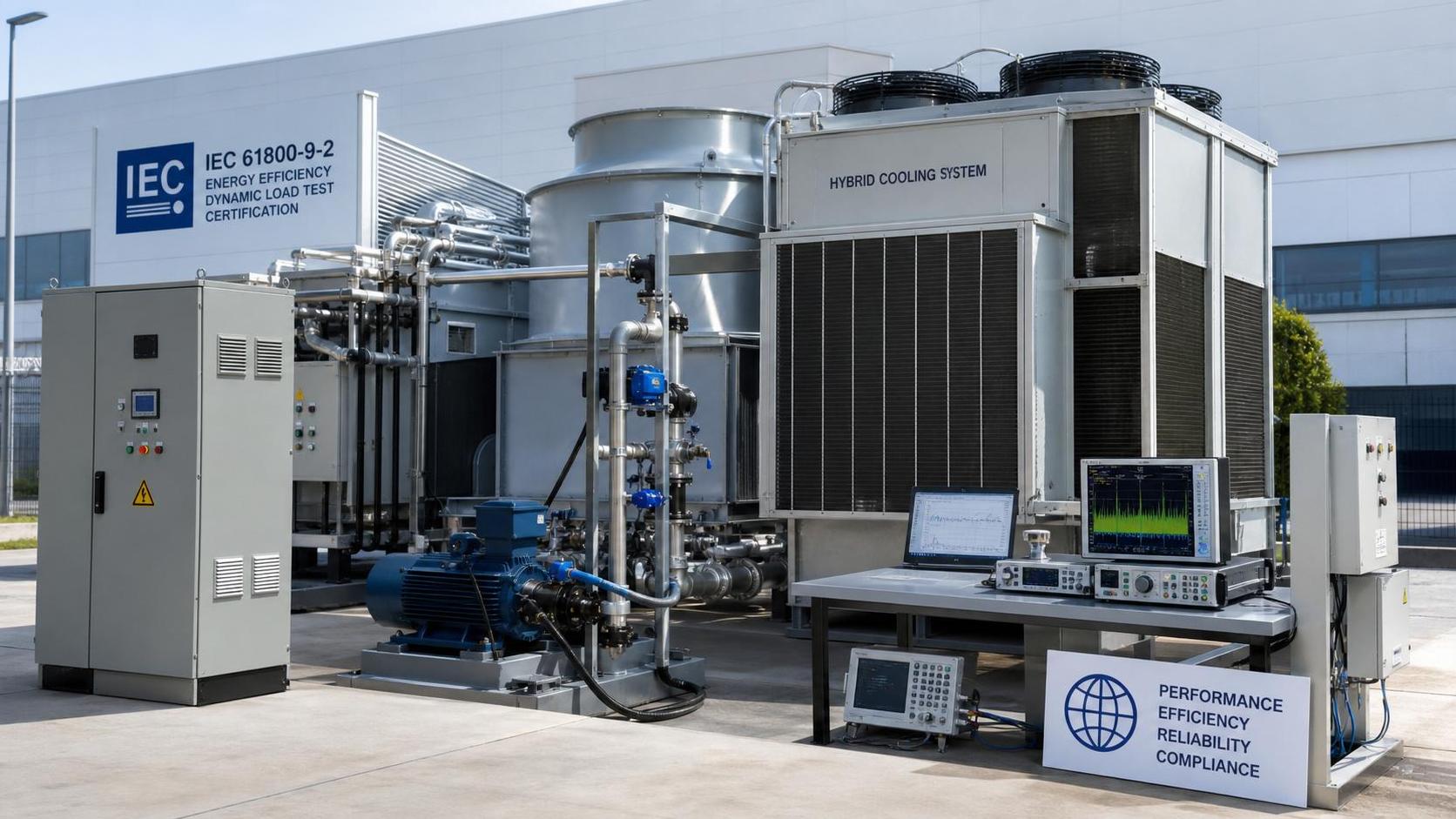
Closed-loop and hybrid-loop configurations are especially attractive where water cost or discharge regulation is rising. They reduce resource loss while offering more stable process conditions than poorly managed open-loop arrangements.
Higher-efficiency heat exchangers, including designs that are easier to clean or refurbish, can support circularity by sustaining thermal performance longer and lowering the need for aggressive maintenance interventions or early replacement.
Oil-free and low-maintenance compression technologies may also support circular resource use in selected applications. They can reduce contamination risk, improve downstream cleanliness, and simplify maintenance regimes in sensitive manufacturing environments.
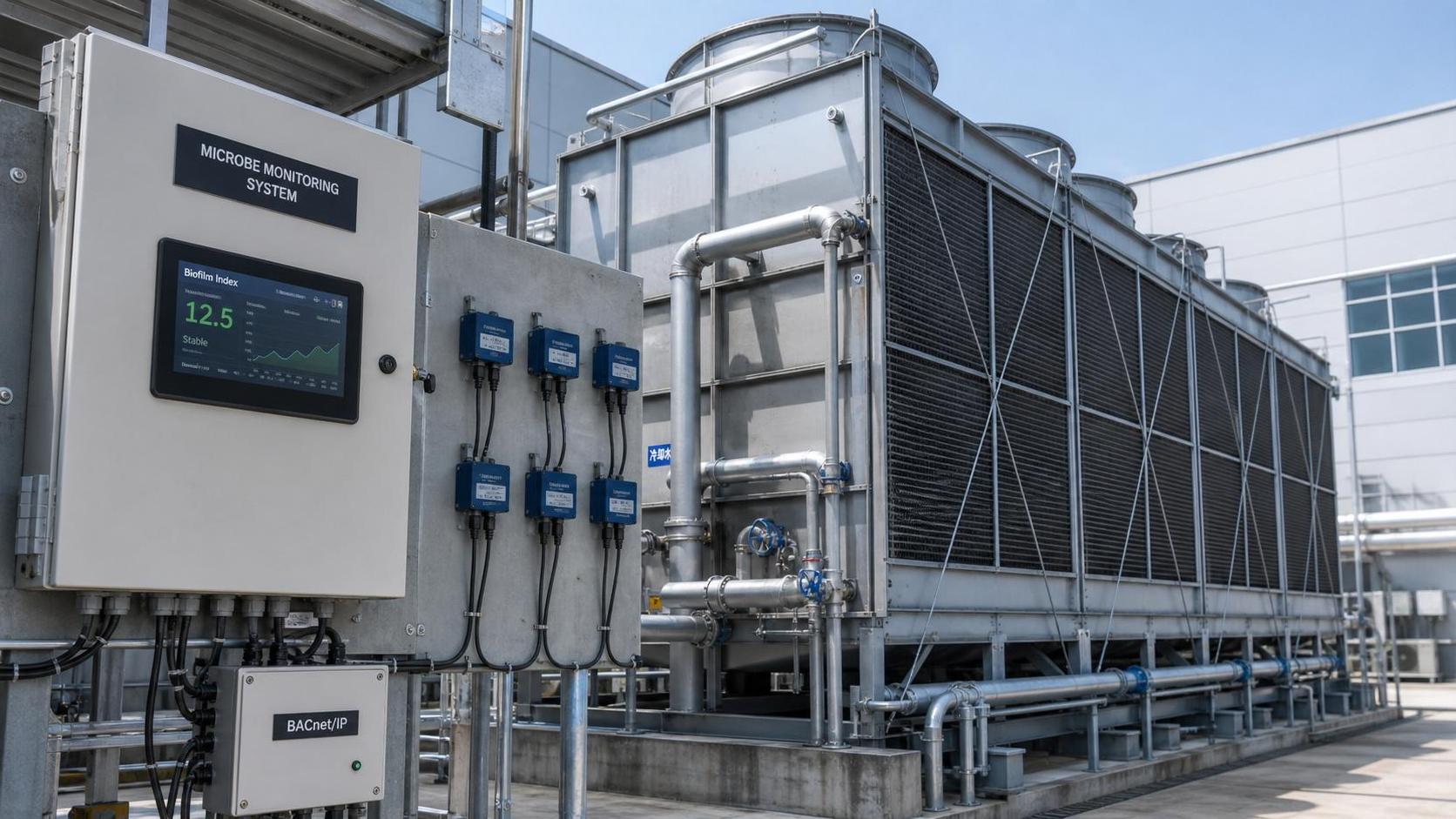
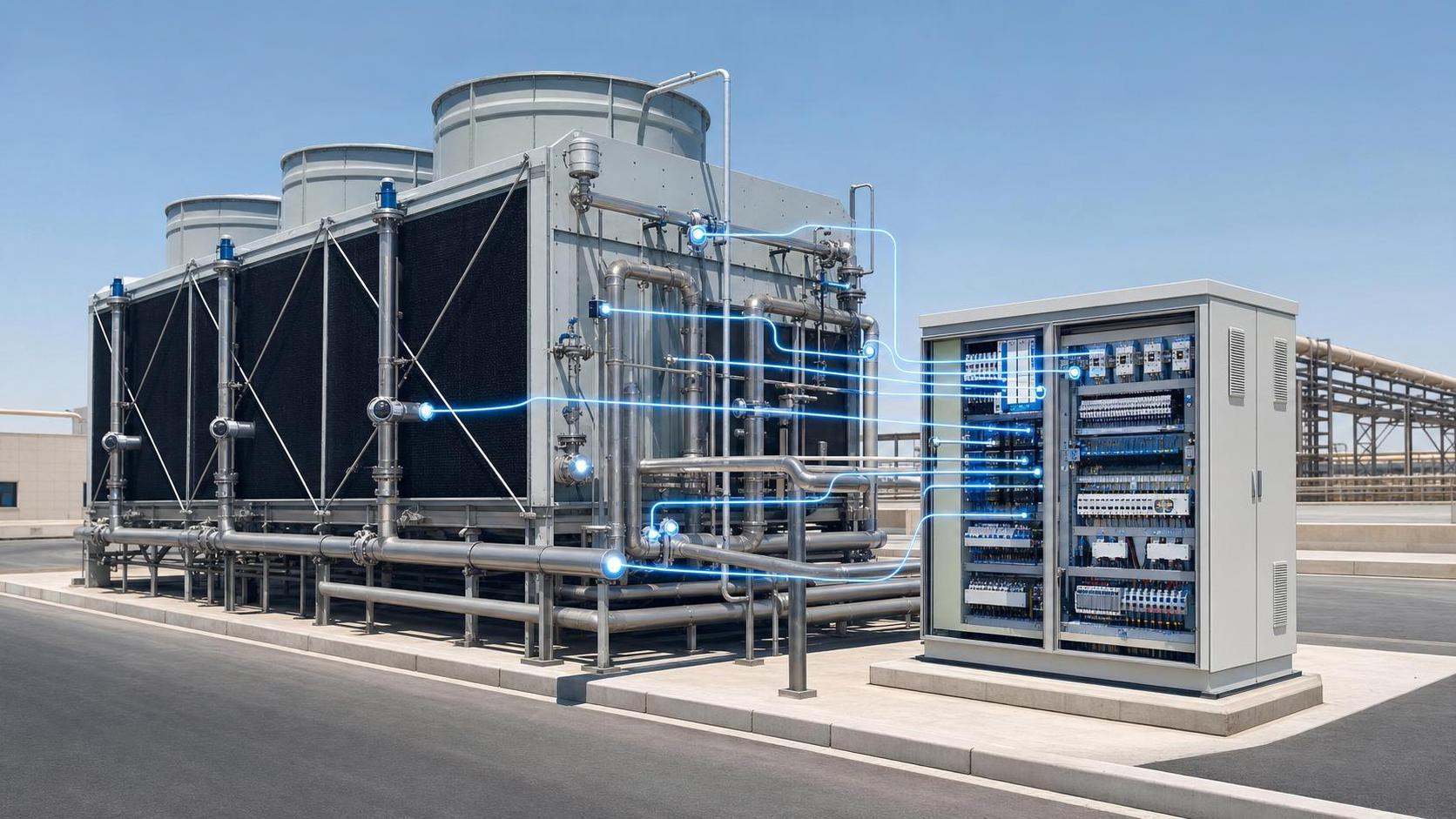
Digital monitoring is now central, not optional. Circularity depends on visibility: temperatures, pressures, flow rates, conductivity, refrigerant condition, vibration, and fouling indicators must be tracked if organizations want measurable savings rather than assumptions.
For large facilities, integrating cooling optimization with compressed air, vacuum, and heat exchange systems can create additional gains. Resource circularity works best when utilities are managed as an interdependent thermal ecosystem.
What risks and objections should be addressed before approval
Even strong circular projects can stall if leaders do not address common objections early. The first is reliability risk. Production teams may fear that efficiency-driven changes will reduce process stability or create maintenance complexity.
This concern is legitimate, so proposals should include redundancy logic, commissioning plans, fallback modes, and clear accountability between engineering, operations, and service partners. Circularity must strengthen reliability, not compete with it.
The second objection is data uncertainty. Many plants lack complete visibility into refrigerant loss, heat rejection patterns, or true maintenance cost. In such cases, a short diagnostic phase is usually better than delaying action indefinitely.
The third objection is capital timing. Some organizations hesitate because major cooling assets still have remaining book life. Here, phased retrofits and targeted upgrades can capture circular savings without forcing premature full-system replacement.
Supplier capability is another issue. Circular performance depends not only on equipment specifications but also on serviceability, spare support, reclamation pathways, digital integration, and the vendor’s ability to deliver lifecycle partnership.
Finally, there is the risk of treating circularity as a marketing layer instead of an engineering discipline. If objectives are vague, results will be vague. Successful programs define operational targets and assign ownership from the beginning.
A practical decision framework for enterprise leaders
For senior decision-makers, the most effective approach is to treat resource circularity in cooling systems as a portfolio of opportunities rather than a single project category.
First, identify high-cost or high-risk cooling assets by combining utility spend, downtime impact, refrigerant exposure, and maintenance history. This highlights where circular intervention is most likely to generate business value.
Second, rank opportunities into three groups: optimize existing assets, retrofit selected subsystems, and redesign where lifecycle economics clearly justify deeper change. This prevents overinvestment and avoids one-size-fits-all planning.
Third, define a dashboard with metrics that matter to both operations and finance. Useful indicators include water reused per unit output, refrigerant loss rate, energy intensity, mean time between failures, and lifecycle maintenance cost.
Fourth, require every project proposal to show operational impact, implementation timeline, supplier responsibilities, and sensitivity to energy, water, and regulatory scenarios. This raises decision quality and reduces internal resistance.
Fifth, align circular cooling investments with broader manufacturing priorities. Projects gain traction when they support uptime, product quality, decarbonization, compliance, and brand resilience at the same time.
Why resource circularity is becoming a competitive advantage
In 2026, resource circularity is no longer only about environmental positioning. It is increasingly a marker of operational maturity in energy-intensive industries that depend on stable thermal performance.
Companies that reduce cooling losses, extend equipment life, recover more value from existing assets, and adapt faster to refrigerant and water constraints will usually have a lower operating cost base and stronger resilience.
That matters in sectors where precise temperature control supports product quality, regulatory compliance, and throughput. A circular cooling strategy can improve all three when it is linked to disciplined engineering and performance tracking.
For international manufacturers and equipment stakeholders, it also creates a stronger strategic story: not just efficient machines, but utility systems designed for lower waste, lower risk, and longer-term resource productivity.
Conclusion: the practical case for circular cooling in 2026
The strongest case for resource circularity in cooling systems is simple. It helps enterprises spend less on avoidable losses while protecting uptime and preparing for tighter resource and regulatory constraints.
For decision-makers, the right question is not whether circularity sounds attractive. It is where circular practices can create measurable savings in water, refrigerants, materials, maintenance, and heat recovery within your actual operating context.
In most organizations, the answer begins with better visibility, targeted optimization, and disciplined investment screening. The largest gains often come from fixing losses already embedded in everyday cooling operations.
When approached this way, resource circularity becomes a practical business strategy, not a vague sustainability ambition. In 2026, that shift is what turns cooling infrastructure from a hidden cost burden into a source of competitive advantage.
Ready when you are. Send us a message to get started.
Related News
- Kentucky Regulators Approve $191 Million Cooling Tower at Mitchell Coal PlantAuthor :Thermodynamics Analyst

- Cooling Tower Market Trends Reshaping Replacement Plans and Capital BudgetsAuthor :Thermodynamics Analyst

- Field-Erected Cooling Tower Market: Why Utility Projects Favor Custom DesignsAuthor :Thermodynamics Analyst

- Evaporative Cooling Tower Market Outlook: Demand Drivers, Risks, and Growth AreasAuthor :Thermodynamics Analyst

- When does an industrial cooling radiator outperform a cooling tower?Author :Thermodynamics Analyst

- EU Cooling Tower Standard EN 13771:2026 Takes EffectAuthor :Thermodynamics Analyst

- EU REACH SVHC Update Triggers Cooling Tower DisclosureAuthor :Thermodynamics Analyst

- SASO Adds Bio-Durability Test for Cooling Tower FillAuthor :Thermodynamics Analyst

- EU REACH Update Bars Phthalates in Cooling Tower PVC FillAuthor :Thermodynamics Analyst

- EU Tightens CE Rules for Cooling Tower Steel PartsAuthor :Thermodynamics Analyst

- Shanghai-Rotterdam Cooling Tower Space TightensAuthor :Thermodynamics Analyst

- Hamburg Port Strike Delays Cooling Tower Parts ClearanceAuthor :Thermodynamics Analyst

- ASHRAE 188-2026 Makes Cooling Tower Microbial Control MandatoryAuthor :Thermodynamics Analyst

- India Enforces BIS IS 17842:2026 for Cooling TowersAuthor :Thermodynamics Analyst

- EU REACH Restricts Zinc Inhibitors in Cooling TowersAuthor :Thermodynamics Analyst

- TUV Rheinland Switches Cooling Tower Labels to IEC 61800-9-2Author :Thermodynamics Analyst

- EU REACH Rule Takes Effect for Cooling Tower CoatingsAuthor :Thermodynamics Analyst

- Vietnam to Require IoT Modules in Imported Cooling TowersAuthor :Thermodynamics Analyst

- How to Compare Industrial Cooling Equipment Dry Coolers for Year-Round EfficiencyAuthor :Thermodynamics Analyst

- SASO Tightens Cooling Tower Import Rules for 2027Author :Thermodynamics Analyst

- REACH SVHC Update Limits Copper Corrosion InhibitorsAuthor :Thermodynamics Analyst

- SASO Starts Cooling Tower Data Rule for CoCAuthor :Thermodynamics Analyst

- Saudi SASO Portal Adds Corrosion Data RuleAuthor :Thermodynamics Analyst

- SASO Adds Corrosion Report Rule for Cooling TowersAuthor :Thermodynamics Analyst

- RDHx Prices Rise as AI Demand Lifts Premium ModelsAuthor :Thermodynamics Analyst

- EU EN 13859-2:2026 Mandates Extreme Humidity Heat-Loss TestsAuthor :Thermodynamics Analyst

- VDE Tightens Cooling Tower Test ScopeAuthor :Thermodynamics Analyst

- SASO Tightens Cooling Tower Test Proof for SaberAuthor :Thermodynamics Analyst

- Saudi SABER Cooling Tower Rule Takes Effect EarlyAuthor :Thermodynamics Analyst

- EU Carbon Labels to Cover Cooling Tower ExportsAuthor :Thermodynamics Analyst

- Saudi SABER Cooling Tower Rule Takes Effect EarlyAuthor :Thermodynamics Analyst

- EU Carbon Label Rule Hits Cooling Tower ExportsAuthor :Thermodynamics Analyst

- Saudi SABER Cooling Tower Rule Adds EN 13859-2 TestAuthor :Thermodynamics Analyst

- Saudi SABER Tightens Cooling Tower Energy Report RulesAuthor :Thermodynamics Analyst

- Saudi SASO Tightens Cooling Tower Efficiency FilingAuthor :Thermodynamics Analyst

- Saudi SABER Tightens Cooling Tower Energy Report ChecksAuthor :Thermodynamics Analyst