Bac Ninh Tightens Cooling Tower Rules
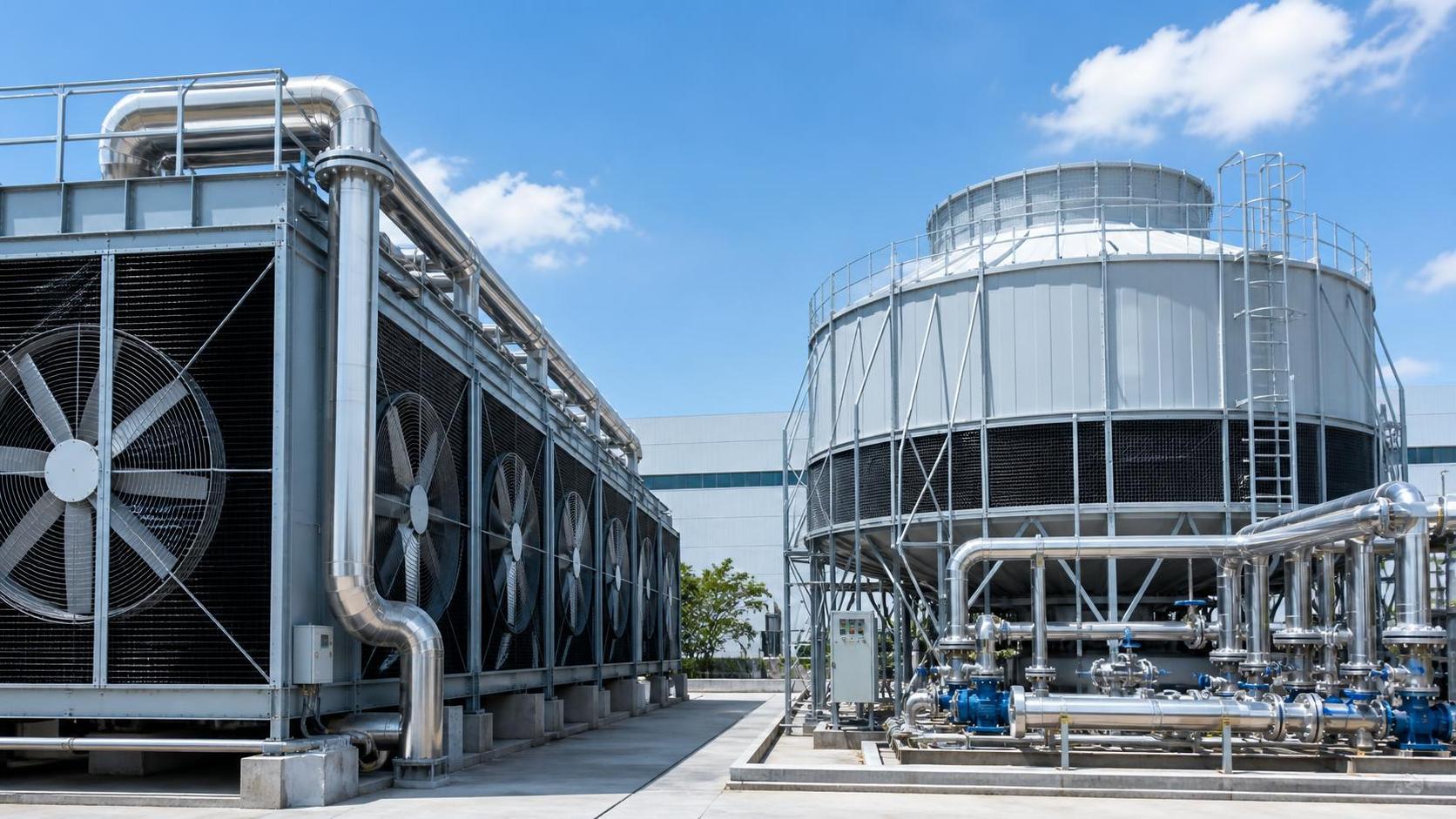
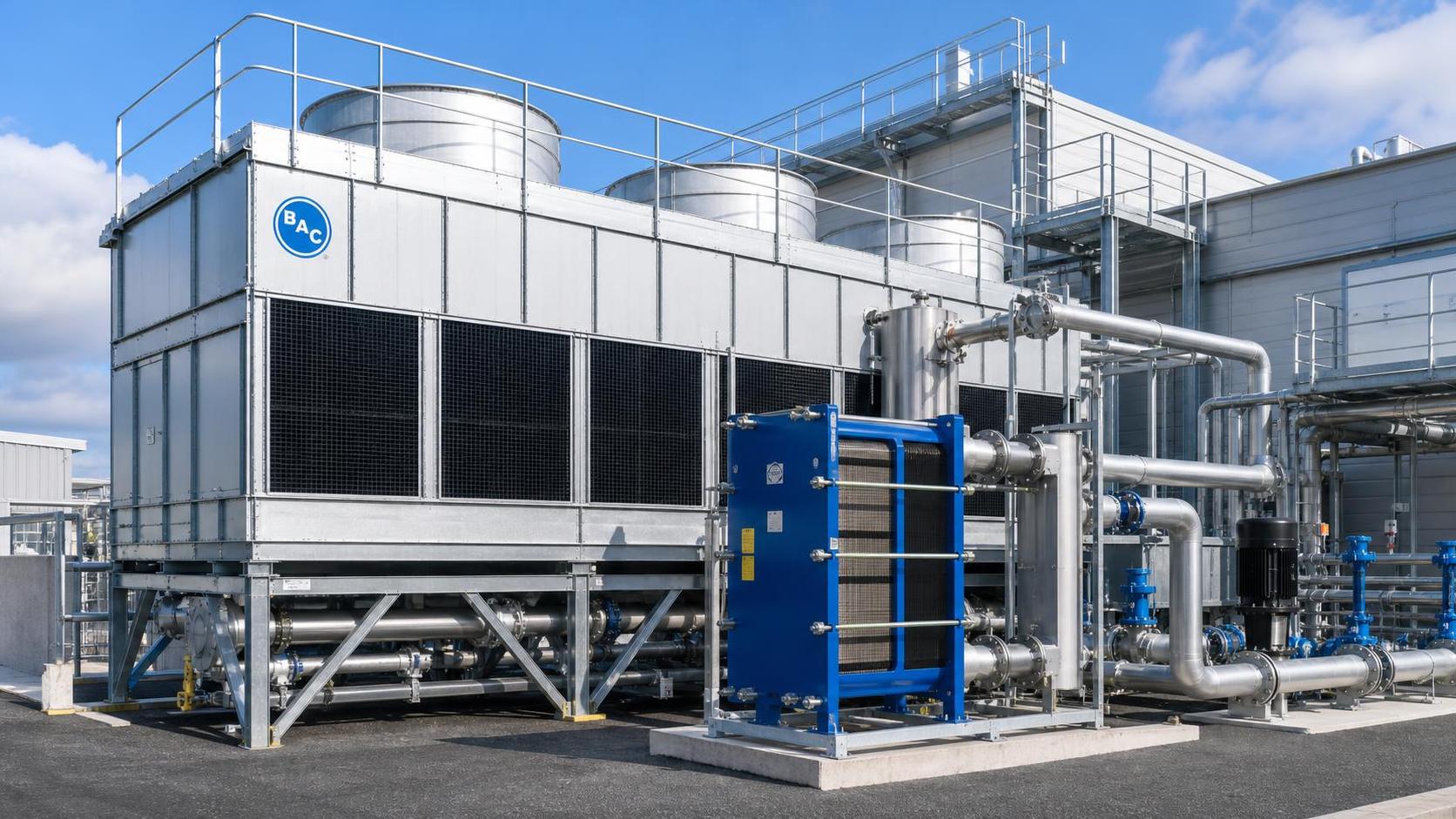
Bac Ninh Province in northern Vietnam issued the Interim Measures on Energy Efficiency Management for Industrial Cooling Facilities on May 31, 2026, with implementation scheduled for August 1, 2026. The rule requires newly built and technically upgraded cooling towers to integrate PLC-based variable-frequency drives with IE3-or-above energy efficiency and online water-quality monitoring for pH, conductivity, and turbidity, connected to the provincial industrial cloud platform. Industrial park operators, manufacturing plants, cooling tower engineering providers, equipment suppliers, and compliance service companies should pay close attention because projects that do not comply will not pass environmental assessment acceptance.
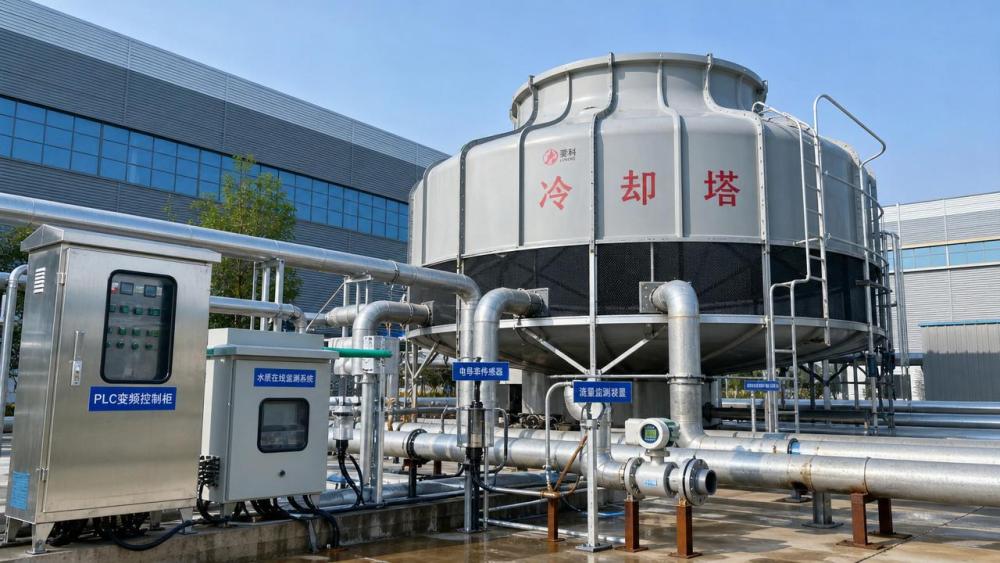
Event Overview
According to the information provided, Bac Ninh Province promulgated the Interim Measures on Energy Efficiency Management for Industrial Cooling Facilities on May 31, 2026.
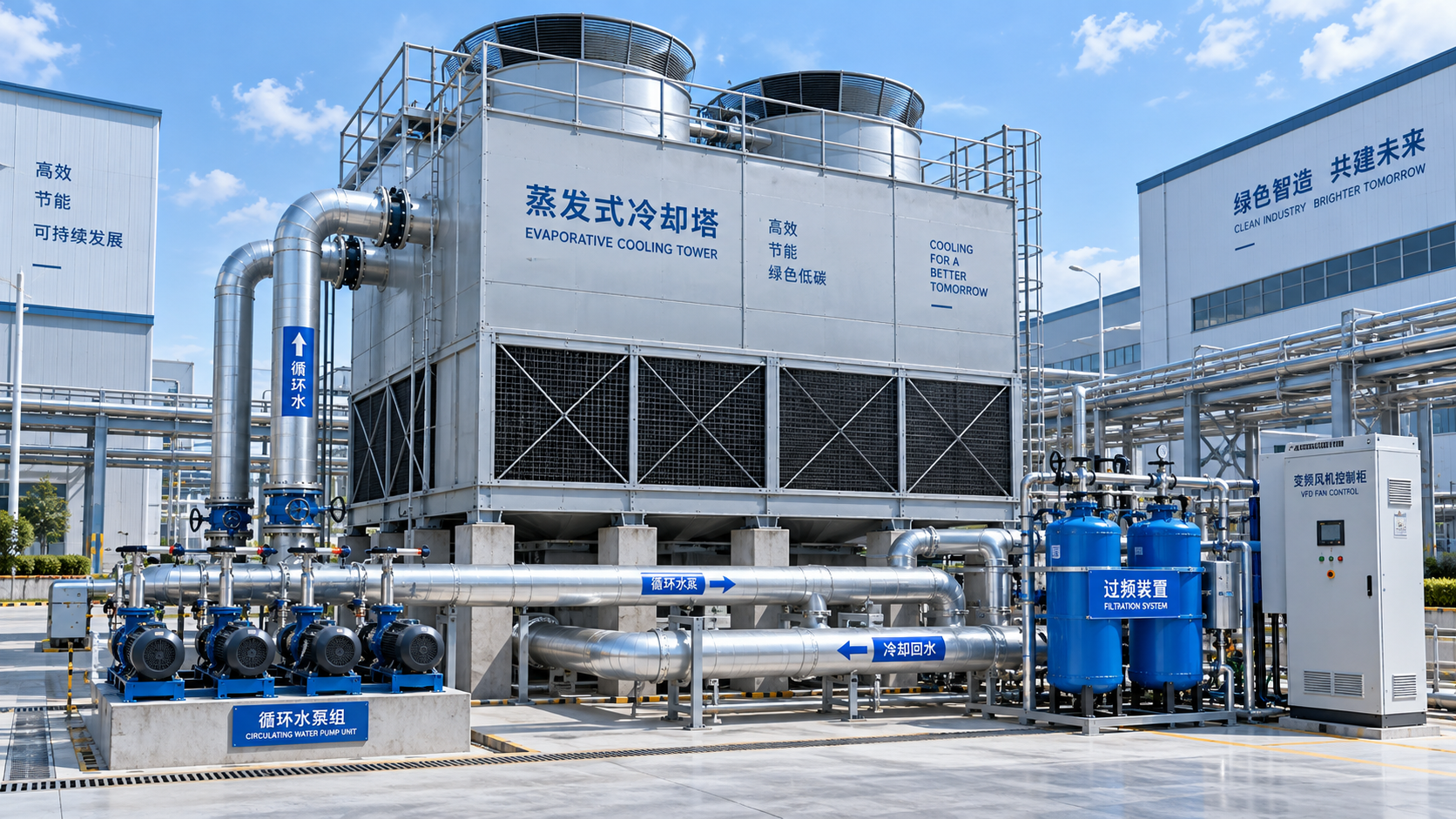
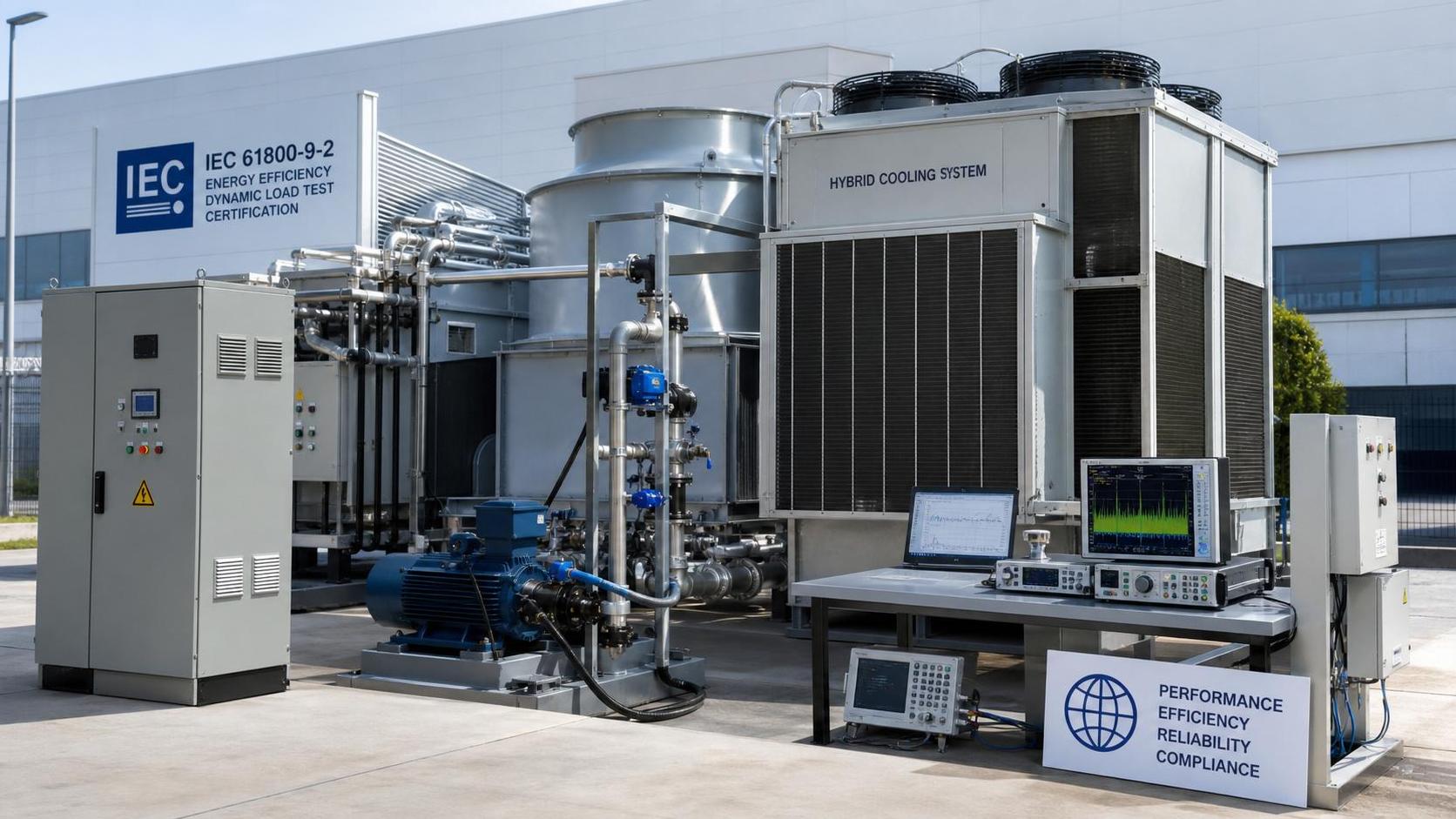
The measures will take effect on August 1, 2026. From that date, all newly built or technically upgraded cooling towers must be equipped with PLC variable-frequency drive systems meeting IE3-or-above energy efficiency requirements.
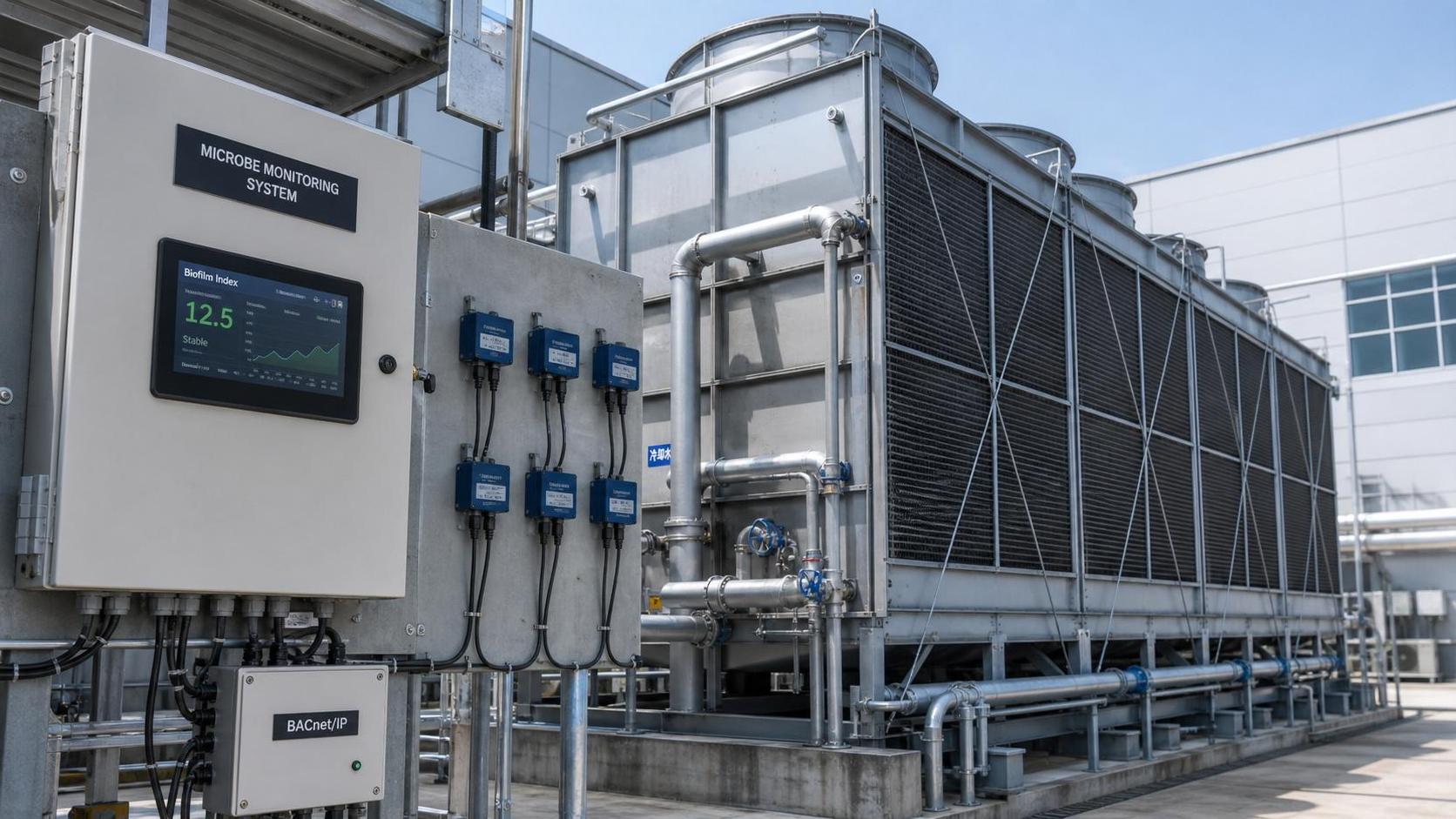
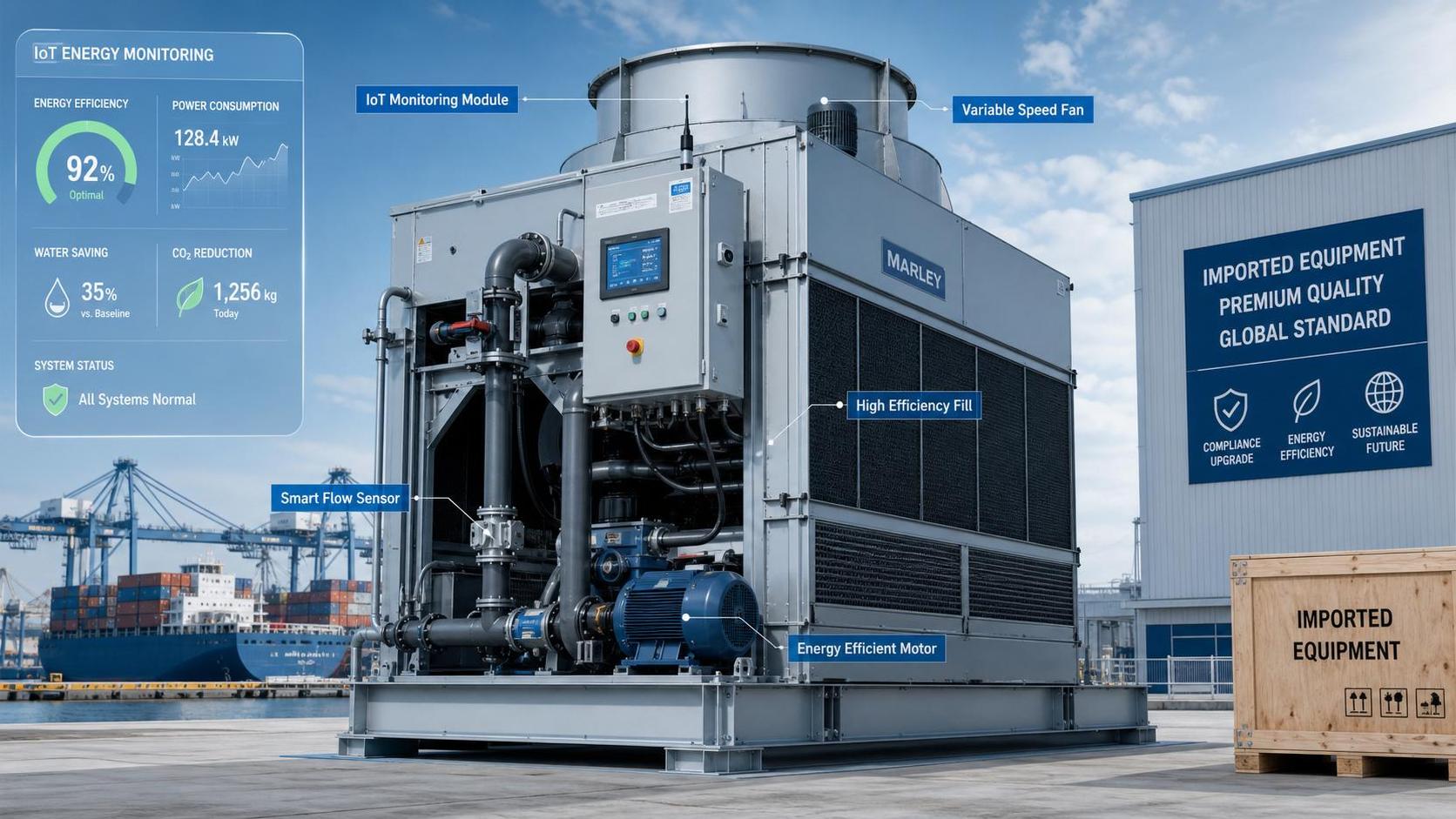
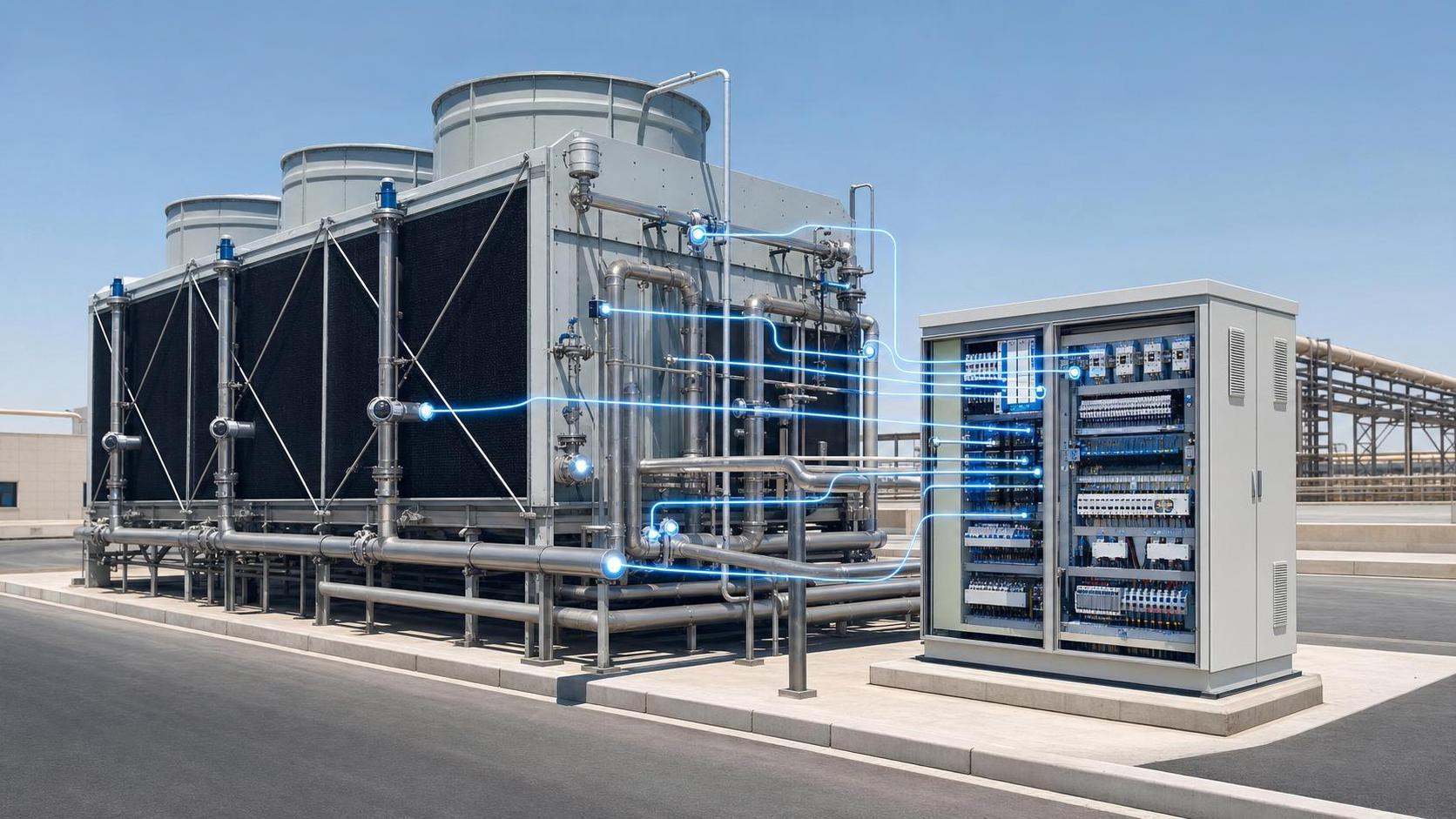
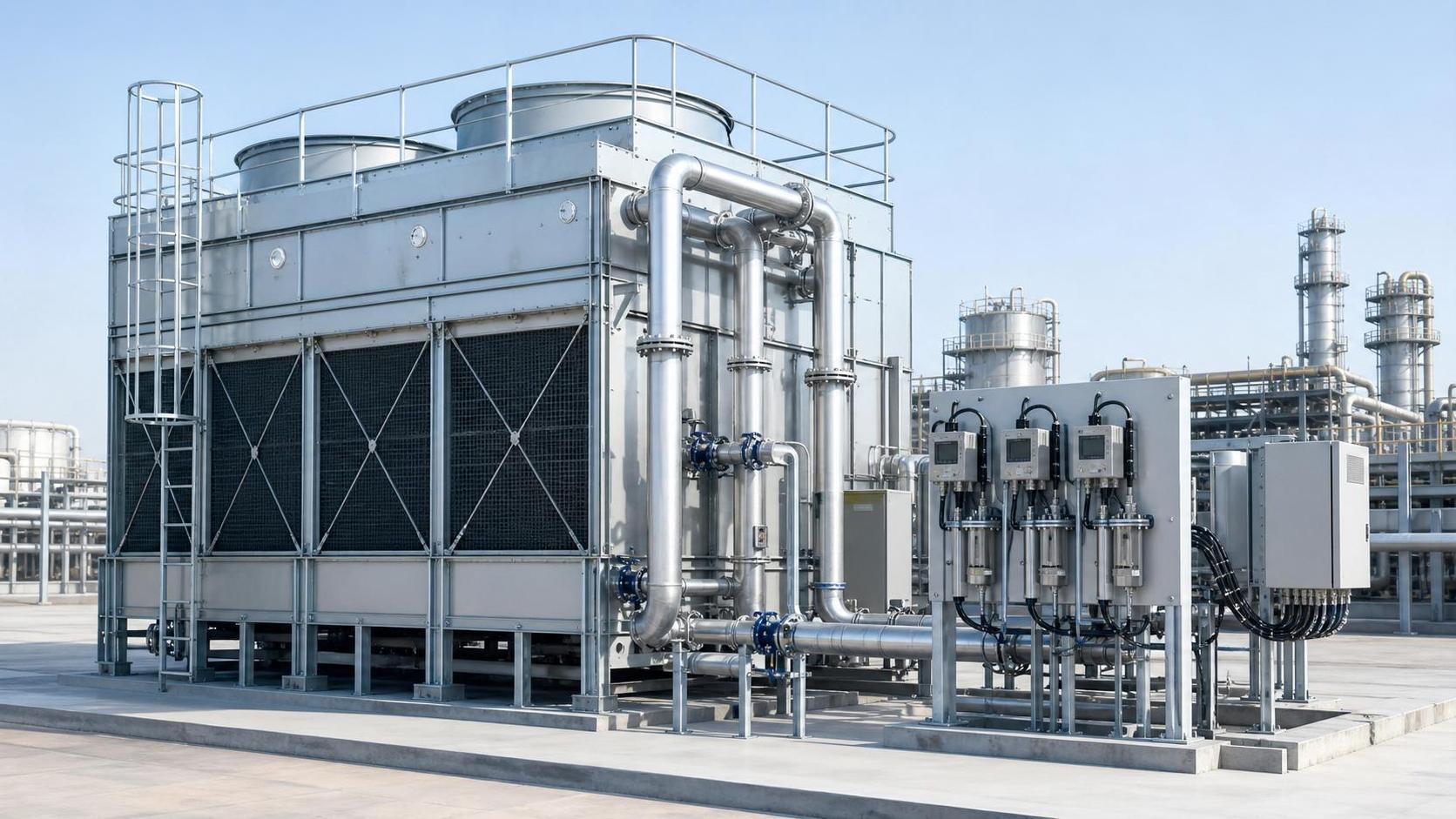
The measures also require a three-parameter online water-quality monitoring system covering pH, conductivity, and turbidity. The monitoring system must be connected to the provincial industrial cloud platform.
The publicly stated compliance consequence is that non-compliant projects will not be accepted during environmental assessment acceptance.
Which Segments May Be Affected
Industrial Park Developers and Facility Owners
Industrial park developers and facility owners are directly affected because the rule applies to new and technically upgraded cooling towers. If a project includes cooling facilities within its construction or renovation scope, the required control and monitoring modules become part of the acceptance conditions.
The main impact is likely to appear in project planning, equipment specification, acceptance documentation, and coordination with environmental assessment procedures. From an industry perspective, cooling tower configuration may no longer be treated only as a mechanical equipment selection issue, but also as a compliance item linked to energy efficiency and online monitoring.
Manufacturing Plants Using Industrial Cooling Systems
Manufacturing plants that plan new capacity or technical upgrades involving cooling towers should review whether their cooling systems fall within the scope of the measures. The stated requirement covers newly built and technically upgraded cooling towers, so projects under planning or modification may need to include PLC variable-frequency drive and water-quality monitoring functions from the design stage.
Analysis shows that the impact for plant operators will mainly involve project approval timing, equipment acceptance, and coordination between production engineering teams and environmental compliance teams. The key risk is not only whether the cooling tower can operate, but whether it can meet the stated acceptance requirements.
Cooling Tower Engineering and System Integration Providers
Engineering contractors and system integrators involved in cooling tower construction or retrofit projects will need to align design proposals with the new technical requirements. The rule specifically mentions PLC variable-frequency drive, IE3-or-above energy efficiency, three-parameter online water-quality monitoring, and connection to the provincial industrial cloud platform.
Observably, this may shift project delivery from simple equipment installation toward integrated delivery that includes electrical control, monitoring modules, data connection, and acceptance support. Providers that prepare compliant technical documentation and interface plans may face fewer implementation uncertainties.
Suppliers of Drives, PLC Controls, Sensors, and Monitoring Modules
Suppliers of variable-frequency drives, PLC control systems, water-quality sensors, and online monitoring modules are affected because the rule defines specific functional requirements for cooling tower projects. Product selection may need to reflect IE3-or-above energy efficiency requirements and the three monitored water-quality parameters: pH, conductivity, and turbidity.
What deserves closer attention now is whether product documentation, system compatibility, and data-output capability can support project acceptance. The available information states that systems must connect to the provincial industrial cloud platform, so suppliers should be prepared to clarify how their equipment supports integration requirements once further implementation details are available.
Environmental Assessment and Compliance Service Providers
Compliance consultants and environmental assessment service providers may also be affected because non-compliant projects will not pass environmental assessment acceptance. Their role may increasingly include checking whether cooling tower configurations meet the new control, energy-efficiency, monitoring, and platform-connection requirements.
It is more appropriate to understand this as a practical compliance checkpoint for projects involving cooling tower construction or technical upgrades. The main impact is likely to appear in pre-acceptance review, documentation preparation, and coordination between project owners and equipment providers.
Key Points for Companies and Practitioners to Monitor and Respond To
Review Project Scope Against the August 1, 2026 Implementation Date
Companies with cooling tower projects in Bac Ninh Province should first identify whether the project is newly built or technically upgraded and whether it will enter acceptance procedures on or after August 1, 2026. This review should be conducted before finalizing equipment procurement or engineering contracts.
Analysis shows that the implementation date is a practical dividing line for project teams. If a project schedule overlaps with the effective date, companies should avoid relying on legacy equipment specifications that do not include PLC variable-frequency drive and online water-quality monitoring.
Include Control and Monitoring Requirements in Procurement Documents
Procurement teams should specify PLC-based variable-frequency drive, IE3-or-above energy efficiency, pH monitoring, conductivity monitoring, turbidity monitoring, and provincial industrial cloud platform connection as required items where the rule applies.
From an industry perspective, these requirements should not be left to post-installation adjustment. Including them in bidding documents, supplier quotations, and technical acceptance criteria can reduce the risk of equipment mismatch during environmental assessment acceptance.
Coordinate Early Between Engineering, Environmental, and IT Interfaces
The rule combines equipment control, water-quality monitoring, and cloud-platform connection. This means project teams should coordinate among mechanical engineering, electrical control, environmental compliance, and data-interface personnel before installation.
What deserves closer attention now is the connection requirement to the provincial industrial cloud platform. Based on the available information, the requirement is clear, but detailed interface procedures should still be monitored through official channels or project-level guidance.
Separate Policy Signal From Project-Level Execution Details
The confirmed policy direction is that cooling tower energy-efficiency control and online water-quality monitoring are becoming acceptance-linked requirements in Bac Ninh Province. However, companies should distinguish this confirmed direction from implementation details that may still require official clarification.
Observably, the immediate response should be to prepare compliant technical schemes and documentation, while continuing to follow any further official statements on platform connection, acceptance documentation, and applicable project procedures.
Editorial View / Industry Observation
Analysis shows that the Bac Ninh measures are not merely a technical equipment update for cooling towers. They connect energy-efficient operation, water-quality visibility, and digital supervision to environmental assessment acceptance for new and technically upgraded projects.
It is more appropriate to understand this as a regulatory signal with direct project-level consequences. The signal is that industrial cooling facilities are being brought into a more measurable and connected compliance framework. The result, as currently stated, is also concrete: projects that fail to meet the requirements will not pass environmental assessment acceptance.
From an industry perspective, the reason this development requires continued attention is that it affects multiple links in the project chain, including design, procurement, installation, monitoring, data connection, and acceptance. Companies involved in cooling tower projects in Bac Ninh Province should treat the measure as a near-term compliance requirement rather than a general industry trend.
Conclusion
The new cooling tower requirements in Bac Ninh Province highlight a clear shift toward integrated energy-efficiency control and online water-quality monitoring for industrial cooling facilities. For affected companies, the most practical response is to review project scope, update technical specifications, coordinate system integration, and prepare for acceptance-linked compliance before the August 1, 2026 implementation date.
Current observation suggests that this development should be understood as both a policy signal and an operational requirement for relevant projects. It is not suitable to treat it as a broad regional assumption beyond the information currently available, but it is important for companies with new or upgraded cooling tower projects in Bac Ninh Province to respond early and carefully.
Information Source Statement
Main source: Bac Ninh Province Interim Measures on Energy Efficiency Management for Industrial Cooling Facilities, promulgated on May 31, 2026, with implementation on August 1, 2026, as described in the provided event information.
Items for continued observation: any further official guidance on provincial industrial cloud platform connection procedures, project acceptance documentation, and implementation details for newly built or technically upgraded cooling tower projects.