Industrial Cooling Setup Tips for Stable Plant Operation




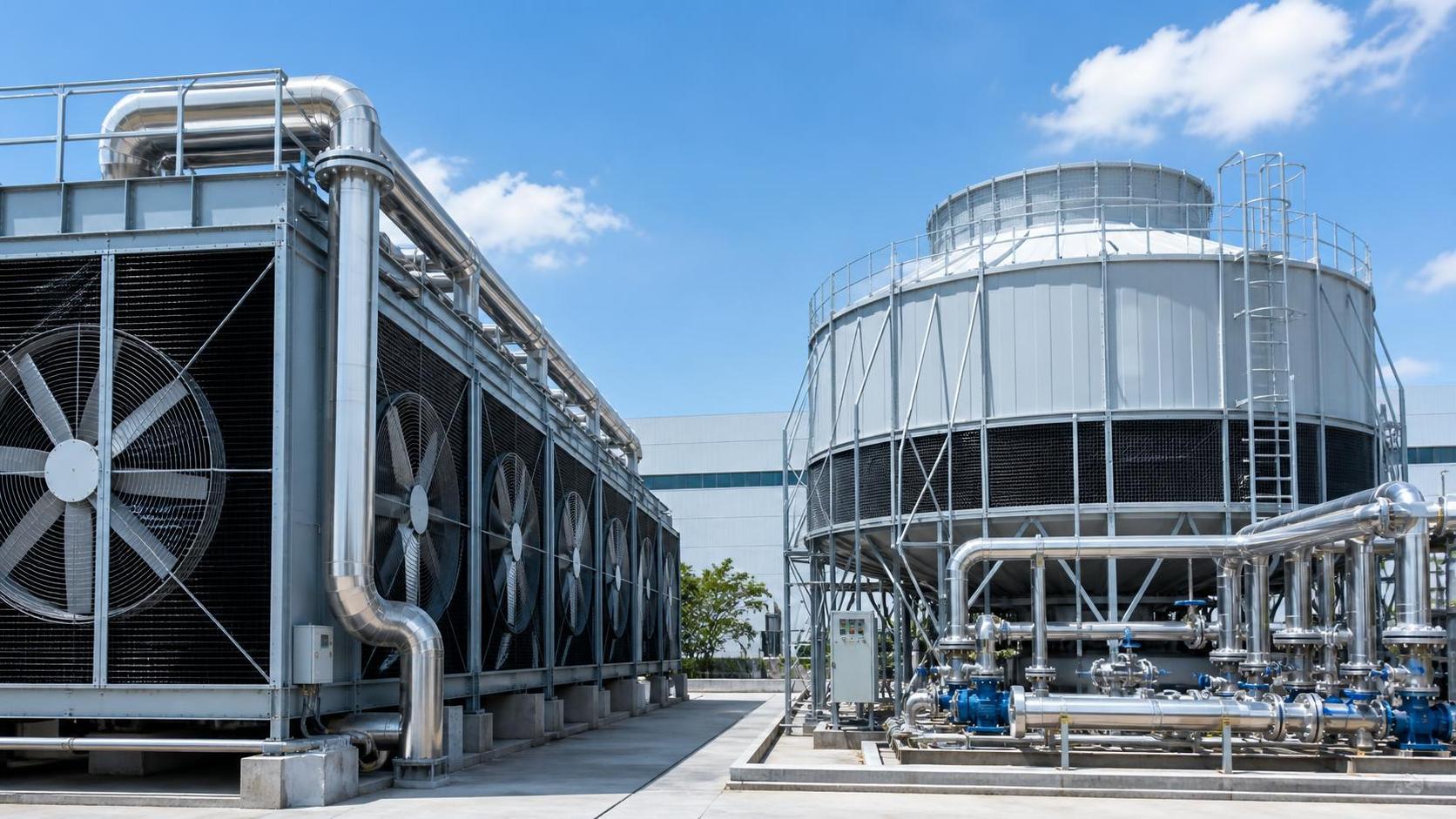
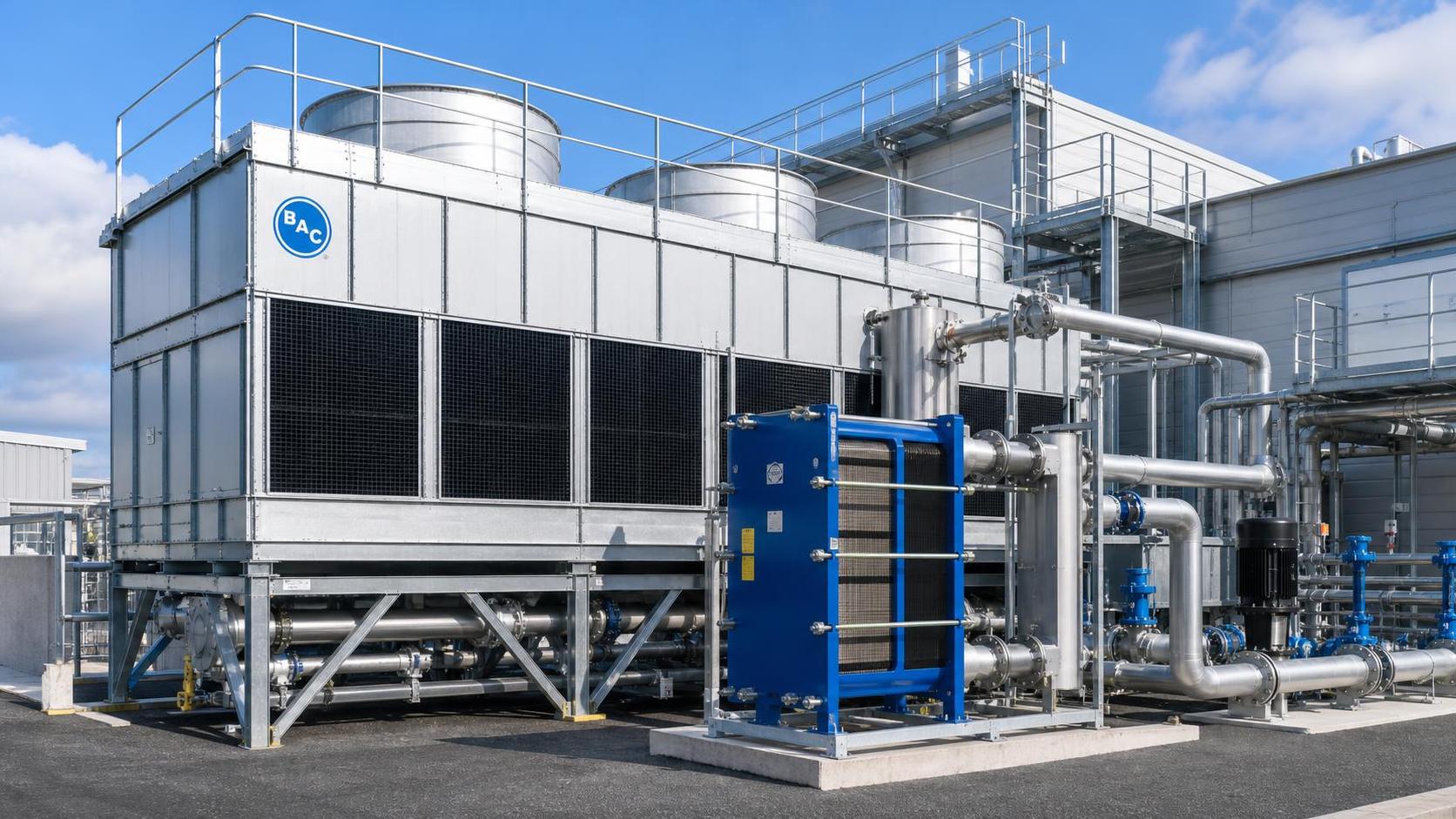
Stable plant operation starts with a well-planned industrial cooling setup. For operators, even small issues—poor airflow, incorrect temperature setpoints, fouled heat exchangers, or unstable compressor performance—can lead to downtime, energy waste, and product quality risks. This guide highlights practical setup tips to help maintain reliable cooling performance, improve daily control, and support safer, more efficient production across demanding industrial environments.
Why industrial cooling setup affects daily plant stability
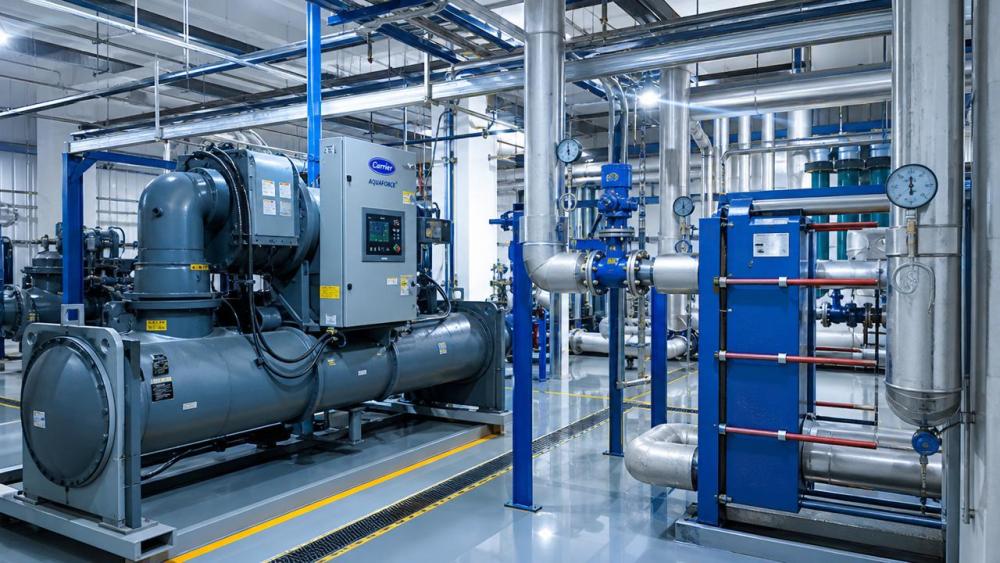
Industrial cooling is not only a utility function. It is a control layer that protects production equipment, process quality, compressed air systems, vacuum processes, and heat exchange loops.
Operators usually notice cooling problems after alarms appear. However, most failures begin earlier, with drift in pressure, flow, temperature approach, or compressor cycling behavior.
A reliable industrial cooling setup gives operators clear control boundaries. It also helps maintenance teams detect fouling, air blockage, pump wear, and refrigerant-side instability before production is affected.
Common plant areas that depend on stable cooling
- Process machinery requiring consistent temperature control, such as molding, machining, coating, food processing, and pharmaceutical production lines.
- Compressed air rooms where aftercoolers, dryers, and compressors need controlled ambient conditions to avoid moisture carryover and overload.
- Heat exchangers and hydraulic systems where poor water quality or low flow can quickly reduce thermal transfer efficiency.
- Electrical cabinets, drives, and automation equipment that become unstable when hot air recirculates inside congested production areas.
GTC-Matrix observes these issues through the combined lens of thermodynamics, pneumatic power, and industrial energy economics. That perspective is useful because cooling problems rarely stay isolated.
How to define cooling demand before changing equipment
Many industrial cooling issues are caused by unclear demand, not undersized equipment alone. Before modifying a chiller, tower, pump, or heat exchanger, operators should confirm the real heat load.
Heat load changes with production speed, shift patterns, ambient temperature, compressor operation, cleaning cycles, and material input temperature. A setup based on one operating point may fail during peak demand.
Baseline data operators should record
The following table summarizes practical data points for checking an industrial cooling setup in a mixed industrial plant. These values help separate process issues from equipment faults.
Operators do not need complex modeling for every decision. A disciplined log of these values often reveals whether the industrial cooling problem is load growth, fouling, airflow, or control settings.
Which industrial cooling setup fits different plant scenarios?
Different plants need different cooling architectures. A food line, a semiconductor utility room, and a metal processing workshop can all require industrial cooling, but their risks are not identical.
Operators should avoid selecting equipment only by rated capacity. The better question is how the cooling system behaves during partial load, high ambient temperature, cleaning, shutdown, and restart.
Scenario-based comparison
Use this comparison as a practical starting point when reviewing industrial cooling options for general manufacturing, process utilities, and quality-sensitive environments.
A strong setup usually combines correct equipment type with clean installation, good monitoring, and realistic operating procedures. Capacity alone cannot compensate for poor flow or blocked heat rejection.
Setup tips for temperature, airflow, water quality, and control logic
Operators can improve industrial cooling performance by focusing on four practical areas: temperature setpoints, airflow routes, fluid condition, and control response. These areas decide daily stability.
Temperature setpoints: avoid chasing the lowest number
Lower setpoints are not always safer. Excessively low chilled water temperature can increase compressor power, create condensation risk, and reduce system margin during high-load operation.
Set the target based on process tolerance. If a process accepts 18°C cooling water, forcing 10°C may waste energy without improving output quality.
Airflow: keep heat rejection separate from heat intake
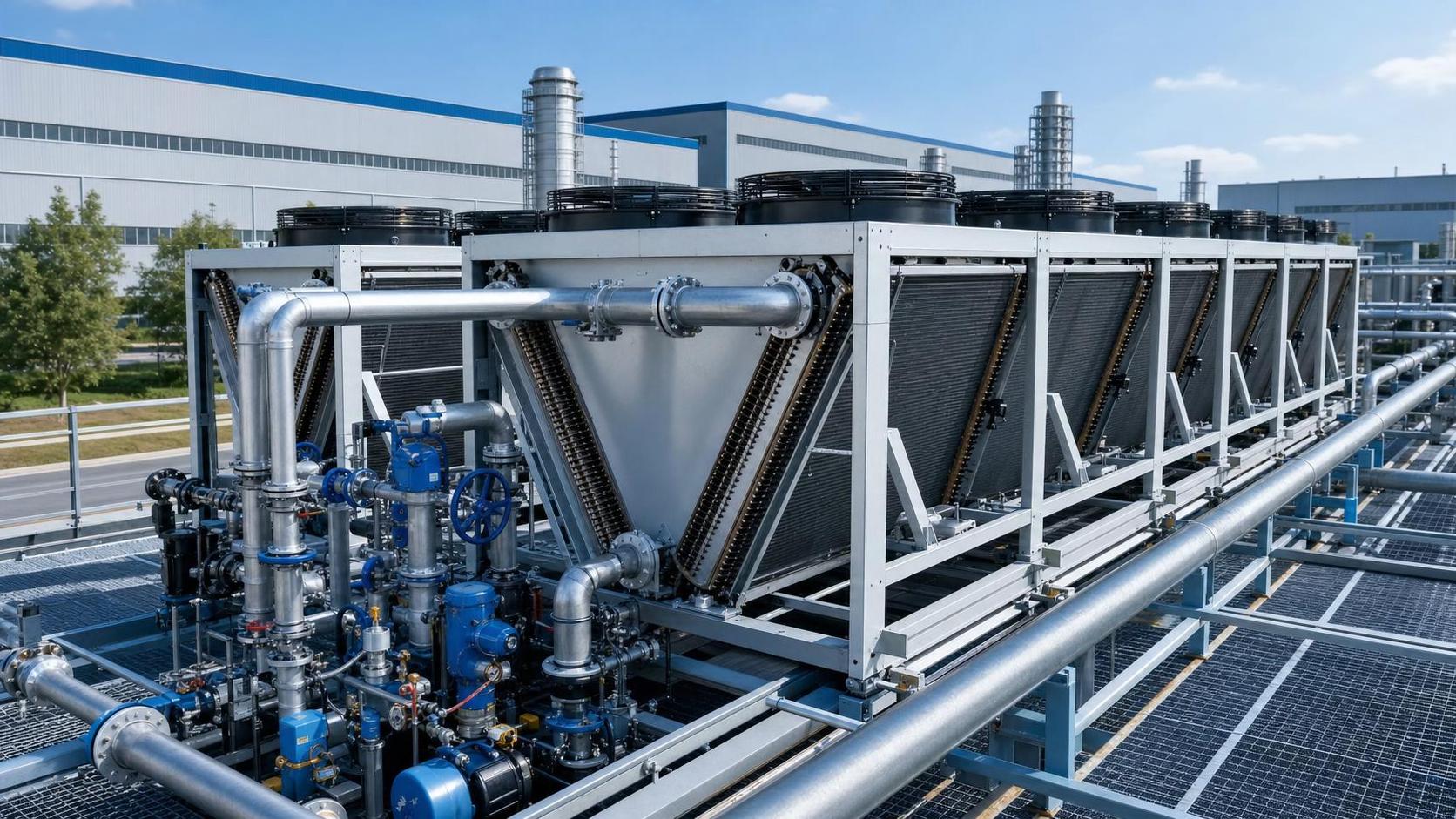
- Keep condenser discharge air away from intake zones, especially where several air-cooled units operate in the same yard or machine room.
- Check that filters, louvers, acoustic panels, and safety guards do not restrict airflow beyond the equipment design allowance.
- Record intake air temperature during peak shifts, because rooftop or enclosed installations may run hotter than the general weather report.
Water and fluid quality: protect heat transfer surfaces
Scaling, biological growth, corrosion, and suspended solids all reduce cooling performance. A small layer of fouling can raise energy use and cause unstable outlet temperatures.
For closed loops, operators should verify glycol concentration, pH, inhibitor condition, and strainer differential pressure. For open systems, water treatment discipline is even more important.
Control logic: prevent unnecessary cycling
Frequent compressor starts, hunting valves, or rapid pump speed changes suggest poor control tuning. Stable industrial cooling depends on smooth response, not aggressive adjustment.
Operators should review deadband settings, sensor placement, minimum flow requirements, and start sequence timing. Control changes should be documented and verified under real load.
What should operators check before procurement or replacement?
Procurement decisions often start when the existing industrial cooling system cannot keep up. Yet replacement can disappoint if the real cause is installation, maintenance, or process variation.
Before requesting quotes, operators should build a concise specification. This prevents undersizing, overbuying, and selecting equipment that cannot meet site constraints.
Procurement checklist for practical evaluation
This checklist helps operating teams compare proposals for industrial cooling equipment without relying only on price or nominal capacity.
For budget-limited plants, a staged plan may be better than immediate replacement. Cleaning heat exchangers, correcting airflow, or adding monitoring can reveal the true upgrade requirement.
Risk points that cause unstable industrial cooling
Industrial cooling failures often follow predictable patterns. Operators can reduce downtime by treating early warning signs as production risks, not minor utility complaints.
Typical warning signs
- The same chiller trips during the hottest part of the day, which may indicate condenser airflow limits or marginal heat rejection capacity.
- Return temperature rises while supply temperature stays unstable, suggesting process load variation, low flow, or poor control tuning.
- Pressure drop across strainers or heat exchangers increases, showing that fouling or blockage is affecting heat transfer and pump performance.
- Compressed air dryers show higher outlet dew point when cooling systems are overloaded, creating moisture risk in pneumatic tools and instruments.
These symptoms should be connected in one operating view. GTC-Matrix emphasizes this systems approach because thermal behavior, compressed air performance, and energy cost are closely linked.
Standards, safety, and compliance points operators should understand
Compliance is not only the responsibility of engineering managers. Operators interact with pressure equipment, electrical panels, refrigerants, rotating machinery, and chemical treatment programs every day.
Industrial cooling systems may be influenced by local pressure vessel rules, electrical safety codes, machine guarding expectations, refrigerant handling requirements, and water discharge regulations.
Practical compliance focus
- Confirm that pressure relief devices, gauges, and isolation valves are accessible and included in routine inspection rounds.
- Check that electrical cabinets remain dry, ventilated, and protected from washdown, condensation, and unauthorized adjustments.
- Follow site procedures for refrigerant work, chemical dosing, confined spaces, lockout, and safe pump maintenance.
- Keep operating records, alarms, maintenance notes, and water treatment logs available for audits and troubleshooting.
General references such as ISO management systems, IEC electrical practices, and recognized refrigeration safety principles can support internal procedures. Local rules should always guide final compliance decisions.
FAQ: practical questions about industrial cooling setup
How often should operators inspect an industrial cooling system?
Basic readings should be checked every shift for critical production lines. These include supply temperature, return temperature, pressure, flow indication, alarms, pump status, and ambient conditions.
Weekly checks should include strainers, coil cleanliness, abnormal vibration, fluid level, and trend review. Monthly reviews should connect cooling performance with energy use and production changes.
What is the most common mistake in industrial cooling setup?
One common mistake is assuming that a larger unit will solve every problem. If piping, airflow, controls, or water quality are wrong, extra capacity may still perform poorly.
Another mistake is setting temperatures lower than necessary. This can increase compressor work, reduce energy efficiency, and create condensation issues around sensitive equipment.
When should a plant consider replacing instead of repairing?
Replacement becomes reasonable when repair frequency increases, parts availability declines, energy consumption rises sharply, or the system cannot maintain stable temperature at verified design conditions.
Before replacement, confirm whether heat load has changed. Adding production equipment, extending shifts, or relocating machinery can make an originally correct industrial cooling system appear undersized.
Can monitoring improve cooling performance without new equipment?
Yes. Even simple trending can identify fouling, unstable valves, blocked airflow, and abnormal compressor cycling. Good data helps teams choose targeted actions instead of guessing.
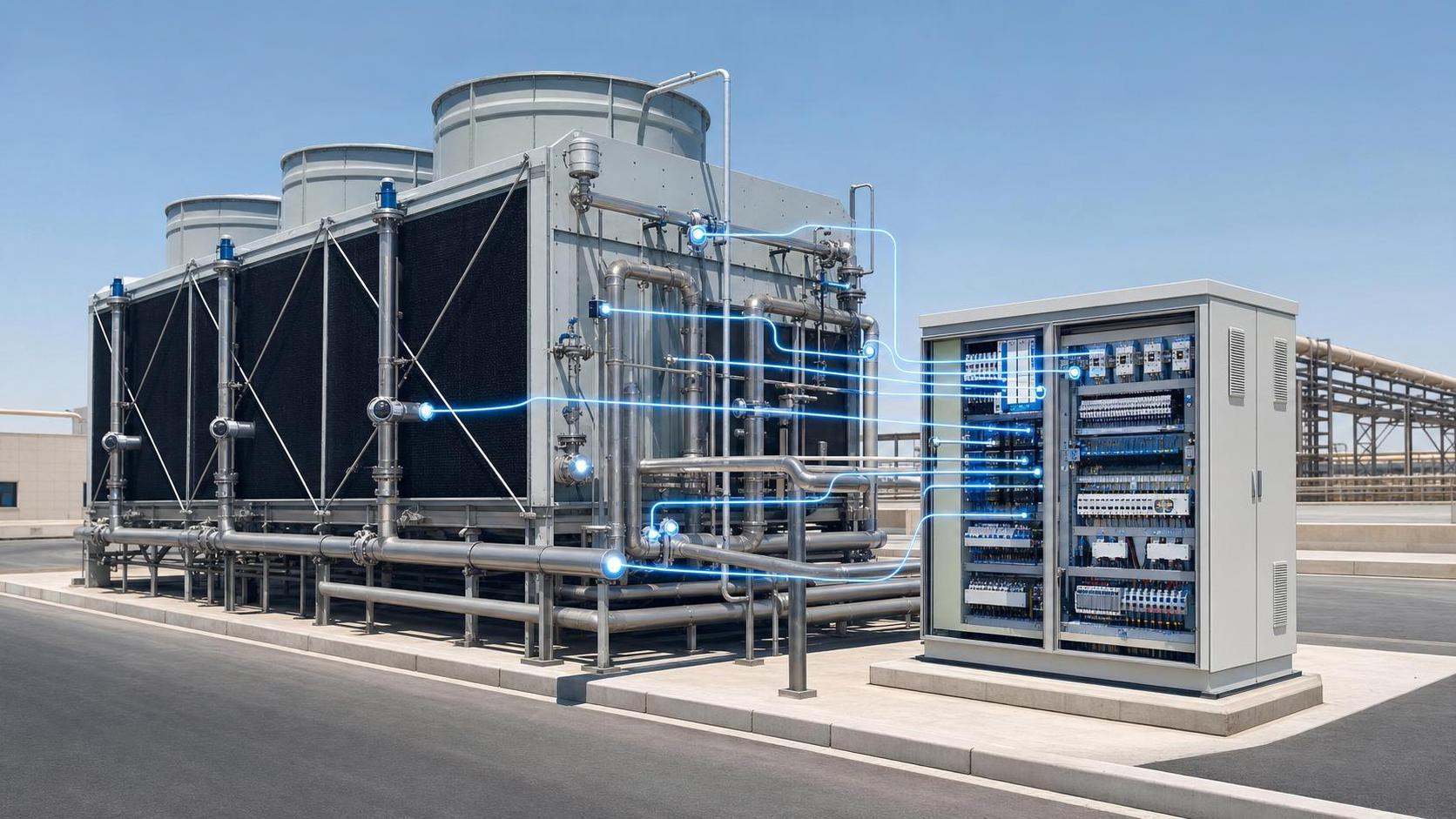
For high-value production, operators may add sensors for temperature approach, flow, differential pressure, power, and dew point. These signals strengthen preventive maintenance decisions.
Why choose GTC-Matrix for industrial cooling intelligence and decision support?
GTC-Matrix connects thermal engineering insight with compressed air, vacuum, and heat exchange intelligence. This is valuable for plants where cooling performance affects the wider power and process ecosystem.
Our Strategic Intelligence Center follows energy cost shifts, refrigerant policy changes, oil-free compression trends, microchannel heat exchanger development, and high-precision temperature control demand.
Operators, maintenance teams, and procurement staff can use GTC-Matrix insights to clarify specifications, compare technologies, and understand risks before committing budget or changing plant layouts.
Contact us for focused consultation
- Parameter confirmation for supply temperature, return temperature, heat load, flow rate, ambient condition, and allowable process tolerance.
- Industrial cooling selection support for chillers, closed-loop coolers, heat exchangers, pumps, and compressed air-related thermal equipment.
- Procurement discussion covering delivery schedule, retrofit constraints, operating cost, compliance expectations, and long-term maintenance access.
- Customized intelligence review for plants pursuing energy efficiency, carbon reduction, stable production, and better thermal system visibility.
If your plant is facing unstable industrial cooling, rising energy cost, or unclear upgrade priorities, consult GTC-Matrix before the next shutdown window. Thermal Driving Industry, Intelligence Connecting Power.
Ready when you are. Send us a message to get started.
Related News
- Kentucky Regulators Approve $191 Million Cooling Tower at Mitchell Coal PlantAuthor :Thermodynamics Analyst

- Cooling Tower Market Trends Reshaping Replacement Plans and Capital BudgetsAuthor :Thermodynamics Analyst

- Field-Erected Cooling Tower Market: Why Utility Projects Favor Custom DesignsAuthor :Thermodynamics Analyst

- Evaporative Cooling Tower Market Outlook: Demand Drivers, Risks, and Growth AreasAuthor :Thermodynamics Analyst

- When does an industrial cooling radiator outperform a cooling tower?Author :Thermodynamics Analyst

- EU Cooling Tower Standard EN 13771:2026 Takes EffectAuthor :Thermodynamics Analyst

- EU REACH SVHC Update Triggers Cooling Tower DisclosureAuthor :Thermodynamics Analyst

- SASO Adds Bio-Durability Test for Cooling Tower FillAuthor :Thermodynamics Analyst

- EU REACH Update Bars Phthalates in Cooling Tower PVC FillAuthor :Thermodynamics Analyst

- EU Tightens CE Rules for Cooling Tower Steel PartsAuthor :Thermodynamics Analyst

- Shanghai-Rotterdam Cooling Tower Space TightensAuthor :Thermodynamics Analyst

- Hamburg Port Strike Delays Cooling Tower Parts ClearanceAuthor :Thermodynamics Analyst

- ASHRAE 188-2026 Makes Cooling Tower Microbial Control MandatoryAuthor :Thermodynamics Analyst

- India Enforces BIS IS 17842:2026 for Cooling TowersAuthor :Thermodynamics Analyst

- EU REACH Restricts Zinc Inhibitors in Cooling TowersAuthor :Thermodynamics Analyst

- TUV Rheinland Switches Cooling Tower Labels to IEC 61800-9-2Author :Thermodynamics Analyst

- EU REACH Rule Takes Effect for Cooling Tower CoatingsAuthor :Thermodynamics Analyst

- Vietnam to Require IoT Modules in Imported Cooling TowersAuthor :Thermodynamics Analyst

- How to Compare Industrial Cooling Equipment Dry Coolers for Year-Round EfficiencyAuthor :Thermodynamics Analyst

- SASO Tightens Cooling Tower Import Rules for 2027Author :Thermodynamics Analyst

- REACH SVHC Update Limits Copper Corrosion InhibitorsAuthor :Thermodynamics Analyst

- SASO Starts Cooling Tower Data Rule for CoCAuthor :Thermodynamics Analyst

- Saudi SASO Portal Adds Corrosion Data RuleAuthor :Thermodynamics Analyst

- SASO Adds Corrosion Report Rule for Cooling TowersAuthor :Thermodynamics Analyst

- RDHx Prices Rise as AI Demand Lifts Premium ModelsAuthor :Thermodynamics Analyst

- EU EN 13859-2:2026 Mandates Extreme Humidity Heat-Loss TestsAuthor :Thermodynamics Analyst

- VDE Tightens Cooling Tower Test ScopeAuthor :Thermodynamics Analyst

- SASO Tightens Cooling Tower Test Proof for SaberAuthor :Thermodynamics Analyst

- Saudi SABER Cooling Tower Rule Takes Effect EarlyAuthor :Thermodynamics Analyst

- EU Carbon Labels to Cover Cooling Tower ExportsAuthor :Thermodynamics Analyst

- Saudi SABER Cooling Tower Rule Takes Effect EarlyAuthor :Thermodynamics Analyst

- EU Carbon Label Rule Hits Cooling Tower ExportsAuthor :Thermodynamics Analyst

- Saudi SABER Cooling Tower Rule Adds EN 13859-2 TestAuthor :Thermodynamics Analyst

- Saudi SABER Tightens Cooling Tower Energy Report RulesAuthor :Thermodynamics Analyst

- Saudi SASO Tightens Cooling Tower Efficiency FilingAuthor :Thermodynamics Analyst

- Saudi SABER Tightens Cooling Tower Energy Report ChecksAuthor :Thermodynamics Analyst