EU Cooling Tower Standard EN 13771:2026 Takes Effect




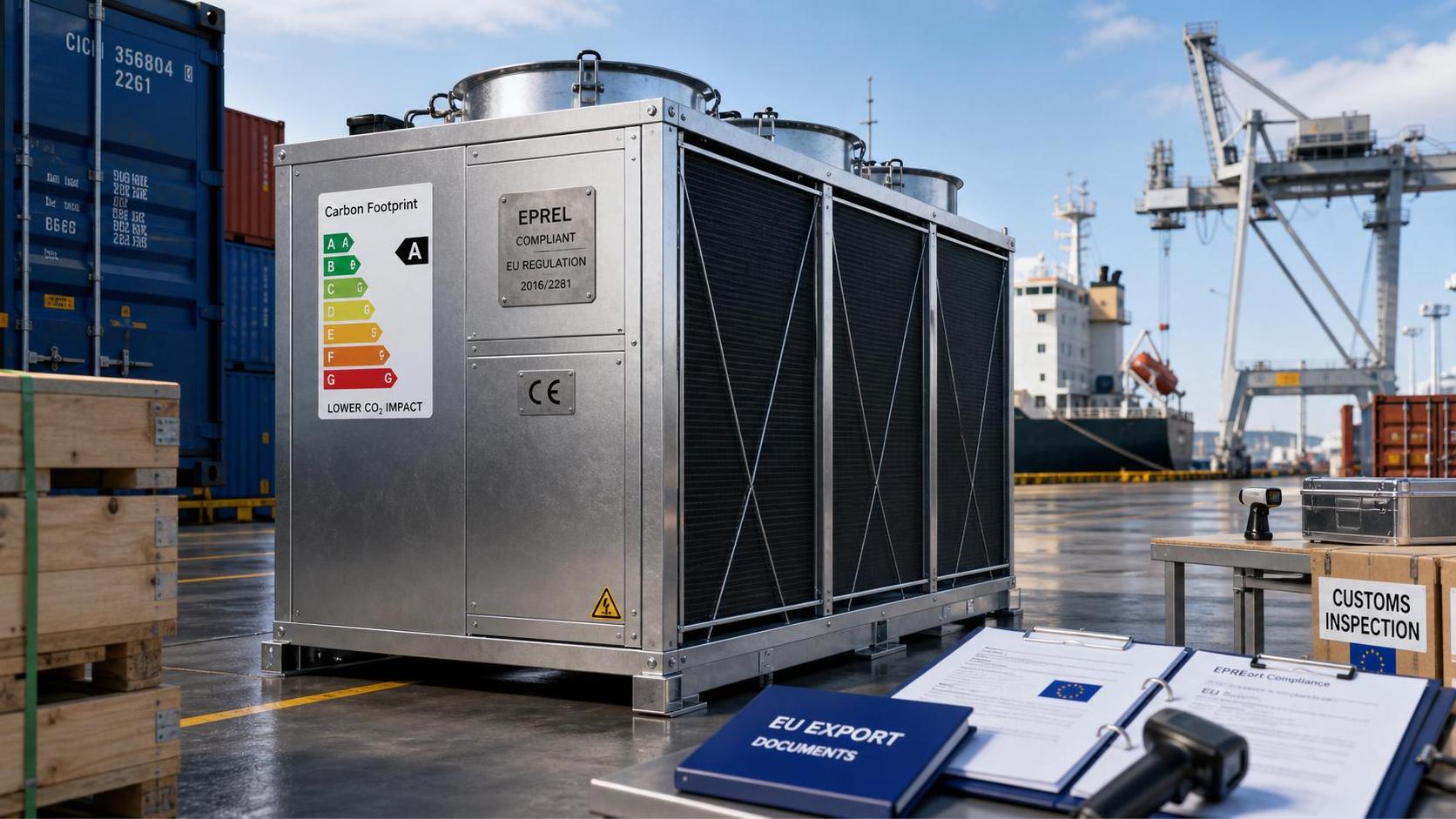
Effective from August 15, 2026, the revised EU standard EN 13771:2026 introduces a more explicit compliance threshold for mechanically ventilated cooling towers by combining energy performance and noise control in a binding market-access context. For cooling tower manufacturers, exporters, buyers, certification-related service providers, and delivery teams connected to the EU market, the change is notable because it directly affects CE compliance pathways and determines whether affected products can still enter the region.
What the revised standard formally changes
According to the provided event information, the Official Journal of the European Union (OJEU) published the revised EN 13771:2026, titled Performance Testing and Energy Classification of Mechanical Ventilation Cooling Towers, on July 28, 2026, and the standard is set to take effect on August 15, 2026.
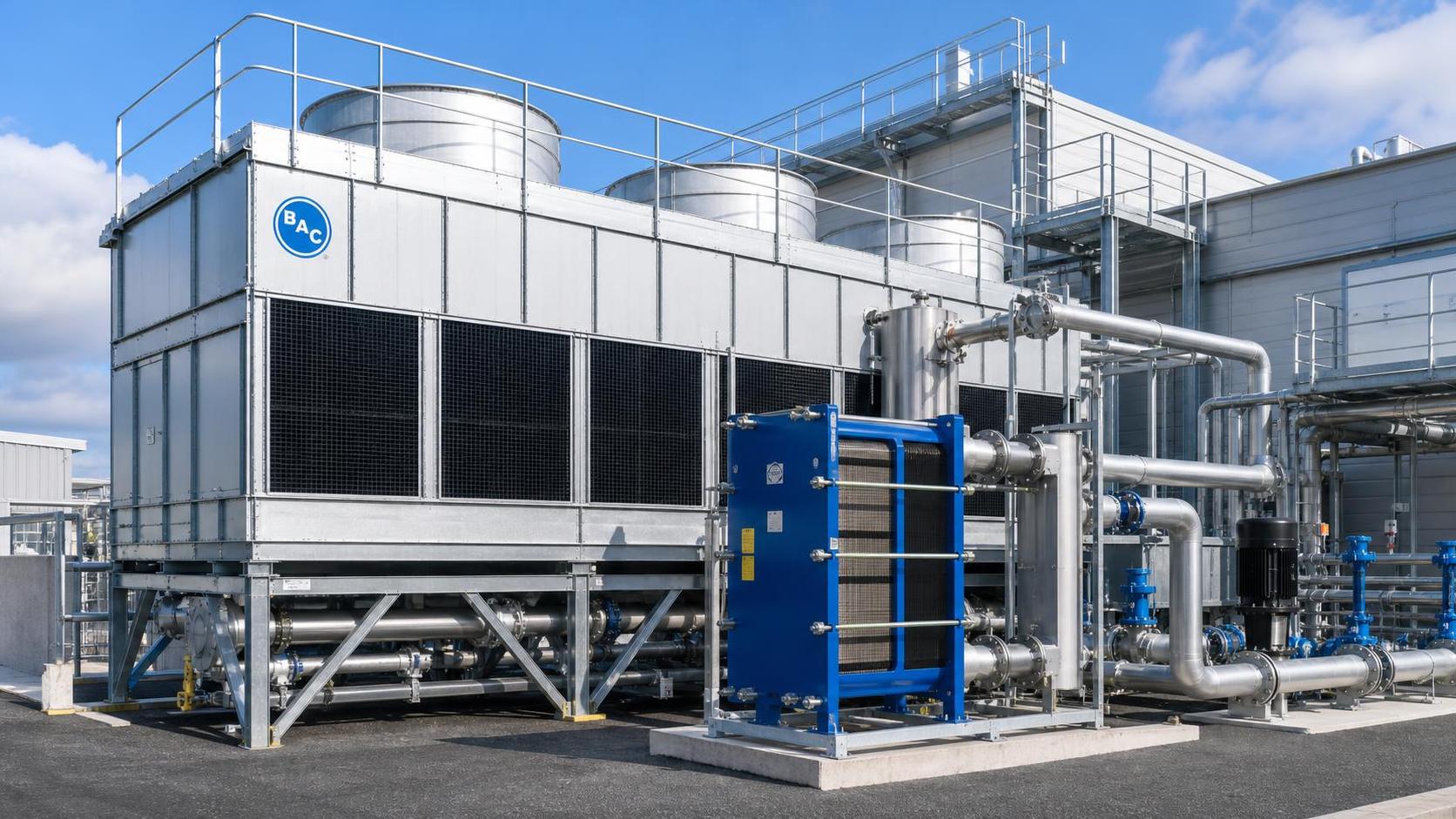
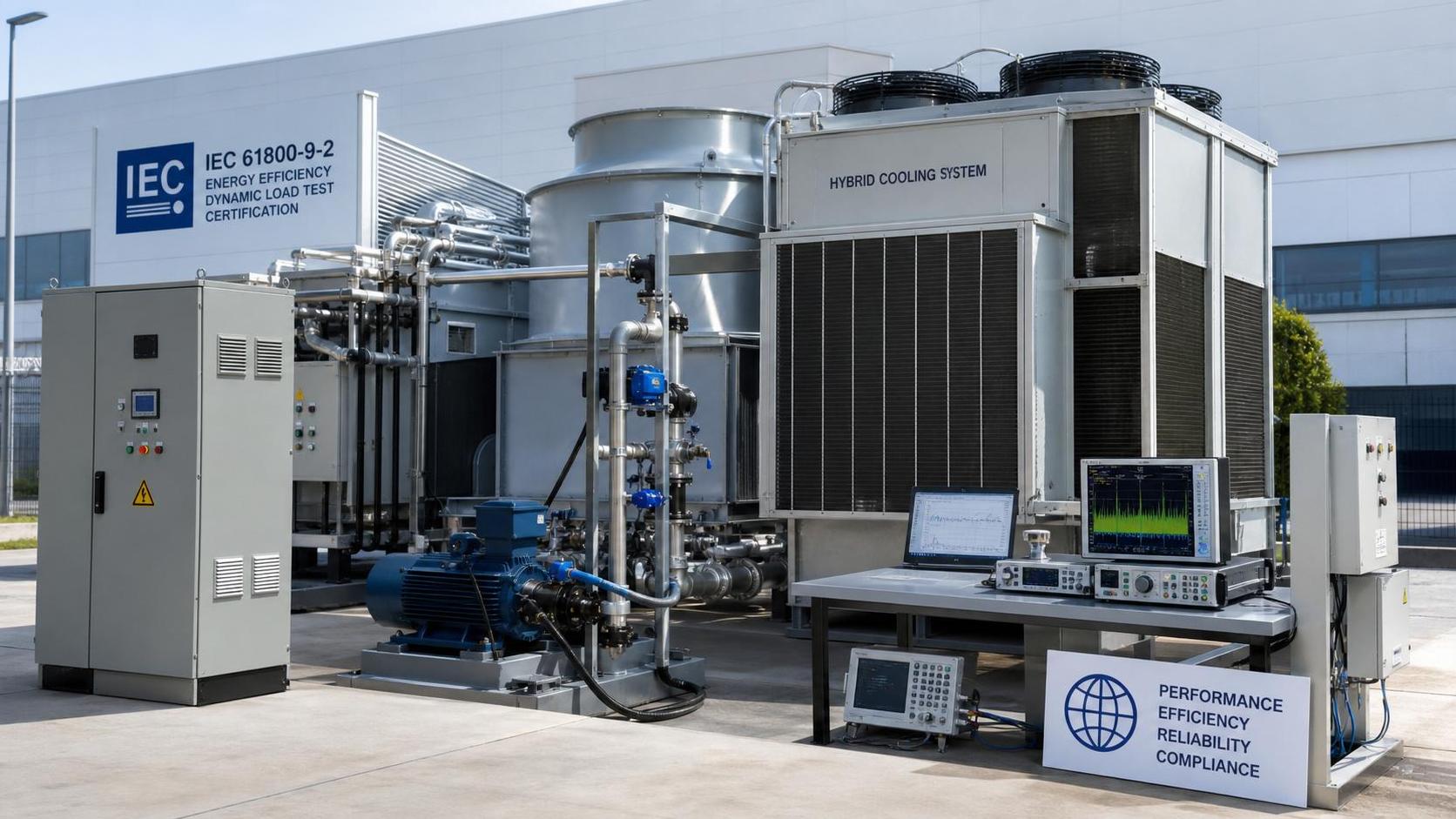
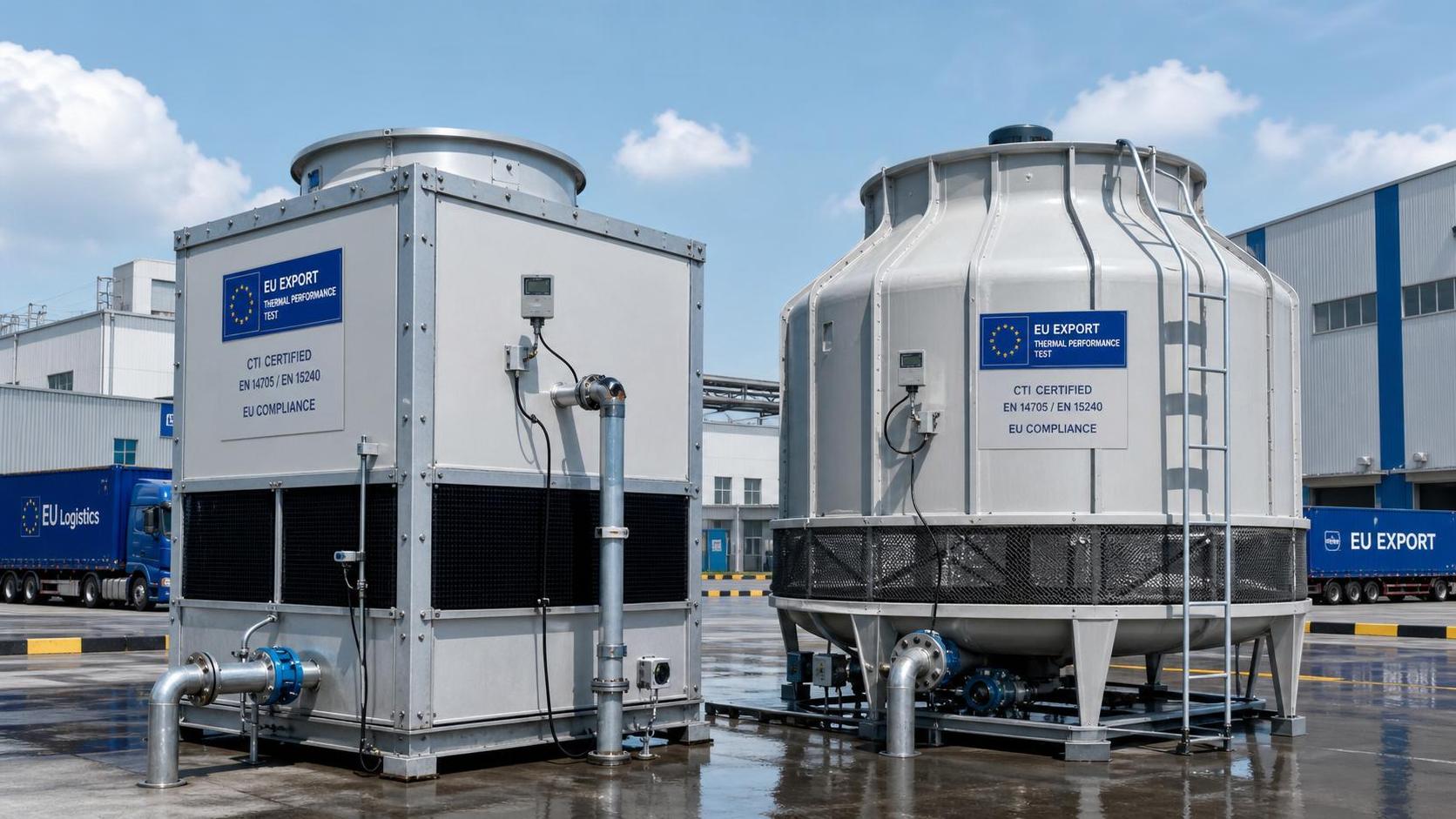
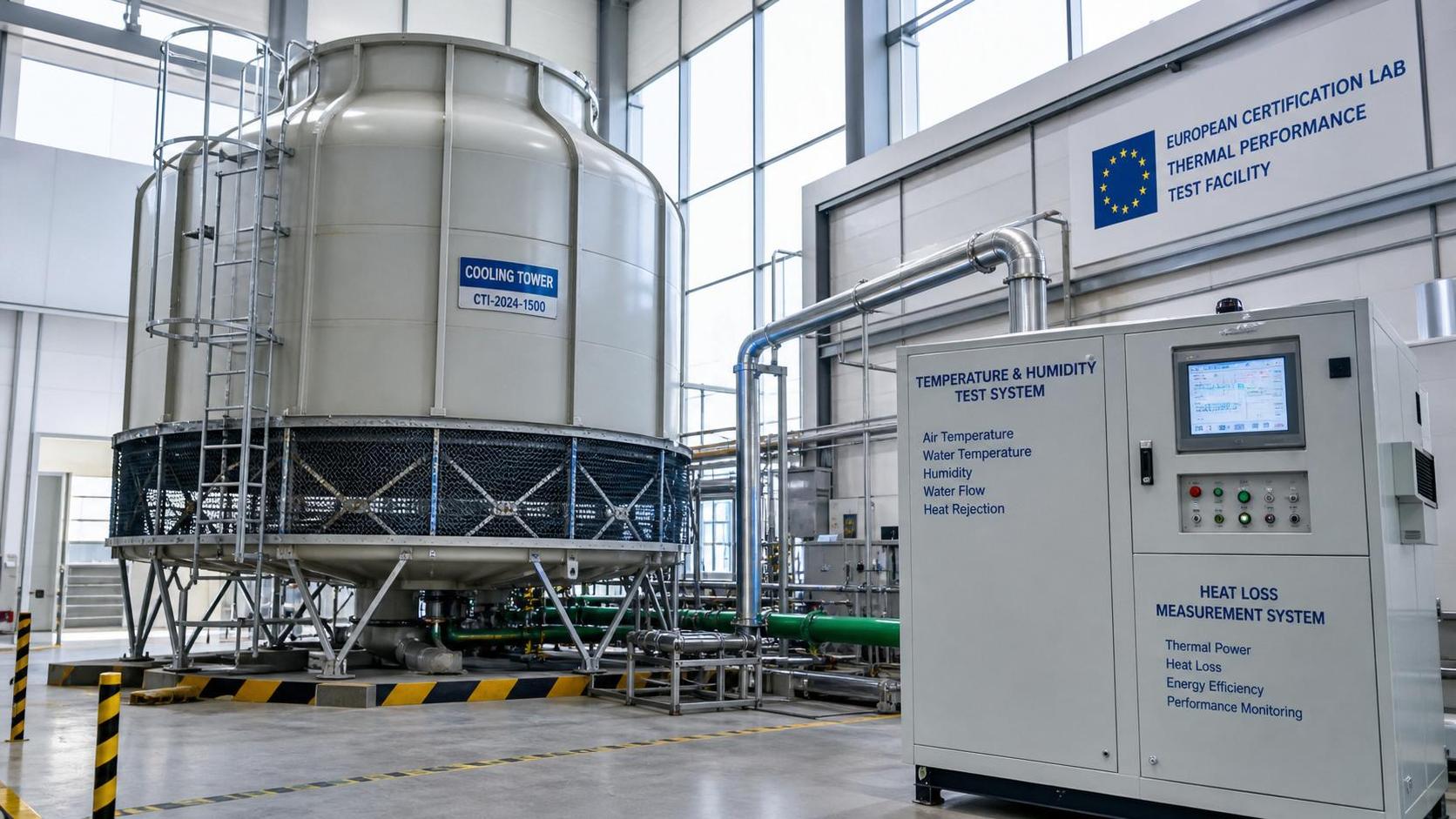
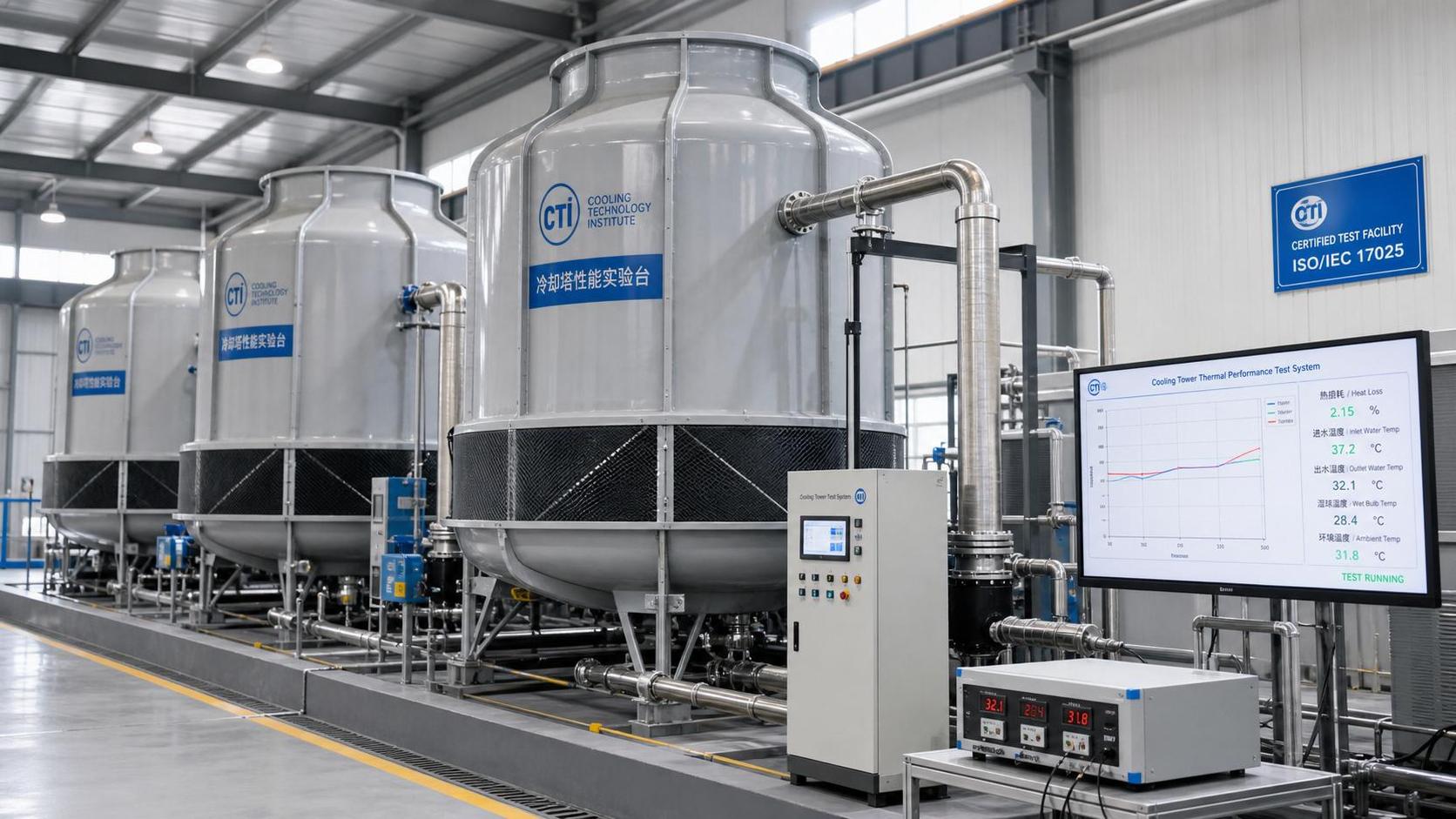
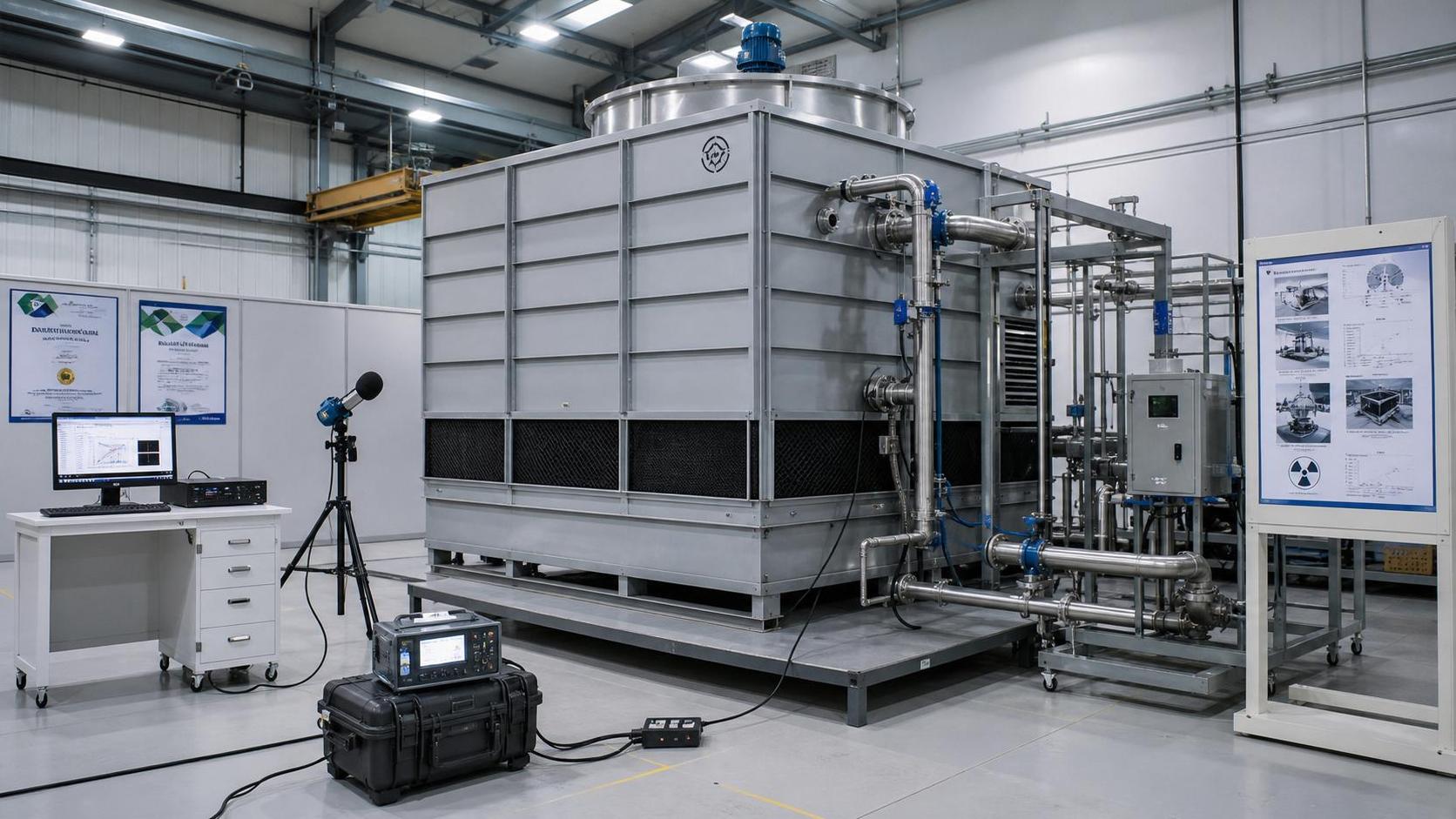
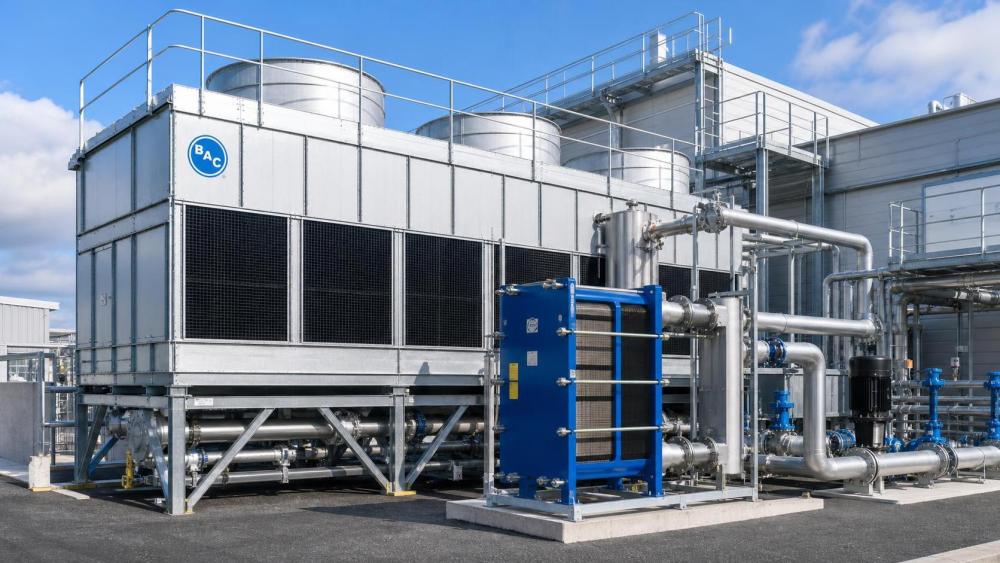
The revision brings Plate Exchanger integrated cooling tower systems into the scope of mandatory certification for the first time. It also sets a minimum thermal exchange efficiency requirement of η_th ≥ 82.5% and an A-weighted noise limit of ≤72 dB(A) at 10 meters. Based on the provided summary, products that do not meet the new standard will not be allowed to enter the EU market, and the change directly affects the CE compliance path for Chinese cooling tower manufacturers exporting to Europe.
Where the operational pressure is likely to appear first
Export-facing manufacturers may face a narrower compliance window
From an industry perspective, manufacturers supplying the EU market are the first group likely to feel the impact because the revised standard links product eligibility to both thermal performance and acoustic limits. The practical effect is likely to appear in product design review, model qualification, testing preparation, and technical file readiness for CE-related compliance work.
What deserves closer attention is whether existing export models, especially systems integrating Plate Exchangers, are already documented and tested in a way that aligns with the revised requirements. Even where product lines remain commercially viable, the compliance basis for EU delivery may need to be rechecked at the model level.
Buyers and project procurement teams may need tighter specification control
For buyers, importers, and procurement teams sourcing cooling tower systems for EU-bound use, the rule change matters because purchasing decisions now sit closer to certification risk. If a product cannot satisfy the new efficiency and noise thresholds, procurement may face disruption at the quotation, approval, or delivery stage.
Observably, technical specifications, bid documents, and supplier qualification reviews become more sensitive under this kind of rule update. Teams involved in procurement should pay attention to whether quoted products fall within the revised certification scope and whether compliance-related materials are complete enough to support placement into the EU market.
Testing and certification-linked service providers may see a shift in document expectations
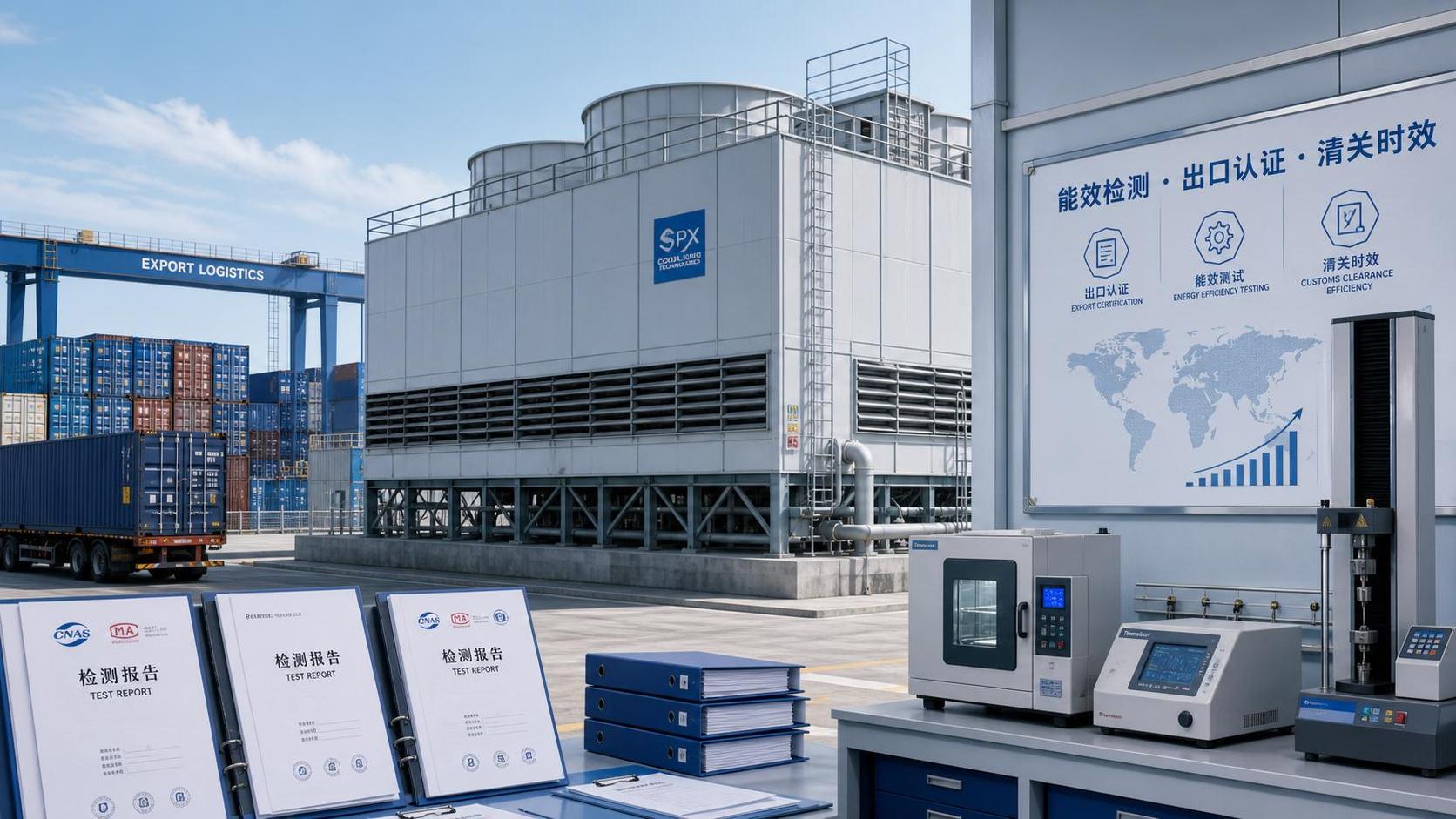
Certification-related companies and testing service providers may also be affected because the revision creates a more defined set of performance points that must be evidenced. The main business impact is likely to arise in test reporting, technical documentation review, and conformity-support services tied to CE processes.
Analysis shows that when a standard adds mandatory scope for a product configuration such as Plate Exchanger integrated systems, the burden often moves upstream into test planning and document consistency. Even without further execution details in the input, this is a signal that evidence quality and document traceability are likely to matter more in cross-border transactions.
What companies should review now
Check whether affected product configurations are inside the new scope
Companies should first identify whether their exported cooling tower systems include Plate Exchangers and therefore fall within the newly stated mandatory certification coverage. This is not only a product classification issue but also a gatekeeping issue for market entry.
Revisit compliance files against the new thresholds
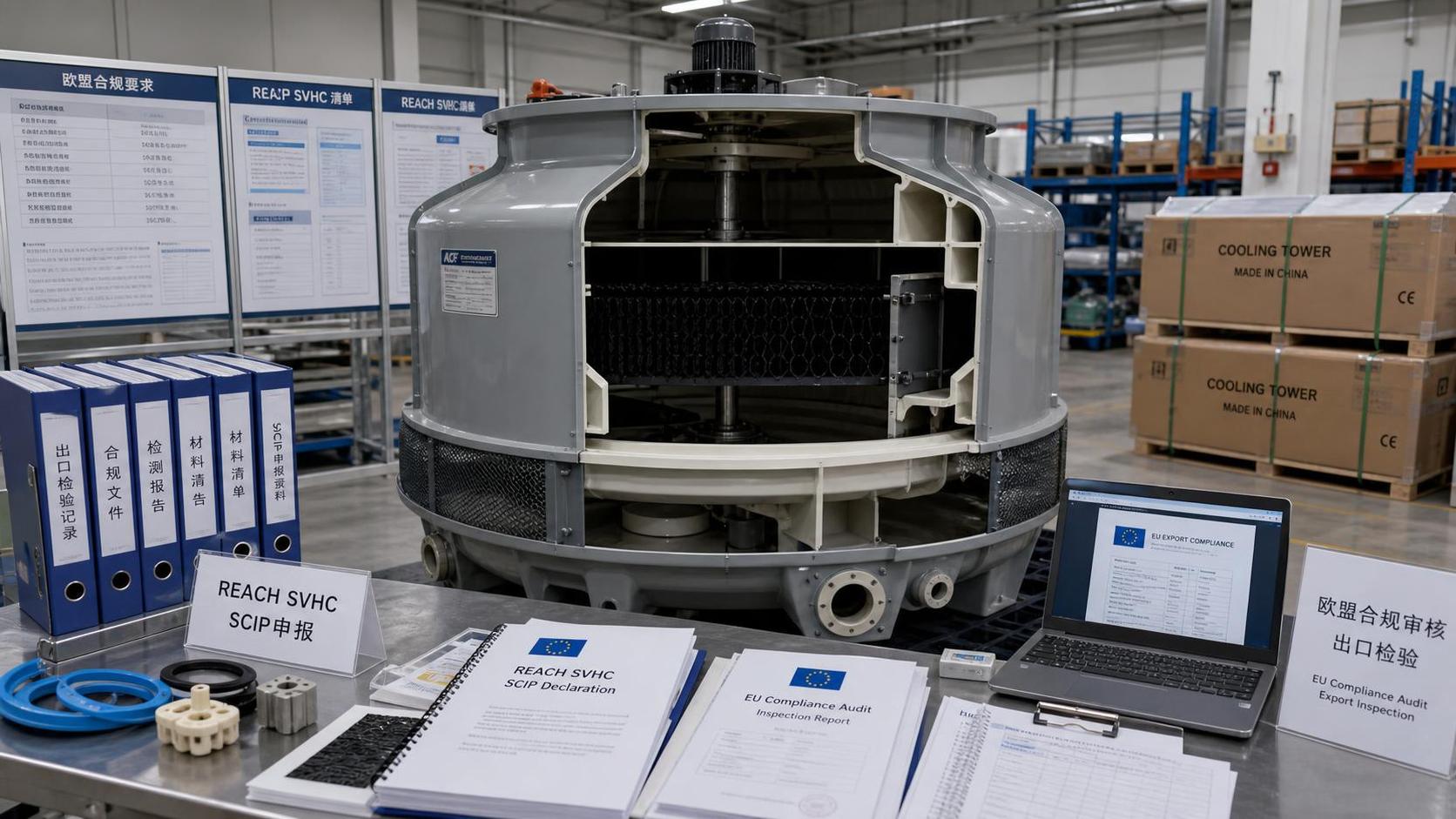
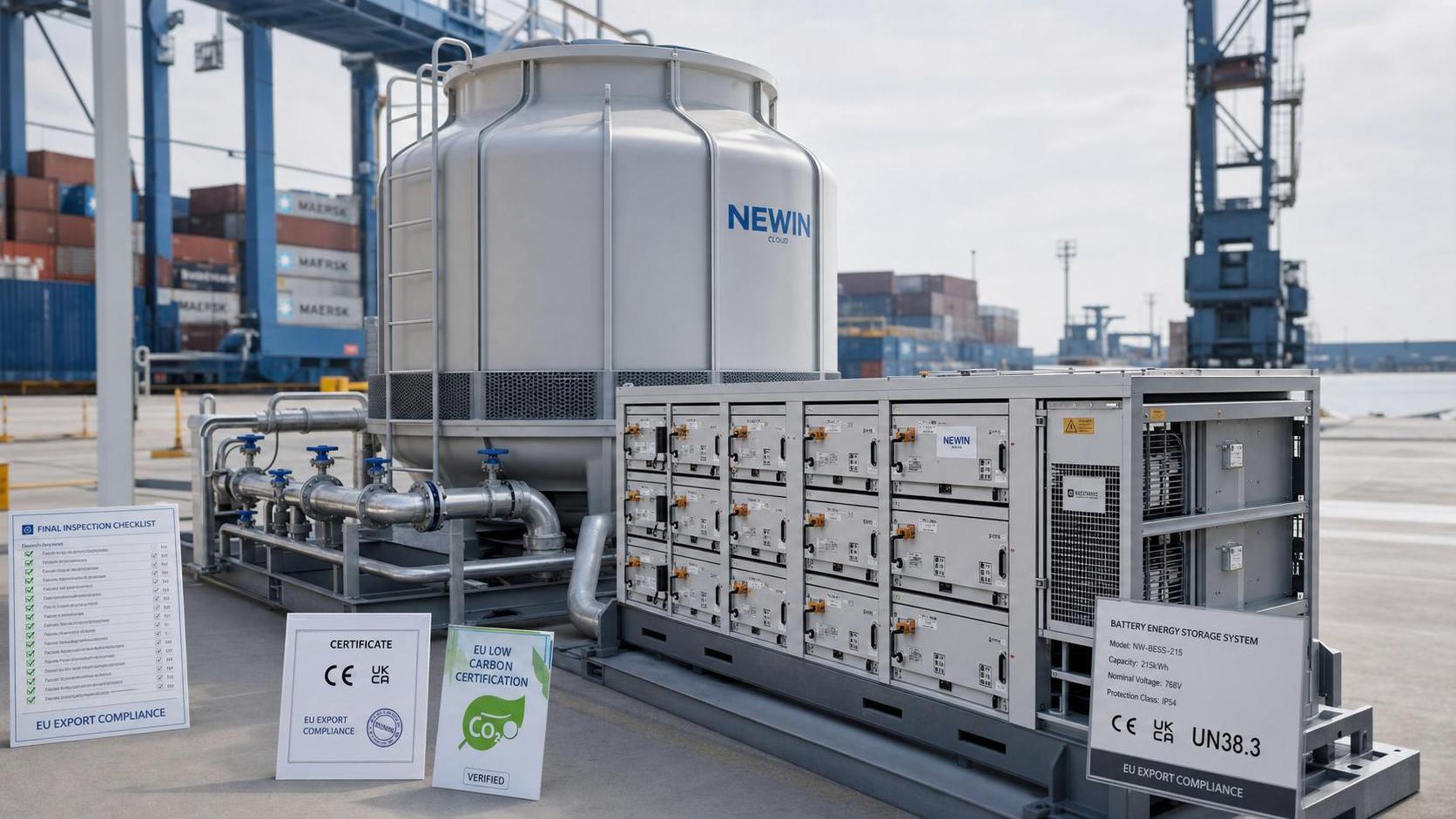
Analysis shows that the stated minimum thermal exchange efficiency and A-weighted noise limit should become immediate checkpoints in internal compliance review. Companies should pay attention to whether existing test reports, technical files, declarations, and model documentation are sufficient to support the revised standard in actual transactions, tenders, or customs-facing compliance review.
Watch for changes in tender language and customer documentation requests
It is more appropriate to understand this development not only as a standards update but also as a likely change in how commercial counterparties frame technical acceptance. Exporters and sales teams should monitor whether customers, distributors, or project owners begin to update specification wording, qualification conditions, or documentary requirements in line with EN 13771:2026.
Factor compliance timing into shipment and delivery planning
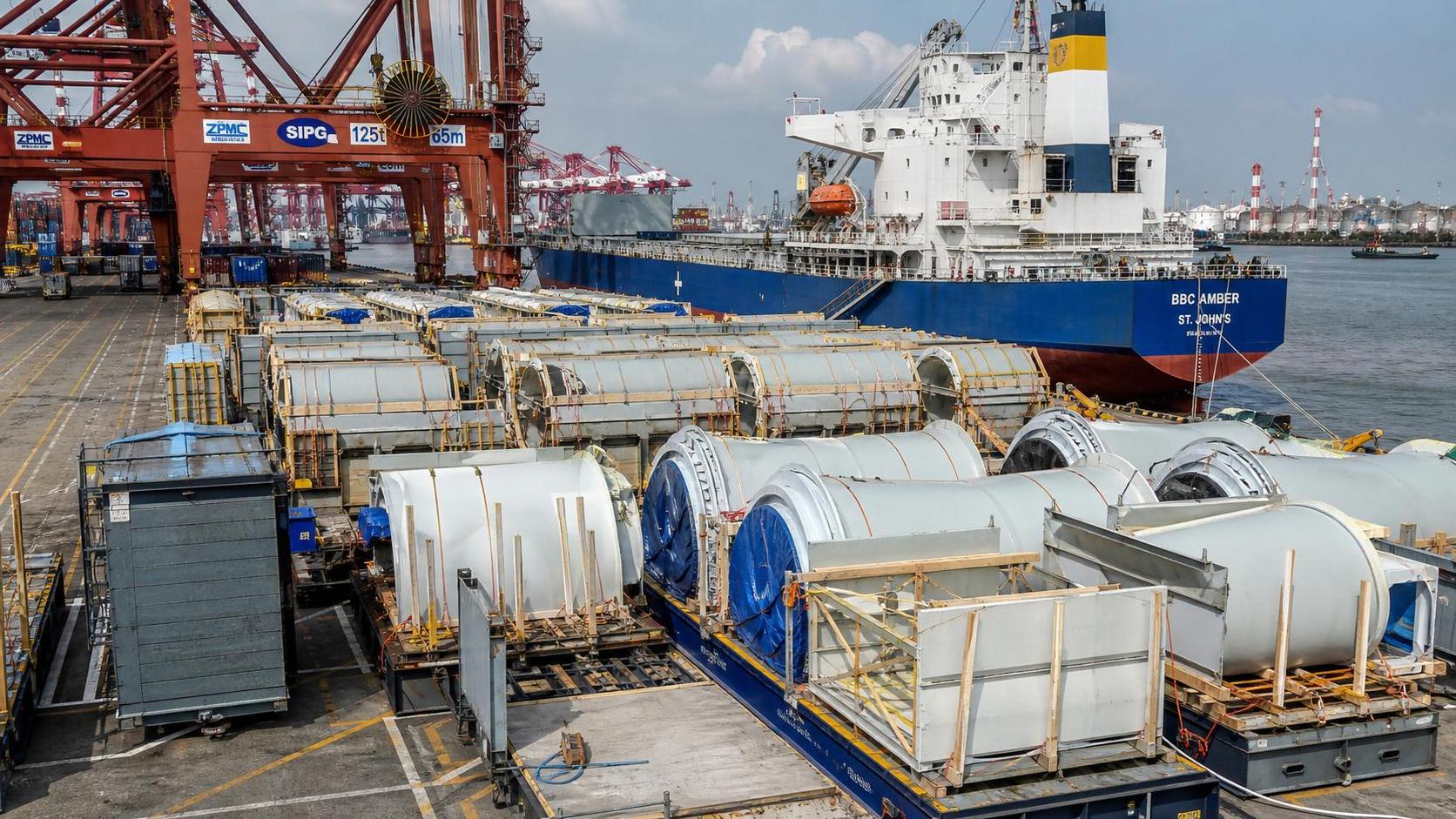
Because the effective date is clearly stated as August 15, 2026, companies involved in order execution should closely review shipments, production scheduling, and delivery commitments connected to the EU market. The input does not provide detailed enforcement mechanics, so this point should be treated as a practical caution rather than a confirmed procedural outcome; however, timing risk around compliance status deserves attention.
How this development is best understood at this stage
Observably, this update is more than a general policy signal because it comes with a published revision, a defined effective date, newly covered product scope, and measurable thresholds for efficiency and noise. That gives it the character of a rule that is moving into execution rather than remaining at the consultation or discussion stage.
At the same time, analysis shows that the market still needs to watch how the standard is applied in day-to-day certification practice, tender documentation, and buyer acceptance criteria. The input confirms the market-access consequence for non-compliant products, but it does not provide full operational detail on implementation pathways, so further verification remains necessary.
Why the market should treat this as an active compliance signal
On balance, the event is best read as an active compliance and trade-access signal for cooling tower business linked to the EU market. The confirmed change is not limited to terminology: it adds mandatory certification coverage for Plate Exchanger integrated systems and ties access to clear performance thresholds. For affected companies, the immediate significance lies in reviewing whether existing products, documents, and delivery plans still align with EU entry requirements after August 15, 2026.
A neutral reading is therefore appropriate: this is a concrete rule change with direct implications for export eligibility, but the full market response will depend on how certification practice, procurement language, and industry implementation develop after the effective date.
Basis of this article and points that still require verification
This article is based on the user-provided title, event date, and summary concerning EN 13771:2026 and its August 15, 2026 effective date. For developments of this kind, relevant source categories typically include official notices, regulatory publications, trade or customs authority information, industry association releases, standards organization documents, and reporting by authoritative sector media.
No specific official source link was provided in the input, so the exact official link still needs to be verified on an ongoing basis. It is also necessary to continue monitoring later details such as certification implementation practice, interpretive guidance, changes in tender documents, industry feedback, and how affected companies execute compliance in actual export business.
Ready when you are. Send us a message to get started.
Related News
- Kentucky Regulators Approve $191 Million Cooling Tower at Mitchell Coal PlantAuthor :Thermodynamics Analyst

- Cooling Tower Market Trends Reshaping Replacement Plans and Capital BudgetsAuthor :Thermodynamics Analyst

- Field-Erected Cooling Tower Market: Why Utility Projects Favor Custom DesignsAuthor :Thermodynamics Analyst

- Evaporative Cooling Tower Market Outlook: Demand Drivers, Risks, and Growth AreasAuthor :Thermodynamics Analyst

- When does an industrial cooling radiator outperform a cooling tower?Author :Thermodynamics Analyst

- EU Cooling Tower Standard EN 13771:2026 Takes EffectAuthor :Thermodynamics Analyst

- EU REACH SVHC Update Triggers Cooling Tower DisclosureAuthor :Thermodynamics Analyst

- SASO Adds Bio-Durability Test for Cooling Tower FillAuthor :Thermodynamics Analyst

- EU REACH Update Bars Phthalates in Cooling Tower PVC FillAuthor :Thermodynamics Analyst

- EU Tightens CE Rules for Cooling Tower Steel PartsAuthor :Thermodynamics Analyst

- Shanghai-Rotterdam Cooling Tower Space TightensAuthor :Thermodynamics Analyst

- Hamburg Port Strike Delays Cooling Tower Parts ClearanceAuthor :Thermodynamics Analyst

- ASHRAE 188-2026 Makes Cooling Tower Microbial Control MandatoryAuthor :Thermodynamics Analyst

- India Enforces BIS IS 17842:2026 for Cooling TowersAuthor :Thermodynamics Analyst

- EU REACH Restricts Zinc Inhibitors in Cooling TowersAuthor :Thermodynamics Analyst

- TUV Rheinland Switches Cooling Tower Labels to IEC 61800-9-2Author :Thermodynamics Analyst

- EU REACH Rule Takes Effect for Cooling Tower CoatingsAuthor :Thermodynamics Analyst

- Vietnam to Require IoT Modules in Imported Cooling TowersAuthor :Thermodynamics Analyst

- How to Compare Industrial Cooling Equipment Dry Coolers for Year-Round EfficiencyAuthor :Thermodynamics Analyst

- SASO Tightens Cooling Tower Import Rules for 2027Author :Thermodynamics Analyst

- REACH SVHC Update Limits Copper Corrosion InhibitorsAuthor :Thermodynamics Analyst

- SASO Starts Cooling Tower Data Rule for CoCAuthor :Thermodynamics Analyst

- Saudi SASO Portal Adds Corrosion Data RuleAuthor :Thermodynamics Analyst

- SASO Adds Corrosion Report Rule for Cooling TowersAuthor :Thermodynamics Analyst

- RDHx Prices Rise as AI Demand Lifts Premium ModelsAuthor :Thermodynamics Analyst

- EU EN 13859-2:2026 Mandates Extreme Humidity Heat-Loss TestsAuthor :Thermodynamics Analyst

- VDE Tightens Cooling Tower Test ScopeAuthor :Thermodynamics Analyst

- SASO Tightens Cooling Tower Test Proof for SaberAuthor :Thermodynamics Analyst

- Saudi SABER Cooling Tower Rule Takes Effect EarlyAuthor :Thermodynamics Analyst

- EU Carbon Labels to Cover Cooling Tower ExportsAuthor :Thermodynamics Analyst

- Saudi SABER Cooling Tower Rule Takes Effect EarlyAuthor :Thermodynamics Analyst

- EU Carbon Label Rule Hits Cooling Tower ExportsAuthor :Thermodynamics Analyst

- Saudi SABER Cooling Tower Rule Adds EN 13859-2 TestAuthor :Thermodynamics Analyst

- Saudi SABER Tightens Cooling Tower Energy Report RulesAuthor :Thermodynamics Analyst

- Saudi SASO Tightens Cooling Tower Efficiency FilingAuthor :Thermodynamics Analyst

- Saudi SABER Tightens Cooling Tower Energy Report ChecksAuthor :Thermodynamics Analyst