When does an industrial cooling radiator outperform a cooling tower?




Choosing between an industrial cooling radiator and a cooling tower is rarely a simple capacity comparison. Both remove heat from a process, but they do it through very different thermodynamic paths, and that difference shows up in water consumption, maintenance exposure, footprint, operating stability, and even site permitting. In many projects, the better option is the one that fits the plant’s constraints rather than the one with the highest nominal heat rejection.
For technical evaluators, the practical question is narrower: under what conditions does an industrial cooling radiator actually outperform a cooling tower? The answer usually comes down to six things—available water, required outlet temperature, ambient conditions, contamination risk, maintenance philosophy, and lifecycle cost under local utility prices. If those factors point in the same direction, the decision becomes much clearer.
The real difference is not the hardware. It is the cooling method.
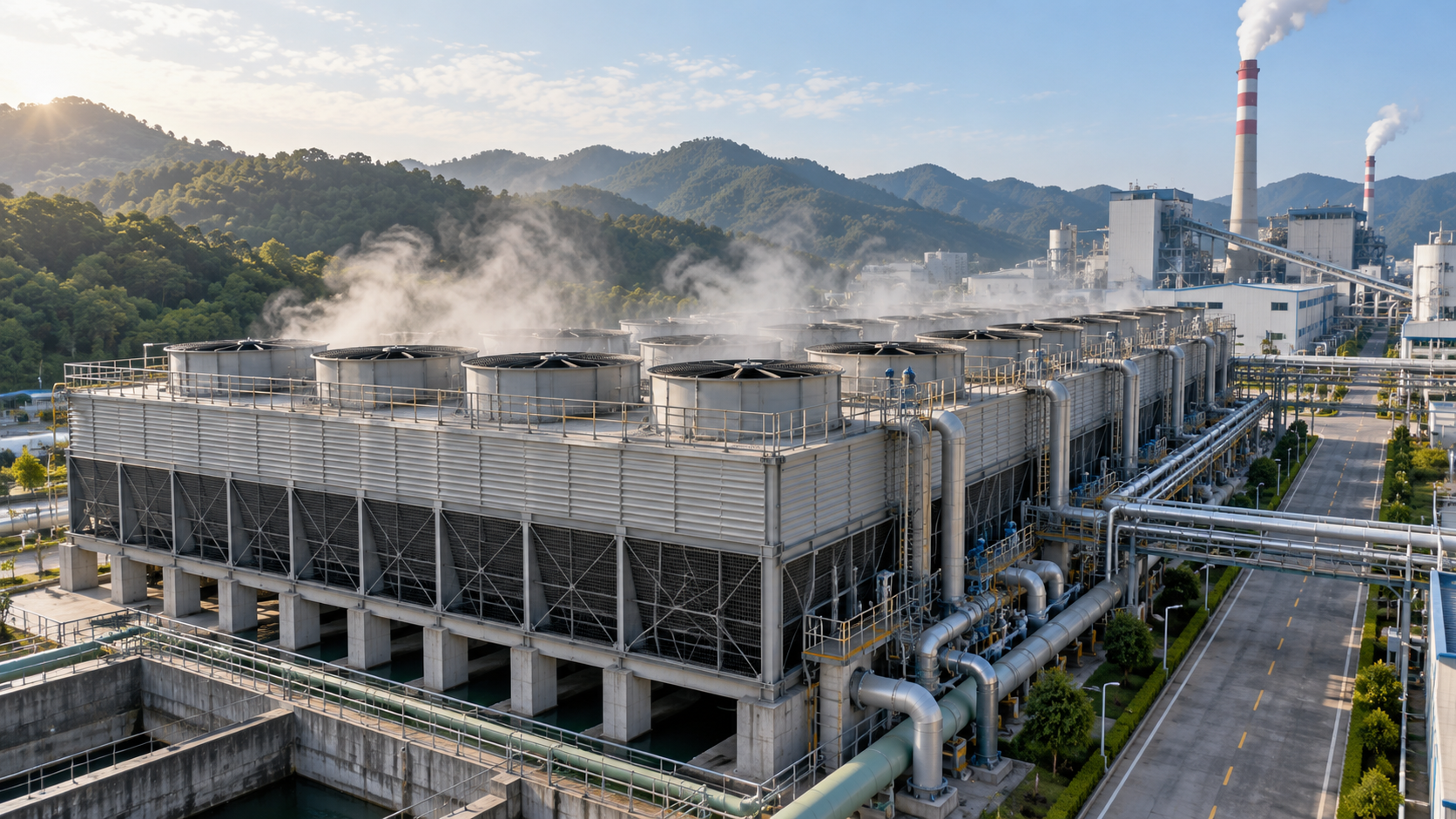
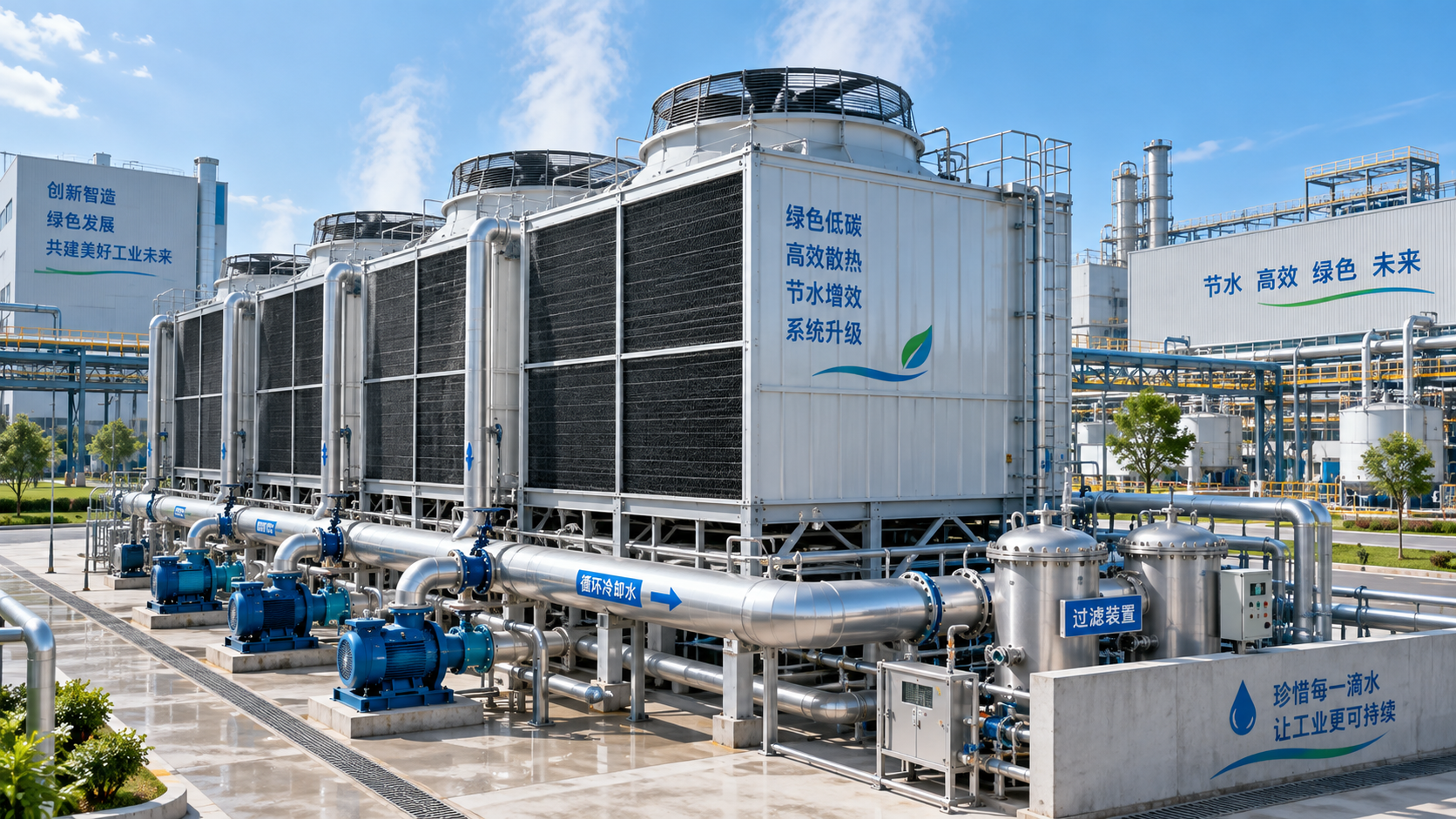
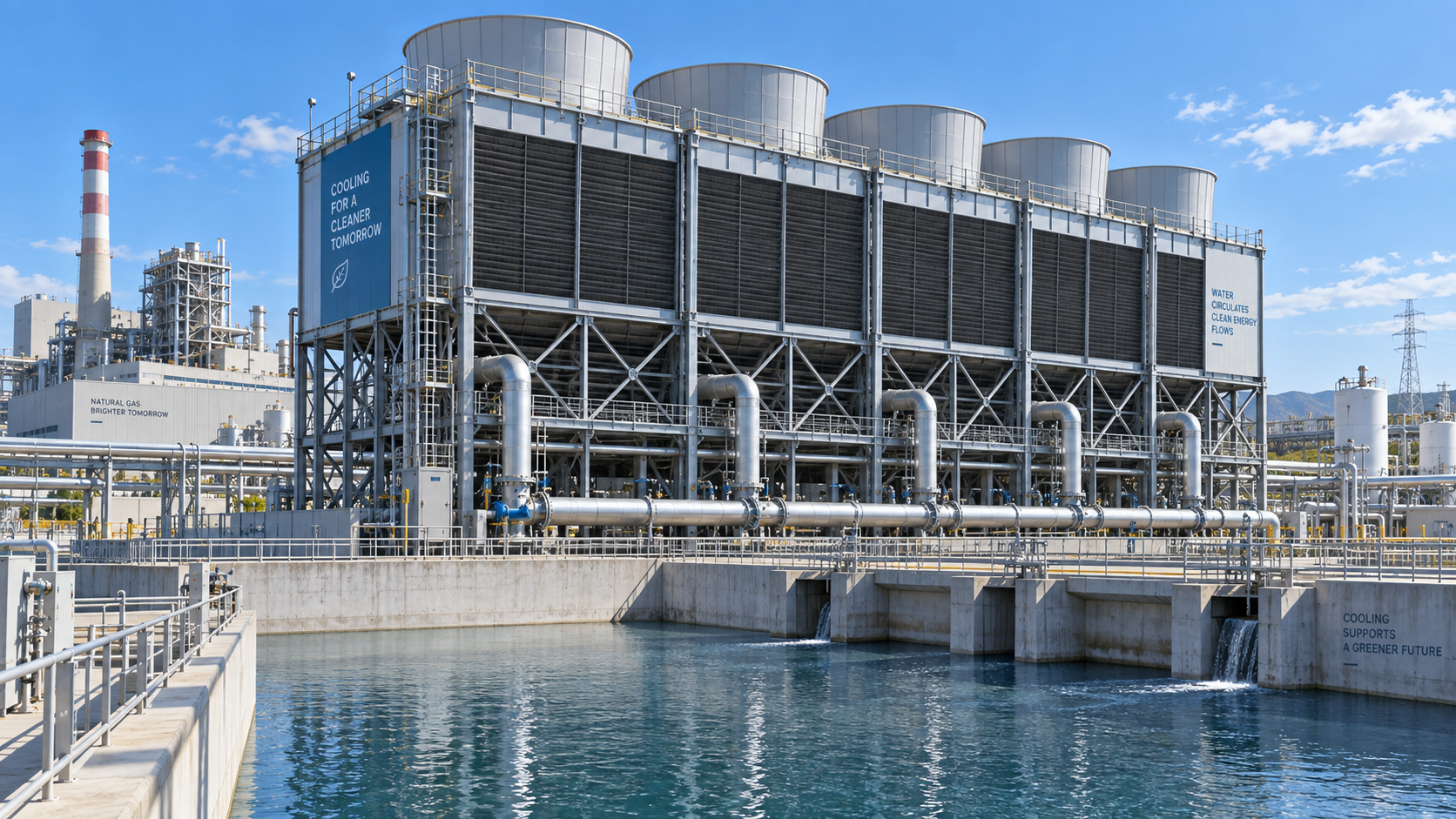
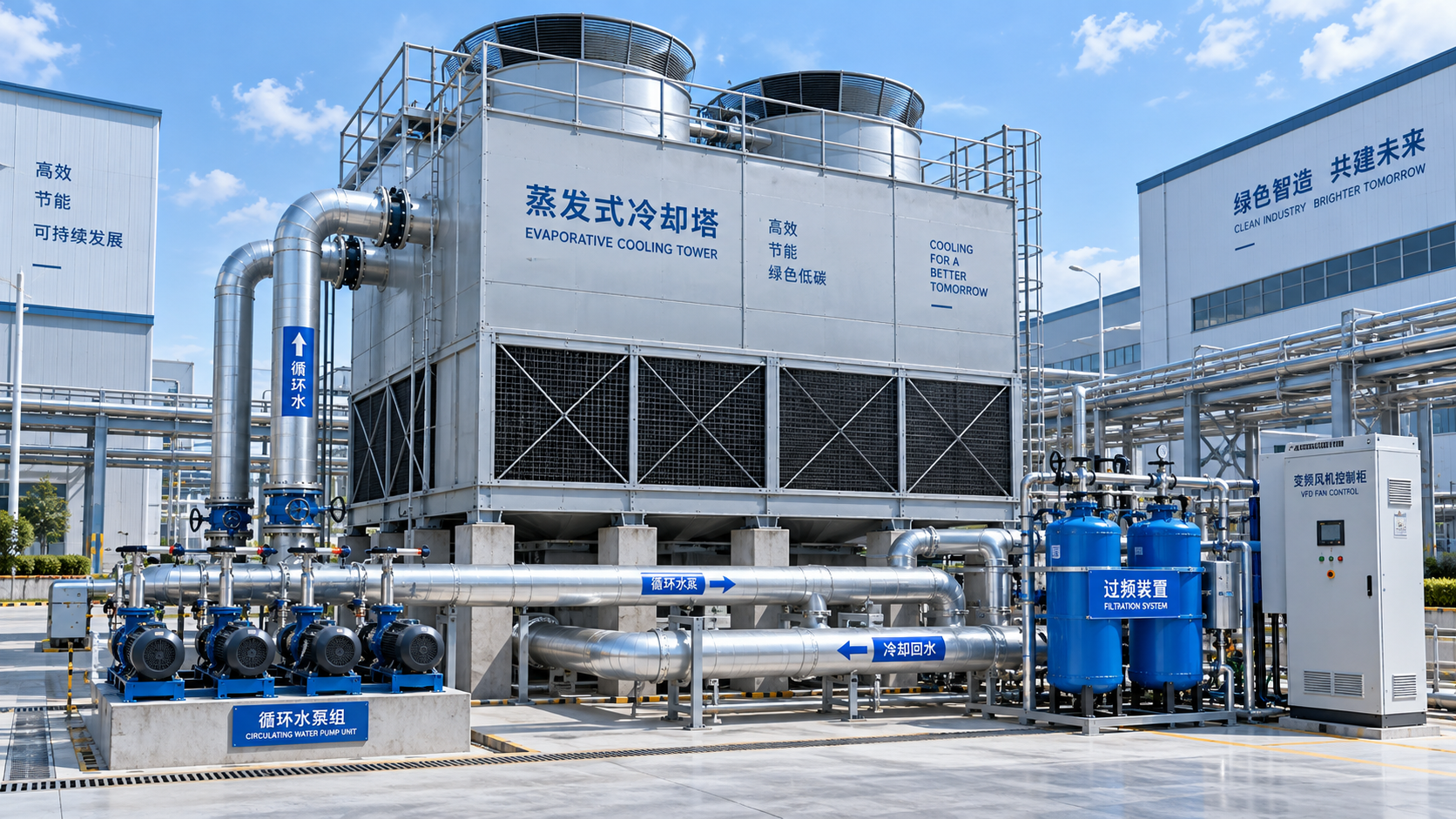
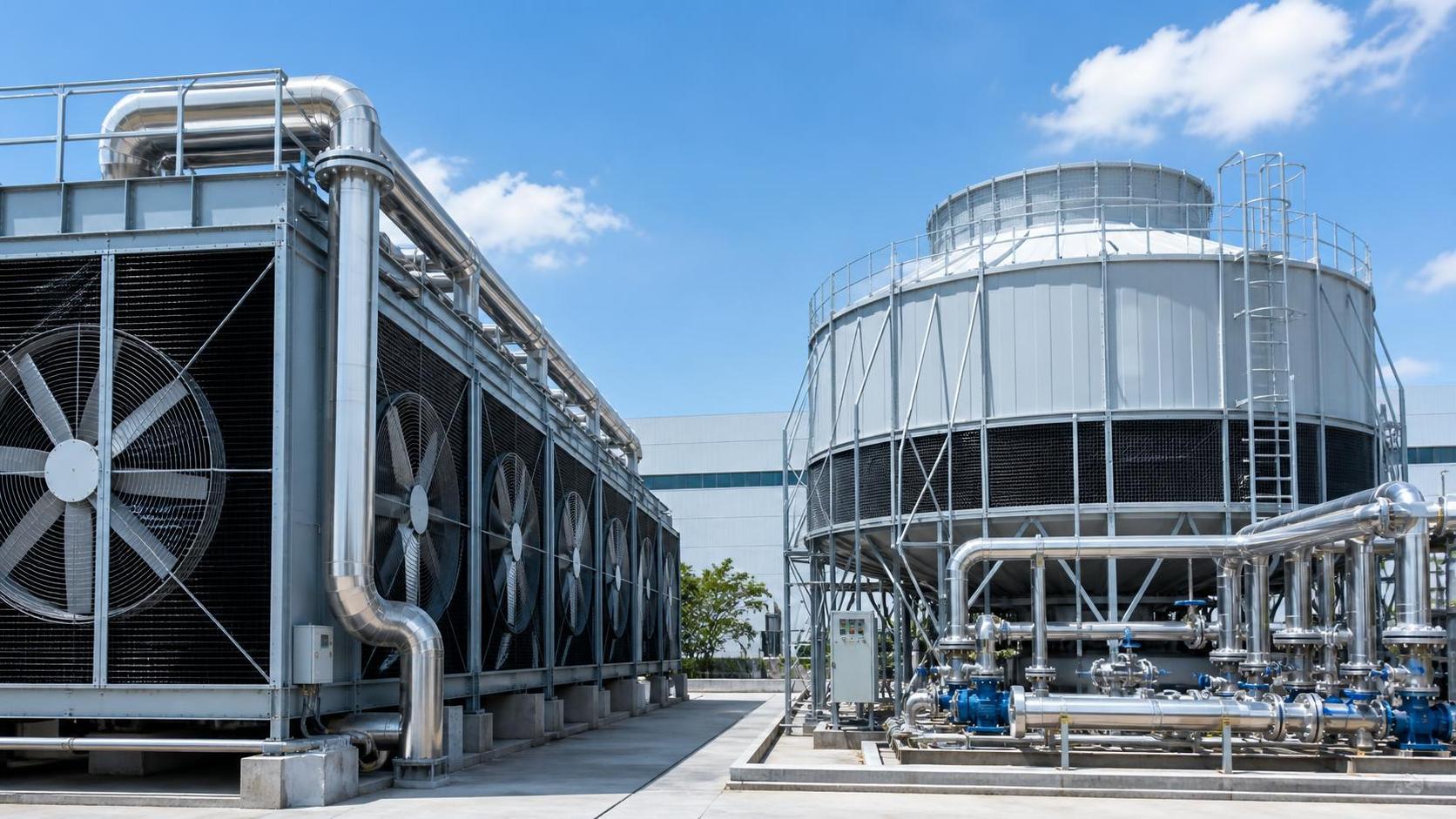
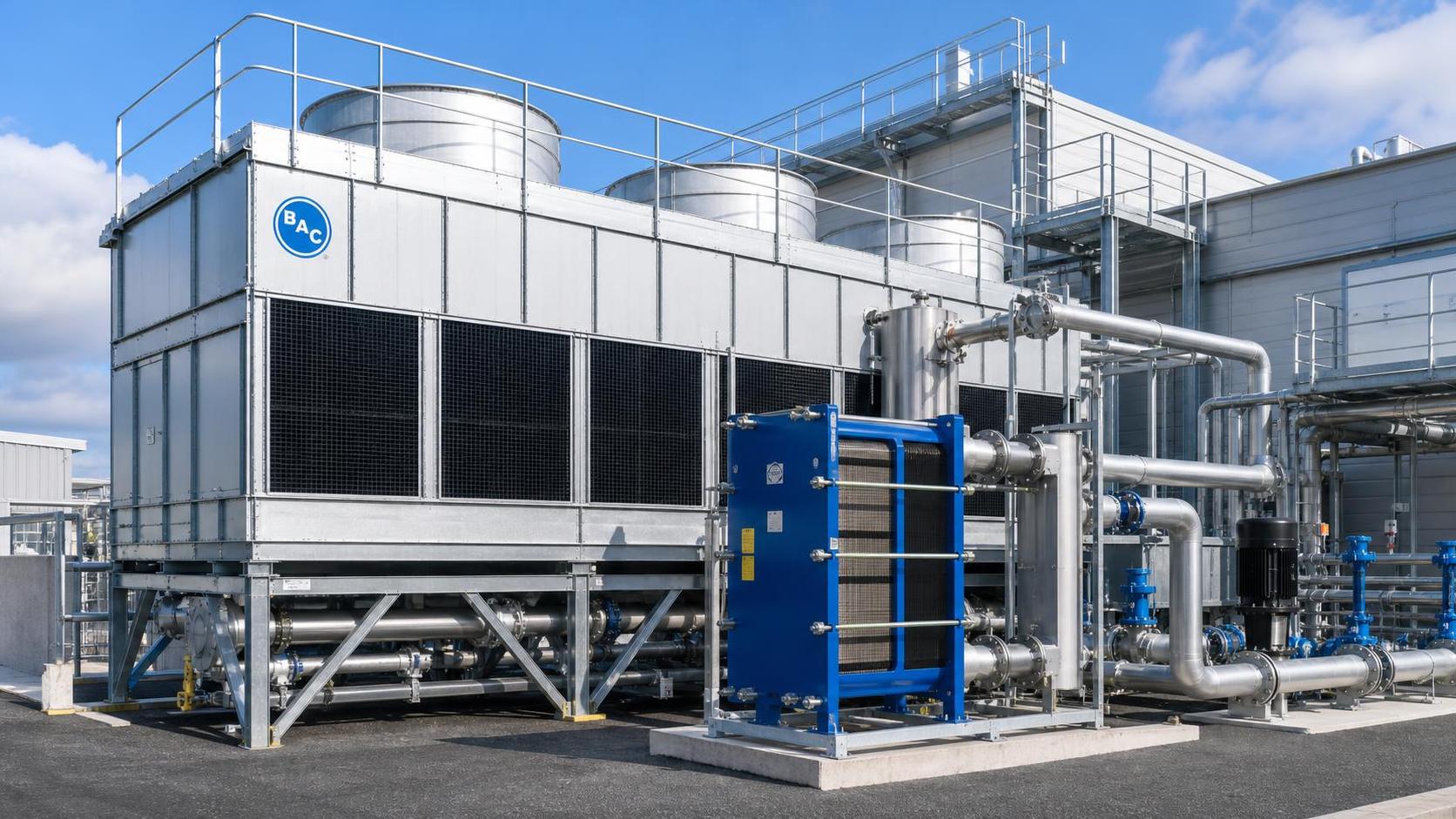
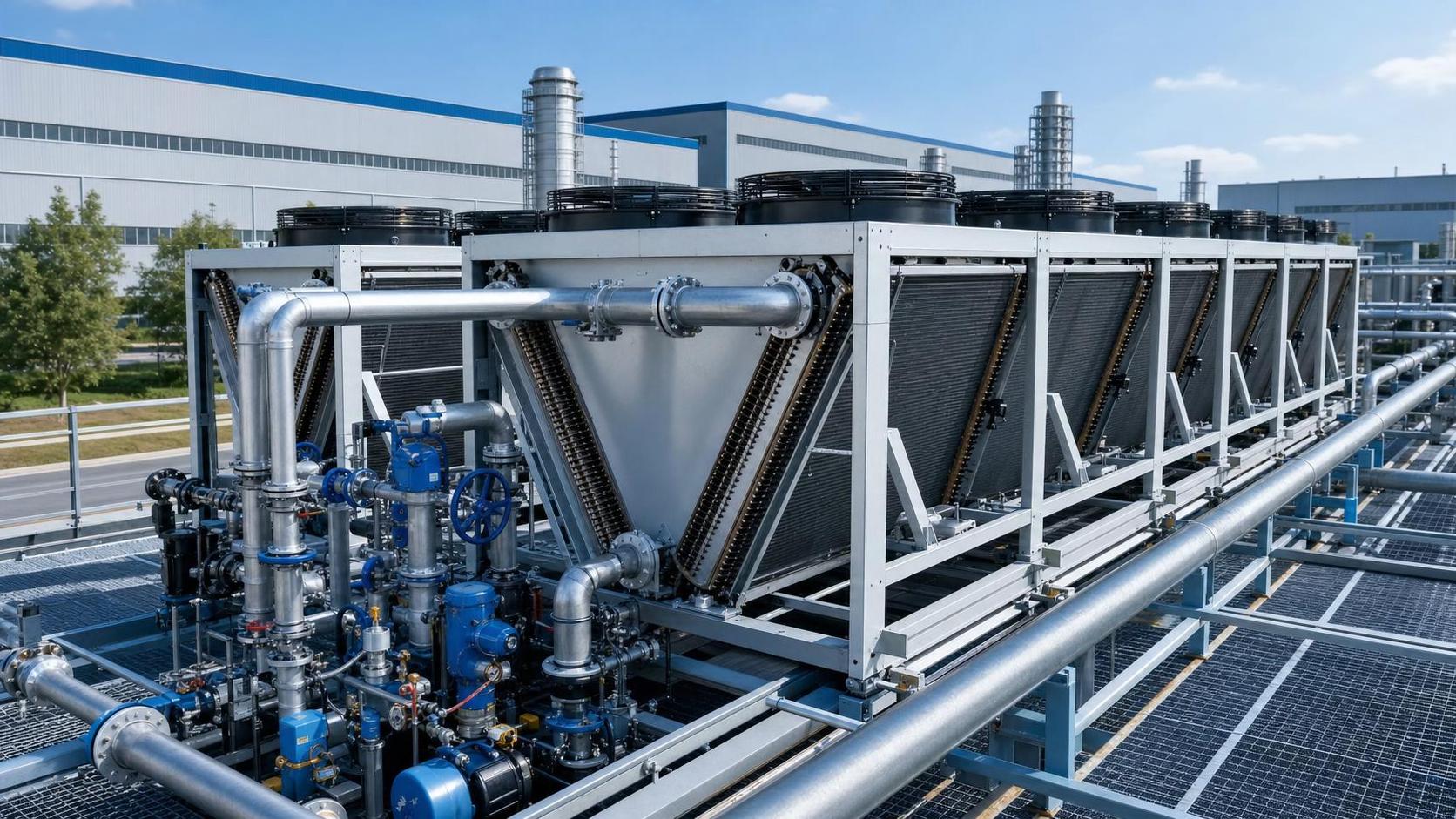
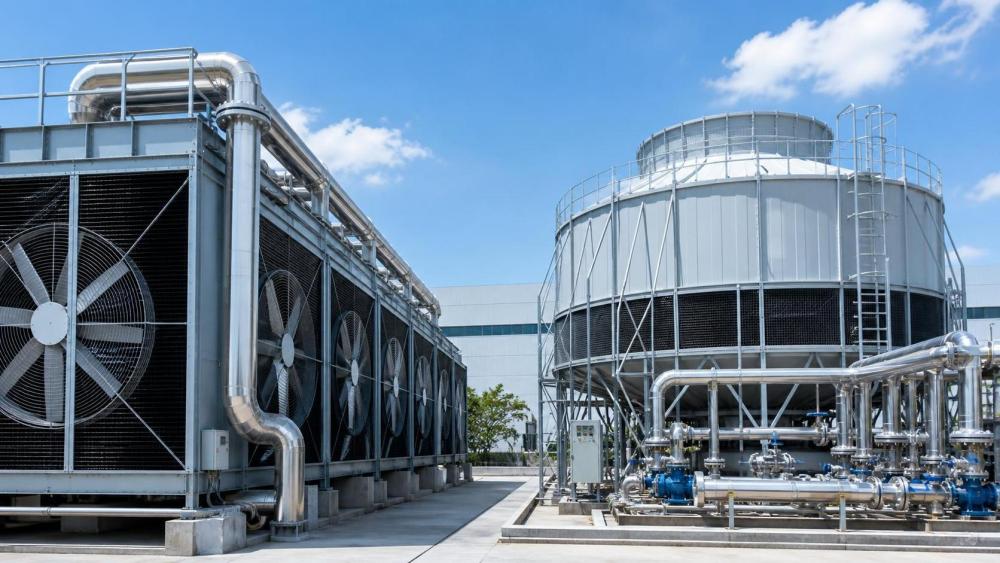
An industrial cooling radiator is typically a dry cooler or air-cooled heat rejection device. Process fluid stays in a closed circuit and transfers heat to ambient air through finned tubes, often with axial fans. A cooling tower, by contrast, usually relies on evaporative cooling. Warm water is distributed inside the tower, part of it evaporates, and that phase change allows the remaining water to approach wet-bulb temperature rather than dry-bulb temperature.
That single distinction explains most selection outcomes. Cooling towers often achieve lower cooling water temperatures, especially in hot climates, because evaporation is a very effective heat rejection mechanism. But they consume water, require water treatment, and introduce open-loop exposure. An industrial cooling radiator avoids those issues because it is usually closed and dry, but it is fundamentally limited by ambient dry-bulb conditions and heat exchanger surface area.
So a radiator outperforms a tower not when “air cooling is always better,” but when the project values closed-loop stability and low water dependence more than the tower’s lower approach temperature.
Where an industrial cooling radiator has a clear advantage
The first strong case is water scarcity. In regions where industrial water is expensive, restricted, or operationally uncertain, a cooling tower’s evaporation, drift, and blowdown become a strategic liability rather than a normal utility cost. A radiator system can sharply reduce water use because the process loop remains closed and does not depend on continuous evaporative makeup. In sectors already under pressure to manage water footprint—food processing, pharmaceuticals, electronics, or inland manufacturing—this alone can swing the decision.
The second is contamination control. If the process cannot tolerate airborne solids, biological fouling, or fluctuating water quality, a closed-circuit industrial cooling radiator usually offers a cleaner thermal boundary. This matters for oil coolers, compressor aftercoolers, hydraulic systems, induction equipment, and sensitive process loops where scaling or microbiological growth can quietly degrade heat transfer and create downstream reliability problems.
The third is maintenance simplicity at remote or labor-constrained sites. Cooling towers do not merely need fans and pumps; they also need water chemistry management, basin inspection, fill condition checks, drift eliminator upkeep, and winterization planning where relevant. A radiator is not maintenance-free, but its maintenance profile is often more predictable: fan motors, coil cleaning, fluid quality inside the loop, and control checks. When staffing is lean or specialist water-treatment support is difficult to secure, that difference matters.
A fourth advantage appears where permitting, hygiene, or site policy discourages open evaporative systems. Some facilities are cautious about plume visibility, drift, or aerosol-related hygiene management. Specific requirements depend on local regulation and the type of facility, so this always needs project-level confirmation. Still, in practical engineering terms, dry cooling is often easier to align with sites that want to minimize open water systems.
When the cooling tower still has the upper hand
A cooling tower usually remains stronger when the process demands a cold water temperature that sits close to ambient wet-bulb temperature. That is common in heavy industrial loops, high-heat-load processes, and systems where every few degrees of coolant temperature directly affects machine output or compressor efficiency. A dry industrial cooling radiator cannot cool below ambient dry-bulb temperature, and in real operation it will need an approach above that. If the required leaving fluid temperature is too low, the radiator may become physically large, electrically demanding, or simply unsuitable.
Hot climate operation is another caution point. In places with very high summer dry-bulb temperatures, radiators can struggle unless the system is designed with generous coil surface, fan power, and acceptable seasonal performance tradeoffs. A tower may still perform better thermally because wet-bulb temperature remains well below dry-bulb during many operating hours. For evaluators, this is where weather data analysis becomes more useful than generic statements about “high efficiency.”
The selection hinges on temperature approach, not just total heat load
One common mistake is to compare systems only by total kilowatts of rejected heat. That is incomplete. The harder question is how close the cooled fluid must get to site ambient conditions, and under which design day. A radiator may comfortably reject the heat load if the process can accept a higher outlet temperature or seasonal variation. The same radiator may look inadequate if the spec assumes a tight temperature approach during peak summer afternoons.
This is why technical review should start with a short list of non-negotiables: process inlet and outlet temperatures, maximum allowable summer temperature, fluid type, fouling tendency, altitude, local ambient profile, redundancy philosophy, and whether the process is continuous or batch-based. Once those are defined, the comparison becomes engineering rather than opinion.
A practical screening view
Hidden costs that often change the answer
Initial capital cost gets attention, but many decisions are really decided by second-order costs. A cooling tower may appear compact and thermally efficient, yet total cost can climb once makeup water infrastructure, water treatment, blowdown handling, basin heaters, pipe corrosion control, and cleaning shutdowns are included. On the other hand, a radiator can require more fan power or larger exchange surface, which affects electrical consumption and footprint.
Noise can also be a deciding factor. Large dry coolers with high airflow may need acoustic treatment, especially near occupied areas. Towers can create their own acoustic and plume concerns. Neither technology is automatically easier. The surrounding environment decides which penalty is easier to manage.
Corrosion risk deserves a harder look than it usually gets. Open evaporative systems are exposed to dissolved solids concentration, airborne contamination, and biological management issues. Closed-loop radiator systems reduce some of that exposure, but coil material selection, ambient contaminants, and fluid chemistry still need attention. In coastal or chemically aggressive environments, material choice can be as important as thermal sizing.
Industries where the radiator decision shows up more often
The industrial cooling radiator tends to be favored in applications where fluid cleanliness and operational continuity matter as much as absolute cold-water temperature. Compressor packages, hydraulic power units, transformer cooling, engine cooling, closed-loop machine cooling, and some packaged process systems are typical examples. In these cases, the process often needs dependable heat rejection more than the lowest theoretical water temperature.
This is also where market intelligence becomes useful. GTC-Matrix follows industrial cooling, compressed air, vacuum processes, and heat exchange technologies with a focus on how thermodynamic design choices interact with energy pricing, refrigerant policy direction, and end-user demand in sectors such as pharmaceuticals, semiconductors, and food. That broader view matters because equipment selection is no longer isolated from utility volatility, water strategy, and decarbonization pressure. A cooling decision made today may be judged in three years not just on uptime, but on resource exposure and operating flexibility.
What to verify before deciding
If a radiator seems attractive, verify three points before moving forward. First, confirm the worst-case ambient design basis, not just the annual average. Second, test whether the process can tolerate the expected approach temperature and seasonal drift. Third, check maintenance access for coil cleaning and fan service, especially if the site has dust, lint, oil mist, or agricultural particles in the air.
If a tower seems stronger thermally, verify a different set of risks: water quality assumptions, treatment responsibility, blowdown handling, hygiene procedures, and local restrictions that may affect open evaporative equipment. These are not side issues. They frequently decide whether the “better thermal solution” becomes the more difficult operating asset.
In the end, an industrial cooling radiator outperforms a cooling tower when the plant needs a closed, cleaner, lower-water-dependence cooling path and can accept the temperature limits that come with dry cooling. A cooling tower outperforms when colder process water is essential and the site can support the water, maintenance, and compliance burden. That tradeoff is not a weakness in either technology. It is the reason selection should start with operating reality rather than preference.
For teams narrowing the choice, the next useful step is usually not another brochure. It is a disciplined review of design ambient conditions, required leaving temperatures, water strategy, maintenance resources, and any site-specific constraints that could quietly reshape lifecycle cost.
Ready when you are. Send us a message to get started.
Related News
- Kentucky Regulators Approve $191 Million Cooling Tower at Mitchell Coal PlantAuthor :Thermodynamics Analyst

- Cooling Tower Market Trends Reshaping Replacement Plans and Capital BudgetsAuthor :Thermodynamics Analyst

- Field-Erected Cooling Tower Market: Why Utility Projects Favor Custom DesignsAuthor :Thermodynamics Analyst

- Evaporative Cooling Tower Market Outlook: Demand Drivers, Risks, and Growth AreasAuthor :Thermodynamics Analyst

- When does an industrial cooling radiator outperform a cooling tower?Author :Thermodynamics Analyst

- EU Cooling Tower Standard EN 13771:2026 Takes EffectAuthor :Thermodynamics Analyst

- EU REACH SVHC Update Triggers Cooling Tower DisclosureAuthor :Thermodynamics Analyst

- SASO Adds Bio-Durability Test for Cooling Tower FillAuthor :Thermodynamics Analyst

- EU REACH Update Bars Phthalates in Cooling Tower PVC FillAuthor :Thermodynamics Analyst

- EU Tightens CE Rules for Cooling Tower Steel PartsAuthor :Thermodynamics Analyst

- Shanghai-Rotterdam Cooling Tower Space TightensAuthor :Thermodynamics Analyst

- Hamburg Port Strike Delays Cooling Tower Parts ClearanceAuthor :Thermodynamics Analyst

- ASHRAE 188-2026 Makes Cooling Tower Microbial Control MandatoryAuthor :Thermodynamics Analyst

- India Enforces BIS IS 17842:2026 for Cooling TowersAuthor :Thermodynamics Analyst

- EU REACH Restricts Zinc Inhibitors in Cooling TowersAuthor :Thermodynamics Analyst

- TUV Rheinland Switches Cooling Tower Labels to IEC 61800-9-2Author :Thermodynamics Analyst

- EU REACH Rule Takes Effect for Cooling Tower CoatingsAuthor :Thermodynamics Analyst

- Vietnam to Require IoT Modules in Imported Cooling TowersAuthor :Thermodynamics Analyst

- How to Compare Industrial Cooling Equipment Dry Coolers for Year-Round EfficiencyAuthor :Thermodynamics Analyst

- SASO Tightens Cooling Tower Import Rules for 2027Author :Thermodynamics Analyst

- REACH SVHC Update Limits Copper Corrosion InhibitorsAuthor :Thermodynamics Analyst

- SASO Starts Cooling Tower Data Rule for CoCAuthor :Thermodynamics Analyst

- Saudi SASO Portal Adds Corrosion Data RuleAuthor :Thermodynamics Analyst

- SASO Adds Corrosion Report Rule for Cooling TowersAuthor :Thermodynamics Analyst

- RDHx Prices Rise as AI Demand Lifts Premium ModelsAuthor :Thermodynamics Analyst

- EU EN 13859-2:2026 Mandates Extreme Humidity Heat-Loss TestsAuthor :Thermodynamics Analyst

- VDE Tightens Cooling Tower Test ScopeAuthor :Thermodynamics Analyst

- SASO Tightens Cooling Tower Test Proof for SaberAuthor :Thermodynamics Analyst

- Saudi SABER Cooling Tower Rule Takes Effect EarlyAuthor :Thermodynamics Analyst

- EU Carbon Labels to Cover Cooling Tower ExportsAuthor :Thermodynamics Analyst

- Saudi SABER Cooling Tower Rule Takes Effect EarlyAuthor :Thermodynamics Analyst

- EU Carbon Label Rule Hits Cooling Tower ExportsAuthor :Thermodynamics Analyst

- Saudi SABER Cooling Tower Rule Adds EN 13859-2 TestAuthor :Thermodynamics Analyst

- Saudi SABER Tightens Cooling Tower Energy Report RulesAuthor :Thermodynamics Analyst

- Saudi SASO Tightens Cooling Tower Efficiency FilingAuthor :Thermodynamics Analyst

- Saudi SABER Tightens Cooling Tower Energy Report ChecksAuthor :Thermodynamics Analyst