APEC Green Supply Chain Rules to Mandate Carbon Footprinting for Screw Compressors




APEC Trade Ministers will convene in Suzhou on May 22–23, 2026, to adopt the Asia-Pacific Green Supply Chain Cooperation Framework. A key provision — confirmed by the APEC Secretariat’s pre-meeting briefing — requires carbon footprint reporting for priority export products, including air compression systems. This marks the first time that screw compressors exported from China to APEC economies (notably Japan, South Korea, and Canada) will face mandatory ISO 14067–compliant Life Cycle Assessment (LCA) reporting starting Q4 2026.
Event Overview
The APEC Trade Ministers’ Meeting scheduled for May 22–23, 2026 in Suzhou will formally endorse the Asia-Pacific Green Supply Chain Cooperation Framework. The framework explicitly identifies air compression systems — with screw compressors specified as a priority category — among products subject to mandatory carbon footprint disclosure. Exporters must submit LCA reports certified to ISO 14067. Implementation begins for Chinese exporters targeting Japan, South Korea, and Canada in Q4 2026. Several leading Chinese manufacturers have already initiated Environmental Product Declaration (EPD) certification processes.
Industries Affected
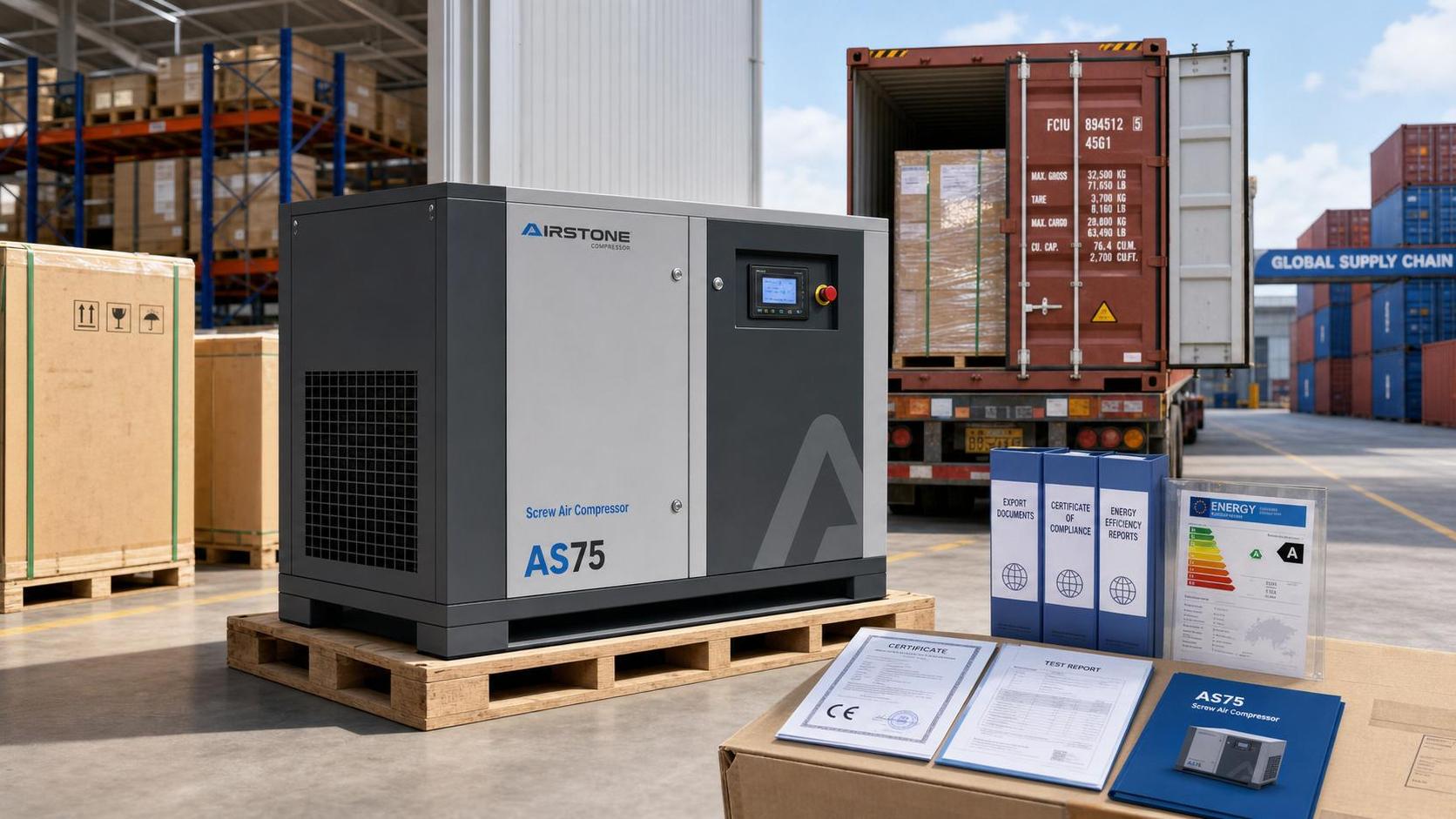
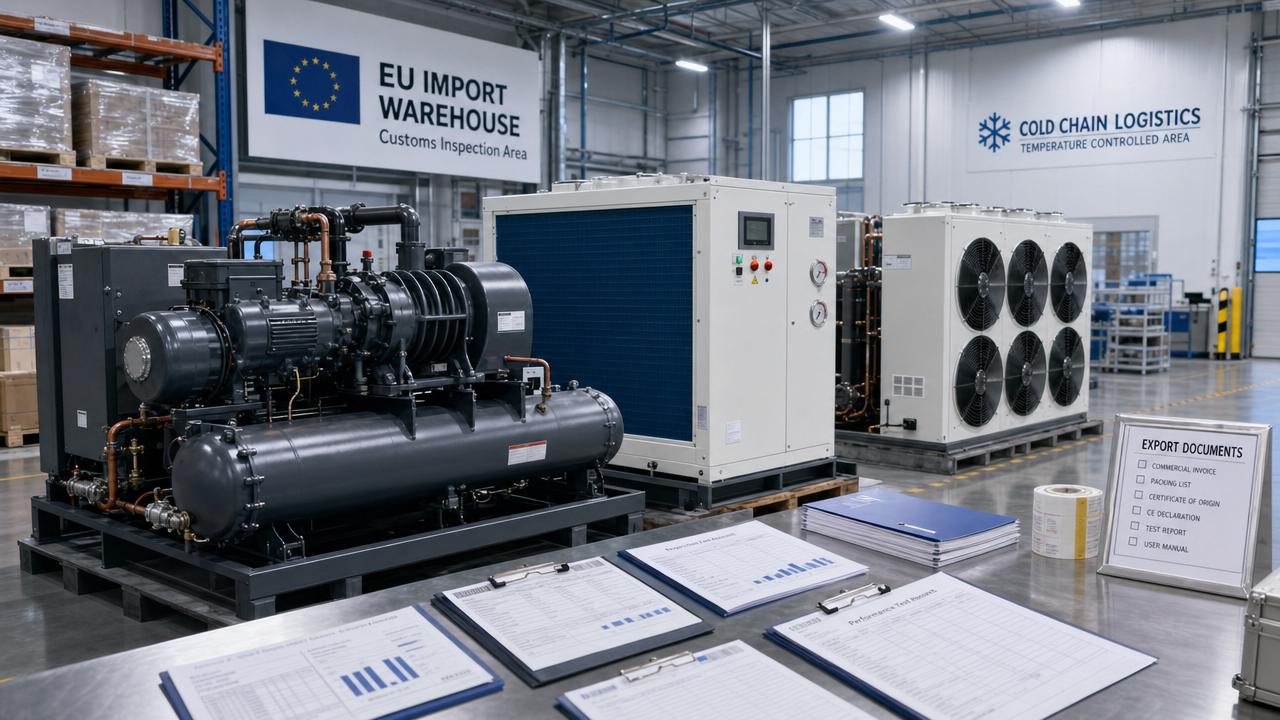
Direct Export Enterprises: Companies exporting screw compressors to APEC member economies will bear primary compliance responsibility. Impact manifests in new documentation requirements (validated LCA reports), extended customs clearance timelines, potential tariff or market access conditions tied to verification, and increased pre-shipment administrative costs.
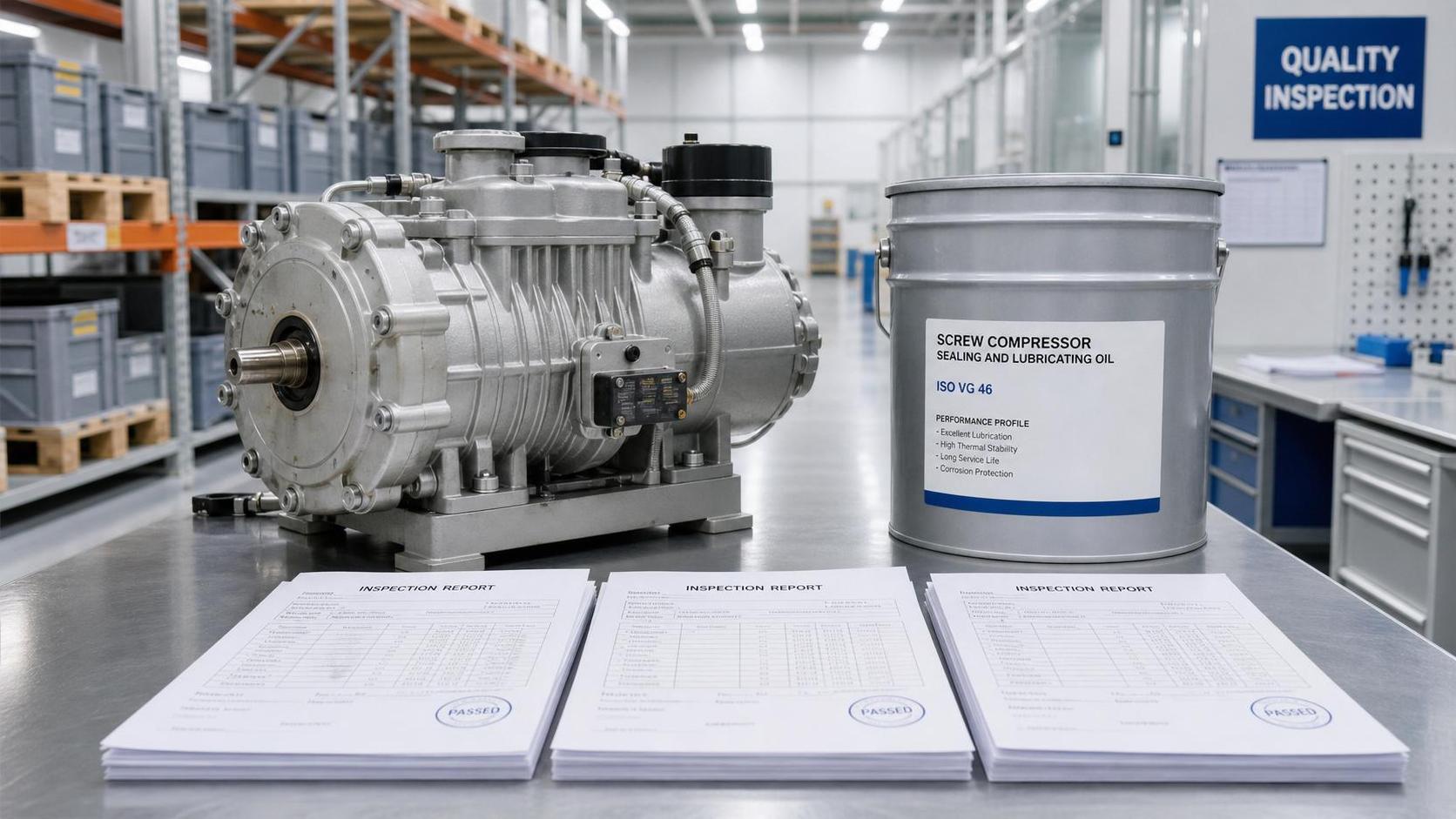
Raw Material Suppliers: Firms supplying critical components — such as high-efficiency motors, cast iron housings, specialty lubricants, and rare-earth-based magnets — will face upstream data requests. Exporters will require verified emission factors and supplier-specific process data to complete system-level LCAs; this may trigger contractual revisions and audit readiness demands.
Manufacturing Entities: OEMs and contract manufacturers must integrate LCA into product development and quality management workflows. They will need to map energy inputs, material flows, and end-of-life assumptions across assembly lines — requiring internal capability building or third-party support. Production line modifications are not mandated, but data traceability across shifts and batches becomes essential.
Supply Chain Service Providers: Logistics operators, certification bodies, and LCA software/platform vendors are positioned for expanded engagement. Demand is rising for ISO 14067–accredited verification services, EPD program enrollment support, and digital tools enabling real-time carbon data aggregation across tiered suppliers.
Key Focus Areas and Recommended Actions
Verify Product Scope and Target Markets
Confirm whether specific compressor models (e.g., oil-injected vs. oil-free, variable-speed vs. fixed-speed) fall under the framework’s “priority product” definition. Prioritize compliance planning for shipments destined to Japan, South Korea, and Canada — the first three APEC members confirming phased enforcement timelines.
Initiate LCA Data Collection Now
Begin gathering primary data on electricity sources per production site, raw material procurement origins, transport distances (including inland logistics), and packaging materials. Delaying baseline data collection risks missing the Q4 2026 deadline, as ISO 14067 certification typically requires 3–6 months of validated operational data.
Engage Accredited Verification Bodies Early
Select ISO/IEC 17065–accredited certification providers with documented experience in machinery LCAs. Not all environmental auditors possess sector-specific expertise in compressed air systems; mismatched partnerships may lead to rework or rejected reports.
Assess EPD Integration Strategy
Since several leading firms are pursuing EPDs — which build upon ISO 14067 LCAs — evaluate whether adopting an EPD platform now supports both regulatory compliance and B2B marketing. EPDs provide standardized, third-party–verified environmental profiles usable across multiple markets beyond APEC.
Editorial Insight / Industry Observation
Observably, this requirement signals a structural shift: carbon accountability is moving downstream from national policy to product-level trade instruments. Analysis shows the APEC framework does not impose carbon tariffs or quotas — yet. Its immediate effect is procedural: elevating transparency and standardizing measurement. From an industry perspective, the mandate is less about penalizing emissions than about institutionalizing data discipline across global supply chains. Current more significant implications lie in competitive differentiation — early adopters may gain preferential procurement status in green public tenders across APEC economies.
Conclusion
This development underscores how climate governance is increasingly embedded in trade architecture — not as standalone environmental policy, but as enforceable commercial conditionality. For the compressed air equipment sector, it represents a definitive step toward quantified environmental performance as a core component of market access. A measured, data-grounded response — rather than reactive compliance — better positions firms to convert regulatory necessity into strategic advantage.
Source Attribution
Official draft text released by the APEC Secretariat (April 2026); Pre-meeting technical briefing notes from the APEC Policy Support Unit (PSU); Public statements by China’s Ministry of Commerce (MOFCOM) Office for APEC Affairs, dated May 9, 2026. Note: Final adoption language, enforcement granularity (e.g., model-level thresholds), and recognition of existing national LCA schemes remain subject to ministerial consensus and are under active observation.

Related News
- Which Maintenance Issues Reduce Air Compressor Efficiency?Author :Pneumatic Power Engineer

- How Much Energy Can Variable-Speed Screw Compressors Save?Author :Pneumatic Power Engineer

- China Expands Cross-Border RMB and FX Cash Pooling NationwideAuthor :Pneumatic Power Engineer

- How to Size Air Compressor Systems for Pneumatics by Flow and Pressure DemandAuthor :Pneumatic Power Engineer

- How Energy Recovery Systems for Compressors Cut Power CostsAuthor :Pneumatic Power Engineer

- How to Evaluate Screw Compressors in Industrial Refrigeration EquipmentAuthor :Pneumatic Power Engineer

- India Makes BIS Certification Mandatory for Screw CompressorsAuthor :Pneumatic Power Engineer

- China Tightens Export Filing for Screw CompressorsAuthor :Pneumatic Power Engineer

- SABIC Sets IoT Interface Rule for Screw CompressorsAuthor :Pneumatic Power Engineer

- Industrial Heat Recovery Systems for Compressors: When Do Energy Savings Pay Back?Author :Pneumatic Power Engineer

- EU Tightens REACH Limit for Screw Compressor LubricantsAuthor :Pneumatic Power Engineer

- EU Opens China Screw Compressor Review With Carbon RuleAuthor :Pneumatic Power Engineer

- DOE Mandates AHRI 1000-2026 for Screw CompressorsAuthor :Pneumatic Power Engineer

- VDMA Filing Signals EU Risk for Chinese Oil Screw CompressorsAuthor :Pneumatic Power Engineer
![]()
- Screw vs Piston Air Compressors for Stable Plant OutputAuthor :Pneumatic Power Engineer

- Saudi SASO Tightens Refrigerant Limits in IEC 60335-2-40:2026Author :Pneumatic Power Engineer

- IIR Warns of 18-Week Lead Times for Screw CompressorsAuthor :Pneumatic Power Engineer

- Welded Compressed Air Manifold Selection Guide for Pressure Stability and LeaksAuthor :Pneumatic Power Engineer

- India BIS Rule Adds IS 16830 Requirement for Imported Screw CompressorsAuthor :Pneumatic Power Engineer

- What to Check Before Choosing a Compressed Air FactoryAuthor :Pneumatic Power Engineer

- China Tightens Export Checks on Screw CompressorsAuthor :Pneumatic Power Engineer

- Screw Compressor Lead Times Reach 22 WeeksAuthor :Pneumatic Power Engineer

- Vietnam Requires QR Labels on Imported Screw CompressorsAuthor :Pneumatic Power Engineer

- Compressed Air Technologies Filtration: How to Reduce Pressure Drop and Energy LossAuthor :Pneumatic Power Engineer

- STSPIN830 Lead Time Tops 32 Weeks in Screw CompressorsAuthor :Pneumatic Power Engineer

- IGBT Shortage Extends Screw Compressor Lead TimesAuthor :Pneumatic Power Engineer

- Compressed Air Systems: 7 Hidden Costs That Raise Total Operating ExpenseAuthor :Pneumatic Power Engineer

- Compressed Air Efficiency: 7 Hidden Losses That Raise Operating CostsAuthor :Pneumatic Power Engineer

- How to Compare Screw vs Oil-Free Air Compression SystemsAuthor :Pneumatic Power Engineer

- Compressed Air Leaks: What They Really Cost in Daily OperationsAuthor :Pneumatic Power Engineer

- DOE Moves Up R449A Chiller Deadline to March 2027Author :Pneumatic Power Engineer

- How Compression Technology Cuts Energy Use in Modern PlantsAuthor :Pneumatic Power Engineer

- EU Adds GB 18613-2025 to Import Energy ChecksAuthor :Pneumatic Power Engineer

- EU CE Rule Adds SRA for R290 Compressor ImportsAuthor :Pneumatic Power Engineer

- Compressed Air Leaks: Hidden Costs and Practical Ways to Reduce LossesAuthor :Pneumatic Power Engineer

- Kunming Sourcing Festival Adds Thermal & Compression HubAuthor :Pneumatic Power Engineer