Multi-Dept AI Terminal Standard Affects Screw Compressor Exports




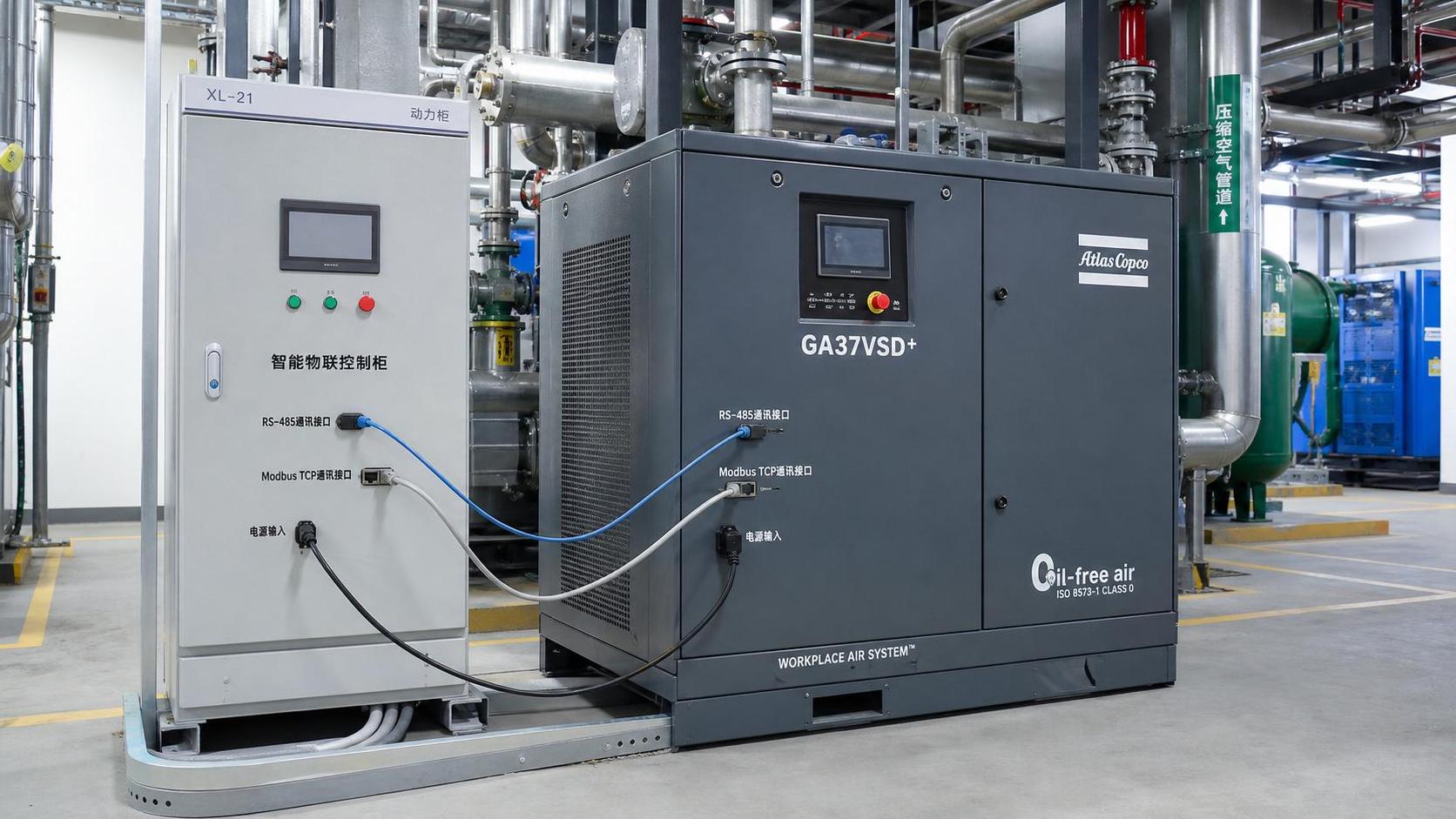
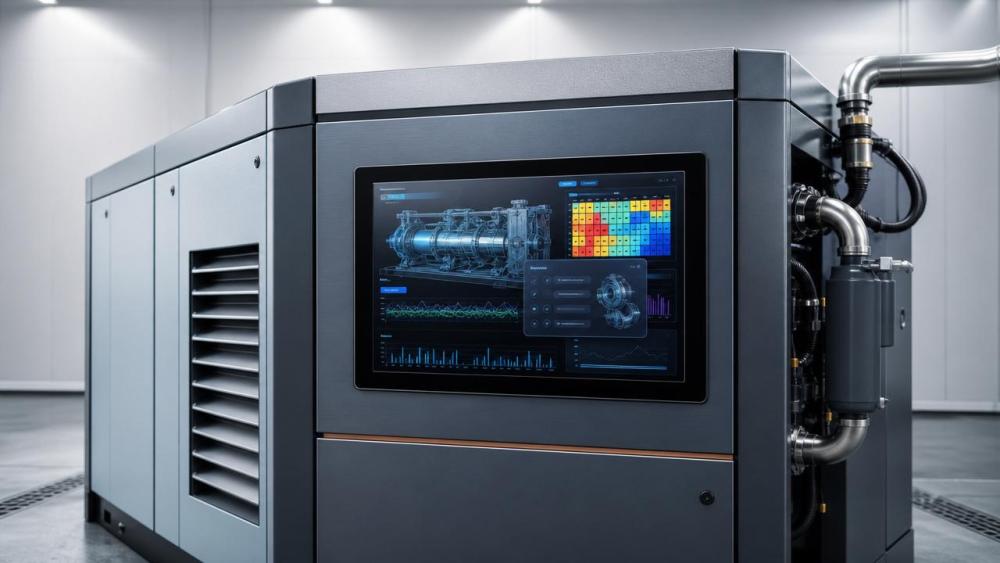
On May 8, 2026, China’s Ministry of Industry and Information Technology (MIIT) and the State Administration for Market Regulation jointly released Intelligent Classification for Artificial Intelligence Terminals (GB/Z 177—2026), a national guidance standard with de facto mandatory effect for government procurement and key industry tenders. The standard explicitly incorporates industrial equipment intelligent cockpits—including human–machine interaction systems for screw compressors—into its classification framework, requiring Level 2 (L2) intelligent diagnostics capability for eligibility. Its scope extends to export-oriented products, triggering urgent compliance actions across the global supply chain for screw compressor manufacturers.
Event Overview
On May 8, 2026, MIIT, the State Administration for Market Regulation, and other relevant departments jointly issued GB/Z 177—2026. This is the first national-level guidance standard to formally classify AI-enabled industrial terminal interfaces under an intelligence grading system. It mandates L2-level intelligent diagnostic functionality—including real-time fault identification, root-cause inference, and prescriptive maintenance suggestions—for inclusion in government procurement lists and major industry tender databases. The standard applies equally to domestically sold and exported screw compressor intelligent control systems, requiring compliance within six months on 11 technical indicators, including UI response latency (≤300 ms), fault self-diagnosis coverage (≥92%), and interoperability with national industrial data platforms.
Industries Affected
Direct Export Enterprises
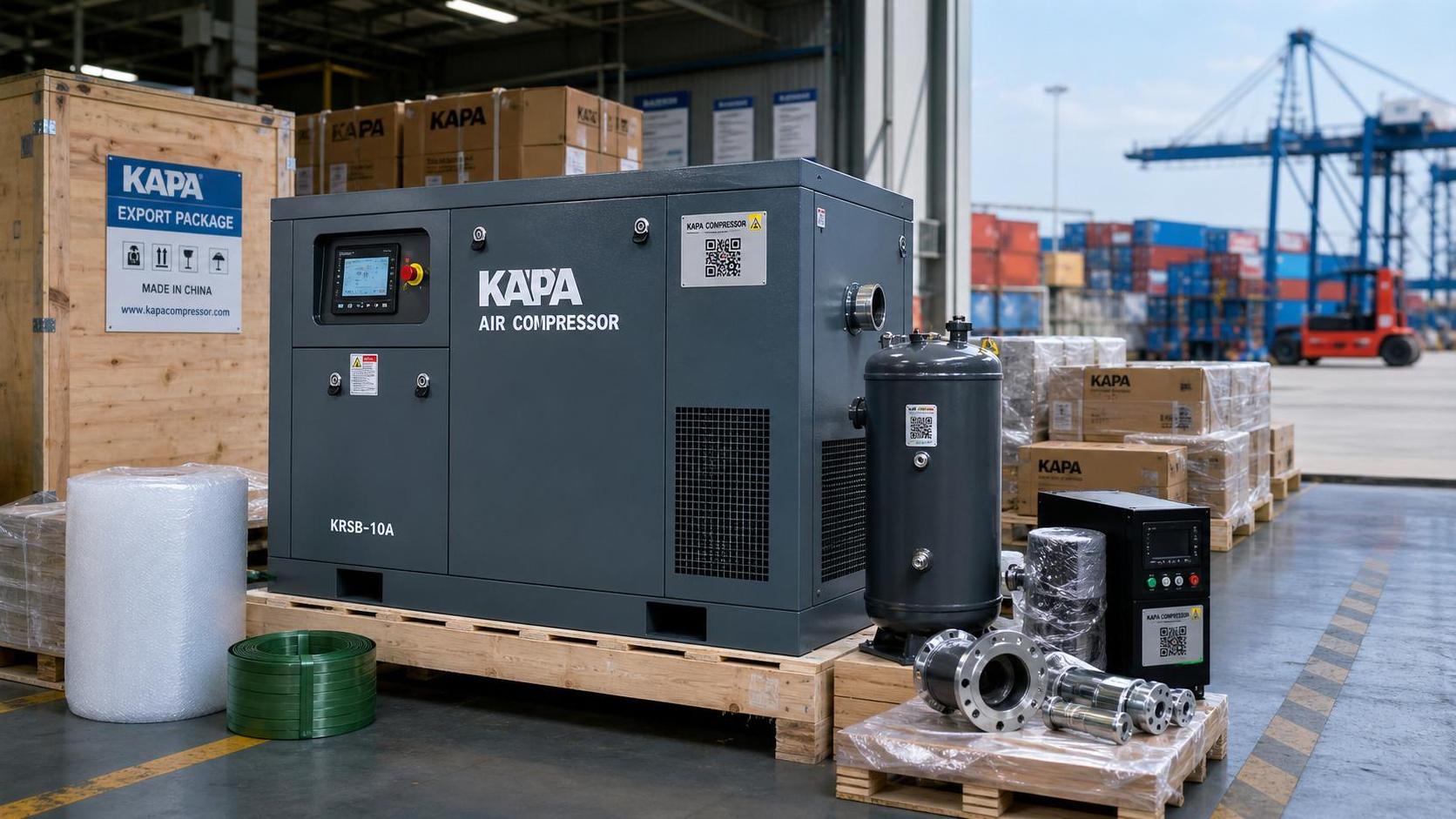
Export-oriented screw compressor manufacturers—particularly those targeting EU, ASEAN, and Middle Eastern markets via China-based production hubs—are directly affected. Because GB/Z 177—2026 governs product certification for Chinese origin labeling and export declarations, non-compliant units may face customs clearance delays, rejection from state-backed project bids, or withdrawal from China Compulsory Certification (CCC)-linked export channels. Impact manifests as revised product roadmaps, accelerated firmware upgrades, and increased third-party conformity assessment costs.
Raw Material Procurement Enterprises
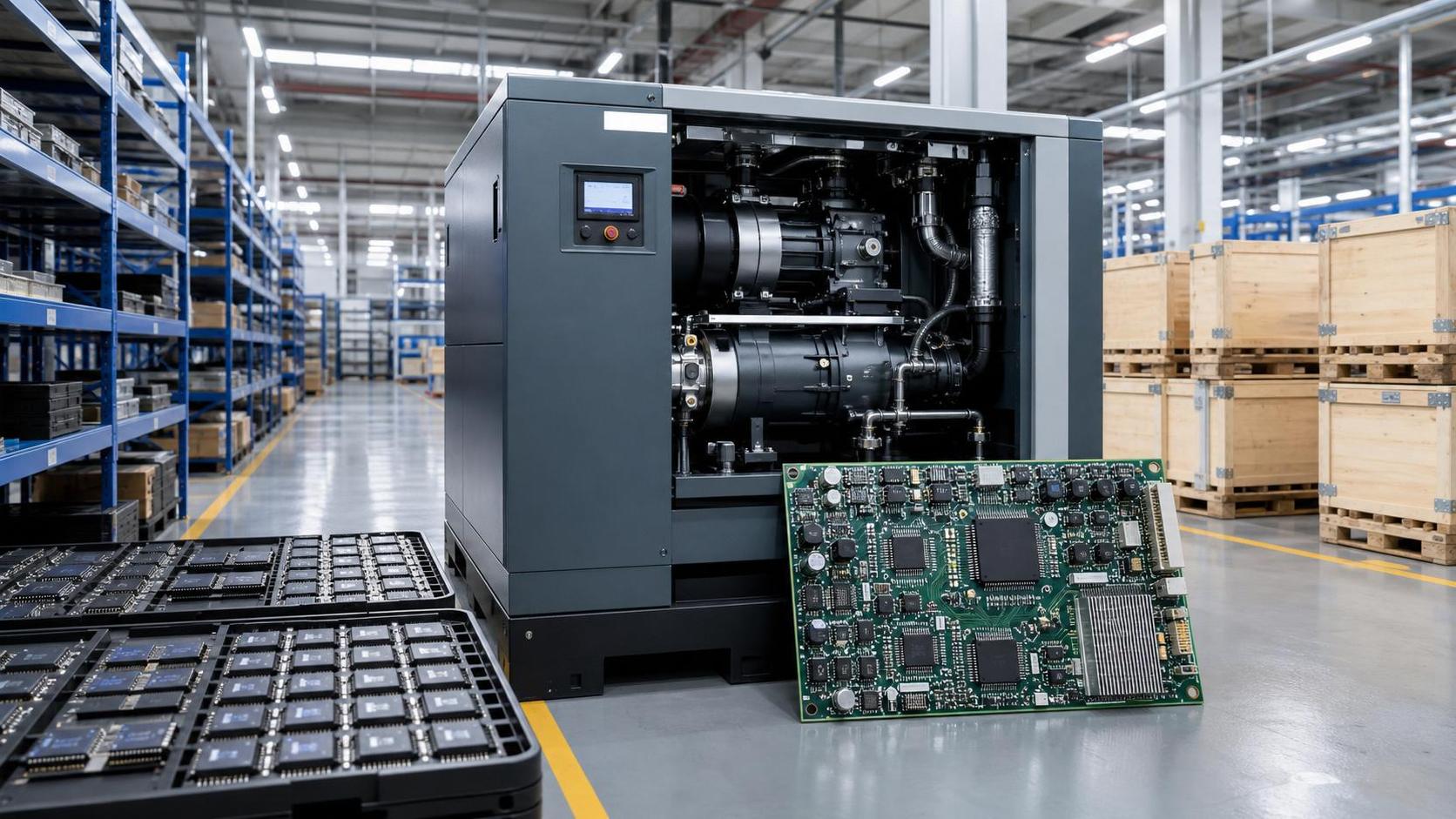
Suppliers of embedded components—including industrial-grade SoCs, touch-sensitive HMI modules, and real-time OS licenses—are seeing revised specification requests. Procurement teams now prioritize vendors pre-validated against GB/Z 177—2026’s latency and diagnostic logging requirements. This shifts sourcing criteria from cost and lead time toward traceable compliance documentation, prompting renegotiation of SLAs and tighter audit clauses in supply contracts.
Contract Manufacturing & OEM Enterprises
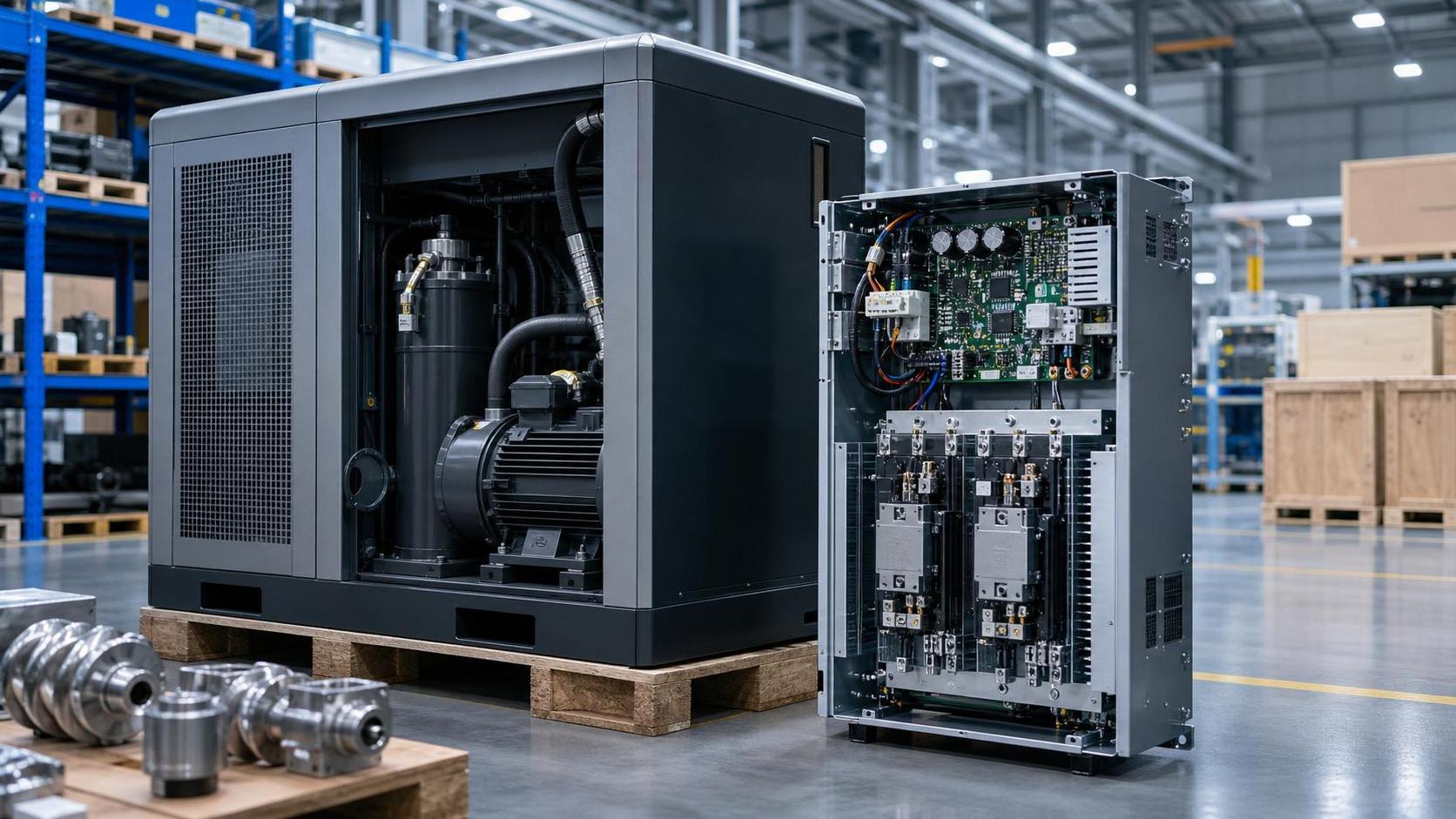
OEM integrators assembling smart compressor control cabinets must revalidate their entire hardware-software stack. Firmware validation cycles are extending by 4–6 weeks per model due to new test cases covering edge-case fault simulation and multi-sensor correlation logic. Additionally, manufacturing line operators require updated training on diagnostic log capture protocols and UI responsiveness verification procedures—introducing short-term labor productivity adjustments.
Supply Chain Service Providers
Certification agencies, testing laboratories, and logistics providers offering ‘compliance-as-a-service’ packages report surging demand for GB/Z 177—2026-specific test reports and conformity declarations. Notably, cross-border freight forwarders are updating documentation templates to include standardized compliance statements; meanwhile, cloud platform providers supporting remote diagnostics are adjusting API response SLAs to meet the standard’s ≤200 ms telemetry round-trip requirement.
Key Focus Areas and Recommended Actions
Conduct Immediate Gap Assessment Against 11 Technical Indicators
Manufacturers should prioritize benchmarking current control systems against all 11 mandatory metrics—especially UI response latency, fault detection coverage, false-positive rate (
Update Firmware Architecture for Modular Diagnostic Engines
Rather than monolithic rewrites, adopt plug-in diagnostic modules compliant with the standard’s defined taxonomy (e.g., ISO 13374-3 for condition monitoring). This enables phased rollout, easier regulatory audits, and reuse across product families.
Align Export Documentation with National Certification Pathways
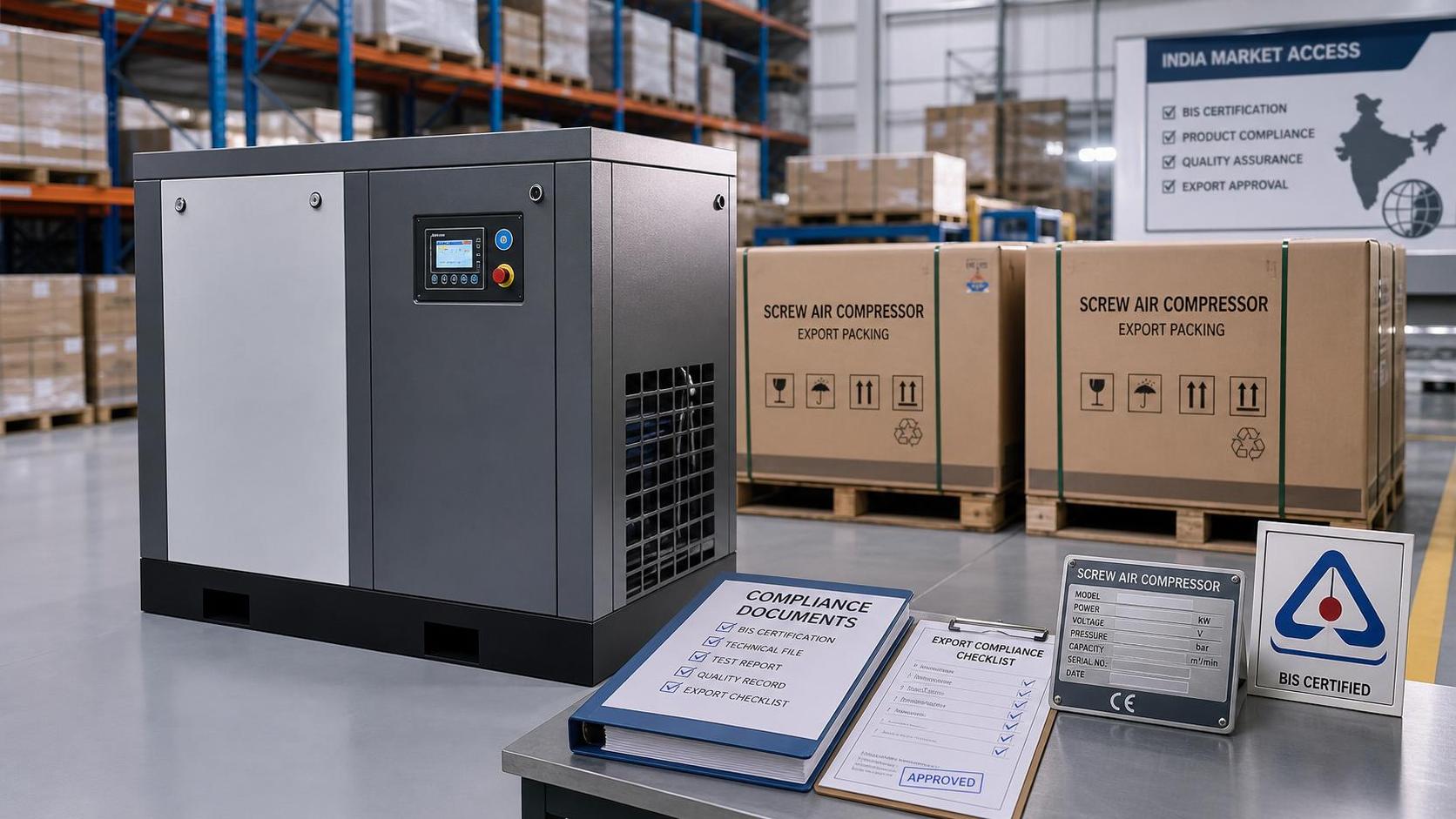
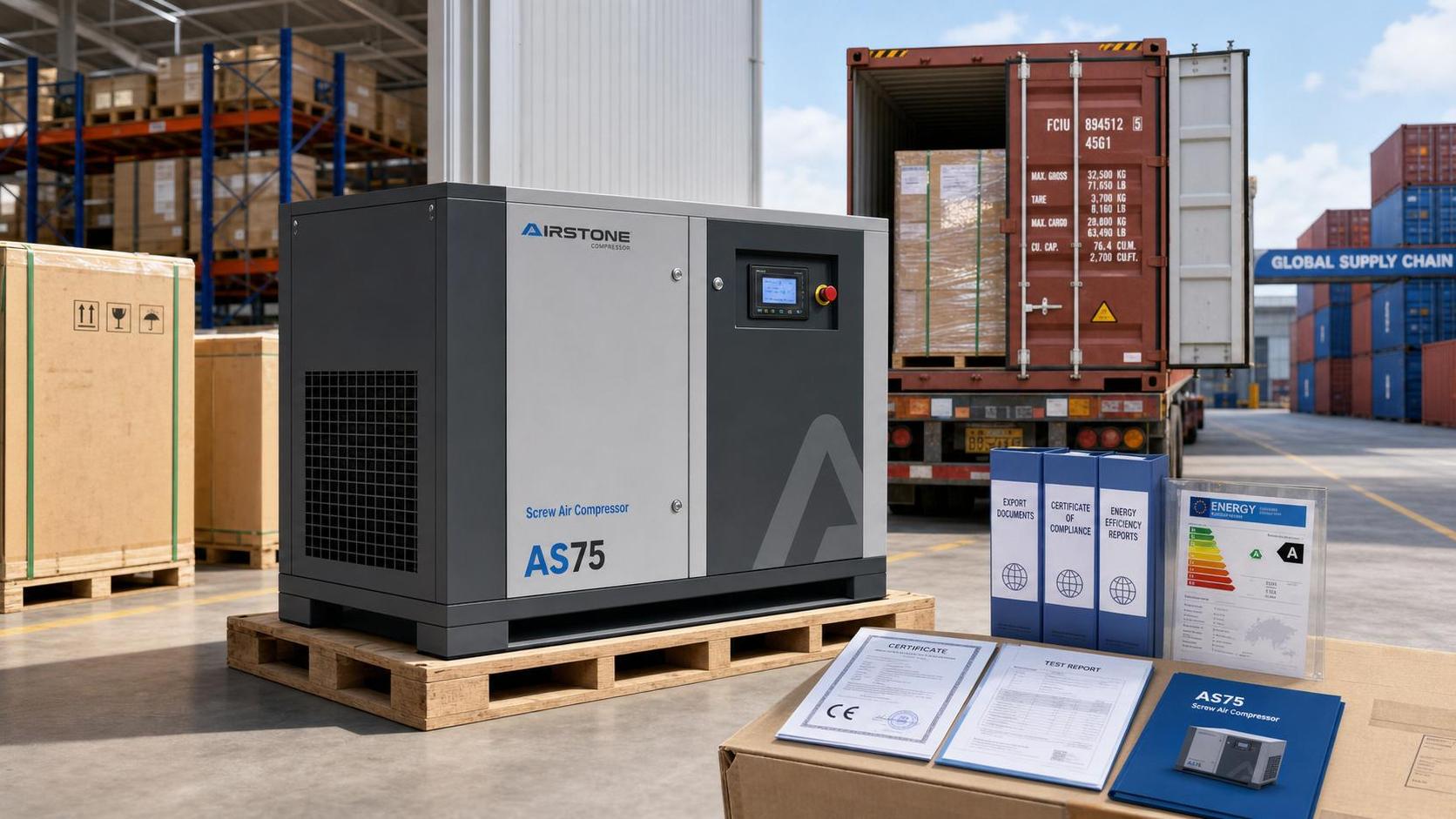
Ensure export invoices, packing lists, and certificates of origin reference GB/Z 177—2026 compliance status. For shipments after November 8, 2026, customs brokers will require signed declarations confirming adherence to Clause 5.2 (Diagnostic Coverage) and Clause 7.4 (UI Responsiveness).
Editorial Perspective / Industry Observation
Analysis shows that GB/Z 177—2026 is less a technical specification than a strategic alignment tool: it codifies China’s preference for vertically integrated AI capabilities in industrial hardware, favoring domestic chipmakers and OS developers. Observably, the L2 threshold—defined as ‘autonomous identification of ≥3 concurrent faults with ≥85% confidence’—is calibrated to match capabilities already deployed in Huawei’s HiSilicon industrial SoCs and Alibaba’s Link IoT Edge runtime. From an industry perspective, this signals a deliberate tightening of the ‘smart hardware sovereignty’ perimeter—not just for data security, but for downstream control over AI model fine-tuning and lifecycle management.
Conclusion
This standard marks a structural inflection point: intelligent control systems are no longer optional value-adds but baseline infrastructure requirements for market access. Rather than representing a one-off compliance burden, GB/Z 177—2026 better reflects an institutionalized expectation—that industrial AI must be interpretable, auditable, and locally governed. For global stakeholders, the rational takeaway is not resistance, but recalibration: treat compliance as a design constraint from R&D inception, not a post-production checkpoint.
Source Attribution
Official release: MIIT Announcement No. 12 (2026), dated May 8, 2026; GB/Z 177—2026 full text published on the Standardization Administration of China (SAC) website (www.sac.gov.cn). Pending items under observation: (1) formal integration into CCC certification annexes; (2) alignment timeline with IEC 62443-4-2 for cybersecurity co-certification; (3) potential adoption by ASEAN Harmonized Standards Committee as reference basis for regional AI device frameworks.
Ready when you are. Send us a message to get started.
Related News
- When does variable gas flow justify a custom screw compressor system?Author :Pneumatic Power Engineer

- How to size compressed air equipment for pneumatic toolsAuthor :Pneumatic Power Engineer

- How Should Energy Management Systems Handle Compressor Load Changes?Author :Pneumatic Power Engineer

- Which Maintenance Issues Reduce Air Compressor Efficiency?Author :Pneumatic Power Engineer

- How Much Energy Can Variable-Speed Screw Compressors Save?Author :Pneumatic Power Engineer

- Industrial Compressor Selection: Matching Flow, Pressure, and Duty CycleAuthor :Pneumatic Power Engineer

- China Expands Cross-Border RMB and FX Cash Pooling NationwideAuthor :Pneumatic Power Engineer

- How to Size Air Compressor Systems for Pneumatics by Flow and Pressure DemandAuthor :Pneumatic Power Engineer

- How Energy Recovery Systems for Compressors Cut Power CostsAuthor :Pneumatic Power Engineer

- How to Evaluate Screw Compressors in Industrial Refrigeration EquipmentAuthor :Pneumatic Power Engineer

- India Makes BIS Certification Mandatory for Screw CompressorsAuthor :Pneumatic Power Engineer

- China Tightens Export Filing for Screw CompressorsAuthor :Pneumatic Power Engineer

- SABIC Sets IoT Interface Rule for Screw CompressorsAuthor :Pneumatic Power Engineer

- Industrial Heat Recovery Systems for Compressors: When Do Energy Savings Pay Back?Author :Pneumatic Power Engineer

- EU Tightens REACH Limit for Screw Compressor LubricantsAuthor :Pneumatic Power Engineer

- EU Opens China Screw Compressor Review With Carbon RuleAuthor :Pneumatic Power Engineer

- DOE Mandates AHRI 1000-2026 for Screw CompressorsAuthor :Pneumatic Power Engineer

- VDMA Filing Signals EU Risk for Chinese Oil Screw CompressorsAuthor :Pneumatic Power Engineer
![]()
- Screw vs Piston Air Compressors for Stable Plant OutputAuthor :Pneumatic Power Engineer

- Saudi SASO Tightens Refrigerant Limits in IEC 60335-2-40:2026Author :Pneumatic Power Engineer

- IIR Warns of 18-Week Lead Times for Screw CompressorsAuthor :Pneumatic Power Engineer

- Welded Compressed Air Manifold Selection Guide for Pressure Stability and LeaksAuthor :Pneumatic Power Engineer

- India BIS Rule Adds IS 16830 Requirement for Imported Screw CompressorsAuthor :Pneumatic Power Engineer

- What to Check Before Choosing a Compressed Air FactoryAuthor :Pneumatic Power Engineer

- China Tightens Export Checks on Screw CompressorsAuthor :Pneumatic Power Engineer

- Screw Compressor Lead Times Reach 22 WeeksAuthor :Pneumatic Power Engineer

- Vietnam Requires QR Labels on Imported Screw CompressorsAuthor :Pneumatic Power Engineer

- Compressed Air Technologies Filtration: How to Reduce Pressure Drop and Energy LossAuthor :Pneumatic Power Engineer

- STSPIN830 Lead Time Tops 32 Weeks in Screw CompressorsAuthor :Pneumatic Power Engineer

- IGBT Shortage Extends Screw Compressor Lead TimesAuthor :Pneumatic Power Engineer

- Compressed Air Systems: 7 Hidden Costs That Raise Total Operating ExpenseAuthor :Pneumatic Power Engineer

- Compressed Air Efficiency: 7 Hidden Losses That Raise Operating CostsAuthor :Pneumatic Power Engineer

- How to Compare Screw vs Oil-Free Air Compression SystemsAuthor :Pneumatic Power Engineer

- Compressed Air Leaks: What They Really Cost in Daily OperationsAuthor :Pneumatic Power Engineer

- DOE Moves Up R449A Chiller Deadline to March 2027Author :Pneumatic Power Engineer

- How Compression Technology Cuts Energy Use in Modern PlantsAuthor :Pneumatic Power Engineer