



China Customs Implements HS Code 22nd Digit for Air Compressor Exports




Effective May 10, 2026, China Customs has fully implemented the 22nd-digit extension to the Harmonized System (HS) code, introducing new subheadings for compression equipment—including screw compressors, oil-free systems, and centrifugal compressors. This update directly affects exporters in the compressed air systems sector, particularly those engaged in international trade with regulatory-sensitive markets such as the EU, US, and ASEAN, where energy efficiency, drive type, and oil-free certification are increasingly tied to customs clearance, tax refund eligibility, and market access.
Event Overview
On May 6, 2026, the General Administration of Customs of China issued an official notice stating that, effective May 10, 2026, the revised HS classification system—including a newly added 22nd digit—would be enforced nationwide. The revision adds over 47 new subheadings specifically for products such as screw compressors, oil-free systems, and centrifuges. These subheadings incorporate technical descriptors including energy efficiency grade, driving method (e.g., electric, diesel), and oil-free certification status. Failure to declare using the correct 22-digit HS code may result in delayed export tax rebates or classification disputes, thereby impairing customs clearance efficiency.
Industries Affected by the Change
Direct Exporters and Trading Companies
These entities are directly responsible for HS code declaration on export declarations. Under the new system, misclassification—especially for variants differing only in energy rating or lubrication design—may trigger customs verification, shipment delays, or rejection of tax rebate applications. Impact is most acute for companies exporting to jurisdictions where tariff treatment or regulatory compliance hinges on precise technical categorization.
Manufacturers of Compressed Air Systems
Manufacturers must now align internal product documentation, BOMs, and export-ready specifications with the new 22-digit coding logic. Products previously grouped under broader 10-digit or 13-digit codes (e.g., HS 8414.80) now require granular differentiation—for instance, between ISO Class 0-certified oil-free rotary screw units and standard lubricated models. This affects labeling, technical manuals, and factory-level export coordination.
Supply Chain and Logistics Service Providers
Firms offering customs brokerage, freight forwarding, or bonded warehousing services must update internal classification databases, staff training modules, and client-facing guidance. Since the 22nd digit introduces fields not previously captured in standard ERP or customs filing systems, integration readiness—particularly for automated declaration platforms—is now a functional priority.
Key Focus Areas and Immediate Actions for Enterprises
Monitor Official Updates and Clarification Notices
While the May 10, 2026 implementation date is confirmed, the General Administration of Customs has not yet published full explanatory notes or binding classification rulings for all 47+ new subheadings. Enterprises should track follow-up announcements—especially any pre-clearance consultation mechanisms or transitional guidance—via the official Customs website and authorized industry bulletins.
Verify Product-Level Mapping Against New Subheadings
Exporters should conduct a line-by-line review of current HS assignments against the newly released 22-digit structure, focusing on technical attributes cited in the notice: energy efficiency grade (e.g., GB 19153–2023 Level 1/2), drive type (electric motor vs. internal combustion), and third-party oil-free certification (e.g., ISO 8573-1 Class 0). Cross-reference with actual product specs—not catalog descriptions—to avoid misalignment.
Update Internal Documentation and ERP Configuration
Companies must revise internal master data records, export invoice templates, and ERP-based customs module configurations to accommodate the 22-digit field. This includes ensuring compatibility with China’s Single Window platform and verifying that digital filing systems accept the extended code length without truncation or validation errors.
Engage Early with Customs Brokers and Certification Bodies
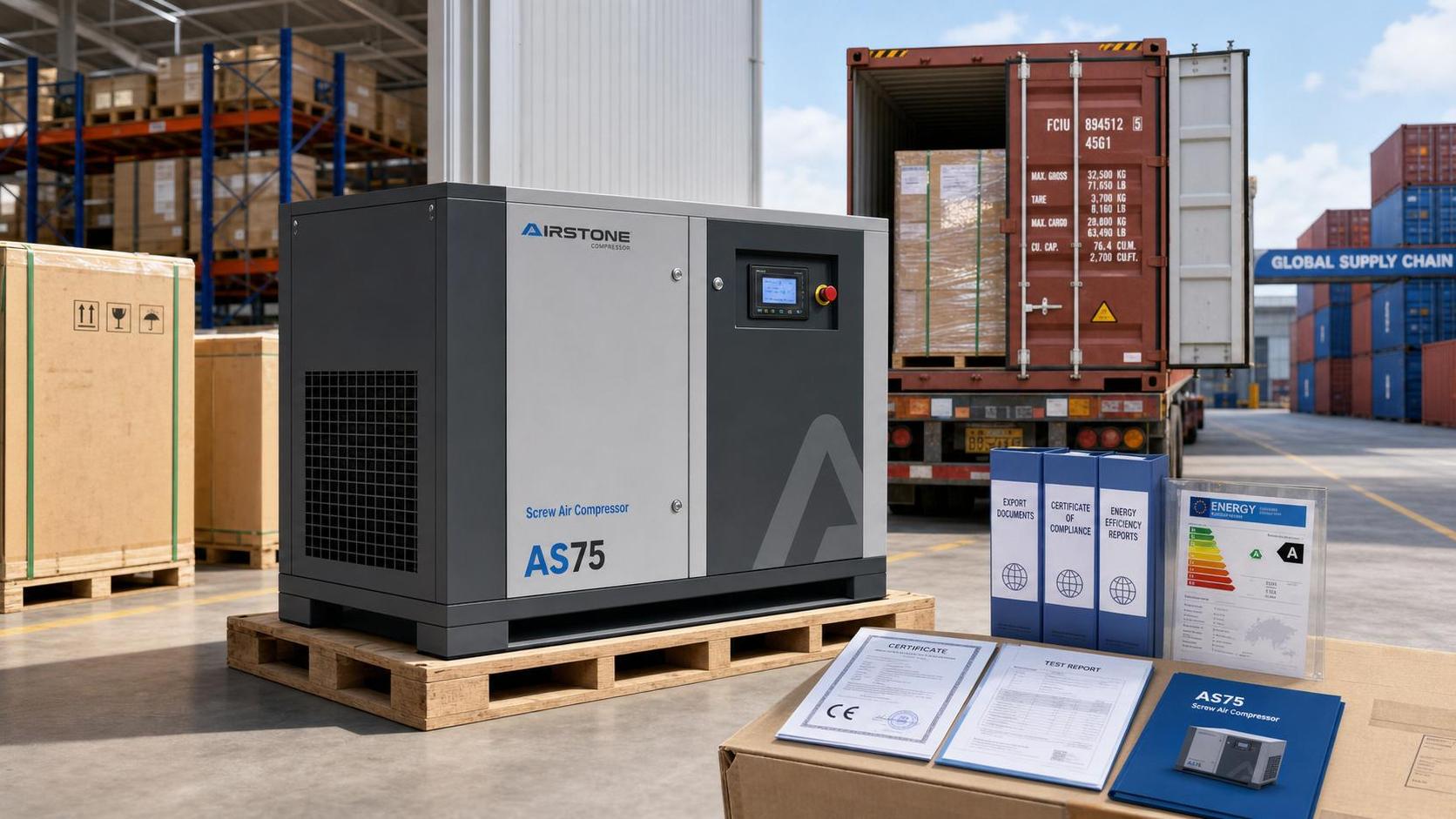
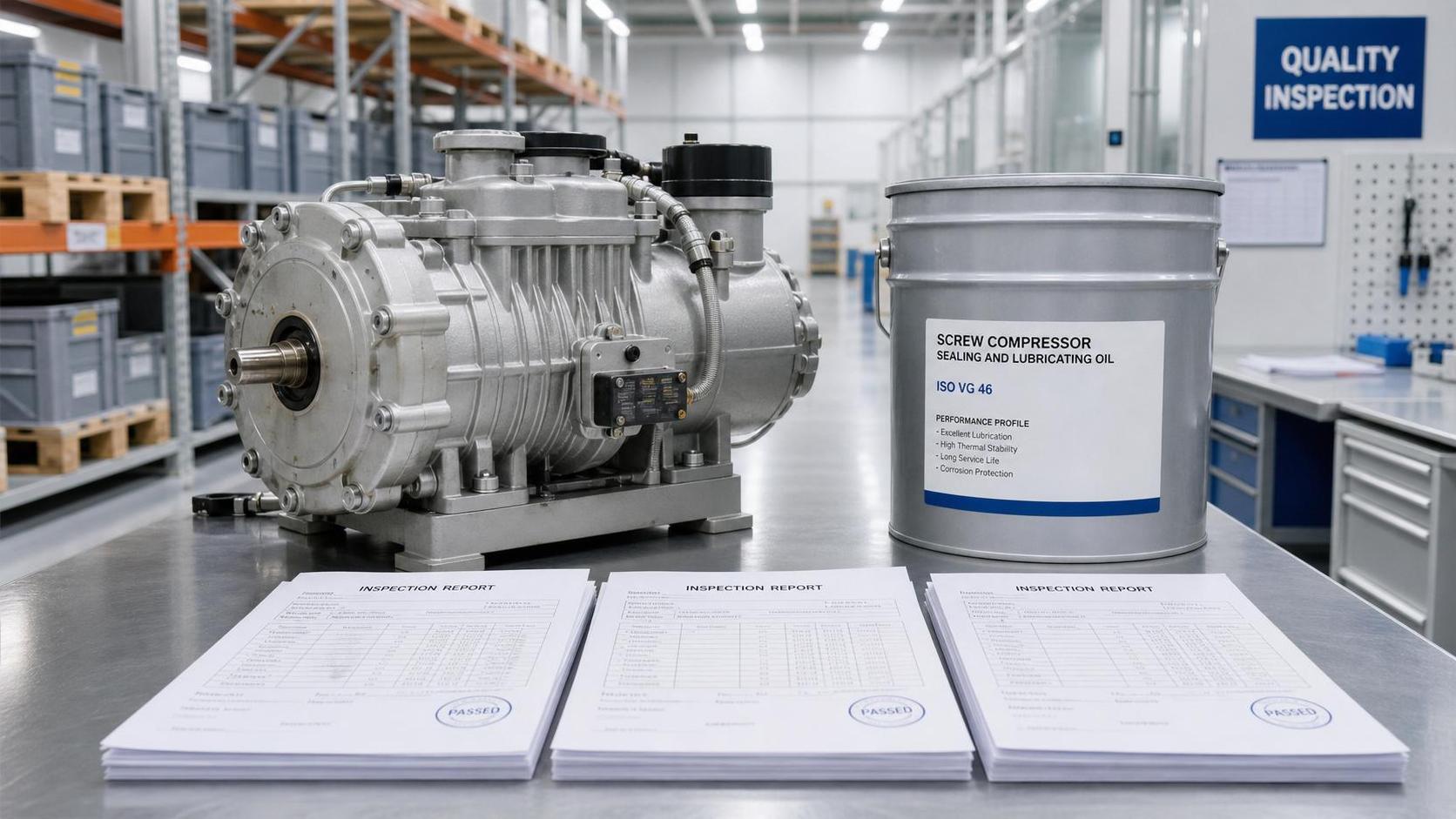
Given the linkage between HS subheading and certification requirements (e.g., oil-free claims requiring valid ISO 8573-1 test reports), enterprises should proactively confirm with accredited testing labs whether existing certificates meet the evidentiary threshold for the relevant new subheading—and coordinate with brokers to embed supporting documents in initial filings.
Editorial Perspective / Industry Observation
Analysis shows this change is less a standalone policy shift and more a structural alignment of China’s customs classification system with global regulatory trends—particularly those emerging from EU Ecodesign regulations and U.S. DOE energy conservation standards. Observably, the inclusion of energy efficiency and oil-free status as mandatory classification criteria signals an institutional move toward embedding sustainability and technical compliance deeper into trade infrastructure. From an industry perspective, this is best understood not as a temporary compliance hurdle but as an early indicator of how future export controls may integrate environmental and performance metrics directly into tariff administration. Current monitoring should therefore focus less on ‘one-time adaptation’ and more on building repeatable processes for technical-spec–driven HS assignment.
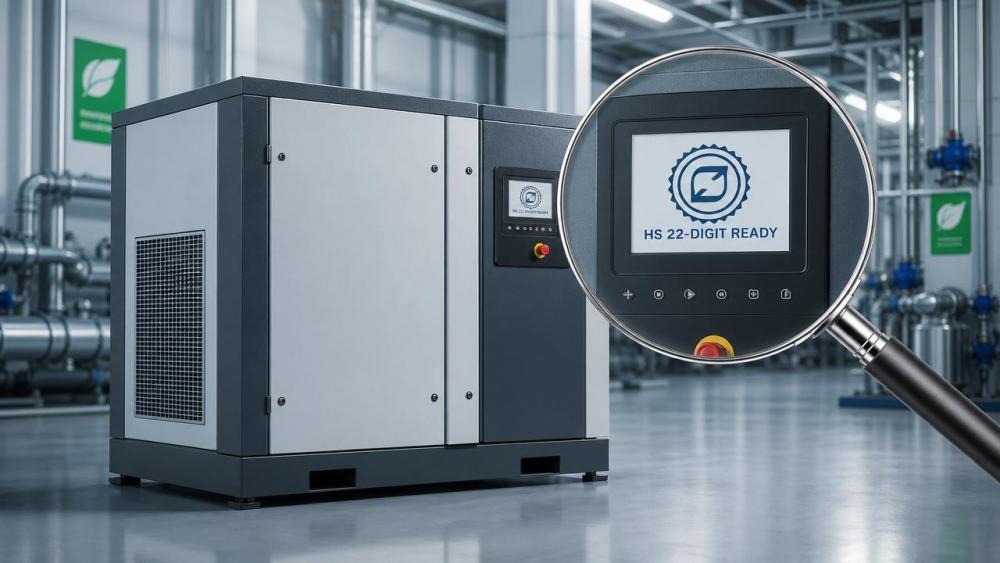
Conclusion: The introduction of the HS 22nd digit represents a procedural tightening rather than a substantive policy change—but its operational impact is concrete and immediate for exporters of compressed air equipment. It reflects an ongoing recalibration of customs frameworks to support both domestic industrial upgrading goals and international market expectations around energy performance and clean technology. Enterprises are advised to treat this as a foundational update to classification governance—not merely a filing adjustment—and prioritize traceability between physical product attributes and declared HS codes.
Source: General Administration of Customs of China, Notice No. [2026]X (issued May 6, 2026); Implementation effective May 10, 2026.
Observation note: Detailed subheading lists and official explanatory notes remain pending publication and are subject to further clarification.
Related News
- China Expands Cross-Border RMB and FX Cash Pooling NationwideAuthor :Pneumatic Power Engineer

- How to Size Air Compressor Systems for Pneumatics by Flow and Pressure DemandAuthor :Pneumatic Power Engineer

- How Energy Recovery Systems for Compressors Cut Power CostsAuthor :Pneumatic Power Engineer

- How to Evaluate Screw Compressors in Industrial Refrigeration EquipmentAuthor :Pneumatic Power Engineer

- India Makes BIS Certification Mandatory for Screw CompressorsAuthor :Pneumatic Power Engineer

- China Tightens Export Filing for Screw CompressorsAuthor :Pneumatic Power Engineer

- SABIC Sets IoT Interface Rule for Screw CompressorsAuthor :Pneumatic Power Engineer

- Industrial Heat Recovery Systems for Compressors: When Do Energy Savings Pay Back?Author :Pneumatic Power Engineer

- EU Tightens REACH Limit for Screw Compressor LubricantsAuthor :Pneumatic Power Engineer

- EU Opens China Screw Compressor Review With Carbon RuleAuthor :Pneumatic Power Engineer

- DOE Mandates AHRI 1000-2026 for Screw CompressorsAuthor :Pneumatic Power Engineer

- VDMA Filing Signals EU Risk for Chinese Oil Screw CompressorsAuthor :Pneumatic Power Engineer
![]()
- Screw vs Piston Air Compressors for Stable Plant OutputAuthor :Pneumatic Power Engineer

- Saudi SASO Tightens Refrigerant Limits in IEC 60335-2-40:2026Author :Pneumatic Power Engineer

- IIR Warns of 18-Week Lead Times for Screw CompressorsAuthor :Pneumatic Power Engineer

- Welded Compressed Air Manifold Selection Guide for Pressure Stability and LeaksAuthor :Pneumatic Power Engineer

- India BIS Rule Adds IS 16830 Requirement for Imported Screw CompressorsAuthor :Pneumatic Power Engineer

- What to Check Before Choosing a Compressed Air FactoryAuthor :Pneumatic Power Engineer

- China Tightens Export Checks on Screw CompressorsAuthor :Pneumatic Power Engineer

- Screw Compressor Lead Times Reach 22 WeeksAuthor :Pneumatic Power Engineer

- Vietnam Requires QR Labels on Imported Screw CompressorsAuthor :Pneumatic Power Engineer

- Compressed Air Technologies Filtration: How to Reduce Pressure Drop and Energy LossAuthor :Pneumatic Power Engineer

- STSPIN830 Lead Time Tops 32 Weeks in Screw CompressorsAuthor :Pneumatic Power Engineer

- IGBT Shortage Extends Screw Compressor Lead TimesAuthor :Pneumatic Power Engineer

- Compressed Air Systems: 7 Hidden Costs That Raise Total Operating ExpenseAuthor :Pneumatic Power Engineer

- Compressed Air Efficiency: 7 Hidden Losses That Raise Operating CostsAuthor :Pneumatic Power Engineer

- How to Compare Screw vs Oil-Free Air Compression SystemsAuthor :Pneumatic Power Engineer

- Compressed Air Leaks: What They Really Cost in Daily OperationsAuthor :Pneumatic Power Engineer

- DOE Moves Up R449A Chiller Deadline to March 2027Author :Pneumatic Power Engineer

- How Compression Technology Cuts Energy Use in Modern PlantsAuthor :Pneumatic Power Engineer

- EU Adds GB 18613-2025 to Import Energy ChecksAuthor :Pneumatic Power Engineer

- EU CE Rule Adds SRA for R290 Compressor ImportsAuthor :Pneumatic Power Engineer

- Compressed Air Leaks: Hidden Costs and Practical Ways to Reduce LossesAuthor :Pneumatic Power Engineer

- Kunming Sourcing Festival Adds Thermal & Compression HubAuthor :Pneumatic Power Engineer

- Compressed Air Efficiency: Where Energy Losses Usually StartAuthor :Pneumatic Power Engineer

- US 3-Year Treasury Yield Rise Pressures Compressor Export QuotesAuthor :Pneumatic Power Engineer