



Air Compression Leaks: The Hidden Cost in Daily Operation




In daily production, air compression leaks often go unnoticed, yet they steadily drain energy, raise operating costs, and reduce system reliability. For many facilities across general industry, the problem is not a dramatic failure but a continuous loss hidden in hoses, joints, valves, filters, and aging distribution lines. Because air compression is widely used for conveying, packaging, clamping, cleaning, automation, and instrument control, even a small leak can force compressors to run longer, cycle harder, and consume more electricity than necessary. Over time, these invisible losses affect operating budgets, maintenance planning, uptime, and sustainability targets.
What Air Compression Leaks Really Mean in Operation
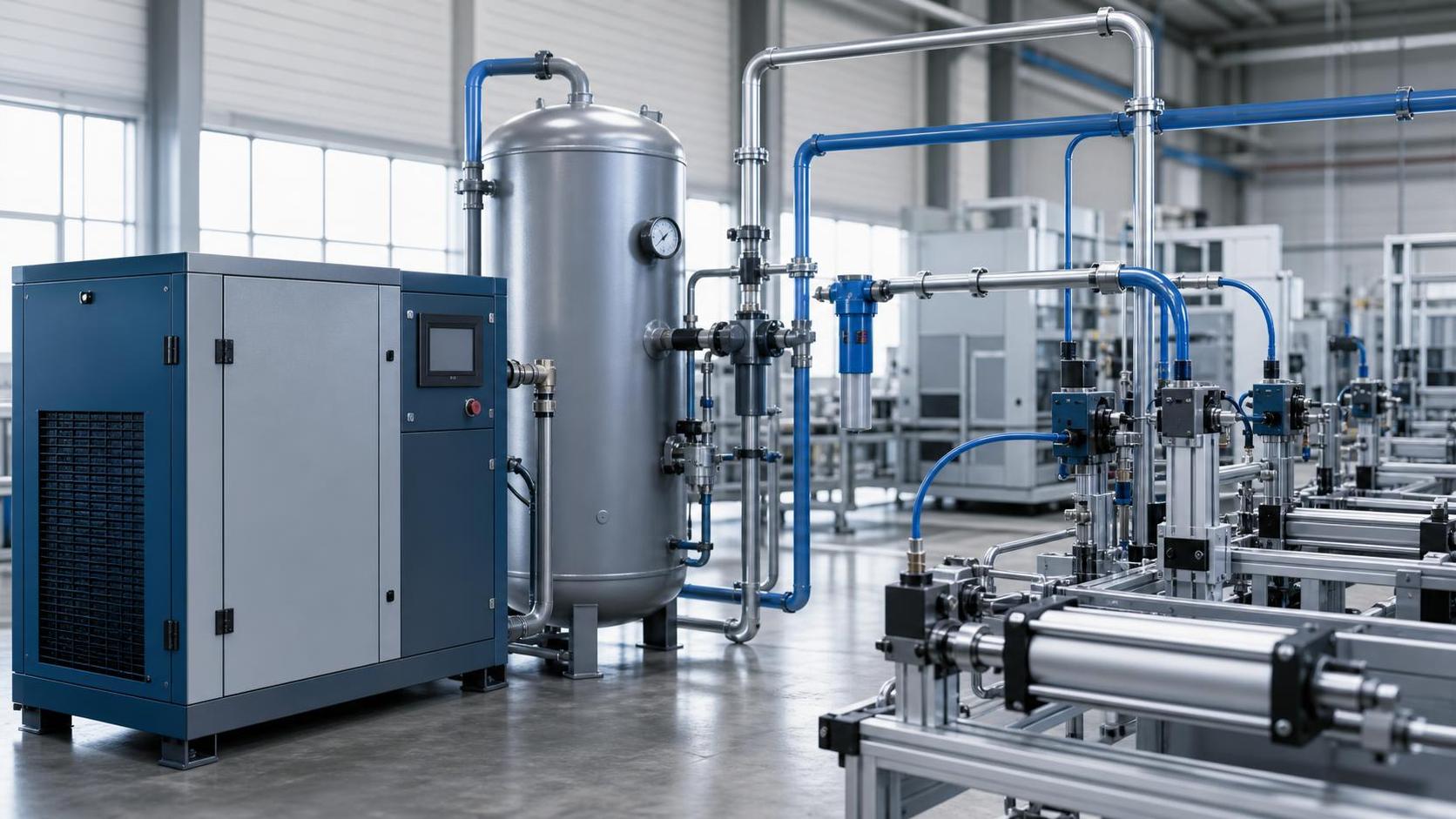
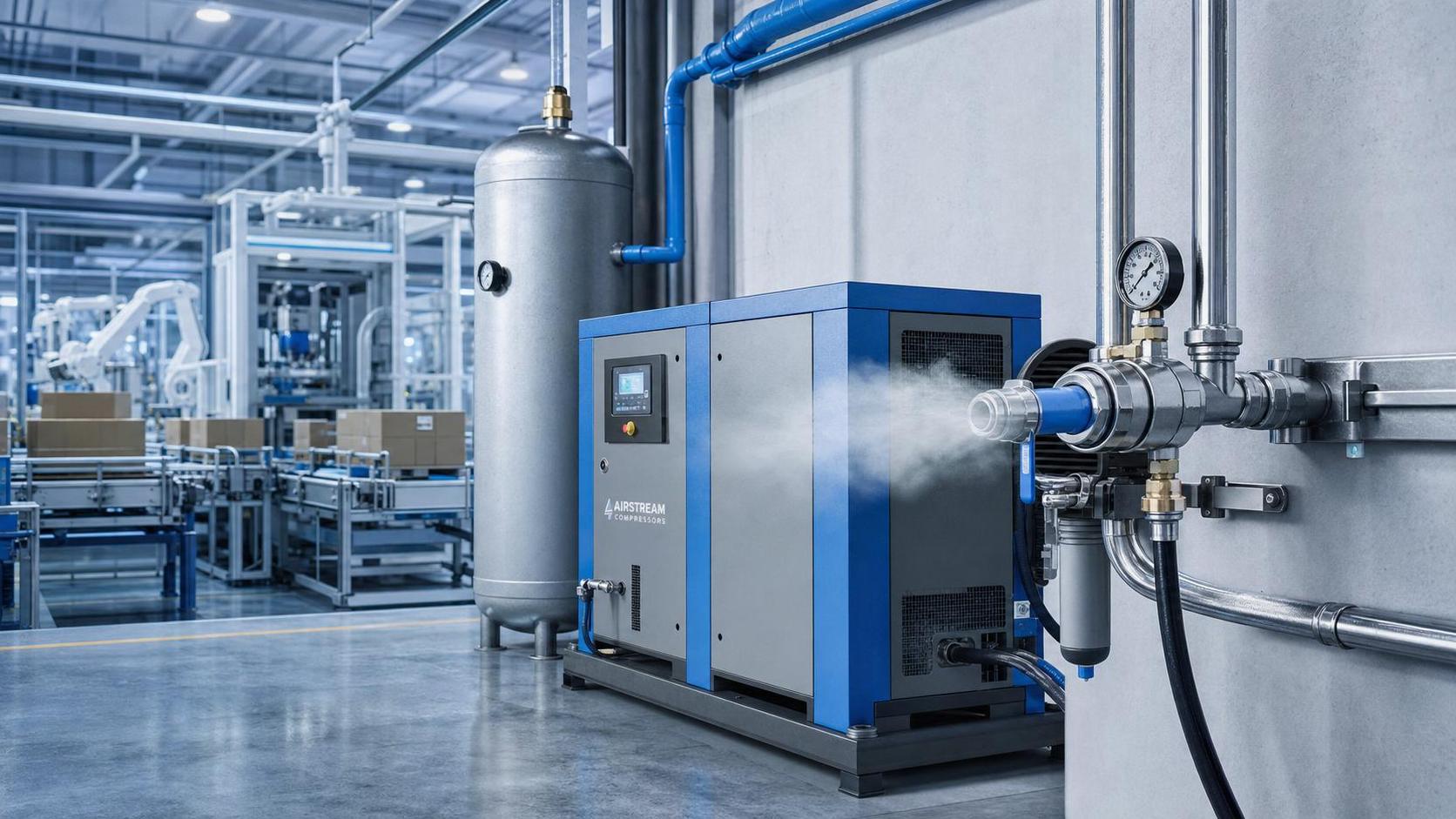
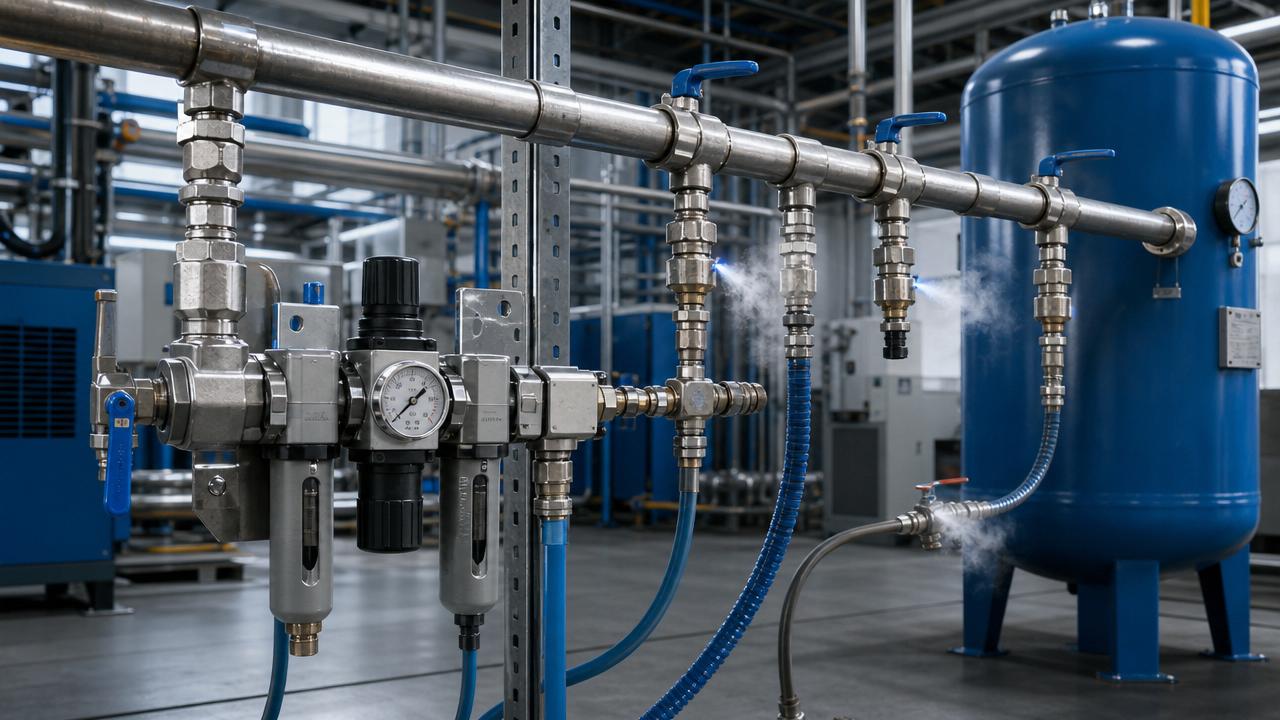
Air compression leaks occur when compressed air escapes from the system before it reaches the intended point of use. This may happen at threaded fittings, flexible connections, quick couplers, condensate drains, regulator assemblies, actuator seals, or old pipework. In practical terms, a leak turns paid-for compressed air into wasted energy. Since compressed air is one of the more expensive utility forms in industrial settings, leakage directly translates into excess power demand.
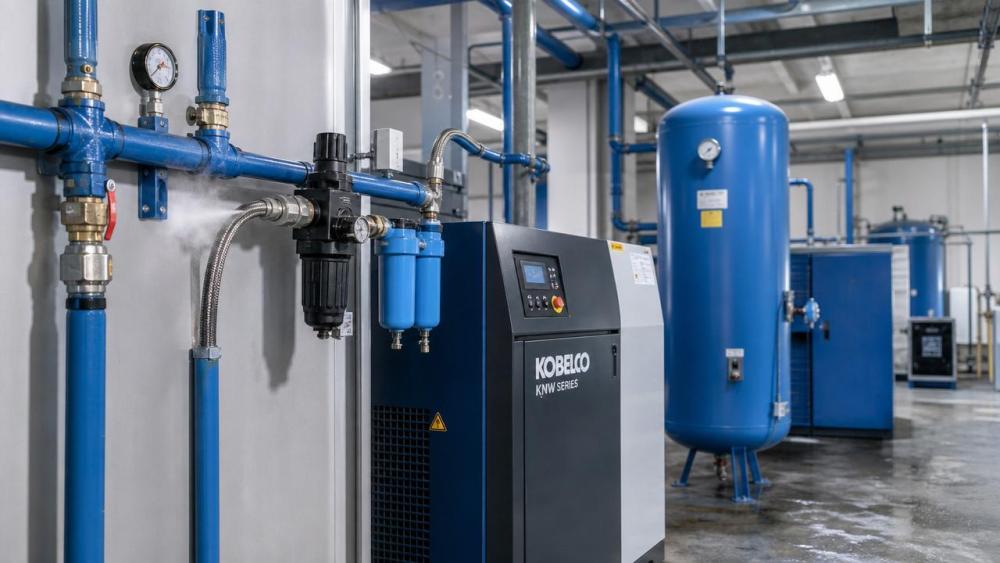
The hidden cost of air compression leakage is often underestimated because the system can continue operating while performance gradually declines. Operators may notice pressure drops, longer compressor loading time, unstable pneumatic tools, or moisture issues without immediately linking them to leaks. In plants where multiple lines share the same network, leakage also masks true system demand, making it harder to size equipment correctly or evaluate efficiency projects.
A useful way to understand air compression loss is to separate visible symptoms from root causes. Symptoms include rising electricity bills, poor end-use performance, frequent compressor starts, and unplanned maintenance. Root causes usually involve worn seals, vibration loosening joints, poor installation, lack of leak audits, and system expansion without proper pressure balancing. This distinction matters because replacing a compressor without fixing leakage may simply increase supply to a wasteful network.
Why Air Compression Leakage Has Become a Larger Industry Concern
Across general industry, air compression systems are under greater scrutiny due to energy cost volatility, carbon reduction targets, and higher expectations for process stability. Facilities are being asked to do more with existing utility infrastructure, and compressed air is an obvious place to look because leakage rates of 20% to 30% are still common in poorly managed systems. In some older networks, the figure can be even higher.
For intelligence platforms such as GTC-Matrix, this issue sits at the intersection of thermodynamics, power efficiency, and practical plant management. Air compression is not only about generating pressure; it is about converting electrical energy into usable pneumatic work with as little loss as possible. That is why leakage is no longer just a maintenance detail. It is a measurable indicator of energy conversion quality.
Business Impact Beyond the Utility Bill
The most obvious cost of air compression leaks is electricity, but the total impact is broader. When a compressor works harder to maintain target pressure, heat generation rises, wear accelerates, and maintenance intervals may shorten. In systems without variable speed optimization or sufficient storage, leaks can also contribute to load-unload inefficiency, which further increases operating expense.
Pressure loss is another important factor. Many facilities respond to weak end-point performance by increasing compressor discharge pressure. This approach can temporarily mask leakage, yet it usually raises energy consumption across the entire air compression system. In addition, over-pressurizing some end uses may increase tool wear, worsen blow-off practices, or create unnecessary safety concerns.
Leaks also affect planning quality. If demand data is distorted by continuous loss, decisions about compressor replacement, dryer sizing, piping upgrades, and control sequencing become less reliable. A site may invest in larger equipment when the more effective solution is to reduce leakage and rebalance distribution. From a financial perspective, leak repair is often one of the fastest-return efficiency measures available in air compression management.
- Higher electricity consumption and peak power demand
- Reduced pressure stability at critical points of use
- Increased compressor wear and maintenance frequency
- Less accurate capacity planning and asset investment decisions
- More difficulty meeting energy efficiency and decarbonization goals
Typical Leak Points and Operational Scenarios
Air compression leakage appears in almost every industrial setting, but patterns vary by equipment age, maintenance discipline, and application design. Systems with frequent vibration, movement, washdown, or reconfiguration tend to develop leaks faster. Distribution networks serving mixed processes are especially vulnerable because many small losses can remain hidden across a wide area.
Common scenarios include packaging lines with many quick-connect points, fabrication shops using portable tools, food processing areas with frequent washdown, and automated lines with dense pneumatic controls. In each case, air compression reliability depends not only on compressor performance but also on distribution integrity and disciplined end-use maintenance.
Practical Methods to Detect and Reduce Air Compression Leaks
Effective leak management begins with measurement rather than assumption. A structured air compression audit should compare compressor output, system pressure behavior, and actual end-use demand across different operating periods. Nighttime or non-production monitoring is particularly valuable because base load during idle hours often reveals leakage levels clearly.
Ultrasonic leak detection is widely used because it can identify high-frequency sound from escaping compressed air even in noisy industrial environments. Soap solution checks still have value for accessible joints, while pressure decay testing can support broader network assessment. For larger systems, sub-metering and digital monitoring help distinguish between process demand and background leakage.
- Map the air compression network, including compressors, storage, dryers, main headers, drops, and point-of-use devices.
- Measure demand during production and non-production hours to estimate baseline leakage.
- Prioritize high-volume leaks first, then address recurring low-volume leak clusters.
- Replace poor-quality fittings, aged hoses, and worn seals with application-appropriate components.
- Review system pressure setpoints after repairs to avoid unnecessary over-pressurization.
- Build leak inspection into preventive maintenance instead of treating it as a one-time project.
Just as important, not every use of compressed air should remain unchanged. Some open blowing, cooling, or cleaning practices consume excessive air whether or not leaks are present. Reviewing these applications can reduce total air compression demand and lower the chance that operators compensate for performance issues by raising pressure.
Implementation Priorities for More Efficient Daily Operation
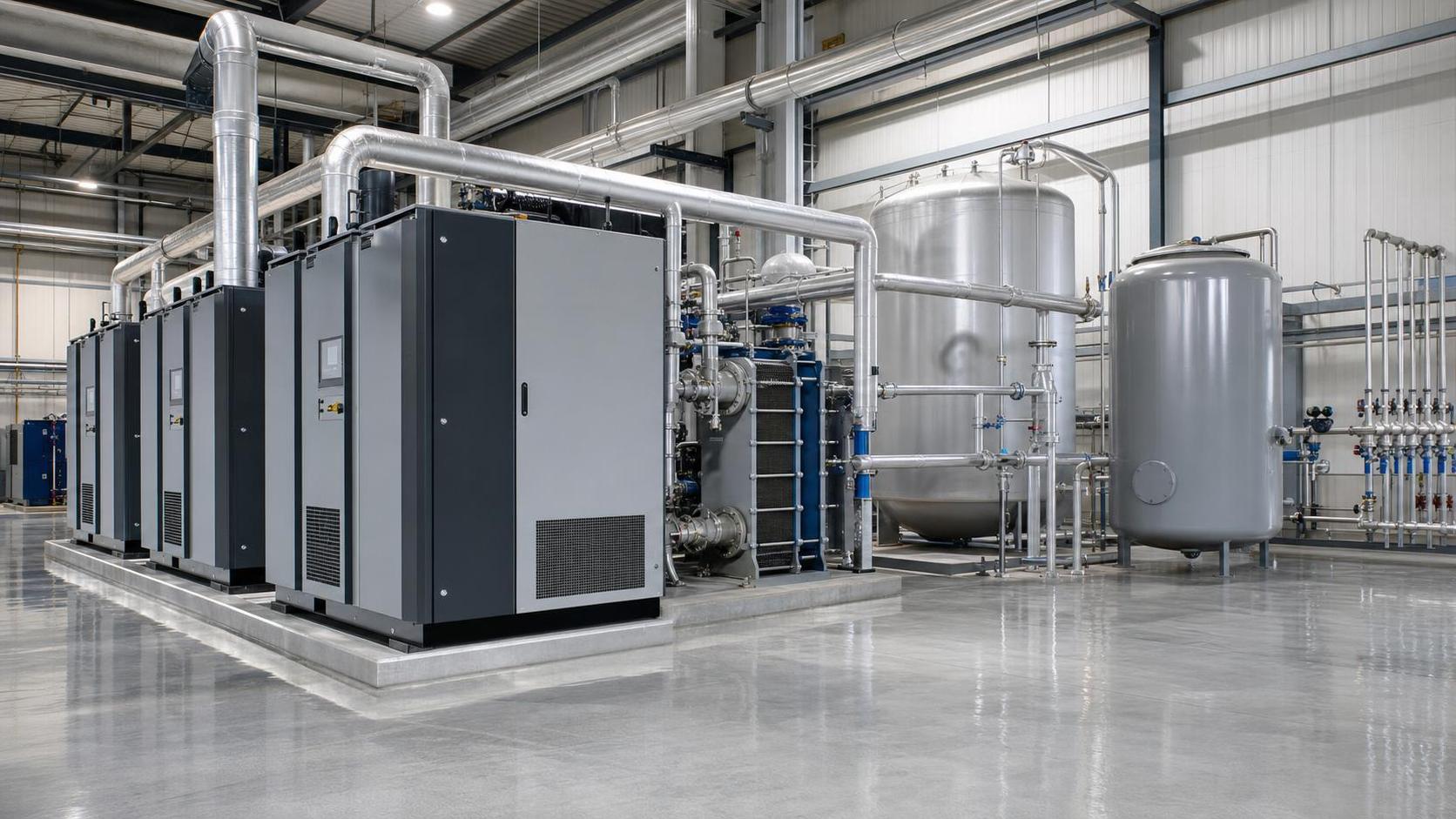
The strongest results usually come from combining leak repair with broader air compression optimization. This includes proper storage volume, stable pressure control, dryer and filter maintenance, clean piping layout, and clear accountability for utility performance. Facilities that document leak locations, repair dates, estimated savings, and recurrence patterns create a better basis for continuous improvement.
A practical next step is to treat compressed air as a managed energy asset rather than a background utility. Start with a leak survey in the most critical production zone, quantify idle-hour demand, and compare that figure with expected process needs. Then schedule targeted repairs, verify pressure stability afterward, and update maintenance routines so the same air compression losses do not return. With this approach, hidden waste becomes visible, controllable, and financially meaningful—supporting more reliable operation and better energy performance across the entire industrial system.
Related News
- China Expands Cross-Border RMB and FX Cash Pooling NationwideAuthor :Pneumatic Power Engineer

- How to Size Air Compressor Systems for Pneumatics by Flow and Pressure DemandAuthor :Pneumatic Power Engineer

- How Energy Recovery Systems for Compressors Cut Power CostsAuthor :Pneumatic Power Engineer

- How to Evaluate Screw Compressors in Industrial Refrigeration EquipmentAuthor :Pneumatic Power Engineer

- India Makes BIS Certification Mandatory for Screw CompressorsAuthor :Pneumatic Power Engineer

- China Tightens Export Filing for Screw CompressorsAuthor :Pneumatic Power Engineer

- SABIC Sets IoT Interface Rule for Screw CompressorsAuthor :Pneumatic Power Engineer

- Industrial Heat Recovery Systems for Compressors: When Do Energy Savings Pay Back?Author :Pneumatic Power Engineer

- EU Tightens REACH Limit for Screw Compressor LubricantsAuthor :Pneumatic Power Engineer

- EU Opens China Screw Compressor Review With Carbon RuleAuthor :Pneumatic Power Engineer

- DOE Mandates AHRI 1000-2026 for Screw CompressorsAuthor :Pneumatic Power Engineer

- VDMA Filing Signals EU Risk for Chinese Oil Screw CompressorsAuthor :Pneumatic Power Engineer
![]()
- Screw vs Piston Air Compressors for Stable Plant OutputAuthor :Pneumatic Power Engineer

- Saudi SASO Tightens Refrigerant Limits in IEC 60335-2-40:2026Author :Pneumatic Power Engineer

- IIR Warns of 18-Week Lead Times for Screw CompressorsAuthor :Pneumatic Power Engineer

- Welded Compressed Air Manifold Selection Guide for Pressure Stability and LeaksAuthor :Pneumatic Power Engineer

- India BIS Rule Adds IS 16830 Requirement for Imported Screw CompressorsAuthor :Pneumatic Power Engineer

- What to Check Before Choosing a Compressed Air FactoryAuthor :Pneumatic Power Engineer

- China Tightens Export Checks on Screw CompressorsAuthor :Pneumatic Power Engineer

- Screw Compressor Lead Times Reach 22 WeeksAuthor :Pneumatic Power Engineer

- Vietnam Requires QR Labels on Imported Screw CompressorsAuthor :Pneumatic Power Engineer

- Compressed Air Technologies Filtration: How to Reduce Pressure Drop and Energy LossAuthor :Pneumatic Power Engineer

- STSPIN830 Lead Time Tops 32 Weeks in Screw CompressorsAuthor :Pneumatic Power Engineer

- IGBT Shortage Extends Screw Compressor Lead TimesAuthor :Pneumatic Power Engineer

- Compressed Air Systems: 7 Hidden Costs That Raise Total Operating ExpenseAuthor :Pneumatic Power Engineer

- Compressed Air Efficiency: 7 Hidden Losses That Raise Operating CostsAuthor :Pneumatic Power Engineer

- How to Compare Screw vs Oil-Free Air Compression SystemsAuthor :Pneumatic Power Engineer

- Compressed Air Leaks: What They Really Cost in Daily OperationsAuthor :Pneumatic Power Engineer

- DOE Moves Up R449A Chiller Deadline to March 2027Author :Pneumatic Power Engineer

- How Compression Technology Cuts Energy Use in Modern PlantsAuthor :Pneumatic Power Engineer

- EU Adds GB 18613-2025 to Import Energy ChecksAuthor :Pneumatic Power Engineer

- EU CE Rule Adds SRA for R290 Compressor ImportsAuthor :Pneumatic Power Engineer

- Compressed Air Leaks: Hidden Costs and Practical Ways to Reduce LossesAuthor :Pneumatic Power Engineer

- Kunming Sourcing Festival Adds Thermal & Compression HubAuthor :Pneumatic Power Engineer

- Compressed Air Efficiency: Where Energy Losses Usually StartAuthor :Pneumatic Power Engineer

- US 3-Year Treasury Yield Rise Pressures Compressor Export QuotesAuthor :Pneumatic Power Engineer