



Compressed Air Technology: Hidden Energy Losses to Fix in 2026




Compressed air technology remains a backbone utility across packaging, metals, food, chemicals, electronics, logistics, and general manufacturing. Yet many systems still waste substantial energy every hour.
As 2026 approaches, the largest savings will not come from slogans alone. They will come from fixing hidden losses inside generation, storage, distribution, controls, and end use.
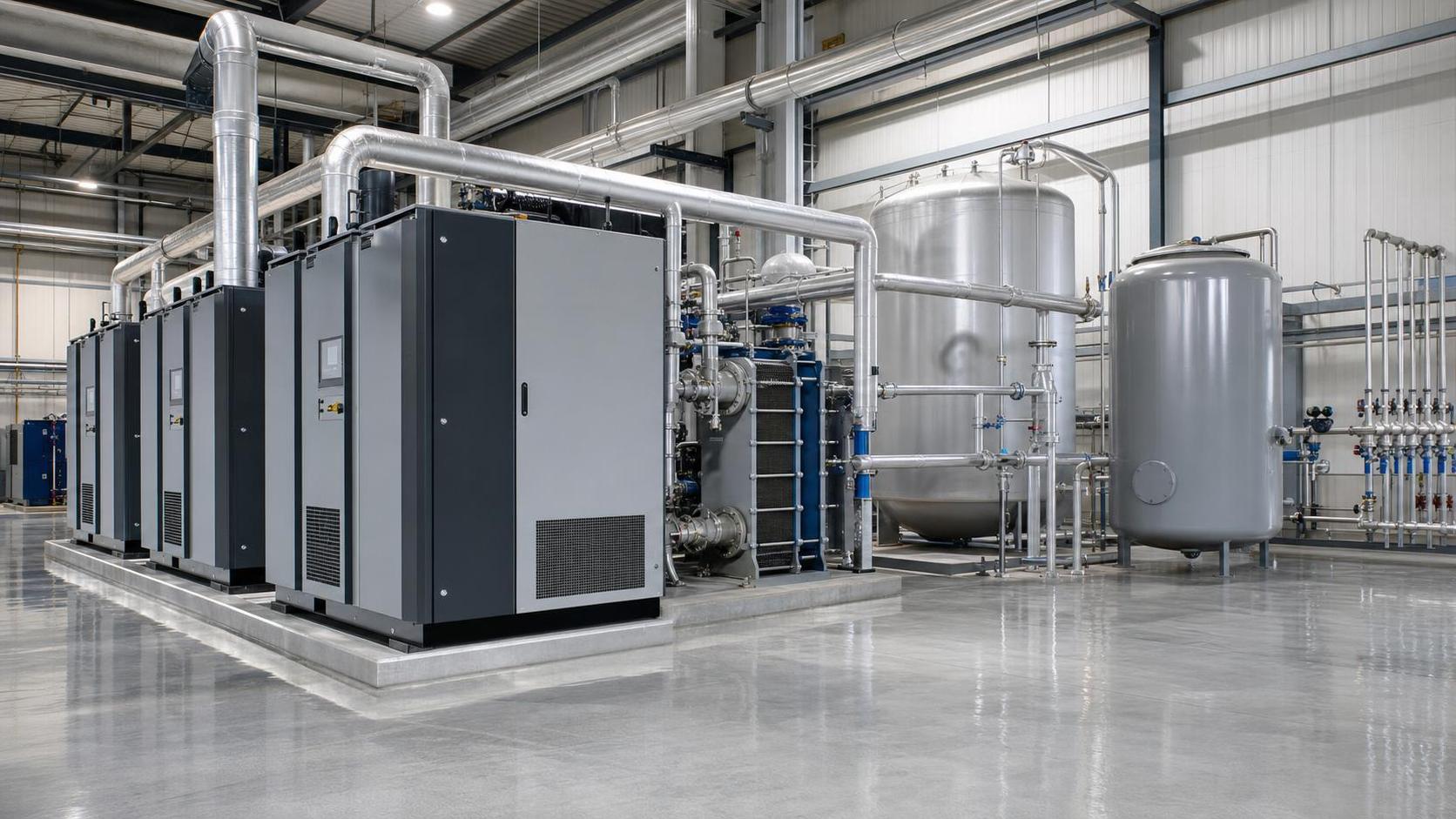
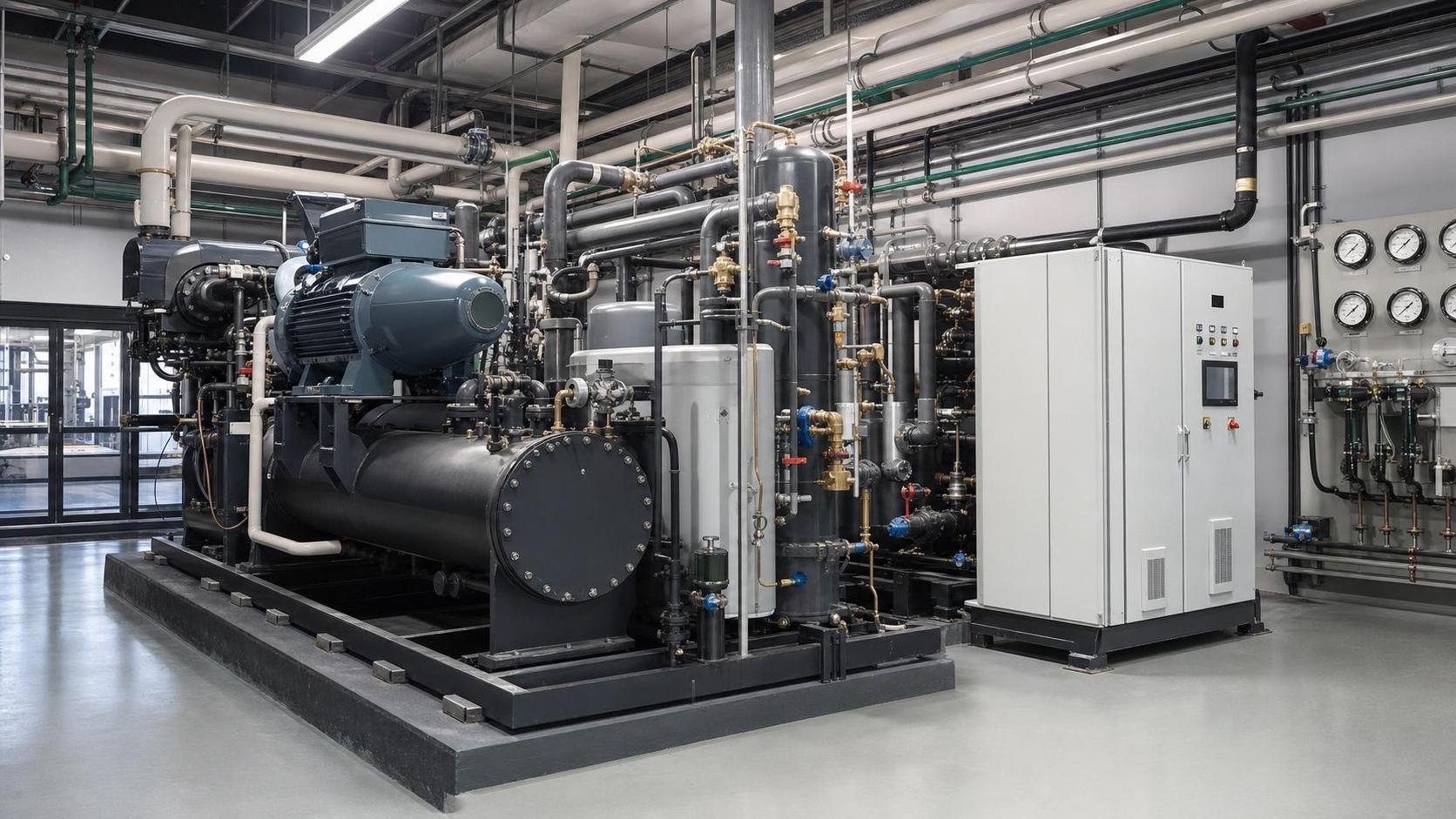
For industrial decision-making, compressed air technology should be treated as a complete thermodynamic system, not only as a compressor purchase. That distinction changes cost, uptime, and carbon results.
What makes compressed air technology so energy-intensive?
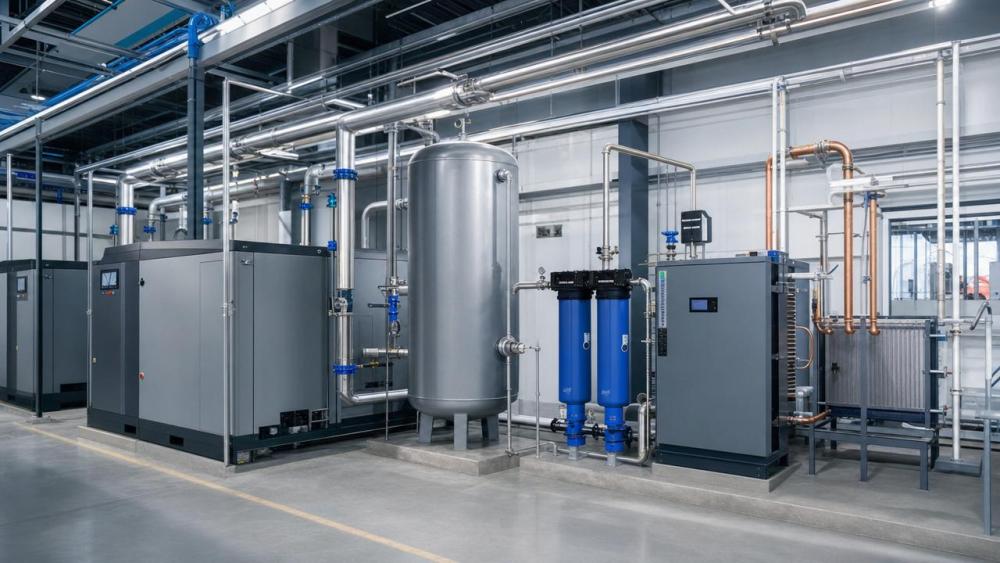
Compressed air technology is convenient, flexible, and clean at the point of use. However, converting electricity into compressed air is inherently inefficient compared with direct electric motion.
A large share of input power becomes heat during compression. If that heat is not recovered, operating cost rises while useful energy disappears into the plant atmosphere.
Losses also build through pressure drop, poor controls, artificial demand, leakage, and oversized equipment. Each issue may appear small, but together they can reshape total lifecycle cost.
In broad industrial settings, compressed air technology often serves as a hidden utility. Because it is familiar, many facilities monitor it less rigorously than steam, electricity, or chilled water.
That blind spot is costly. Rising power prices, tighter emissions expectations, and digital benchmarking are making compressed air technology a visible performance target for 2026 planning.
Where do the biggest hidden energy losses usually occur?
The most common hidden losses are not mysterious. They are simply undermeasured. In most plants, four areas deserve immediate inspection before any large capital replacement.
1. Leakage across the distribution network
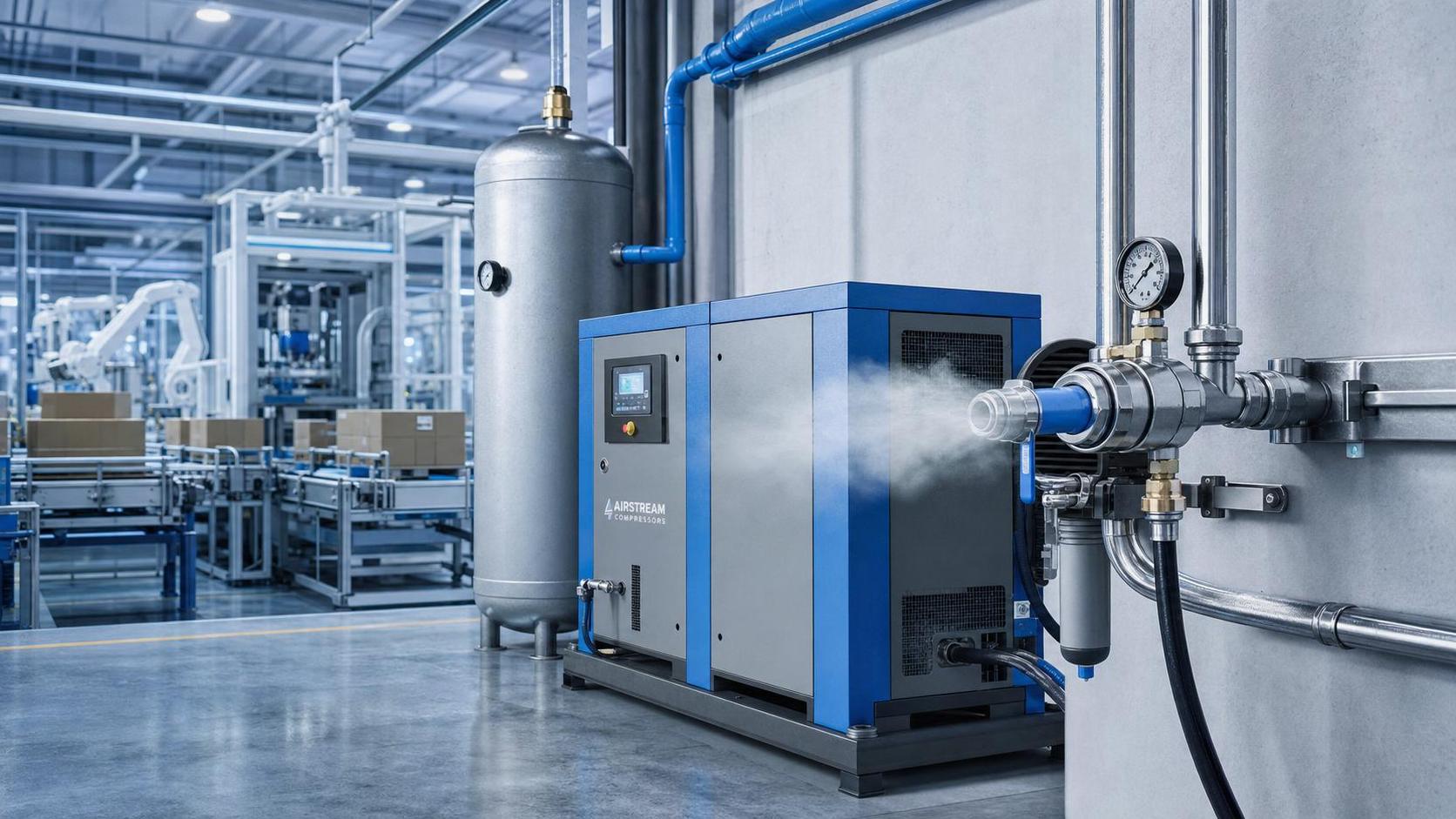
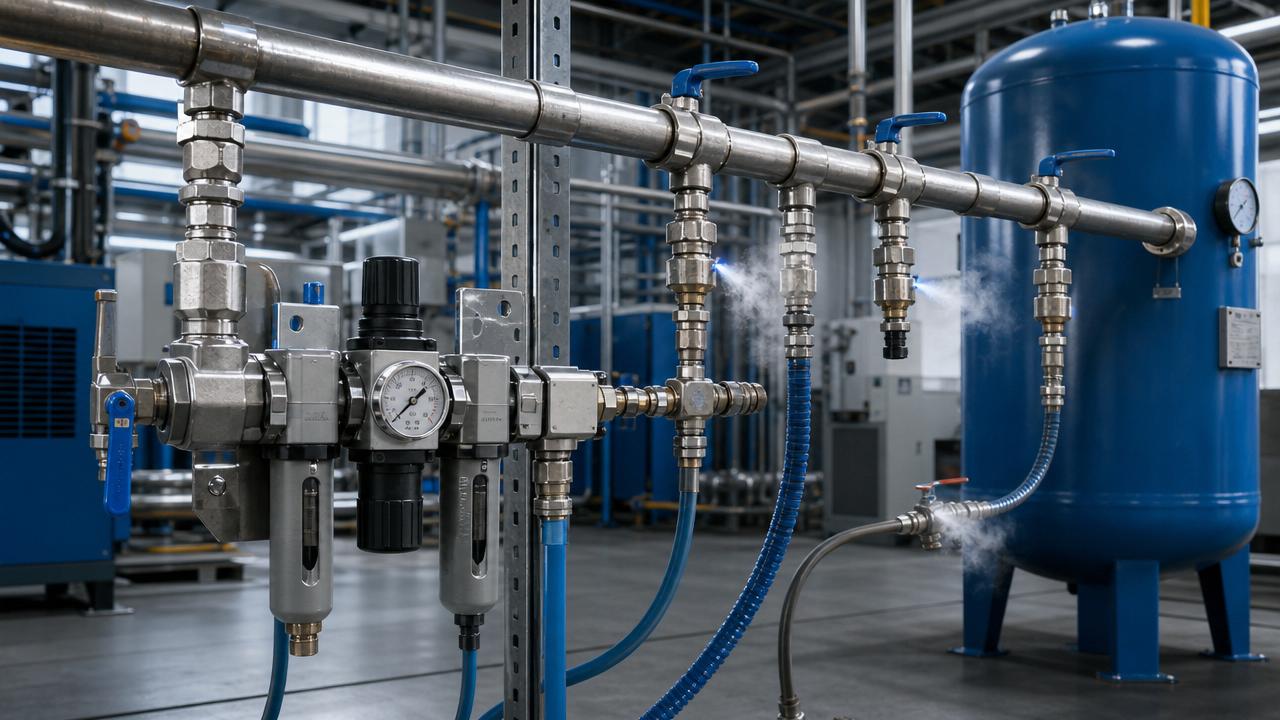
Leaks at joints, hoses, quick-connects, drains, and neglected branches can consume a surprisingly large percentage of generated air. Systems running during off-shift periods often expose this problem.
A leak that seems minor by sound can still create a constant power burden. In aging facilities, leakage compounds with maintenance backlogs and undocumented line modifications.
2. Excess pressure and artificial demand
Many systems run at higher pressure than processes truly require. Every unnecessary pressure increase raises compressor power demand and can intensify leakage rates at the same time.
Artificial demand appears when unregulated users consume more air simply because pressure is available. Blow-off cleaning, open nozzles, and unsuitable pneumatic tools are frequent examples.
3. Pressure drop from poor system design
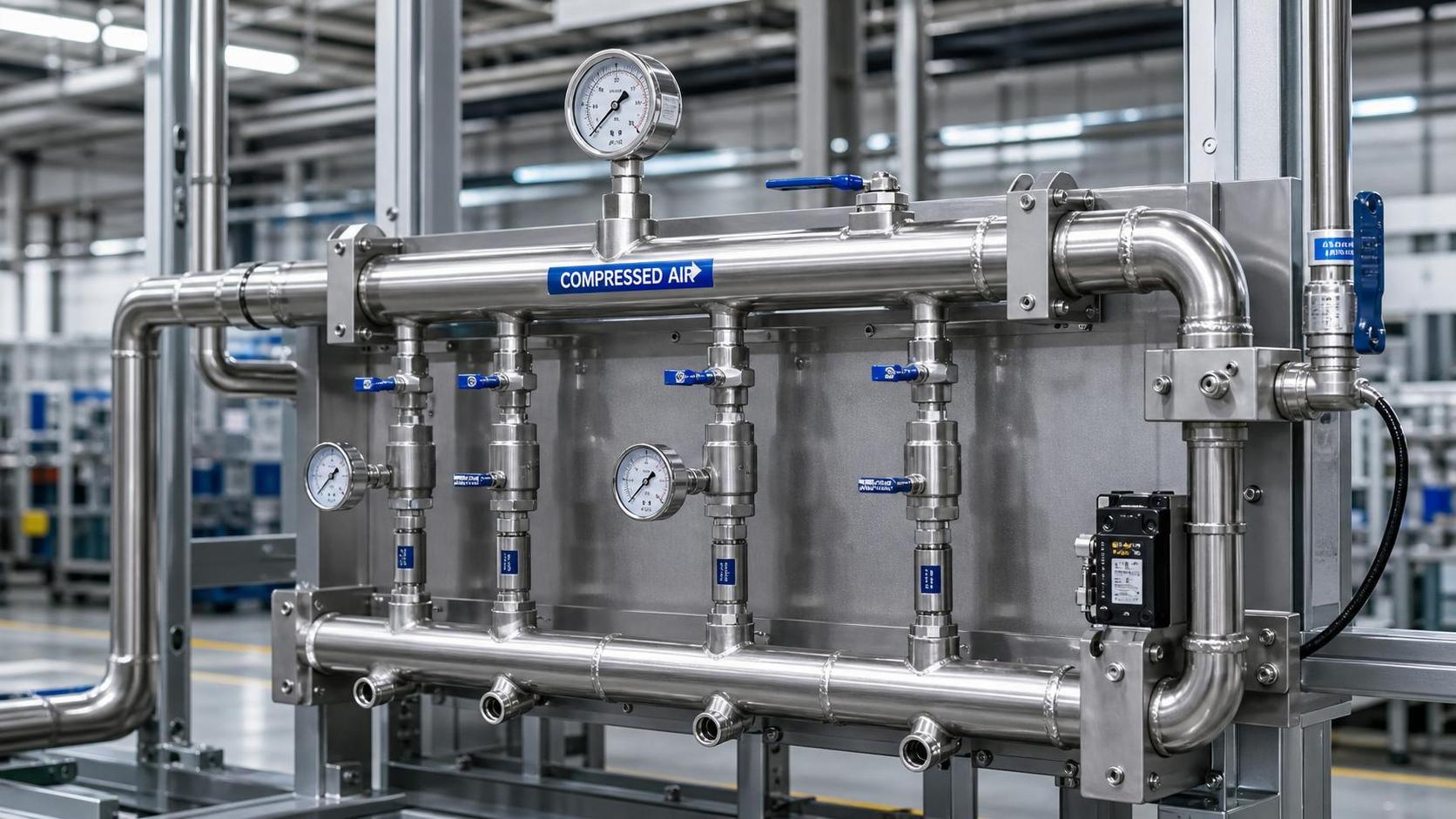
Undersized piping, clogged filters, long routing, and badly selected dryers can force compressors to produce higher discharge pressure just to maintain acceptable point-of-use conditions.
This issue is common after plant expansions. New loads get connected, but network design stays unchanged. The result is a hidden tax on the entire compressed air technology system.
4. Inefficient control sequencing
Multiple compressors operating without coordinated logic often waste energy at partial load. Machines may fight each other, short-cycle, or remain online when storage and demand profiles say otherwise.
Variable speed technology can help, but it is not a universal cure. Poorly applied controls can shift losses instead of removing them.
How can facilities tell whether compressed air technology is mismatched to actual demand?
Mismatch appears when installed supply, storage, treatment, and controls do not reflect real operating patterns. This is especially common in mixed-use industrial environments.
Key warning signs include unstable pressure, repeated compressor load-unload cycling, high off-hours energy use, oversized standby capacity, and poor product consistency in air-sensitive processes.
Another signal is overinvestment in generation while end uses remain inefficient. Plants sometimes buy new compressors before checking leaks, regulators, nozzles, or inappropriate pneumatic applications.
A practical diagnosis usually starts with data logging. Measure power, flow, pressure, dew point, and operating states across representative shifts, weekends, and seasonal production changes.
Compressed air technology should then be mapped against process criticality. Not every load needs the same pressure, air quality, or redundancy level. Segmentation often unlocks major savings.
- Separate critical and noncritical loads.
- Identify intermittent, base, and peak demand patterns.
- Review storage placement near dynamic users.
- Check whether direct electric alternatives can replace air use.
Which mistakes create the highest risk in 2026 upgrade decisions?
The biggest mistake is treating compressed air technology as isolated equipment rather than a system connected to thermal management, energy tariffs, maintenance practice, and production variability.
Another common mistake is chasing nameplate efficiency without understanding operating profile. A highly efficient compressor can still perform poorly inside a badly managed network.
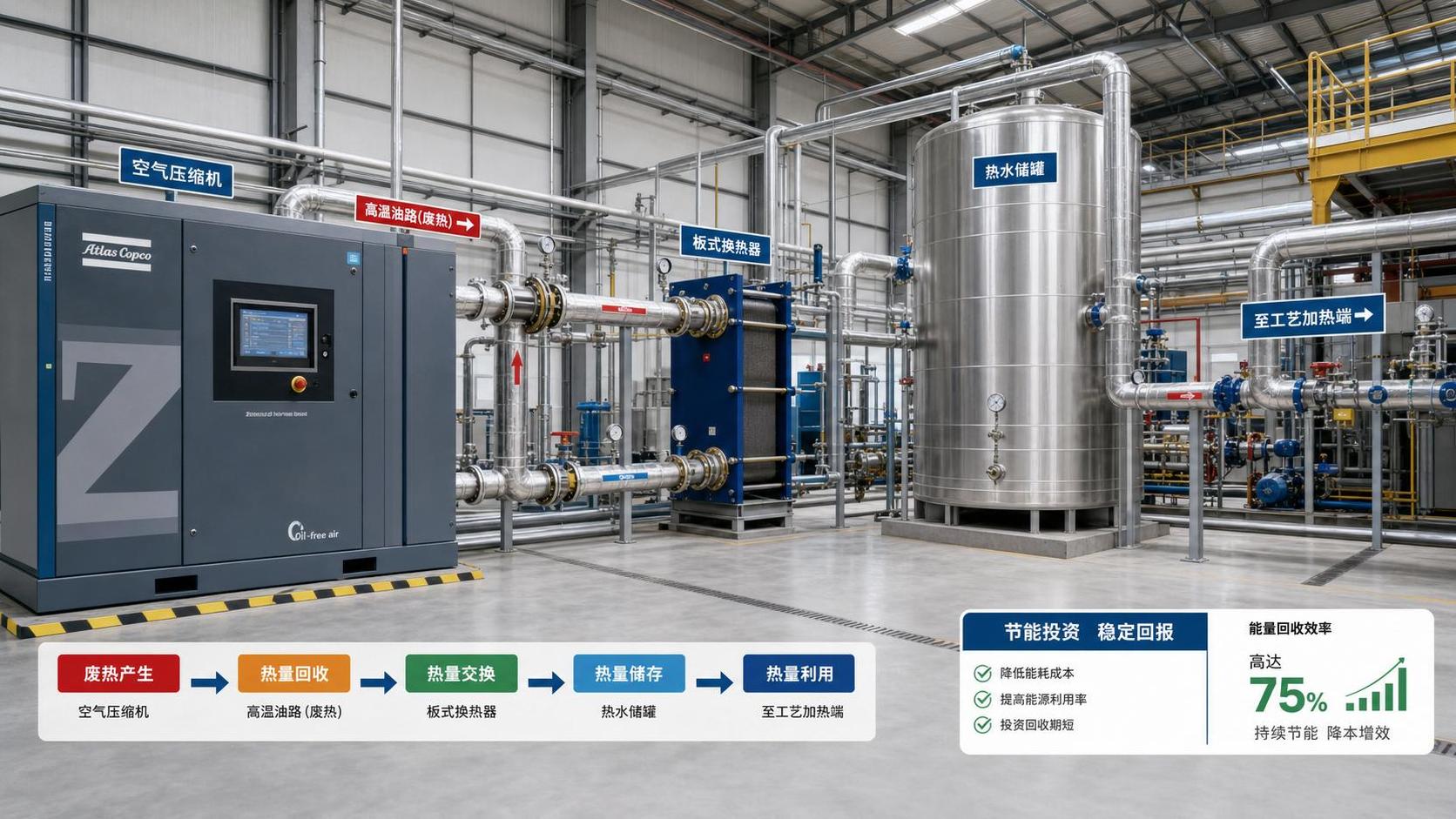
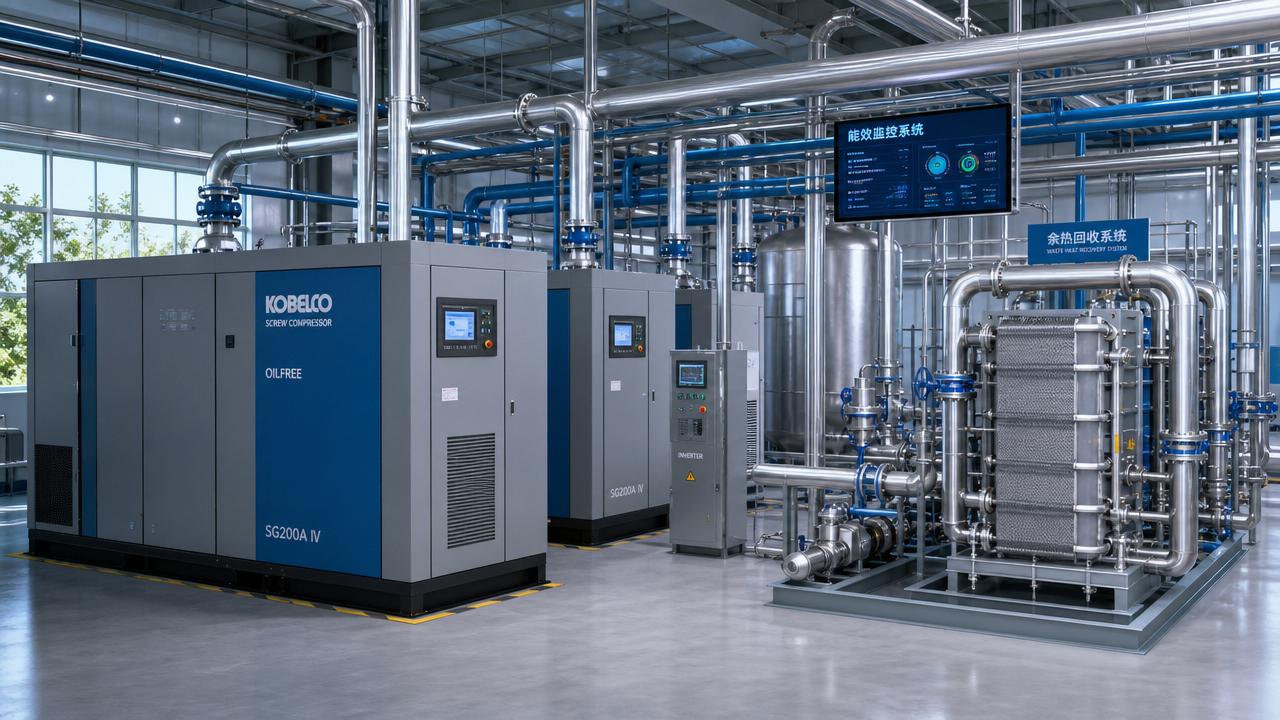
Ignoring heat recovery is also expensive. Compression produces recoverable thermal energy that can support space heating, hot water, or process preheating in suitable industrial settings.
Water management errors matter too. Condensate handling, dryer selection, and drain reliability affect not only energy but also product quality, corrosion risk, and downstream maintenance cost.
Finally, many upgrades fail because baseline data is weak. Without validated before-and-after metrics, organizations cannot confirm savings or sustain operational discipline.
What should be prioritized first: leaks, controls, new equipment, or heat recovery?
In most cases, start with measurement and fast operational corrections. Compressed air technology improves fastest when low-capital losses are removed before major equipment decisions are made.
A practical sequence often looks like this:
- Establish a verified energy and flow baseline.
- Repair leaks and remove inappropriate end uses.
- Reduce pressure and pressure drop where possible.
- Optimize controls, storage, and sequencing.
- Review dryers, filters, and condensate management.
- Only then size replacement equipment or expansion capacity.
- Evaluate heat recovery as part of plant thermal strategy.
This order reduces the risk of oversizing new assets. It also supports stronger return calculations and clearer decarbonization reporting across general industrial operations.
For intelligence-led planning, GTC-Matrix emphasizes that compressed air technology should be benchmarked alongside cooling, heat exchange, and broader energy conversion performance.
How can 2026 planning turn compressed air technology into a strategic advantage?
The strongest 2026 strategies will combine utility transparency, thermodynamic awareness, and digital verification. That means linking compressed air technology to both production reliability and energy governance.
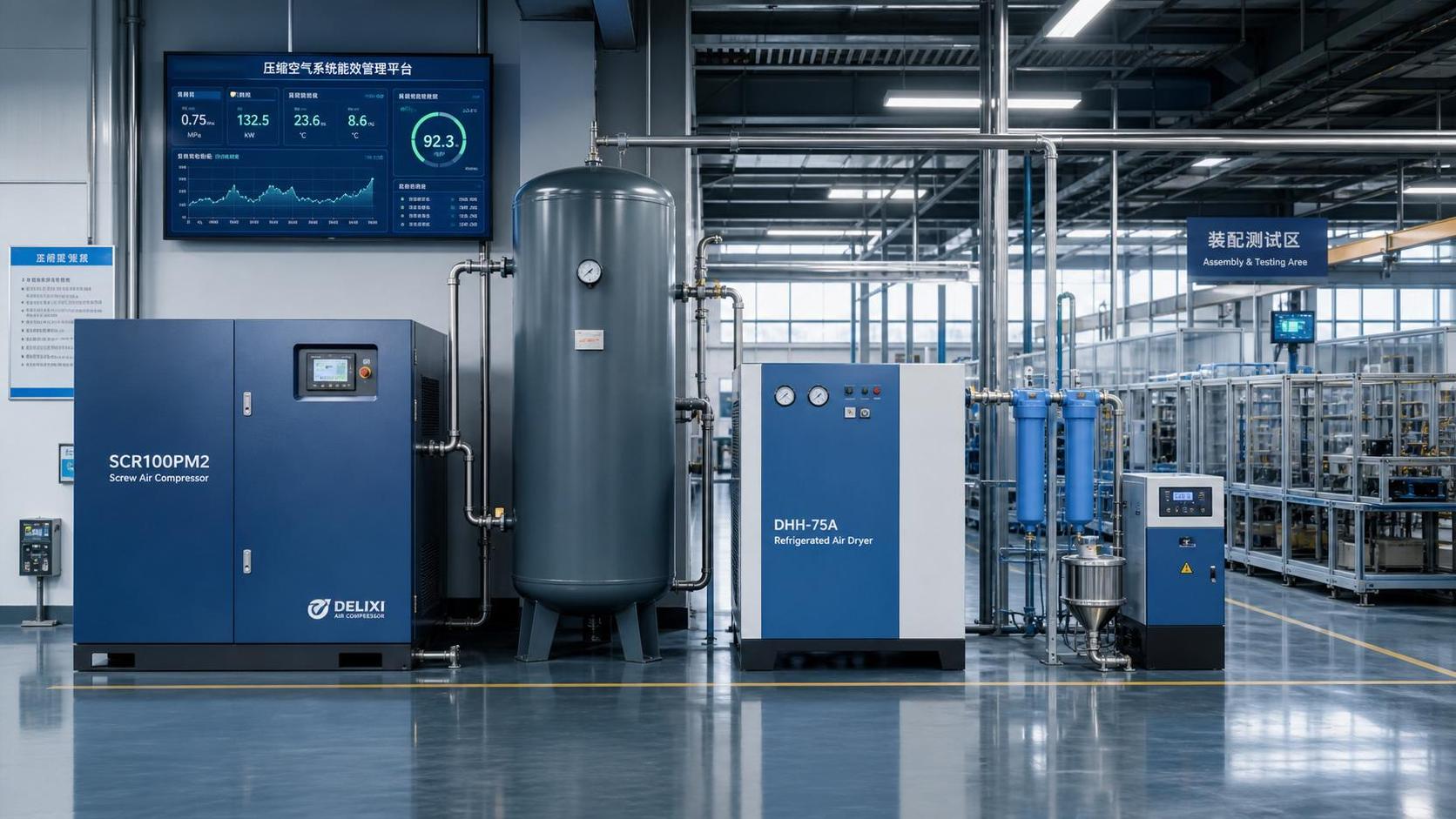
Facilities should build a system view that includes compressor room efficiency, network integrity, demand quality, thermal recovery potential, and maintenance responsiveness.
Short review cycles matter. Monthly trend checks can reveal deteriorating filters, recurring leaks, drifting pressure bands, or control conflicts before they become budget problems.
Where operations span multiple sites, standardized compressed air technology indicators help compare performance fairly. Useful metrics include specific power, leak load, pressure stability, and recoverable heat utilization.
The goal is not only lower electricity use. It is stronger uptime, cleaner process support, better maintenance planning, and improved resilience against volatile energy costs.
Compressed air technology FAQ at a glance
Compressed air technology can no longer remain an invisible utility. In 2026, the real opportunity lies in exposing hidden losses and correcting them with system-level discipline.
Start with measured evidence, not assumptions. Fix leaks, pressure issues, and control gaps first. Then align equipment, treatment, and heat recovery with genuine operating needs.
That approach delivers lower cost, stronger reliability, and more credible sustainability progress across the wider industrial energy landscape.
Related News
- How Should Energy Management Systems Handle Compressor Load Changes?Author :Pneumatic Power Engineer

- Which Maintenance Issues Reduce Air Compressor Efficiency?Author :Pneumatic Power Engineer

- How Much Energy Can Variable-Speed Screw Compressors Save?Author :Pneumatic Power Engineer

- China Expands Cross-Border RMB and FX Cash Pooling NationwideAuthor :Pneumatic Power Engineer

- How to Size Air Compressor Systems for Pneumatics by Flow and Pressure DemandAuthor :Pneumatic Power Engineer

- How Energy Recovery Systems for Compressors Cut Power CostsAuthor :Pneumatic Power Engineer

- How to Evaluate Screw Compressors in Industrial Refrigeration EquipmentAuthor :Pneumatic Power Engineer

- India Makes BIS Certification Mandatory for Screw CompressorsAuthor :Pneumatic Power Engineer

- China Tightens Export Filing for Screw CompressorsAuthor :Pneumatic Power Engineer

- SABIC Sets IoT Interface Rule for Screw CompressorsAuthor :Pneumatic Power Engineer

- Industrial Heat Recovery Systems for Compressors: When Do Energy Savings Pay Back?Author :Pneumatic Power Engineer

- EU Tightens REACH Limit for Screw Compressor LubricantsAuthor :Pneumatic Power Engineer

- EU Opens China Screw Compressor Review With Carbon RuleAuthor :Pneumatic Power Engineer

- DOE Mandates AHRI 1000-2026 for Screw CompressorsAuthor :Pneumatic Power Engineer

- VDMA Filing Signals EU Risk for Chinese Oil Screw CompressorsAuthor :Pneumatic Power Engineer
![]()
- Screw vs Piston Air Compressors for Stable Plant OutputAuthor :Pneumatic Power Engineer

- Saudi SASO Tightens Refrigerant Limits in IEC 60335-2-40:2026Author :Pneumatic Power Engineer

- IIR Warns of 18-Week Lead Times for Screw CompressorsAuthor :Pneumatic Power Engineer

- Welded Compressed Air Manifold Selection Guide for Pressure Stability and LeaksAuthor :Pneumatic Power Engineer

- India BIS Rule Adds IS 16830 Requirement for Imported Screw CompressorsAuthor :Pneumatic Power Engineer

- What to Check Before Choosing a Compressed Air FactoryAuthor :Pneumatic Power Engineer

- China Tightens Export Checks on Screw CompressorsAuthor :Pneumatic Power Engineer

- Screw Compressor Lead Times Reach 22 WeeksAuthor :Pneumatic Power Engineer

- Vietnam Requires QR Labels on Imported Screw CompressorsAuthor :Pneumatic Power Engineer

- Compressed Air Technologies Filtration: How to Reduce Pressure Drop and Energy LossAuthor :Pneumatic Power Engineer

- STSPIN830 Lead Time Tops 32 Weeks in Screw CompressorsAuthor :Pneumatic Power Engineer

- IGBT Shortage Extends Screw Compressor Lead TimesAuthor :Pneumatic Power Engineer

- Compressed Air Systems: 7 Hidden Costs That Raise Total Operating ExpenseAuthor :Pneumatic Power Engineer

- Compressed Air Efficiency: 7 Hidden Losses That Raise Operating CostsAuthor :Pneumatic Power Engineer

- How to Compare Screw vs Oil-Free Air Compression SystemsAuthor :Pneumatic Power Engineer

- Compressed Air Leaks: What They Really Cost in Daily OperationsAuthor :Pneumatic Power Engineer

- DOE Moves Up R449A Chiller Deadline to March 2027Author :Pneumatic Power Engineer

- How Compression Technology Cuts Energy Use in Modern PlantsAuthor :Pneumatic Power Engineer

- EU Adds GB 18613-2025 to Import Energy ChecksAuthor :Pneumatic Power Engineer

- EU CE Rule Adds SRA for R290 Compressor ImportsAuthor :Pneumatic Power Engineer

- Compressed Air Leaks: Hidden Costs and Practical Ways to Reduce LossesAuthor :Pneumatic Power Engineer