High-Efficiency Manufacturing and the Next Wave of Screw Compressors




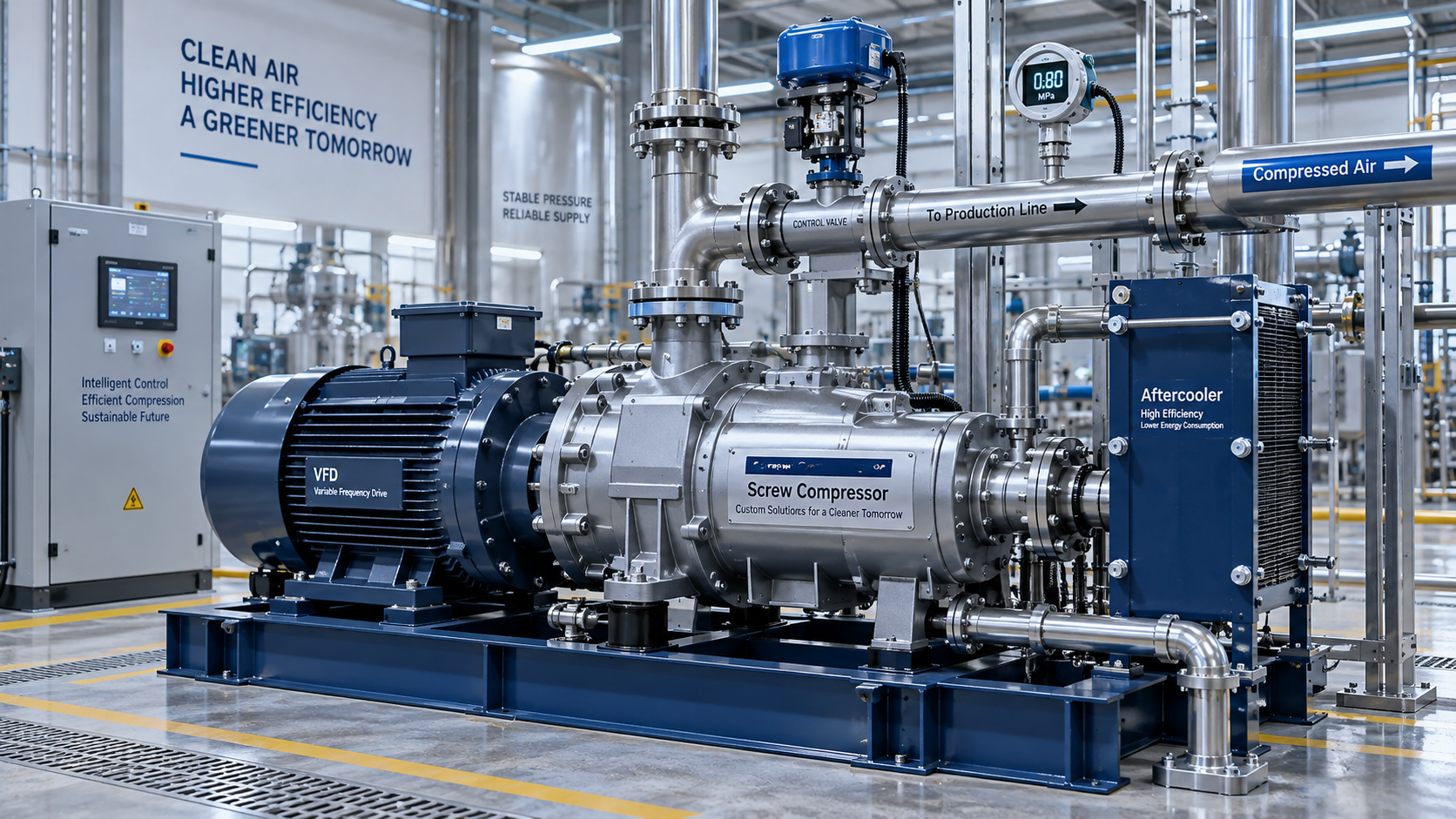
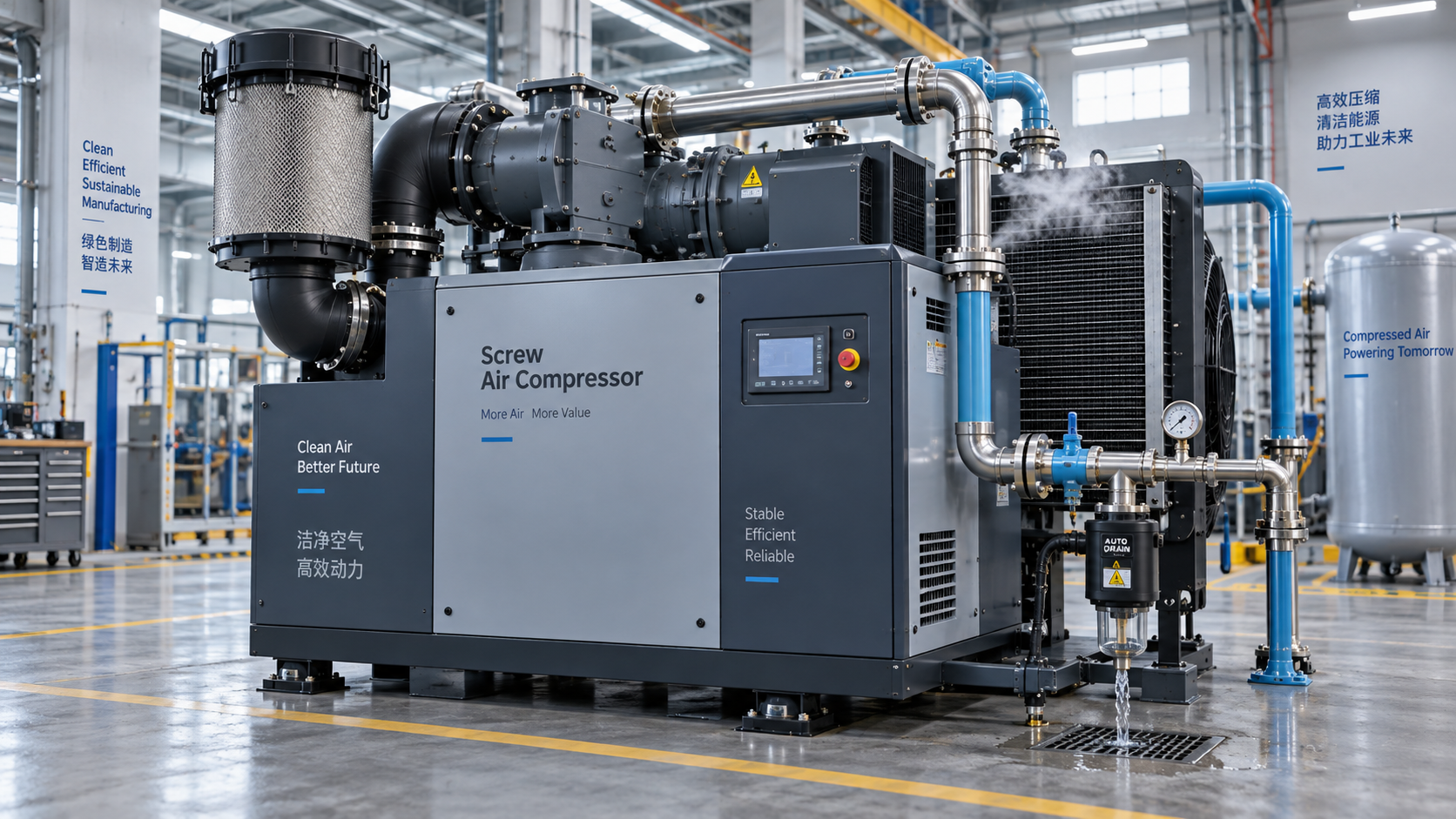
In the race toward high-efficiency manufacturing, screw compressors are no longer background utilities. They now shape energy intensity, uptime, product consistency, and carbon performance across diverse industrial systems.
That shift matters because compressed air often ranks among the most expensive hidden energy loads in production. When efficiency targets tighten, compressor strategy becomes a board-level operations issue.
The next wave of screw compressors is defined by smarter controls, lower leakage, oil-free performance, heat recovery, and lifecycle intelligence. Together, these advances support high-efficiency manufacturing in measurable, practical ways.
For an intelligence platform such as GTC-Matrix, the signal is clear. Thermodynamics, digitalization, and decarbonization are converging around compression systems with unusual speed.
Why screw compressors are moving to the center of high-efficiency manufacturing
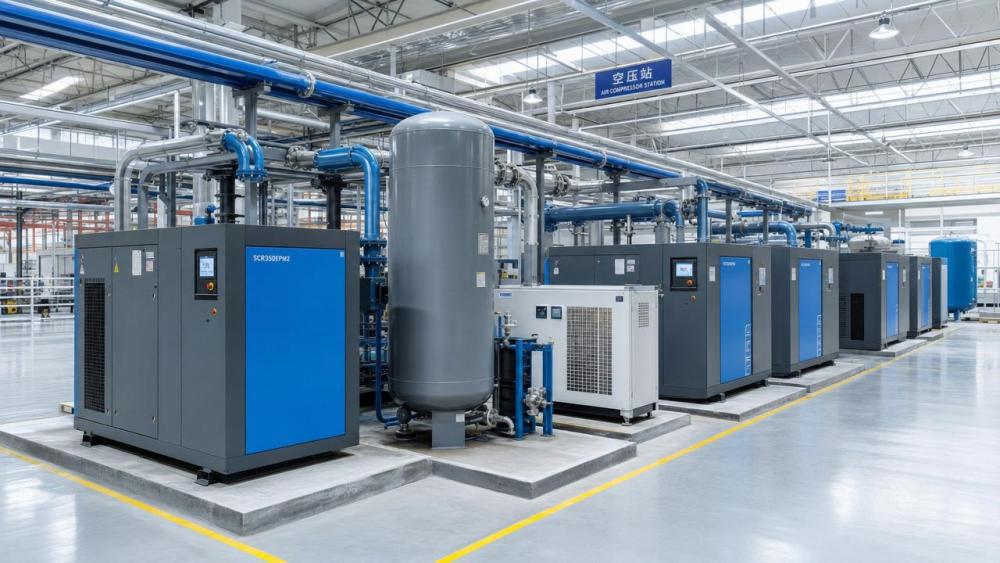
Industrial plants are under pressure from volatile electricity prices, stricter emissions goals, and tighter quality tolerances. These forces are pushing screw compressors from a maintenance topic into a strategic efficiency decision.
In many facilities, compressed air systems still suffer from oversizing, poor sequencing, unstable pressure bands, and avoidable leakage. Those weaknesses directly undermine high-efficiency manufacturing performance.
At the same time, production lines are becoming more automated and more sensitive to air quality. Semiconductor, pharmaceutical, food, electronics, packaging, and precision assembly all require stable, clean, and efficient compressed air.
This explains why the screw compressor market is evolving beyond hardware specifications alone. Buyers increasingly evaluate total system efficiency, controllability, heat utilization, service predictability, and integration with plant data platforms.
The strongest trend signals behind the next generation of screw compressors
Several trend signals show why screw compressors are central to high-efficiency manufacturing. The market is not changing in one direction only. It is moving across technology, energy policy, and operating economics at once.
Signal one: variable demand is replacing steady-state assumptions
Modern production rarely runs at perfectly stable loads. Variable-speed screw compressors are gaining share because they match airflow to demand more precisely and reduce unloaded energy waste.
Signal two: oil-free air is expanding beyond niche applications
As contamination risks become costlier, oil-free screw compressors are spreading into sectors where quality assurance and downstream cleanliness directly affect product value and compliance.
Signal three: waste heat is becoming a recoverable asset
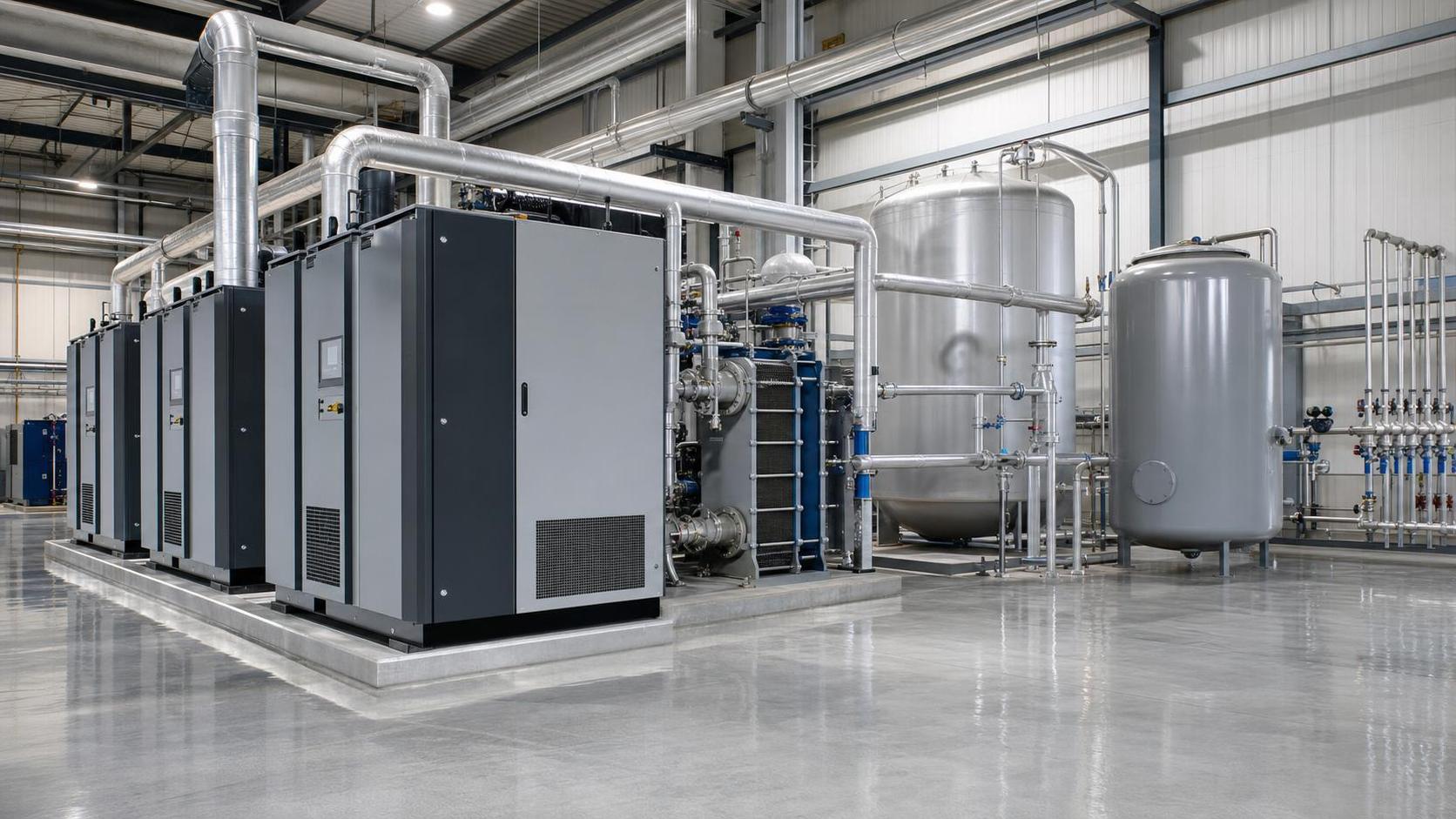
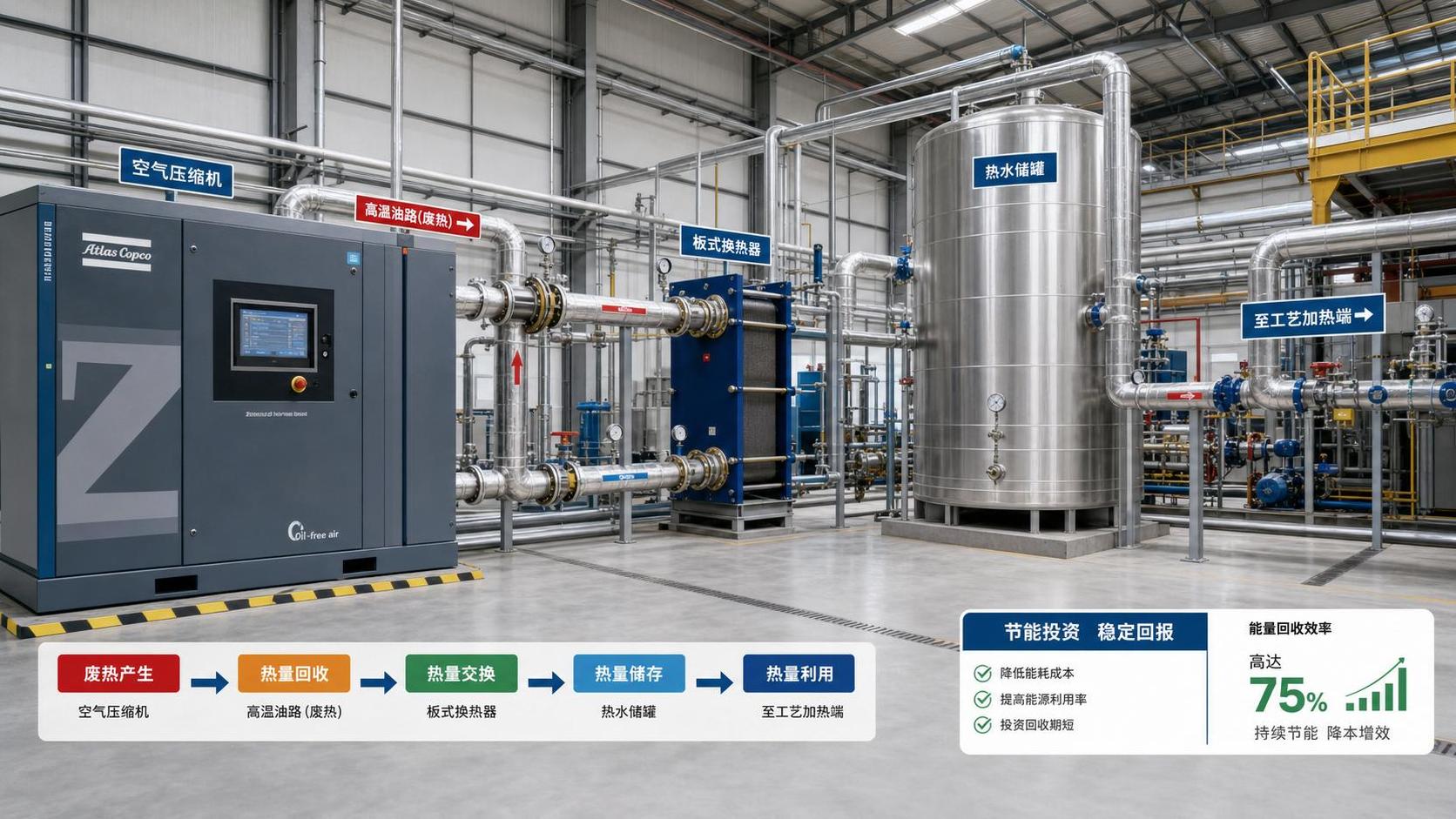
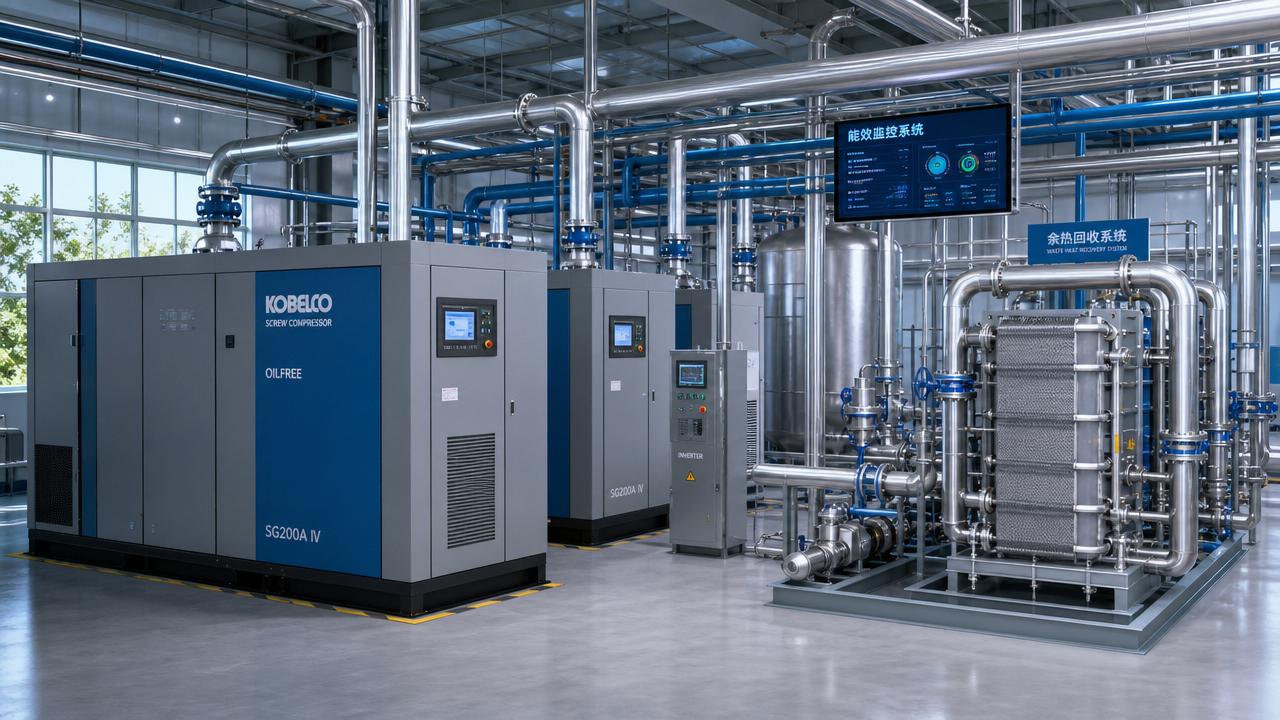
Compression generates heat, and that heat can be reused. Plants pursuing high-efficiency manufacturing increasingly connect compressors to water heating, space heating, or process preheating loops.
Signal four: control software now matters as much as rotor design
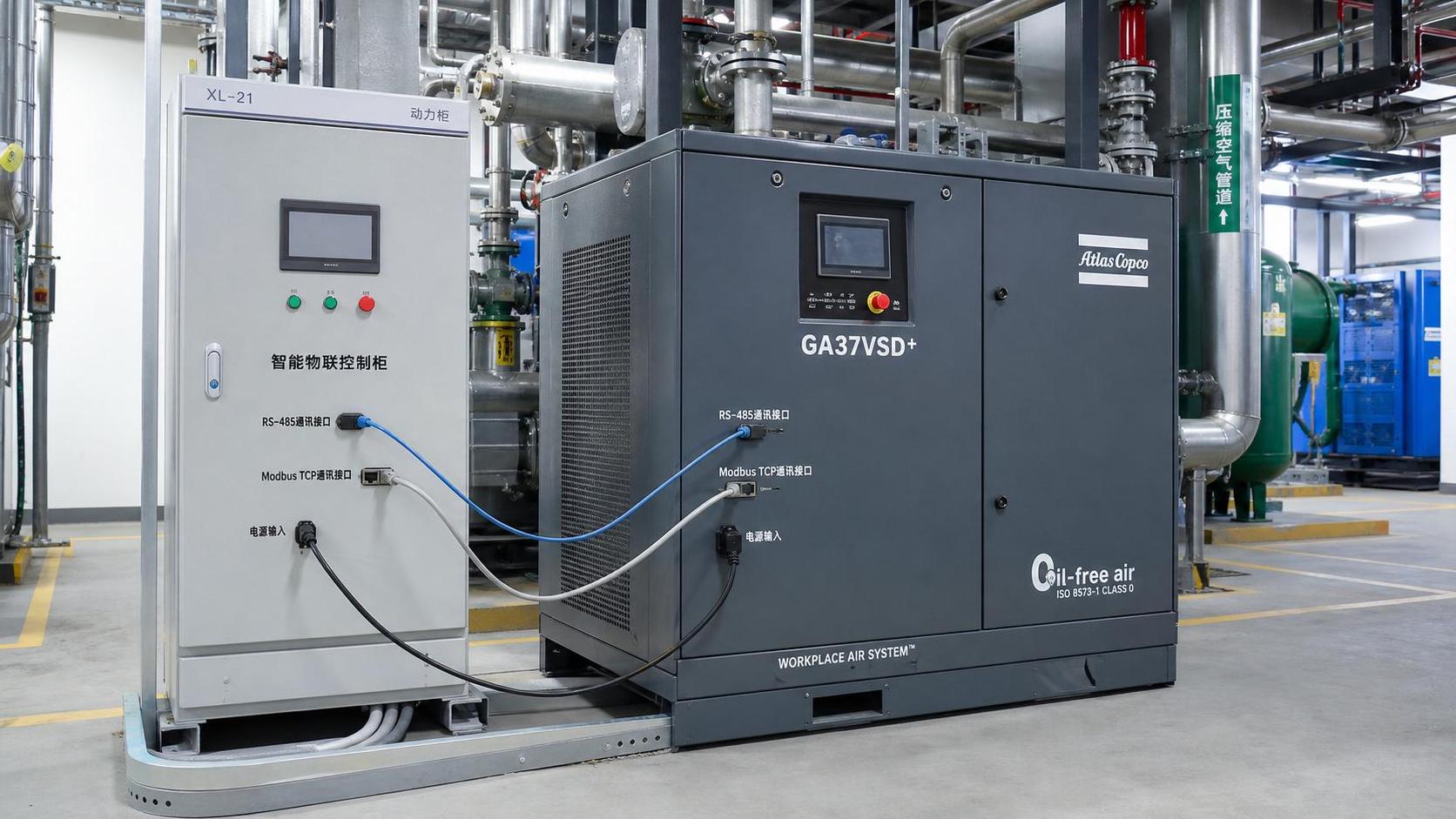
Digital controllers, remote diagnostics, and fleet optimization software improve pressure stability, maintenance timing, and energy performance across multi-compressor systems.
Signal five: lifecycle metrics are replacing first-cost thinking
Because electricity dominates ownership cost, efficient screw compressors often justify higher initial investment. High-efficiency manufacturing favors assets with lower total cost per delivered cubic meter of air.
What is driving this shift in high-efficiency manufacturing
The transformation is being driven by a combination of industrial economics, system engineering, and sustainability requirements. The following table summarizes the strongest forces.
GTC-Matrix tracks these drivers as linked signals rather than isolated events. That lens is important because screw compressor decisions increasingly affect cooling, heat exchange, power quality, and facility-wide energy planning.
How the next wave of screw compressors changes industrial operations
The impact of advanced screw compressors reaches far beyond the compressor room. In high-efficiency manufacturing, the effects appear across energy use, process performance, maintenance planning, and capital allocation.
- Energy systems benefit from lower specific power, better load matching, and reduced idle losses.
- Production quality improves when air pressure remains stable and contamination risks are controlled.
- Maintenance teams gain visibility through sensors, alarms, runtime analytics, and service forecasting.
- Sustainability reporting becomes stronger when waste heat recovery and lower electricity use are documented.
- Capital planning improves when lifecycle cost models replace simple purchase-price comparisons.
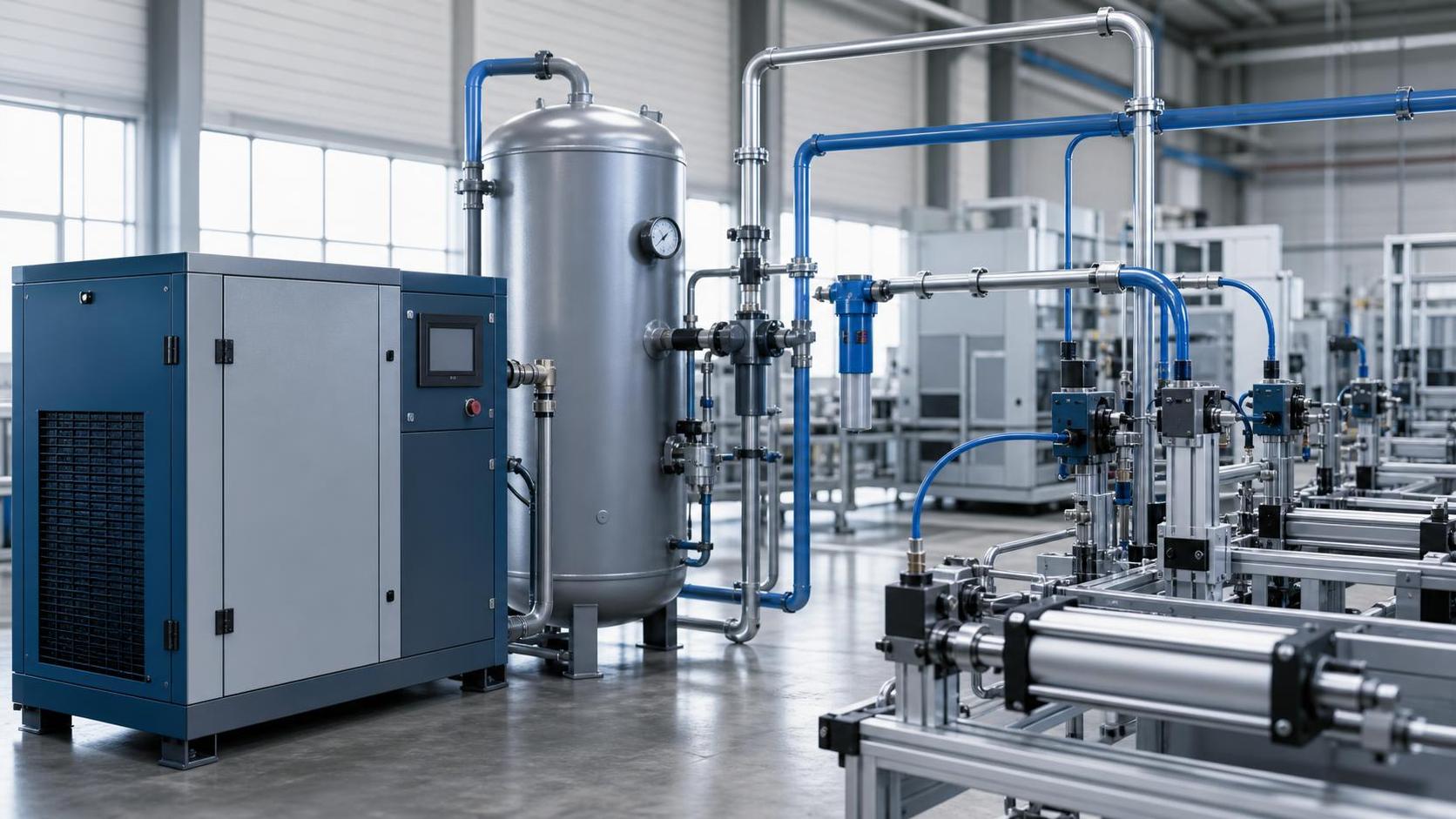
These benefits are especially relevant in mixed-use industrial sites. Facilities with packaging, cooling, pneumatic handling, drying, or precision actuation often discover that compressed air inefficiency is spread across many departments.
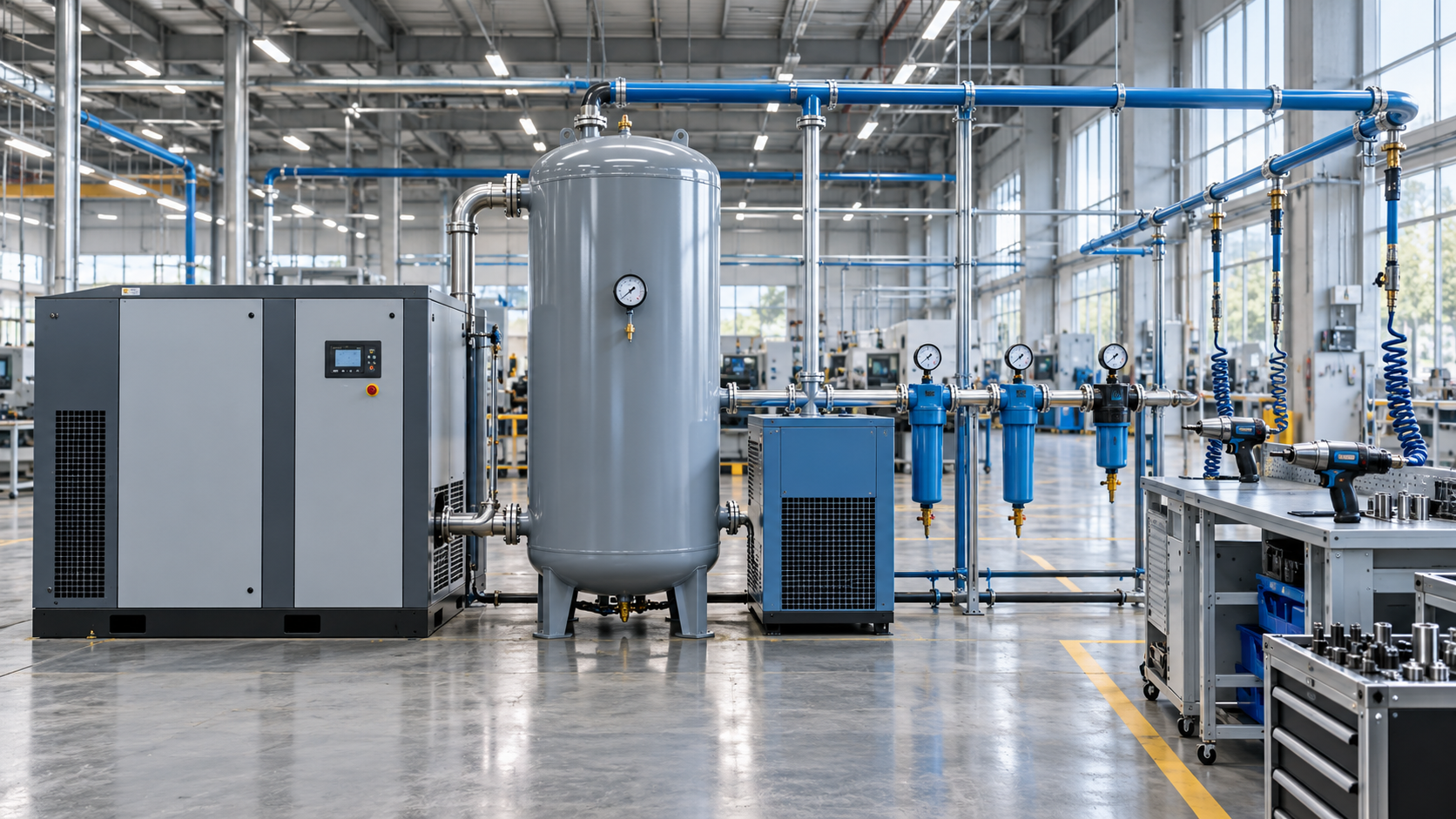
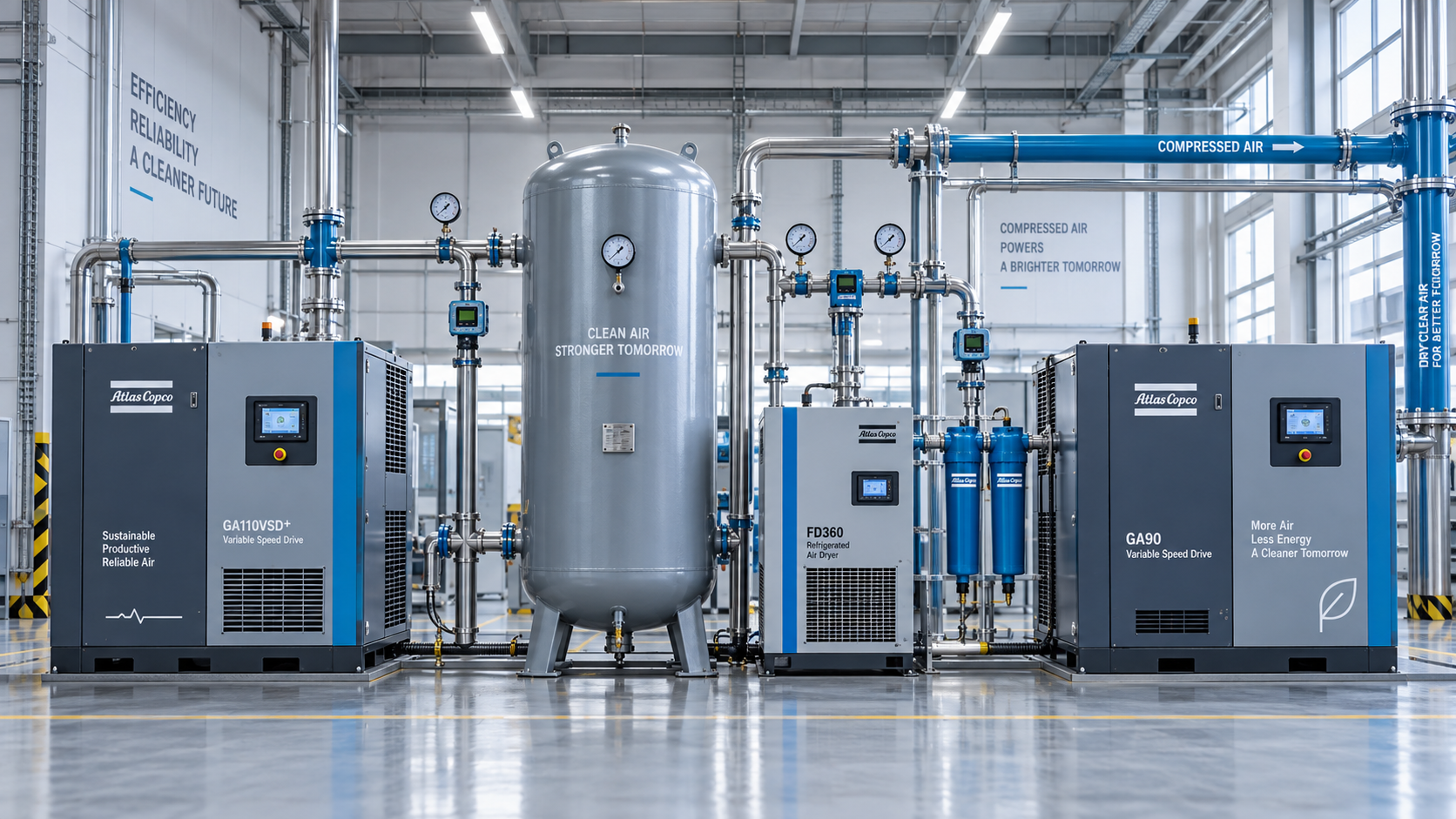
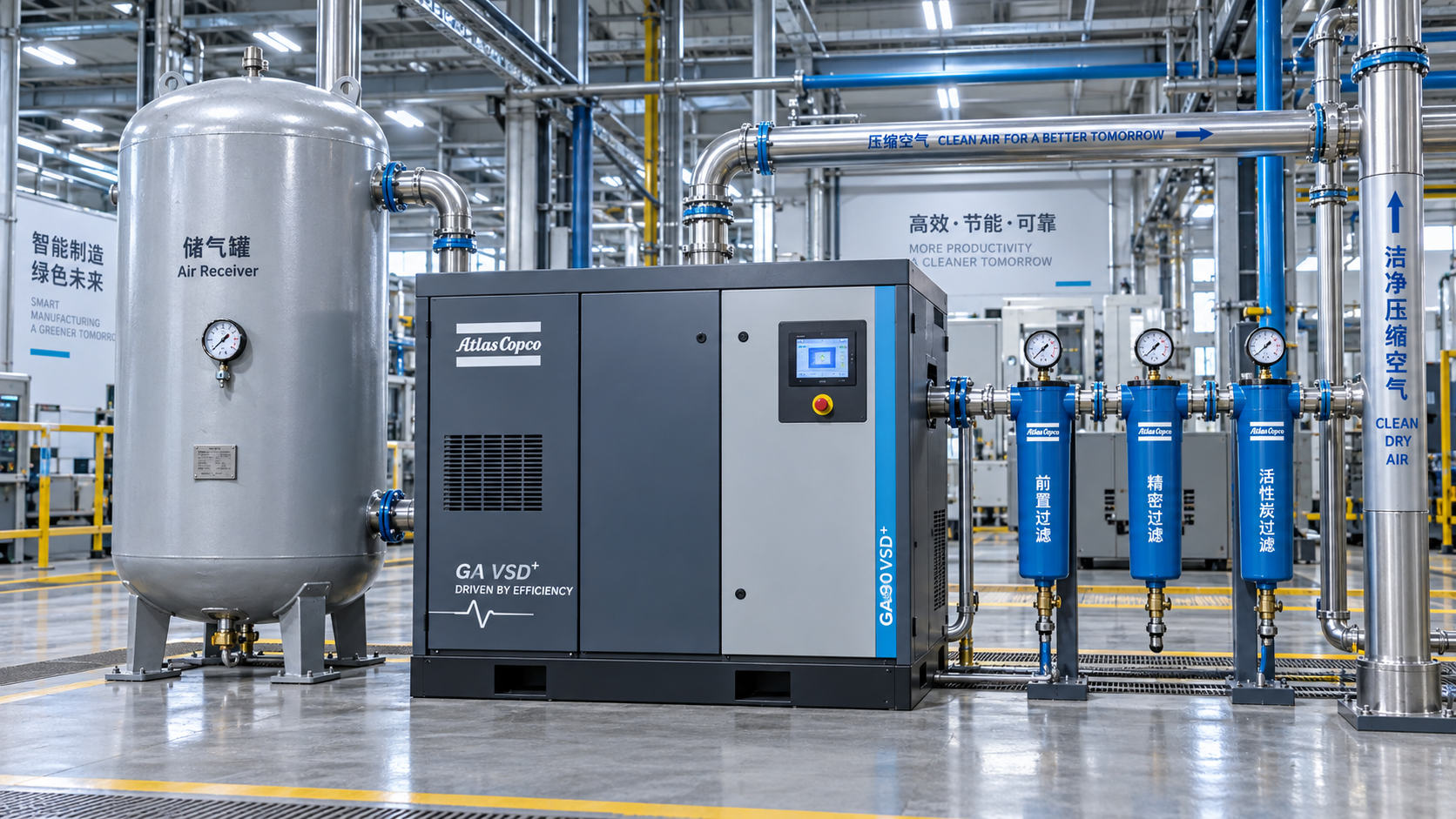
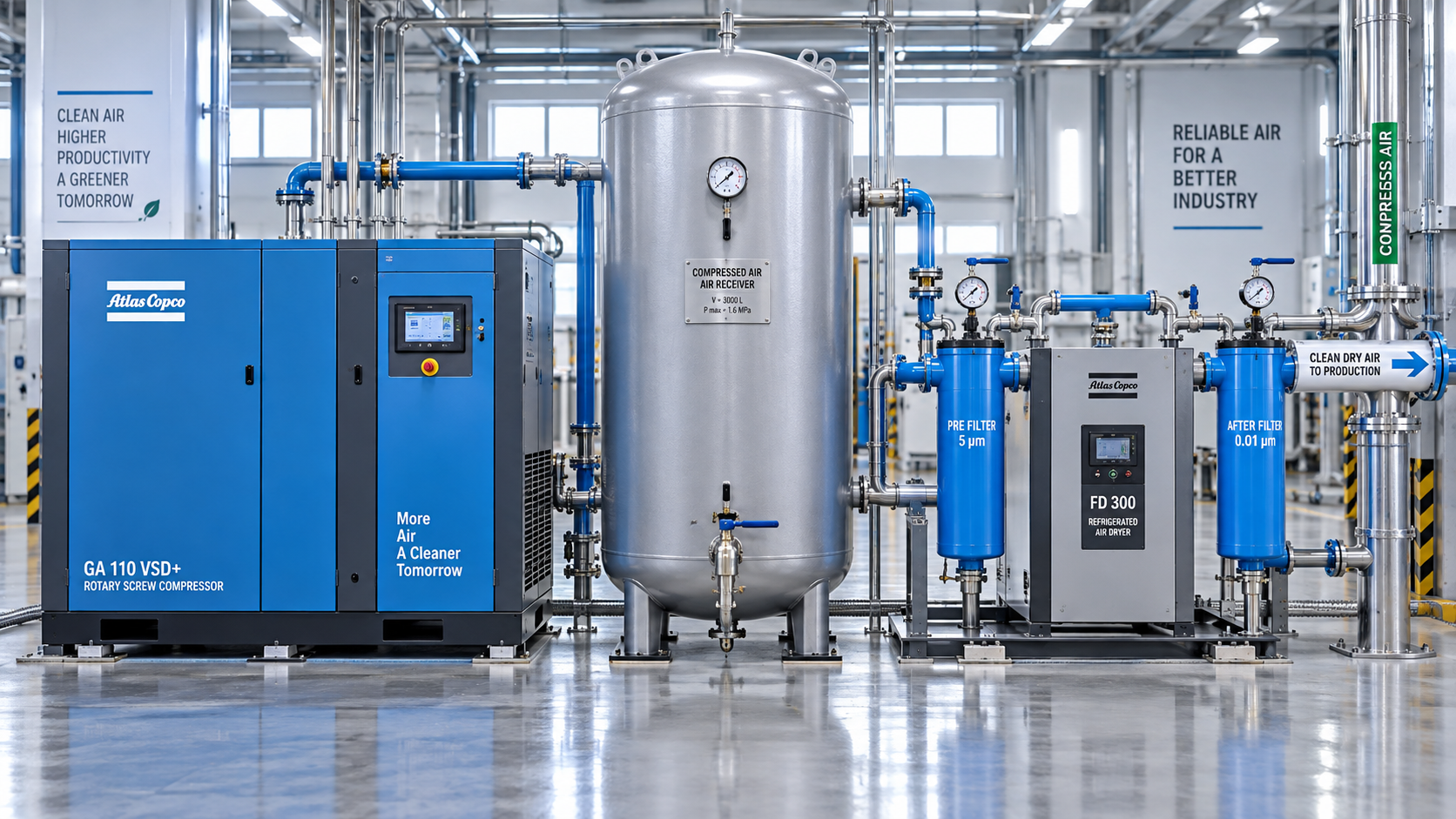
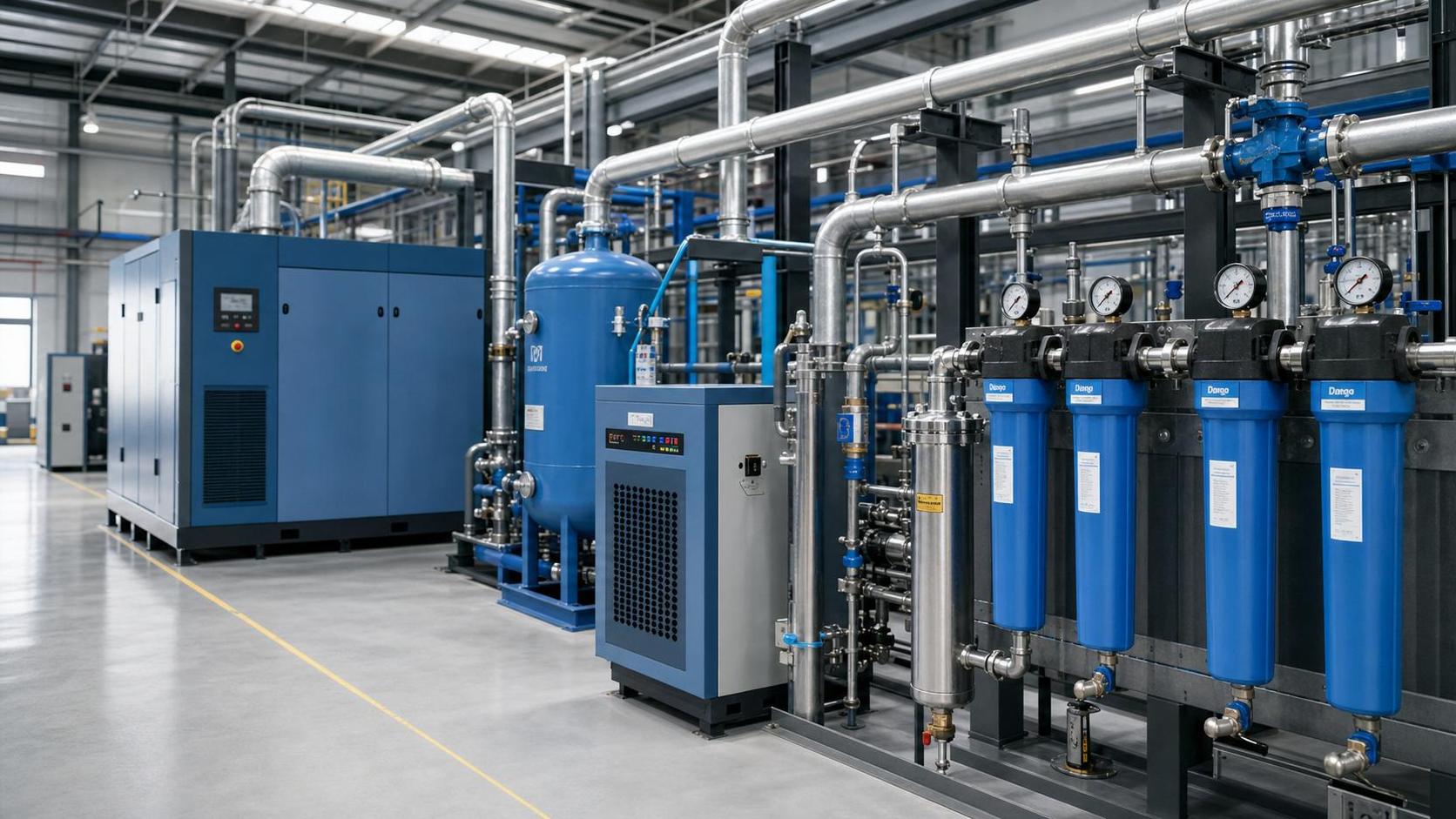
That is why high-efficiency manufacturing requires system-level analysis. An efficient screw compressor can underperform if piping losses, storage design, filtration, drainage, or controls remain outdated.
Where organizations should focus attention now
The current market rewards careful evaluation rather than rushed replacement. The most effective programs focus on a handful of high-impact questions.
Priority checks for high-efficiency manufacturing
- Measure actual demand profiles before selecting fixed-speed or variable-speed screw compressors.
- Audit leaks, pressure drops, and inappropriate end uses before adding new capacity.
- Match air quality requirements to application risk instead of overengineering every line equally.
- Evaluate heat recovery opportunities where hot water or thermal loads already exist.
- Review controller interoperability with broader plant monitoring and energy management systems.
- Use lifecycle cost, not nameplate size alone, to compare competing screw compressor options.
These checks support better timing as well. In some cases, retrofitting controls or storage can deliver faster gains than immediate equipment replacement.
A practical decision framework for the next stage
A disciplined response to this trend should move from diagnosis to optimization, then to strategic reinvestment. The table below offers a useful sequence.
This framework is effective because it reflects how high-efficiency manufacturing actually advances. Progress usually comes from linked improvements, not from one isolated equipment purchase.
What to watch next in the evolution of screw compressors
Over the next few years, the strongest differentiators will likely be system intelligence, thermal integration, and application-specific air quality control. Efficiency gains will come from optimization layers as much as mechanical refinement.
Expect more adoption of adaptive controls, digital twins for compressed air networks, better motor-drive packages, and deeper integration with plant energy dashboards. These features support faster decisions and more resilient operations.
For industries balancing output growth with climate commitments, screw compressors are becoming a proving ground for high-efficiency manufacturing. They offer one of the clearest paths to combine performance, savings, and emissions progress.
The next step is practical: map current compressed air performance, identify avoidable losses, and compare upgrade paths using lifecycle metrics. In a competitive industrial landscape, better compression strategy is now a decisive operating advantage.
Ready when you are. Send us a message to get started.
Related News
- When does variable gas flow justify a custom screw compressor system?Author :Pneumatic Power Engineer

- How to size compressed air equipment for pneumatic toolsAuthor :Pneumatic Power Engineer

- How Should Energy Management Systems Handle Compressor Load Changes?Author :Pneumatic Power Engineer

- Which Maintenance Issues Reduce Air Compressor Efficiency?Author :Pneumatic Power Engineer

- How Much Energy Can Variable-Speed Screw Compressors Save?Author :Pneumatic Power Engineer

- Industrial Compressor Selection: Matching Flow, Pressure, and Duty CycleAuthor :Pneumatic Power Engineer

- China Expands Cross-Border RMB and FX Cash Pooling NationwideAuthor :Pneumatic Power Engineer

- How to Size Air Compressor Systems for Pneumatics by Flow and Pressure DemandAuthor :Pneumatic Power Engineer

- How Energy Recovery Systems for Compressors Cut Power CostsAuthor :Pneumatic Power Engineer

- How to Evaluate Screw Compressors in Industrial Refrigeration EquipmentAuthor :Pneumatic Power Engineer

- India Makes BIS Certification Mandatory for Screw CompressorsAuthor :Pneumatic Power Engineer

- China Tightens Export Filing for Screw CompressorsAuthor :Pneumatic Power Engineer

- SABIC Sets IoT Interface Rule for Screw CompressorsAuthor :Pneumatic Power Engineer

- Industrial Heat Recovery Systems for Compressors: When Do Energy Savings Pay Back?Author :Pneumatic Power Engineer

- EU Tightens REACH Limit for Screw Compressor LubricantsAuthor :Pneumatic Power Engineer

- EU Opens China Screw Compressor Review With Carbon RuleAuthor :Pneumatic Power Engineer

- DOE Mandates AHRI 1000-2026 for Screw CompressorsAuthor :Pneumatic Power Engineer

- VDMA Filing Signals EU Risk for Chinese Oil Screw CompressorsAuthor :Pneumatic Power Engineer
![]()
- Screw vs Piston Air Compressors for Stable Plant OutputAuthor :Pneumatic Power Engineer

- Saudi SASO Tightens Refrigerant Limits in IEC 60335-2-40:2026Author :Pneumatic Power Engineer

- IIR Warns of 18-Week Lead Times for Screw CompressorsAuthor :Pneumatic Power Engineer

- Welded Compressed Air Manifold Selection Guide for Pressure Stability and LeaksAuthor :Pneumatic Power Engineer

- India BIS Rule Adds IS 16830 Requirement for Imported Screw CompressorsAuthor :Pneumatic Power Engineer

- What to Check Before Choosing a Compressed Air FactoryAuthor :Pneumatic Power Engineer

- China Tightens Export Checks on Screw CompressorsAuthor :Pneumatic Power Engineer

- Screw Compressor Lead Times Reach 22 WeeksAuthor :Pneumatic Power Engineer

- Vietnam Requires QR Labels on Imported Screw CompressorsAuthor :Pneumatic Power Engineer

- Compressed Air Technologies Filtration: How to Reduce Pressure Drop and Energy LossAuthor :Pneumatic Power Engineer

- STSPIN830 Lead Time Tops 32 Weeks in Screw CompressorsAuthor :Pneumatic Power Engineer

- IGBT Shortage Extends Screw Compressor Lead TimesAuthor :Pneumatic Power Engineer

- Compressed Air Systems: 7 Hidden Costs That Raise Total Operating ExpenseAuthor :Pneumatic Power Engineer

- Compressed Air Efficiency: 7 Hidden Losses That Raise Operating CostsAuthor :Pneumatic Power Engineer

- How to Compare Screw vs Oil-Free Air Compression SystemsAuthor :Pneumatic Power Engineer

- Compressed Air Leaks: What They Really Cost in Daily OperationsAuthor :Pneumatic Power Engineer

- DOE Moves Up R449A Chiller Deadline to March 2027Author :Pneumatic Power Engineer

- How Compression Technology Cuts Energy Use in Modern PlantsAuthor :Pneumatic Power Engineer