Energy-Saving Technologies Worth Auditing Before 2026 Capex Plans




Before finalizing 2026 capital allocations, teams should audit energy-saving technologies that improve uptime, thermal efficiency, and cost control. Early review helps compare retrofit timing, quantify lifecycle savings, reduce carbon exposure, and align future production needs with practical engineering upgrades.
Why energy-saving technologies need a pre-2026 audit
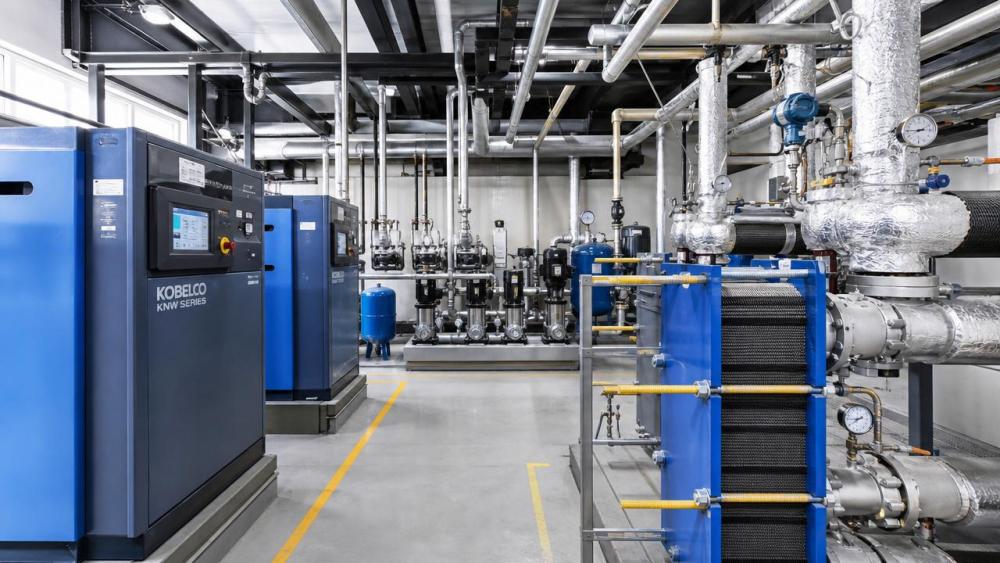
A capex plan built only around equipment age often misses the biggest efficiency gains. Many industrial systems waste power through pressure instability, thermal losses, poor controls, oversized motors, and underperforming heat transfer surfaces.
Auditing energy-saving technologies before budgeting creates a ranked view of payback, operational risk, and implementation complexity. It also prevents rushed purchases that solve a single bottleneck while increasing utility demand elsewhere.
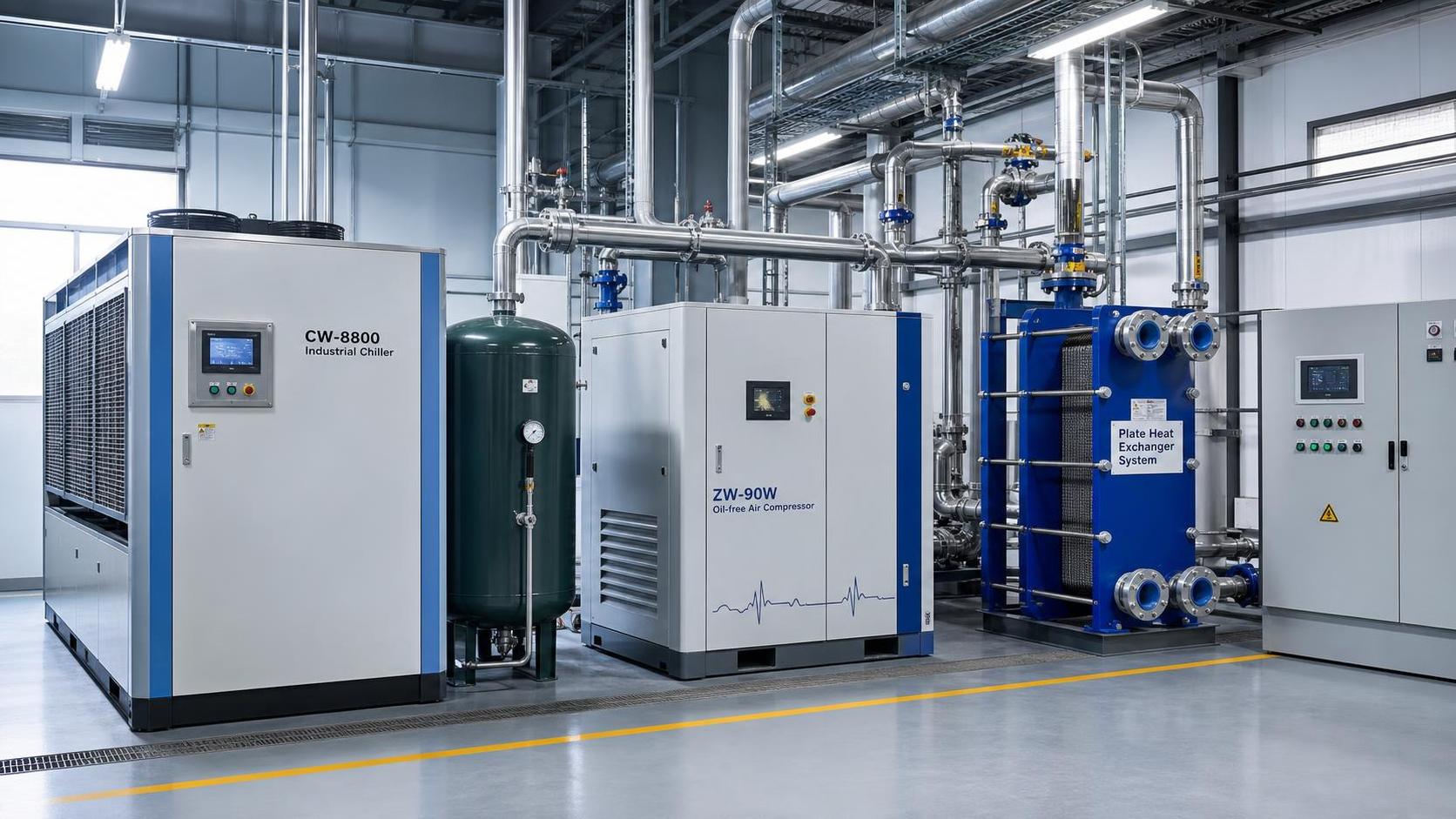
In cross-sector operations, the same audit logic applies to compressed air, cooling loops, vacuum systems, process heating, and building-support utilities. The goal is not just energy reduction, but better system balance.
Core checklist: energy-saving technologies worth reviewing now
Use this checklist to evaluate where energy-saving technologies can deliver the strongest technical and financial return before 2026 budgeting is locked.
- Map compressed air leaks, artificial demand, and pressure drops before replacing compressors, because distribution losses can erase expected savings from even the most efficient new machine.
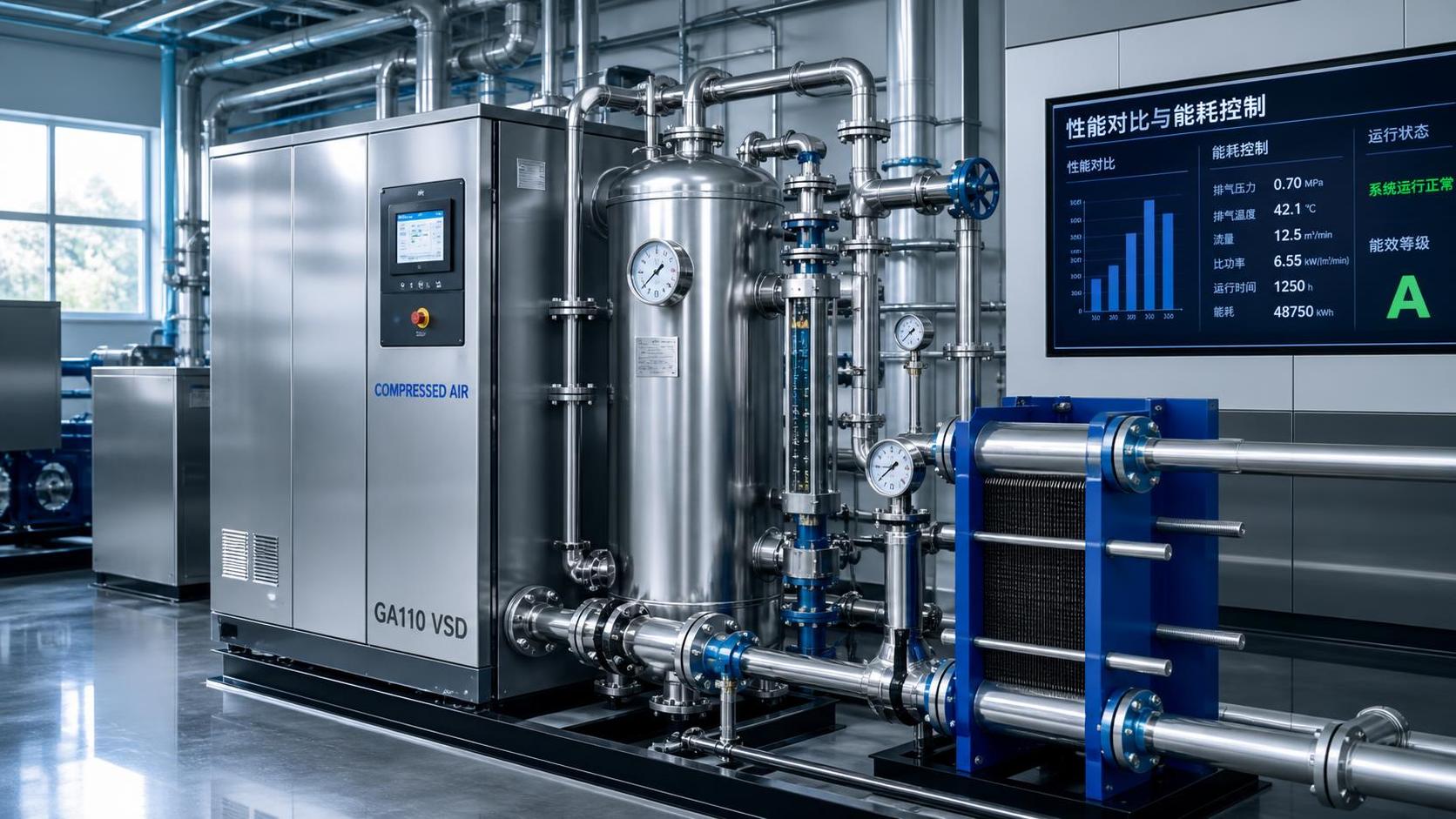
- Verify variable speed drive performance on compressors, pumps, and fans, and confirm actual load profile compatibility instead of assuming every fluctuating process benefits equally.
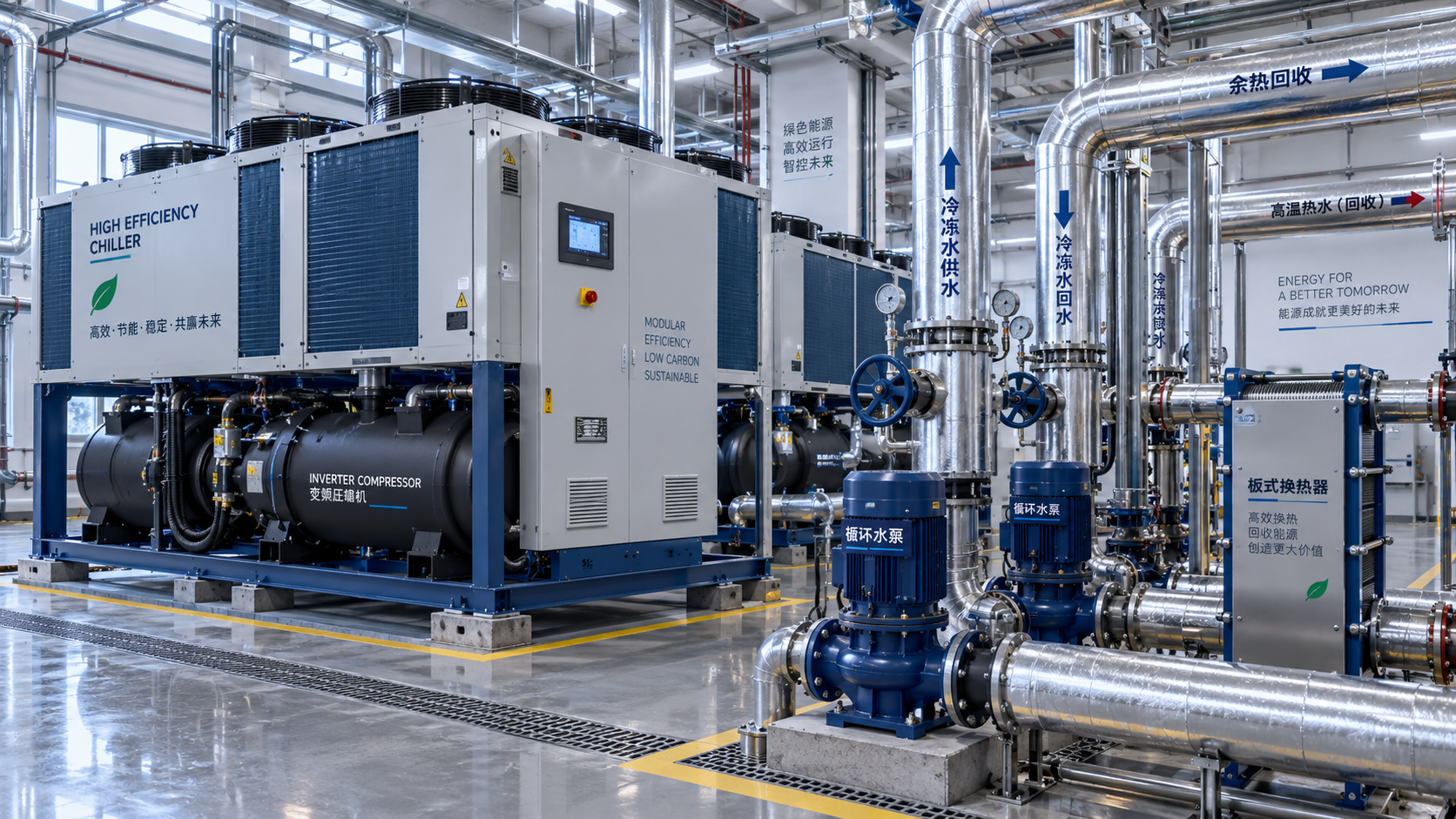
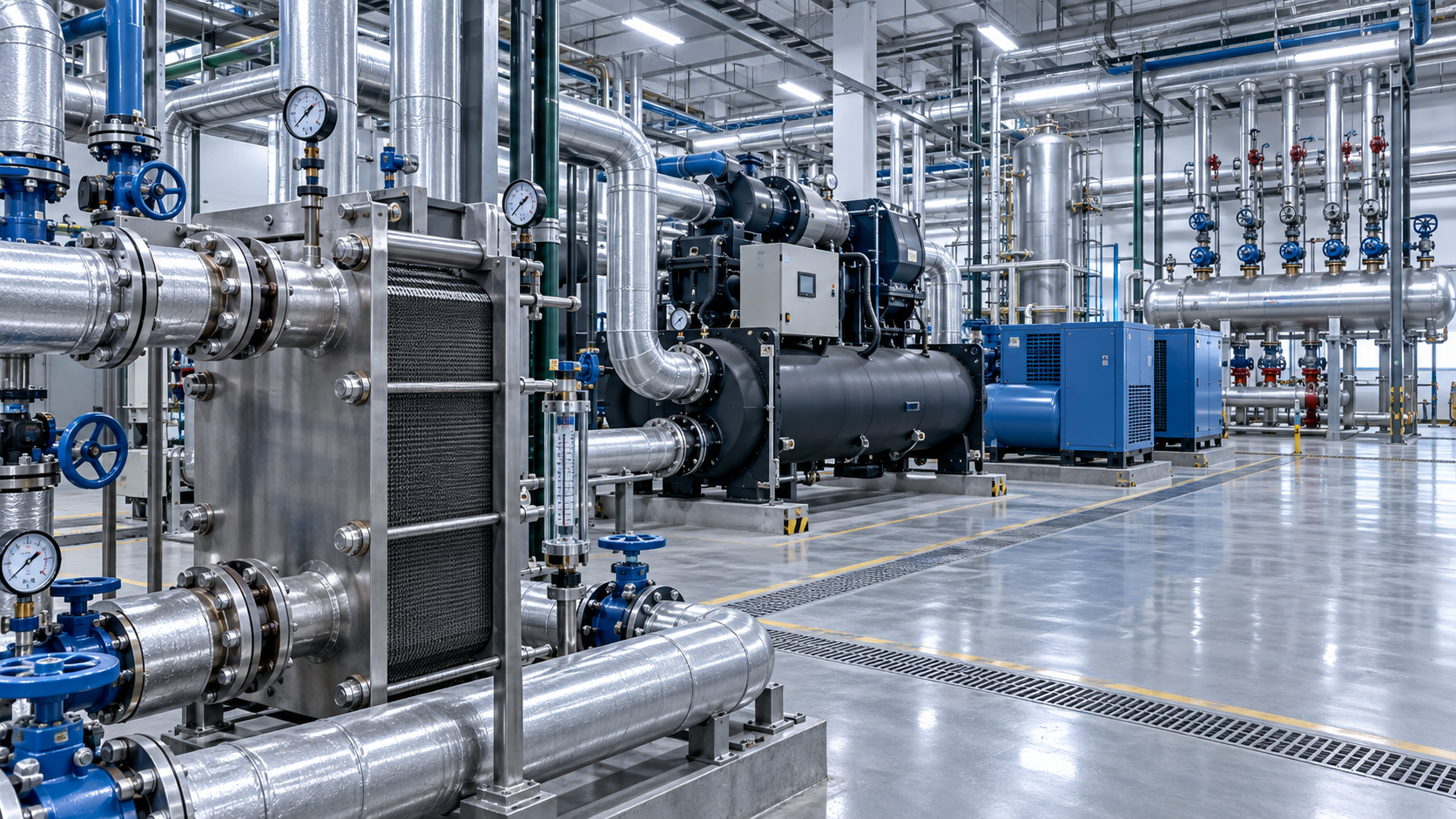
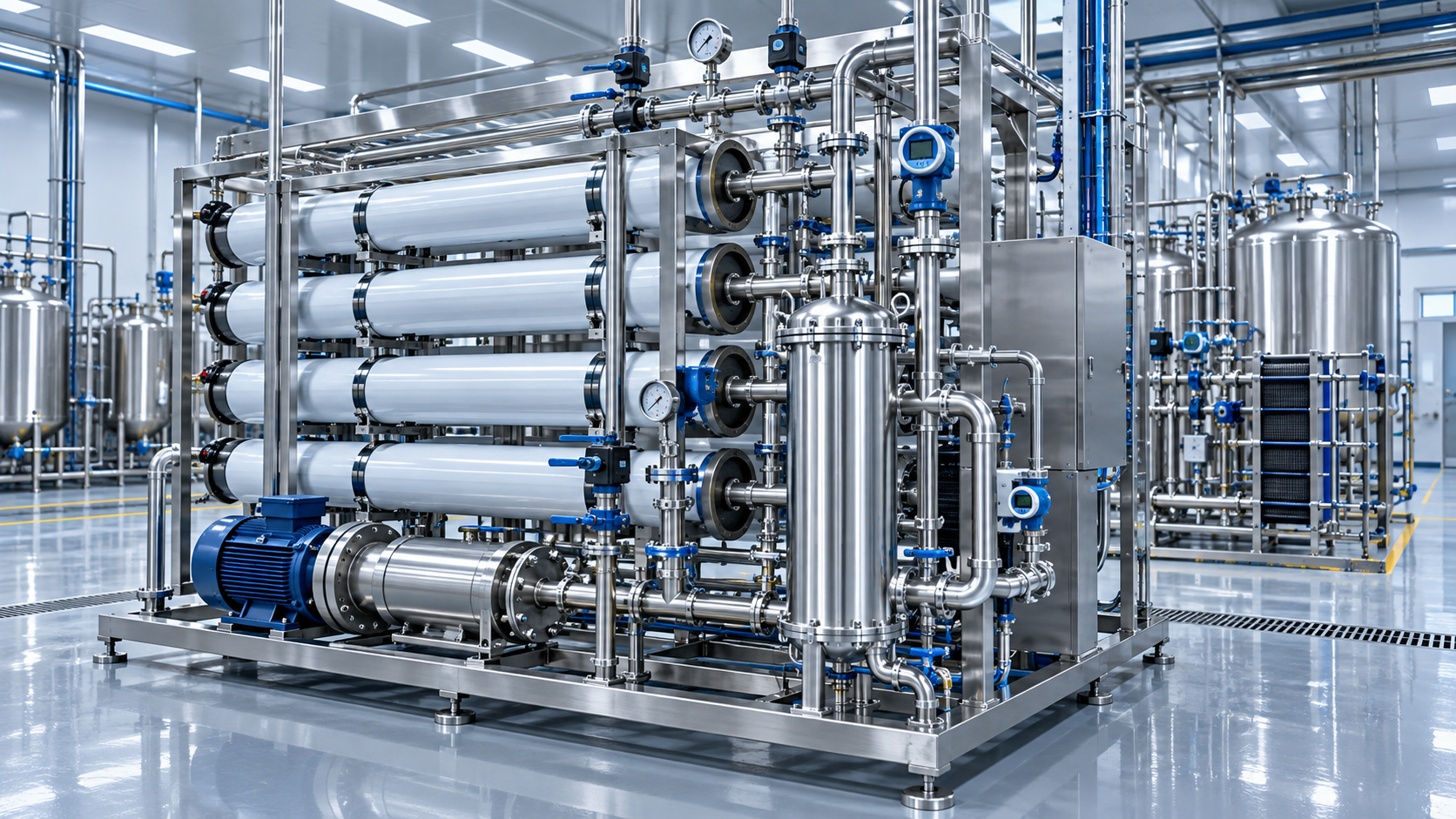
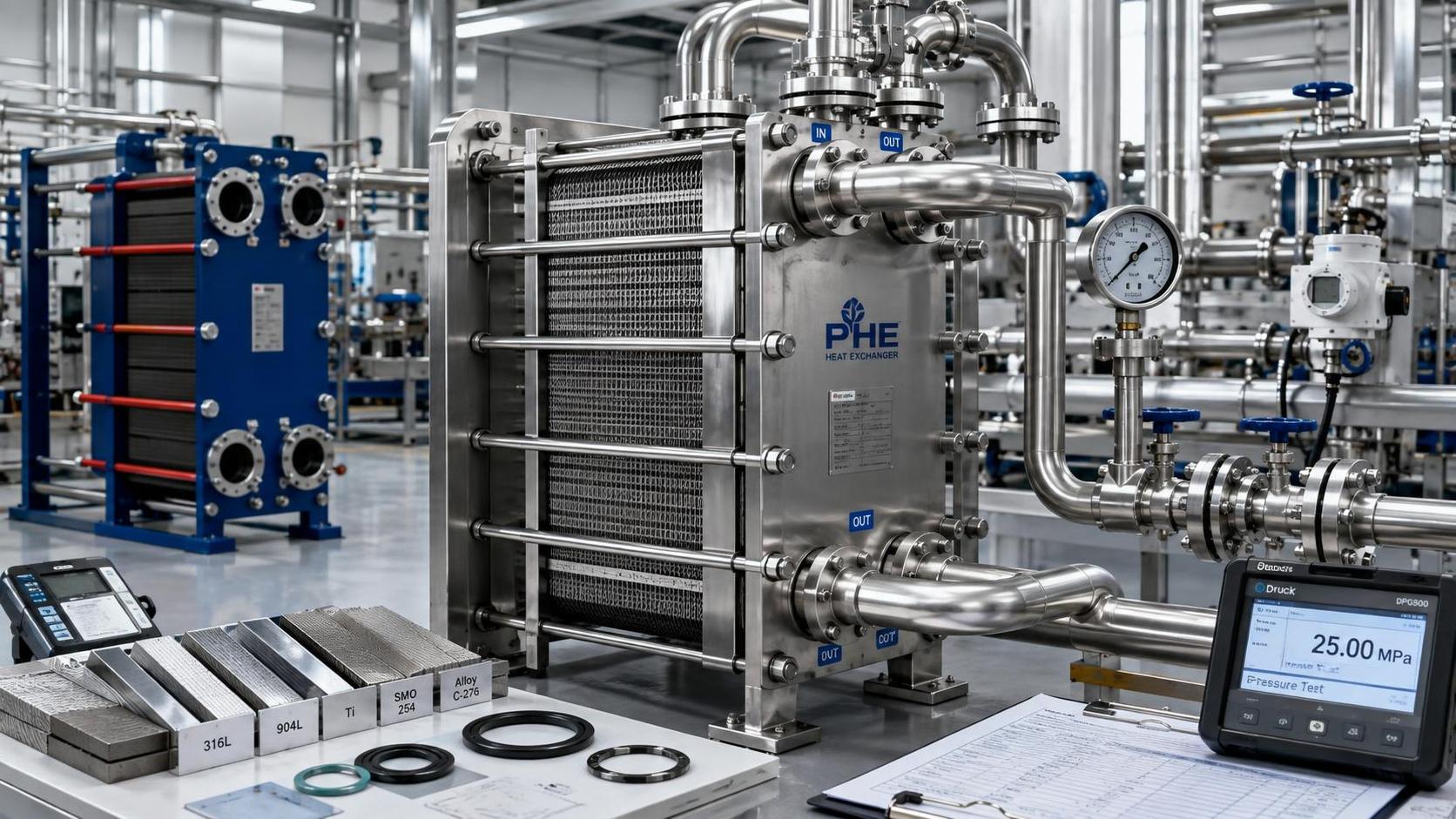
- Inspect heat exchangers for fouling, bypassing, and poor approach temperatures, then compare cleaning, reconfiguration, or microchannel upgrades against full equipment replacement scenarios.
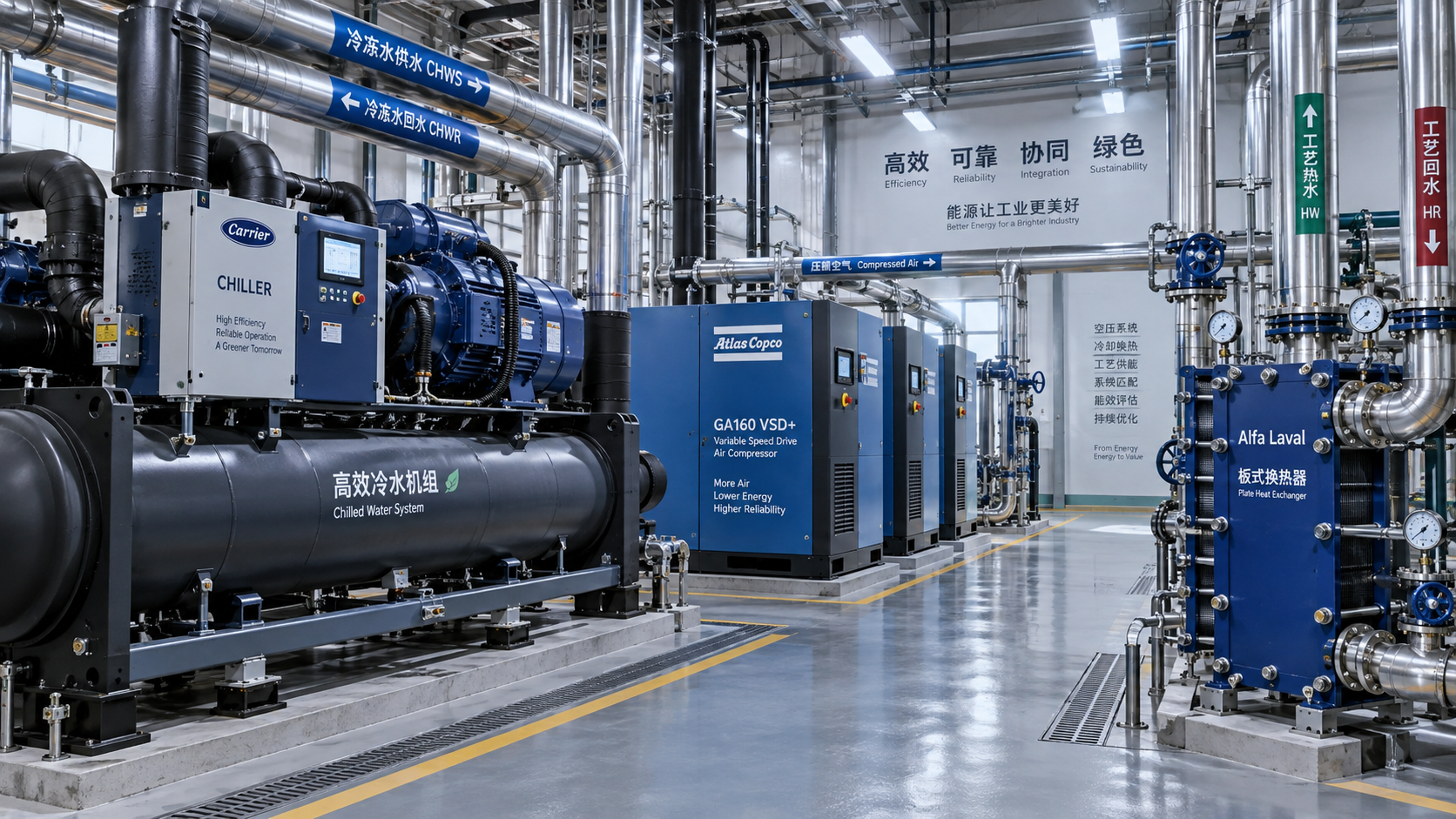
- Review cooling system sequencing logic, condenser control, and part-load operation to identify avoidable chiller cycling, excess fan power, and unstable process temperatures.
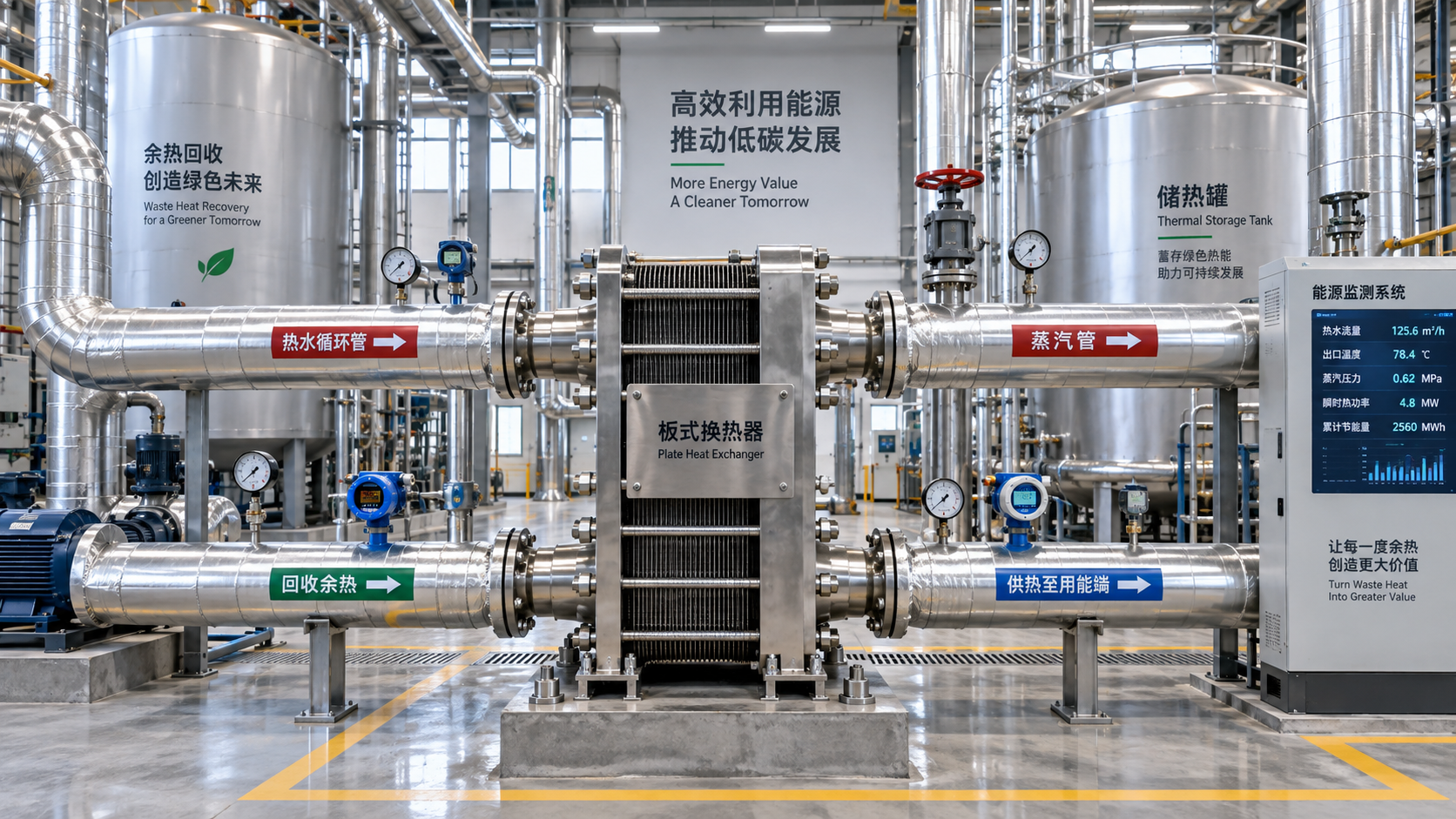
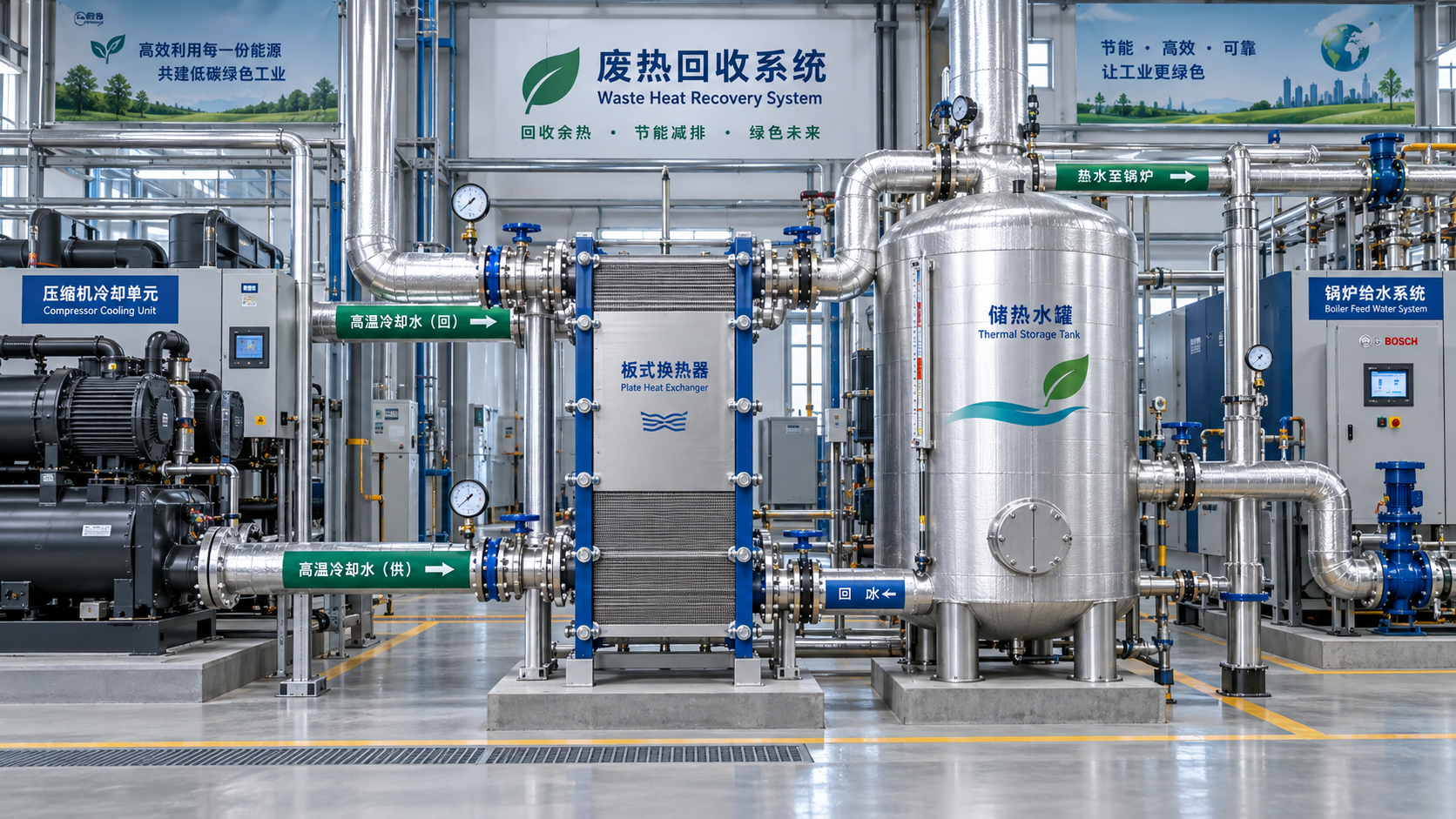
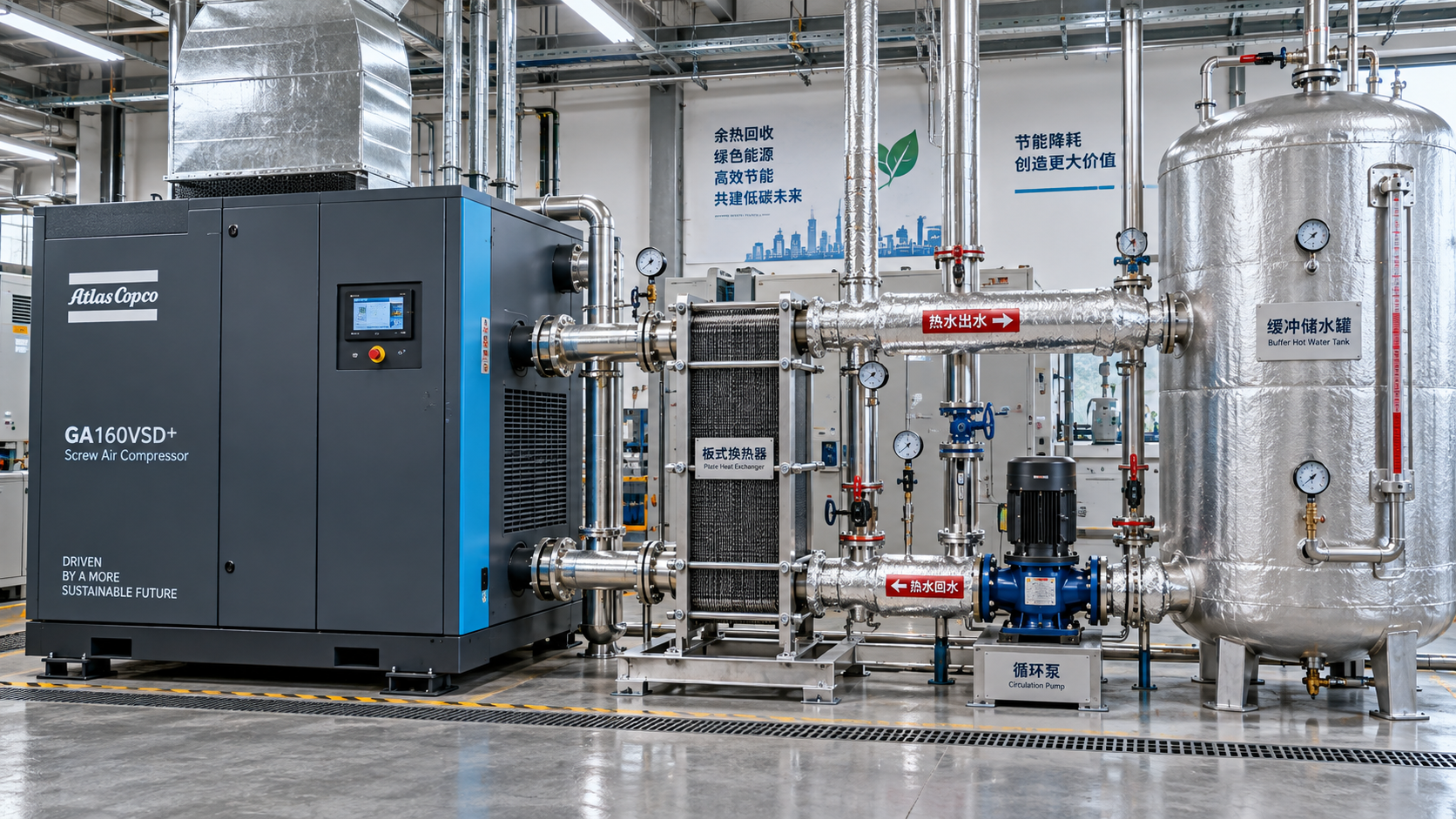
- Check whether waste heat recovery can preheat water, air, or process streams, especially where compressors, boilers, dryers, or thermal oxidizers reject usable energy.
- Measure motor loading and run hours across utility assets, then target premium-efficiency motors or right-sizing where chronic underloading causes persistent electrical waste.
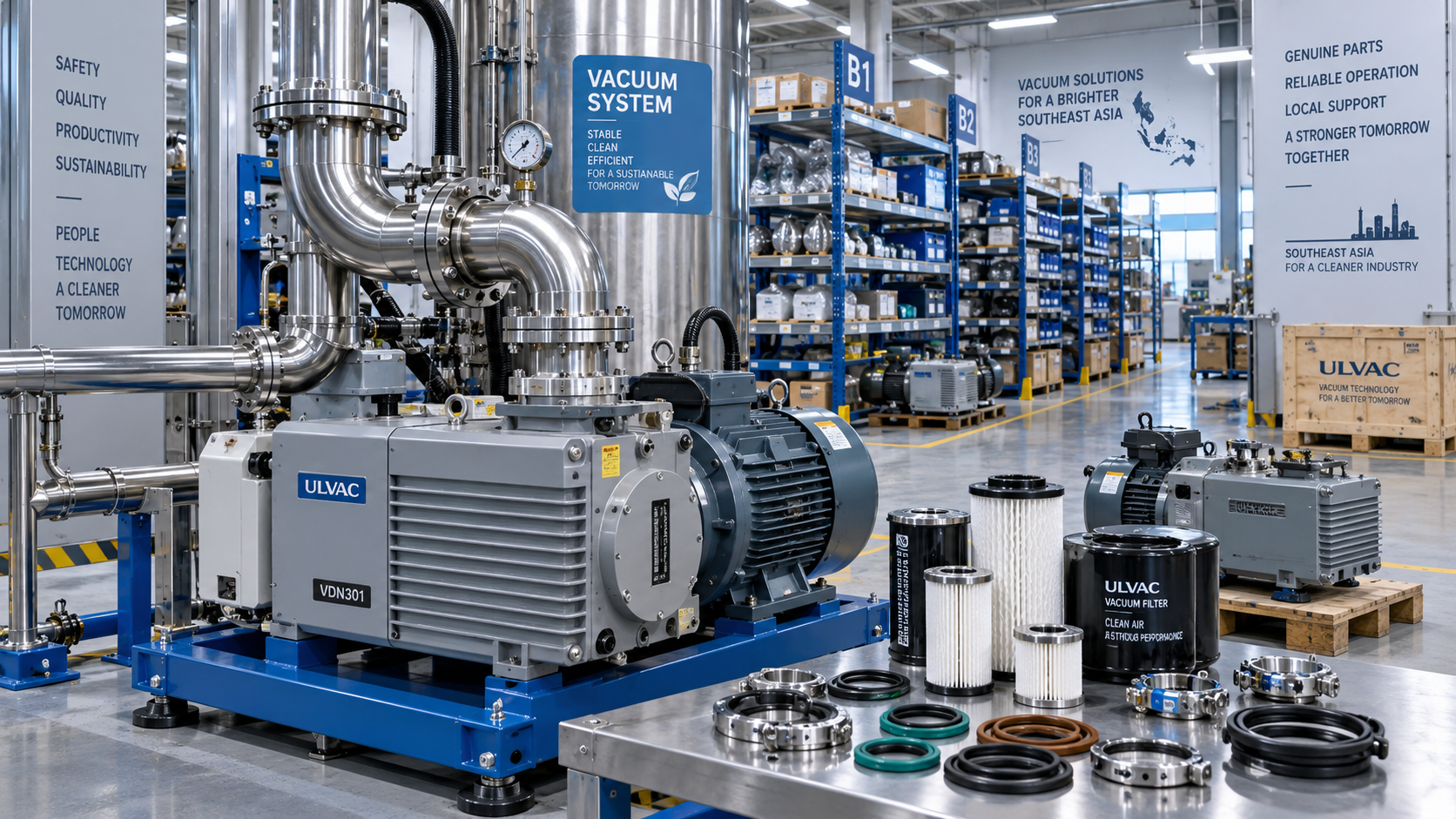
- Audit vacuum generation methods and control philosophy, since centralized vacuum systems, staged control, or demand matching often outperform legacy single-point arrangements.
- Evaluate advanced controls, sensors, and analytics platforms that connect thermal and compression assets, enabling continuous tuning instead of annual manual setpoint corrections.
- Confirm insulation quality on steam, hot oil, chilled water, and ducted systems, because exposed thermal losses quietly weaken the return from other energy-saving technologies.
- Compare refrigerant transition pathways with efficiency opportunities, especially where regulatory pressure may justify replacing legacy cooling assets earlier than planned.
Where these audits matter most across applications
Compressed air and pneumatic power systems
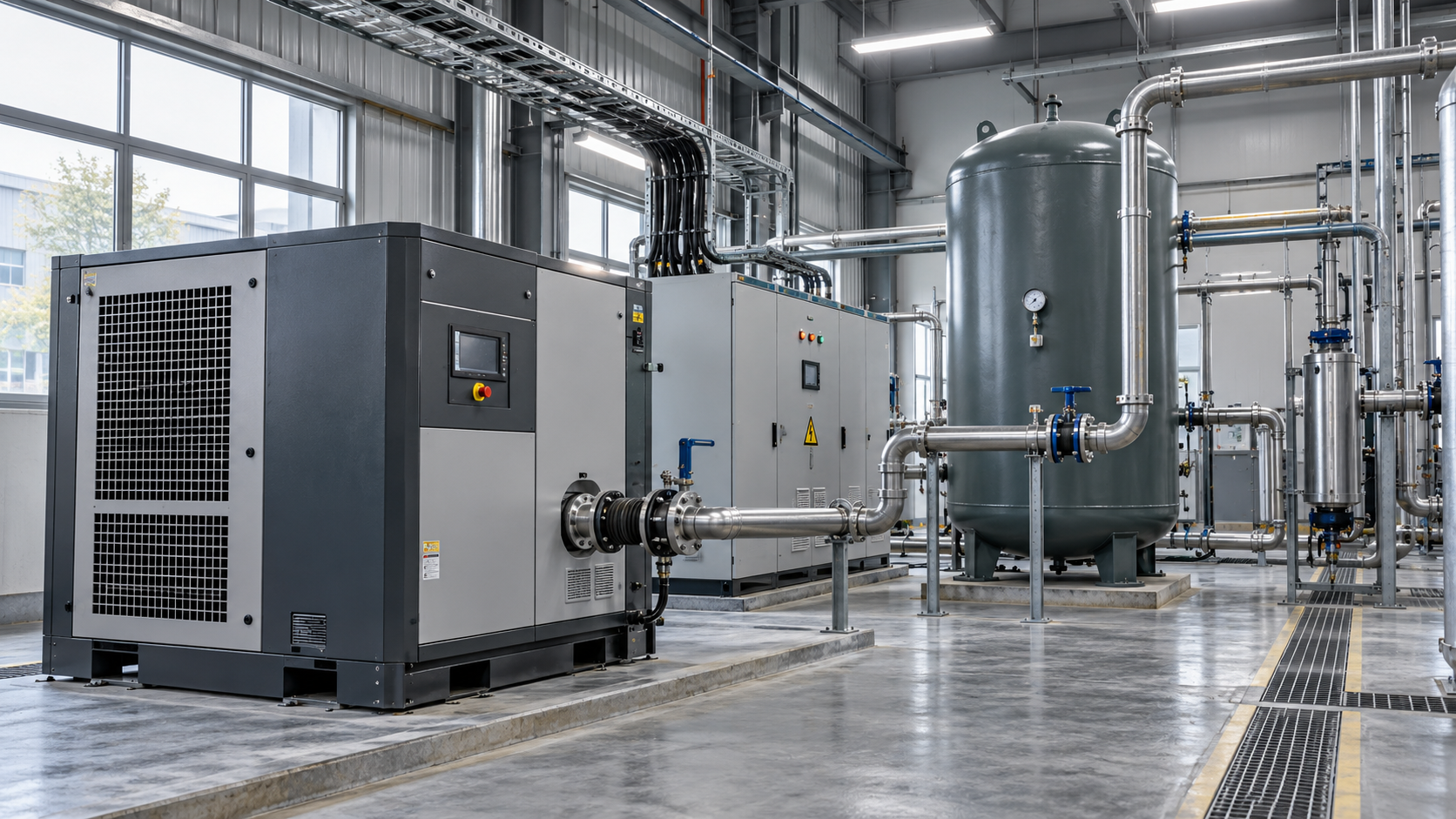
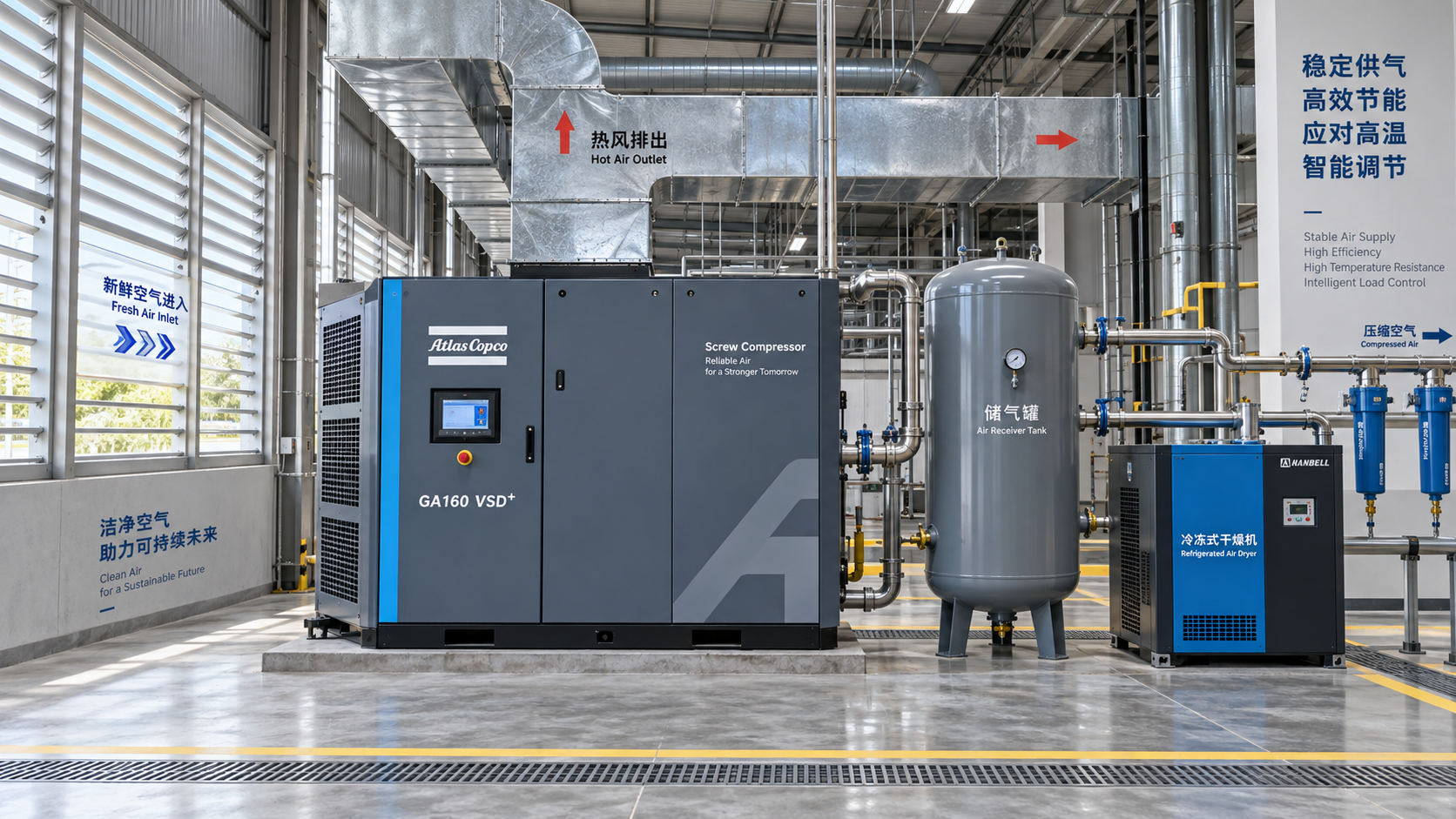
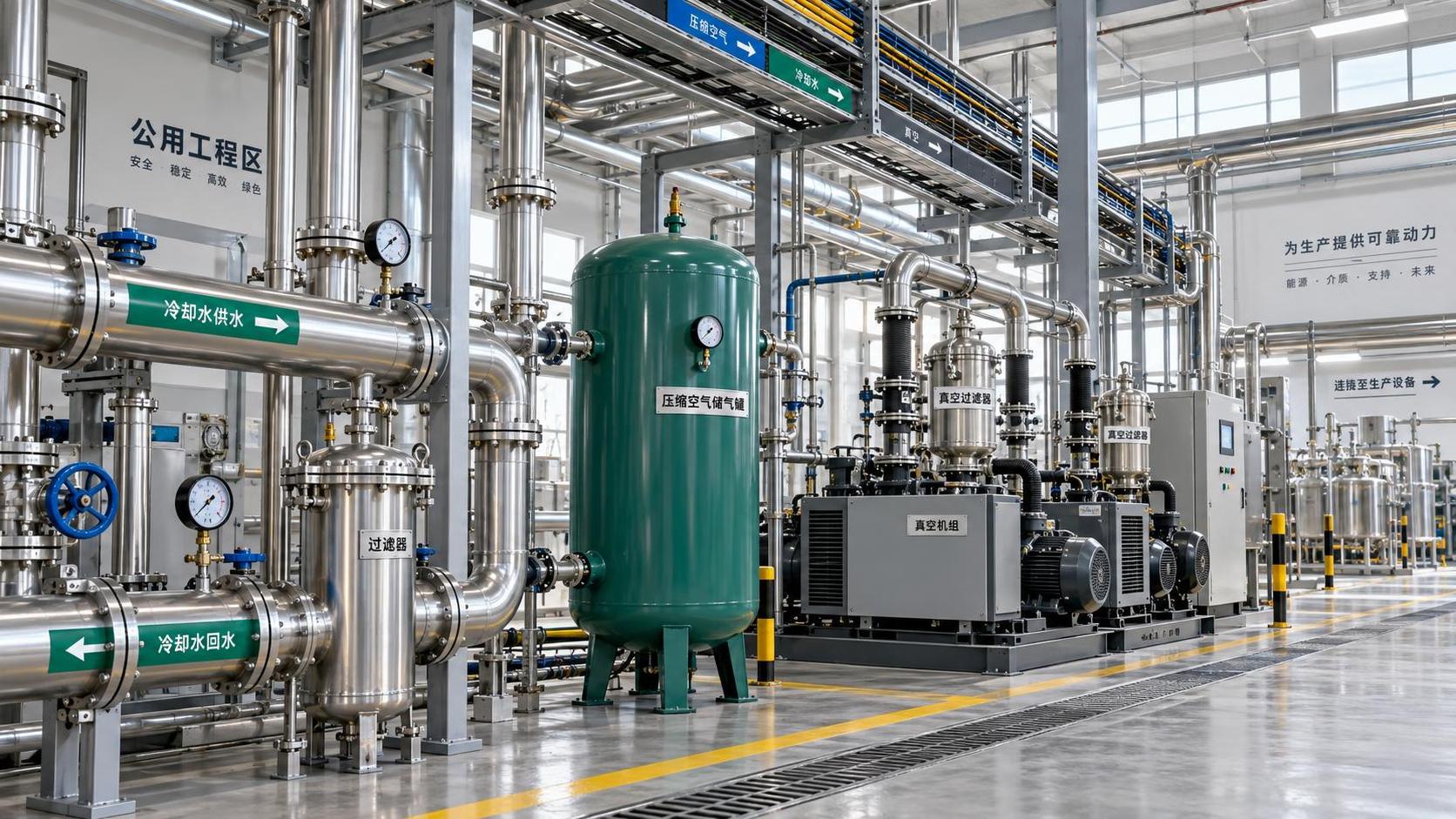
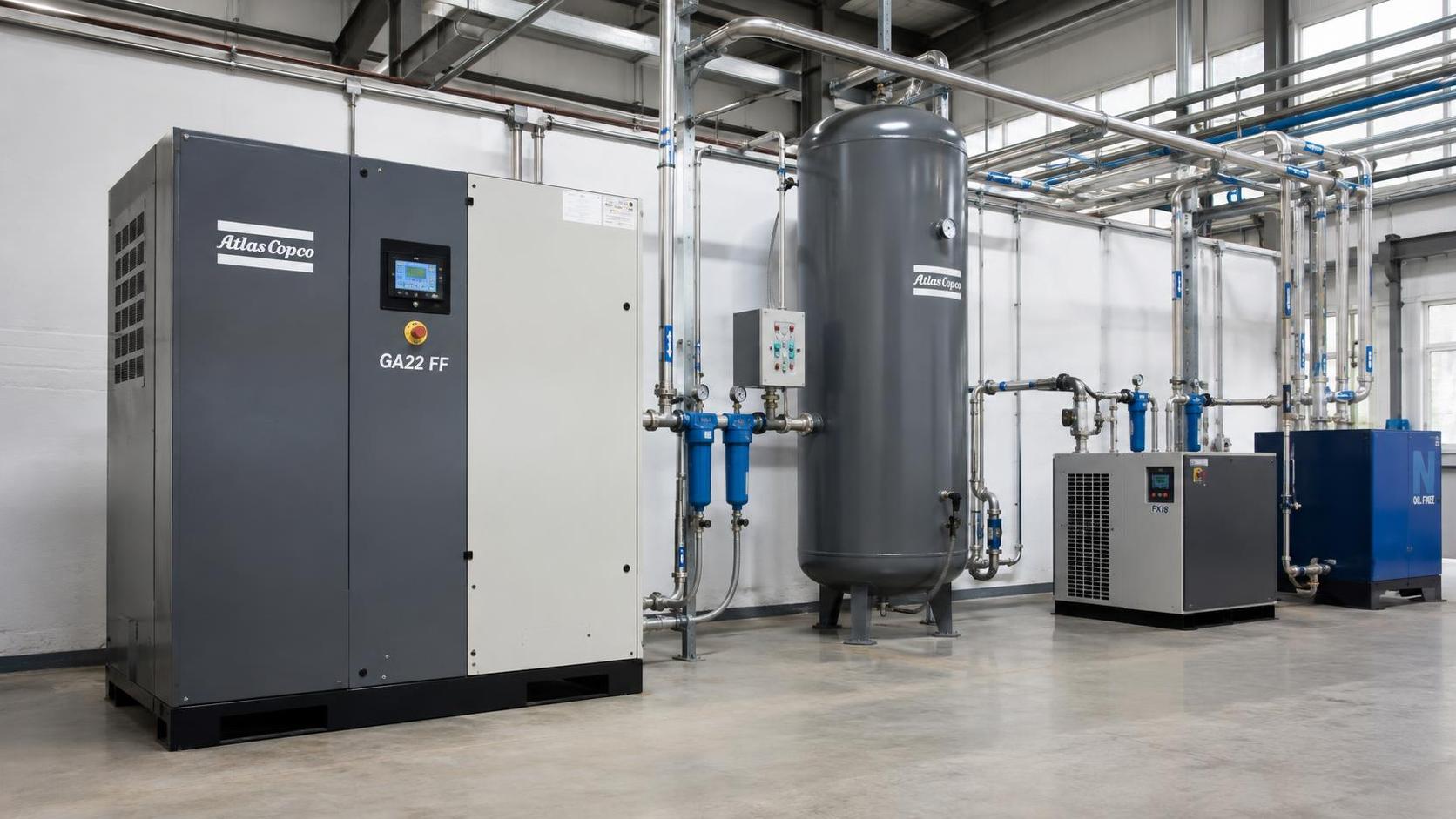
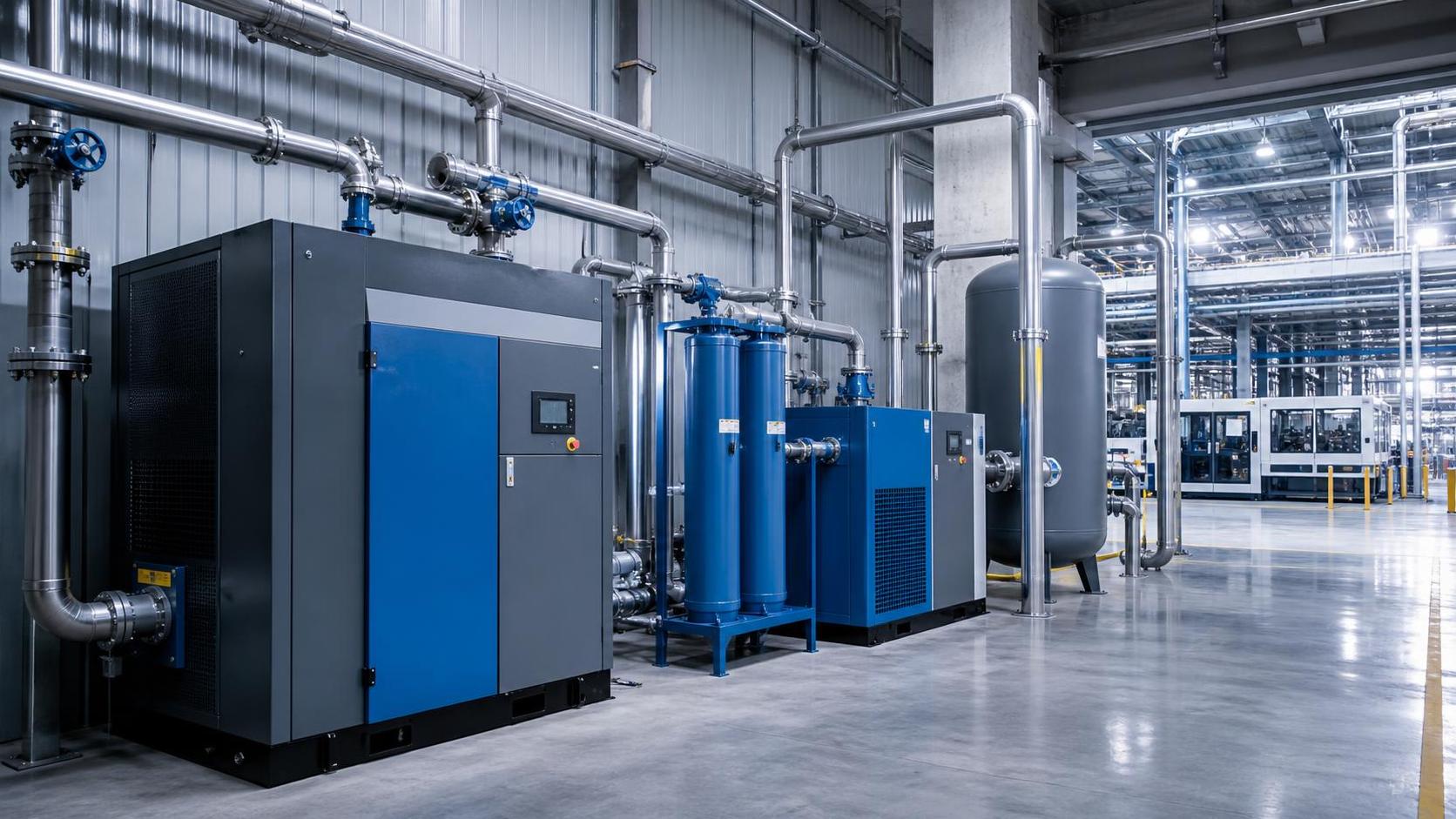
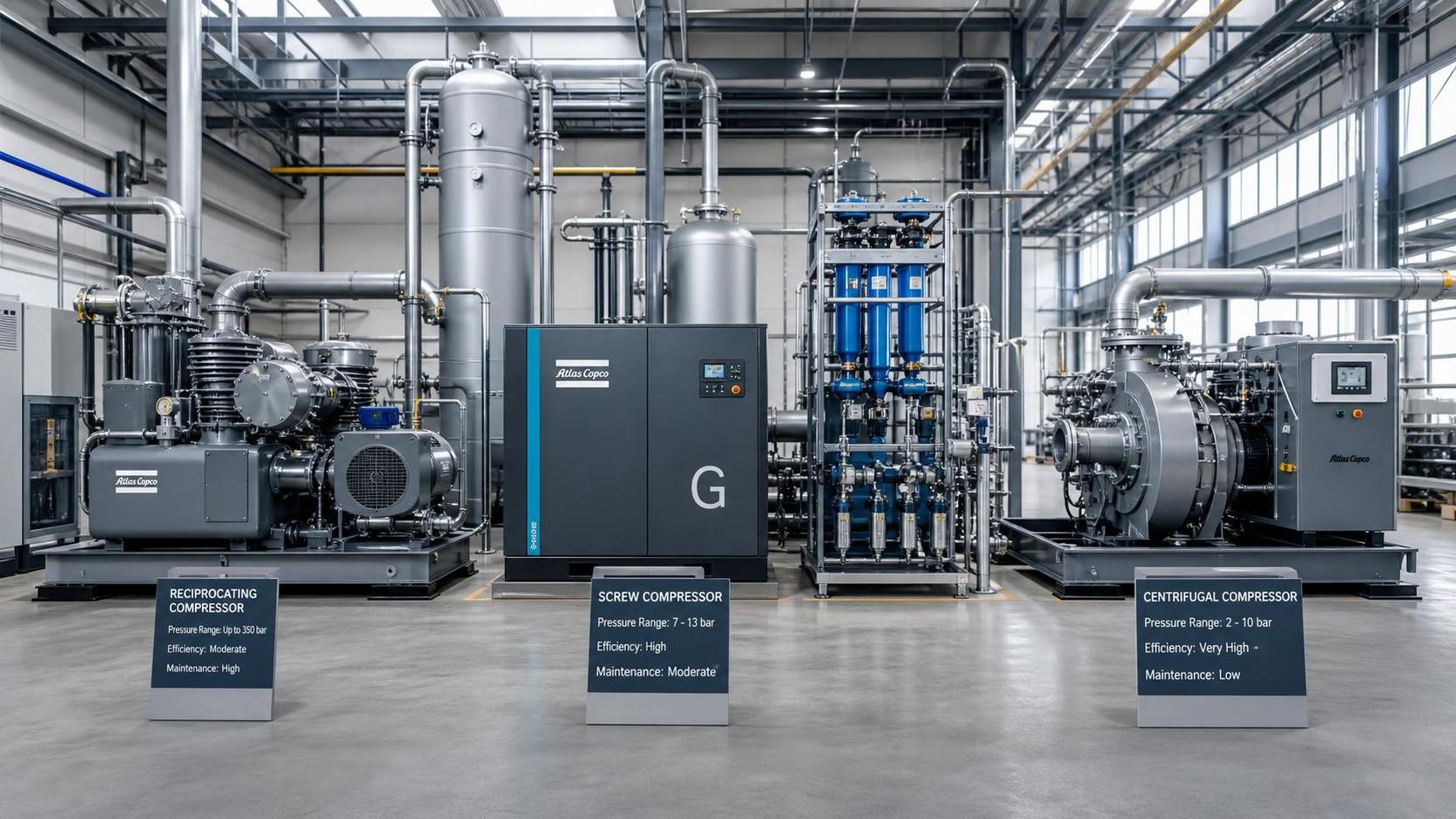
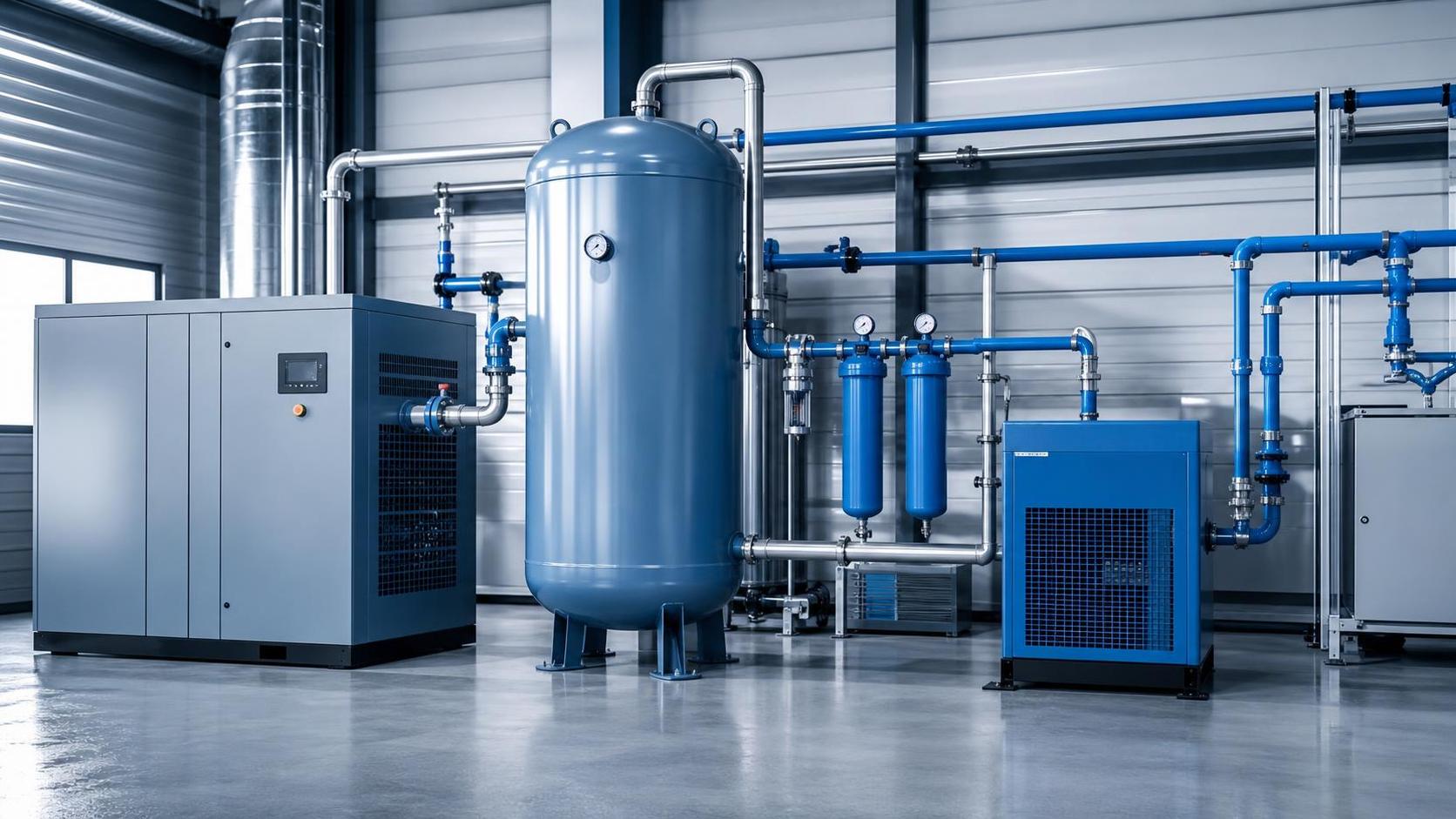
Compressed air remains one of the most expensive utilities in general industry. Energy-saving technologies here should be reviewed as a system, not as a compressor-only purchase.
Leakage, poor storage sizing, unstable headers, and inappropriate pressure bands can force machines to run harder than necessary. In many facilities, controls optimization outperforms equipment replacement during the first phase.
Cooling, chilling, and thermal management
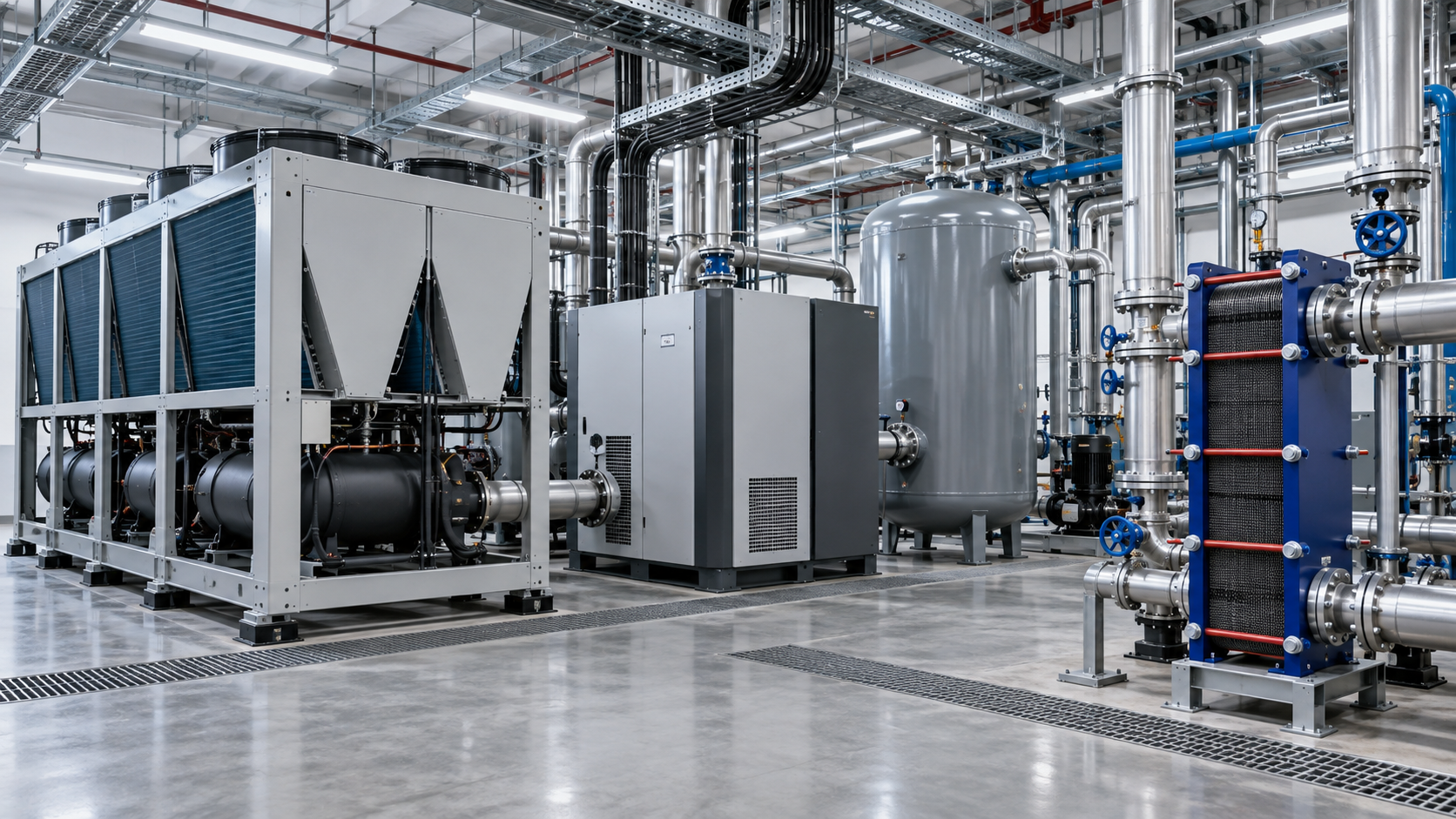
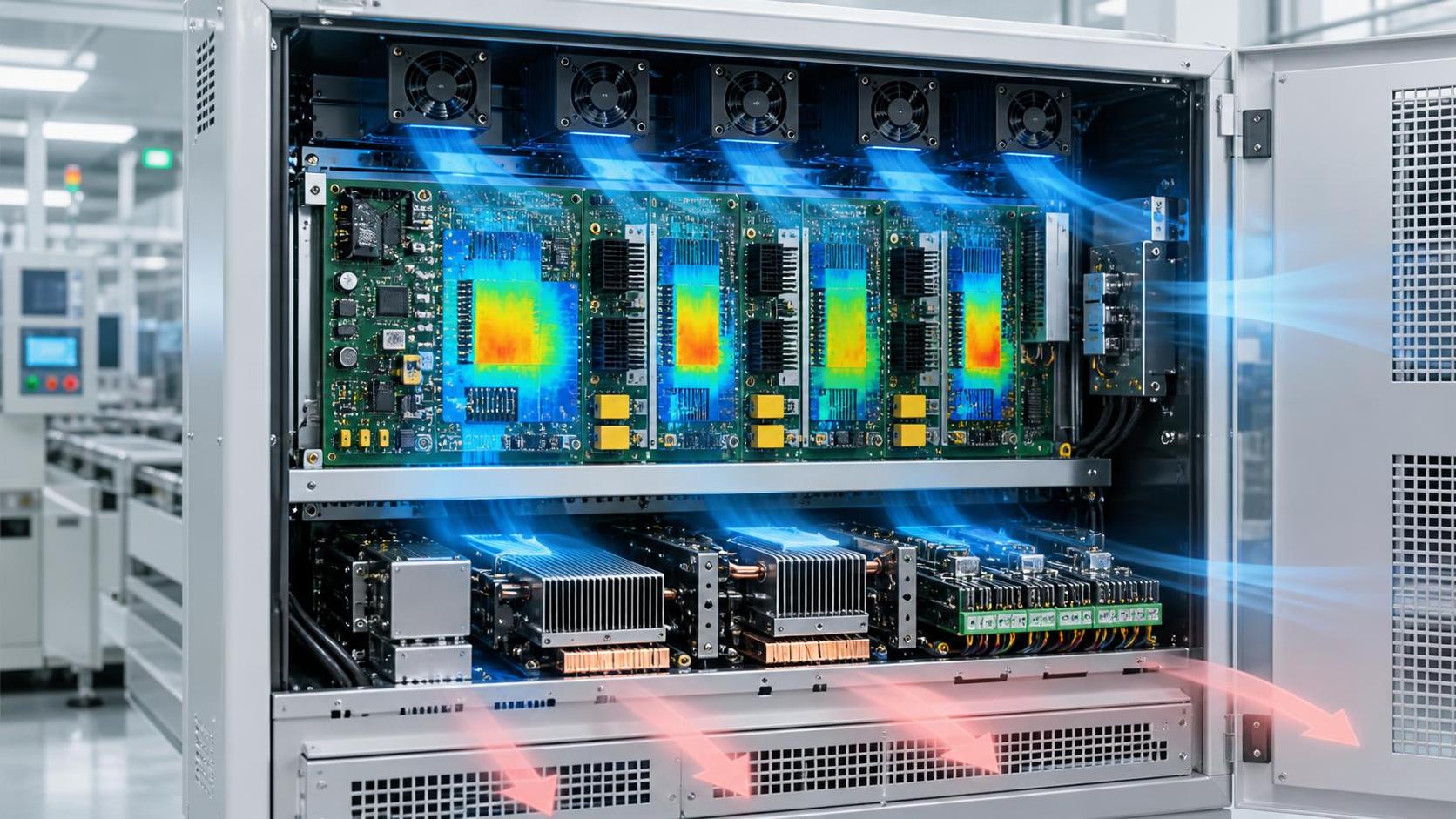
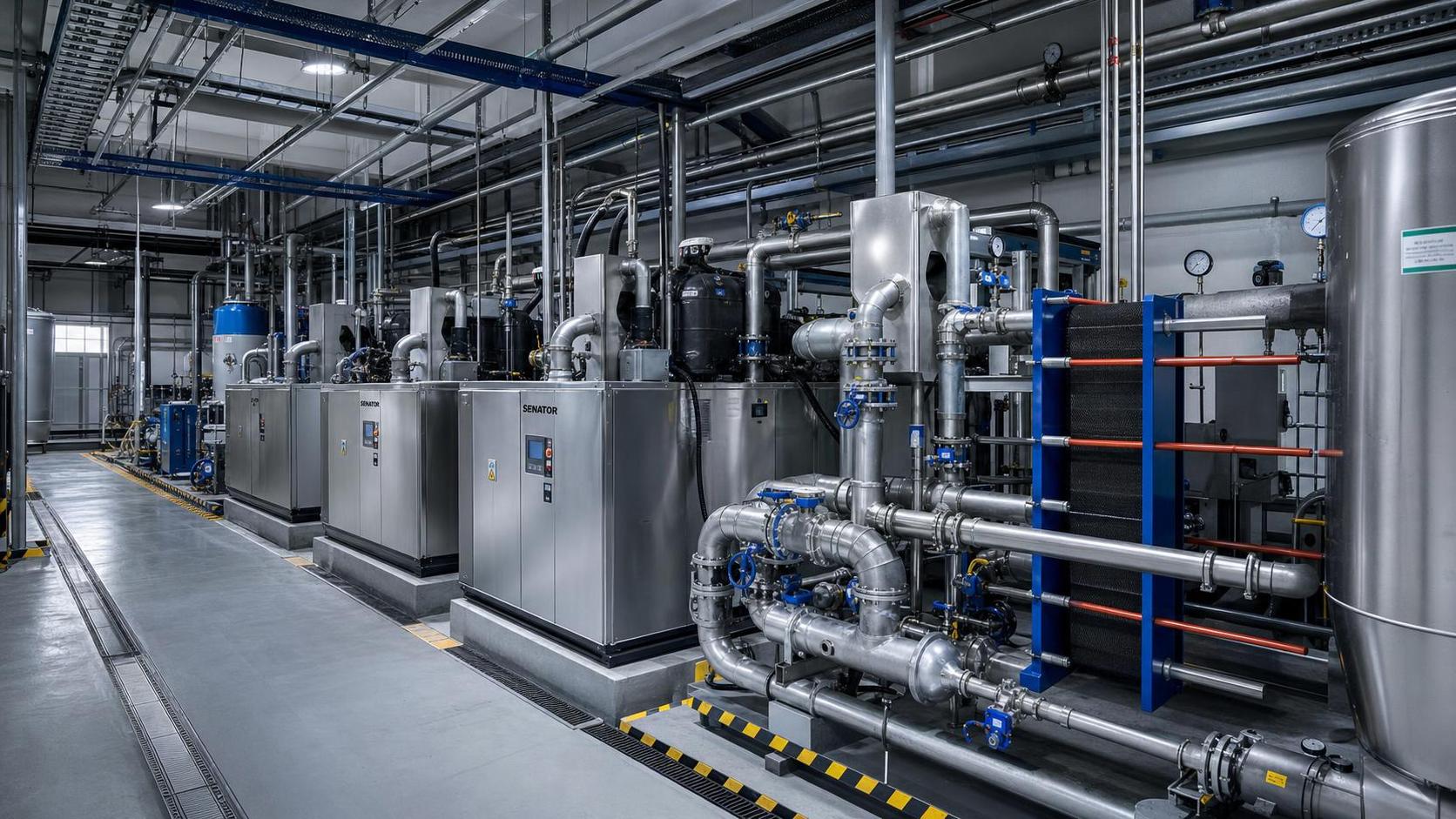
Cooling assets often hide major savings because performance drift appears gradually. Energy-saving technologies such as floating head pressure control, variable-speed fans, better heat exchangers, and smarter pumping logic can cut power without reducing reliability.
Where production quality depends on tight temperatures, the audit should include temperature stability, maintenance intervals, and water-side cleanliness, not just kilowatt-hour reduction.
Vacuum and process evacuation systems
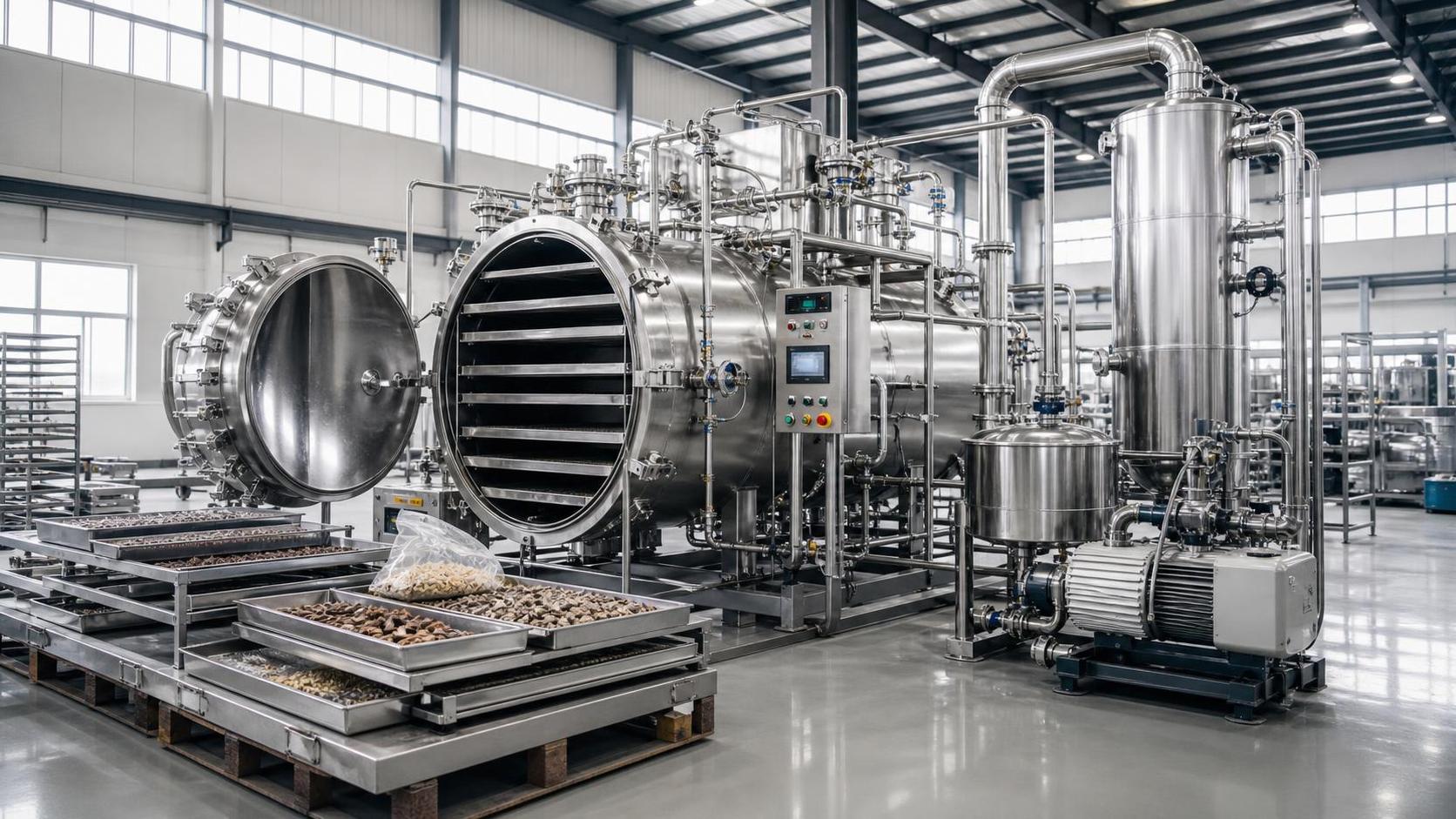
Legacy vacuum systems are frequently oversized for actual duty. Reviewing energy-saving technologies in this area can uncover opportunities for centralized control, dry technology upgrades, and lower standby consumption.
Applications with intermittent demand should be tested for load matching. Continuous operation at full capacity often reflects old process assumptions rather than current production realities.
Heat exchange and process heating
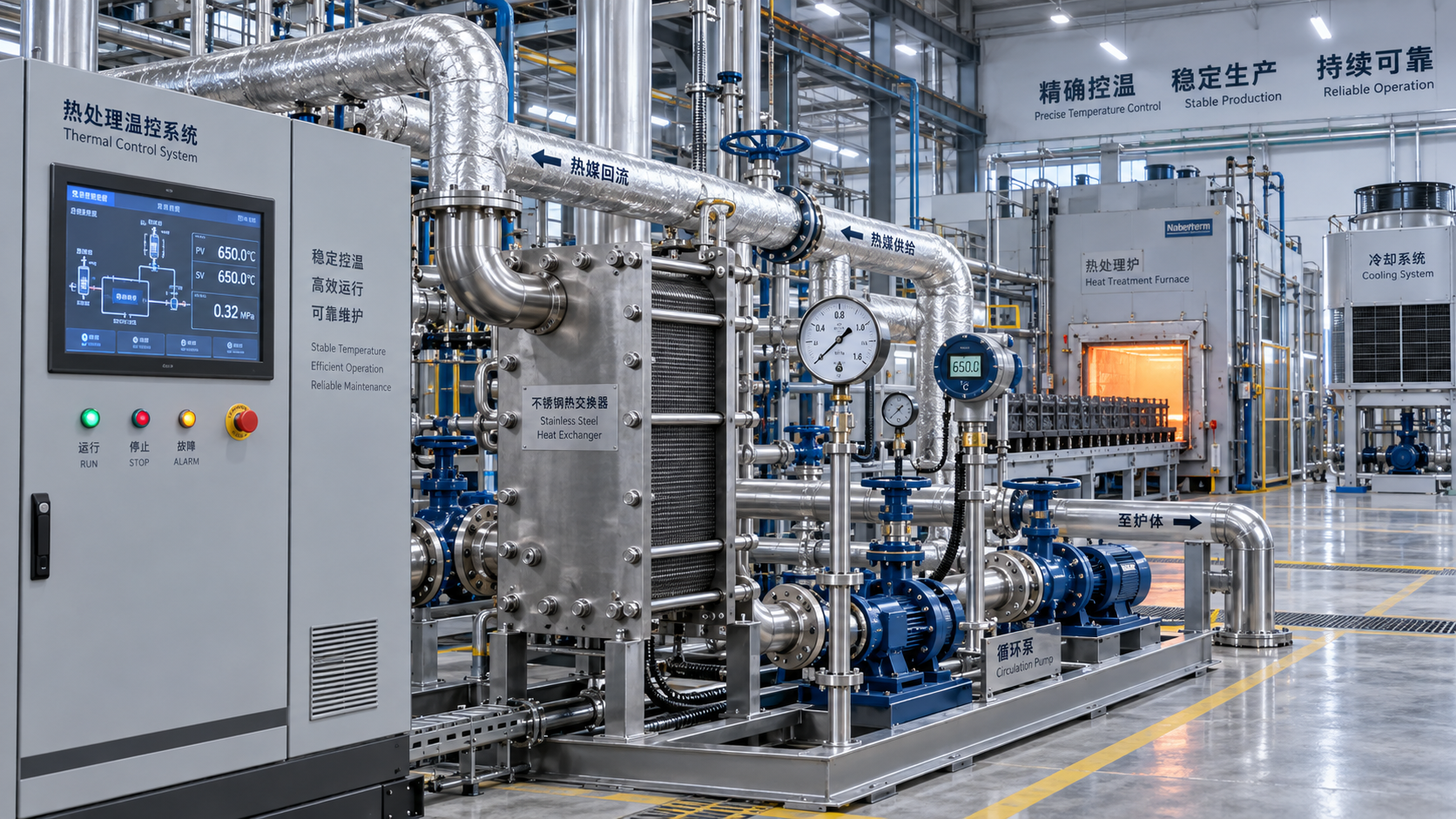
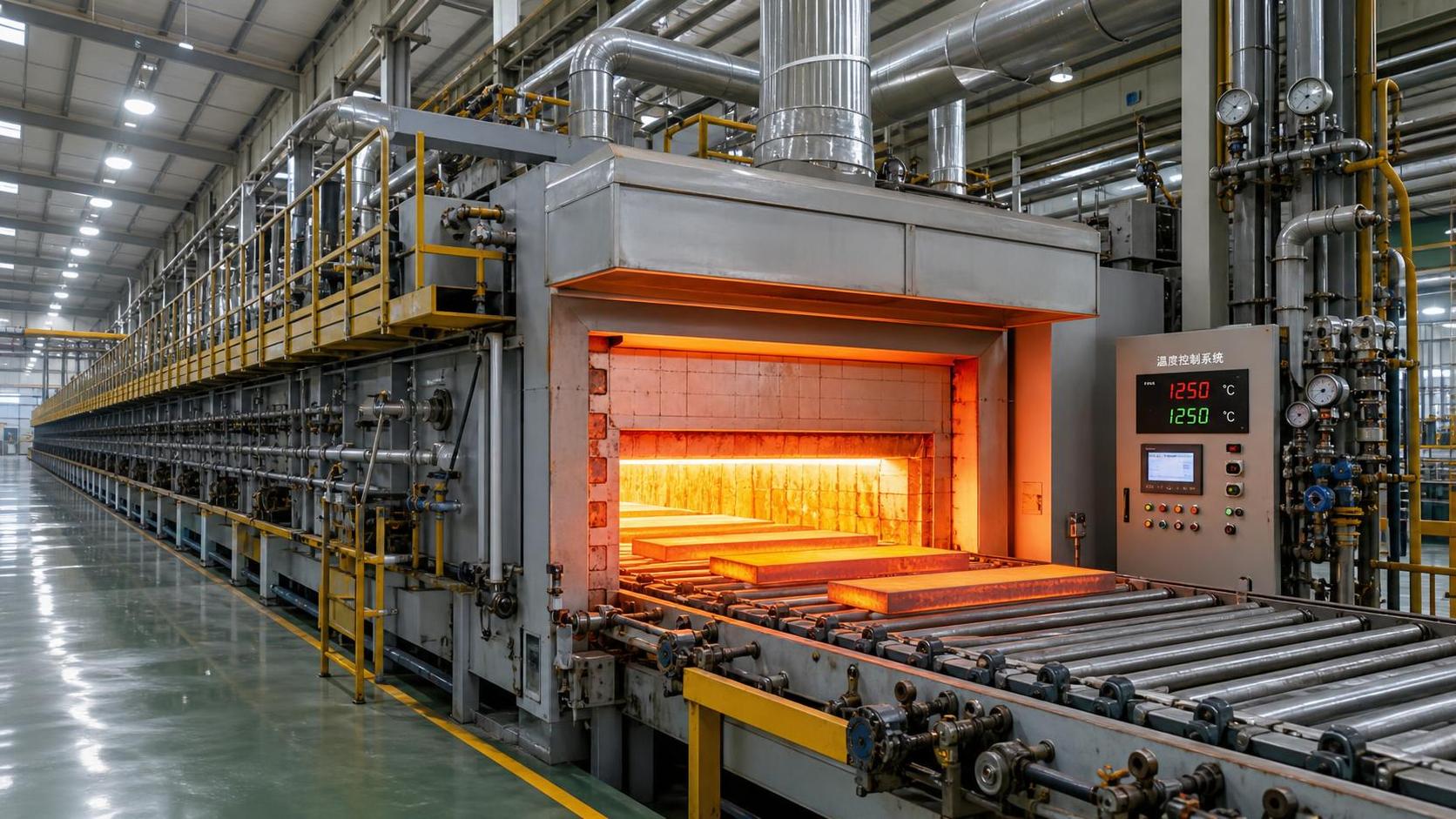
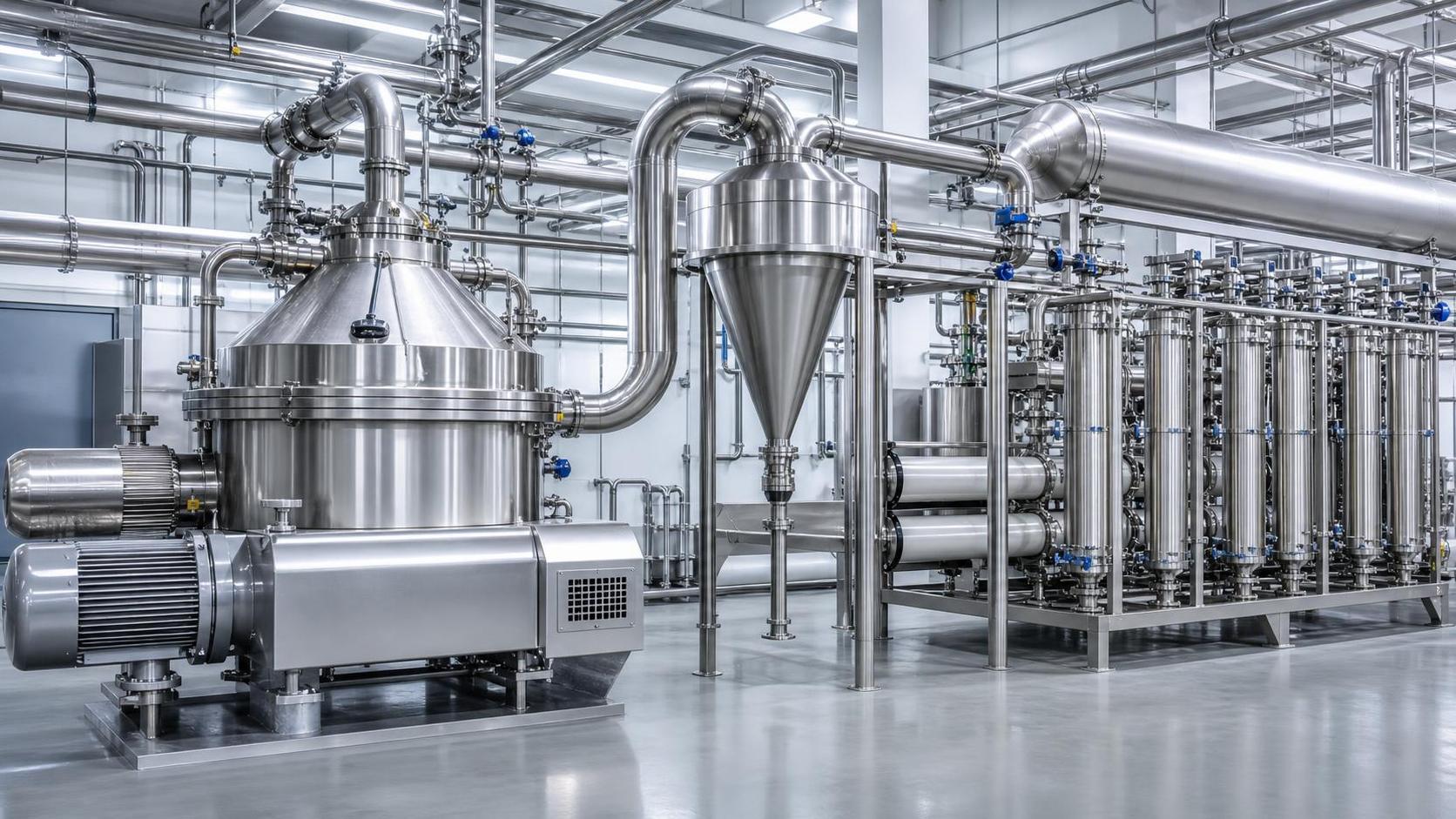
Heat exchange upgrades deserve attention wherever plants face rising fuel or electricity costs. Energy-saving technologies in this category include enhanced surfaces, plate redesign, economizers, burner tuning, and heat recovery loops.
The strongest projects often come from pairing thermal improvements with control refinement. Better heat transfer alone cannot deliver full savings if temperatures, flows, and combustion settings remain poorly managed.
Commonly missed issues that weaken capex decisions
Ignoring interaction between utilities
An upgrade in one area can increase demand in another. For example, lower air pressure may affect production tools, while new cooling strategies may change pump energy or water treatment needs.
Using nameplate efficiency instead of operating data
Energy-saving technologies should be judged by real duty cycles, ambient conditions, and process variability. Nameplate values rarely capture startup losses, partial load penalties, or maintenance-related degradation.
Skipping maintainability and parts availability
A technically efficient solution can still underperform if spare parts are slow to source or service intervals are too complex. Audit reliability and maintenance practicality alongside energy metrics.
Overlooking regulation and refrigerant transition timing
Some cooling and thermal projects should be accelerated because future compliance costs may reshape total project economics. Waiting can turn a staged upgrade into a forced replacement.
How to execute the audit efficiently
- Collect twelve months of utility, runtime, and maintenance data for major thermal and compression assets.
- Segment systems by energy intensity, production criticality, and likelihood of near-term failure.
- Run field measurements on pressure, temperature, flow, power, and load variation before defining solutions.
- Model savings using realistic operating profiles, not best-case vendor assumptions.
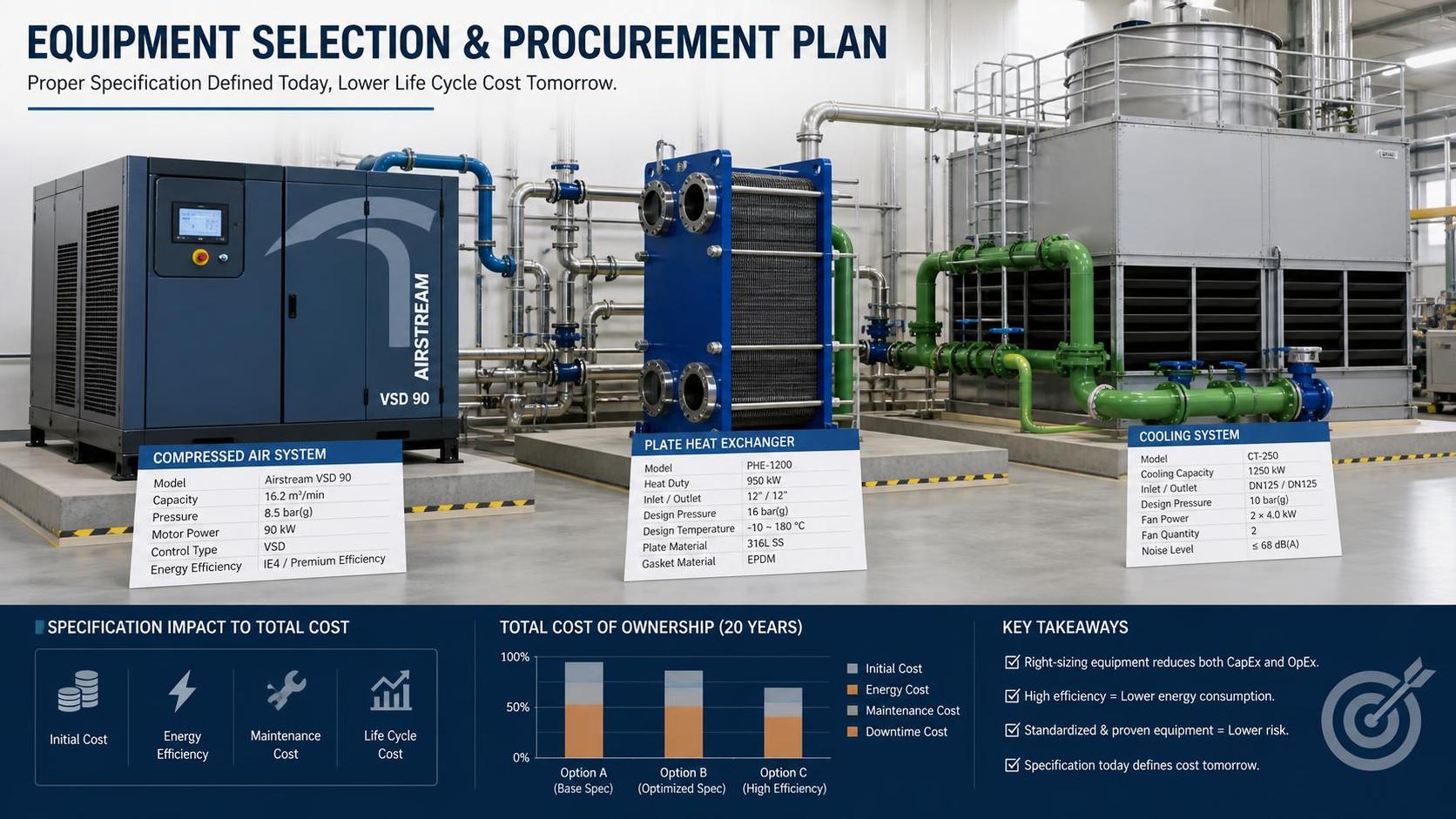
- Rank energy-saving technologies by payback, downtime risk, carbon impact, and implementation window.
- Bundle quick wins with strategic retrofits to balance immediate savings and long-horizon resilience.
A practical audit should also identify what must be monitored after installation. Verification planning matters because savings from energy-saving technologies often fade when setpoints drift or maintenance quality declines.
Final takeaway for 2026 planning
The best 2026 capex decisions will come from system-level review, not isolated equipment replacement. Auditing energy-saving technologies now gives a clearer view of where efficiency, reliability, and decarbonization can reinforce each other.
Start with compressed air, cooling, vacuum, and heat exchange assets that combine high utility intensity with operational importance. Then validate each option against real process data, maintenance reality, and regulatory timing.
That approach turns energy-saving technologies from a broad budget theme into a disciplined investment roadmap with measurable operational value before 2026 plans are finalized.
Ready when you are. Send us a message to get started.
Related News
- How to select industrial equipment for automation with existing PLCsAuthor :

- How electricity prices shape industrial compressed air price trendsAuthor :

- Choosing air filtration systems for heavy dust in the Middle EastAuthor :

- How much does a fully installed compressed air monitoring system cost?Author :

- What documentation supports CE marking for industrial equipment?Author :

- How local support affects vacuum system costs in Southeast AsiaAuthor :

- How worldwide industry category guides help compare market opportunitiesAuthor :

- What drives sustainable thermal systems cost over their operating life?Author :

- Which industrial solution comparison criteria prevent project delays?Author :

- How Ambient Temperature and Load Profile Affect Industrial Compressor SizingAuthor :

- What to evaluate before choosing a thermal process engineering supplierAuthor :

- How industrial utility systems affect energy costs in process plantsAuthor :

- What Data Is Needed to Assess Heat Recovery Decarbonization?Author :

- Can Waste Heat Recovery Support Carbon Neutrality Targets?Author :

- Is Compressor Heat Recovery Worth the Installation Cost?Author :

- What to verify before choosing a process separation technology supplierAuthor :

- When does process utilities engineering reduce project rework?Author :

- Where thermal efficiency optimization delivers the fastest savings in EuropeAuthor :

- What should you verify before selecting a heat transfer supplier?Author :

- What drives compressed air systems price for industrial projects?Author :

- How an industrial product knowledge comparison guide reduces sourcing riskAuthor :

- When does a procurement specification planning process reduce bid risk?Author :

- When does thermal system optimization for electronics reduce failure risk?Author :

- When high temperature process heating systems justify the higher energy costAuthor :

- How to compare sludge dewatering equipment by cake drynessAuthor :

- What to Check Before Sourcing a Gas Turbine for Distributed Power ProjectsAuthor :

- What drives industrial thermal systems price in large facility projectsAuthor :

- How to build an industrial product comparison chart that speeds up vendor selectionAuthor :

- Vacuum Technology Application Guide for Selecting the Right SystemAuthor :

- What Drives Vacuum Drying Cost in Industrial Procurement?Author :

- What Drives Compressed Air Pricing in Industrial Systems?Author :

- How Procurement Specification Planning Shapes Total Project CostAuthor :

- Compression Technology Guide: How to Compare Efficiency, Pressure Range, and Maintenance NeedsAuthor :

- How to Compare Industrial Separators by Throughput, Purity, and Maintenance LoadAuthor :

- How to Size a Compressed Air Equipment Receiver Tank for Stable PressureAuthor :

- Industrial Equipment Selection Guide: How to Compare Capacity, Duty Cycle, and Operating CostAuthor :