Thermal Power Systems Cost Risks in Modern Plant Upgrades




Upgrading thermal power systems can improve efficiency, reliability, and emissions performance, yet the financial profile of modernization is rarely simple. In many facilities, headline savings from better boilers, turbines, heat recovery units, or controls can be weakened by installation delays, fuel volatility, retrofit complexity, and tightening environmental rules.
For industrial operators, utilities, and energy-intensive sites, the main issue is not whether thermal power systems should be upgraded. The issue is how to identify cost risks early, compare lifecycle outcomes accurately, and avoid investment choices that create hidden operating burdens.
This matters across the broader industrial landscape. Thermal assets support process steam, power generation, heat integration, compressed air support, and temperature stability. In modern plant upgrades, cost discipline must therefore align with thermodynamic performance, digital control maturity, and long-term compliance resilience.
Cost risk fundamentals in thermal power systems upgrades
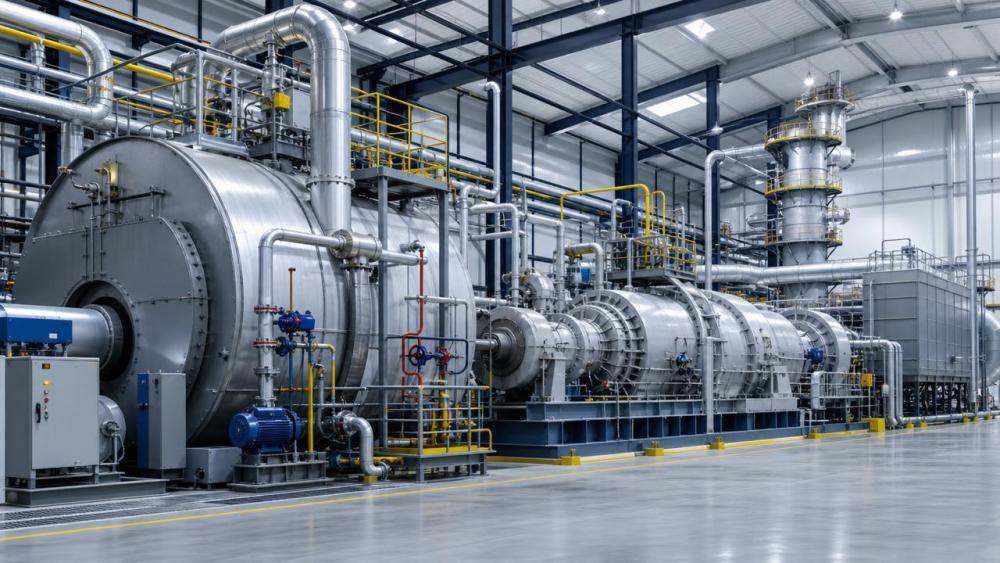
Thermal power systems convert fuel into heat and often electricity through boilers, turbines, burners, heat exchangers, condensers, and supporting control systems. Upgrades may involve partial retrofit, major replacement, or hybrid integration with waste heat recovery and cleaner fuels.
Cost risk appears when expected project value differs from actual value. That gap may emerge during design, procurement, construction, commissioning, or later operation. In thermal power systems, these deviations are often cumulative rather than isolated.
The most common risk categories include:
- capital cost escalation from equipment, steel, controls, and specialist labor
- fuel cost exposure caused by gas, coal, biomass, or backup fuel price shifts
- performance risk when designed efficiency is not achieved under real load conditions
- compliance cost growth from emissions limits, water use rules, or carbon pricing
- downtime and integration risk during tie-ins with existing plant infrastructure
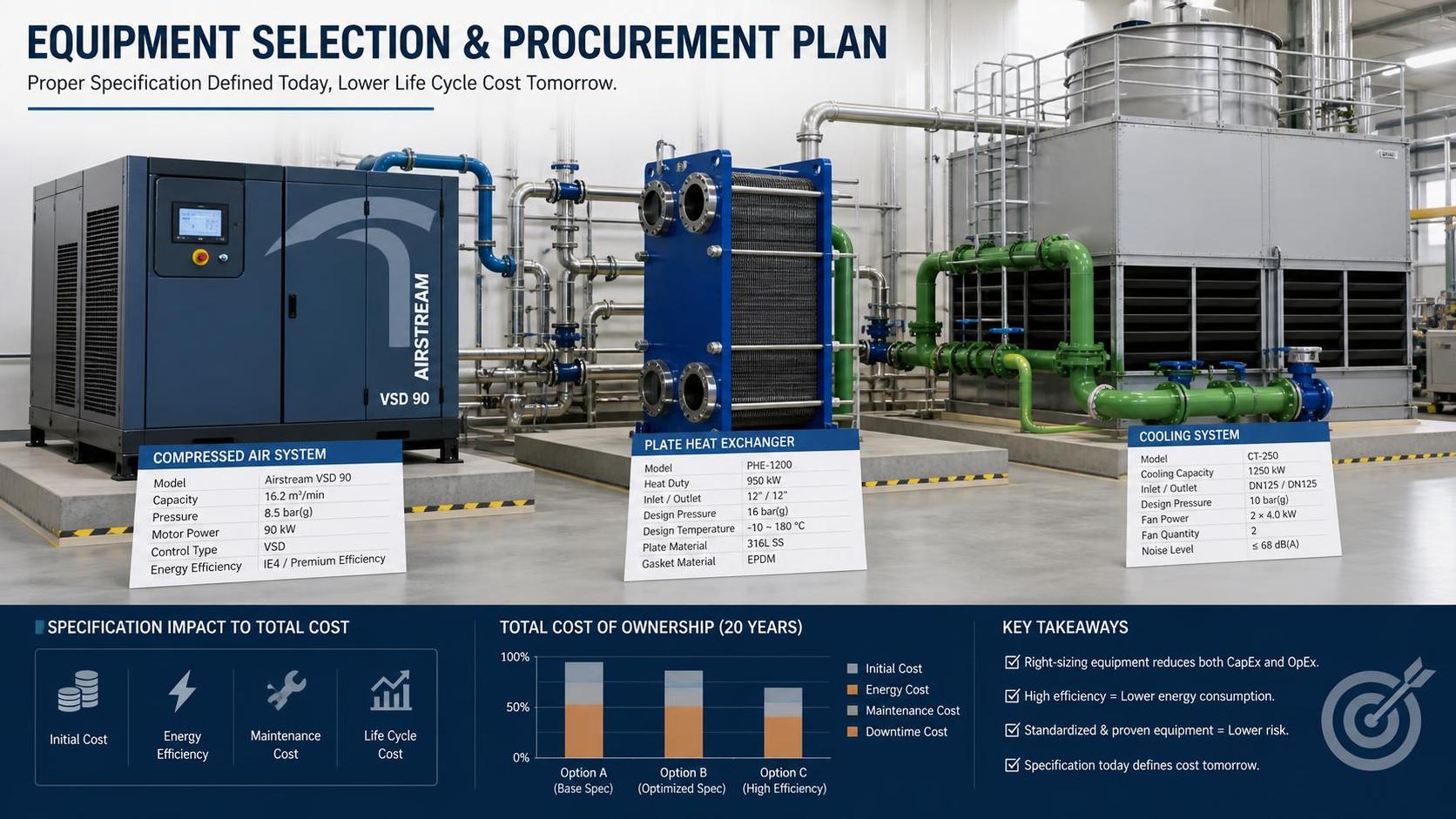
A disciplined review of thermal power systems should therefore focus on total cost of ownership, not only installed cost. Projects with lower purchase prices may create higher maintenance intensity, lower heat rates, or shorter overhaul intervals.
Industry signals shaping upgrade economics
Several market trends are changing how thermal power systems are evaluated. These trends affect not only power plants, but also district energy networks, large manufacturing sites, and integrated process facilities.
Key signals in the current environment
These signals show why thermal power systems cannot be assessed through a static business case. The economic model must reflect uncertainty bands, scenario pricing, and phased implementation logic.
This is especially relevant in sectors tracked by GTC-Matrix, where thermal efficiency, compression power, and heat exchange often interact. A boiler upgrade may change steam balance, compressor loading, cooling demand, and heat recovery opportunities at the same time.
Where hidden costs emerge across the project lifecycle
Many overruns in thermal power systems projects originate outside the core equipment package. The financial model often underestimates indirect costs that appear only after site engineering begins.
Development and design phase
- Incomplete condition assessment of legacy piping, foundations, and electrical systems
- Insufficient load profiling across seasonal and partial-load operating modes
- Under-scoped emissions treatment, water treatment, and control architecture updates
Procurement and construction phase
- Vendor substitutions that reduce expected thermal efficiency or maintainability
- Freight, customs, and expediting costs for long-lead thermal components
- Outage extensions caused by interface conflicts with existing systems
Operational phase
- Higher auxiliary power use than expected
- Faster fouling, reduced heat transfer, or unstable combustion at variable loads
- Extra training and software support for digital optimization tools
In thermal power systems, a small efficiency miss can have major annual cost consequences. A narrow gap in heat rate may outweigh initial equipment savings over the asset life.
Business value of better thermal power systems risk control
Improved risk control strengthens more than project budgeting. It also protects energy intensity targets, production continuity, maintenance planning, and environmental reporting credibility.
When thermal power systems are evaluated with integrated thermodynamic and financial logic, organizations gain several advantages:
- More reliable payback calculations under fuel and policy uncertainty
- Better prioritization of retrofit stages and outage windows
- Stronger alignment between efficiency gains and emissions strategy
- Lower probability of stranded capital in rapidly changing regulatory settings
This integrated perspective is increasingly important in facilities where compressors, chillers, heat exchangers, and steam systems are thermally linked. Decisions about thermal power systems often influence broader utility optimization across the site.
Typical upgrade scenarios and their cost profiles
Not all thermal power systems face the same risk structure. Cost exposure changes with plant age, process criticality, fuel type, and degree of retrofit ambition.
This scenario view helps compare thermal power systems on a like-for-like basis. It also prevents overconfidence in standard vendor estimates that may not match local operating realities.
Practical methods to reduce cost risks
Effective risk reduction starts before the final technology selection. Thermal power systems require both engineering rigor and commercial discipline throughout the upgrade path.
Recommended practices
- Build business cases using multiple fuel, carbon, and load scenarios.
- Audit existing asset condition with detailed thermal and mechanical inspections.
- Separate guaranteed performance metrics from assumed operating assumptions.
- Include commissioning, tuning, and ramp-up losses in project economics.
- Reserve budget for controls integration, data validation, and workforce training.
- Track lifecycle cost per useful heat or power unit, not only installed cost.
For thermal power systems with strong interaction between heating, cooling, and compression, cross-functional modeling is essential. Gains in one utility area can shift costs elsewhere if thermal balance is not examined holistically.
High-quality industrial intelligence also improves timing. Market monitoring of component lead times, refrigerant policy, fuel contracts, and efficiency standards can materially change the best upgrade sequence.
Decision pathway for the next upgrade phase
A practical next step is to review thermal power systems through four lenses: current performance, hidden cost exposure, compliance horizon, and integration impact on the wider utility network.
Start with measured operating data rather than design assumptions. Then compare retrofit options using lifecycle cost, outage risk, and emissions resilience under several market conditions.
In this process, intelligence platforms such as GTC-Matrix can support stronger decisions by linking thermodynamic analysis, commercial signals, and technology evolution. That combination helps thermal power systems upgrades move from reactive spending toward resilient, efficiency-led capital planning.
Modernization succeeds when cost risk is treated as a design parameter, not a late-stage surprise. For thermal power systems, that approach protects margins, supports decarbonization goals, and strengthens long-term operational stability.
Related News
- What to evaluate before choosing a thermal process engineering supplierAuthor :

- How industrial utility systems affect energy costs in process plantsAuthor :

- What Data Is Needed to Assess Heat Recovery Decarbonization?Author :

- Can Waste Heat Recovery Support Carbon Neutrality Targets?Author :

- Is Compressor Heat Recovery Worth the Installation Cost?Author :

- What to verify before choosing a process separation technology supplierAuthor :

- When does process utilities engineering reduce project rework?Author :

- Where thermal efficiency optimization delivers the fastest savings in EuropeAuthor :

- What should you verify before selecting a heat transfer supplier?Author :

- What drives compressed air systems price for industrial projects?Author :

- How an industrial product knowledge comparison guide reduces sourcing riskAuthor :

- When does a procurement specification planning process reduce bid risk?Author :

- When does thermal system optimization for electronics reduce failure risk?Author :

- When high temperature process heating systems justify the higher energy costAuthor :

- How to compare sludge dewatering equipment by cake drynessAuthor :

- What to Check Before Sourcing a Gas Turbine for Distributed Power ProjectsAuthor :

- What drives industrial thermal systems price in large facility projectsAuthor :

- How to build an industrial product comparison chart that speeds up vendor selectionAuthor :

- Vacuum Technology Application Guide for Selecting the Right SystemAuthor :

- What Drives Vacuum Drying Cost in Industrial Procurement?Author :

- What Drives Compressed Air Pricing in Industrial Systems?Author :

- How Procurement Specification Planning Shapes Total Project CostAuthor :

- Compression Technology Guide: How to Compare Efficiency, Pressure Range, and Maintenance NeedsAuthor :

- How to Compare Industrial Separators by Throughput, Purity, and Maintenance LoadAuthor :

- How to Size a Compressed Air Equipment Receiver Tank for Stable PressureAuthor :

- Industrial Equipment Selection Guide: How to Compare Capacity, Duty Cycle, and Operating CostAuthor :

- How to Evaluate an Intellectualization Supplier for Industrial UpgradesAuthor :

- High-Efficiency Manufacturing: Cost Savings vs. Upgrade RiskAuthor :

- Thermal System Optimization Cost: What Drives ROI?Author :

- How to Plan Process Utilities for a Cleanroom Without Costly ReworkAuthor :

- How to Compare Process Heating Suppliers in MexicoAuthor :

- Food Processing Utilities: Common Sizing Mistakes That Raise Energy and Water UseAuthor :

- How to Build Procurement Specification Planning for Industrial EquipmentAuthor :

- OEM Cooperation for Industrial Equipment: Risks, Terms, and Cost PrioritiesAuthor :

- Specification-Oriented Product Resources That Speed Technical ReviewAuthor :

- Industrial Equipment Selection Guide: A Practical Buyer ChecklistAuthor :