High-Efficiency Manufacturing: Where Energy ROI Improves First




In high-efficiency manufacturing, the fastest energy ROI often appears not in full-line overhauls, but in thermal and compressed air systems that quietly drive daily costs.
For financial decision-makers, understanding where efficiency gains emerge first can reduce risk, shorten payback periods, and support smarter capital allocation.
This article explores the early-return opportunities hidden inside cooling, vacuum, heat exchange, and compression performance.
What Financial Approvers Need to Know First About High-Efficiency Manufacturing
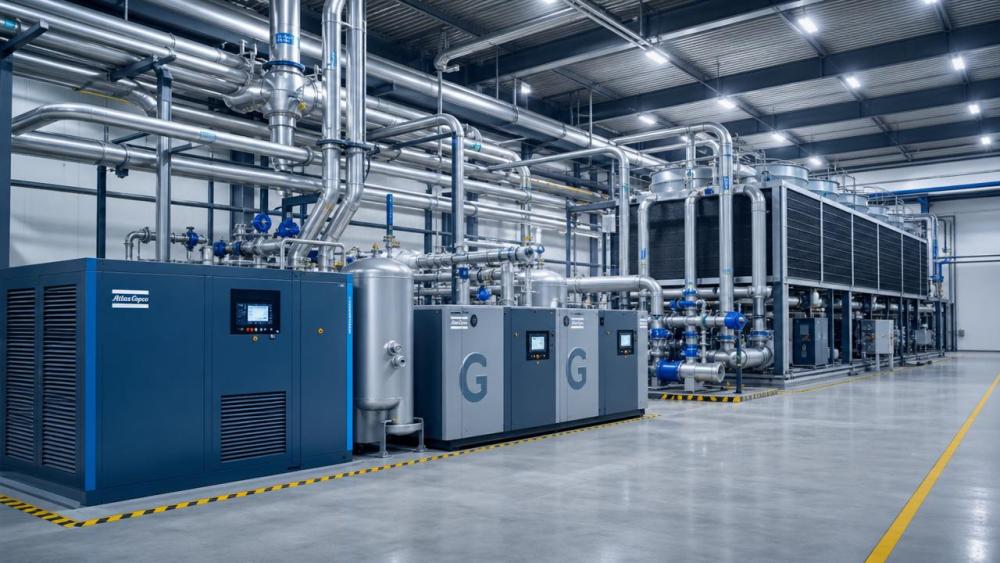
The core search intent behind high-efficiency manufacturing is practical, not theoretical: decision-makers want to know where energy investments pay back first and why.
For finance teams, the key issue is not whether efficiency matters. It is which upgrades produce measurable savings quickly, with manageable operational disruption and defendable capital logic.
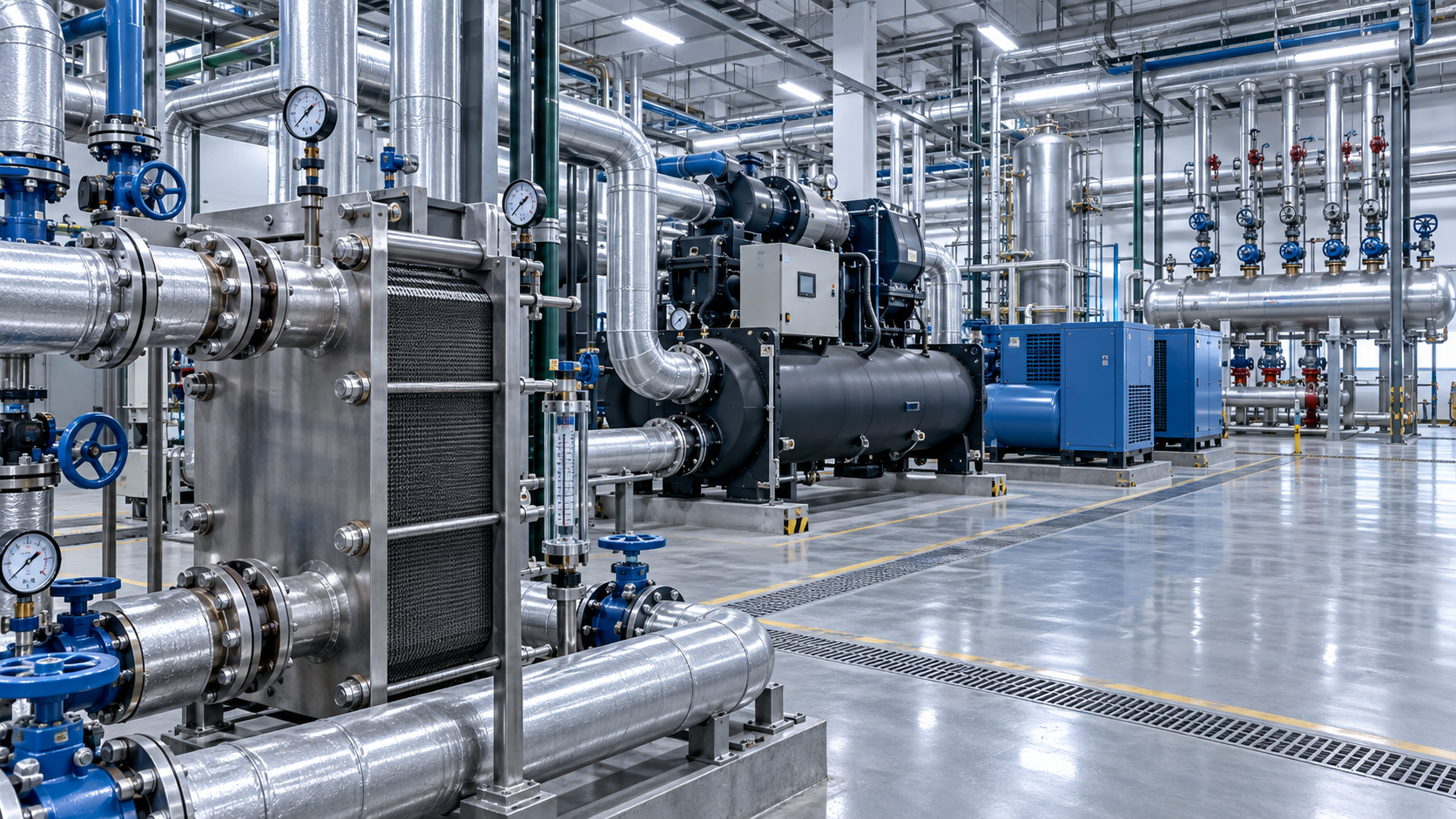
That usually leads to one clear conclusion. Early energy ROI often appears first in utilities and process support systems, especially compressed air, cooling, heat exchange, and vacuum.
These assets run for long hours, affect multiple production stages, and often carry hidden losses. Because of that, even targeted improvements can create visible savings without redesigning the full plant.
For a financial approver, this matters because utility-side projects are often easier to baseline, easier to stage, and easier to verify than broad production transformation programs.
In other words, high-efficiency manufacturing usually starts where energy is continuously converted, lost, or over-delivered, not where the organization first notices the equipment physically producing output.
Why Thermal and Compressed Air Systems Usually Deliver the Earliest Energy ROI
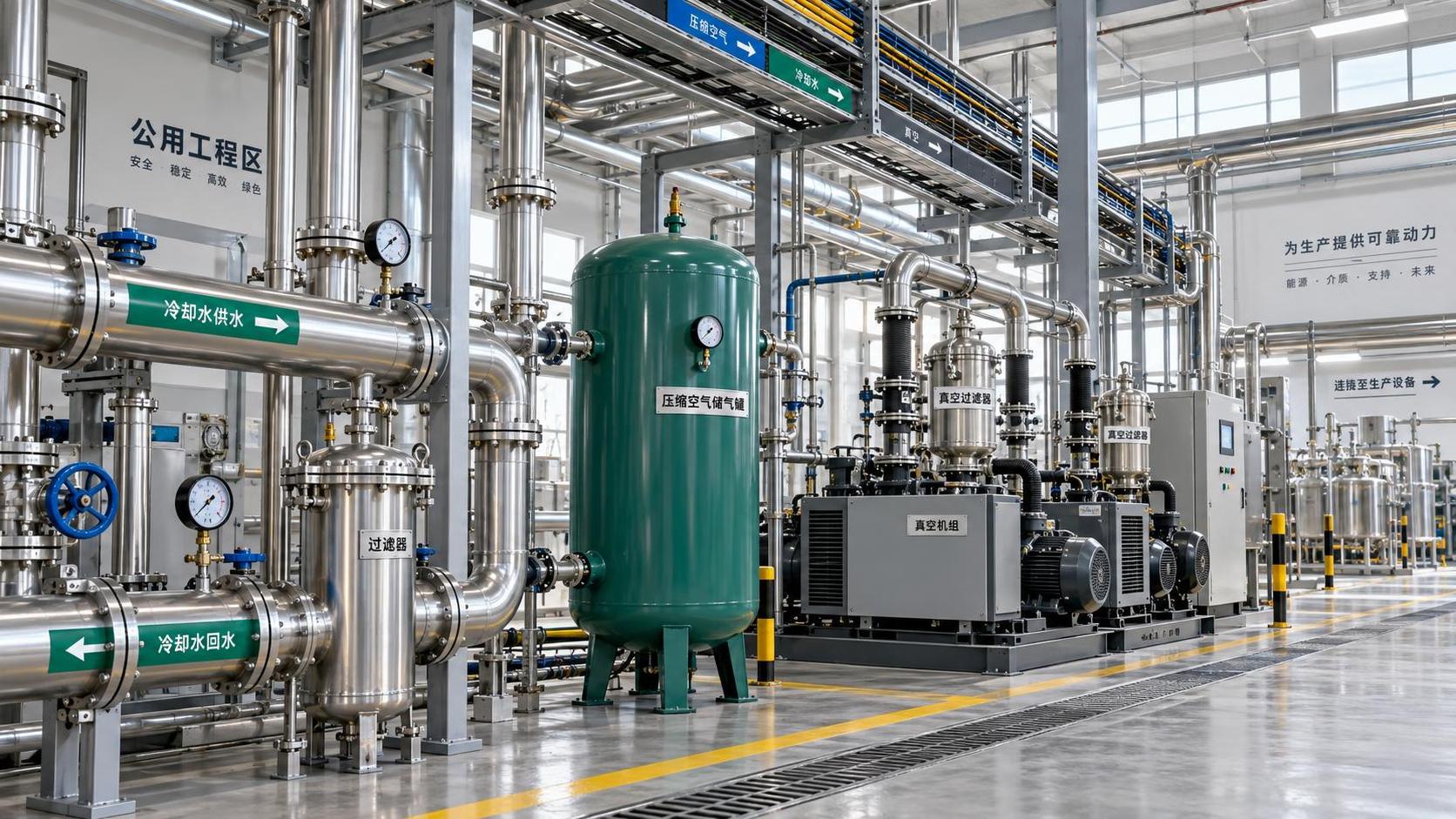
Compressed air and thermal systems are common early-return targets because they combine high runtime, strong energy intensity, and frequent mismatch between actual demand and installed capacity.
Many factories treat these systems as background infrastructure. Financially, that is exactly why they deserve attention: unmanaged support systems often accumulate silent waste every operating hour.
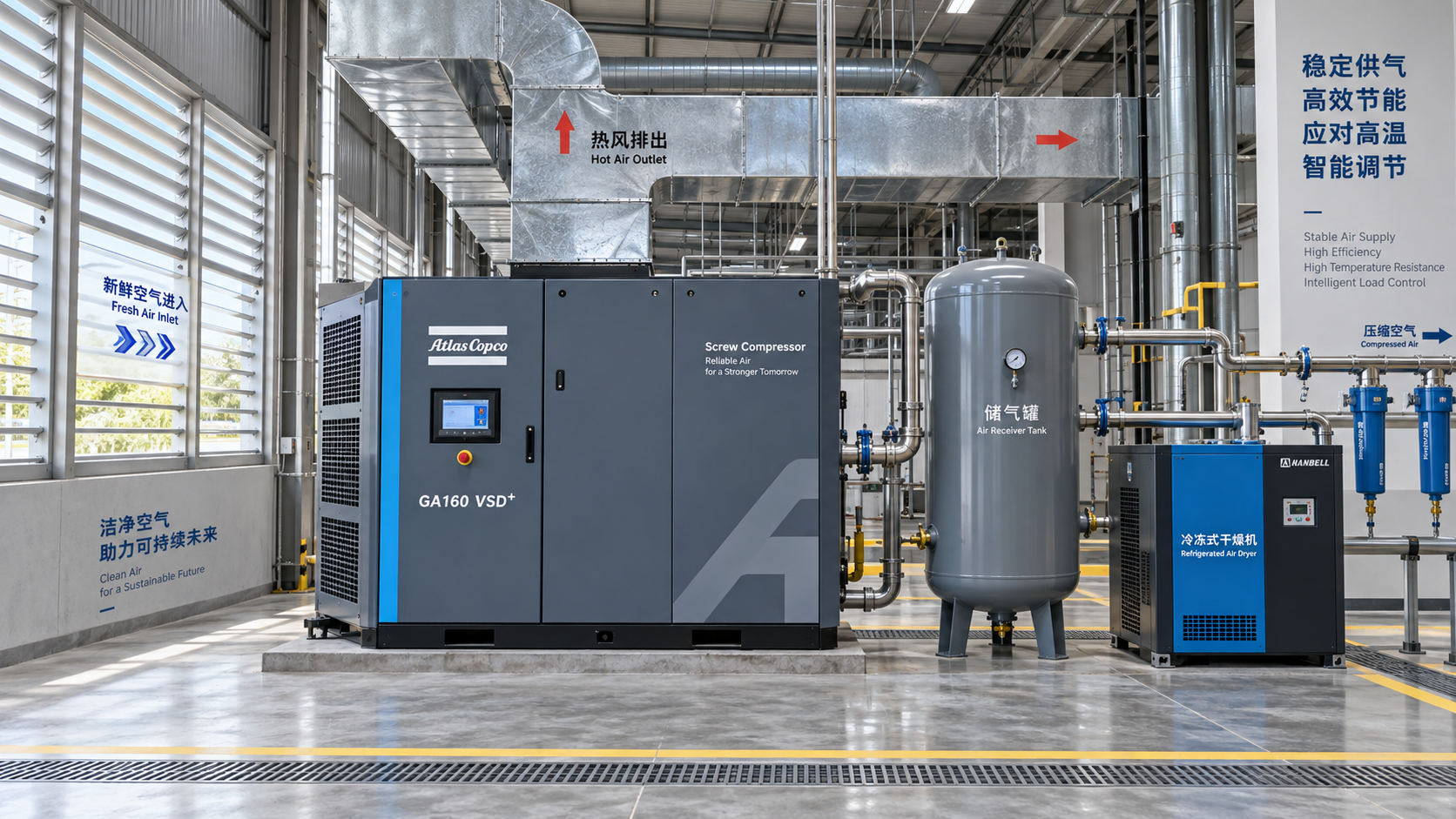
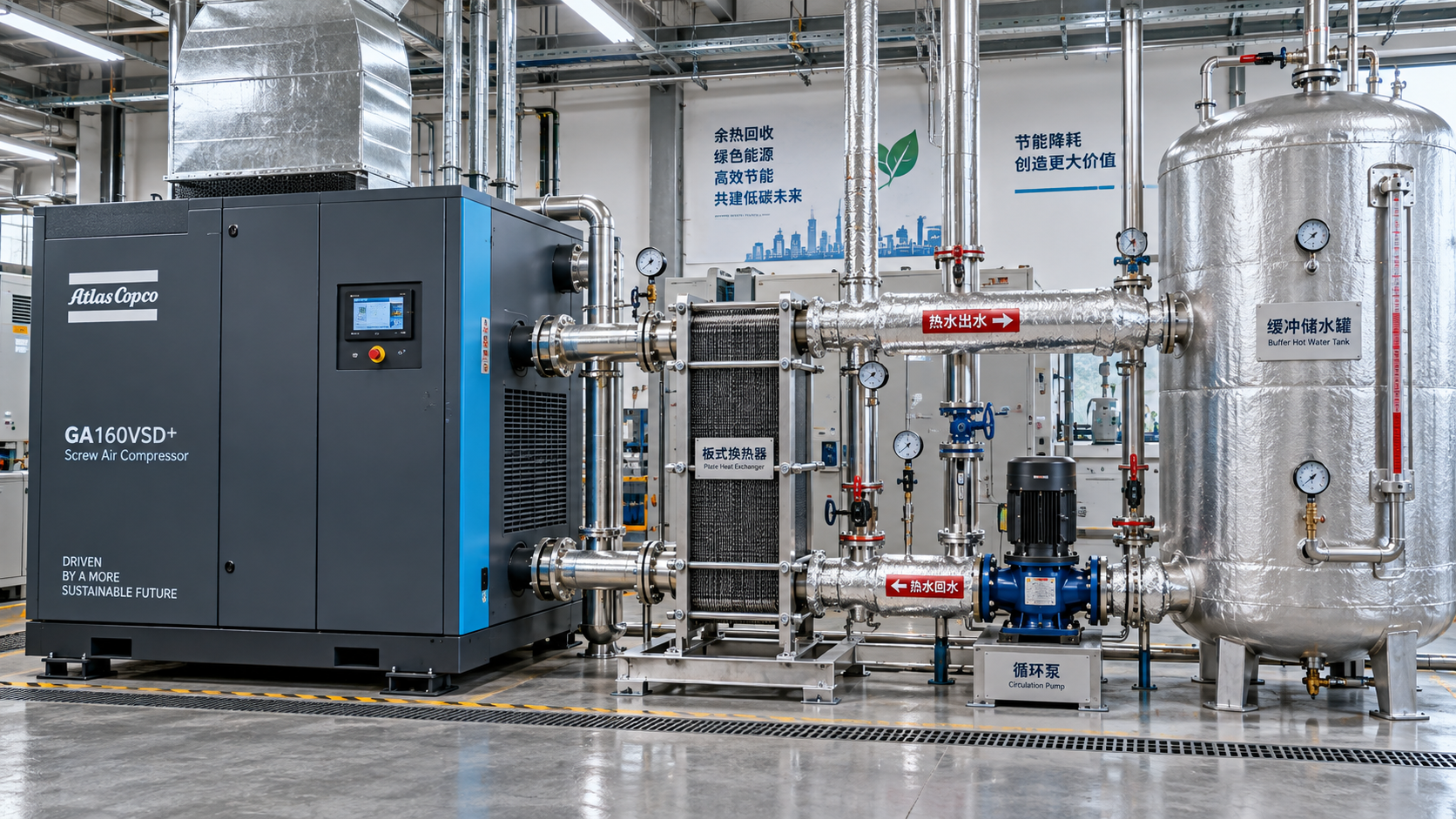
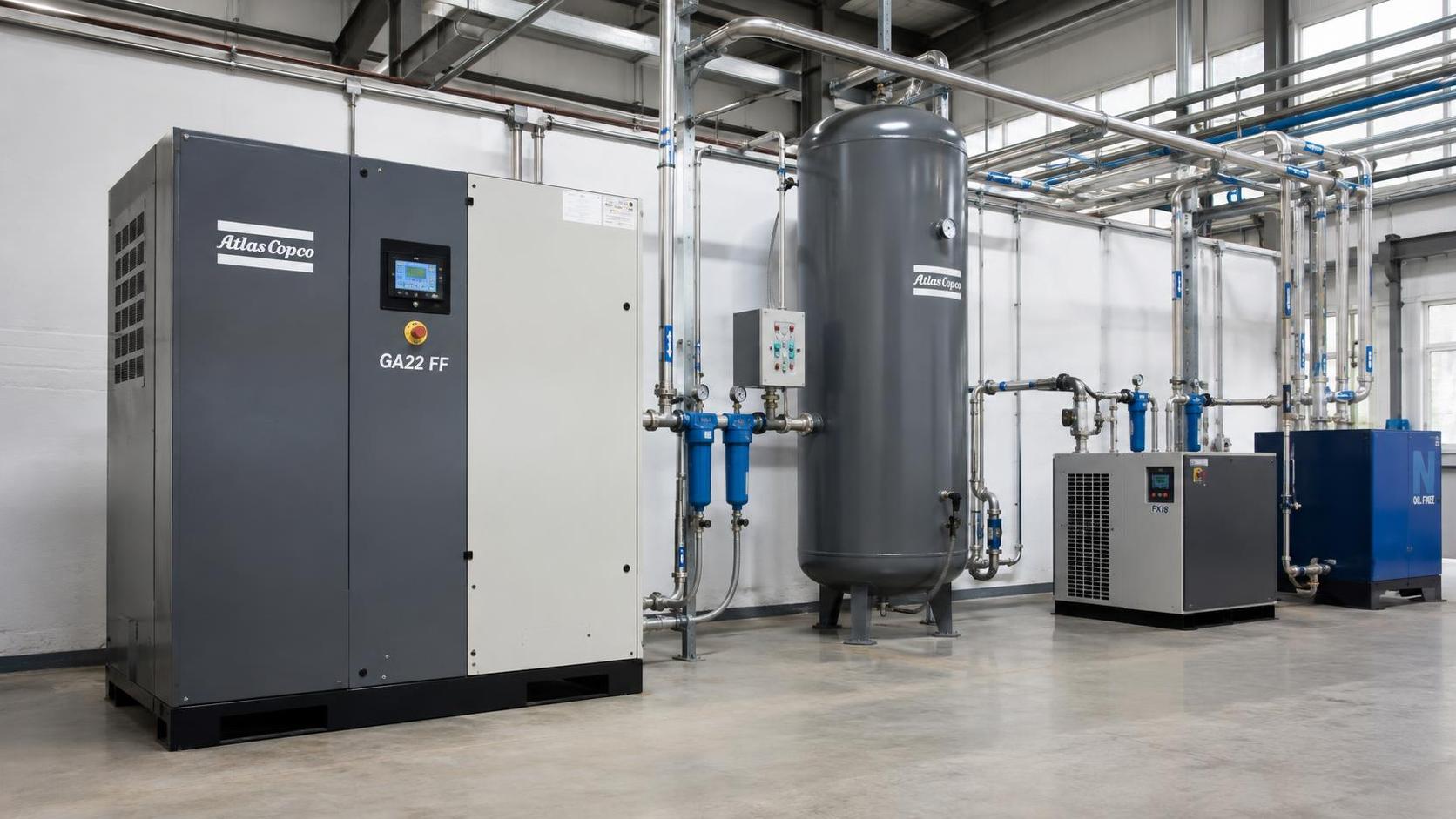
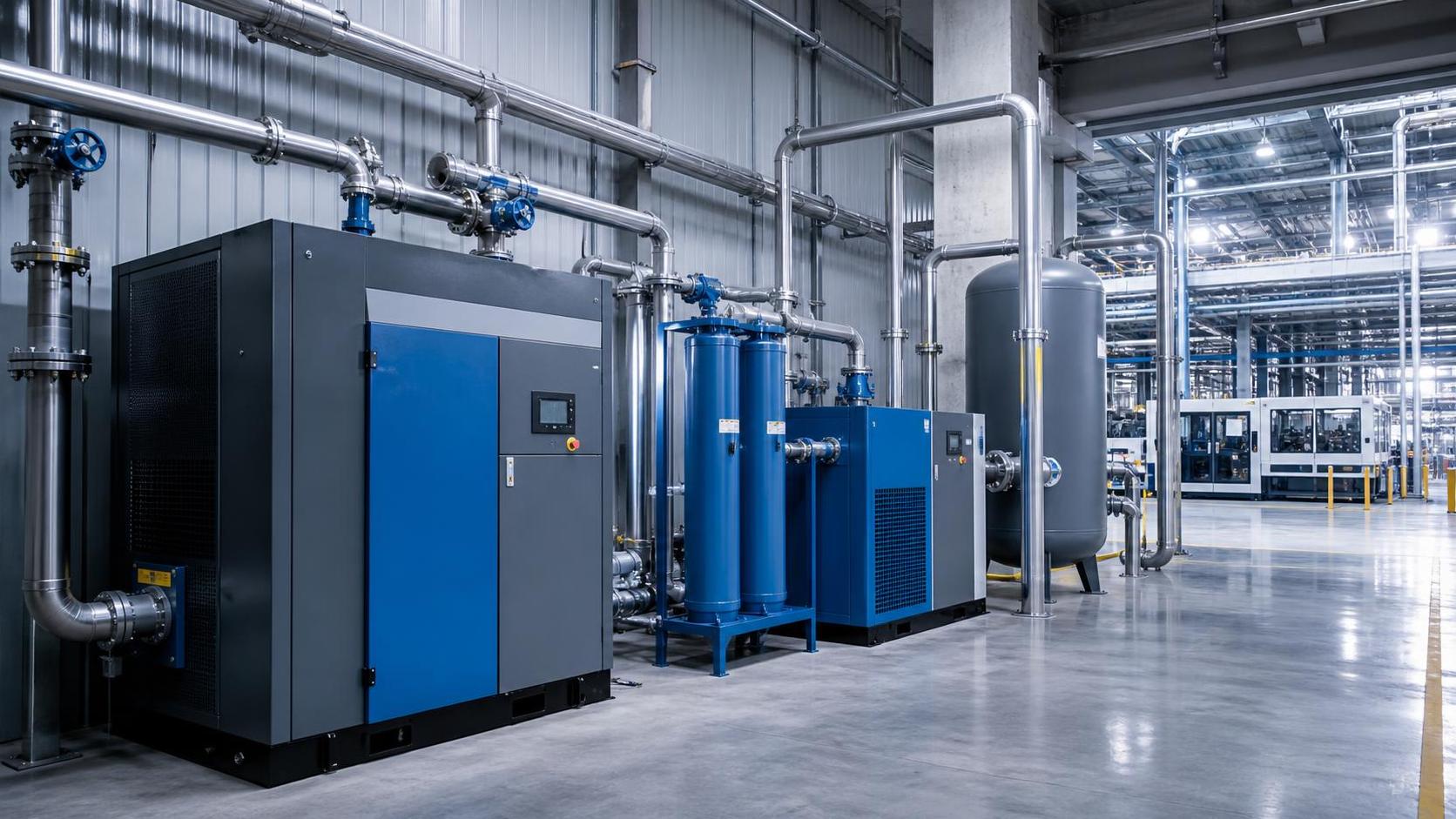
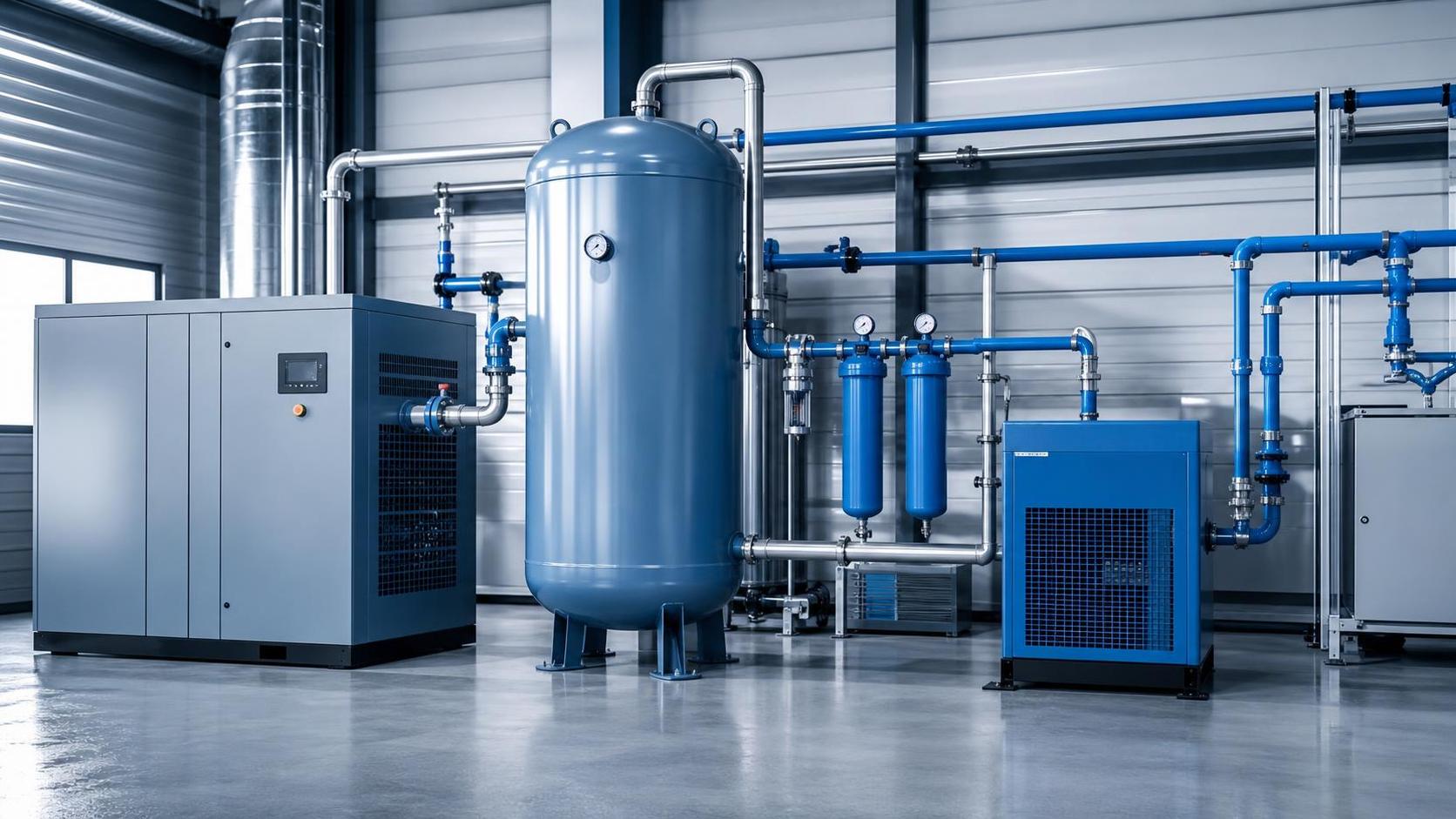
Compressed air is a classic example. Leaks, pressure setpoints that are too high, poor sequencing, unloaded running, and oversized equipment can turn electricity into low-value losses.
From an ROI perspective, that creates a favorable condition. Savings come from reducing waste in an already essential system, rather than depending on uncertain revenue growth assumptions.
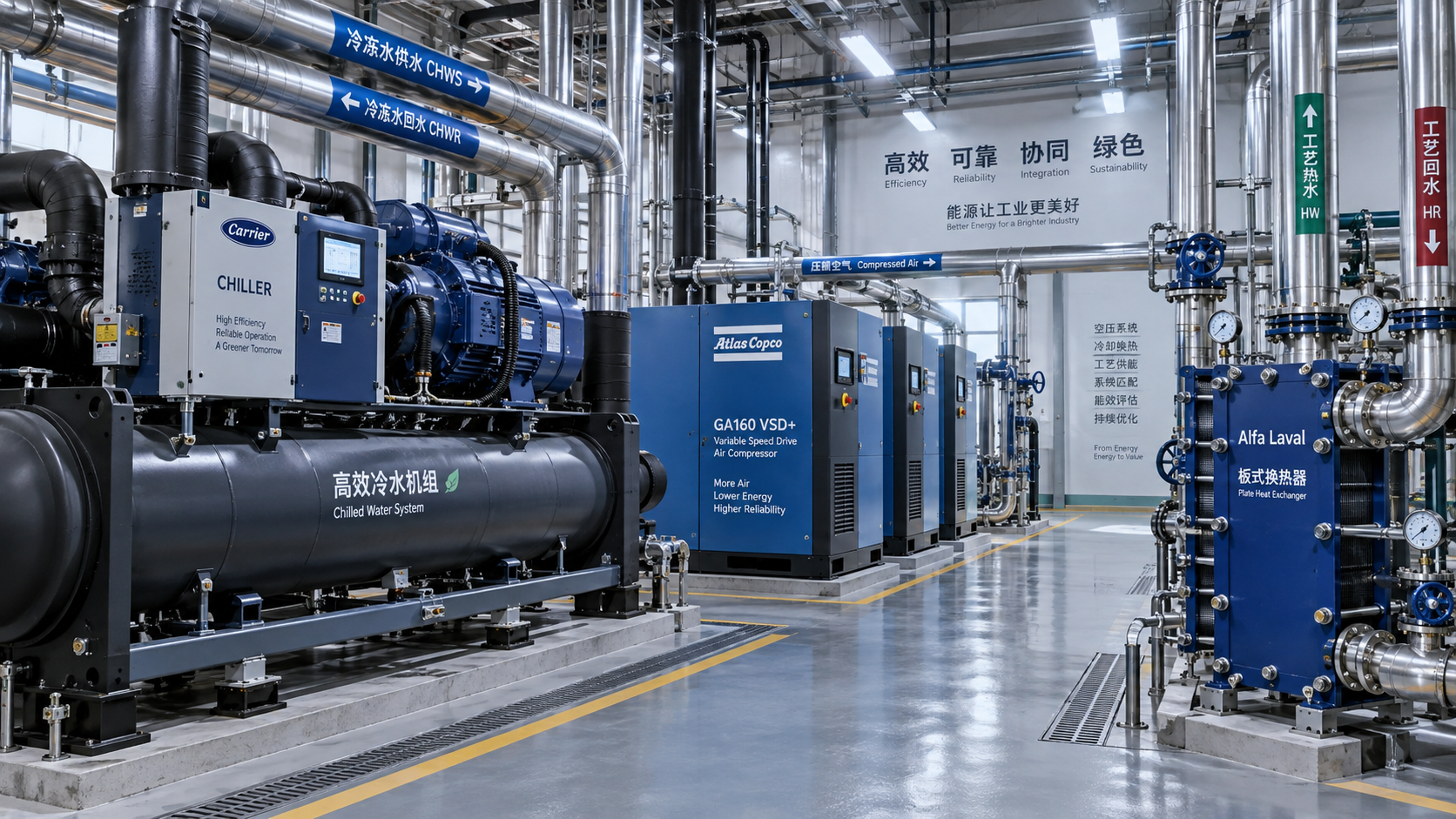
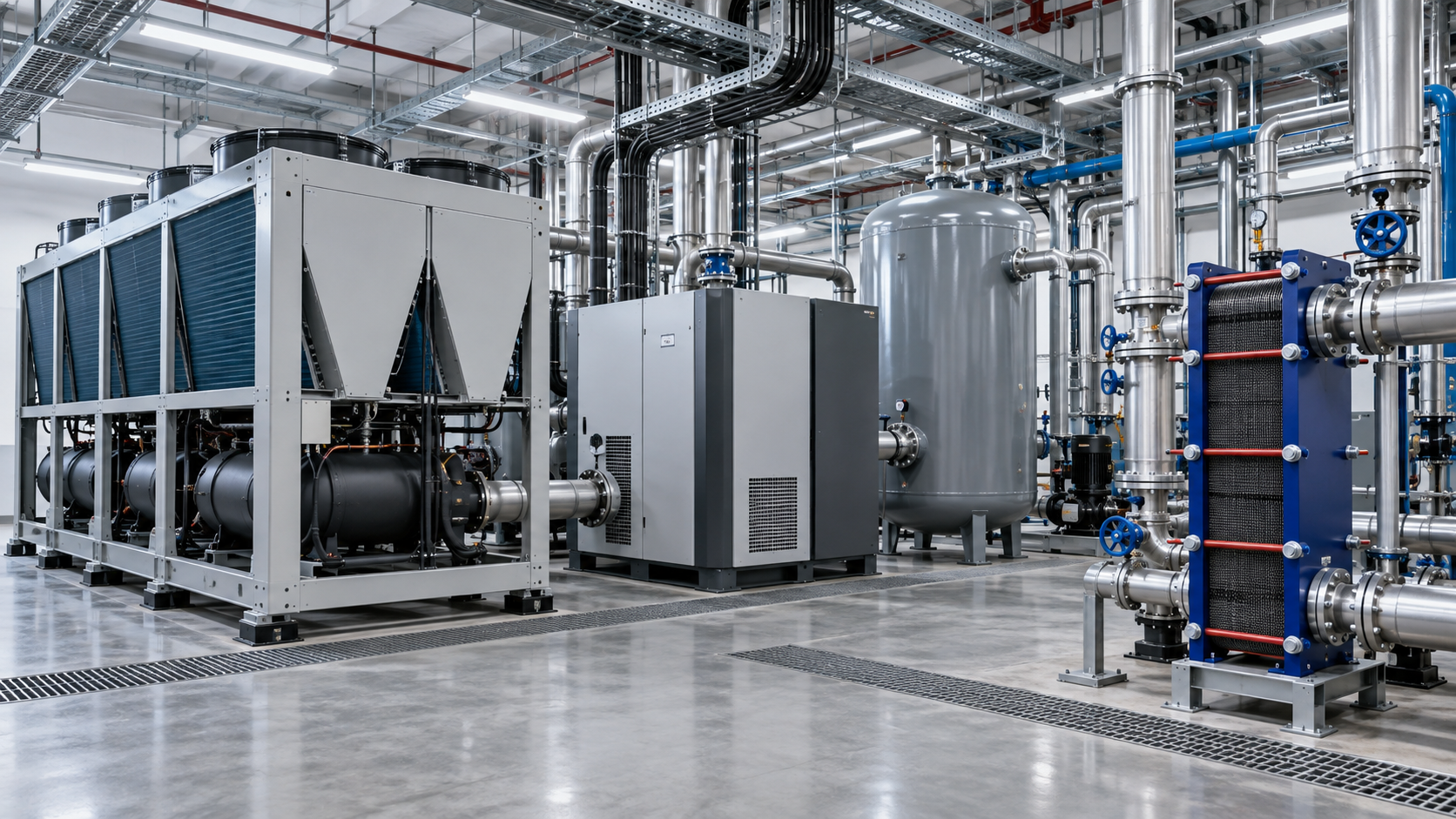
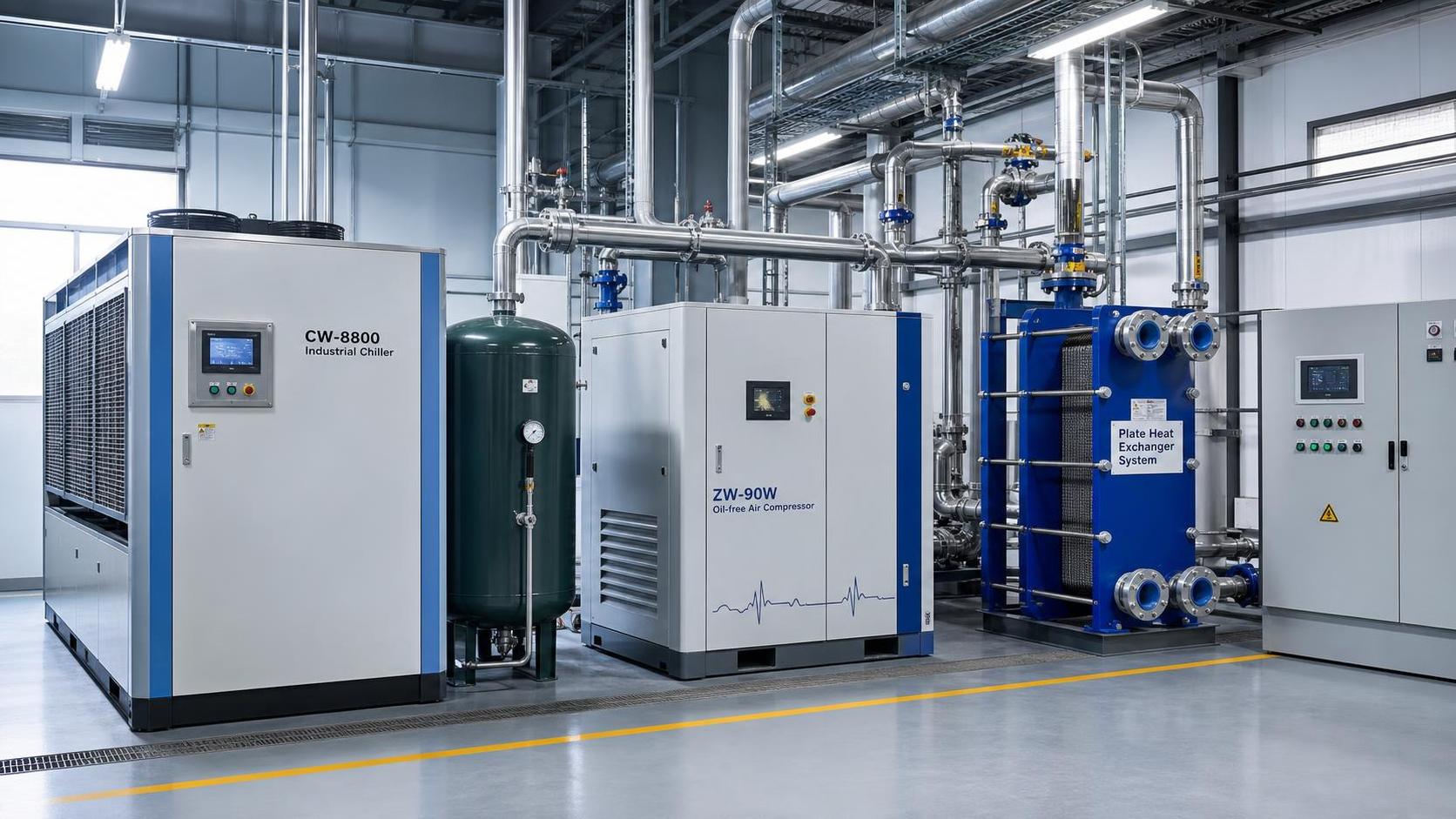
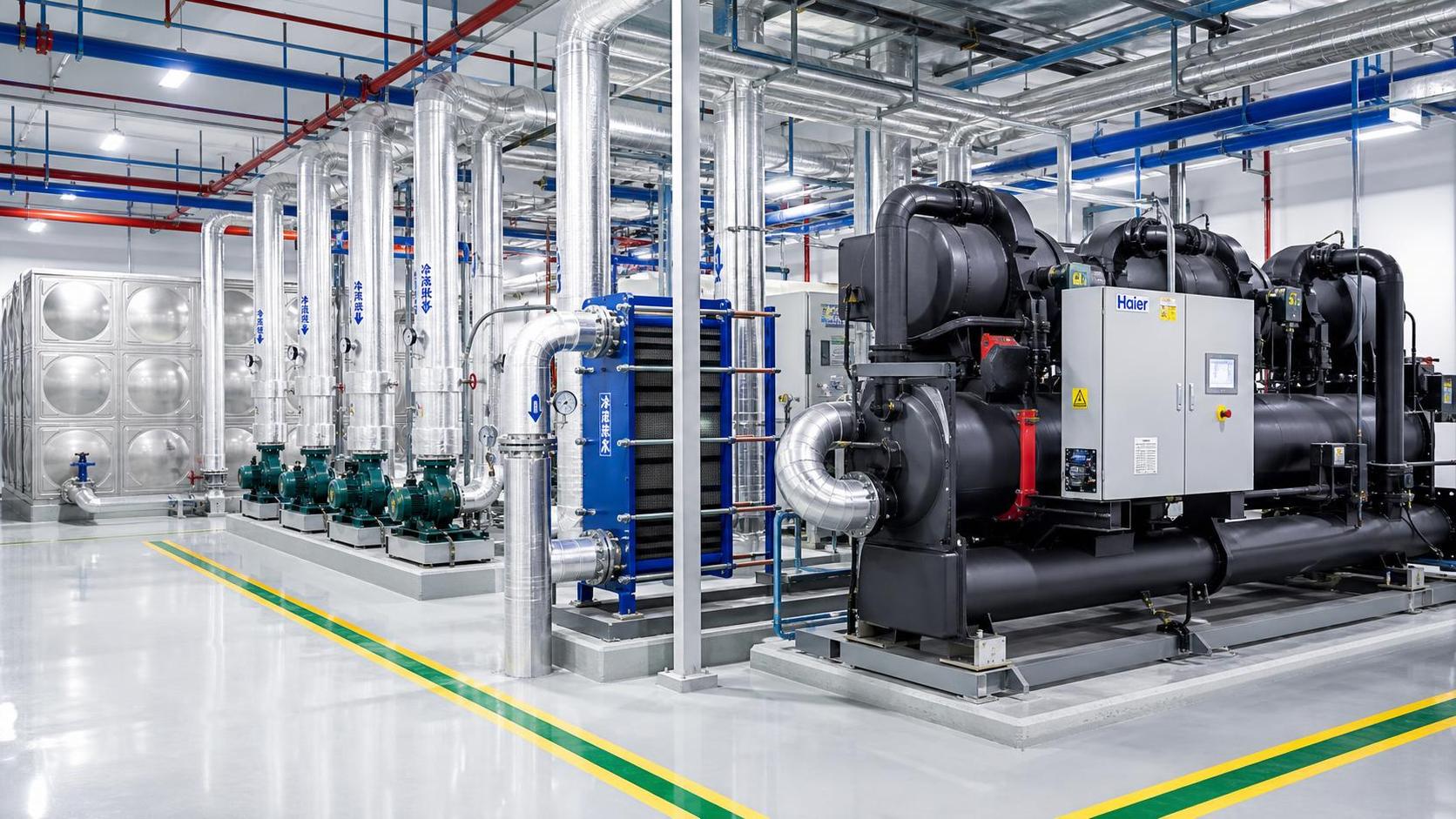
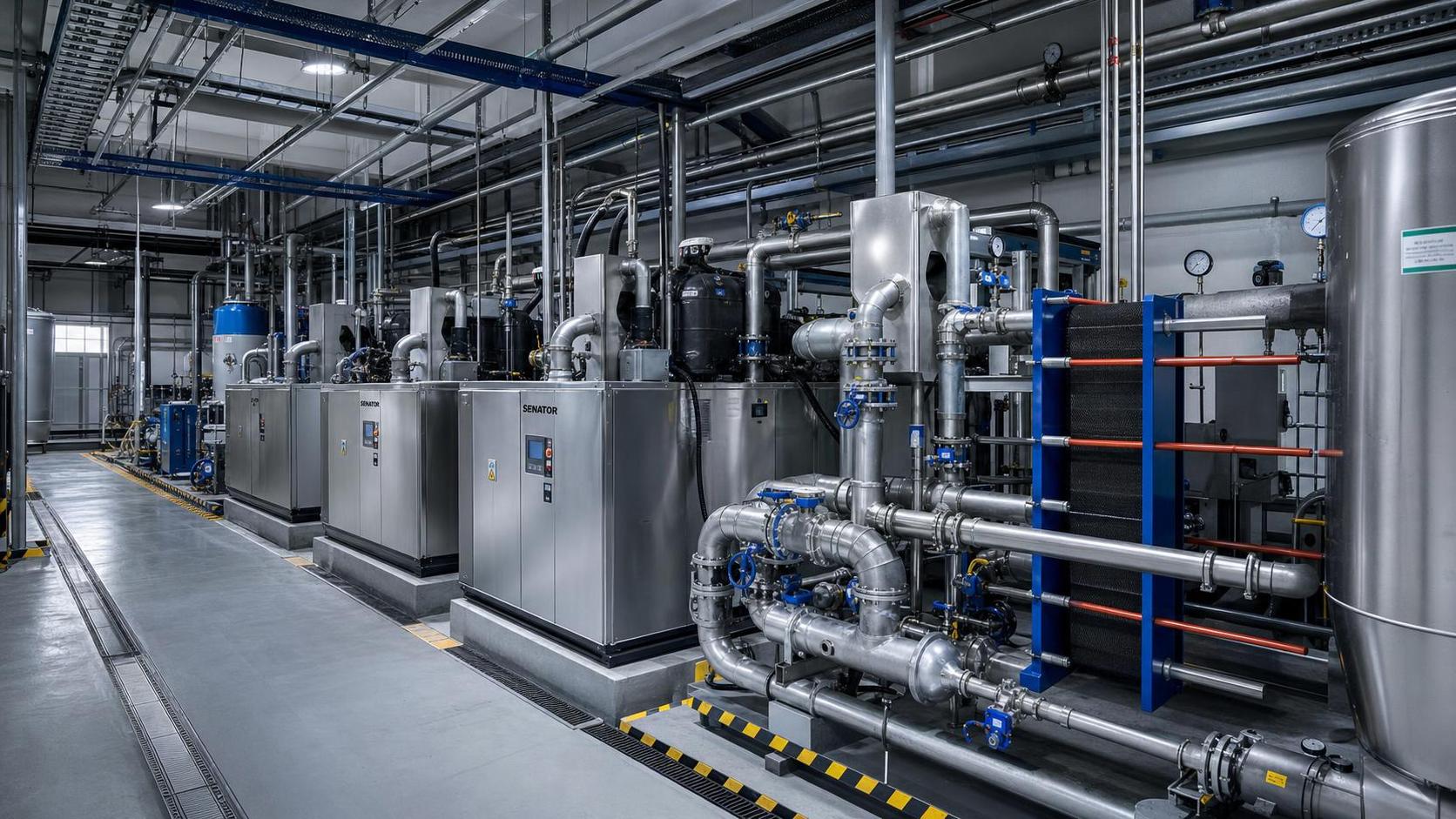
Cooling systems show similar patterns. Chillers, pumps, fans, condensers, and controls often run under part-load conditions where optimization can significantly improve system-wide efficiency.
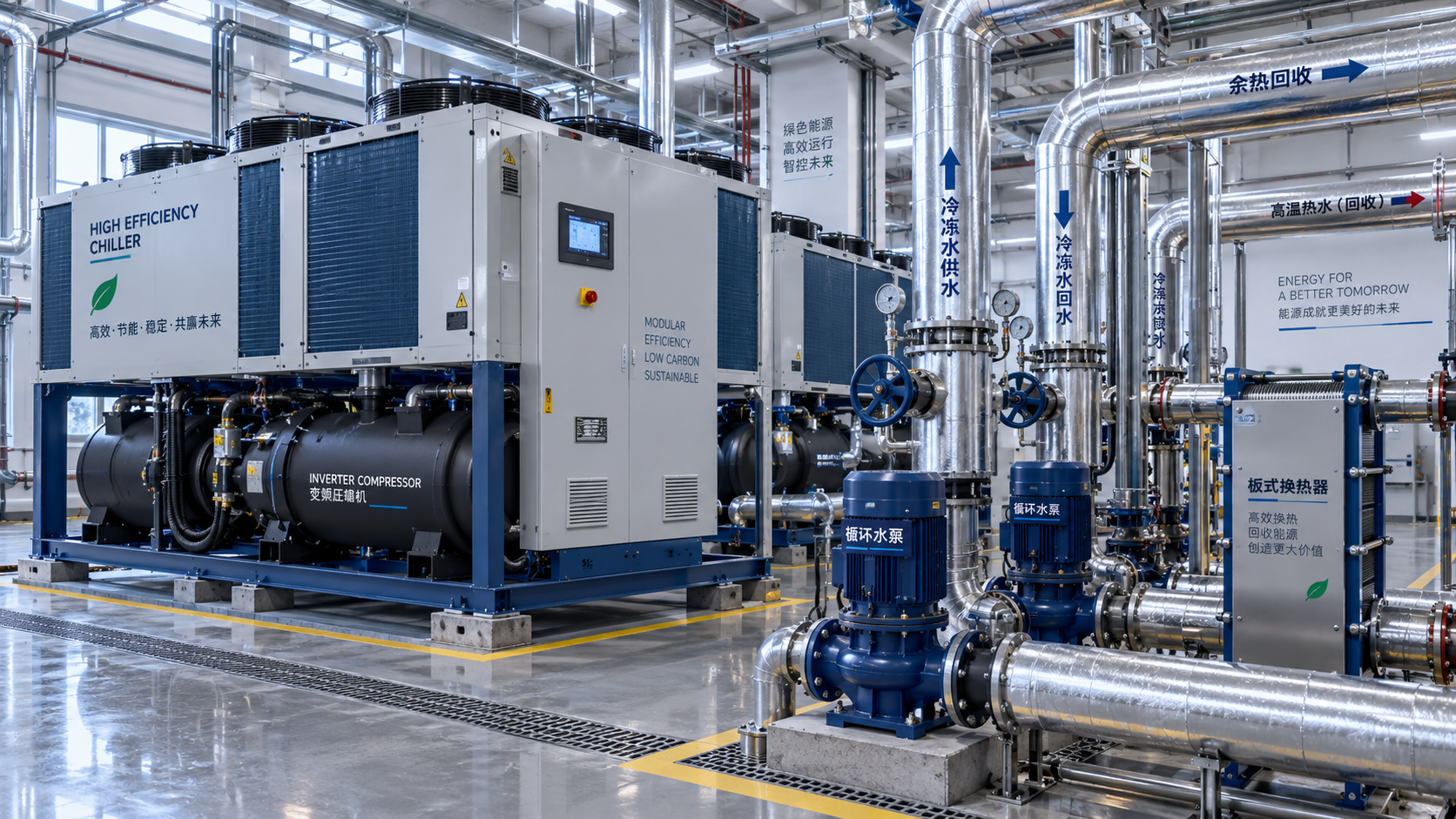
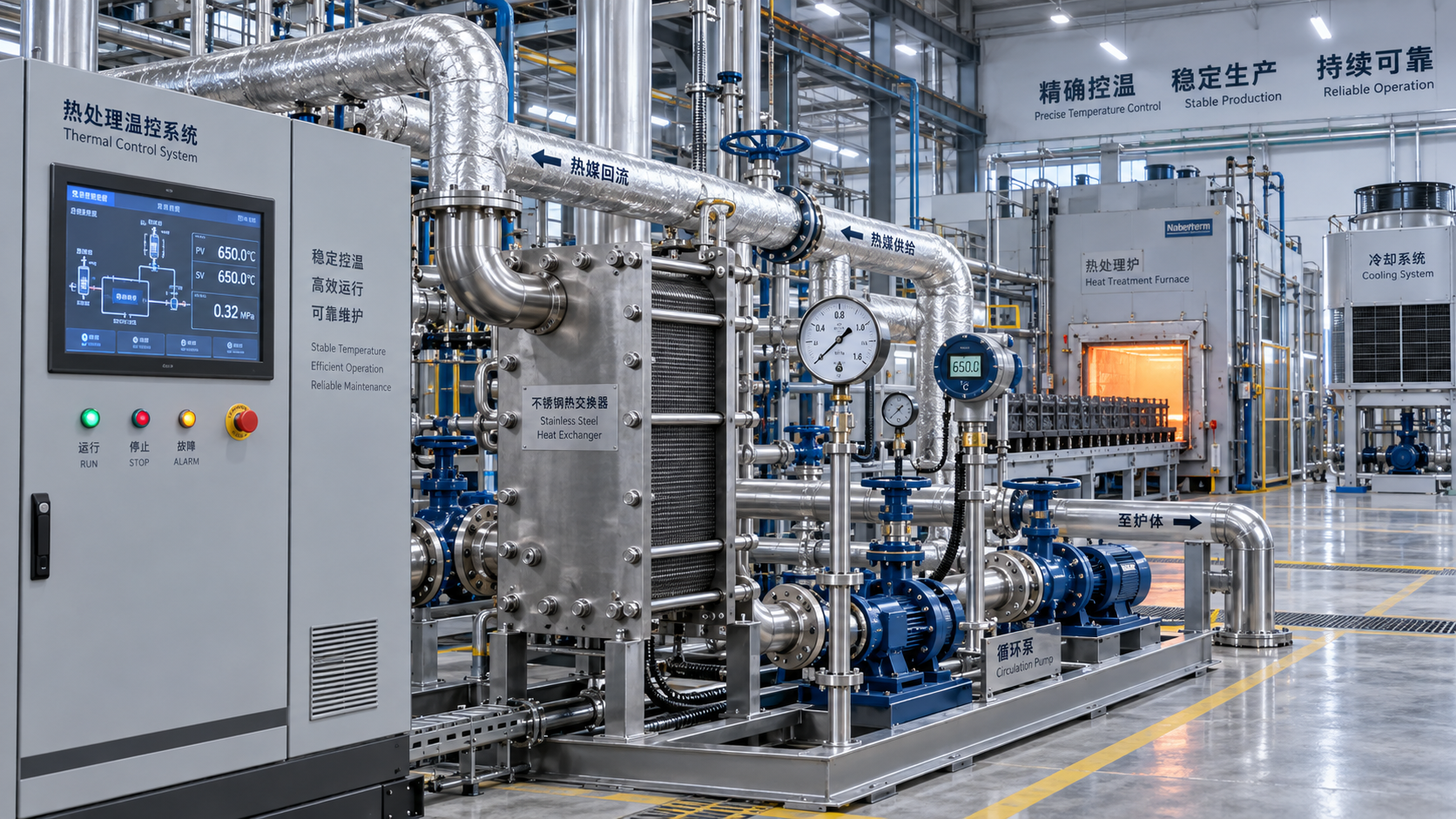
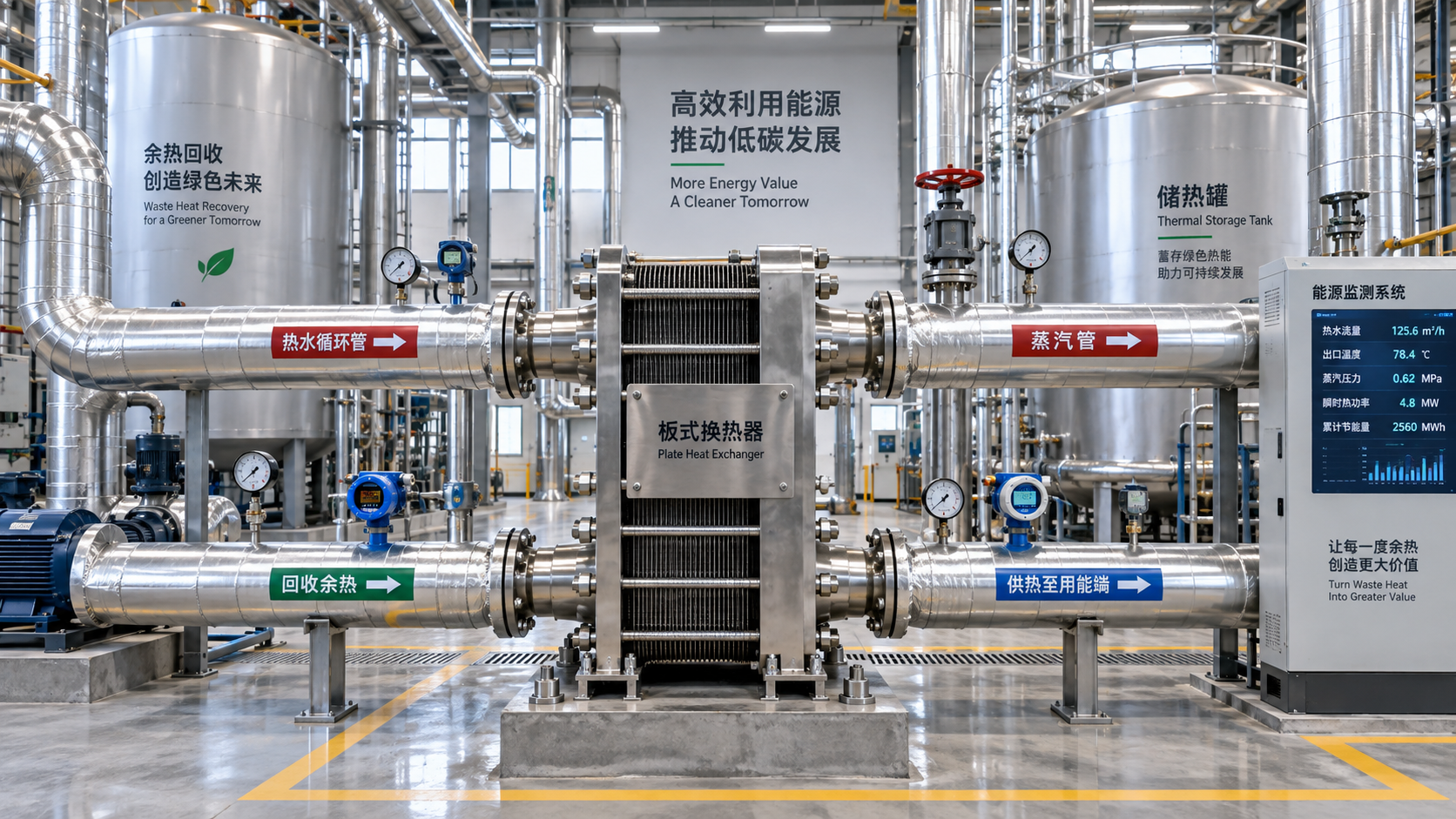
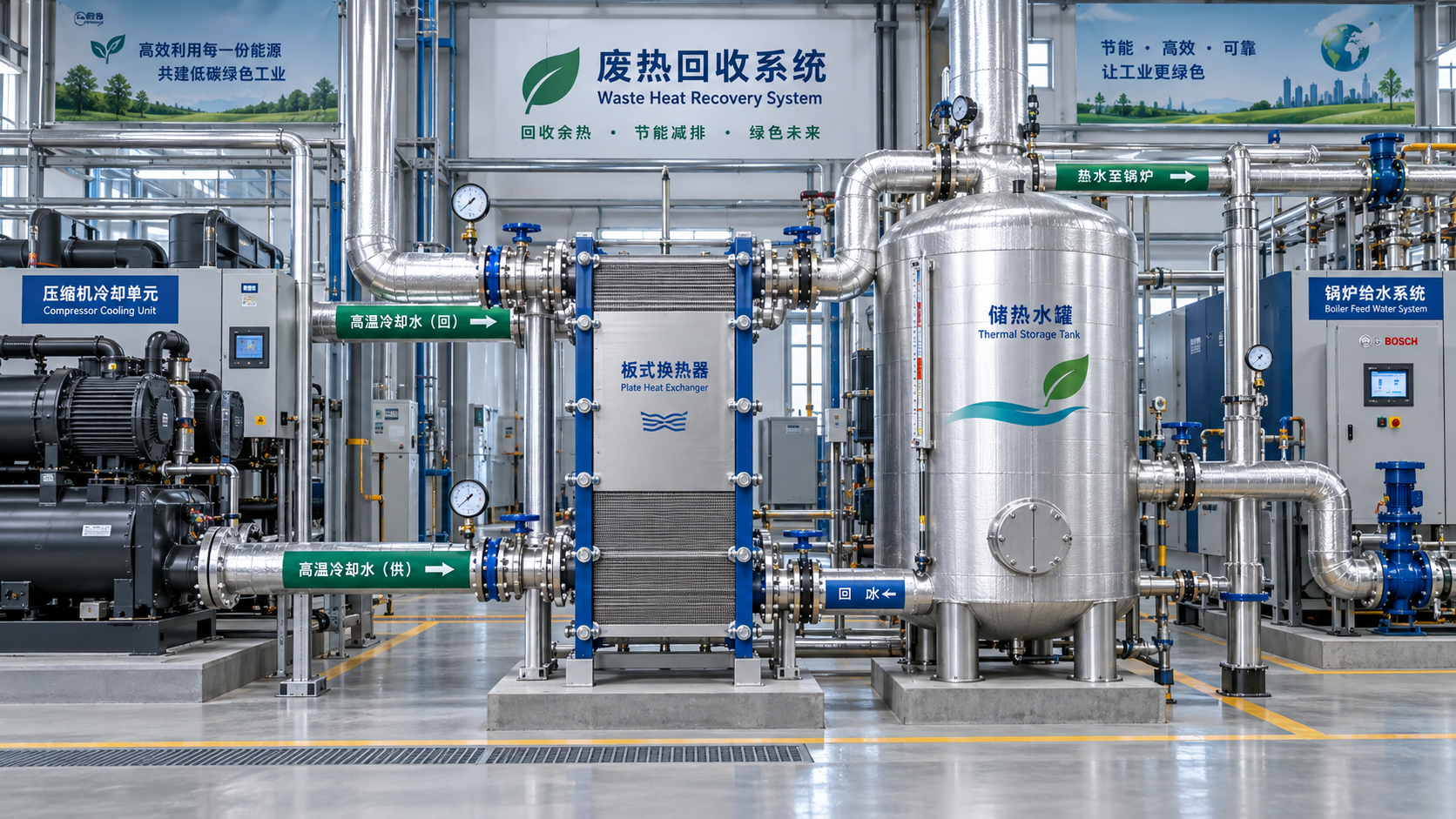
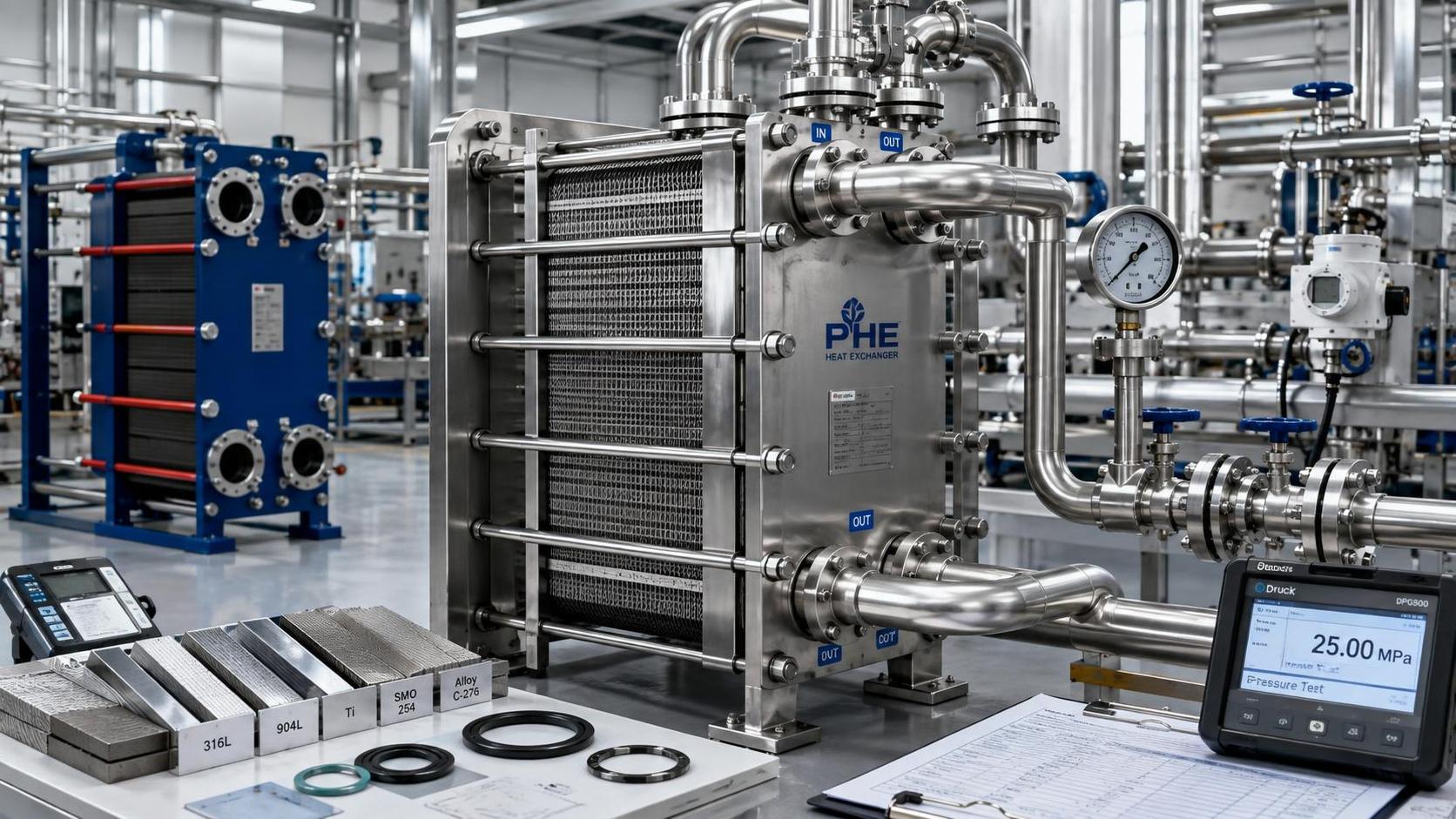
Heat exchange also produces early gains because fouling, poor temperature approach, and weak recovery design directly increase fuel or power use across repeating process cycles.
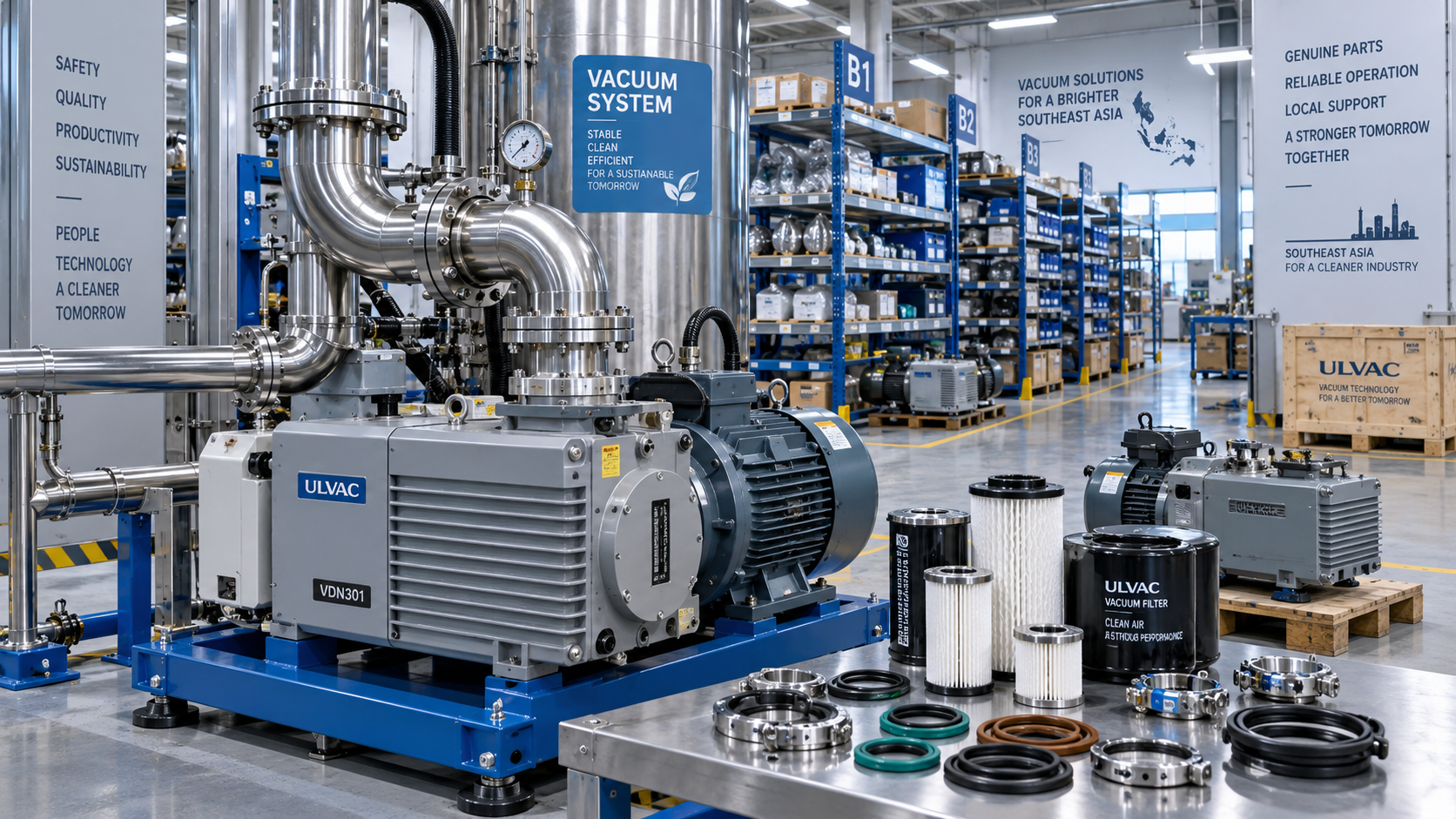
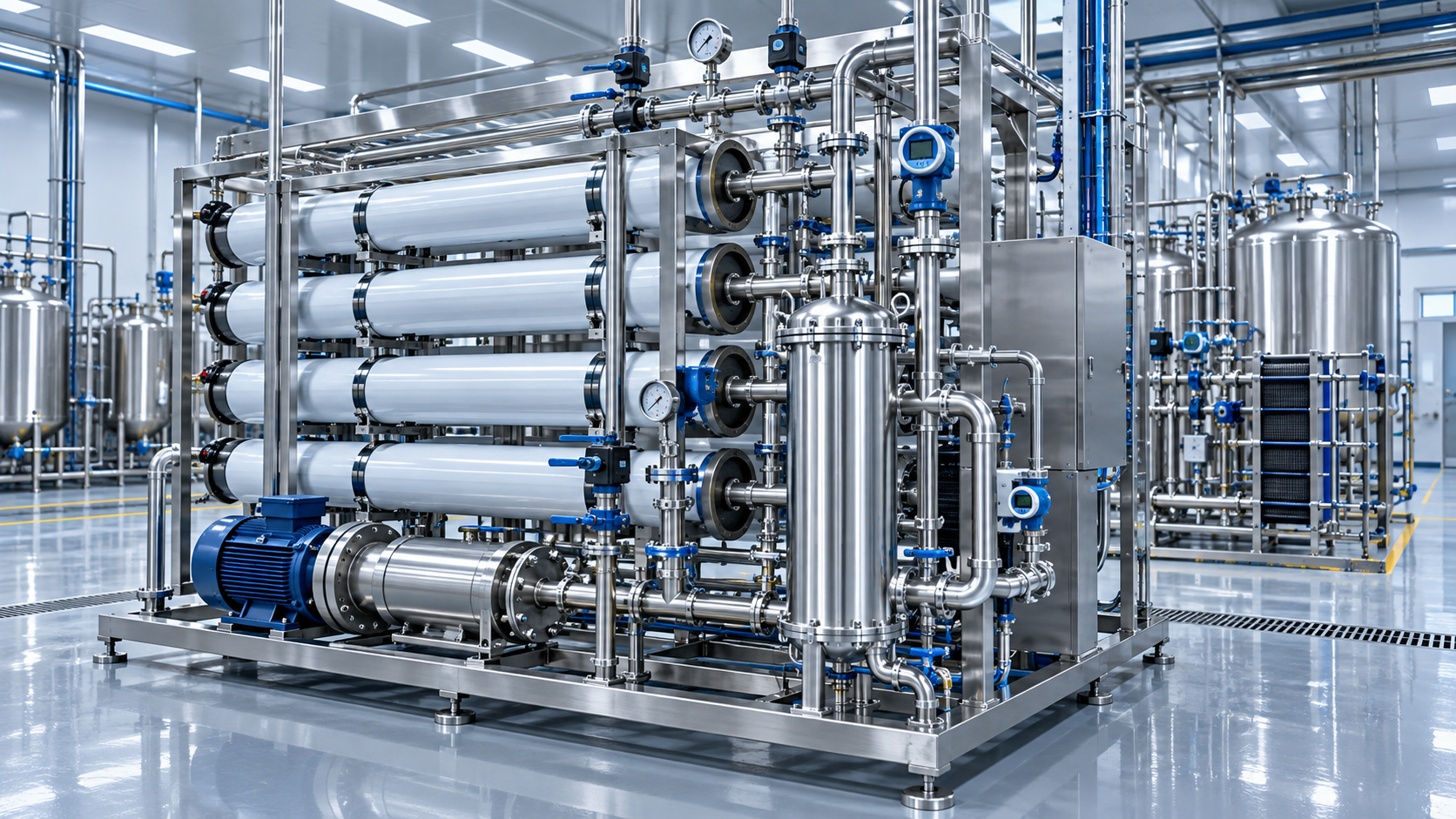
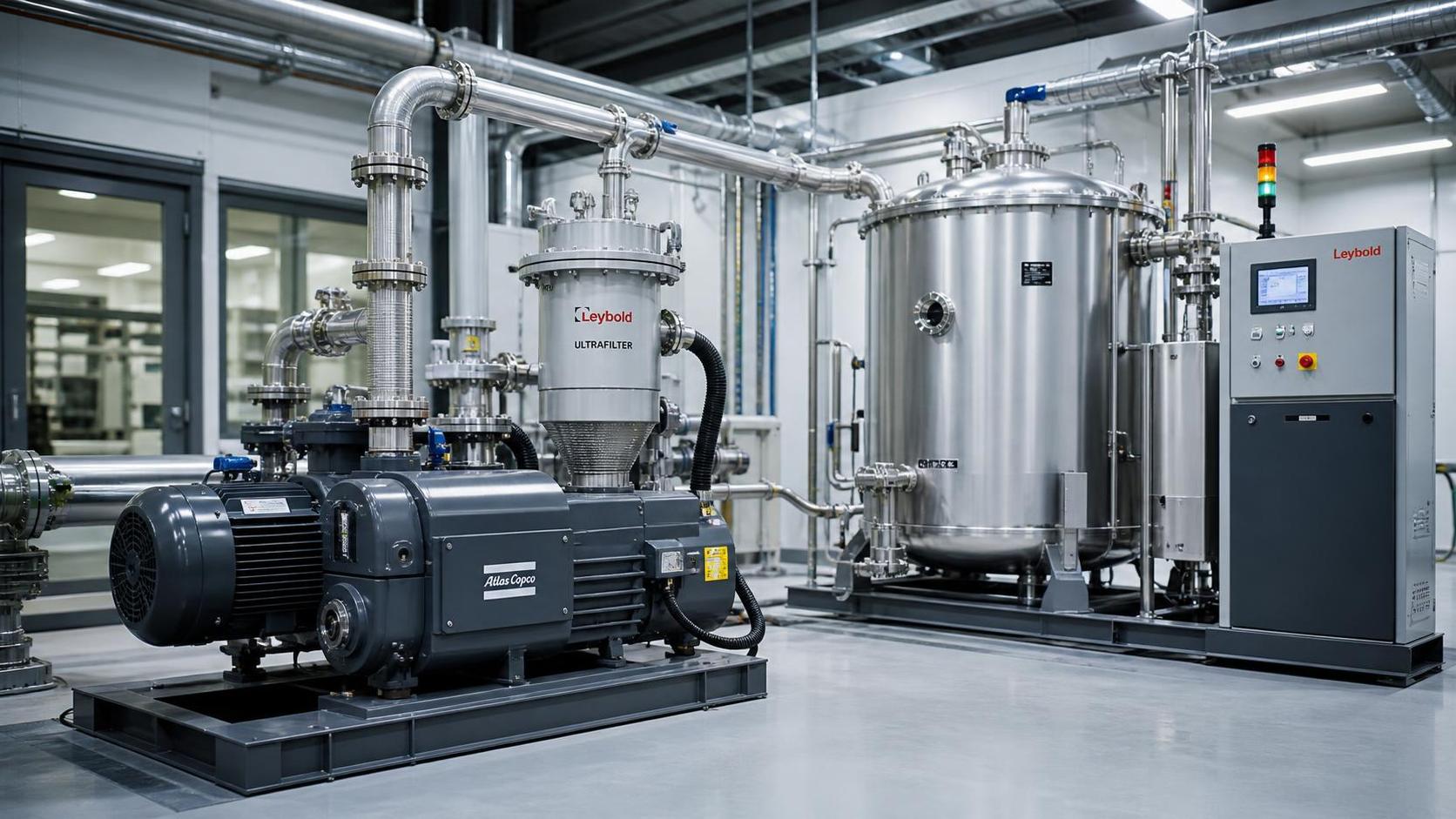
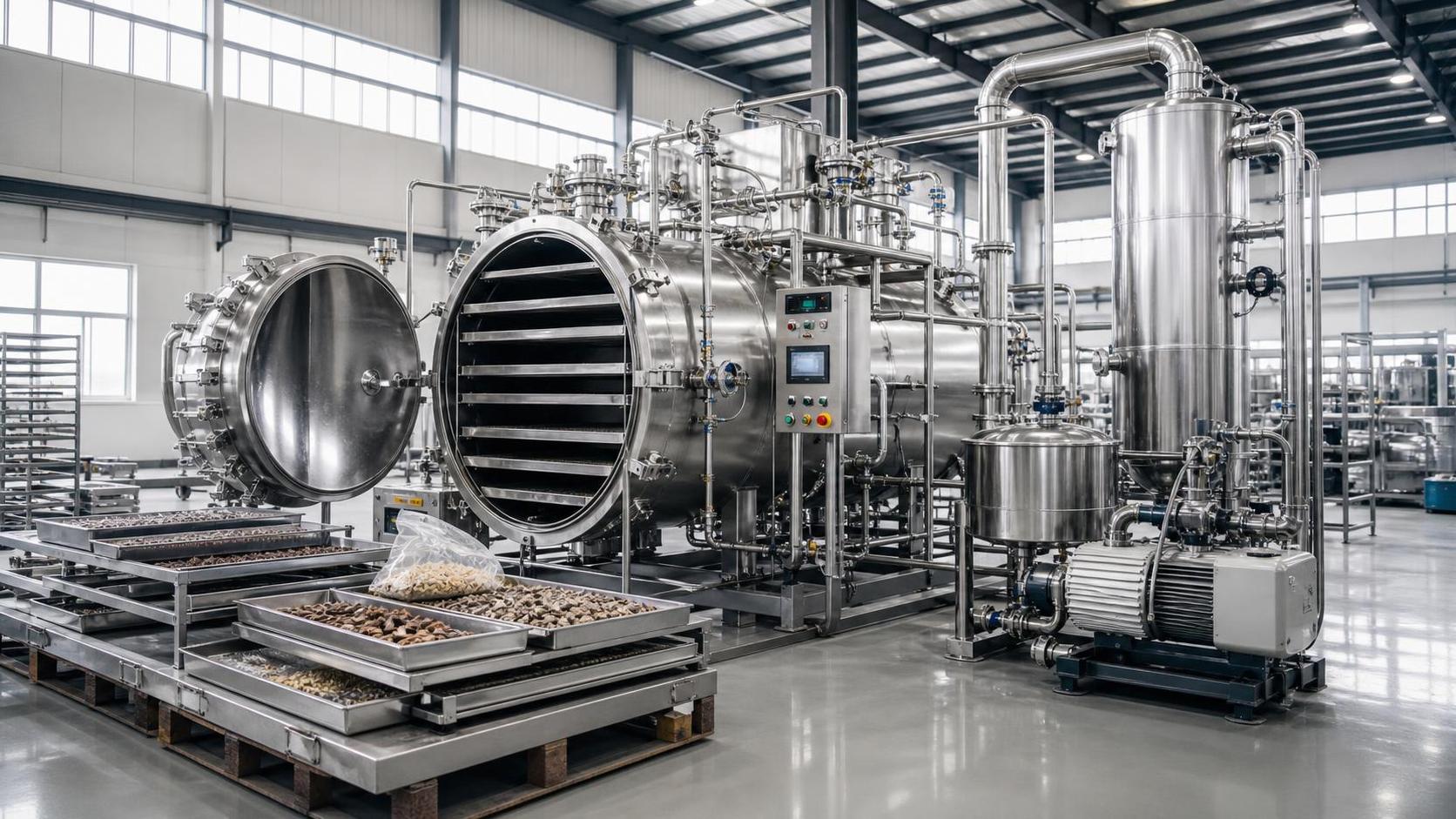
Vacuum systems, especially in packaging, electronics, and process industries, can also generate strong returns when centralized supply, controls, or right-sizing replace inefficient legacy operation.
The financial appeal is straightforward. These projects often improve existing energy conversion efficiency before requiring major process redesign, which lowers execution risk and speeds approval confidence.
Where Energy ROI Usually Improves First Inside an Industrial Site
When prioritizing high-efficiency manufacturing investments, financial approvers should focus on areas where energy cost, runtime, and waste concentration overlap.
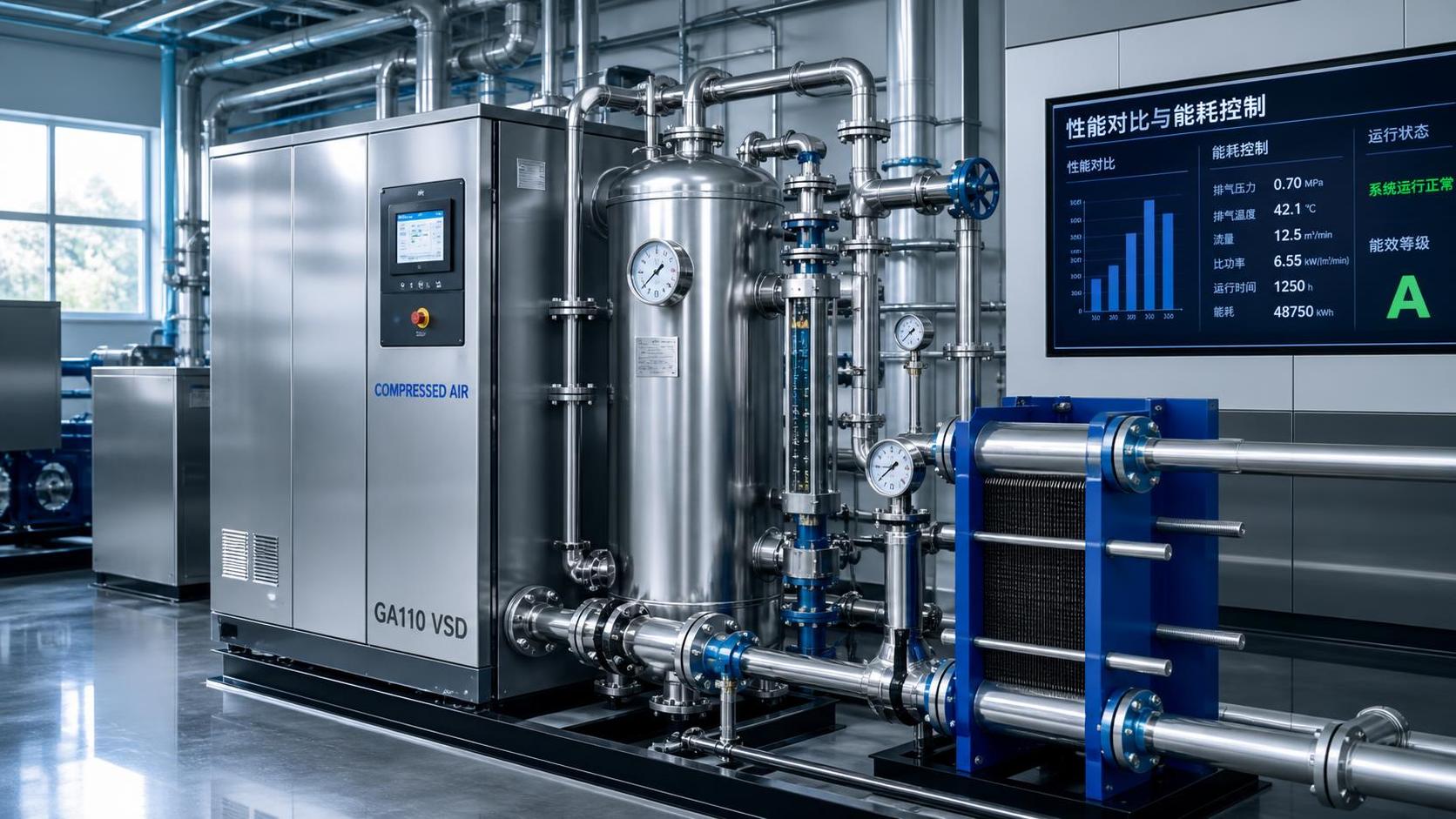
The first category is compressed air generation and distribution. If compressors run continuously, even modest efficiency gains can scale into significant annual savings.
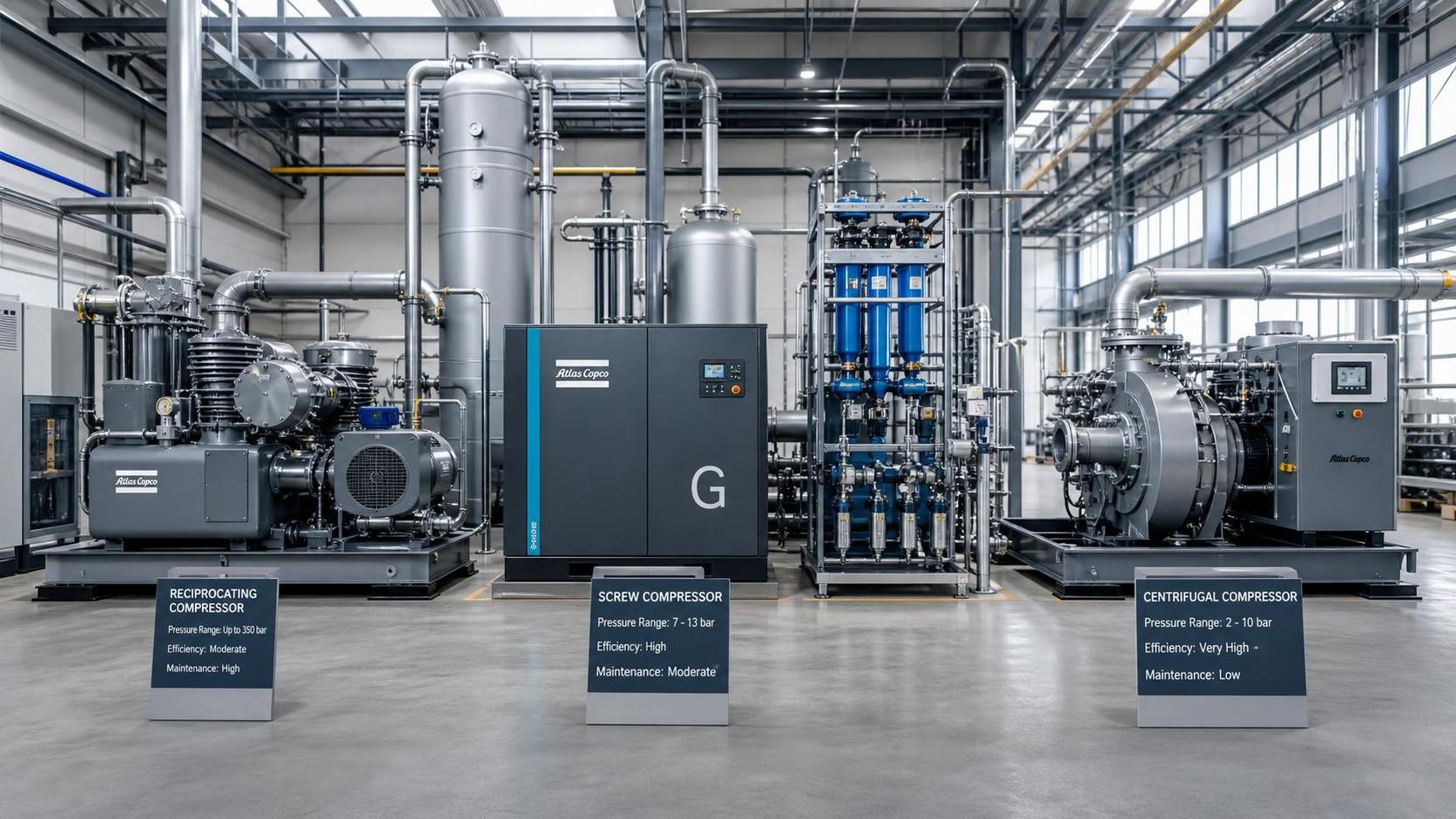
Typical opportunities include leak reduction programs, variable-speed optimization, compressor sequencing upgrades, pressure band reduction, heat recovery, and replacing inappropriate oil-flooded systems where purity matters.
The second category is industrial cooling. Chiller optimization, condenser cleaning, variable-frequency drives, free cooling opportunities, and better control integration often improve ROI without major production interruption.
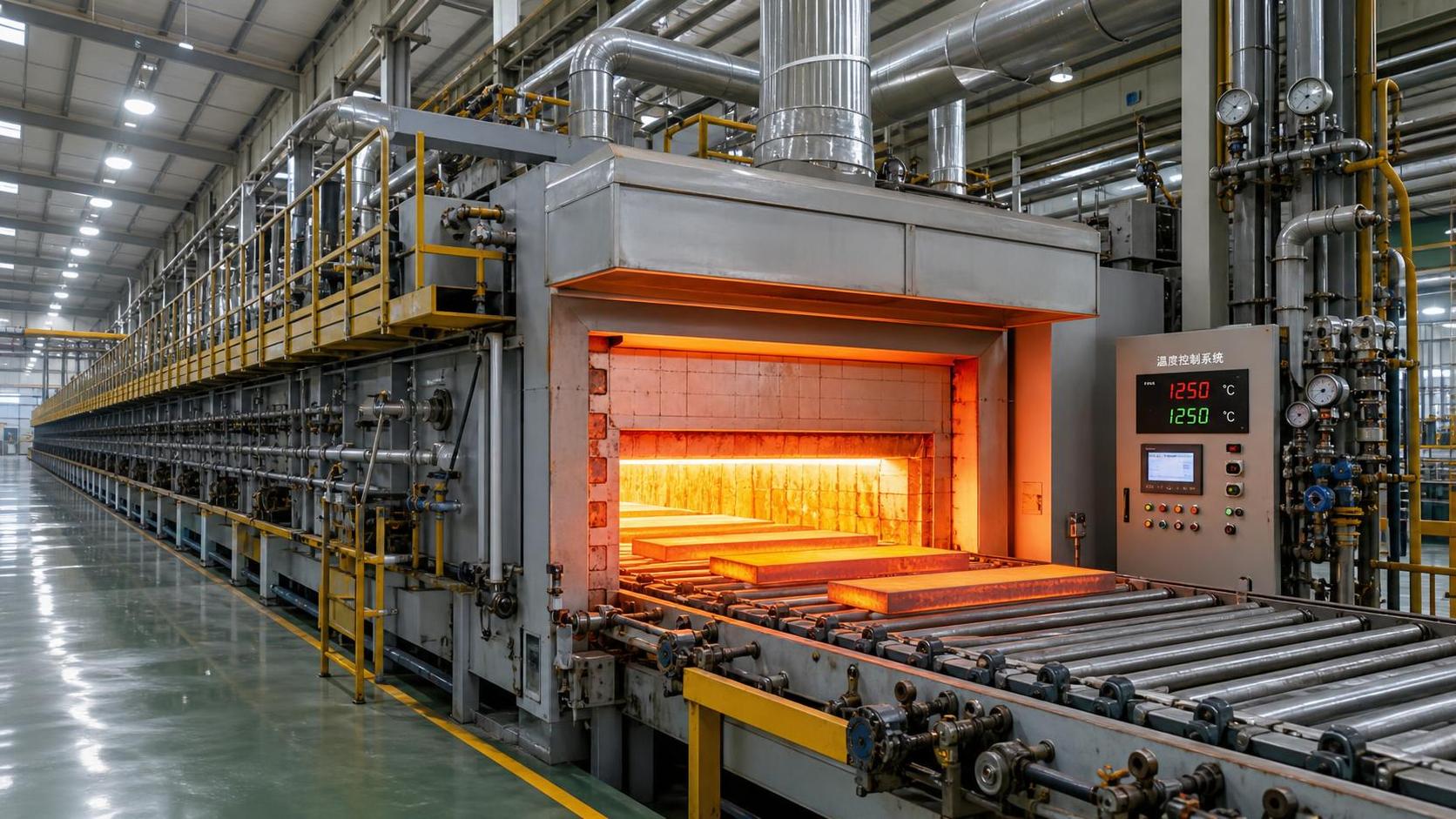
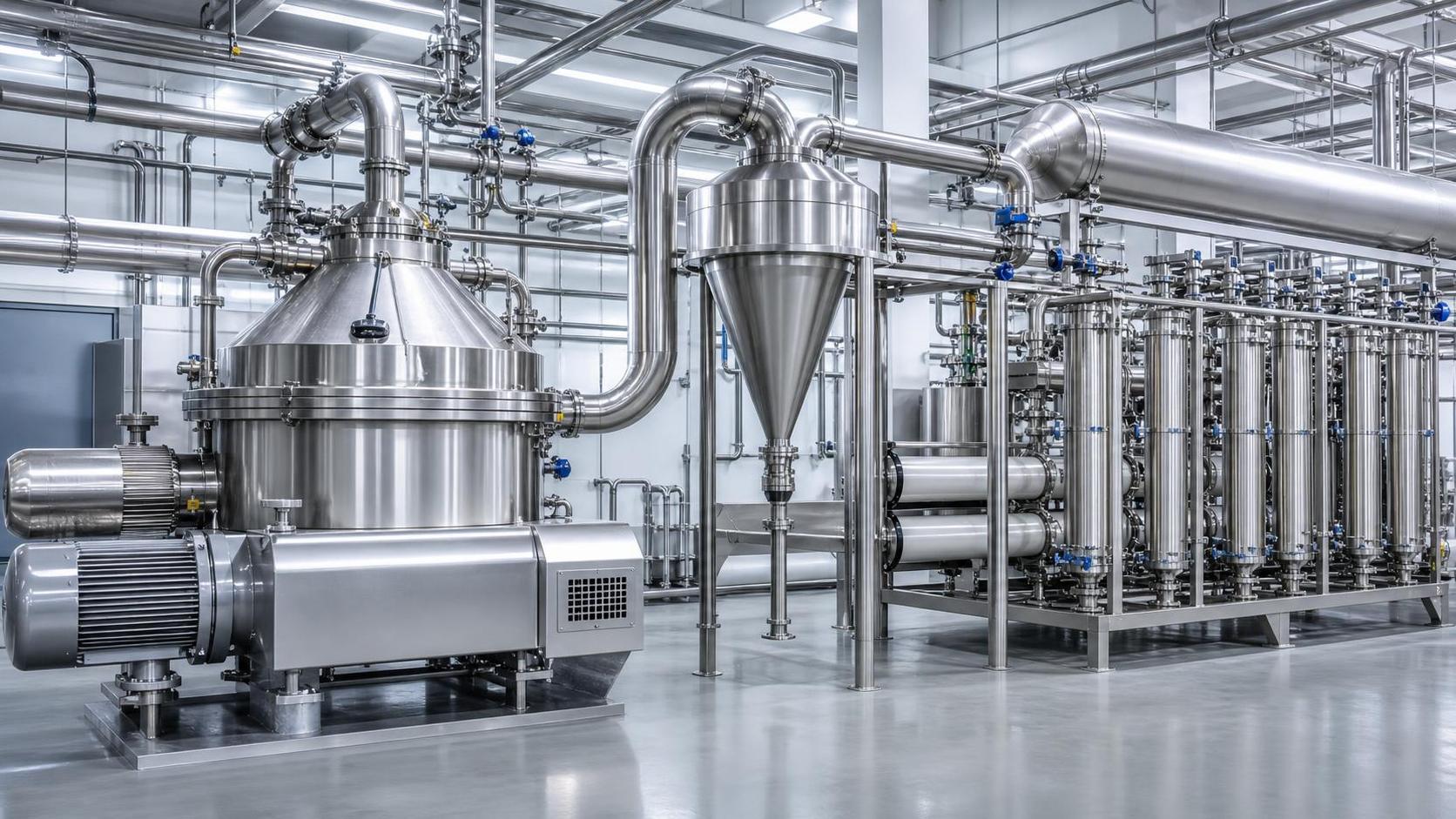
The third category is process heat exchange. Recovering waste heat, improving exchanger performance, and reducing thermal bottlenecks can lower both fuel consumption and utility load downstream.
The fourth category is vacuum generation. Distributed units are often oversized or left running continuously, creating a clear case for centralization, controls, or demand-based operation.
Another high-value area is boiler and combustion support optimization. Although not every site will prioritize it first, facilities with heavy thermal demand may find rapid gains there as well.
Across these categories, the common theme is simple: the best early projects reduce avoidable energy conversion losses in systems already critical to daily throughput.
What Finance Teams Care About Most When Reviewing Efficiency Projects
Target readers such as financial approvers rarely ask whether a technology is advanced. They ask whether the savings case is credible, measurable, and resilient under real operating conditions.
The first concern is baseline reliability. If current energy use is poorly measured, projected savings may look speculative, even when the engineering logic is sound.
The second concern is payback period. Many organizations will support high-efficiency manufacturing projects faster when returns fit existing capital thresholds or energy budget targets.
The third concern is production risk. A technically attractive project may still be delayed if shutdown exposure, quality risk, or commissioning complexity appear too high.
The fourth concern is persistence of savings. Finance teams want to know whether savings depend on perfect operator behavior or whether controls and system design make performance durable.
The fifth concern is scope creep. Utility optimization projects are attractive partly because they can often be modular, phased, and governed with clear boundaries.
For this audience, the most useful content is not abstract sustainability language. It is a decision framework linking energy waste, capex, implementation effort, and verification confidence.
How to Judge Which High-Efficiency Manufacturing Project Should Be Approved First
A practical approval framework begins with four questions: How large is the waste, how certain are the savings, how disruptive is the implementation, and how fast is the payback?
If a project scores well on all four, it should move upward in the capital queue. Utility-side improvements often do because they address measurable losses in mature systems.
Start with energy intensity and runtime. Systems operating across shifts or continuously usually create stronger savings potential than intermittently used assets.
Then assess controllability. Projects that improve pressure, temperature, flow, sequencing, or recovery usually produce cleaner measurement logic than projects tied to variable operator habits.
Next, evaluate dependence on production changes. The best early ROI projects usually save energy without requiring new product mix, market demand, or extensive retraining assumptions.
After that, review implementation windows. If the project fits planned maintenance schedules or can be executed in parallel with operations, approval friction drops.
Finally, test the sensitivity of the business case. A project remains attractive if payback still works under lower-than-expected savings or temporary energy price changes.
This kind of screening helps finance teams compare unlike projects on equal terms, while keeping high-efficiency manufacturing tied to disciplined capital allocation.
Common Mistakes That Delay or Weaken Energy ROI
One common mistake is chasing the most visible production equipment first while ignoring the utility systems that support every hour of manufacturing.
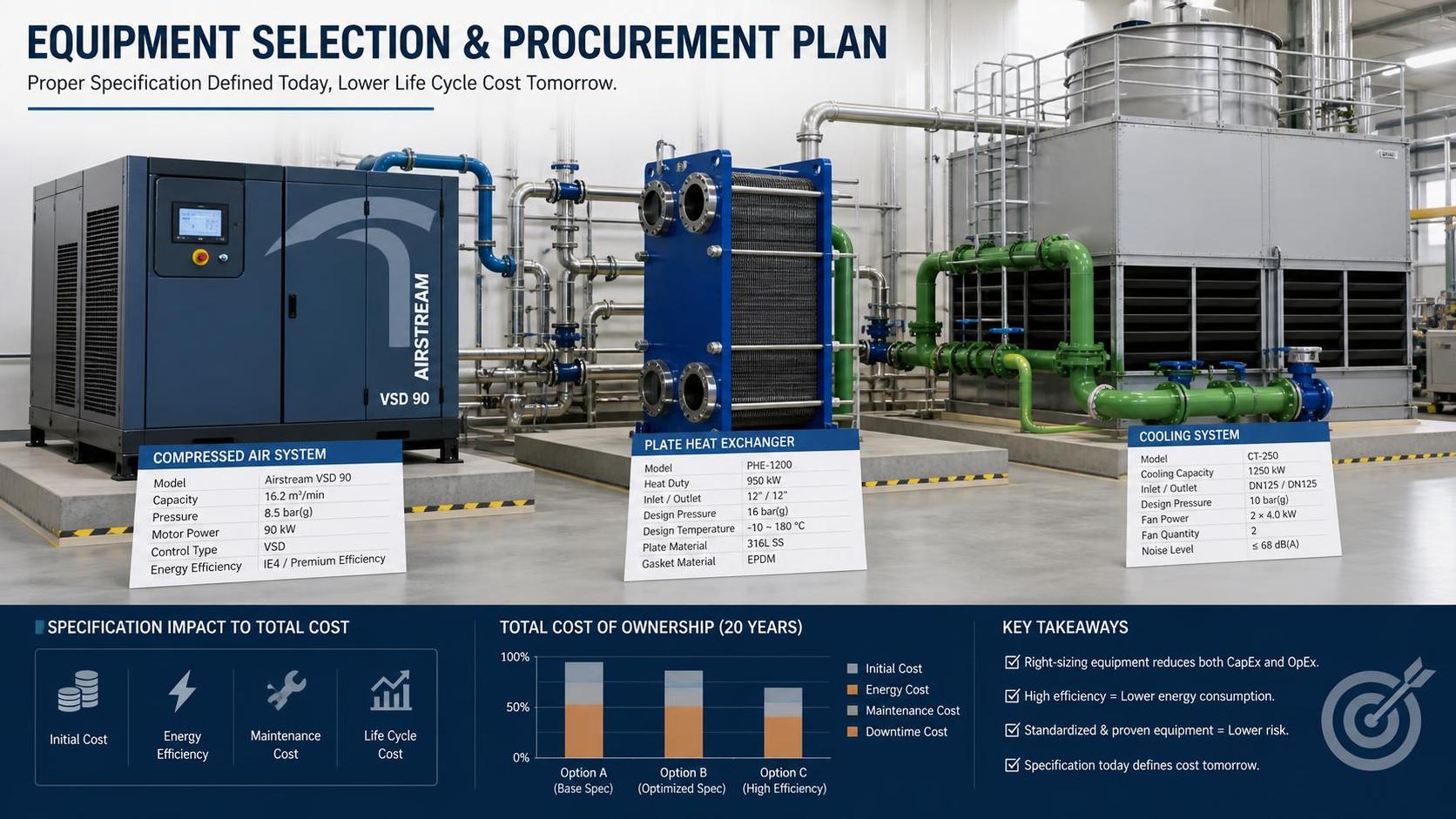
Another mistake is approving oversized replacements without examining system design. A newer machine may be more efficient, but poor controls can erase much of the expected return.
Many organizations also underestimate distribution losses. In compressed air, for example, generation efficiency alone does not solve leak-driven or pressure-driven waste.
A further error is treating all savings as equal. Some projects deliver theoretical reductions but are difficult to verify, which weakens confidence at board or budget-review level.
There is also a sequencing problem. Heat recovery, cooling optimization, and compression upgrades often interact. Approving them in the wrong order can reduce total value.
Finally, some businesses focus only on energy price reduction and miss secondary financial benefits such as reduced maintenance, better uptime, improved product quality, or deferred capacity expansion.
For financial approvers, these mistakes matter because they extend payback, increase execution risk, and make future efficiency proposals harder to trust.
Why Early-Return Projects Matter More in Volatile Energy and Policy Environments
In today’s industrial context, high-efficiency manufacturing is not only a cost issue. It is also a resilience issue shaped by energy volatility, carbon pressure, and compliance expectations.
Projects in cooling, compression, vacuum, and heat exchange often protect margins because they lower exposure to fluctuating power or fuel costs across daily operations.
They can also strengthen capital discipline. When a company captures low-risk efficiency gains early, it creates internal confidence for larger decarbonization or modernization programs later.
In regulated sectors such as pharmaceuticals, semiconductors, and food processing, utility performance also supports process stability, cleanliness, and temperature control requirements.
That means the value case can extend beyond the utility bill. Better system efficiency may also support quality assurance, production consistency, and audit readiness.
For finance teams, these broader benefits should not replace hard savings analysis. They should strengthen it by showing how utility efficiency contributes to business continuity.
A Smarter Capital Allocation View of High-Efficiency Manufacturing
The strongest insight for financial decision-makers is that early energy ROI rarely starts with the most ambitious transformation project.
It usually starts in systems that run constantly, convert large amounts of energy, and hide losses behind routine operations: compressed air, cooling, vacuum, and heat exchange.
These are often the first places where high-efficiency manufacturing becomes financially persuasive, because the waste is measurable, the interventions are targeted, and the payback can be relatively fast.
That does not mean every site should fund the same technology first. It means capital should follow evidence of concentrated energy loss and reliable savings verification.
For approvers, the best next step is to request a ranked opportunity map by utility system, with baseline data, savings methodology, risk profile, capex range, and expected payback sensitivity.
When that framework is in place, efficiency stops being a broad aspiration and becomes a sequence of investable decisions.
In high-efficiency manufacturing, the first gains are often not hidden by complexity. They are hidden by familiarity. Once measured properly, they are usually the easiest gains to justify.
Ready when you are. Send us a message to get started.
Related News
- How to select industrial equipment for automation with existing PLCsAuthor :

- How electricity prices shape industrial compressed air price trendsAuthor :

- Choosing air filtration systems for heavy dust in the Middle EastAuthor :

- How much does a fully installed compressed air monitoring system cost?Author :

- What documentation supports CE marking for industrial equipment?Author :

- How local support affects vacuum system costs in Southeast AsiaAuthor :

- How worldwide industry category guides help compare market opportunitiesAuthor :

- What drives sustainable thermal systems cost over their operating life?Author :

- Which industrial solution comparison criteria prevent project delays?Author :

- How Ambient Temperature and Load Profile Affect Industrial Compressor SizingAuthor :

- What to evaluate before choosing a thermal process engineering supplierAuthor :

- How industrial utility systems affect energy costs in process plantsAuthor :

- What Data Is Needed to Assess Heat Recovery Decarbonization?Author :

- Can Waste Heat Recovery Support Carbon Neutrality Targets?Author :

- Is Compressor Heat Recovery Worth the Installation Cost?Author :

- What to verify before choosing a process separation technology supplierAuthor :

- When does process utilities engineering reduce project rework?Author :

- Where thermal efficiency optimization delivers the fastest savings in EuropeAuthor :

- What should you verify before selecting a heat transfer supplier?Author :

- What drives compressed air systems price for industrial projects?Author :

- How an industrial product knowledge comparison guide reduces sourcing riskAuthor :

- When does a procurement specification planning process reduce bid risk?Author :

- When does thermal system optimization for electronics reduce failure risk?Author :

- When high temperature process heating systems justify the higher energy costAuthor :

- How to compare sludge dewatering equipment by cake drynessAuthor :

- What to Check Before Sourcing a Gas Turbine for Distributed Power ProjectsAuthor :

- What drives industrial thermal systems price in large facility projectsAuthor :

- How to build an industrial product comparison chart that speeds up vendor selectionAuthor :

- Vacuum Technology Application Guide for Selecting the Right SystemAuthor :

- What Drives Vacuum Drying Cost in Industrial Procurement?Author :

- What Drives Compressed Air Pricing in Industrial Systems?Author :

- How Procurement Specification Planning Shapes Total Project CostAuthor :

- Compression Technology Guide: How to Compare Efficiency, Pressure Range, and Maintenance NeedsAuthor :

- How to Compare Industrial Separators by Throughput, Purity, and Maintenance LoadAuthor :

- How to Size a Compressed Air Equipment Receiver Tank for Stable PressureAuthor :

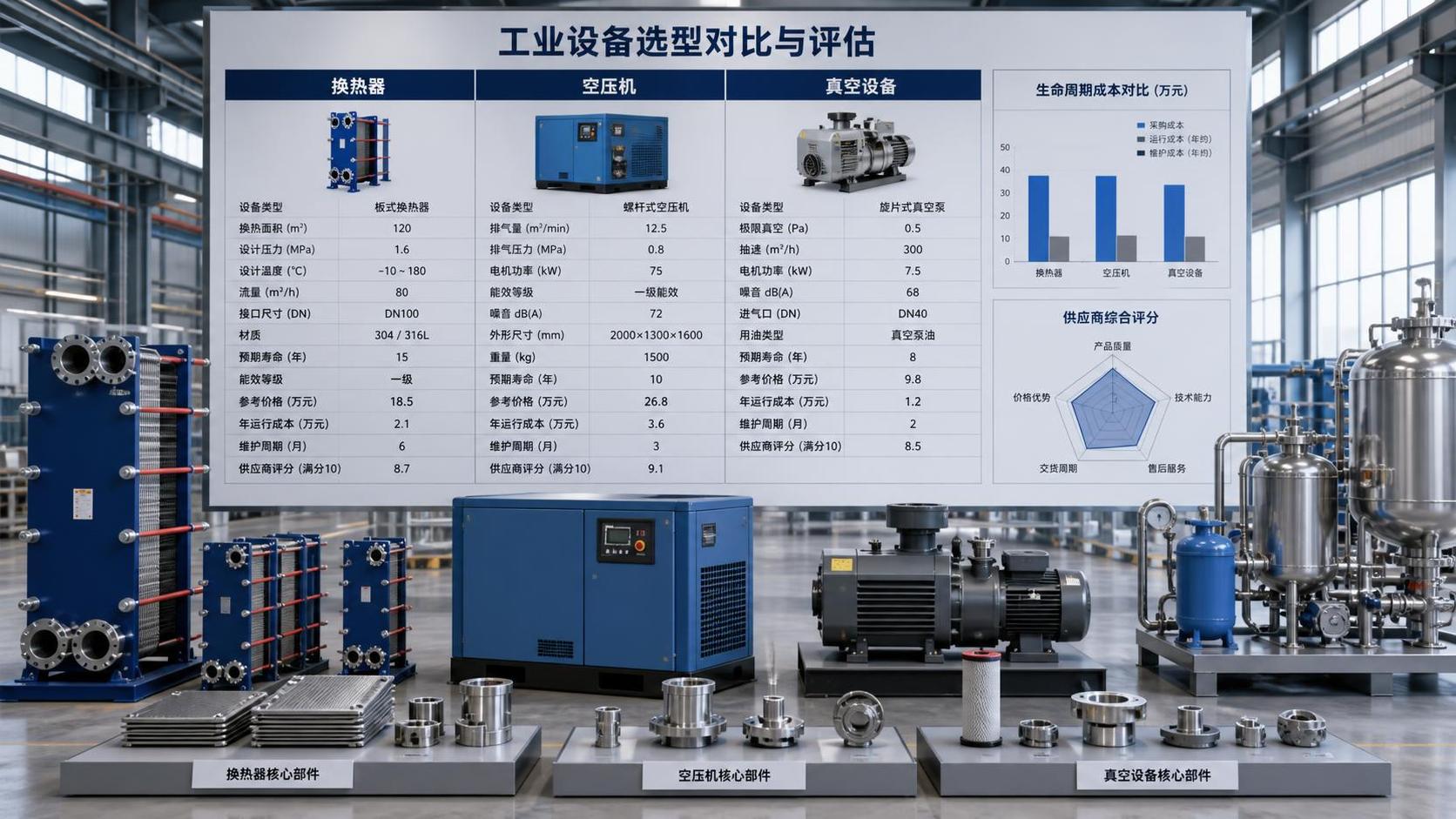
- Industrial Equipment Selection Guide: How to Compare Capacity, Duty Cycle, and Operating CostAuthor :