Sustainable Manufacturing Moves from Goal to Cost Control




Sustainable manufacturing is no longer a distant ambition—it is becoming a practical strategy for cost control, resilience, and competitive advantage. For business decision-makers, the shift is being driven by rising energy prices, stricter carbon expectations, and the need for higher operational efficiency. Understanding how thermal systems, compressed air, and process technologies affect both sustainability and profitability is now essential to smarter industrial planning.
Why sustainable manufacturing is now a cost-control issue
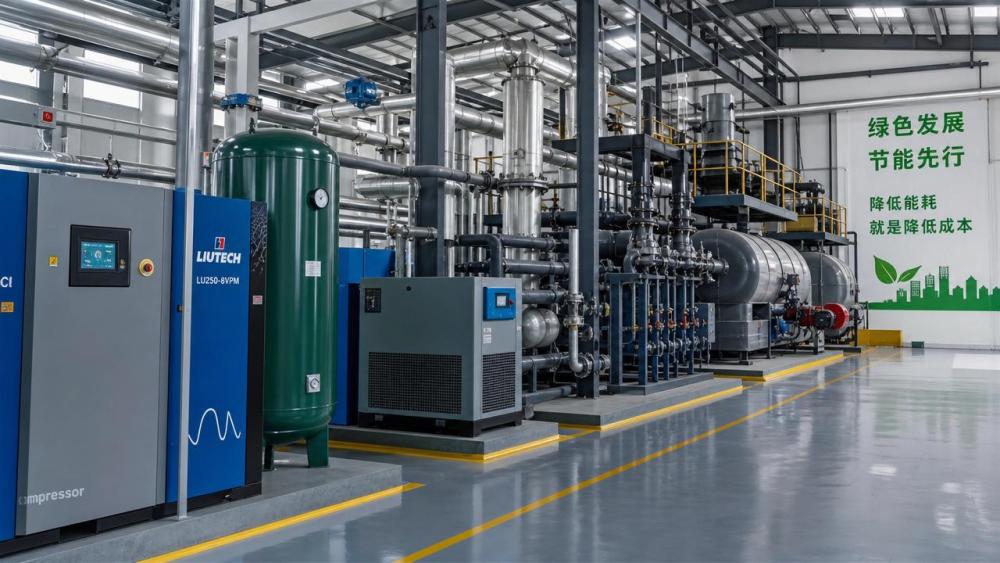
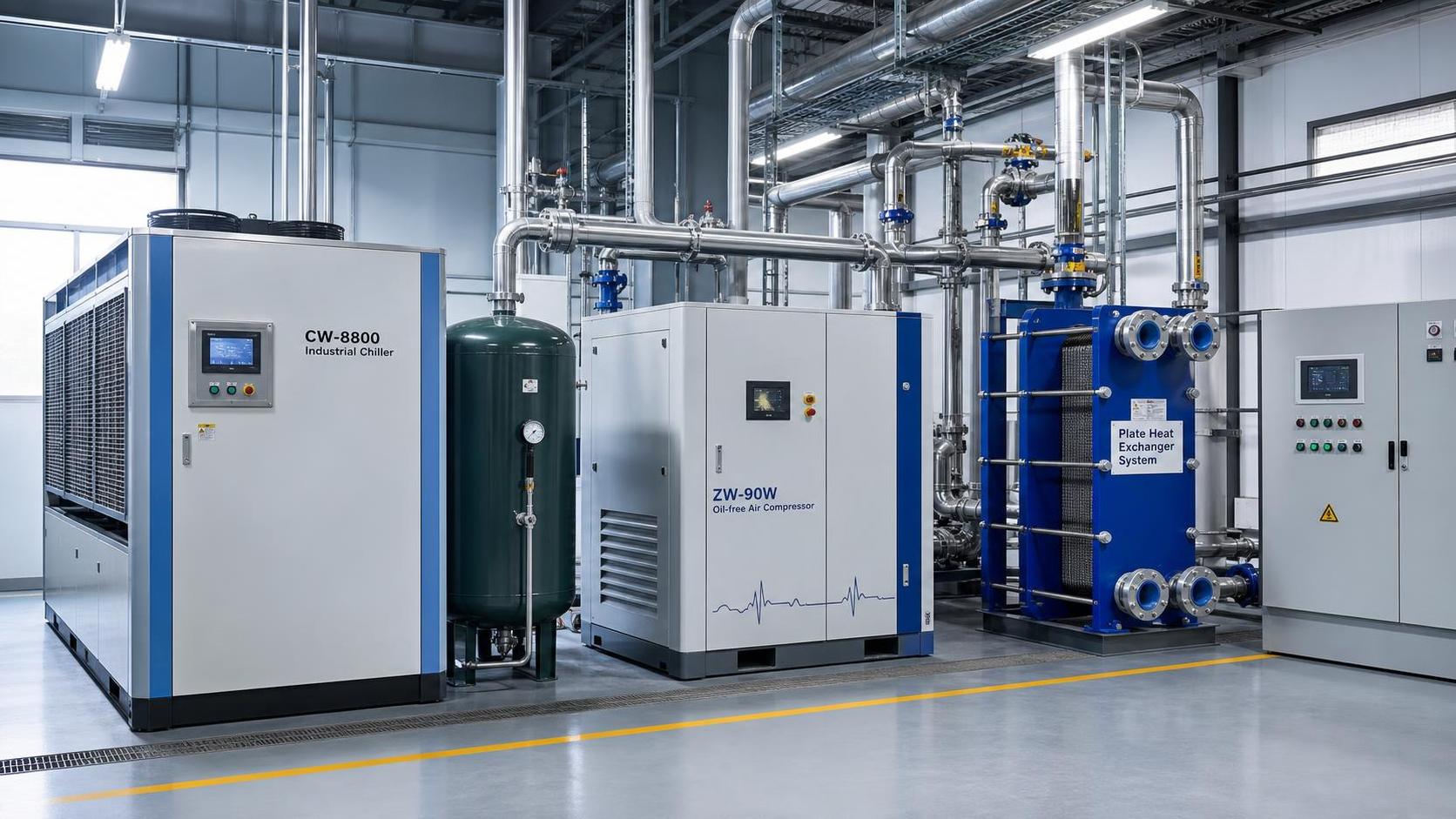
For many industrial companies, sustainable manufacturing used to sit in the ESG file, separate from plant economics. That distinction is fading fast. Energy-intensive systems such as compressors, chillers, vacuum units, boilers, dryers, and heat exchangers now have a direct and visible effect on margin stability.
When electricity prices fluctuate, refrigerant rules tighten, or customers demand lower embedded carbon, the financial impact appears first in the utility bill, maintenance budget, and throughput risk. In that environment, sustainable manufacturing becomes less about image and more about operational discipline.
Decision-makers in the general industrial sector usually face three linked pressures:
- Rising power costs that expose inefficiencies in compressed air generation, process cooling, and thermal recovery.
- Capital allocation pressure, where every retrofit must prove payback, reliability, and compliance value.
- Supply chain and customer scrutiny, especially in sectors that require cleaner processes, lower emissions, and more stable temperature control.
This is where intelligence matters. GTC-Matrix focuses on the power heart and thermal center of industry, connecting thermodynamic logic with practical equipment and investment choices. That perspective helps management teams move beyond generic sustainability language and identify where cost leakage really sits.
Where sustainable manufacturing creates the fastest industrial savings
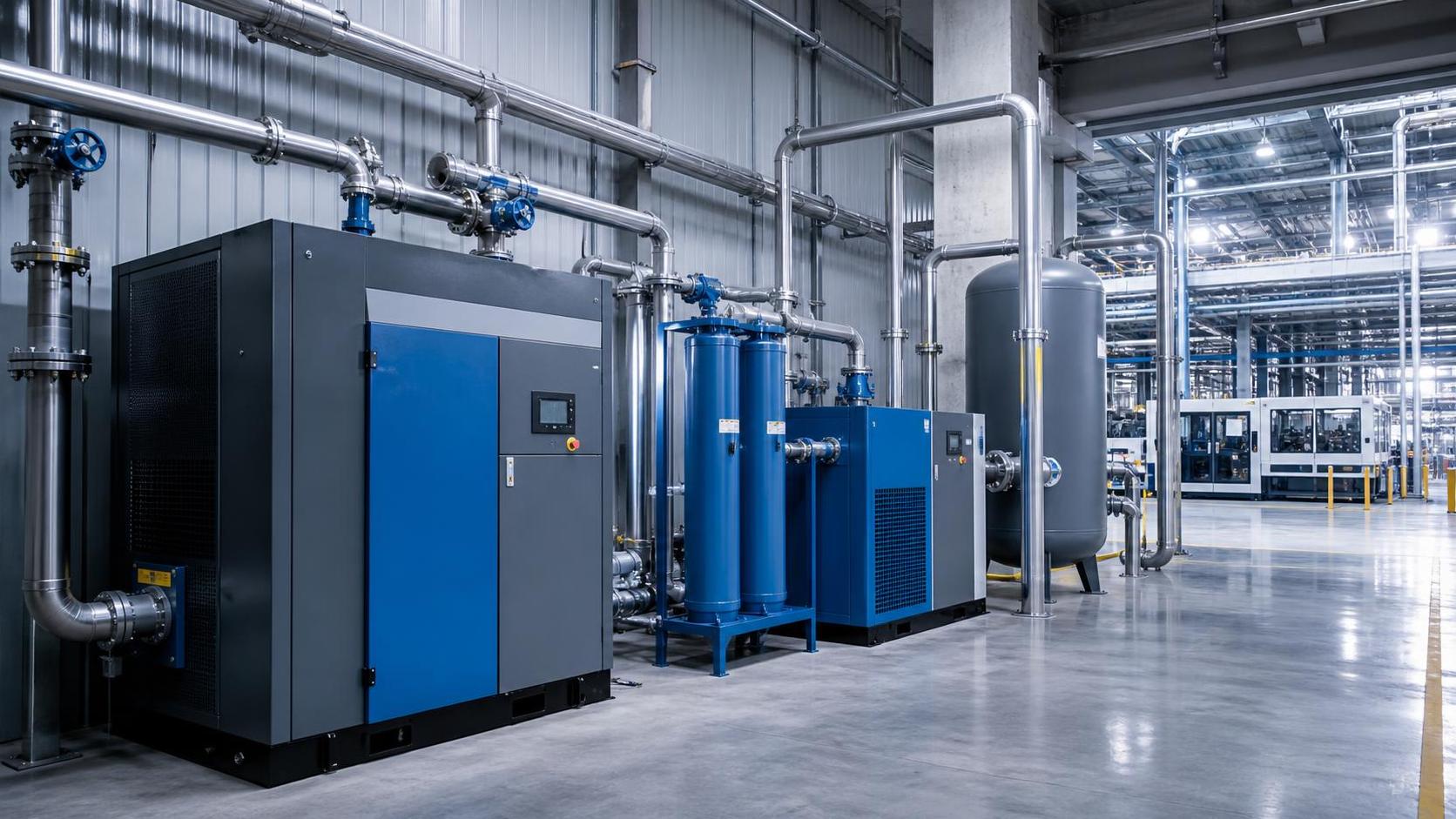
Not every sustainability initiative delivers equal value. In industrial settings, the fastest gains often come from systems that run continuously and convert large amounts of electricity or fuel into process utility. These assets are rarely glamorous, but they shape both energy intensity and production stability.
High-impact utility zones
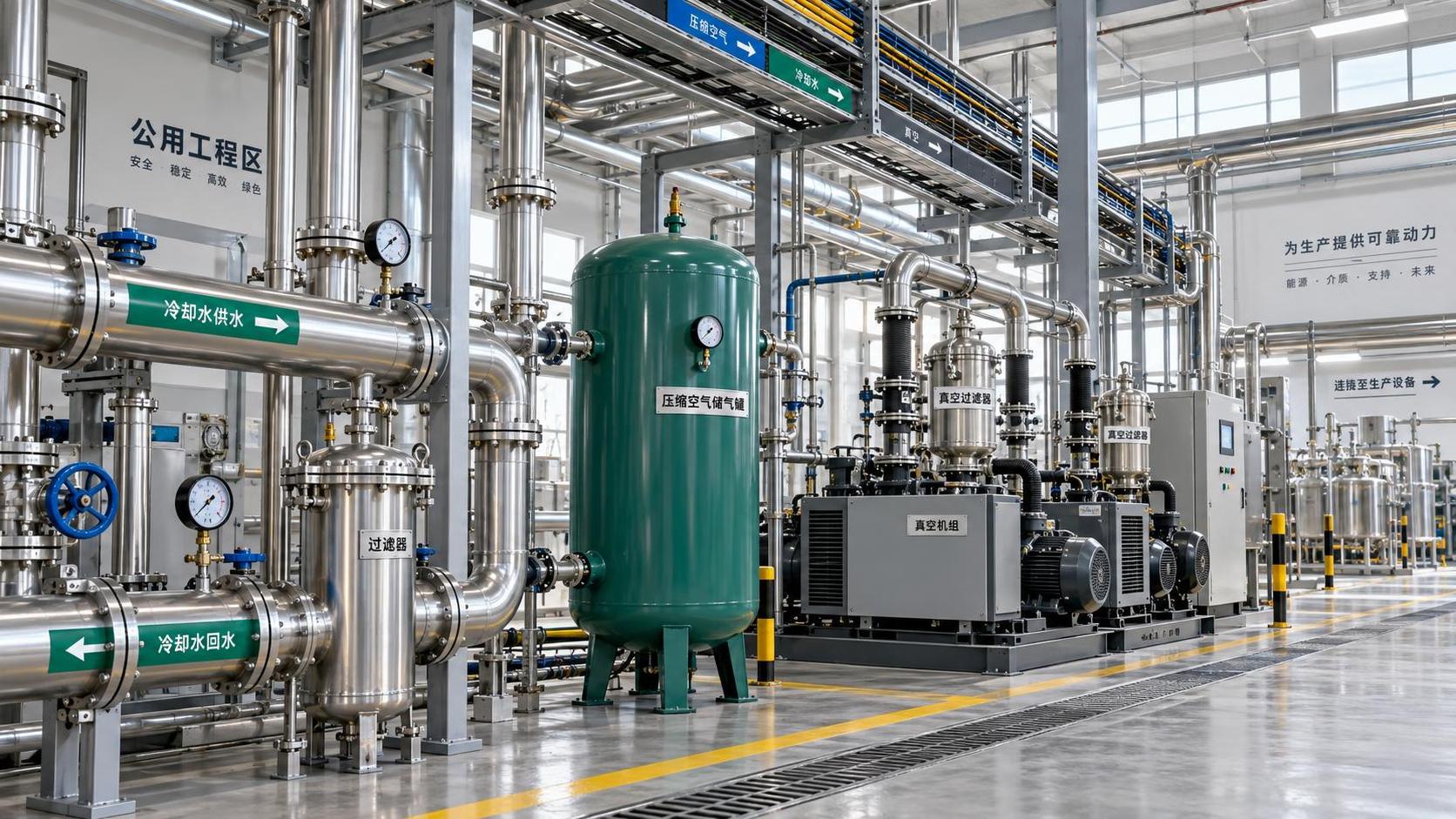
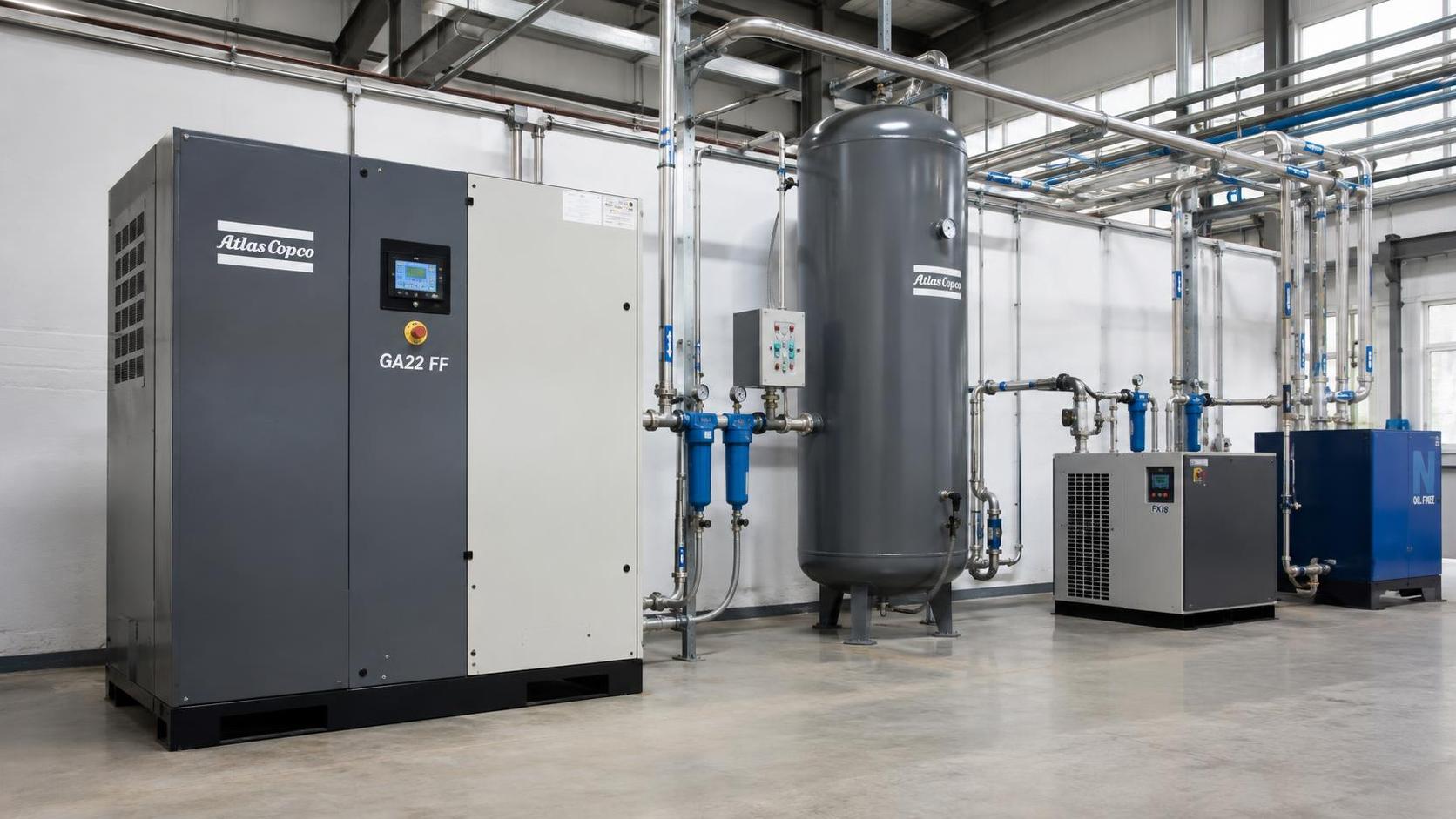
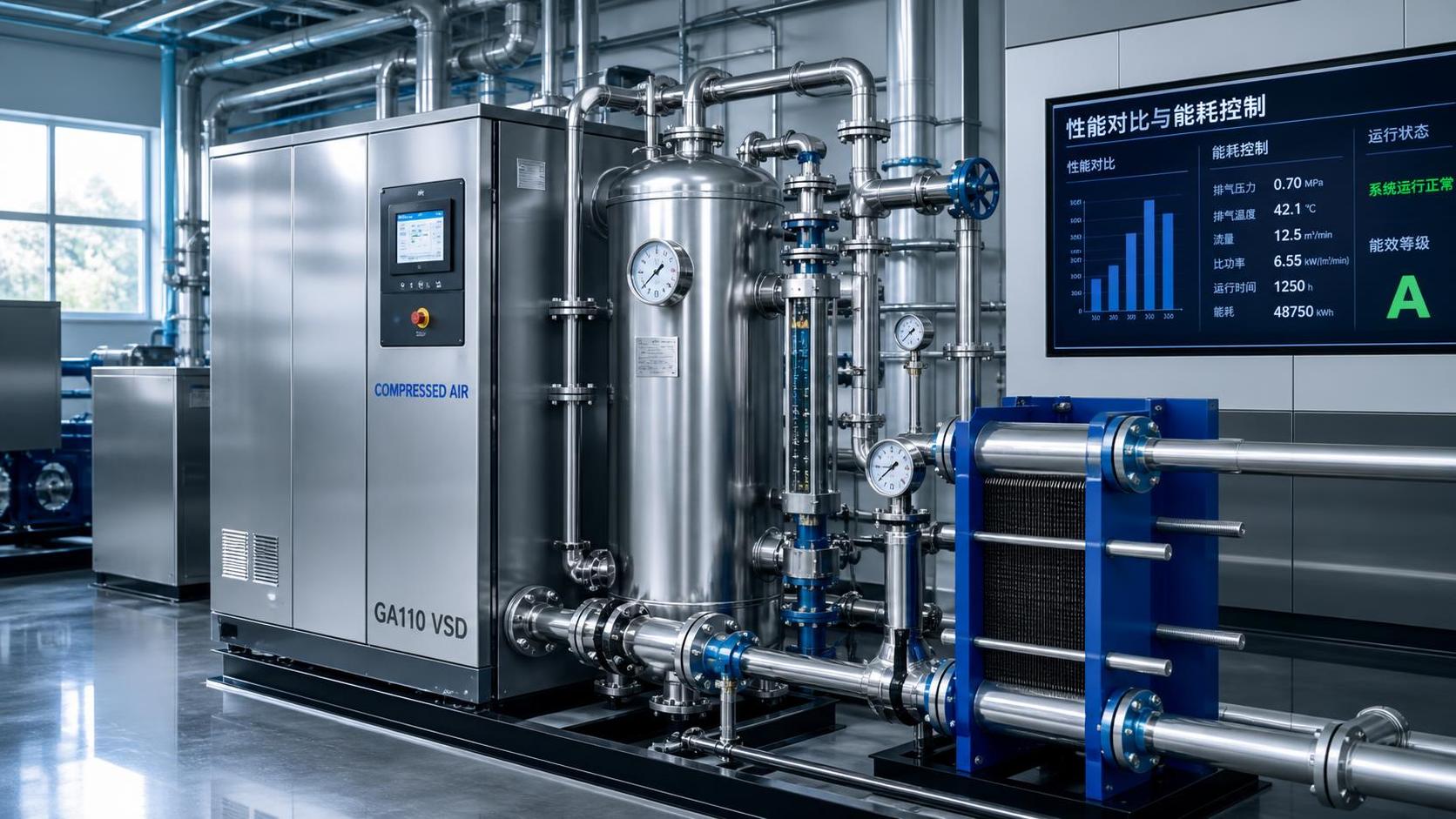
- Compressed air systems, where leakage, poor pressure setting, and oversized machines can create hidden operating cost for years.
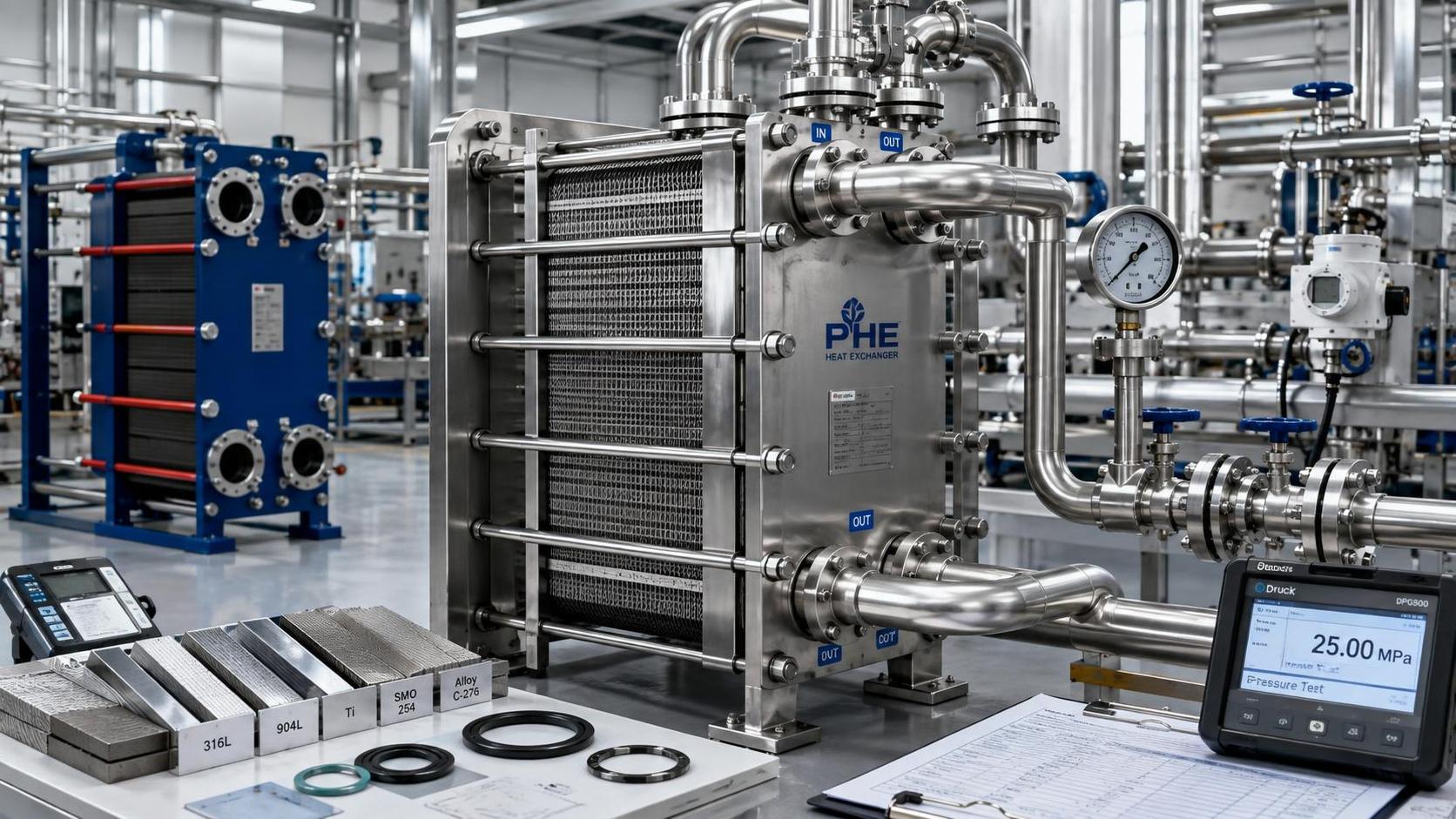
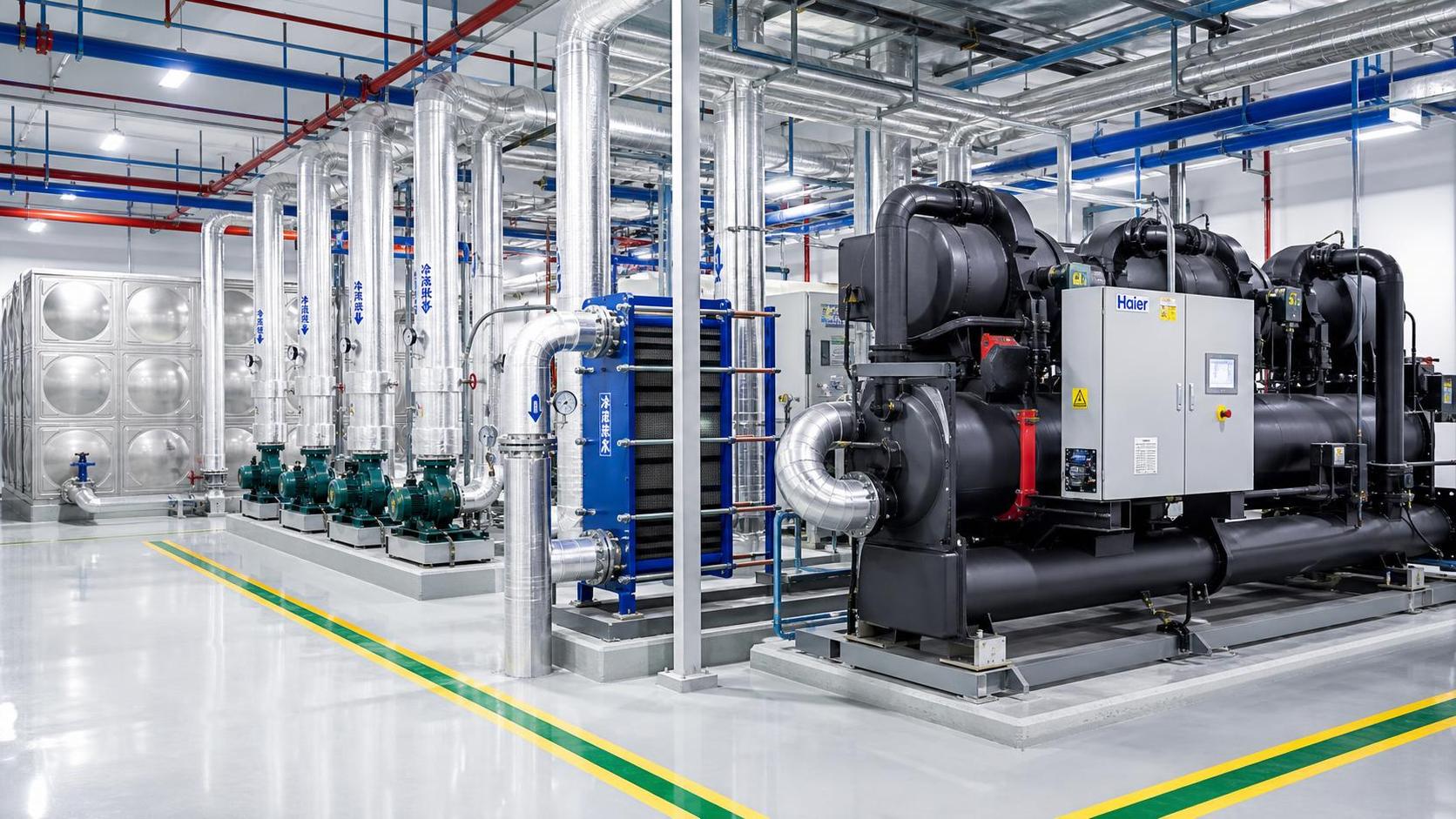
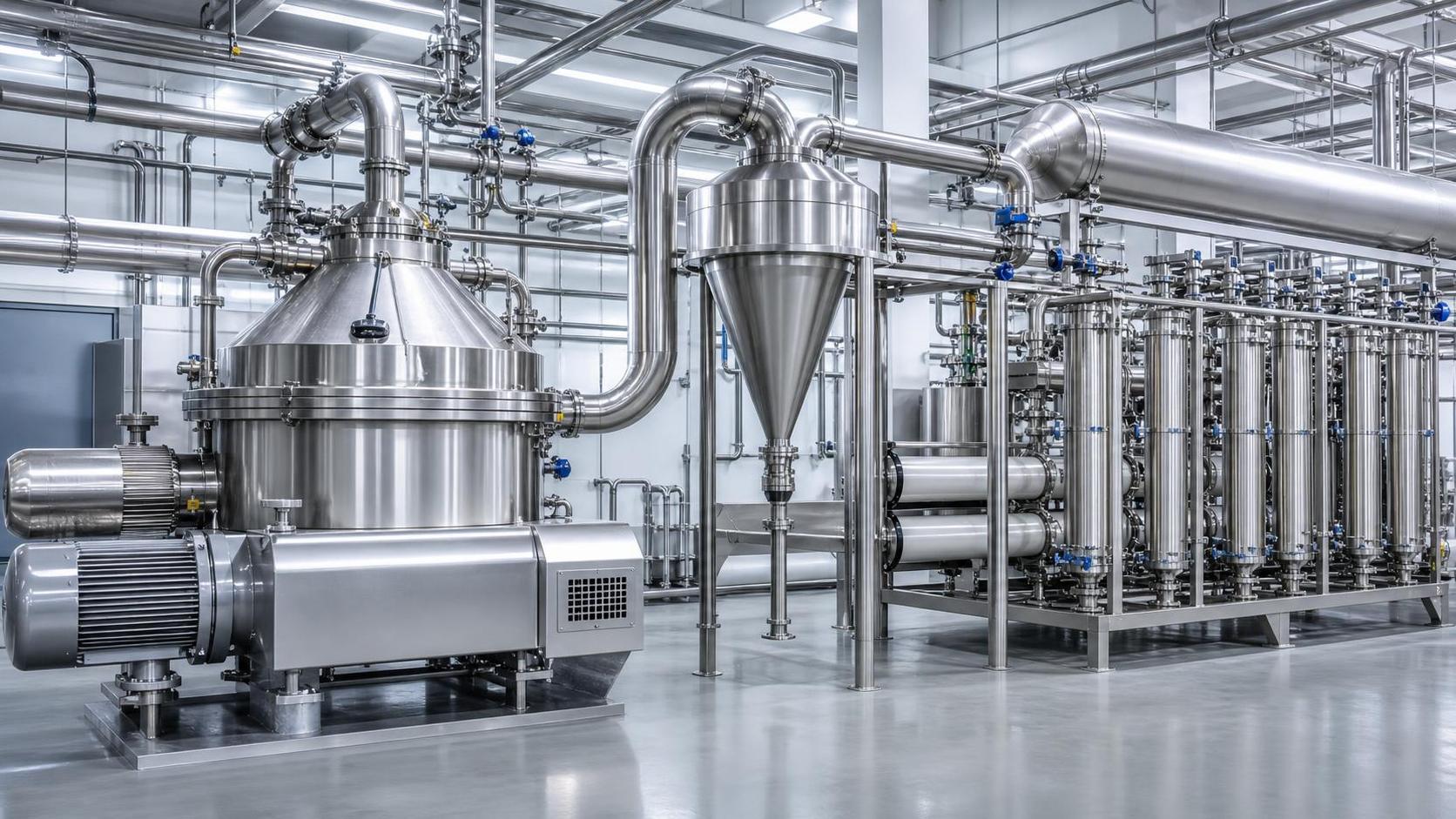
- Industrial cooling, where unstable load profiles and outdated heat exchange design increase energy draw and process risk.
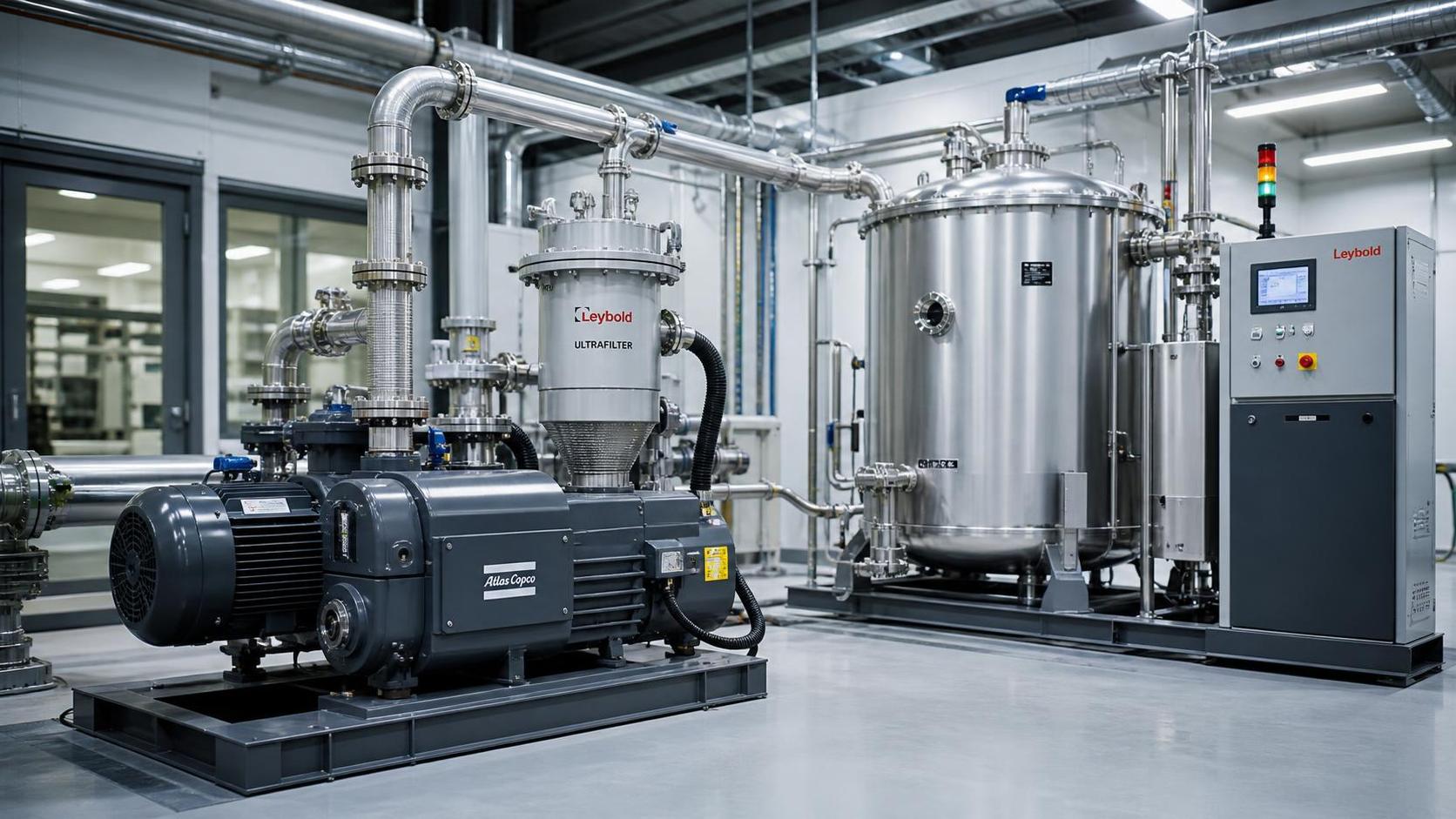
- Vacuum processes, especially in electronics, packaging, and specialty production environments where purity and uptime matter.
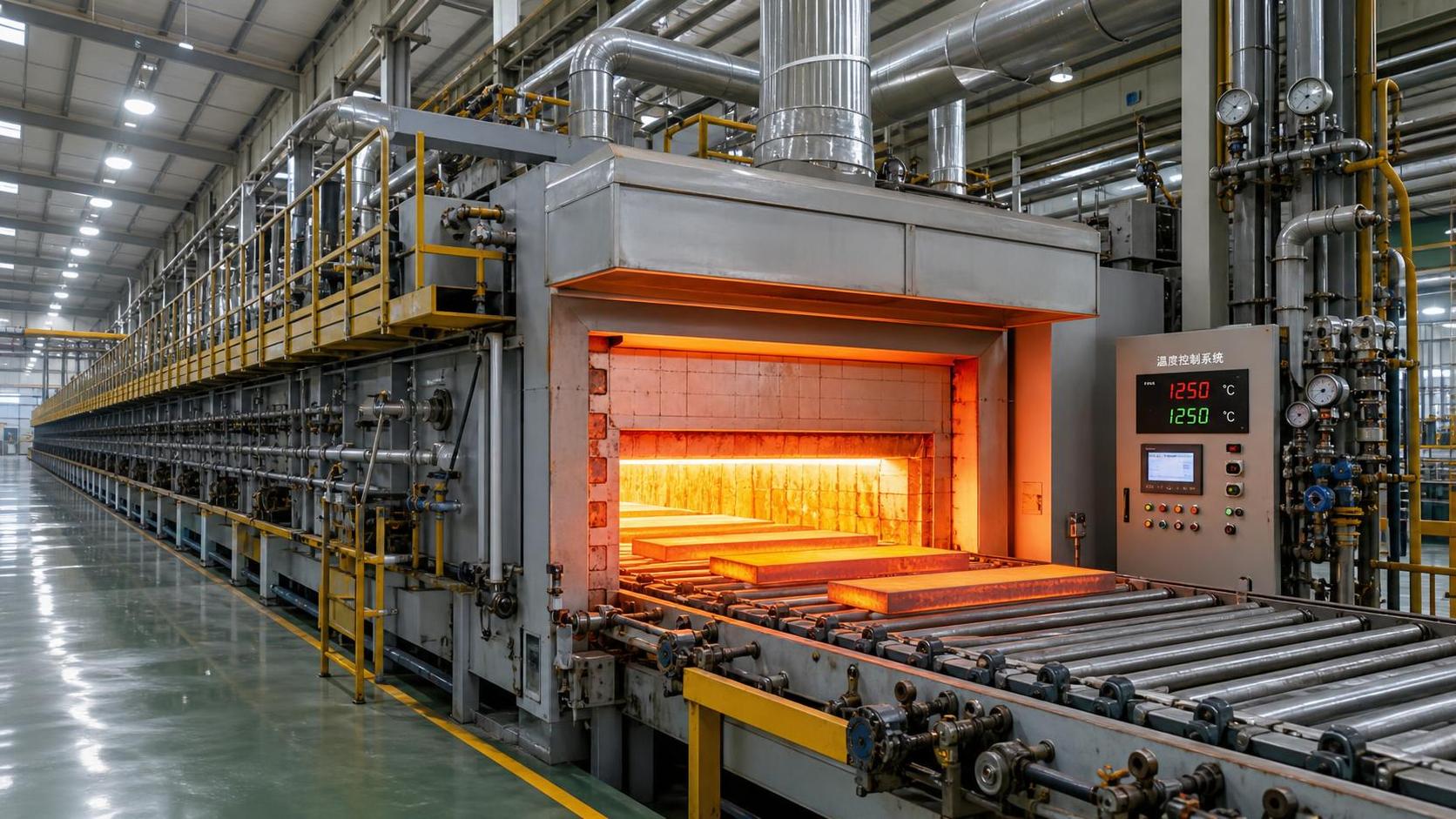
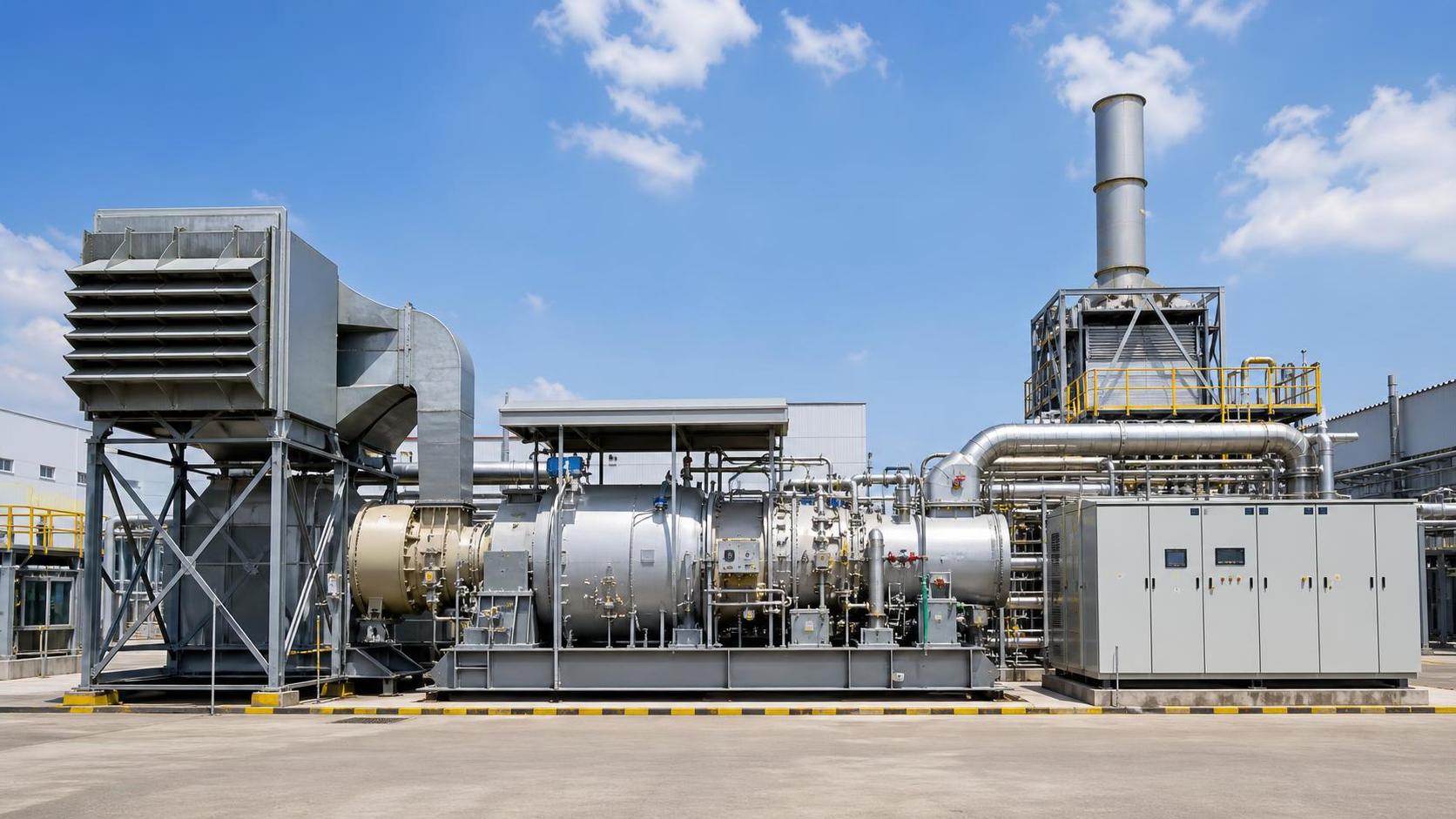
- Boilers and thermal systems, where combustion efficiency, NOx constraints, and heat recovery define the economics.
The table below shows where sustainable manufacturing typically delivers measurable cost-control value in industrial utility systems.
The key insight is simple: sustainable manufacturing works best when it starts with utility systems that directly influence energy conversion efficiency. That is also why industrial intelligence platforms like GTC-Matrix track both technology evolution and commercial demand across cooling, compression, vacuum, and heat exchange applications.
How to evaluate sustainable manufacturing investments without guesswork
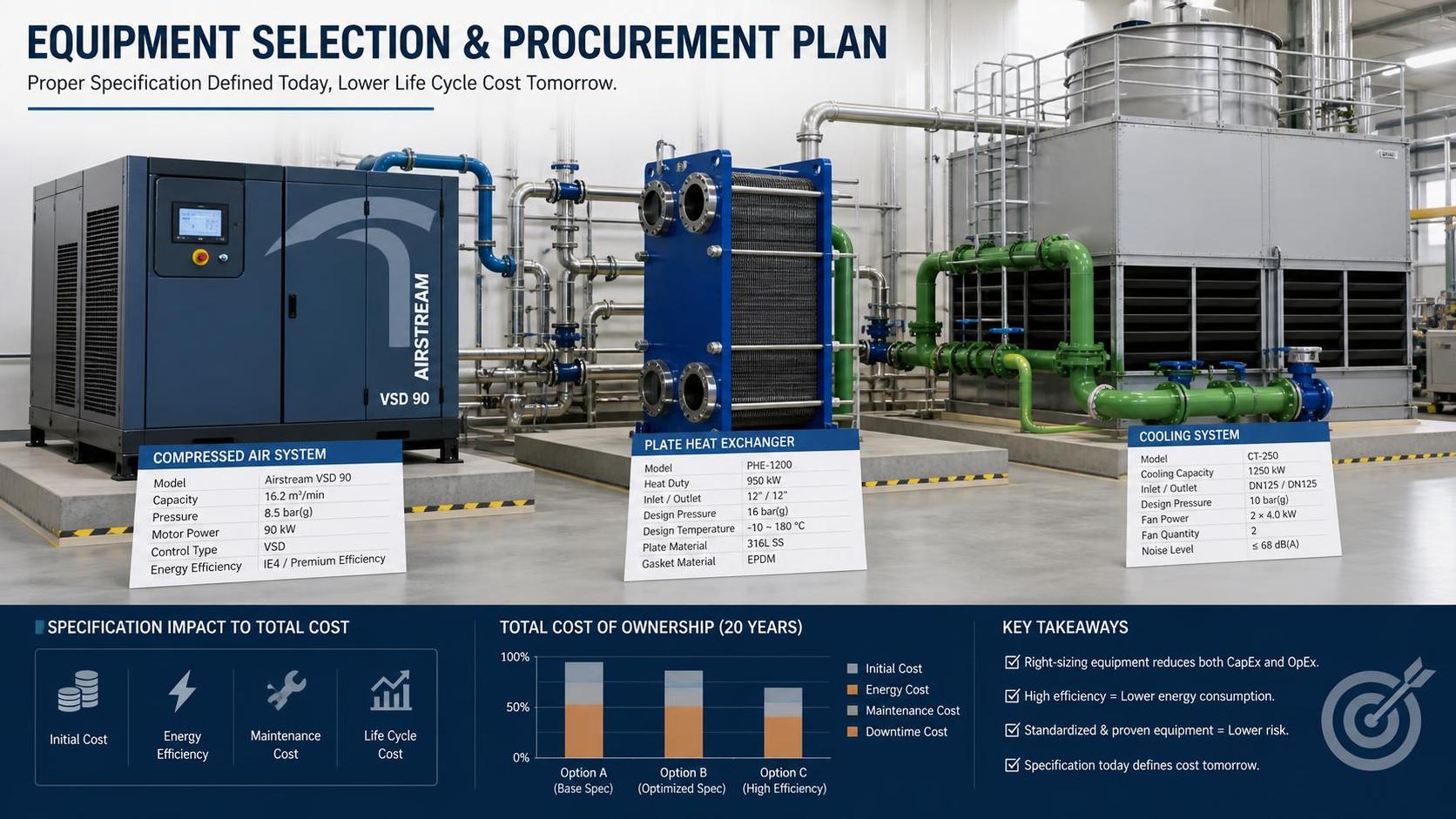
A common management mistake is to approve or reject sustainability projects based on purchase price alone. Industrial assets should be evaluated through total operating impact. A lower-cost machine that consumes more power for ten years may become the more expensive choice very quickly.
A decision framework for capital and operating balance
- Map the process-critical utility load, including actual pressure, temperature, purity, and flow variation.
- Identify cost drivers by hour, shift, and season instead of using a single annual average.
- Compare retrofit, replacement, and hybrid options on energy, maintenance, downtime risk, and compliance exposure.
- Validate whether the selected option aligns with future refrigerant, emissions, and product quality requirements.
For sustainable manufacturing projects, thermal and compression systems often require this broader lens because equipment performance depends heavily on load profile, ambient conditions, and process purity standards. GTC-Matrix supports this decision path by combining sector news, technology trend tracking, and commercial intelligence rather than isolating equipment from market reality.
What to compare when choosing utility upgrades for sustainable manufacturing
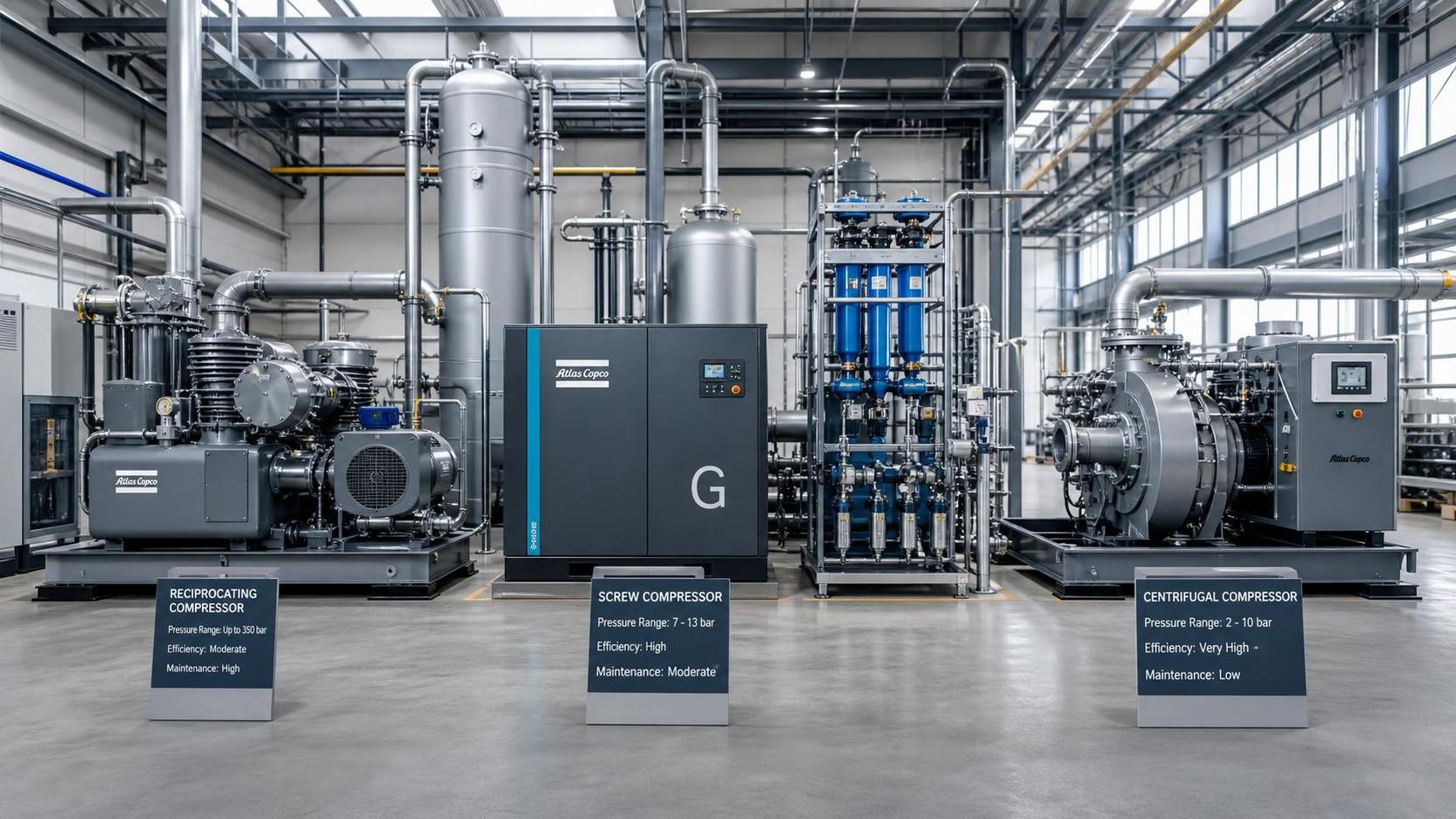
Many procurement teams ask the right question too late: what exactly should be compared? In sustainable manufacturing, the answer is not limited to nameplate efficiency. Selection should consider how a system behaves across real operating conditions, maintenance regimes, and future compliance constraints.
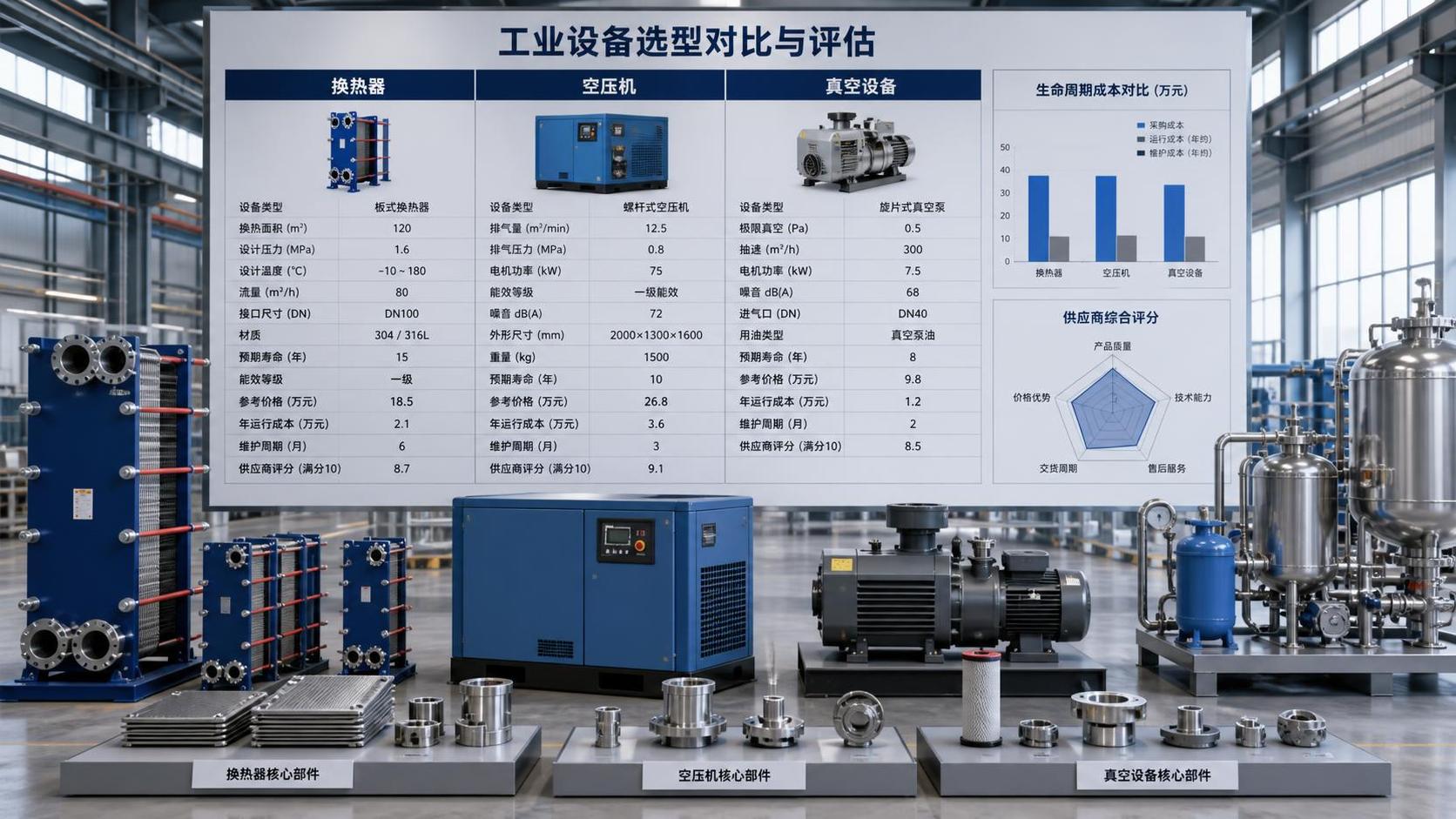
The following comparison table can be used during procurement screening for industrial cooling, compressed air, and thermal utility upgrades.
A structured comparison reduces the chance of buying a technically acceptable but commercially weak solution. It also creates a common language between engineering, finance, procurement, and operations teams.
Which industrial scenarios benefit most from sustainable manufacturing upgrades
Sustainable manufacturing is not one-size-fits-all. The value case depends on the production environment, utility intensity, and quality sensitivity. GTC-Matrix closely observes sectors where thermal management and pure power sources are strategic, including pharmaceutical, semiconductor, and food production.
Scenario-based priorities
- Pharmaceutical manufacturing often prioritizes oil-free compression, precise environmental control, and validation-friendly utility consistency.
- Semiconductor and electronics operations place exceptional value on vacuum stability, particulate control, and thermal uniformity.
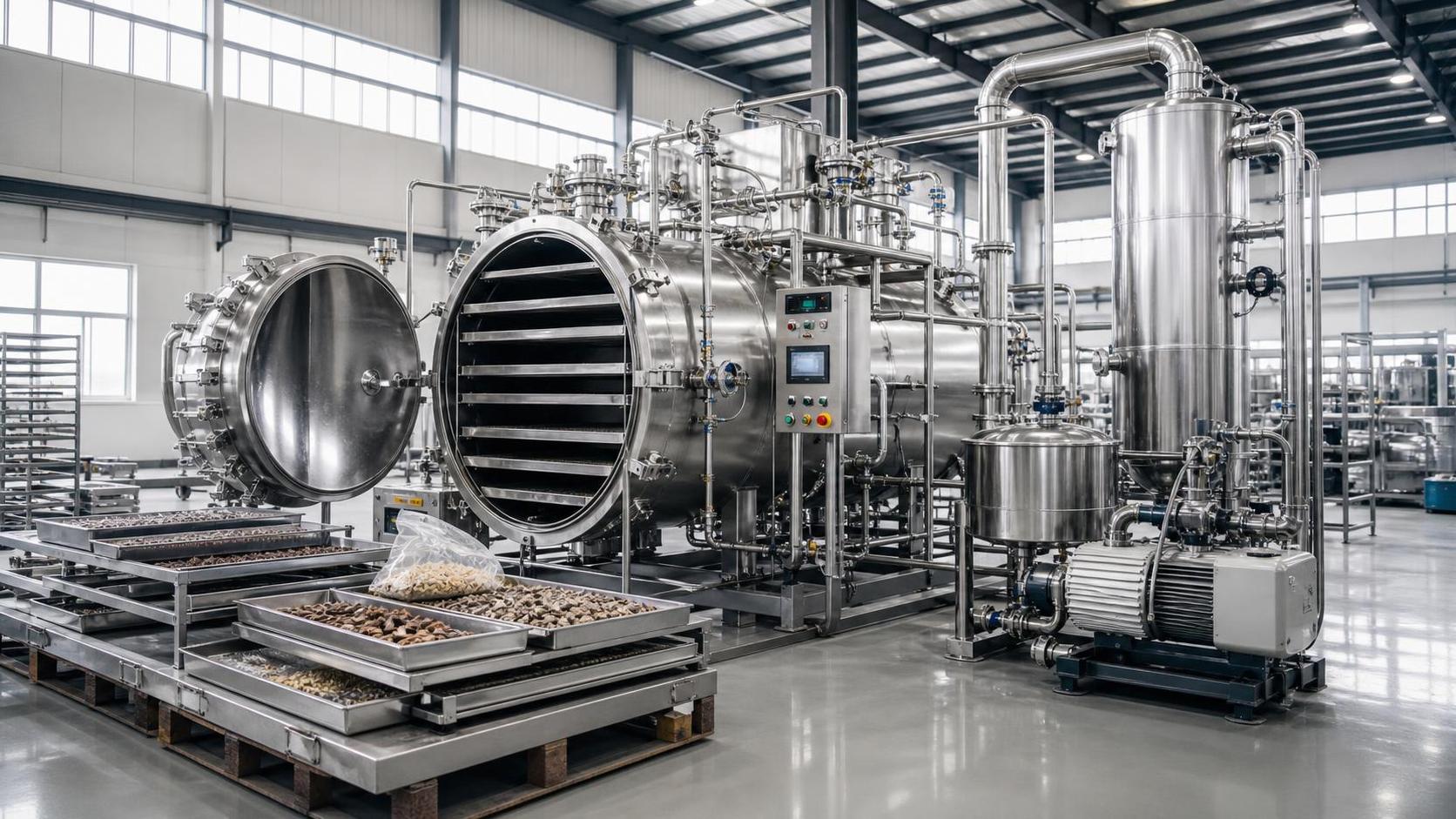
- Food processing tends to focus on refrigeration efficiency, hygienic operation, compressed air cleanliness, and seasonal demand swings.
- General manufacturing plants often achieve quick wins from leak reduction, waste-heat recovery, and right-sized cooling capacity.
These scenarios differ, but the management logic is the same. Sustainable manufacturing adds value where process reliability, utility cost, and compliance exposure are tightly linked.
What standards and compliance signals should decision-makers watch
Industrial leaders do not need to chase every new acronym, but they do need to understand which compliance signals affect purchasing risk. Energy management frameworks, emissions restrictions, refrigerant policy developments, and product-sector hygiene rules can all change the economics of a utility system.
Practical compliance checkpoints
- Energy management alignment, such as the internal discipline encouraged by ISO 50001-style thinking.
- Air purity and contamination control expectations where compressed air touches product or packaging.
- Emissions and combustion considerations for boiler systems, especially where low-NOx performance is becoming more relevant.
- Refrigerant transition risk, particularly for facilities planning long equipment life cycles.
GTC-Matrix tracks policy shifts and evolutionary technology trends because sustainable manufacturing decisions made today can be weakened by tomorrow’s regulatory changes if compliance is treated as an afterthought.
Common mistakes that weaken sustainable manufacturing results
Even well-funded projects can underperform when assumptions are wrong. In industrial utility optimization, the most expensive errors usually come from poor scoping rather than poor intent.
Frequent decision errors
- Treating sustainability as a reporting issue instead of an engineering and operating cost issue.
- Buying oversized equipment to “be safe,” then paying for years of inefficient part-load operation.
- Ignoring system interaction, such as how compressor heat, chiller load, and ventilation strategy affect one another.
- Evaluating payback without including maintenance burden, shutdown risk, or future compliance cost.
The stronger path is to treat sustainable manufacturing as a portfolio of operational improvements. That approach makes it easier to prioritize projects with the best balance of savings, resilience, and execution feasibility.
FAQ: practical questions about sustainable manufacturing in industrial operations
How do we start a sustainable manufacturing program without delaying production?
Start with a utility baseline, not a full plant redesign. Review compressed air demand, cooling loads, heat losses, maintenance records, and downtime causes. This usually identifies quick actions that can be scheduled during normal maintenance windows. Many plants can begin with leak management, controls tuning, and heat recovery screening before moving into larger capital projects.
Which systems should be audited first?
Audit the systems with the highest run hours and the weakest cost visibility. In most factories, that means compressed air, chillers, vacuum systems, and boilers. If product quality depends on temperature, humidity, or air purity, those utilities should move to the front of the queue because they affect both cost and yield.
Is sustainable manufacturing only realistic for large enterprises?
No. Smaller and mid-sized manufacturers often have more visible inefficiencies and can capture faster payback from targeted utility improvements. The priority is not company size. It is whether the facility can identify where energy conversion, heat exchange, and compressed air use are creating avoidable cost.
How should we judge supplier proposals?
Ask suppliers to explain performance at actual operating conditions, integration requirements, maintenance implications, and compliance fit. If a proposal cannot clearly connect thermal performance or compression efficiency to your process and cost structure, it is incomplete. Sustainable manufacturing decisions need plant-specific evidence, not only brochure values.
Why decision-makers use GTC-Matrix for smarter sustainable manufacturing choices
From market signal to plant-level action
GTC-Matrix is built around industrial cooling, compressed air, vacuum processes, and heat exchange technologies—the exact systems that often determine whether sustainable manufacturing becomes a cost saver or a budget burden. Its Strategic Intelligence Center connects energy cost movements, refrigerant policy changes, technology evolution, and demand patterns across key manufacturing sectors.
For business decision-makers, that means a more grounded basis for action. Instead of evaluating projects in isolation, teams can assess how oil-free compression, microchannel heat exchangers, low-NOx thermal systems, and process purity trends may affect long-term competitiveness.
What you can discuss with us
- Parameter confirmation for cooling, compressed air, vacuum, and heat exchange applications.
- Selection logic for retrofit versus replacement in sustainable manufacturing projects.
- Delivery-cycle considerations for industrial utility upgrades with limited shutdown windows.
- Custom solution direction based on process stability, energy exposure, and compliance expectations.
- Certification and policy-related questions that may influence equipment planning or sourcing strategy.
- Budgetary quote communication supported by a clearer understanding of lifecycle cost drivers.
If your organization is reassessing energy efficiency, thermal system performance, or industrial utility investment priorities, this is the right time to turn sustainable manufacturing into a sharper cost-control strategy. Contact GTC-Matrix to discuss your operating parameters, project timeline, technology options, and the market signals that should shape your next decision.
- industrial cooling
- compressed air
- vacuum processes
- heat exchange
- energy conversion efficiency
- oil-free compression
- microchannel heat exchangers
- pure power sources
- industrial intelligence
- thermal management
- heat transfer
- energy efficiency
- thermal systems
- compressed air systems
- vacuum system
- sustainable manufacturing
Related News
- What to verify before choosing a process separation technology supplierAuthor :

- When does process utilities engineering reduce project rework?Author :

- Where thermal efficiency optimization delivers the fastest savings in EuropeAuthor :

- What should you verify before selecting a heat transfer supplier?Author :

- What drives compressed air systems price for industrial projects?Author :

- How an industrial product knowledge comparison guide reduces sourcing riskAuthor :

- When does a procurement specification planning process reduce bid risk?Author :

- When does thermal system optimization for electronics reduce failure risk?Author :

- When high temperature process heating systems justify the higher energy costAuthor :

- How to compare sludge dewatering equipment by cake drynessAuthor :

- What to Check Before Sourcing a Gas Turbine for Distributed Power ProjectsAuthor :

- What drives industrial thermal systems price in large facility projectsAuthor :

- How to build an industrial product comparison chart that speeds up vendor selectionAuthor :

- Vacuum Technology Application Guide for Selecting the Right SystemAuthor :

- What Drives Vacuum Drying Cost in Industrial Procurement?Author :

- What Drives Compressed Air Pricing in Industrial Systems?Author :

- How Procurement Specification Planning Shapes Total Project CostAuthor :

- Compression Technology Guide: How to Compare Efficiency, Pressure Range, and Maintenance NeedsAuthor :

- How to Compare Industrial Separators by Throughput, Purity, and Maintenance LoadAuthor :

- How to Size a Compressed Air Equipment Receiver Tank for Stable PressureAuthor :

- Industrial Equipment Selection Guide: How to Compare Capacity, Duty Cycle, and Operating CostAuthor :

- How to Evaluate an Intellectualization Supplier for Industrial UpgradesAuthor :

- High-Efficiency Manufacturing: Cost Savings vs. Upgrade RiskAuthor :

- Thermal System Optimization Cost: What Drives ROI?Author :

- How to Plan Process Utilities for a Cleanroom Without Costly ReworkAuthor :

- How to Compare Process Heating Suppliers in MexicoAuthor :

- Food Processing Utilities: Common Sizing Mistakes That Raise Energy and Water UseAuthor :

- How to Build Procurement Specification Planning for Industrial EquipmentAuthor :

- OEM Cooperation for Industrial Equipment: Risks, Terms, and Cost PrioritiesAuthor :

- Specification-Oriented Product Resources That Speed Technical ReviewAuthor :

- Industrial Equipment Selection Guide: A Practical Buyer ChecklistAuthor :

- How to Compare Industrial Energy Management Systems by ROIAuthor :

- How to Evaluate a Deaerators Supplier for Long-Term Plant ReliabilityAuthor :
![]()
- How to Evaluate a Vacuum Technology Manufacturer in 2026Author :

- Thermal Efficiency Optimization Software: When the ROI Justifies DeploymentAuthor :

- How to Evaluate Application-Specific Compression Solutions by Throughput and Energy UseAuthor :