Pure Power Sources and the 2026 Shift in Clean Energy Costs




The 2026 Cost Reset Is Making Pure Power Sources a Financial Priority

As 2026 approaches, finance leaders face a sharper energy equation than before.
Pure power sources are moving from sustainability language into core cost planning, operational resilience, and investment timing decisions.
The key shift is simple: clean energy is no longer judged only by environmental value.
It is increasingly assessed by delivered cost, exposure reduction, and compatibility with industrial thermal and compression systems.
For sectors tied to cooling, compressed air, vacuum, and heat exchange, energy quality matters as much as price.
That is why pure power sources now sit closer to capital approval conversations.
According to the wider observations reflected by GTC-Matrix, cost declines are becoming uneven rather than universal.
Some technologies are getting cheaper at the equipment level, while integration, storage, and grid interface costs remain critical.
This means 2026 may reward selective adoption, not broad enthusiasm.
Market Signals Show a More Practical Clean Energy Curve
Recent market signals suggest that clean energy costs are entering a more disciplined phase.
Solar, wind, energy storage, renewable-backed supply contracts, and electrified process systems are maturing at different speeds.
As a result, pure power sources should not be treated as a single cost category.
In industrial environments, total cost depends on load stability, process sensitivity, and thermal recovery opportunities.
Facilities with continuous cooling or compressed air demand may gain more from hybrid energy structures.
Facilities with flexible production windows may capture lower-cost renewable procurement more quickly.
Another signal is the growing value of energy intelligence.
Cost advantage now comes from matching pure power sources with process-level efficiency, not from buying green electricity alone.
This is especially relevant where thermal management and power compression define operating margins.
Why Pure Power Sources Are Becoming More Competitive
Several forces are pushing pure power sources toward stronger cost competitiveness in 2026.
These drivers matter because pure power sources create value in two ways.
They can reduce the direct cost of cleaner energy over time.
They can also lower exposure to fuel uncertainty, compliance changes, and process interruptions.
Industrial Cooling and Compression Are at the Center of the Shift
For the broader industrial economy, the 2026 shift will be uneven across business functions.
Processes linked to thermal loads often reveal the clearest economics first.
Compressed air systems consume substantial electricity and frequently hide avoidable waste.
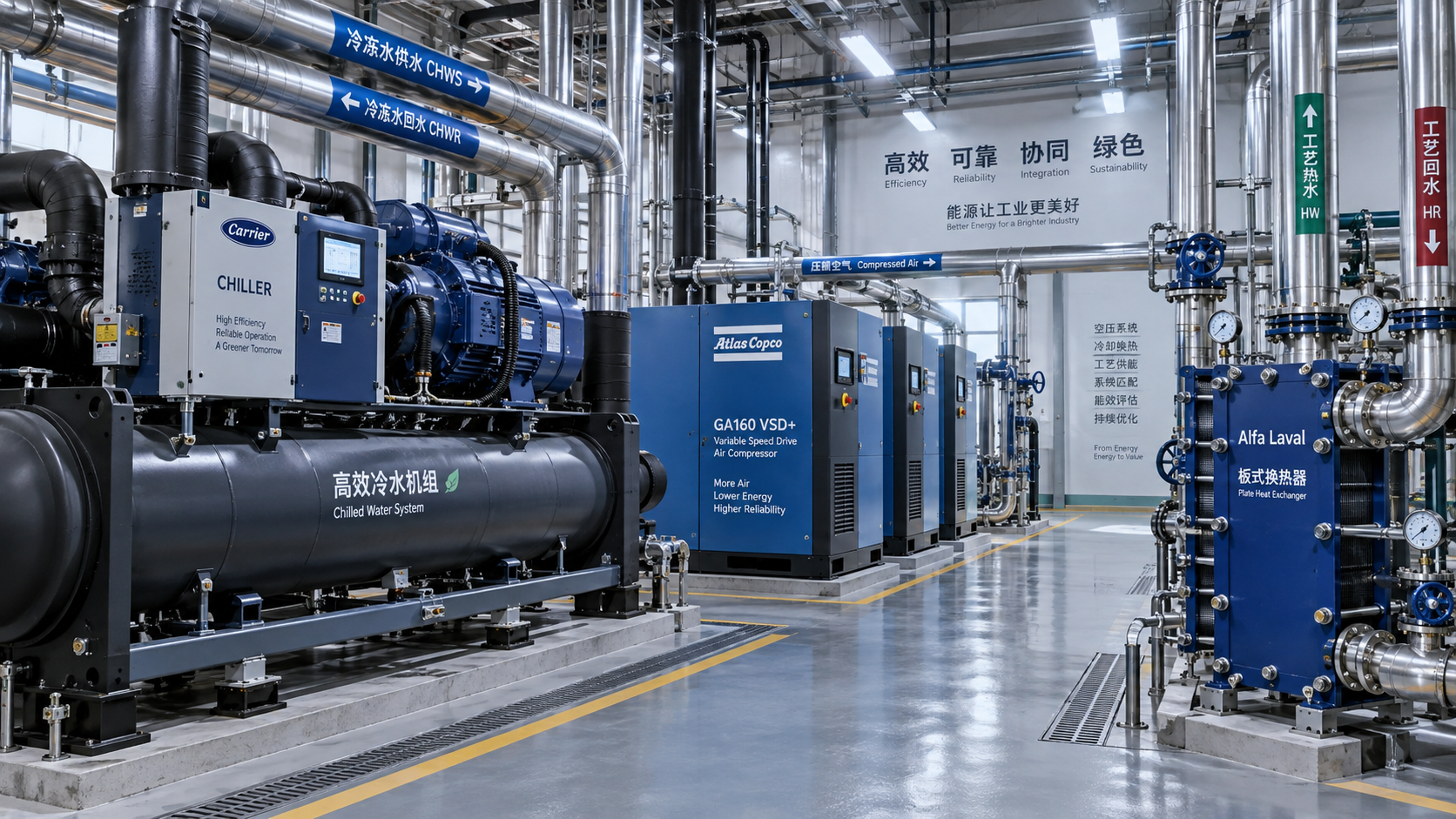
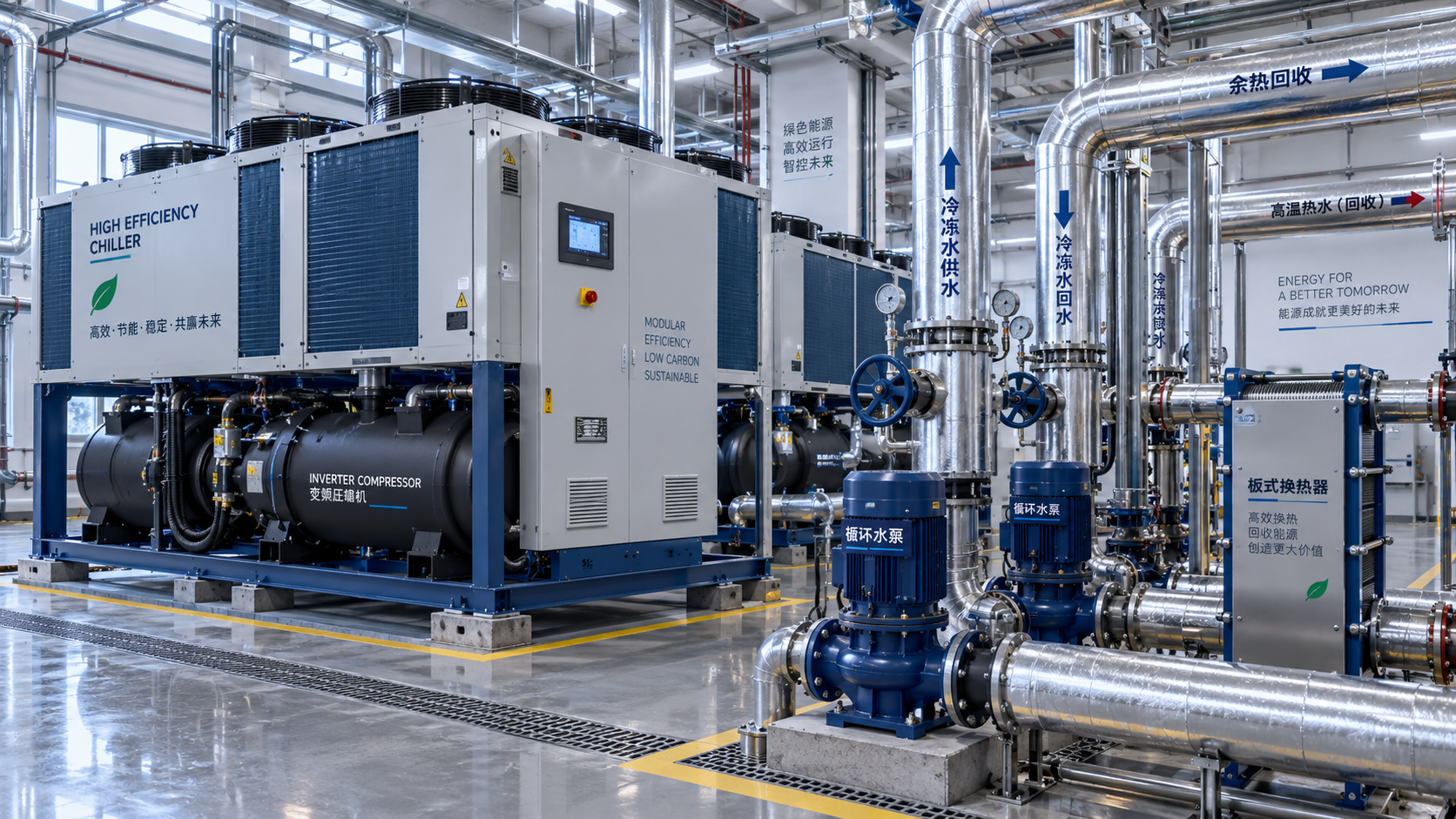
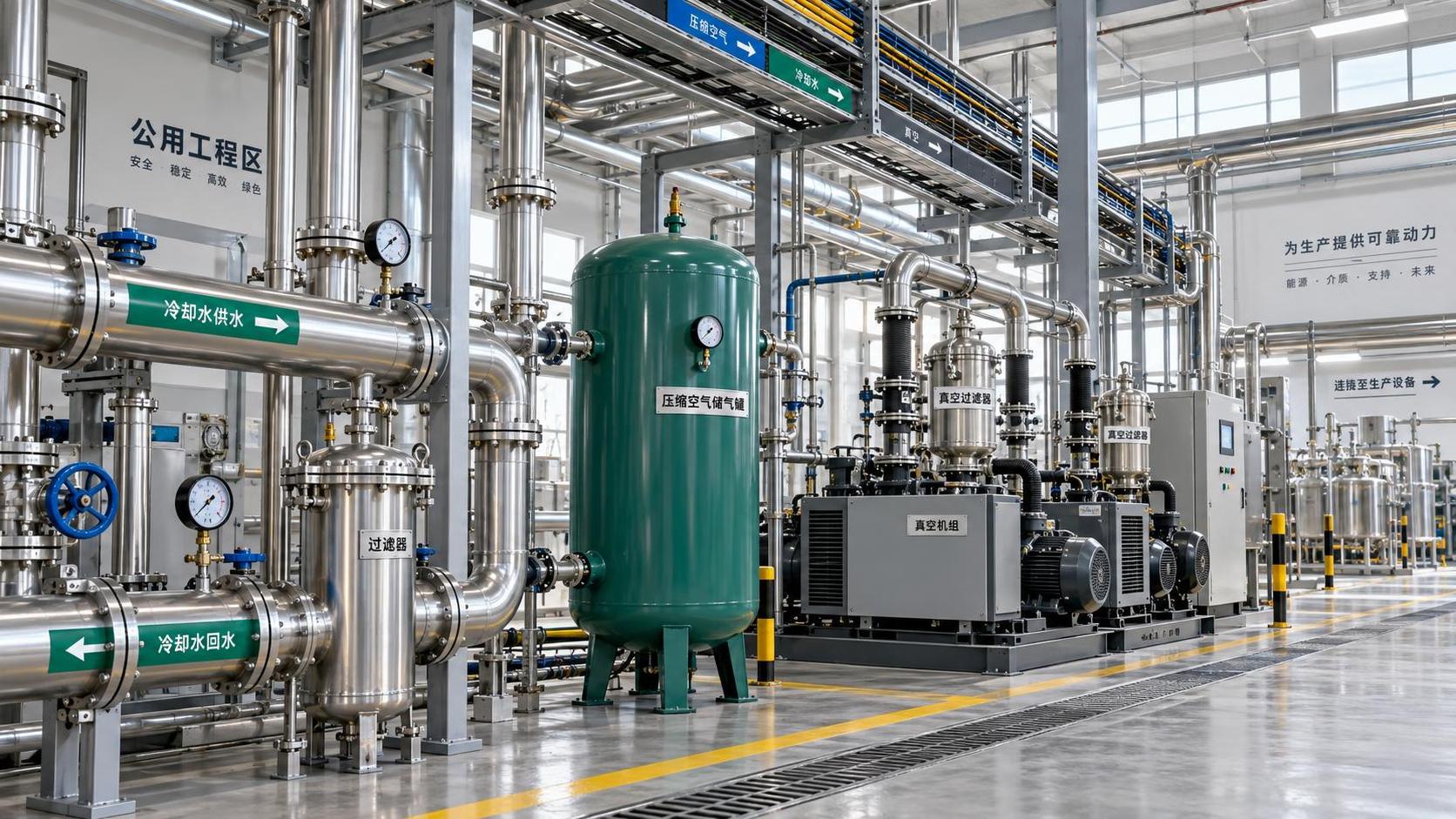
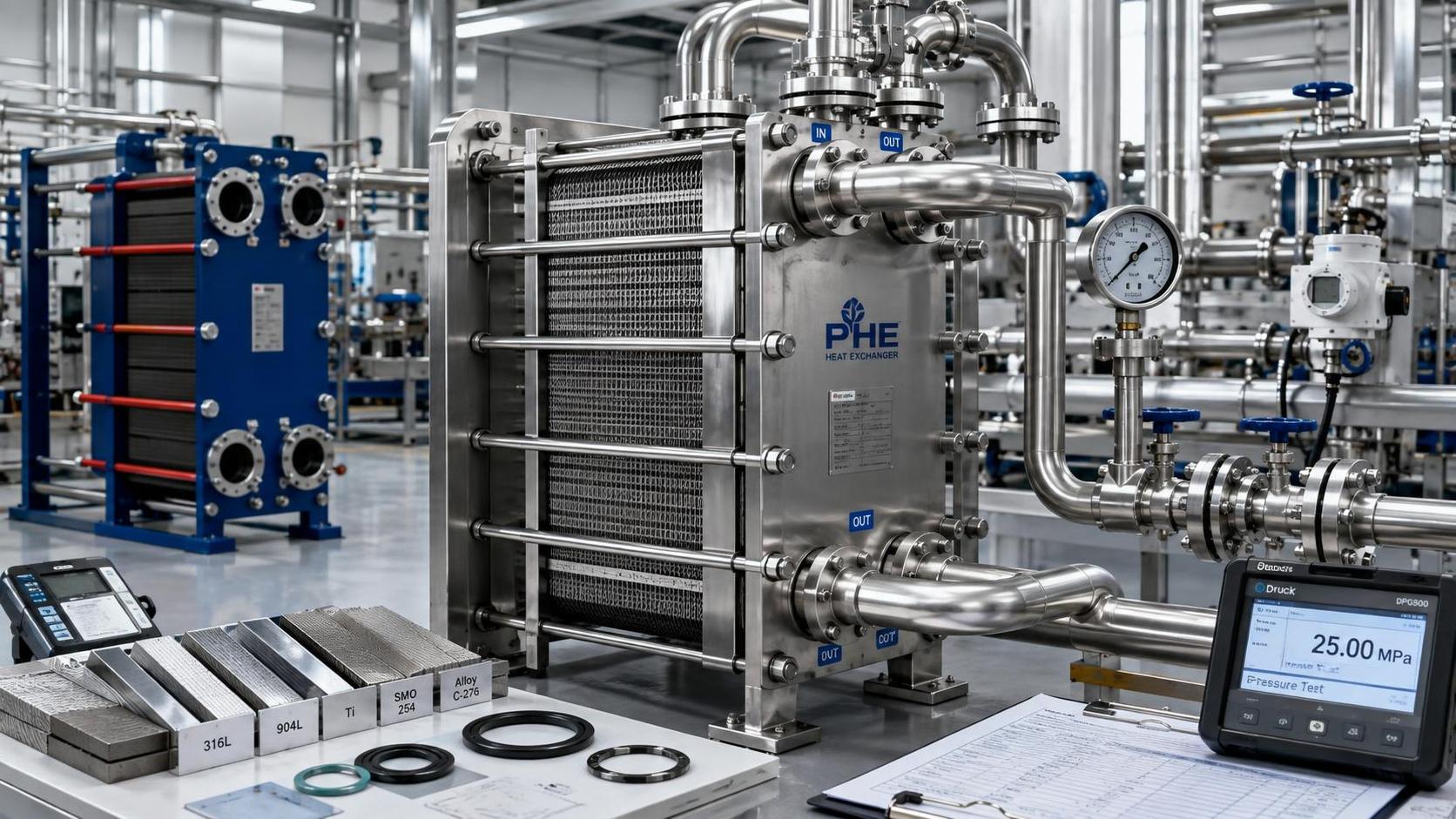
Vacuum systems, chillers, and heat exchangers also shape site-level energy intensity.
When pure power sources are paired with efficiency upgrades, the financial effect becomes more visible.
- Production lines may gain lower lifetime energy costs through better load matching.
- Utilities planning may improve with more predictable power pricing and reduced fuel dependence.
- Maintenance strategies may shift toward digitally monitored, high-efficiency assets.
- Capital planning may favor systems that combine electrification, recovery, and lower emissions.
This is where intelligence platforms like GTC-Matrix become relevant.
They connect thermodynamic performance, market signals, and equipment evolution into investment context.
That connection is essential when evaluating pure power sources against real industrial operating conditions.
The Biggest Impact Will Be on Budget Logic, Not Just Energy Supply
The rise of pure power sources changes how budgets should be structured.
Energy decisions can no longer sit apart from process efficiency and asset productivity.
A lower tariff means little if thermal losses, air leaks, or unstable loads erase the savings.
By 2026, stronger cases will combine three layers of value.
- Direct energy cost reduction from cleaner procurement or self-generation.
- Process savings from efficient compression, cooling, and heat recovery.
- Strategic protection from regulation, carbon cost, and supply disruption.
This approach also changes payback analysis.
Pure power sources should be measured through total operational effect, not only through isolated equipment pricing.
That is particularly true in pharmaceuticals, semiconductors, and food processing.
These sectors often require high-precision temperature control and reliable, low-contamination utilities.
What Deserves Close Attention Before 2026 Commitments Are Approved
Several checkpoints can help separate durable opportunities from attractive headlines.
- Map electricity demand by hour, season, and process criticality before choosing pure power sources.
- Review compressed air, vacuum, and cooling efficiency first to avoid powering waste expensively.
- Compare delivered energy cost, including storage, controls, and interface upgrades.
- Test resilience value under outage, fuel spike, and carbon-pricing scenarios.
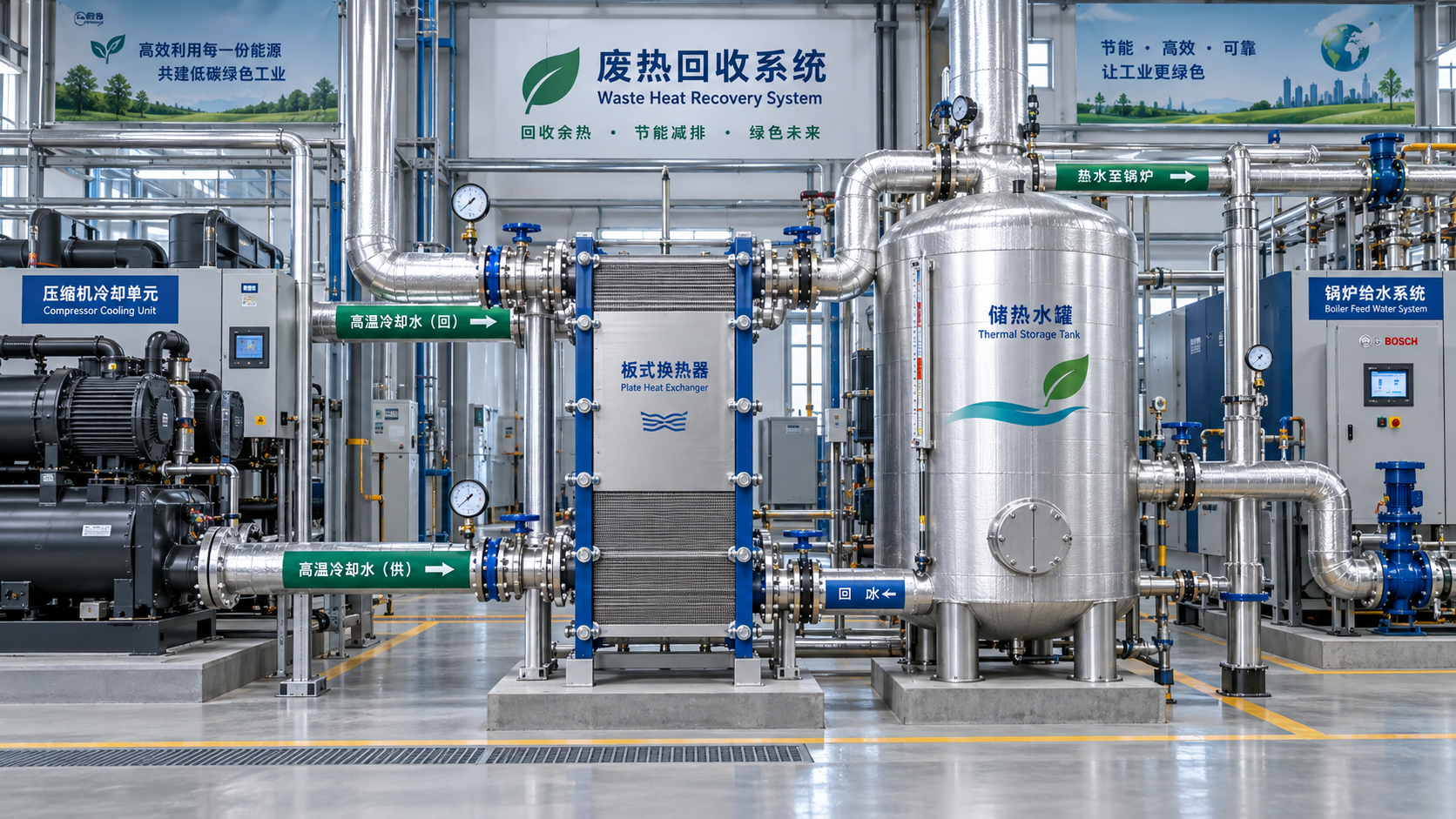
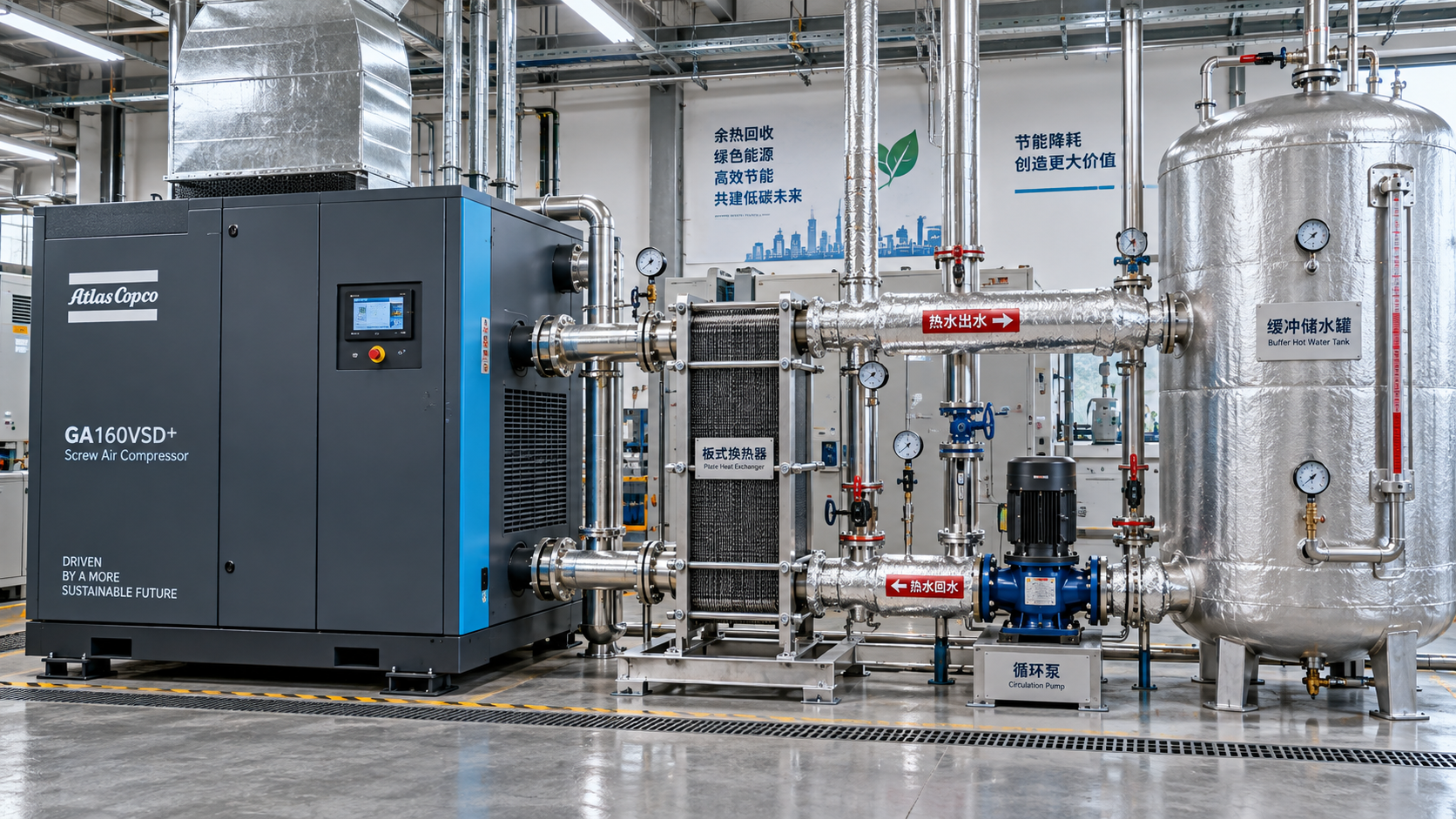
- Check whether thermal recovery can improve the economics of electrified systems.
- Track refrigerant, emissions, and efficiency regulations that may alter project assumptions.
- Use supplier claims carefully and validate performance under actual operating loads.
Each point strengthens investment discipline.
It also helps ensure pure power sources contribute to measurable productivity, not symbolic compliance.
A Practical Framework for Judging the Next Move
This framework supports better timing.
It also turns pure power sources into a structured decision, rather than a general strategic preference.
The Most Effective Next Step Is a Linked Energy and Process Review
The clean energy cost shift of 2026 will not reward passive observation.
It will favor organizations that connect energy sourcing with process efficiency and thermal system performance.
Pure power sources offer clear potential, but the strongest gains appear where data, equipment, and operating logic are aligned.
A practical next step is to review site energy demand alongside cooling, vacuum, heat exchange, and compressed air behavior.
That review can reveal whether pure power sources should be adopted through procurement, system redesign, phased electrification, or hybrid deployment.
In a market shaped by carbon pressure and efficiency competition, better intelligence creates better cost outcomes.
The organizations that move first with disciplined analysis are more likely to enter 2026 with stronger margins and lower energy risk.
Ready when you are. Send us a message to get started.
Related News
- How to select industrial equipment for automation with existing PLCsAuthor :

- How electricity prices shape industrial compressed air price trendsAuthor :

- Choosing air filtration systems for heavy dust in the Middle EastAuthor :

- How much does a fully installed compressed air monitoring system cost?Author :

- What documentation supports CE marking for industrial equipment?Author :

- How local support affects vacuum system costs in Southeast AsiaAuthor :

- How worldwide industry category guides help compare market opportunitiesAuthor :

- What drives sustainable thermal systems cost over their operating life?Author :

- Which industrial solution comparison criteria prevent project delays?Author :

- How Ambient Temperature and Load Profile Affect Industrial Compressor SizingAuthor :

- What to evaluate before choosing a thermal process engineering supplierAuthor :

- How industrial utility systems affect energy costs in process plantsAuthor :

- What Data Is Needed to Assess Heat Recovery Decarbonization?Author :

- Can Waste Heat Recovery Support Carbon Neutrality Targets?Author :

- Is Compressor Heat Recovery Worth the Installation Cost?Author :

- What to verify before choosing a process separation technology supplierAuthor :

- When does process utilities engineering reduce project rework?Author :

- Where thermal efficiency optimization delivers the fastest savings in EuropeAuthor :

- What should you verify before selecting a heat transfer supplier?Author :

- What drives compressed air systems price for industrial projects?Author :

- How an industrial product knowledge comparison guide reduces sourcing riskAuthor :

- When does a procurement specification planning process reduce bid risk?Author :

- When does thermal system optimization for electronics reduce failure risk?Author :

- When high temperature process heating systems justify the higher energy costAuthor :

- How to compare sludge dewatering equipment by cake drynessAuthor :

- What to Check Before Sourcing a Gas Turbine for Distributed Power ProjectsAuthor :

- What drives industrial thermal systems price in large facility projectsAuthor :

- How to build an industrial product comparison chart that speeds up vendor selectionAuthor :

- Vacuum Technology Application Guide for Selecting the Right SystemAuthor :

- What Drives Vacuum Drying Cost in Industrial Procurement?Author :

- What Drives Compressed Air Pricing in Industrial Systems?Author :

- How Procurement Specification Planning Shapes Total Project CostAuthor :

- Compression Technology Guide: How to Compare Efficiency, Pressure Range, and Maintenance NeedsAuthor :

- How to Compare Industrial Separators by Throughput, Purity, and Maintenance LoadAuthor :

- How to Size a Compressed Air Equipment Receiver Tank for Stable PressureAuthor :

- Industrial Equipment Selection Guide: How to Compare Capacity, Duty Cycle, and Operating CostAuthor :