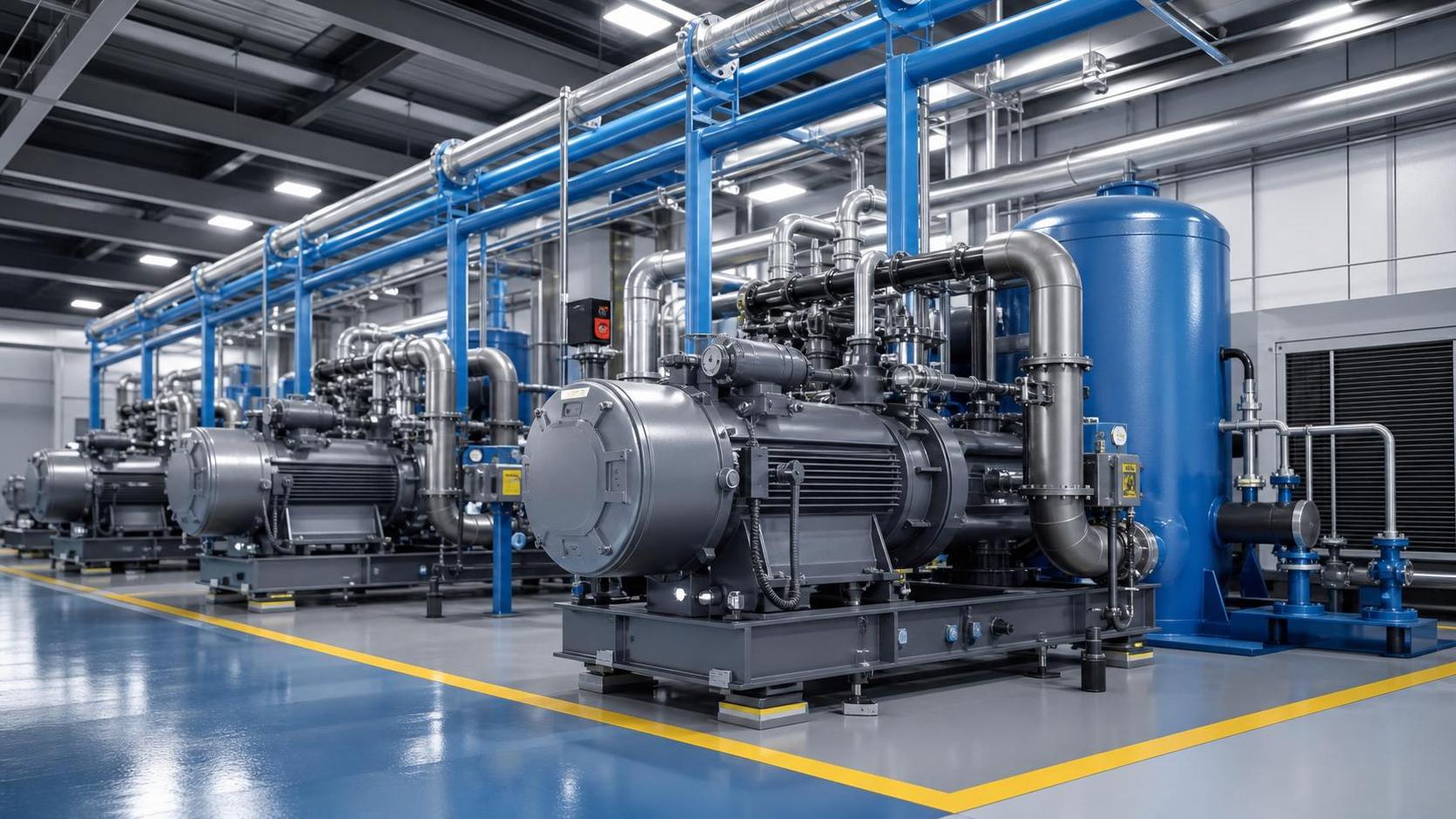




Industrial Decarbonization: Where Energy Savings Deliver the Fastest Payback




Industrial decarbonization becomes far more compelling when the numbers support rapid payback. For financial decision-makers, the fastest gains often come from upgrading compressed air, cooling, heat exchange, and thermal systems where energy waste directly erodes margins. This article highlights where capital can unlock measurable savings first, helping enterprises reduce carbon exposure while improving operating efficiency and investment confidence.
For CFOs, plant controllers, procurement leaders, and capex committees, the central question is rarely whether decarbonization matters. The real question is which projects can return cash in 12–36 months instead of becoming long-horizon sustainability investments with uncertain timing. In many industrial environments, the quickest returns are found not in headline projects, but in the systems that quietly run 24/7: compressed air, process cooling, heat recovery, pumps, fans, boilers, and thermal distribution.
That is why industrial decarbonization should be evaluated as a margin protection strategy as much as an emissions strategy. Rising power tariffs, volatile fuel costs, stricter refrigerant policies, and growing customer pressure on Scope 1 and Scope 2 emissions all increase the financial cost of inefficiency. Platforms such as GTC-Matrix help decision-makers connect thermodynamic performance, equipment evolution, and capital discipline so that technical upgrades can be assessed through a commercial lens.
Why the Fastest Payback in Industrial Decarbonization Usually Starts with Utilities
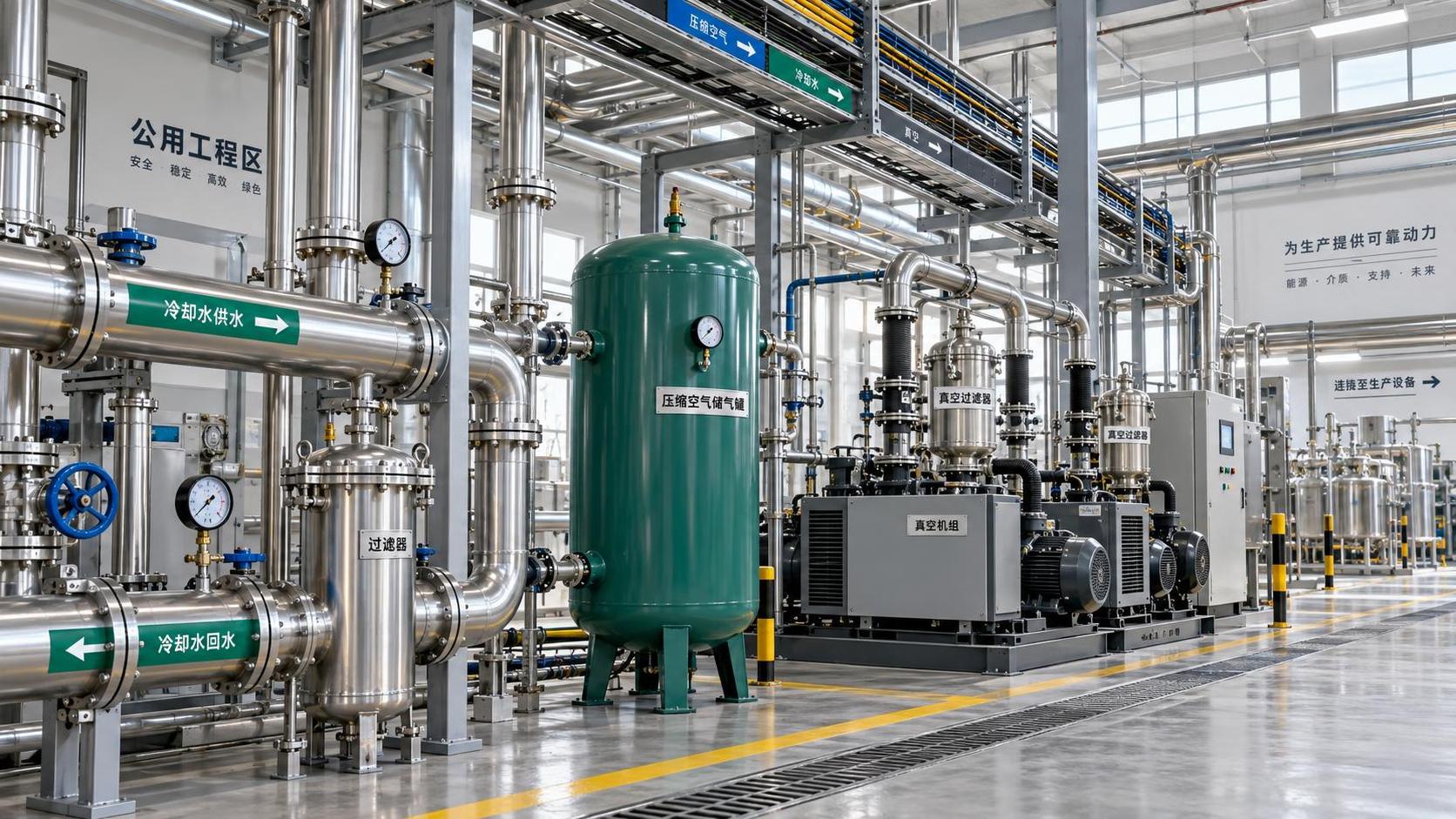
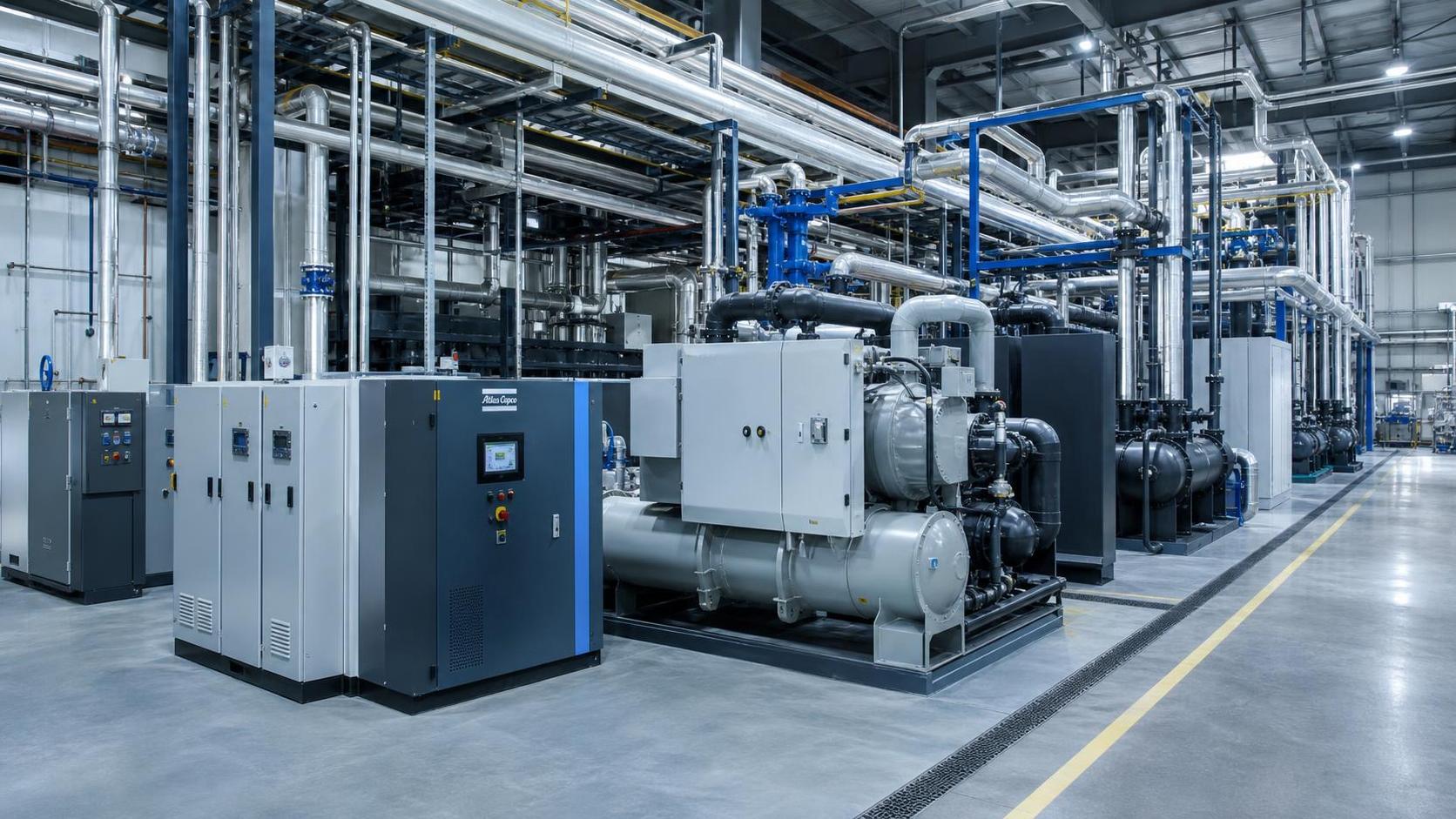
In most factories, utility systems consume a disproportionate share of site energy while receiving less board-level attention than production assets. A compressed air system with 20%–30% leakage, a chiller plant operating at partial load without proper controls, or a boiler stack losing recoverable heat can create six-figure annual losses before anyone labels the issue as a decarbonization problem.
From a finance perspective, these are attractive targets because they are measurable, monitorable, and often upgradeable without redesigning the full production line. The capex envelope may range from low five figures for controls and leak programs to mid six figures for larger compressor, cooling, or heat recovery retrofits. Yet the savings often begin in the first billing cycle after commissioning.
The financial logic behind utility-first projects
Utility-focused industrial decarbonization projects tend to outperform longer-cycle process redesign programs for three reasons. First, energy baselines are easier to establish through meter data, runtime logs, and maintenance records. Second, implementation disruption is usually lower, often fitting into planned shutdowns of 1–7 days. Third, post-project verification is simpler because kWh, fuel use, compressed air demand, discharge temperature, and pressure stability can be tracked directly.
Where finance teams should look first
- Compressed air systems with high unloaded runtime, unstable pressure, or recurring leak-related maintenance.
- Cooling systems running fixed speed equipment despite seasonal or variable process demand.
- Heat exchange networks with fouling, poor approach temperatures, or oversized safety margins.
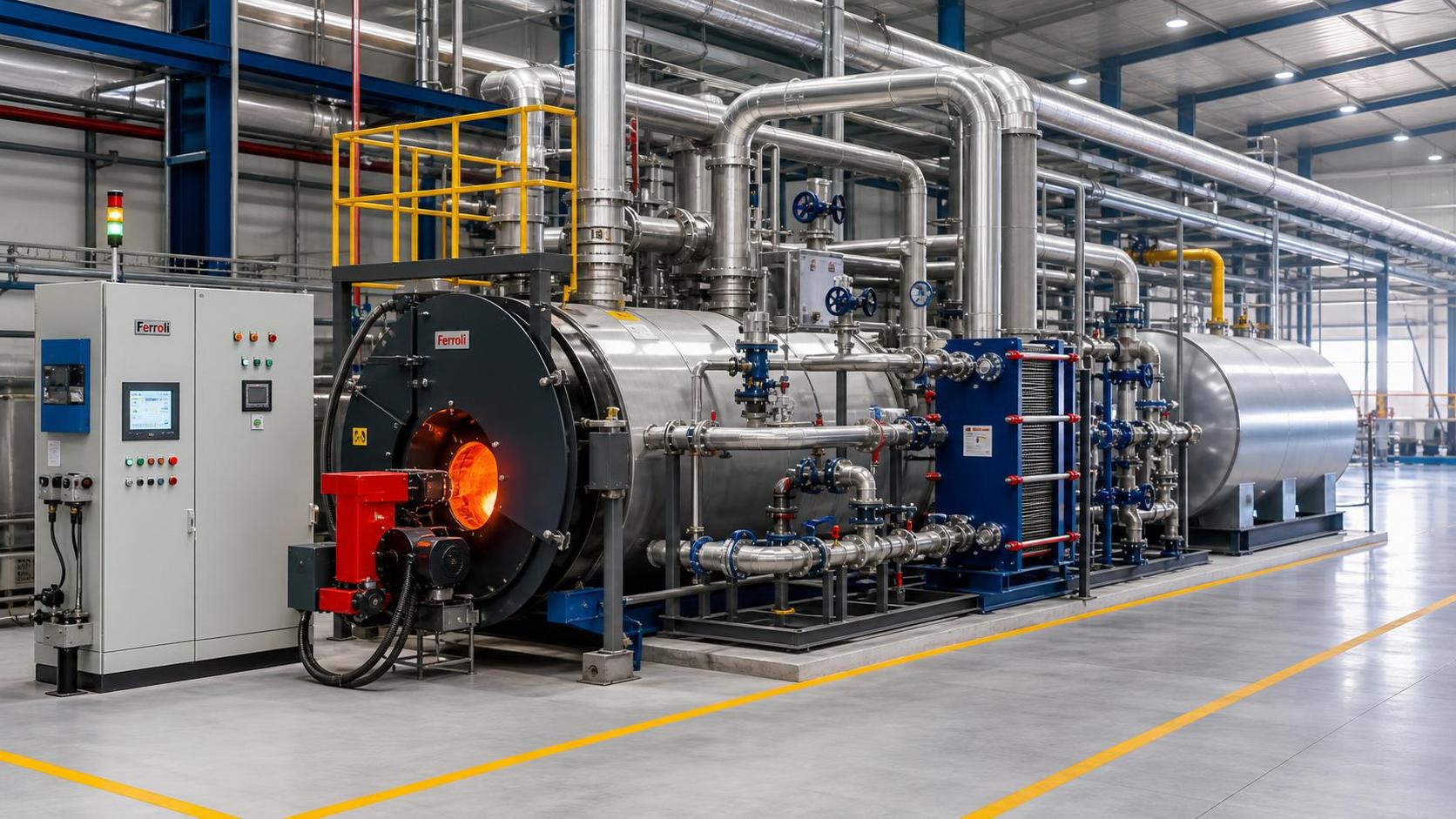
- Boiler and burner systems lacking oxygen trim, condensate recovery, or low-NOx efficiency upgrades.
- Sites with 2 or more shifts, because long runtime shortens payback.
The table below helps financial approvers compare common industrial decarbonization opportunities by payback speed, implementation complexity, and verification ease. These are typical planning ranges rather than fixed promises, but they are useful for prioritization.
The pattern is clear: the fastest payback in industrial decarbonization usually comes from fixing waste, then improving control, and only then replacing core equipment. Finance teams that reverse this order often approve larger projects too early and miss the low-risk savings that could partly fund the next phase.
High-Return System Upgrades for Compressed Air, Cooling, and Heat Exchange
Not every utility upgrade delivers the same economic profile. The best projects combine four traits: high runtime, measurable inefficiency, limited production disruption, and straightforward M&V. In practice, compressed air, cooling, and heat exchange repeatedly stand out because they sit at the center of industrial energy conversion and often suffer from legacy design assumptions.
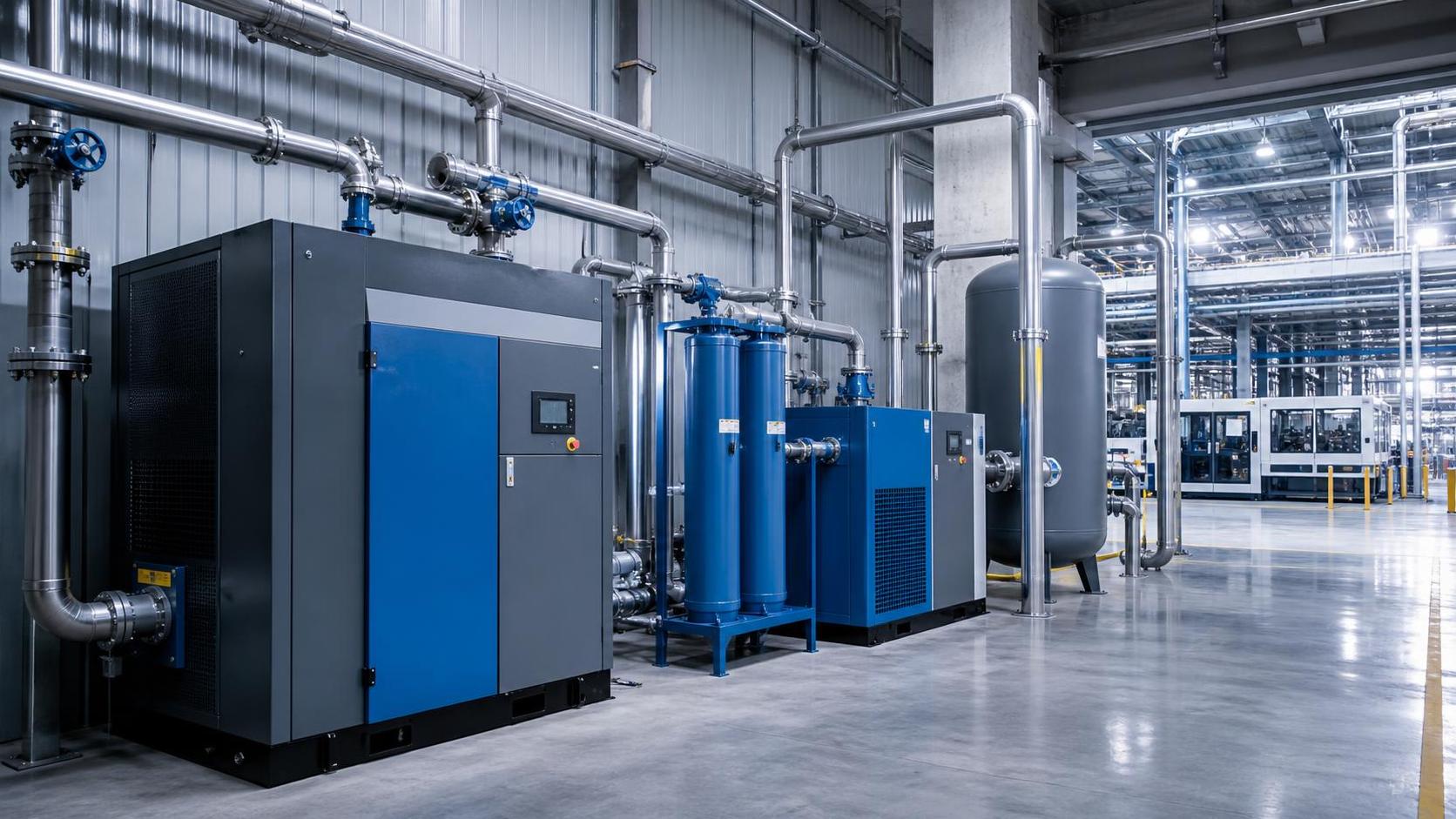
Compressed air: one of the fastest decarbonization wins
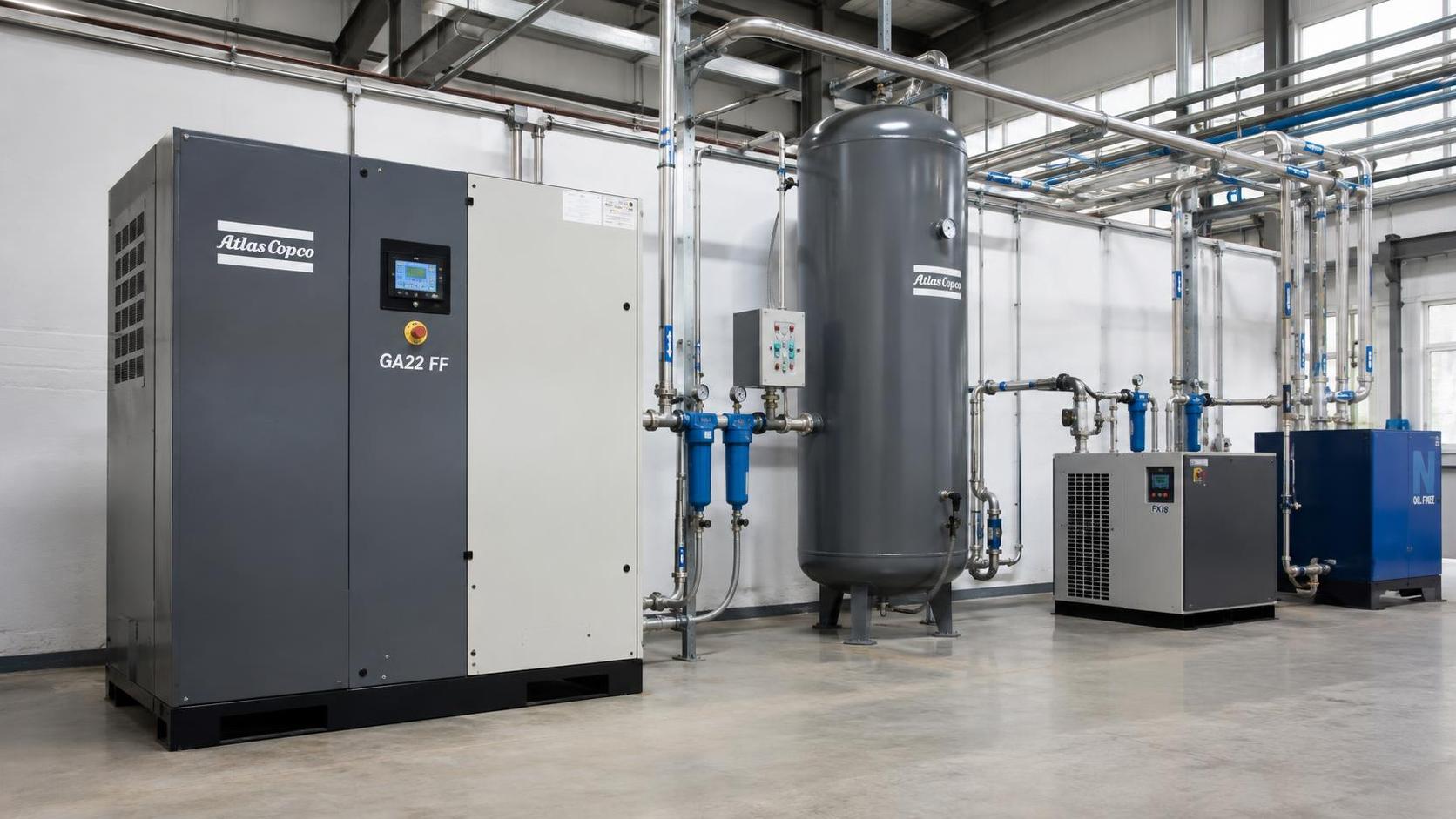
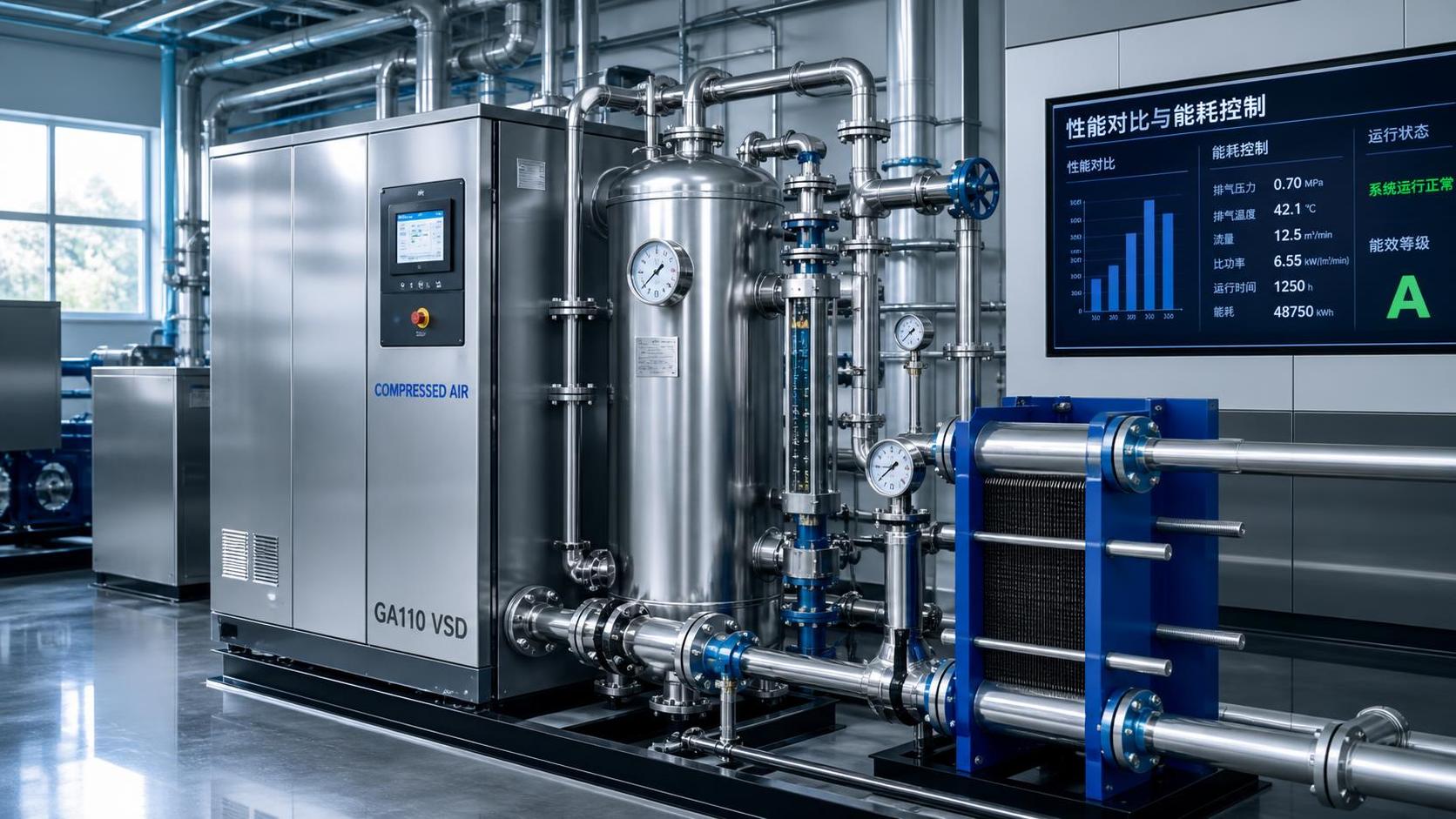
Compressed air is often called the most expensive utility in a plant for good reason. When systems run at 7–8 bar but demand only requires 6–6.5 bar, or when compressors cycle heavily under part-load conditions, the plant pays for power that never reaches productive work. Leakage rates of 15%–30% are common in older networks, and poorly sequenced compressors can add another 10%–20% of avoidable consumption.
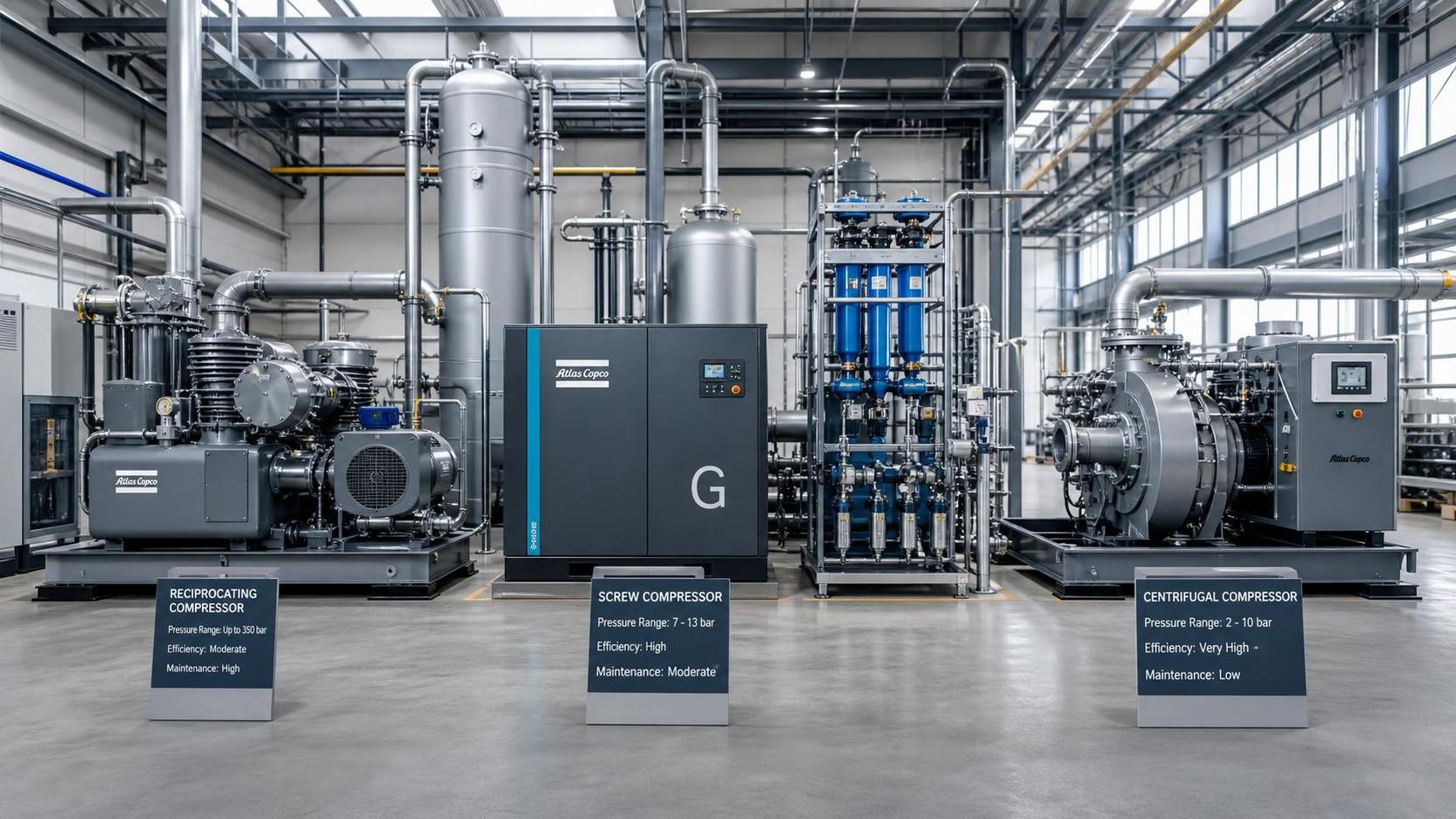
For industrial decarbonization, this makes compressed air unusually attractive. A leak survey, pressure reset, controller upgrade, storage optimization, or shift to oil-free compression in sensitive sectors can create immediate reductions in both energy intensity and maintenance risk. In pharmaceutical, semiconductor, and food environments, cleaner compressed air also strengthens product quality and compliance discipline, which matters to finance because quality losses can easily exceed utility savings.
What to check before approving an air system project
- Measure base-load demand over at least 7–14 days.
- Review pressure profile at critical use points, not just compressor discharge.
- Quantify unloaded runtime, drain losses, and dryer energy consumption.
- Verify whether recovered compressor heat can offset space heating or process water demand.
- Estimate maintenance savings from reduced stress, fewer emergency callouts, and longer equipment life.
Cooling and refrigeration: decarbonization through part-load efficiency
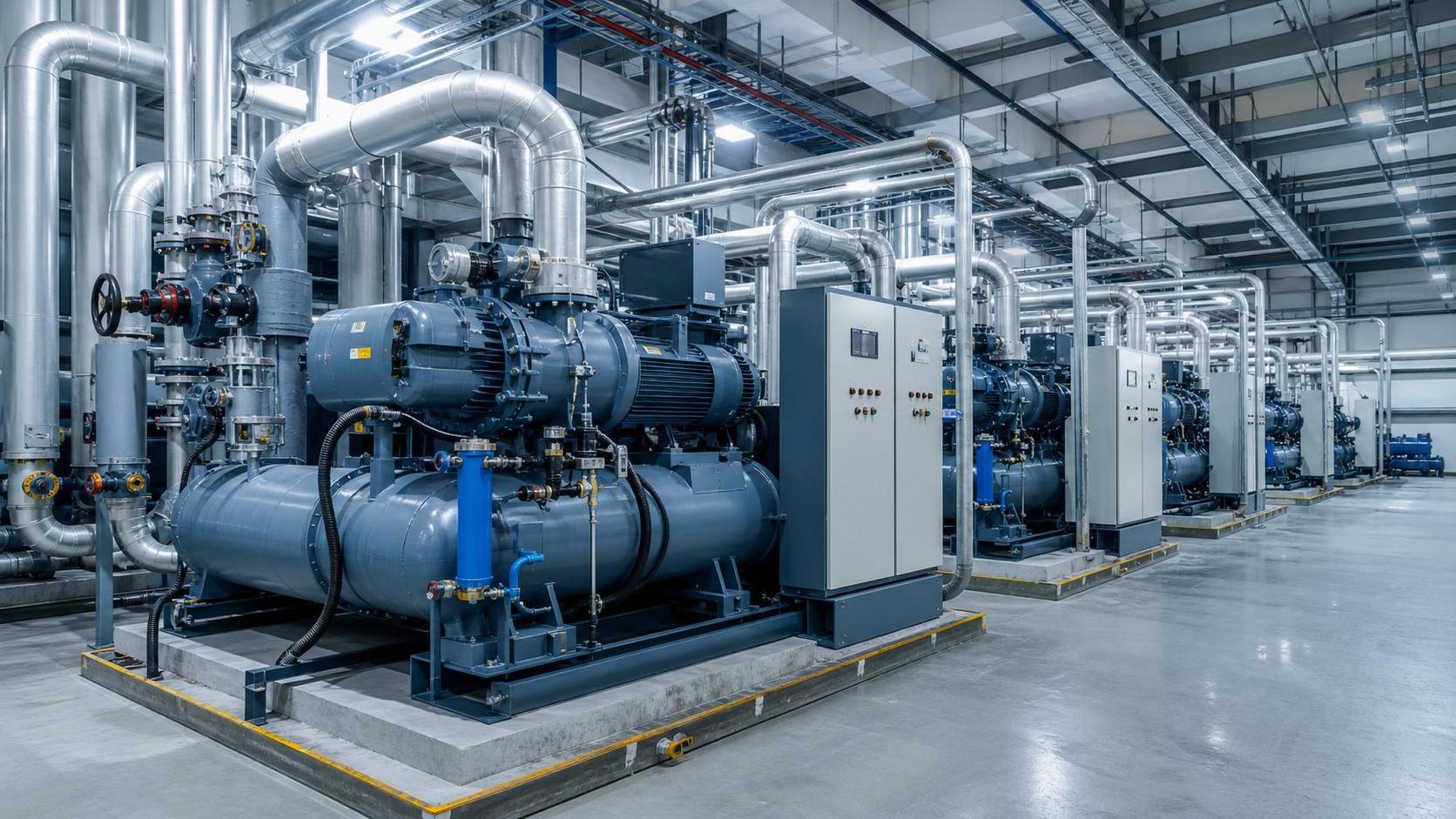
Cooling systems are frequently sized for peak summer conditions and then operated inefficiently for most of the year. Plants with 30%–70% load variation can benefit materially from variable-speed drives, better condenser control, microchannel heat exchangers, optimized chilled water reset, and low-GWP refrigerant transition planning. The savings are not only electrical. Better cooling control can also reduce scrap, protect uptime, and stabilize temperature-sensitive processes.
For finance teams, the most important distinction is between a compliance-driven refrigerant replacement and a performance-driven cooling upgrade. The first is often unavoidable. The second should only be approved when the site can show measurable improvements such as lower kWh per ton of cooling, reduced peak demand charges, improved approach temperature, or fewer process interruptions during seasonal extremes.
Heat exchange and waste heat recovery: unlocking value from thermal losses
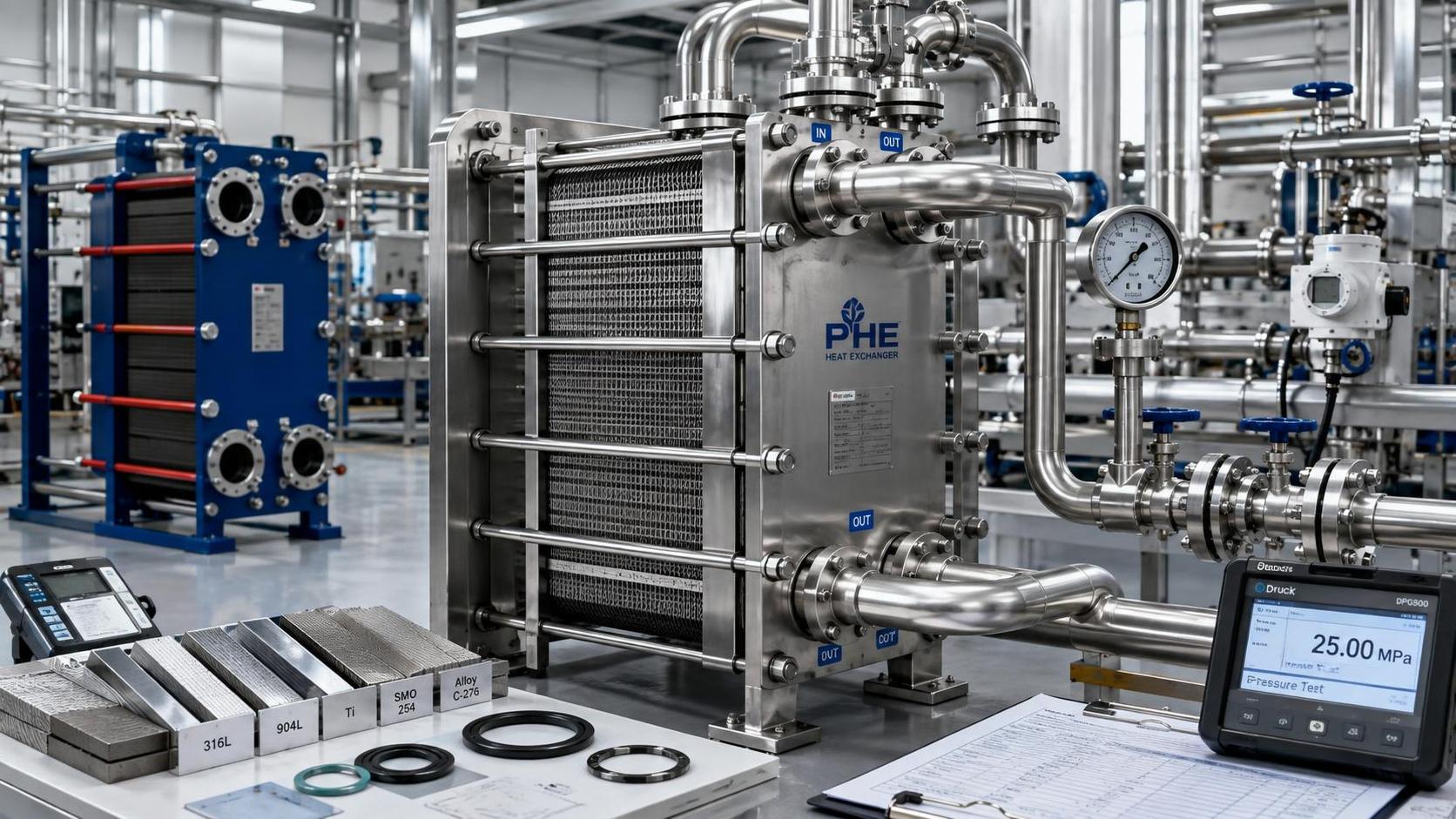
Heat exchange performance degrades quietly. Fouling, scaling, poor flow balance, and oversized design margins can push temperature approach beyond practical targets and force upstream equipment to consume more fuel or electricity. In sectors with continuous hot effluent, exhaust gases, or compressor discharge heat, waste heat recovery can convert a loss stream into a useful thermal input within a 40°C–90°C or even higher temperature band, depending on the process.
Projects in this category require more discipline than simple leak reduction because recovered heat is only valuable if there is a reliable sink: wash water preheat, boiler feedwater support, building heating, drying stages, or process temperature maintenance. That said, when the load match is real and stable, industrial decarbonization via heat recovery can reduce both fuel purchases and carbon exposure with strong medium-speed payback.
The next table summarizes practical decision criteria by system type. It is designed for approval teams that need to compare not only energy savings but also disruption risk and verification quality.
This comparison shows why industrial decarbonization should not be treated as a single asset class. A low-capex control project and a heat recovery retrofit may both reduce emissions, but they have different risk profiles, validation methods, and capital approval thresholds.
How Financial Approvers Should Evaluate Payback, Risk, and Capital Timing
Technical teams often present energy projects in engineering terms, while finance teams need a decision framework that compares savings quality, operational risk, and cash timing. For industrial decarbonization, the strongest proposals are those that move beyond theoretical efficiency and define the commercial case in operational language: annualized savings, downtime exposure, implementation milestones, and verification rules.
A practical five-part approval framework
- Baseline quality: use at least 3–12 months of energy and production data where available.
- Savings traceability: separate energy savings from maintenance, quality, and throughput benefits.
- Operational impact: define outage hours, commissioning windows, and fallback arrangements.
- Carbon relevance: estimate whether the project reduces electricity demand, fuel use, refrigerant risk, or all three.
- Post-install accountability: assign owners for measurement after 30, 90, and 180 days.
This framework matters because many industrial decarbonization projects underperform not due to bad equipment, but due to weak assumptions. For example, a compressor replacement justified on peak load data may disappoint if the real issue was leakage. A heat recovery loop may miss payback if the plant only needs the recovered heat for 4 months a year. A chiller retrofit may save less than expected if operators override controls after startup.
Financial red flags that deserve extra scrutiny
- Projected savings based on nameplate performance rather than measured operating conditions.
- Payback models that ignore maintenance labor, water treatment, or spare part implications.
- Vendor proposals without a commissioning plan or operator training scope.
- Carbon claims that do not distinguish between reduced energy use and fuel switching.
- Business cases that assume 100% utilization of recovered heat with no seasonal adjustment.
A disciplined financial review does not slow industrial decarbonization; it improves it. By setting clear thresholds such as sub-24-month simple payback for quick-win projects, or requiring internal rate of return comparison for larger retrofits, companies can build a staged capital roadmap. Phase 1 funds waste removal. Phase 2 funds control and integration. Phase 3 supports strategic equipment modernization once the baseline has improved.
Implementation Roadmap: Turning Energy Savings into Reliable Decarbonization Results
Execution quality determines whether projected savings convert into booked financial performance. The most effective industrial decarbonization programs are not one-time purchases; they are managed improvements with clear sequencing. For finance-led organizations, that means linking technical deployment to procurement discipline, acceptance criteria, and post-install review.
A four-stage rollout model
Stage 1: Audit and prioritize
Begin with a site-level energy map covering compressed air, cooling, vacuum, boilers, pumps, fans, and heat exchange points. A focused audit can often be completed in 2–6 weeks depending on site complexity. The goal is not to produce a theoretical masterplan, but to rank opportunities by savings certainty, capex level, implementation difficulty, and carbon relevance.
Stage 2: Pilot and verify
Before a full-scale rollout, validate assumptions on one line, one utility room, or one process area. A pilot may involve one compressor room, one chiller plant, or one heat recovery loop. Over a 30–90 day period, compare metered consumption, pressure stability, temperature consistency, and maintenance calls against baseline conditions.
Stage 3: Scale with governance
Once a solution proves out, scale through standardized specifications, procurement templates, and service agreements. This is especially important in multi-site organizations where inconsistent setpoints, spare strategies, and operator practices can erode returns. Governance should define who approves deviations, who owns utility KPIs, and how frequently performance is reviewed—monthly is common for high-consumption sites.
Stage 4: Sustain and refine
Sustained industrial decarbonization requires ongoing maintenance and analytics. Leak programs should repeat at regular intervals, often every 6–12 months. Heat exchangers need fouling inspection and cleaning plans. Cooling controls should be seasonally reviewed. Without these disciplines, even a well-approved project can drift back toward inefficiency within 1–2 years.
Common mistakes that delay payback
- Buying new capacity before removing waste from existing systems.
- Ignoring control logic and focusing only on hardware replacement.
- Failing to align maintenance, operations, and finance on acceptance metrics.
- Underestimating the value of clean data during procurement and commissioning.
- Treating thermal and compression systems separately when their economics are often linked.
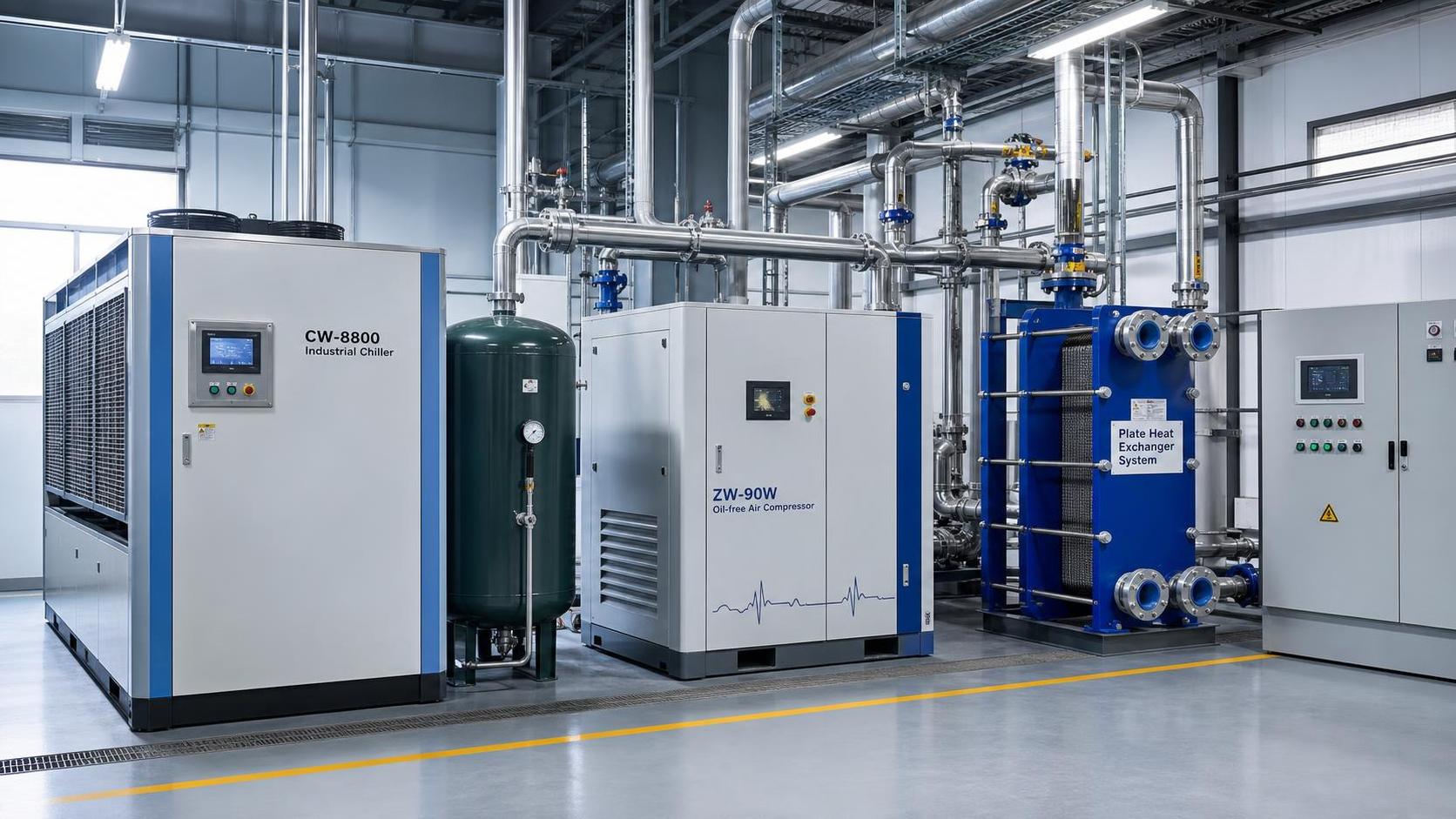
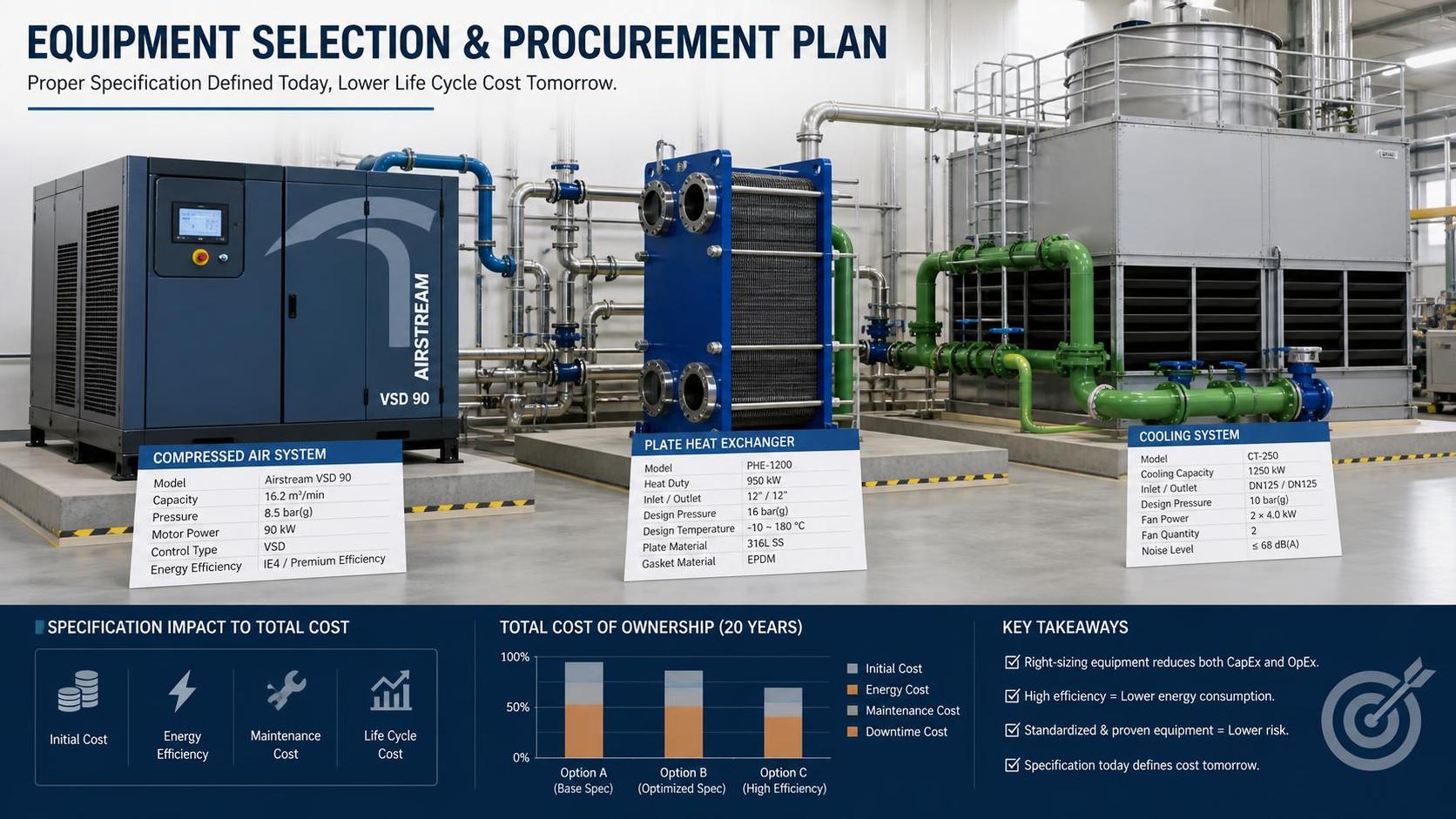
This last point is where sector intelligence becomes valuable. In modern manufacturing, the “Power Heart” of compression and the “Thermal Center” of heat transfer are deeply connected. Decisions around oil-free compression, microchannel heat exchangers, low-NOx boiler evolution, and high-precision temperature control should not be reviewed as isolated purchases. They should be assessed as part of a broader efficiency architecture that shapes both operating cost and carbon competitiveness.
Where GTC-Matrix Adds Value for Financially Driven Decarbonization Decisions
For industrial buyers, one of the hardest parts of industrial decarbonization is separating urgent upgrades from expensive noise. GTC-Matrix is positioned to support this decision process by connecting market signals, thermodynamic analysis, and commercial intelligence across cooling, compressed air, vacuum, and heat exchange technologies. That combination helps approval teams understand not only what equipment can do, but why timing, policy, and sector demand matter.
This is especially relevant in industries such as pharmaceuticals, semiconductors, and food processing, where energy efficiency intersects with temperature precision, pure utility supply, and operational continuity. A compressor or heat exchanger decision may influence energy use, product integrity, regulatory risk, and maintenance planning at the same time. Financial approvers need that broader context to avoid evaluating savings in isolation.
Decision support areas that matter most
- Tracking energy cost movements that can shorten or extend payback by several months.
- Monitoring refrigerant and environmental policy shifts that affect retrofit timing.
- Understanding technology evolution in oil-free compression, low-NOx combustion, and compact heat exchange.
- Comparing sector-specific demand for high-precision thermal control and clean power sources.
- Translating technical performance into stronger procurement and investment decisions.
Industrial decarbonization delivers the fastest payback when projects target measurable waste, fit real operating profiles, and follow disciplined verification. For finance-led organizations, the most bankable opportunities are usually found in compressed air optimization, cooling efficiency, heat exchange improvement, and practical thermal recovery—not because they sound dramatic, but because they convert engineering losses into visible financial returns. If you are evaluating where to invest first, now is the right time to obtain a tailored roadmap, compare technology options, and review the commercial intelligence behind each upgrade. Contact GTC-Matrix to get a customized solution, discuss project details, or explore more energy-saving pathways for your industrial systems.
Related News
- What to verify before choosing a process separation technology supplierAuthor :

- When does process utilities engineering reduce project rework?Author :

- Where thermal efficiency optimization delivers the fastest savings in EuropeAuthor :

- What should you verify before selecting a heat transfer supplier?Author :

- What drives compressed air systems price for industrial projects?Author :

- How an industrial product knowledge comparison guide reduces sourcing riskAuthor :

- When does a procurement specification planning process reduce bid risk?Author :

- When does thermal system optimization for electronics reduce failure risk?Author :

- When high temperature process heating systems justify the higher energy costAuthor :

- How to compare sludge dewatering equipment by cake drynessAuthor :

- What to Check Before Sourcing a Gas Turbine for Distributed Power ProjectsAuthor :

- What drives industrial thermal systems price in large facility projectsAuthor :

- How to build an industrial product comparison chart that speeds up vendor selectionAuthor :

- Vacuum Technology Application Guide for Selecting the Right SystemAuthor :

- What Drives Vacuum Drying Cost in Industrial Procurement?Author :

- What Drives Compressed Air Pricing in Industrial Systems?Author :

- How Procurement Specification Planning Shapes Total Project CostAuthor :

- Compression Technology Guide: How to Compare Efficiency, Pressure Range, and Maintenance NeedsAuthor :

- How to Compare Industrial Separators by Throughput, Purity, and Maintenance LoadAuthor :

- How to Size a Compressed Air Equipment Receiver Tank for Stable PressureAuthor :

- Industrial Equipment Selection Guide: How to Compare Capacity, Duty Cycle, and Operating CostAuthor :

- How to Evaluate an Intellectualization Supplier for Industrial UpgradesAuthor :

- High-Efficiency Manufacturing: Cost Savings vs. Upgrade RiskAuthor :

- Thermal System Optimization Cost: What Drives ROI?Author :

- How to Plan Process Utilities for a Cleanroom Without Costly ReworkAuthor :

- How to Compare Process Heating Suppliers in MexicoAuthor :

- Food Processing Utilities: Common Sizing Mistakes That Raise Energy and Water UseAuthor :

- How to Build Procurement Specification Planning for Industrial EquipmentAuthor :

- OEM Cooperation for Industrial Equipment: Risks, Terms, and Cost PrioritiesAuthor :

- Specification-Oriented Product Resources That Speed Technical ReviewAuthor :

- Industrial Equipment Selection Guide: A Practical Buyer ChecklistAuthor :

- How to Compare Industrial Energy Management Systems by ROIAuthor :

- How to Evaluate a Deaerators Supplier for Long-Term Plant ReliabilityAuthor :
![]()
- How to Evaluate a Vacuum Technology Manufacturer in 2026Author :

- Thermal Efficiency Optimization Software: When the ROI Justifies DeploymentAuthor :

- How to Evaluate Application-Specific Compression Solutions by Throughput and Energy UseAuthor :