Thermal Power Systems: When Heat Recovery Pays Off in Industrial Plants




For financial decision-makers in industrial plants, thermal power systems become truly strategic when heat recovery turns wasted energy into measurable savings, lower emissions, and faster payback. This article explores when investment makes economic sense, how to assess total lifecycle value, and why recovery efficiency is increasingly tied to competitiveness in energy-intensive operations.
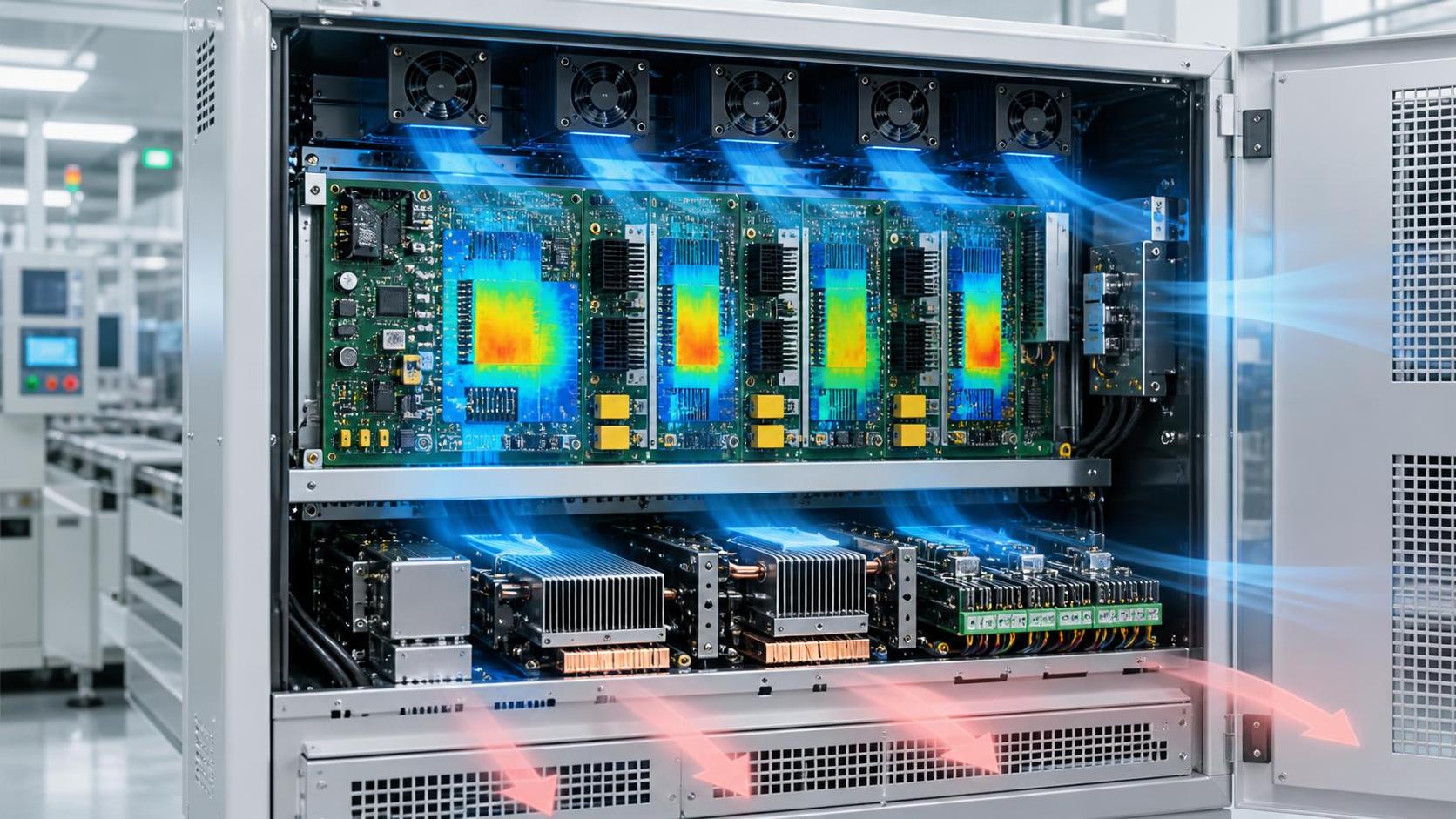
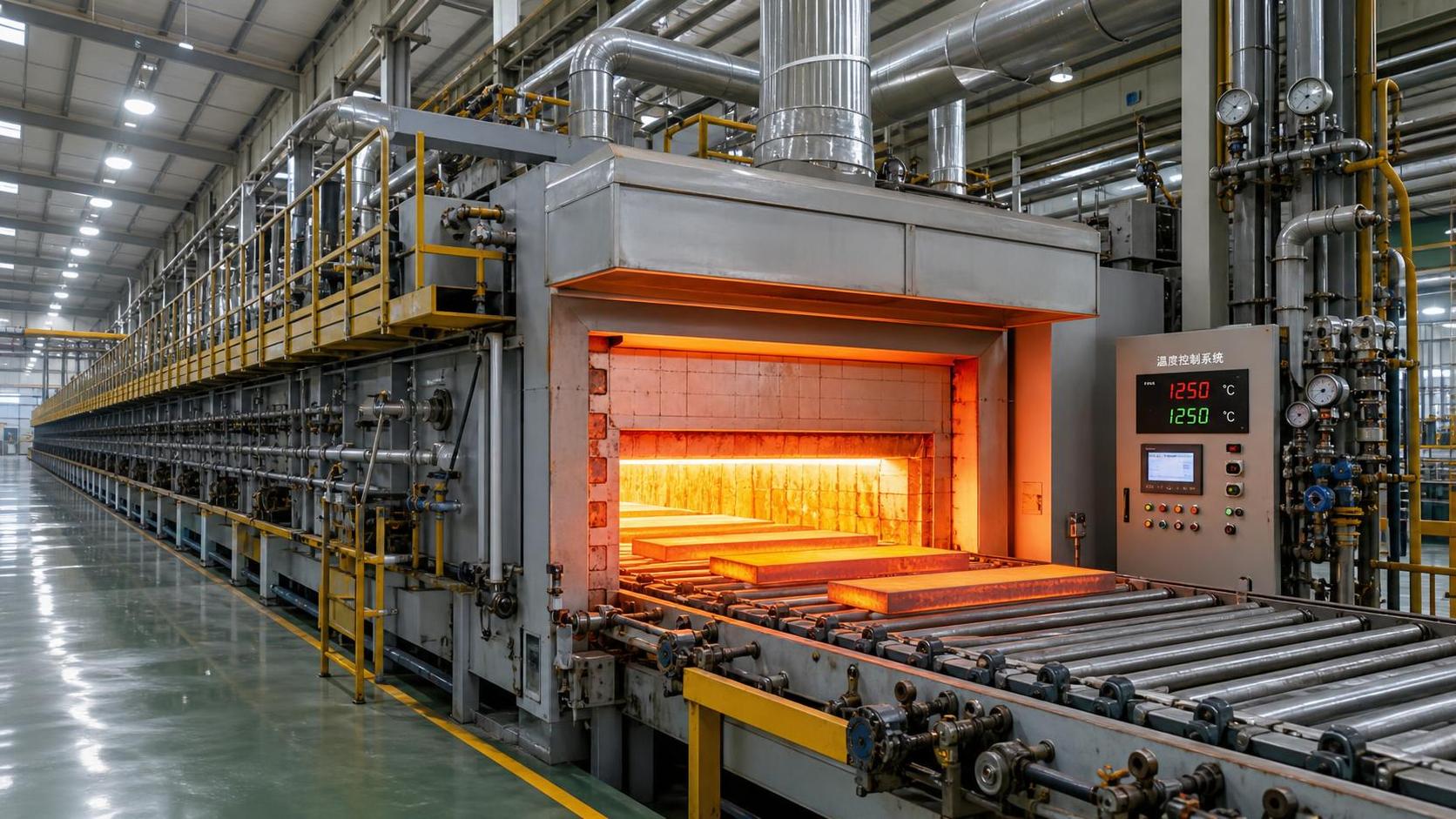
In many facilities, 20% to 50% of input energy leaves the process as unused heat through exhaust streams, cooling loops, compressors, boilers, dryers, or condensers. For a finance team, that lost heat is not only an engineering issue. It is a hidden cost center affecting utility bills, carbon exposure, maintenance budgets, and future capex planning.
The strongest business case for thermal power systems usually appears where plants run 16 to 24 hours per day, energy prices are volatile, and thermal demand remains steady across multiple process steps. In these conditions, heat recovery can shift from a sustainability initiative into a balance-sheet decision with a payback horizon often measured in 12 to 36 months rather than 5 to 7 years.
Why heat recovery becomes financially attractive
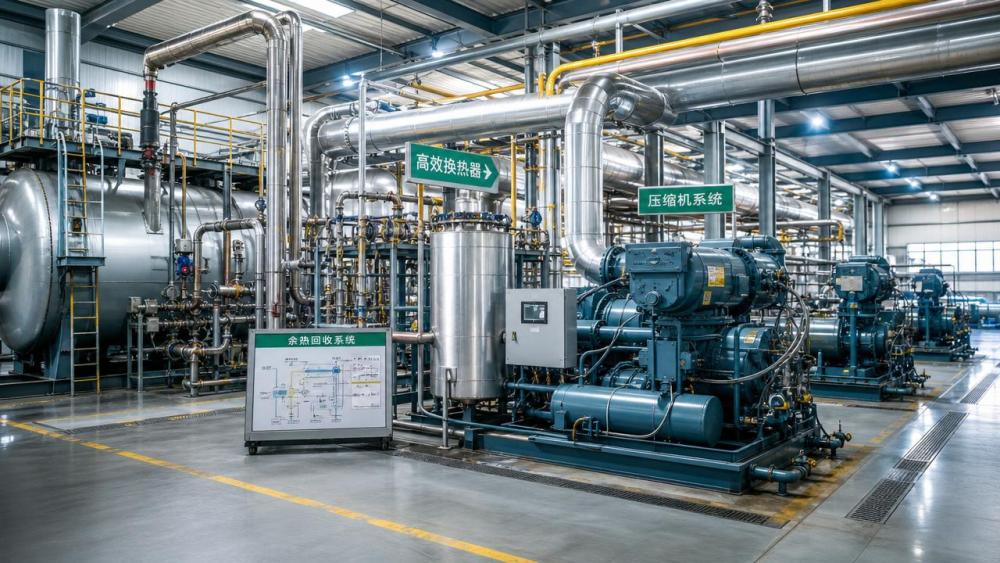
Thermal power systems create value when recovered heat can directly replace purchased energy. That replacement may involve preheating boiler feedwater, supporting space heating, stabilizing hot-water loops, drying products, or reducing burner load in downstream equipment. The key point for finance is simple: recovered kilowatt-hours only matter when they offset a real and recurring energy expense.
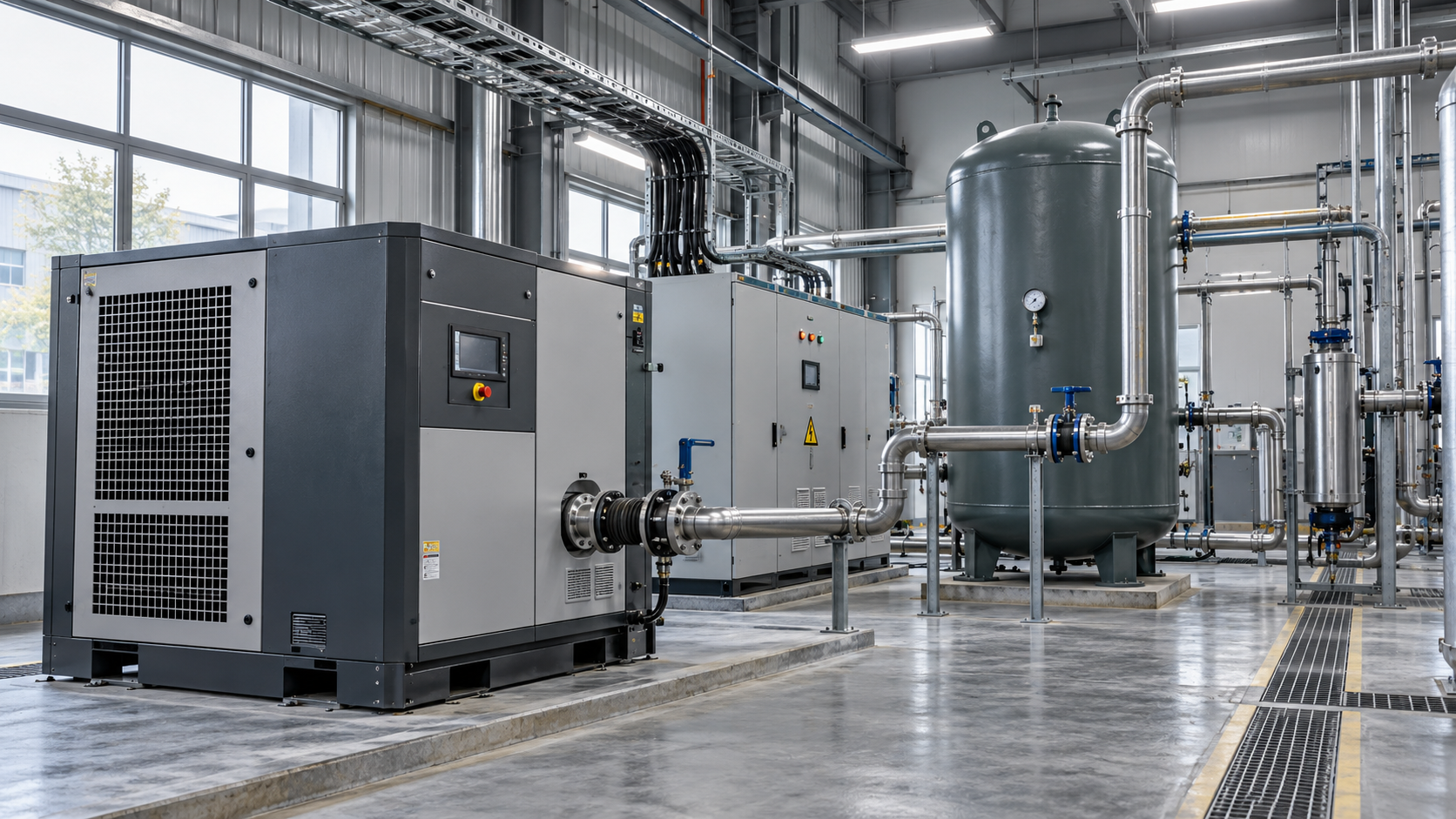
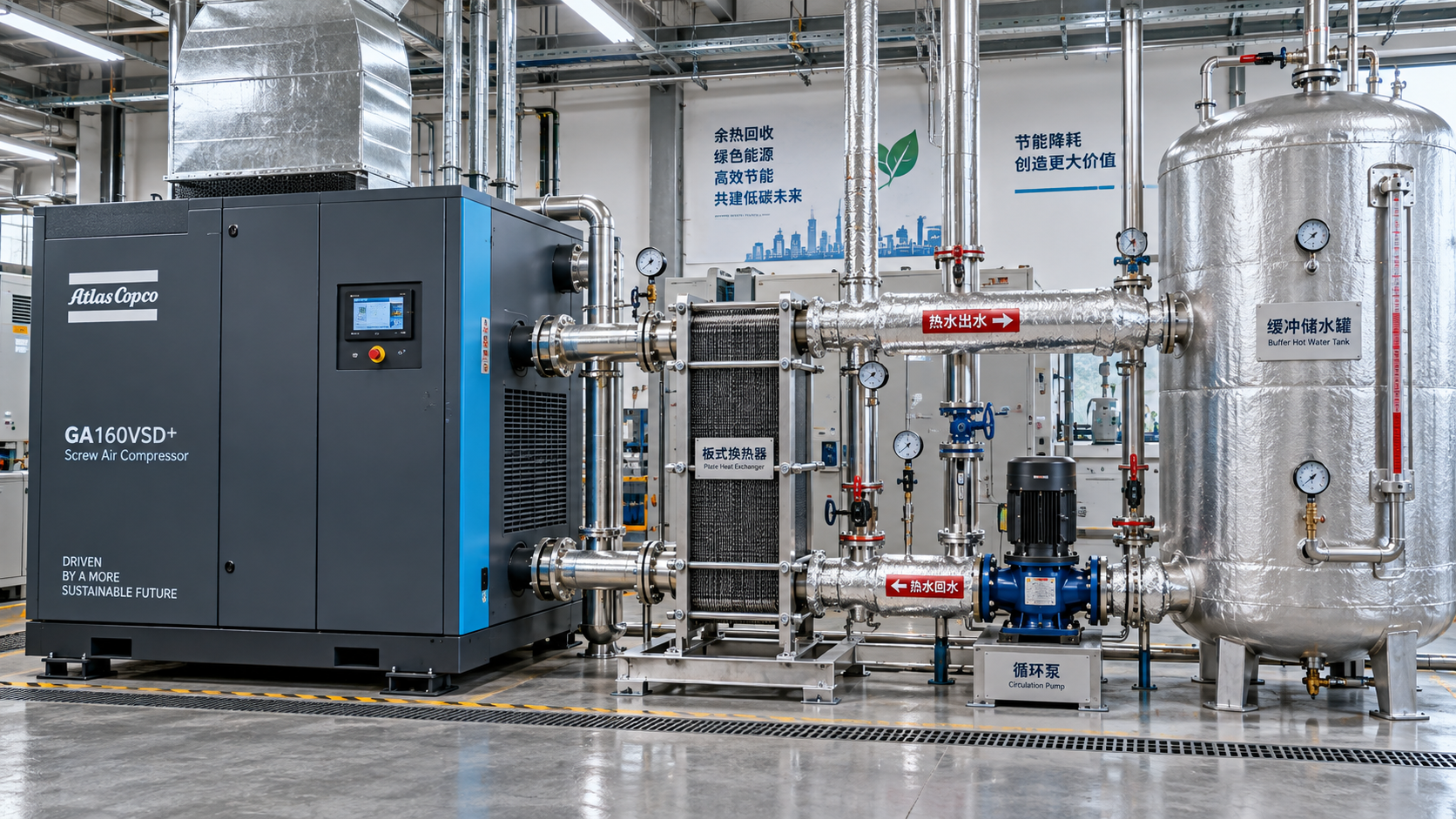
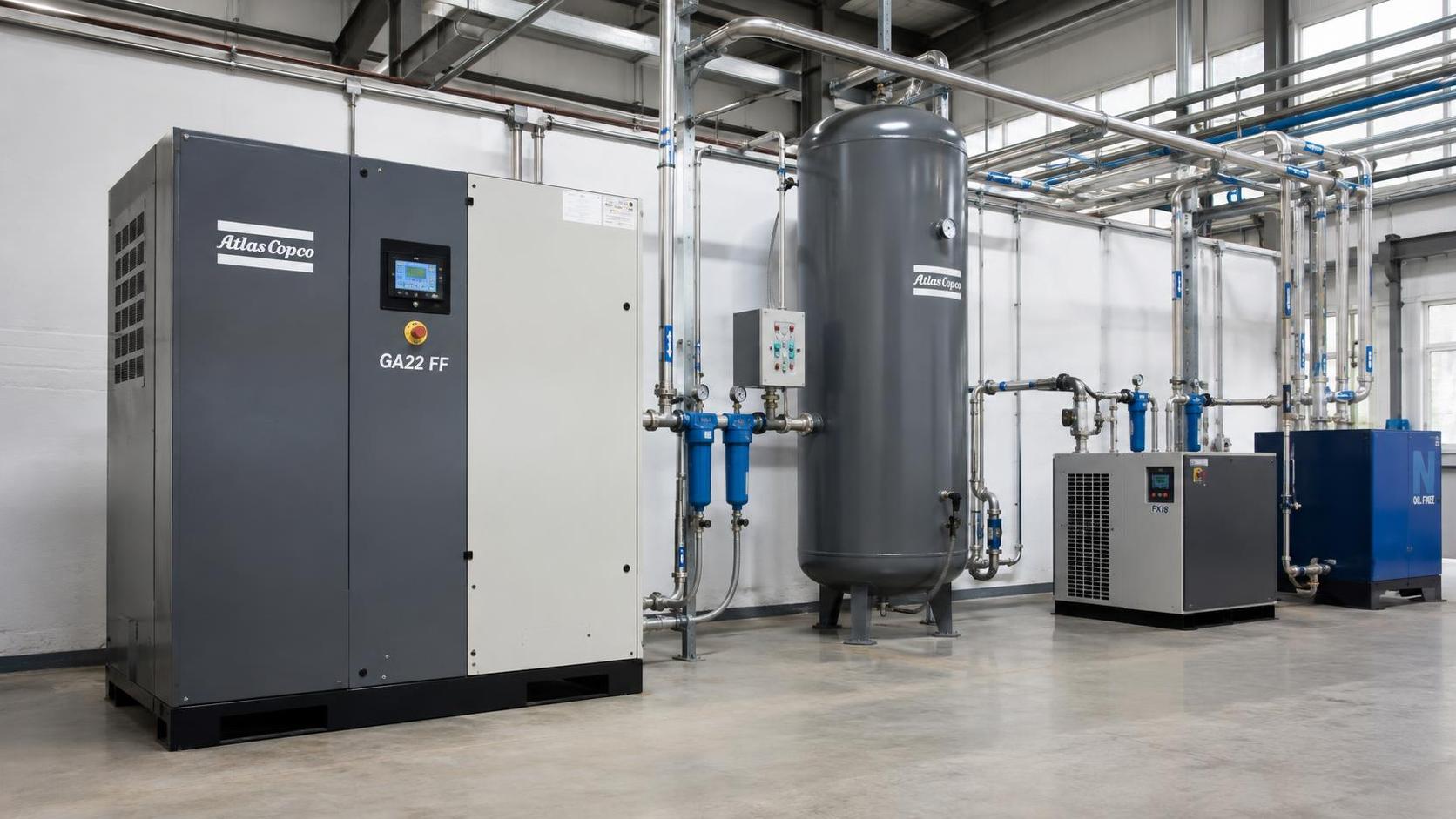
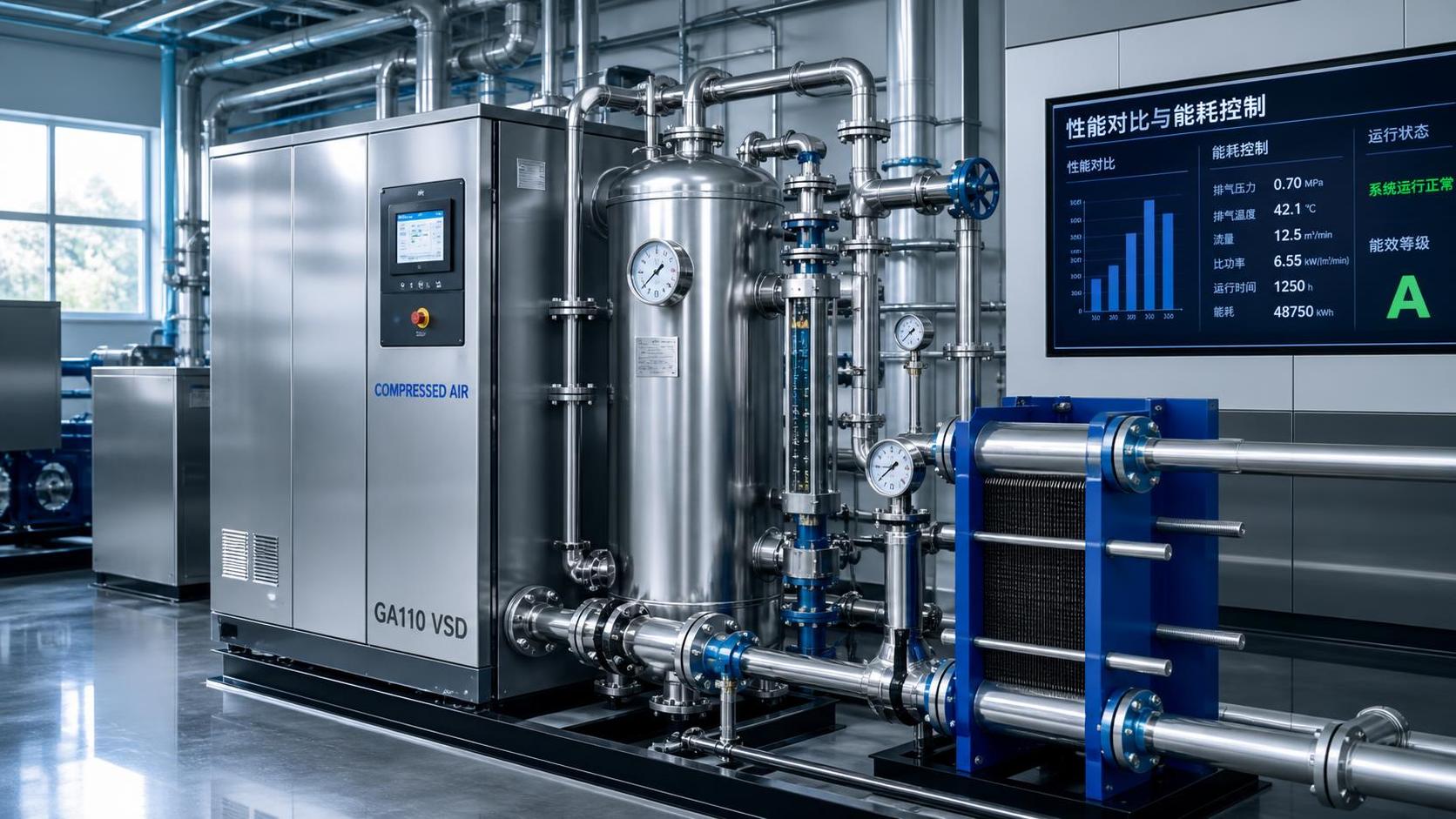
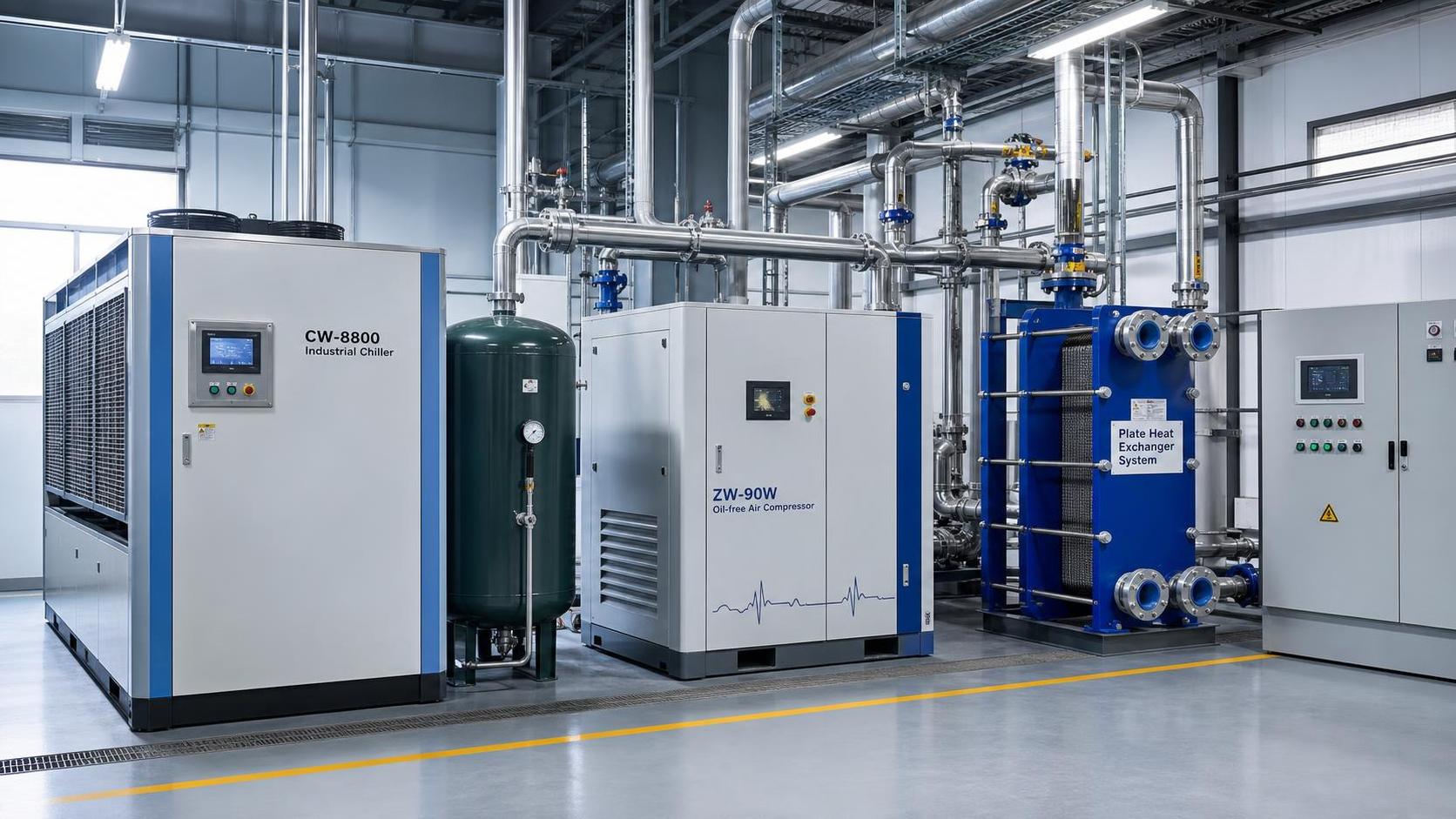
Plants with compressed air systems above 75 kW, process cooling networks running year-round, or flue gas streams above 120°C often present the clearest opportunities. In many industrial settings, 70% to 90% of compressor input energy becomes heat. If even 50% of that heat is recovered and used, annual savings can materially improve operating margins.
Typical triggers that justify investment
Financial approval tends to move faster when at least 3 conditions exist at the same time: high energy intensity, predictable heat demand, and a stable operating schedule. If one of those variables is weak, the project may still work, but returns become more sensitive to utilization rates and seasonal swings.
- Annual operating time above 4,000 to 6,000 hours
- Electricity or fuel price volatility exceeding 10% to 15% year over year
- Process heat demand that remains consistent across 8 to 12 months
- Existing thermal losses visible in exhaust, cooling water, or compressor aftercoolers
- Upcoming boiler, chiller, or utility upgrades that create integration opportunities
Where finance teams should look first
The first screening exercise should focus on systems with both high run-hours and low integration complexity. These often include air compressors, refrigeration plants, hot-process exhaust, thermal oxidizers, and low-temperature heat exchange loops. Projects that avoid major shutdowns or civil works usually achieve faster internal approval because execution risk is easier to contain.
The table below compares common heat recovery opportunities in industrial plants from a capital allocation perspective. It is designed to help finance leaders identify which thermal power systems deserve detailed feasibility analysis first.
A clear pattern emerges: the best projects are not always the hottest streams. They are the streams with the highest utilization, the lowest integration friction, and the strongest match between recovered heat quality and actual plant demand. This is where thermal power systems deliver more than technical efficiency; they produce reliable financial performance.
How to evaluate total lifecycle value, not just simple payback
Many projects are approved or rejected too early because simple payback dominates the discussion. That metric is useful, but incomplete. For thermal power systems, a better financial model includes 5 cost layers: equipment, installation, downtime exposure, maintenance, and expected performance degradation over 3 to 10 years.
A heat recovery unit with a 20-month payback can outperform a cheaper option with a 14-month payback if it delivers higher annual uptime, lower fouling rates, and easier integration into existing control architecture. The finance question is not only “How fast do we recover capex?” but also “How stable is the recovery value over the full asset life?”
The financial model should include these variables
- Baseline annual energy consumption in kWh, steam, or fuel units
- Recoverable heat fraction under real operating conditions, not nameplate assumptions
- Expected utilization rate, often 60% to 95% depending on shifts and seasonality
- Installation cost including piping, controls, insulation, and commissioning
- Maintenance frequency, cleaning intervals, and spare part exposure
- Potential carbon cost or emissions reporting benefits where relevant
Common mistakes in capex approval
The most common error is using theoretical recovery output instead of usable recovery output. Another is assuming the plant always has simultaneous heat supply and heat demand. In practice, mismatch can reduce economic value by 15% to 40% unless storage, load balancing, or process redesign is included.
A third mistake is overlooking serviceability. Heat exchangers, condensers, and recovery loops can lose effectiveness if fouling, scale, or particulate loading is underestimated. A modest 8% to 12% drop in thermal transfer efficiency may materially change project returns over a 5-year budget cycle.
The following decision matrix helps compare thermal power systems on financial criteria that matter to approval boards, plant controllers, and operations leaders.
For finance teams, the strongest approval cases often combine a usable recovery ratio above 65%, shutdown needs under 5 days, and maintenance intervals that can be absorbed by existing service schedules. These factors reduce the gap between spreadsheet returns and realized returns.
Where thermal power systems create the most value across industries
Although every plant differs, some sectors repeatedly show favorable economics for heat recovery. Food processing, pharmaceuticals, chemicals, semiconductors, packaging, and general manufacturing often operate a mix of cooling, compression, heating, and clean utility assets. That mix makes thermal power systems especially relevant because waste heat from one line can support another.
High-value application patterns
In food and beverage plants, recovered heat can support washdown water, preheating, and low-temperature process loops. In pharmaceuticals and electronics, where temperature stability matters, recovery projects must be designed around contamination control, precise load balancing, and validated process conditions. In all cases, finance should test whether recovered heat offsets premium utility costs or merely displaces low-value energy.
- Compressed air heat recovery for hot water generation
- Condenser heat reclaim for space heating or preheating loops
- Flue gas recovery for boiler feedwater or makeup air systems
- Dryer exhaust recovery for product or air preheat
- Integrated heat exchange between cooling and heating processes
When not to invest immediately
Not every site should move ahead. Projects deserve caution if the plant has seasonal occupancy, highly variable throughput, poor metering visibility, or planned process changes within 12 to 18 months. In those cases, a phased approach is often more prudent than full deployment.
A site may also need preliminary work first, such as steam trap repair, insulation upgrades, leak reduction in compressed air, or control optimization. Low-capex efficiency measures can improve the baseline and sharpen the economics of future thermal power systems.
A practical approval framework for financial decision-makers
For most industrial organizations, the best approval process is staged rather than binary. Instead of asking teams to defend a full capital request at once, finance can require a 3-step business case: screening, feasibility, and implementation planning. This structure improves comparability across sites and avoids expensive under-scoped projects.
Step 1: Screening in 2 to 4 weeks
Start with utility data, operating hours, process maps, and basic thermal balances. At this stage, the goal is not detailed design. The goal is to identify whether the site has enough recoverable heat, enough demand overlap, and enough operating stability to support a viable project.
Step 2: Feasibility in 4 to 8 weeks
This phase should validate temperatures, flow rates, heat sink availability, shutdown needs, and control integration. A proper feasibility review also tests scenarios such as 80%, 90%, and 100% load, because annual savings often vary significantly with throughput changes.
Step 3: Implementation and measurement
Once approved, define commissioning metrics before installation begins. These can include thermal recovery rate, monthly energy offset, temperature stability, and maintenance response time. Measured performance in the first 90 to 180 days is essential for validating ROI and supporting future project replication.
What GTC-Matrix intelligence adds to the decision
For financial approvers, market intelligence matters almost as much as technical design. Changes in fuel price spreads, refrigerant policy, low-NOx boiler adoption, oil-free compression trends, and heat exchanger evolution can all alter project economics. A platform such as GTC-Matrix helps leadership compare not only equipment logic, but also the wider cost environment shaping thermal power systems.
That broader perspective is increasingly valuable in sectors where energy costs, compliance pressures, and process reliability now influence commercial competitiveness. In other words, heat recovery should not be assessed as an isolated utility project. It should be assessed as part of a plant’s long-term productivity and decarbonization strategy.
Frequently asked questions from finance teams
How short should payback be?
Many plants target 12 to 36 months, but acceptable thresholds depend on energy volatility, uptime certainty, and strategic carbon goals. Longer payback can still be reasonable if risk is low and lifecycle value is strong.
Should carbon savings influence approval?
Yes, especially where customers, regulators, or internal reporting frameworks increasingly price emissions indirectly. Carbon reduction may not replace cash savings, but it can improve total project value and future-proof operations.
Can smaller plants benefit too?
Yes, if they have concentrated thermal loads and long operating hours. Smaller plants often need simpler, modular recovery configurations, but the same investment logic applies.
Thermal power systems pay off when heat recovery is matched to real plant demand, evaluated on lifecycle economics, and implemented with clear performance measurement. For financial decision-makers, the smartest projects are usually not the most complex ones, but the ones that convert steady waste heat into repeatable operating savings with controlled execution risk.
If your plant is reviewing energy productivity, compressed air efficiency, cooling optimization, or heat exchange upgrades, now is the right time to assess where recovery can strengthen margins and reduce exposure to future energy cost shifts. Contact GTC-Matrix to get a tailored assessment, compare solution pathways, and explore more practical thermal power systems for your industrial operation.
Ready when you are. Send us a message to get started.
Related News
- How to select industrial equipment for automation with existing PLCsAuthor :

- How electricity prices shape industrial compressed air price trendsAuthor :

- Choosing air filtration systems for heavy dust in the Middle EastAuthor :

- How much does a fully installed compressed air monitoring system cost?Author :

- What documentation supports CE marking for industrial equipment?Author :

- How local support affects vacuum system costs in Southeast AsiaAuthor :

- How worldwide industry category guides help compare market opportunitiesAuthor :

- What drives sustainable thermal systems cost over their operating life?Author :

- Which industrial solution comparison criteria prevent project delays?Author :

- How Ambient Temperature and Load Profile Affect Industrial Compressor SizingAuthor :

- What to evaluate before choosing a thermal process engineering supplierAuthor :

- How industrial utility systems affect energy costs in process plantsAuthor :

- What Data Is Needed to Assess Heat Recovery Decarbonization?Author :

- Can Waste Heat Recovery Support Carbon Neutrality Targets?Author :

- Is Compressor Heat Recovery Worth the Installation Cost?Author :

- What to verify before choosing a process separation technology supplierAuthor :

- When does process utilities engineering reduce project rework?Author :

- Where thermal efficiency optimization delivers the fastest savings in EuropeAuthor :

- What should you verify before selecting a heat transfer supplier?Author :

- What drives compressed air systems price for industrial projects?Author :

- How an industrial product knowledge comparison guide reduces sourcing riskAuthor :

- When does a procurement specification planning process reduce bid risk?Author :

- When does thermal system optimization for electronics reduce failure risk?Author :

- When high temperature process heating systems justify the higher energy costAuthor :

- How to compare sludge dewatering equipment by cake drynessAuthor :

- What to Check Before Sourcing a Gas Turbine for Distributed Power ProjectsAuthor :

- What drives industrial thermal systems price in large facility projectsAuthor :

- How to build an industrial product comparison chart that speeds up vendor selectionAuthor :

- Vacuum Technology Application Guide for Selecting the Right SystemAuthor :

- What Drives Vacuum Drying Cost in Industrial Procurement?Author :

- What Drives Compressed Air Pricing in Industrial Systems?Author :

- How Procurement Specification Planning Shapes Total Project CostAuthor :

- Compression Technology Guide: How to Compare Efficiency, Pressure Range, and Maintenance NeedsAuthor :

- How to Compare Industrial Separators by Throughput, Purity, and Maintenance LoadAuthor :

- How to Size a Compressed Air Equipment Receiver Tank for Stable PressureAuthor :

- Industrial Equipment Selection Guide: How to Compare Capacity, Duty Cycle, and Operating CostAuthor :