When Industrial Heat Recovery Makes Sense for Plant Expansions




For business evaluators planning capacity growth, industrial heat recovery deserves a closer look before any plant expansion moves forward. Rising energy costs, decarbonization pressure, and tighter efficiency targets are changing how new investments are judged. A well-designed heat recovery strategy can reduce operating costs, improve project ROI, and strengthen long-term competitiveness without compromising production performance.
The core question is not whether industrial heat recovery is broadly beneficial. It is whether it makes commercial sense in a specific expansion project. In most cases, heat recovery is worth serious consideration when a plant is adding new thermal loads, expanding operating hours, or investing in new utilities such as compressors, chillers, boilers, dryers, or process cooling systems.
For business evaluators, the decision should be based on four factors: the quality and quantity of recoverable heat, the match between waste heat and on-site demand, total lifecycle economics, and implementation risk. If these align, heat recovery can become one of the highest-confidence efficiency measures in a plant expansion plan.
Why plant expansions create the best moment to evaluate industrial heat recovery
Expansion projects are often the best time to assess industrial heat recovery because the plant is already making capital decisions about equipment, layout, piping, controls, and utilities. Retrofitting heat recovery later usually costs more and creates more operational disruption. During expansion, integration can be designed from the start.
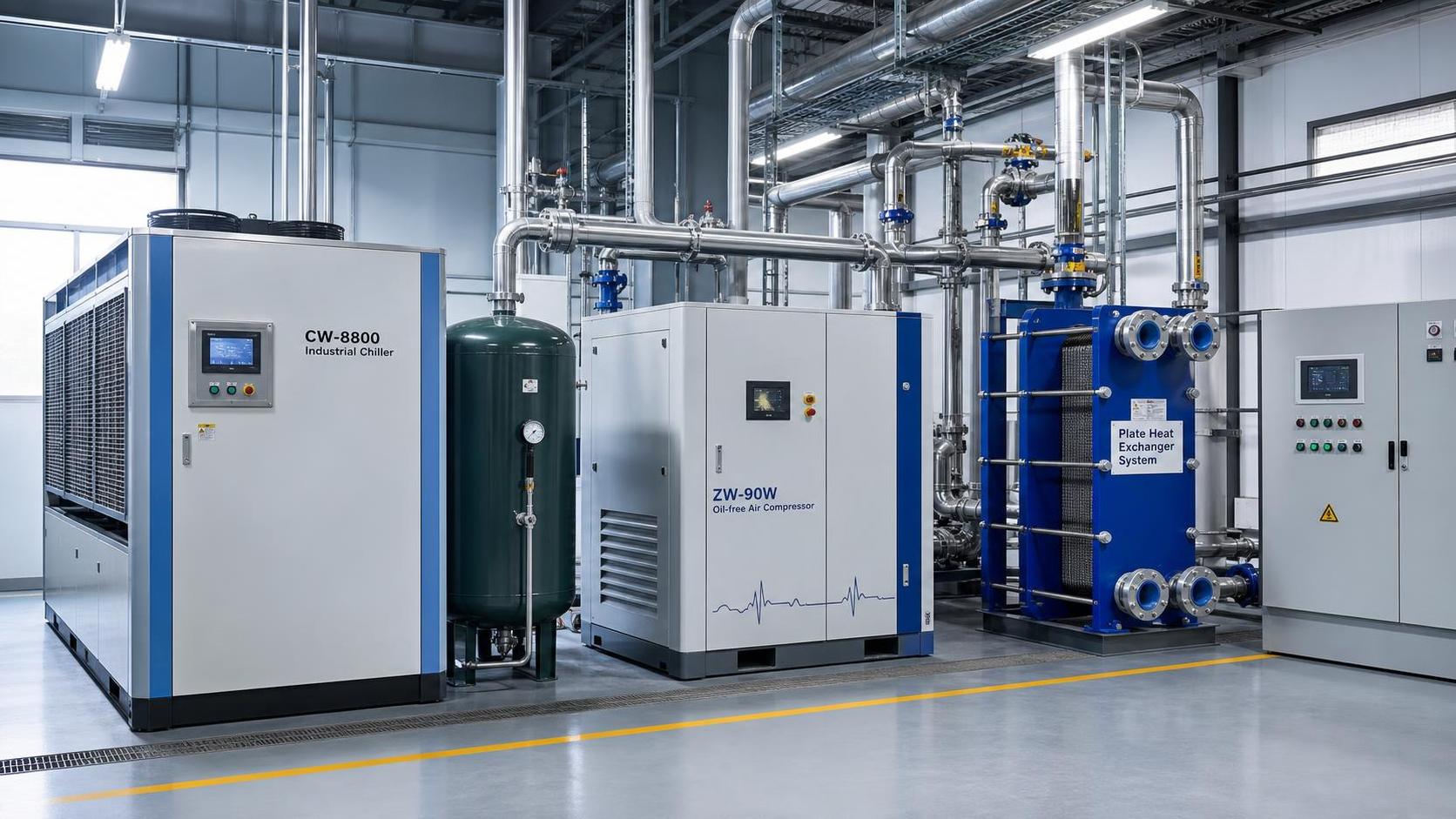
That matters because many plants unintentionally lock in future energy waste. A new air compressor system, refrigeration package, vacuum installation, thermal oxidizer, or boiler plant may reject large amounts of usable heat. If that heat is ignored at the design stage, the site may end up paying twice: once to generate heat and again to remove excess heat.
From an investment standpoint, expansions also make it easier to bundle savings into a broader business case. Shared infrastructure, utility redesign, and coordinated procurement can improve payback and reduce installation complexity compared with standalone energy projects.
What business evaluators should check first
The first screening question is simple: will the expanded plant have both a stable source of waste heat and a meaningful use for it? Heat recovery works best when there is a reliable overlap between heat availability and heat demand. If recovered heat cannot be used consistently, the economics weaken quickly.
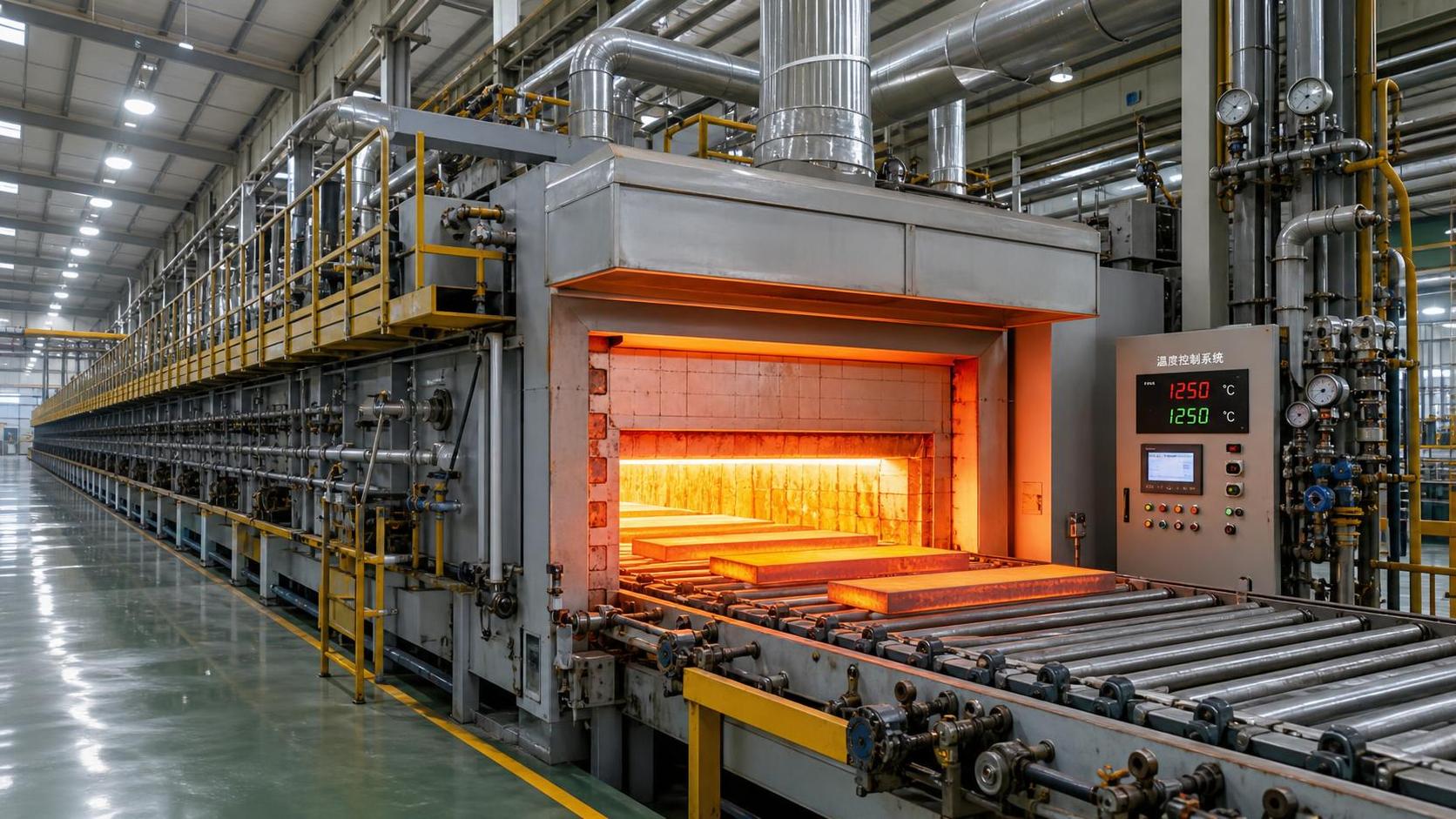
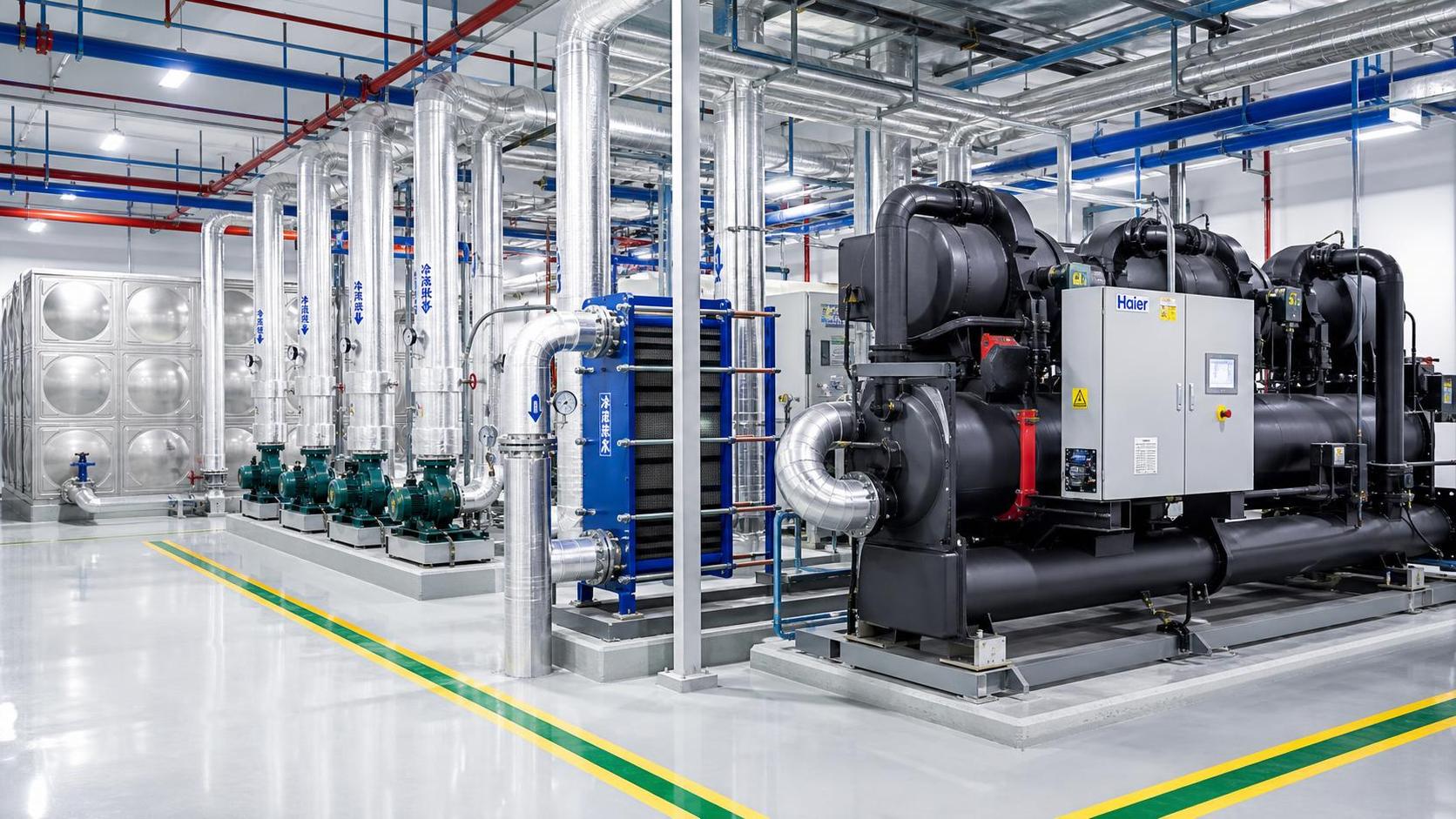
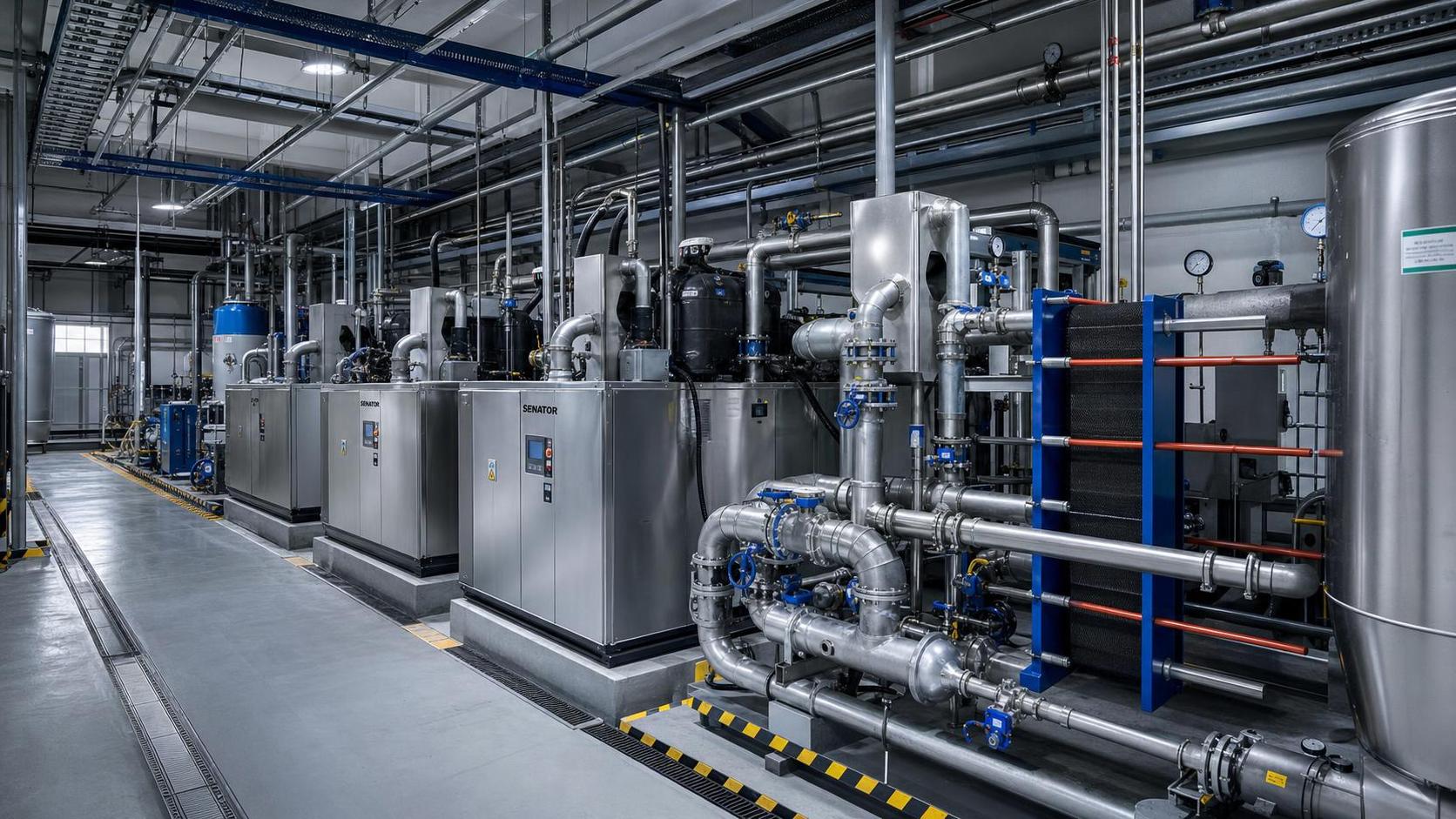
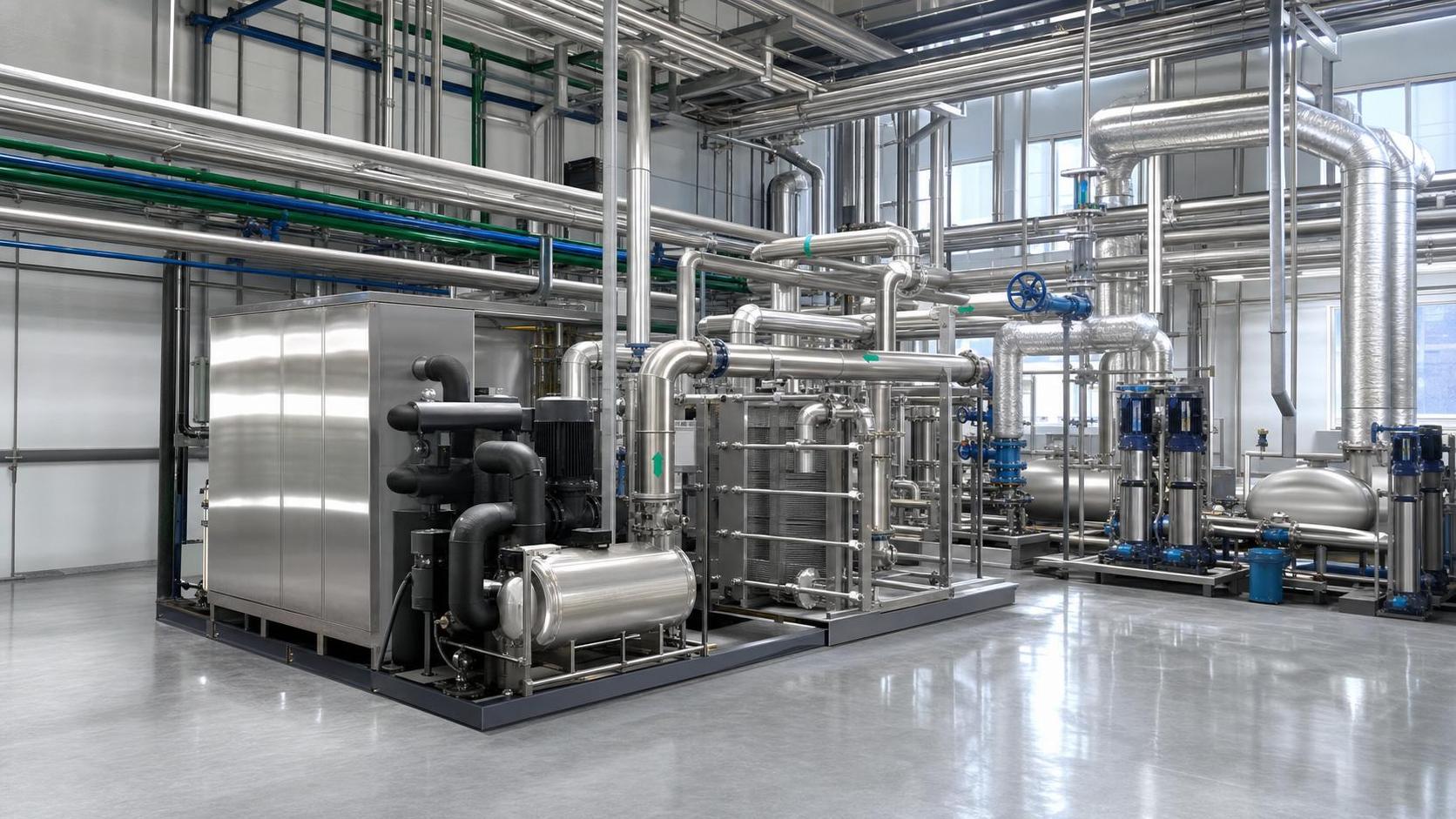
Typical waste heat sources include air compressors, process cooling loops, refrigeration systems, furnaces, kilns, dryers, CHP units, and hot exhaust streams. Common uses include boiler feedwater preheating, space heating, domestic hot water, process water heating, make-up air tempering, and low-temperature process support.
The second question is temperature level. Not all heat has equal value. Low-grade heat may still be useful, but only if the receiving process can accept it or if a heat pump can economically upgrade it. High-grade heat usually has stronger direct value, especially where fuel displacement is possible.
The third question is operating profile. A plant that runs continuously with predictable utility demand is usually a stronger candidate than a facility with highly variable schedules. Business evaluators should also check whether the expansion increases year-round demand, since seasonal-only uses may limit savings.
Where heat recovery usually delivers the strongest ROI
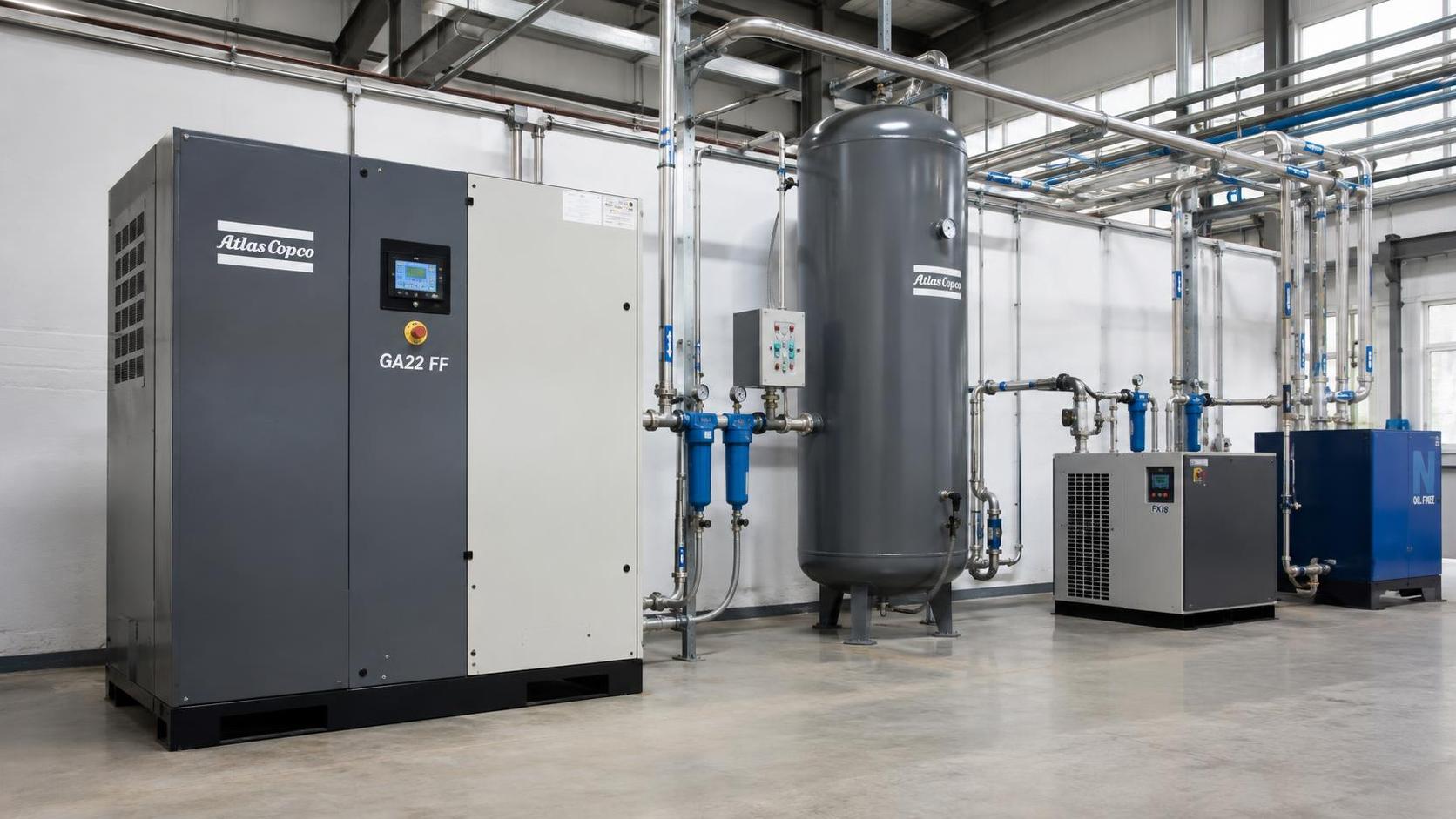
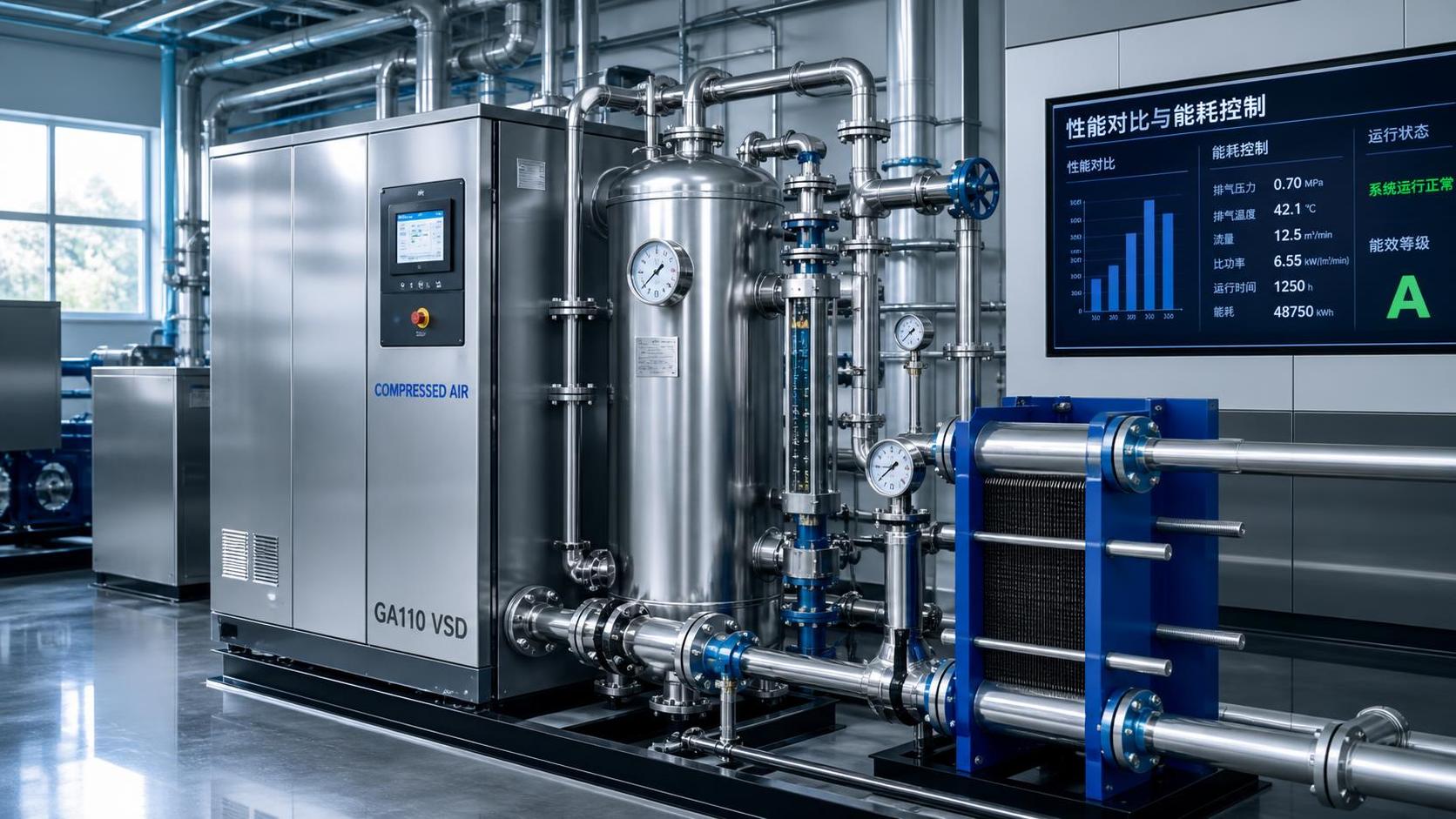
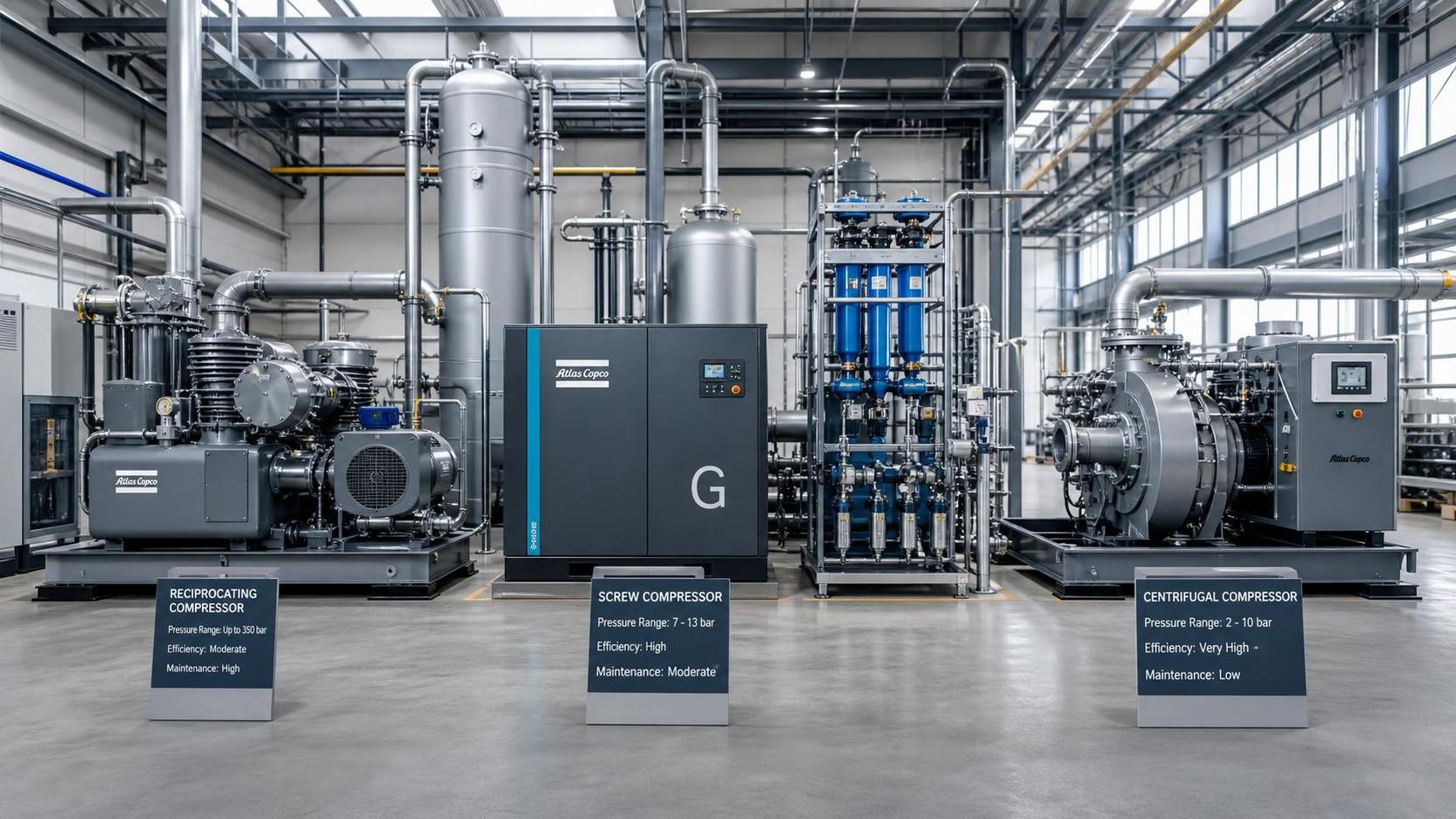
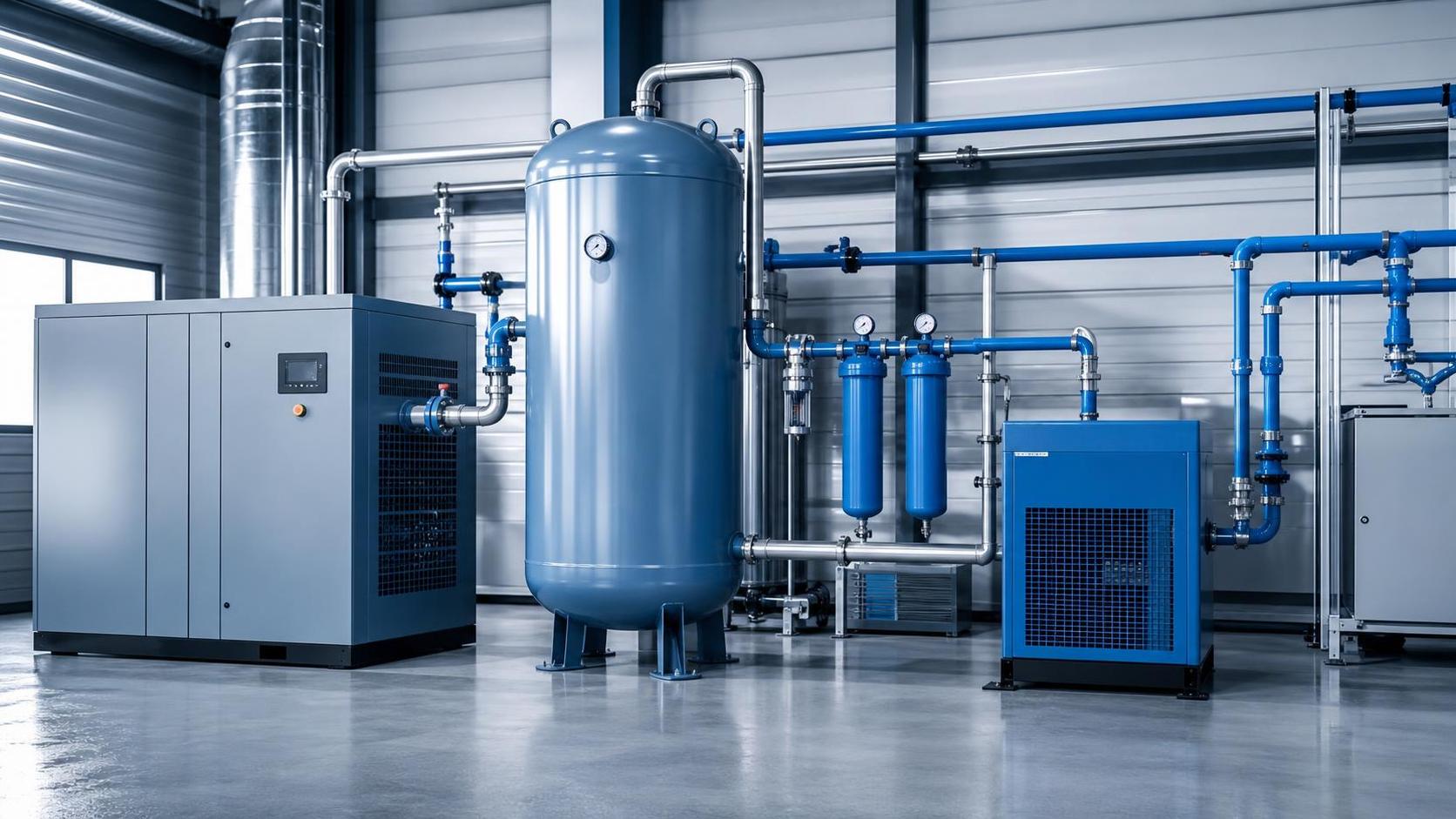
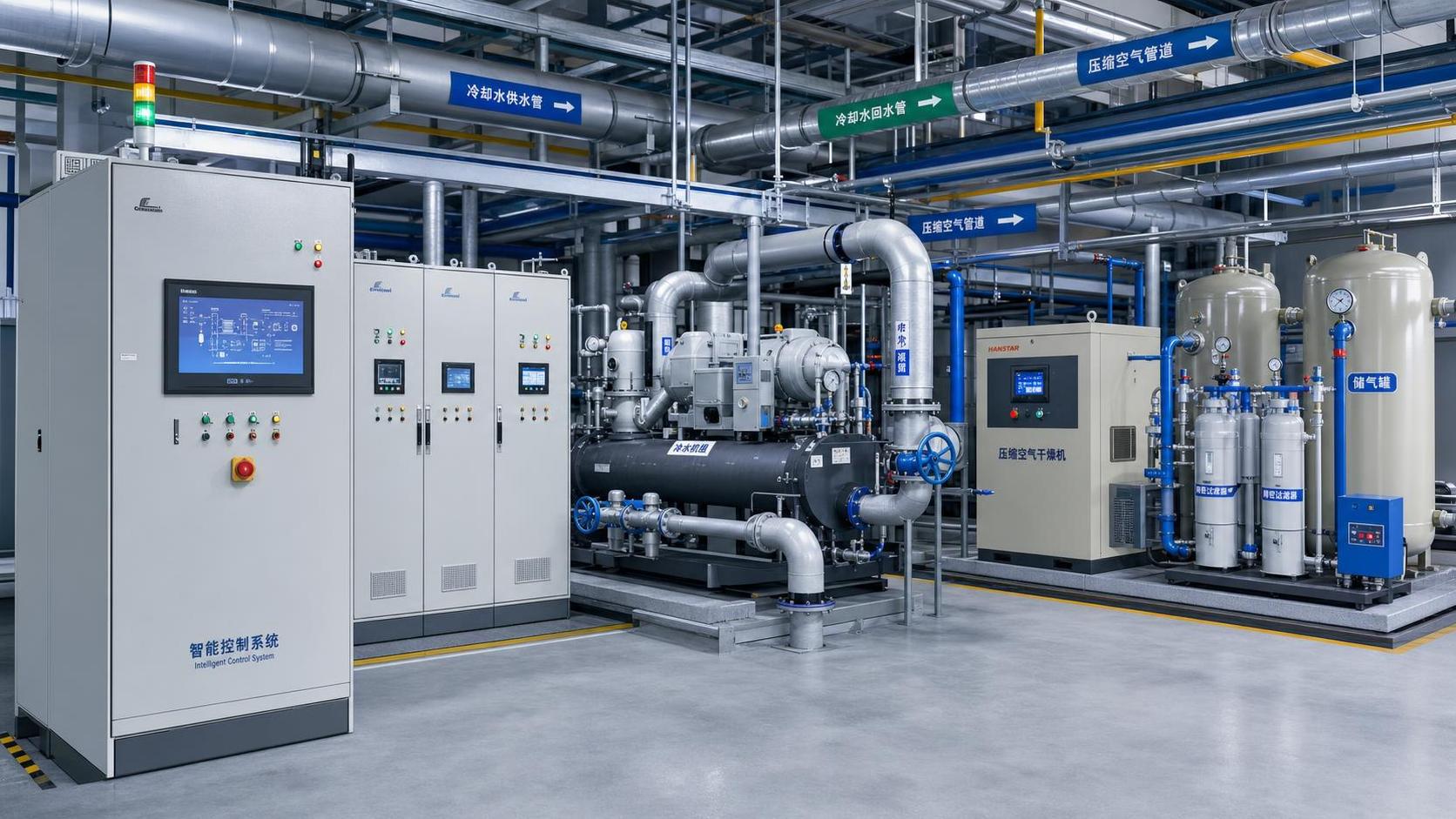
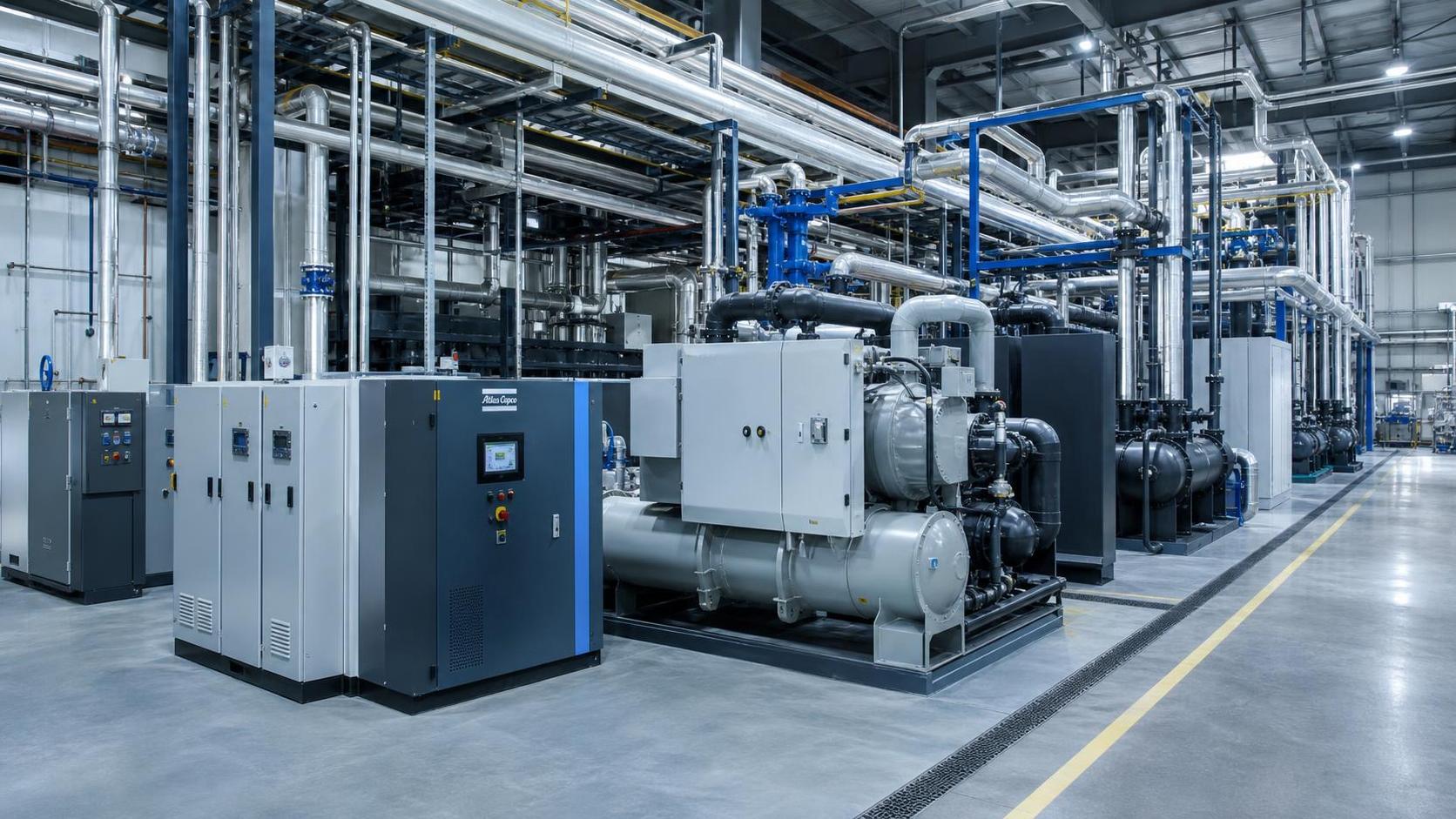
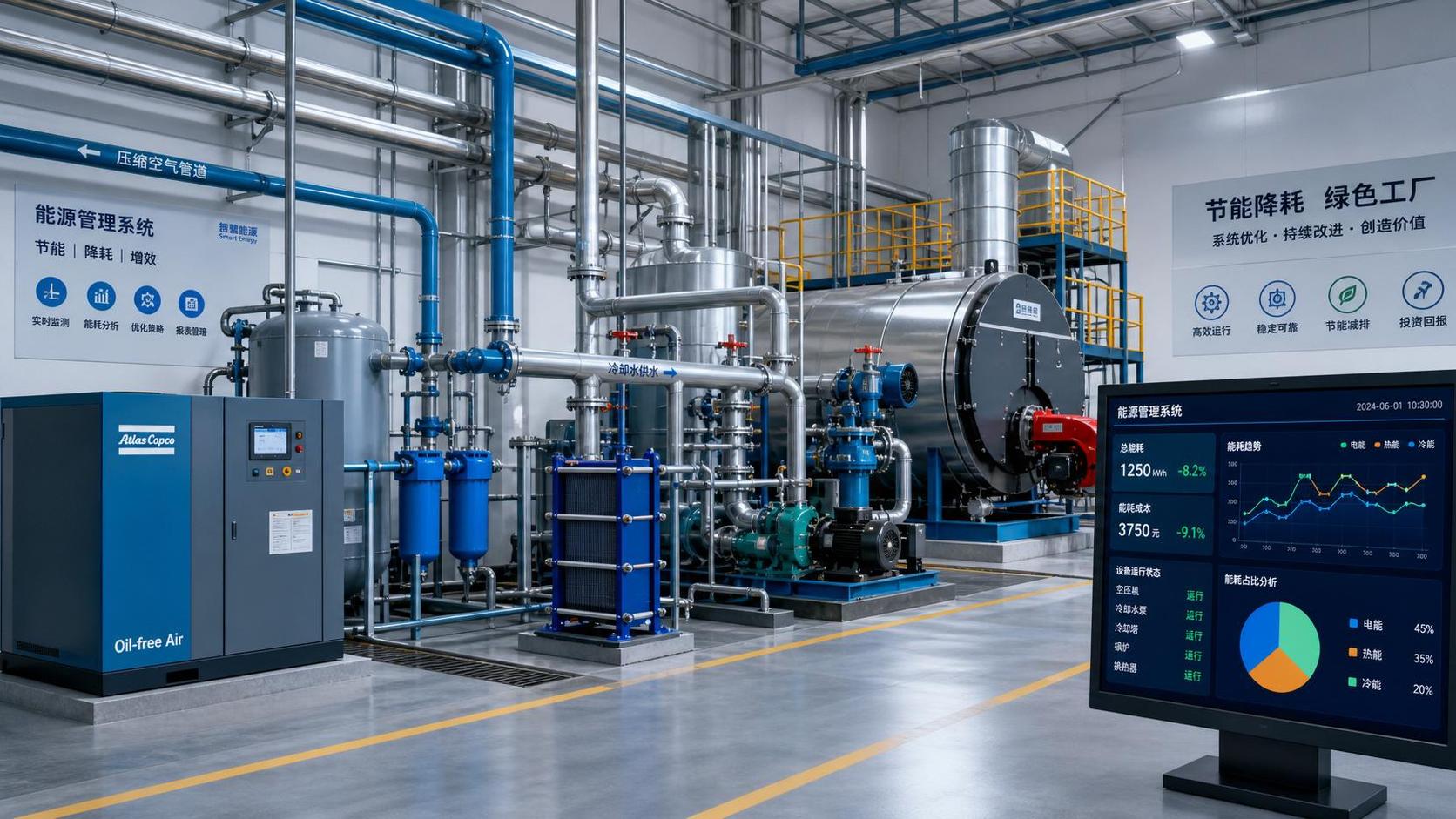
In expansion scenarios, industrial heat recovery often delivers the best returns in systems that already consume large amounts of electricity or fuel and reject substantial thermal energy. Compressed air is a classic example. A large share of compressor input energy becomes heat, and much of it can be recovered for water or air heating.
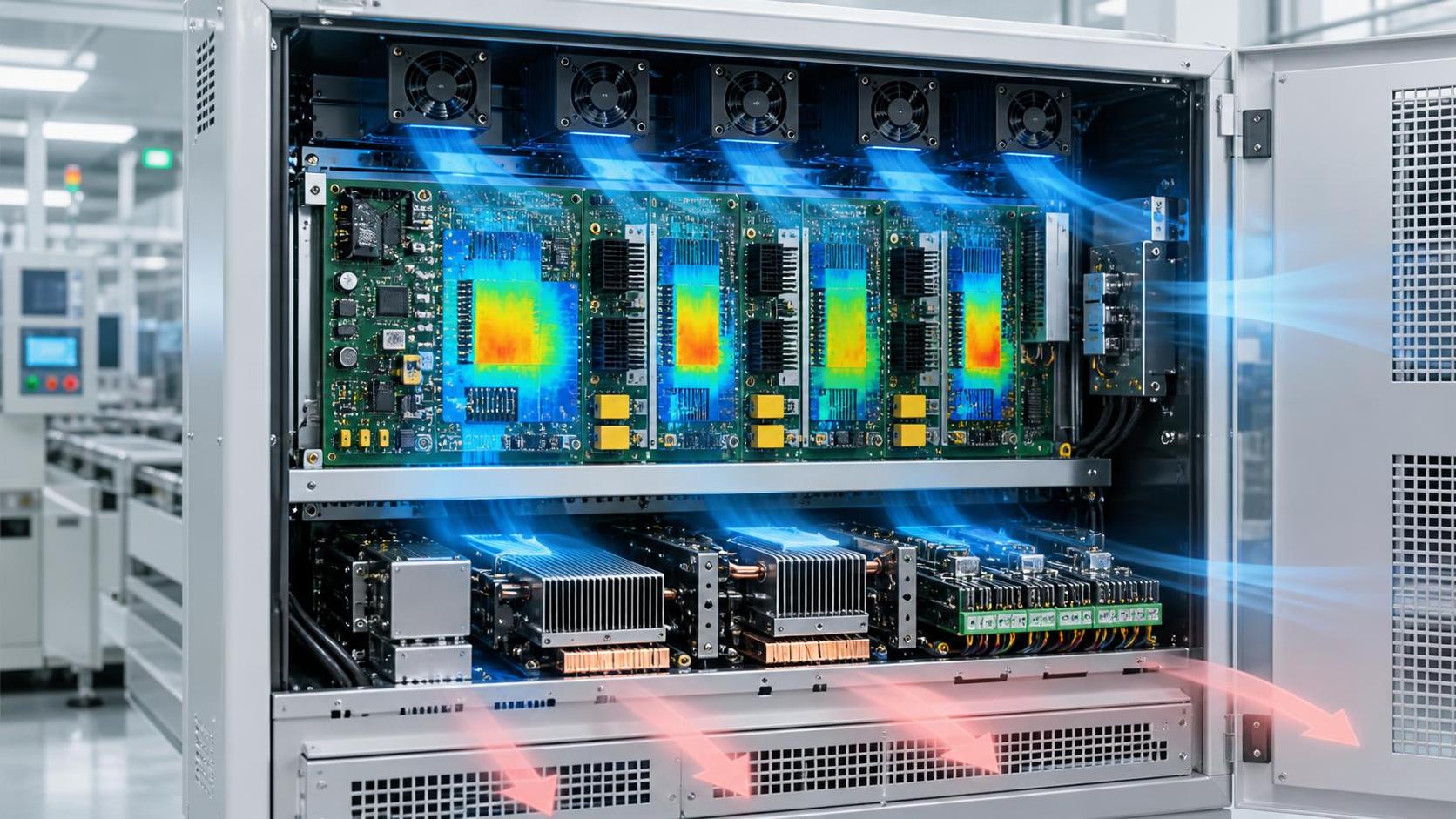
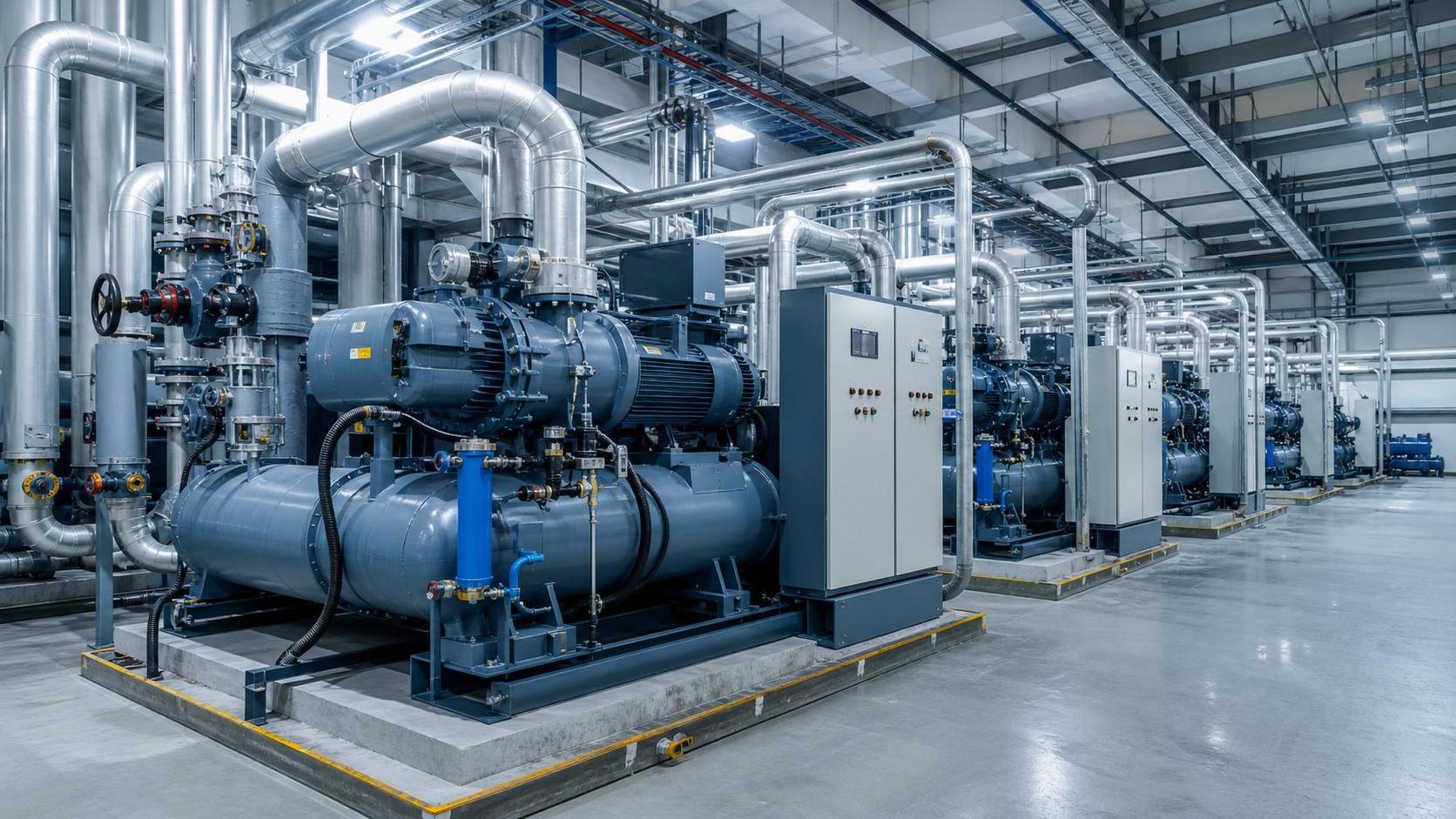
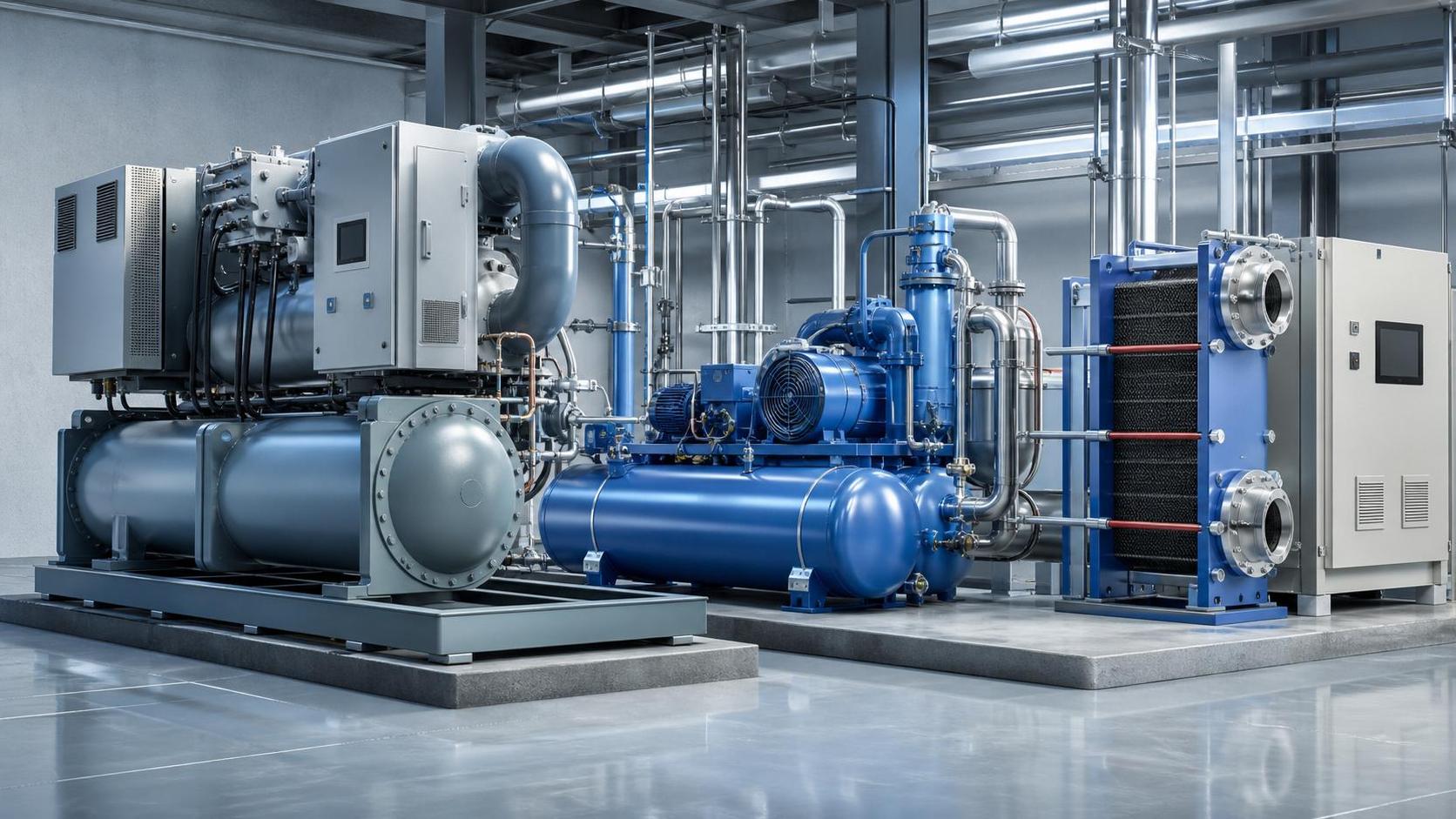
Process cooling and refrigeration are also attractive, especially in food, pharmaceuticals, chemicals, electronics, and other sectors where simultaneous cooling and heating loads exist. In these settings, recovered heat can support washdown water, low-temperature process heating, or HVAC reheat while reducing the burden on primary heating equipment.
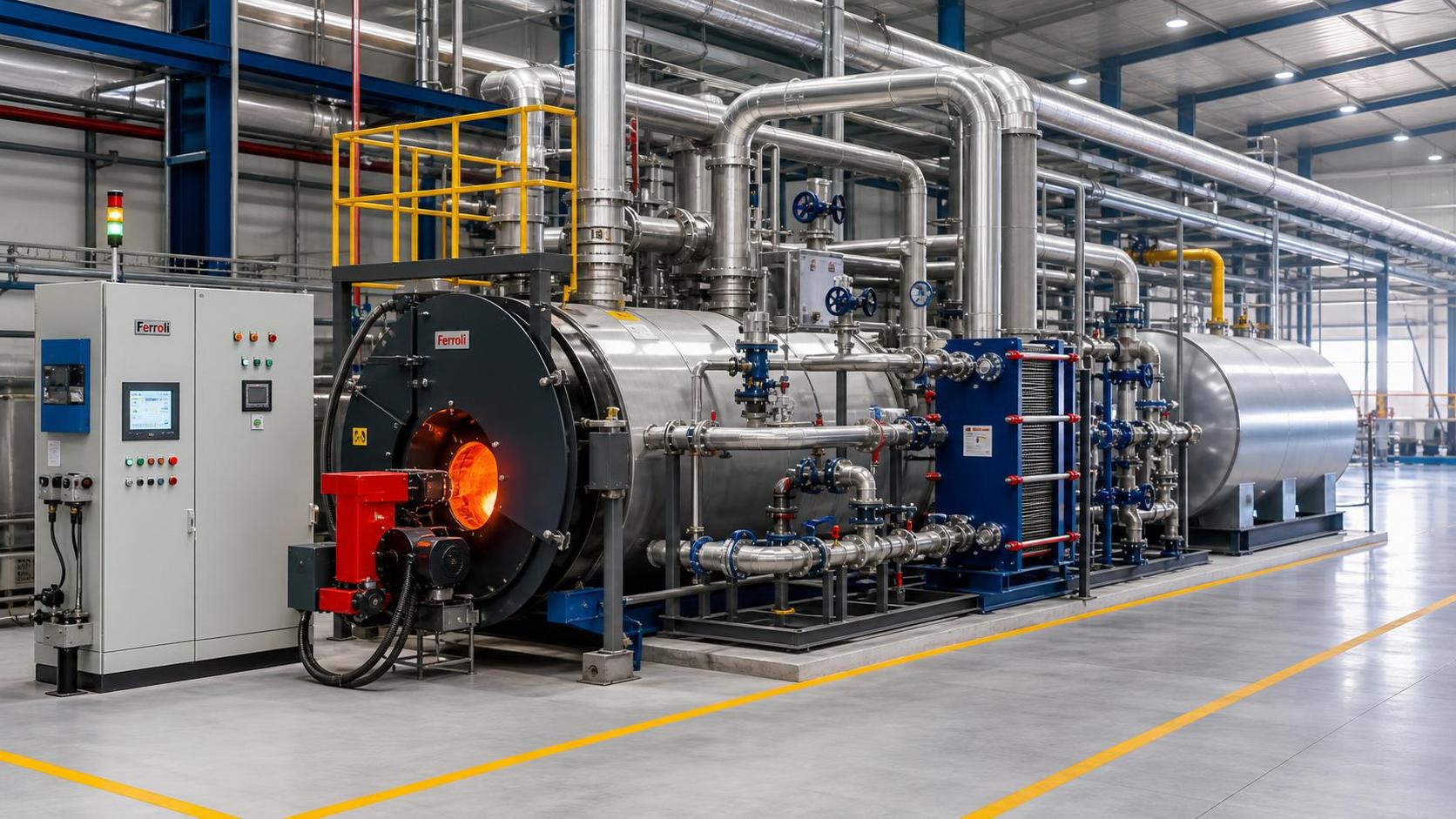
Another strong case appears when expansion requires new boilers or larger thermal systems. If recovered heat can reduce boiler load, the project may avoid oversizing fuel infrastructure. This not only lowers operating cost but can also reduce capital spending on burners, flues, gas connections, and emissions controls.
For evaluators, the most valuable opportunities are not always the most technically advanced ones. They are the ones with a clear, continuous heat sink, manageable integration, and measurable utility savings.
How to judge the economics beyond simple payback
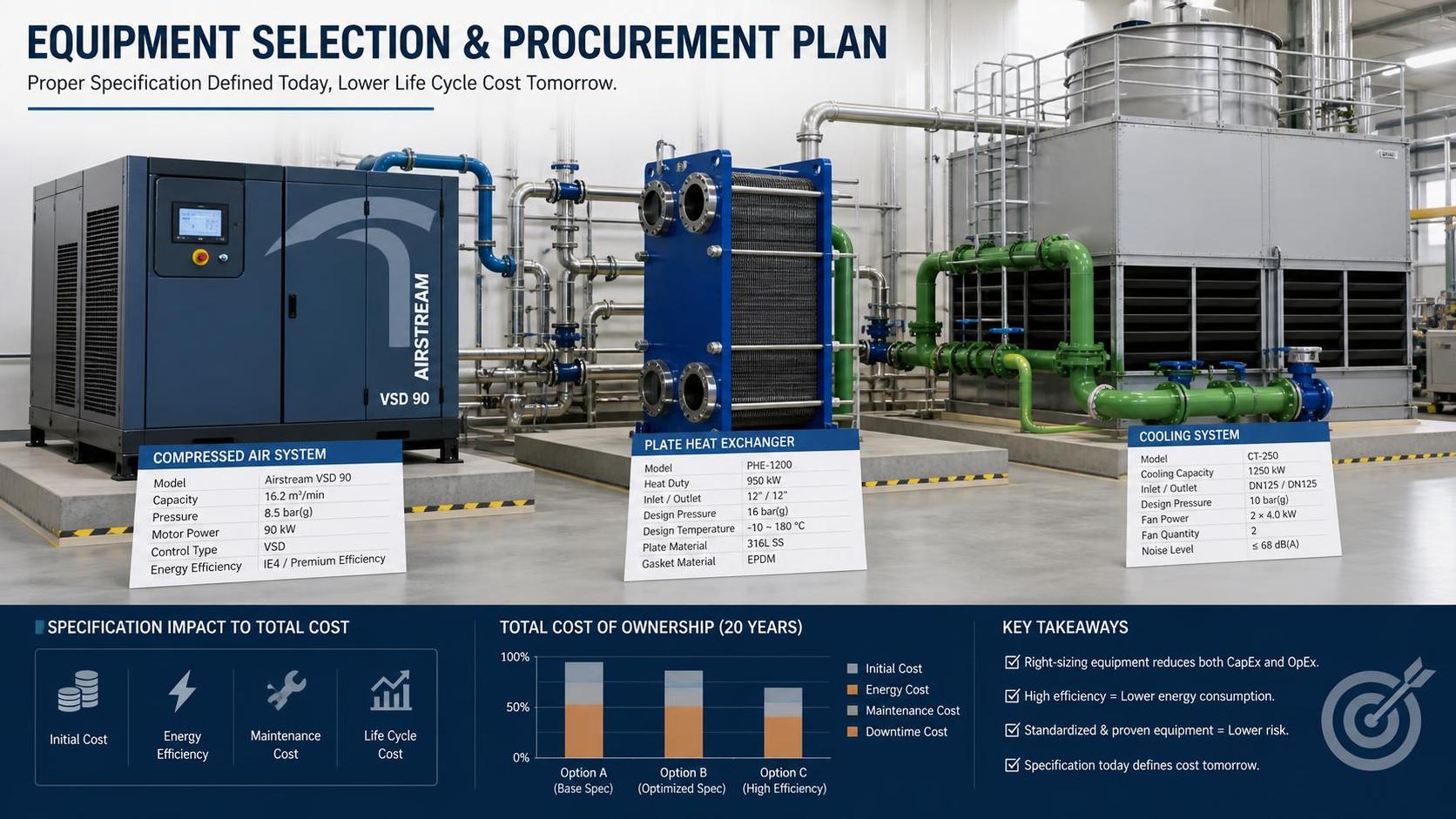
Simple payback is useful for screening, but expansion decisions should go further. A sound evaluation should include capital cost, installation complexity, expected energy savings, maintenance impact, equipment life, downtime risk, and potential changes in carbon costs or compliance exposure.
It is also important to compare heat recovery against alternative efficiency investments. For example, a project may compete with boiler upgrades, better controls, variable-speed drives, insulation, or process redesign. The right question is not whether heat recovery saves energy, but whether it delivers superior risk-adjusted value within the full expansion budget.
Lifecycle analysis can reveal value that a narrow payback calculation misses. Heat recovery may improve resilience against energy price volatility, support internal sustainability targets, and strengthen the financial case for electrification or lower-emission production. In some regions, incentives, tax treatment, or decarbonization funding can materially improve returns.
Business evaluators should also consider whether the project reduces future constraints. If heat recovery lowers cooling demand, trims boiler loading, or helps a site stay within energy or emissions limits, it may enable future production growth at lower incremental cost.
What can undermine the business case
Not every expansion is a good candidate. The most common issue is poor load matching. If the site produces waste heat at the wrong time, in the wrong location, or at too low a temperature, the recovery system may deliver disappointing utilization.
Another challenge is integration complexity. Long piping runs, contamination risk, difficult controls, or the need to interrupt critical production can increase installed cost and project risk. In hygienic or tightly regulated industries, additional design requirements may also affect feasibility.
Maintenance and reliability should not be overlooked. A heat recovery system that complicates core operations or creates fouling, pressure drop, or control instability can damage the broader business case. This is why evaluators should favor designs that are operationally simple and aligned with plant maintenance capabilities.
Finally, assumptions about savings should be tested carefully. Overstated run hours, unrealistic utility prices, or optimistic load factors can make a project appear stronger than it really is. Conservative modeling usually leads to better investment decisions.
A practical decision framework for expansion planning
For business evaluators, a practical framework starts with early-stage mapping of major heat sources and heat demands in the expanded facility. Then quantify temperatures, run hours, seasonal patterns, and utility costs. This creates a fast screen for technical fit.
Next, rank opportunities by value density: the amount of usable heat relative to required capital and integration effort. Prioritize projects that displace expensive energy, serve critical continuous loads, and fit naturally into the expansion design.
After that, test the top options under realistic financial assumptions. Include sensitivity analysis for energy prices, production levels, and maintenance factors. If the economics remain attractive under conservative scenarios, the project is likely robust.
Industrial heat recovery makes sense for plant expansions when it is treated as a strategic utility design choice, not an afterthought. For companies evaluating growth investments, that shift in timing can turn wasted energy into a durable source of cost savings, carbon reduction, and competitive advantage.
In short, the best opportunities usually combine steady waste heat, clear on-site demand, straightforward integration, and credible lifecycle returns. When those conditions are present, industrial heat recovery can strengthen both the technical and financial logic of expansion planning.
Related News
- What to verify before choosing a process separation technology supplierAuthor :

- When does process utilities engineering reduce project rework?Author :

- Where thermal efficiency optimization delivers the fastest savings in EuropeAuthor :

- What should you verify before selecting a heat transfer supplier?Author :

- What drives compressed air systems price for industrial projects?Author :

- How an industrial product knowledge comparison guide reduces sourcing riskAuthor :

- When does a procurement specification planning process reduce bid risk?Author :

- When does thermal system optimization for electronics reduce failure risk?Author :

- When high temperature process heating systems justify the higher energy costAuthor :

- How to compare sludge dewatering equipment by cake drynessAuthor :

- What to Check Before Sourcing a Gas Turbine for Distributed Power ProjectsAuthor :

- What drives industrial thermal systems price in large facility projectsAuthor :

- How to build an industrial product comparison chart that speeds up vendor selectionAuthor :

- Vacuum Technology Application Guide for Selecting the Right SystemAuthor :

- What Drives Vacuum Drying Cost in Industrial Procurement?Author :

- What Drives Compressed Air Pricing in Industrial Systems?Author :

- How Procurement Specification Planning Shapes Total Project CostAuthor :

- Compression Technology Guide: How to Compare Efficiency, Pressure Range, and Maintenance NeedsAuthor :

- How to Compare Industrial Separators by Throughput, Purity, and Maintenance LoadAuthor :

- How to Size a Compressed Air Equipment Receiver Tank for Stable PressureAuthor :

- Industrial Equipment Selection Guide: How to Compare Capacity, Duty Cycle, and Operating CostAuthor :

- How to Evaluate an Intellectualization Supplier for Industrial UpgradesAuthor :

- High-Efficiency Manufacturing: Cost Savings vs. Upgrade RiskAuthor :

- Thermal System Optimization Cost: What Drives ROI?Author :

- How to Plan Process Utilities for a Cleanroom Without Costly ReworkAuthor :

- How to Compare Process Heating Suppliers in MexicoAuthor :

- Food Processing Utilities: Common Sizing Mistakes That Raise Energy and Water UseAuthor :

- How to Build Procurement Specification Planning for Industrial EquipmentAuthor :

- OEM Cooperation for Industrial Equipment: Risks, Terms, and Cost PrioritiesAuthor :

- Specification-Oriented Product Resources That Speed Technical ReviewAuthor :

- Industrial Equipment Selection Guide: A Practical Buyer ChecklistAuthor :

- How to Compare Industrial Energy Management Systems by ROIAuthor :

- How to Evaluate a Deaerators Supplier for Long-Term Plant ReliabilityAuthor :
![]()
- How to Evaluate a Vacuum Technology Manufacturer in 2026Author :

- Thermal Efficiency Optimization Software: When the ROI Justifies DeploymentAuthor :

- How to Evaluate Application-Specific Compression Solutions by Throughput and Energy UseAuthor :