How Global Energy Costs Are Reshaping Boiler Upgrade Plans




As global energy costs continue to rise and fluctuate, boiler upgrade decisions are no longer just technical—they are financial. For approval teams balancing capital budgets, operating risk, and decarbonization targets, each retrofit choice must prove measurable return. This article explores how shifting energy economics are reshaping boiler upgrade plans, helping decision-makers align efficiency investments with long-term cost control and competitive resilience.
Why global energy costs now demand a checklist-based boiler upgrade plan
Volatile fuel prices have changed the logic of boiler investment. A project once justified by maintenance savings alone now depends on tariff exposure, fuel flexibility, and carbon cost sensitivity.
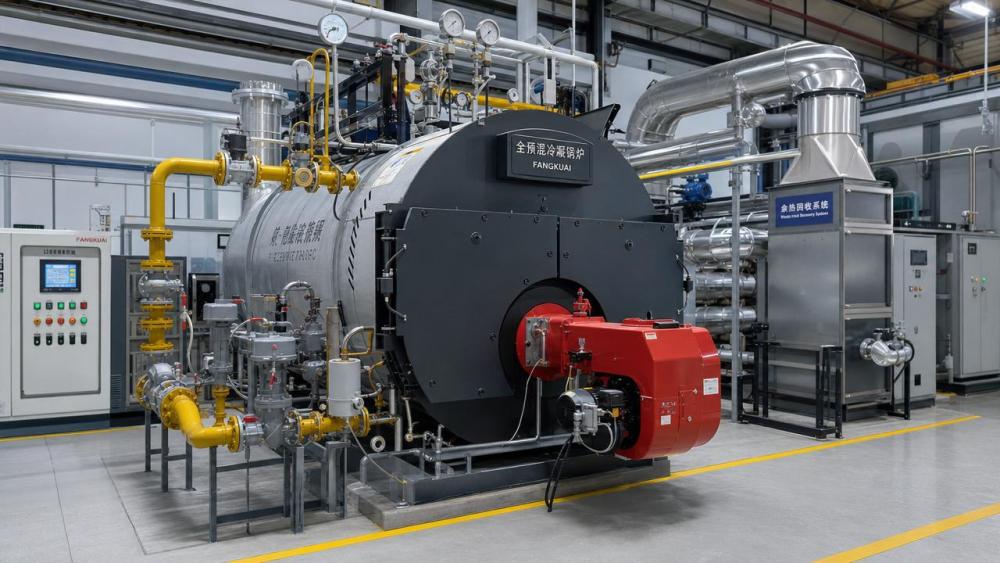
In many industrial settings, boiler systems sit at the center of thermal reliability. When global energy costs spike, inefficient steam generation quickly erodes margins, production planning, and sustainability performance.
A checklist approach helps compare options consistently. It reduces bias toward simple equipment replacement and creates a stronger basis for sequencing upgrades, controls, and heat recovery measures.
For a platform like GTC-Matrix, this matters because thermal systems, compression assets, and heat exchange networks increasingly interact. Boiler choices now influence site-wide energy conversion efficiency, not just one utility room.
Core checklist for evaluating boiler upgrade plans under global energy costs pressure
Use the following checklist to test whether a boiler upgrade plan is resilient against changing global energy costs and future operating constraints.
- Measure current boiler efficiency with real load data, not nameplate assumptions, so fuel loss, cycling, and standby waste are visible before selecting any replacement path.
- Map fuel exposure across gas, oil, electricity, and backup sources, then stress-test the project against short-term price spikes and long-term energy market shifts.
- Compare full lifecycle cost rather than purchase price, including burner tuning, water treatment, downtime, emissions compliance, and controls integration across the thermal system.
- Check part-load performance carefully because many sites operate below design capacity, where poor turndown and unstable combustion can destroy expected savings.
- Prioritize heat recovery opportunities such as economizers, condensate return improvement, and stack heat capture before assuming a larger capital-intensive boiler swap is necessary.
- Review steam demand quality by process zone, since pressure mismatches, oversized headers, and inconsistent temperature requirements often create hidden thermal inefficiency.
- Validate control architecture, including oxygen trim, sequencing logic, and remote monitoring, because digital optimization becomes more valuable when global energy costs remain uncertain.
- Estimate carbon exposure alongside fuel costs, especially where low-NOx, electrification, or hybrid boiler pathways may lower regulatory risk and improve financing support.
- Assess utility infrastructure limits, including gas pressure stability, electrical capacity, water quality, and condensate management, before locking in a technical route.
- Sequence upgrades in phases, starting with controls and distribution losses, so immediate savings can partly fund deeper boiler modernization later.
How different operating scenarios change the impact of global energy costs
Continuous process plants
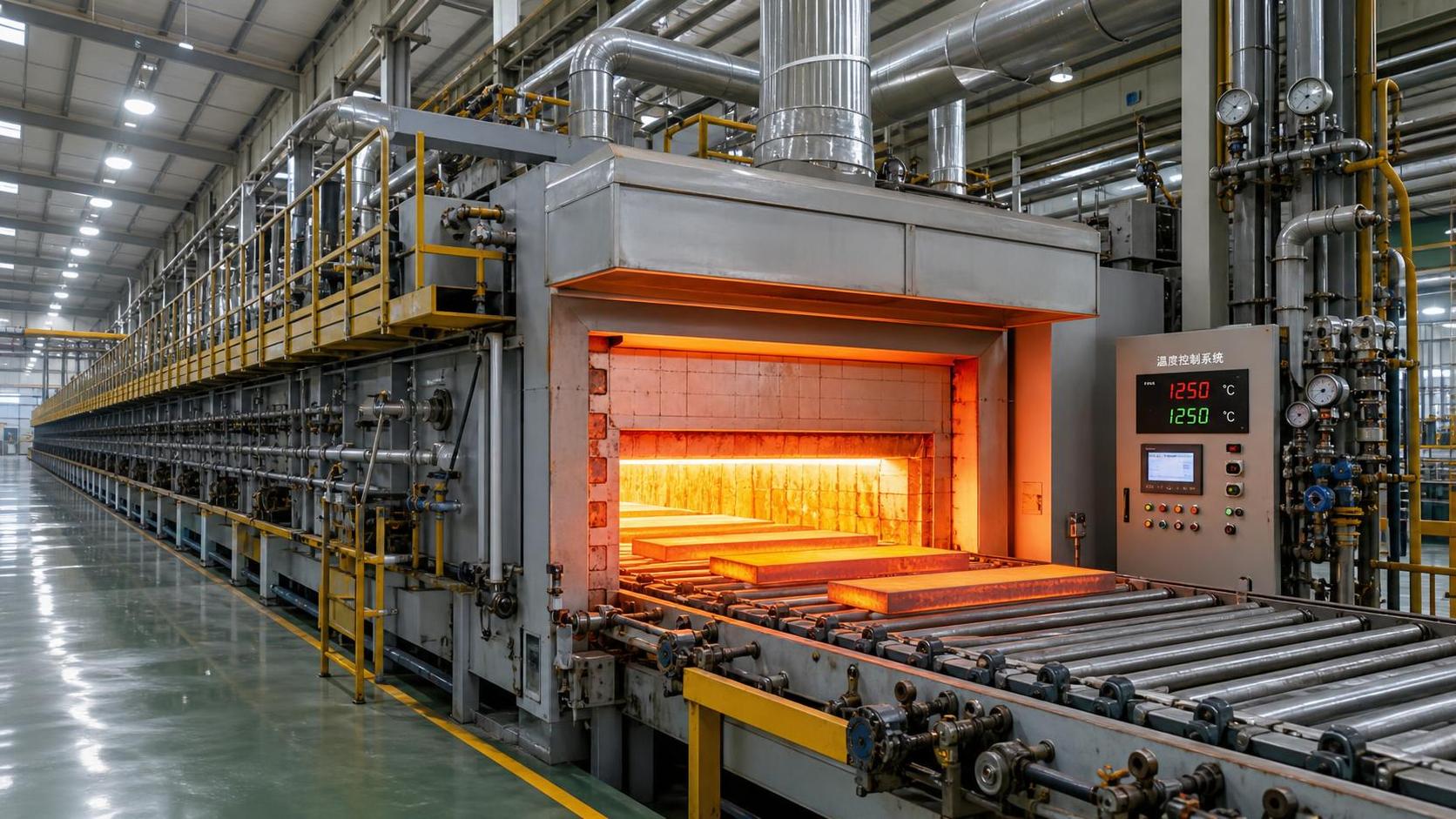
Facilities with steady thermal demand often gain most from combustion optimization, economizers, and condensate recovery. Here, global energy costs amplify the value of every percentage point of efficiency.
Because operating hours are long, lifecycle modeling becomes decisive. A slightly higher capital cost may deliver stronger payback if fuel intensity remains high for years.
Batch production environments
Sites with variable demand should focus on turndown ratio, fast response, and smart sequencing. Boiler systems that perform well only at full load may become expensive under volatile global energy costs.
In these cases, modular boiler banks or hybrid systems can outperform one large unit. Better load matching reduces purge losses, idle firing, and unnecessary standby consumption.
Energy-intensive campuses with multiple utilities
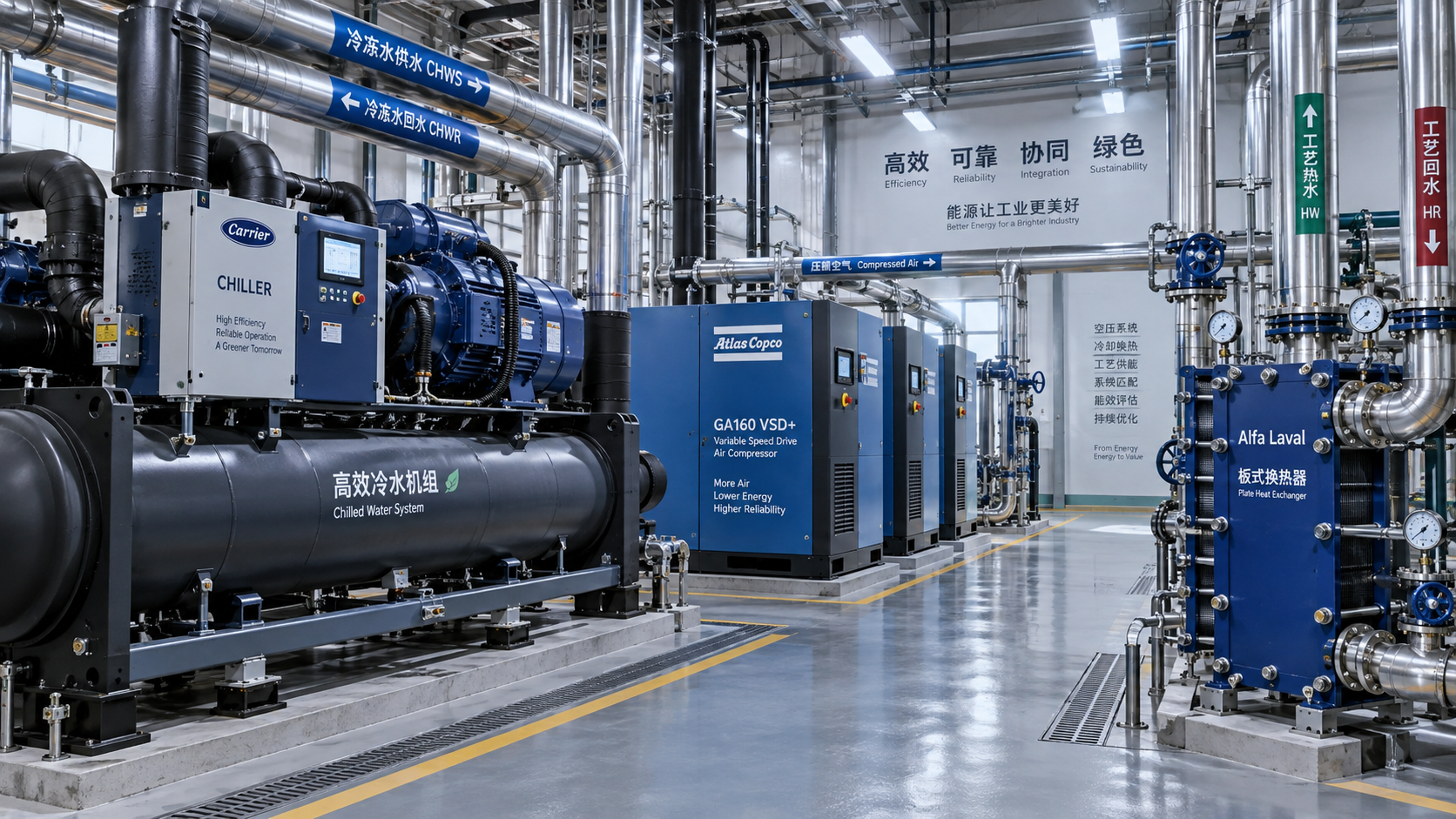
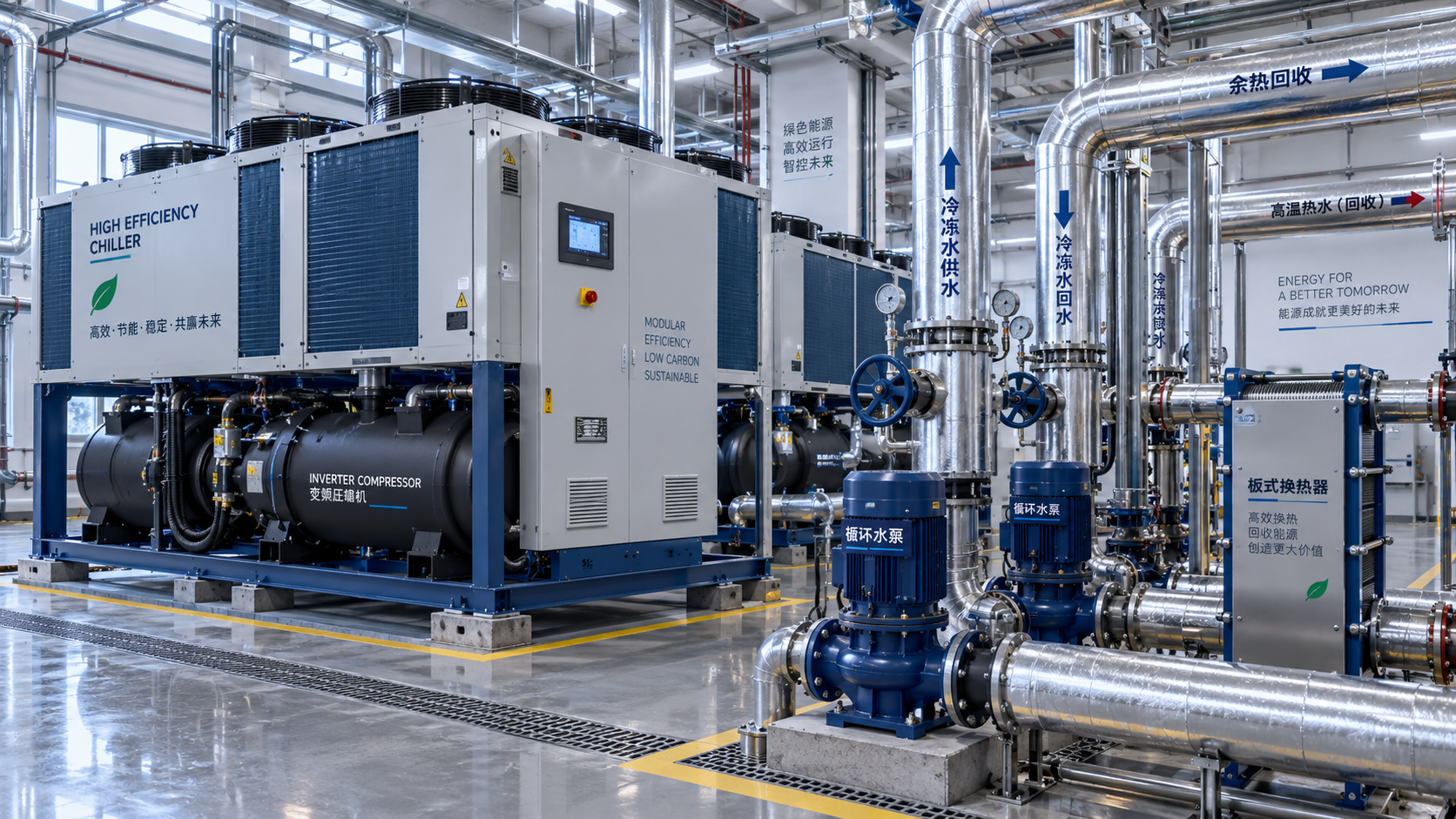
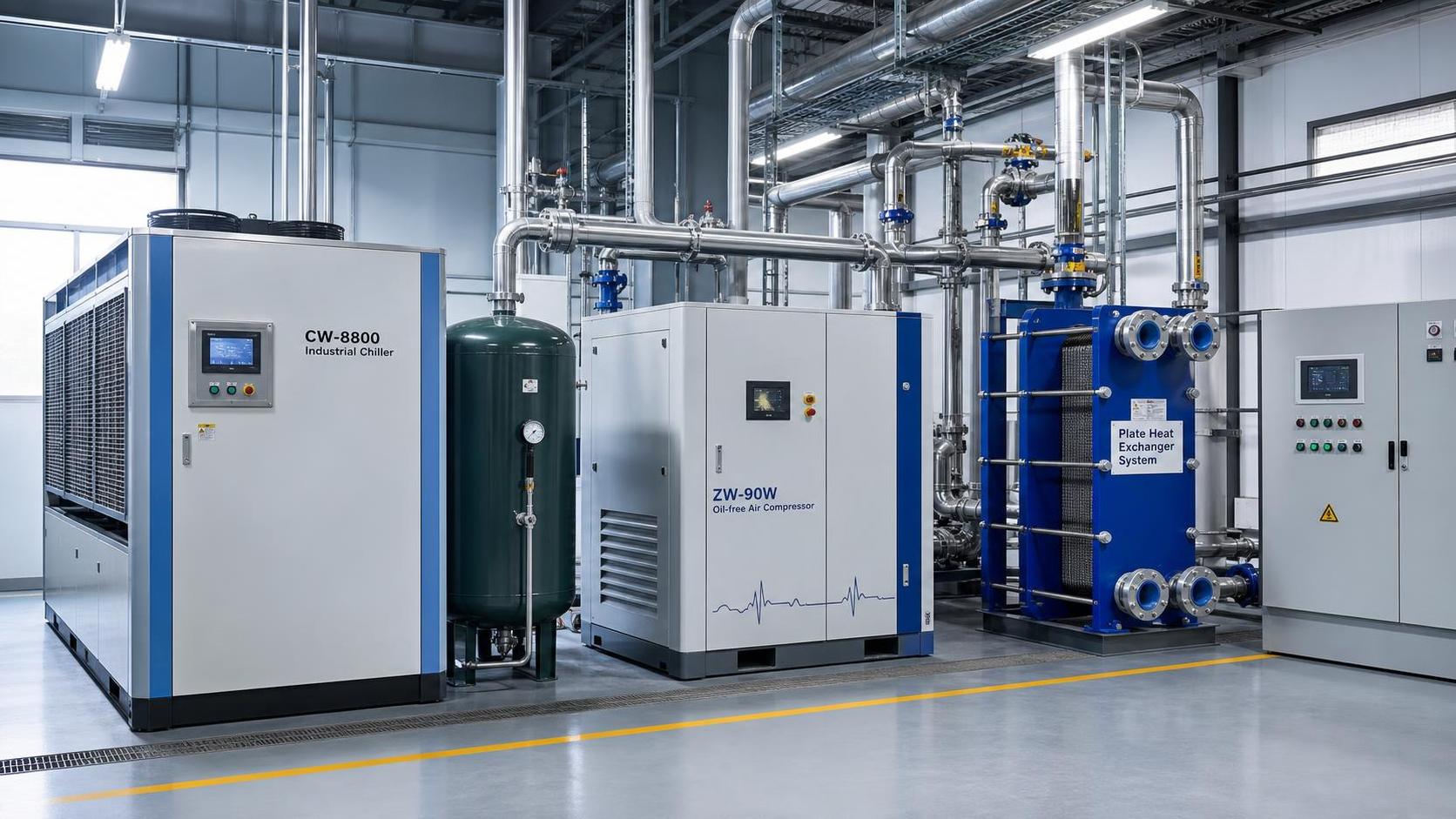
Campuses combining boilers, chillers, compressed air, and heat exchangers need system-level analysis. Global energy costs rarely affect steam alone; they shift the economics of heat recovery and power use together.
This is where the GTC-Matrix perspective becomes useful. Thermal and compression assets should be evaluated as one efficiency network, not separate upgrade silos.
Commonly overlooked risks when global energy costs drive rapid boiler decisions
Ignoring distribution losses
A new boiler cannot compensate for leaking steam traps, poor insulation, or oversized pressure settings. Under high global energy costs, distribution waste can erase projected savings quickly.
Overestimating future load growth
Projects often oversize for uncertain expansion. That choice weakens part-load efficiency and increases capital burden, especially when energy prices remain unstable.
Treating controls as secondary
Advanced burners without strong control logic rarely deliver full value. Sequencing, oxygen trim, and fault analytics are often the fastest response to global energy costs pressure.
Using simple payback only
Simple payback can hide exposure to maintenance, compliance, downtime, and carbon pricing. A more robust investment case should include scenario-based total cost analysis.
Practical execution steps for a stronger upgrade decision
- Collect twelve months of fuel, steam, and production data.
- Benchmark current efficiency by season, load band, and operating mode.
- Model at least three energy price scenarios for the next three to five years.
- Screen no-regret actions first, including controls tuning and heat recovery fixes.
- Compare replacement, retrofit, and hybrid options using lifecycle cost and emissions impact.
- Build a phased implementation plan linked to shutdown windows and capital timing.
This sequence improves decision quality while limiting disruption. It also creates a documented path for future review if global energy costs move faster than expected.
Summary and next action on boiler upgrades in a high-cost energy era
Global energy costs are reshaping boiler upgrade plans by shifting attention from equipment price to operating resilience. The best projects now combine efficiency gains, control intelligence, fuel flexibility, and risk-adjusted financial logic.
The most reliable next step is a structured audit of load profile, combustion performance, heat recovery potential, and utility constraints. That audit should then be translated into a phased checklist with measurable savings targets.
In an environment defined by volatile global energy costs, disciplined thermal decision-making becomes a competitive advantage. Boiler upgrades succeed when they are planned as part of a broader energy conversion strategy, not as isolated asset replacement.
Ready when you are. Send us a message to get started.
Related News
- How to select industrial equipment for automation with existing PLCsAuthor :

- How electricity prices shape industrial compressed air price trendsAuthor :

- Choosing air filtration systems for heavy dust in the Middle EastAuthor :

- How much does a fully installed compressed air monitoring system cost?Author :

- What documentation supports CE marking for industrial equipment?Author :

- How local support affects vacuum system costs in Southeast AsiaAuthor :

- How worldwide industry category guides help compare market opportunitiesAuthor :

- What drives sustainable thermal systems cost over their operating life?Author :

- Which industrial solution comparison criteria prevent project delays?Author :

- How Ambient Temperature and Load Profile Affect Industrial Compressor SizingAuthor :

- What to evaluate before choosing a thermal process engineering supplierAuthor :

- How industrial utility systems affect energy costs in process plantsAuthor :

- What Data Is Needed to Assess Heat Recovery Decarbonization?Author :

- Can Waste Heat Recovery Support Carbon Neutrality Targets?Author :

- Is Compressor Heat Recovery Worth the Installation Cost?Author :

- What to verify before choosing a process separation technology supplierAuthor :

- When does process utilities engineering reduce project rework?Author :

- Where thermal efficiency optimization delivers the fastest savings in EuropeAuthor :

- What should you verify before selecting a heat transfer supplier?Author :

- What drives compressed air systems price for industrial projects?Author :

- How an industrial product knowledge comparison guide reduces sourcing riskAuthor :

- When does a procurement specification planning process reduce bid risk?Author :

- When does thermal system optimization for electronics reduce failure risk?Author :

- When high temperature process heating systems justify the higher energy costAuthor :

- How to compare sludge dewatering equipment by cake drynessAuthor :

- What to Check Before Sourcing a Gas Turbine for Distributed Power ProjectsAuthor :

- What drives industrial thermal systems price in large facility projectsAuthor :

- How to build an industrial product comparison chart that speeds up vendor selectionAuthor :

- Vacuum Technology Application Guide for Selecting the Right SystemAuthor :

- What Drives Vacuum Drying Cost in Industrial Procurement?Author :

- What Drives Compressed Air Pricing in Industrial Systems?Author :

- How Procurement Specification Planning Shapes Total Project CostAuthor :

- Compression Technology Guide: How to Compare Efficiency, Pressure Range, and Maintenance NeedsAuthor :

- How to Compare Industrial Separators by Throughput, Purity, and Maintenance LoadAuthor :

- How to Size a Compressed Air Equipment Receiver Tank for Stable PressureAuthor :

- Industrial Equipment Selection Guide: How to Compare Capacity, Duty Cycle, and Operating CostAuthor :