Energy-Saving Technologies That Strengthen Project ROI Cases




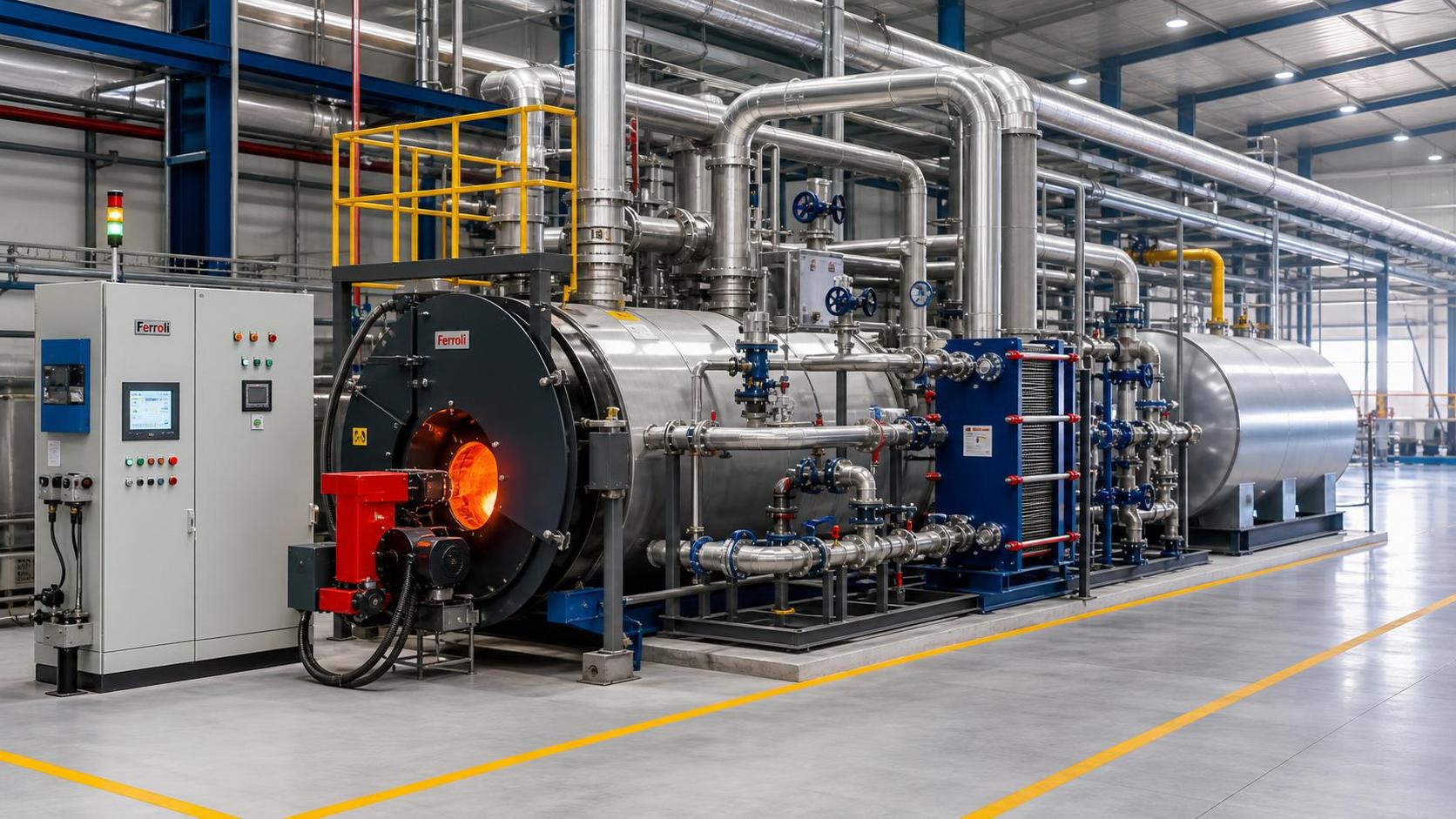
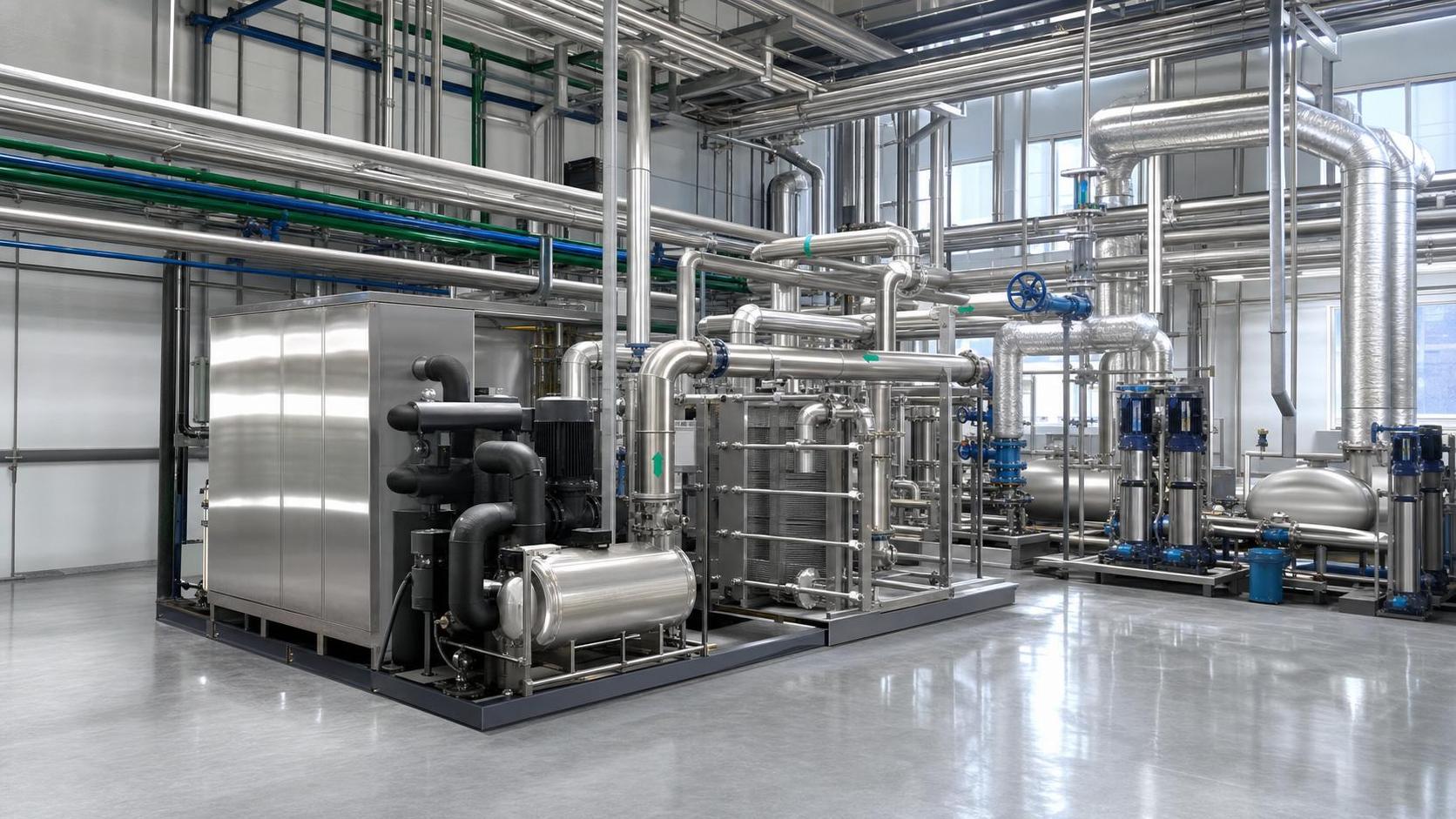
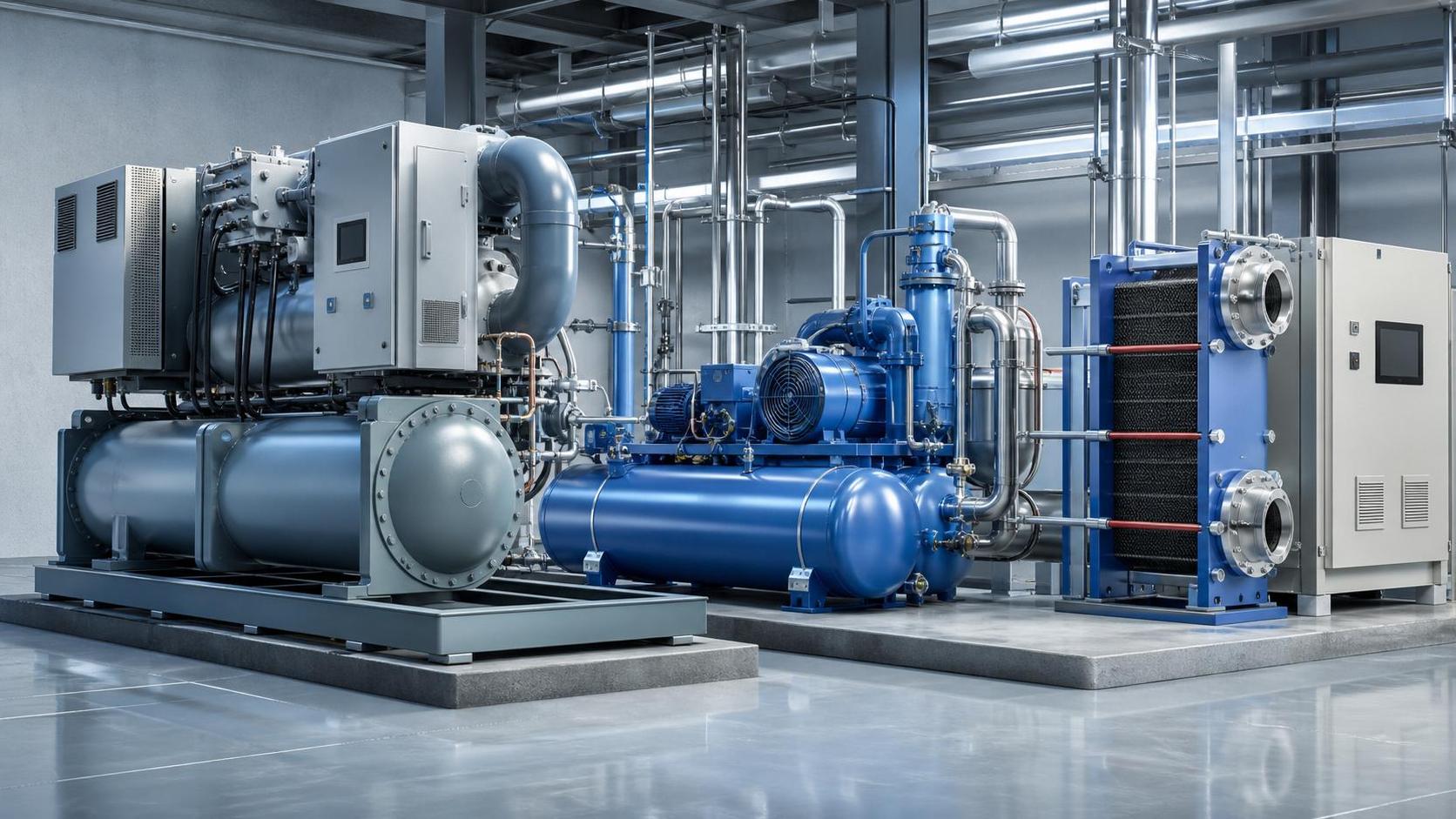
For financial decision-makers, energy-saving technologies are no longer operational upgrades alone—they are measurable drivers of stronger project ROI, lower lifecycle costs, and reduced risk exposure. In capital-intensive industries, understanding which cooling, compression, vacuum, and heat exchange solutions deliver the fastest payback can turn technical investment into strategic advantage, making each approval more defensible and profit-focused.
What energy-saving technologies mean in industrial ROI terms
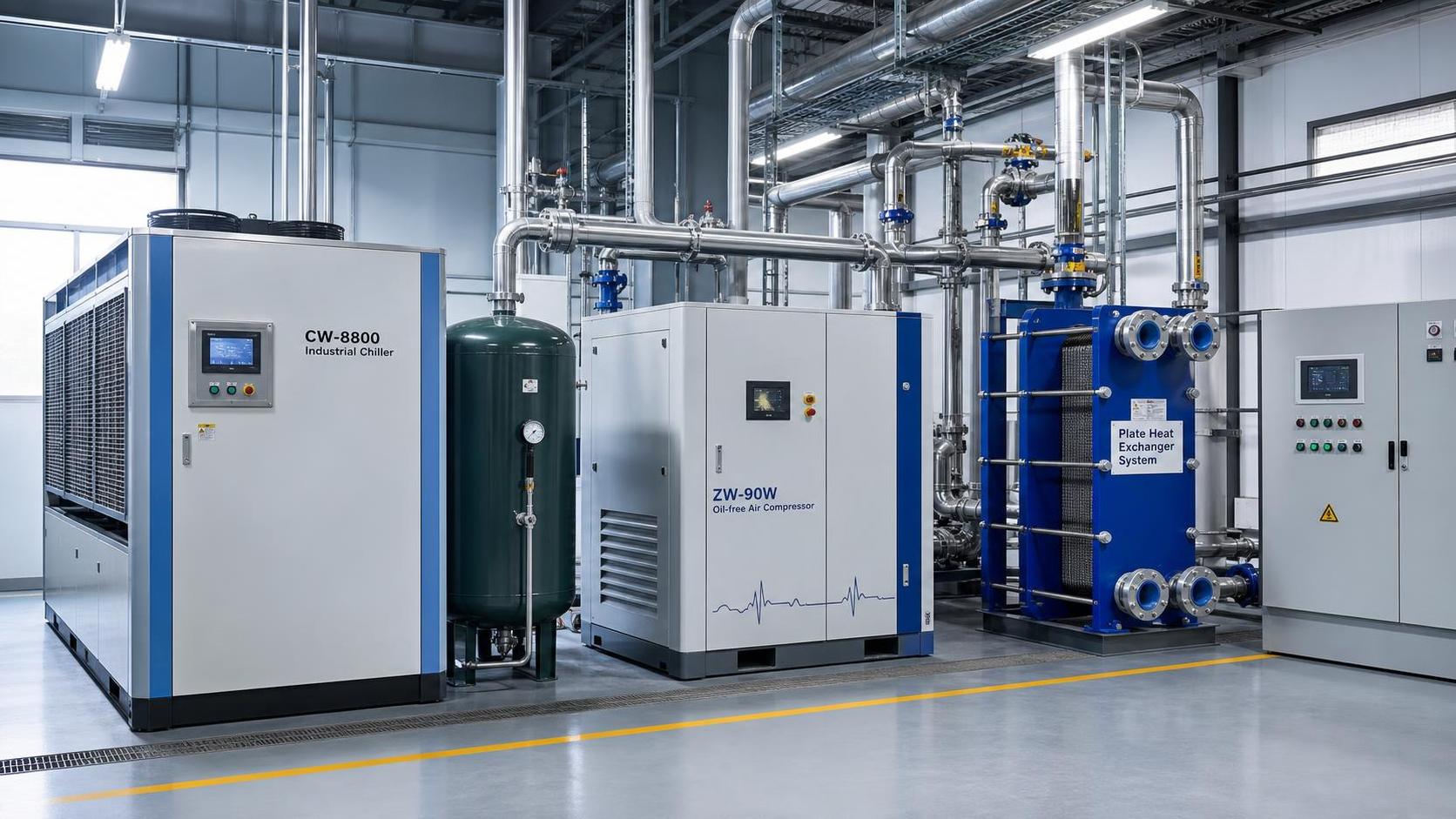
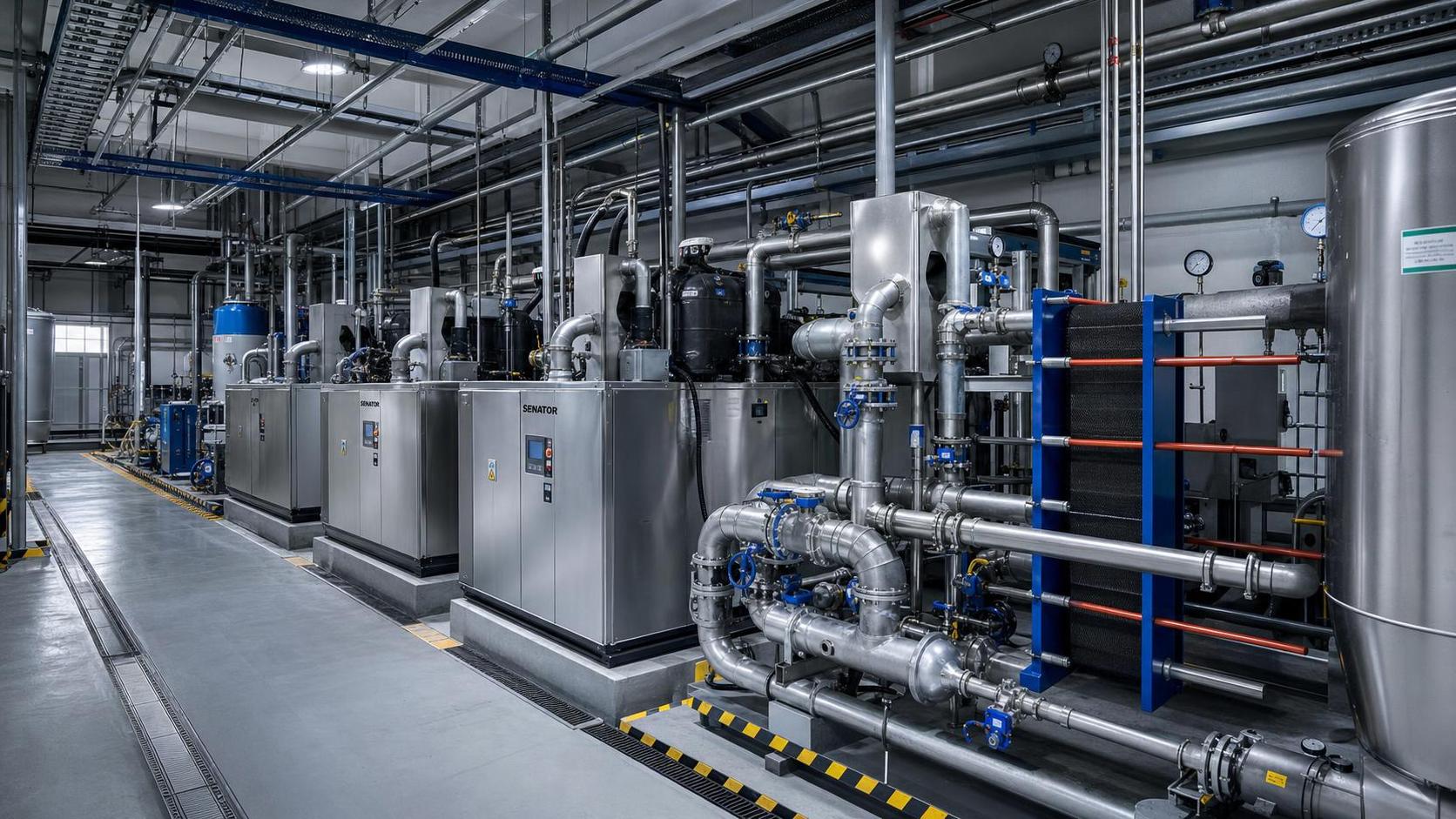
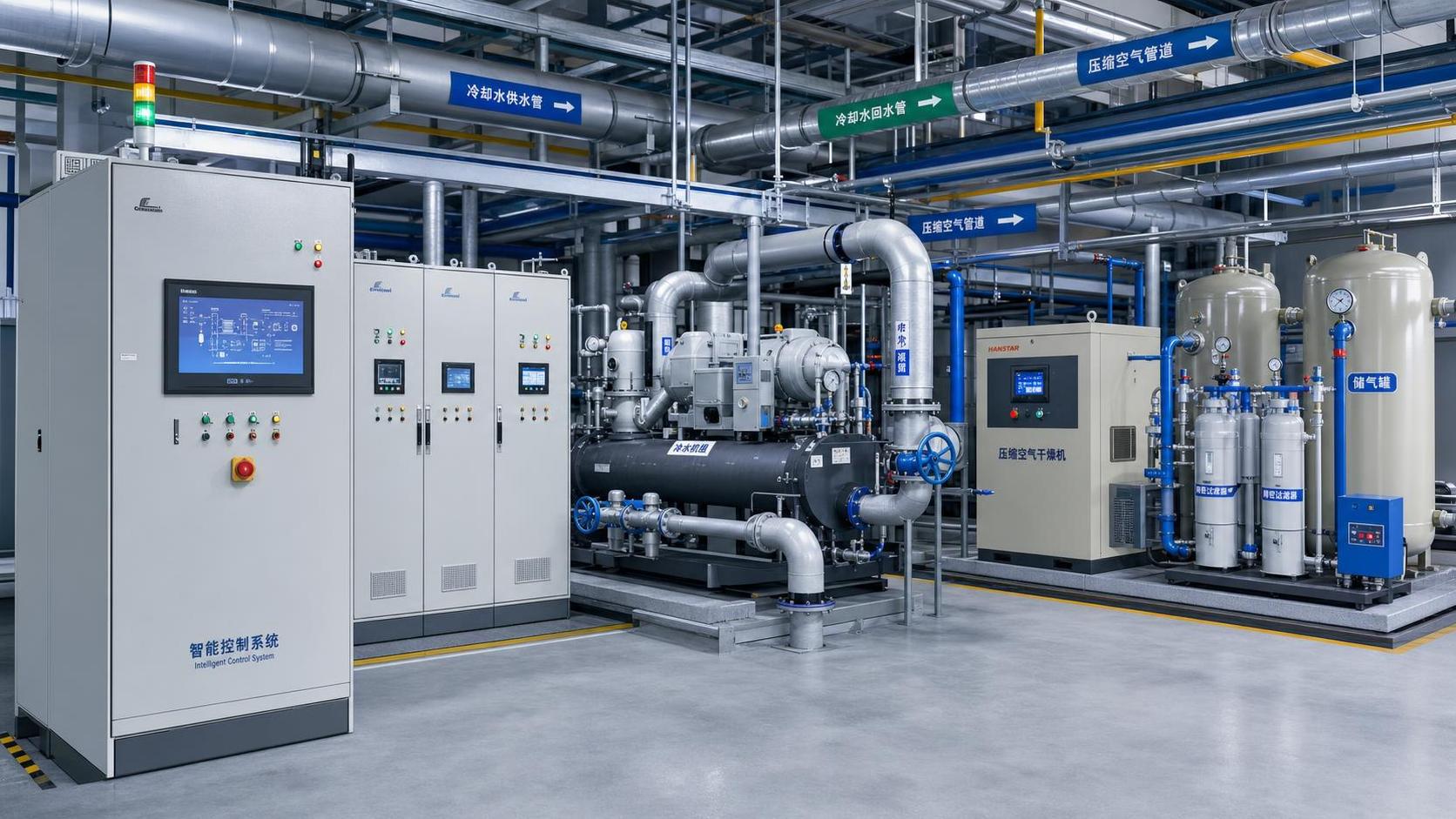
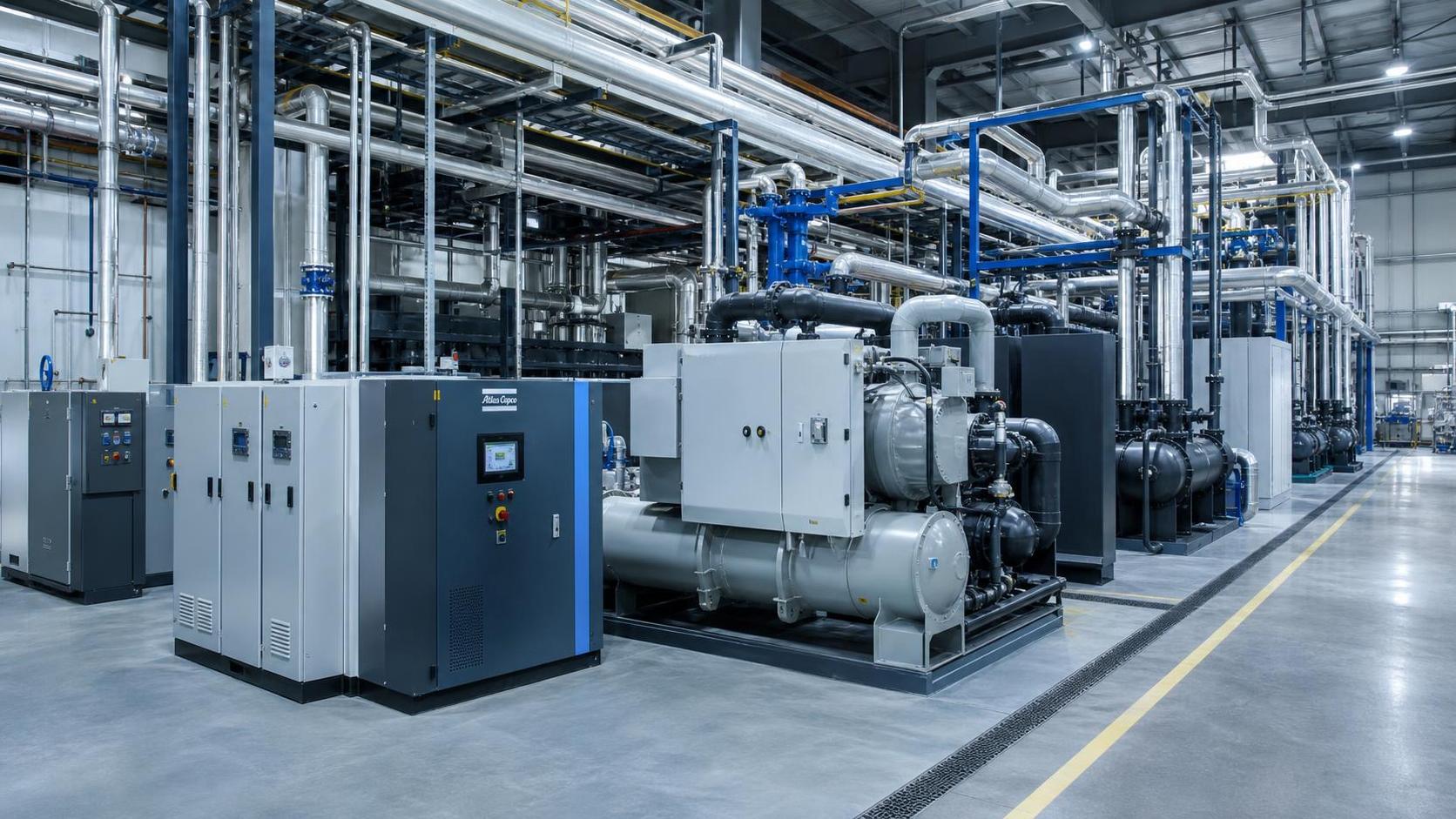
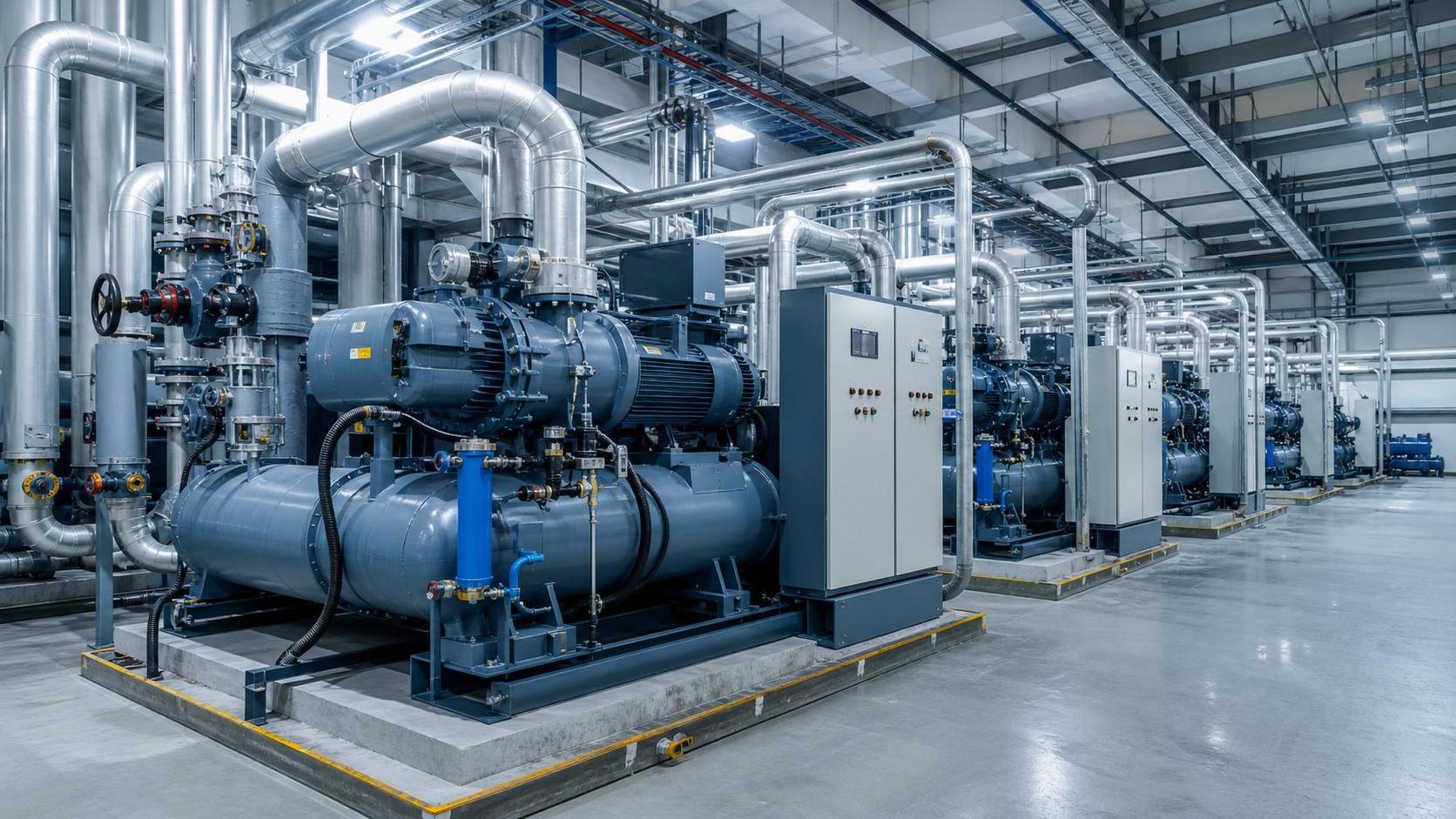
In industrial environments, energy-saving technologies refer to systems, controls, and design upgrades that reduce power or fuel consumption without sacrificing output quality. For finance teams, their value is not defined by engineering novelty but by cash-flow impact. A compressor with variable speed control, a high-efficiency heat exchanger, or an optimized cooling loop matters because it lowers operating expense, stabilizes production, and extends asset life.
This is why energy-saving technologies are increasingly reviewed as ROI instruments rather than maintenance improvements. They affect EBITDA through lower utility bills, improve project economics through shorter payback periods, and reduce exposure to future carbon, refrigerant, and compliance costs. Platforms such as GTC-Matrix help translate technical performance into investment logic by connecting thermodynamic data with business intelligence.
Why the market is focusing on them now
Three pressures are making energy-saving technologies a board-level topic. First, energy price volatility has turned efficiency into a hedge against uncertainty. Second, decarbonization targets are pushing companies to upgrade thermal and power systems across plants and utility rooms. Third, sectors such as pharmaceuticals, semiconductors, food processing, and advanced manufacturing now require tighter temperature control and cleaner compressed air, making inefficient legacy equipment financially harder to justify.
As a result, project approval is shifting from simple capex comparison to lifecycle evaluation. Financial approvers increasingly ask which technologies improve output per kilowatt, which reduce downtime risk, and which create defendable long-term savings under realistic operating profiles.
Industry overview: where ROI is typically created
The strongest ROI cases usually come from systems that run continuously, carry high load variation, or support mission-critical product quality. In these areas, even modest efficiency gains can create significant annual savings.
How energy-saving technologies strengthen project ROI cases
For financial approvers, the most persuasive cases combine direct and indirect returns. Direct returns include lower energy consumption, lower water or fuel usage, and reduced service costs. Indirect returns often matter just as much: fewer product losses, less unplanned downtime, lower contamination risk, and better compliance with environmental standards.
A strong ROI model should therefore include baseline consumption, expected operating hours, part-load behavior, maintenance intervals, and expected tariff changes. In many cases, energy-saving technologies outperform traditional upgrades because they create repeatable annual savings rather than one-time operational improvements. When integrated into high-load systems, they also improve internal rate of return by protecting output consistency.
Typical application categories for finance-led evaluation
Not every project should be screened the same way. Financial teams can evaluate energy-saving technologies through four practical lenses:
- High-load utility assets: ideal for fast payback and measurable energy reduction.
- Quality-critical processes: valuable where compressed air purity or thermal stability affects yield.
- Compliance-sensitive facilities: relevant when refrigerant rules, emissions limits, or sustainability reporting shape investment timing.
- Expansion projects: useful when efficient design can prevent oversizing and reduce future retrofit costs.
Practical guidance before approval
Before approving investments in energy-saving technologies, ask for evidence beyond nameplate efficiency. Review the actual load profile, integration requirements, and control strategy. Confirm whether savings depend on stable utilization or on operator discipline. Check if heat recovery, intelligent monitoring, or system balancing can unlock additional value beyond the core equipment.
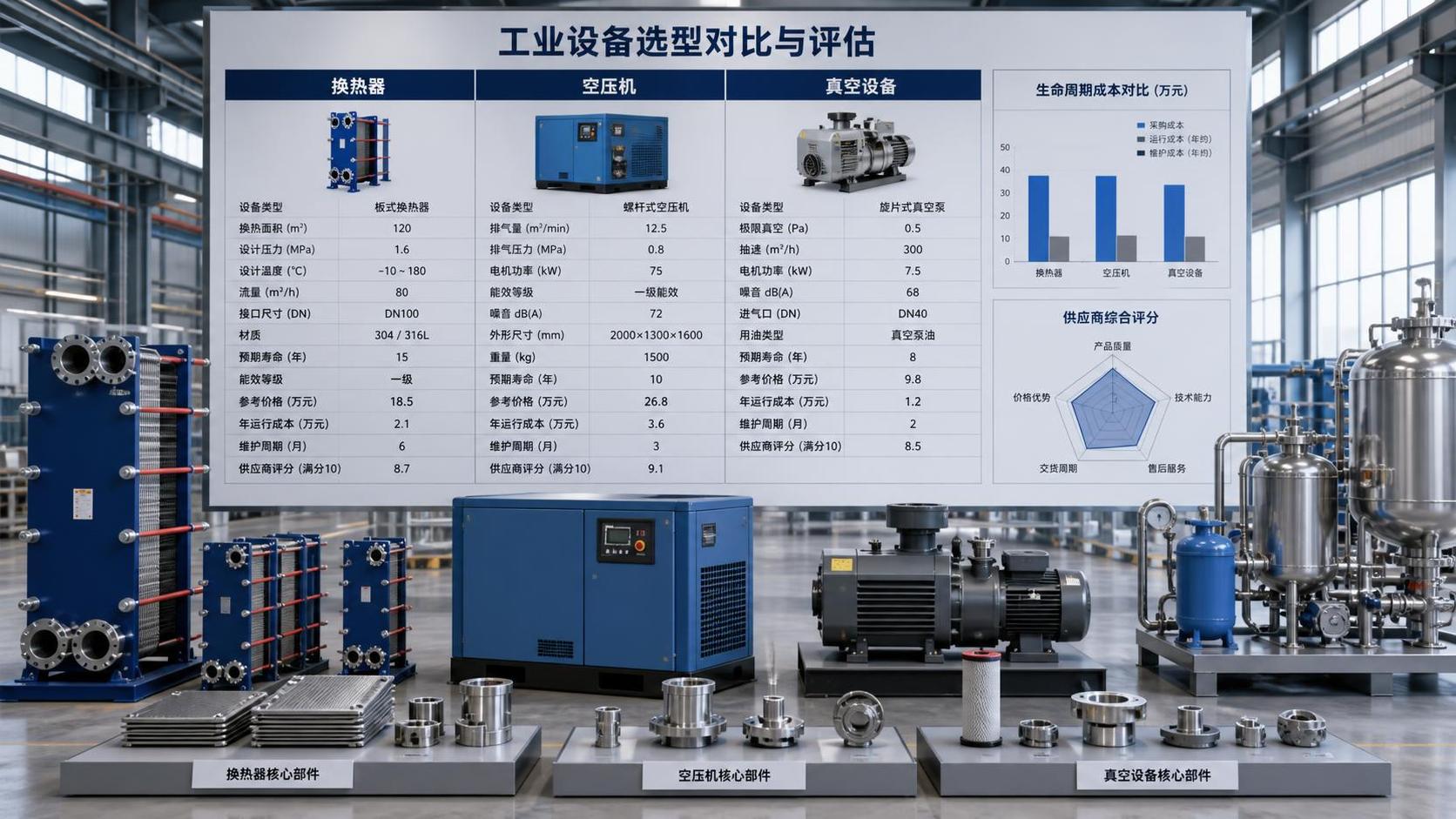
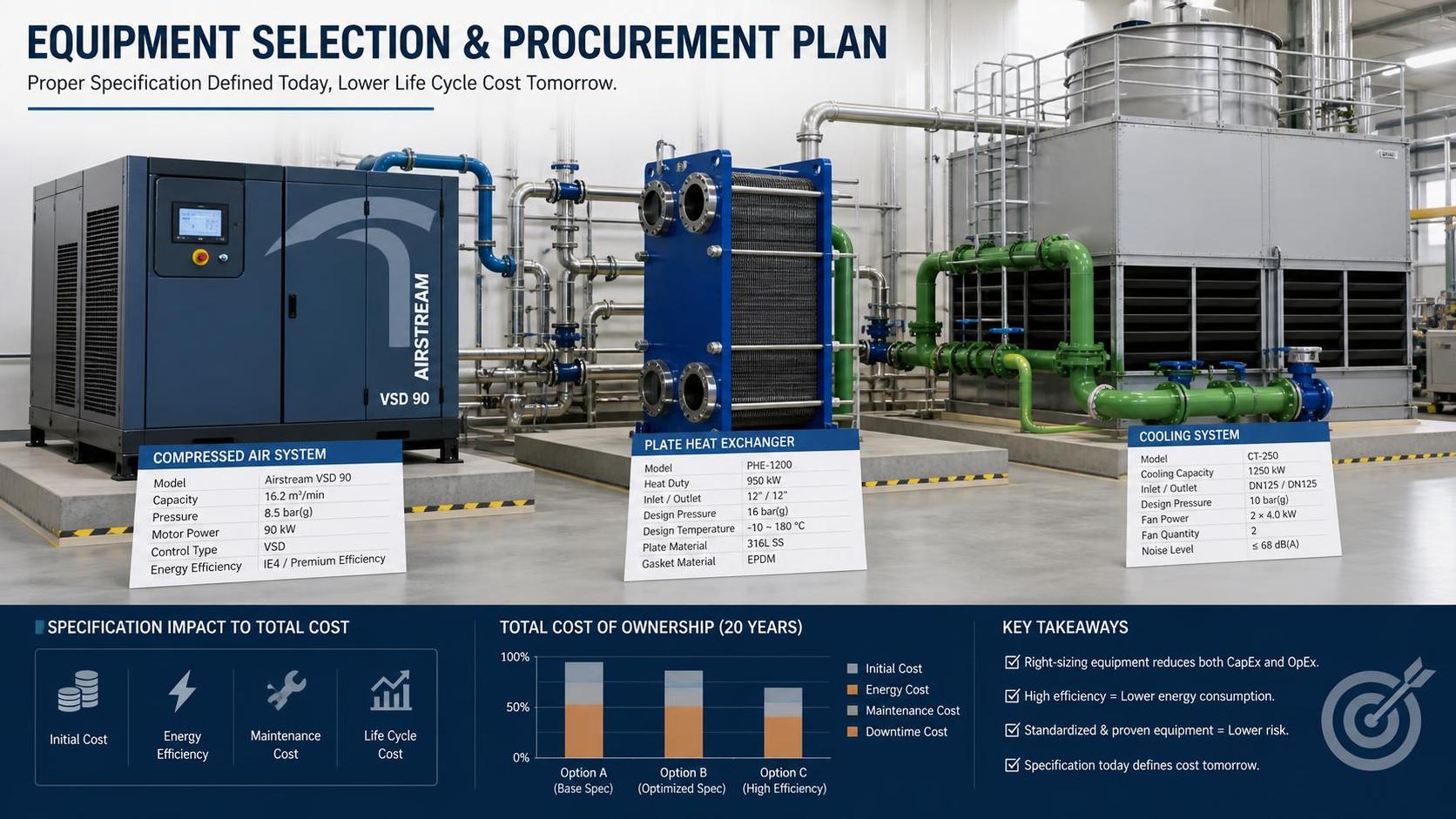
It is also wise to compare projects using total cost of ownership rather than purchase price alone. A lower-cost unit may consume more energy, require more maintenance, or increase quality risk over time. In contrast, a well-specified high-efficiency solution can produce a stronger ROI case when analyzed across five to ten years.
Moving from technical promise to finance-ready action
The most effective energy-saving technologies are those matched to real process conditions and supported by reliable industry intelligence. For financial decision-makers, the goal is not to approve more equipment, but to approve projects with durable savings, lower operating risk, and strategic relevance. By using market insight from sources such as GTC-Matrix and insisting on lifecycle-based evaluation, organizations can turn thermal and compression upgrades into stronger, more credible ROI cases that support both profitability and long-term resilience.
Related News
- What to verify before choosing a process separation technology supplierAuthor :

- When does process utilities engineering reduce project rework?Author :

- Where thermal efficiency optimization delivers the fastest savings in EuropeAuthor :

- What should you verify before selecting a heat transfer supplier?Author :

- What drives compressed air systems price for industrial projects?Author :

- How an industrial product knowledge comparison guide reduces sourcing riskAuthor :

- When does a procurement specification planning process reduce bid risk?Author :

- When does thermal system optimization for electronics reduce failure risk?Author :

- When high temperature process heating systems justify the higher energy costAuthor :

- How to compare sludge dewatering equipment by cake drynessAuthor :

- What to Check Before Sourcing a Gas Turbine for Distributed Power ProjectsAuthor :

- What drives industrial thermal systems price in large facility projectsAuthor :

- How to build an industrial product comparison chart that speeds up vendor selectionAuthor :

- Vacuum Technology Application Guide for Selecting the Right SystemAuthor :

- What Drives Vacuum Drying Cost in Industrial Procurement?Author :

- What Drives Compressed Air Pricing in Industrial Systems?Author :

- How Procurement Specification Planning Shapes Total Project CostAuthor :

- Compression Technology Guide: How to Compare Efficiency, Pressure Range, and Maintenance NeedsAuthor :

- How to Compare Industrial Separators by Throughput, Purity, and Maintenance LoadAuthor :

- How to Size a Compressed Air Equipment Receiver Tank for Stable PressureAuthor :

- Industrial Equipment Selection Guide: How to Compare Capacity, Duty Cycle, and Operating CostAuthor :

- How to Evaluate an Intellectualization Supplier for Industrial UpgradesAuthor :

- High-Efficiency Manufacturing: Cost Savings vs. Upgrade RiskAuthor :

- Thermal System Optimization Cost: What Drives ROI?Author :

- How to Plan Process Utilities for a Cleanroom Without Costly ReworkAuthor :

- How to Compare Process Heating Suppliers in MexicoAuthor :

- Food Processing Utilities: Common Sizing Mistakes That Raise Energy and Water UseAuthor :

- How to Build Procurement Specification Planning for Industrial EquipmentAuthor :

- OEM Cooperation for Industrial Equipment: Risks, Terms, and Cost PrioritiesAuthor :

- Specification-Oriented Product Resources That Speed Technical ReviewAuthor :

- Industrial Equipment Selection Guide: A Practical Buyer ChecklistAuthor :

- How to Compare Industrial Energy Management Systems by ROIAuthor :

- How to Evaluate a Deaerators Supplier for Long-Term Plant ReliabilityAuthor :
![]()
- How to Evaluate a Vacuum Technology Manufacturer in 2026Author :

- Thermal Efficiency Optimization Software: When the ROI Justifies DeploymentAuthor :

- How to Evaluate Application-Specific Compression Solutions by Throughput and Energy UseAuthor :