



Pneumatic Power Systems vs Electric Drives in Harsh Environments




In harsh industrial environments, choosing between pneumatic power systems and electric drives directly shapes uptime, safety, and total ownership cost.
Extreme heat, dust, washdown exposure, vibration, and corrosive media quickly expose weak points in any motion platform.
The right decision is rarely about one technology being universally better.
It is about matching drive behavior to contamination risk, control needs, maintenance access, and energy priorities.
For GTC-Matrix, this comparison sits at the center of industrial energy intelligence.
Pneumatic power systems connect compressed air quality, reliability engineering, and process resilience across diverse sectors.
Why harsh environments change the pneumatic power systems versus electric drives decision
A clean factory line may favor precision and energy optimization.
A corrosive, dusty, or explosive area often values survivability first.
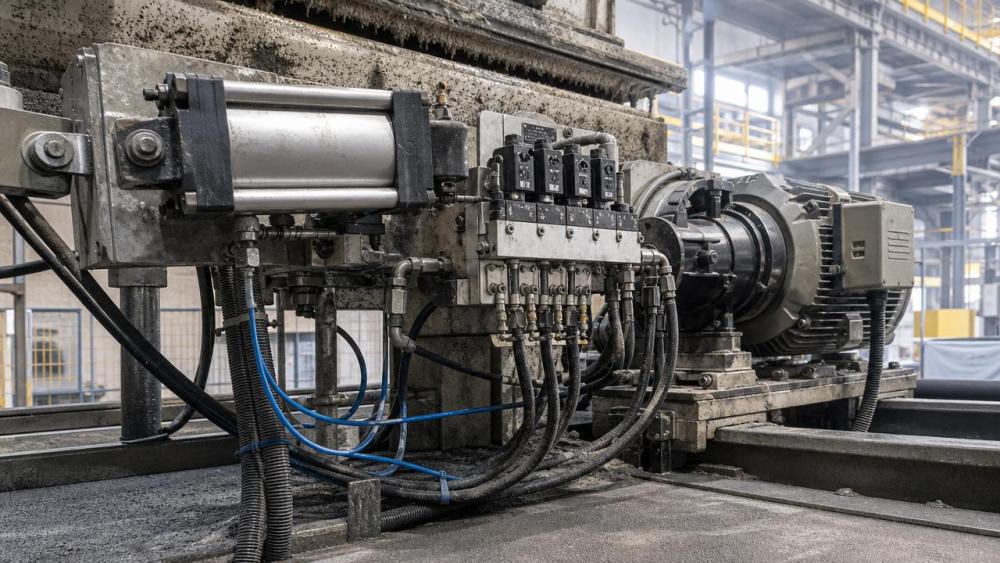
That shift changes how pneumatic power systems are evaluated against motors, servos, and variable-speed electric actuators.
In exposed settings, enclosure ratings alone do not guarantee durability.
Heat soak, seal aging, cable failure, condensation, and particle ingress can still reduce service life.
Pneumatic power systems often remain attractive because the actuator itself can be simple, rugged, and tolerant of contamination.
However, they also depend on stable compressed air supply, air treatment, and leak control.
Electric drives offer better speed control, position repeatability, and digital integration.
Yet these benefits can narrow when environmental shielding becomes costly or maintenance windows are limited.
Scenario 1: High heat and thermal cycling demand simple, tolerant actuation
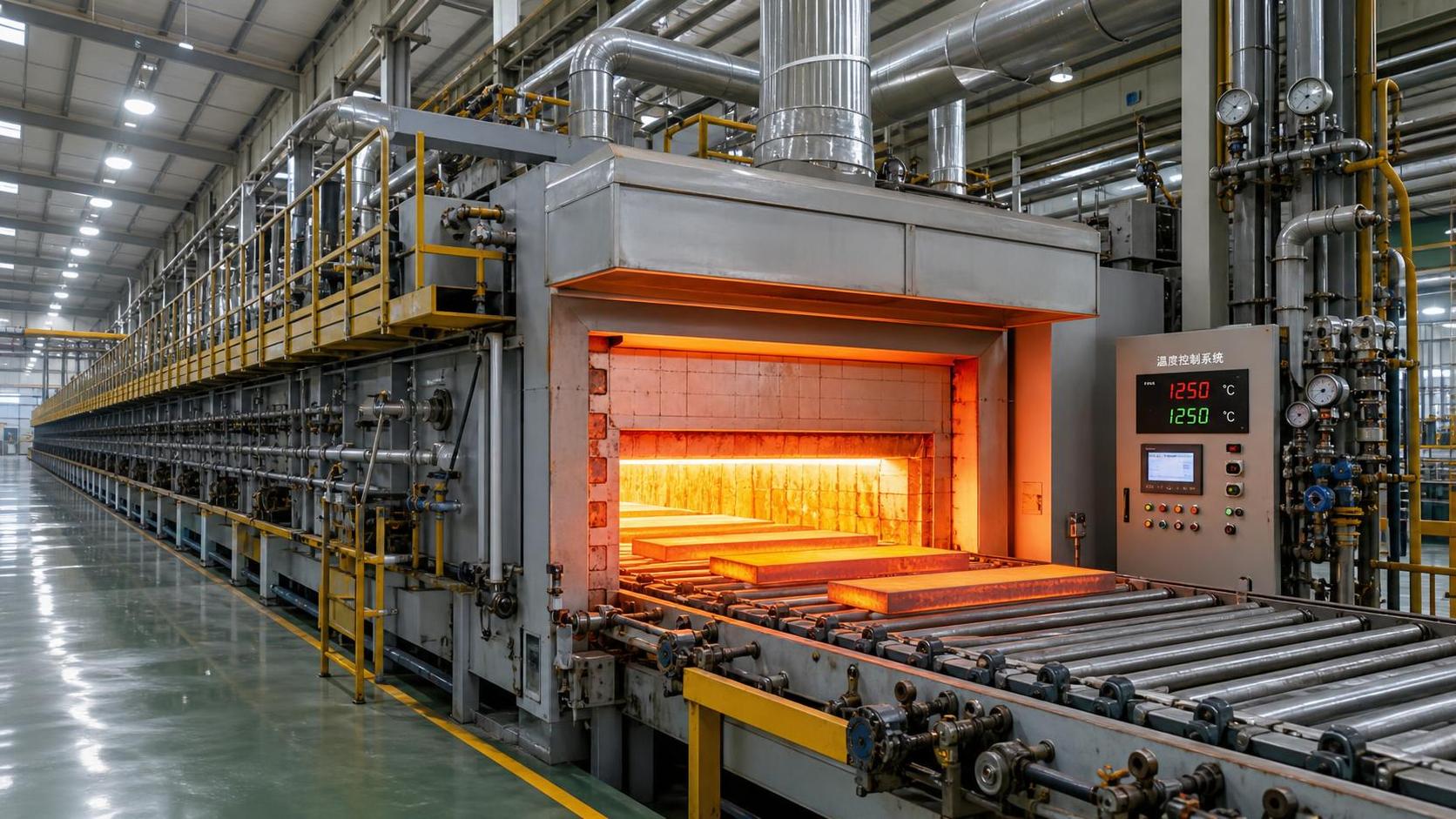
Foundries, kiln zones, boiler islands, and heat treatment areas create continuous thermal stress.
Surface temperatures can exceed the comfort range of standard motor insulation and electronics.
In these zones, pneumatic power systems often perform well for clamping, valve actuation, indexing, and gate control.
Their core components can sit closer to the hot process when hoses are easier to protect than cables and drives.
The key judgment point is whether precision motion is essential.
If the task needs exact positioning under variable load, electric drives may still justify heat shielding and remote mounting.
If the task is binary, repetitive, and fast, pneumatic power systems usually offer stronger thermal resilience per dollar invested.
Scenario 2: Dust, abrasive particles, and debris favor robust drive layouts
Cement, mining, wood processing, bulk solids handling, and agricultural material flow generate aggressive dust loads.
Fine particles can compromise fans, connectors, feedback devices, and seals in electric motion assemblies.
Pneumatic power systems can be easier to protect in these settings because cylinders and valves are mechanically straightforward.
Still, air preparation matters greatly.
Contaminated compressed air can create sticking valves, seal wear, and inconsistent cycle timing.
The practical question is where the contamination enters the system.
If most risk is external, pneumatic power systems often keep availability high.
If dust also affects the compressor room or air network, the design must include filtration, drainage, and leak inspection.
Scenario 3: Wet, washdown, and corrosive areas reward the right materials choice
Food plants, marine installations, chemical processing, and outdoor utilities face moisture, caustic cleaners, and salt exposure.
Here, the competition between pneumatic power systems and electric drives depends heavily on materials and enclosure architecture.
Stainless pneumatic actuators, corrosion-resistant fittings, and remote valve islands can simplify washdown design.
Electric drives can also succeed with sealed housings, coated components, and protected cable routing.
The deciding factor is often recovery after exposure.
Pneumatic power systems usually recover faster from splashes and condensate events.
Electric systems may require more careful inspection after ingress, especially around connectors and feedback hardware.
Scenario 4: Hazardous and explosive zones raise safety and compliance priorities
Oil and gas, solvent handling, grain processing, and coatings lines often include hazardous classification requirements.
In these areas, ignition risk and certification complexity strongly affect technology selection.
Pneumatic power systems are widely preferred for many actuation tasks because they reduce electrical presence at the point of motion.
That can simplify field design and improve confidence in emergency functions.
Electric drives remain viable where precise motion, diagnostics, or synchronized control are indispensable.
However, compliance cost, explosion-proof construction, and maintenance procedures often become more demanding.
How different harsh-environment needs change the best fit
The choice becomes clearer when requirements are compared side by side.
Practical selection guidance for matching the drive to the scene
Use these checks before locking in a platform.
- Choose pneumatic power systems when motion is simple, fast, repetitive, and exposed to contamination.
- Choose electric drives when exact positioning, torque control, or closed-loop coordination determines product quality.
- Prioritize pneumatic power systems in hazardous areas where reducing electrical field devices improves safety planning.
- Prioritize electric drives when compressed air is expensive, unstable, or difficult to treat consistently.
- Consider hybrid layouts when one machine includes both rough-duty motions and precision axes.
A hybrid strategy is often the strongest answer.
Pneumatic power systems can handle clamping, opening, ejection, and fail-safe actions.
Electric drives can manage metering, alignment, and recipe-based positioning.
Common misjudgments when comparing pneumatic power systems and electric drives
One common mistake is comparing actuator cost only.
The real comparison must include utilities, protection measures, downtime exposure, and maintenance skill demands.
Another mistake is treating compressed air as free.
Poorly managed leaks can erase the ruggedness advantage of pneumatic power systems.
A third error is overestimating the durability of sealed electric hardware.
Ingress protection helps, but cable glands, connectors, and thermal cycling still create failure paths.
A final oversight is ignoring failure behavior.
In many industrial safety cases, predictable loss-of-air or spring-return behavior is easier to engineer than powered shutdown sequences.
Next-step evaluation framework for better equipment decisions
Start with an environmental map of heat, dust, water, chemicals, and hazardous classification by machine zone.
Then score each motion point for precision, duty cycle, failure consequence, and maintenance accessibility.
After that, compare lifecycle cost under realistic utility assumptions.
For pneumatic power systems, include compressor efficiency, air treatment, and leakage rate.
For electric drives, include protection hardware, replacement lead times, and downtime from environmental failure.
This structured method produces a more reliable answer than technology bias.
Within modern industry, the best choice is the one that keeps thermal, mechanical, and energy realities aligned.
That is exactly where intelligence platforms like GTC-Matrix add value.
Use these criteria to identify where pneumatic power systems deliver durability advantages, where electric drives justify their precision, and where mixed architectures create the strongest long-term outcome.
Related News
- How industrial utility systems affect energy costs in process plantsAuthor :

- Can Waste Heat Recovery Support Carbon Neutrality Targets?Author :

- Is Compressor Heat Recovery Worth the Installation Cost?Author :

- What to verify before choosing a process separation technology supplierAuthor :

- When does process utilities engineering reduce project rework?Author :

- Where thermal efficiency optimization delivers the fastest savings in EuropeAuthor :

- What should you verify before selecting a heat transfer supplier?Author :

- What drives compressed air systems price for industrial projects?Author :

- How an industrial product knowledge comparison guide reduces sourcing riskAuthor :

- When does a procurement specification planning process reduce bid risk?Author :

- When does thermal system optimization for electronics reduce failure risk?Author :

- When high temperature process heating systems justify the higher energy costAuthor :

- How to compare sludge dewatering equipment by cake drynessAuthor :

- What to Check Before Sourcing a Gas Turbine for Distributed Power ProjectsAuthor :

- What drives industrial thermal systems price in large facility projectsAuthor :

- How to build an industrial product comparison chart that speeds up vendor selectionAuthor :

- Vacuum Technology Application Guide for Selecting the Right SystemAuthor :

- What Drives Vacuum Drying Cost in Industrial Procurement?Author :

- What Drives Compressed Air Pricing in Industrial Systems?Author :

- How Procurement Specification Planning Shapes Total Project CostAuthor :

- Compression Technology Guide: How to Compare Efficiency, Pressure Range, and Maintenance NeedsAuthor :

- How to Compare Industrial Separators by Throughput, Purity, and Maintenance LoadAuthor :

- How to Size a Compressed Air Equipment Receiver Tank for Stable PressureAuthor :

- Industrial Equipment Selection Guide: How to Compare Capacity, Duty Cycle, and Operating CostAuthor :

- How to Evaluate an Intellectualization Supplier for Industrial UpgradesAuthor :

- High-Efficiency Manufacturing: Cost Savings vs. Upgrade RiskAuthor :

- Thermal System Optimization Cost: What Drives ROI?Author :

- How to Plan Process Utilities for a Cleanroom Without Costly ReworkAuthor :

- How to Compare Process Heating Suppliers in MexicoAuthor :

- Food Processing Utilities: Common Sizing Mistakes That Raise Energy and Water UseAuthor :

- How to Build Procurement Specification Planning for Industrial EquipmentAuthor :

- OEM Cooperation for Industrial Equipment: Risks, Terms, and Cost PrioritiesAuthor :

- Specification-Oriented Product Resources That Speed Technical ReviewAuthor :

- Industrial Equipment Selection Guide: A Practical Buyer ChecklistAuthor :

- How to Compare Industrial Energy Management Systems by ROIAuthor :

- How to Evaluate a Deaerators Supplier for Long-Term Plant ReliabilityAuthor :
![]()