Sustainable Manufacturing Moves From ESG Talk to Plant Metrics




Sustainable manufacturing is moving from narrative to evidence. ESG statements still matter, but plant metrics now shape credibility, valuation, and operational trust across the wider industrial economy.
Energy intensity, thermal efficiency, compressed air leakage, refrigeration performance, and emissions stability increasingly define how sustainable manufacturing is judged in real operating conditions.
This shift matters because industrial facilities face different risk profiles. A food plant, semiconductor line, and general fabrication workshop cannot be assessed through one sustainability lens.
For GTC-Matrix, this is where intelligence becomes practical. Plant-level thermal and compression data connect sustainability claims with measurable performance, compliance readiness, and long-term business resilience.
Why sustainable manufacturing now depends on plant-level evidence
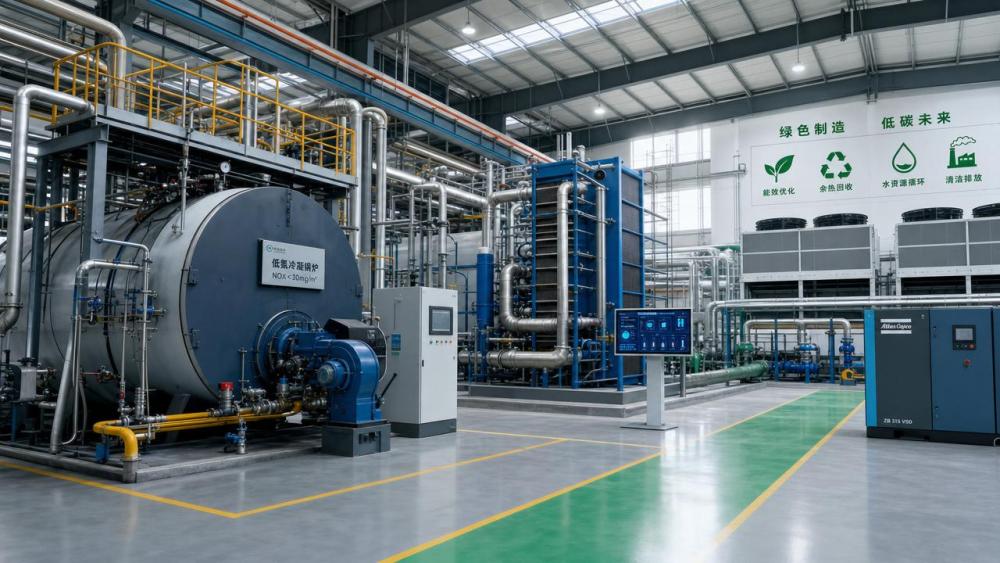
The biggest change in sustainable manufacturing is simple: performance must be visible. Investors, regulators, and industrial partners increasingly look beyond policy language toward operational benchmarks.
Plant metrics show whether decarbonization is real or deferred. They reveal how efficiently energy becomes cooling, compression, heating, drying, or vacuum output inside daily production.
This is especially important in integrated industries. Thermal systems often drive hidden energy loss, while compressed air and vacuum networks quietly inflate operating cost and emissions.
Sustainable manufacturing therefore becomes a scenario question. Which process consumes the most energy? Which utility system creates the largest instability? Which metric predicts cost and compliance pressure first?
Scenario one: energy-intensive plants need thermal efficiency as the first sustainability test
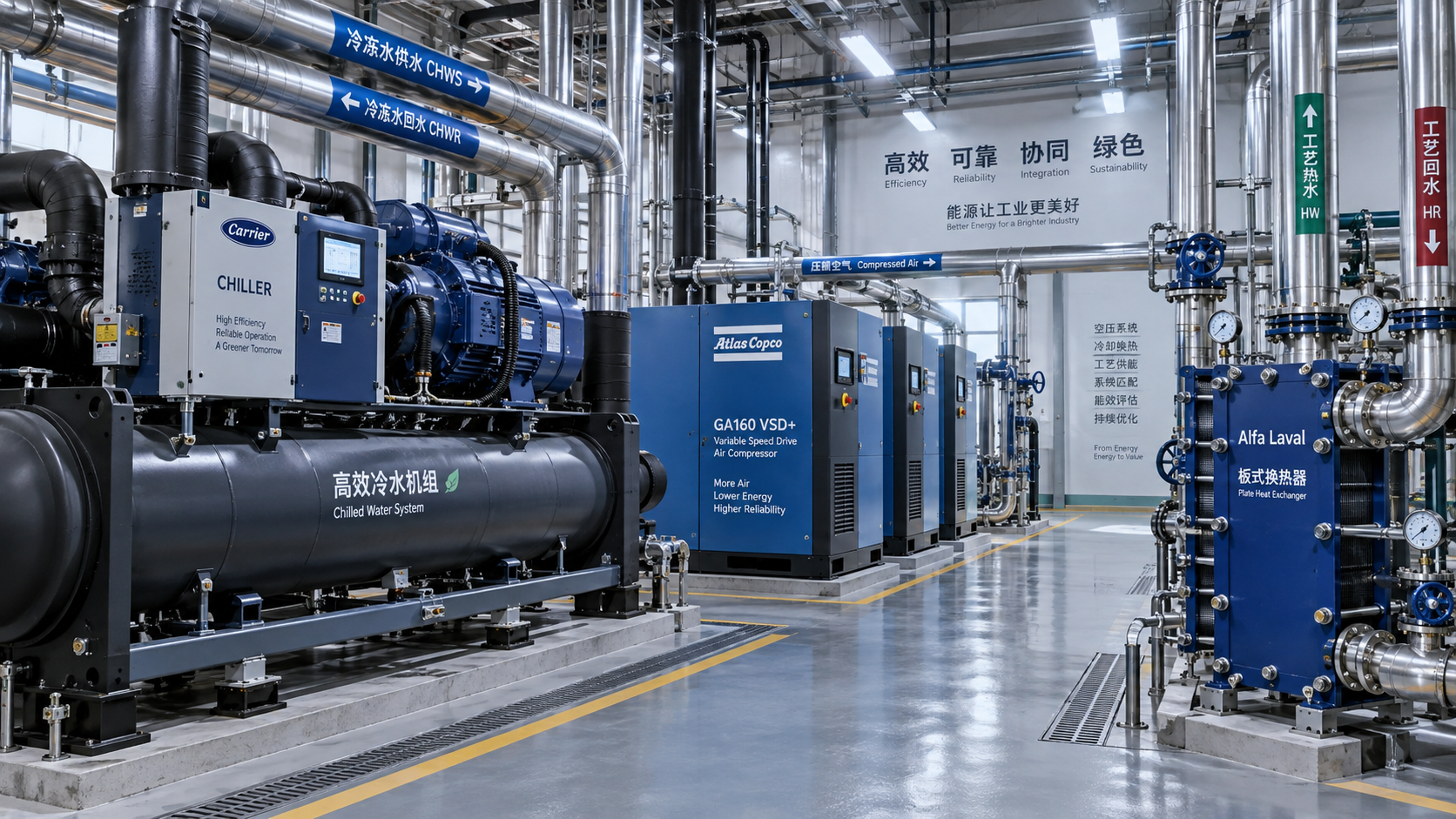
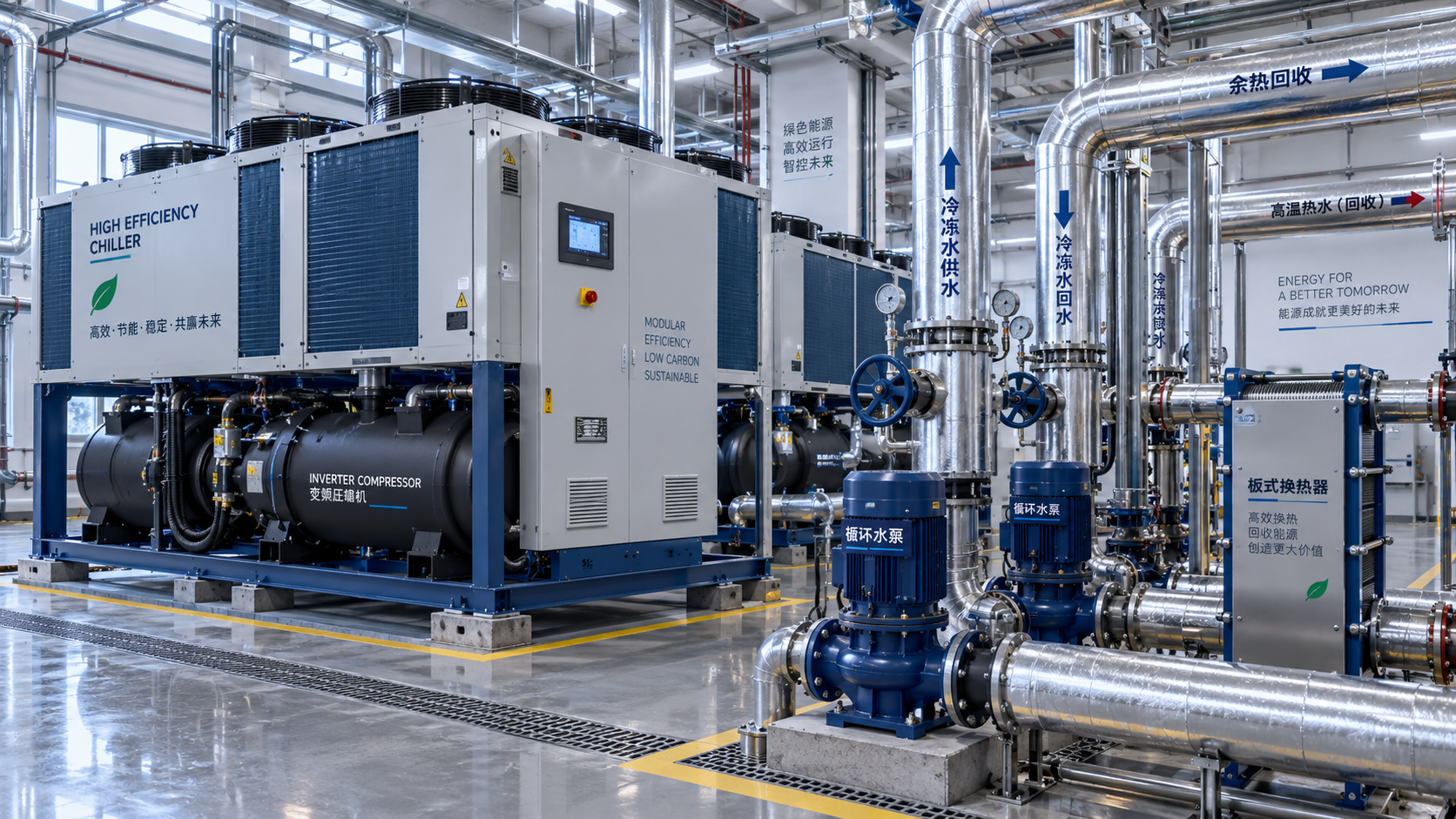
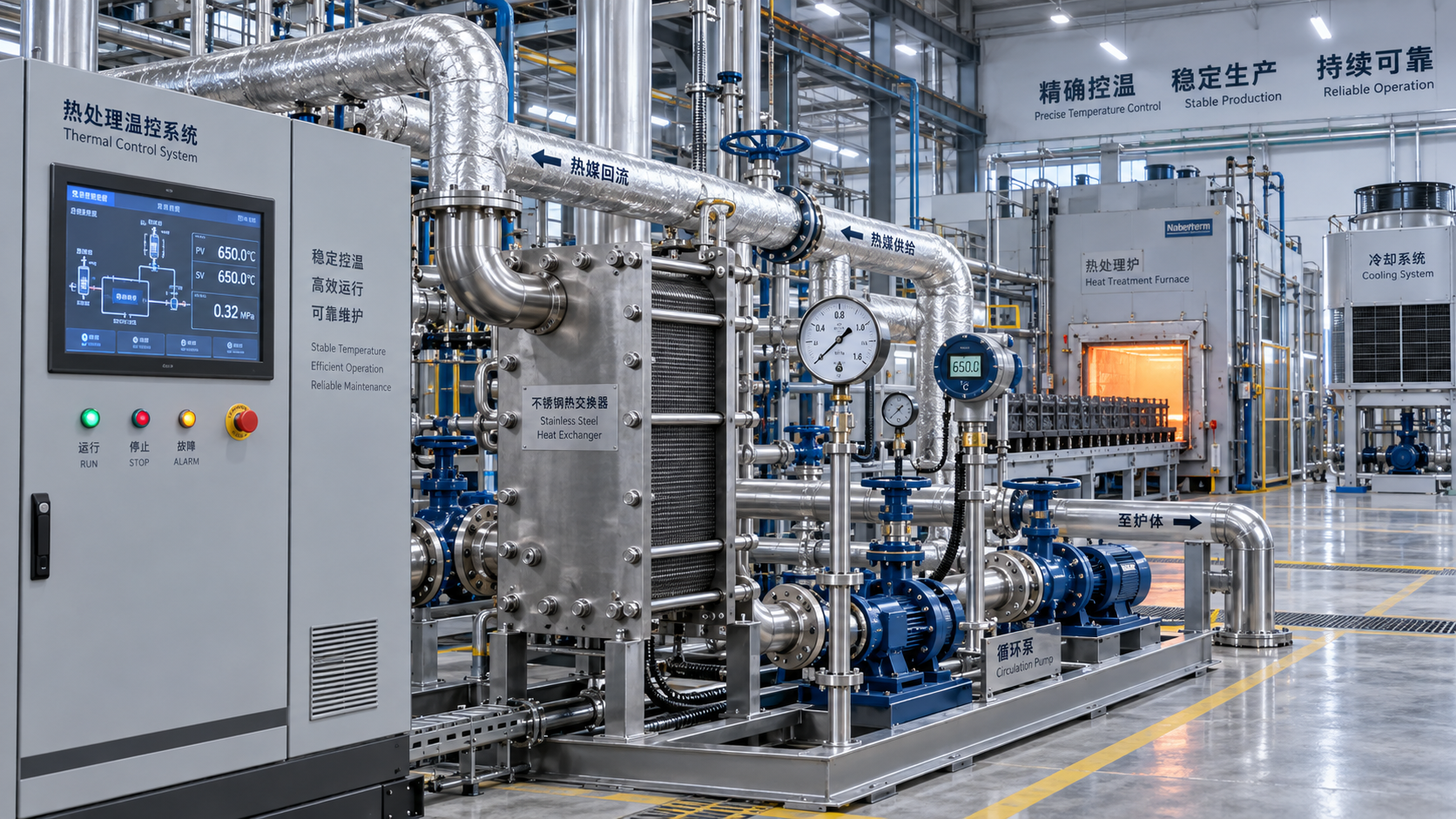
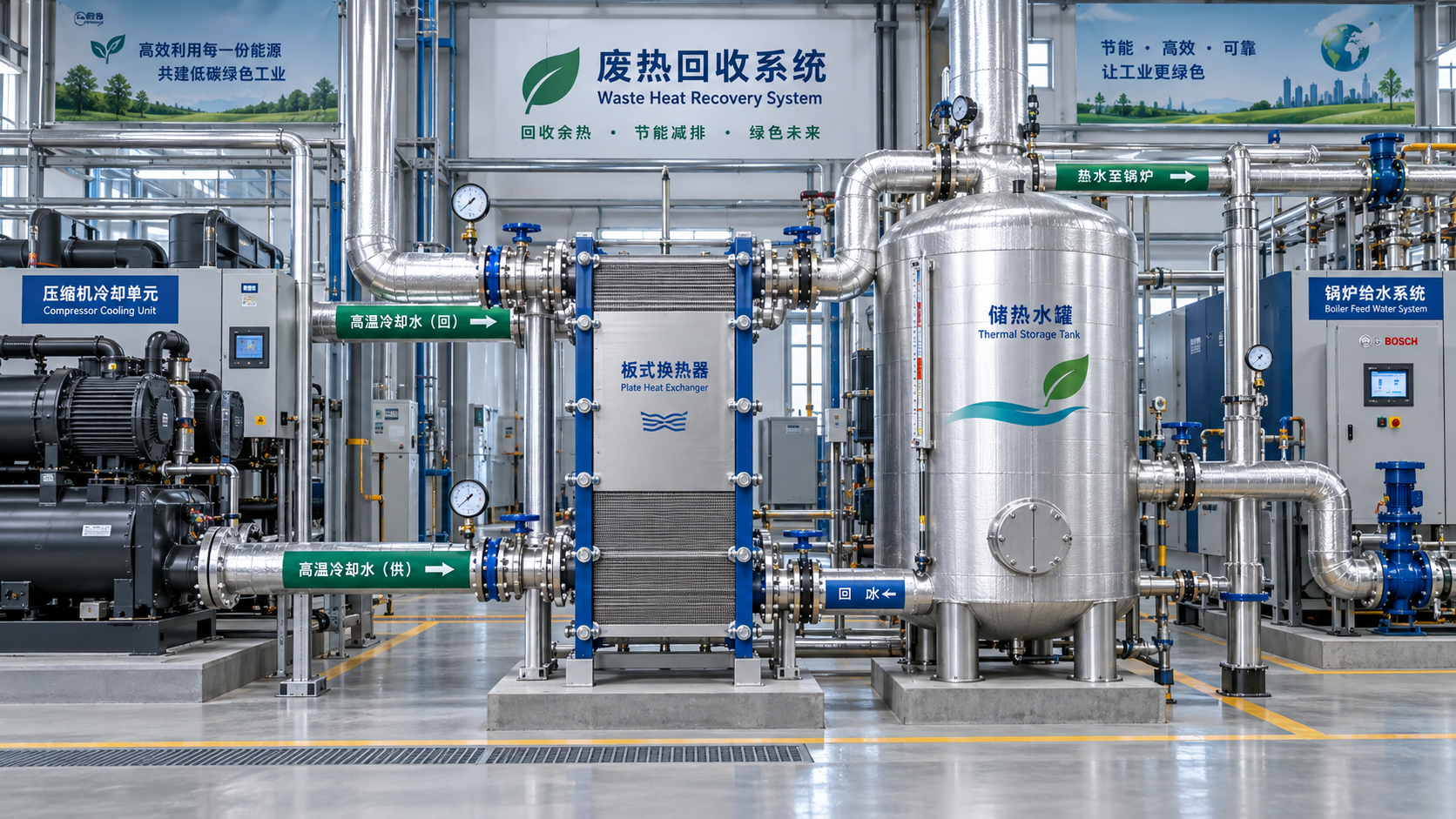
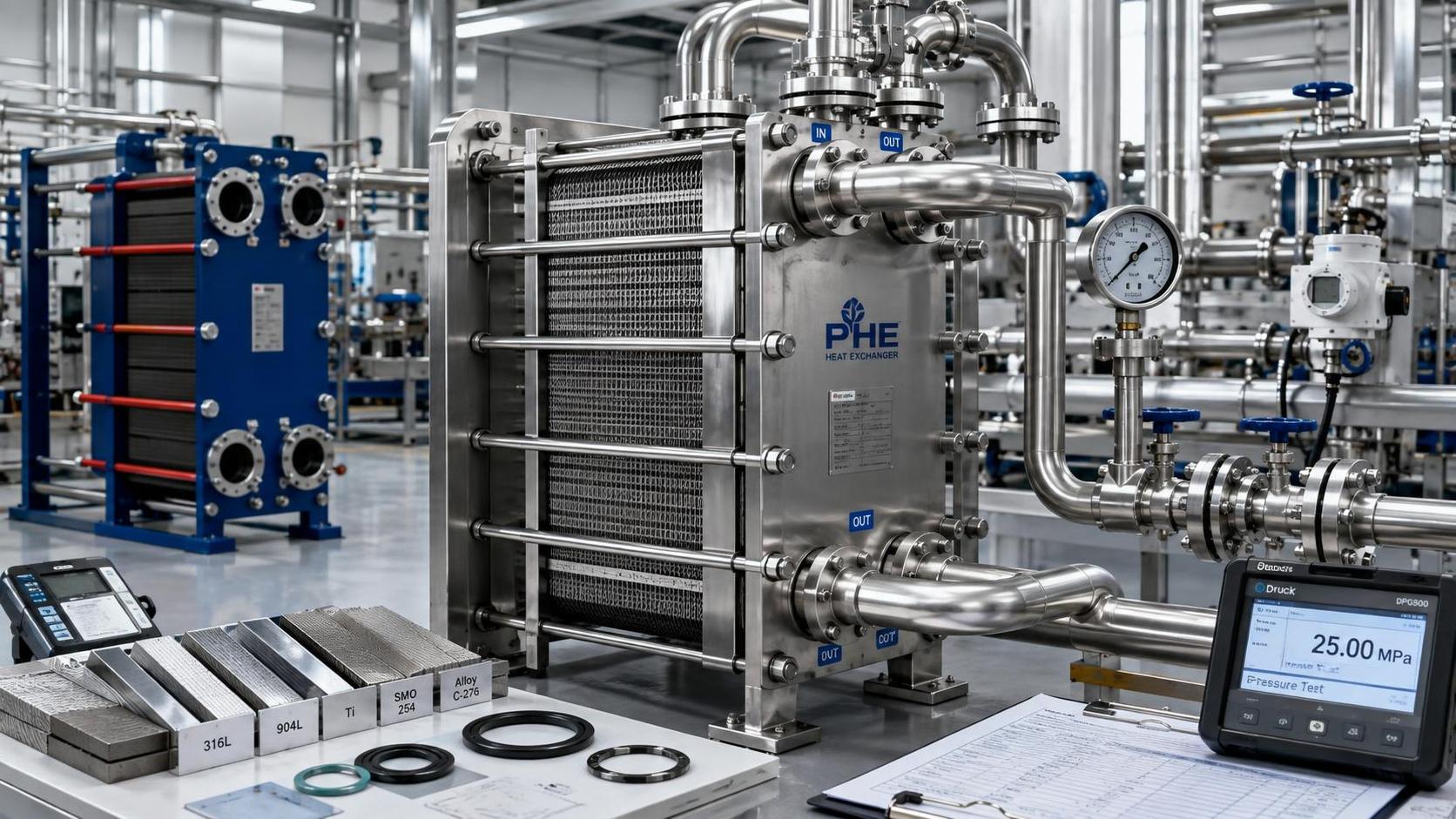
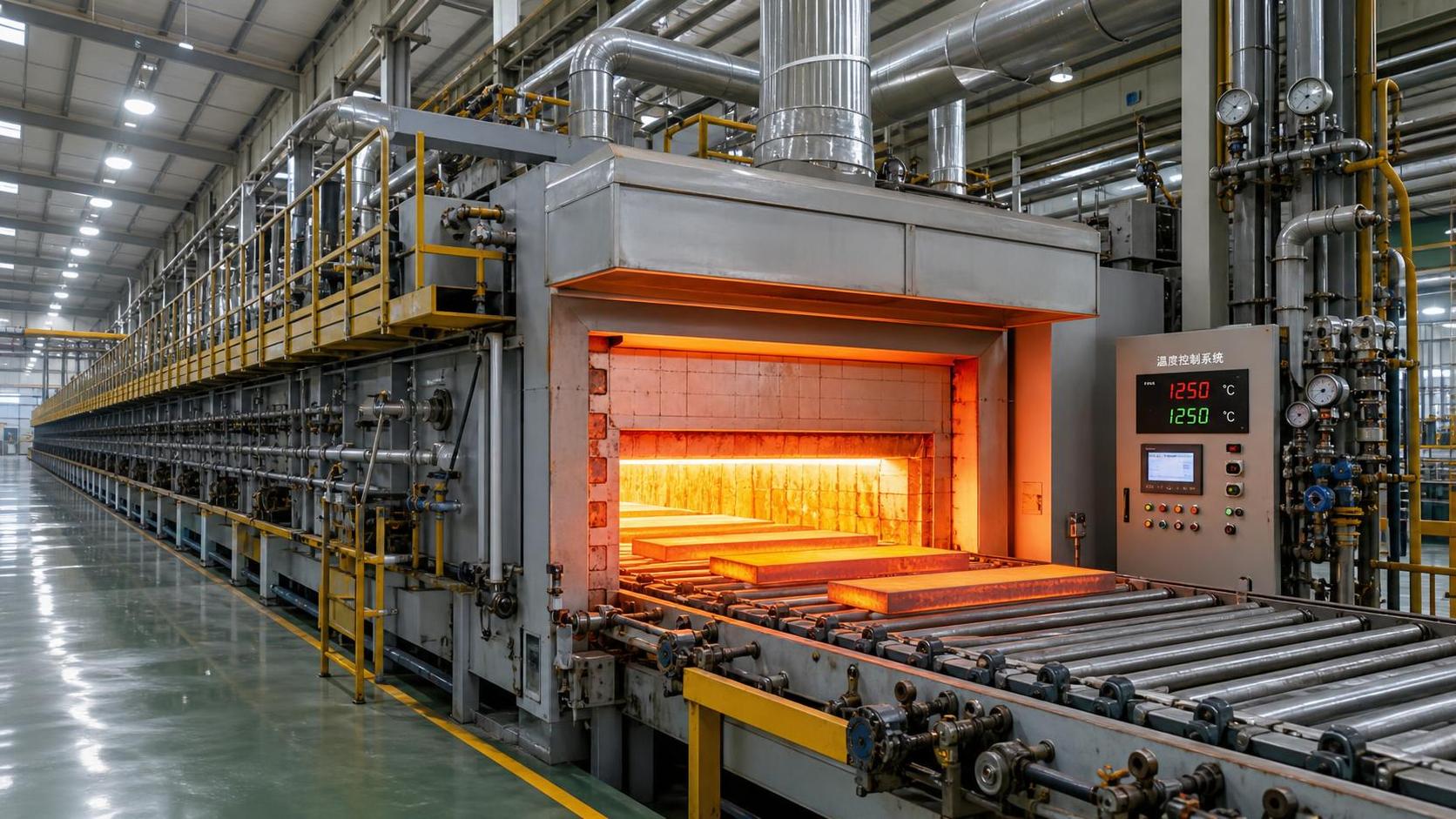
In energy-intensive facilities, sustainable manufacturing begins with heat balance. Boilers, heat exchangers, chillers, furnaces, and process cooling loops determine the largest efficiency gains.
The key judgment point is not installed equipment alone. It is whether thermal assets maintain output with lower fuel input, lower refrigerant risk, and more stable temperature control.
What to measure first in this scenario
- Energy intensity per unit of production
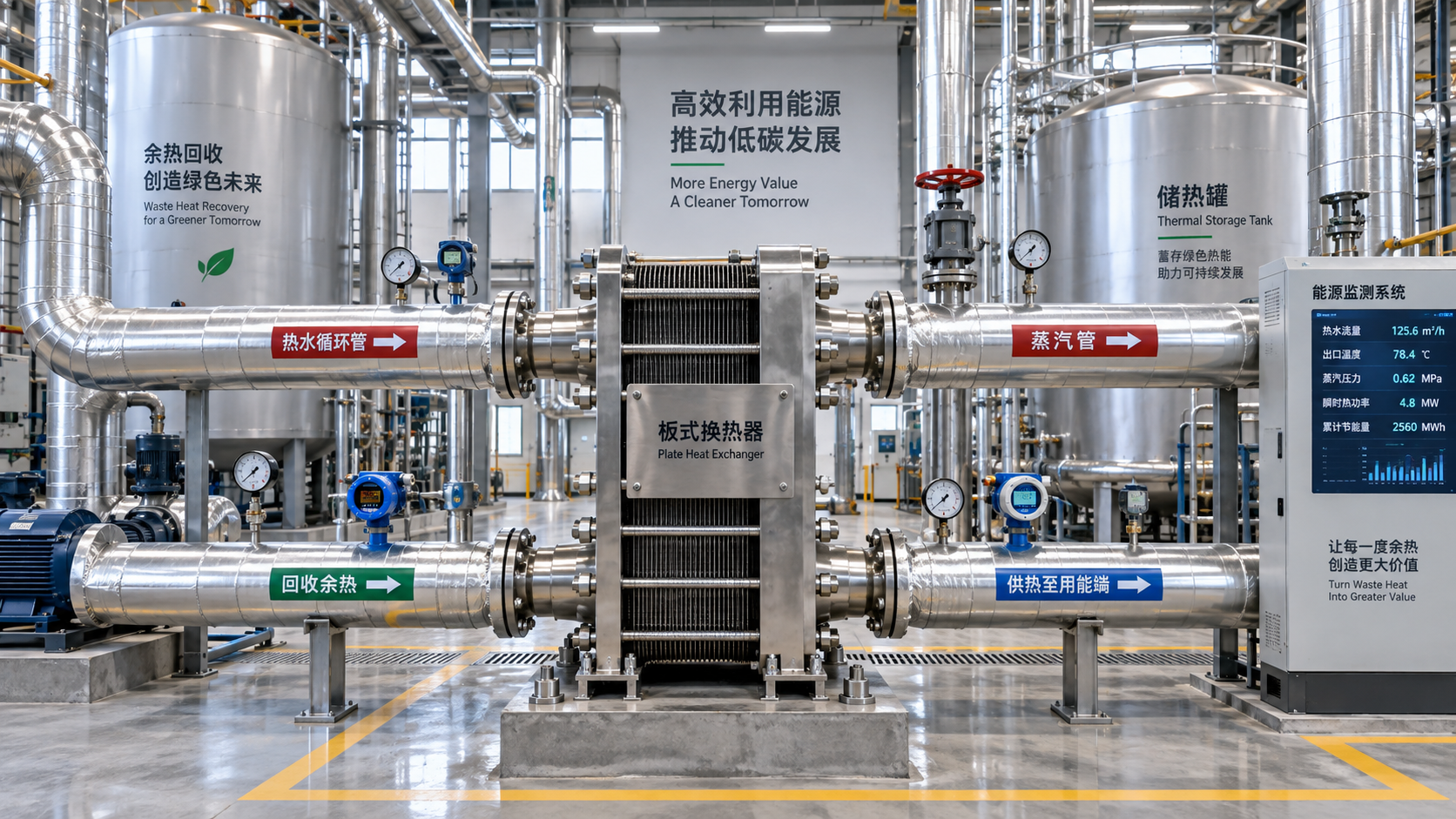
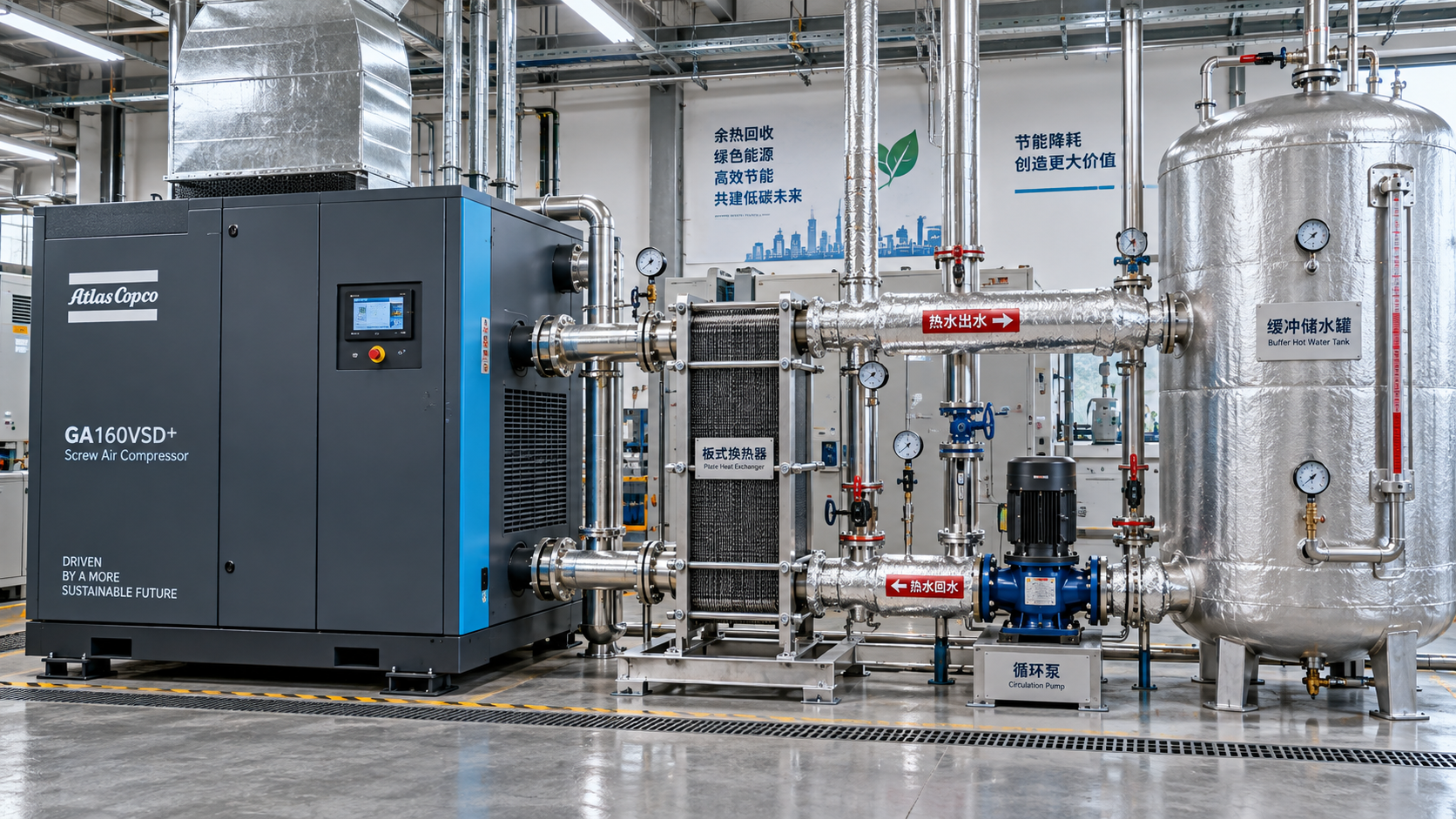
- Heat recovery rate and waste heat utilization
- Chiller coefficient of performance stability
- Steam or hot water distribution losses
- Refrigerant leakage and low-GWP transition readiness
In this setting, sustainable manufacturing is strongest when thermal systems support both emissions reduction and process reliability. Efficiency without stability rarely delivers durable value.
Scenario two: precision industries judge sustainable manufacturing through clean utility performance
Pharmaceutical, semiconductor, and high-spec electronics environments require a different sustainability logic. Here, quality risk and contamination control shape the sustainability equation.
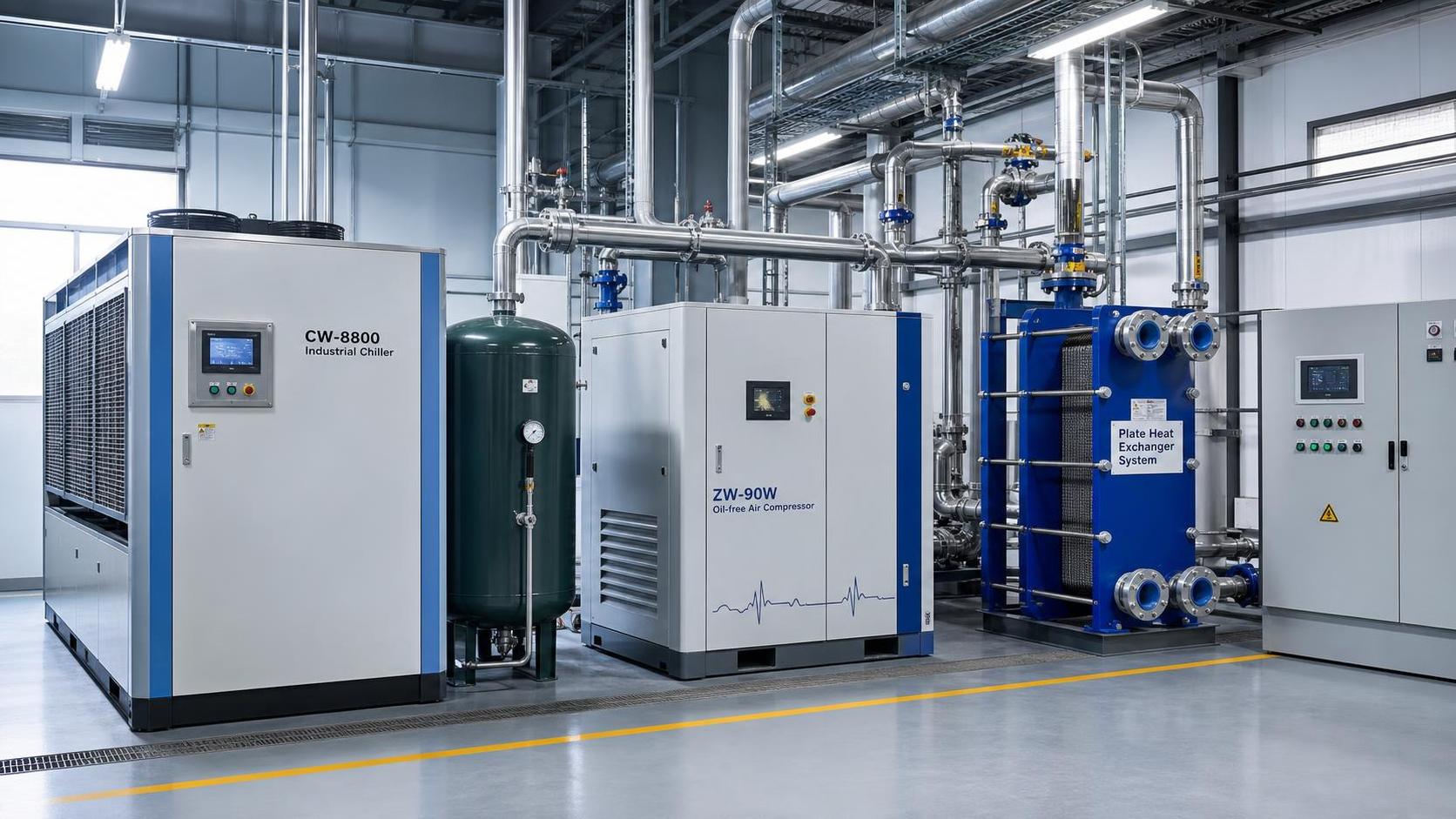
Oil-free compressed air, stable vacuum, and high-precision thermal management become central. A system can look efficient on paper and still fail sustainable manufacturing expectations in production reality.
Core judgment points for precision applications
First, utility purity matters as much as energy performance. Rework, scrap, and contamination events can erase environmental gains within one unstable production cycle.
Second, load matching is critical. Oversized compressors, vacuum pumps, or cooling units create chronic inefficiency even when nominal efficiency ratings appear acceptable.
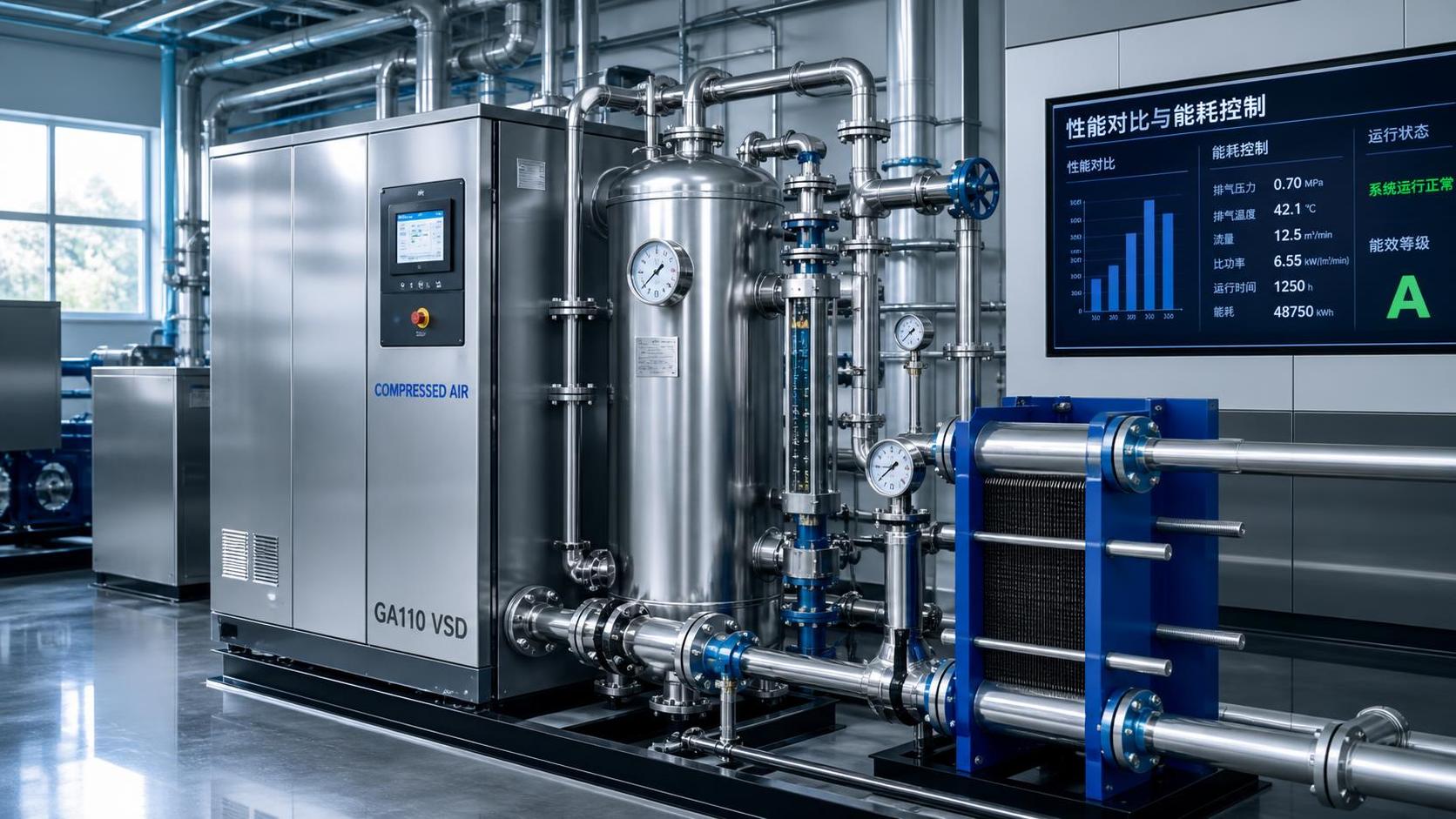
Third, digital visibility defines modern sustainable manufacturing. Real-time monitoring of dew point, pressure drop, vacuum consistency, and thermal drift reduces hidden losses.
Scenario three: general manufacturing sees the fastest gains from compressed air and utility transparency
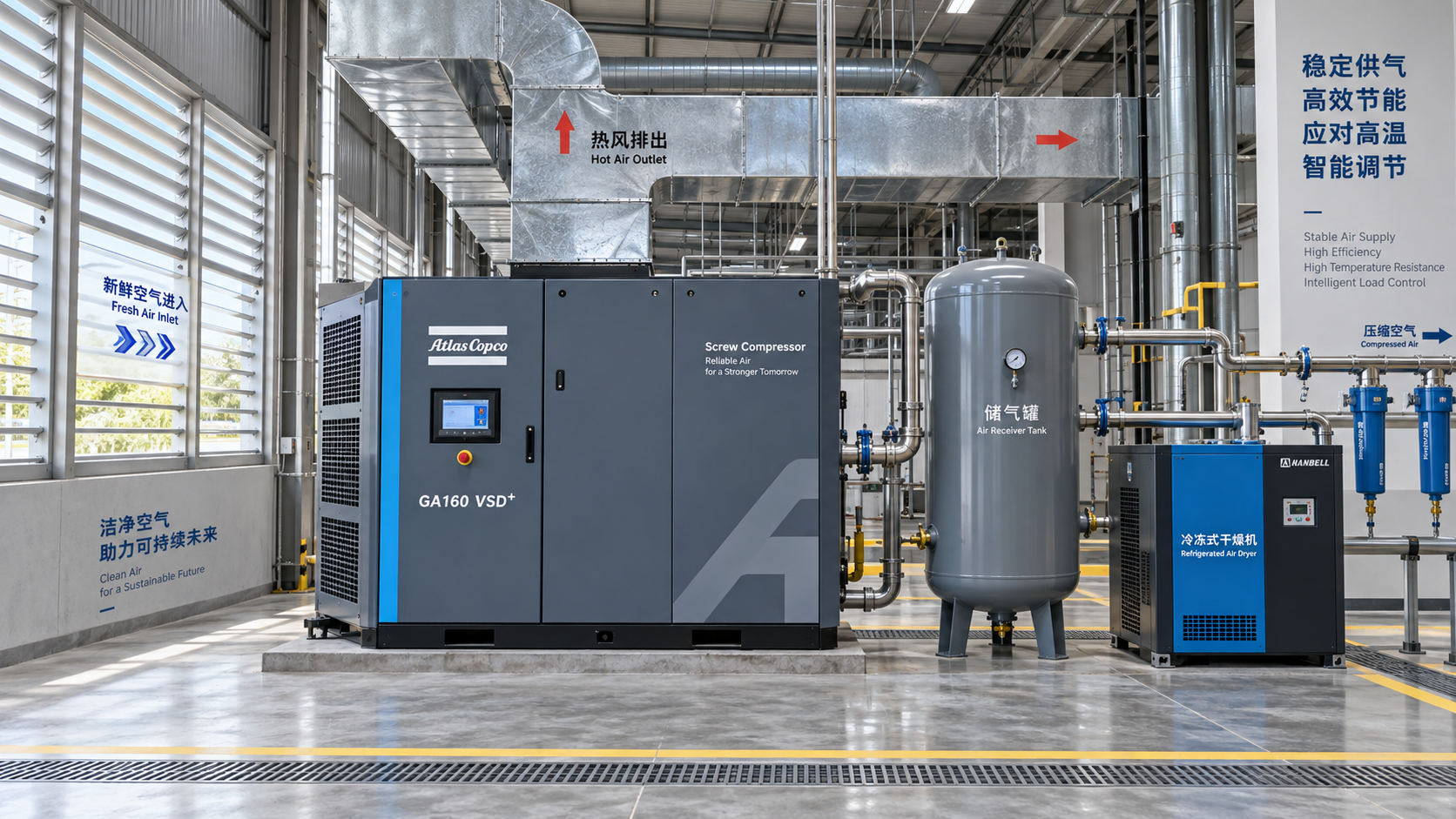
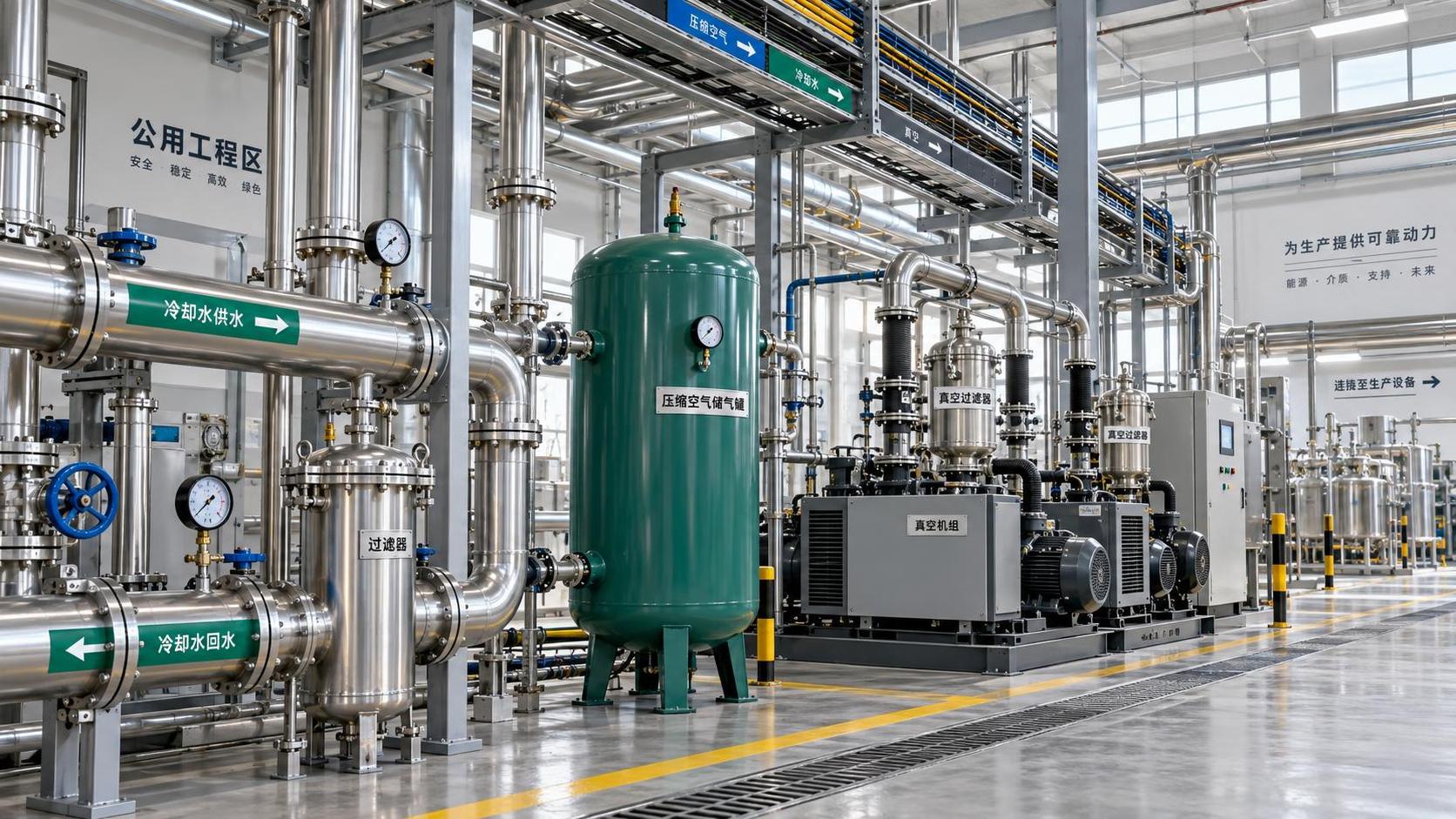
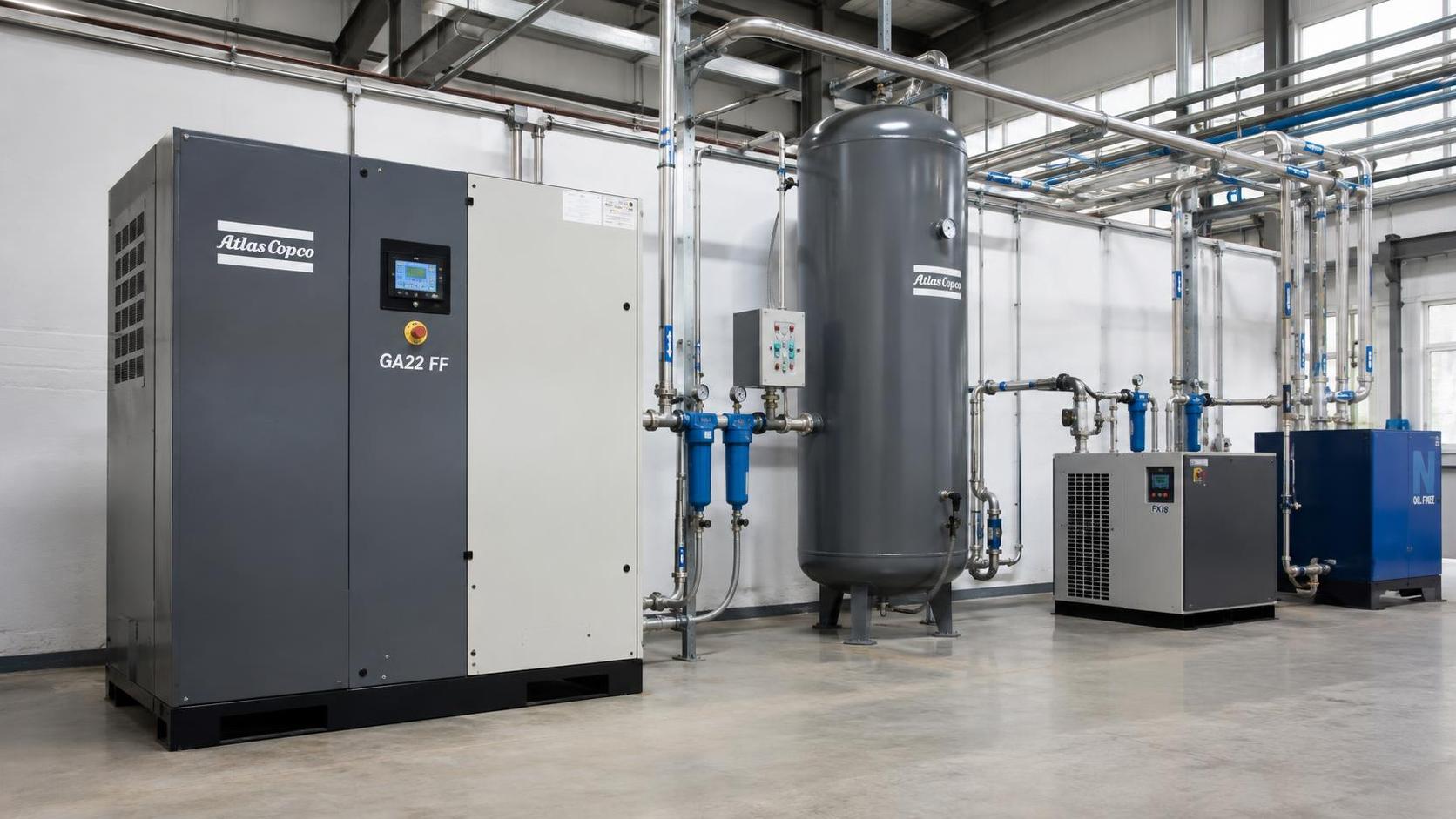
In broader industrial settings, the fastest route to sustainable manufacturing often starts with utilities that were historically ignored. Compressed air is a classic example.
Leaks, poor sequencing, inappropriate pressure settings, and weak maintenance routines create avoidable energy waste. These losses directly affect cost, carbon, and equipment life.
Indicators that reveal hidden performance gaps
- Specific power consumption of compressed air systems
- Leakage rate during non-production hours
- Pressure drop across filters and dryers
- Part-load efficiency of compressor stations
- Maintenance intervals linked to energy deviation
In this scenario, sustainable manufacturing becomes highly actionable. Utility audits often uncover measurable savings faster than full process redesign or major capital replacement.
How scenario needs differ across sustainable manufacturing environments
Different facilities pursue sustainable manufacturing through different priorities. The table below highlights how evaluation logic changes by operating scenario.
Practical fit recommendations for stronger sustainable manufacturing results
A useful sustainable manufacturing strategy should fit plant conditions, not copy broad sustainability language. The most effective actions usually begin with measurable bottlenecks.
- Map major thermal and compressed air loads before setting sustainability targets.
- Build baseline metrics for energy intensity, emissions, leakage, and uptime.
- Separate process-critical utilities from non-critical utility demand.
- Prioritize upgrades where efficiency gains also improve process stability.
- Use digital monitoring to detect drift before losses become structural.
- Review refrigerant, combustion, and air system compliance risks annually.
For many facilities, sustainable manufacturing improves fastest when thermal systems and compression systems are evaluated together rather than in separate technical silos.
Common misjudgments that weaken sustainable manufacturing progress
One frequent error is treating sustainability as a reporting layer rather than an operating discipline. That approach hides inefficiencies until costs or compliance failures become visible.
Another misjudgment is focusing only on direct power consumption. Sustainable manufacturing also depends on pressure stability, usable heat recovery, purge losses, and control quality.
A third oversight is trusting design specifications over field conditions. Real plant performance changes with loading patterns, ambient conditions, maintenance quality, and process variability.
There is also a timing issue. Delayed measurement often means delayed action. Plants that monitor continuously usually identify sustainable manufacturing gains earlier and with less disruption.
Next-step actions for turning sustainable manufacturing into measurable advantage
The next step is not a broad pledge. It is a focused operating review built around thermal efficiency, compression performance, emissions behavior, and reliability under actual plant loads.
GTC-Matrix supports this transition by linking industrial intelligence with plant-relevant benchmarks. That includes trends in oil-free compression, microchannel heat exchange, low-NOx systems, and energy cost exposure.
When sustainable manufacturing is assessed through plant metrics, decision quality improves. Efficiency priorities become clearer, risk signals arrive earlier, and performance claims gain operational credibility.
Use that approach to identify the most important scenario first, define the right metrics second, and align upgrades with measurable resilience, compliance, and value creation.
Ready when you are. Send us a message to get started.
Related News
- How to select industrial equipment for automation with existing PLCsAuthor :

- How electricity prices shape industrial compressed air price trendsAuthor :

- Choosing air filtration systems for heavy dust in the Middle EastAuthor :

- How much does a fully installed compressed air monitoring system cost?Author :

- What documentation supports CE marking for industrial equipment?Author :

- How local support affects vacuum system costs in Southeast AsiaAuthor :

- How worldwide industry category guides help compare market opportunitiesAuthor :

- What drives sustainable thermal systems cost over their operating life?Author :

- Which industrial solution comparison criteria prevent project delays?Author :

- How Ambient Temperature and Load Profile Affect Industrial Compressor SizingAuthor :

- What to evaluate before choosing a thermal process engineering supplierAuthor :

- How industrial utility systems affect energy costs in process plantsAuthor :

- What Data Is Needed to Assess Heat Recovery Decarbonization?Author :

- Can Waste Heat Recovery Support Carbon Neutrality Targets?Author :

- Is Compressor Heat Recovery Worth the Installation Cost?Author :

- What to verify before choosing a process separation technology supplierAuthor :

- When does process utilities engineering reduce project rework?Author :

- Where thermal efficiency optimization delivers the fastest savings in EuropeAuthor :

- What should you verify before selecting a heat transfer supplier?Author :

- What drives compressed air systems price for industrial projects?Author :

- How an industrial product knowledge comparison guide reduces sourcing riskAuthor :

- When does a procurement specification planning process reduce bid risk?Author :

- When does thermal system optimization for electronics reduce failure risk?Author :

- When high temperature process heating systems justify the higher energy costAuthor :

- How to compare sludge dewatering equipment by cake drynessAuthor :

- What to Check Before Sourcing a Gas Turbine for Distributed Power ProjectsAuthor :

- What drives industrial thermal systems price in large facility projectsAuthor :

- How to build an industrial product comparison chart that speeds up vendor selectionAuthor :

- Vacuum Technology Application Guide for Selecting the Right SystemAuthor :

- What Drives Vacuum Drying Cost in Industrial Procurement?Author :

- What Drives Compressed Air Pricing in Industrial Systems?Author :

- How Procurement Specification Planning Shapes Total Project CostAuthor :

- Compression Technology Guide: How to Compare Efficiency, Pressure Range, and Maintenance NeedsAuthor :

- How to Compare Industrial Separators by Throughput, Purity, and Maintenance LoadAuthor :

- How to Size a Compressed Air Equipment Receiver Tank for Stable PressureAuthor :

- Industrial Equipment Selection Guide: How to Compare Capacity, Duty Cycle, and Operating CostAuthor :