Industrial Energy Efficiency Benchmarks for 2026 Upgrade Plans




As 2026 capital planning accelerates, industrial energy efficiency is becoming the benchmark that technical evaluators can no longer treat as optional. From compressed air and cooling systems to heat exchange and vacuum processes, upgrade decisions now demand measurable performance, lifecycle cost clarity, and compliance readiness. This guide outlines the benchmarks, technology signals, and evaluation priorities that help industrial teams build smarter, lower-carbon upgrade plans with confidence.
What should technical evaluators benchmark first in 2026 upgrade planning?
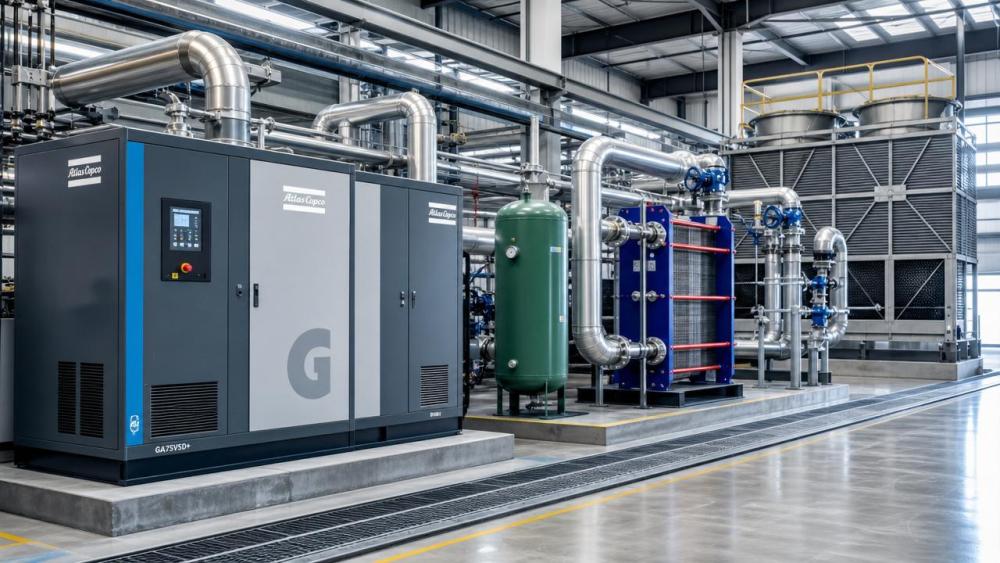
For most industrial sites, industrial energy efficiency is not a single device metric. It is a system-level performance outcome shaped by load profile, control logic, thermal balance, maintenance discipline, and utility cost structure. Technical evaluators often inherit mixed-age assets, incomplete metering, and aggressive payback targets. That makes benchmarking the first gate in any serious upgrade plan.
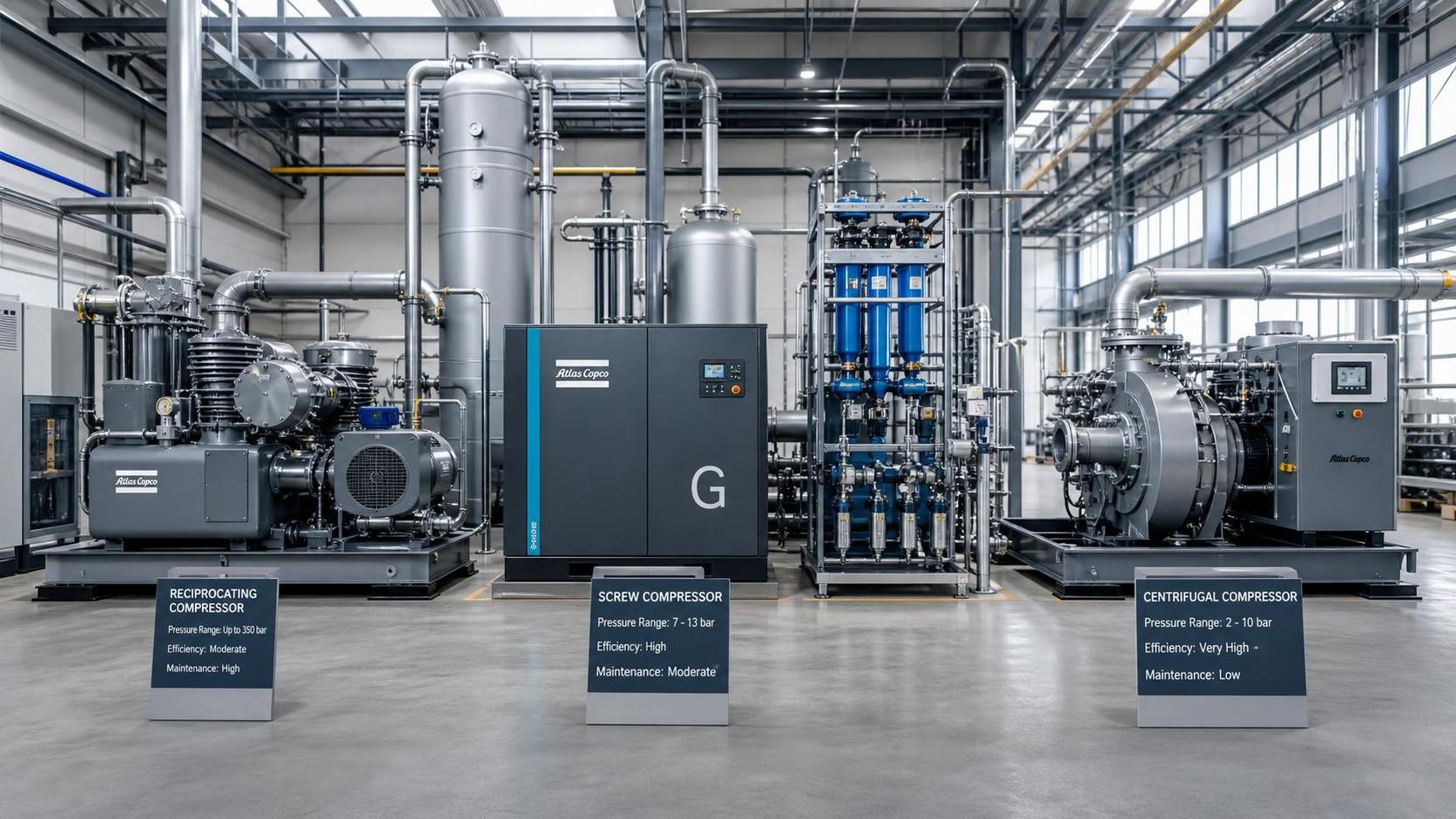
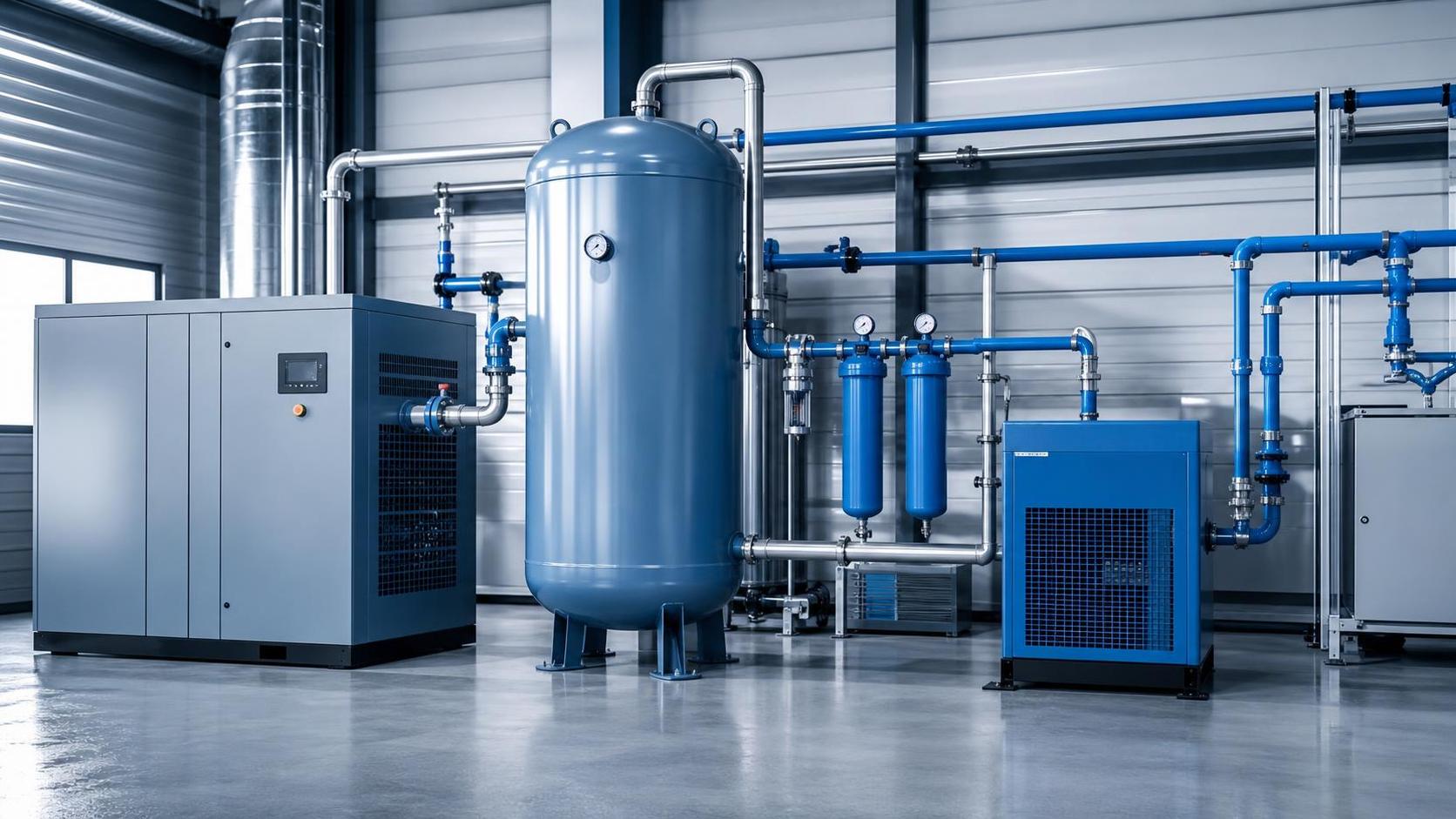
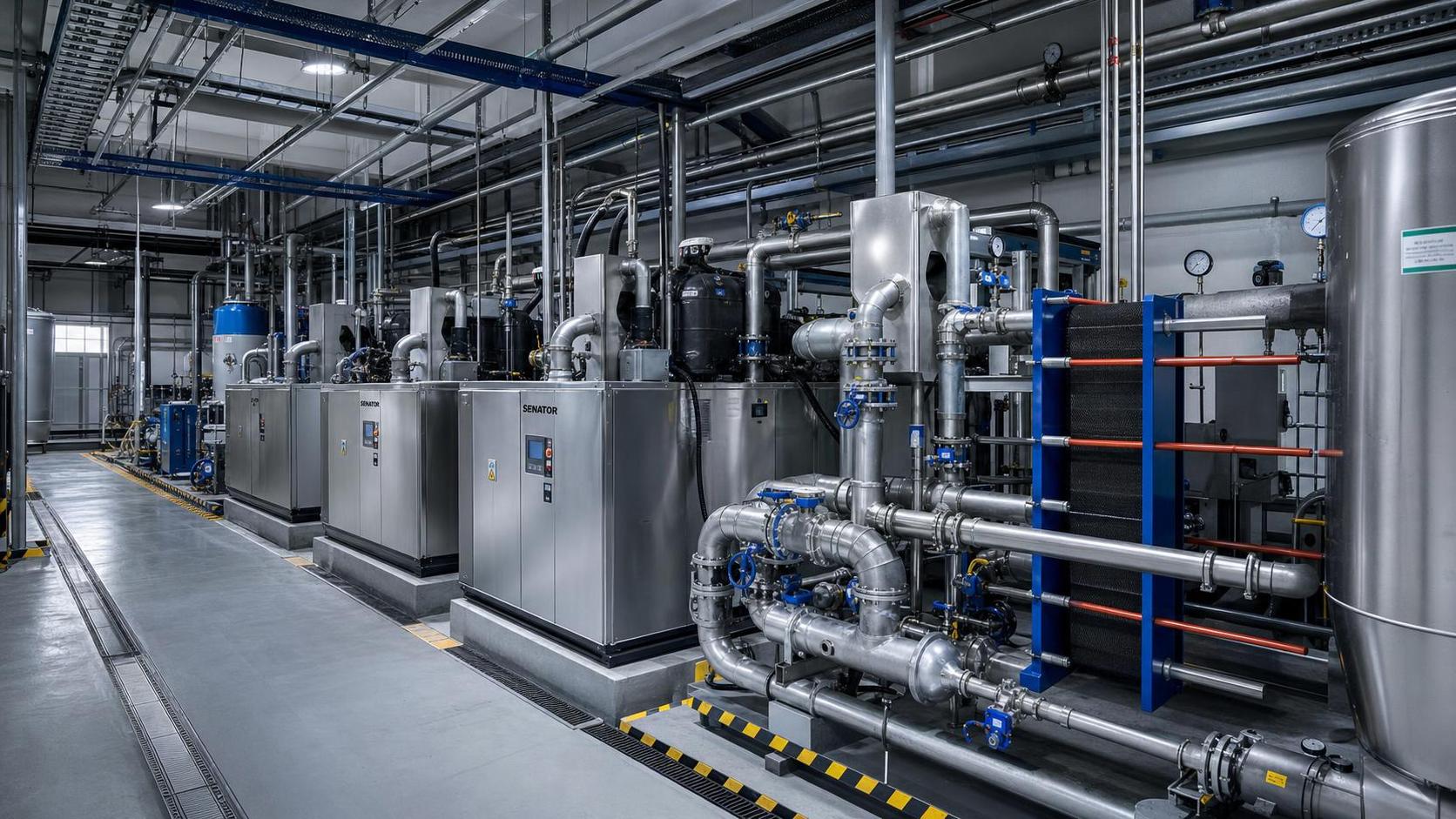
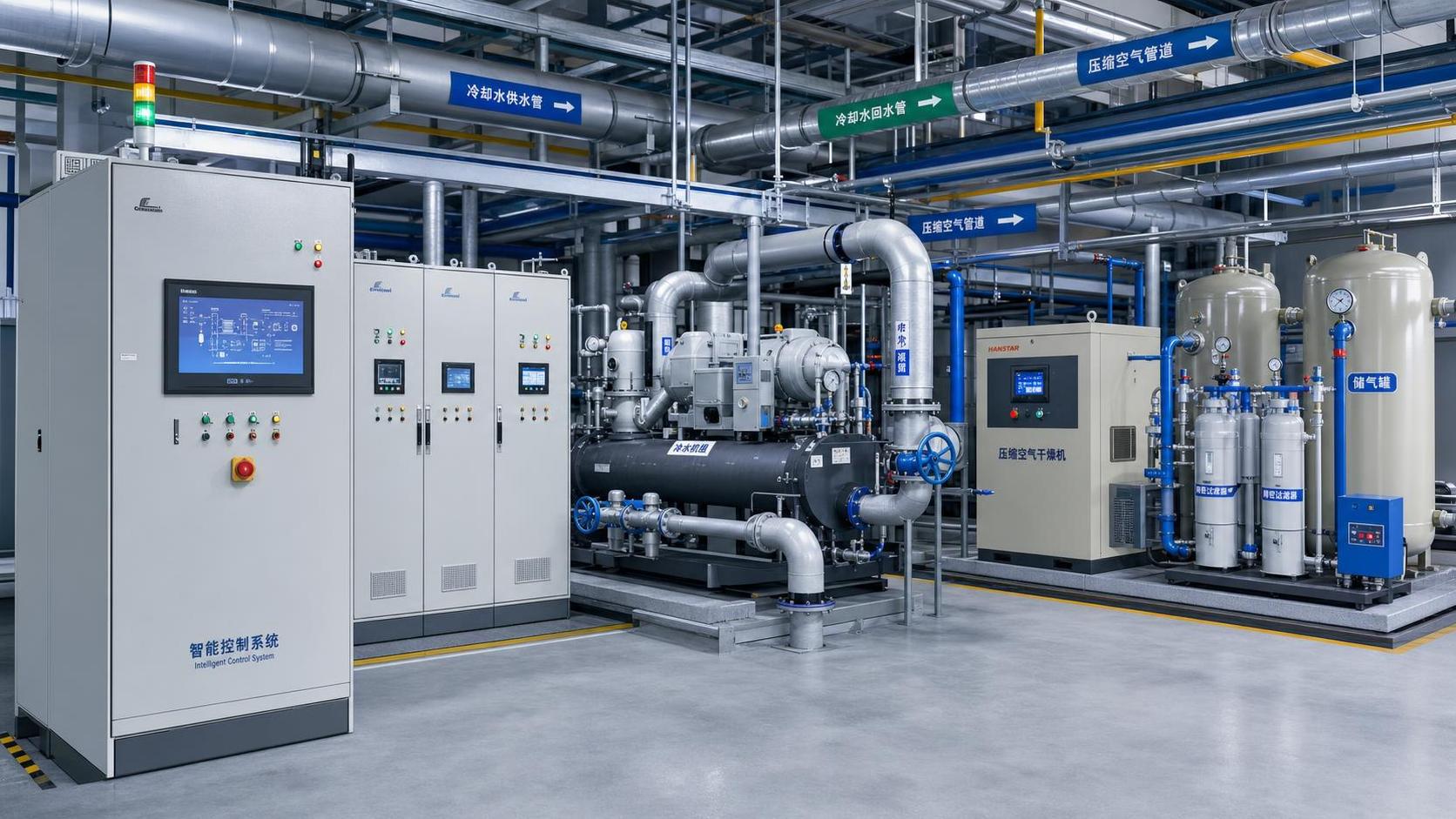
A useful benchmark framework starts with energy intensity per unit of output, then moves into subsystem efficiency and resilience. In practice, this means checking how compressed air, process cooling, heat recovery, vacuum generation, and heat exchange interact under real operating hours rather than nameplate conditions.
Core benchmark questions
- Is the current system sized for average demand, peak demand, or a historical condition that no longer reflects production reality?
- How much energy is consumed during part-load operation, standby periods, and seasonal shifts?
- Which losses are hidden in pressure drops, fouled heat transfer surfaces, refrigerant performance drift, leakage, or unstable vacuum levels?
- Can the site prove efficiency gains with interval data, not only vendor projections?
This is where GTC-Matrix adds value. Its Strategic Intelligence Center tracks energy cost volatility, refrigerant policy changes, oil-free compression evolution, microchannel heat exchanger development, and low-NOx thermal technologies. For technical evaluators, that intelligence narrows the gap between equipment selection and future operating reality.
Which industrial energy efficiency benchmarks matter by system?
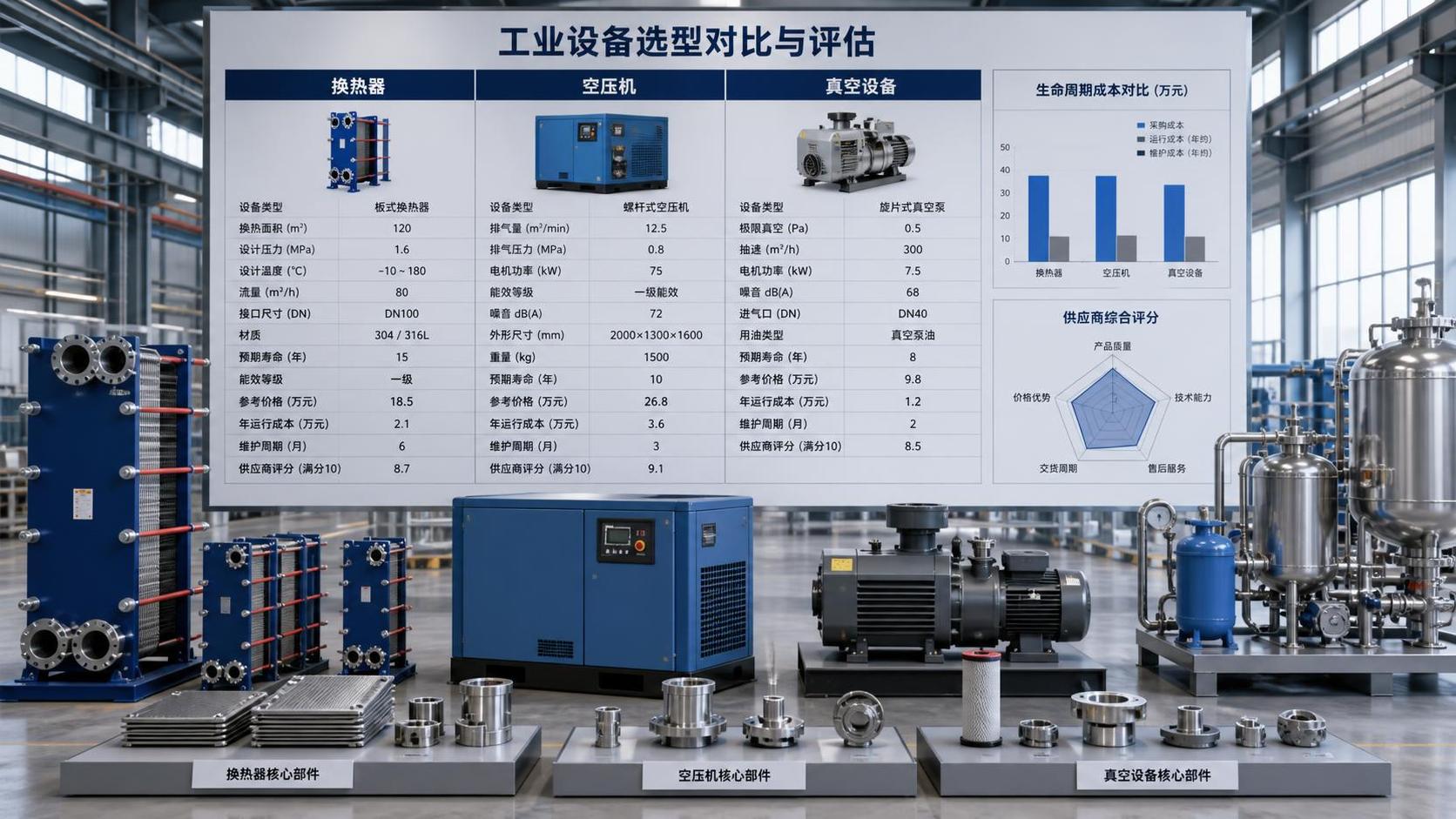
Not every plant needs the same threshold, but evaluators still need common decision anchors. The table below organizes industrial energy efficiency benchmarks by subsystem so teams can compare aging assets with realistic upgrade targets and identify where measurement should begin.
The key lesson is that industrial energy efficiency should be tested against actual process output and duty cycle. A compressor with strong catalog data may still underperform in a leaky network. A chiller with acceptable full-load values may waste energy under low-load operation. Benchmarks only become actionable when linked to operating context.
Why do upgrade decisions fail even when efficiency targets look clear?
Technical evaluators rarely fail because they lack interest in industrial energy efficiency. They fail because project assumptions are incomplete. Budget owners want short payback. Production teams fear downtime. Procurement wants price certainty. Compliance teams watch refrigerants, emissions, and documentation. The result is a project that looks efficient on paper but weak in execution.
Typical failure points
- Evaluating equipment in isolation rather than as part of a thermal and pneumatic system.
- Using peak design conditions as the only basis for selection.
- Ignoring maintenance burden, water quality, fouling behavior, and spare parts availability.
- Underestimating policy risk linked to refrigerants, energy disclosure, or carbon reporting.
- Approving projects without baseline metering, which makes savings disputes inevitable.
GTC-Matrix is particularly relevant in this gap between technical theory and project reality. By combining thermodynamics analysis, pneumatic power engineering insight, and industrial economics, the platform helps evaluators judge not just whether a technology is efficient today, but whether it remains efficient under changing energy prices, environmental rules, and sector demand shifts.
How should you compare upgrade paths for compressed air, cooling, vacuum, and heat recovery?
Most 2026 plans involve more than one subsystem. The real question is not whether industrial energy efficiency matters, but which upgrade path delivers the best balance of savings, implementation risk, and process fit. The table below supports comparison decisions that technical evaluators frequently face.
A sound comparison goes beyond energy savings. It also weighs process purity, control architecture, utility interaction, service capability, and regulatory exposure. For technical evaluators, the strongest option is often the one with slightly lower headline savings but much higher certainty in operation.
Which technical signals indicate strong industrial energy efficiency performance?
When reviewing vendor proposals or internal retrofit concepts, evaluators should look for performance signals that remain meaningful after commissioning. Industrial energy efficiency should show up in stable operating envelopes, not only in test-point numbers.
Technical indicators worth prioritizing
- Part-load efficiency curves that reflect real duty cycles rather than ideal conditions.
- Control integration capability with plant monitoring, alarms, and performance trending.
- Pressure drop and approach temperature data presented together with maintenance assumptions.
- Heat recovery feasibility, especially where compressor discharge heat or process waste heat can offset boiler or hot water demand.
- Material compatibility with refrigerants, process gases, water chemistry, and sanitation needs.
These signals matter across sectors. In food processing, thermal hygiene and stable cooling are critical. In electronics and semiconductor operations, air purity and temperature precision dominate. In general manufacturing, leakage control and load matching can deliver larger gains than replacing every major asset at once.
How can technical evaluators build a realistic procurement checklist?
Procurement decisions fail when technical, financial, and compliance requirements are documented in separate tracks. A better approach is to create a single industrial energy efficiency checklist that procurement, operations, engineering, and EHS can all use during review.
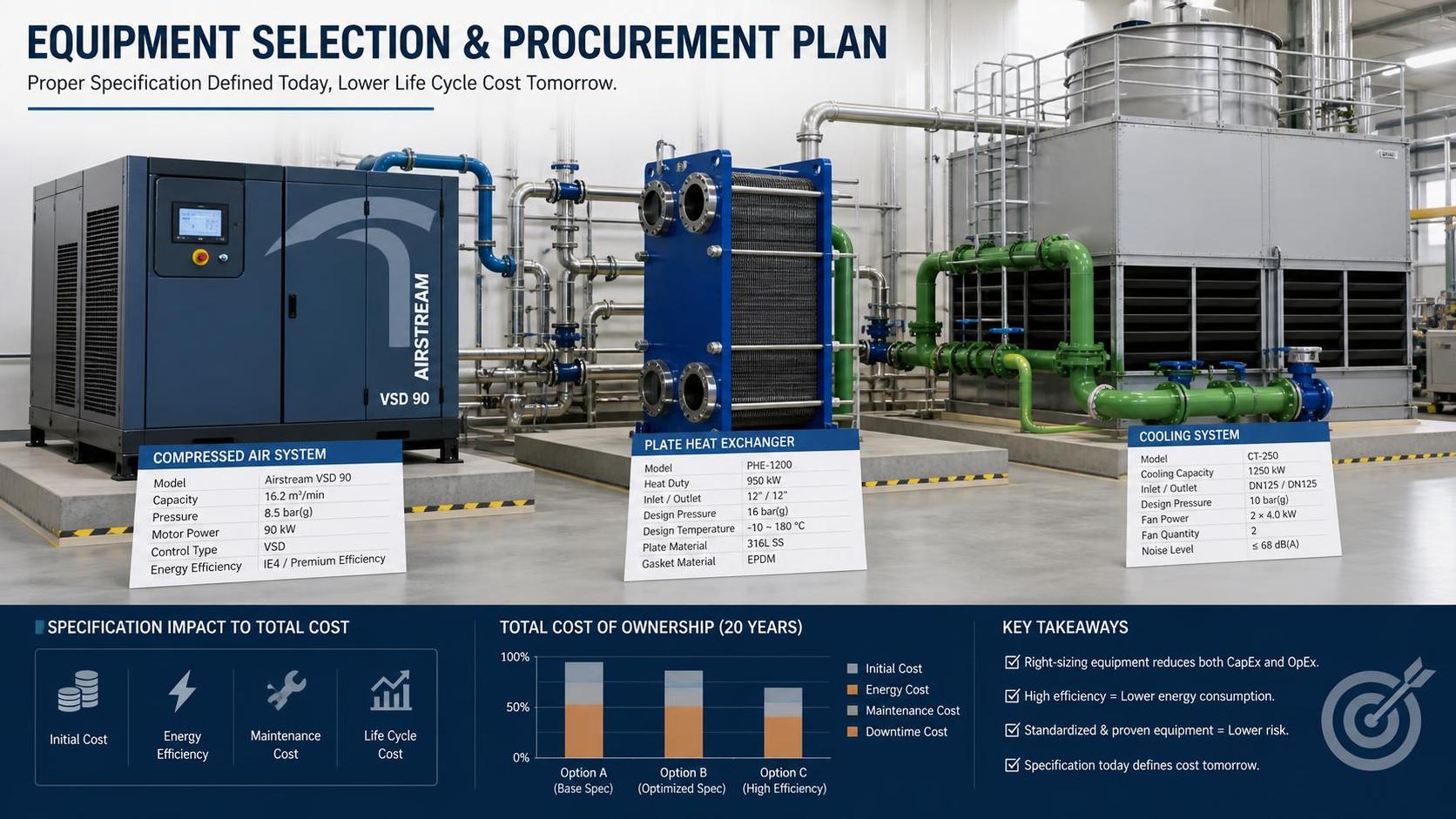
The following table helps teams convert broad efficiency goals into a practical selection framework before requesting quotations or finalizing specifications.
This checklist also supports internal alignment. It gives finance a lifecycle view, gives operations a reliability view, and gives technical evaluators a defensible basis for approval. That is especially valuable when multiple upgrade packages compete for one annual capital budget.
What about cost, payback, and alternatives when budgets are tight?
Budget pressure does not eliminate industrial energy efficiency projects. It changes the order of action. When capital is limited, the smartest plans stage improvements from low-disruption corrections to deeper equipment replacement. This often delivers faster cumulative returns than one oversized project.
Practical sequencing strategy
- Start with metering, leak detection, control tuning, cleaning, and setpoint review. These actions improve data quality and often release immediate savings.
- Then prioritize bottleneck assets with high run hours, unstable performance, or clear compliance risk.
- Use modular replacement where possible, especially in compressor rooms and cooling loops that need redundancy.
- Evaluate rental, temporary bypass, or phased commissioning if shutdown windows are narrow.
Alternatives should also be compared carefully. Rebuilding a legacy unit may appear cheaper than replacement, but if energy use, parts lead time, and refrigerant exposure are unfavorable, the lower initial cost can become the more expensive path over two to five years.
Which standards and compliance issues should not be ignored?
Industrial energy efficiency in 2026 will be judged increasingly through both performance and compliance. Technical evaluators should review energy management practices, refrigerant transition readiness, pressure system obligations, and emissions implications together rather than as separate post-approval tasks.
Common compliance checkpoints
- Alignment with site energy management frameworks such as ISO 50001 where relevant.
- Review of refrigerant selection in light of evolving low-GWP regulations and serviceability.
- Pressure equipment and safety documentation for compressors, receivers, vessels, and piping.
- Combustion-related review where waste heat recovery or boiler interaction affects NOx or fuel use.
Because GTC-Matrix continuously tracks policy and technology shifts, it can help evaluators avoid one of the most expensive mistakes in capital planning: approving an efficient-looking asset that becomes difficult to maintain, certify, or justify under changing regulatory conditions.
FAQ: what do technical evaluators ask most about industrial energy efficiency?
How do I prioritize industrial energy efficiency projects across multiple utilities?
Rank projects by run hours, energy intensity, control weakness, compliance urgency, and production criticality. A system with moderate efficiency loss but continuous operation may deserve higher priority than a severely inefficient asset that runs only occasionally.
Which systems usually hide the largest unrealized savings?
Compressed air leakage, poor compressor sequencing, fouled heat exchangers, unstable chilled water setpoints, and vacuum systems running at deeper levels than the process actually needs are common hidden sources. These issues often produce measurable savings before full replacement is required.
What is the biggest selection mistake in 2026 planning?
Selecting on nameplate efficiency alone. Industrial energy efficiency depends on integration, part-load behavior, maintenance reality, and future compliance. A technically advanced machine can still disappoint if the surrounding system remains unchanged.
How much data is enough before requesting proposals?
You do not need perfect data, but you do need representative data. At minimum, capture load variation, power use, pressure or temperature stability, and maintenance history over a meaningful operating window. Seasonal systems may require longer review periods.
Why choose us for 2026 upgrade intelligence and next-step evaluation?
GTC-Matrix supports technical evaluators who need more than generic commentary on industrial energy efficiency. Our value lies in connecting thermodynamic logic, compression power analysis, market intelligence, and application-specific judgment across cooling, compressed air, vacuum processes, and heat exchange technologies.
If you are preparing a 2026 upgrade plan, you can consult us on parameter confirmation, subsystem benchmarking, product selection logic, refrigerant and compliance considerations, delivery timing risk, and custom evaluation paths for purity-critical or temperature-sensitive operations. We also help teams compare alternative technical routes when budget, shutdown windows, and long-term operating cost do not point to the same answer.
Bring your current specifications, utility data, target payback range, and application constraints. With that input, GTC-Matrix can help structure a more defensible shortlist, clarify where industrial energy efficiency gains are most credible, and support smarter quotation and upgrade discussions before capital is committed.
Related News
- What to verify before choosing a process separation technology supplierAuthor :

- When does process utilities engineering reduce project rework?Author :

- Where thermal efficiency optimization delivers the fastest savings in EuropeAuthor :

- What should you verify before selecting a heat transfer supplier?Author :

- What drives compressed air systems price for industrial projects?Author :

- How an industrial product knowledge comparison guide reduces sourcing riskAuthor :

- When does a procurement specification planning process reduce bid risk?Author :

- When does thermal system optimization for electronics reduce failure risk?Author :

- When high temperature process heating systems justify the higher energy costAuthor :

- How to compare sludge dewatering equipment by cake drynessAuthor :

- What to Check Before Sourcing a Gas Turbine for Distributed Power ProjectsAuthor :

- What drives industrial thermal systems price in large facility projectsAuthor :

- How to build an industrial product comparison chart that speeds up vendor selectionAuthor :

- Vacuum Technology Application Guide for Selecting the Right SystemAuthor :

- What Drives Vacuum Drying Cost in Industrial Procurement?Author :

- What Drives Compressed Air Pricing in Industrial Systems?Author :

- How Procurement Specification Planning Shapes Total Project CostAuthor :

- Compression Technology Guide: How to Compare Efficiency, Pressure Range, and Maintenance NeedsAuthor :

- How to Compare Industrial Separators by Throughput, Purity, and Maintenance LoadAuthor :

- How to Size a Compressed Air Equipment Receiver Tank for Stable PressureAuthor :

- Industrial Equipment Selection Guide: How to Compare Capacity, Duty Cycle, and Operating CostAuthor :

- How to Evaluate an Intellectualization Supplier for Industrial UpgradesAuthor :

- High-Efficiency Manufacturing: Cost Savings vs. Upgrade RiskAuthor :

- Thermal System Optimization Cost: What Drives ROI?Author :

- How to Plan Process Utilities for a Cleanroom Without Costly ReworkAuthor :

- How to Compare Process Heating Suppliers in MexicoAuthor :

- Food Processing Utilities: Common Sizing Mistakes That Raise Energy and Water UseAuthor :

- How to Build Procurement Specification Planning for Industrial EquipmentAuthor :

- OEM Cooperation for Industrial Equipment: Risks, Terms, and Cost PrioritiesAuthor :

- Specification-Oriented Product Resources That Speed Technical ReviewAuthor :

- Industrial Equipment Selection Guide: A Practical Buyer ChecklistAuthor :

- How to Compare Industrial Energy Management Systems by ROIAuthor :

- How to Evaluate a Deaerators Supplier for Long-Term Plant ReliabilityAuthor :
![]()
- How to Evaluate a Vacuum Technology Manufacturer in 2026Author :

- Thermal Efficiency Optimization Software: When the ROI Justifies DeploymentAuthor :

- How to Evaluate Application-Specific Compression Solutions by Throughput and Energy UseAuthor :