Green Manufacturing Trends Changing Equipment Choices in 2026




As green manufacturing moves from ambition to operational priority, equipment choices in 2026 are being reshaped by energy efficiency, refrigerant compliance, process precision, and lifecycle performance. For information-driven researchers, understanding how compressors, heat exchangers, cooling systems, and vacuum technologies align with decarbonization goals is now essential to evaluating competitive industrial strategies.
Why is green manufacturing changing equipment decisions so quickly in 2026?
The short answer is that green manufacturing is no longer a branding exercise. In 2026, it is a measurable operating framework shaped by carbon targets, electricity price volatility, refrigerant rules, water stress, and stricter customer audits. For industrial buyers, this means equipment is being judged not only by output capacity but also by how efficiently it converts energy, how cleanly it supports production, and how well it fits future compliance needs.
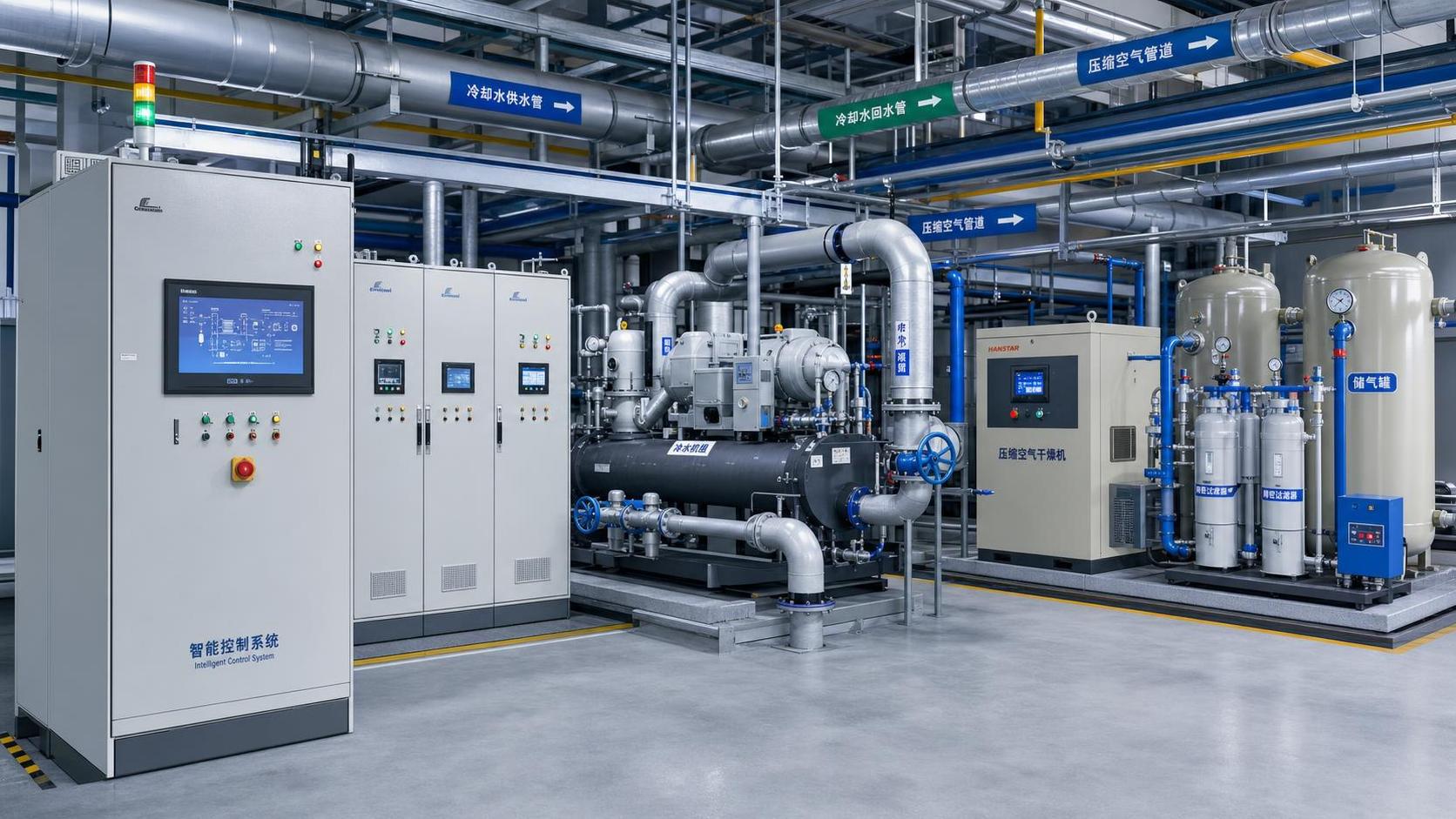
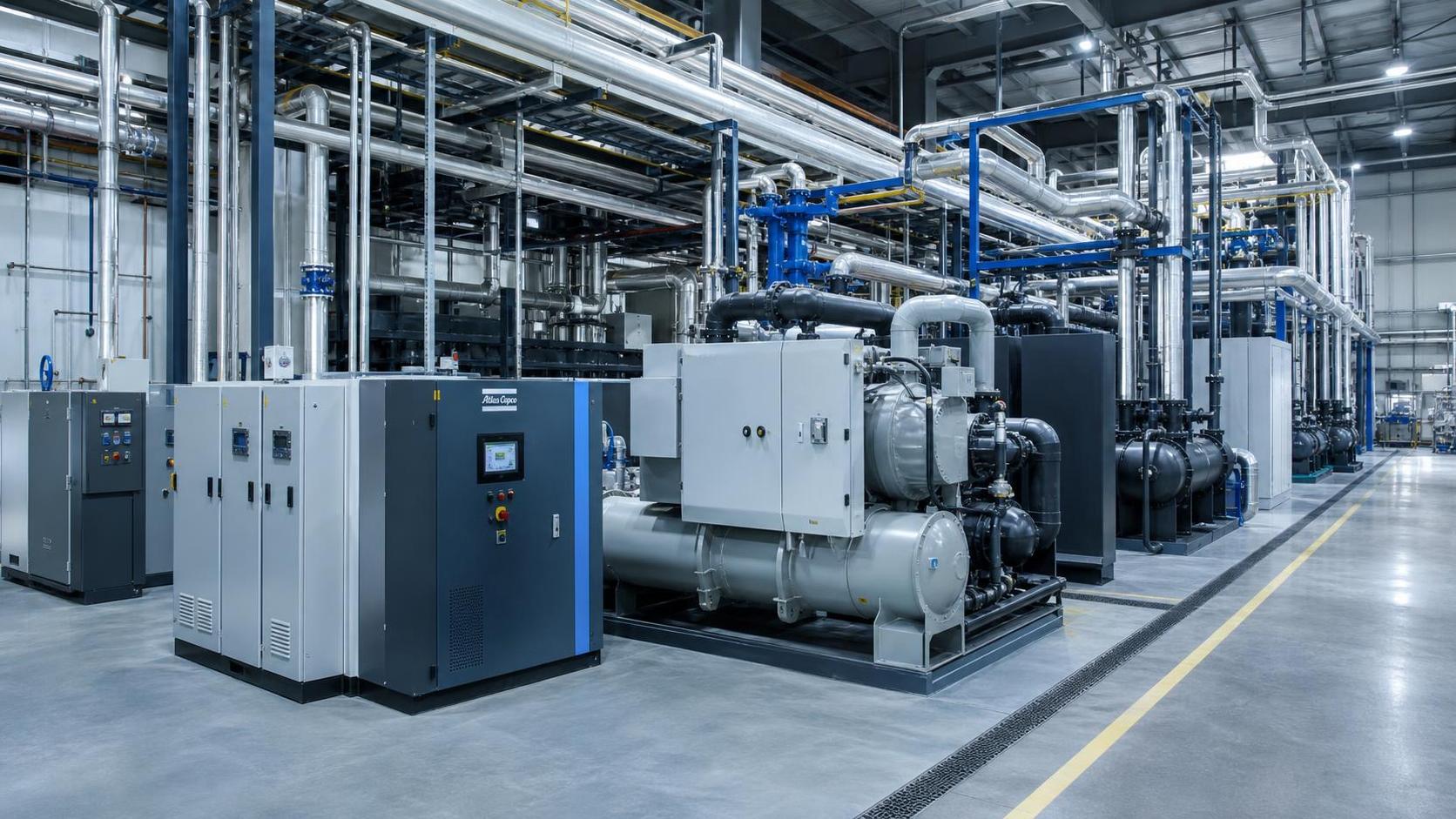
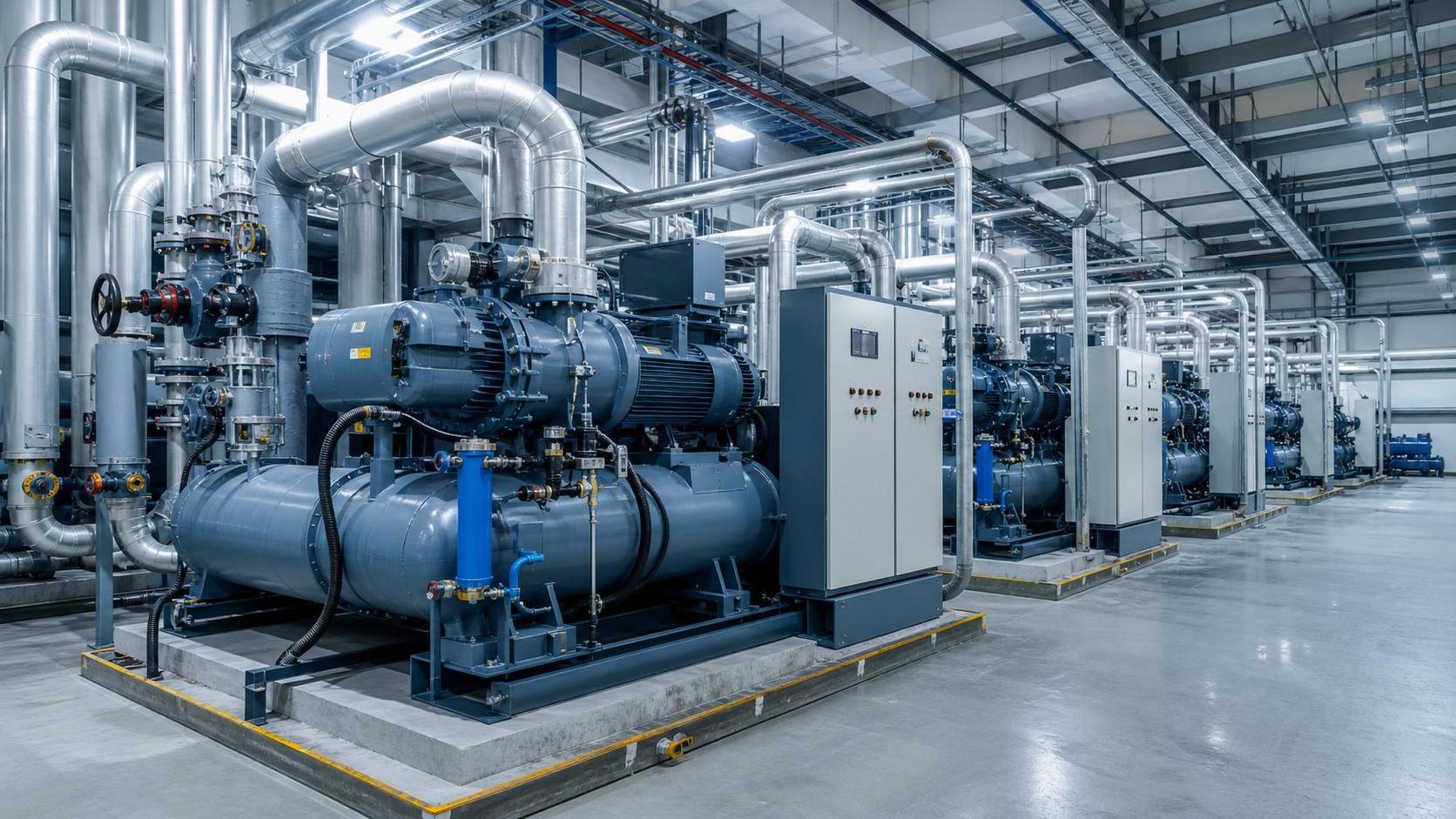
This shift is especially visible in systems that sit at the thermal and power core of industrial plants: compressors, chillers, cooling towers, heat exchangers, vacuum pumps, and process temperature control units. These assets often run continuously, consume large amounts of power, and influence product quality. As a result, they are becoming the first place where green manufacturing strategy turns into procurement criteria.
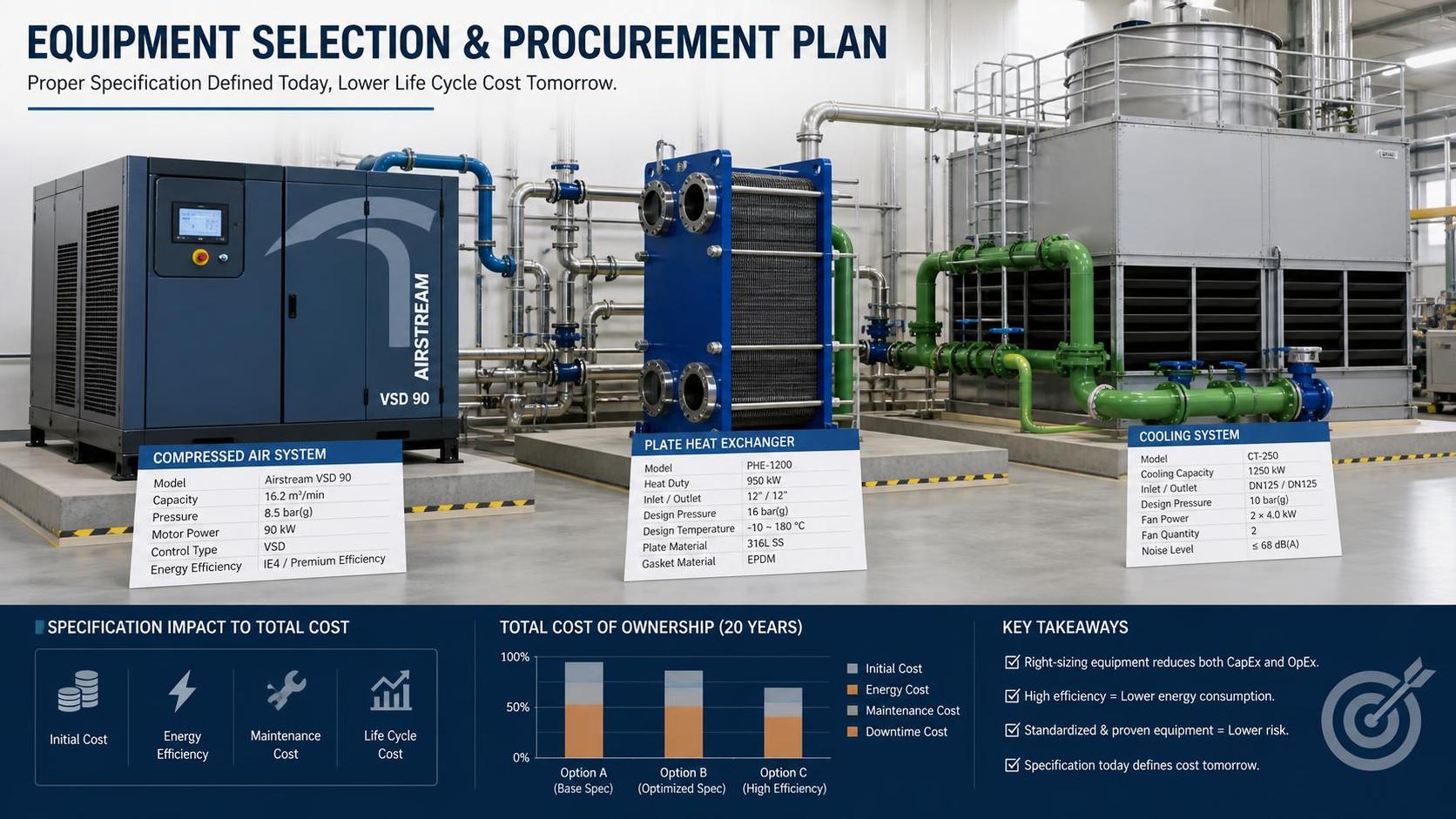
For information researchers, the key insight is that the market is moving from “cheapest equipment” to “best lifecycle fit.” A lower upfront price may now lose to a solution with better part-load efficiency, lower leakage risk, reduced refrigerant impact, stronger digital monitoring, or easier integration with heat recovery. In other words, green manufacturing is changing not only what companies buy, but how they define value.
Which types of equipment are most affected by green manufacturing priorities?
The biggest impact is seen in equipment categories where energy conversion, heat transfer, pressure stability, and contamination control directly affect operating cost and sustainability performance. In many industries, these systems create the largest opportunity for practical emissions reduction without changing the final product itself.
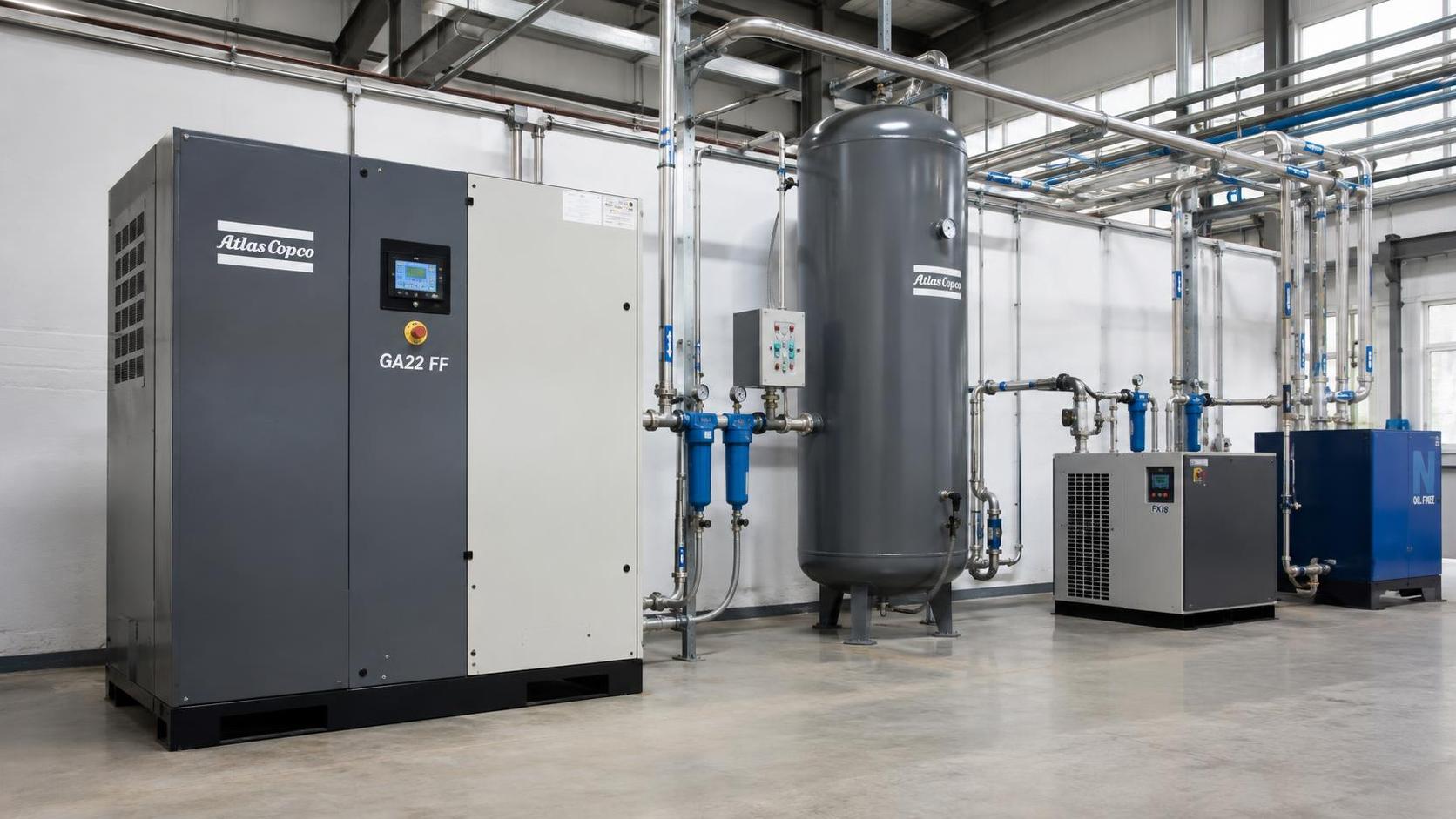
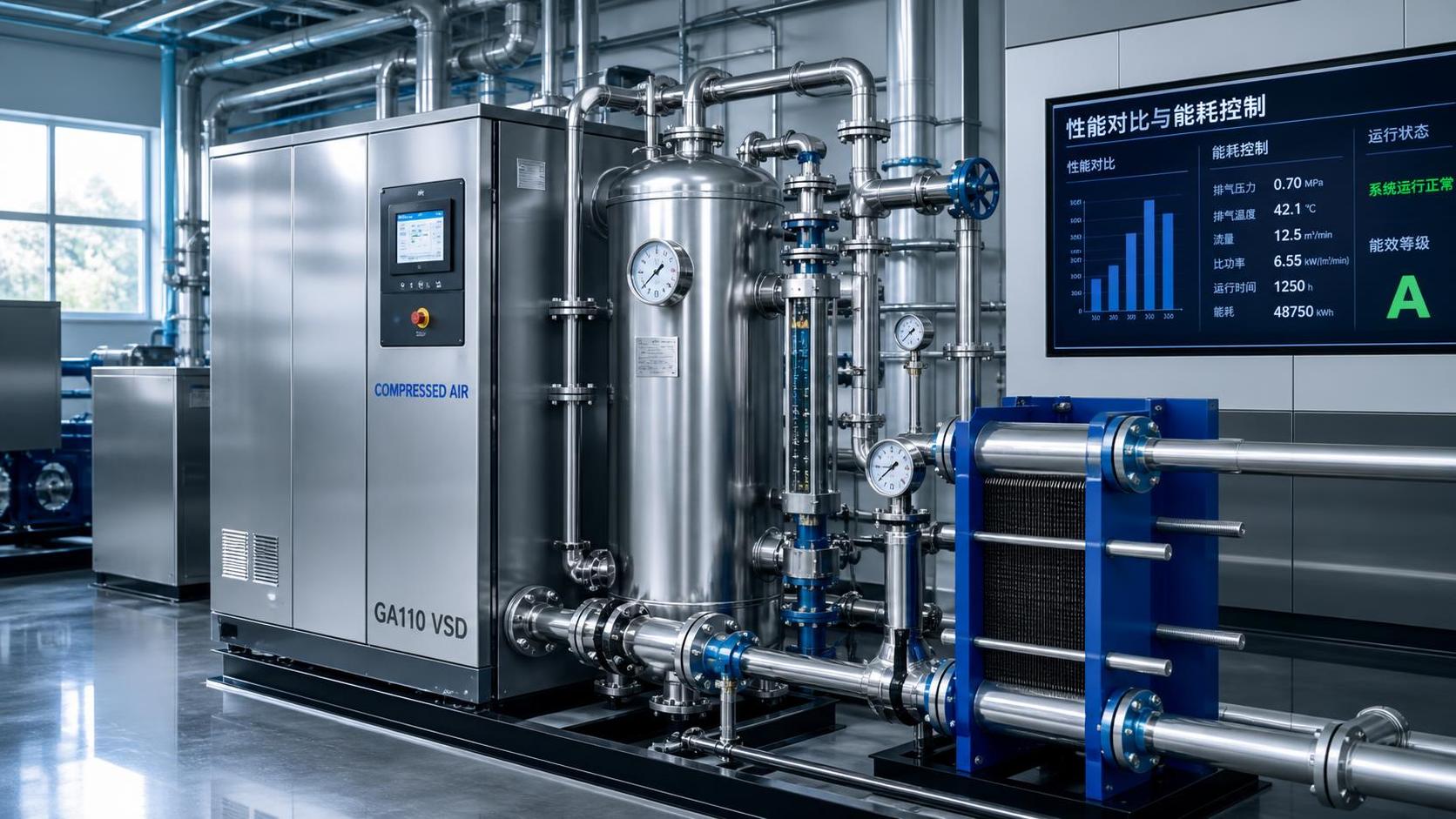
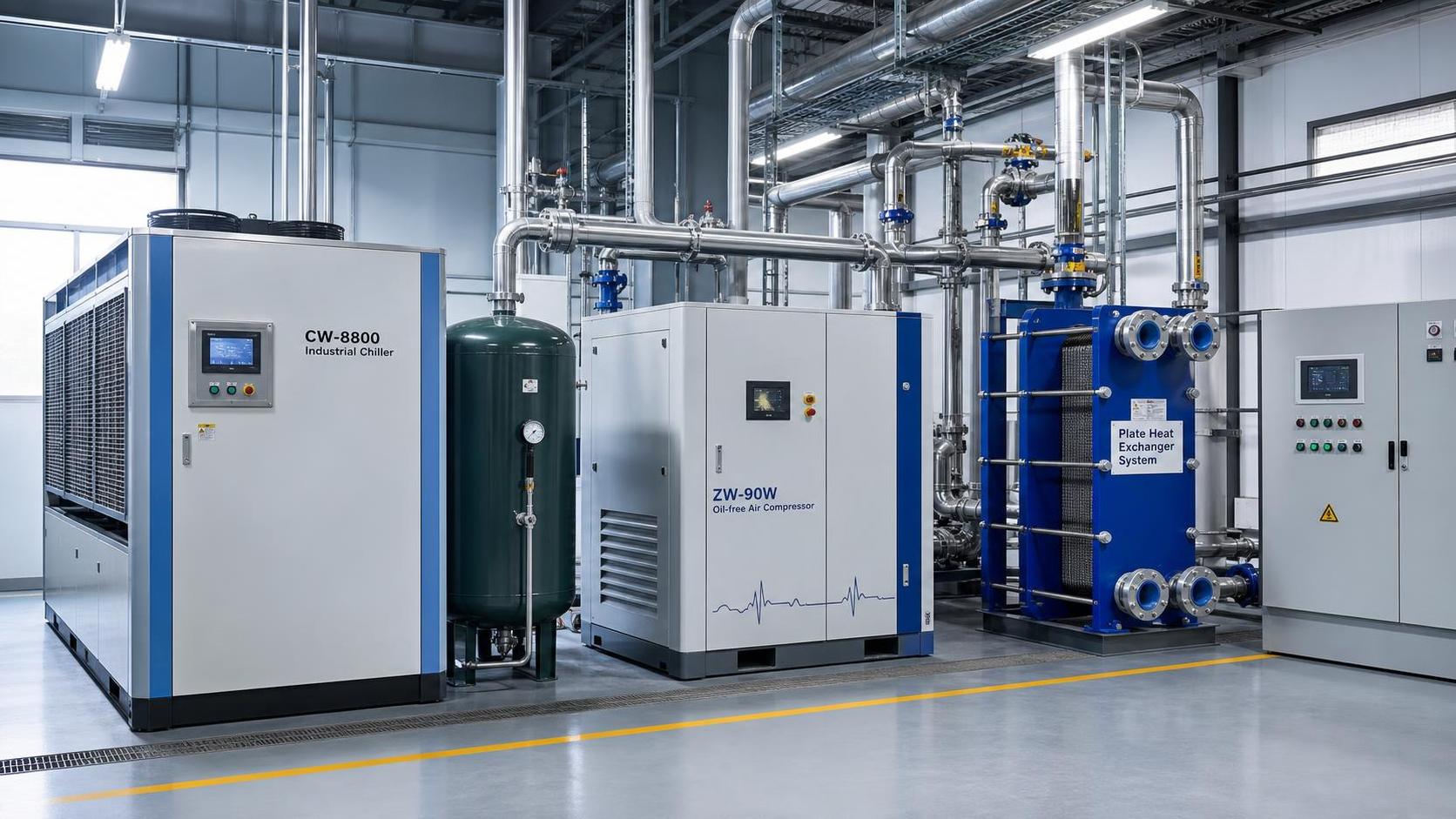
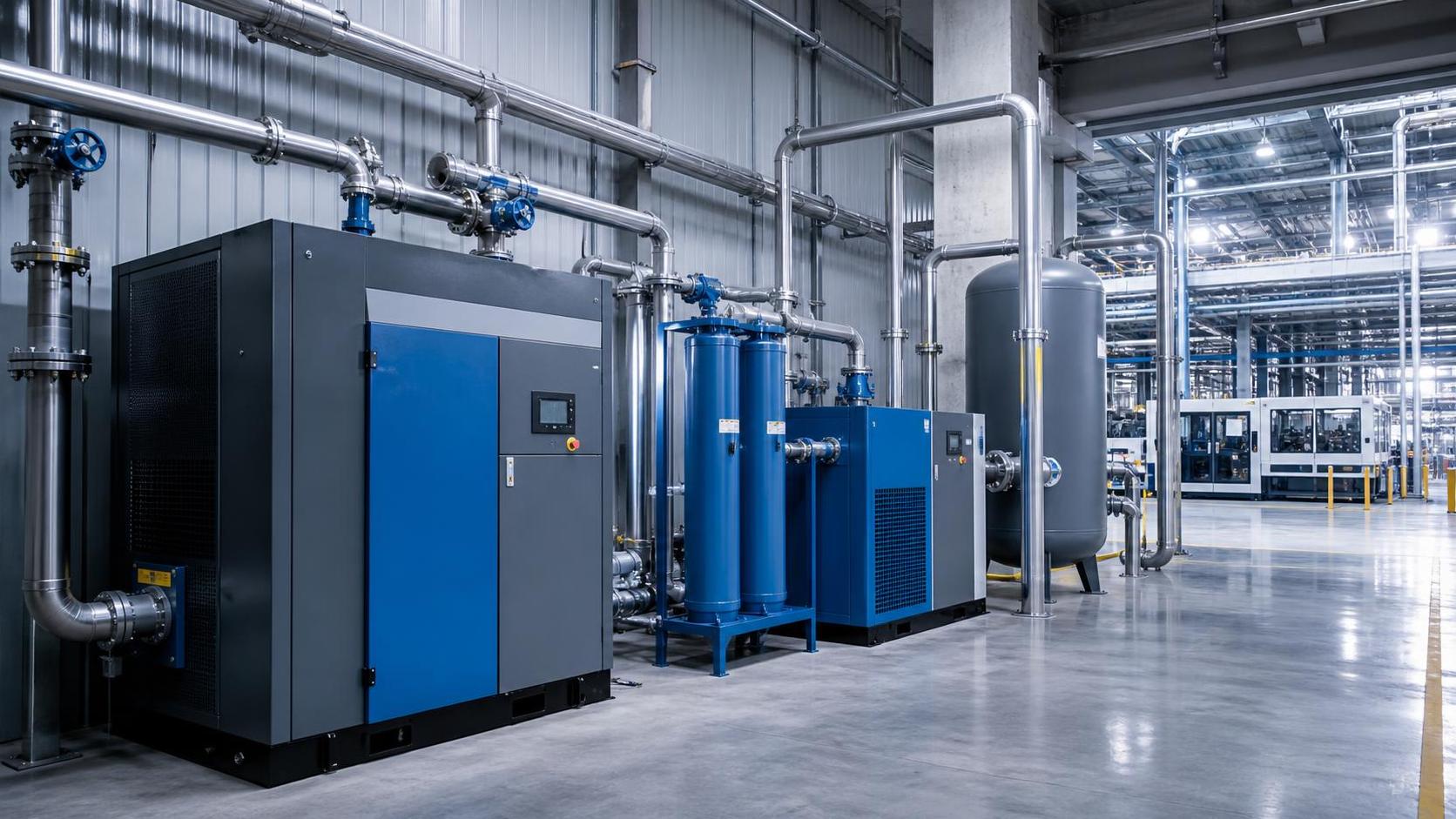
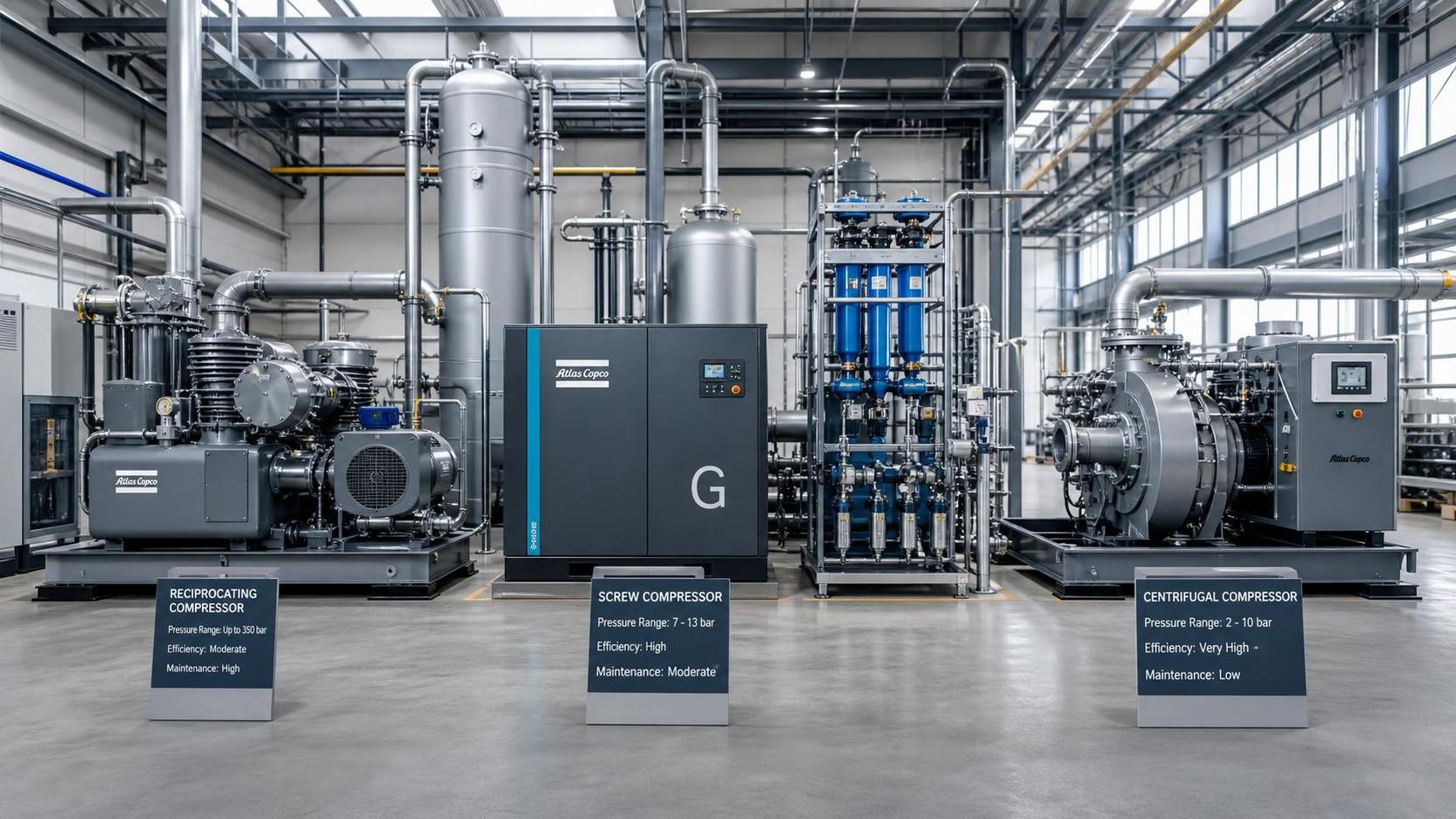
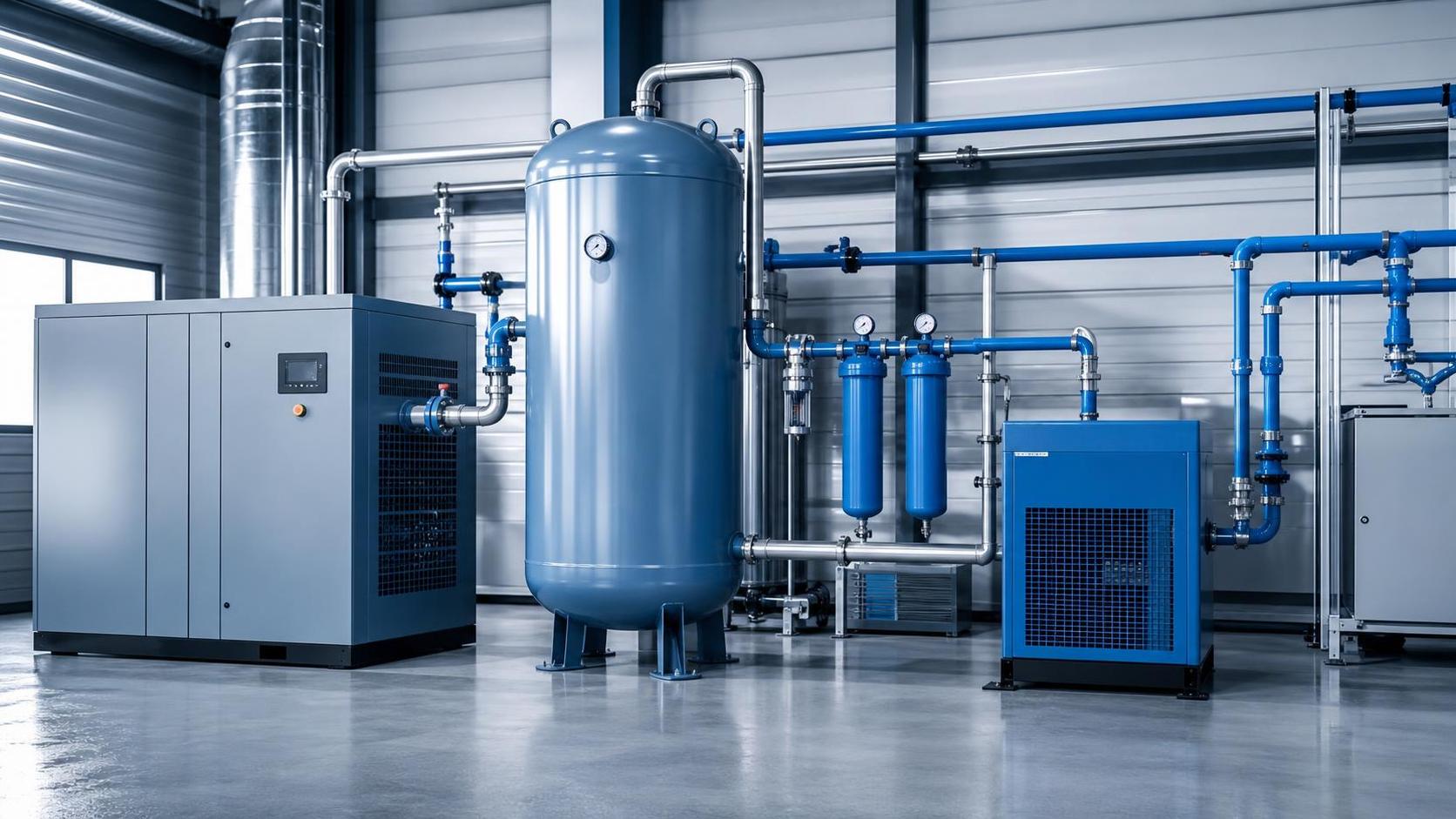
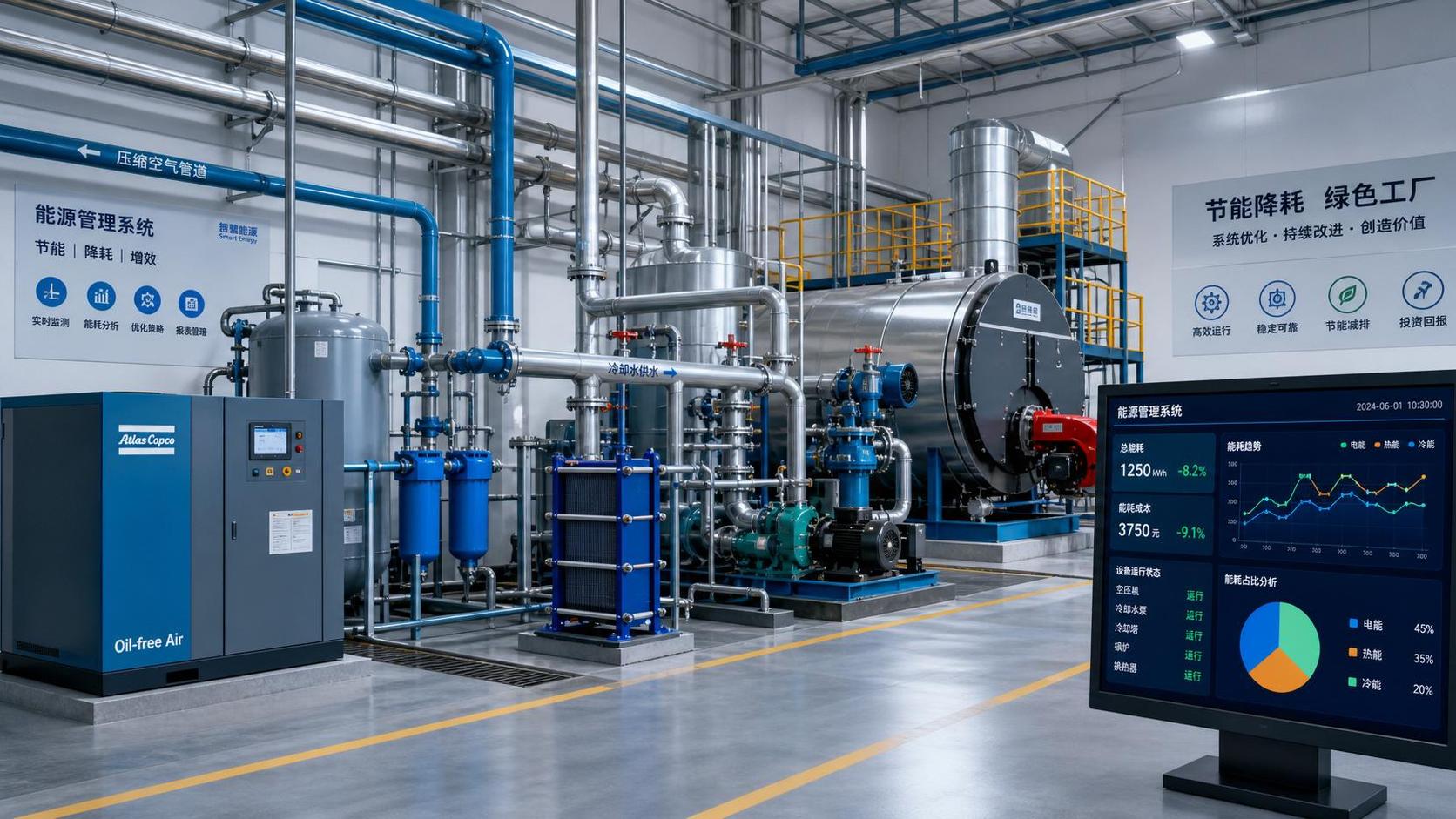
Compressed air systems are a leading example. Companies are reassessing oil-free versus lubricated designs, variable-speed drives, leak management, heat recovery, and air treatment efficiency. Since compressed air is often one of the most expensive utilities in a factory, green manufacturing initiatives frequently begin with compressor room optimization.
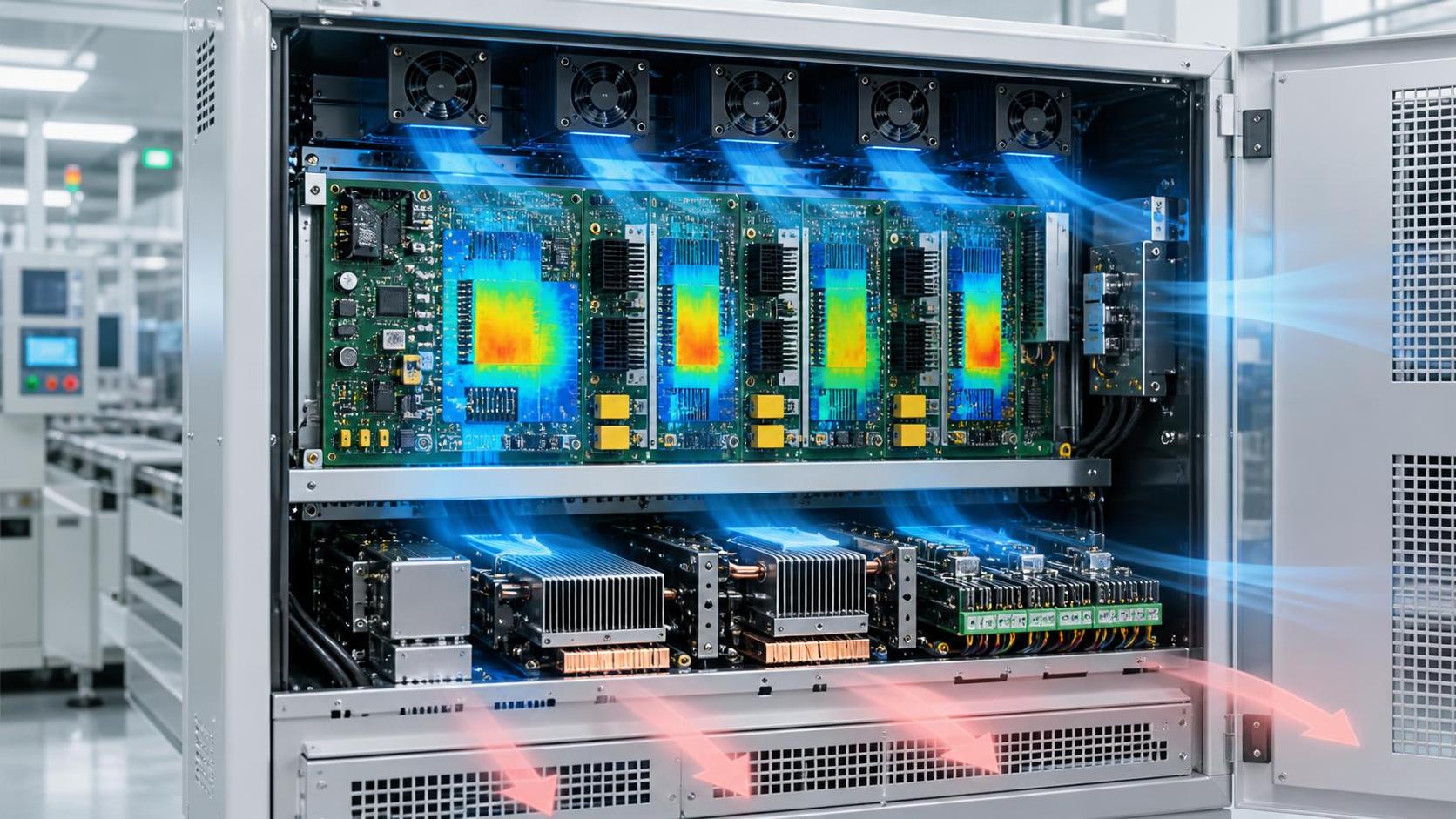
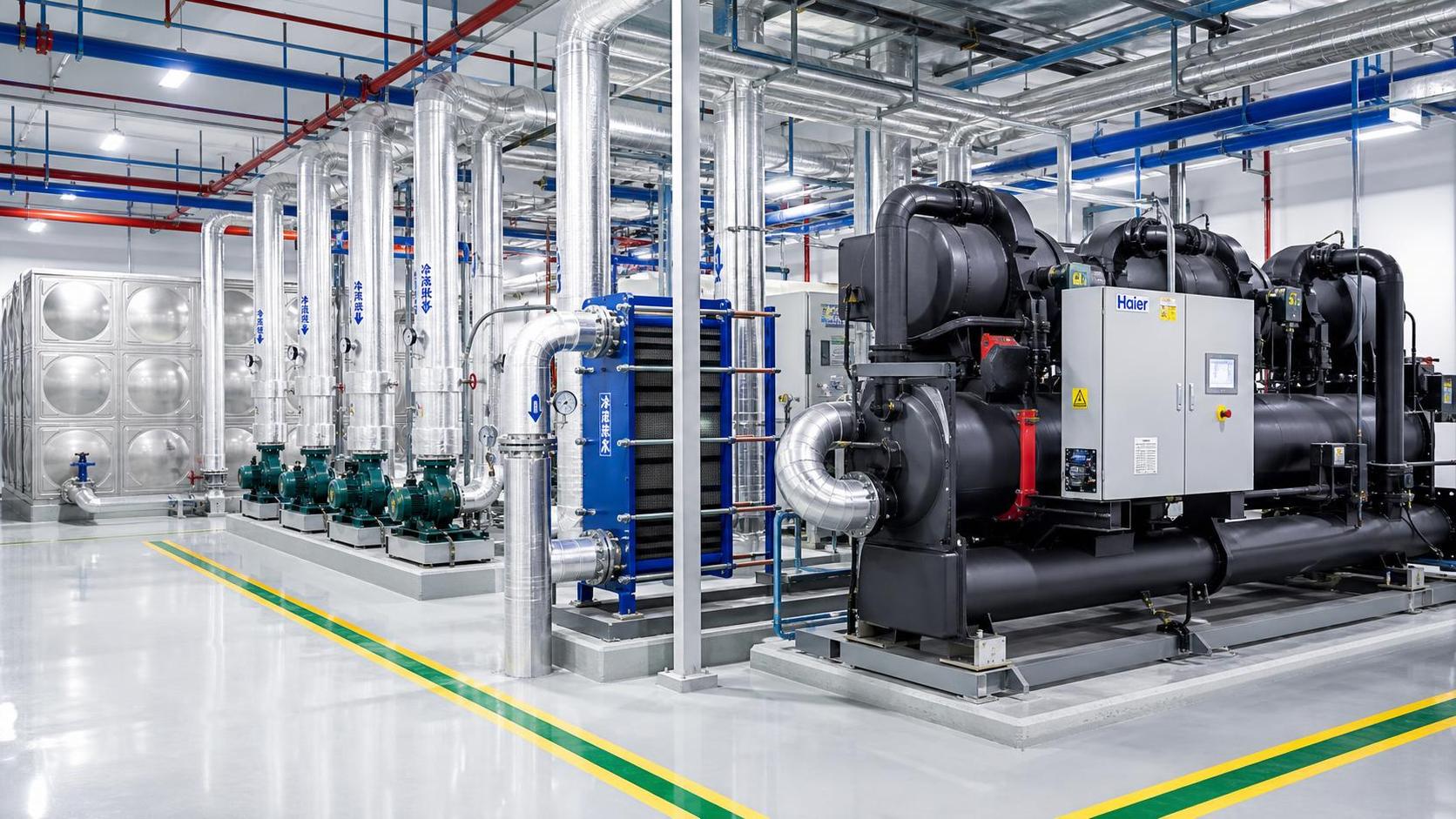
Cooling and refrigeration systems are also under pressure. Buyers now examine refrigerant transition risk, seasonal efficiency, control accuracy, and maintenance complexity. In sectors such as food processing, pharmaceuticals, data-sensitive manufacturing, and electronics, cooling systems must support both sustainability and process precision.
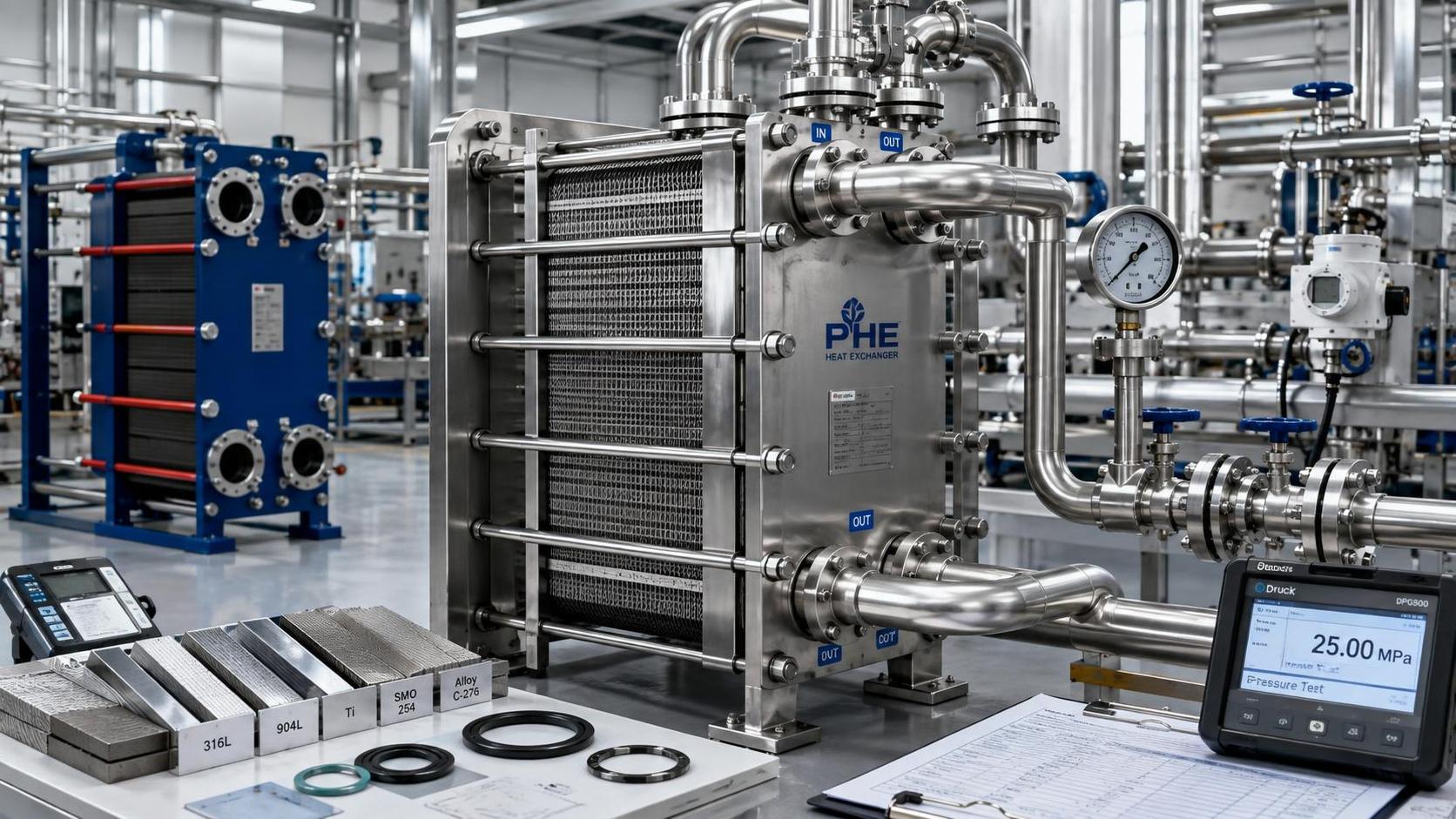
Heat exchangers have gained new strategic value because they help recover waste heat, reduce thermal losses, and stabilize production temperatures. Microchannel designs, compact plate systems, and corrosion-resistant materials are attracting interest where floor space, fluid quality, and energy intensity matter.
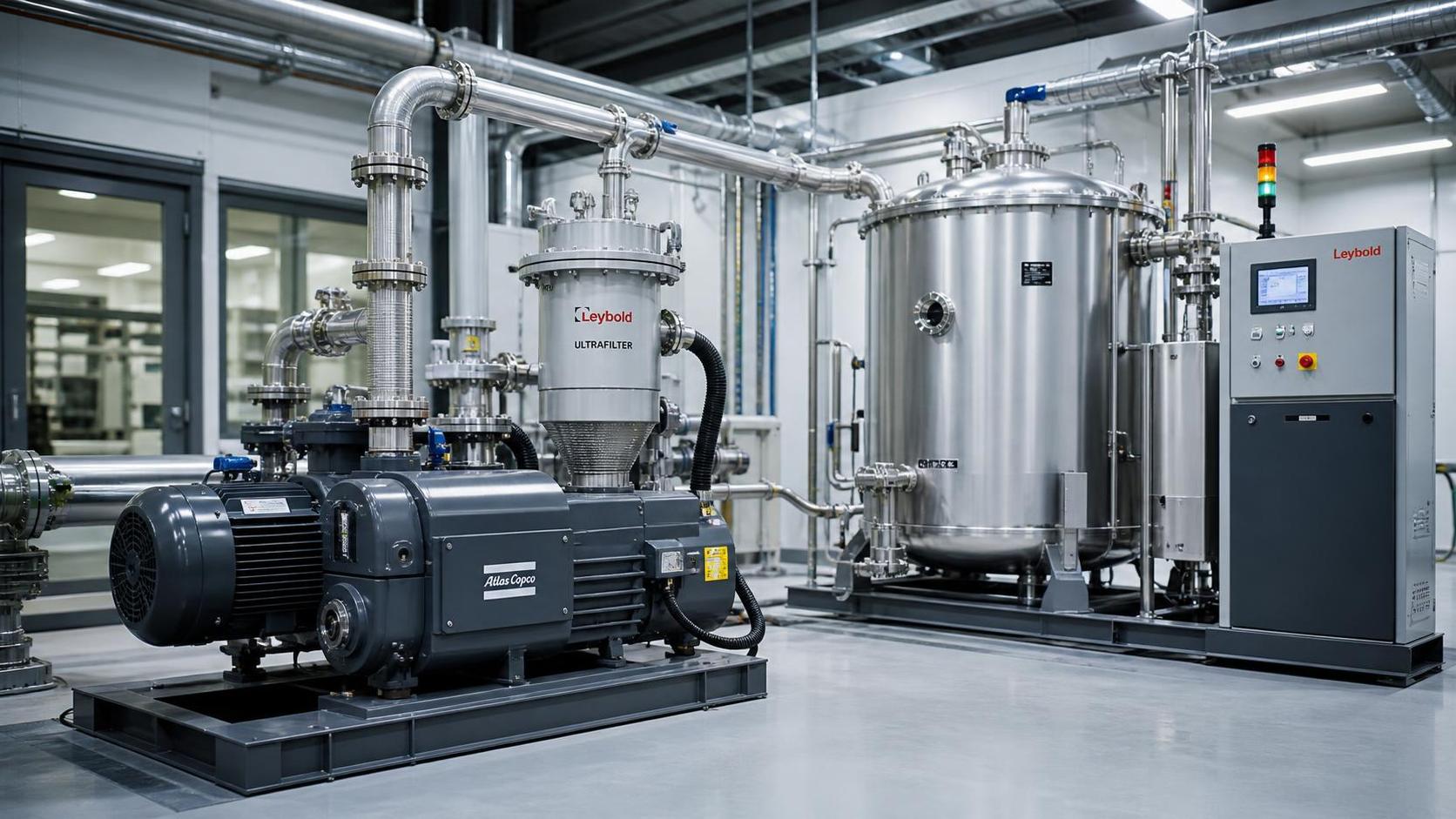
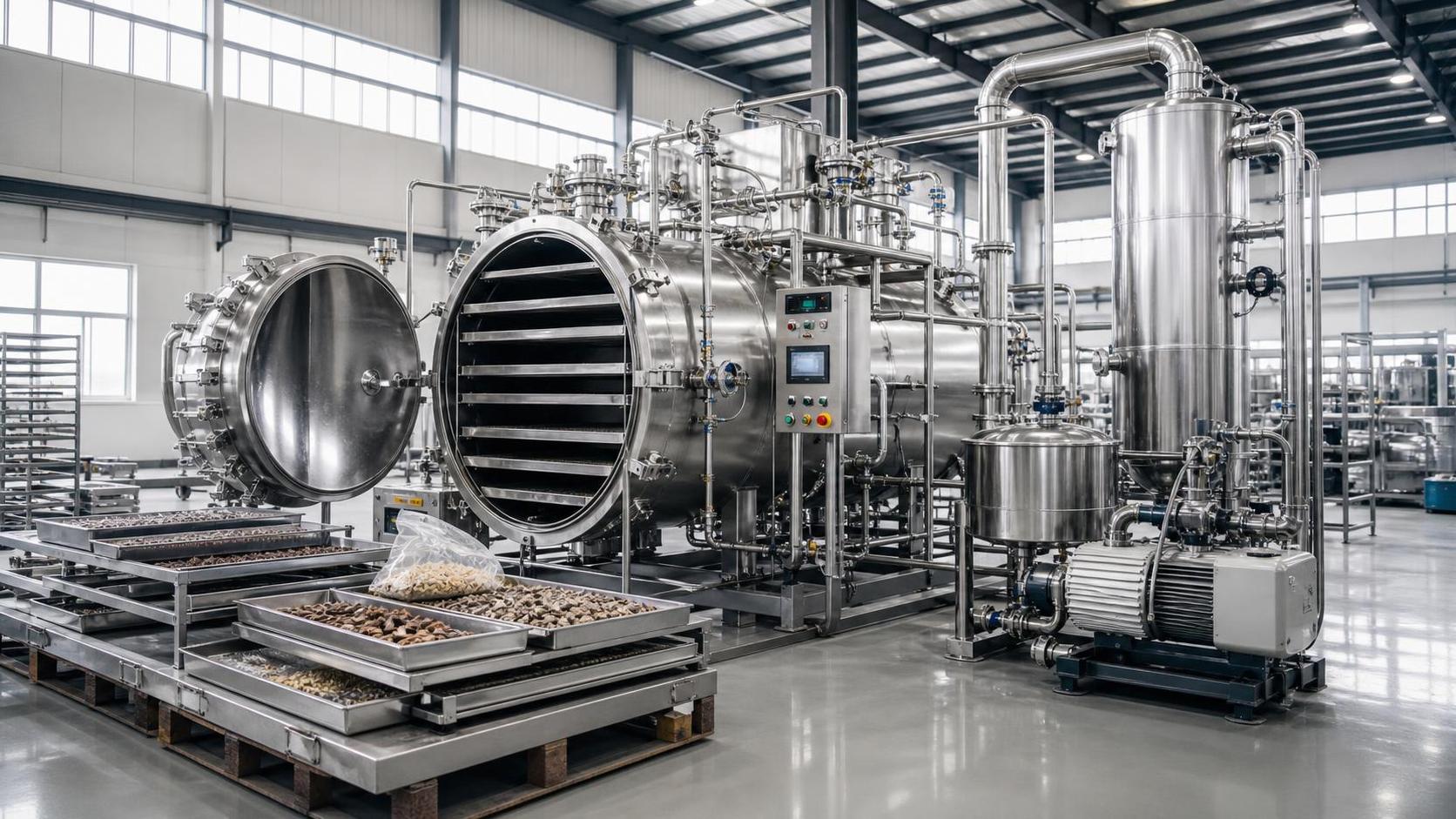
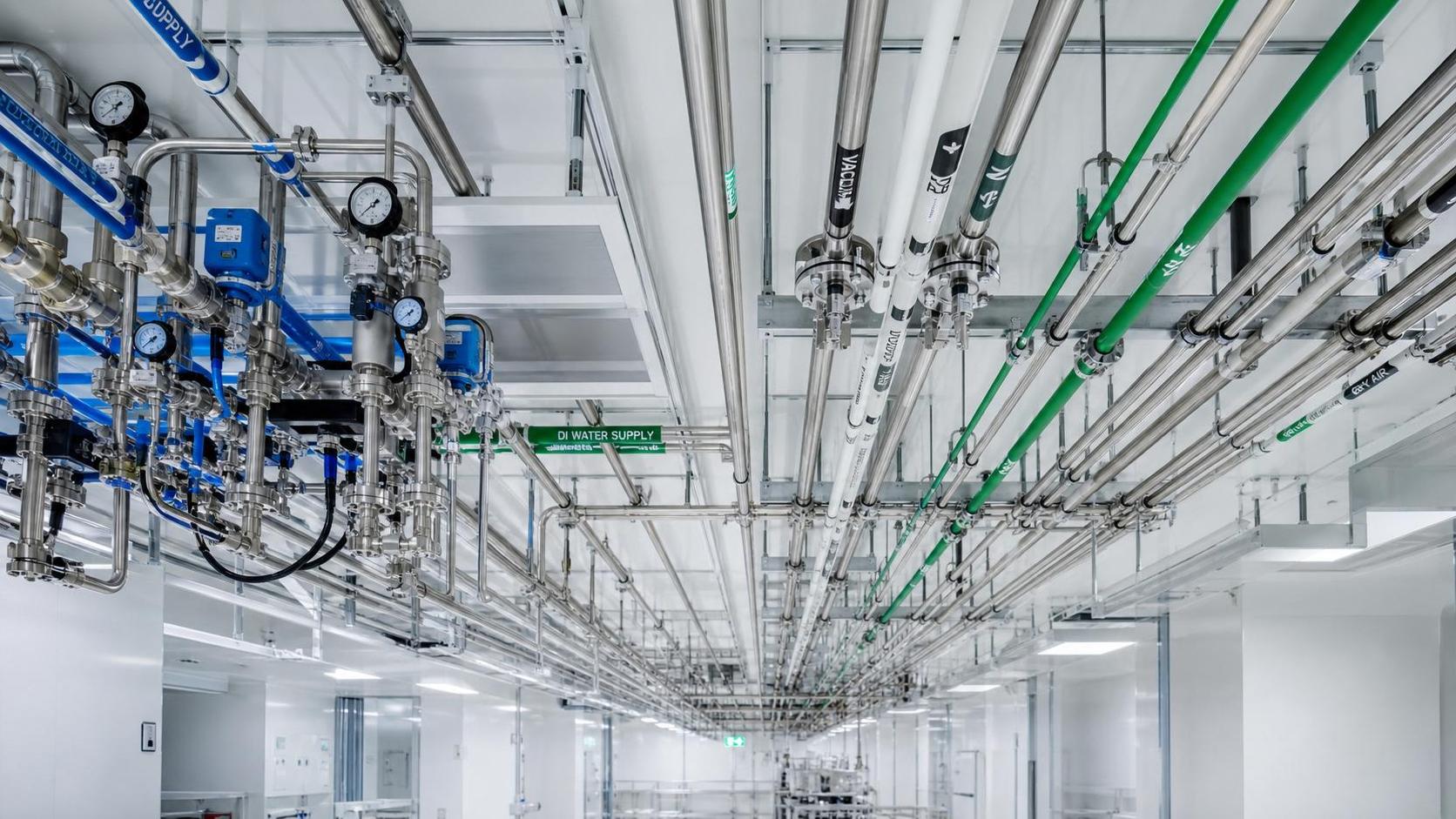
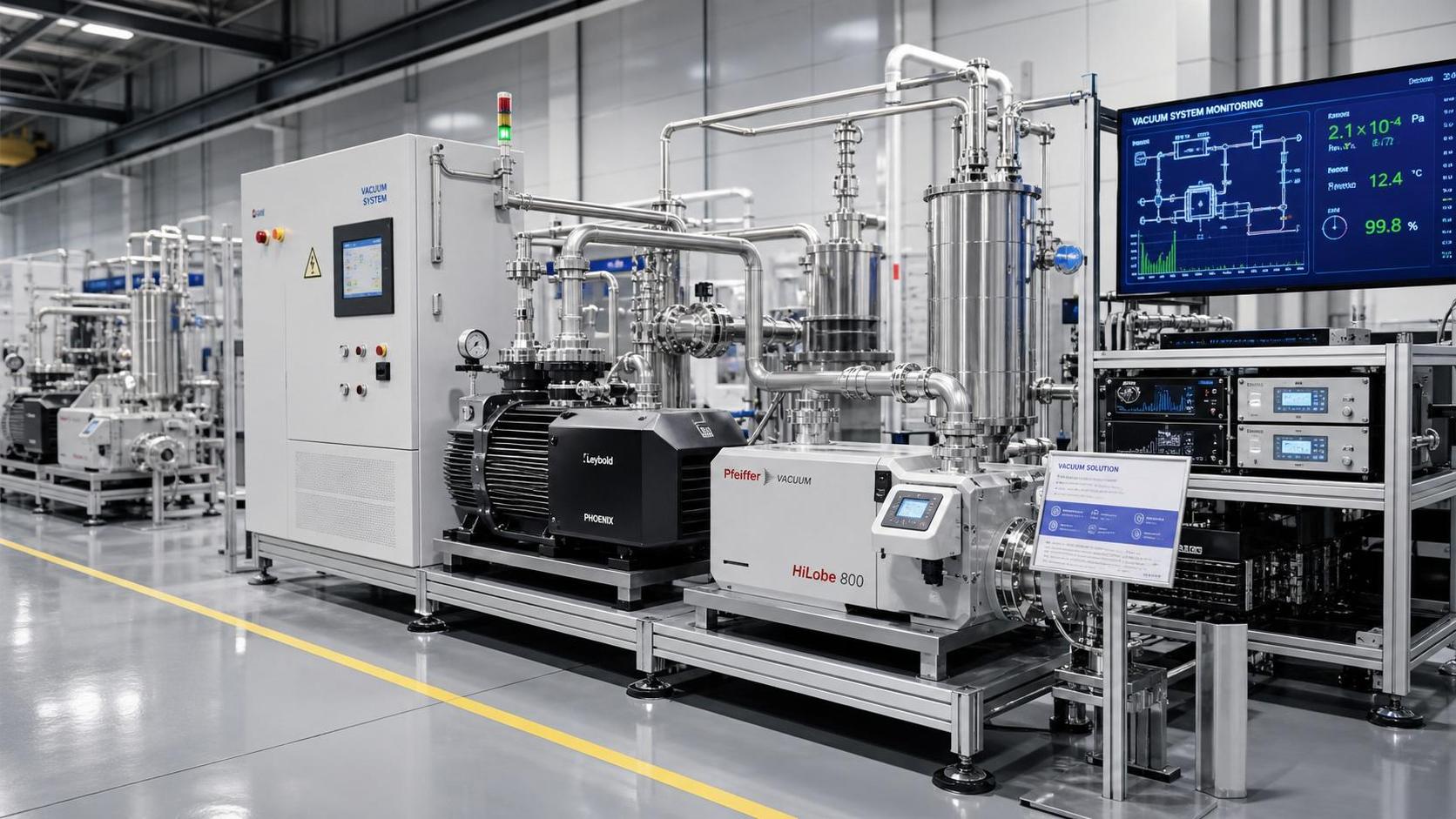
Vacuum technologies are another important area. Semiconductor, packaging, laboratory, and advanced manufacturing users are looking at cleaner vacuum generation, lower power draw, reduced cooling demand, and better contamination control. In green manufacturing terms, vacuum systems are no longer assessed as isolated utilities; they are evaluated as part of the full process efficiency chain.
What should researchers and buyers compare when evaluating equipment for green manufacturing?
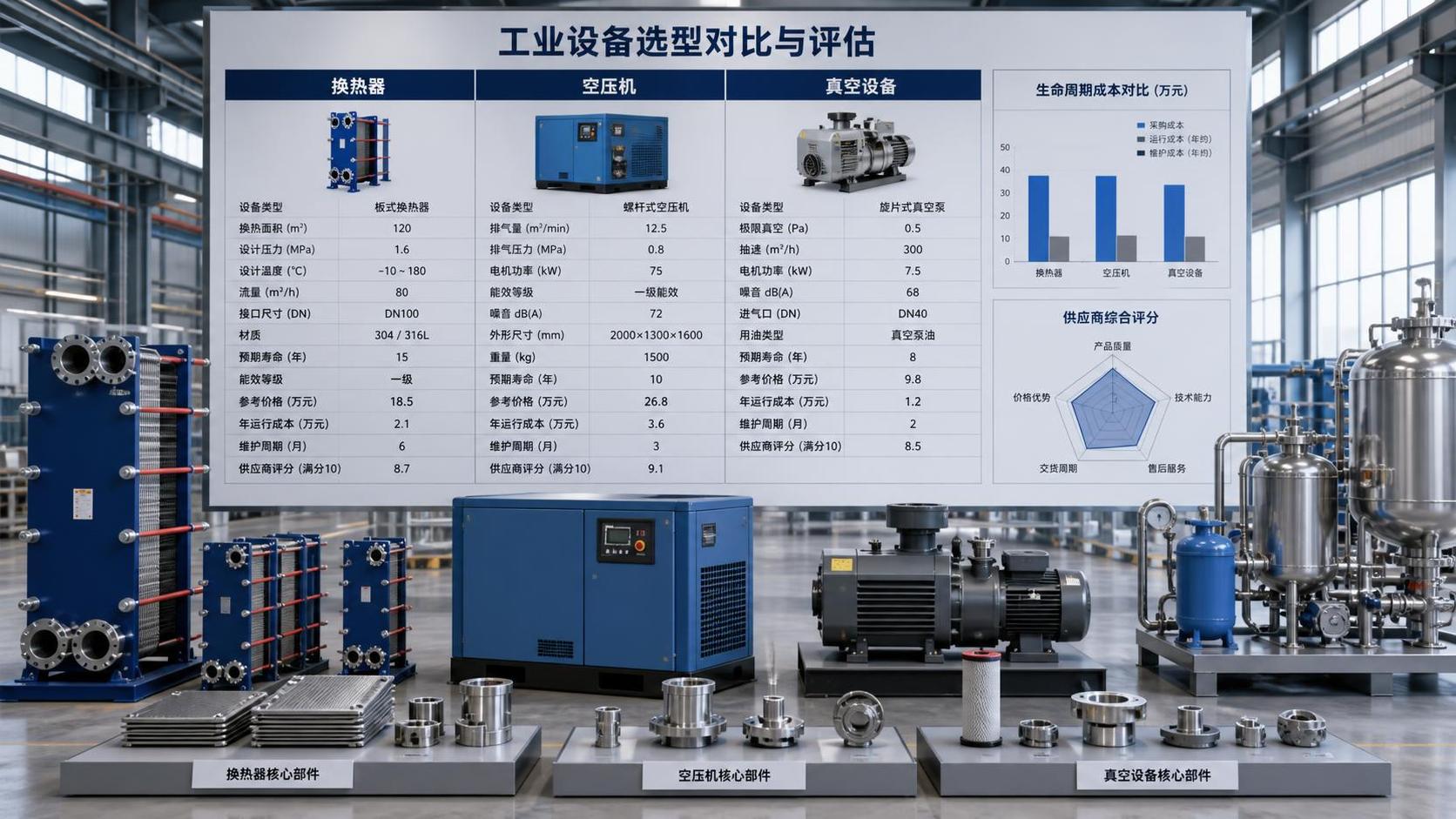
A strong green manufacturing evaluation starts with a simple rule: never compare equipment on nameplate data alone. Real decision quality comes from examining how the system performs across the full operating profile, not just under ideal test conditions.
Researchers should first look at lifecycle energy use. Does the equipment run at full load all day, or does it spend most of its time at partial load? Variable-speed compressors, adaptive cooling controls, and smart pump logic may outperform fixed designs in realistic factory conditions. This is often where procurement teams uncover the gap between quoted efficiency and actual annual performance.
Second, consider compliance resilience. In 2026, refrigerant policies, emissions reporting requirements, and customer sustainability scorecards can reshape the economic life of equipment. A system that is technically acceptable today may become costly if refrigerant availability tightens or if reporting standards become more demanding.
Third, evaluate process quality impact. Green manufacturing is not just about lowering energy use; it also depends on reducing waste, scrap, contamination, and rework. That means pressure stability, dew point control, thermal uniformity, vacuum cleanliness, and response speed all matter. Equipment that improves process consistency may deliver larger sustainability gains than a unit with only slightly better rated efficiency.
Fourth, review maintainability and data visibility. Can technicians access service points easily? Are there predictive alarms? Can energy, temperature, pressure, and runtime data be tracked over time? Green manufacturing increasingly depends on continuous optimization, and continuous optimization depends on trustworthy data.
Quick comparison table: what matters most in a 2026 equipment review?
| Evaluation Dimension | Why It Matters for Green Manufacturing | Questions to Ask |
|---|---|---|
| Lifecycle energy efficiency | Determines long-term cost and carbon intensity | How does performance change at part load and seasonal conditions? |
| Refrigerant or fluid compliance | Reduces regulatory and supply risk | Will the working fluid remain viable through the equipment life? |
| Process precision | Limits defects, contamination, and wasted output | How stable are temperature, pressure, flow, or vacuum levels? |
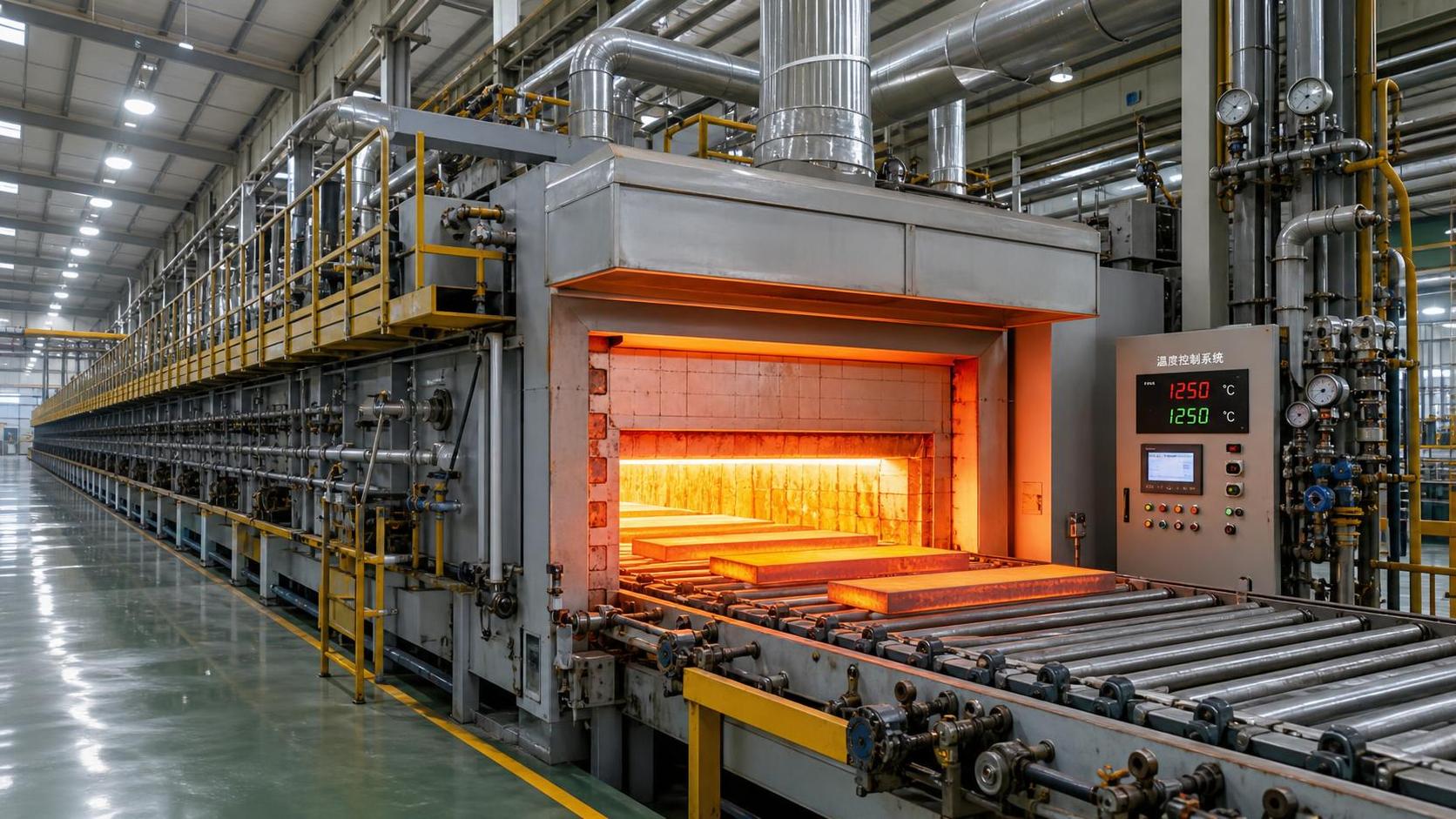
| Heat recovery potential | Turns energy loss into useful thermal value | Can waste heat support water heating or process preheating? |
Related News
- What to verify before choosing a process separation technology supplierAuthor :

- When does process utilities engineering reduce project rework?Author :

- Where thermal efficiency optimization delivers the fastest savings in EuropeAuthor :

- What should you verify before selecting a heat transfer supplier?Author :

- What drives compressed air systems price for industrial projects?Author :

- How an industrial product knowledge comparison guide reduces sourcing riskAuthor :

- When does a procurement specification planning process reduce bid risk?Author :

- When does thermal system optimization for electronics reduce failure risk?Author :

- When high temperature process heating systems justify the higher energy costAuthor :

- How to compare sludge dewatering equipment by cake drynessAuthor :

- What to Check Before Sourcing a Gas Turbine for Distributed Power ProjectsAuthor :

- What drives industrial thermal systems price in large facility projectsAuthor :

- How to build an industrial product comparison chart that speeds up vendor selectionAuthor :

- Vacuum Technology Application Guide for Selecting the Right SystemAuthor :

- What Drives Vacuum Drying Cost in Industrial Procurement?Author :

- What Drives Compressed Air Pricing in Industrial Systems?Author :

- How Procurement Specification Planning Shapes Total Project CostAuthor :

- Compression Technology Guide: How to Compare Efficiency, Pressure Range, and Maintenance NeedsAuthor :

- How to Compare Industrial Separators by Throughput, Purity, and Maintenance LoadAuthor :

- How to Size a Compressed Air Equipment Receiver Tank for Stable PressureAuthor :

- Industrial Equipment Selection Guide: How to Compare Capacity, Duty Cycle, and Operating CostAuthor :

- How to Evaluate an Intellectualization Supplier for Industrial UpgradesAuthor :

- High-Efficiency Manufacturing: Cost Savings vs. Upgrade RiskAuthor :

- Thermal System Optimization Cost: What Drives ROI?Author :

- How to Plan Process Utilities for a Cleanroom Without Costly ReworkAuthor :

- How to Compare Process Heating Suppliers in MexicoAuthor :

- Food Processing Utilities: Common Sizing Mistakes That Raise Energy and Water UseAuthor :

- How to Build Procurement Specification Planning for Industrial EquipmentAuthor :

- OEM Cooperation for Industrial Equipment: Risks, Terms, and Cost PrioritiesAuthor :

- Specification-Oriented Product Resources That Speed Technical ReviewAuthor :

- Industrial Equipment Selection Guide: A Practical Buyer ChecklistAuthor :

- How to Compare Industrial Energy Management Systems by ROIAuthor :

- How to Evaluate a Deaerators Supplier for Long-Term Plant ReliabilityAuthor :
![]()
- How to Evaluate a Vacuum Technology Manufacturer in 2026Author :

- Thermal Efficiency Optimization Software: When the ROI Justifies DeploymentAuthor :

- How to Evaluate Application-Specific Compression Solutions by Throughput and Energy UseAuthor :