Pneumatic Power Systems: Cost vs Reliability in Plant Expansion




When evaluating plant expansion, cost rarely stands alone. Decisions around pneumatic power systems also shape uptime, maintenance rhythm, energy exposure, and long-term operating stability.
In broad industrial settings, compressed air is often treated as a utility. Yet during expansion, its design can influence production continuity as much as any core process asset.
A lower initial bid may appear attractive. However, weak reliability, inefficient controls, or poor redundancy can raise lifecycle cost far beyond the original capital difference.
This article examines pneumatic power systems through a practical lens. It compares upfront investment with reliability outcomes, helping expansion projects align capacity growth with resilient industrial performance.
Understanding pneumatic power systems in plant expansion
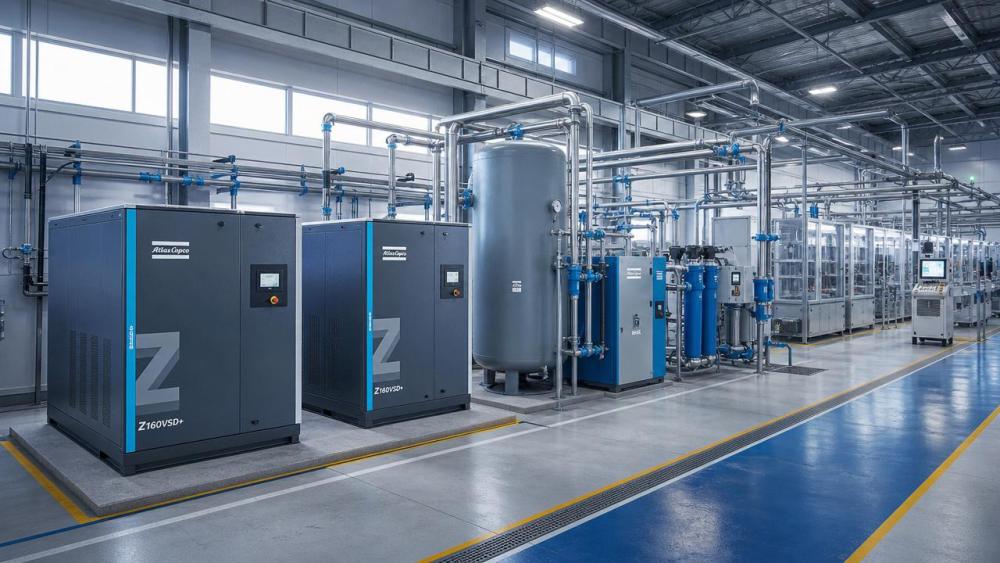
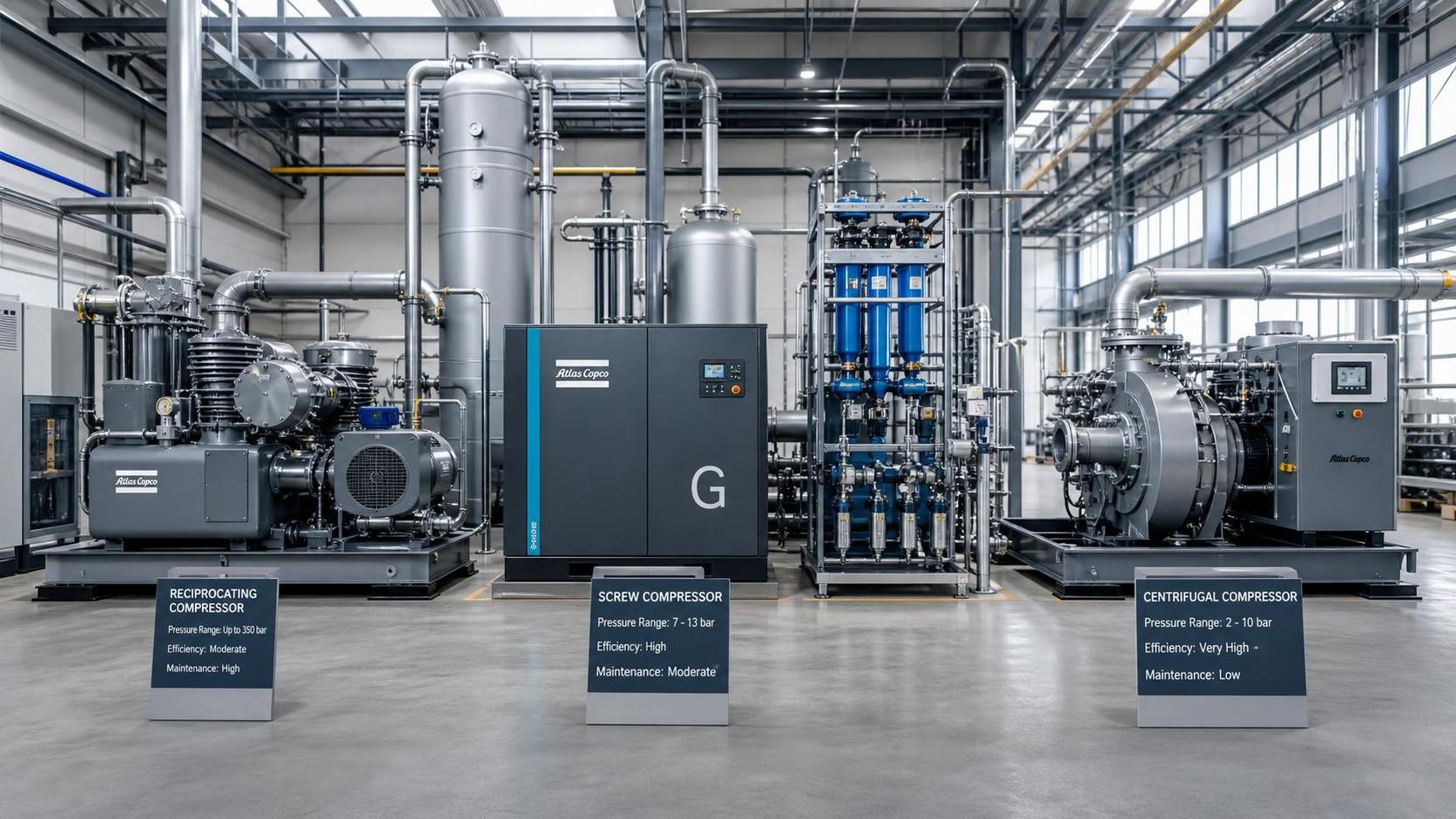
Pneumatic power systems convert electrical or mechanical input into compressed air for tools, actuators, packaging lines, valves, conveying, and automated process control.
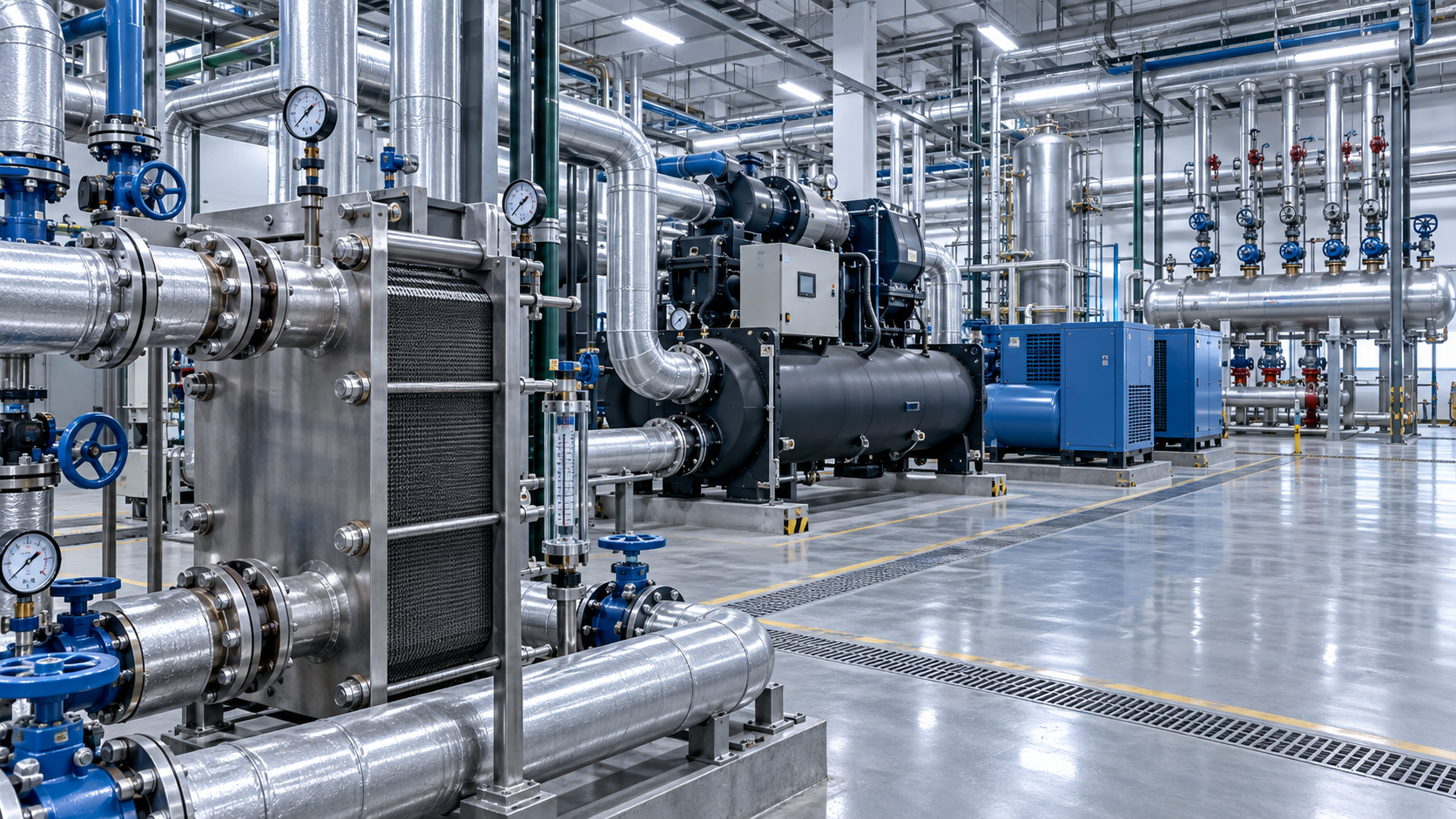
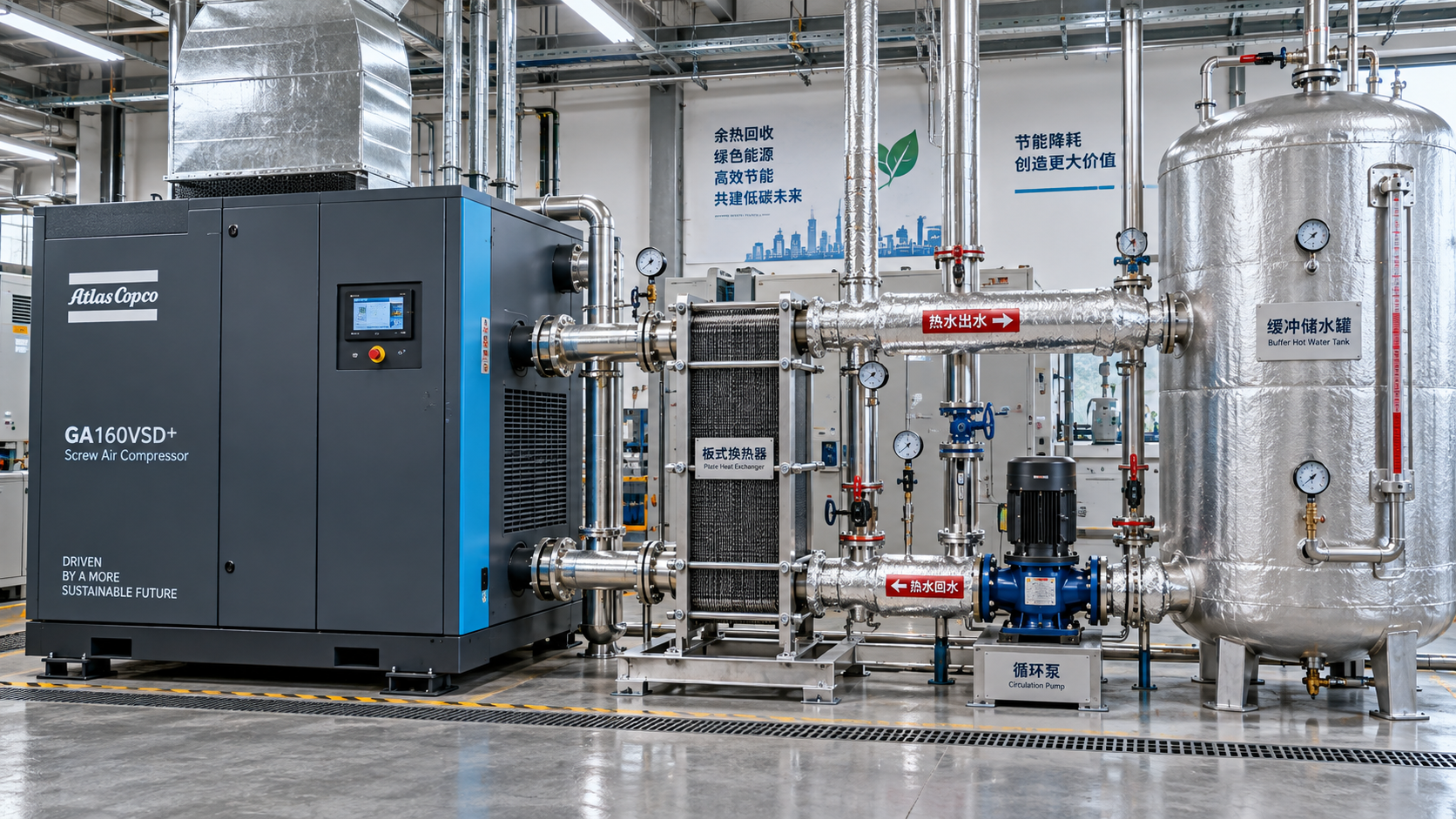
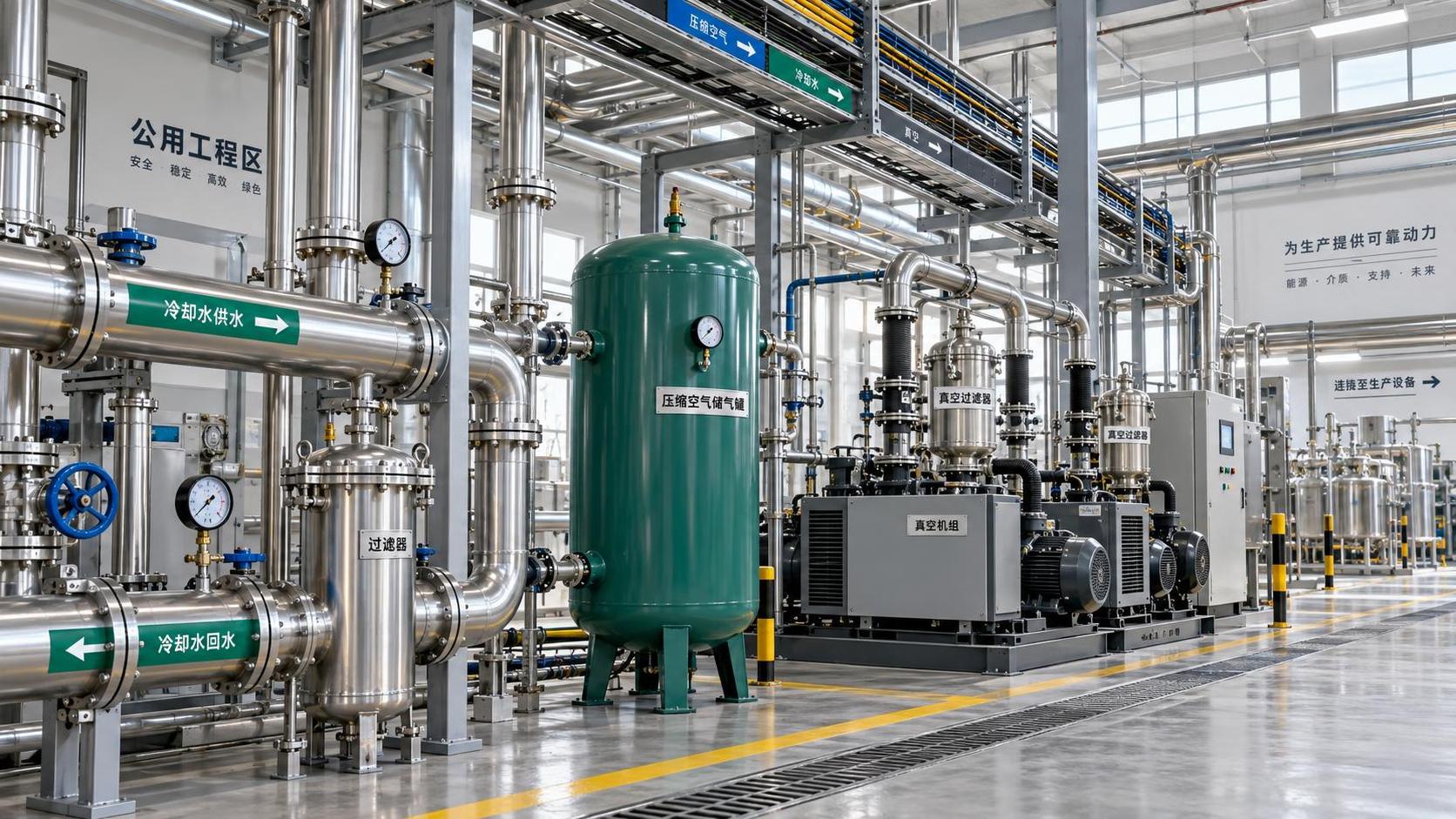
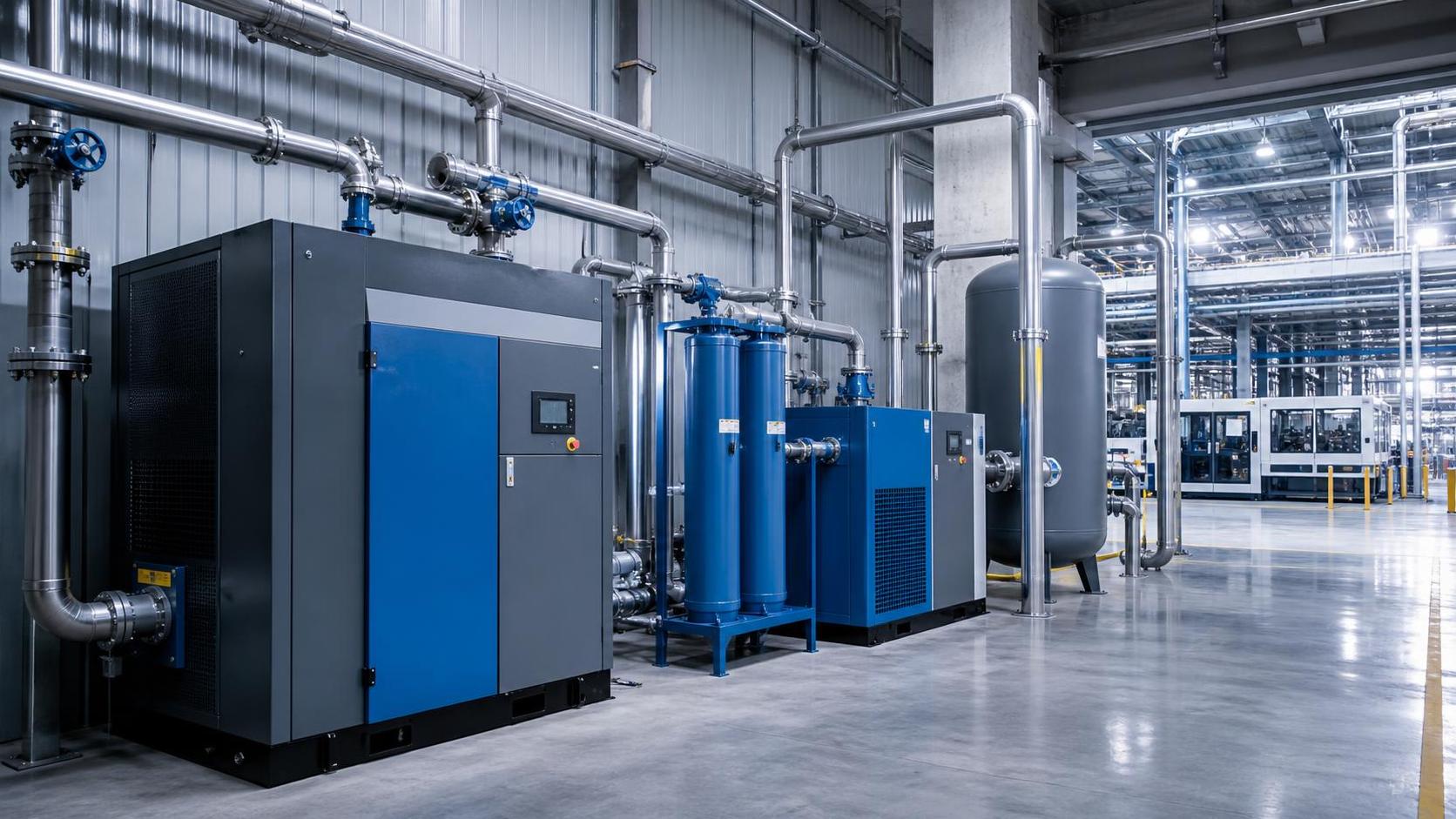
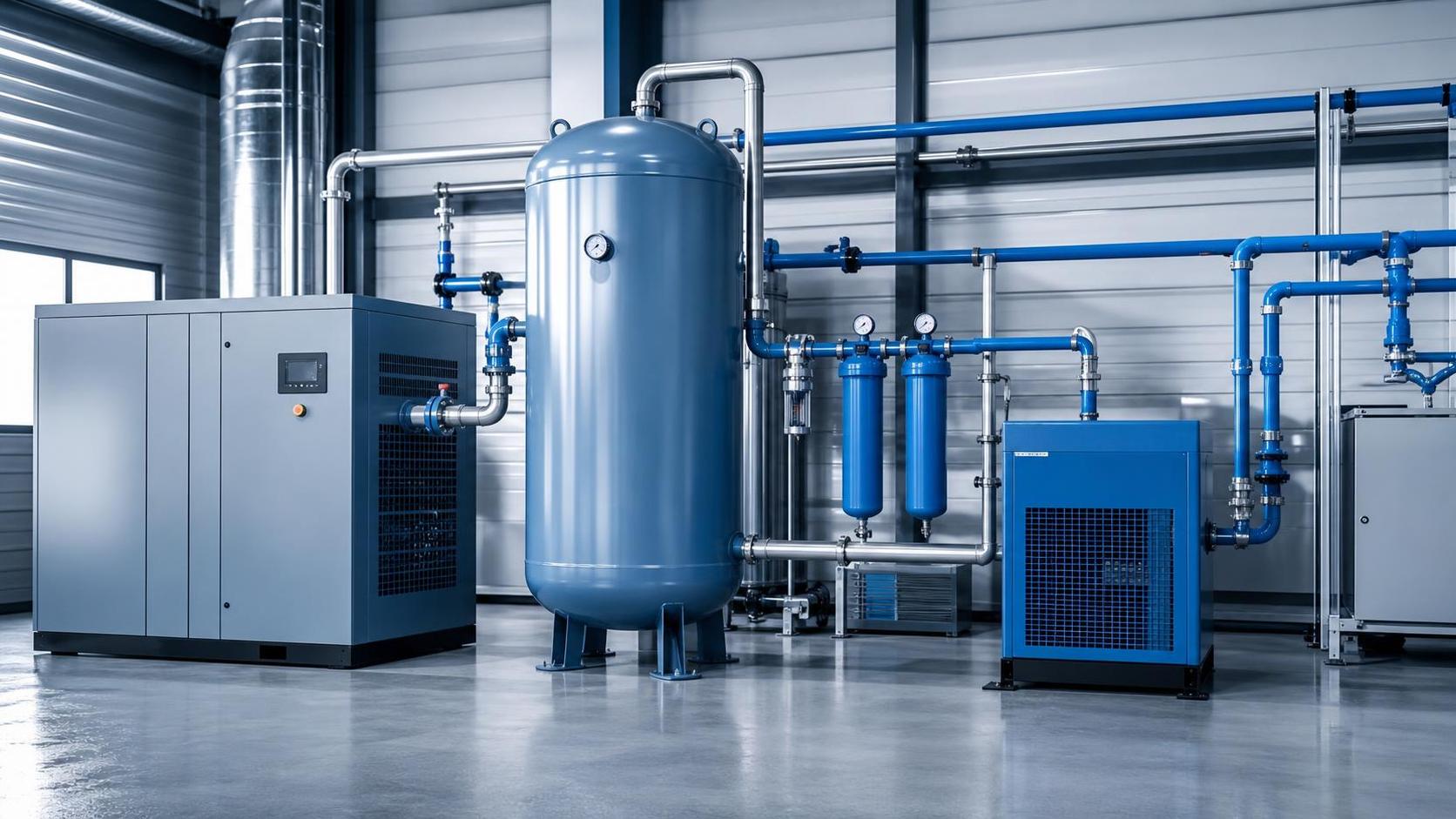
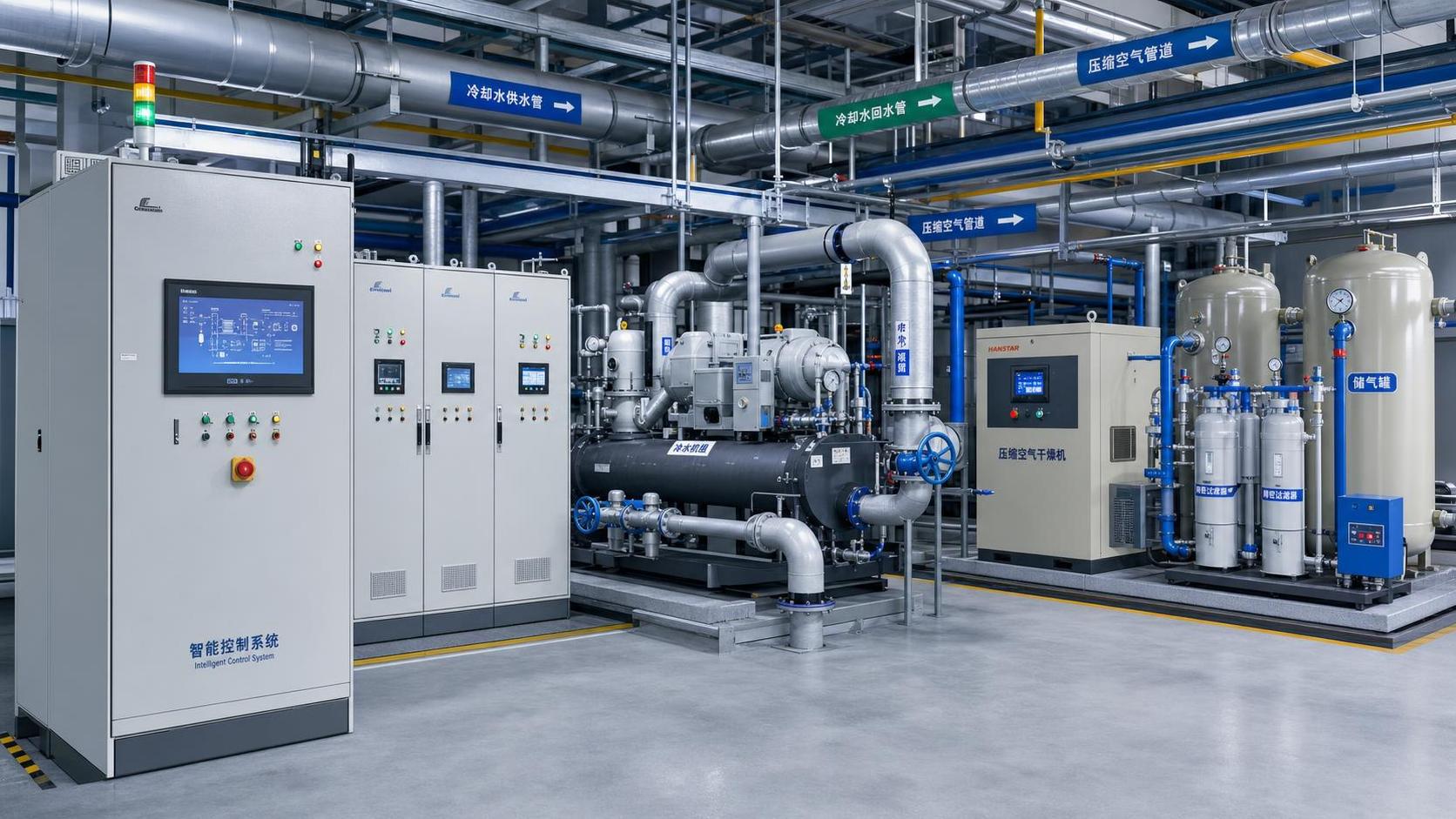
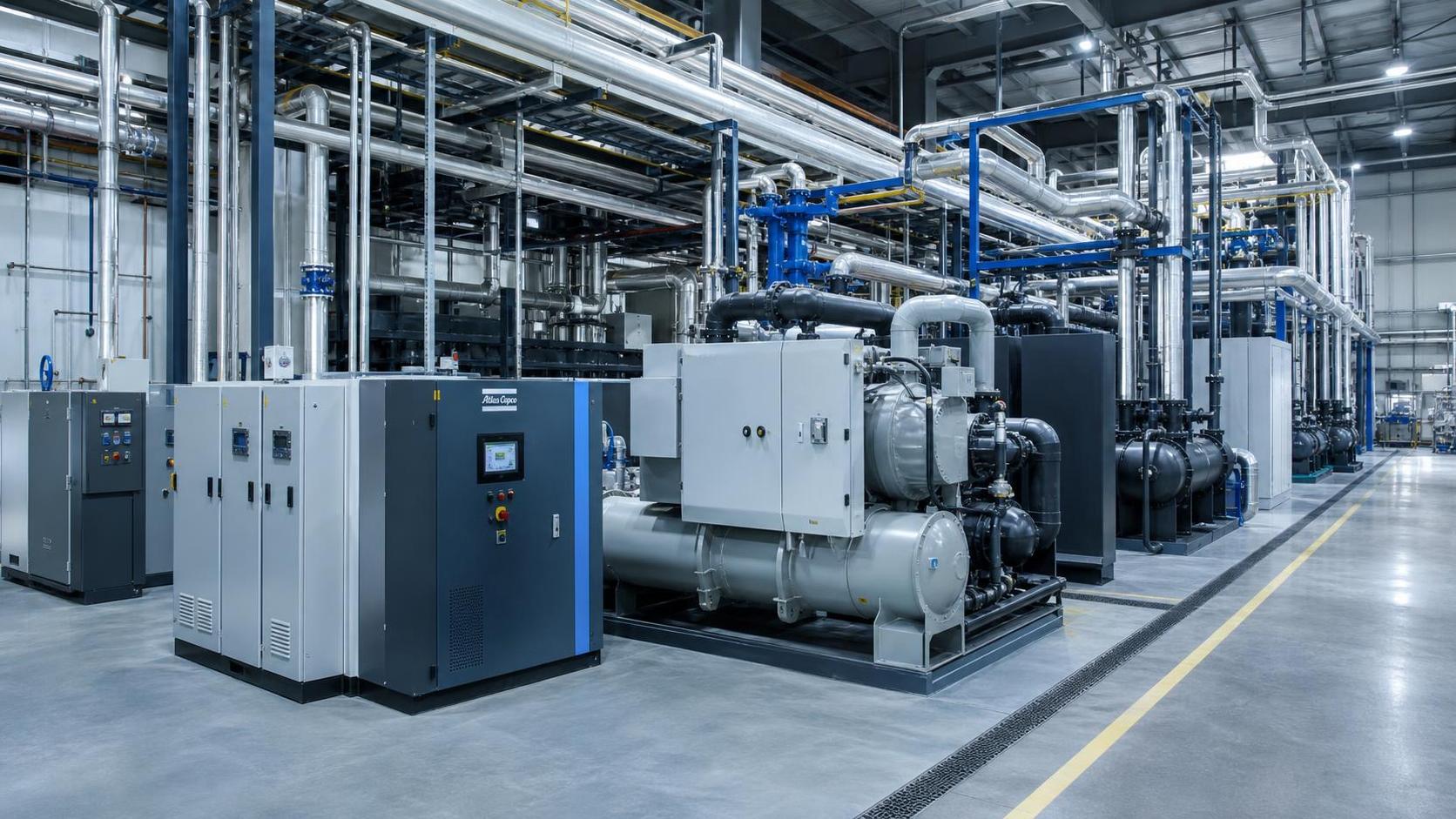
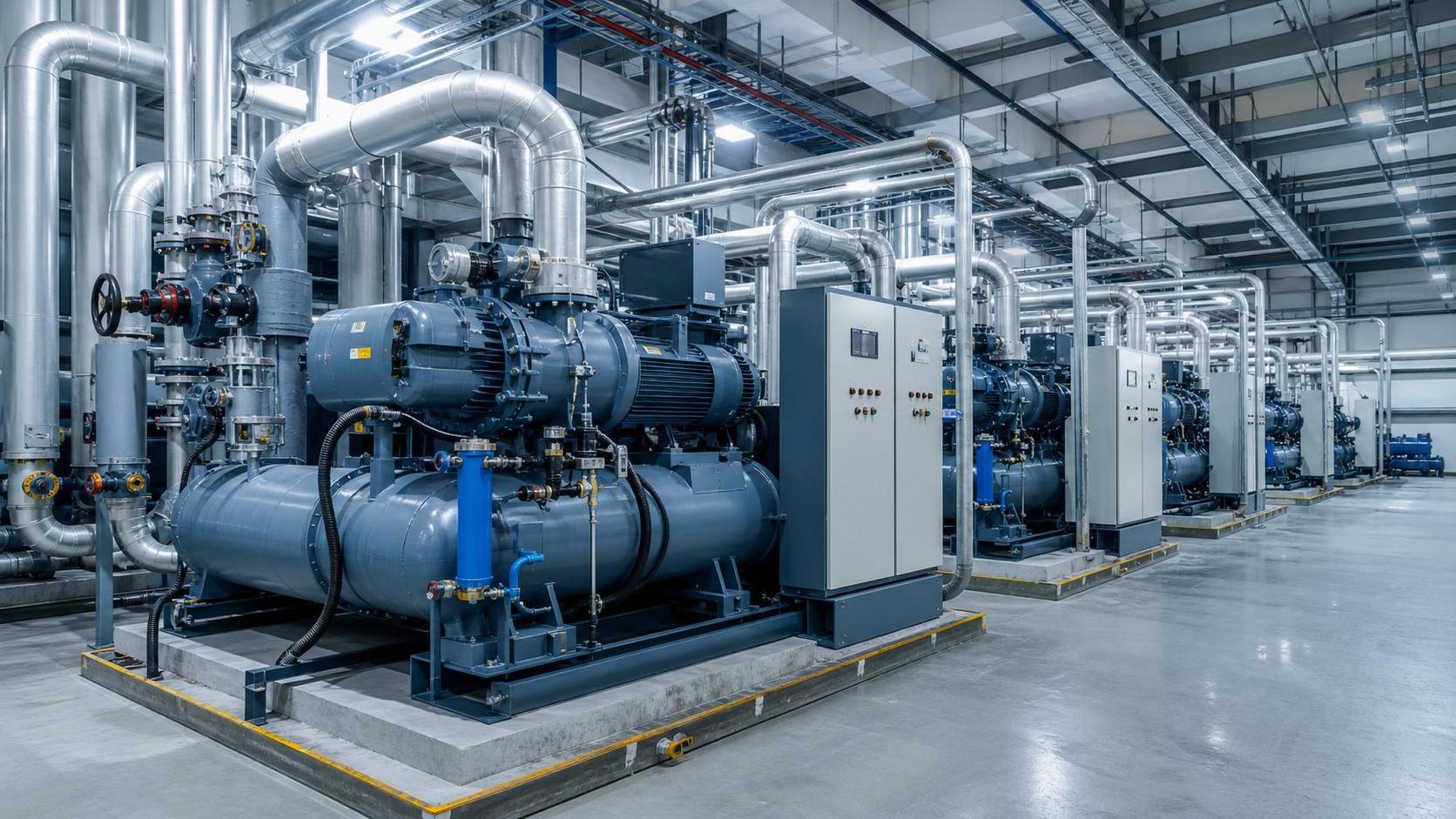
In expansion projects, these systems usually include compressors, dryers, filters, storage receivers, distribution piping, control logic, and monitoring instruments.
The cost discussion often starts with equipment price. A better framework includes installation, energy demand, pressure stability, spare strategy, and shutdown risk.
Reliability matters because compressed air failure can stop multiple lines at once. Unlike isolated machines, plantwide pneumatic power systems often support many connected operations.
That is why industrial intelligence platforms such as GTC-Matrix track cooling, compression, vacuum, and heat exchange trends together. These utilities interact in real operating environments.
Core evaluation dimensions
- Capital cost of compressors, air treatment, controls, and piping
- Reliability under variable load and future expansion phases
- Energy efficiency across full and partial demand conditions
- Maintenance burden, parts availability, and service response time
- Air quality compliance for sensitive production environments
Current industrial priorities affecting system selection
The wider industrial sector now evaluates pneumatic power systems under stronger pressure from energy volatility, decarbonization targets, automation growth, and stricter continuity planning.
These priorities change how expansion teams define value. Lowest purchase price no longer guarantees the strongest business case.
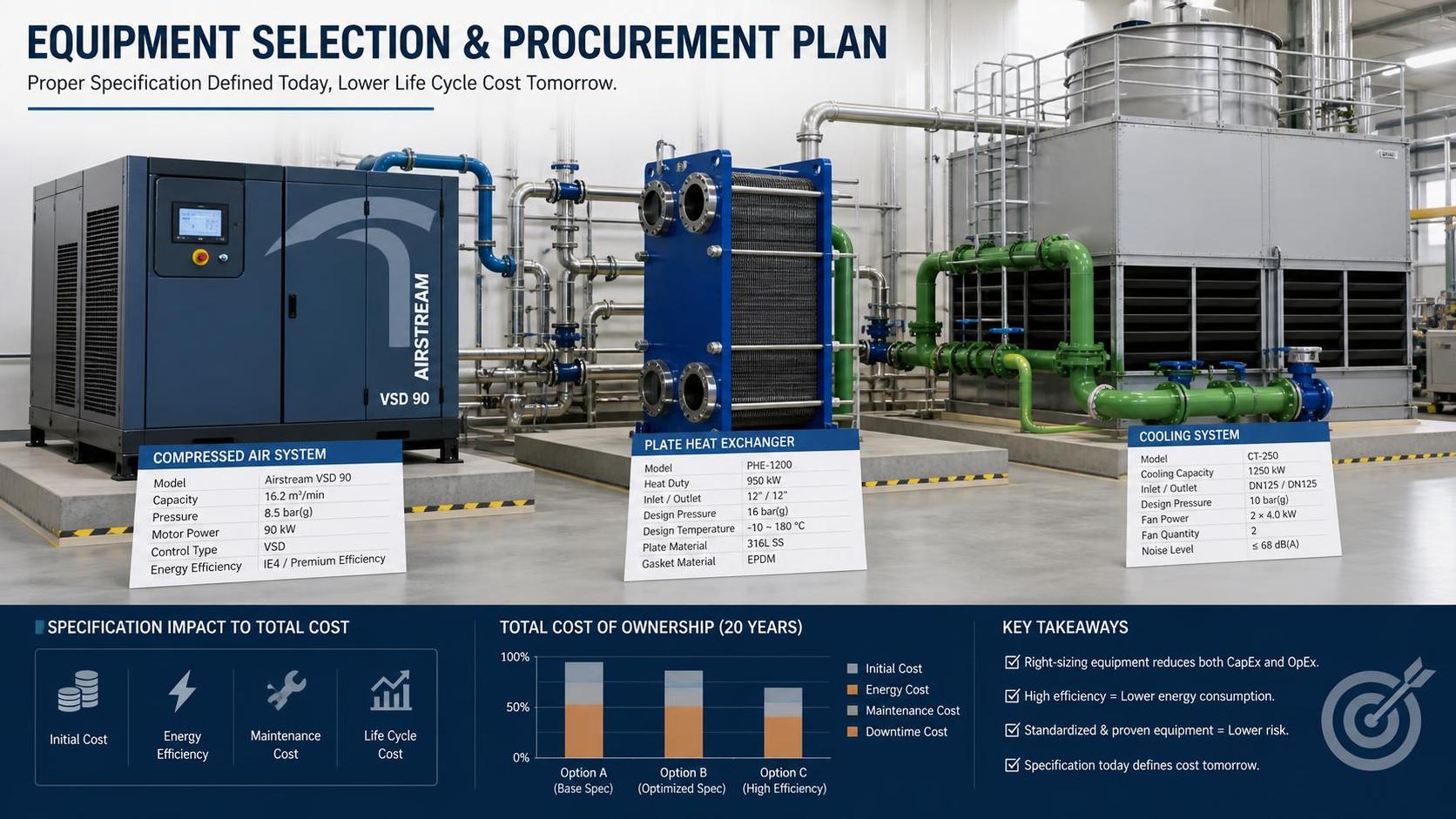
For this reason, modern expansion planning tends to compare total ownership impact. The most reliable pneumatic power systems usually balance efficiency, serviceability, and controlled redundancy.
Cost versus reliability across the asset lifecycle
A useful way to assess pneumatic power systems is to divide cost into visible and hidden categories. Visible costs are easy to budget. Hidden costs appear during operation.
Visible cost elements
- Compressor package purchase price
- Dryers, filters, receivers, and distribution piping
- Installation, electrical work, and commissioning
- Building modifications and ventilation support
Hidden cost elements
- Production loss from air pressure instability
- Emergency maintenance and premium spare procurement
- Higher energy use from poor part-load efficiency
- Quality defects caused by moisture, oil, or particulates
- Future redesign expense when capacity expands again
Reliable pneumatic power systems reduce these hidden losses. That does not always mean buying the most expensive equipment. It means selecting the most suitable design architecture.
For example, variable speed compressors may cost more initially. Yet in fluctuating demand environments, they often improve pressure control and reduce wasted electricity.
Likewise, dual-machine arrangements with smart sequencing can outperform one oversized unit. Redundancy improves resilience while matching air production more closely to real consumption.
Business value of reliable pneumatic power systems
Reliable pneumatic power systems create value beyond utility delivery. They support predictable production economics, better maintenance planning, and stronger control over operational risk.
Key business benefits
- Higher uptime because critical tools and actuators receive stable air supply.
- Lower lifecycle expense through fewer breakdowns and more efficient operation.
- Better product consistency where air quality affects process outcomes.
- Easier expansion because modular pneumatic power systems scale in planned increments.
- Improved sustainability metrics from leak reduction and optimized pressure settings.
In many facilities, compressed air demand creeps upward after expansion. Without monitoring, operators may compensate by raising system pressure, which increases energy use and stress.
That makes data visibility important. Monitoring flow, dew point, pressure, and compressor loading helps keep pneumatic power systems efficient and reliable over time.
Typical expansion scenarios and selection priorities
Different expansion profiles require different pneumatic power systems strategies. The right balance of cost and reliability depends on process sensitivity, growth speed, and downtime consequences.
This comparison shows why there is no universal answer. Pneumatic power systems should be sized and configured around operational consequences, not only around nameplate demand.
Practical guidance for evaluating expansion options
A disciplined review process can reveal whether lower-cost pneumatic power systems truly deliver value. Several checks are especially useful before final specification.
- Measure actual demand profile instead of using rough installed-load assumptions.
- Compare part-load efficiency, not only full-load performance.
- Assess failure impact on production, quality, and restart time.
- Check whether dryers and filters match required air quality class.
- Review service network strength and critical spare availability.
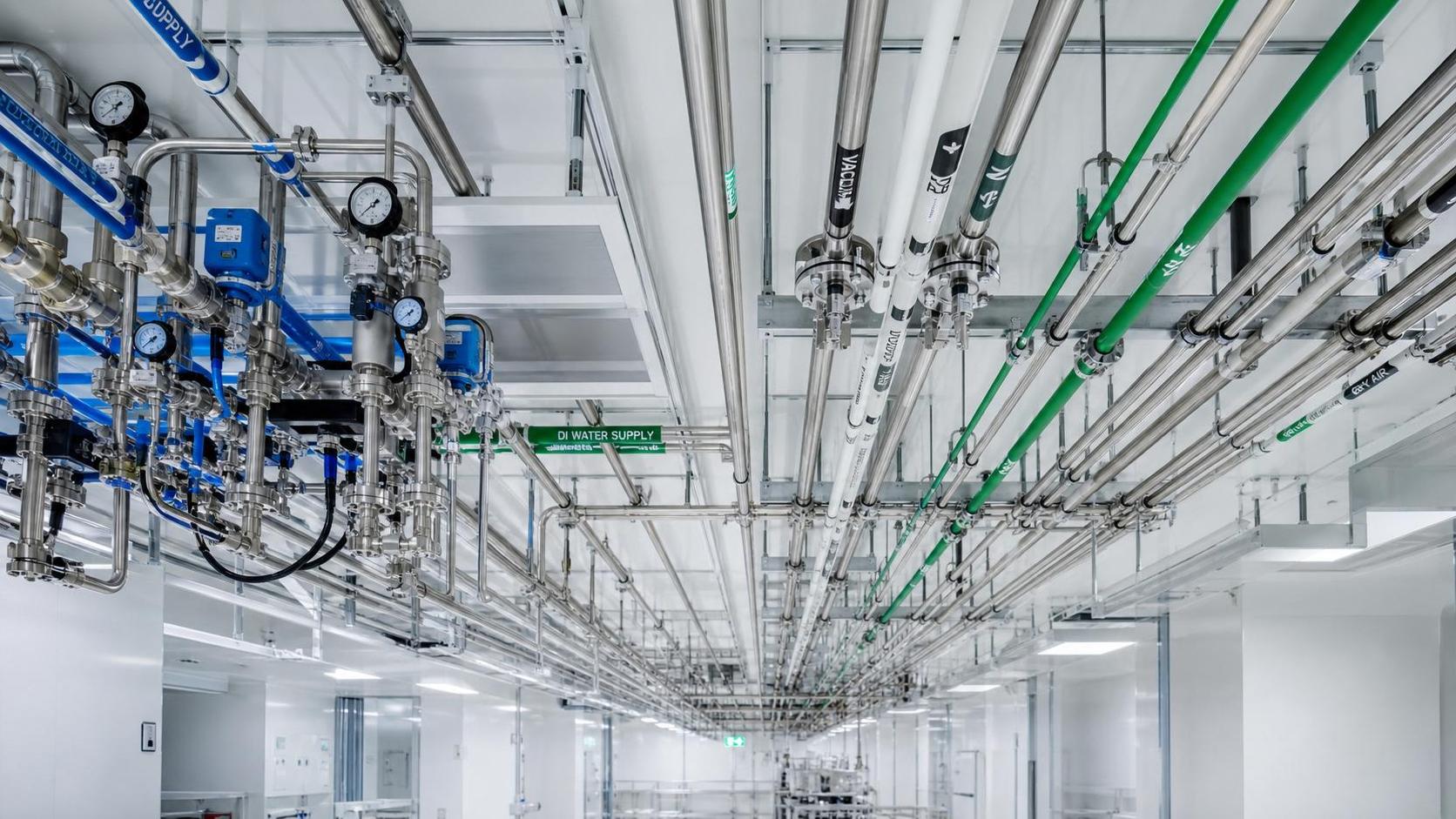
- Plan pipe routing to minimize pressure drop and future rework.
- Include leak auditing and digital monitoring from the beginning.
It is also wise to stress-test assumptions. Ask how pneumatic power systems will perform during peak shifts, maintenance windows, summer heat, and future process additions.
Where reliability is mission critical, a slightly higher capital budget often protects far larger revenue streams. That tradeoff should be quantified, not guessed.
Action path for better lifecycle decisions
The strongest expansion decisions treat pneumatic power systems as strategic infrastructure. Cost remains important, but reliability determines whether growth capacity performs as planned.
Start with a demand and risk baseline. Then compare equipment layouts using lifecycle energy, maintenance exposure, air quality needs, and downtime impact.
Use intelligence from compression, thermal, and process trends to avoid narrow specification choices. That broader view supports resilient design in a changing industrial environment.
For expansion projects seeking durable value, pneumatic power systems should be selected for efficiency, serviceability, and continuity together. That is where long-term cost advantage is truly created.
Related News
- How industrial utility systems affect energy costs in process plantsAuthor :

- Is Compressor Heat Recovery Worth the Installation Cost?Author :

- What to verify before choosing a process separation technology supplierAuthor :

- When does process utilities engineering reduce project rework?Author :

- Where thermal efficiency optimization delivers the fastest savings in EuropeAuthor :

- What should you verify before selecting a heat transfer supplier?Author :

- What drives compressed air systems price for industrial projects?Author :

- How an industrial product knowledge comparison guide reduces sourcing riskAuthor :

- When does a procurement specification planning process reduce bid risk?Author :

- When does thermal system optimization for electronics reduce failure risk?Author :

- When high temperature process heating systems justify the higher energy costAuthor :

- How to compare sludge dewatering equipment by cake drynessAuthor :

- What to Check Before Sourcing a Gas Turbine for Distributed Power ProjectsAuthor :

- What drives industrial thermal systems price in large facility projectsAuthor :

- How to build an industrial product comparison chart that speeds up vendor selectionAuthor :

- Vacuum Technology Application Guide for Selecting the Right SystemAuthor :

- What Drives Vacuum Drying Cost in Industrial Procurement?Author :

- What Drives Compressed Air Pricing in Industrial Systems?Author :

- How Procurement Specification Planning Shapes Total Project CostAuthor :

- Compression Technology Guide: How to Compare Efficiency, Pressure Range, and Maintenance NeedsAuthor :

- How to Compare Industrial Separators by Throughput, Purity, and Maintenance LoadAuthor :

- How to Size a Compressed Air Equipment Receiver Tank for Stable PressureAuthor :

- Industrial Equipment Selection Guide: How to Compare Capacity, Duty Cycle, and Operating CostAuthor :

- How to Evaluate an Intellectualization Supplier for Industrial UpgradesAuthor :

- High-Efficiency Manufacturing: Cost Savings vs. Upgrade RiskAuthor :

- Thermal System Optimization Cost: What Drives ROI?Author :

- How to Plan Process Utilities for a Cleanroom Without Costly ReworkAuthor :

- How to Compare Process Heating Suppliers in MexicoAuthor :

- Food Processing Utilities: Common Sizing Mistakes That Raise Energy and Water UseAuthor :

- How to Build Procurement Specification Planning for Industrial EquipmentAuthor :

- OEM Cooperation for Industrial Equipment: Risks, Terms, and Cost PrioritiesAuthor :

- Specification-Oriented Product Resources That Speed Technical ReviewAuthor :

- Industrial Equipment Selection Guide: A Practical Buyer ChecklistAuthor :

- How to Compare Industrial Energy Management Systems by ROIAuthor :

- How to Evaluate a Deaerators Supplier for Long-Term Plant ReliabilityAuthor :
![]()
- How to Evaluate a Vacuum Technology Manufacturer in 2026Author :