



Pneumatic Power Systems: Key Risks Before System Expansion




Expanding pneumatic power systems can unlock higher throughput, but it also introduces hidden technical, financial, and operational risks that project leaders cannot ignore. Before adding capacity, decision-makers must evaluate pressure stability, energy efficiency, system compatibility, maintenance demands, and future compliance requirements. This article outlines the key risks before system expansion, helping project managers build more resilient, cost-effective, and scalable pneumatic infrastructure.
For most project leaders, the core question is not whether expansion is possible, but whether it will deliver reliable output without creating new bottlenecks, energy waste, or long-term maintenance problems. In practice, many pneumatic upgrades underperform because teams focus on adding compressor capacity while overlooking the wider system behavior.
The real search intent behind “pneumatic power systems” in this context is highly practical: readers want to identify the risks that can derail a system expansion before capital is committed. They need a framework for judging technical feasibility, cost exposure, implementation risk, and future scalability.
That means the most useful discussion is not a basic explanation of how pneumatic systems work. What matters more is pressure performance under changing loads, compatibility with existing distribution networks, hidden lifecycle costs, downtime risk during integration, and compliance pressure tied to energy and environmental standards.
Why system expansion often creates more risk than expected
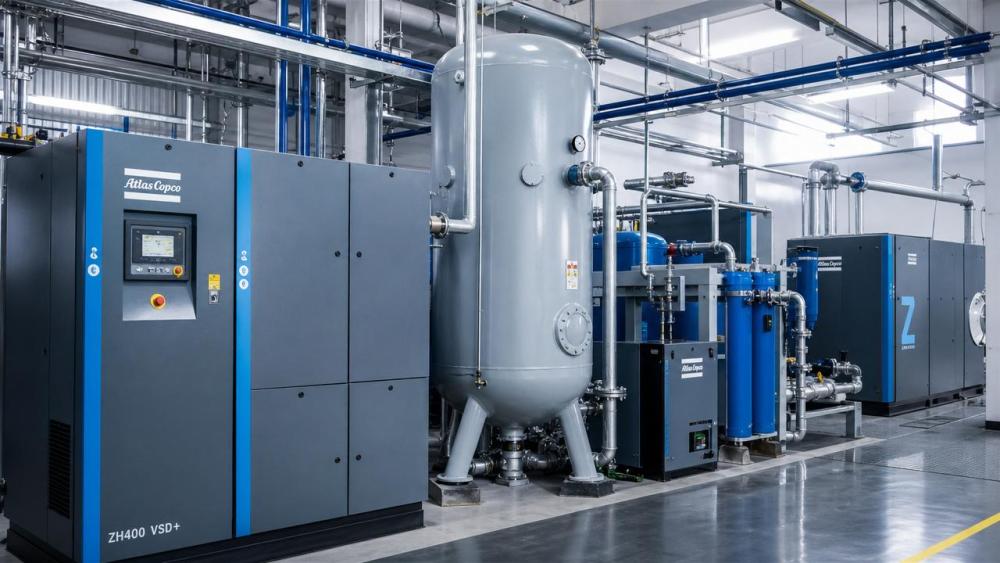
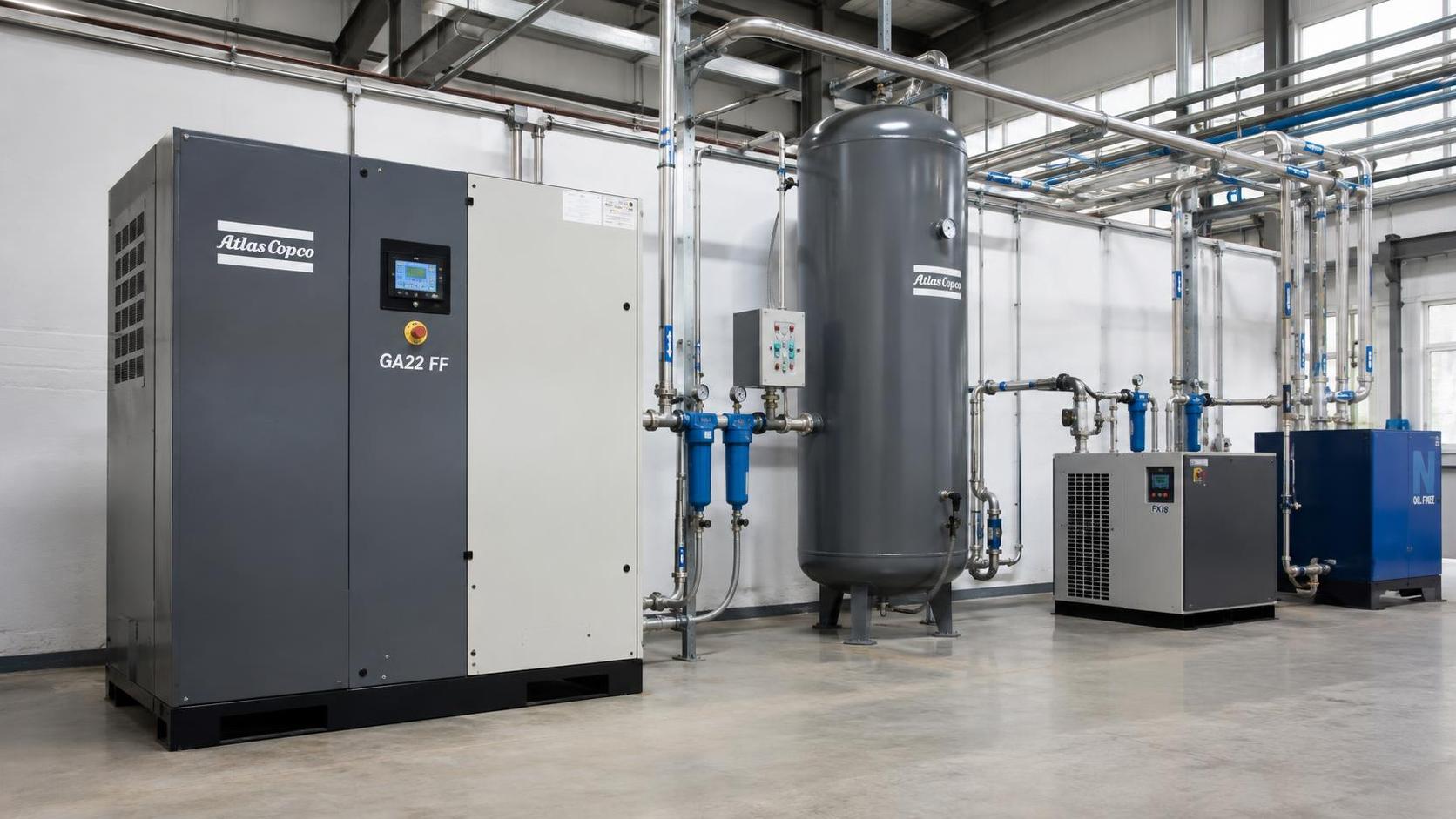
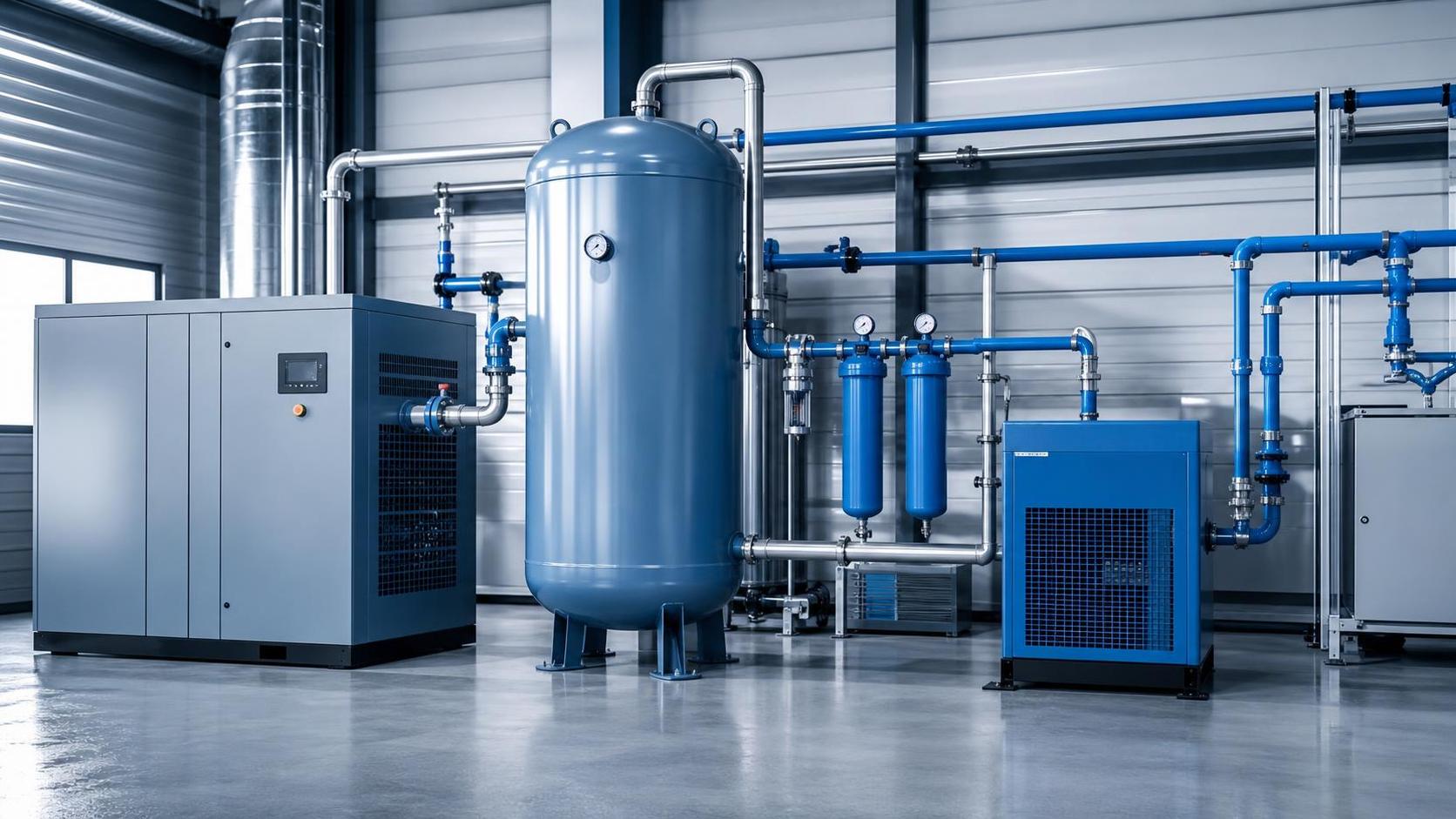
Expanding pneumatic power systems seems straightforward on paper: install additional compressors, enlarge storage, extend piping, and support more end-use equipment. Yet in operating plants, performance depends on how the entire compressed air ecosystem responds as demand patterns change. Even a well-sized new compressor can fail to solve production issues if the network remains unstable.
Project managers should assume that expansion introduces system-level risk, not just equipment-level risk. Pressure drops, moisture issues, control conflicts, poor sequencing, and distribution imbalances often appear only after the expanded system goes live. By that point, correction costs are higher and internal confidence is lower.
A useful principle is this: pneumatic power systems should be expanded as integrated infrastructure, not as isolated assets. The more fragmented the decision process, the greater the chance of overspending on capacity while still underdelivering on reliability.
Will the expanded system maintain pressure stability under real operating conditions?
Pressure stability is usually the first technical question that deserves management attention. Production teams often request more air because they experience low-pressure events at specific machines or during peak shifts. However, those symptoms do not always mean the site lacks total compressor capacity. They may point to poor distribution design, excessive pressure losses, or mismatched controls.
Before approving expansion, teams should measure actual demand profiles across shifts, start-stop cycles, and simultaneous equipment loading. A system may look undersized based on installed load, while the real issue is short-duration peak demand that could be handled more effectively through storage, control optimization, or piping redesign.
It is also important to test the system at the farthest or most sensitive use points, not only at the compressor room. A pneumatic power system that shows acceptable pressure near the supply source may still deliver unstable pressure to critical tools, valves, actuators, or packaging lines. For project managers, this matters because production risk lives at the point of use.
When expansion proceeds without a pressure map, the result is often one of two costly mistakes: oversizing new generation assets to compensate for network inefficiency, or undersizing support components such as receivers, dryers, and line diameters. Both lead to recurring performance disputes after startup.
Are you solving a capacity problem, or hiding a system efficiency problem?
Many industrial sites treat compressed air expansion as a capacity project when it is really an efficiency recovery project. This distinction matters because pneumatic power systems are among the more energy-intensive utility systems in a plant. If leakage, poor controls, artificial demand, or excessive setpoints remain unresolved, expansion simply scales waste.
Artificial demand is a common hidden cost. Every unnecessary increase in system pressure causes equipment to consume more air than it needs. If managers approve expansion without first reviewing pressure settings and end-use requirements, they may fund larger compressors to support waste rather than productivity.
Leakage is another major concern. In aging facilities, leakage rates can become large enough to distort demand planning. A network that appears to need 20% more supply may only need better maintenance discipline, isolation practices, and line auditing. This is why pre-expansion leak studies are often one of the highest-return activities available.
Control strategy also deserves scrutiny. Multiple compressors operating without proper sequencing can create unstable load sharing, inefficient unloaded running, and excess energy consumption. Adding a new machine to a weak control architecture can amplify inefficiency instead of reducing it. For project leaders, this becomes a business case issue, not just a technical one.
A sound expansion decision therefore starts with a baseline: current specific energy performance, leakage estimate, pressure profile, dryer loading, and storage effectiveness. Without that baseline, return-on-investment assumptions are often too optimistic.
Can the existing infrastructure support new equipment without creating compatibility issues?
System compatibility is one of the most underestimated risks in pneumatic power systems expansion. New compressors, variable-speed units, dryers, filters, receivers, and controllers may each perform well individually, yet still interact poorly with legacy infrastructure.
For example, a high-efficiency compressor may require cleaner intake conditions, different cooling arrangements, or more sophisticated controls than the existing plant can provide. A new dryer may be technically adequate but wrongly positioned relative to demand zones, resulting in condensation risks in downstream lines. Larger flow rates may expose piping that was never designed for the new velocity profile.
Integration with controls is especially important. If the plant uses older supervisory logic or local compressor controls without centralized optimization, new assets can “fight” with installed units. This can cause frequent cycling, unstable pressure bands, and shortened equipment life. From a project governance perspective, compatibility risk should be reviewed across mechanical, electrical, controls, and maintenance teams together.
It is equally important to evaluate air quality requirements by application. If expansion serves pharmaceutical packaging, food processing, electronics assembly, or instrument air, the system may need upgraded filtration, oil-free compression, or stricter dew point performance. Capacity growth without air quality alignment can create quality failures that far outweigh utility savings.
How much downtime and installation disruption should you really expect?
One of the biggest concerns for engineering project leaders is implementation risk. Expanding pneumatic power systems in live industrial environments rarely happens without some interruption, temporary bypassing, or commissioning complexity. If these factors are not planned early, project schedules can slip and production losses can overshadow the expected benefits.
Managers should ask which parts of the installation can be completed offline and which require shutdown windows. Tie-ins to existing headers, controls migration, dryer replacement, and receiver upgrades often involve operational coordination that is more complex than equipment procurement itself.
Commissioning risk is another factor. A newly expanded system may require tuning of setpoints, sequencing logic, condensate handling, and alarm thresholds. If the vendor scope ends at mechanical installation, the plant may be left with a technically complete but operationally unstable system. This is why acceptance criteria should include measured performance under realistic load, not only no-load startup checks.
It is wise to build contingency planning into the project: temporary air supply arrangements, phased cutover plans, spare critical components, and rollback procedures if controls integration fails. These measures may seem conservative, but they are often what separates a stable upgrade from an expensive operational incident.
What hidden lifecycle costs can undermine the business case?
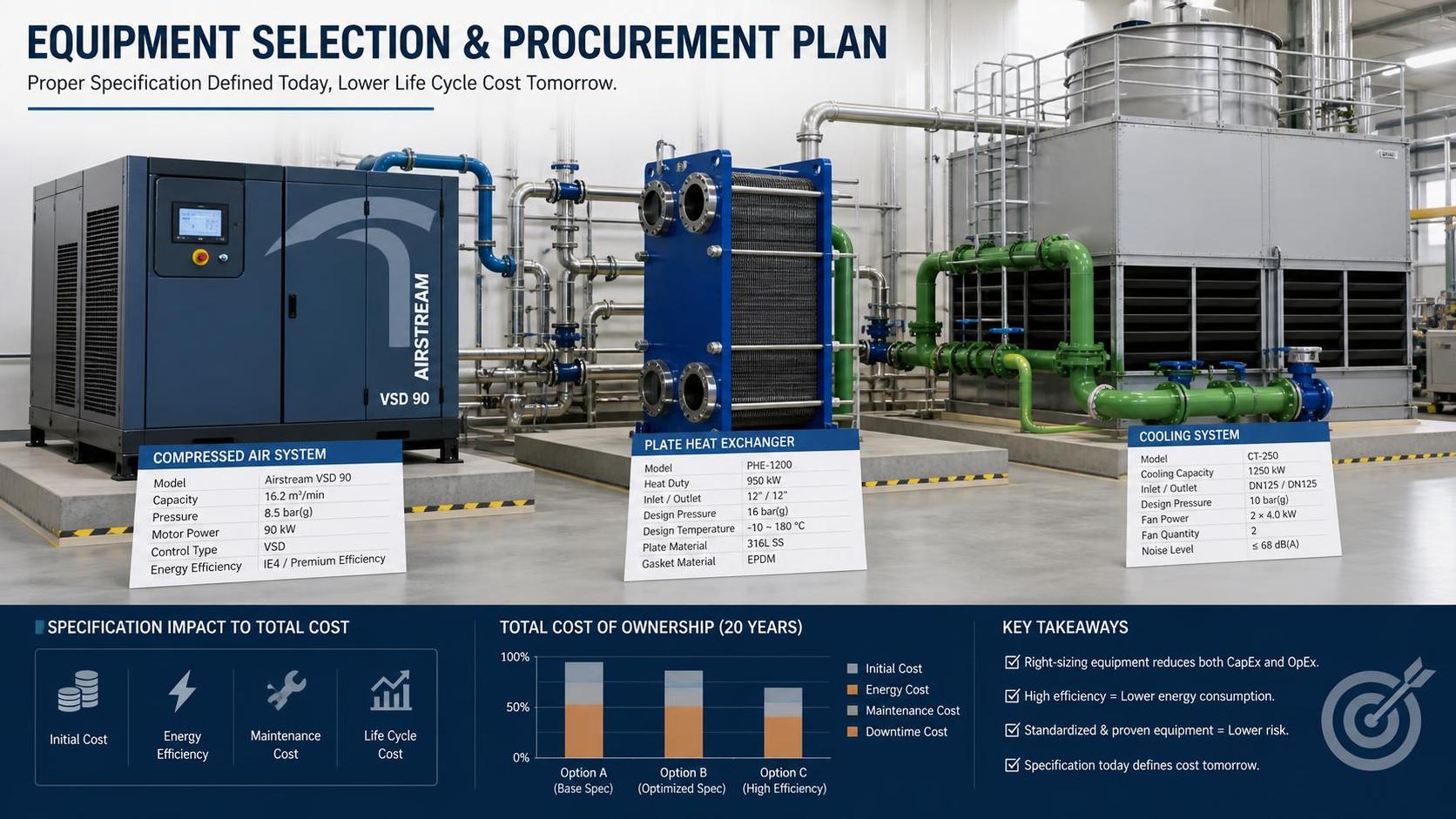
Initial capital cost is only part of the decision. For pneumatic power systems, the larger financial exposure usually sits in operating energy, maintenance labor, consumables, condensate management, and equipment reliability over time. A lower purchase price can become far more expensive over the asset life if efficiency and maintainability are poor.
Energy is typically the dominant lifecycle cost. Even a modest difference in specific power can materially affect annual operating expense, especially in multi-shift or continuous processes. Project managers should therefore compare expansion options using lifecycle cost models rather than vendor price alone.
Maintenance burden also deserves explicit attention. Does the new configuration increase the number of service points? Are spare parts globally available? Can in-house teams support the controls platform? Will the expansion require more specialized filtration management or dew point monitoring? If maintenance capability is not aligned with the design, performance declines quickly after handover.
Another hidden cost lies in poor modularity. If the expanded system is difficult to isolate, service, or phase for future upgrades, each later change becomes more expensive. Project leaders should think beyond the immediate demand increase and ask whether the design supports future production changes without forcing another major rebuild.
Are compliance and sustainability requirements likely to change during the asset life?
Compliance risk is becoming more relevant for industrial utilities. While pneumatic power systems are not regulated in the same way as emissions-intensive combustion assets, they are increasingly affected by energy efficiency expectations, plant decarbonization goals, workplace safety standards, condensate disposal rules, and industry-specific quality requirements.
For organizations with environmental reporting targets, compressed air efficiency directly affects electricity use and Scope 2 emissions. An expansion that locks in inefficient operation can conflict with broader sustainability commitments. This is especially important for multinational manufacturers that must justify utility investments across both production and carbon-performance criteria.
Safety and air quality compliance can also evolve. If future customer requirements demand cleaner process air, lower contamination risk, or more auditable utility performance, today’s “good enough” design may soon become inadequate. Investing in scalable monitoring, filtration flexibility, and better controls can therefore reduce future retrofit costs.
From a strategic standpoint, compliant design is not only about avoiding penalties. It also protects asset relevance. The best expansion projects are those that remain technically and commercially viable even as standards, energy prices, and production expectations shift.
How should project managers evaluate expansion options before approval?
Decision-makers need a disciplined evaluation process. The most effective approach is to assess pneumatic power systems expansion through five lenses: demand reality, network performance, lifecycle economics, implementation risk, and future adaptability.
First, verify demand with real operating data rather than assumptions from nameplate loads or isolated production complaints. Second, assess the full network, including pressure drop, storage, treatment, controls, and leakage. Third, build a lifecycle cost model that includes energy, service, downtime, and expected reliability outcomes.
Fourth, evaluate project execution risk in detail. This means shutdown planning, commissioning scope, vendor accountability, integration complexity, and contingency requirements. Fifth, test whether the chosen design supports future production changes, energy strategy, and compliance developments.
It is also useful to classify solutions into three categories: optimization before expansion, targeted infrastructure reinforcement, and full capacity addition. In many cases, sites achieve meaningful gains through optimization and selective upgrades before installing major new generation assets. That sequencing improves ROI and reduces regret risk.
For complex facilities, an independent system audit can be valuable. External review often identifies interactions that internal teams miss because compressor performance, piping design, controls behavior, and production demand are managed by different departments. Better decisions happen when those views are integrated.
A practical pre-expansion checklist for pneumatic power systems
Before final approval, project leaders should be able to answer several questions with evidence, not assumptions. What is the site’s true peak and average air demand? Where do the biggest pressure losses occur? How much air is currently lost to leaks? Is the problem generation capacity, distribution efficiency, storage response, or control logic?
They should also ask whether existing dryers and filters can support expanded flow and required air quality. Is the electrical infrastructure sufficient for new equipment? Can the cooling and ventilation environment support added compressor heat loads? Are spare parts and maintenance skills available locally?
On the commercial side, teams should validate energy cost projections, downtime assumptions, installation sequencing, and payback sensitivity under different production scenarios. If the business case only works under ideal assumptions, it is probably too fragile.
Finally, management should confirm that success criteria are clear. Expansion should not be judged solely by installed kilowatts or theoretical flow capacity. It should be measured by stable pressure at point of use, improved production support, acceptable lifecycle cost, and reduced operational risk.
Conclusion: expand only when the whole system case is strong
Expanding pneumatic power systems can absolutely support growth, improve reliability, and unlock production capacity. But for project managers, the main risk is treating expansion as a simple equipment purchase instead of a full-system decision. The most expensive mistakes usually come from overlooking pressure behavior, efficiency losses, compatibility gaps, commissioning disruption, and lifecycle cost exposure.
A strong expansion plan starts with data, not assumptions. It verifies the real source of demand stress, tests whether optimization can recover capacity, and ensures that any new investment fits the plant’s technical, financial, and compliance trajectory. When those checks are done well, pneumatic system expansion becomes a strategic upgrade rather than a reactive cost.
In short, the best decision is not always to add more compressed air supply immediately. It is to build a pneumatic infrastructure that delivers stable performance, efficient energy use, manageable maintenance, and room for future change. That is the standard project leaders should use before committing to expansion.
Related News
- What to verify before choosing a process separation technology supplierAuthor :

- When does process utilities engineering reduce project rework?Author :

- Where thermal efficiency optimization delivers the fastest savings in EuropeAuthor :

- What should you verify before selecting a heat transfer supplier?Author :

- What drives compressed air systems price for industrial projects?Author :

- How an industrial product knowledge comparison guide reduces sourcing riskAuthor :

- When does a procurement specification planning process reduce bid risk?Author :

- When does thermal system optimization for electronics reduce failure risk?Author :

- When high temperature process heating systems justify the higher energy costAuthor :

- How to compare sludge dewatering equipment by cake drynessAuthor :

- What to Check Before Sourcing a Gas Turbine for Distributed Power ProjectsAuthor :

- What drives industrial thermal systems price in large facility projectsAuthor :

- How to build an industrial product comparison chart that speeds up vendor selectionAuthor :

- Vacuum Technology Application Guide for Selecting the Right SystemAuthor :

- What Drives Vacuum Drying Cost in Industrial Procurement?Author :

- What Drives Compressed Air Pricing in Industrial Systems?Author :

- How Procurement Specification Planning Shapes Total Project CostAuthor :

- Compression Technology Guide: How to Compare Efficiency, Pressure Range, and Maintenance NeedsAuthor :

- How to Compare Industrial Separators by Throughput, Purity, and Maintenance LoadAuthor :

- How to Size a Compressed Air Equipment Receiver Tank for Stable PressureAuthor :

- Industrial Equipment Selection Guide: How to Compare Capacity, Duty Cycle, and Operating CostAuthor :

- How to Evaluate an Intellectualization Supplier for Industrial UpgradesAuthor :

- High-Efficiency Manufacturing: Cost Savings vs. Upgrade RiskAuthor :

- Thermal System Optimization Cost: What Drives ROI?Author :

- How to Plan Process Utilities for a Cleanroom Without Costly ReworkAuthor :

- How to Compare Process Heating Suppliers in MexicoAuthor :

- Food Processing Utilities: Common Sizing Mistakes That Raise Energy and Water UseAuthor :

- How to Build Procurement Specification Planning for Industrial EquipmentAuthor :

- OEM Cooperation for Industrial Equipment: Risks, Terms, and Cost PrioritiesAuthor :

- Specification-Oriented Product Resources That Speed Technical ReviewAuthor :

- Industrial Equipment Selection Guide: A Practical Buyer ChecklistAuthor :

- How to Compare Industrial Energy Management Systems by ROIAuthor :

- How to Evaluate a Deaerators Supplier for Long-Term Plant ReliabilityAuthor :
![]()
- How to Evaluate a Vacuum Technology Manufacturer in 2026Author :

- Thermal Efficiency Optimization Software: When the ROI Justifies DeploymentAuthor :

- How to Evaluate Application-Specific Compression Solutions by Throughput and Energy UseAuthor :