Which boiler upgrades deliver the fastest efficiency cost reduction




Which boiler upgrades deliver the fastest efficiency cost reduction
When fuel prices stay volatile and carbon reporting becomes less optional, boiler improvement decisions stop being a maintenance topic and become a capital allocation question. The practical issue is not whether a plant can make a boiler more efficient. It is which upgrade delivers the fastest boiler efficiency cost reduction without disrupting output, creating compliance problems, or locking the site into the wrong technical path.
In most industrial facilities, the fastest savings rarely come from replacing the entire boiler first. They usually come from correcting combustion, recovering heat that is currently leaving through the stack, and tightening control over load response and excess air. That sounds straightforward, but payback depends heavily on fuel type, operating hours, return water temperature, stack conditions, steam profile, and the plant’s real turndown behavior rather than the nameplate assumption.
For decision-makers comparing options, it helps to separate boiler upgrades into two groups: fast-return measures that improve how the existing system runs, and larger interventions that change the thermal architecture of the plant. The first group is where most cost-focused projects begin.
Where the quickest returns usually come from
A few upgrades consistently move to the top of the shortlist because they target the most common losses.
1. Burner tuning and combustion controls
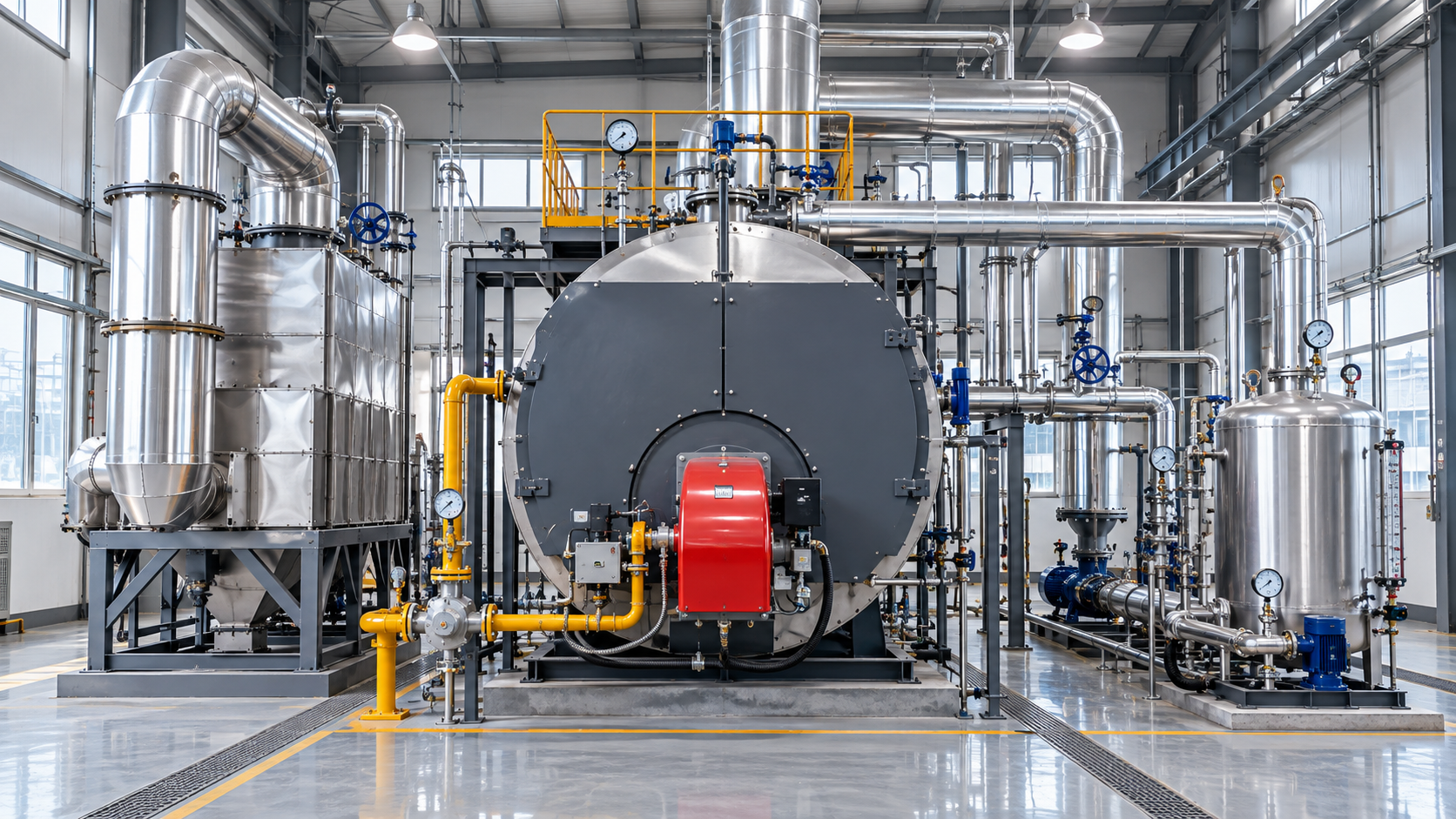
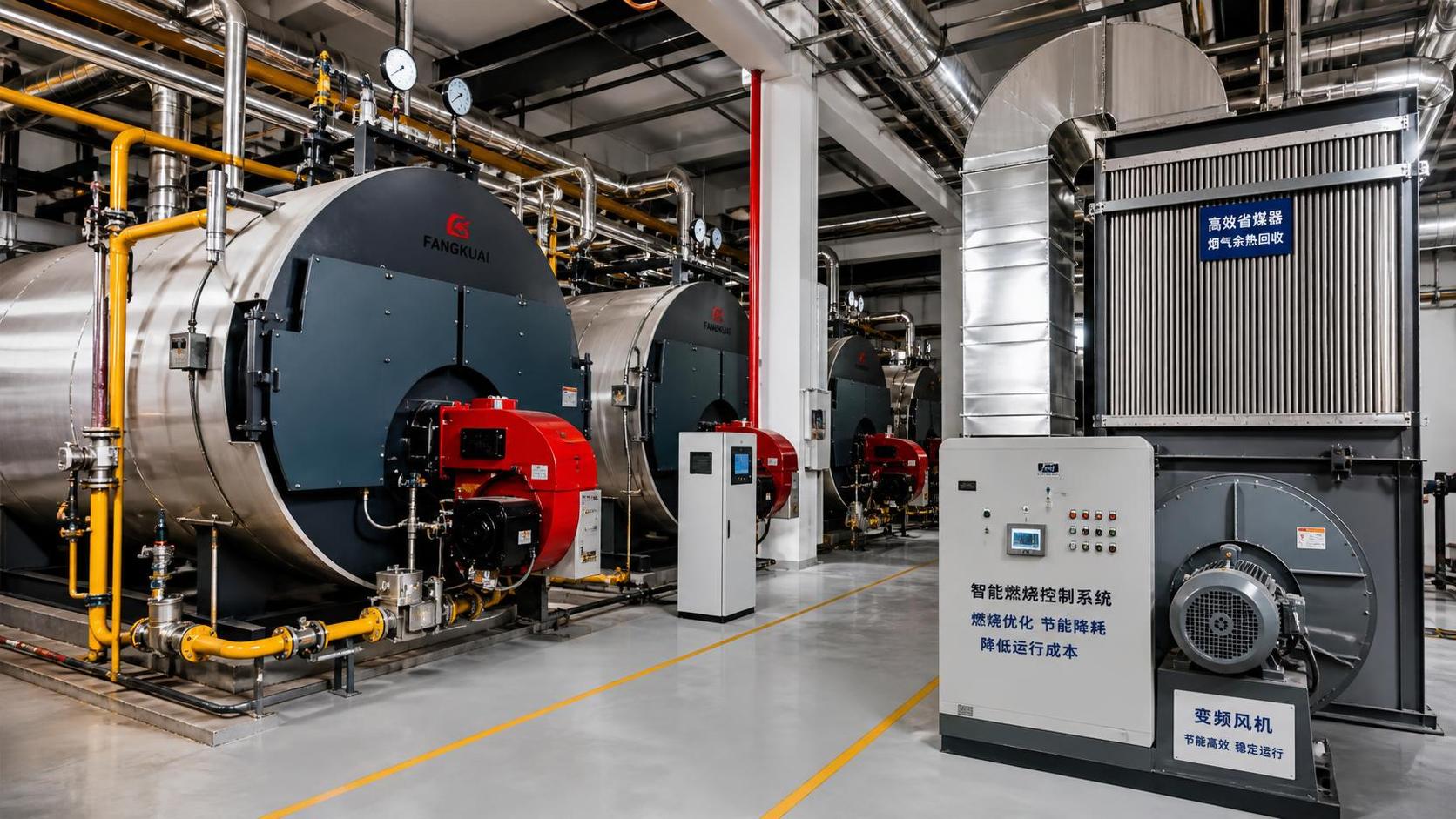
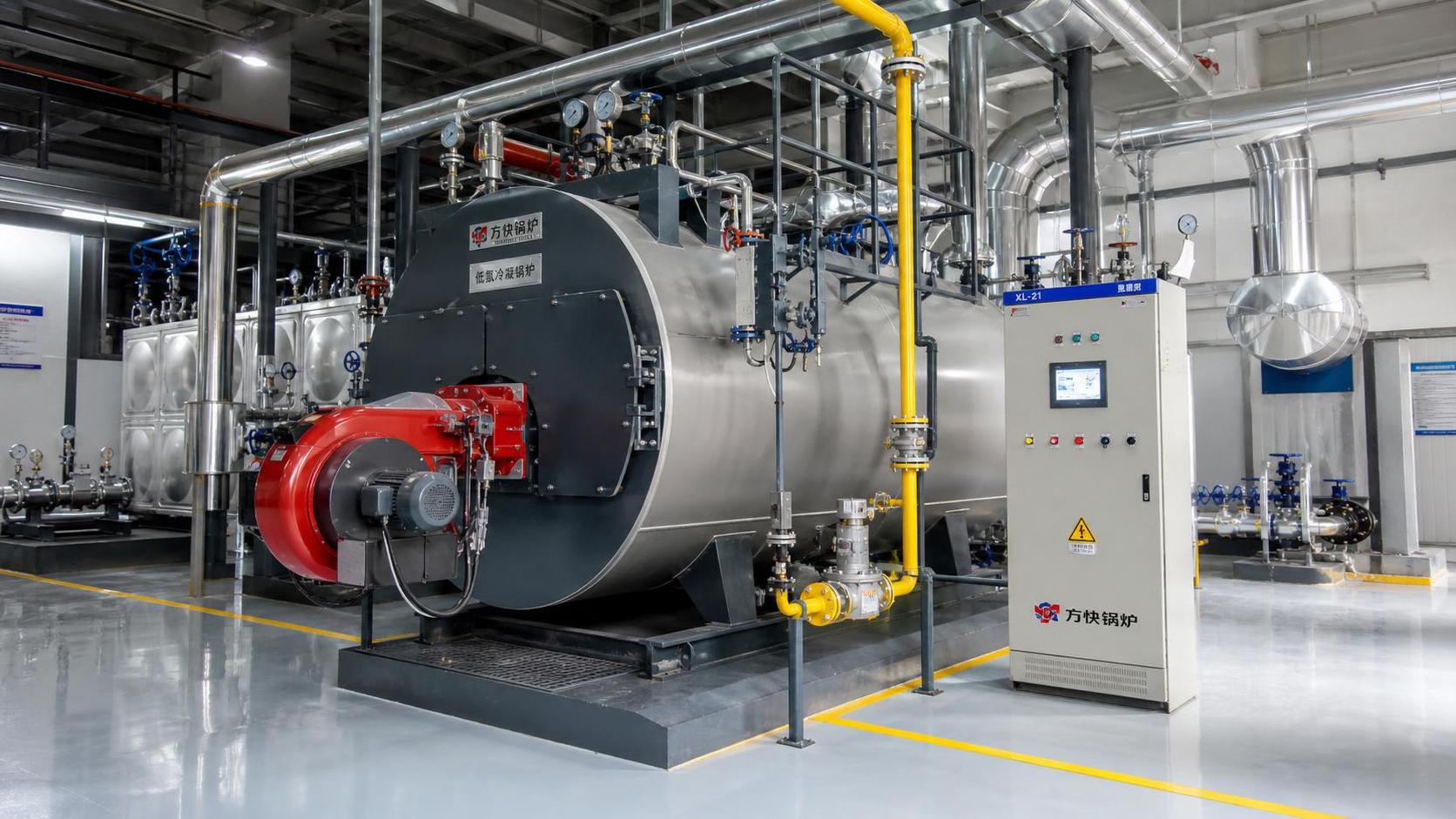
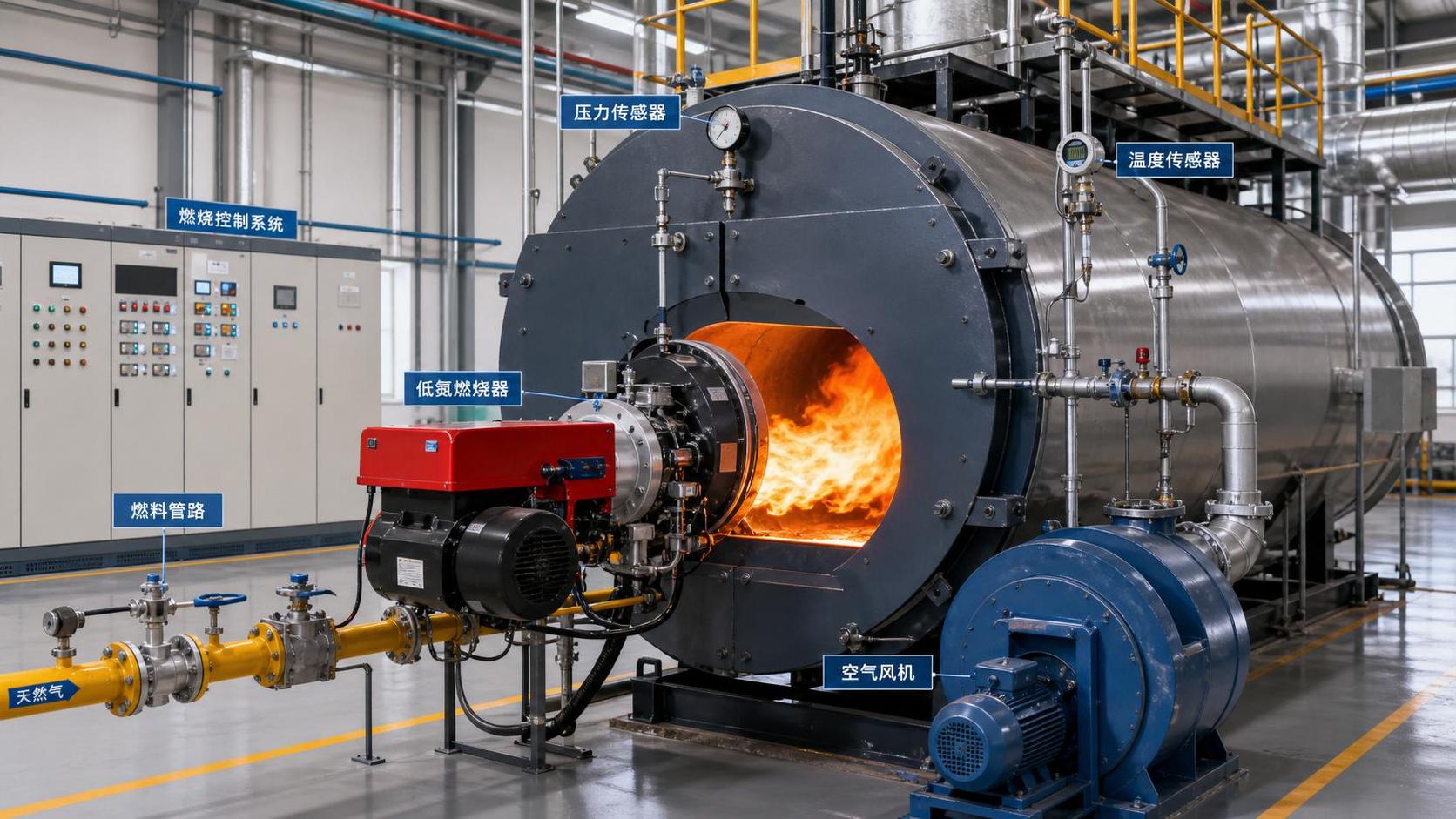
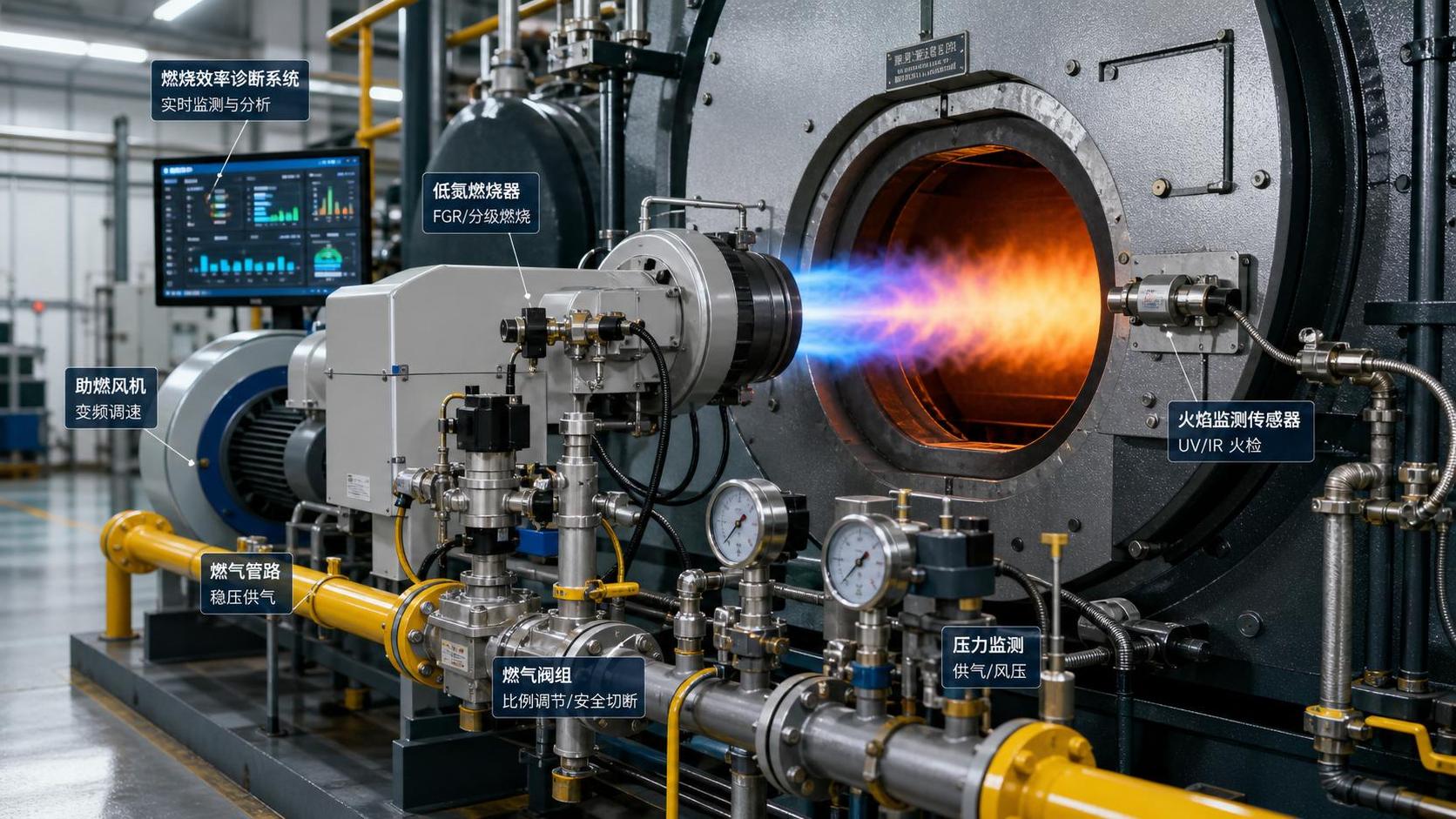
If a boiler is running with more excess air than necessary, the plant is paying to heat oxygen and nitrogen that do no productive work. Burner tuning, oxygen trim, and modern combustion management can reduce that waste quickly, especially on older units where control drift has accumulated over time. These projects are often attractive because installation is relatively contained and does not always require major mechanical changes to pressure parts.
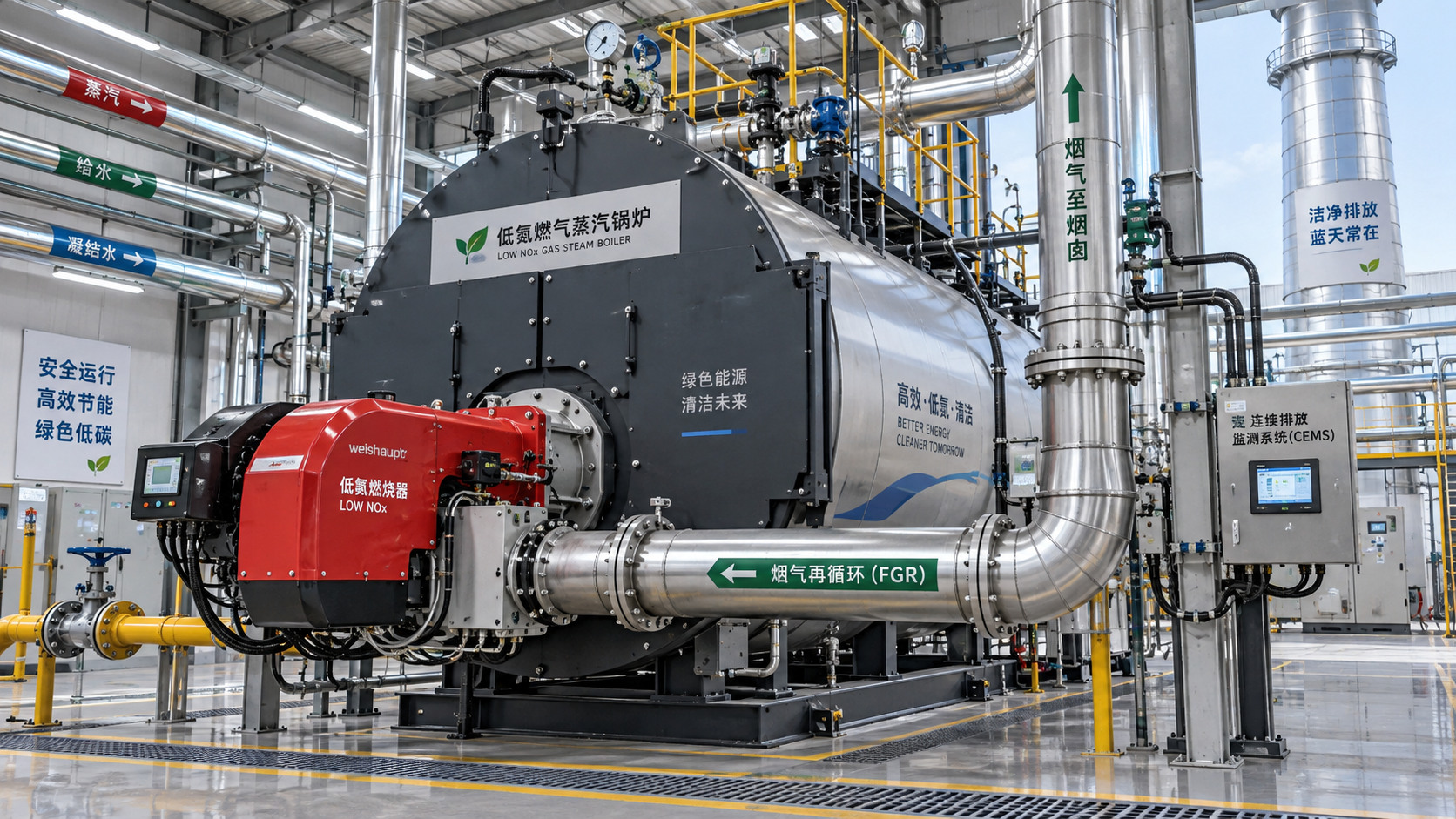
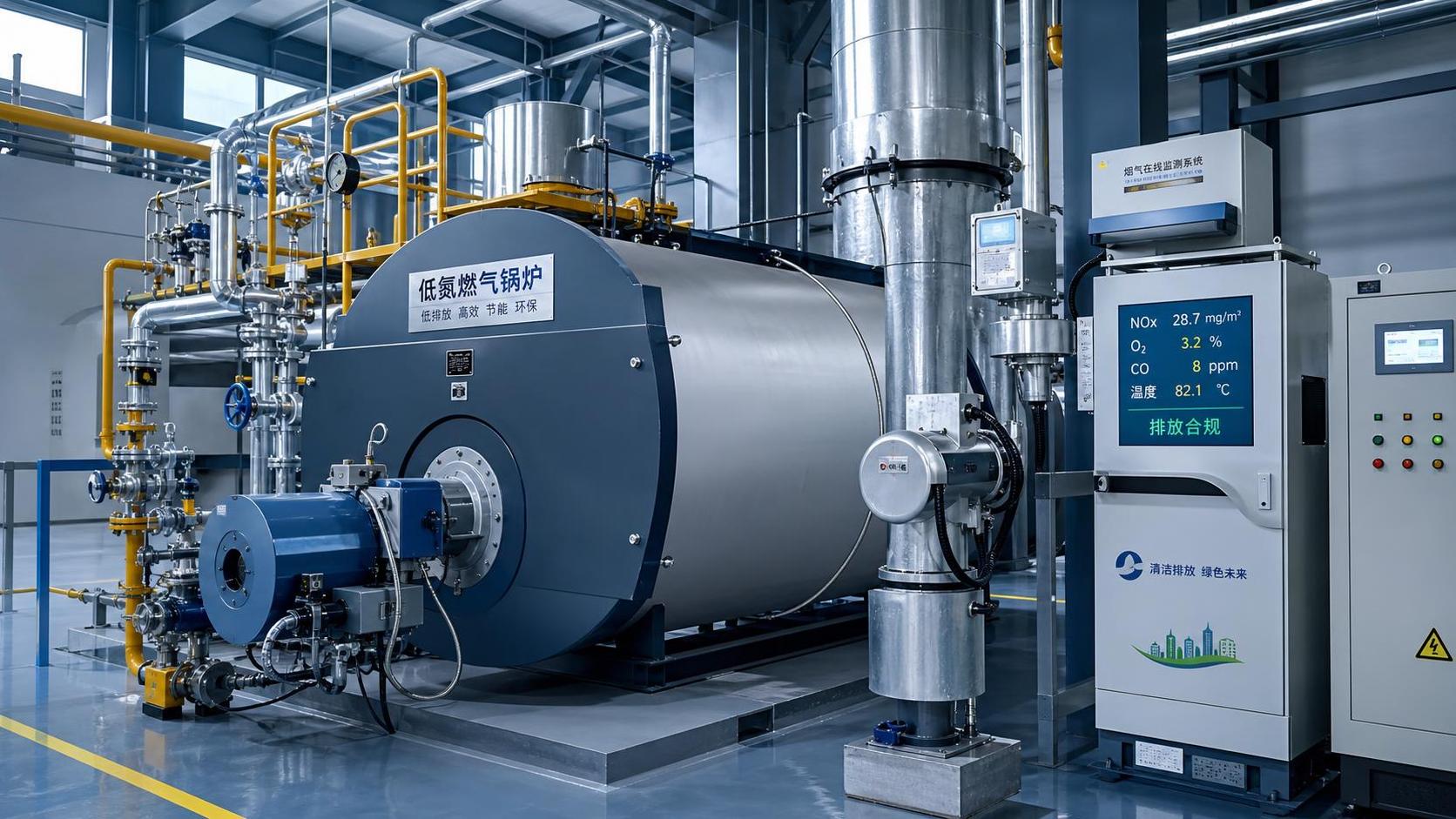
The savings case is strongest where load varies during the day, operators rely on manual settings, or emissions constraints have pushed combustion into a conservative but inefficient zone. Low-NOx burner upgrades can also fit here, though the economics are not purely about fuel. Sometimes the main driver is staying compliant while avoiding the efficiency penalty that older emissions retrofits can introduce.
This is one area where a good controls review matters more than brochure claims. Plants should ask for expected operating excess oxygen across the actual load range, not just at one test point.
2. Economizers and flue gas heat recovery
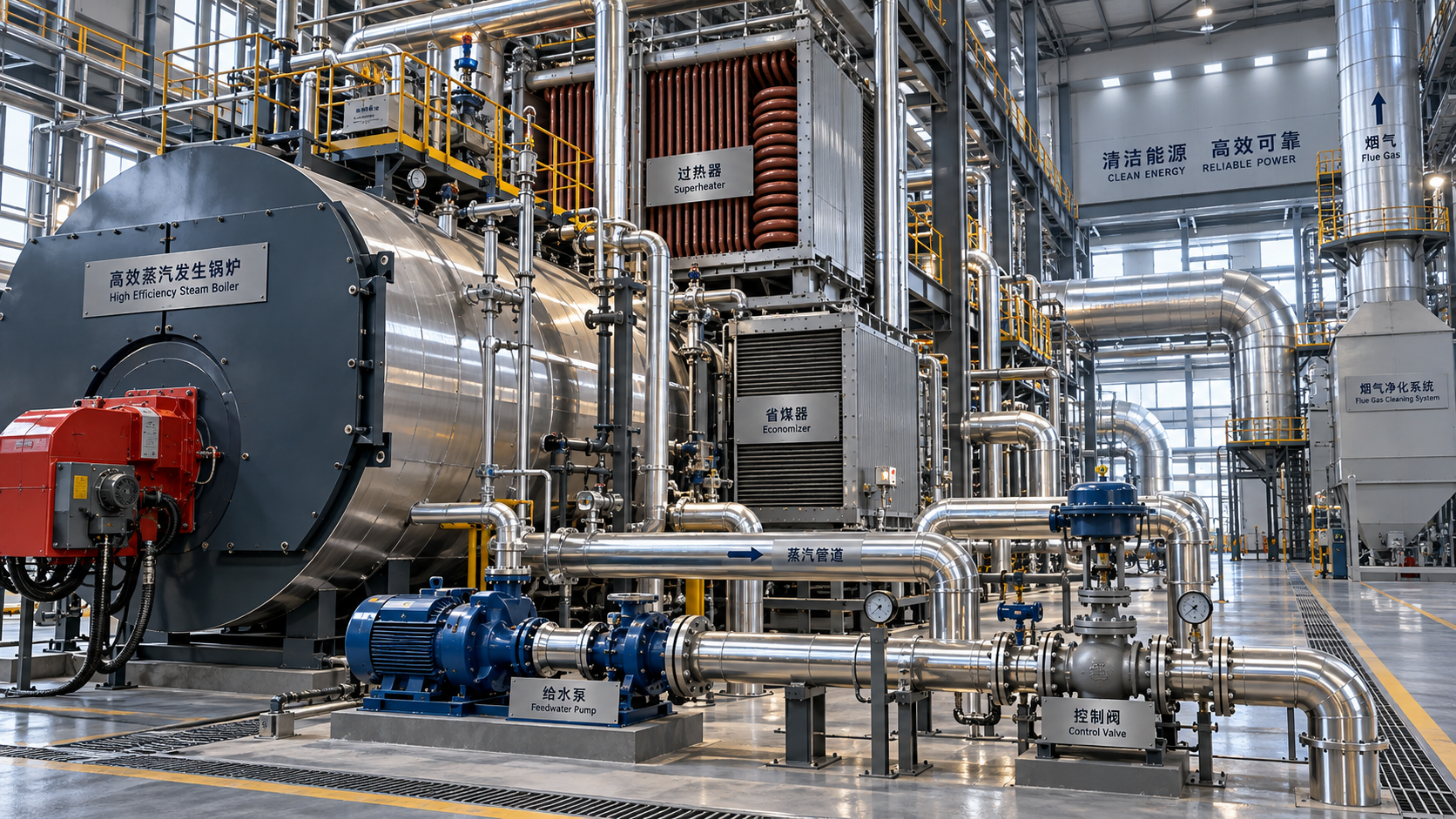
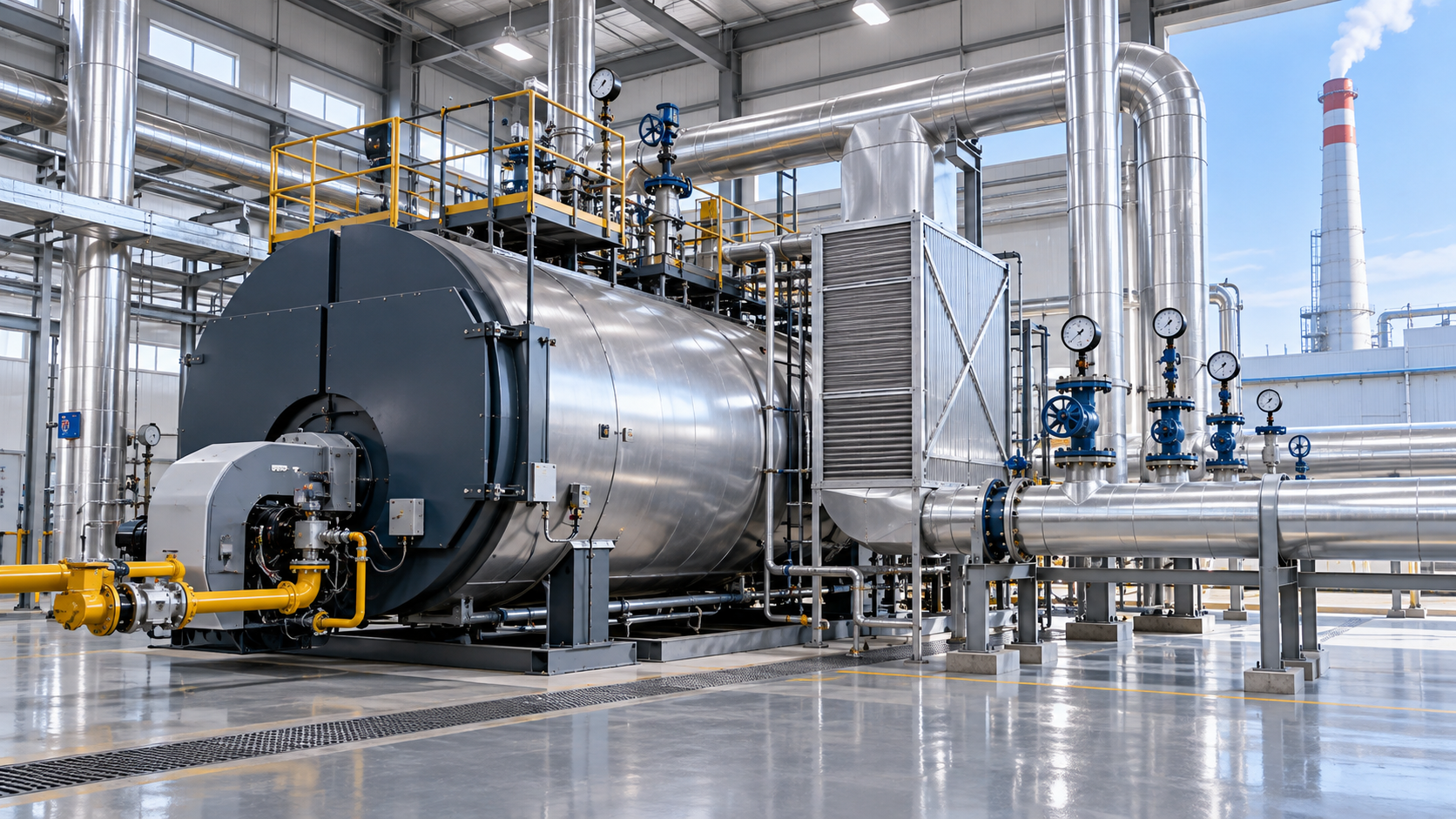
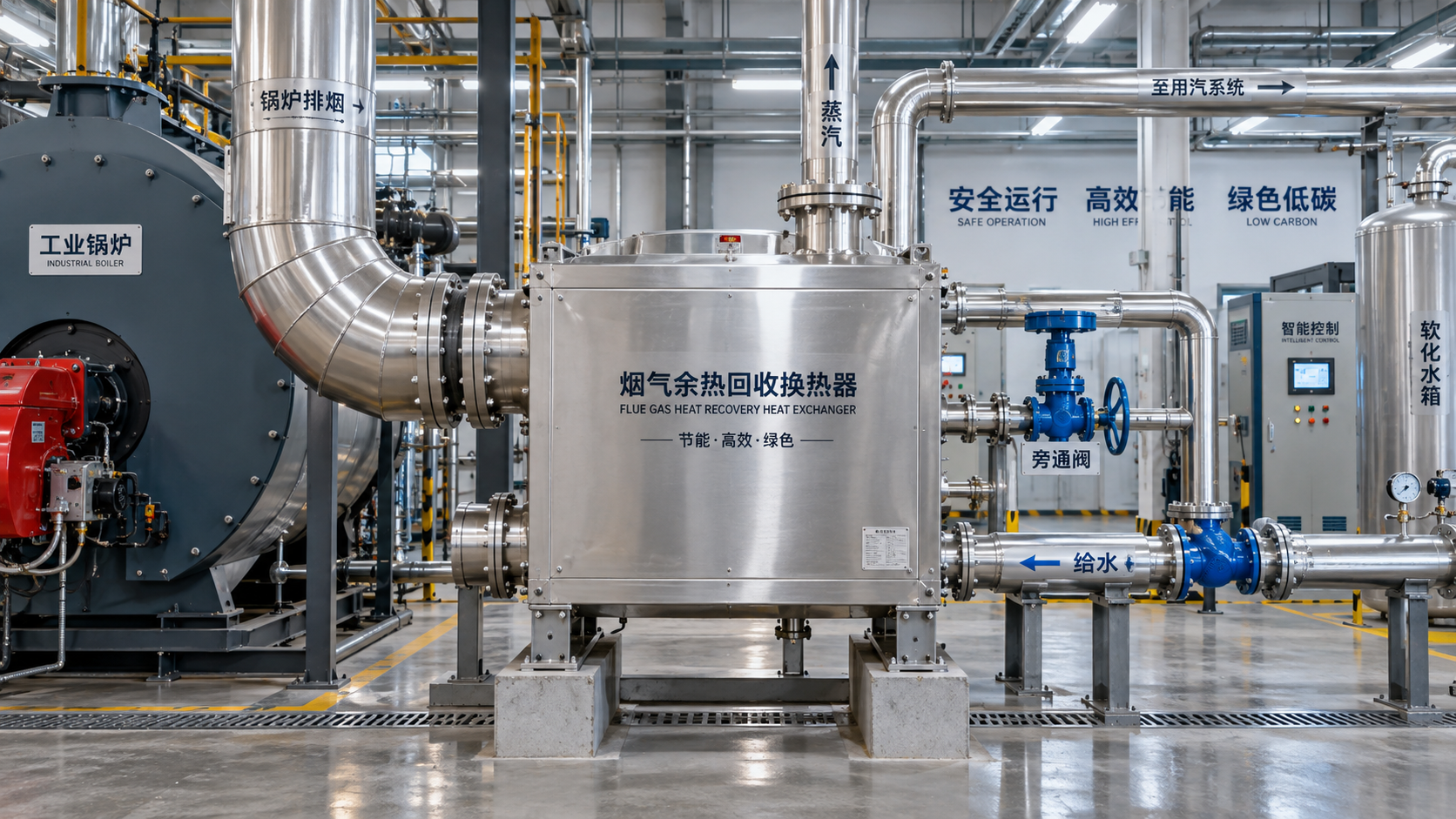
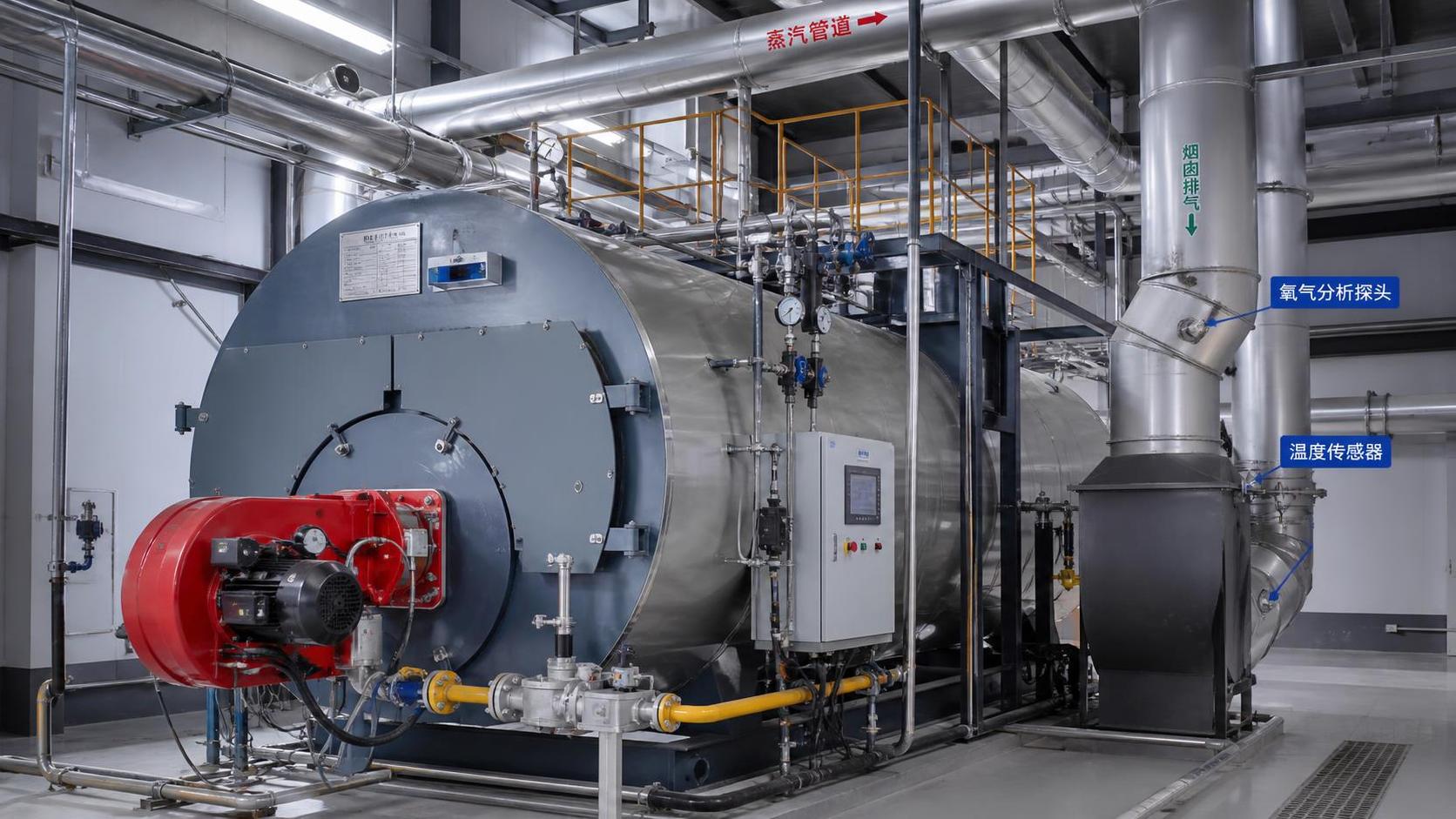
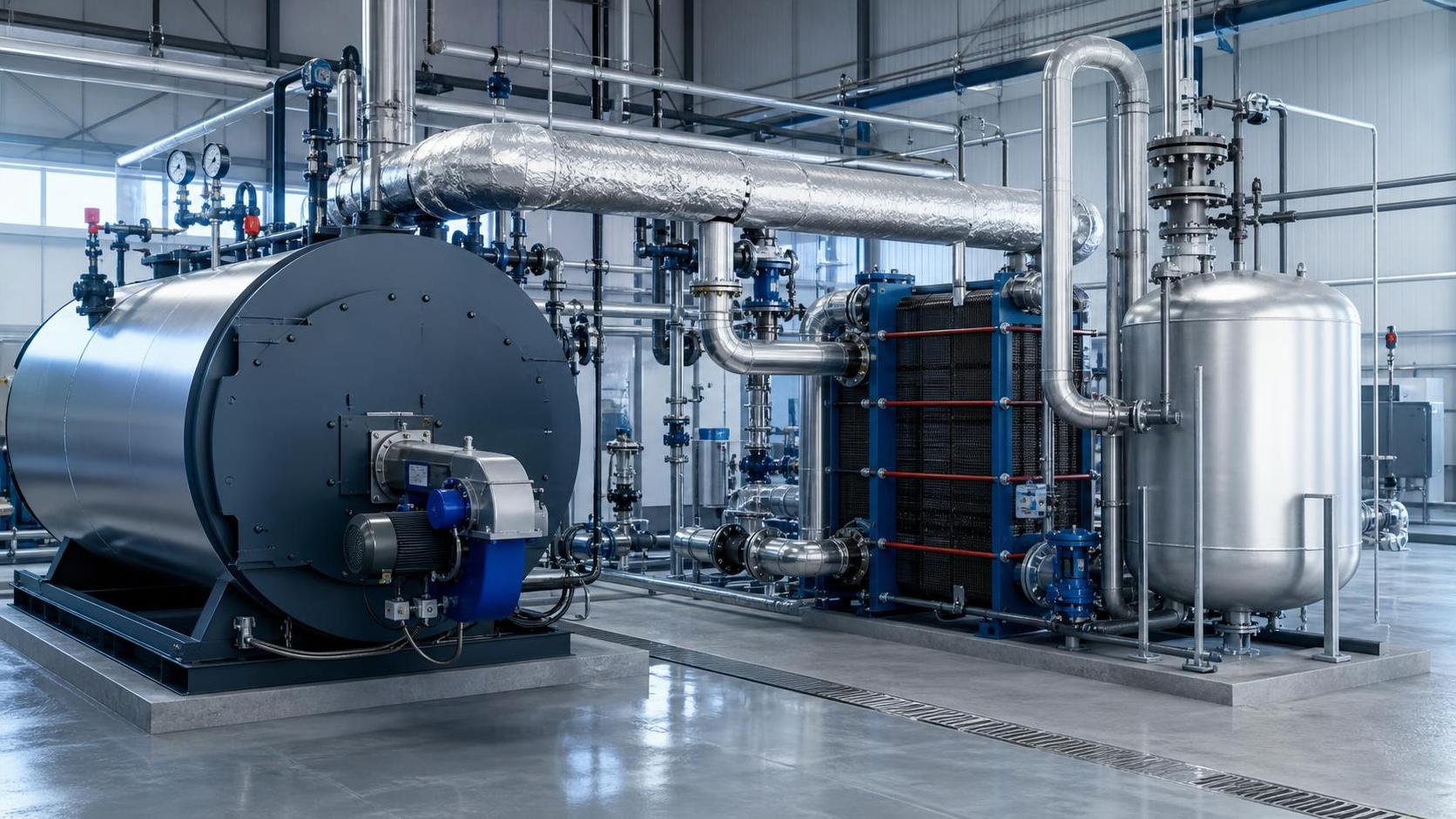
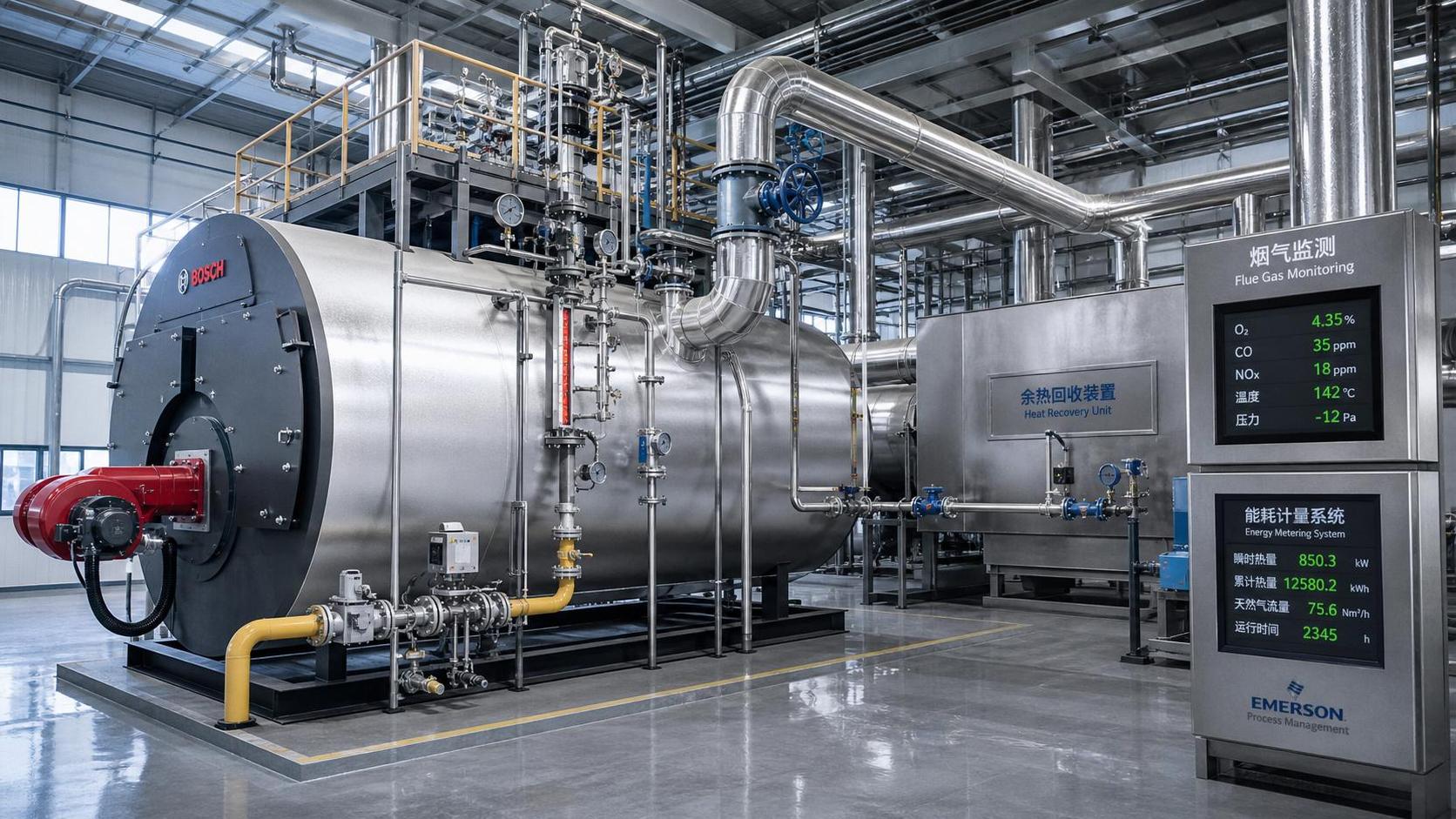
When stack temperature is high, an economizer is often one of the clearest routes to boiler efficiency cost reduction. The principle is simple: use hot flue gas to preheat feedwater so the burner does less work. In plants with steady operating hours, this can produce a visible reduction in fuel consumption without changing the process side at all.
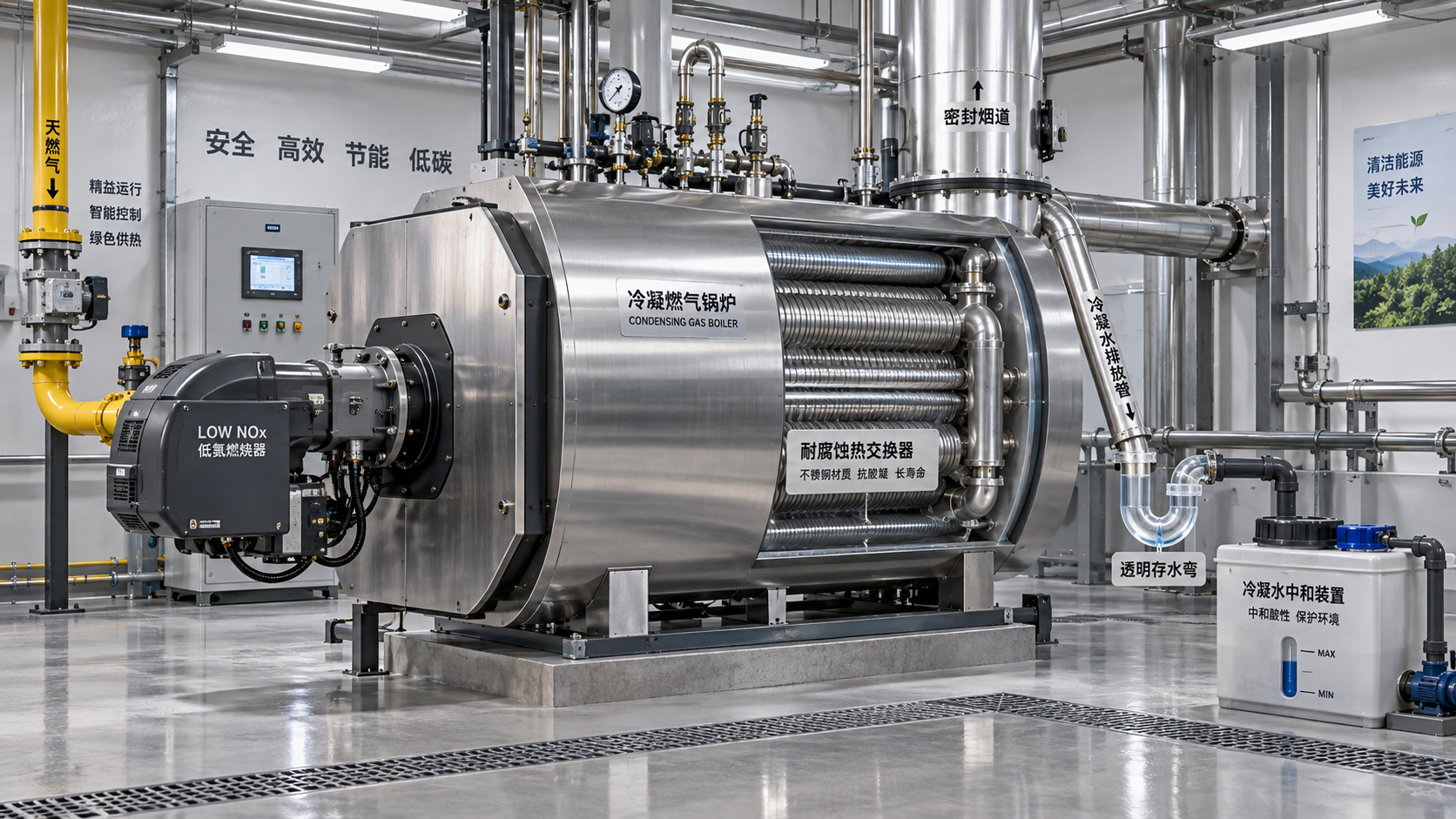
What decides whether the payback is fast is not just temperature difference. It is also fouling tendency, fuel sulfur content, water quality, condensate management, and whether the site can use the recovered heat consistently. Condensing economizers can extract more value, especially in lower-temperature hot water systems, but the material selection and condensate handling requirements become more important. On steam systems, the case may still be good, but it has to be checked carefully against return temperatures and corrosion risk.
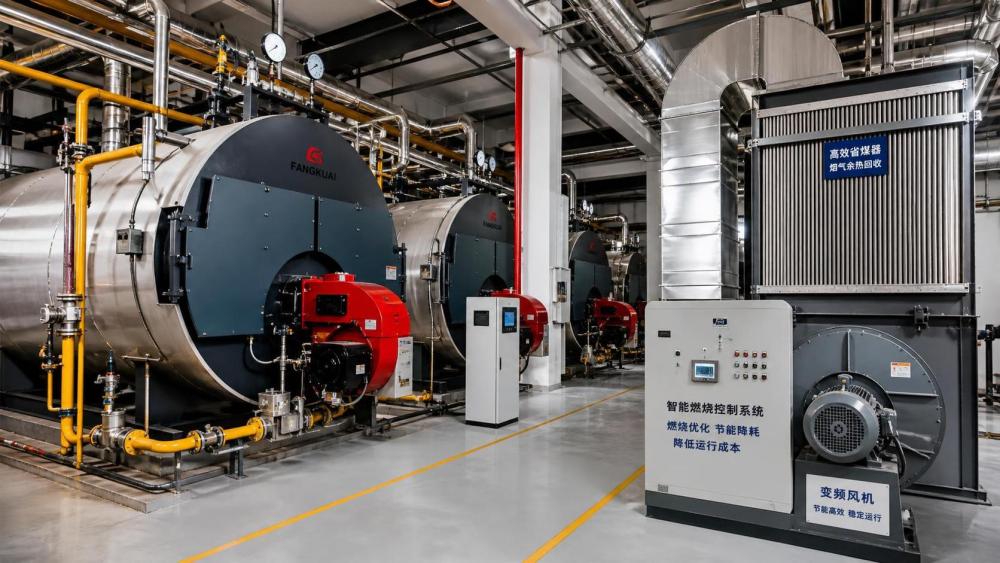
A surprising number of projects underperform not because the heat exchanger was poorly designed, but because the plant never stabilized feedwater conditions or did not maintain the surfaces well enough to preserve heat transfer.
3. Variable frequency drives on fans and pumps
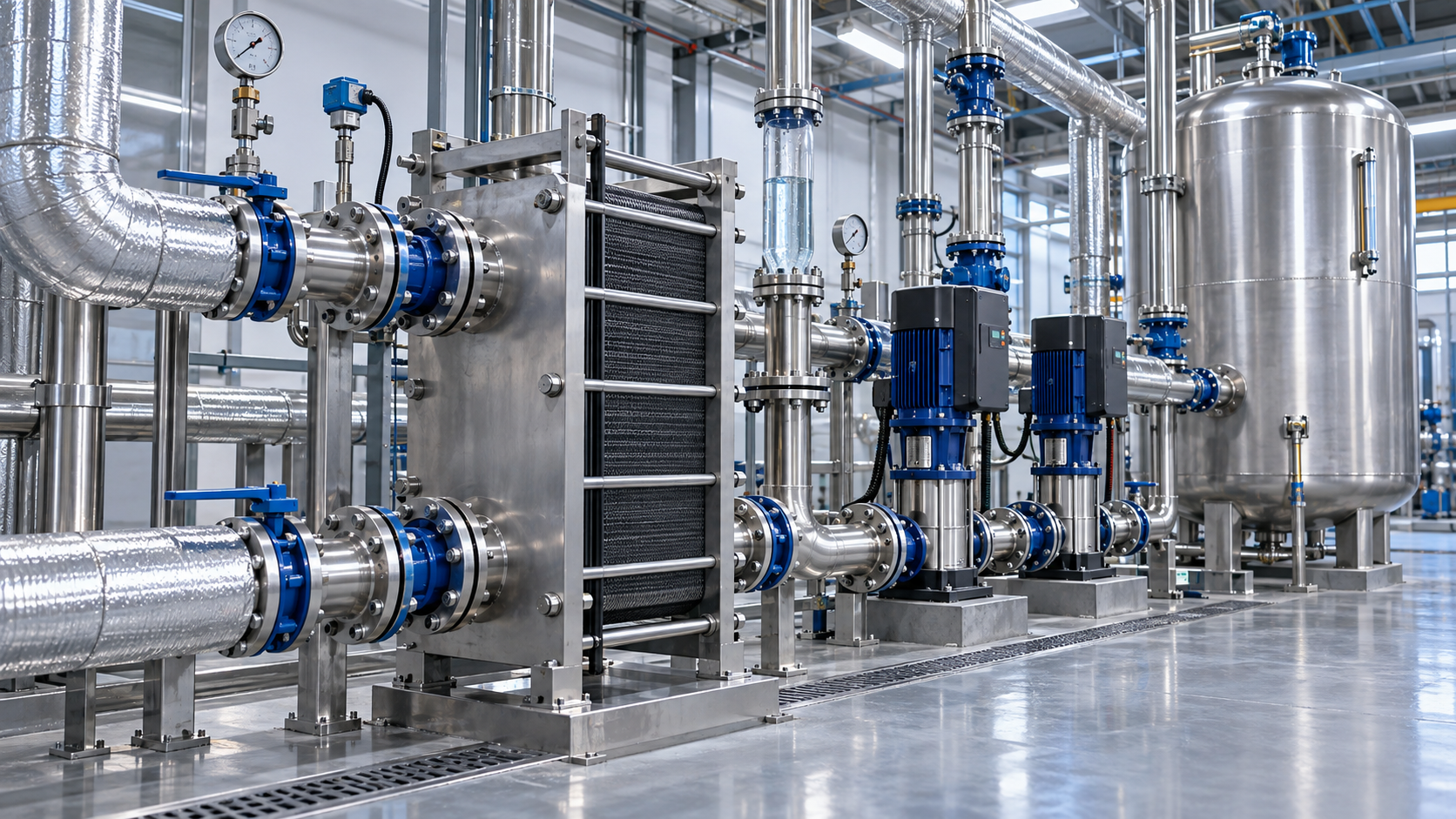
VFDs do not improve combustion efficiency directly, but they often cut electrical operating cost fast in systems with fluctuating demand. Forced draft fans, induced draft fans, and circulation pumps are common targets. If the existing system throttles flow mechanically, there may be a meaningful energy penalty hiding in the auxiliaries.
This matters more than many buyers expect because total boiler-room cost is not only fuel. In facilities with high annual run hours, auxiliary power savings can help shorten the effective payback of a broader controls package.
4. Blowdown heat recovery
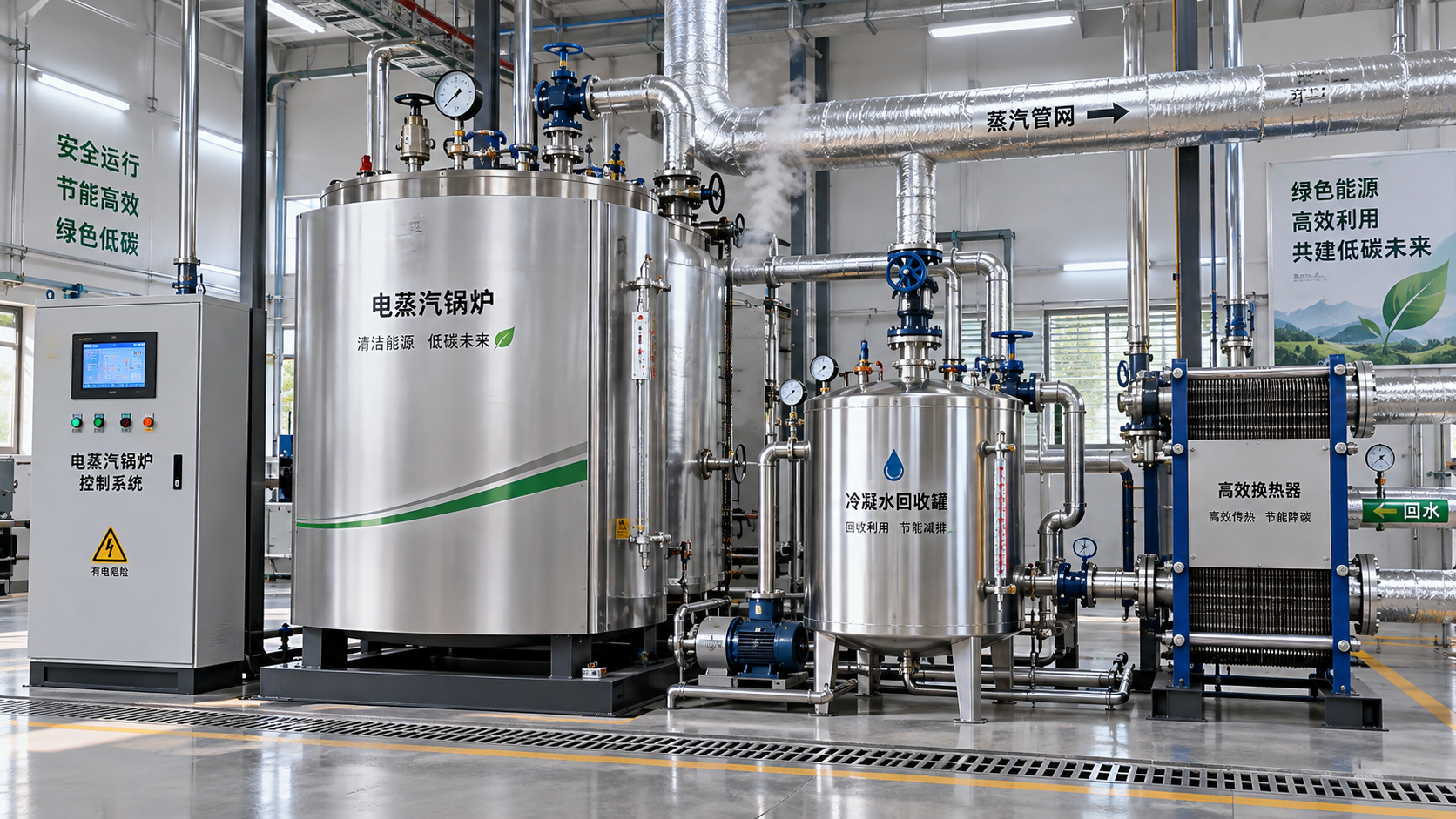
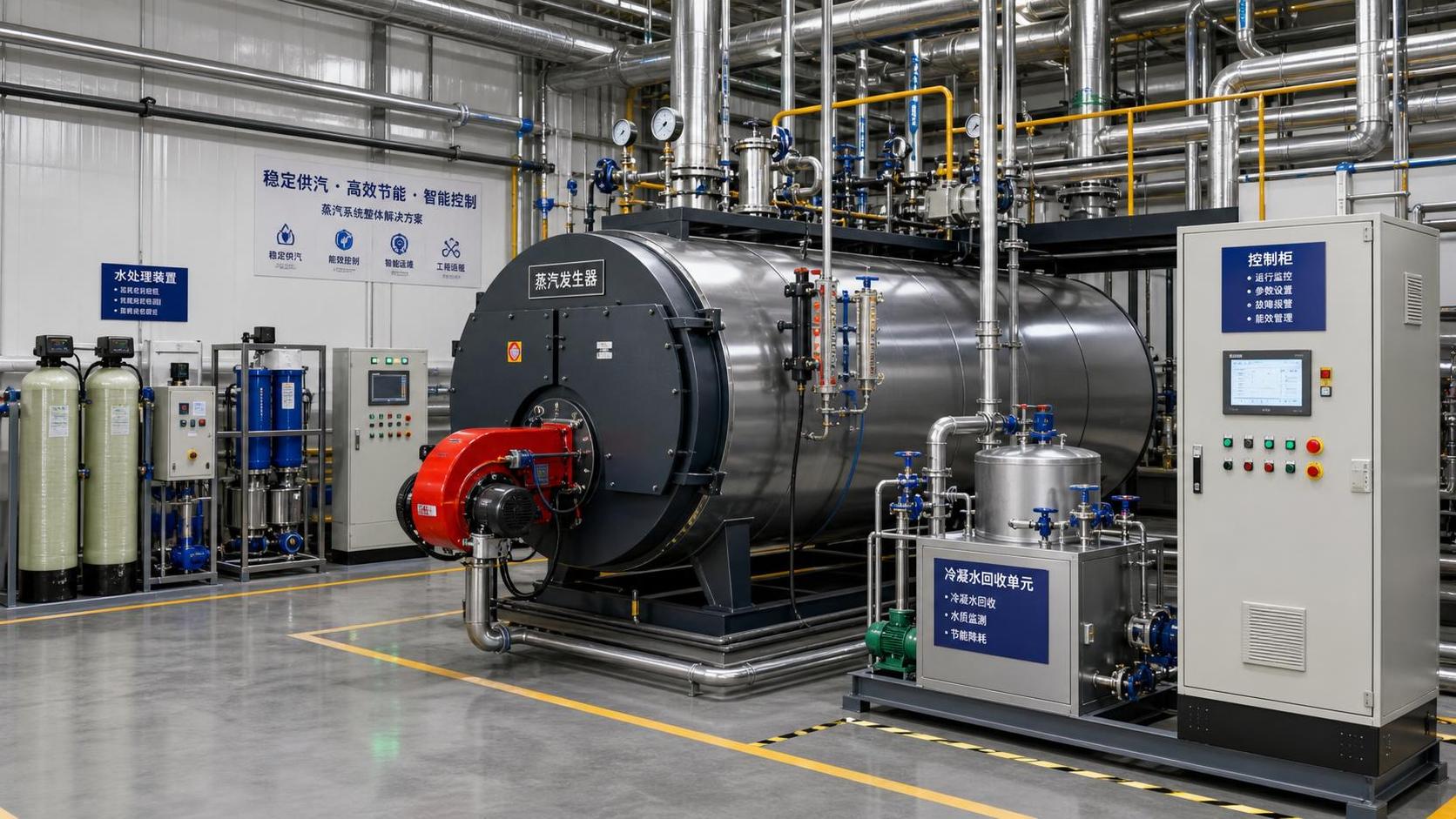
Where steam boilers operate with frequent or high-volume blowdown, recovering heat from that stream can be a disciplined way to cut losses. It is not usually the first upgrade people think of, but in plants with strict water chemistry control and continuous operation, the economics can be better than expected. The catch is that blowdown rates tied to poor water treatment practice should not be “optimized” through recovery equipment alone. It is usually smarter to fix the underlying water side issue at the same time.
Upgrades that save money, but not always fastest
Some measures are valuable, but the payback window is more sensitive to site conditions.
Boiler insulation and steam distribution repairs
These are often treated as housekeeping items, yet leaking valves, failed steam traps, damaged insulation, and uninsulated fittings can quietly absorb budget year after year. Strictly speaking, not all of these are boiler upgrades, but from a procurement standpoint they belong in the same savings conversation because wasted steam forces the boiler to fire harder. In older plants, repairing distribution losses can rival dedicated boiler retrofit measures for speed of return.
Advanced sequencing for multiple boilers
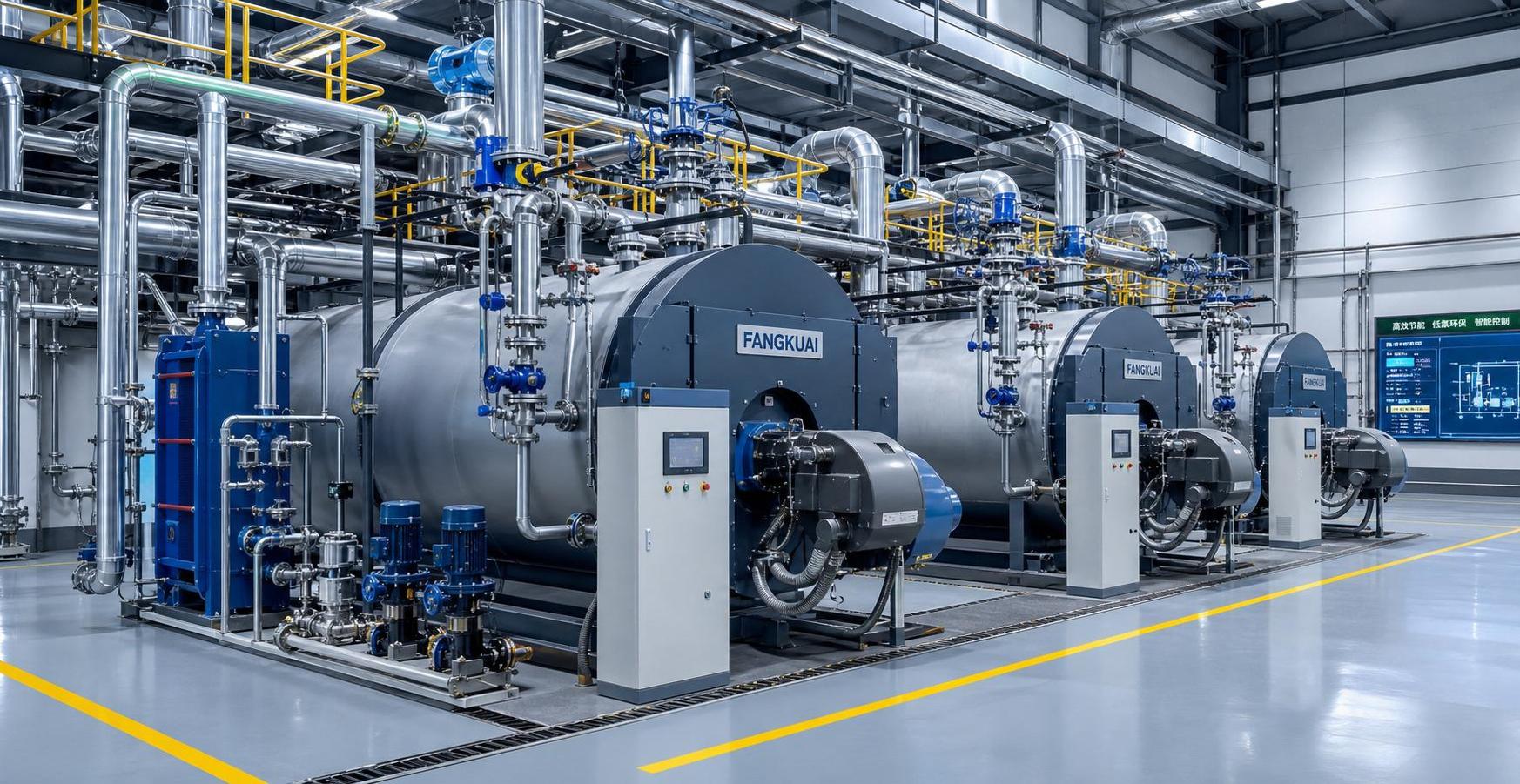
Plants running several boilers sometimes lose efficiency because the wrong unit is carrying base load, or too many units are kept warm “just in case.” Better sequencing logic can improve real operating efficiency without major hardware replacement. The result depends on how uneven the load profile is and whether the existing boilers have very different turndown, response times, or maintenance condition.
Full boiler replacement
A new high-efficiency boiler may be the right answer when the existing unit is oversized, unreliable, emissions-limited, or structurally near end of life. But if the question is fastest cost reduction, total replacement often loses to targeted retrofits because shutdown planning, engineering, permitting, foundations, piping changes, and commissioning all stretch the timeline. Replacement is usually a strategic decision, not a quick win.
How to rank boiler upgrades by payback instead of by popularity
A common mistake is to compare technologies before defining the operating reality they will face. A boiler that runs near constant load for most of the year will reward different upgrades than one that cycles hard across shifts. Procurement teams and plant engineers usually get better answers when they review a short list of parameters first:
- Fuel type and current price exposure
- Annual operating hours and seasonal load variation
- Measured stack temperature and oxygen levels
- Steam or hot water demand profile
- Feedwater temperature and condensate return performance
- Existing NOx constraints or expected regulatory tightening
- Shutdown window and installation risk tolerance
Once those basics are clear, the shortlist usually becomes less crowded. A site with high stack loss and long operating hours will often favor economizer economics. A site with unstable combustion and variable load may get faster returns from controls and burner work. A plant struggling with both fuel cost and electrical load may need to evaluate boiler-room auxiliaries, not just the boiler shell.
The hidden risks behind “easy” efficiency projects
Fast-payback projects can disappoint when buyers look only at thermal theory and not at operating discipline.
One risk is assuming test-condition efficiency equals annual savings. Another is underestimating water chemistry, especially when heat recovery surfaces are added. Low-NOx burner retrofits can also create trade-offs if flame stability, turndown, fan capacity, or furnace geometry are not reviewed in enough detail. And a controls upgrade can be technically sound yet fail commercially if operators are not trained to trust and use the new logic.
This is where cross-disciplinary review matters. Boiler efficiency is tied to heat exchange, combustion, power use, maintenance practice, and sometimes compressed air or process cooling demand upstream and downstream. GTC-Matrix has built its value around exactly this kind of stitched intelligence: connecting thermodynamic behavior with real industrial operating economics. Its Strategic Intelligence Center follows shifts in energy cost, low-NOx combustion development, and efficiency expectations across sectors such as pharmaceuticals, semiconductors, and food processing, where temperature control reliability can be as important as fuel savings alone.
What a sensible upgrade path looks like
For many enterprises, the most rational path is staged. Start with measurement and operating corrections. Then move to heat recovery if the stack and water-side conditions support it. After that, consider broader boiler-room optimization or replacement if the business case still stands.
In practice, that often means:
- audit combustion and control performance under real load conditions
- repair obvious steam, insulation, and condensate losses
- evaluate economizer or blowdown recovery with actual temperature and chemistry data
- review auxiliary power consumption and sequencing logic
- reserve full replacement for cases where asset age, compliance, or reliability justify it
That sequence is less glamorous than a major equipment announcement, but it is often closer to how real savings are captured.
If the objective is fast boiler efficiency cost reduction, the best upgrade is usually the one that attacks a measured loss with limited installation risk and a payback model based on site data rather than generic percentages. Before approving capital, it is worth confirming stack conditions, emissions constraints, water quality implications, shutdown timing, and whether the expected savings depend on operator behavior after commissioning. Those details decide whether an upgrade looks good on paper or actually cuts energy spend over the next budget cycle.
Related News
- How steam generation efficiency shapes thermal power system designAuthor :Thermal Energy Strategist

- Boiler Optimization: Cutting Fuel Use Without Compromising Steam ReliabilityAuthor :Thermal Energy Strategist

- How to size thermal fluid systems for stable process temperaturesAuthor :Thermal Energy Strategist

- Industrial Boiler Heat Recovery: Diagnosing Lost Savings in Existing PlantsAuthor :Thermal Energy Strategist

- Boiler Heat Recovery Systems: Sizing Waste-Heat Recovery for Stable Steam LoadsAuthor :Thermal Energy Strategist

- Can Condensing Boilers Cut NOx Emissions Without Creating Corrosion Risks?Author :Thermal Energy Strategist

- Low-NOx Boilers Industry Trends: What New Rules Mean for Plant UpgradesAuthor :Thermal Energy Strategist

- A Practical Roadmap for Industrial Steam System Decarbonization ProjectsAuthor :Thermal Energy Strategist

- Industrial Steam System Vendor Comparison: Criteria Beyond Equipment PriceAuthor :Thermal Energy Strategist

- How to Choose an Industrial Steam Generator for Load Profile, Fuel, and RedundancyAuthor :Thermal Energy Strategist

- When Does a Heat Recovery Steam Generator Make Economic Sense?Author :Thermal Energy Strategist

- How pressure control prevents unstable steam supply in industrial systemsAuthor :Thermal Energy Strategist

- How excess air affects boiler efficiency in steam systemsAuthor :Thermal Energy Strategist

- When a Refinery Steam Turbine Should Prioritize Process Steam Over Maximum OutputAuthor :Thermal Energy Strategist

- Which boiler upgrades deliver the fastest efficiency cost reductionAuthor :Thermal Energy Strategist

- What to check before choosing a steam generation systems supplierAuthor :Thermal Energy Strategist

- When do industrial boiler systems cost less than electric heatAuthor :Thermal Energy Strategist

- How to Compare Boiler Systems in Latin America by Fuel Cost and ComplianceAuthor :Thermal Energy Strategist

- How to Size Low-Pressure Industrial Steam Systems for Stable Heat DemandAuthor :Thermal Energy Strategist

- Low Emissions Boilers: What to Compare Before You ChooseAuthor :Thermal Energy Strategist

- Low-NOx Boilers Cost Breakdown: Upfront Price, Fuel Savings, and PaybackAuthor :Thermal Energy Strategist

- Boiler Combustion Systems: Common Causes of Unstable Fuel PerformanceAuthor :Thermal Energy Strategist

- Hot Water Industrial Boilers: When Efficiency Gains Justify ReplacementAuthor :Thermal Energy Strategist

- What Boiler Efficiency Really Means in Daily Operation and Energy BillsAuthor :Thermal Energy Strategist

- Boiler Efficiency Testing Methods That Expose Heat Loss and Fuel WasteAuthor :Thermal Energy Strategist

- Industrial Burner Systems: Key Factors for Safe Heat OutputAuthor :Thermal Energy Strategist

- Gas-Fired Boiler Combustion Technology: Key Efficiency and Emissions Trade-OffsAuthor :Thermal Energy Strategist

- Unfired Heat Recovery Steam Generators: When Do They Pay Off?Author :Thermal Energy Strategist

- How to Evaluate Steam Generation Systems Electric for Process Heat ProjectsAuthor :Thermal Energy Strategist

- Thermal Power Systems for Industrial Heating: Common Sizing Mistakes to AvoidAuthor :Thermal Energy Strategist

- Low-NOx Condensing Boilers: How to Compare Efficiency and EmissionsAuthor :Thermal Energy Strategist
![]()
- Low Emissions Boilers for Food Processing: Key Compliance and Fuel Cost FactorsAuthor :Thermal Energy Strategist

- Steam System Efficiency Calculation: Key Inputs That Change the ResultAuthor :Thermal Energy Strategist

- How to Evaluate a Steam Boiler Components Exporter Before OrderingAuthor :Thermal Energy Strategist

- Burner Systems Troubleshooting: Common Efficiency Loss CausesAuthor :Thermal Energy Strategist

- EU PED Q2 Rules Require Digital Compliance TagsAuthor :Thermal Energy Strategist