Boiler Optimization: Cutting Fuel Use Without Compromising Steam Reliability




Boiler optimization is no longer just a maintenance objective—it is a project-level strategy for reducing fuel costs, emissions, and operational risk without sacrificing steam reliability. For project managers and engineering leaders, the challenge is rarely finding one isolated inefficiency. It is deciding which changes will improve the whole steam system while protecting production schedules, safety margins, and compliance commitments.
A boiler can appear to be operating normally while quietly consuming more fuel than necessary. Stack temperatures drift upward, excess air settings remain conservative long after commissioning, condensate return weakens, and operators compensate for pressure instability by maintaining a higher header pressure than the process truly needs. None of these conditions may trigger an immediate shutdown. Together, however, they can turn the boiler house into a persistent source of avoidable cost and carbon exposure.
Effective boiler optimization starts with a different question: not “How efficient is the boiler?” but “How reliably does the steam system convert fuel into usable process heat under real operating conditions?” That broader view is where durable savings are found.
Steam Reliability Is the Constraint, Not the Trade-Off
Projects often fail because energy reduction is framed as a simple instruction to “run leaner.” In an industrial facility, steam is not an optional utility. It may support sterilization, humidity control, reactor heating, cleaning-in-place cycles, drying lines, tracing networks, or turbine-driven equipment. A marginal improvement in combustion efficiency has little value if it introduces pressure excursions, wet steam, unstable temperature control, or an unacceptable recovery time after a load change.
For that reason, the most useful boiler optimization programs treat reliability as a design input. The team defines the steam quality, pressure stability, redundancy, and response requirements that production cannot compromise. Only then should it identify the operating envelope where fuel use can be reduced safely.
This is especially important in plants with fluctuating demand. A boiler selected for a steady design load may spend much of its life cycling at low fire, responding to batch peaks, or sharing load unevenly with older units. The nameplate efficiency value does not describe these conditions. Seasonal ambient changes, fuel composition, condensate availability, and downstream valve behavior can all reshape actual performance.
Begin with a Performance Map, Not an Equipment Wish List
Before approving burners, economizers, advanced controls, or heat-recovery packages, project leaders need a credible baseline. The purpose is not to create a report that looks precise; it is to expose where energy, water, and operating stability are being lost.
A practical performance map usually brings together boiler operating data, steam demand patterns, fuel consumption, feedwater conditions, blowdown practices, condensate return, and stack measurements. It should also include the operating reality that data historians sometimes miss: manual overrides, recurring alarms, shift-to-shift operating differences, and production events that create sudden steam peaks.
- Fuel-to-steam relationship: Compare fuel input against useful steam output across normal load ranges rather than relying on monthly totals alone.
- Load profile: Identify how much time each boiler operates at low, medium, and high firing rates, including start-stop cycling.
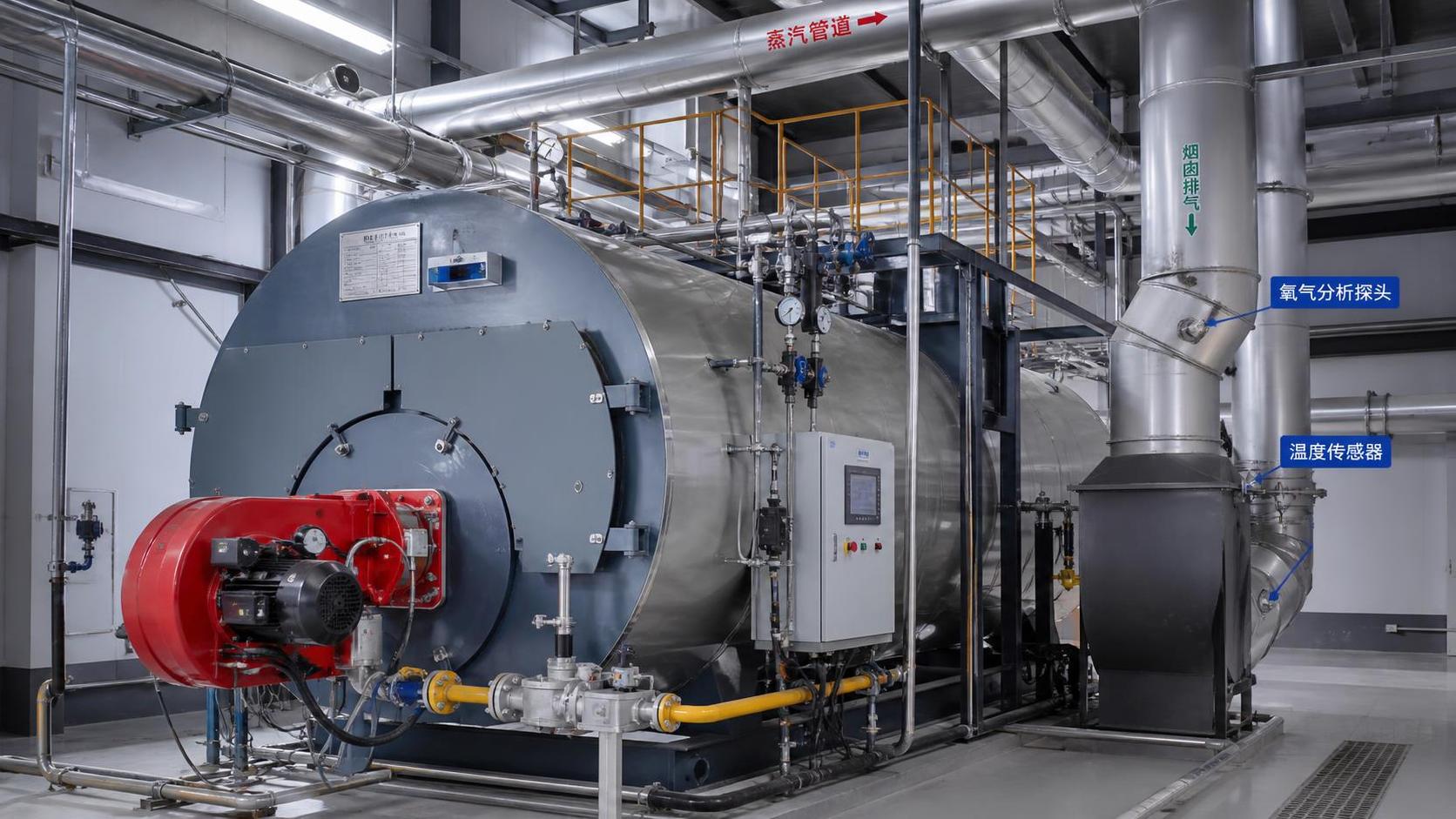
- Flue gas condition: Track oxygen, carbon monoxide where relevant, stack temperature, and signs of air leakage or fouling.
- Water-side losses: Review blowdown volume, feedwater temperature, makeup-water demand, and condensate return temperature.
- Header behavior: Examine pressure swings, peak demand events, valve hunting, and steam traps that contribute to unnecessary load.
The resulting map often changes the project conversation. A facility may initially expect a burner retrofit to be the main answer, only to discover that poor condensate recovery is lowering feedwater temperature and increasing fuel demand every hour. Another site may find that two boilers are operating inefficiently in parallel because the sequencing logic does not match the actual load curve.
Combustion Tuning: Small Deviations, Large Annual Consequences
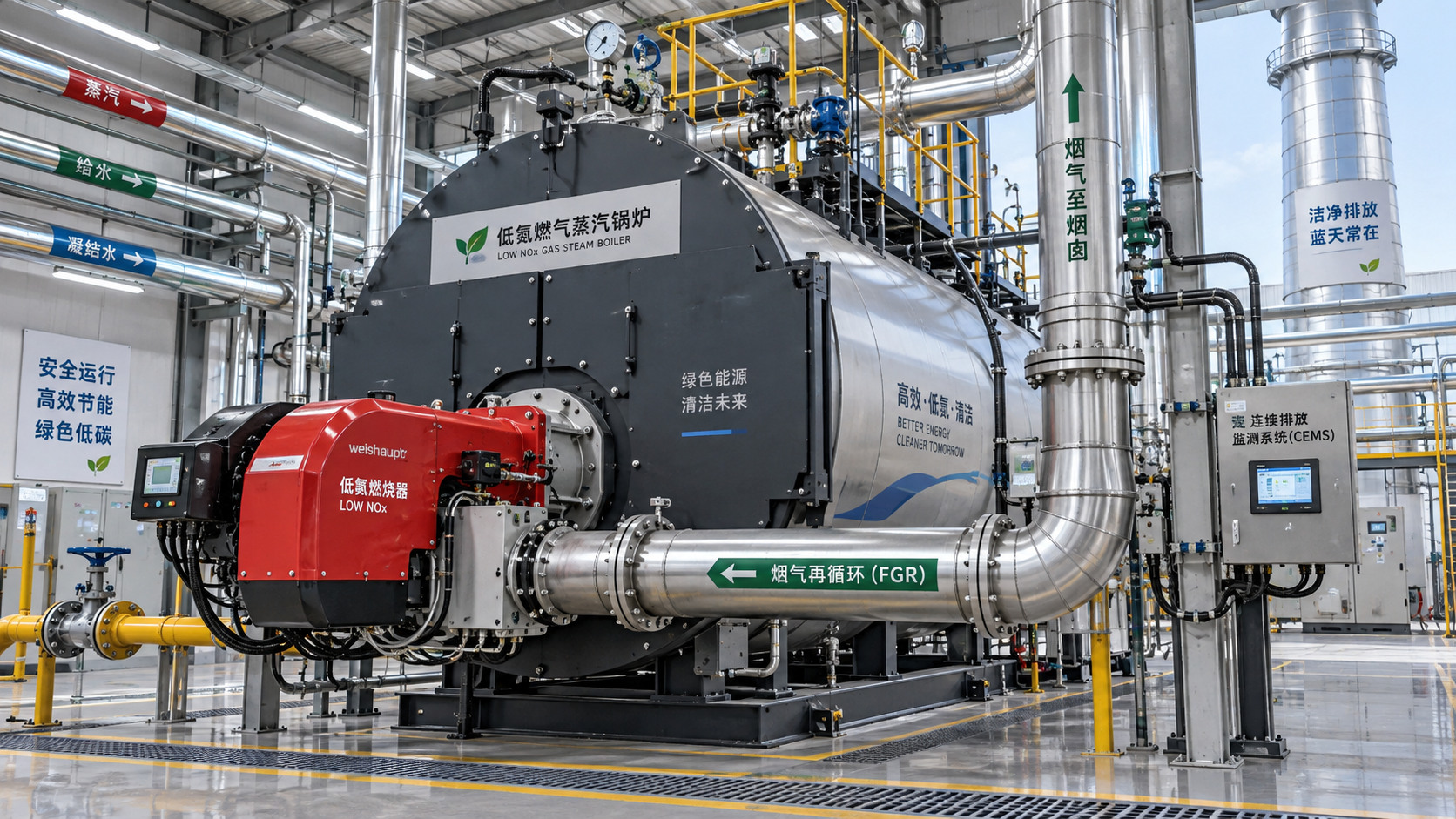
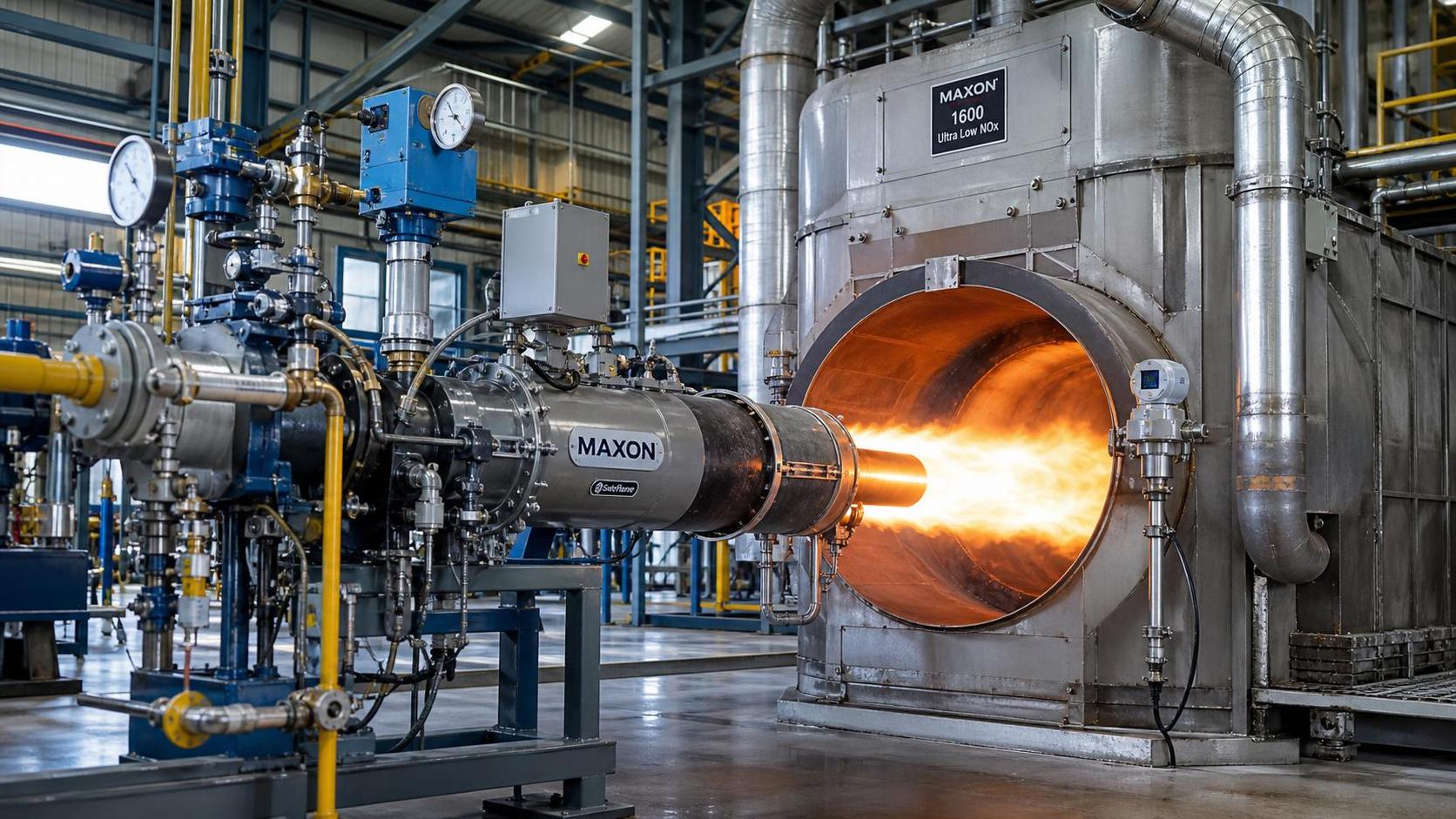
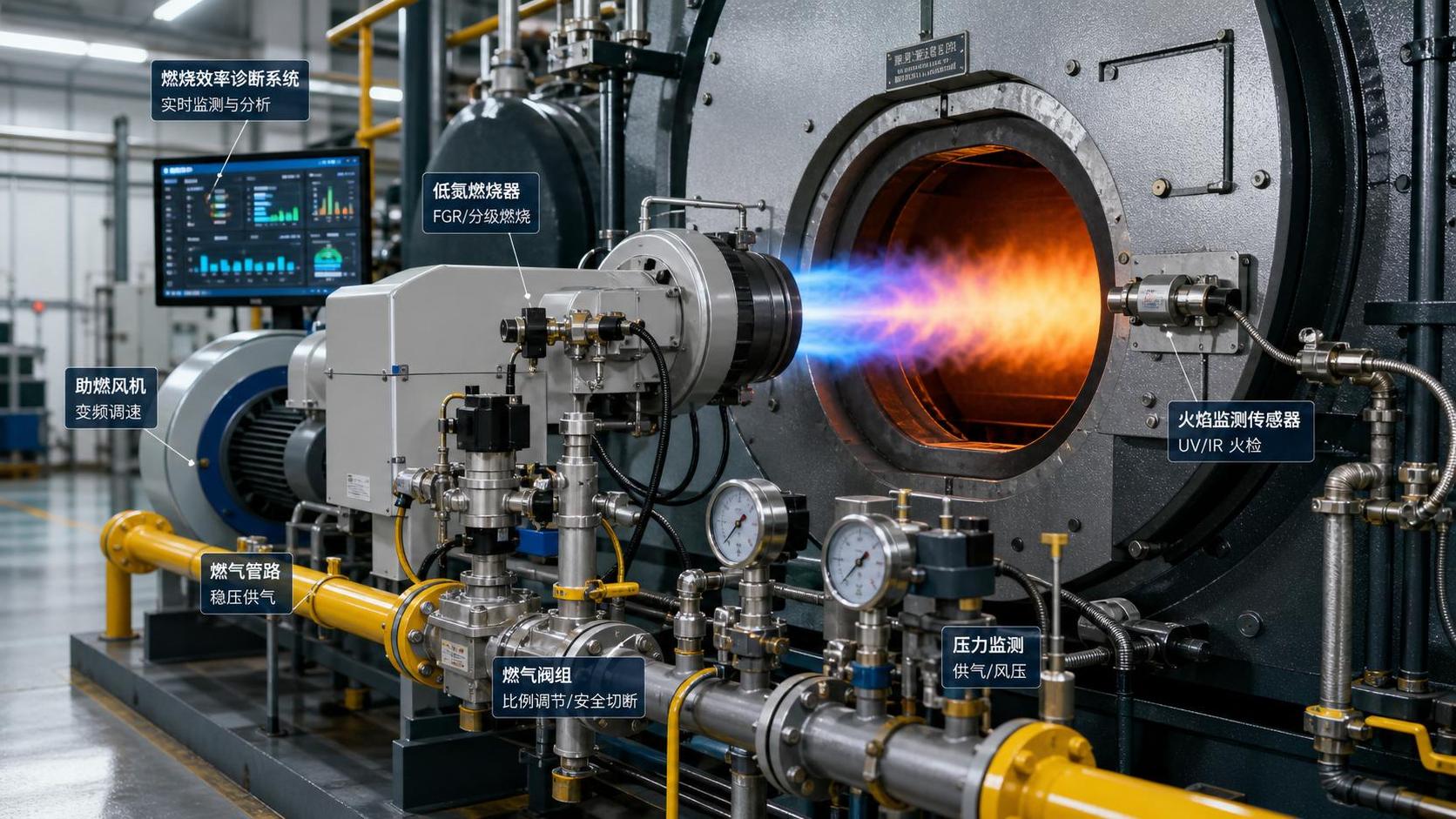
Combustion is usually the first area considered in boiler optimization, and for good reason. Excess air, poor fuel-air ratio control, burner wear, draft instability, and sensor drift can raise fuel use while increasing emissions risk. Yet combustion tuning should never be treated as a one-time commissioning event.
Every combustion system needs enough oxygen to burn fuel safely and completely. Too little can create incomplete combustion, carbon monoxide, soot formation, and unstable flames. Too much air carries heated gas out through the stack, increasing heat loss. The best operating point is therefore not the lowest oxygen reading; it is the stable, safe level that supports complete combustion across the boiler’s actual firing range.
Modern oxygen trim systems can maintain a more consistent air-fuel relationship when load and ambient conditions change. Their value depends on installation quality, sensor maintenance, calibration routines, and integration with burner management logic. A poorly maintained oxygen probe can create false confidence and push the boiler away from its intended operating point.
For project managers, the key decision is whether the existing combustion controls can hold performance under changing conditions—not whether they can produce a good test result during a quiet afternoon. Acceptance testing should include representative loads, controlled transitions, alarm response, and confirmation that operators can understand and manage the revised control philosophy.
Recover Heat Where the System Can Actually Use It
Heat recovery is attractive because it makes waste visible. A hot stack is a clear reminder that useful energy is leaving the site. But the best recovery project is not necessarily the one with the lowest possible stack temperature. It is the one that has a dependable heat sink, manageable maintenance requirements, and no hidden impact on boiler operation.
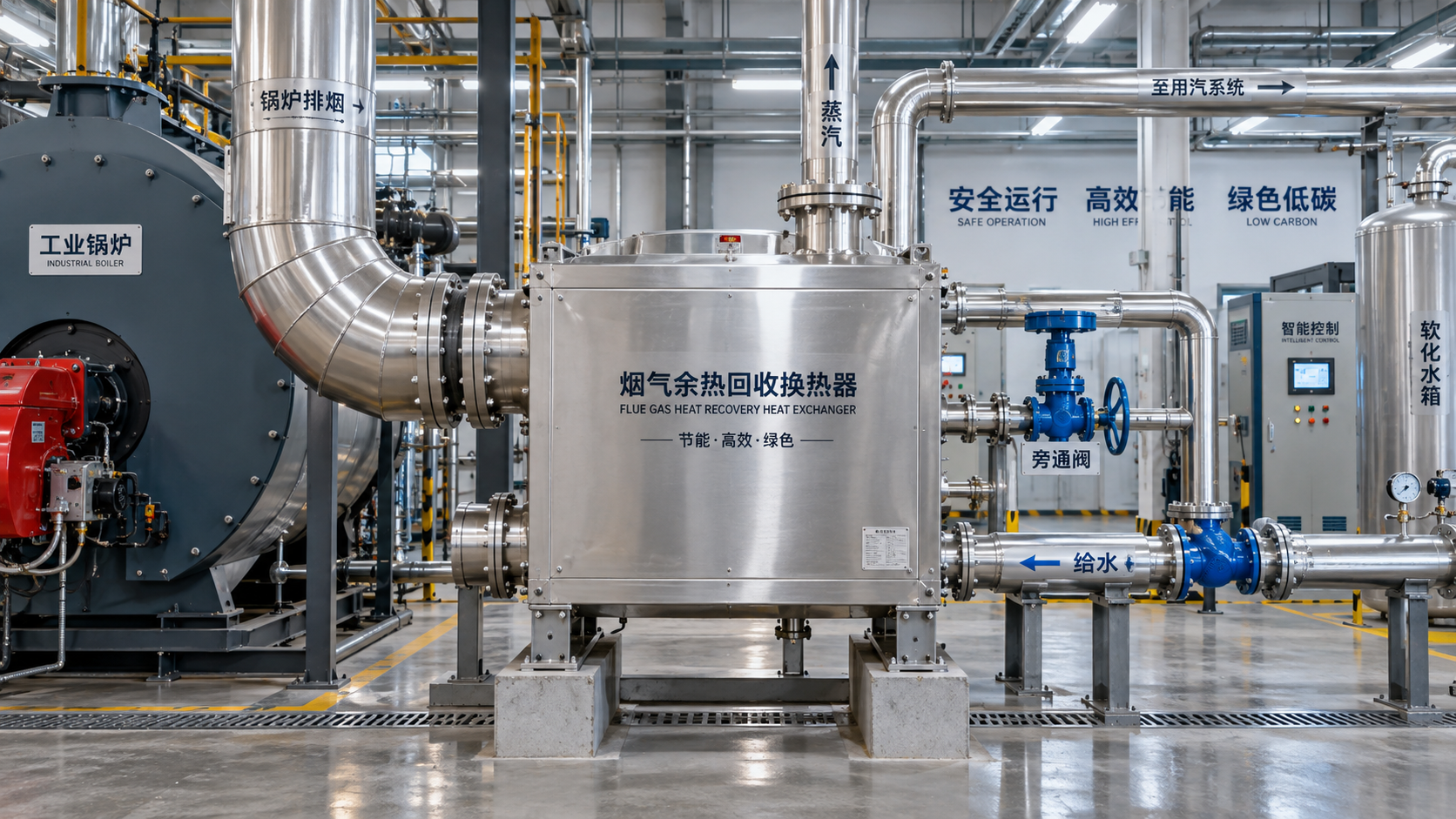
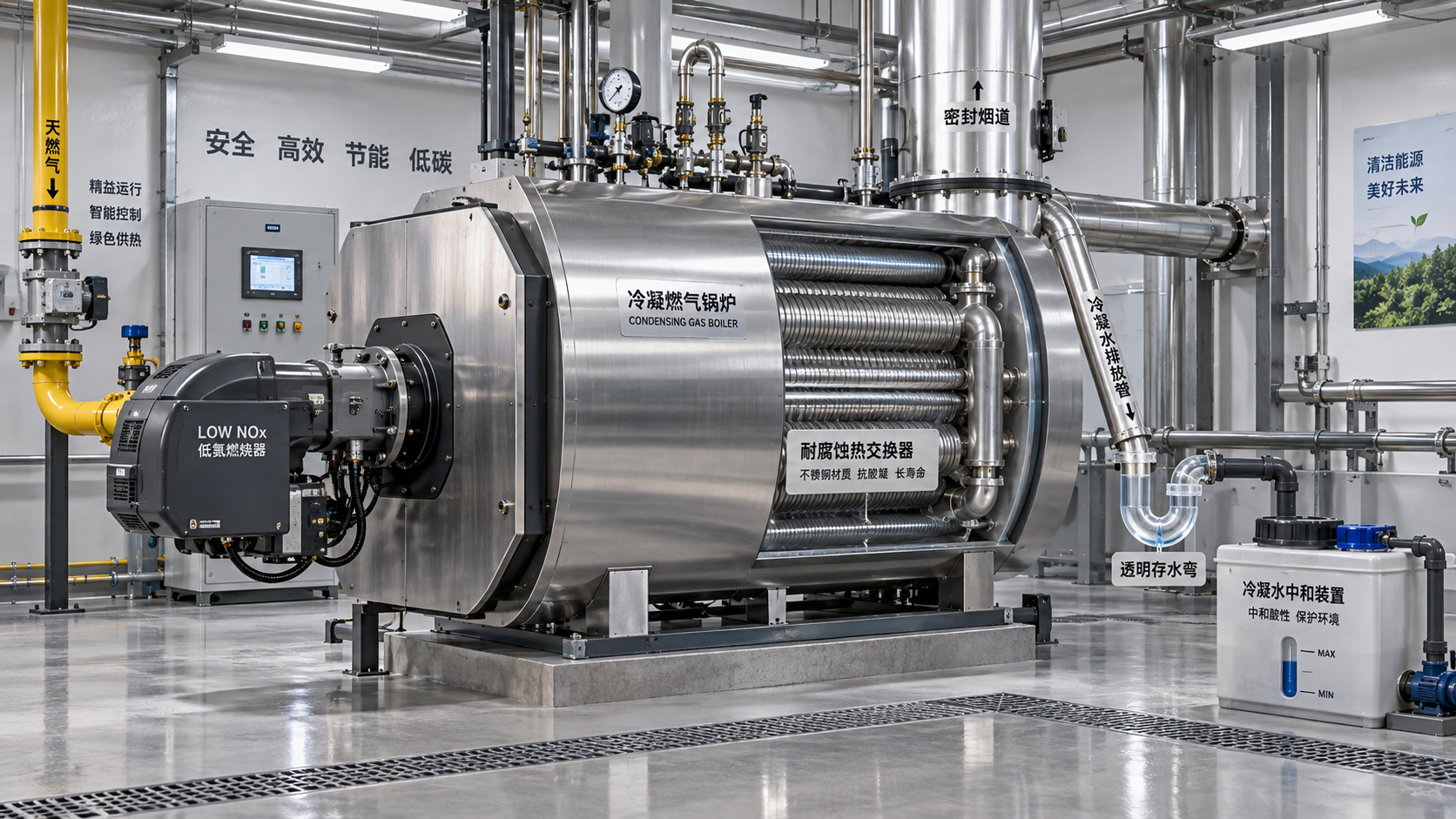
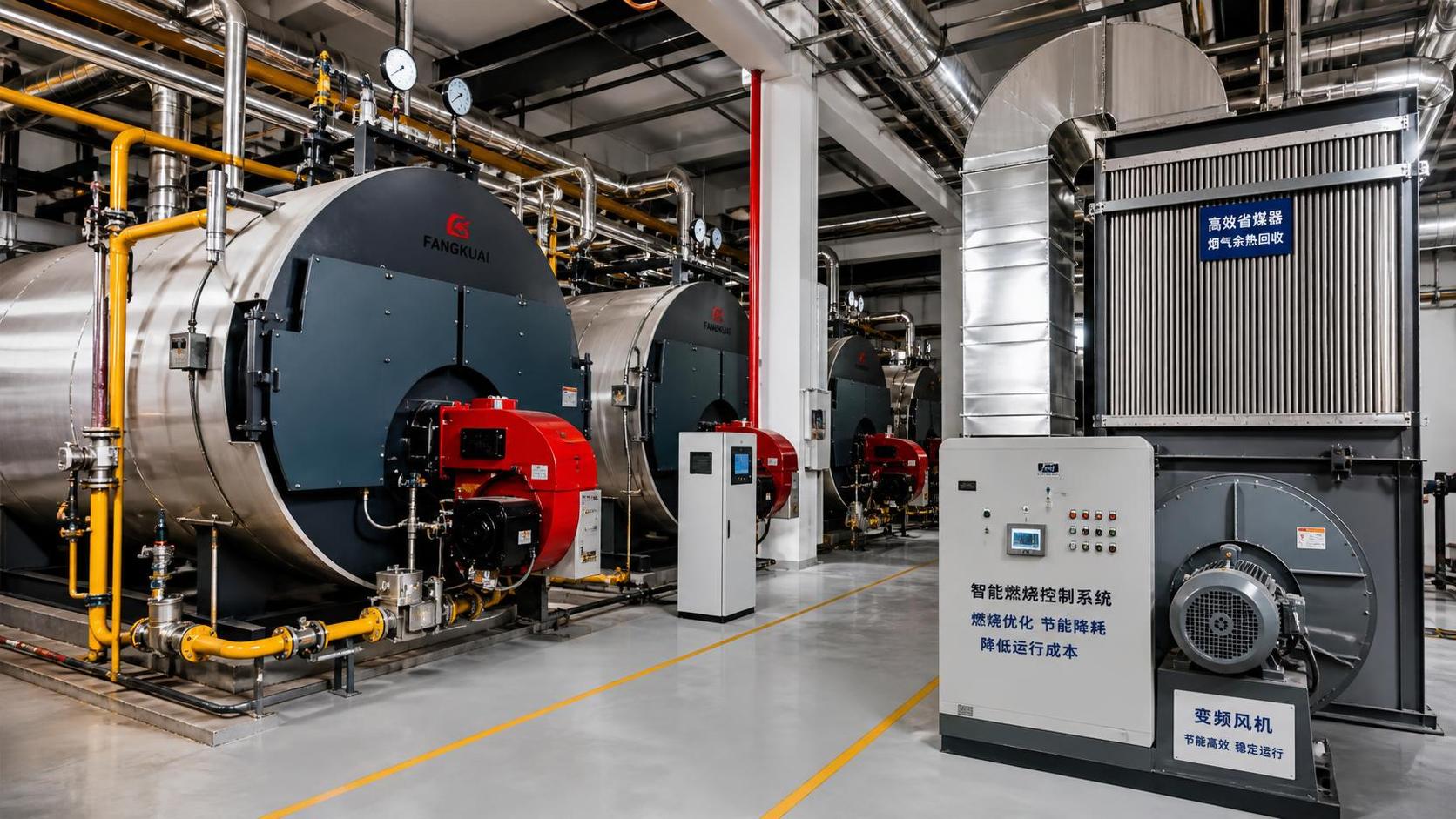
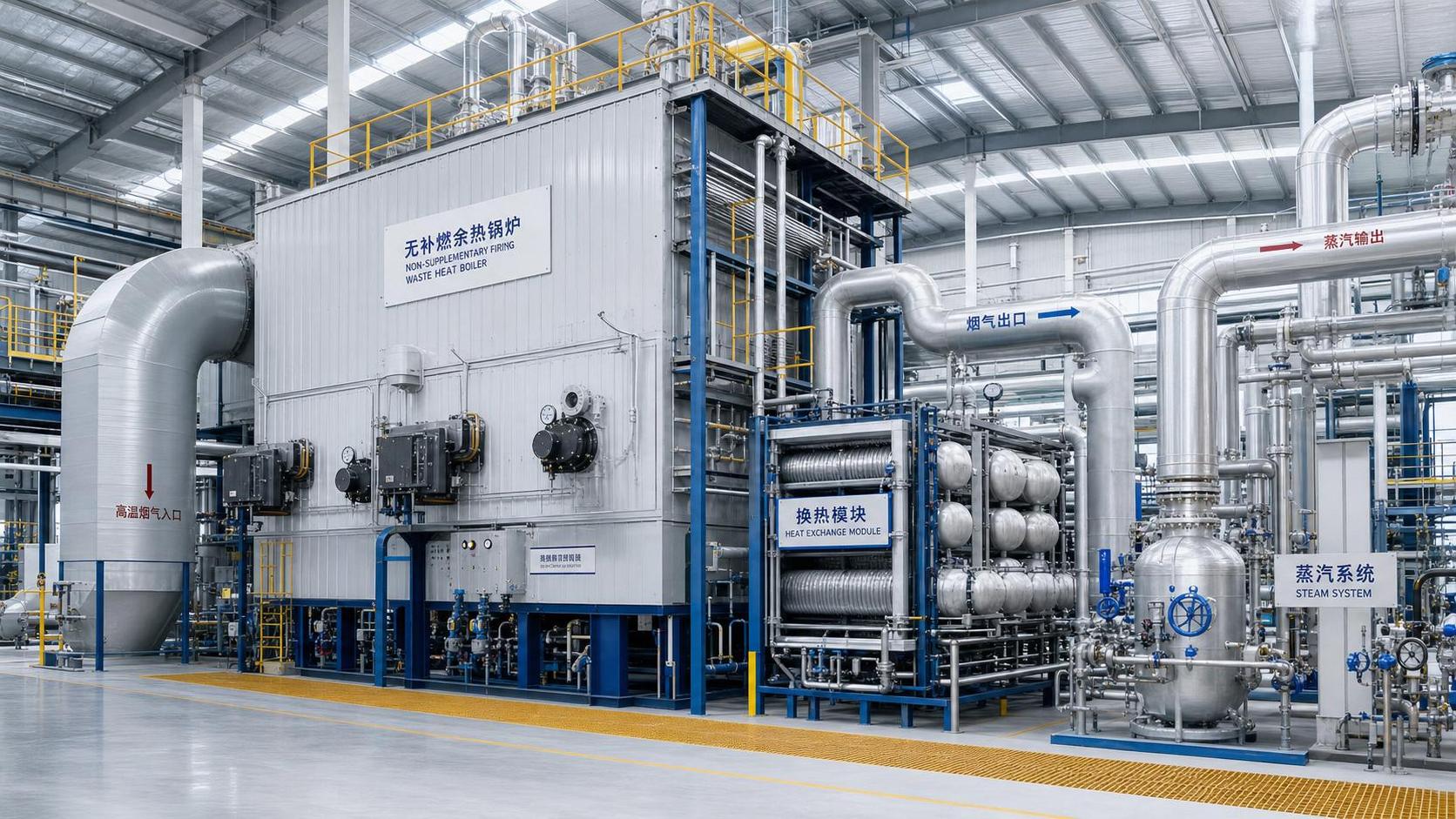
Economizers commonly transfer flue-gas heat to boiler feedwater, reducing the energy needed to reach evaporation conditions. Their performance depends heavily on feedwater temperature, load consistency, water chemistry, and the risk of corrosion. In some applications, condensing heat recovery can capture additional latent heat, but it requires careful consideration of flue-gas composition, condensate treatment, materials selection, and plume management.
Other opportunities may sit outside the boiler itself. Flash steam recovery, blowdown heat recovery, deaerator optimization, and process-to-process heat integration can sometimes provide a better project return than a major boiler modification. The central question is simple: where can recovered heat displace purchased fuel or electricity reliably?
It is worth resisting a common mistake: designing recovery around a theoretical maximum rather than a stable operating case. If a process heat sink is intermittent, undersized, or unavailable during the periods when the boiler runs hardest, projected savings can become difficult to realize. A staged design, with bypass capability and clear control priorities, often protects both availability and economics.
Sequencing Multiple Boilers Is Often the Hidden Opportunity
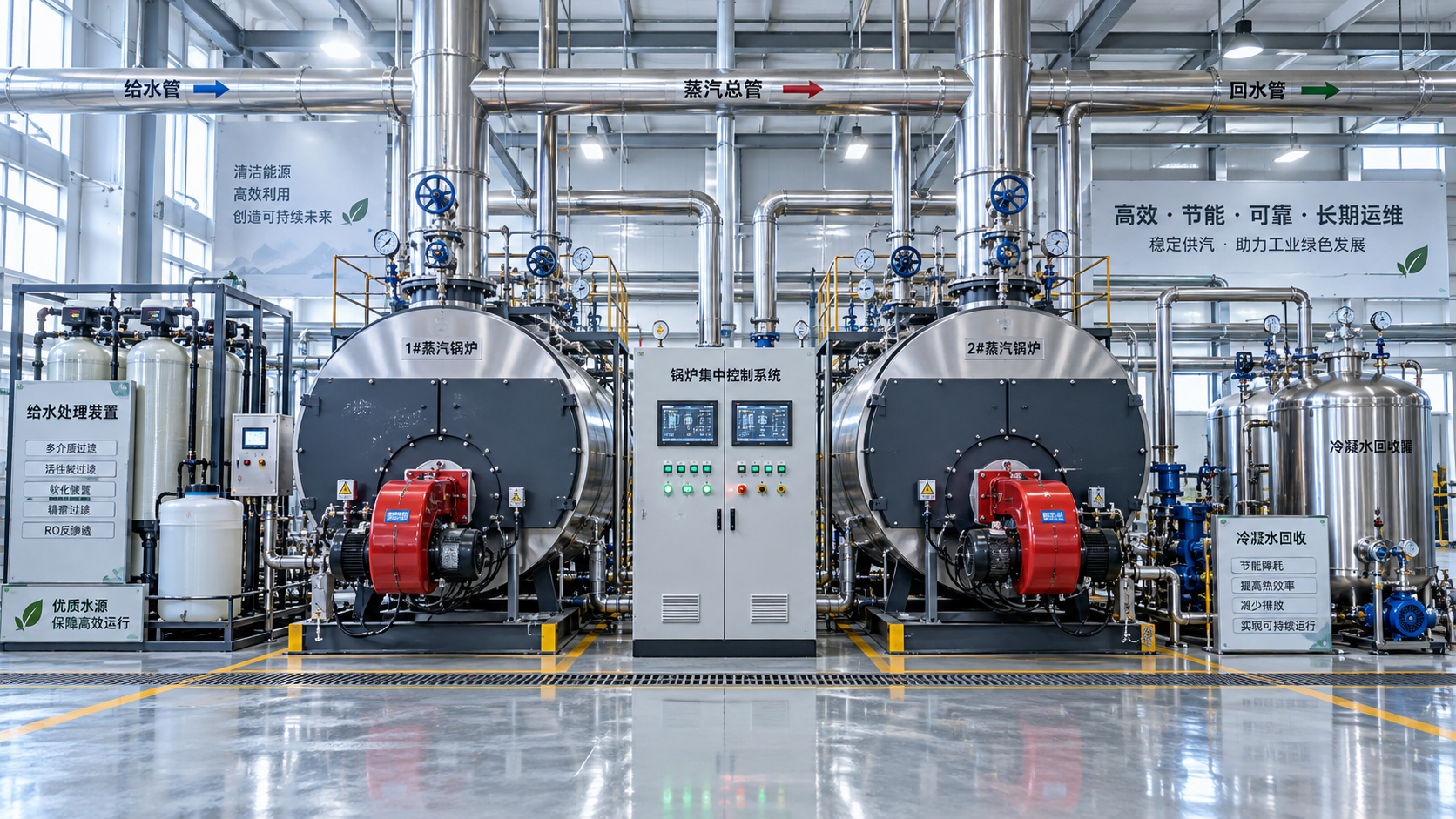
In multi-boiler plants, the largest inefficiency may come from how units are dispatched. It is common to see several boilers held online at low fire because the operating team values redundancy. That instinct is understandable. However, excess online capacity can lead to cycling, poor turndown performance, and reduced combustion efficiency.
Better sequencing does not mean removing redundancy. It means defining lead-lag logic that keeps the right combination of boilers within efficient and stable operating ranges while preserving reserve capacity for critical loads. The preferred sequence may vary by season, process schedule, fuel type, maintenance status, and each unit’s actual efficiency curve.
Reliable sequencing also requires attention to transitions. When a lag boiler starts, the header should not experience a pressure drop that affects production. When a lead boiler unloads, controls must avoid oscillation between units. These details are where controls engineering, operations experience, and project planning need to meet.
A useful approach is to model several realistic scenarios: normal daytime demand, night or weekend base load, batch-production peaks, one-boiler-out operation, and recovery after an electrical or process upset. The proposed control strategy should be judged against all of them, not just the average load case.
Do Not Ignore the Water and Steam Side
Fuel efficiency and steam reliability are inseparable from water management. Cold makeup water, excessive continuous blowdown, failed steam traps, leaking valves, and weak condensate return all increase the thermal burden on the boiler. These losses can be overlooked because they appear outside the combustion package, often under different maintenance or utility budgets.
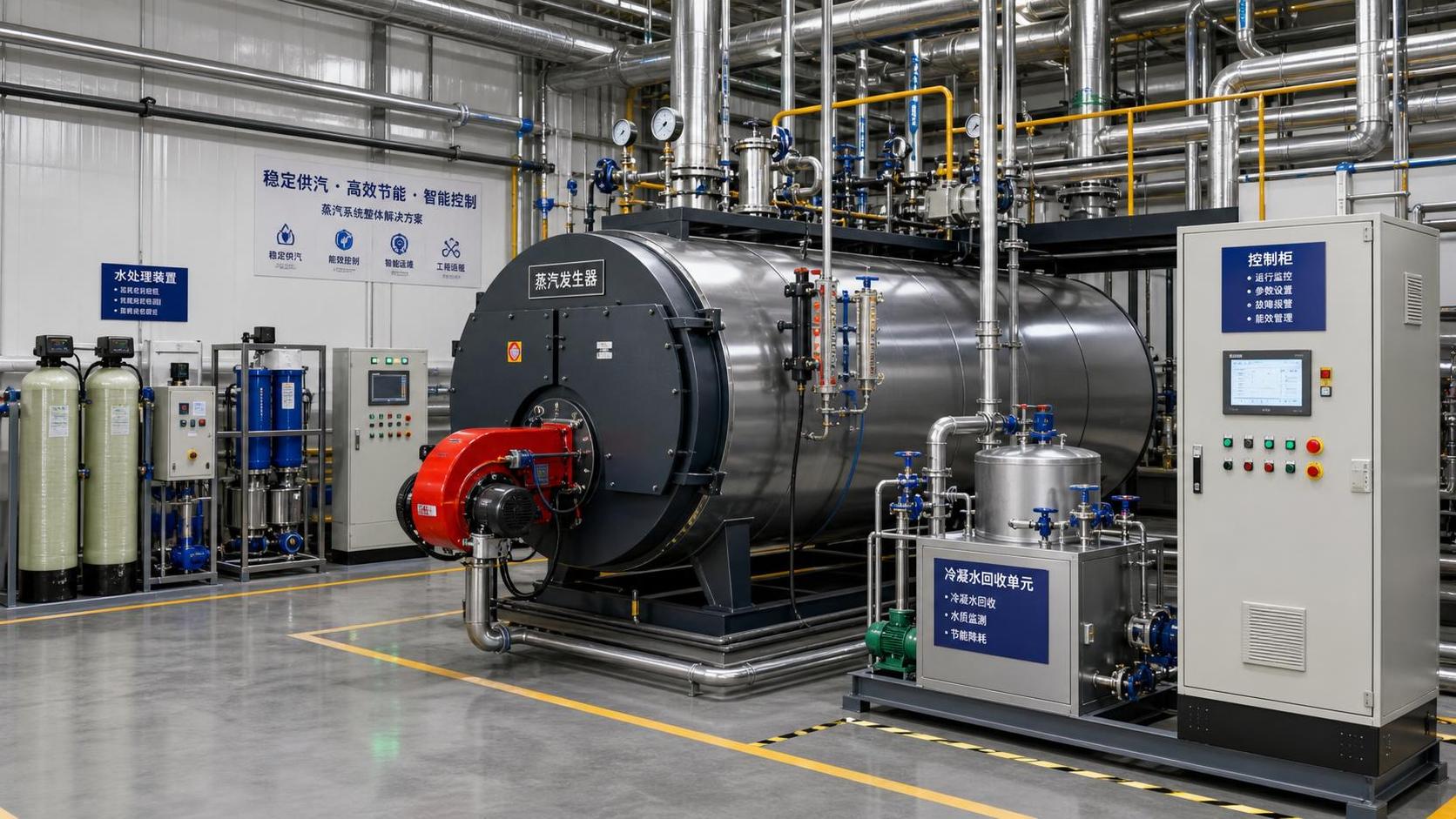
Condensate is especially valuable because it returns both treated water and sensible heat. Increasing condensate return can reduce fuel demand, water treatment chemicals, and wastewater volumes. Still, return systems need disciplined evaluation. Contaminated condensate can damage boilers or create unsafe chemistry conditions, so recovery proposals must include monitoring, diversion capability, and a clear contamination-response plan.
Blowdown optimization deserves the same care. Insufficient blowdown risks solids concentration and carryover; excessive blowdown wastes heated water and chemicals. Conductivity-based automatic blowdown, properly maintained sampling systems, and water treatment coordination can help keep this balance within a controlled range.
Controls and Data Should Support People, Not Replace Judgment
Digital boiler controls, fuel metering, steam-flow measurement, and analytics platforms can reveal patterns that manual logs cannot. They can also create an overwhelming volume of information if the project does not define what decisions the data is meant to support.
For most facilities, a focused dashboard is more useful than an elaborate control-room display. It should show the measures that connect energy performance with operating risk: fuel per unit of steam, boiler load, header pressure, feedwater temperature, stack oxygen, stack temperature, blowdown rate, and condensate return. Trend views should make deterioration visible early enough for maintenance planning.
GTC-Matrix follows the wider industrial shift toward this kind of connected thermal intelligence: combining thermodynamic analysis with the operational context of controls, equipment condition, and production demand. The point is not simply to collect more readings. It is to turn those readings into decisions that engineering teams can defend during budget reviews and execute during planned outages.
A Phased Boiler Optimization Roadmap for Project Teams
Large boiler projects can be difficult to approve because the benefits cross departments while the disruption is concentrated in one shutdown window. A phased roadmap reduces that risk and helps distinguish low-cost operating improvements from capital-intensive upgrades.
- Stabilize the basics. Repair obvious leaks, verify instruments, inspect steam traps, confirm water treatment practices, and restore combustion equipment to specification.
- Establish a verified baseline. Capture representative operating data over enough time to include production variability, rather than selecting only favorable conditions.
- Prioritize no-regret actions. Tune combustion, adjust sequencing, improve insulation, reduce unnecessary pressure margins, and correct controllable blowdown losses.
- Evaluate integration projects. Consider economizers, condensate recovery expansion, flash-steam recovery, control modernization, or boiler replacement only after confirming system constraints.
- Commission for real operation. Test not only peak efficiency, but load changes, alarms, manual operation, startup, shutdown, and failure scenarios.
- Maintain the gain. Assign ownership for KPIs, calibration, inspection intervals, and periodic performance reviews.
Questions That Prevent Expensive Missteps
Before moving forward, project leaders should ask a few direct questions. Is the proposed solution designed around measured steam demand or assumed demand? Will it work during low-load operation as well as peak production? What happens if a sensor fails or a heat-recovery sink becomes unavailable? Does the project reduce maintenance burden, or merely shift it to a component that the site is not prepared to maintain?
It is also important to separate boiler efficiency from plant efficiency. A new high-efficiency boiler can underperform in a system with poor condensate return, oversized headers, unmanaged leaks, or high-pressure steam being throttled for low-pressure uses. Conversely, a well-maintained existing boiler may still deliver meaningful improvement when supported by better controls and steam-system discipline.
The strongest boiler optimization projects are rarely defined by one dramatic technology choice. They are built through a sequence of practical decisions: measuring the right conditions, protecting steam reliability, recovering heat where it has a dependable use, and making operational performance visible over time. For engineering leaders, that is the path to lower fuel consumption without turning the boiler house into a new source of production risk.
Related News
- Boiler Optimization: Cutting Fuel Use Without Compromising Steam ReliabilityAuthor :Thermal Energy Strategist

- How to size thermal fluid systems for stable process temperaturesAuthor :Thermal Energy Strategist

- Industrial Boiler Heat Recovery: Diagnosing Lost Savings in Existing PlantsAuthor :Thermal Energy Strategist

- Boiler Heat Recovery Systems: Sizing Waste-Heat Recovery for Stable Steam LoadsAuthor :Thermal Energy Strategist

- Can Condensing Boilers Cut NOx Emissions Without Creating Corrosion Risks?Author :Thermal Energy Strategist

- Low-NOx Boilers Industry Trends: What New Rules Mean for Plant UpgradesAuthor :Thermal Energy Strategist

- A Practical Roadmap for Industrial Steam System Decarbonization ProjectsAuthor :Thermal Energy Strategist

- Industrial Steam System Vendor Comparison: Criteria Beyond Equipment PriceAuthor :Thermal Energy Strategist

- How to Choose an Industrial Steam Generator for Load Profile, Fuel, and RedundancyAuthor :Thermal Energy Strategist

- When Does a Heat Recovery Steam Generator Make Economic Sense?Author :Thermal Energy Strategist

- How pressure control prevents unstable steam supply in industrial systemsAuthor :Thermal Energy Strategist

- How excess air affects boiler efficiency in steam systemsAuthor :Thermal Energy Strategist

- When a Refinery Steam Turbine Should Prioritize Process Steam Over Maximum OutputAuthor :Thermal Energy Strategist

- Which boiler upgrades deliver the fastest efficiency cost reductionAuthor :Thermal Energy Strategist

- What to check before choosing a steam generation systems supplierAuthor :Thermal Energy Strategist

- When do industrial boiler systems cost less than electric heatAuthor :Thermal Energy Strategist

- How to Compare Boiler Systems in Latin America by Fuel Cost and ComplianceAuthor :Thermal Energy Strategist

- How to Size Low-Pressure Industrial Steam Systems for Stable Heat DemandAuthor :Thermal Energy Strategist

- Low Emissions Boilers: What to Compare Before You ChooseAuthor :Thermal Energy Strategist

- Low-NOx Boilers Cost Breakdown: Upfront Price, Fuel Savings, and PaybackAuthor :Thermal Energy Strategist

- Boiler Combustion Systems: Common Causes of Unstable Fuel PerformanceAuthor :Thermal Energy Strategist

- Hot Water Industrial Boilers: When Efficiency Gains Justify ReplacementAuthor :Thermal Energy Strategist

- What Boiler Efficiency Really Means in Daily Operation and Energy BillsAuthor :Thermal Energy Strategist

- Boiler Efficiency Testing Methods That Expose Heat Loss and Fuel WasteAuthor :Thermal Energy Strategist

- Industrial Burner Systems: Key Factors for Safe Heat OutputAuthor :Thermal Energy Strategist

- Gas-Fired Boiler Combustion Technology: Key Efficiency and Emissions Trade-OffsAuthor :Thermal Energy Strategist

- Unfired Heat Recovery Steam Generators: When Do They Pay Off?Author :Thermal Energy Strategist

- How to Evaluate Steam Generation Systems Electric for Process Heat ProjectsAuthor :Thermal Energy Strategist

- Thermal Power Systems for Industrial Heating: Common Sizing Mistakes to AvoidAuthor :Thermal Energy Strategist

- Low-NOx Condensing Boilers: How to Compare Efficiency and EmissionsAuthor :Thermal Energy Strategist
![]()
- Low Emissions Boilers for Food Processing: Key Compliance and Fuel Cost FactorsAuthor :Thermal Energy Strategist

- Steam System Efficiency Calculation: Key Inputs That Change the ResultAuthor :Thermal Energy Strategist

- How to Evaluate a Steam Boiler Components Exporter Before OrderingAuthor :Thermal Energy Strategist

- Burner Systems Troubleshooting: Common Efficiency Loss CausesAuthor :Thermal Energy Strategist

- EU PED Q2 Rules Require Digital Compliance TagsAuthor :Thermal Energy Strategist

- Thermal Power Systems: Key Efficiency Risks in Daily OperationAuthor :Thermal Energy Strategist