



When do industrial boiler systems cost less than electric heat




For many plants, the real question is not whether electricity looks cleaner or simpler on paper. It is when electric heat actually beats fuel-fired steam or hot water on total cost, and when it does not. That distinction matters because industrial boiler systems are rarely bought for a single utility bill cycle. They are capital assets tied to production uptime, process temperature, site utilities, emissions strategy, and long-term exposure to volatile energy markets.
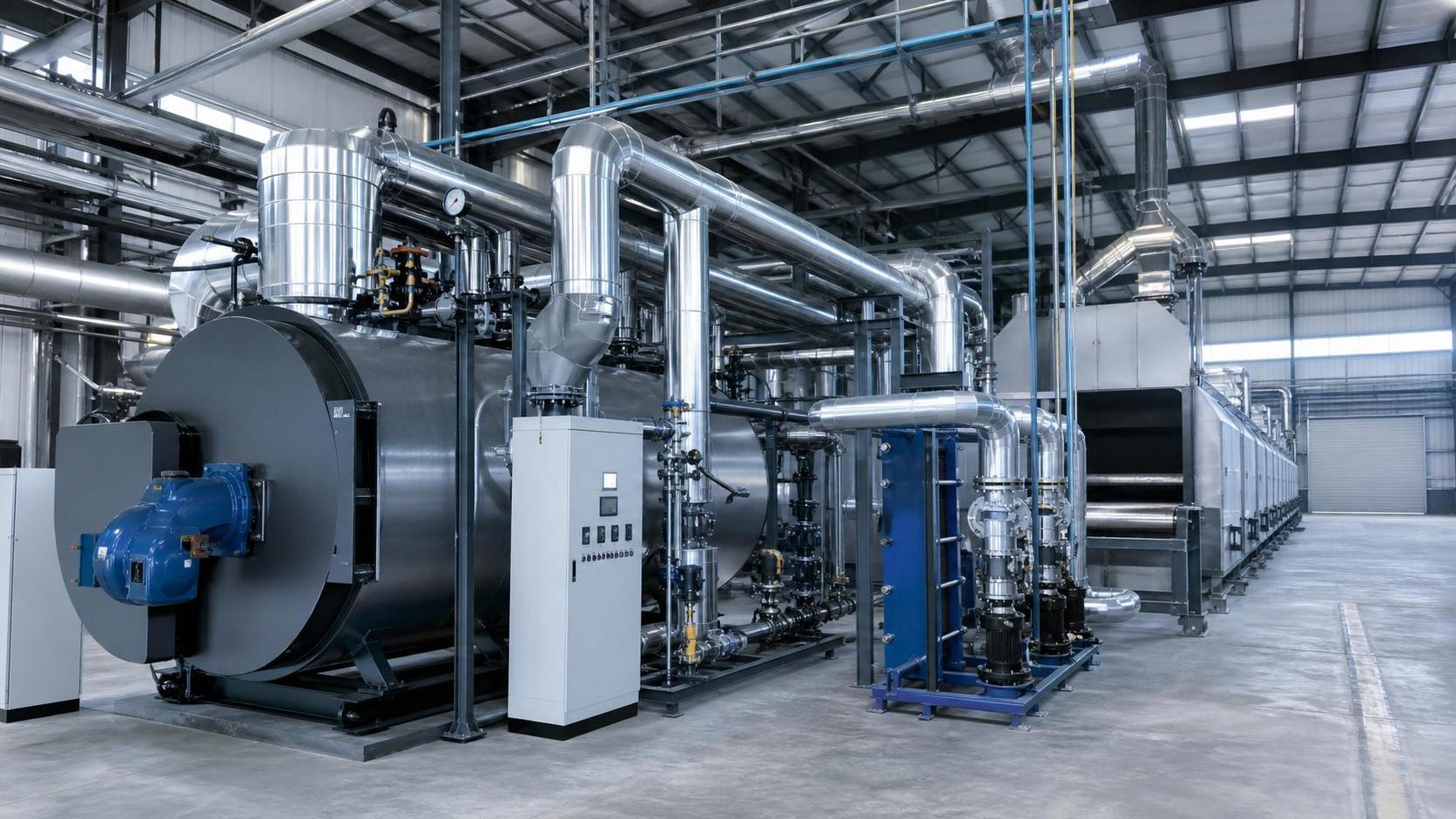
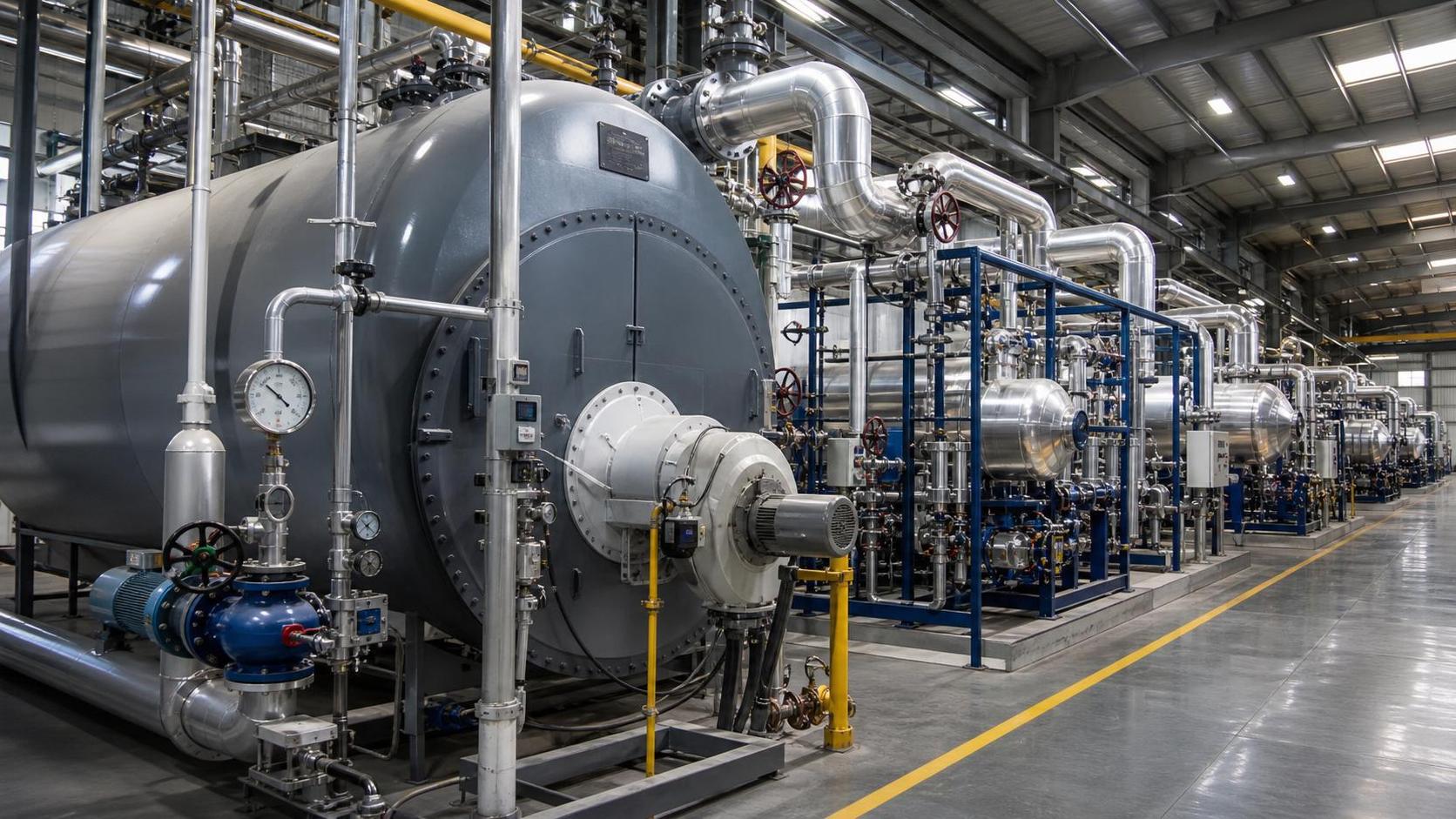
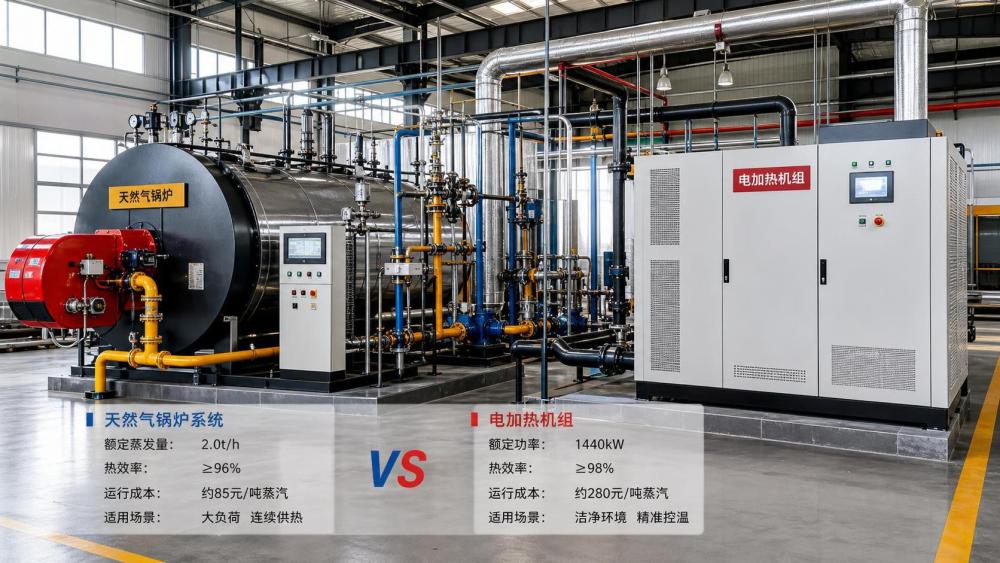
In practice, industrial boiler systems tend to cost less than electric heat when a facility needs large and steady thermal loads, when fuel pricing is structurally favorable versus grid electricity, and when steam distribution already exists. Electric heat becomes harder to justify as required output rises into continuous process duty, especially in sectors where heat is not incidental but central to production: food processing, pharmaceuticals, textiles, chemicals, paper, and many general manufacturing operations.
That said, the answer is not universal. The cheapest thermal choice can flip by country, by utility tariff, by shift pattern, and by required temperature. This is exactly why market watchers such as GTC-Matrix, which tracks industrial cooling, compressed air, vacuum, and heat exchange technologies through its Strategic Intelligence Center, pay close attention to both thermodynamic performance and energy price signals. A boiler decision is no longer only an equipment decision; it is an energy strategy decision.
The basic tipping point: useful heat cost, not nameplate efficiency
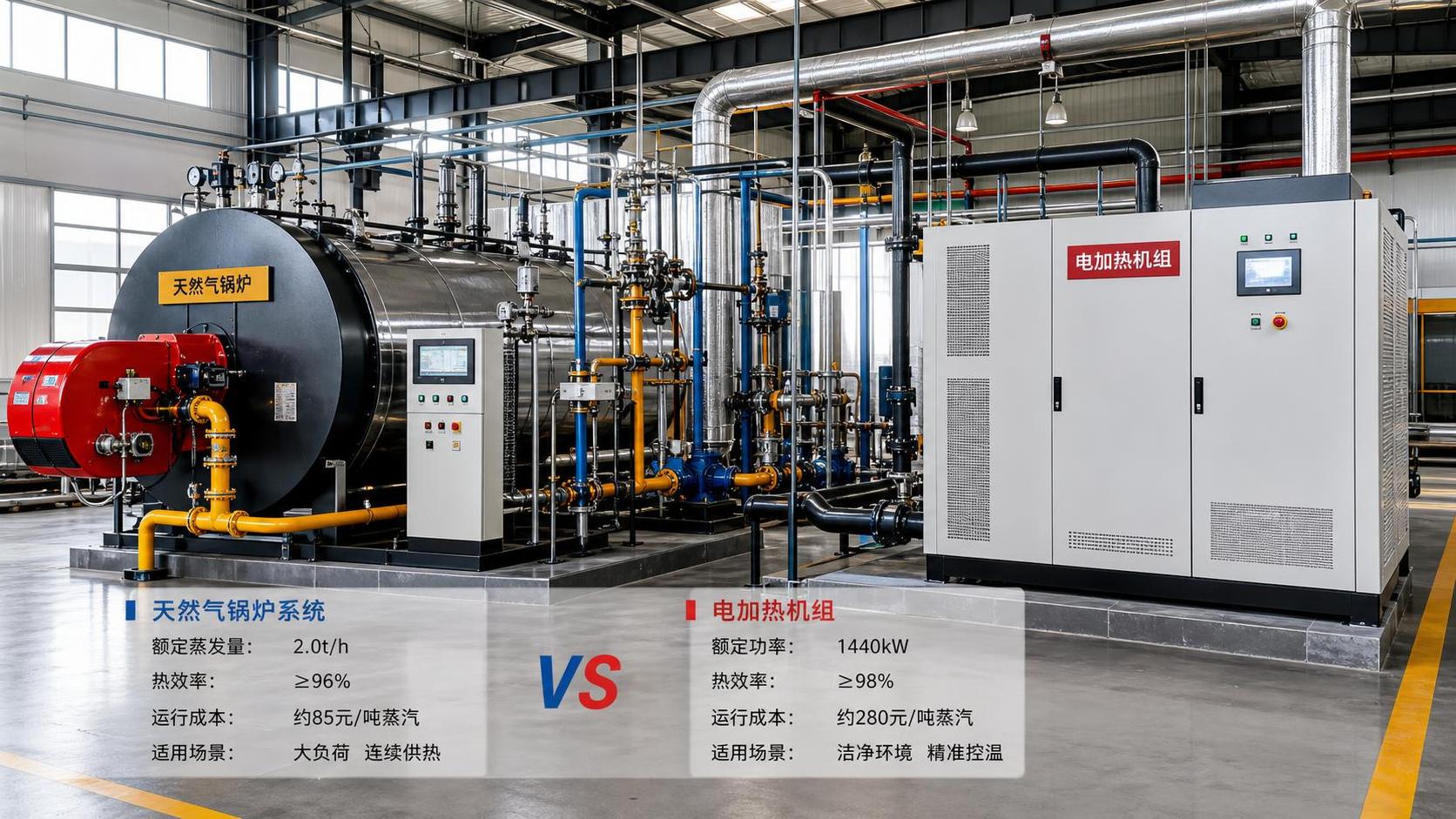
Electric resistance heat is often described as nearly 100% efficient at the point of use. That is true in a narrow sense: most of the electricity consumed becomes heat. But procurement teams should be careful not to confuse conversion efficiency with cost efficiency. If electricity is priced several times higher per unit of energy than natural gas, LPG, fuel oil, or biomass available to the site, a highly efficient electric heater can still produce more expensive useful heat than a lower-cost fuel-fired boiler.
A practical comparison starts with delivered cost per usable kWh or per usable MMBtu of heat. That means accounting for:
- local electricity tariff structure, including demand charges and peak pricing
- fuel cost delivered to site
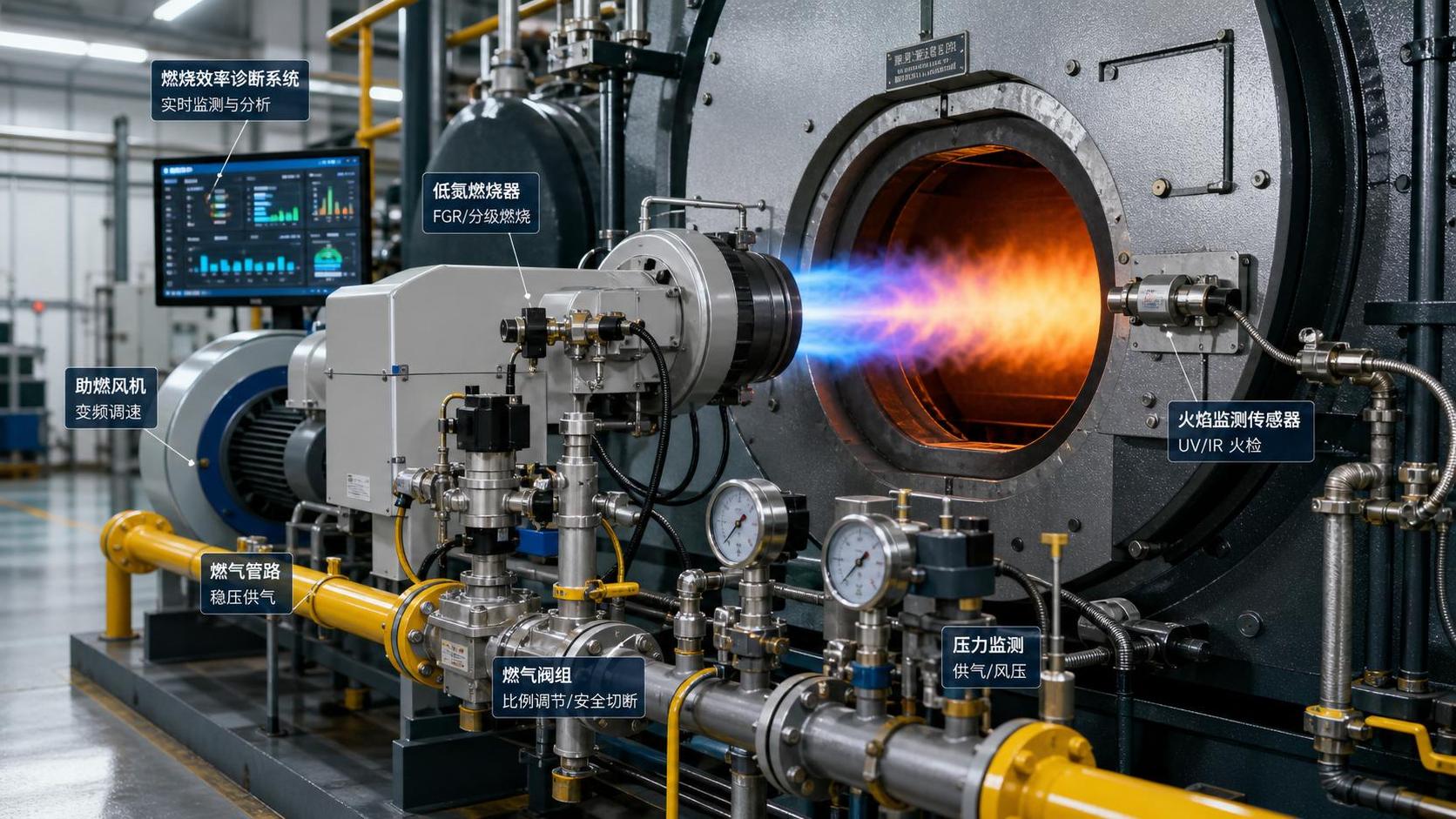
- boiler combustion efficiency under actual operating load, not brochure conditions
- standby and distribution losses
- water treatment, blowdown, maintenance, and labor
- required electrical infrastructure upgrades
This is where many first-pass business cases fail. They compare burner efficiency with electric element efficiency, but ignore the cost of bringing enough electrical capacity to the site or the cost of running a process at peak power hours.
Where industrial boiler systems usually win on cost
Industrial boiler systems usually become the lower-cost option under a recognizable set of operating conditions.
High and continuous thermal demand
If a plant needs process steam or hot water around the clock, fuel-fired systems often have an economic advantage. Continuous loads allow boilers to operate closer to efficient steady-state conditions, and the site can spread fixed operating costs over a larger heat output. Electric systems can work well for intermittent or localized heating, but as duty hours increase, the utility bill usually becomes the dominant factor.
Steam-dependent processes
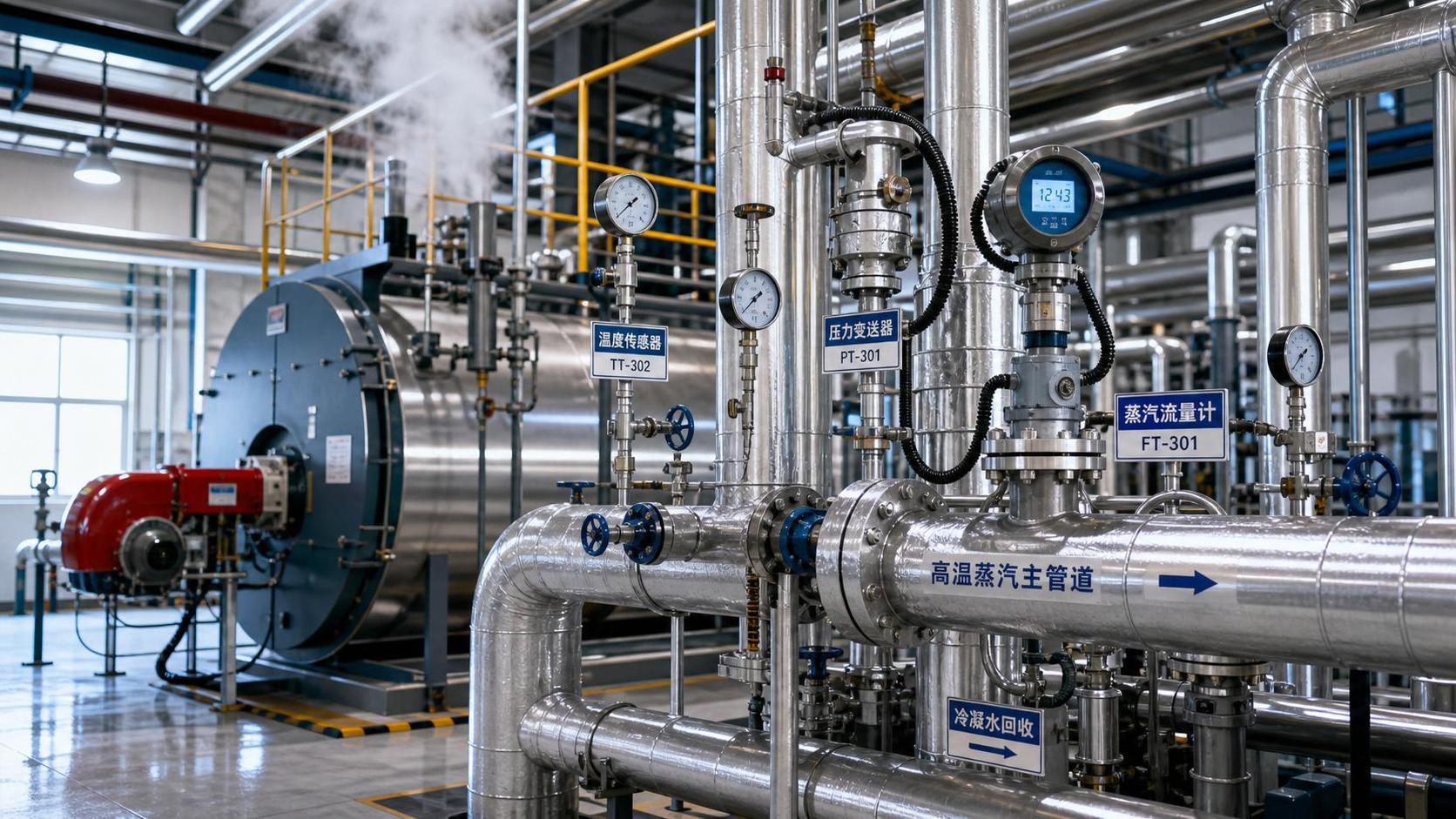
Many industrial processes are built around steam for sterilization, cleaning, humidification, cooking, drying, or indirect heat transfer. In those settings, replacing an existing boiler with electric heat is not just a heat-source swap. It may mean reworking process interfaces, controls, condensate recovery logic, and sometimes the production layout itself. When a steam network is already installed and still fit for service, keeping or upgrading industrial boiler systems can be far more economical than electrifying the heat supply from scratch.
Sites with constrained grid capacity
This point is often underestimated. Large electric heat loads may require transformer upgrades, switchgear expansion, feeder reinforcement, or utility approval for additional peak demand. Those costs can be material, and they may also extend project timelines. A boiler replacement or expansion may involve emissions permitting and fuel train work, but it does not always trigger the same level of electrical infrastructure investment.
Regions with favorable fuel economics
Energy economics remain highly regional. In markets with relatively low natural gas prices and comparatively expensive industrial power tariffs, boiler heat often remains cheaper. In markets with abundant low-cost renewable electricity, strong off-peak pricing, or carbon-heavy gas costs, the conclusion may reverse. This is one reason intelligence platforms like GTC-Matrix track both fuel market movements and the evolution of low-NOx combustion boilers: the technology choice cannot be separated from the local cost environment.
When electric heat can make more financial sense
There are situations where electric heat is the better procurement decision, even if pure energy cost per unit is higher.
One is small-load or point-of-use heating. If the facility only needs a modest amount of heat, the simplicity of electric equipment can offset fuel system complexity, water-side maintenance, and boiler operator requirements where those apply locally.
Another is very clean indoor or high-purity environments. Some electronics, lab, or precision manufacturing processes prefer electric heat because it avoids onsite combustion, flue handling, and some categories of emissions compliance. The same logic can appear in pharmaceutical and semiconductor settings, where thermal precision and contamination control carry unusual weight.
A third case is strategic decarbonization. If a company has access to low-carbon electricity under a long-term contract, faces rising carbon costs on combustion fuels, or must meet internal electrification targets, electric heat may be chosen despite a narrower short-term operating cost case. That is not irrational. It just means the business case includes policy risk, investor pressure, or customer requirements rather than only today's energy bill.
The cost comparison that procurement teams actually need
A useful evaluation should go beyond boiler-versus-heater equipment pricing. The more reliable comparison is total cost of ownership over the expected operating horizon.
Sometimes this exercise confirms that industrial boiler systems still offer the lower cost per useful unit of heat. Sometimes it reveals that a hybrid architecture is the better answer: boilers for base load, electric heat for trim load, peak-shaving, or specialty processes. Hybridization is becoming more common because it gives operators flexibility against both fuel volatility and carbon reporting pressure.
Common mistakes in boiler-versus-electric comparisons
One mistake is treating all thermal demand as identical. Low-temperature comfort or washdown heat is not the same decision as process steam at production scale.
Another is ignoring part-load behavior. Boilers, burners, and electric systems all perform differently when the plant is not at full production. Oversizing either option can erode the economics quickly.
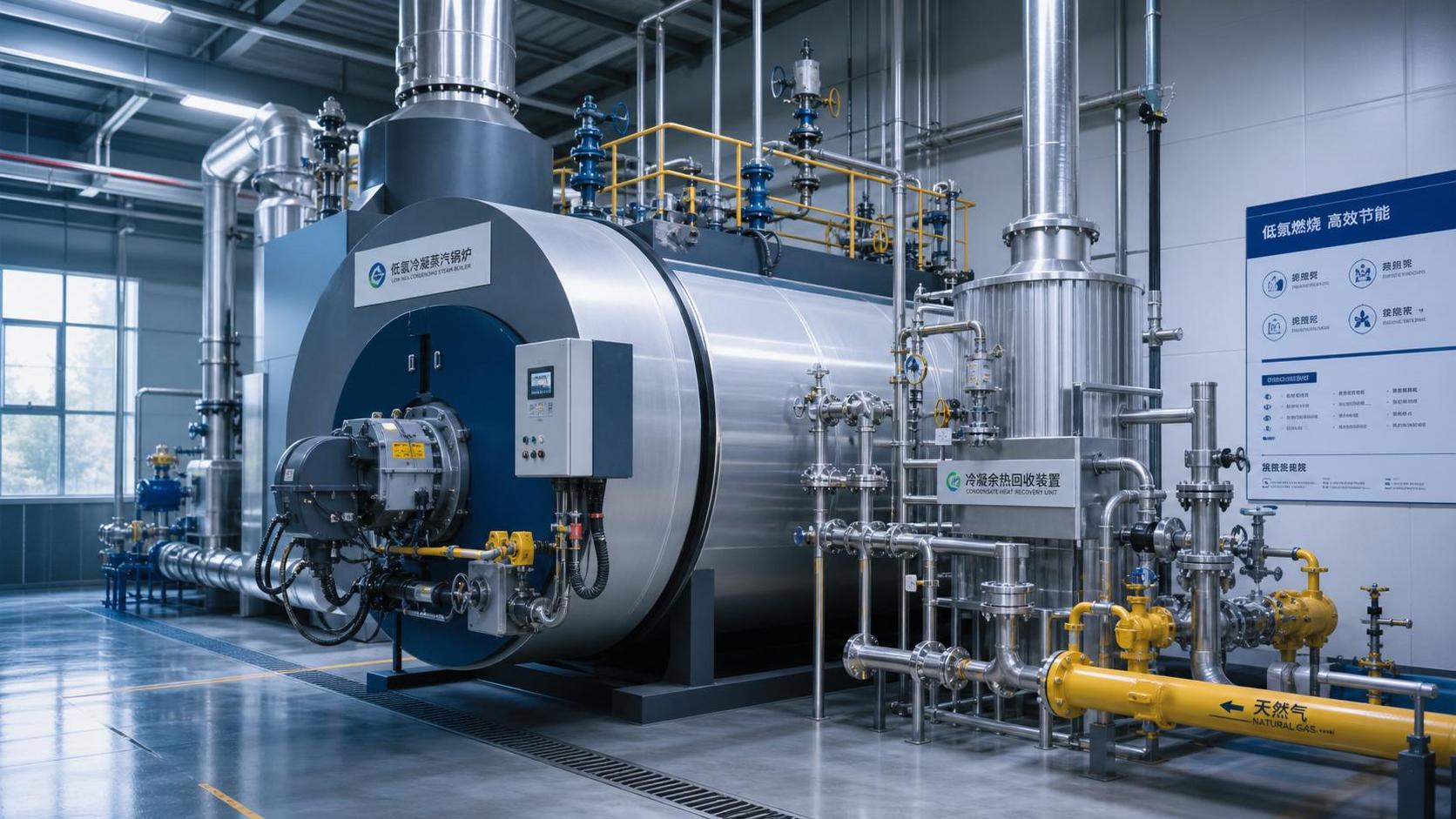
A third is reducing decarbonization to “electrify everything.” In some facilities, upgrading to a modern low-NOx boiler, improving condensate recovery, adding economizers, or integrating heat recovery from compressors and chillers may cut fuel use substantially without forcing a difficult and expensive power-system expansion. That broader thermal view is increasingly relevant, and it aligns with the kind of cross-system analysis GTC-Matrix emphasizes across compression, cooling, and heat exchange technologies.
What decision-makers should ask before committing capital
Before selecting between industrial boiler systems and electric heat, it helps to pin down a few non-negotiables:
- What is the minimum and maximum heat load by hour, shift, and season?
- Is the plant buying energy on fixed contracts, spot pricing, or a mixed structure?
- How much of the existing steam or hot water infrastructure can be retained?
- Will carbon accounting or emissions compliance change over the asset life?
- What downtime risk is acceptable during installation and commissioning?
Those questions sound basic, but they often reveal whether the cheapest option is truly cheap or merely looks cheap in a simplified spreadsheet.
So when do industrial boiler systems cost less than electric heat? Usually when heat demand is large, steady, steam-based, and located in a market where fuel retains a meaningful price advantage over electricity. They also tend to win when the plant already has the right thermal infrastructure and limited appetite for electrical upgrades. Electric heat gains ground when loads are smaller, cleaner point-of-use heating is needed, or the strategic value of electrification outweighs higher operating cost.
The strongest next step is not a generic technology preference. It is a site-specific heat balance, tariff review, and infrastructure check. For organizations making repeated decisions across plants or regions, intelligence-led comparison matters even more. Energy prices shift, regulations move, and thermal technology keeps evolving. Good capital decisions follow the system, not the slogan.
Related News
- Boiler Optimization: Cutting Fuel Use Without Compromising Steam ReliabilityAuthor :Thermal Energy Strategist

- How to size thermal fluid systems for stable process temperaturesAuthor :Thermal Energy Strategist

- Industrial Boiler Heat Recovery: Diagnosing Lost Savings in Existing PlantsAuthor :Thermal Energy Strategist

- Boiler Heat Recovery Systems: Sizing Waste-Heat Recovery for Stable Steam LoadsAuthor :Thermal Energy Strategist

- Can Condensing Boilers Cut NOx Emissions Without Creating Corrosion Risks?Author :Thermal Energy Strategist

- Low-NOx Boilers Industry Trends: What New Rules Mean for Plant UpgradesAuthor :Thermal Energy Strategist

- A Practical Roadmap for Industrial Steam System Decarbonization ProjectsAuthor :Thermal Energy Strategist

- Industrial Steam System Vendor Comparison: Criteria Beyond Equipment PriceAuthor :Thermal Energy Strategist

- How to Choose an Industrial Steam Generator for Load Profile, Fuel, and RedundancyAuthor :Thermal Energy Strategist

- When Does a Heat Recovery Steam Generator Make Economic Sense?Author :Thermal Energy Strategist

- How pressure control prevents unstable steam supply in industrial systemsAuthor :Thermal Energy Strategist

- How excess air affects boiler efficiency in steam systemsAuthor :Thermal Energy Strategist

- When a Refinery Steam Turbine Should Prioritize Process Steam Over Maximum OutputAuthor :Thermal Energy Strategist

- Which boiler upgrades deliver the fastest efficiency cost reductionAuthor :Thermal Energy Strategist

- What to check before choosing a steam generation systems supplierAuthor :Thermal Energy Strategist

- When do industrial boiler systems cost less than electric heatAuthor :Thermal Energy Strategist

- How to Compare Boiler Systems in Latin America by Fuel Cost and ComplianceAuthor :Thermal Energy Strategist

- How to Size Low-Pressure Industrial Steam Systems for Stable Heat DemandAuthor :Thermal Energy Strategist

- Low Emissions Boilers: What to Compare Before You ChooseAuthor :Thermal Energy Strategist

- Low-NOx Boilers Cost Breakdown: Upfront Price, Fuel Savings, and PaybackAuthor :Thermal Energy Strategist

- Boiler Combustion Systems: Common Causes of Unstable Fuel PerformanceAuthor :Thermal Energy Strategist

- Hot Water Industrial Boilers: When Efficiency Gains Justify ReplacementAuthor :Thermal Energy Strategist

- What Boiler Efficiency Really Means in Daily Operation and Energy BillsAuthor :Thermal Energy Strategist

- Boiler Efficiency Testing Methods That Expose Heat Loss and Fuel WasteAuthor :Thermal Energy Strategist

- Industrial Burner Systems: Key Factors for Safe Heat OutputAuthor :Thermal Energy Strategist

- Gas-Fired Boiler Combustion Technology: Key Efficiency and Emissions Trade-OffsAuthor :Thermal Energy Strategist

- Unfired Heat Recovery Steam Generators: When Do They Pay Off?Author :Thermal Energy Strategist

- How to Evaluate Steam Generation Systems Electric for Process Heat ProjectsAuthor :Thermal Energy Strategist

- Thermal Power Systems for Industrial Heating: Common Sizing Mistakes to AvoidAuthor :Thermal Energy Strategist

- Low-NOx Condensing Boilers: How to Compare Efficiency and EmissionsAuthor :Thermal Energy Strategist
![]()
- Low Emissions Boilers for Food Processing: Key Compliance and Fuel Cost FactorsAuthor :Thermal Energy Strategist

- Steam System Efficiency Calculation: Key Inputs That Change the ResultAuthor :Thermal Energy Strategist

- How to Evaluate a Steam Boiler Components Exporter Before OrderingAuthor :Thermal Energy Strategist

- Burner Systems Troubleshooting: Common Efficiency Loss CausesAuthor :Thermal Energy Strategist

- EU PED Q2 Rules Require Digital Compliance TagsAuthor :Thermal Energy Strategist

- Thermal Power Systems: Key Efficiency Risks in Daily OperationAuthor :Thermal Energy Strategist