



Industrial Steam System Vendor Comparison: Criteria Beyond Equipment Price




Industrial Steam System Vendor Comparison: Criteria Beyond Equipment Price
An industrial steam system vendor comparison should go far beyond upfront equipment price. Procurement teams need suppliers that protect energy performance, uptime, compliance, maintainability, and long-term production capacity.
The lowest boiler quotation can become the highest-cost choice when fuel consumption, unplanned outages, water-treatment failures, emissions penalties, or unavailable replacement parts enter the equation.
Buyers searching for an industrial steam system vendor comparison usually need a defensible selection method. They want to compare technically different proposals without overlooking commercial and operational risk.
The central question is not simply which vendor sells equipment cheaply. It is which vendor can deliver reliable steam at the required pressure, quality, cost, and availability.
Start With the Operating Requirement, Not the Vendor Brochure
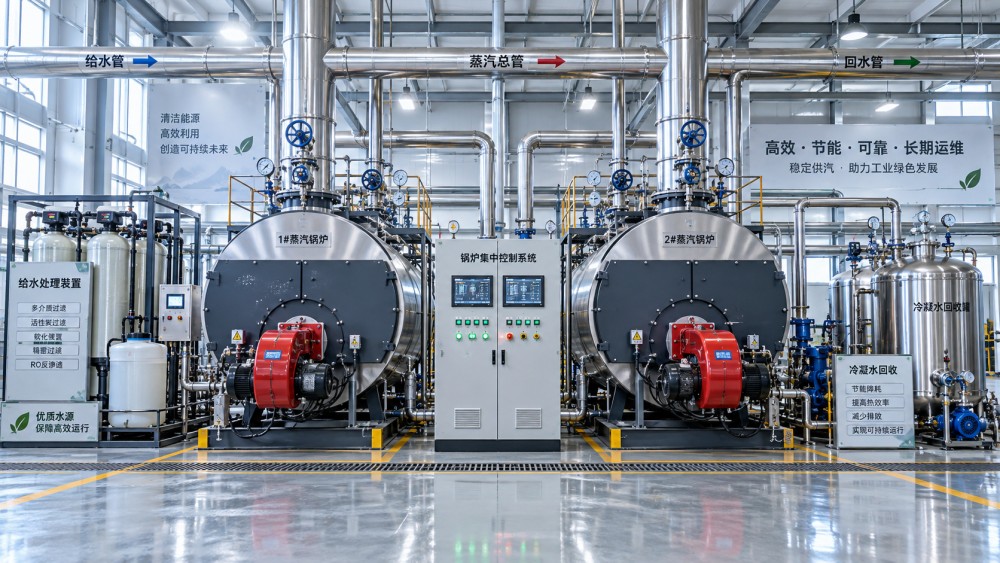
Before comparing suppliers, procurement should establish a common operating basis. Vendors cannot be evaluated fairly when each proposal assumes different steam loads, fuels, efficiency boundaries, or reliability targets.
Document peak demand, normal demand, minimum turndown, required steam pressure, temperature, condensate return rate, seasonal variation, and future capacity expansion. These conditions define the appropriate system configuration.
Also identify the consequence of steam interruption. A textile plant may tolerate limited pressure variation, while pharmaceutical sterilization, food processing, and semiconductor operations may not.
Steam quality requirements deserve equal attention. Dry saturated steam, clean steam, superheated steam, and process-specific purity standards require different equipment choices, materials, and control strategies.
Ask whether the vendor has designed systems for comparable duty profiles. Reference installations should match your fuel type, production environment, local regulations, and operational criticality.
Suppliers sometimes quote a nominal boiler capacity that appears sufficient but does not account for startup peaks, simultaneous users, distribution losses, or future process additions.
A robust proposal should show the load calculation, sizing margin, anticipated operating range, and assumptions behind every major component. Unsupported capacity claims should reduce confidence.
Procurement teams should require all bidders to use the same request-for-quotation data sheet. This converts a vague industrial steam system vendor comparison into a like-for-like decision.
Compare Lifecycle Energy Cost Instead of Nameplate Efficiency
Fuel is commonly the largest lifetime expense in a steam plant. Even a modest efficiency gap can outweigh a lower purchase price within a relatively short operating period.
Nameplate efficiency alone is incomplete because vendors may use different test conditions. Confirm whether quoted figures are based on higher heating value, lower heating value, full load, or annualized performance.
Ask each bidder to provide predicted fuel use at minimum, typical, and peak loads. Part-load efficiency often matters more than full-load performance in variable-demand facilities.
Evaluate burner modulation range carefully. A boiler that cycles frequently can waste fuel, increase wear, create pressure instability, and elevate emissions during repeated startups.
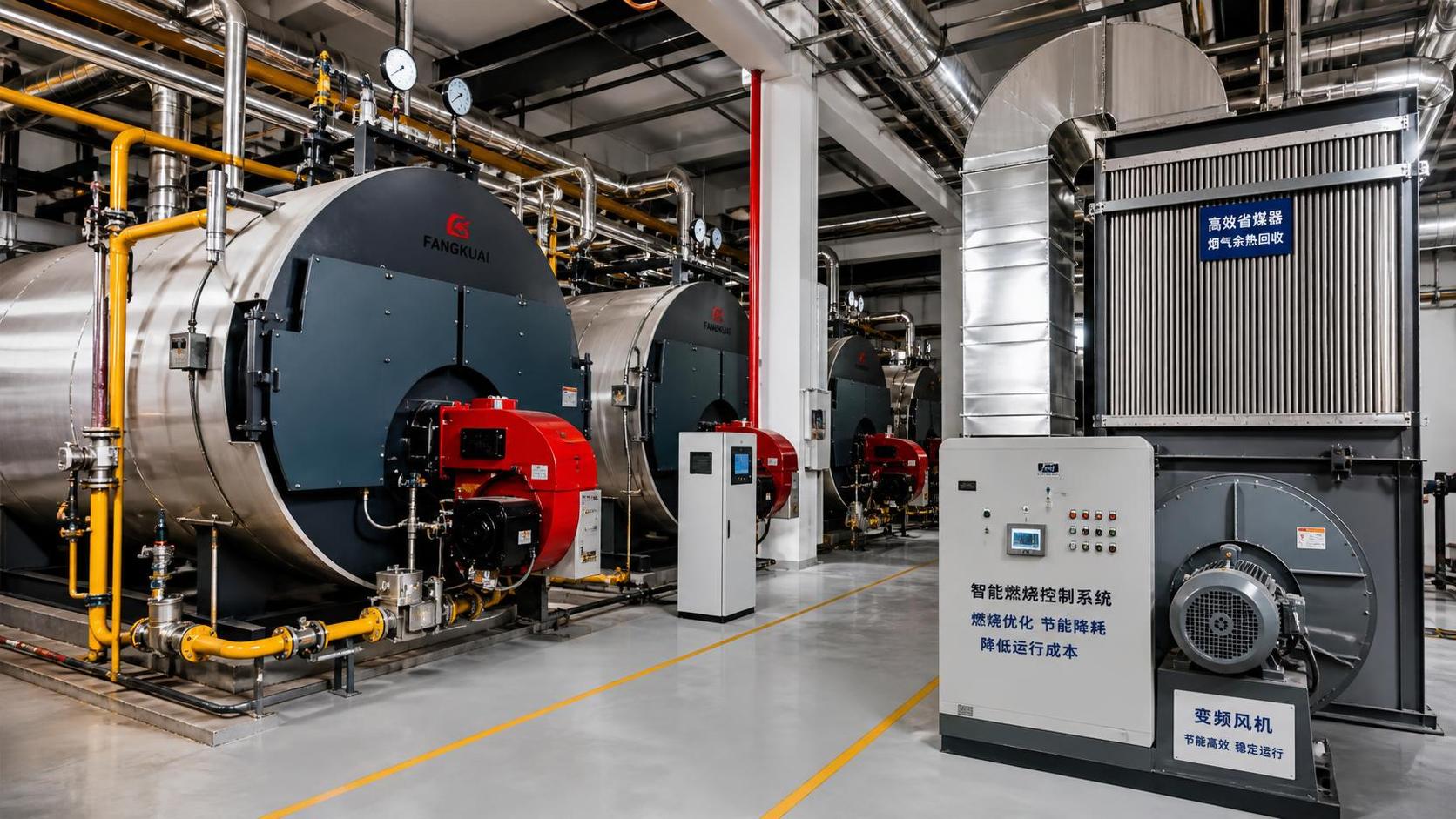
Economizers, oxygen trim, blowdown heat recovery, stack monitoring, and condensate recovery may improve overall economics. Their value depends on operating hours and actual site conditions.
Require vendors to state which energy-saving features are included, optional, or excluded. A low initial quotation may omit controls and recovery equipment included elsewhere.
Use a lifecycle model that includes forecast fuel prices, expected annual hours, load distribution, maintenance costs, water use, electricity consumption, and reasonable inflation assumptions.
The preferred vendor should explain the calculation transparently. Procurement should be able to test how the outcome changes when fuel prices rise or annual production volume falls.
Assess Reliability Through System Design and Redundancy
Steam reliability is a production issue, not merely a maintenance issue. Lost steam can stop drying lines, sterilization equipment, reactors, packaging systems, and plant utilities.
Ask vendors to identify single points of failure across boilers, feedwater pumps, burners, controls, deaerators, fuel trains, water treatment, and steam distribution interfaces.
Redundancy should be selected according to business impact. N+1 capacity may be justified for continuous operations, while planned downtime may be acceptable in less critical facilities.
However, redundancy is useful only when equipment can operate independently. Shared electrical panels, common fuel supply limitations, or undersized water treatment can undermine the intended backup strategy.
Review the vendor’s proposed startup sequence, warm standby capability, lead-lag control logic, and recovery time after a trip. These details determine real operational resilience.
Request measured availability data from comparable installations. If a supplier cannot provide evidence, ask for service records, reference contacts, or documented maintenance recommendations.
Reliability also depends on component selection. Established pumps, valves, instruments, burners, and programmable controllers can simplify service and reduce exposure to proprietary supply constraints.
A vendor should clearly distinguish guaranteed performance from expected performance. Procurement contracts need enforceable remedies when commissioning results miss agreed capacity, efficiency, or availability criteria.
Evaluate Controls, Automation, and Plant Integration
Modern steam systems are increasingly judged by how well they integrate with the facility. Controls influence fuel use, pressure stability, operator workload, diagnostics, and reporting quality.
Confirm compatibility with the plant’s existing automation architecture. Review supported communication protocols, cybersecurity requirements, historian connections, alarm management, and remote-access policies before award.
Procurement should ask what information operators will see daily. Useful dashboards include steam demand, fuel consumption, boiler load, oxygen levels, blowdown, condensate return, and alarm history.
Good control systems do more than display values. They coordinate multiple boilers, optimize sequencing, detect abnormal conditions, and help operators identify efficiency losses before they become failures.
Clarify software ownership, license terms, recurring subscription costs, and access rights. A system that requires vendor intervention for simple configuration changes can create avoidable dependency.
Remote monitoring may improve response time, but it must be governed carefully. Define who can access the system, what changes can be made remotely, and how actions are logged.
Ask whether the vendor can provide training for operators, maintenance technicians, and controls engineers. Training should cover normal operation, troubleshooting, emergency response, and routine parameter review.
When comparing vendors, favor proposals with clear control narratives and interface drawings. Generic promises of “smart automation” are not sufficient evidence of integration capability.
Examine Water Treatment, Condensate Recovery, and Corrosion Risk
Many steam-system problems originate in water chemistry rather than boiler construction. Scale, corrosion, carryover, and dissolved oxygen can reduce efficiency and shorten equipment life significantly.
A capable vendor should assess incoming water quality, condensate contamination risk, makeup-water demand, and applicable boiler-water standards before recommending treatment equipment.
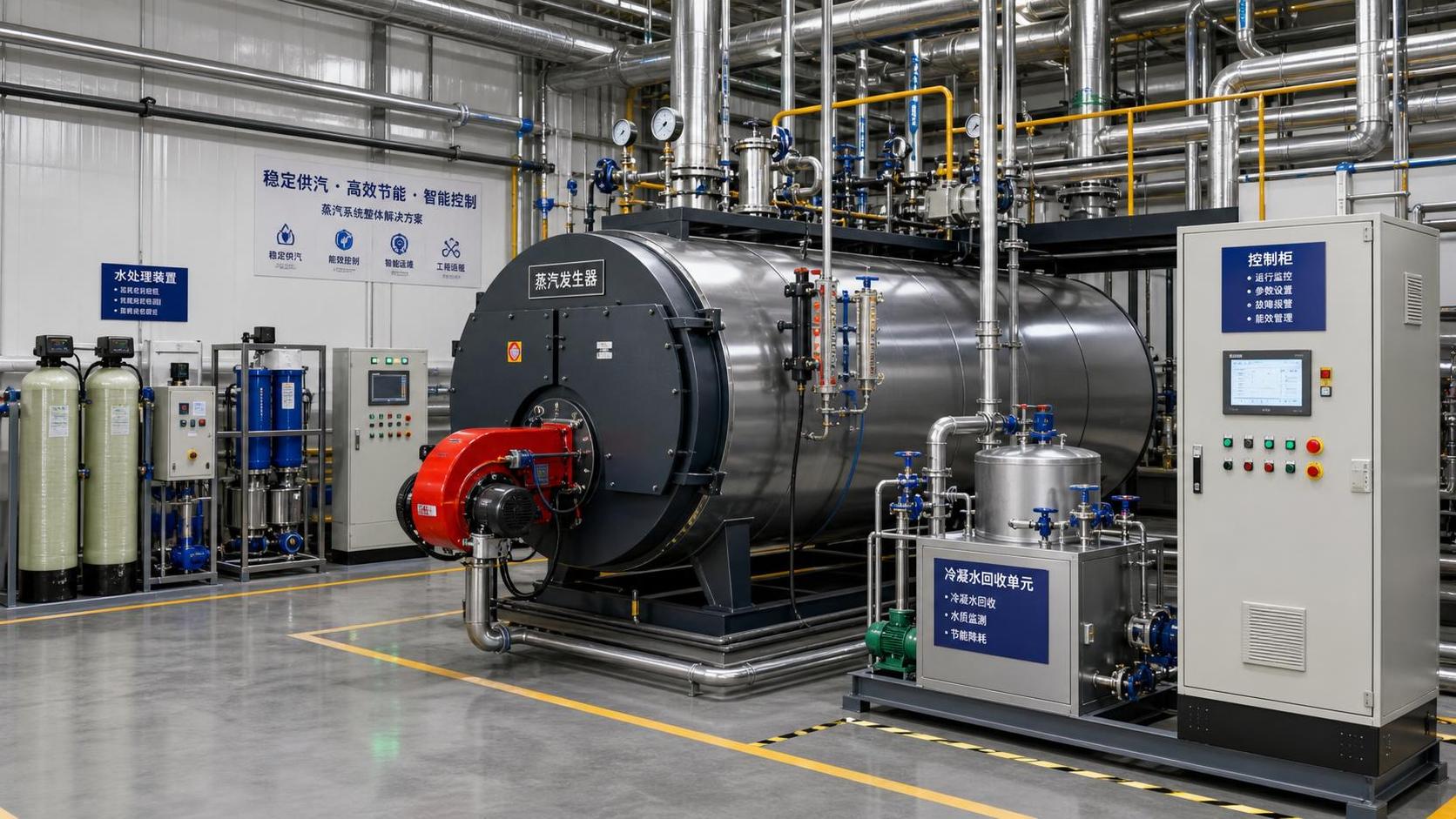
Compare whether each proposal includes softening, reverse osmosis, deaeration, chemical dosing, sampling points, blowdown controls, and laboratory or online monitoring requirements.
Condensate return should be evaluated as both an energy and water opportunity. Hot, clean condensate reduces fuel use, chemical demand, makeup-water volume, and wastewater discharge.
Yet not all condensate is suitable for return. Process contamination, oil ingress, product exposure, and corrosion products may require segregation, polishing, monitoring, or disposal.
Ask the vendor to state design assumptions for condensate return percentage and temperature. Unrealistic assumptions can make fuel-savings projections appear better than site performance will support.
Clarify who is responsible for water-treatment performance after handover. Boiler warranties may be limited if water chemistry is not maintained within specified operating limits.
Procurement should include required commissioning tests, operator procedures, and ongoing sampling responsibilities in the scope. This prevents a critical operational requirement from becoming an unclear handoff.
Verify Emissions Compliance and Future Regulatory Readiness
Emissions requirements can materially affect boiler selection, burner configuration, exhaust treatment, permitting schedules, and operating cost. Compliance must be evaluated before selecting a vendor.
Ask suppliers to identify applicable limits for nitrogen oxides, carbon monoxide, particulate matter, sulfur dioxide, carbon dioxide reporting, and local stack-monitoring requirements.
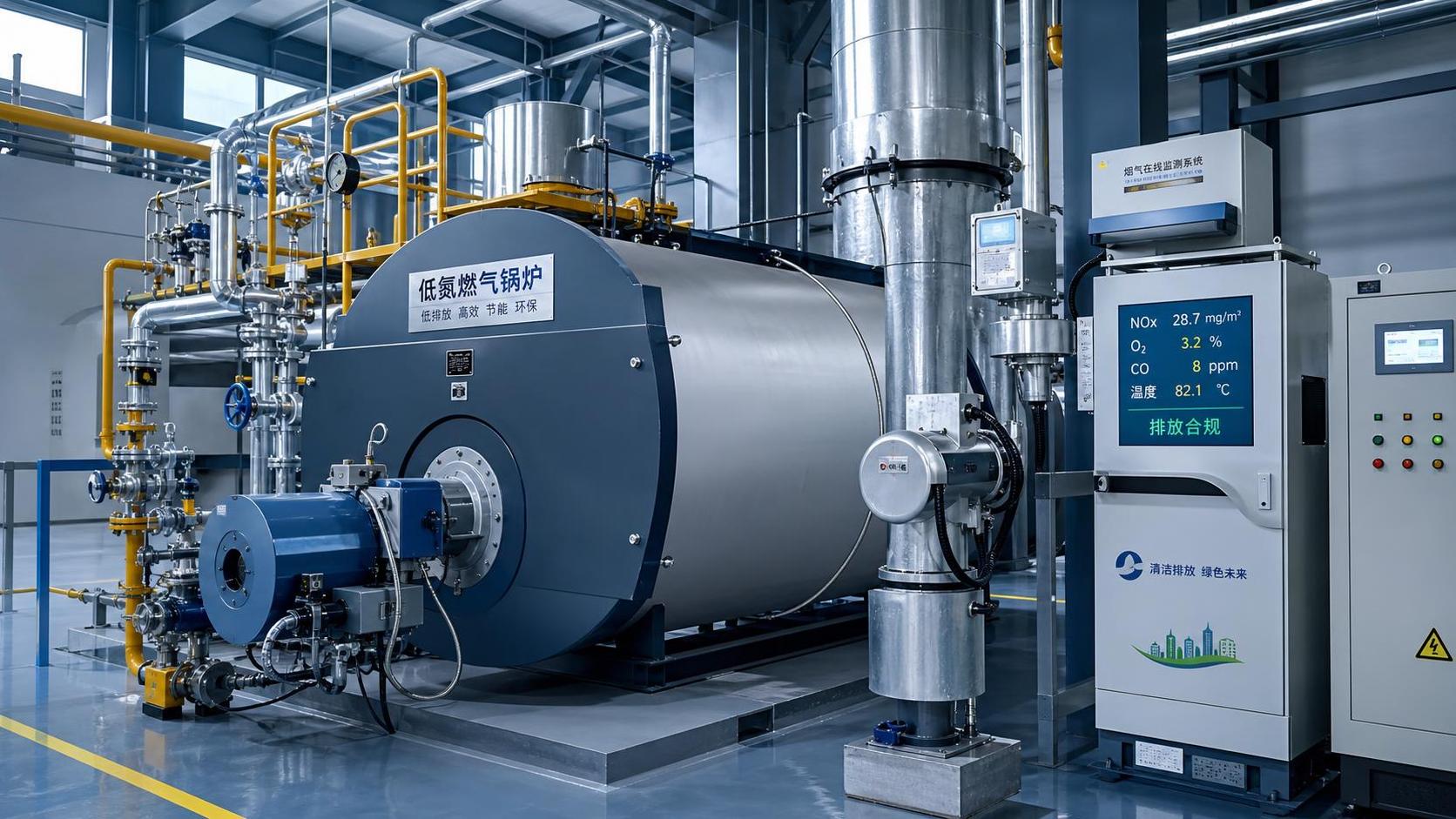
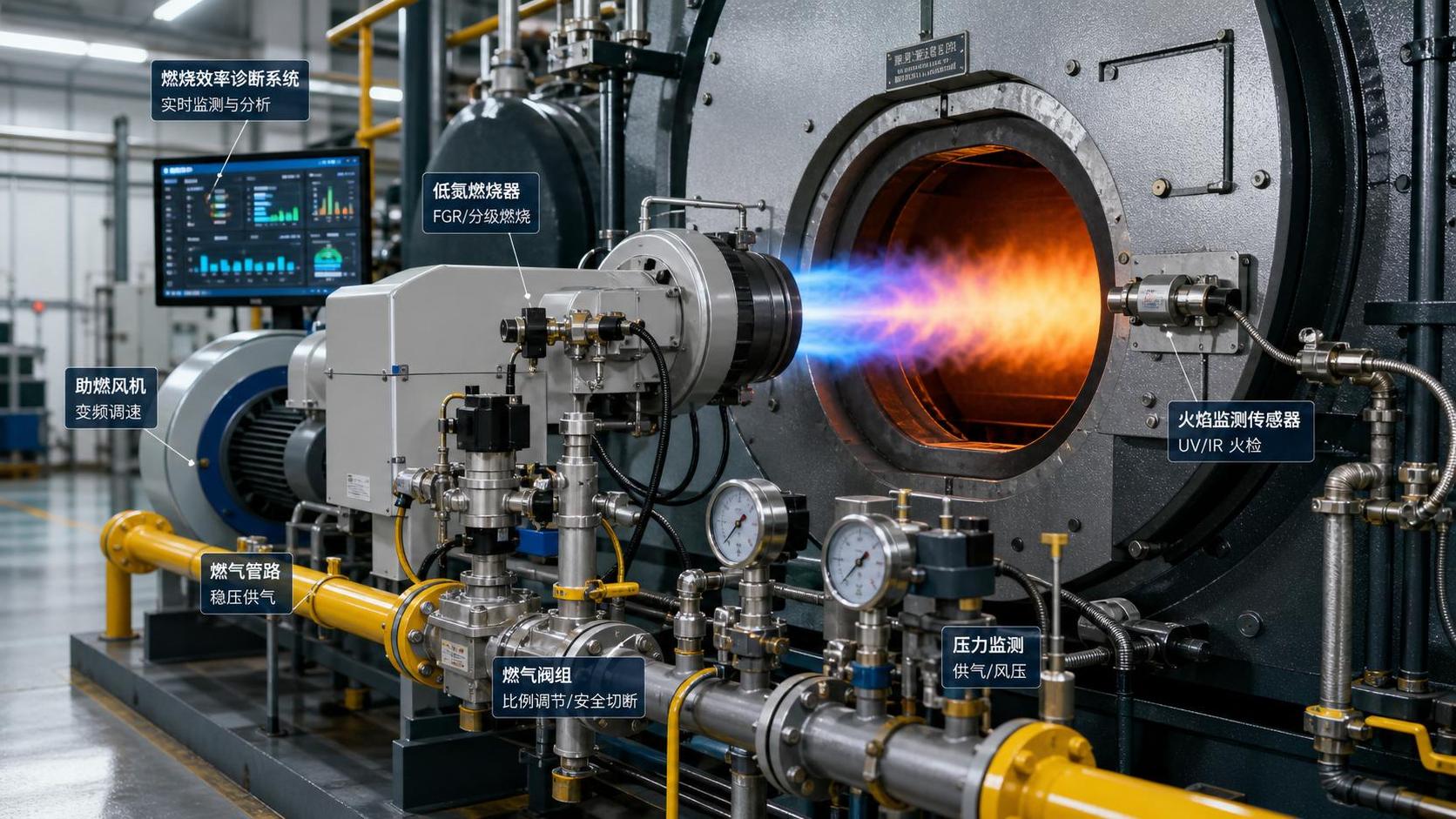
Low-NOx burners can be valuable, but their performance must be considered across the actual operating range. Some systems perform differently at low load, startup, or fuel transitions.
Confirm whether emissions guarantees cover the selected fuel, ambient conditions, excess oxygen levels, and turndown range. Broad claims without stated conditions are difficult to enforce.
For organizations with decarbonization objectives, compare readiness for electrification, biogas, hydrogen blends, renewable fuels, heat recovery, and future carbon-accounting requirements.
Fuel flexibility can add value, but it may also add complexity and cost. Evaluate it against credible supply scenarios rather than treating it as an automatic advantage.
Request documentation supporting permit applications, including emissions data, equipment drawings, safety information, and expected stack conditions. Delays in this material can delay plant commissioning.
An industrial steam system vendor comparison should therefore score regulatory support separately. A vendor that helps secure approval may offer more value than one with a lower equipment price.
Measure Service Capability, Spare Parts, and Maintenance Support
Service quality becomes most visible during an outage. Procurement should evaluate local response capability, technical expertise, spare-parts inventory, and escalation processes before contract signature.
Ask where technicians are located, how quickly they can reach the site, and whether emergency support is available outside normal business hours.
Service commitments should be specific. Terms such as “rapid response” have little commercial value without defined response times, coverage hours, exclusions, and escalation contacts.
Review the preventive-maintenance plan in detail. It should identify inspection intervals, consumables, safety checks, calibration needs, recommended shutdown windows, and expected labor requirements.
Spare-parts availability is equally important. Request a critical-spares list, typical lead times, local stock status, recommended on-site inventory, and pricing validity period.
Proprietary components may offer technical benefits, but they can increase dependency. Understand whether approved alternatives exist and whether the vendor controls access to diagnostic tools or software.
Evaluate training as part of service resilience. Strong local teams can handle routine faults, recognize deteriorating conditions, and avoid turning every issue into an emergency callout.
Reference checks should focus on post-sale performance, not only installation quality. Ask existing customers about response speed, parts availability, technical competence, and warranty dispute handling.
Build a Procurement Scorecard That Reflects Business Risk
A weighted scorecard helps procurement avoid making a complex technical decision based on the most visible number. Equipment price should remain important, but it should not dominate automatically.
Assign weights according to plant priorities. Continuous-process facilities may emphasize availability and service, while energy-intensive sites may place greater weight on lifecycle fuel performance.
A practical scorecard can include capital cost, annual energy cost, guaranteed efficiency, reliability design, emissions compliance, controls integration, service coverage, spare parts, and implementation risk.
Include commercial factors such as payment terms, warranty duration, performance guarantees, liquidated damages, delivery schedule, installation support, and scope clarity.
Each score should be supported by evidence rather than marketing language. Use drawings, calculations, references, contractual commitments, and documented assumptions to substantiate vendor claims.
Separate mandatory requirements from preference criteria. A bidder that fails a safety, capacity, compliance, or integration requirement should not remain competitive because of a lower price.
Run sensitivity checks before final approval. Compare outcomes under higher fuel prices, lower condensate recovery, increased operating hours, delayed parts delivery, or future production expansion.
Involve operations, engineering, maintenance, environmental teams, and finance early. Their input exposes hidden costs and ensures the selected system can succeed after procurement closes.
Conclusion: Select the Vendor That Reduces Total Steam Risk
The strongest industrial steam system vendor comparison treats steam as a long-term production utility, not a one-time equipment purchase. Price matters, but operating consequences matter more.
Buyers should compare lifecycle energy use, reliability architecture, water-treatment capability, emissions readiness, controls integration, service response, spare-parts access, and enforceable guarantees.
The best supplier is usually the one that makes assumptions visible, quantifies performance, supports commissioning, and remains capable after the equipment has entered daily operation.
Using a structured scorecard gives procurement teams a clear basis for selection, strengthens internal approval, and helps secure a steam system that delivers measurable operational value.
Related News
- How to size thermal fluid systems for stable process temperaturesAuthor :Thermal Energy Strategist

- A Practical Roadmap for Industrial Steam System Decarbonization ProjectsAuthor :Thermal Energy Strategist

- Industrial Steam System Vendor Comparison: Criteria Beyond Equipment PriceAuthor :Thermal Energy Strategist

- How to Choose an Industrial Steam Generator for Load Profile, Fuel, and RedundancyAuthor :Thermal Energy Strategist

- When Does a Heat Recovery Steam Generator Make Economic Sense?Author :Thermal Energy Strategist

- How pressure control prevents unstable steam supply in industrial systemsAuthor :Thermal Energy Strategist

- How excess air affects boiler efficiency in steam systemsAuthor :Thermal Energy Strategist

- When a Refinery Steam Turbine Should Prioritize Process Steam Over Maximum OutputAuthor :Thermal Energy Strategist

- Which boiler upgrades deliver the fastest efficiency cost reductionAuthor :Thermal Energy Strategist

- What to check before choosing a steam generation systems supplierAuthor :Thermal Energy Strategist

- When do industrial boiler systems cost less than electric heatAuthor :Thermal Energy Strategist

- How to Compare Boiler Systems in Latin America by Fuel Cost and ComplianceAuthor :Thermal Energy Strategist

- How to Size Low-Pressure Industrial Steam Systems for Stable Heat DemandAuthor :Thermal Energy Strategist

- Low Emissions Boilers: What to Compare Before You ChooseAuthor :Thermal Energy Strategist

- Low-NOx Boilers Cost Breakdown: Upfront Price, Fuel Savings, and PaybackAuthor :Thermal Energy Strategist

- Boiler Combustion Systems: Common Causes of Unstable Fuel PerformanceAuthor :Thermal Energy Strategist

- Hot Water Industrial Boilers: When Efficiency Gains Justify ReplacementAuthor :Thermal Energy Strategist

- What Boiler Efficiency Really Means in Daily Operation and Energy BillsAuthor :Thermal Energy Strategist

- Boiler Efficiency Testing Methods That Expose Heat Loss and Fuel WasteAuthor :Thermal Energy Strategist

- Industrial Burner Systems: Key Factors for Safe Heat OutputAuthor :Thermal Energy Strategist

- Gas-Fired Boiler Combustion Technology: Key Efficiency and Emissions Trade-OffsAuthor :Thermal Energy Strategist

- Unfired Heat Recovery Steam Generators: When Do They Pay Off?Author :Thermal Energy Strategist

- How to Evaluate Steam Generation Systems Electric for Process Heat ProjectsAuthor :Thermal Energy Strategist

- Thermal Power Systems for Industrial Heating: Common Sizing Mistakes to AvoidAuthor :Thermal Energy Strategist

- Low-NOx Condensing Boilers: How to Compare Efficiency and EmissionsAuthor :Thermal Energy Strategist
![]()
- Low Emissions Boilers for Food Processing: Key Compliance and Fuel Cost FactorsAuthor :Thermal Energy Strategist

- Steam System Efficiency Calculation: Key Inputs That Change the ResultAuthor :Thermal Energy Strategist

- How to Evaluate a Steam Boiler Components Exporter Before OrderingAuthor :Thermal Energy Strategist

- Burner Systems Troubleshooting: Common Efficiency Loss CausesAuthor :Thermal Energy Strategist

- EU PED Q2 Rules Require Digital Compliance TagsAuthor :Thermal Energy Strategist

- Thermal Power Systems: Key Efficiency Risks in Daily OperationAuthor :Thermal Energy Strategist

- Low-NOx Combustion Boilers: Key Efficiency and Compliance ChecksAuthor :Thermal Energy Strategist

- Low-NOx Combustion Boilers: Key Specs That Affect Emissions and Fuel UseAuthor :Thermal Energy Strategist

- Low-NOx Combustion Boilers: Key Compliance RisksAuthor :Thermal Energy Strategist

- Thermodynamics Analysis for Boiler Heat-Loss ReductionAuthor :Thermal Energy Strategist

- Industrial Thermal Systems: Common Operating RisksAuthor :Thermal Energy Strategist