When Does a Heat Recovery Steam Generator Make Economic Sense?




When Does a Heat Recovery Steam Generator Make Economic Sense?
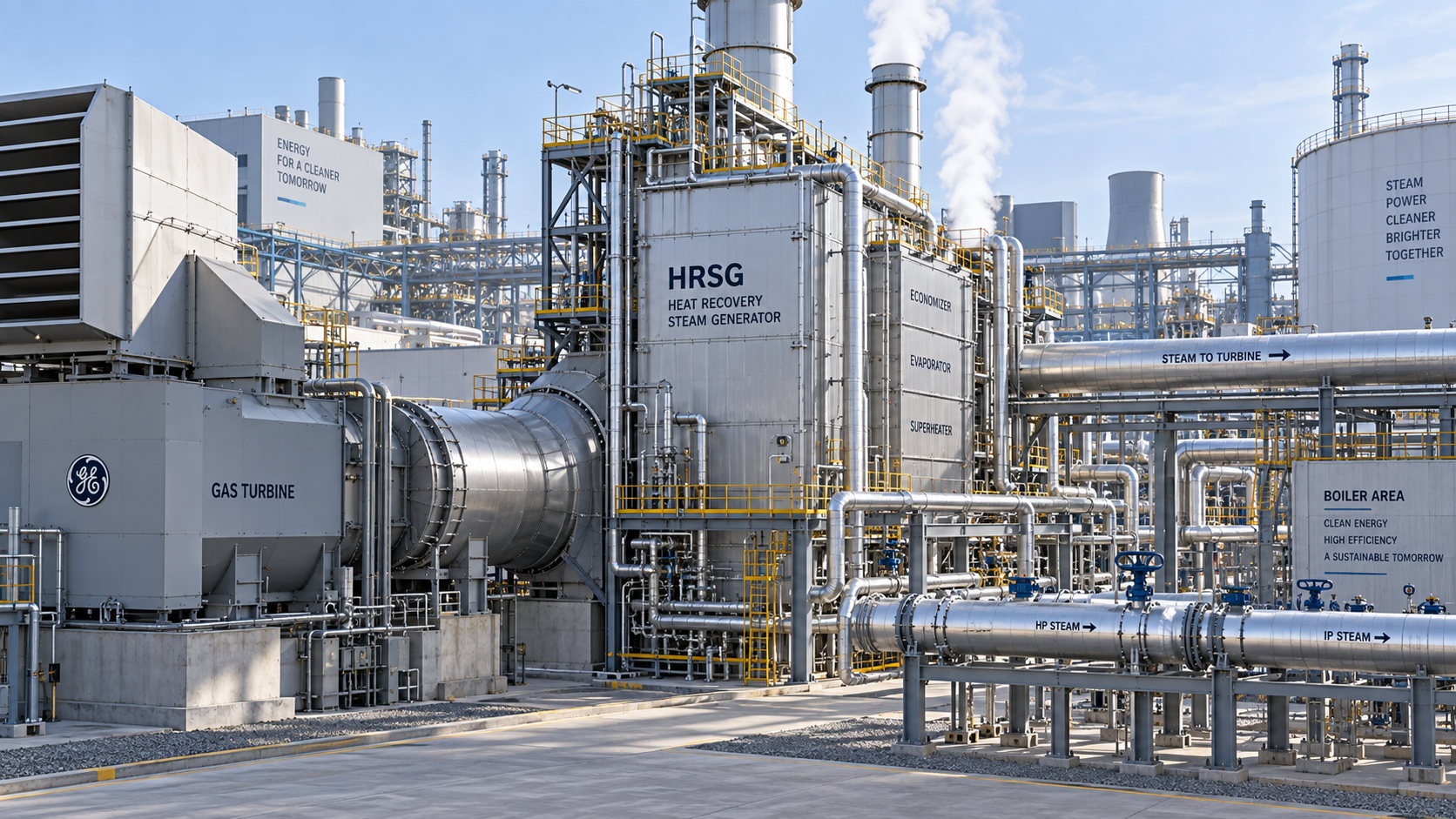
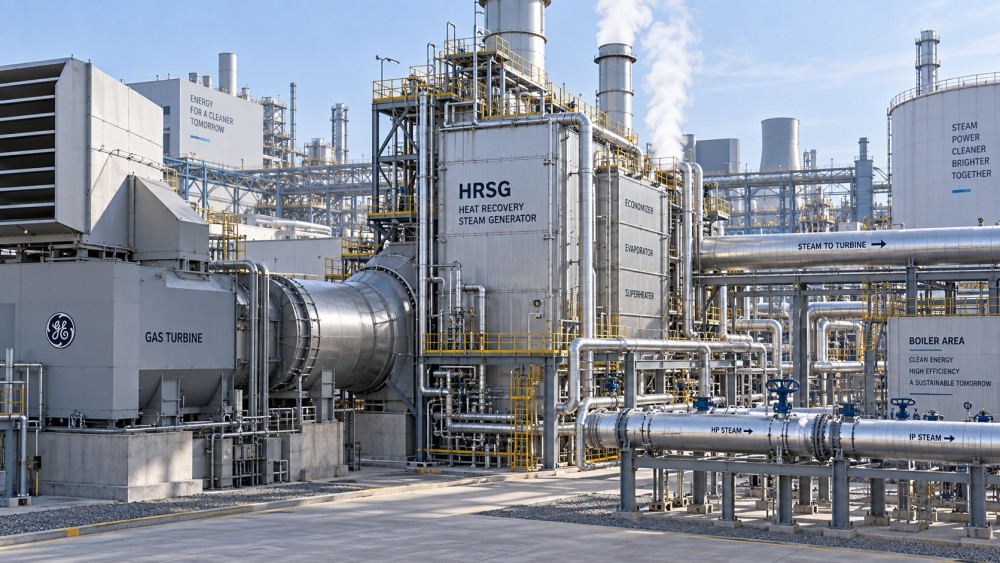
When does a heat recovery steam generator make economic sense? The short answer is: when a facility has a dependable source of high-temperature exhaust and a reliable use for the steam it can produce. But that answer is still incomplete. A Heat Recovery Steam Generator (HRSG) is not simply an efficiency upgrade that pays back because “waste heat is free.” Its economics depend on the interaction between fuel prices, steam demand profiles, operating hours, maintenance windows, existing boiler performance, water-treatment capability, emissions constraints, and the value placed on lower carbon intensity.
This is why two plants with similar gas turbines can reach very different conclusions. One may displace a large amount of continuously fired boiler capacity and recover its investment comfortably. Another may generate steam mainly during periods when demand is low, forcing the system to vent, bypass, or operate inefficiently. In industrial energy projects, heat has value only when it arrives at the right temperature, pressure, quality, and time.
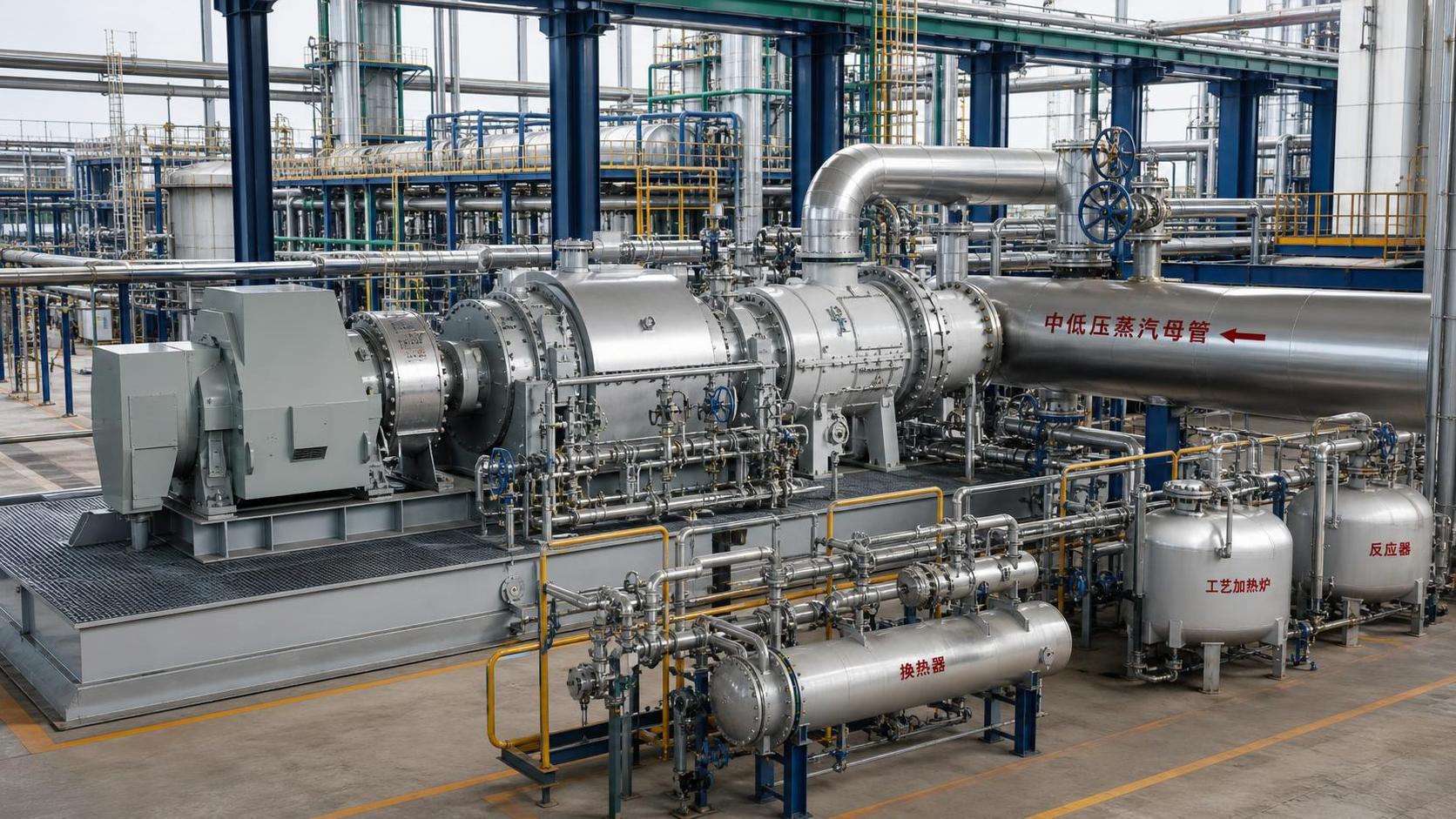
For facilities using gas turbines, engines, furnaces, thermal oxidizers, or other hot exhaust sources, an HRSG can be a practical bridge between power generation and process heat. It is especially relevant where the plant already consumes significant quantities of steam for heating, sterilization, evaporation, drying, distillation, humidification, or turbine drives. The most credible business cases begin with the steam balance, not with the HRSG datasheet.
Start With the Steam Demand Curve, Not the Exhaust Stack
A hot exhaust stream may look like an obvious recovery opportunity, yet the first question should be more disciplined: what boiler fuel will this steam actually displace? If recovered steam replaces steam from an existing natural-gas boiler operating steadily at meaningful load, the fuel-saving logic is relatively direct. If it replaces steam from a highly efficient boiler only for a few intermittent hours each week, the avoided cost is much smaller than many early-stage models assume.
The useful comparison is not annual steam demand alone. It is an hourly or, at minimum, seasonal profile of steam demand by pressure level. A food plant may have major cleaning, cooking, and sterilization peaks. A pharmaceutical site may require stable clean-steam availability but have tightly managed batch cycles. A refinery or chemical plant may have a more consistent base load, which is often friendlier to heat recovery. Semiconductor and advanced manufacturing facilities can have highly specific requirements for purity and temperature control; recovered energy may still be valuable, but the integration boundary needs careful definition.
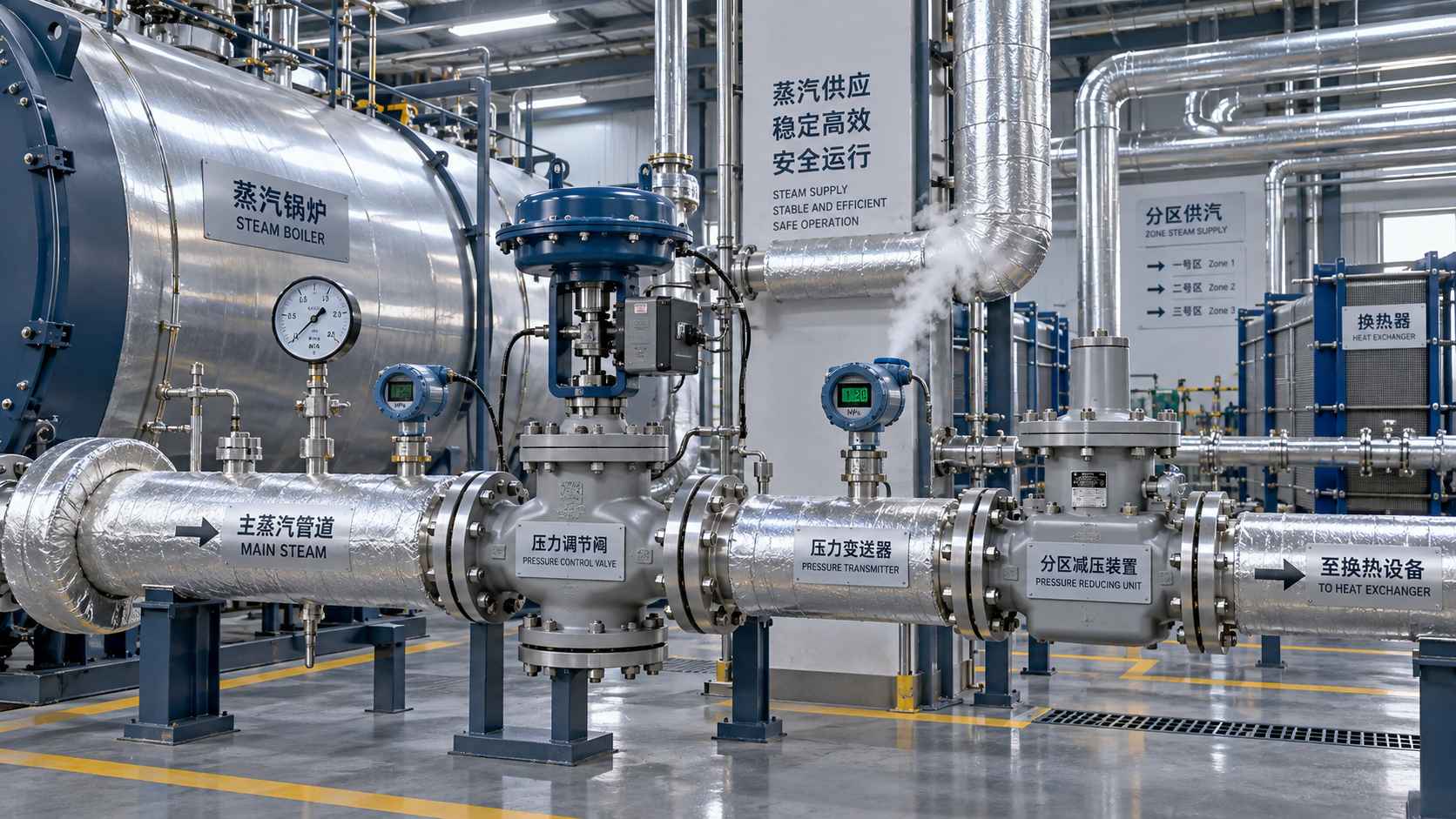
Pressure matters as much as quantity. Producing medium-pressure steam for a header that needs low-pressure steam can work, but it introduces pressure-reduction losses and control complexity. Conversely, an HRSG may produce steam at a pressure that is too low to offset the most expensive boiler duty. In some sites, a better arrangement is to use recovered heat for feedwater heating, hot-water generation, or low-pressure process loads rather than force an unsuitable steam match.
A practical feasibility study should map:
- exhaust flow, temperature, oxygen content, contaminants, and variation across operating modes;
- steam demand by hour, season, pressure, and required steam quality;
- current boiler load, efficiency range, minimum turndown, and standby losses;
- planned outages, production expansion, and changes in utility operating strategy;
- the fate of excess steam when the process cannot accept it.
That last point deserves more attention than it usually receives. A project that works only when every kilogram of recovered steam is consumed is fragile. Real plants trip, slow down, change product mix, and take units offline. An economic HRSG design has a credible response to surplus steam: a condenser, an alternate user, storage where appropriate, export arrangements if genuinely available, or a controlled bypass strategy. “The process will always take it” is not an engineering assumption; it is a claim that must be tested against operating records.
The Core Economic Test: Avoided Cost Versus Total Installed Cost
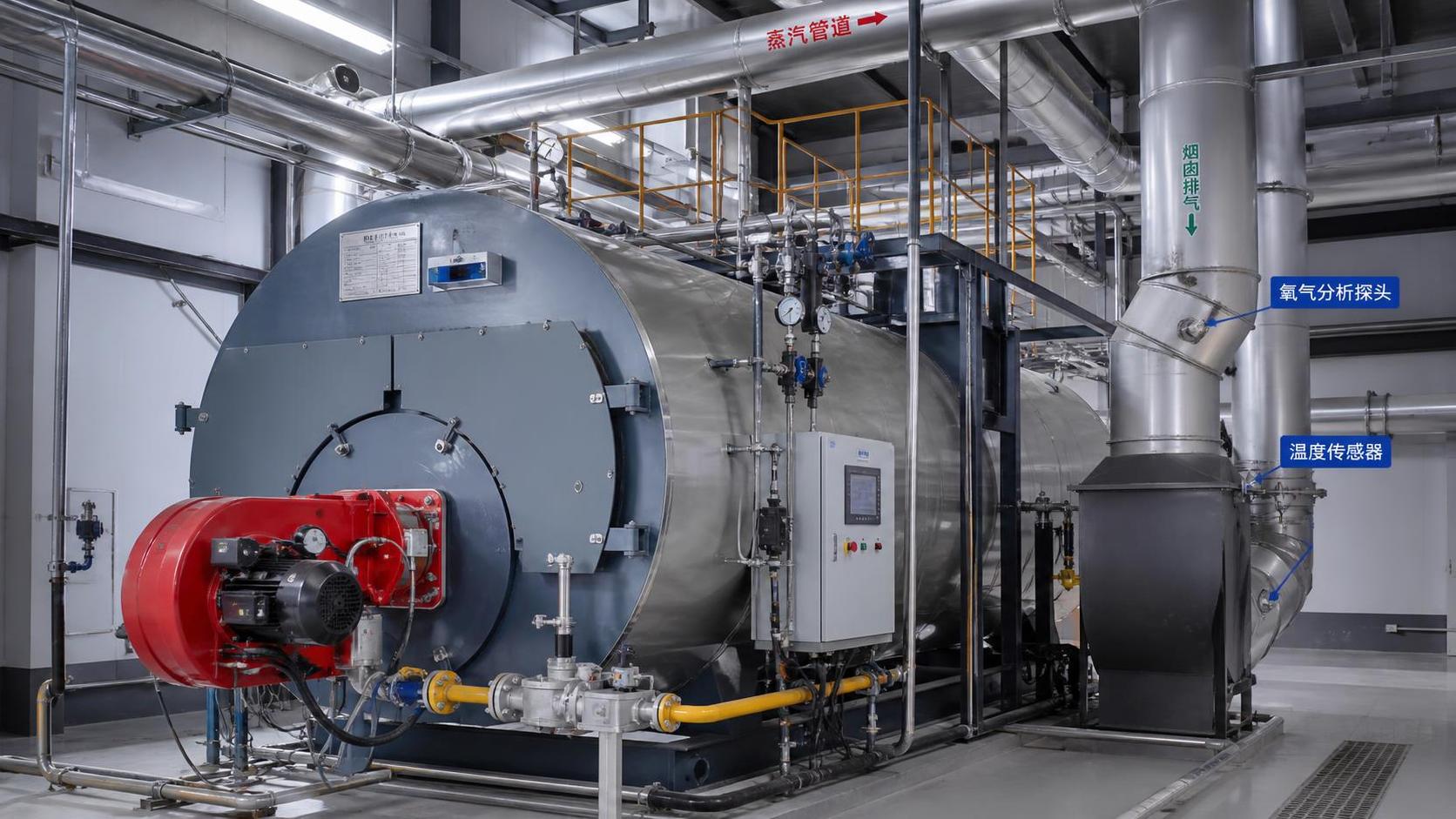
The annual benefit of an HRSG generally starts with avoided boiler fuel. That calculation should reflect the real marginal boiler, not a nameplate efficiency or a fleet average taken from an old energy report. Boiler efficiency changes with load, blowdown, excess air, feedwater temperature, fuel quality, and maintenance condition. If the HRSG allows an old boiler to shut down entirely during normal operation, the savings may include avoided standby losses and some maintenance burden. If it merely moves a well-maintained boiler from 75% to 65% load, the marginal benefit may be lower.
A useful project model separates value into several streams: avoided fuel, avoided boiler operating cost, potentially avoided emissions cost, incremental electricity or fuel consumed by pumps and auxiliaries, water-treatment expense, HRSG maintenance, and any lost availability caused by the integration. It should also include the capital needed beyond the HRSG itself: ductwork, stack modifications, foundations, structural steel, control-system integration, steam piping, safety valves, water treatment, electrical work, permitting, insulation, and outage execution.
This is where projects can get distorted. The heat exchanger package may seem manageable, while the site modifications become the dominant cost. Tight equipment spacing, difficult crane access, asbestos remediation, restricted shutdown windows, or a need to relocate existing piping can alter the financial outcome more than modest changes in thermal performance. Early budgets should therefore be based on a site walkdown and a constructability review, not only a process simulation.
The finance team will normally assess net present value, internal rate of return, or payback against the company’s capital criteria. Those metrics are useful, but the assumptions behind them matter more than the spreadsheet format. Fuel-price escalation, carbon pricing, electricity dispatch, expected runtime, and future steam demand should be visible inputs, not hidden constants. A sensitivity analysis is often more valuable than a single “base-case” result. If the project is attractive only under one optimistic gas-price forecast and nearly full-load operation, it is not yet a robust investment.
Operating Hours Usually Decide More Than Peak Efficiency
An HRSG attached to a continuously operating turbine or process exhaust source has many more opportunities to earn its keep than one linked to a peaking asset. This sounds obvious, yet it is easy to overlook when a project team focuses on the impressive temperature of a stack rather than its annual availability.
Consider a gas turbine that runs mainly during grid-price peaks. It may generate hot exhaust only when the site’s steam requirement is modest, or it may be unavailable during a production campaign that needs steam around the clock. By contrast, a combined heat and power arrangement can be compelling where electrical and thermal loads overlap for much of the year. The key is coincidence: power generation, recoverable heat, and steam demand must occur together often enough to justify fixed capital.
Part-load behavior should be examined as well. Turbine exhaust temperature and mass flow vary with ambient conditions and load. Process exhaust can fluctuate even more sharply. An HRSG that meets a nominal steam target at design point may provide materially less useful output at the operating conditions that dominate the calendar. It is better to model representative load cases than to base an investment decision on a single maximum-duty point.
Choose the Simplest Configuration That Serves the Real Need
More recovery is not automatically better recovery. The lowest stack temperature may look attractive in a heat balance, but chasing it can enlarge heat-transfer surface, raise backpressure, complicate corrosion control, and increase cleaning requirements. The best economic design is often the one that leaves some recoverable heat in the exhaust because extracting the final increment is disproportionately expensive or operationally risky.
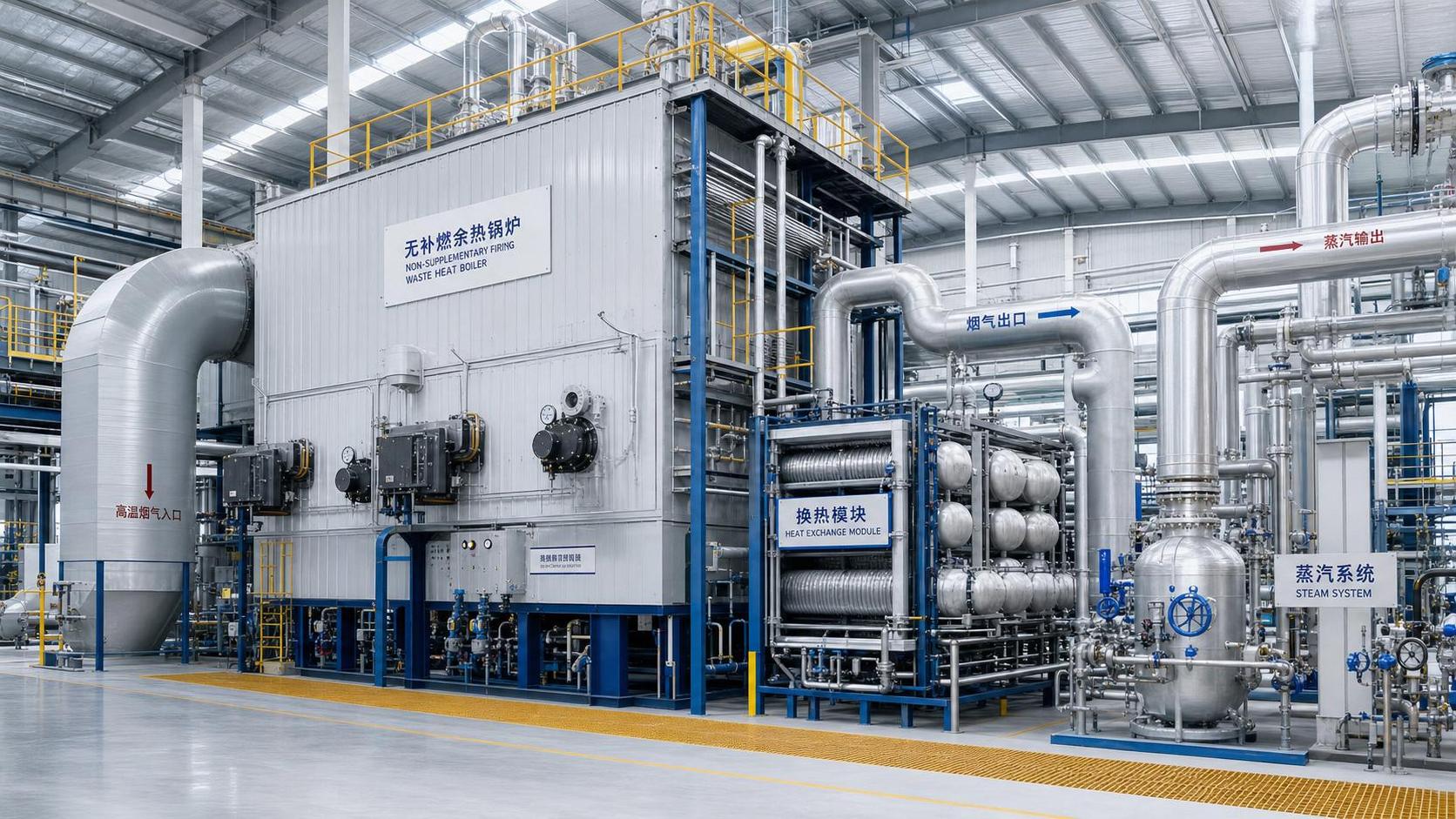
A single-pressure, unfired HRSG may be sufficient for a straightforward industrial steam header. Multi-pressure systems, superheaters, reheaters, selective catalytic reduction, or supplementary firing can all be appropriate, but each adds capital and operating consequences. Supplementary firing deserves particular caution: it can supply more steam and offer production flexibility, yet it changes the project from pure waste-heat recovery into an additional fuel-consuming steam-generation asset. Its economics should be judged against alternatives such as upgrading the existing boiler plant, installing a package boiler, or changing the site’s steam distribution.
Backpressure is another trade-off that should not be buried in a vendor comparison. Added exhaust-side pressure drop may reduce prime mover output or increase fuel consumption, depending on the system. In an engine application, fouling, soot management, and exhaust restrictions may be particularly important. The thermal recovery estimate must be reconciled with the power-side penalty.
Water, Steam Quality, and Reliability Can Make or Break the Project
The most elegant thermal design will not perform well if feedwater chemistry is inconsistent. HRSGs require a water-treatment and monitoring strategy appropriate to the pressure, metallurgy, and steam-use requirements. Poor chemistry control can lead to deposition, corrosion, carryover, tube damage, and unplanned outages. These are not minor operating details; they belong in the economic model through staffing, laboratory support, chemical use, blowdown, inspection, and lifecycle maintenance.
Steam users may impose additional constraints. Direct-contact food processes, pharmaceutical utilities, and sensitive manufacturing environments may need separation between recovered-energy equipment and the final utility delivered to the process. The correct arrangement may involve indirect heating, clean-steam generators, or carefully managed condensate systems. It is not enough to say that “steam is steam.” Its pressure, dryness, chemical condition, and contamination risk determine whether it can be used.
Reliability planning should also account for the host asset. If the turbine or process unit trips, what supplies steam? If the HRSG is offline for inspection, can the boiler system carry the load? Plants that eliminate too much conventional boiler redundancy may achieve a neat financial model while increasing production exposure. In practice, a resilient design often retains boiler capacity or establishes a clearly defined operating fallback.
Carbon Value Helps, but It Should Not Be the Only Reason
Heat recovery can reduce fuel burned in dedicated boilers and may lower site emissions per unit of production. That can support internal decarbonization plans, customer reporting requirements, or local compliance strategies. Still, carbon value differs by jurisdiction, company accounting method, fuel mix, and regulatory status. It should be included where it is real and supportable, but not treated as guaranteed revenue when policy details remain uncertain.
There is a broader operational benefit as well. When a facility understands its thermal balance, it often uncovers other opportunities: condensate recovery, boiler controls, compressed-air heat recovery, heat-pump integration, lower-temperature process redesign, or better coordination between cooling and heating loads. An HRSG assessment should not occur in isolation from those measures. Sometimes a smaller HRSG combined with demand reduction produces a more durable result than a large recovery unit designed around wasteful steam consumption.
A Practical Screen Before Committing to Detailed Engineering
Before issuing a major equipment inquiry, assemble at least a year of utility and production data where available. Reconcile fuel purchases, boiler steam meters, turbine operating logs, and maintenance records. Then develop several operating cases: normal production, low production, hot-weather operation, turbine part load, boiler outage, and planned expansion. The purpose is not to create a perfect forecast. It is to identify whether the project remains sensible when the plant behaves like a real plant rather than a design-basis diagram.
At GTC-Matrix, the useful lens for these projects is the connection between thermodynamic logic and industrial operating reality. Exhaust temperature is only one part of that logic. Compression power, cooling loads, water systems, combustion equipment, and process heat demand can all alter the result. A decision supported by thermal analysis, pneumatic-power understanding, and commercial assumptions is more reliable than one driven by a single vendor performance curve.
An HRSG makes economic sense when it displaces a meaningful, recurring source of costly steam generation; when the exhaust source and steam sink run together for enough hours; when the installed system can be maintained without creating unacceptable production risk; and when the project still works under conservative assumptions. If its value disappears as soon as demand falls, fuel prices soften, or a boiler returns to service, the concept may need to be resized, simplified, or deferred. The strongest projects are not those that recover the most heat on paper. They are the ones that keep delivering useful steam through the messy, variable conditions of industrial operation.
Related News
- When Does a Heat Recovery Steam Generator Make Economic Sense?Author :Thermal Energy Strategist

- How pressure control prevents unstable steam supply in industrial systemsAuthor :Thermal Energy Strategist

- How excess air affects boiler efficiency in steam systemsAuthor :Thermal Energy Strategist

- When a Refinery Steam Turbine Should Prioritize Process Steam Over Maximum OutputAuthor :Thermal Energy Strategist

- Which boiler upgrades deliver the fastest efficiency cost reductionAuthor :Thermal Energy Strategist

- What to check before choosing a steam generation systems supplierAuthor :Thermal Energy Strategist

- When do industrial boiler systems cost less than electric heatAuthor :Thermal Energy Strategist

- How to Compare Boiler Systems in Latin America by Fuel Cost and ComplianceAuthor :Thermal Energy Strategist

- How to Size Low-Pressure Industrial Steam Systems for Stable Heat DemandAuthor :Thermal Energy Strategist

- Low Emissions Boilers: What to Compare Before You ChooseAuthor :Thermal Energy Strategist

- Low-NOx Boilers Cost Breakdown: Upfront Price, Fuel Savings, and PaybackAuthor :Thermal Energy Strategist

- Boiler Combustion Systems: Common Causes of Unstable Fuel PerformanceAuthor :Thermal Energy Strategist

- Hot Water Industrial Boilers: When Efficiency Gains Justify ReplacementAuthor :Thermal Energy Strategist

- What Boiler Efficiency Really Means in Daily Operation and Energy BillsAuthor :Thermal Energy Strategist

- Boiler Efficiency Testing Methods That Expose Heat Loss and Fuel WasteAuthor :Thermal Energy Strategist

- Industrial Burner Systems: Key Factors for Safe Heat OutputAuthor :Thermal Energy Strategist

- Gas-Fired Boiler Combustion Technology: Key Efficiency and Emissions Trade-OffsAuthor :Thermal Energy Strategist

- Unfired Heat Recovery Steam Generators: When Do They Pay Off?Author :Thermal Energy Strategist

- How to Evaluate Steam Generation Systems Electric for Process Heat ProjectsAuthor :Thermal Energy Strategist

- Thermal Power Systems for Industrial Heating: Common Sizing Mistakes to AvoidAuthor :Thermal Energy Strategist

- Low-NOx Condensing Boilers: How to Compare Efficiency and EmissionsAuthor :Thermal Energy Strategist
![]()
- Low Emissions Boilers for Food Processing: Key Compliance and Fuel Cost FactorsAuthor :Thermal Energy Strategist

- Steam System Efficiency Calculation: Key Inputs That Change the ResultAuthor :Thermal Energy Strategist

- How to Evaluate a Steam Boiler Components Exporter Before OrderingAuthor :Thermal Energy Strategist

- Burner Systems Troubleshooting: Common Efficiency Loss CausesAuthor :Thermal Energy Strategist

- EU PED Q2 Rules Require Digital Compliance TagsAuthor :Thermal Energy Strategist

- Thermal Power Systems: Key Efficiency Risks in Daily OperationAuthor :Thermal Energy Strategist

- Low-NOx Combustion Boilers: Key Efficiency and Compliance ChecksAuthor :Thermal Energy Strategist

- Low-NOx Combustion Boilers: Key Specs That Affect Emissions and Fuel UseAuthor :Thermal Energy Strategist

- Low-NOx Combustion Boilers: Key Compliance RisksAuthor :Thermal Energy Strategist

- Thermodynamics Analysis for Boiler Heat-Loss ReductionAuthor :Thermal Energy Strategist

- Industrial Thermal Systems: Common Operating RisksAuthor :Thermal Energy Strategist

- Low-NOx Combustion Boilers: Key Spec Checks Before PurchaseAuthor :Thermal Energy Strategist

- How Industrial Heat Recovery Cuts Boiler Fuel Costs in 2026Author :Thermal Energy Strategist

- Thermodynamics Analysis: 5 Heat Loss Clues in Steam BoilersAuthor :Thermal Energy Strategist

- Low-NOx Combustion Boilers: What Affects Real Emissions PerformanceAuthor :Thermal Energy Strategist