How to Choose an Industrial Steam Generator for Load Profile, Fuel, and Redundancy




A steam generator can look adequate on a datasheet and still perform poorly once it is connected to a plant with fast batch changes, uneven shift patterns, limited fuel pressure, or a process that cannot tolerate a steam interruption. The practical answer to how to choose industrial steam generator equipment is to size and configure it around the real hourly load profile—not the highest estimated demand alone—then verify fuel suitability, response capability, water quality requirements, and the level of redundancy justified by process risk.
This matters most when production demand is not steady. A unit sized only for average steam use may cycle excessively during peak periods or fail to recover pressure after several users start at once. A unit sized only for a brief maximum can operate inefficiently for most of the year. The selection task is therefore less about finding the largest output rating and more about matching the steam source to the way heat is actually consumed.
Start with the load profile, not the nominal plant demand
Steam demand should be mapped over time before comparing generator models. Monthly fuel records and a single process heat balance are useful starting points, but they rarely reveal the operating conditions that create pressure instability. The evaluation should distinguish between base demand, recurring peaks, short transients, seasonal changes, and future loads that are probable rather than speculative.
For example, a process line may draw a stable background load for tracing and tank heating, while clean-in-place cycles, sterilization steps, humidification, or heat-up sequences create sharp additional demand. If those events overlap, the steam system experiences a peak that may be much higher than normal operation. The generator must either carry that peak directly, use installed storage capacity, or be supported by another steam source.
Build a usable demand picture
Gather process data at the shortest interval that is practical for the decision. Fifteen-minute or hourly records are generally more informative than daily totals. Record steam pressure at critical users as well as generator output. A demand spike that does not appear large in mass flow may still be operationally serious if it causes a pressure drop at a control valve, heat exchanger, or sterilization chamber.
- Base load: the lowest sustained demand during normal production.
- Typical operating load: the range where the plant runs for most production hours.
- Coincident peak: demand created when independent users operate at the same time.
- Ramp rate: how quickly demand rises, especially after line start-up or batch changeover.
- Minimum-load periods: weekends, night shifts, maintenance windows, or partial production.
- Expansion allowance: verified future connections, not an undefined safety margin.
A useful selection review asks two separate questions: “What is the highest steam flow?” and “How long does that flow last?” A short, predictable peak may be handled differently from a peak that persists for hours. It may be more appropriate to add a secondary modular unit or evaluate steam accumulation than to oversize one generator that will run lightly loaded for extended periods.
Do not confuse rated capacity with usable process capacity
Generator capacity is commonly stated under defined feedwater, fuel, pressure, and ambient conditions. Actual output may differ when site conditions depart from those assumptions. Feedwater temperature affects how much energy is required to produce steam. Higher operating pressure changes the thermodynamic duty. Fuel heating value, fuel pressure, combustion air temperature, and altitude can also influence available firing capacity.
Technical evaluation should therefore use a site-specific capacity basis. Confirm the required steam pressure at the generator outlet and at the final process user. Pressure losses through distribution piping, pressure-reducing stations, separators, control valves, and undersized headers can create a misleading impression that the generator is undersized. In some plants, improving the distribution system restores usable pressure more effectively than increasing boiler output.
Also separate startup duty from operating duty. Bringing cold piping, vessels, jacketed equipment, or large process skids up to temperature can require substantial steam for a limited period. A generator selected solely for running load may produce slow warm-up, delayed production readiness, and pressure swings at other users. Conversely, permanently selecting a large unit only to cover occasional cold starts may impose unnecessary cycling losses. The better approach depends on startup frequency, acceptable warm-up time, and whether sequencing can stagger major consumers.
Choose the generator arrangement to fit operating behavior
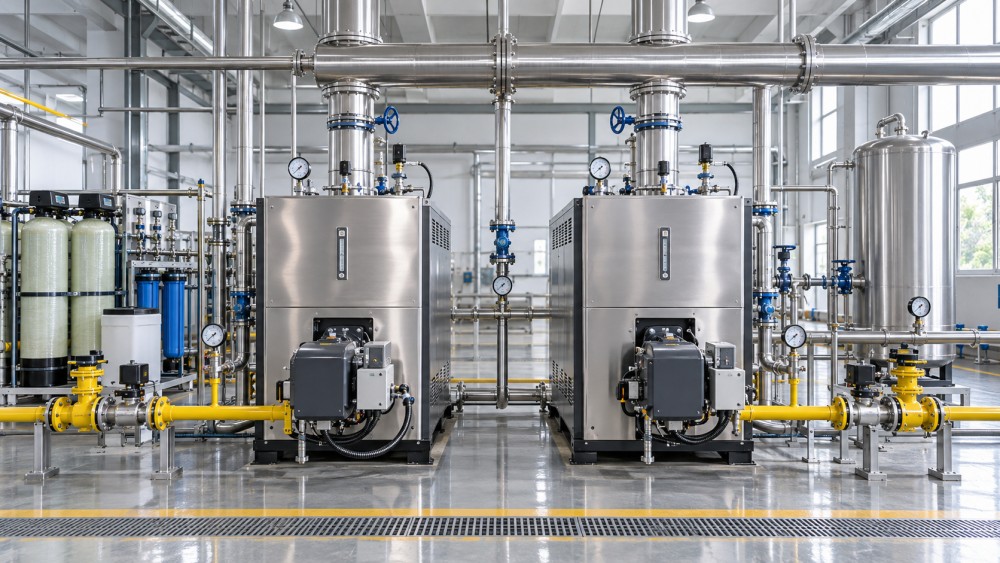
The basic configuration decision is often between a single larger generator and multiple smaller units operating in sequence. Neither arrangement is automatically superior. The right option follows the load profile, required turndown, maintenance philosophy, available installation area, and outage tolerance.
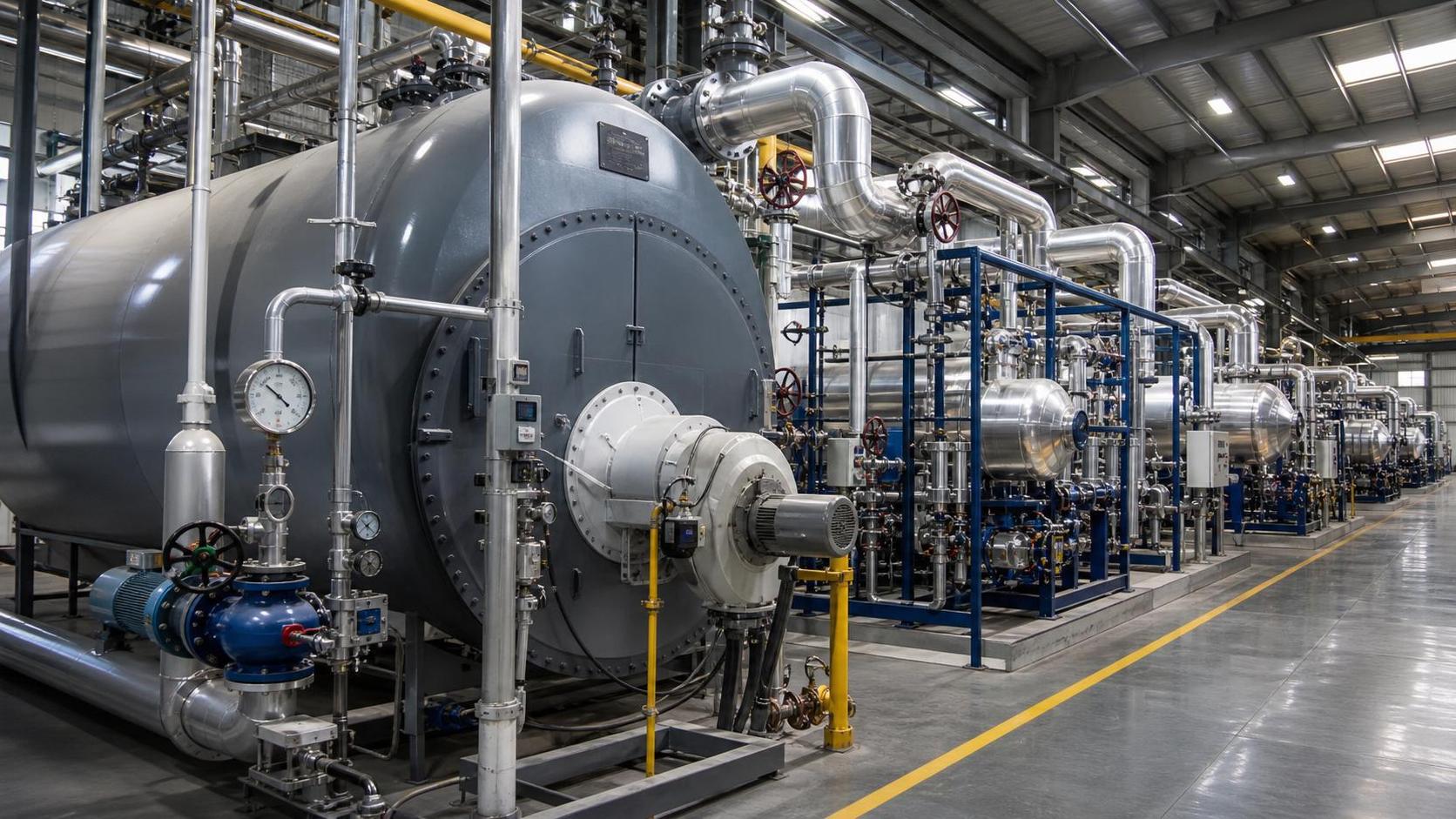
Modularity can improve part-load efficiency because only the number of units required for current demand need operate. It can also reduce the consequence of a single unit outage. However, multiple units add valves, controls, water connections, flues or vents, electrical infrastructure, and maintenance points. The decision should account for the entire operating system rather than comparing purchase cost alone.
Define redundancy by consequence, not by habit
“N+1” is often used as shorthand for resilience, but it should not be applied without defining the load that must be maintained during an outage. A facility may need full production capacity after the largest unit fails, or it may only need enough steam to protect equipment, maintain a controlled shutdown, keep sanitary functions active, or sustain a reduced production mode.
Begin with the consequence of lost steam. Identify which users are critical, which can be shed, how quickly the process becomes unstable, and how long recovery takes after pressure is restored. A short interruption may be manageable for comfort heating but unacceptable for certain thermal treatment, sterilization, humidity-control, or continuous-process duties. The required redundancy can then be stated as a measurable duty: maintain critical header pressure with one unit unavailable, rather than simply “provide backup.”
Redundancy also has shared points of failure. Two generators connected to one untreated-water supply, one fuel regulator train, one electrical feeder, one exhaust route, or one poorly sized header may not deliver the resilience expected. Review the supporting utilities with the same discipline applied to the generators. A reliable thermal plant depends on fuel, water, controls, drainage, ventilation, and distribution—not just the pressure vessel or heat source.
Fuel selection is a site utility decision
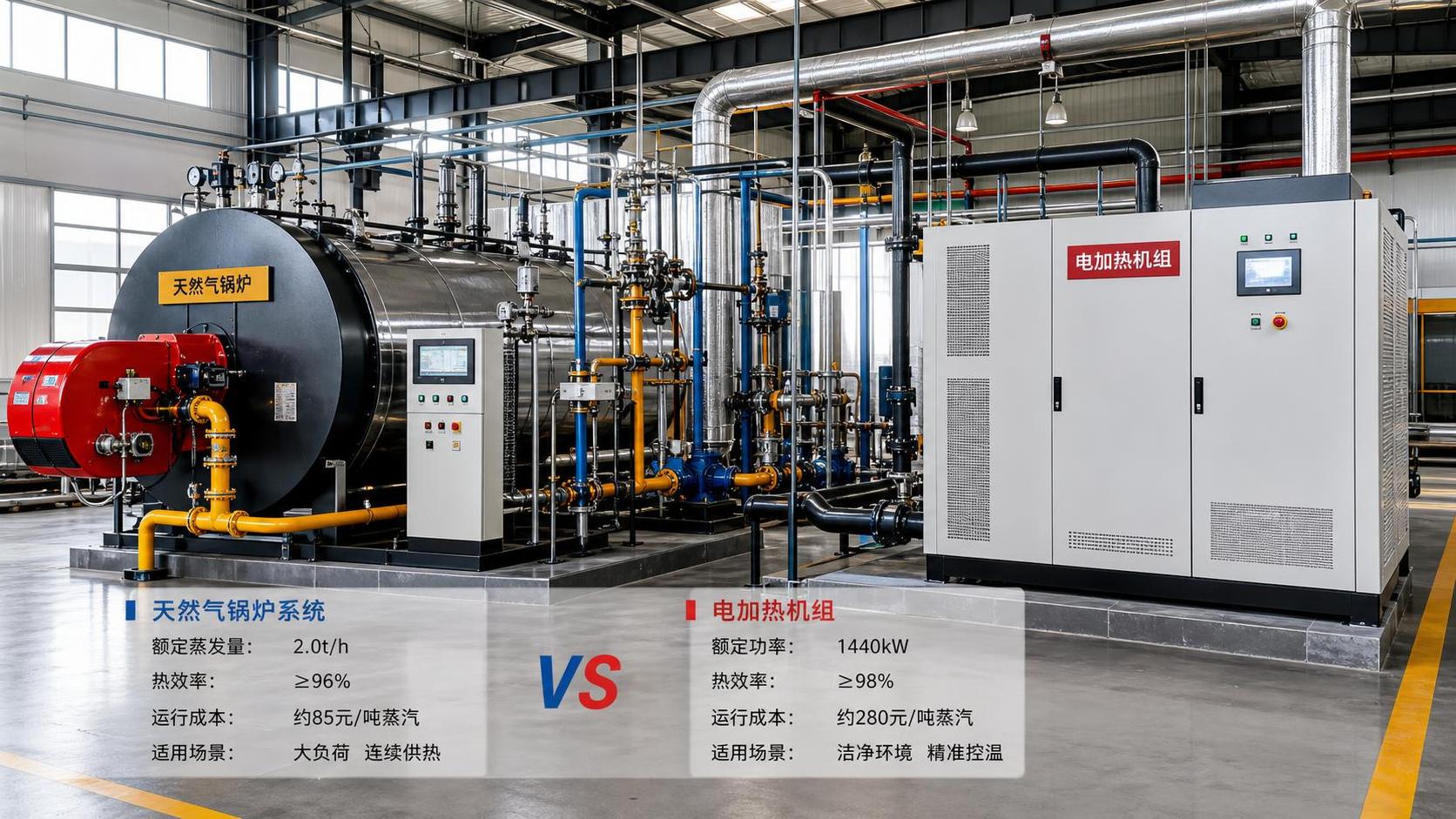
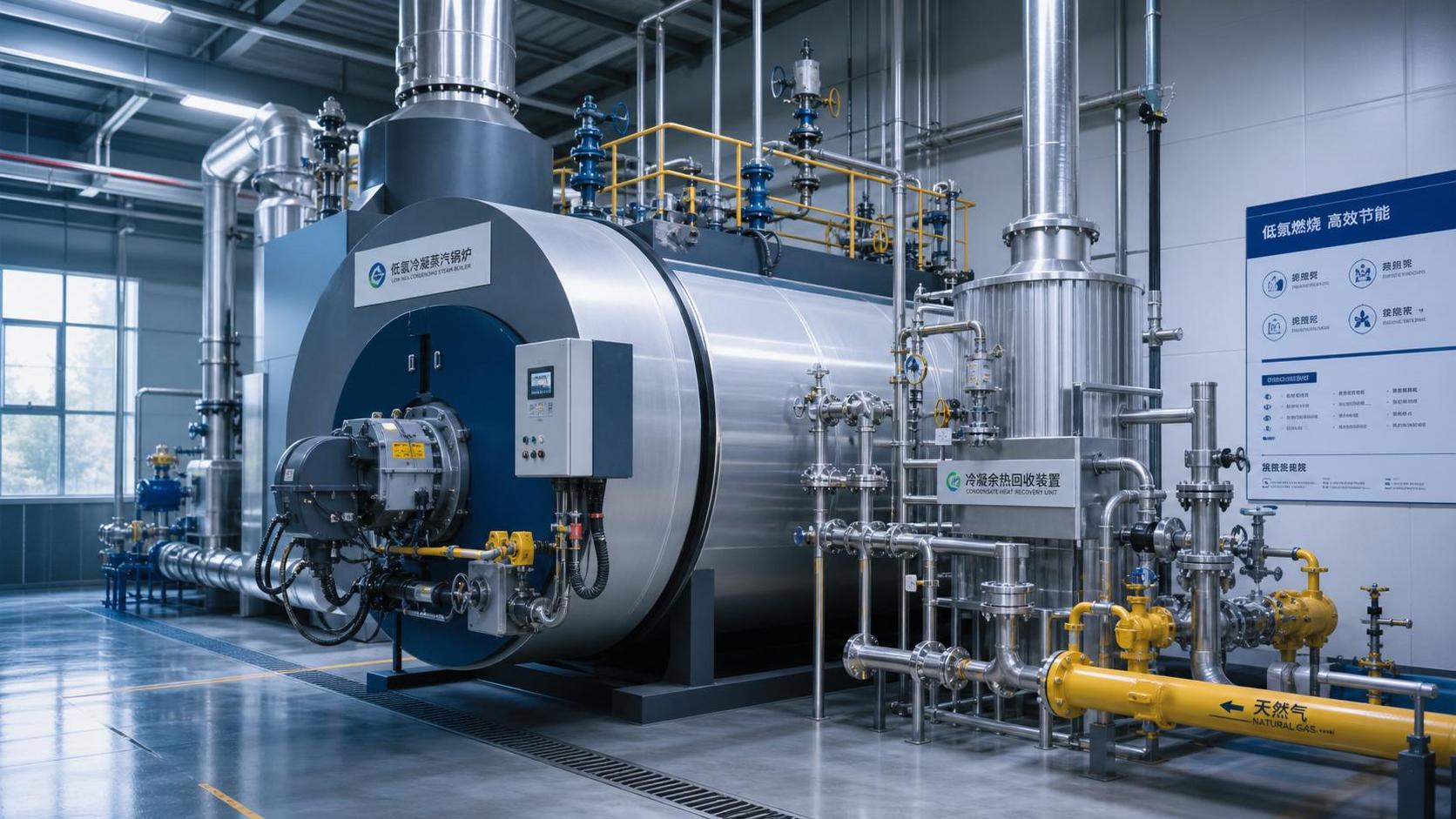
Available fuel can determine generator type, operating cost exposure, emission-control requirements, response behavior, and the complexity of the fuel train. Natural gas is often attractive where supply pressure, quality, and reliability are sufficient, but the selection still requires confirmation of maximum demand at the point of connection. A site may have gas service available while lacking enough pressure or flow to support generator firing at peak output alongside other gas-consuming equipment.
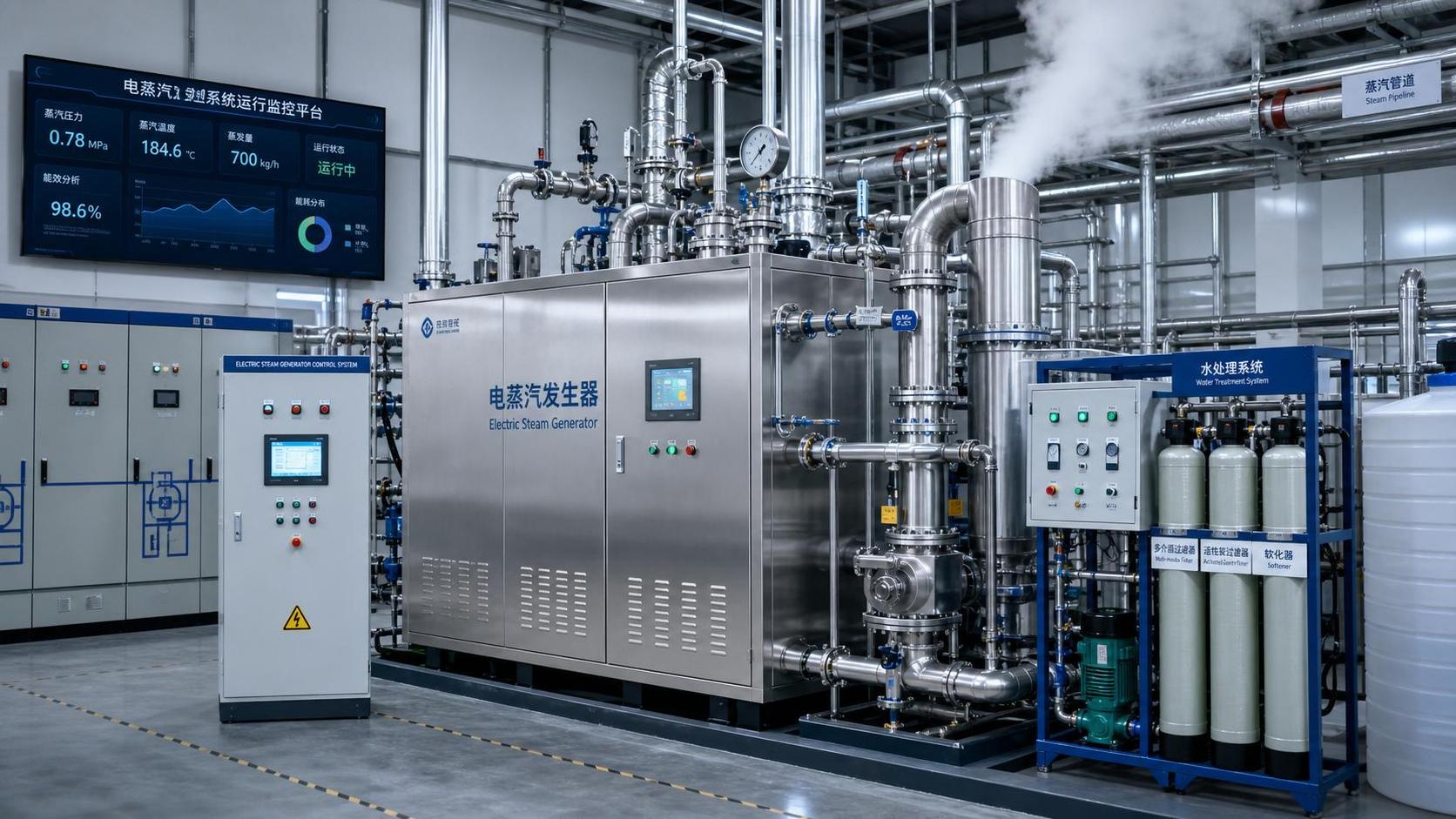
Liquid fuels can provide an alternative where gas infrastructure is constrained or where fuel diversity is required, but storage, handling, combustion equipment, and maintenance implications need careful review. Electrically heated steam generators may suit locations with adequate electrical capacity, low local emissions requirements, relatively rapid response needs, or a specific operating strategy. Their suitability depends heavily on electrical demand charges, available supply capacity, and the carbon intensity or contractual structure of the electricity source.
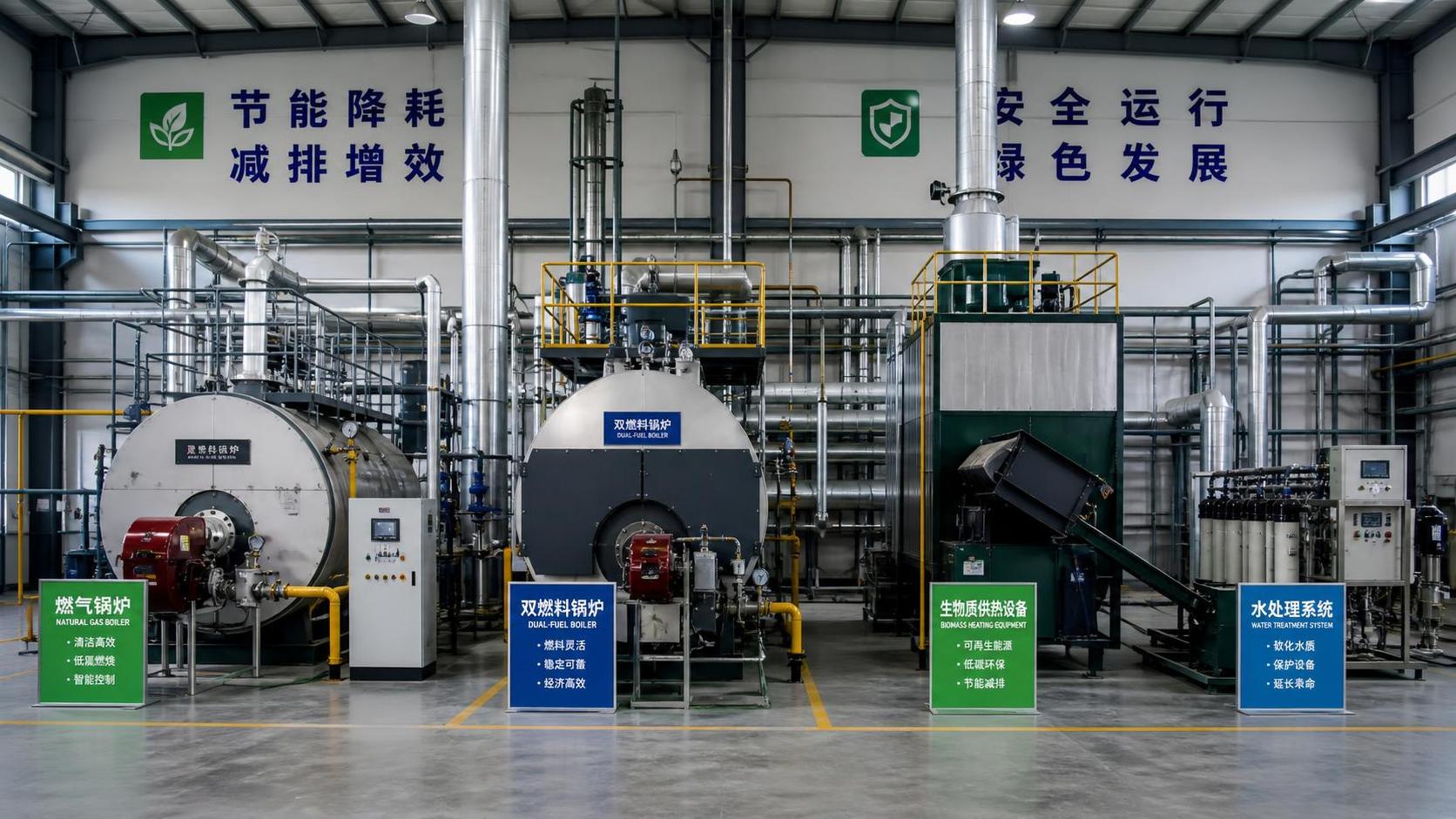
Dual-fuel capability can reduce exposure to a single fuel interruption, but it is not automatically a reliability upgrade. Both fuels must be available in sufficient quantity, the control system must manage changeover properly, and the unit must be maintained and tested in the mode expected during an emergency. Treat dual-fuel operation as a defined operating scenario, not a feature that can be assumed to work without verification.
Check emissions and permitting constraints early
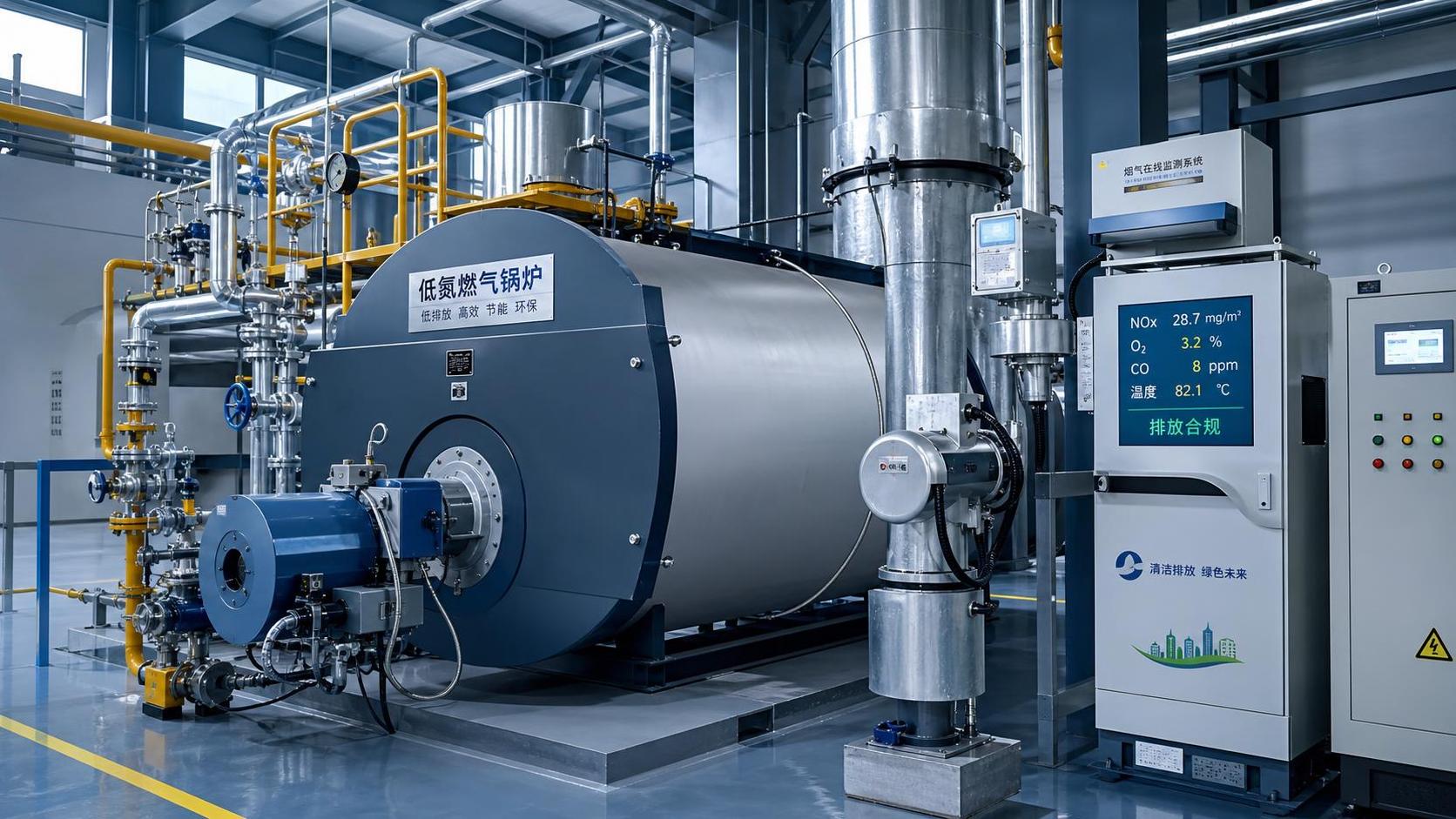
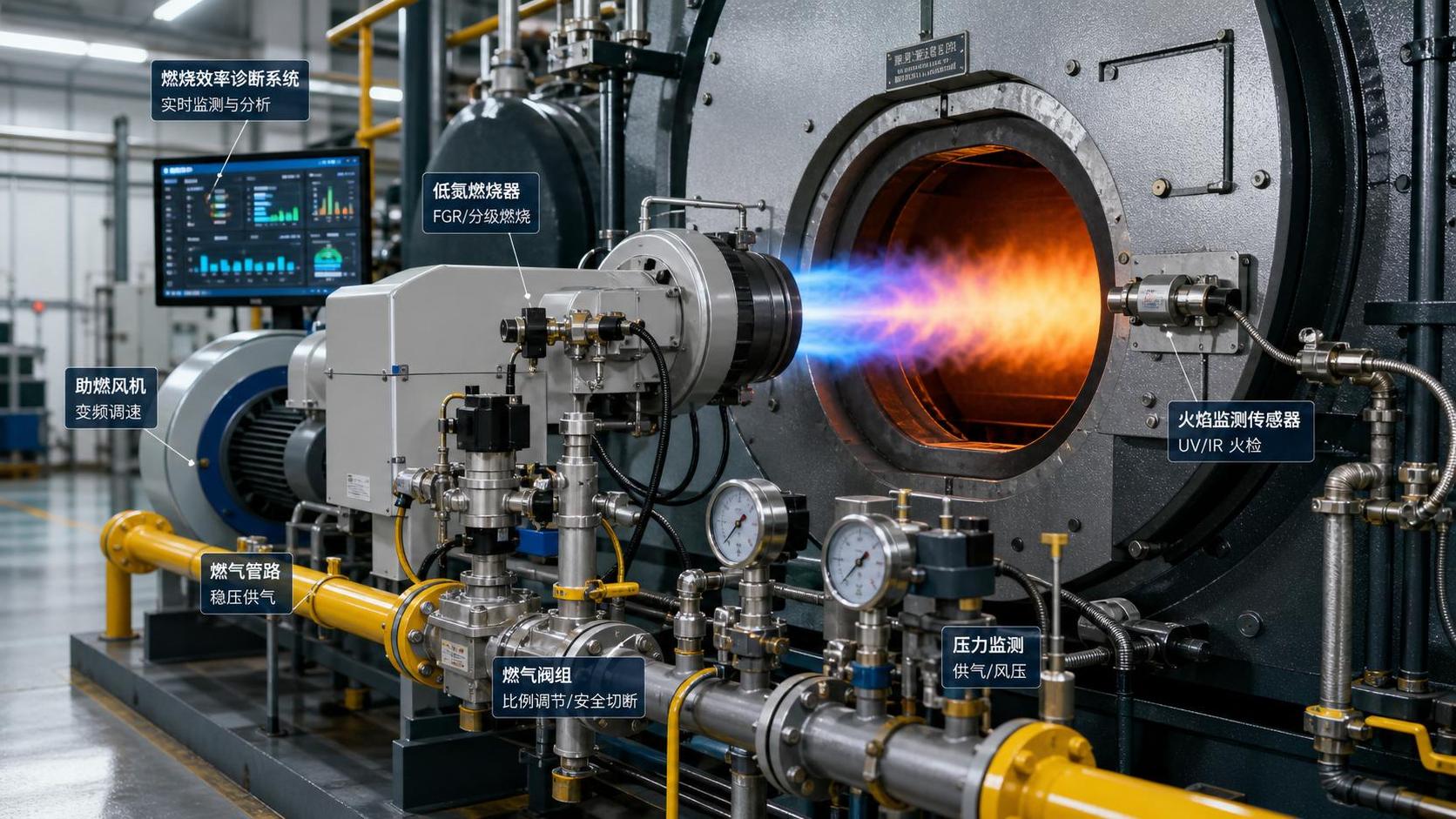
Combustion-based steam generation may be limited by local emissions rules, stack requirements, site air-quality conditions, or restrictions on fuel type. Low-emission burner arrangements can influence turndown, maintenance needs, combustion tuning, and installed cost. These issues should be identified before equipment selection reaches the final stage, because changing burner technology or exhaust design late in a project can affect layout, electrical requirements, controls, and commissioning scope.
Match control response to the process, not just the header setpoint
A steam generator does not operate in isolation. Its controls must respond to changes in header pressure while avoiding unstable firing, excessive cycling, or water-level disturbances. Fast demand changes are particularly important where several large control valves can open together. Review how quickly the selected equipment can increase output, whether it maintains stable operation at low load, and how staging logic brings additional capacity online.
Turndown ratio should be interpreted in the context of the actual minimum load. A wide turndown range can reduce on-off cycling, but it does not solve every part-load problem. Heat losses, standby behavior, blowdown practices, and poor sequencing can still waste energy. Where several units are installed, the control philosophy should specify which unit leads, when lag units start, how units rotate, and whether the system avoids operating multiple units inefficiently at very low firing rates.
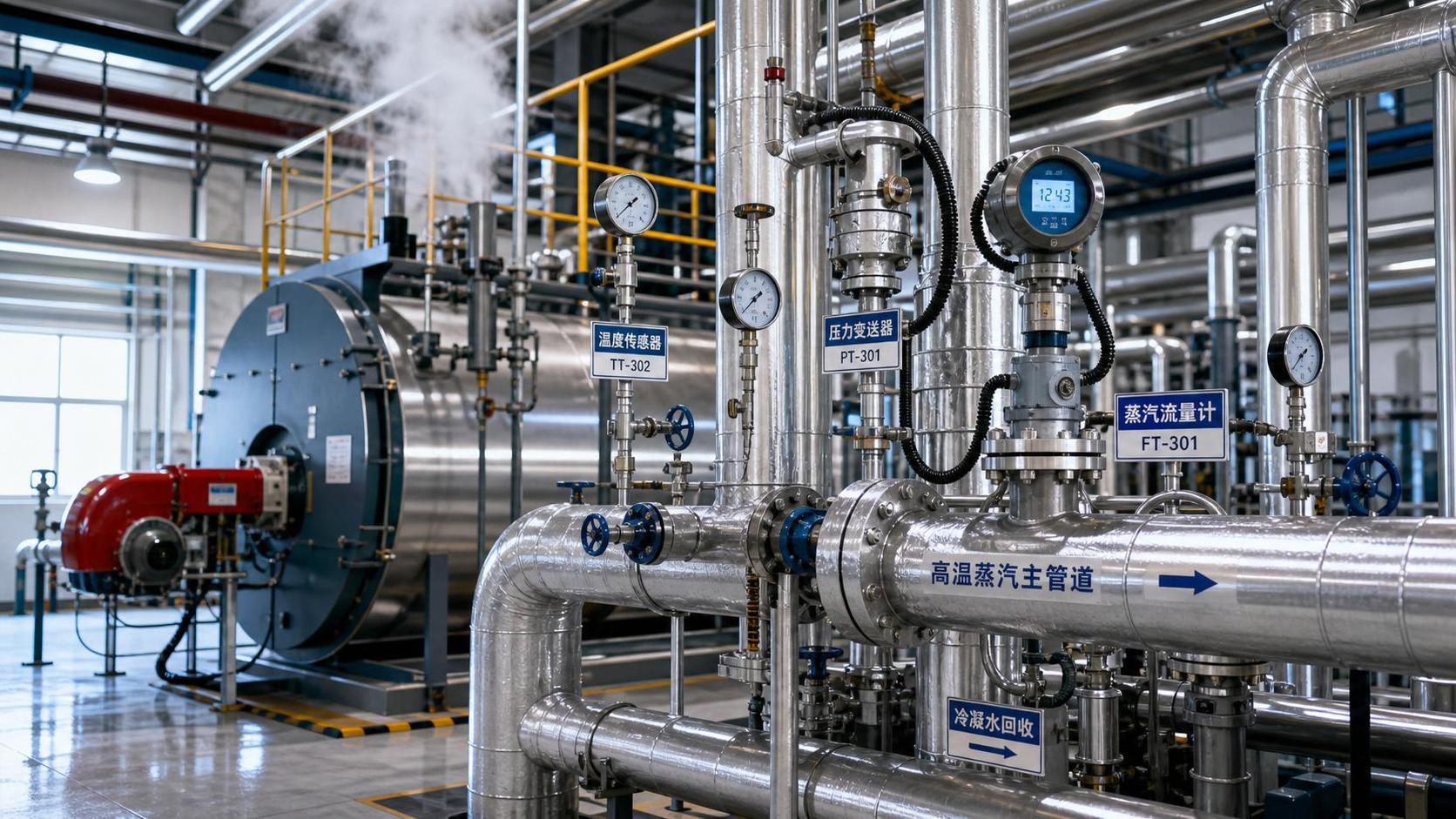
Header pressure control is only one layer. Some processes require tight pressure control at the point of use, dry steam quality, or rapid recovery after a demand event. Assess separators, drip legs, traps, pressure-reducing valves, condensate handling, and piping layout along with generator controls. Wet steam or pressure loss in the distribution network can be mistaken for a generation-capacity issue.
Water treatment and blowdown belong in the selection basis
Steam equipment life and reliability are closely tied to feedwater quality. Scale reduces heat transfer, raises fuel use, and can cause localized overheating. Corrosion products can foul control components and distribution equipment. Carryover can contaminate steam and create downstream process problems. These risks are not solved by selecting a larger generator.
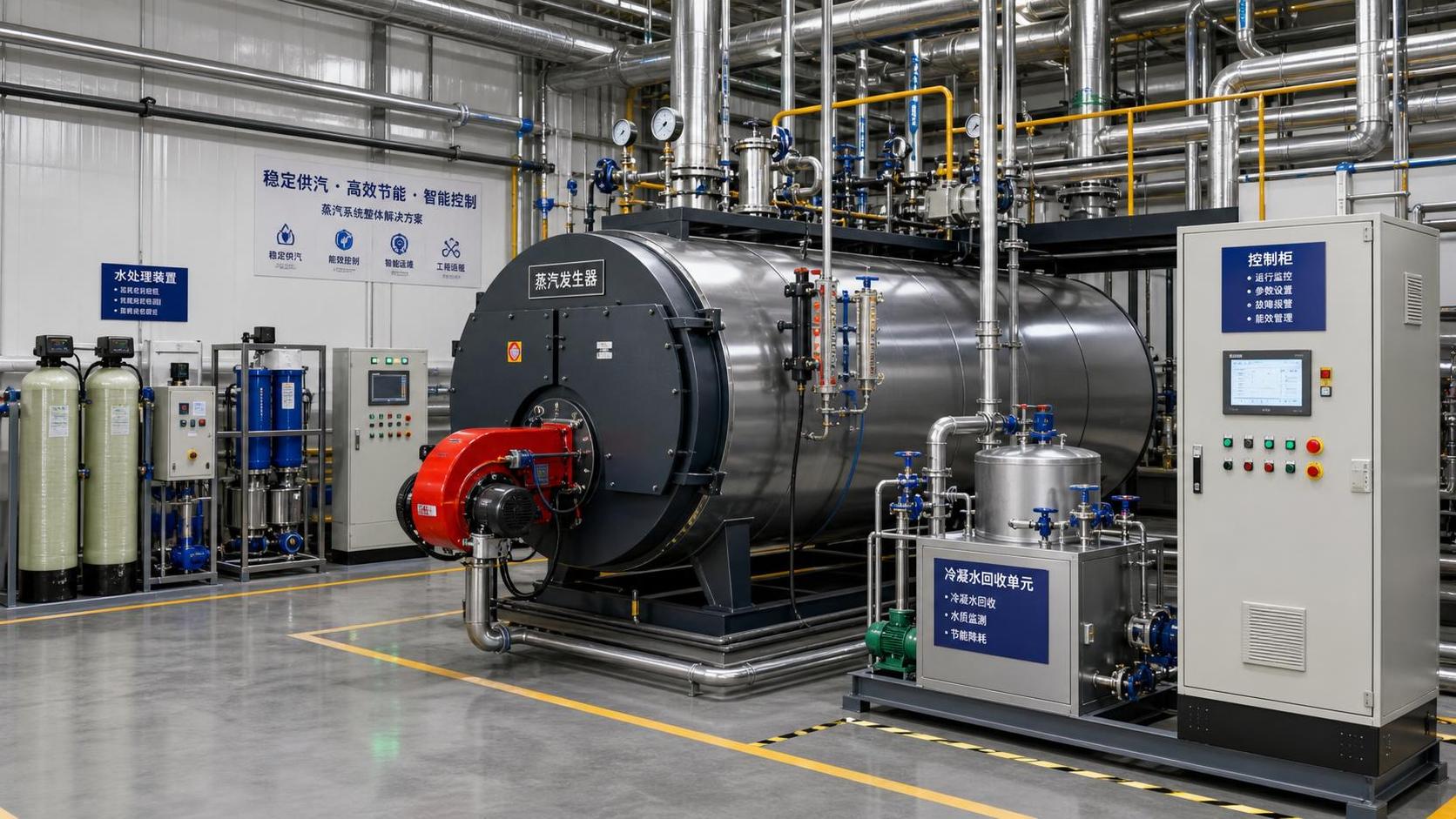
Review incoming water chemistry, condensate return quality, makeup rate, treatment equipment, sampling points, and blowdown control. The selected system should be compatible with the site’s ability to monitor and maintain water conditions. High condensate return can reduce energy and water use, but returned condensate must be evaluated for contamination risk from process contact, chemicals, or corrosion products. In applications requiring clean or pure steam, the steam quality requirement should be defined separately from ordinary plant steam duty.
Feedwater temperature also deserves attention. Returning hot condensate can reduce firing demand, while cold makeup water increases it. A technical comparison that ignores this difference may misjudge both capacity margin and lifecycle operating cost.
Compare lifecycle cost using realistic operating states
Capital cost is only one part of the decision. Compare alternatives at the expected base load, normal production load, recurring peak load, and low-load periods. Include fuel or electricity use, water treatment, blowdown losses, condensate recovery, maintenance access, burner or heating-element service, controls, emissions equipment where applicable, and planned downtime.
Do not rely on a single annual operating-hour assumption if the plant runs variable shifts or seasonal production. A system that is efficient at one load point may perform differently under frequent starts, short batch runs, or long standby periods. The more irregular the demand profile, the more valuable staged capacity and effective control sequencing may become.
Turn the evaluation into a clear technical specification
Before requesting final proposals, document the required steam flow range, pressure at generator and process, demand ramp rate, fuel conditions, feedwater conditions, expected condensate return, emissions constraints, available utilities, physical installation limits, and critical-load requirement during an outage. State whether quoted capacity must be available continuously or only for defined peaks, and specify the operating conditions used for the rating.
A sound specification also asks suppliers to identify assumptions rather than leaving them embedded in performance claims. Clarify startup time, turndown limits, staging behavior, fuel pressure requirements, electrical demand, water treatment expectations, blowdown provisions, maintenance clearances, and the equipment needed to support redundant operation. This turns an apparently simple capacity purchase into a decision based on usable steam, stable process performance, and recoverability when conditions depart from normal operation.
Related News
- How to size thermal fluid systems for stable process temperaturesAuthor :Thermal Energy Strategist

- How to Choose an Industrial Steam Generator for Load Profile, Fuel, and RedundancyAuthor :Thermal Energy Strategist

- When Does a Heat Recovery Steam Generator Make Economic Sense?Author :Thermal Energy Strategist

- How pressure control prevents unstable steam supply in industrial systemsAuthor :Thermal Energy Strategist

- How excess air affects boiler efficiency in steam systemsAuthor :Thermal Energy Strategist

- When a Refinery Steam Turbine Should Prioritize Process Steam Over Maximum OutputAuthor :Thermal Energy Strategist

- Which boiler upgrades deliver the fastest efficiency cost reductionAuthor :Thermal Energy Strategist

- What to check before choosing a steam generation systems supplierAuthor :Thermal Energy Strategist

- When do industrial boiler systems cost less than electric heatAuthor :Thermal Energy Strategist

- How to Compare Boiler Systems in Latin America by Fuel Cost and ComplianceAuthor :Thermal Energy Strategist

- How to Size Low-Pressure Industrial Steam Systems for Stable Heat DemandAuthor :Thermal Energy Strategist

- Low Emissions Boilers: What to Compare Before You ChooseAuthor :Thermal Energy Strategist

- Low-NOx Boilers Cost Breakdown: Upfront Price, Fuel Savings, and PaybackAuthor :Thermal Energy Strategist

- Boiler Combustion Systems: Common Causes of Unstable Fuel PerformanceAuthor :Thermal Energy Strategist

- Hot Water Industrial Boilers: When Efficiency Gains Justify ReplacementAuthor :Thermal Energy Strategist

- What Boiler Efficiency Really Means in Daily Operation and Energy BillsAuthor :Thermal Energy Strategist

- Boiler Efficiency Testing Methods That Expose Heat Loss and Fuel WasteAuthor :Thermal Energy Strategist

- Industrial Burner Systems: Key Factors for Safe Heat OutputAuthor :Thermal Energy Strategist

- Gas-Fired Boiler Combustion Technology: Key Efficiency and Emissions Trade-OffsAuthor :Thermal Energy Strategist

- Unfired Heat Recovery Steam Generators: When Do They Pay Off?Author :Thermal Energy Strategist

- How to Evaluate Steam Generation Systems Electric for Process Heat ProjectsAuthor :Thermal Energy Strategist

- Thermal Power Systems for Industrial Heating: Common Sizing Mistakes to AvoidAuthor :Thermal Energy Strategist

- Low-NOx Condensing Boilers: How to Compare Efficiency and EmissionsAuthor :Thermal Energy Strategist
![]()
- Low Emissions Boilers for Food Processing: Key Compliance and Fuel Cost FactorsAuthor :Thermal Energy Strategist

- Steam System Efficiency Calculation: Key Inputs That Change the ResultAuthor :Thermal Energy Strategist

- How to Evaluate a Steam Boiler Components Exporter Before OrderingAuthor :Thermal Energy Strategist

- Burner Systems Troubleshooting: Common Efficiency Loss CausesAuthor :Thermal Energy Strategist

- EU PED Q2 Rules Require Digital Compliance TagsAuthor :Thermal Energy Strategist

- Thermal Power Systems: Key Efficiency Risks in Daily OperationAuthor :Thermal Energy Strategist

- Low-NOx Combustion Boilers: Key Efficiency and Compliance ChecksAuthor :Thermal Energy Strategist

- Low-NOx Combustion Boilers: Key Specs That Affect Emissions and Fuel UseAuthor :Thermal Energy Strategist

- Low-NOx Combustion Boilers: Key Compliance RisksAuthor :Thermal Energy Strategist

- Thermodynamics Analysis for Boiler Heat-Loss ReductionAuthor :Thermal Energy Strategist

- Industrial Thermal Systems: Common Operating RisksAuthor :Thermal Energy Strategist

- Low-NOx Combustion Boilers: Key Spec Checks Before PurchaseAuthor :Thermal Energy Strategist

- How Industrial Heat Recovery Cuts Boiler Fuel Costs in 2026Author :Thermal Energy Strategist