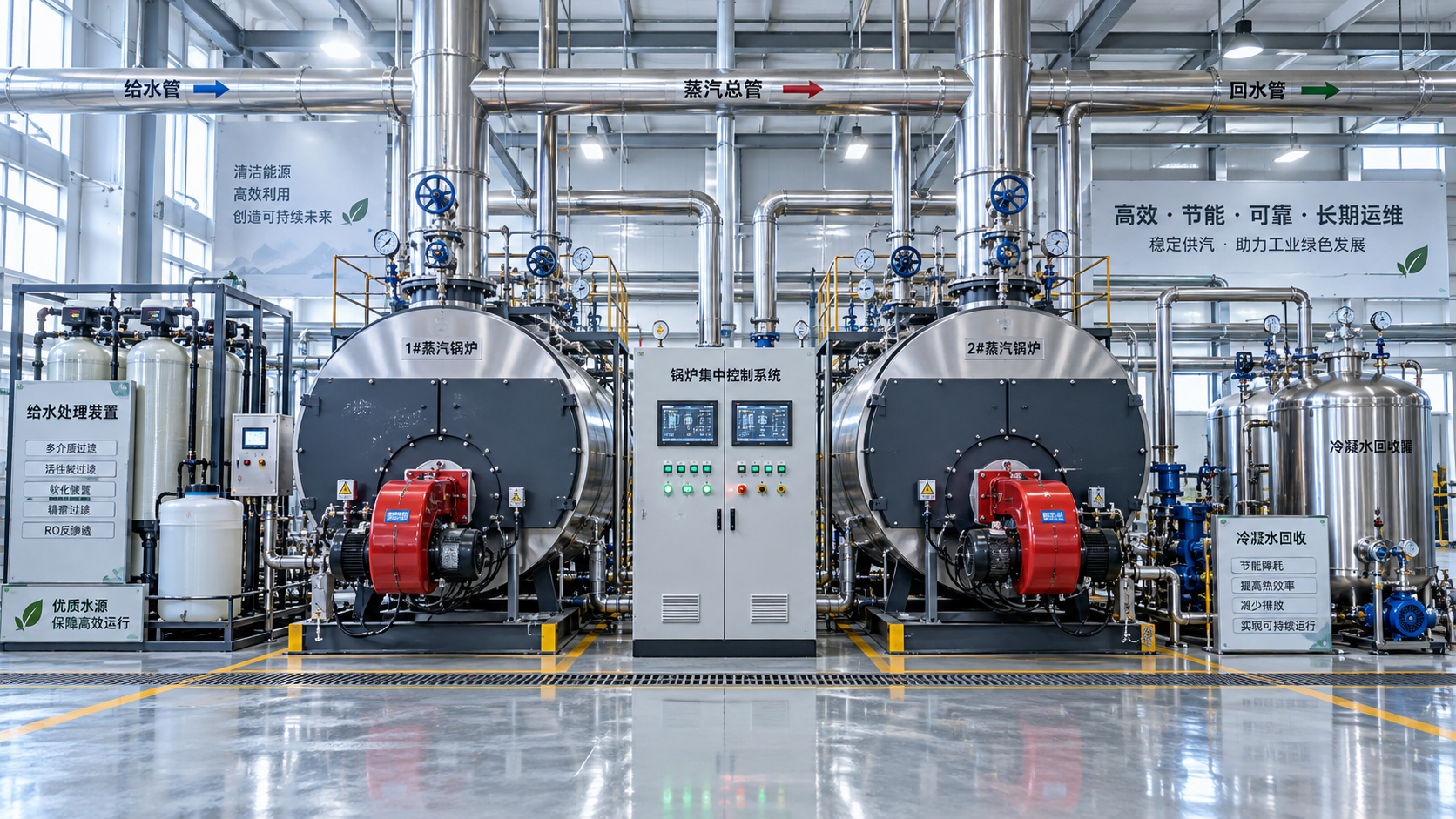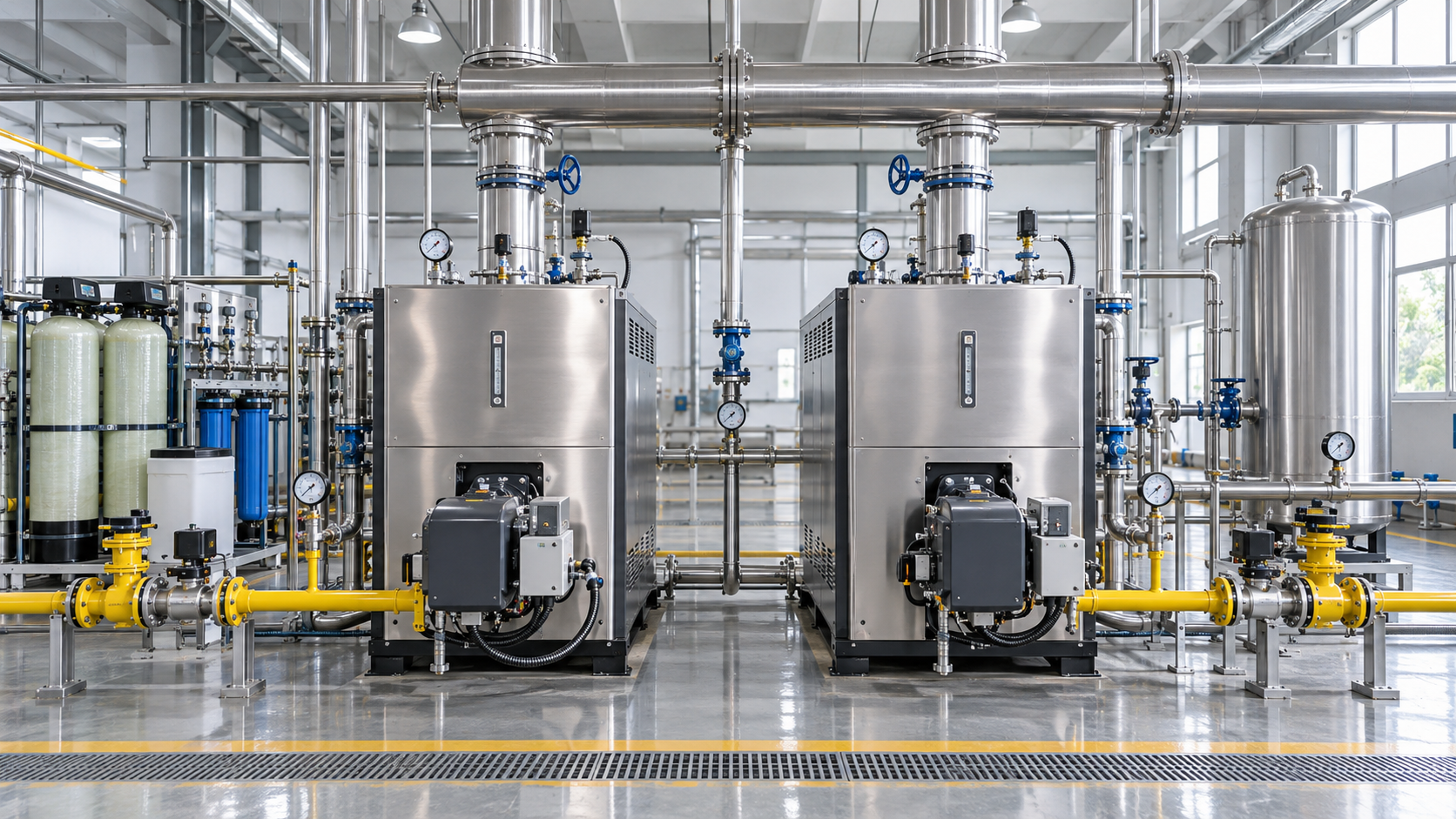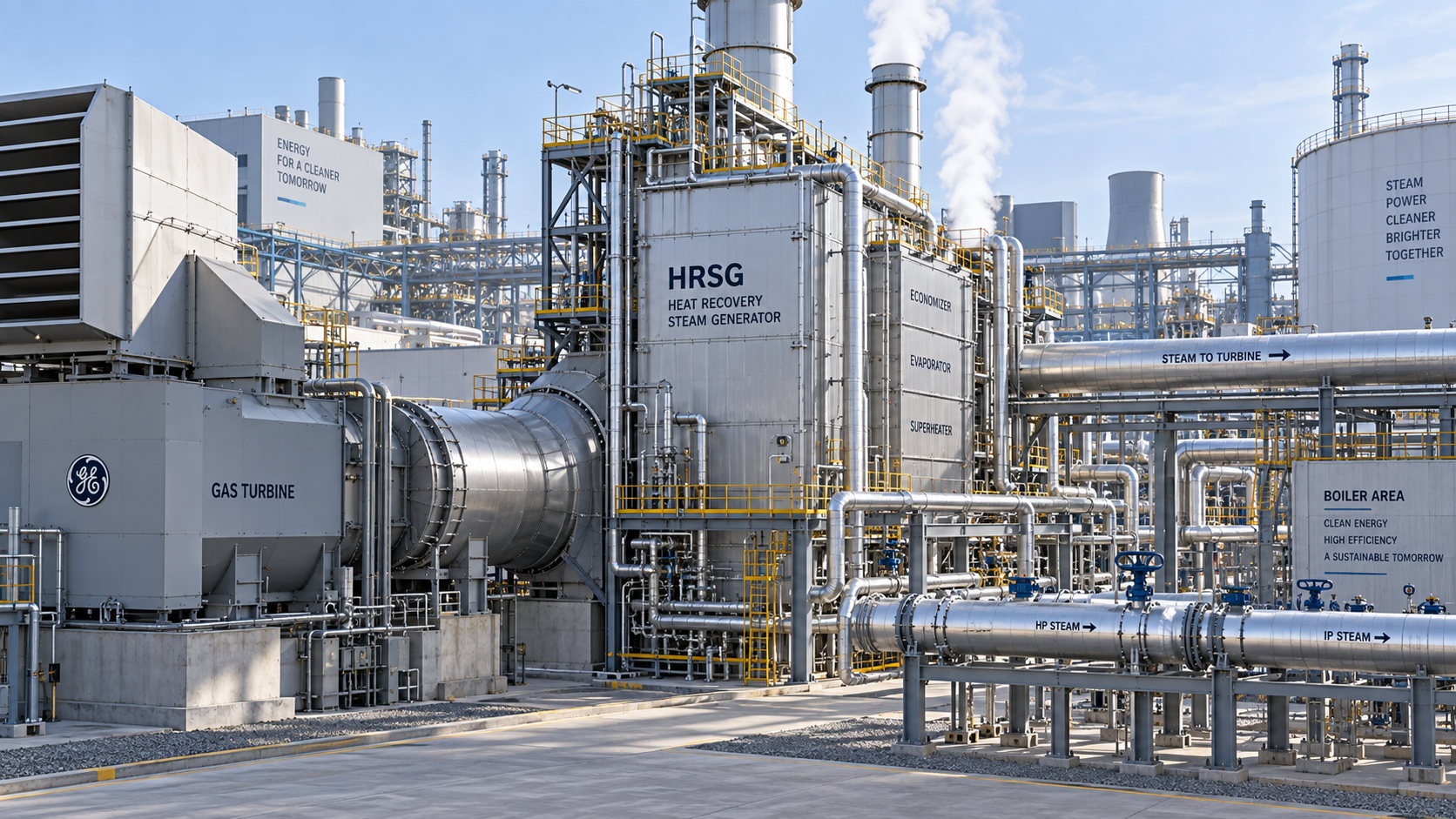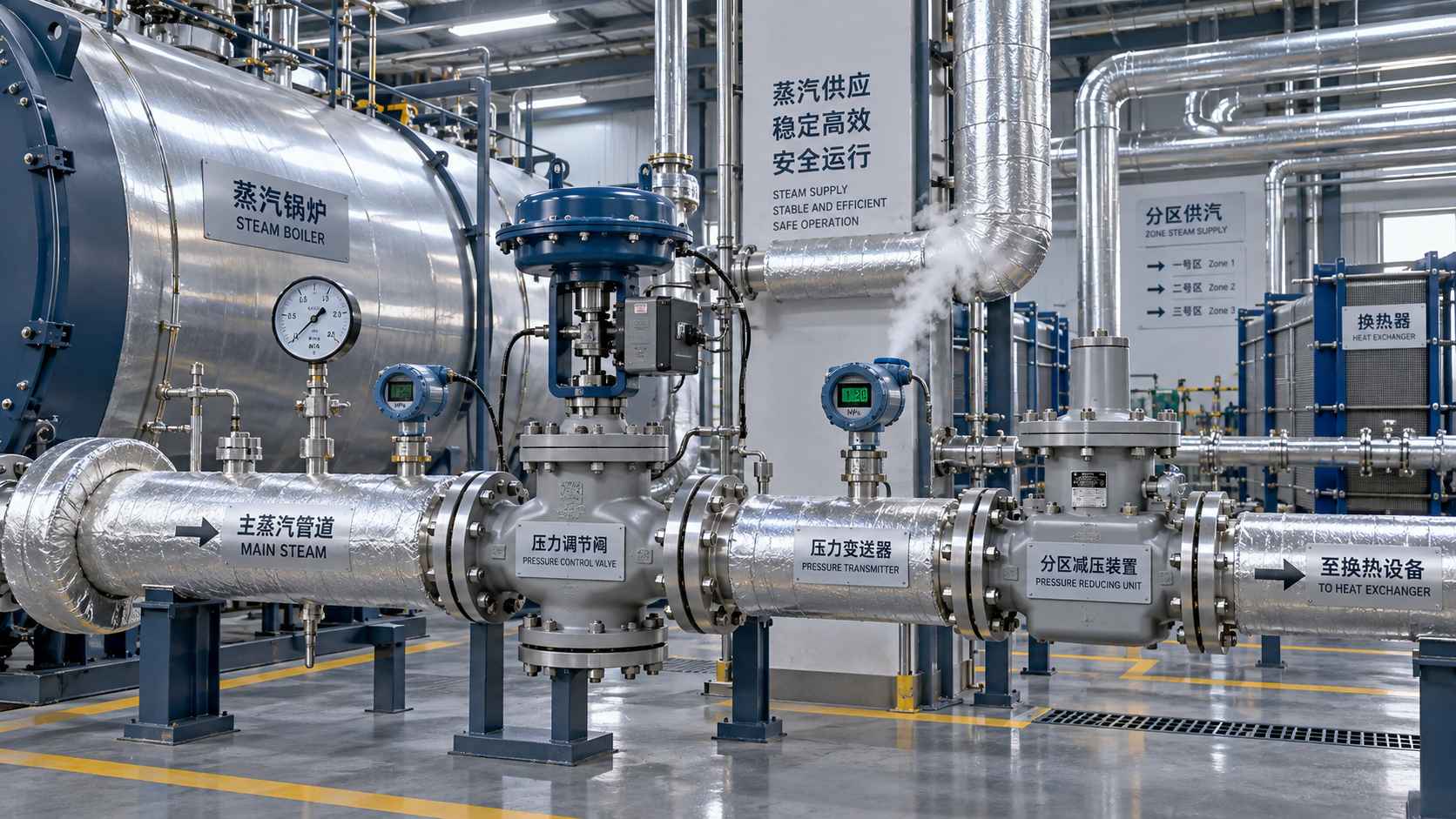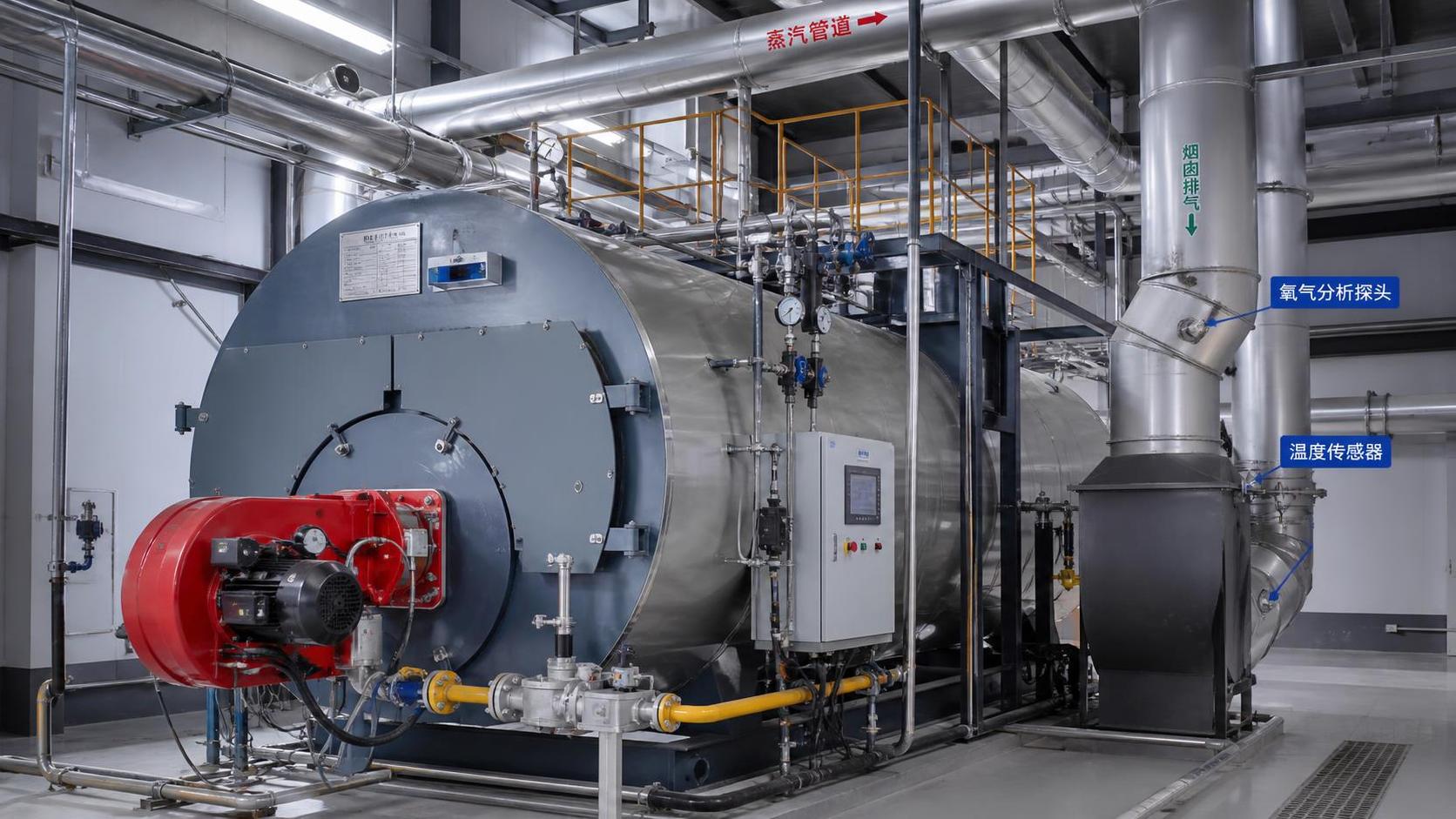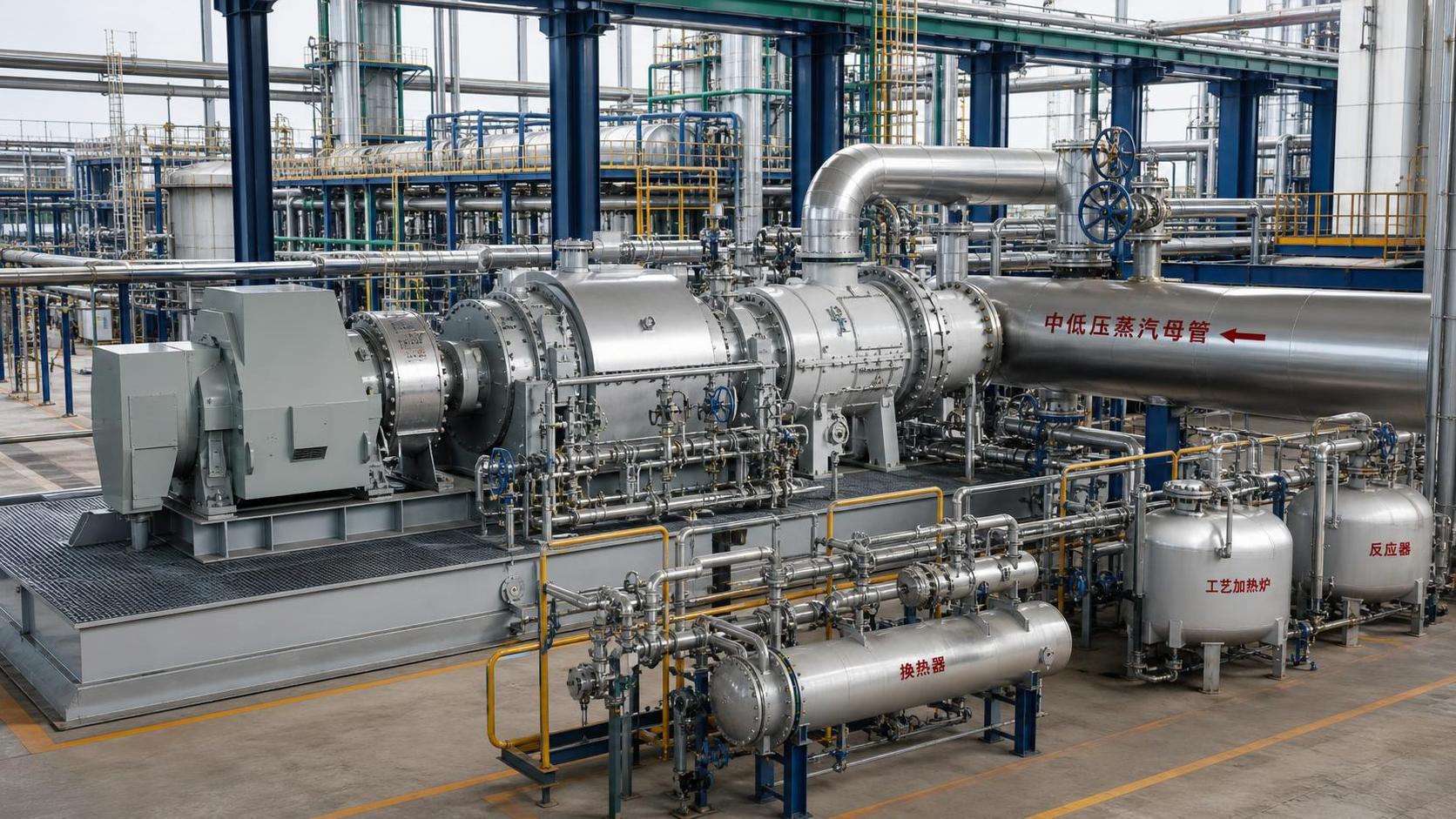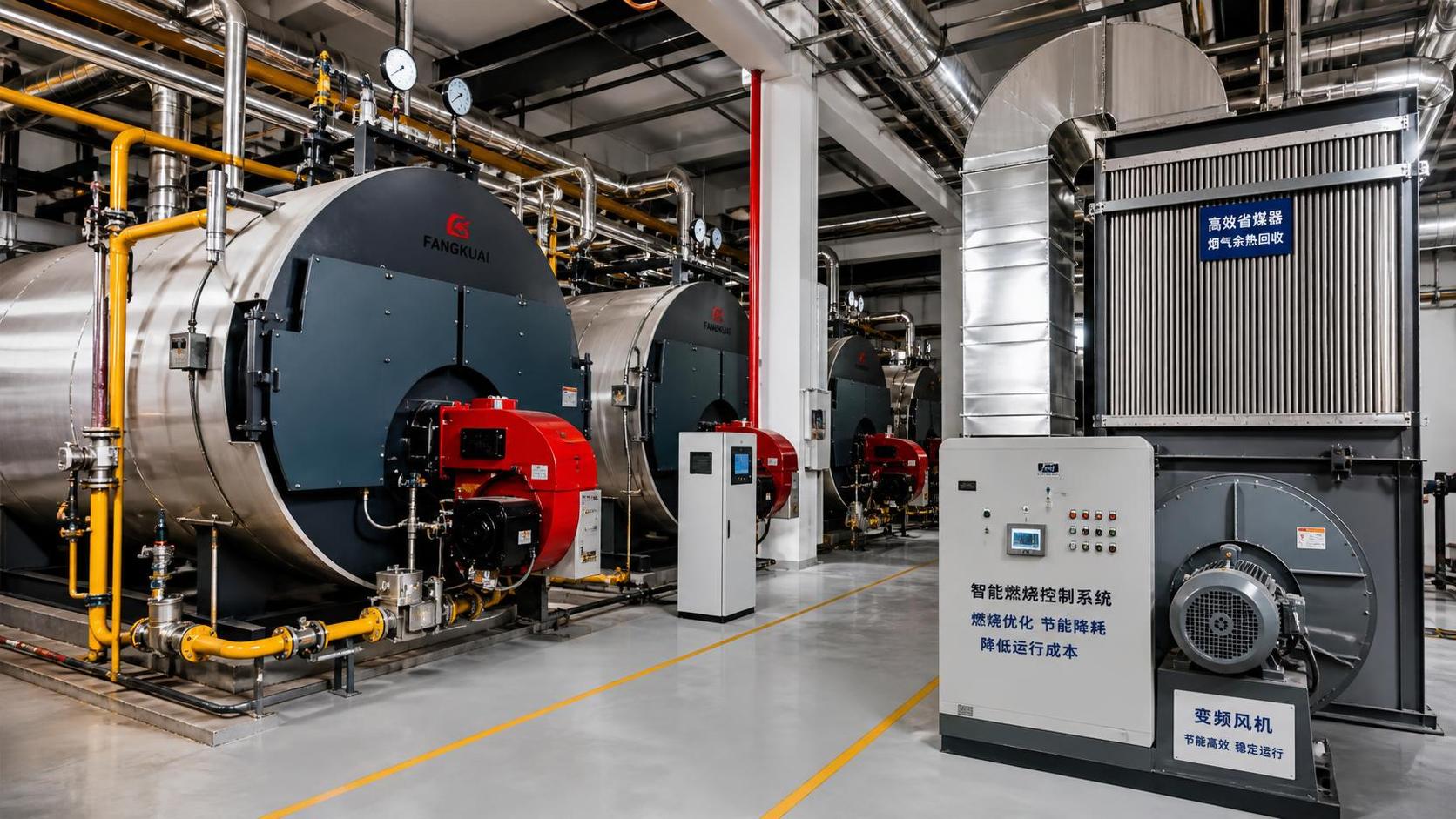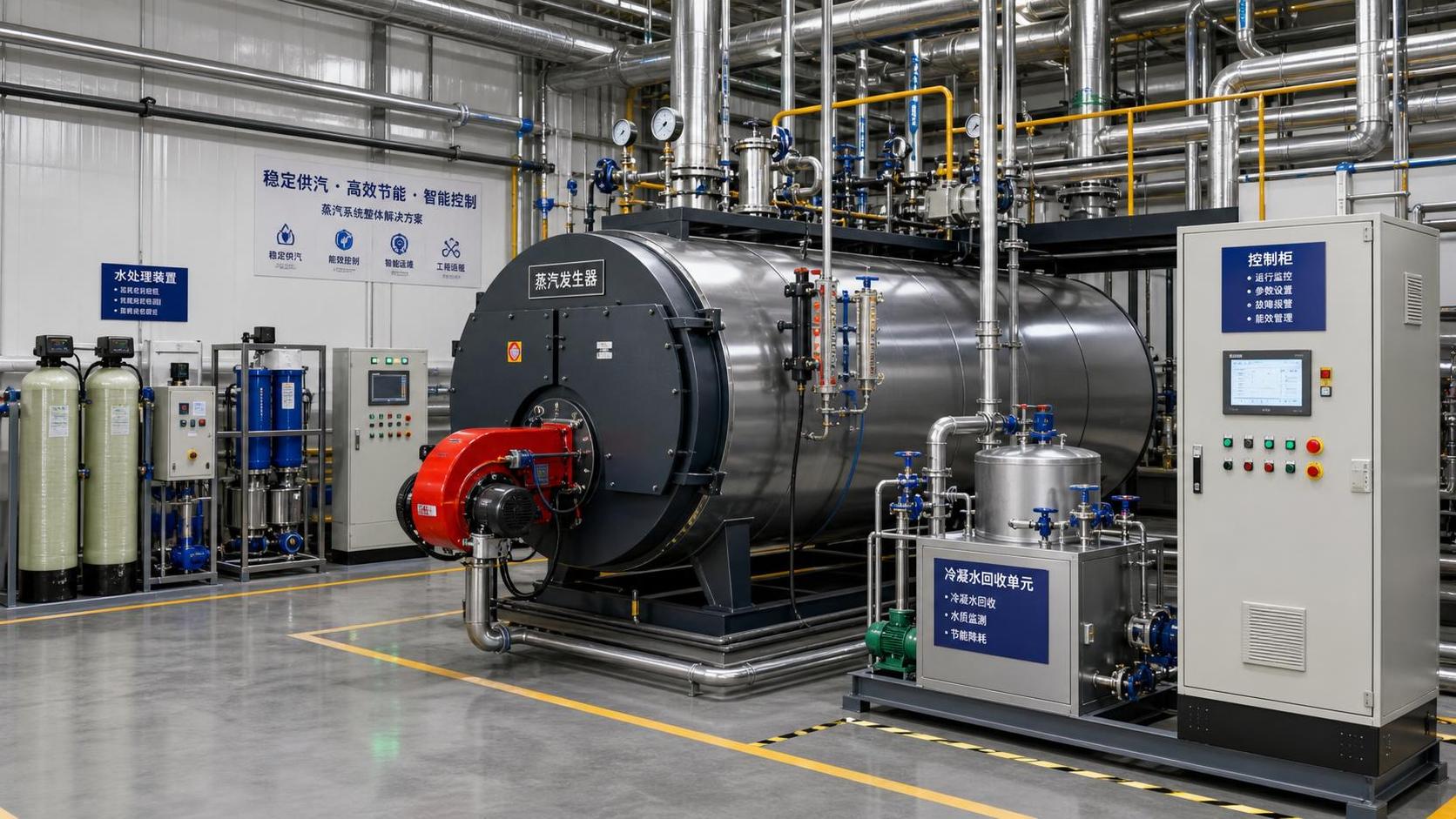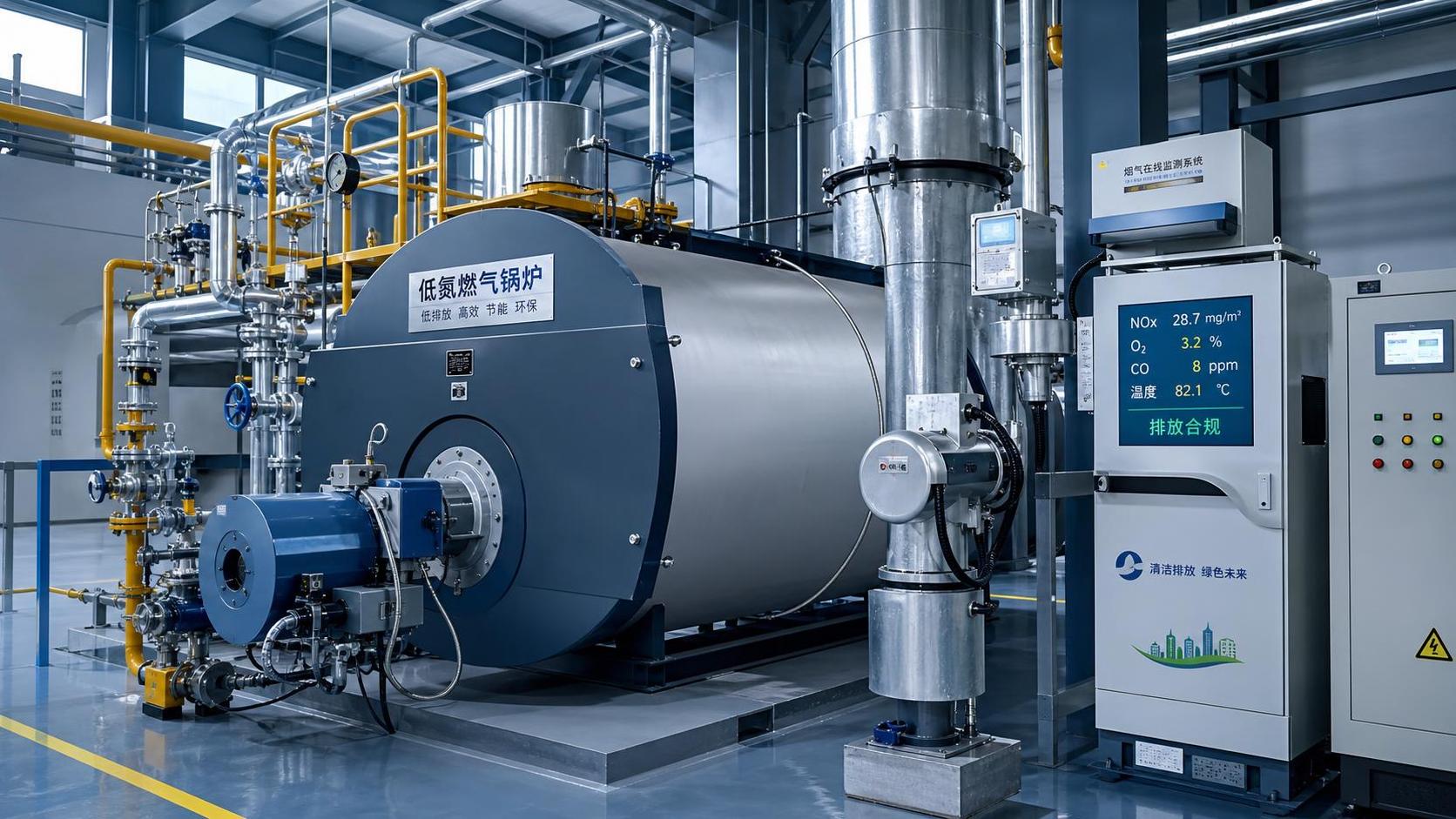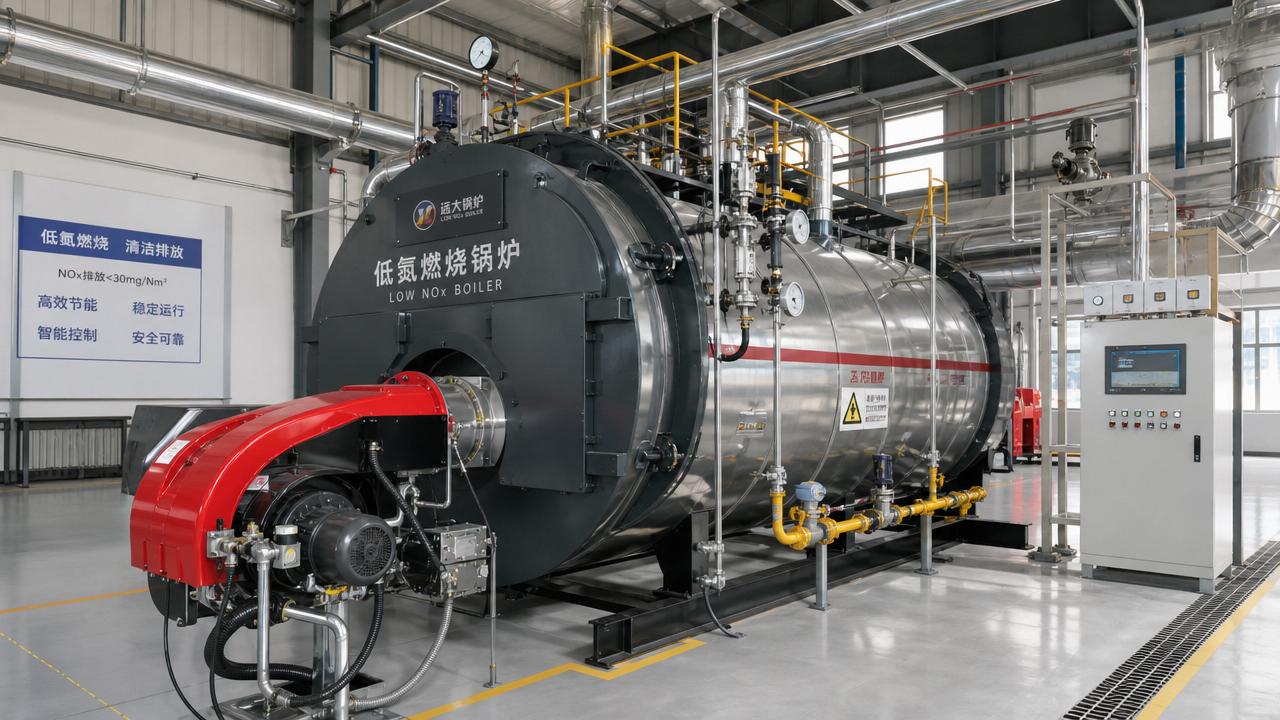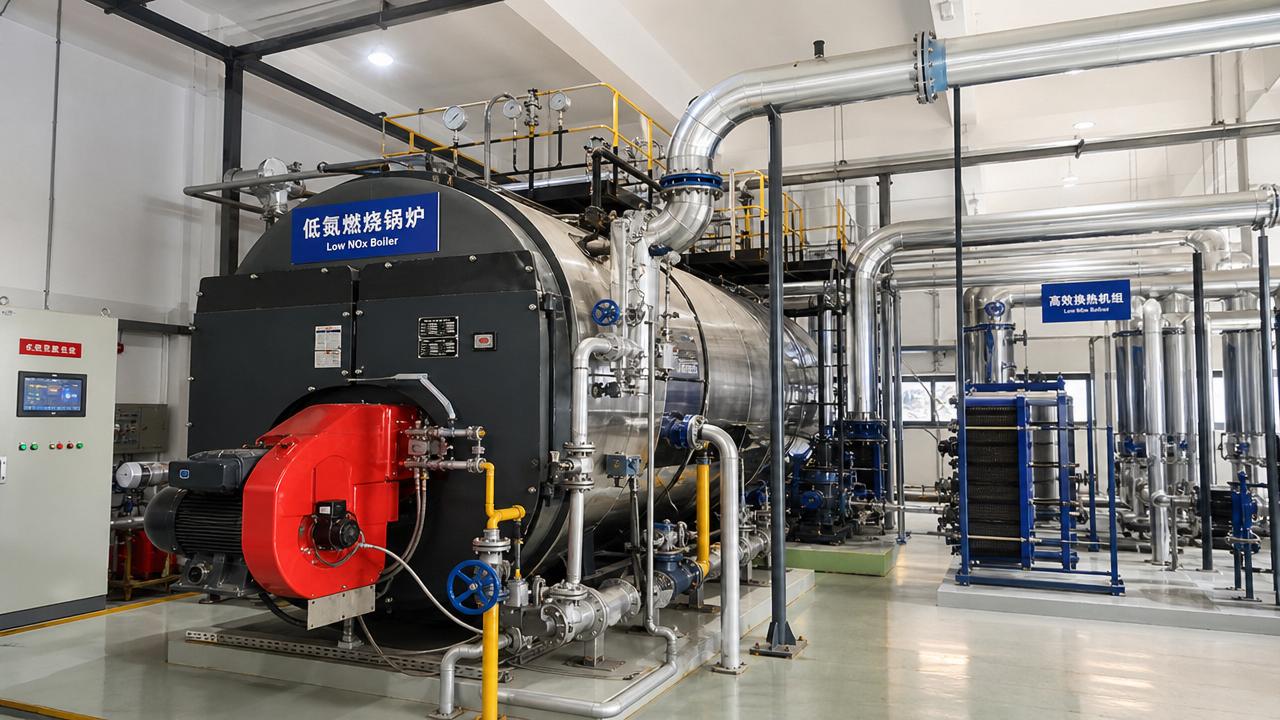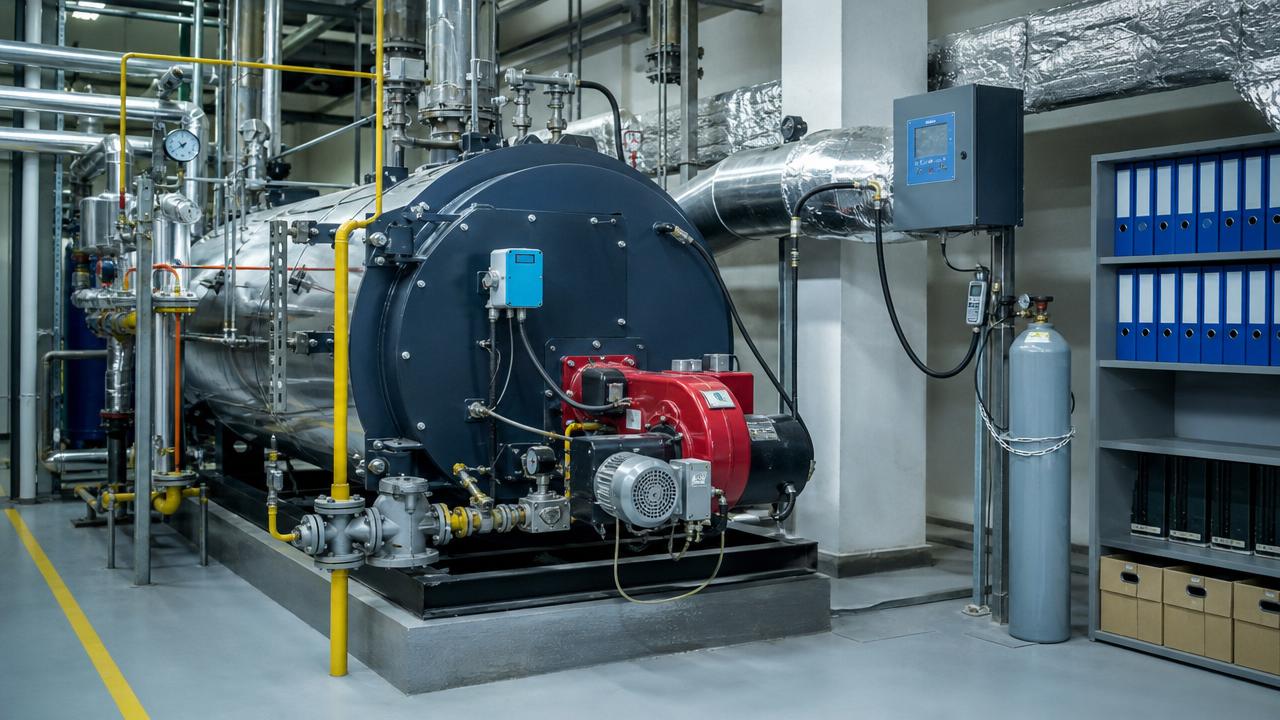








Low-NOx boilers industry trends are reshaping how plants manage emissions, combustion safety, and upgrade priorities as regulators demand more reliable performance, documentation, and operating discipline.
For quality control and safety teams, the practical question is not simply whether a boiler can meet an emissions limit during commissioning.
The real question is whether it can remain compliant during fuel changes, load swings, maintenance periods, cold starts, and abnormal operating conditions.
Why New Boiler Rules Change the Upgrade Decision
New rules increasingly focus on demonstrated performance rather than nominal equipment specifications, placing greater scrutiny on continuous operation, test records, alarm responses, and maintenance controls.
Many plants historically treated nitrogen oxide reduction as an environmental reporting issue managed after the boiler was installed and placed into service.
That approach is becoming less defensible because low-NOx performance is directly linked to combustion stability, excess oxygen control, carbon monoxide formation, and safety margins.
Quality personnel need traceable evidence that equipment, calibration practices, operating procedures, and corrective actions collectively support permit limits across realistic production conditions.
Safety managers must also consider whether emissions-reduction measures introduce additional risks, including flame instability, delayed ignition, fuel accumulation, or elevated carbon monoxide levels.
Consequently, boiler upgrades should be assessed as an integrated combustion-system project, not as a standalone burner replacement or a narrow environmental compliance purchase.
The strongest upgrade cases connect regulatory exposure with measurable operational risks, including failed stack tests, process interruptions, unsafe combustion events, and escalating maintenance demand.
Start With the Actual Compliance Baseline
Before selecting technology, establish the applicable requirements for the facility, fuel type, boiler capacity, location, modification scope, and expected operating schedule.
Limits may differ for new sources, existing units, seasonal operation, emergency equipment, process boilers, and plants located within stricter regional air-quality zones.
Teams should confirm whether the relevant limit is measured in parts per million, mass per heat input, dry basis, wet basis, corrected oxygen, or another format.
A reported emissions number has little decision value unless its test method, oxygen correction, averaging period, load condition, and fuel composition are clearly documented.
Review the permit language alongside local regulations instead of relying on vendor summaries, which may reference a different jurisdiction or a favorable test configuration.
Plant records should identify every operating mode that can influence compliance, including low-fire operation, high-fire demand, startup, shutdown, standby, and rapid load changes.
Where rules are being proposed but not finalized, evaluate likely requirements as a planning scenario rather than delaying preparation until capital budgets become constrained.
This baseline allows quality and safety teams to distinguish between a routine optimization project and an upgrade that needs new controls, formal hazard reviews, or permit revisions.
Measure Current Performance Before Promising a Retrofit Outcome
Low-NOx boiler upgrades often fail expectations because plants begin with incomplete baseline data, making it difficult to identify the real source of emissions variability.
Collect stack-test results, burner service reports, fuel records, combustion-trim settings, oxygen readings, carbon monoxide excursions, and unplanned shutdown histories from several operating periods.
One compliant annual test does not prove robust control if the boiler regularly experiences elevated NOx during production peaks or unstable combustion after maintenance.
Map emissions against load, steam demand, ambient temperature, oxygen level, fuel pressure, burner position, and recirculation settings wherever data availability permits.
This analysis can reveal whether excessive NOx originates from high flame temperatures, poor air-fuel mixing, overfiring, damaged components, or unsuitable control logic.
It can also identify situations where reducing NOx could raise carbon monoxide, unburned hydrocarbons, or combustion instability unless burner tuning is carefully managed.
Portable analyzer readings remain useful for troubleshooting, but compliance decisions should rely on instruments, sampling methods, and calibration practices appropriate for regulated measurement.
Documenting this diagnostic stage creates a defensible technical record and gives procurement teams a realistic basis for comparing vendor guarantees, scopes, and exclusions.
Choosing Low-NOx Technology Without Creating New Risks
Low-NOx burner selection should begin with the boiler’s furnace geometry, heat-release profile, turndown requirements, fuel characteristics, and process demand pattern.
A burner that performs well on a new packaged boiler may not deliver the same emissions or stability results in an older boiler with limited furnace volume.
Common approaches include staged combustion, flue-gas recirculation, ultra-low-NOx burners, premix designs, selective catalytic reduction, and selective non-catalytic reduction systems.
Each approach changes the combustion environment differently, so plant teams should assess emissions reduction alongside flame shape, heat transfer, pressure drop, maintenance requirements, and control complexity.
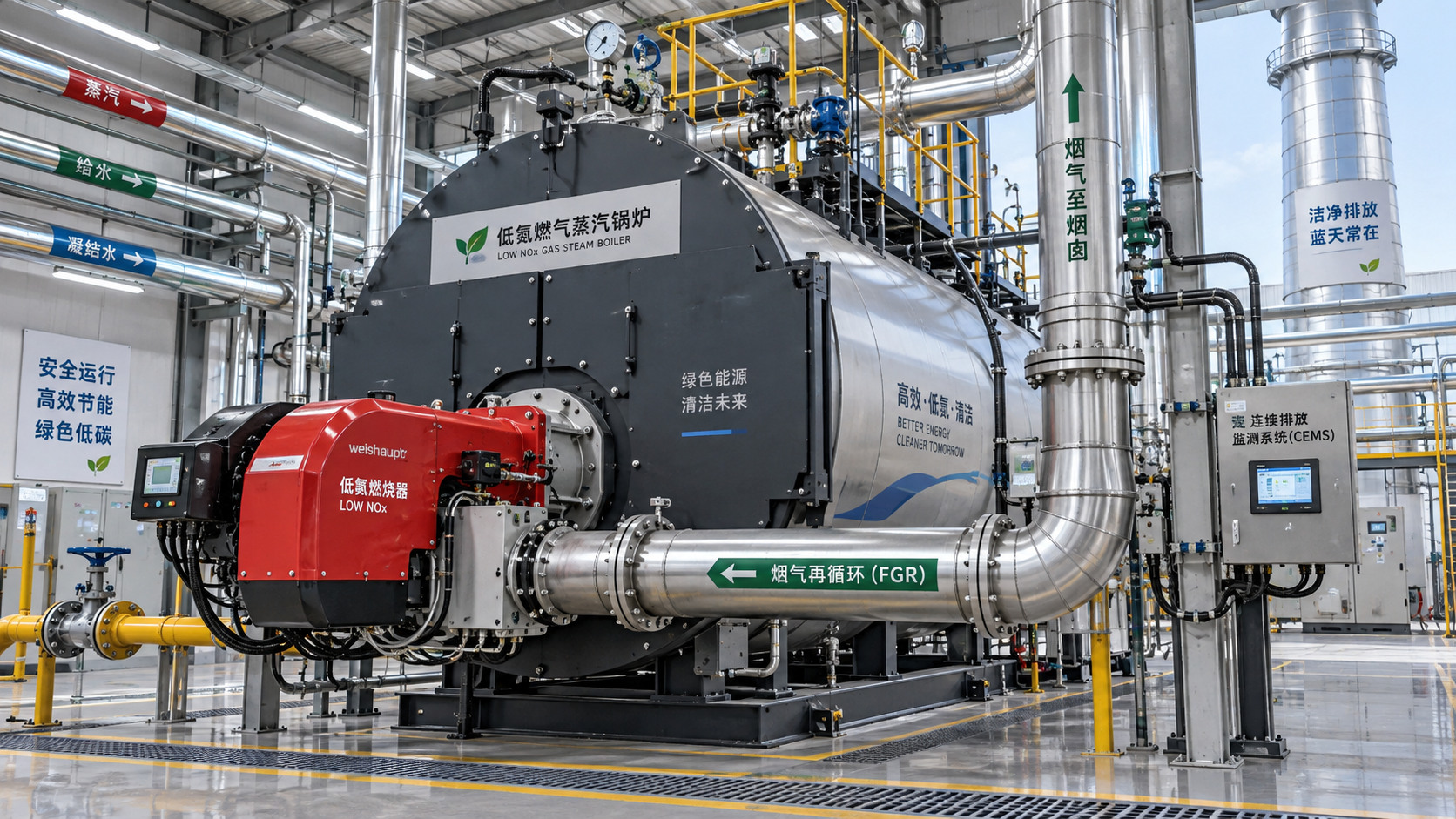
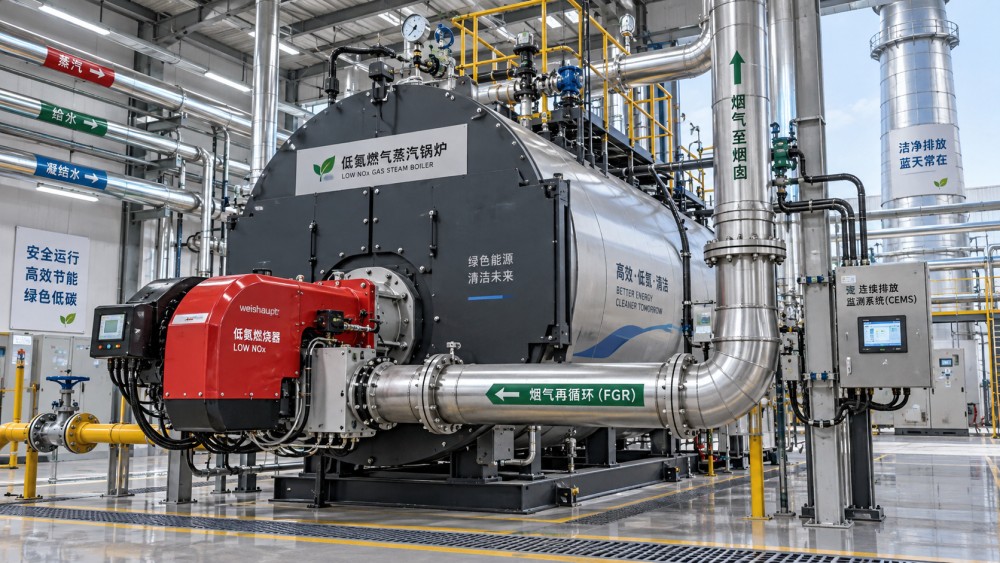
Flue-gas recirculation can lower flame temperature and NOx formation, but its ducting, fan capacity, damper control, corrosion exposure, and failure modes require detailed review.
Ultra-low-NOx burners may achieve strong results, yet they can be more sensitive to fuel quality, airflow imbalance, ignition reliability, and operating outside their validated range.
Post-combustion treatment may be necessary for stringent limits, but it introduces reagent handling, catalyst management, ammonia-slip concerns, and additional inspection responsibilities.
For safety managers, the preferred solution is not automatically the lowest possible emissions number, but the configuration that maintains stable, verifiable combustion within the required limit.
Combustion Controls and Monitoring Are Now Core Compliance Equipment
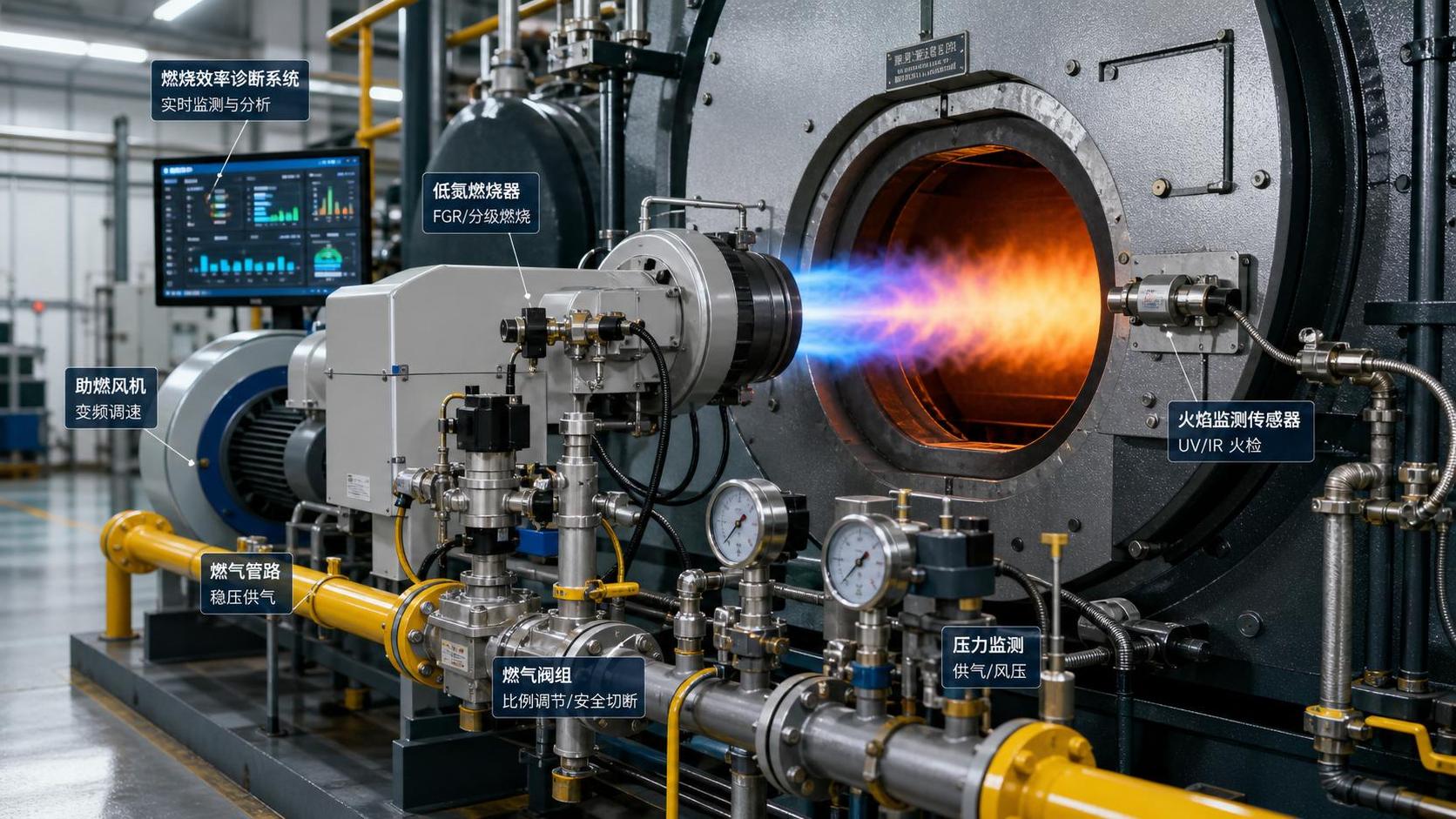
Modern low-NOx performance depends heavily on controls because a suitable burner cannot compensate for inaccurate sensors, poor actuator response, or outdated combustion logic.
Plants should verify the condition and calibration status of oxygen analyzers, pressure transmitters, fuel meters, flame scanners, dampers, valves, and variable-frequency drives.
Drift in an oxygen measurement can cause the system to operate too lean or too rich, affecting NOx, carbon monoxide, efficiency, and combustion safety.
Cross-limiting controls are particularly important because they coordinate fuel and air changes during load transitions, reducing the risk of hazardous fuel-rich or air-rich excursions.
Oxygen trim can improve efficiency and emissions stability, but it requires sound analyzer maintenance, sensible operating limits, and trained personnel who understand override conditions.
Alarm design should distinguish between advisory process deviations, conditions requiring operator intervention, and events demanding automatic burner trip or fuel isolation.
Safety instrumented functions should be reviewed under the facility’s existing burner management and process-safety framework rather than added as disconnected aftermarket features.
Trend data should be retained long enough to investigate excursions, establish recurring patterns, demonstrate corrective action, and support audits from regulators, insurers, or corporate reviewers.
Fuel Flexibility Is Becoming a Major Low-NOx Boiler Issue
Fuel supply conditions are changing as plants consider renewable natural gas, hydrogen blends, biogas, fuel switching, and alternative fuels to meet decarbonization targets.
These changes can materially affect flame speed, heating value, ignition behavior, emissions formation, burner capacity, and the operating limits of existing combustion equipment.
A boiler optimized for conventional natural gas should not be assumed compatible with higher hydrogen blends without a documented engineering review and manufacturer confirmation.
Hydrogen can alter flashback risk and flame detection behavior, while variable biogas composition may challenge stable control, heating-value management, and repeatable emissions performance.
Quality teams should include representative fuel scenarios in acceptance criteria rather than accepting results demonstrated only with idealized fuel supplied during commissioning.
Safety reviews should assess gas train ratings, venting arrangements, hazardous-area considerations, purge requirements, leak detection, and emergency shutdown logic for proposed fuels.
Fuel flexibility may improve long-term resilience, but only when the upgrade scope addresses combustion engineering, controls, training, procedures, and inspection requirements together.
How Quality Teams Should Structure Retrofit Acceptance Tests
Acceptance testing should verify more than a single NOx value because compliance risk usually appears when the boiler operates beyond its preferred steady-state condition.
Define performance tests at multiple loads, including minimum stable firing, normal operating demand, maximum anticipated demand, and representative transitions between those points.
Specify allowable limits for NOx, carbon monoxide, oxygen, stack temperature, steam production, response time, vibration, and visible signs of unstable combustion.
Test protocols should state the fuel condition, ambient conditions, sampling location, analyzer accuracy, calibration gas requirements, data logging interval, and test duration.
Quality assurance plans should also include inspection points for burner installation, refractory condition, flue-gas recirculation ductwork, wiring, interlocks, valves, and labeling.
Require the supplier to provide setpoint records, control narratives, wiring diagrams, maintenance instructions, recommended spare parts, and evidence of operator training completion.
Any deviations identified during commissioning should be recorded with an owner, due date, temporary controls, and verification method before final project acceptance.
This structure prevents a common problem: a retrofit is declared complete even though stable operation depends on informal operator knowledge or unresolved tuning issues.
Maintenance Discipline Determines Whether Compliance Lasts
Low-NOx systems can degrade gradually, so a successful installation requires a maintenance program that recognizes emissions control as an ongoing quality and safety obligation.
Burner components, flame scanners, igniters, linkages, air dampers, fuel valves, analyzers, and recirculation equipment should have risk-based inspection intervals.
Maintenance teams need clear triggers for retuning, such as recurring carbon monoxide alarms, increased oxygen demand, unexplained NOx variation, ignition failures, or changes in fuel supply.
After significant repairs, control changes, fuel changes, or burner modifications, plants should determine whether functional testing and emissions verification are required before normal operation resumes.
Calibration records should include as-found results, adjustments made, technician identity, instrument condition, and any impact assessment for the period before correction.
For critical boilers, consider dashboard metrics that show emissions trends, excess oxygen, carbon monoxide events, burner trips, calibration status, and outstanding corrective actions.
Such visibility helps quality and safety leaders identify weak control before it becomes a permit violation, production disruption, or potentially serious combustion incident.
Build the Business Case Around Risk, Reliability, and Lifecycle Value
Capital approval for a low-NOx boiler project should include avoided compliance risk, but it should not be limited to fines or permit-related consequences.
Evaluate the likely cost of failed inspections, constrained production, emergency service, excess fuel consumption, replacement parts, overtime, reputational damage, and forced equipment downtime.
Efficiency benefits should be quantified carefully because some NOx-control strategies increase fan power, pressure losses, or operational complexity that affects net savings.
Compare options using lifecycle cost assumptions covering installation, engineering, controls integration, reagent use, energy consumption, maintenance labor, training, and expected component replacement.
Also assign value to resilience where an upgrade supports future fuel options, tighter regulations, remote diagnostics, or standardized controls across multiple sites.
A lower first-cost system may become more expensive if it has narrow operating tolerance, difficult maintenance needs, or insufficient data to prove ongoing compliance.
The most credible business case shows management exactly what operational risk is being reduced and what verification process will confirm that promised value.
A Practical Upgrade Path for Safety and Quality Leaders
Begin with a joint review involving operations, maintenance, engineering, environmental compliance, quality assurance, and safety rather than assigning the project to one department alone.
Establish the regulatory baseline, collect operating data, identify high-risk scenarios, and define success criteria before inviting suppliers to propose equipment or retrofit packages.
Ask vendors to explain expected emissions at different loads, fuel conditions, and ambient conditions, including the assumptions behind guarantees and any required support equipment.
Use a formal management-of-change process when the project affects fuel systems, burner management, combustion controls, stack arrangements, operating procedures, or maintenance tasks.
Plan commissioning as a controlled verification stage with clear acceptance tests, trained operators, documented settings, alarm checks, and a process for resolving deficiencies.
After handover, maintain regular emissions and combustion reviews, especially during the first year when actual production patterns may expose conditions absent from initial testing.
Low-NOx boilers industry trends point toward tighter accountability, but disciplined engineering and operational control allow plants to treat that change as a reliability improvement opportunity.
Conclusion
New emissions rules make boiler upgrades more consequential because compliance, efficiency, operational reliability, and combustion safety are now closely connected in daily plant performance.
Quality and safety teams should prioritize verified operating data, realistic acceptance tests, robust controls, fuel-specific risk assessment, and maintenance systems that sustain low-NOx results.
A successful project is not defined by a brochure emissions claim, but by stable documented performance that protects people, production continuity, and regulatory standing over time.