AFS Cooling Highlights Refrigerants’ Role in AI Data Center Liquid Cooling




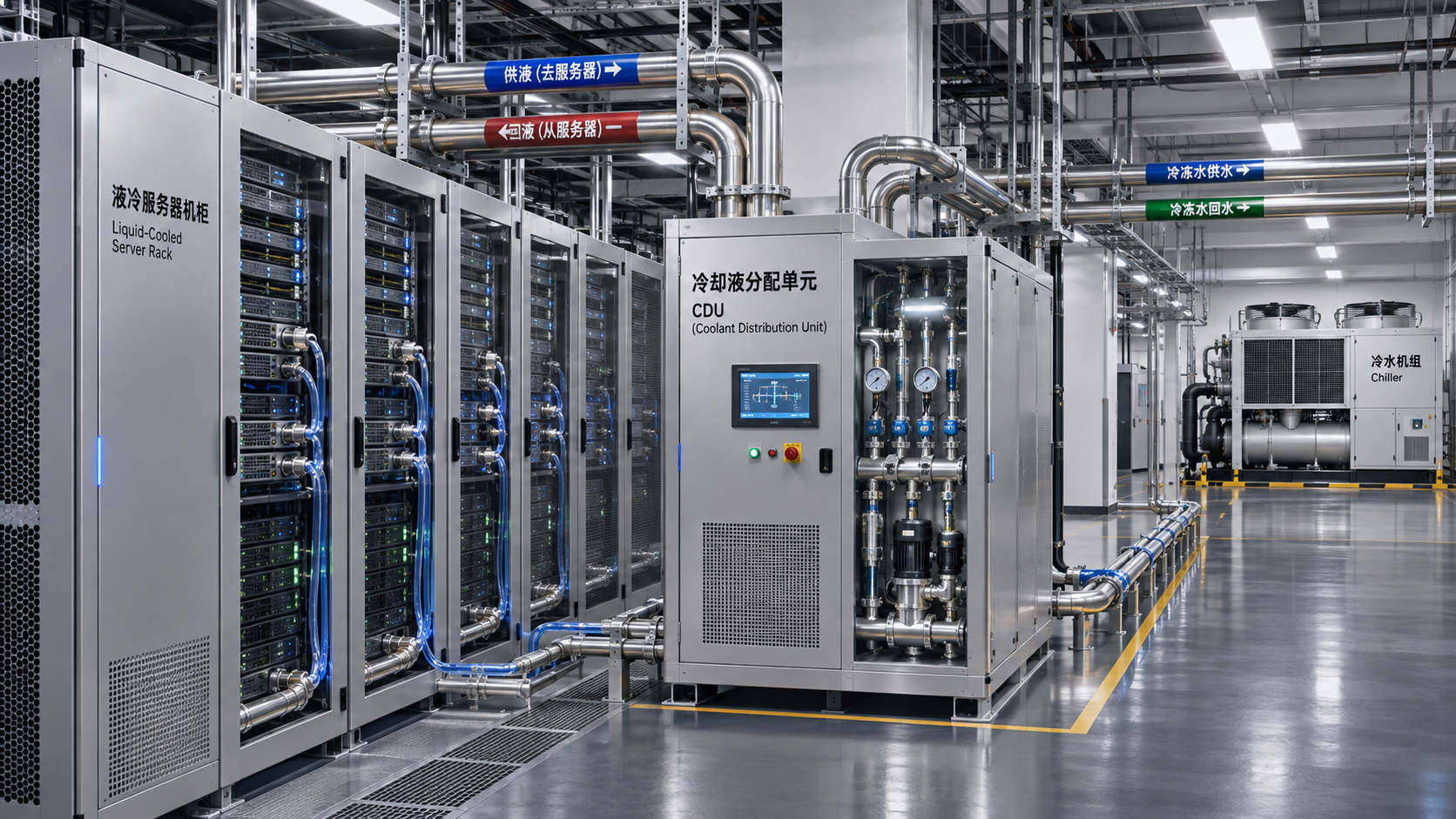
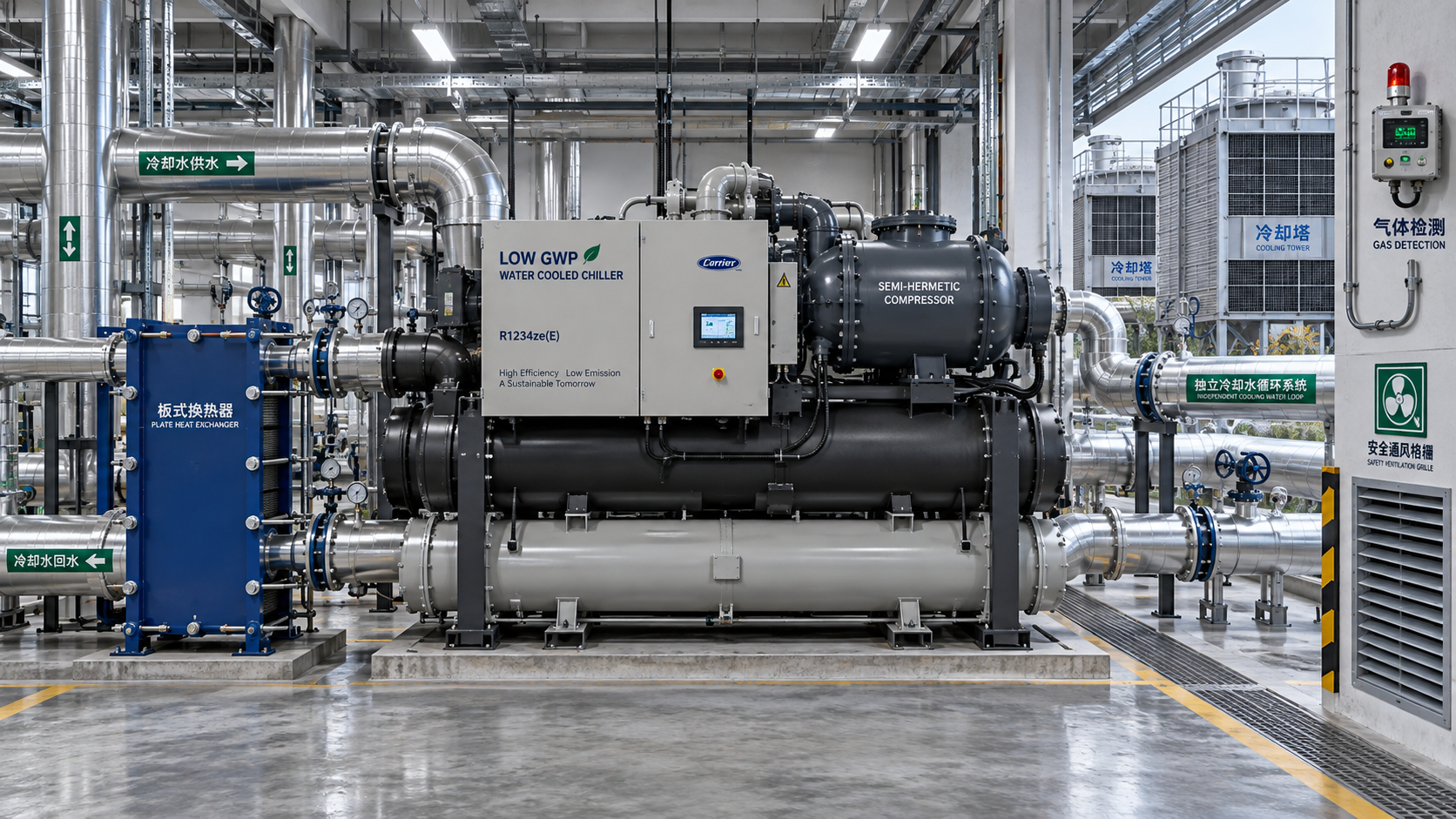
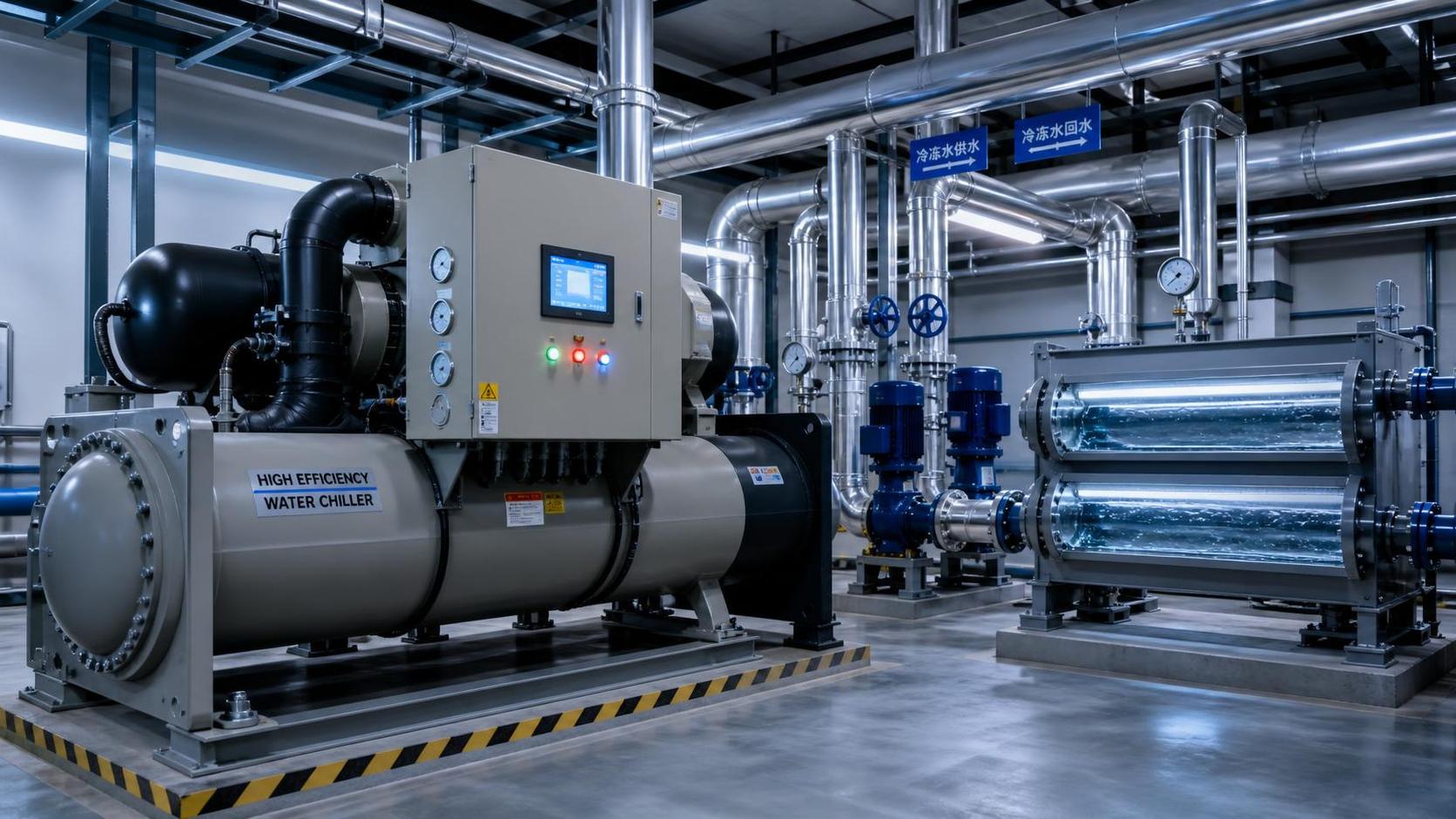
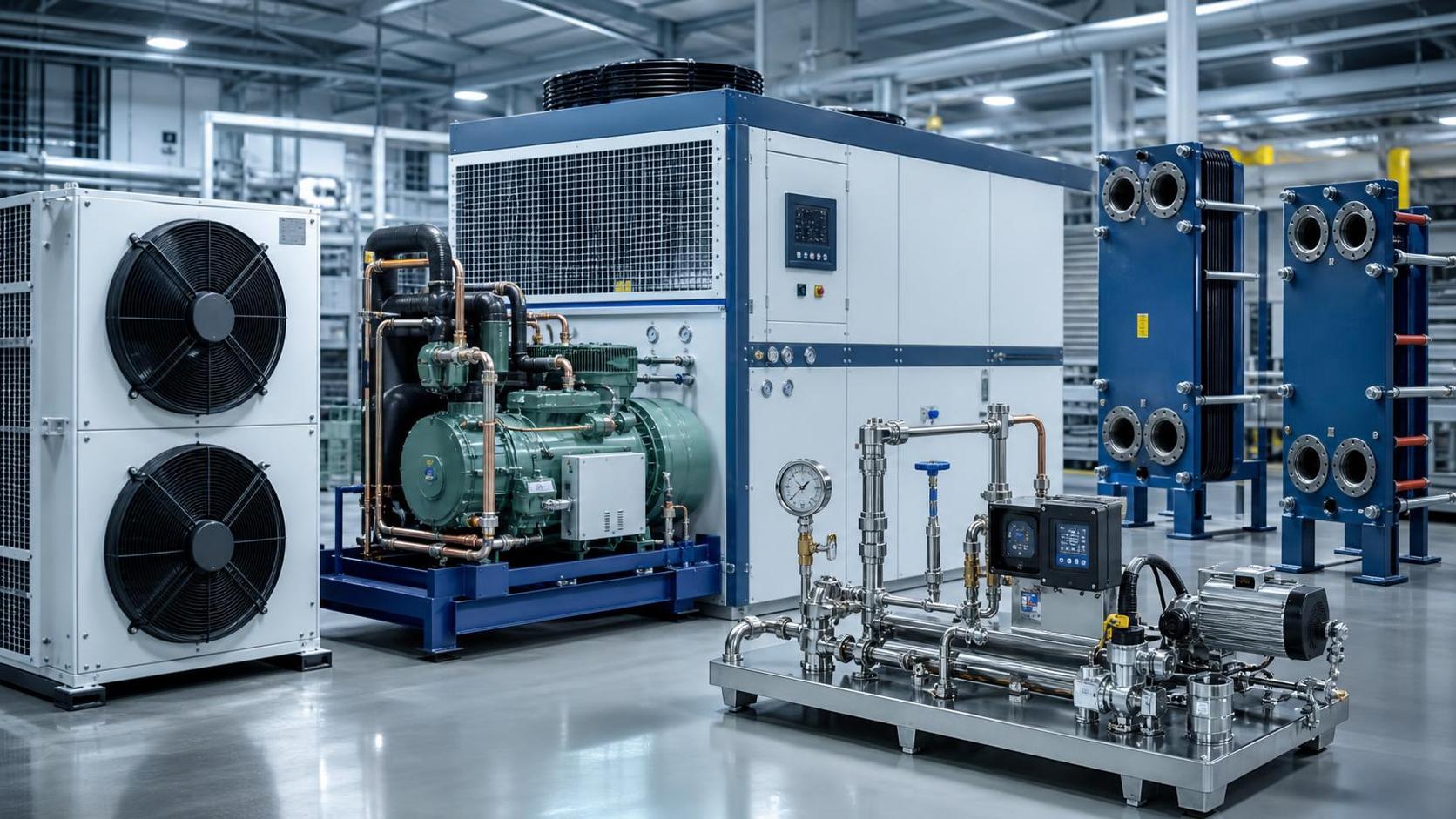
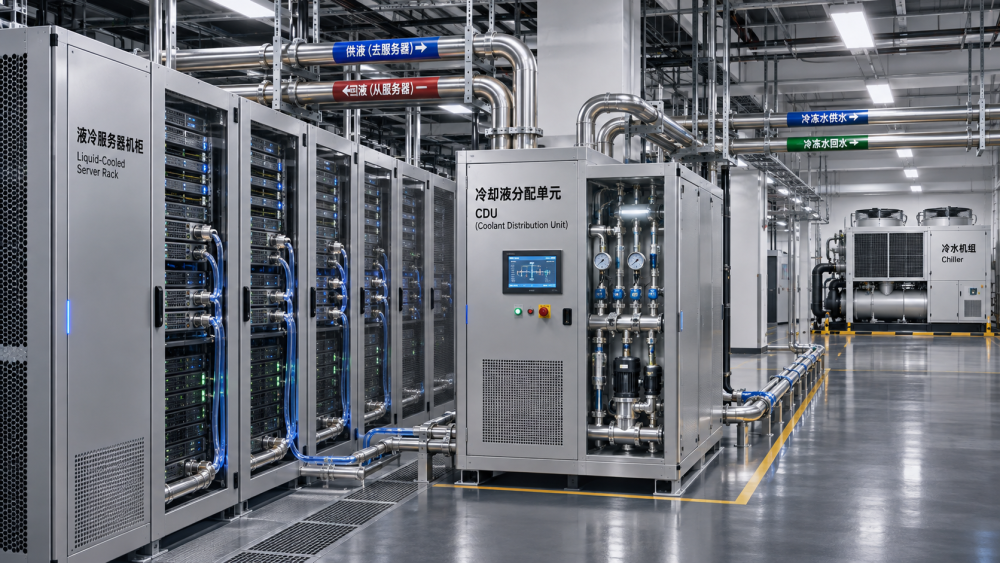
AFS Cooling said in a November 24 article that refrigerants remain relevant as AI data centers adopt liquid cooling. Its central distinction is that refrigerant considerations belong to equipment containing refrigerant, such as chillers, rather than to coolant distribution units (CDUs) alone.
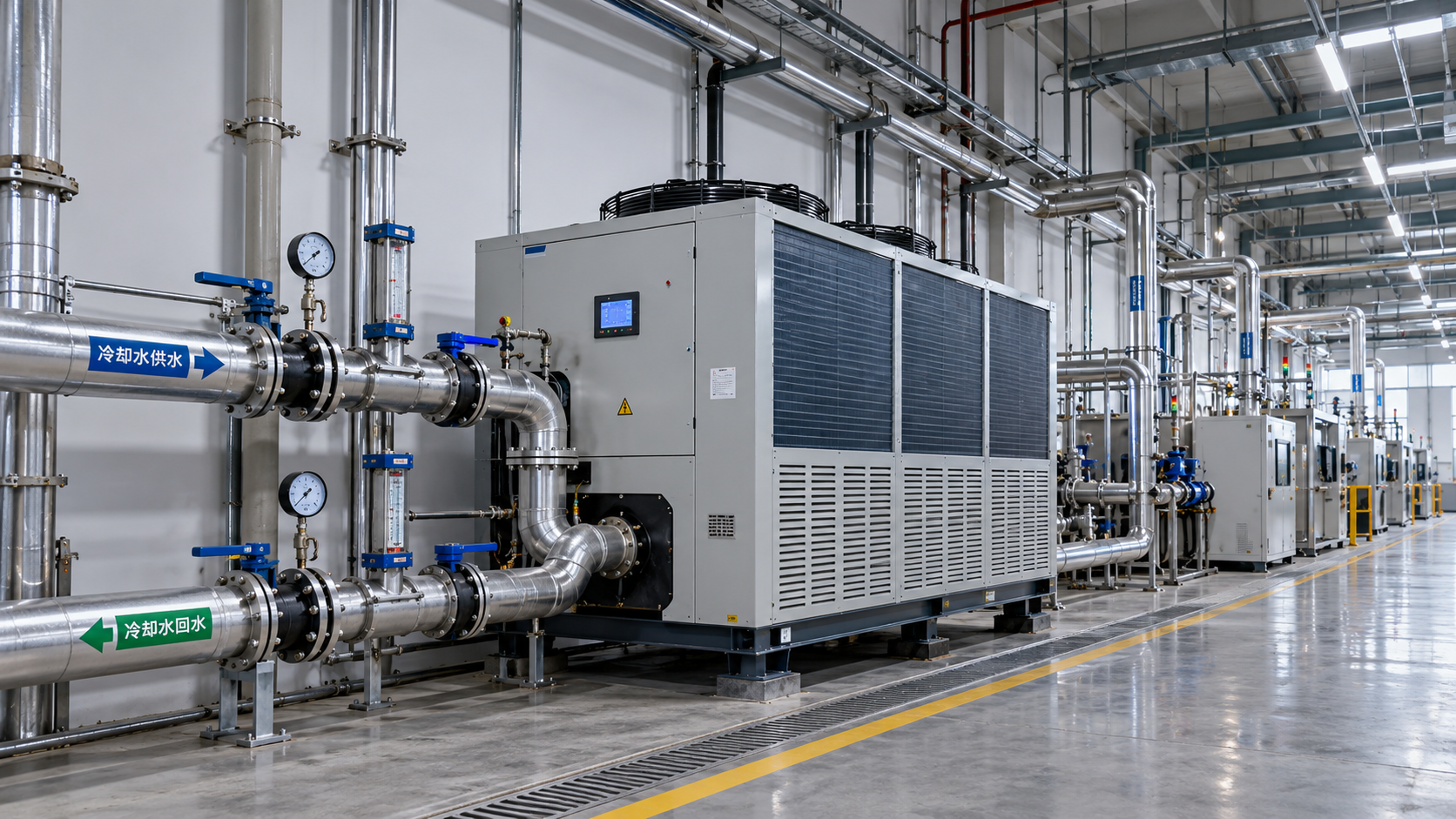
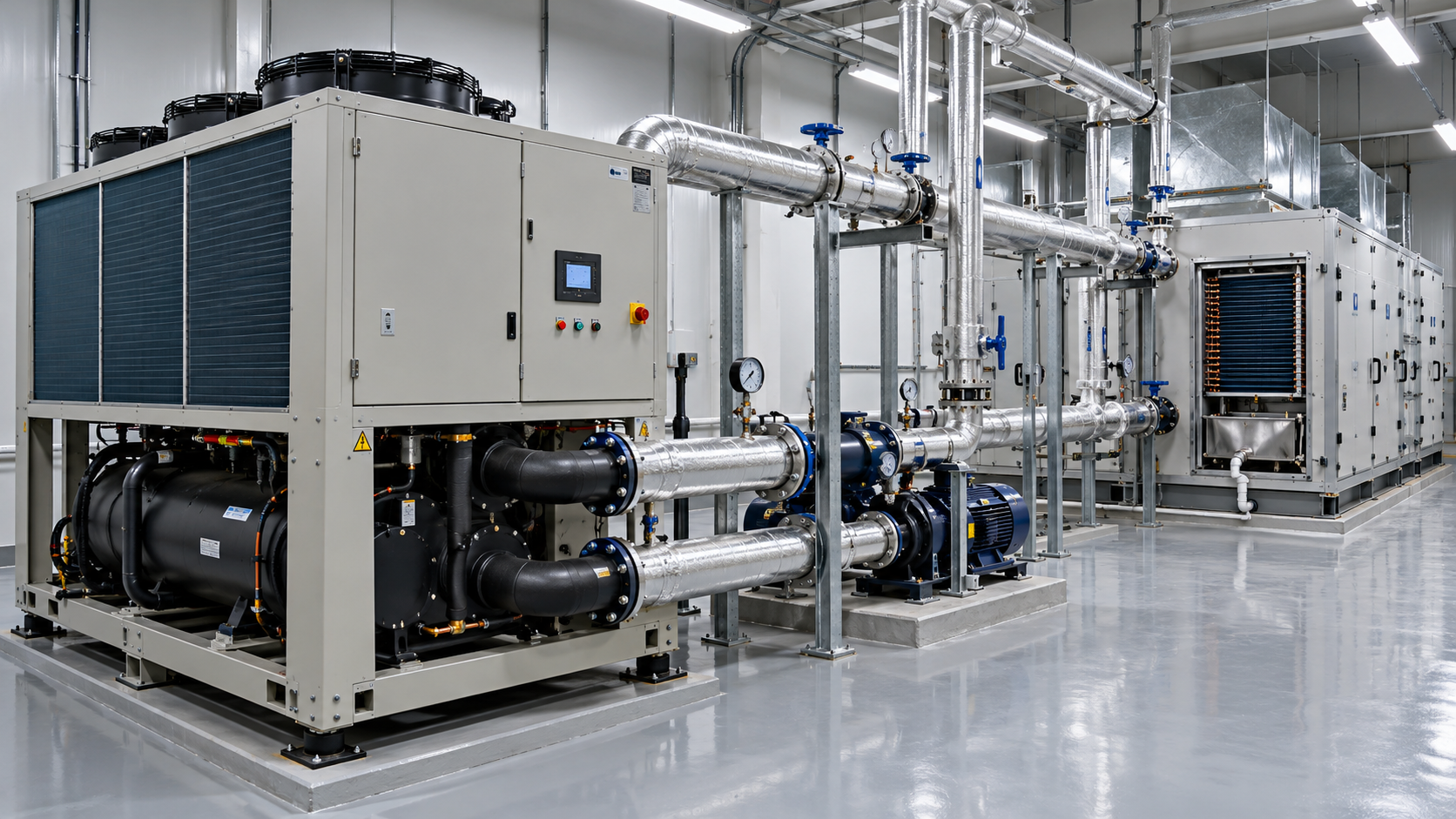
That distinction matters because a change in how heat is removed from servers does not, by itself, establish how the rest of a cooling system is designed. Liquid cooling brings the CDU into focus as part of the distribution system, while a chiller, where used, remains a separate piece of equipment whose refrigerant warrants attention.
Where refrigerants fit in the cooling system
The shift from air cooling to liquid cooling changes the discussion around how server heat is carried away. AFS Cooling’s point is that the discussion should not stop at the CDU. The unit’s role in distributing coolant is distinct from the role of refrigerant-containing equipment such as a chiller.
For readers assessing a proposed cooling system, that distinction helps frame a practical question: which equipment in the design actually contains refrigerant? It also prevents the choice of liquid cooling at the server level from being treated as a complete description of the cooling infrastructure.
The article’s emphasis does not mean that every liquid-cooled data center uses the same arrangement or that a CDU itself necessarily contains refrigerant. The relevance of a particular chiller and its refrigerant depends on the system design.
What the distinction means for equipment decisions
For operators and equipment buyers, the immediate implication is to consider the cooling system as a connected set of components. Decisions about liquid distribution and decisions about a refrigerant-containing chiller address different parts of the system, even though their performance must fit together in the overall design.
For suppliers, the distinction clarifies where questions about refrigerant belong. A discussion focused only on the CDU could leave out considerations associated with the equipment that contains refrigerant. Conversely, an assessment of a chiller alone would not describe how coolant is distributed to the server equipment.
AFS Cooling’s article identifies an area to keep in view during the transition to liquid cooling; it does not establish a preferred refrigerant, a particular equipment configuration or a measured efficiency improvement. The practical outcome will depend on the cooling architecture selected and the performance of its components together.
Ready when you are. Send us a message to get started.
Related News
- AFS Cooling Highlights Refrigerants’ Role in AI Data Center Liquid CoolingAuthor :Cryogenic Systems Expert

- When is chilled water better than direct cooling for semiconductor equipment?Author :Cryogenic Systems Expert

- How to size a high-efficiency industrial cooling chillerAuthor :Cryogenic Systems Expert

- How to size a chiller for pharmaceutical cleanroom temperature controlAuthor :Cryogenic Systems Expert

- When do smart thermal systems with sensors reduce chiller energy use?Author :Cryogenic Systems Expert

- Chiller Optimization Checklist for Rising Energy Use and Unstable Cooling OutputAuthor :Cryogenic Systems Expert

- How to Specify a High-Precision Temperature Chiller for Tight-Tolerance ProcessesAuthor :Cryogenic Systems Expert

- Designing Energy-Efficient Industrial Cooling for Variable Process LoadsAuthor :Cryogenic Systems Expert

- Low-GWP Cooling Solutions for Process Plants: Comparing Safety, Efficiency, and CostAuthor :Cryogenic Systems Expert

- How to size energy efficient industrial cooling for a process loadAuthor :Cryogenic Systems Expert

- How to specify high-precision temperature control in EuropeAuthor :Cryogenic Systems Expert

- How cooling system design affects cleanroom contamination controlAuthor :Cryogenic Systems Expert

- When does industrial cooling heat recovery pay back in energy savings?Author :Cryogenic Systems Expert

- How to size an industrial cooling system for peak process loadsAuthor :Cryogenic Systems Expert

- When are aluminum electronics cooling solutions suitable for high-density designs?Author :Cryogenic Systems Expert

- A thermal management guide for preventing chiller capacity lossAuthor :Cryogenic Systems Expert

- When does aluminum make sense for electronics cooling solutions?Author :Cryogenic Systems Expert

- EU Battery Carbon Footprint Labels Become Mandatory on Aug 18 for Battery-Integrated Cooling and Energy Storage ExportsAuthor :Cryogenic Systems Expert

- China-UAE Direct Sea Route Cuts Lead Times for Industrial Cooling and Compression ExportsAuthor :Cryogenic Systems Expert

- EPA Rule Takes Effect for R-410A Equipment ImportsAuthor :Cryogenic Systems Expert

- EN 378-1:2026 Tightens EU Export ChecksAuthor :Cryogenic Systems Expert

- How to Compare Semiconductor Cooling Solutions by Heat Load and Uptime RiskAuthor :Cryogenic Systems Expert

- EU Label Deadline Hits China Chiller ExportsAuthor :Cryogenic Systems Expert

- How Smart Thermal Systems Improve Industrial Cooling EfficiencyAuthor :Cryogenic Systems Expert

- How to Choose Process Cooling Equipment for Stable Temperature ControlAuthor :Cryogenic Systems Expert

- EU Finalizes 2026 HFC Quota Cut for R-134a ChillersAuthor :Cryogenic Systems Expert

- EU Tightens HFC-134a Quotas for Industrial ChillersAuthor :Cryogenic Systems Expert

- REACH SVHC Update Pressures HFC-134a Chiller Supply ChainsAuthor :Cryogenic Systems Expert

- EU PFAS Coolant Ban Reshapes Chiller ExportsAuthor :Cryogenic Systems Expert

- EU REACH Restricts PFAS Cooling Media ImportsAuthor :Cryogenic Systems Expert

- EU Ecodesign Rule Takes Effect for Industrial ChillersAuthor :Cryogenic Systems Expert

- EU REACH Rule Takes Effect for PFAS in Industrial Cooling ExportsAuthor :Cryogenic Systems Expert

- Industrial Cooling for Plastic Processing: How to Size for Stable Cycle TimesAuthor :Cryogenic Systems Expert

- EU F-Gas Update Bars R404A/R507 in Commercial CoolingAuthor :Cryogenic Systems Expert

- DOE Raises Chiller Efficiency Standard From October 2026Author :Cryogenic Systems Expert

- India Mandates BIS Energy Certification for Industrial ChillersAuthor :Cryogenic Systems Expert