EU Battery Carbon Footprint Labels Become Mandatory on Aug 18 for Battery-Integrated Cooling and Energy Storage Exports




From August 18, 2026, the EU Battery Regulation (EU) 2023/1542 will require rechargeable industrial batteries with a capacity above 2 kWh to carry a carbon footprint performance class label. Based on the information provided, this change matters directly to exporters of equipment that integrates such batteries, including industrial chillers, coupled heating and cooling heat pumps, OCCS marine compression modules, and vanadium flow energy storage thermal management systems. For companies involved in design, sourcing, certification, export delivery, and project procurement, the issue is no longer only product performance but whether battery-related compliance is complete before entry into the EU market.
What the August 18 requirement confirms
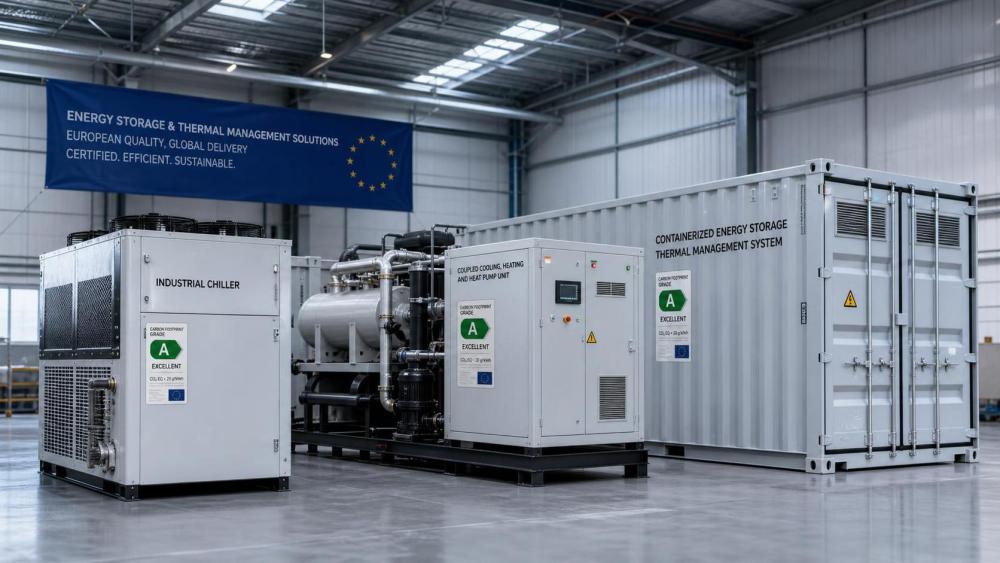
The confirmed change is tied to August 18, 2026. From that date, under the EU Battery Regulation (EU) 2023/1542, all rechargeable industrial batteries with capacity above 2 kWh must bear a carbon footprint performance class label.
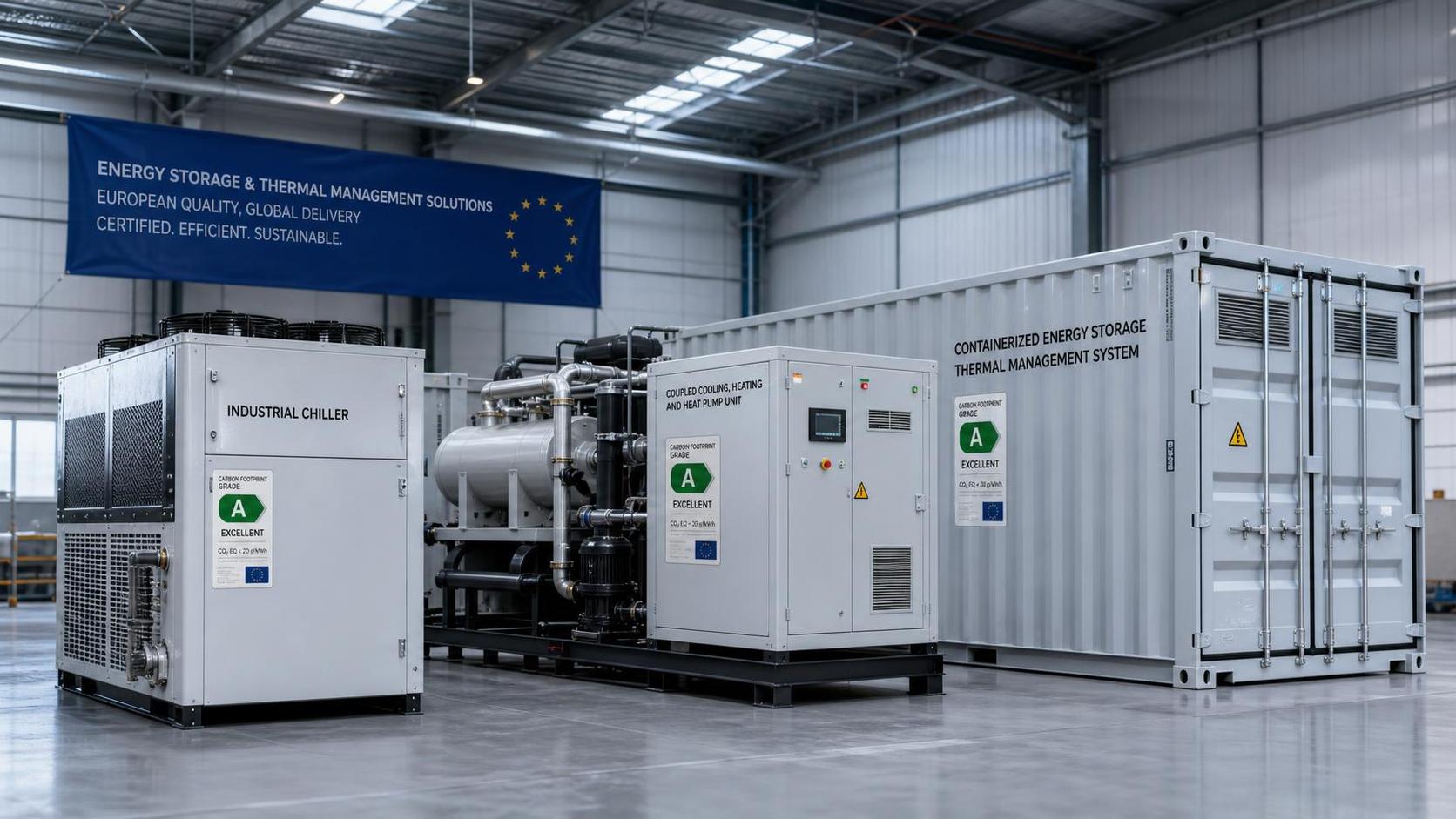
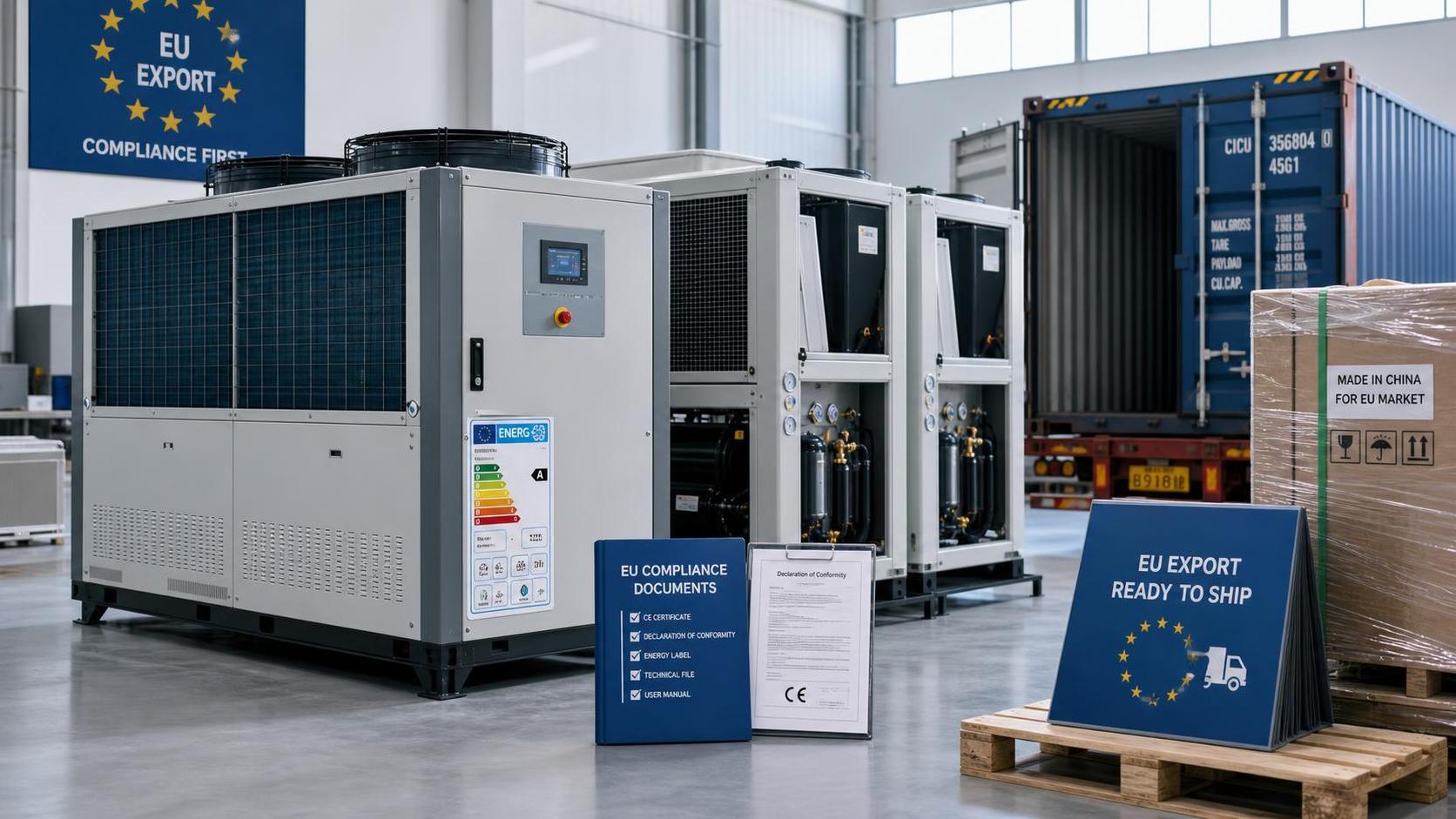
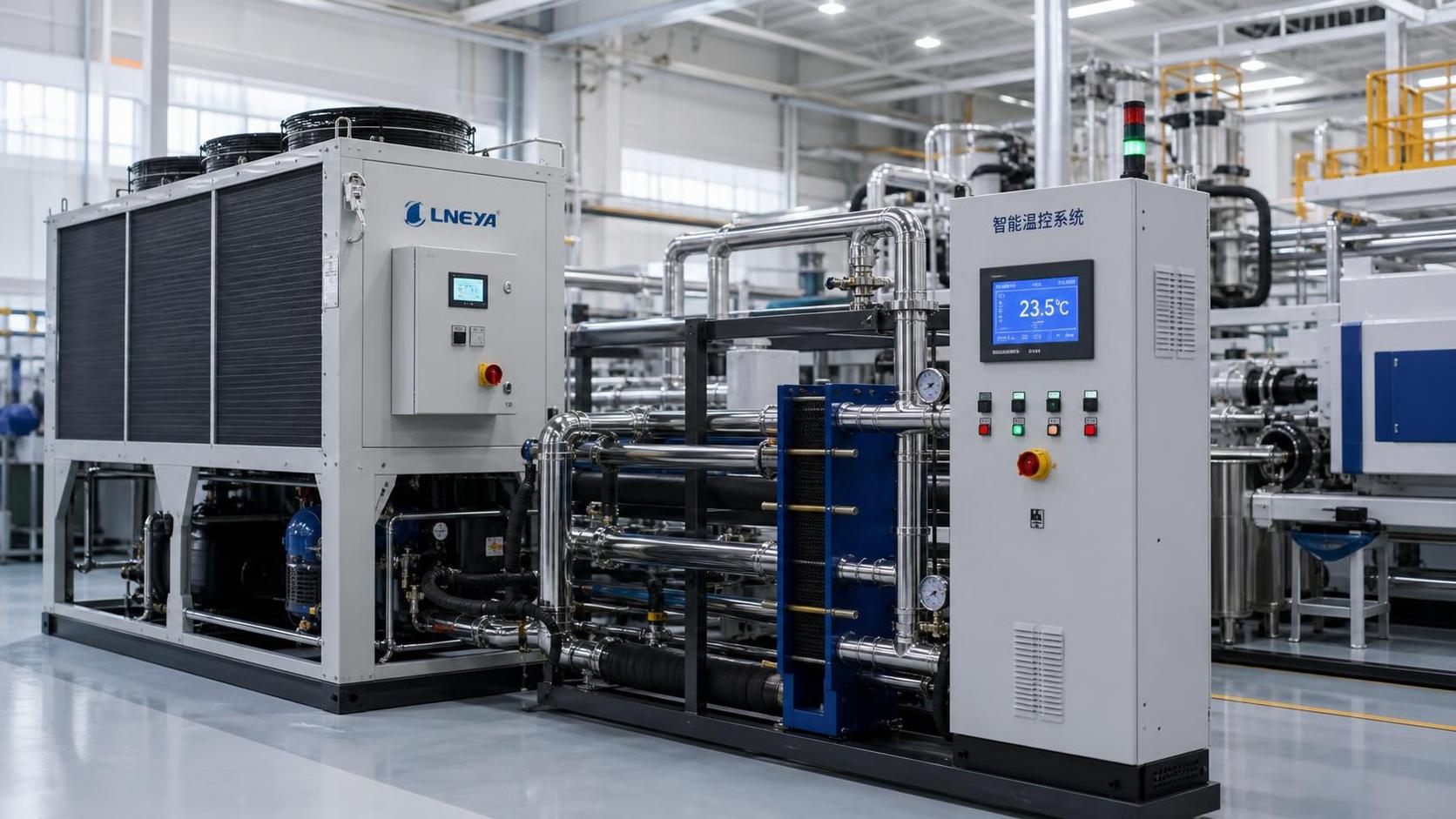
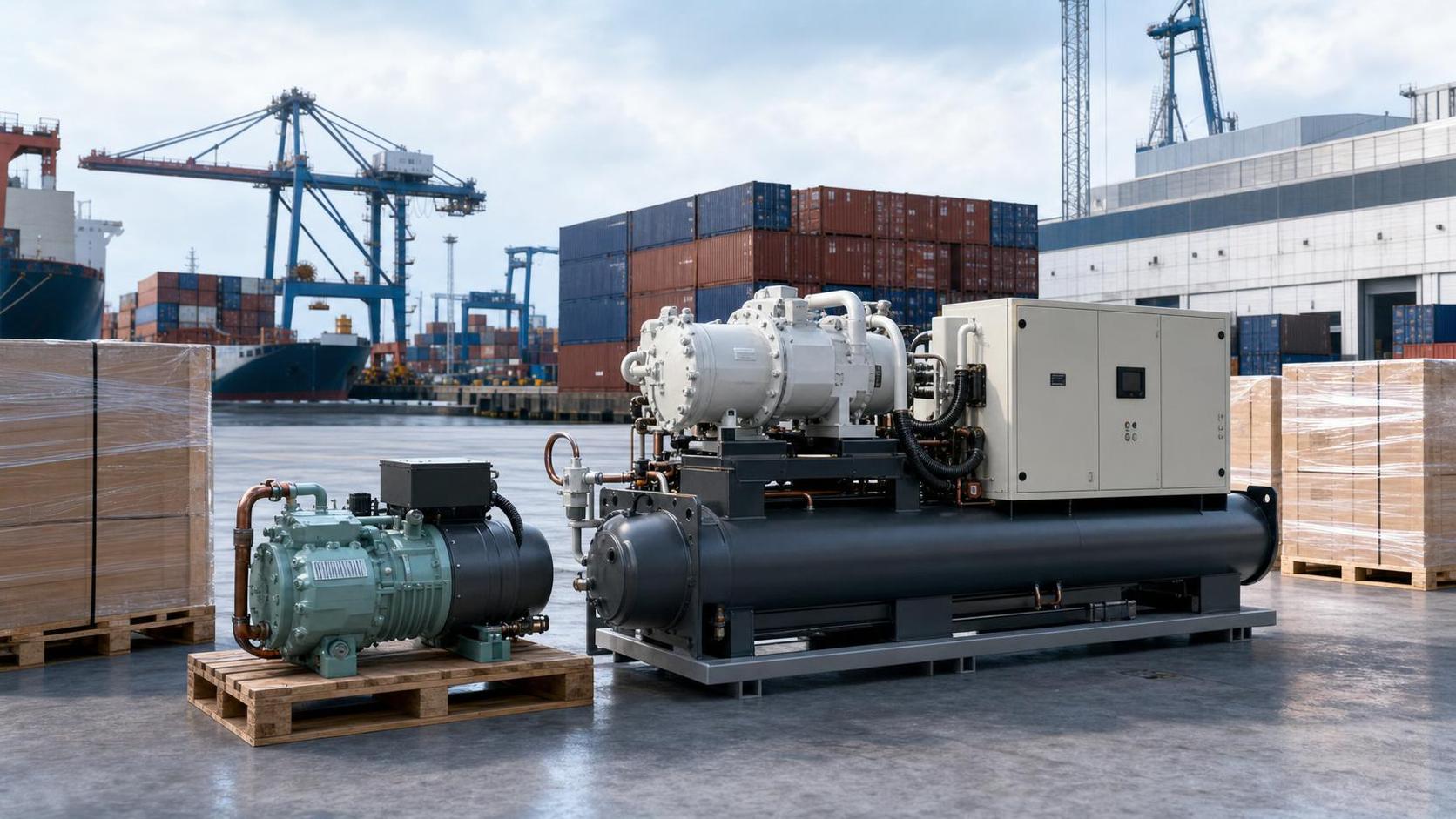
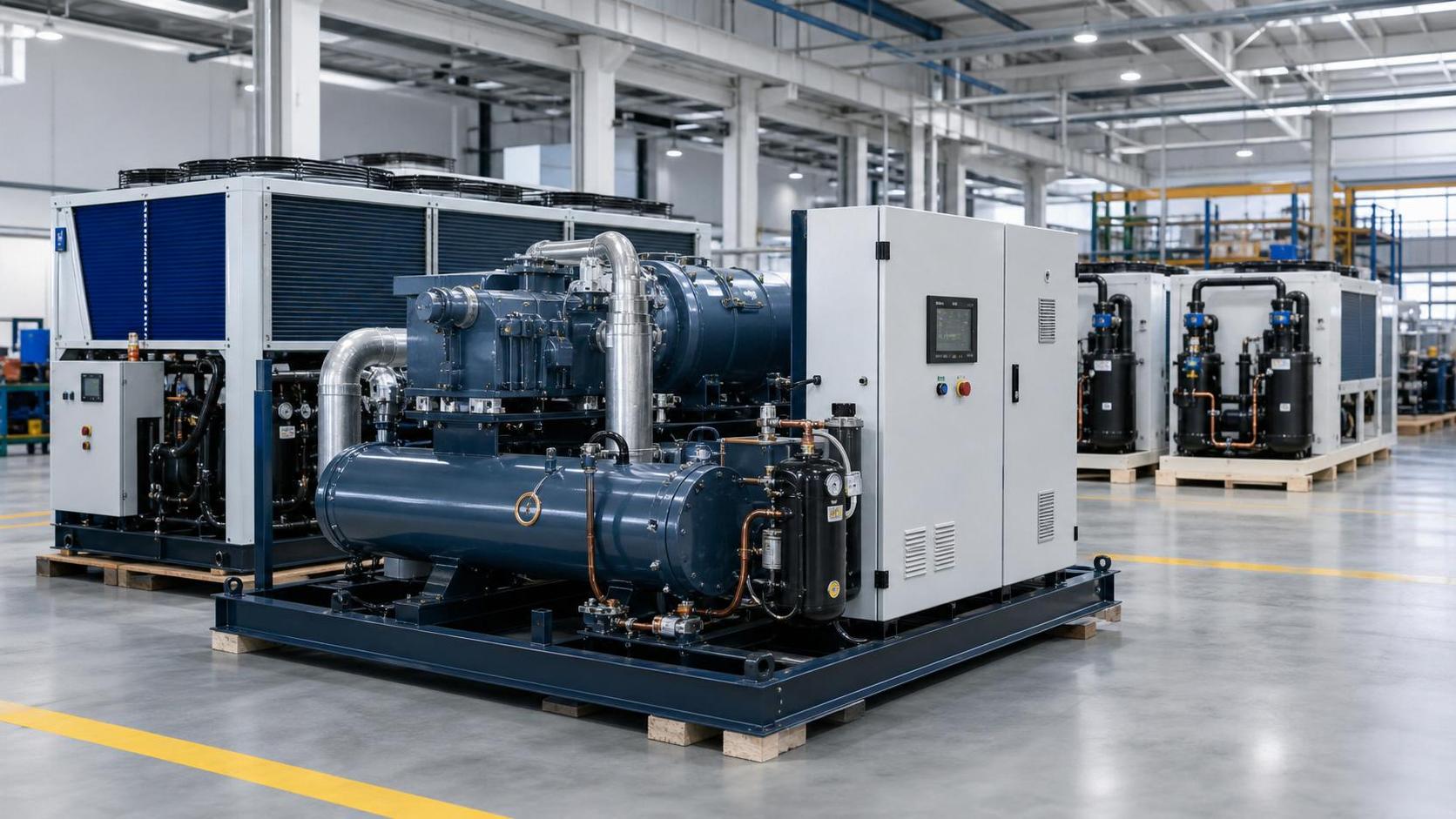
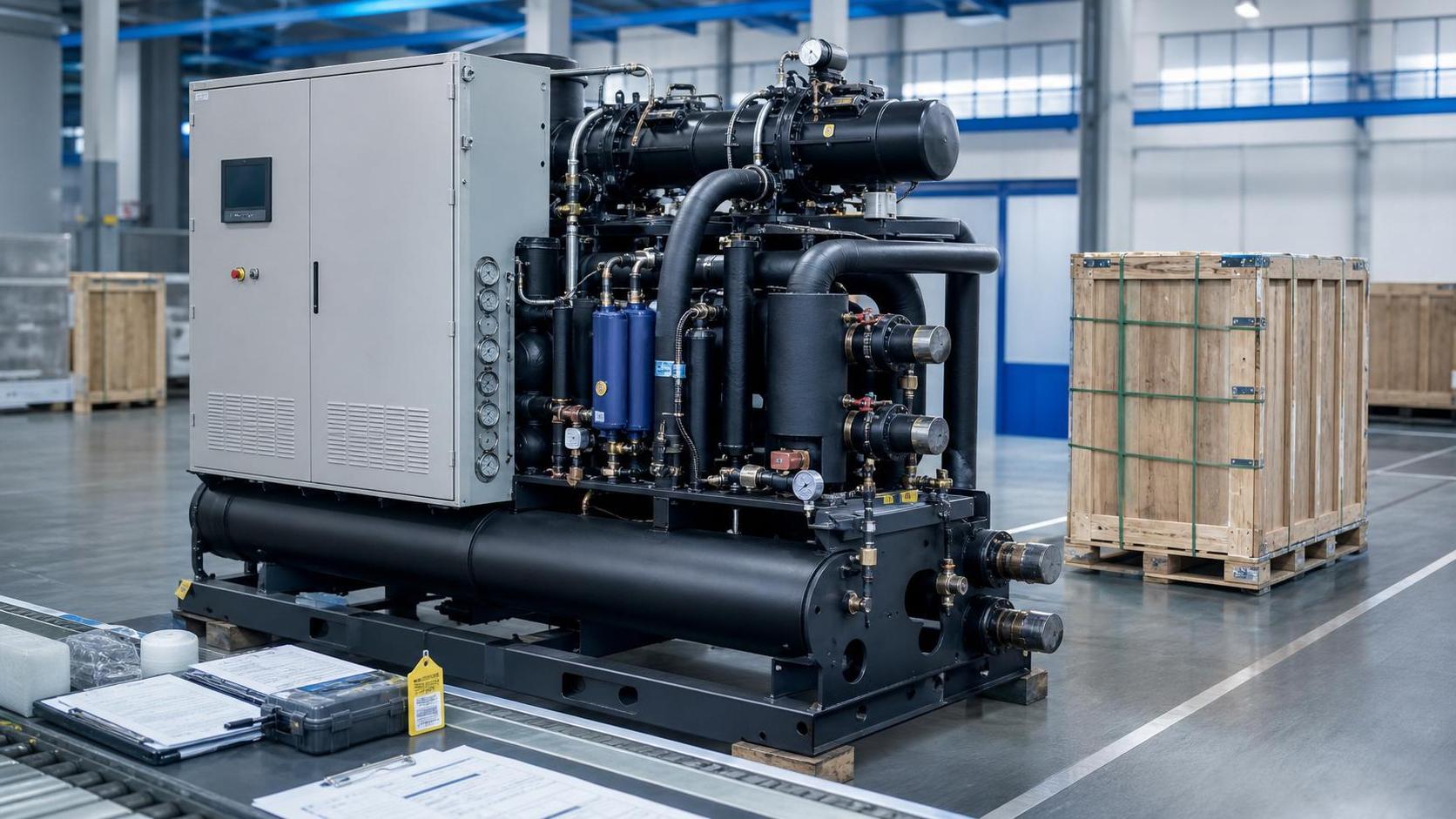
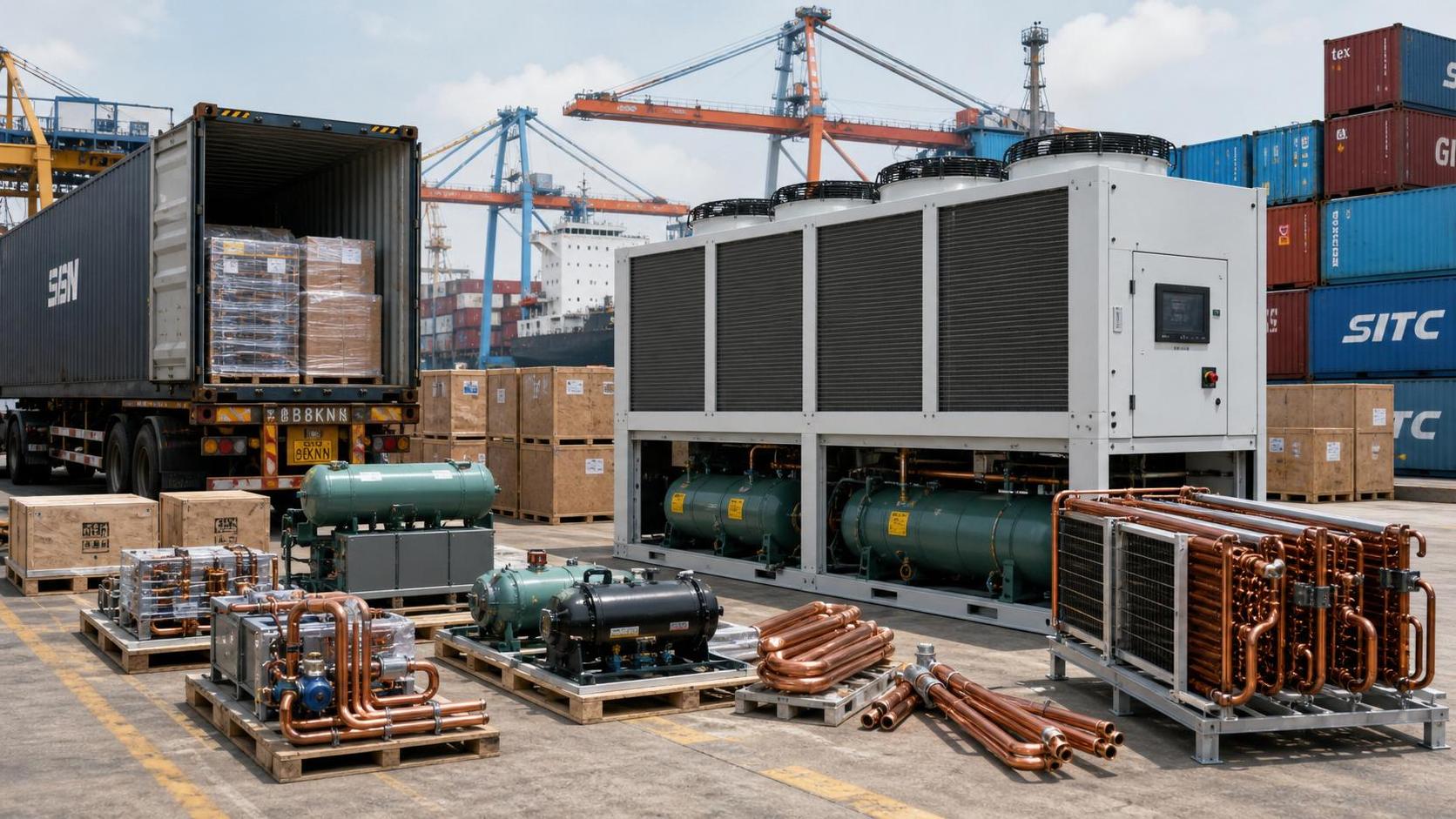
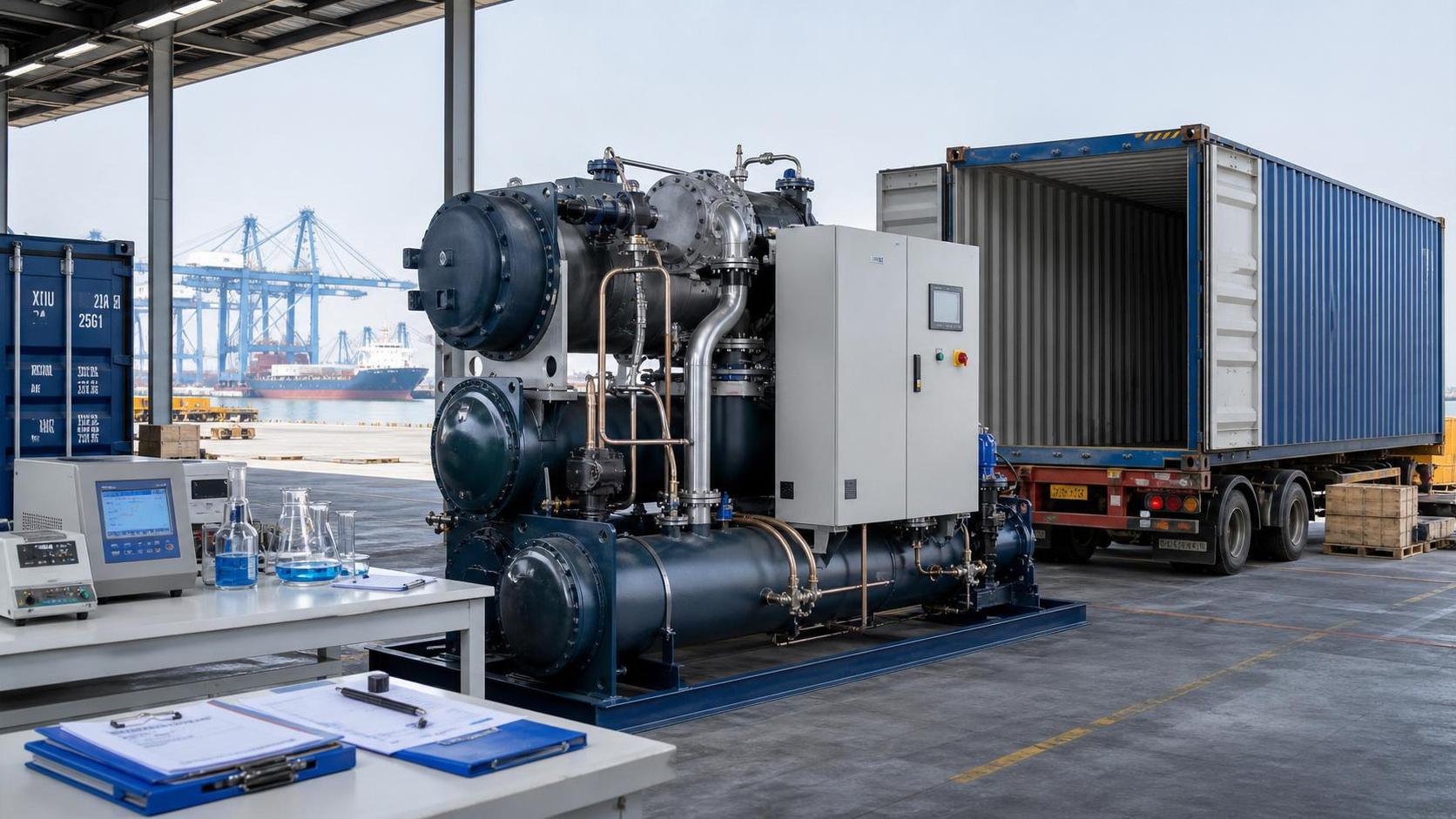
The information provided also makes clear that the requirement extends to batteries integrated into exported equipment, including energy storage thermal management system batteries and built-in power modules used in combined heating and cooling units. Products specifically referenced as affected include industrial chillers, coupled heating and cooling heat pumps, OCCS marine compression modules, and all-vanadium flow energy storage thermal management systems.
According to the event summary, products that do not meet this requirement will not be allowed to enter the EU market.
Where the compliance pressure is likely to appear first
Battery-integrated equipment exporters may face a new market entry checkpoint
Analysis suggests that the most immediate impact falls on exporters whose products are not sold as standalone batteries but contain industrial batteries above the stated threshold. For these companies, compliance may need to be checked at the equipment level during quotation, contract review, shipment preparation, and customs-facing documentation. What deserves closer attention is whether internal product classification, battery configuration records, and export files are aligned with the labeling requirement before delivery schedules are locked in.
Equipment manufacturers and integrators may need earlier coordination with battery suppliers
From an industry perspective, manufacturers of chillers, heat pump systems, marine compression modules, and energy storage temperature-control systems may be affected because the rule is linked to a battery attribute but has consequences for the final exported product. This may require earlier verification with battery suppliers on whether the relevant battery pack falls above 2 kWh and whether the carbon footprint performance class label is ready for use in product documentation, compliance review, and shipment release.
Procurement and project delivery teams may need to review technical files and bid documents
Observation suggests that procurement teams, EPC participants, and project delivery staff could face practical issues where battery configuration is embedded in a larger equipment package. In such cases, the point of risk may not be manufacturing alone, but whether tender documents, technical specifications, delivery files, or acceptance documents still reflect pre-rule assumptions. Where export projects are tied to fixed milestones, even a narrow battery-labeling gap could affect handover timing.
Testing, certification, and compliance support providers may see a shift in demand
It is reasonable to expect increased demand for compliance review, document checking, and battery-related labeling verification. This remains an analytical judgment rather than a confirmed outcome, but the trigger is clear: once EU market access depends on a battery carbon footprint performance class label, service providers involved in export compliance may be asked to support classification checks, technical file preparation, and evidence consistency across battery and host equipment records.
Operational issues companies should review now
Check which exported models cross the 2 kWh threshold
A practical first step is to review product portfolios and identify which exported models contain rechargeable industrial batteries above 2 kWh. This is especially relevant for equipment where the battery is integrated into a cooling, thermal management, or power module rather than marketed as the primary product.
Reconcile battery compliance files with equipment shipment documents
Companies should pay close attention to whether battery-related materials and equipment-level documents are consistent. Based on the information provided, the confirmed requirement is the label itself; however, in operational terms, businesses may need to verify whether technical descriptions, packing files, compliance statements, and customer-facing documentation refer to the correct battery configuration and labeling status.
Track how EU-facing buyers and tender requirements respond
At this stage, it would be premature to assume a single execution pattern across all transactions. Still, companies should monitor whether EU customers, distributors, or project buyers begin updating purchasing terms, technical schedules, or pre-shipment review requirements in response to the August 18 rule taking effect. This is particularly relevant where delivery acceptance depends on complete document packages.
Assess delivery timing and supplier readiness
Where battery supply, equipment integration, and export delivery are handled by different parties, companies may need to assess whether label readiness could become a scheduling issue. This is not a confirmed market-wide outcome from the provided facts, but it is a reasonable area for internal review, especially for orders already in production or close to shipment.
Why this reads as an execution signal, not just a policy headline
From an editorial perspective, this development is better understood as an active compliance threshold tied to market access rather than a distant policy direction. The event summary does not provide broader enforcement detail, secondary guidance, or market feedback, so there is still room for further observation. Even so, the date, the product scope around rechargeable industrial batteries above 2 kWh, and the stated consequence of non-entry into the EU market together indicate a rule that companies cannot treat as background information.
What still deserves close attention is how this requirement is reflected in procurement practice, certification workflows, and export review procedures for integrated equipment. For many businesses, the key question may not be whether the battery rule exists, but how quickly it becomes a visible checkpoint in real transactions and delivery approval.
How this development should be read by the market
For the industrial cooling and energy storage temperature-control segments referenced in the provided information, the main significance of this event lies in the shift from general regulatory awareness to shipment-level compliance review. The confirmed fact is narrow but consequential: rechargeable industrial batteries above 2 kWh must carry a carbon footprint performance class label from August 18, 2026, and non-compliant products will not enter the EU market.
At this stage, it is more appropriate to treat the development as a concrete compliance requirement with downstream effects on sourcing, documentation, project delivery, and export readiness. It should not yet be overstated into wider market conclusions without additional evidence on enforcement practice and industry response.
Basis of this article and what still needs verification
This article is based on the user-provided news title, event date, and event summary. No specific official source link was included in the input, so the underlying official publication path, interpretive guidance, and implementation details still need to be verified on an ongoing basis.
For this type of event, companies would typically continue checking official notices, regulator publications, trade or customs-related information, industry association updates, standard-setting documents, and reporting from authoritative media. Further observation should focus on detailed policy interpretation, certification practice, tender document changes, trade execution, industry feedback, and how companies are applying the requirement in actual export operations.
Related News
- How to size energy efficient industrial cooling for a process loadAuthor :Cryogenic Systems Expert

- How to specify high-precision temperature control in EuropeAuthor :Cryogenic Systems Expert

- How cooling system design affects cleanroom contamination controlAuthor :Cryogenic Systems Expert

- When does industrial cooling heat recovery pay back in energy savings?Author :Cryogenic Systems Expert

- How to size an industrial cooling system for peak process loadsAuthor :Cryogenic Systems Expert

- When are aluminum electronics cooling solutions suitable for high-density designs?Author :Cryogenic Systems Expert

- A thermal management guide for preventing chiller capacity lossAuthor :Cryogenic Systems Expert

- When does aluminum make sense for electronics cooling solutions?Author :Cryogenic Systems Expert

- EU Battery Carbon Footprint Labels Become Mandatory on Aug 18 for Battery-Integrated Cooling and Energy Storage ExportsAuthor :Cryogenic Systems Expert

- China-UAE Direct Sea Route Cuts Lead Times for Industrial Cooling and Compression ExportsAuthor :Cryogenic Systems Expert

- EPA Rule Takes Effect for R-410A Equipment ImportsAuthor :Cryogenic Systems Expert

- EN 378-1:2026 Tightens EU Export ChecksAuthor :Cryogenic Systems Expert

- How to Compare Semiconductor Cooling Solutions by Heat Load and Uptime RiskAuthor :Cryogenic Systems Expert

- EU Label Deadline Hits China Chiller ExportsAuthor :Cryogenic Systems Expert

- How Smart Thermal Systems Improve Industrial Cooling EfficiencyAuthor :Cryogenic Systems Expert

- How to Choose Process Cooling Equipment for Stable Temperature ControlAuthor :Cryogenic Systems Expert

- EU Finalizes 2026 HFC Quota Cut for R-134a ChillersAuthor :Cryogenic Systems Expert

- EU Tightens HFC-134a Quotas for Industrial ChillersAuthor :Cryogenic Systems Expert

- REACH SVHC Update Pressures HFC-134a Chiller Supply ChainsAuthor :Cryogenic Systems Expert

- EU PFAS Coolant Ban Reshapes Chiller ExportsAuthor :Cryogenic Systems Expert

- EU REACH Restricts PFAS Cooling Media ImportsAuthor :Cryogenic Systems Expert

- EU Ecodesign Rule Takes Effect for Industrial ChillersAuthor :Cryogenic Systems Expert

- EU REACH Rule Takes Effect for PFAS in Industrial Cooling ExportsAuthor :Cryogenic Systems Expert

- Industrial Cooling for Plastic Processing: How to Size for Stable Cycle TimesAuthor :Cryogenic Systems Expert

- EU F-Gas Update Bars R404A/R507 in Commercial CoolingAuthor :Cryogenic Systems Expert

- DOE Raises Chiller Efficiency Standard From October 2026Author :Cryogenic Systems Expert

- India Mandates BIS Energy Certification for Industrial ChillersAuthor :Cryogenic Systems Expert

- Energy-Efficient Heat Exchange for Process Cooling: Cost vs PaybackAuthor :Cryogenic Systems Expert

- EPA R-134a Import Ban Takes Effect on July 13, 2026Author :Cryogenic Systems Expert

- India BIS Rule Takes Effect for Industrial ChillersAuthor :Cryogenic Systems Expert

- EPA Cuts R134a Import Quotas 20% From July 10Author :Cryogenic Systems Expert

- How to Compare Energy-Efficient Cooling Systems for Factory Expansion ProjectsAuthor :Cryogenic Systems Expert

- Chiller Price Index Rises 11.3% in Q2Author :Cryogenic Systems Expert

- Saudi SASO Tightens Chiller Import Compliance From July 10Author :Cryogenic Systems Expert

- Dubai Opens Fast-Track Chiller TendersAuthor :Cryogenic Systems Expert

- Japan Raises Chiller COP Floor to 6.2 From Sept. 1Author :Cryogenic Systems Expert
![]()