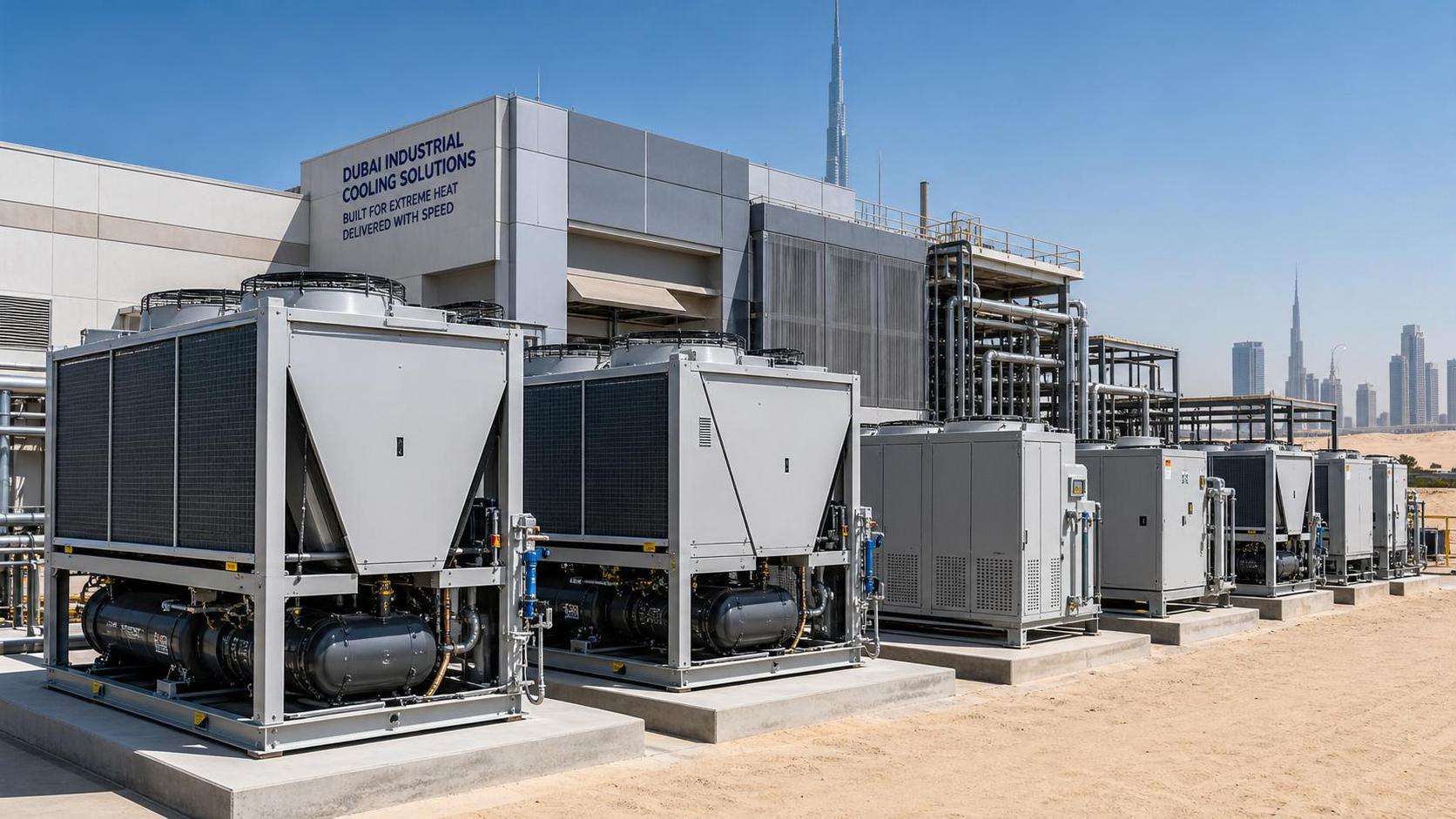




China-UAE Direct Sea Route Cuts Lead Times for Industrial Cooling and Compression Exports




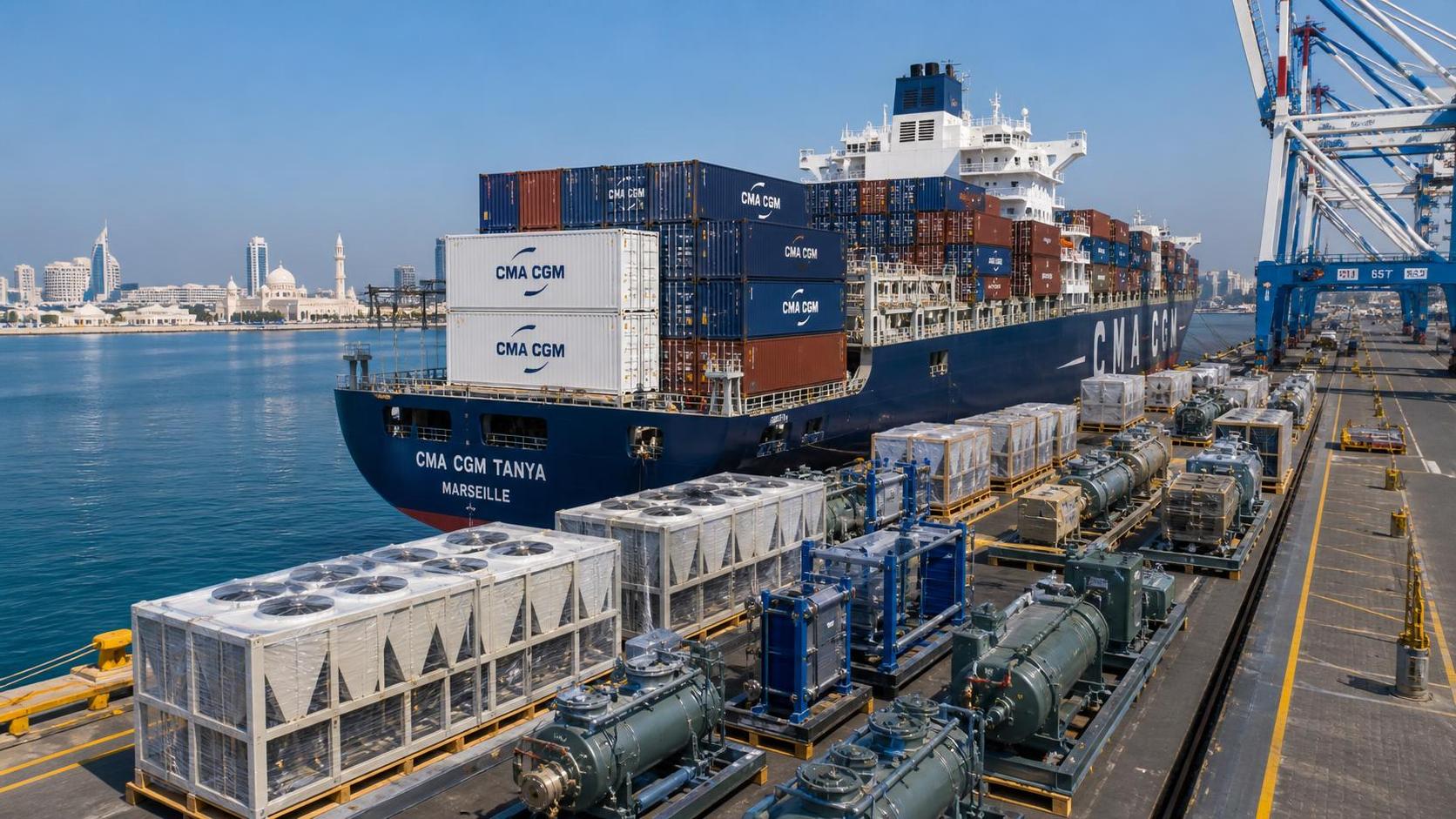
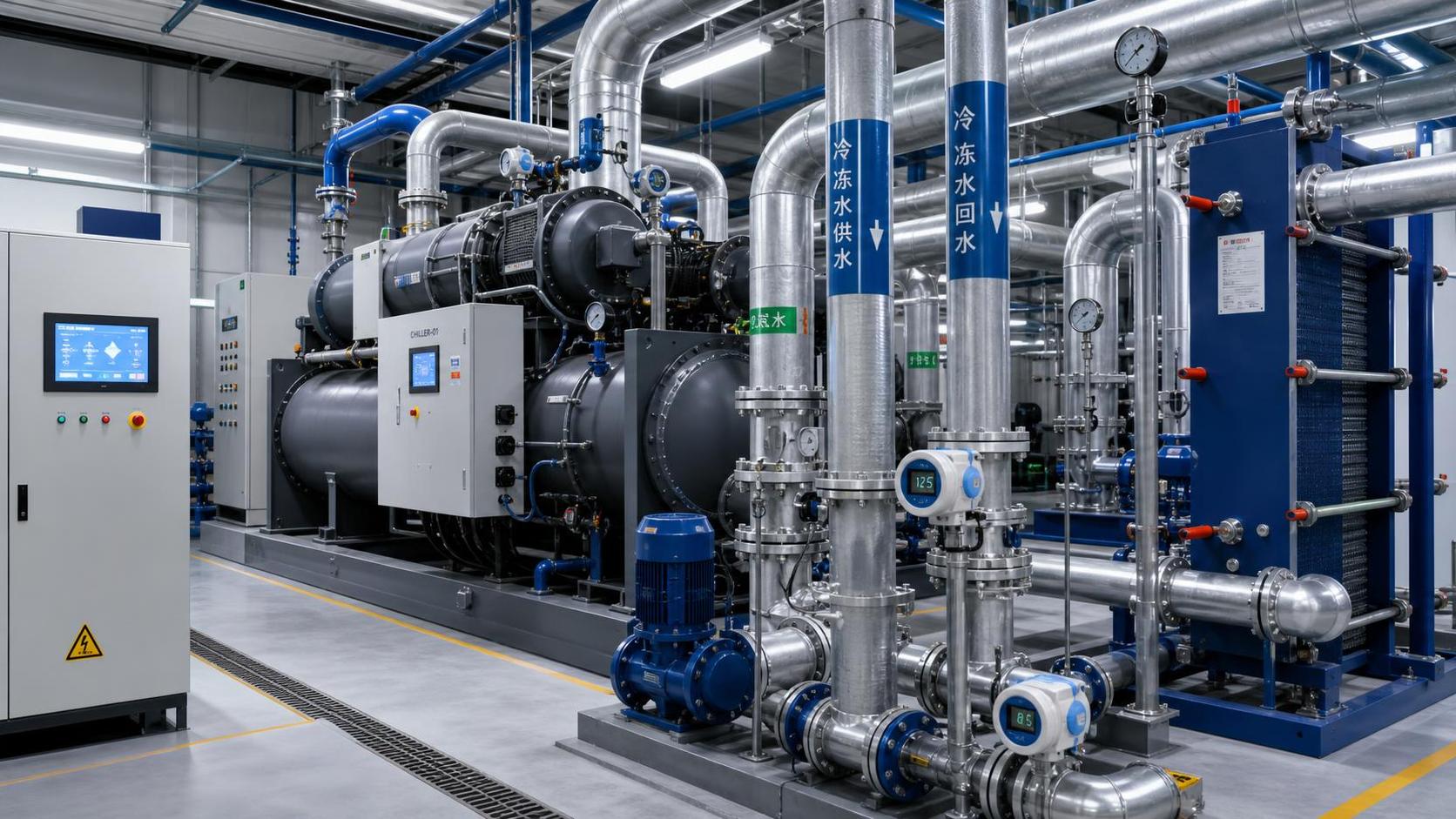
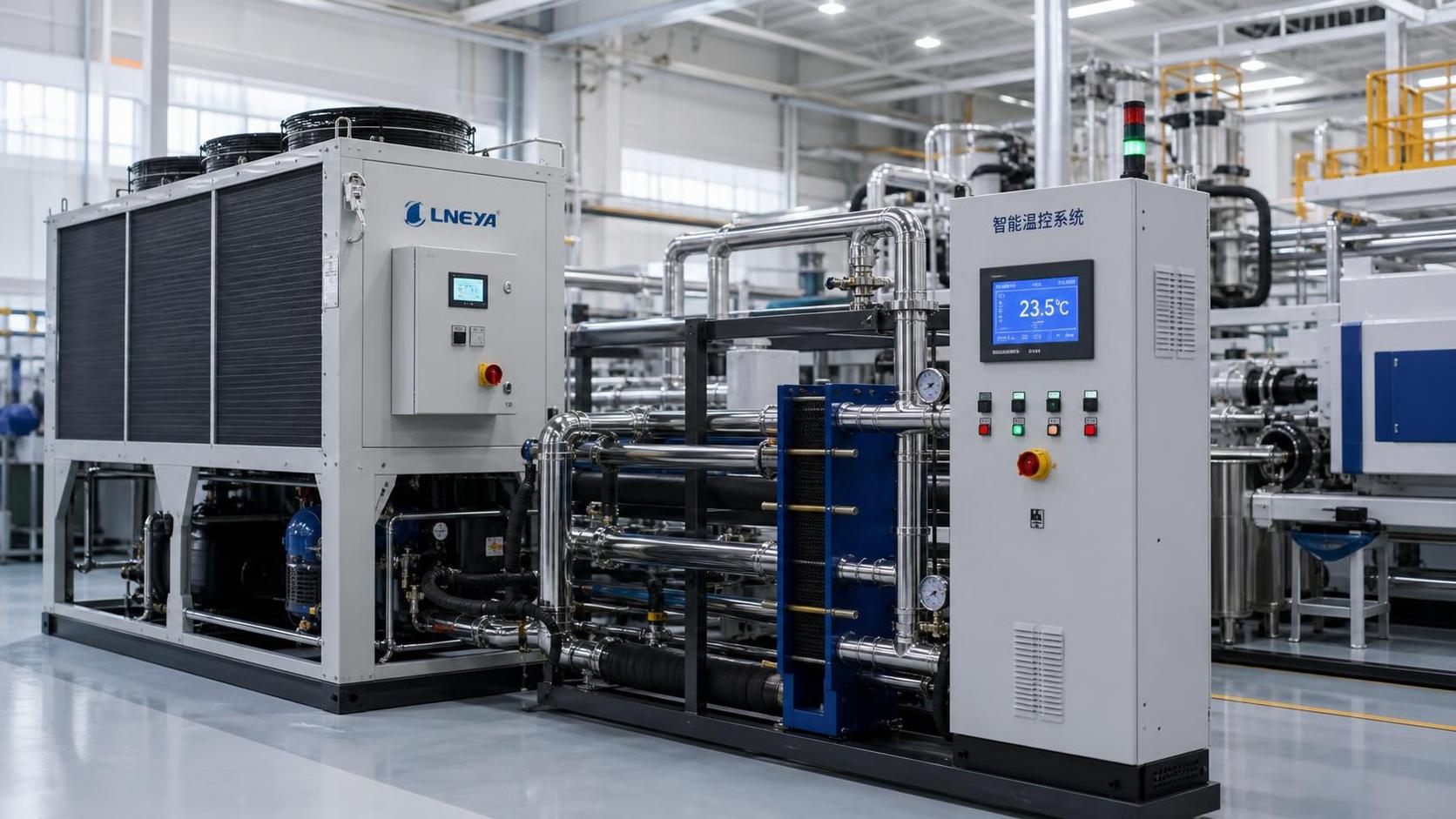
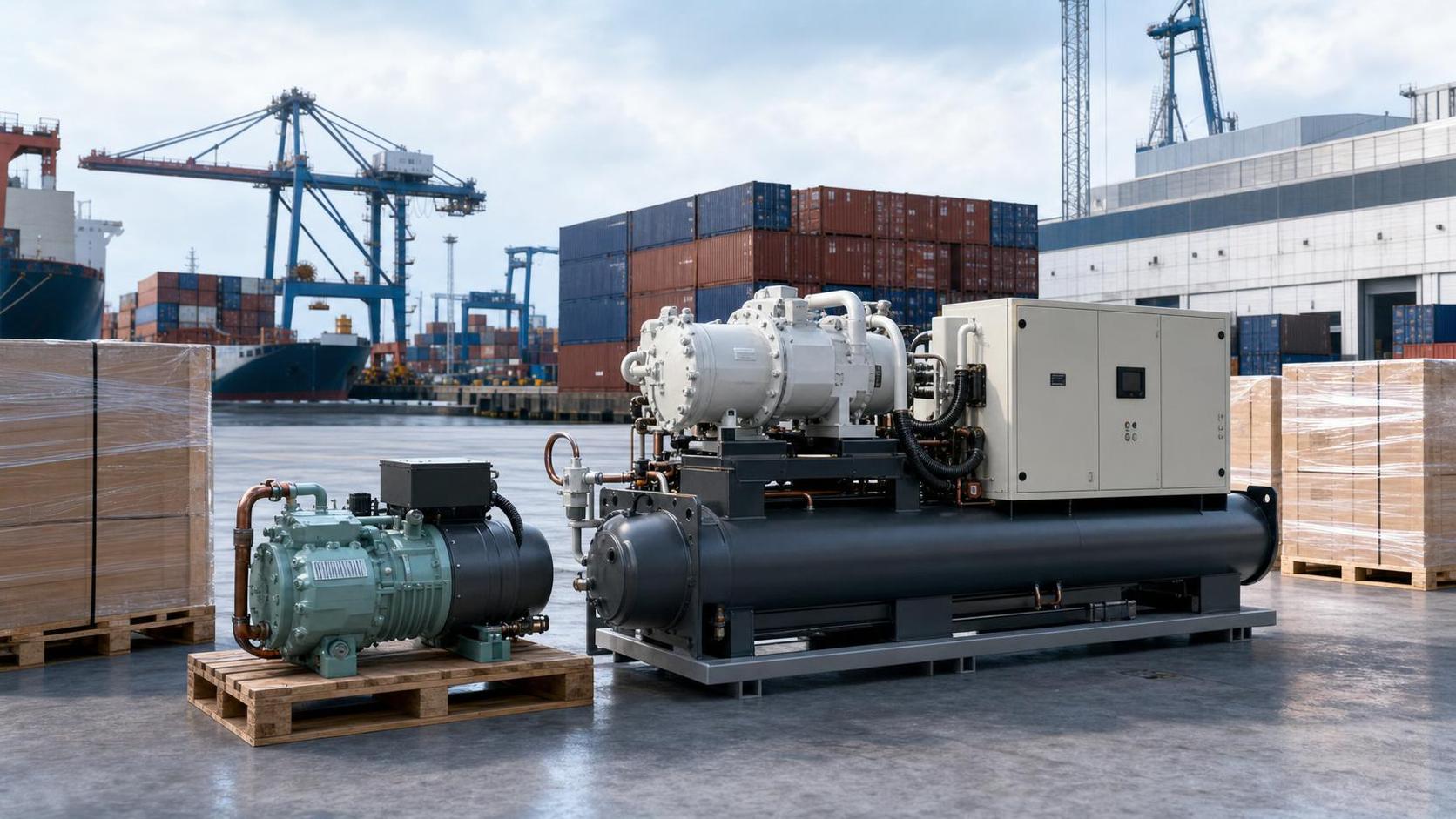
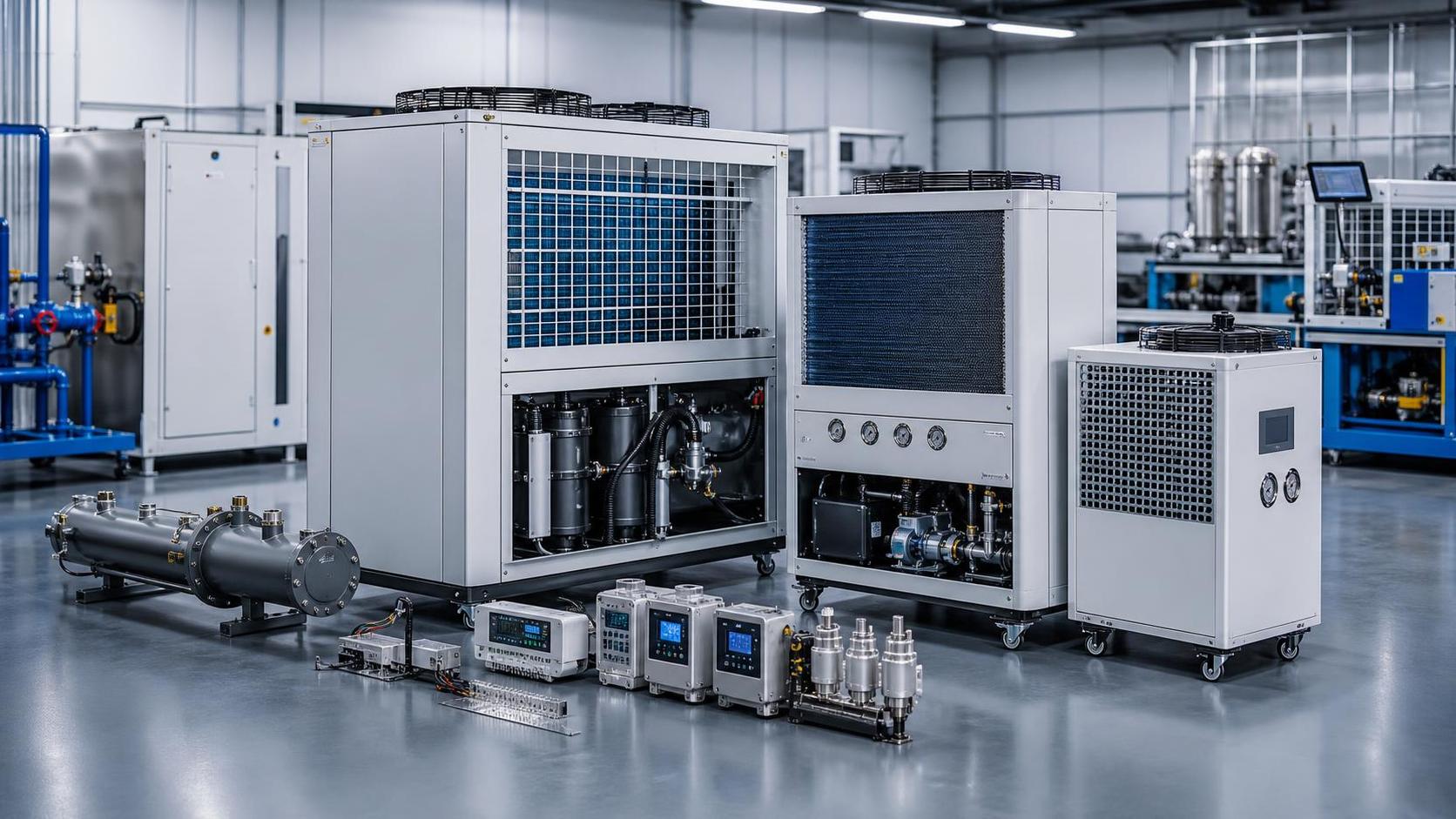
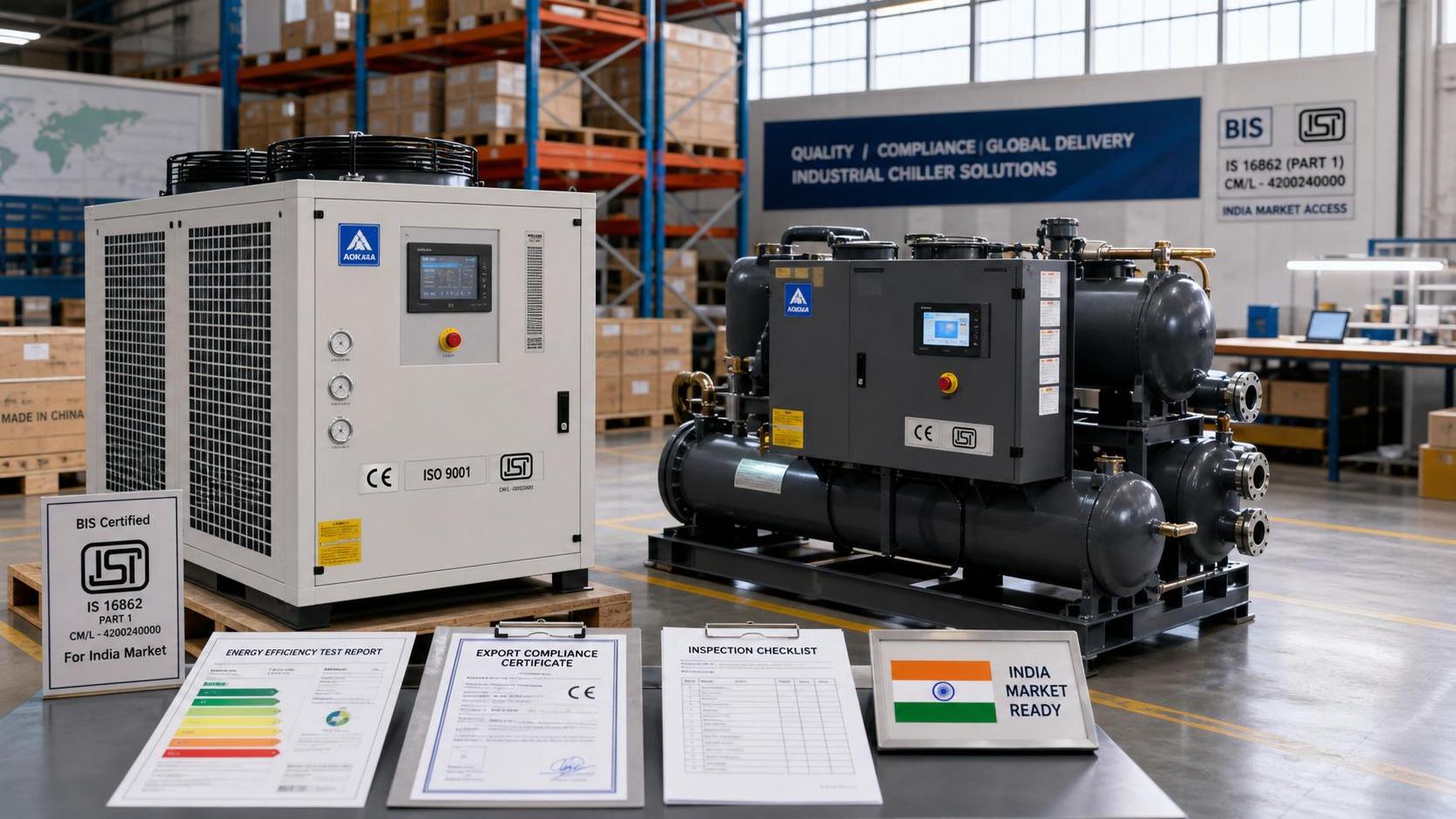
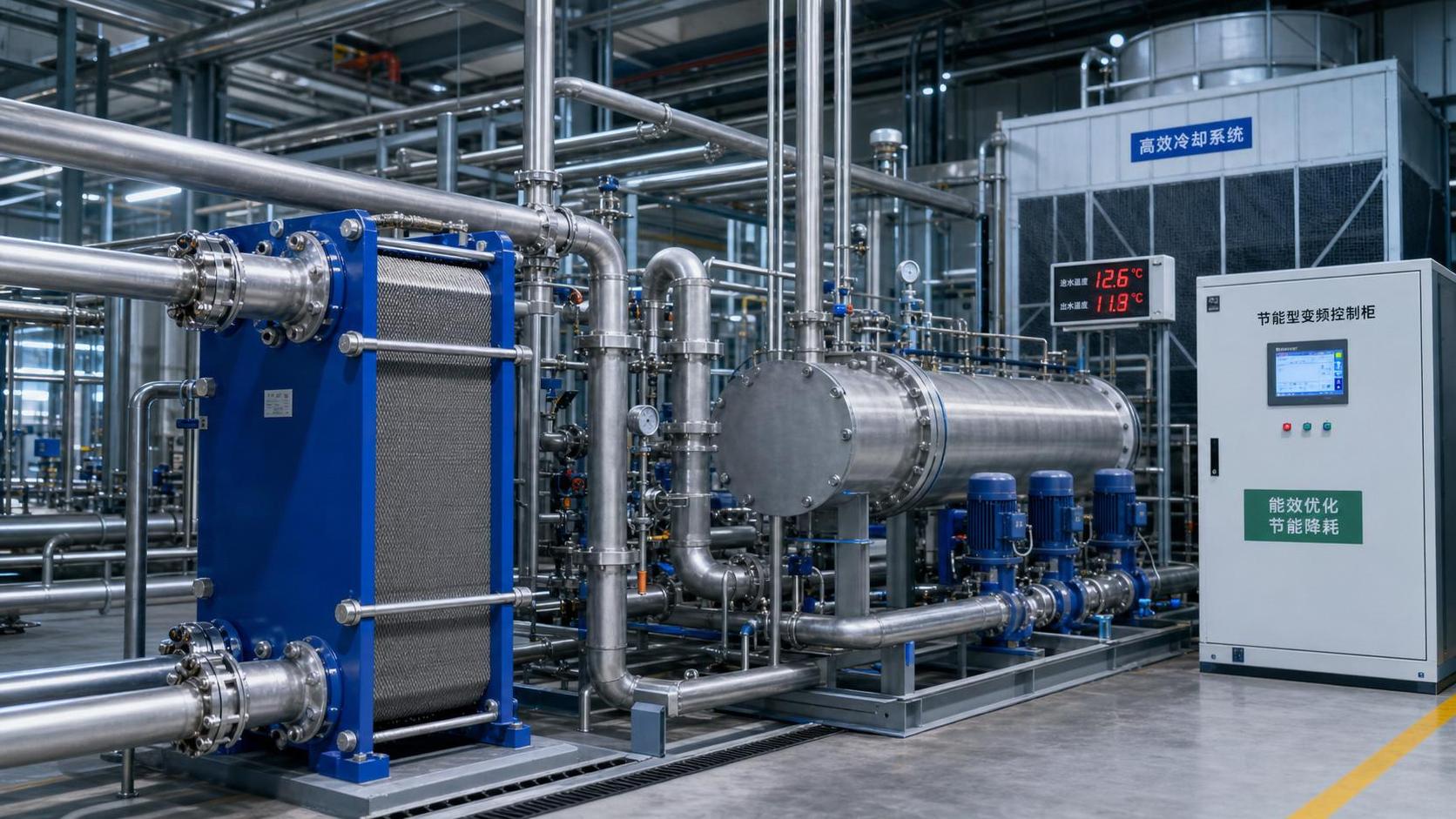
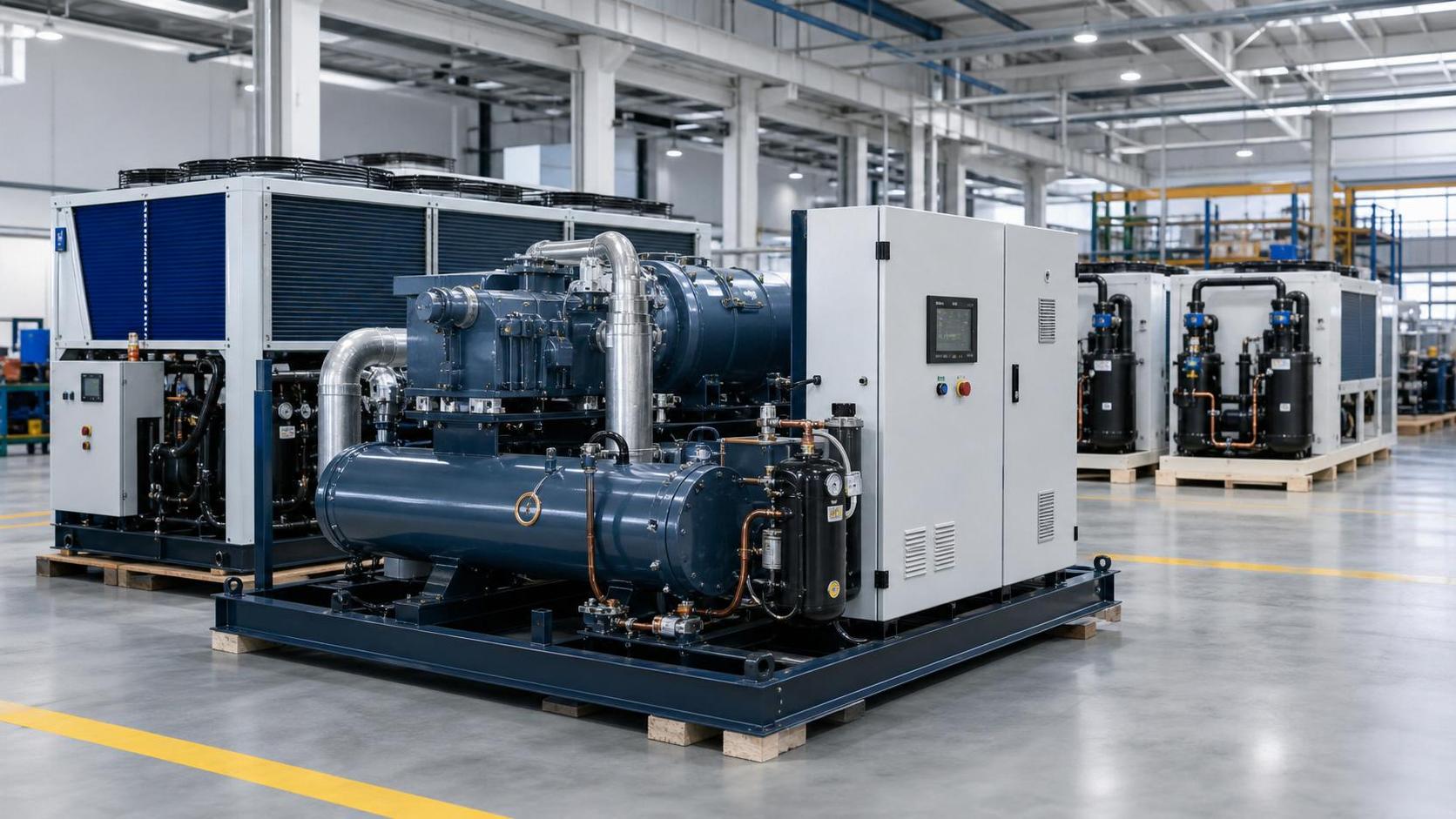
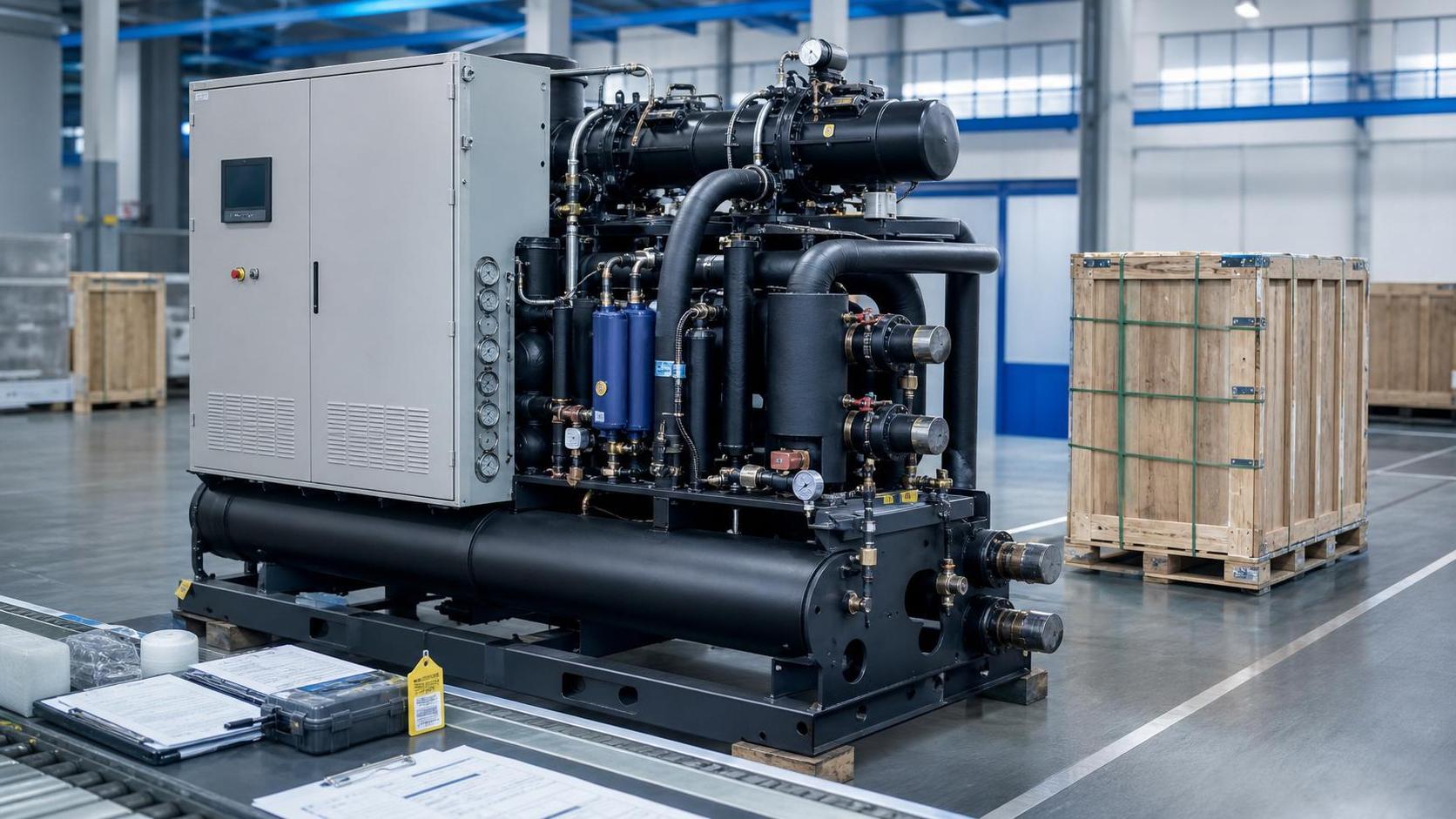
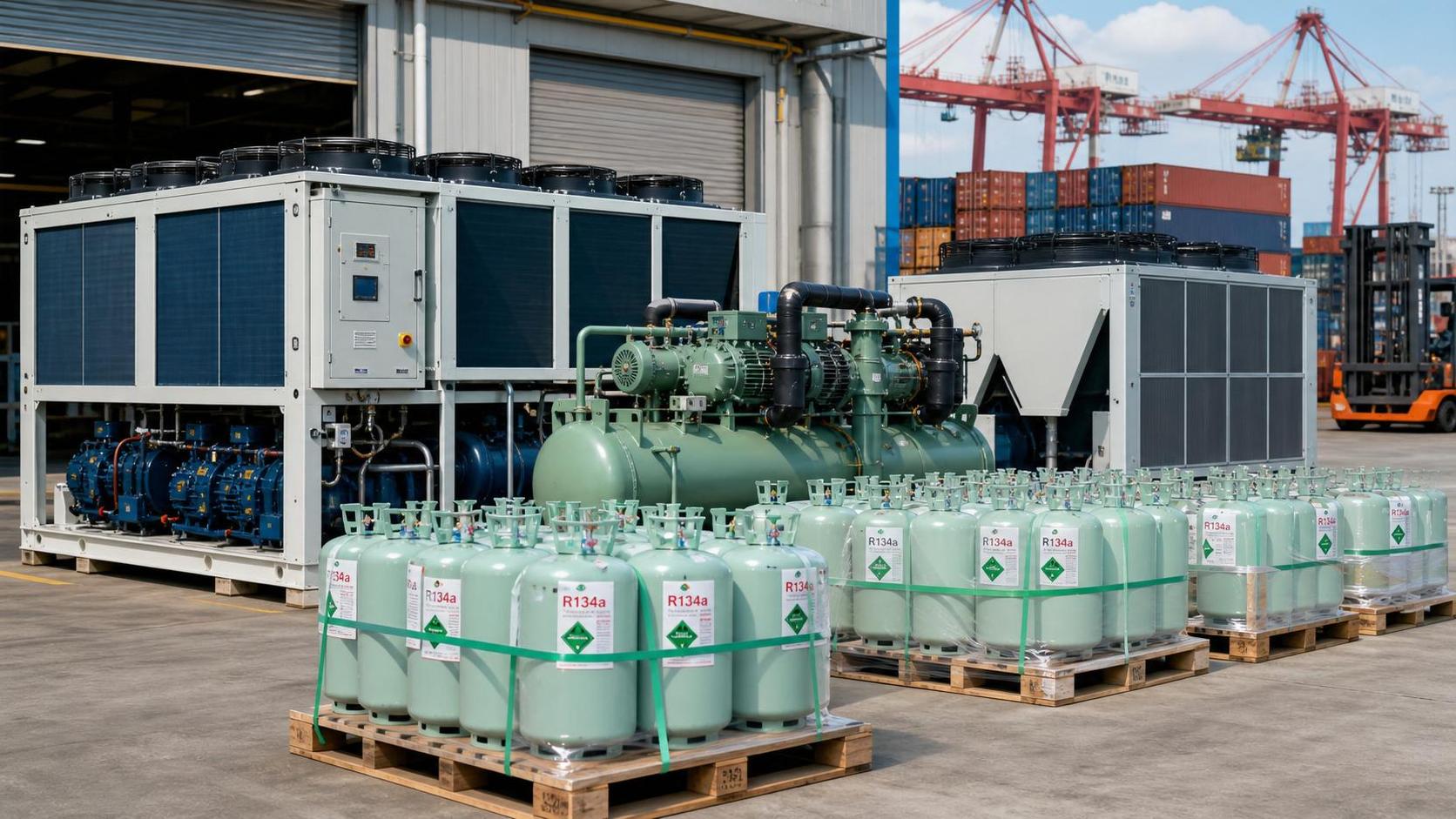
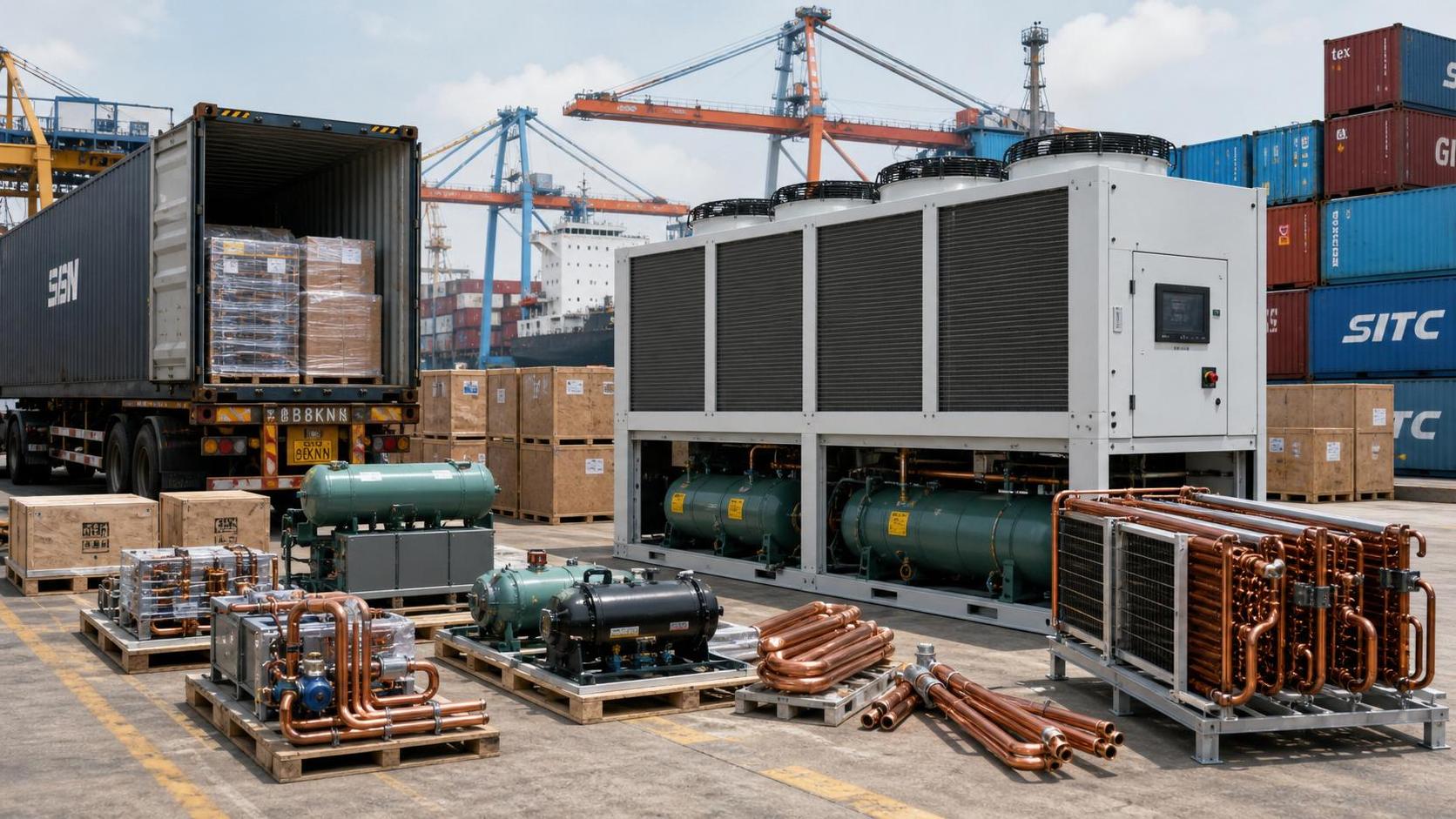
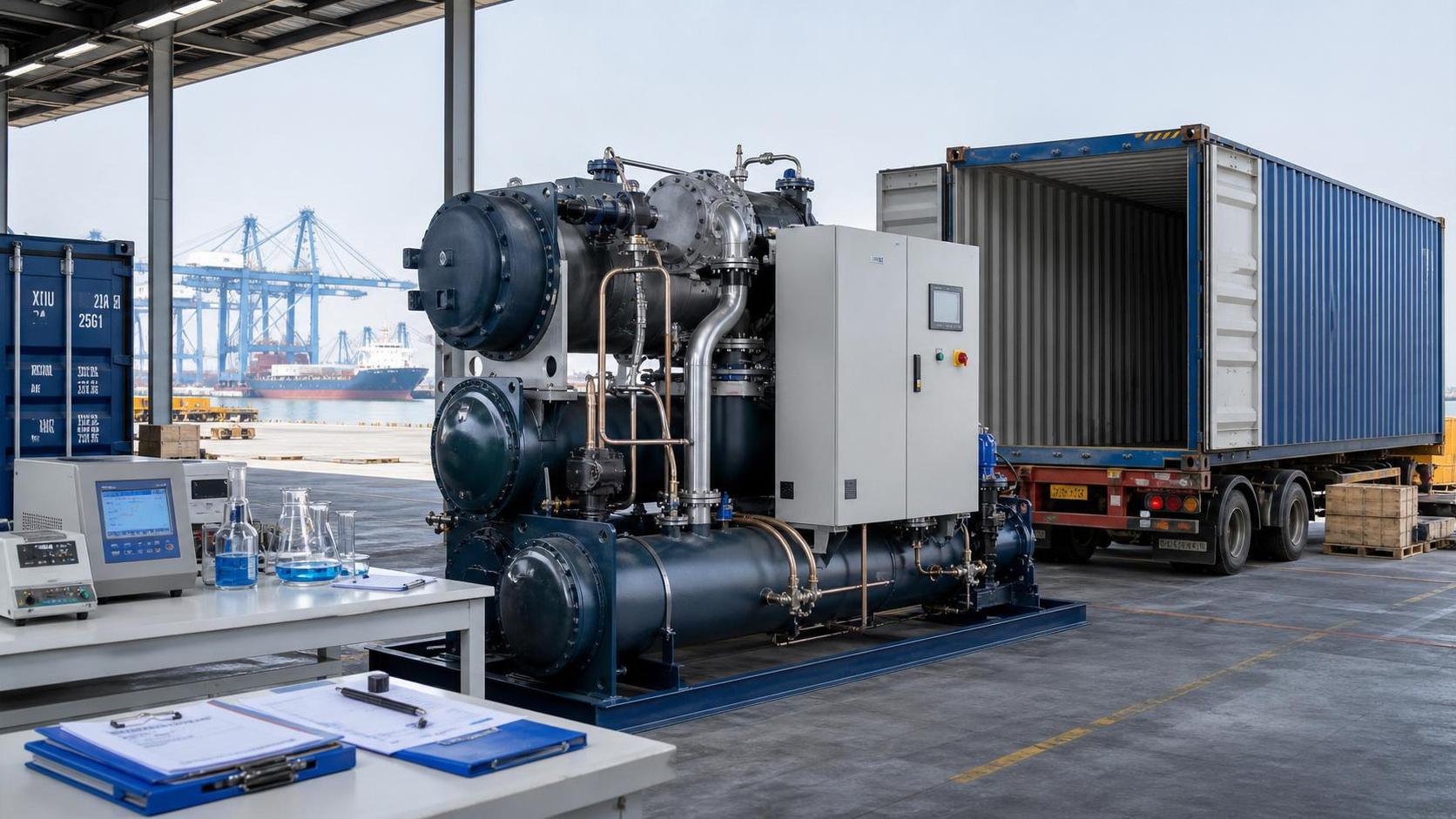
China and the United Arab Emirates have opened a new direct sea route dedicated to industrial equipment, linking Shenzhen Port with Jebel Ali Port as of August 11, 2026. Based on the information provided for this update, the route is designed with temperature-controlled cargo space and heavy-lift handling capacity, with the immediate effect of shortening export lead times for products such as industrial chillers, plate heat exchangers, and screw compressors by 7 to 10 days.
This is more than a transport adjustment. For exporters of higher-value thermal and compression equipment, the route points to a more specialized logistics channel built around cargo sensitivity, installation requirements, and documentation needs. For buyers in the Middle East, the change could improve delivery predictability at a time when project scheduling, equipment commissioning, and after-sales coordination often depend on tighter shipment windows.
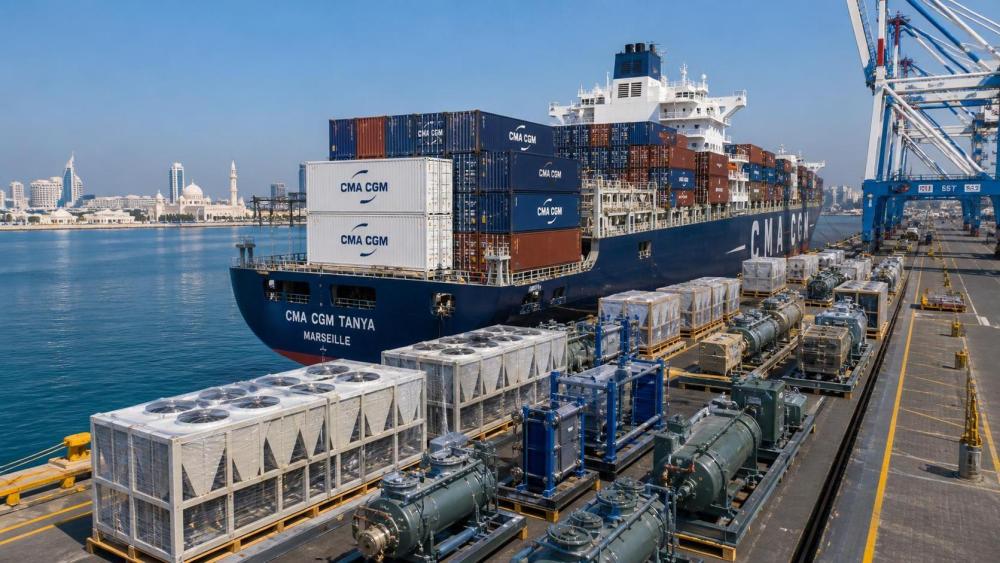
Why the route matters for equipment suppliers
The operational details in the announcement are notable. A dedicated industrial-equipment route with both temperature-control capacity and heavy-lift facilities suggests an effort to reduce handling risk for goods that may be sensitive to transit conditions or difficult to move through standard shipping arrangements. For exporters, shorter transit time is only part of the value. More stable handling conditions and a route tailored to large-format or technically demanding cargo may also help improve shipment planning and reduce uncertainty around delivery execution.
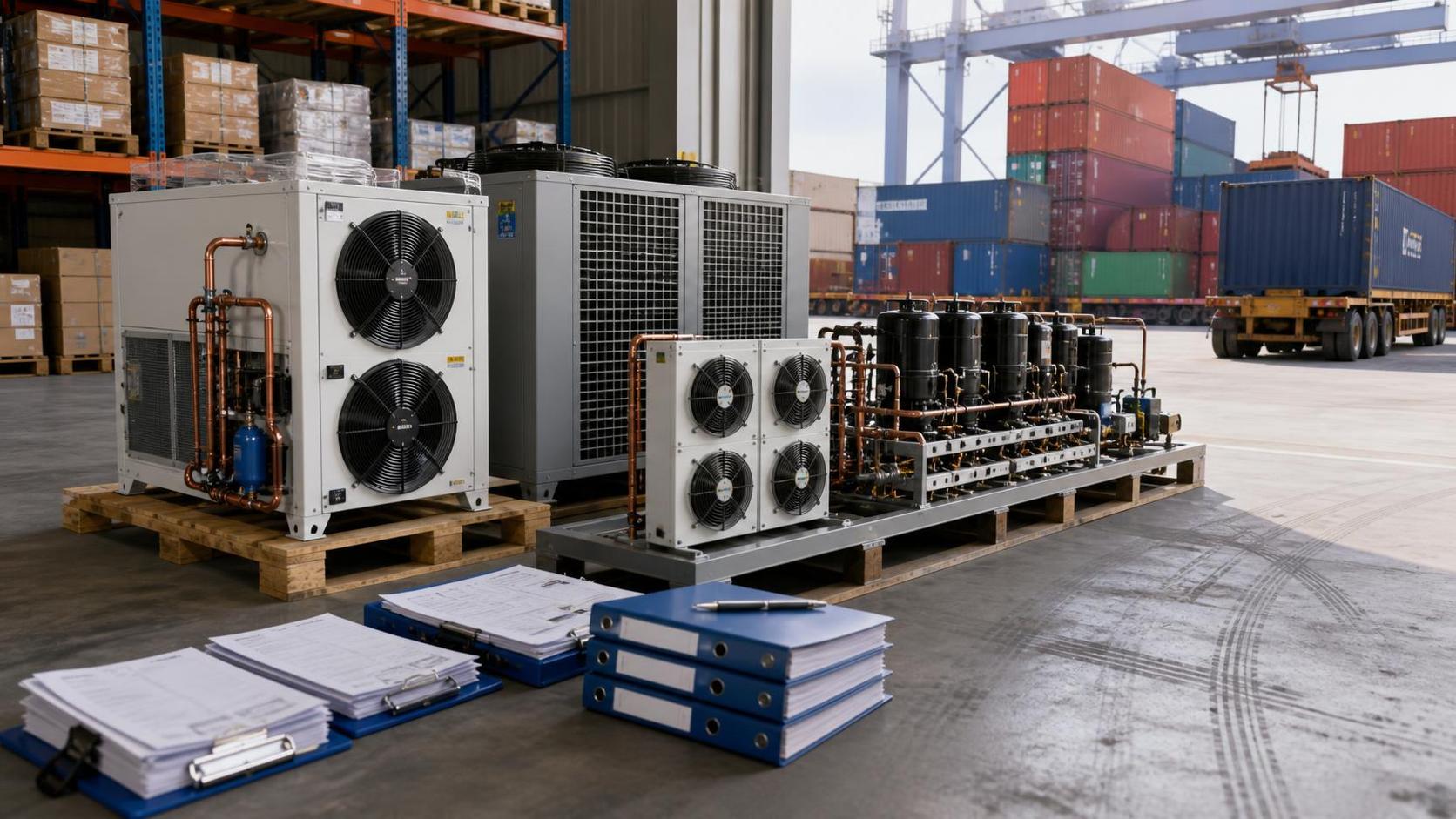
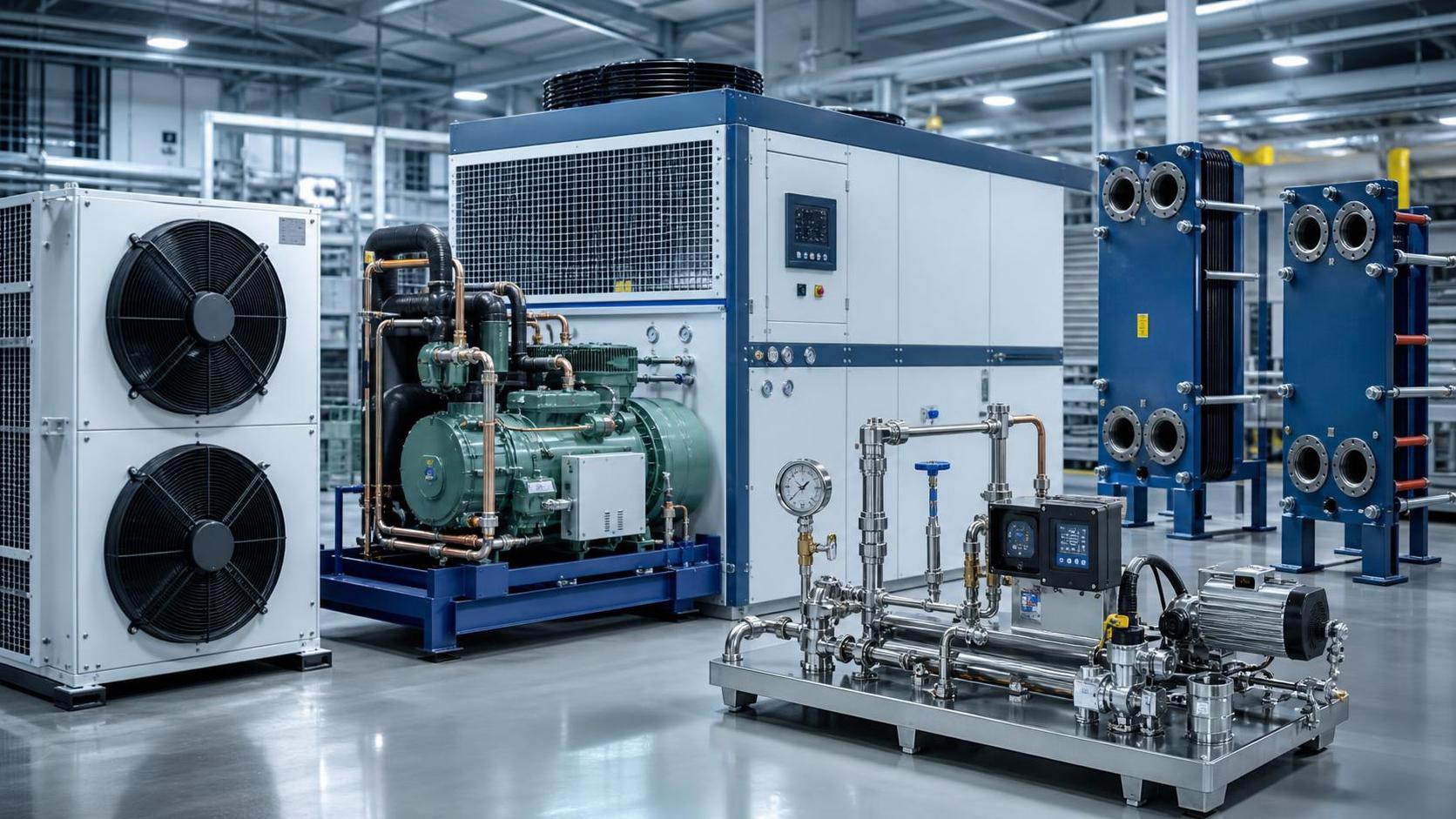
The products referenced in the source information share a common feature: they are not generic light cargo. Industrial chillers, plate heat exchangers, and screw compressors are typically tied to project timelines, technical acceptance procedures, and documentation requirements. In that context, logistics reliability can matter almost as much as freight speed.
Customs and compliance may become easier to manage
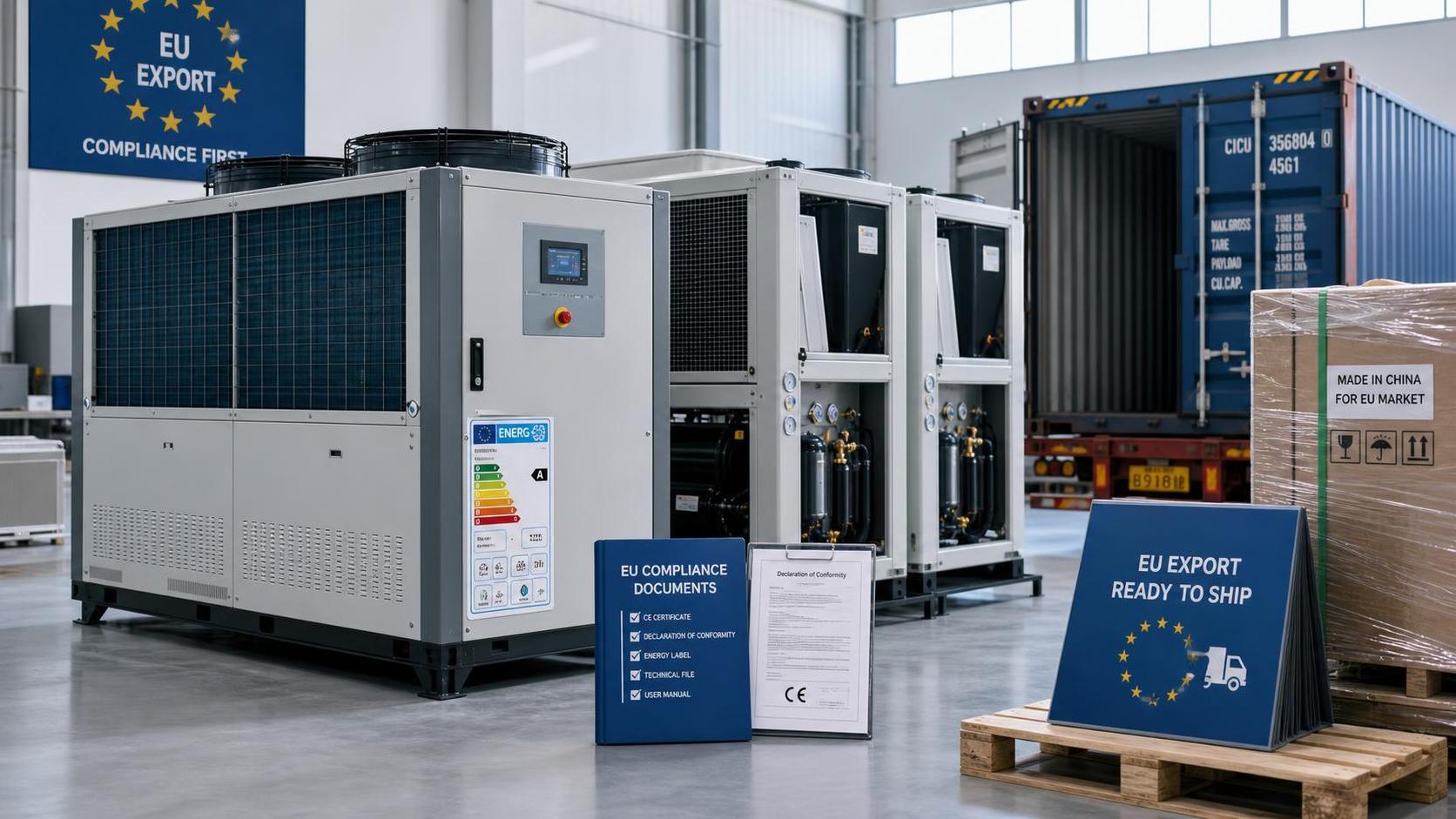
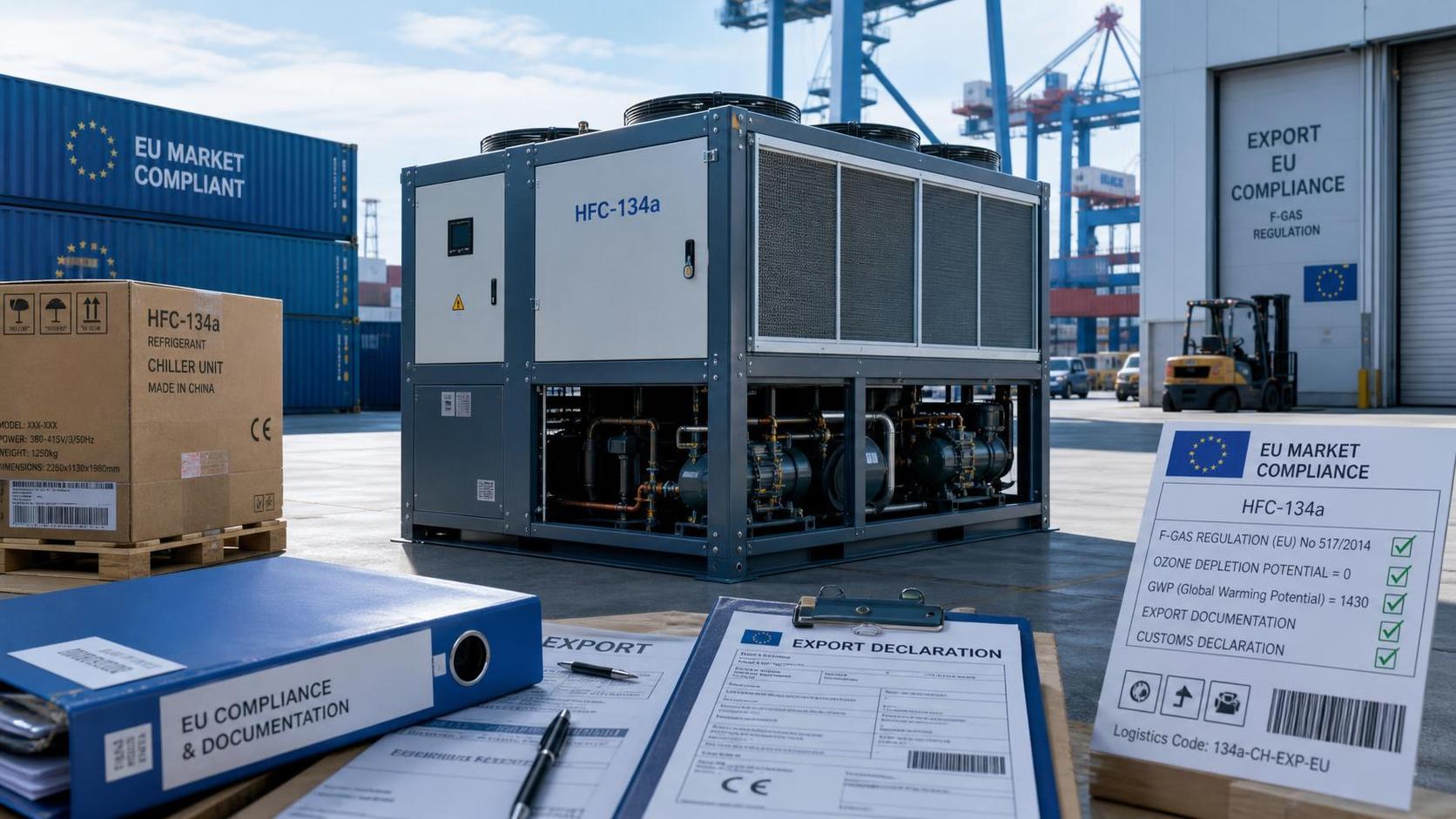
The route has also been included in a customs "green fast track" pilot, according to the provided summary. That point may be particularly relevant for exporters and importers dealing with origin documentation and energy-efficiency certification checks. If the coordination of these procedures becomes more streamlined in practice, the benefit may extend beyond shorter sailing time to a more manageable customs process at both ends of the shipment.
For procurement teams, that could mean fewer surprises between order confirmation and final delivery. For suppliers, it may support clearer lead-time commitments, especially for equipment categories where compliance review is part of the transaction rather than an afterthought.
What the market signal may be
From the current information, the strongest signal is not simply faster movement between two ports. It is the emergence of a more purpose-built export channel for industrial equipment serving the Middle East market. That may indicate rising importance of logistics design in equipment trade, especially for products where cargo condition, lifting requirements, and regulatory coordination directly affect commercial performance.
If the route continues to operate smoothly, short-term impact may first appear in procurement behavior: buyers could place greater value on suppliers able to quote against a more predictable shipping window. Over time, market attention may also turn to whether specialized routes like this become a differentiator for complex equipment categories with higher documentation and handling requirements.
This article is based solely on the event date, title, and summary provided above. Further industry assessment will depend on subsequent public information such as official notices, company disclosures, customs updates, and other authoritative reporting related to route operation and exporter usage.
Related News
- How to size energy efficient industrial cooling for a process loadAuthor :Cryogenic Systems Expert

- How to specify high-precision temperature control in EuropeAuthor :Cryogenic Systems Expert

- How cooling system design affects cleanroom contamination controlAuthor :Cryogenic Systems Expert

- When does industrial cooling heat recovery pay back in energy savings?Author :Cryogenic Systems Expert

- How to size an industrial cooling system for peak process loadsAuthor :Cryogenic Systems Expert

- When are aluminum electronics cooling solutions suitable for high-density designs?Author :Cryogenic Systems Expert

- A thermal management guide for preventing chiller capacity lossAuthor :Cryogenic Systems Expert

- When does aluminum make sense for electronics cooling solutions?Author :Cryogenic Systems Expert

- EU Battery Carbon Footprint Labels Become Mandatory on Aug 18 for Battery-Integrated Cooling and Energy Storage ExportsAuthor :Cryogenic Systems Expert

- China-UAE Direct Sea Route Cuts Lead Times for Industrial Cooling and Compression ExportsAuthor :Cryogenic Systems Expert

- EPA Rule Takes Effect for R-410A Equipment ImportsAuthor :Cryogenic Systems Expert

- EN 378-1:2026 Tightens EU Export ChecksAuthor :Cryogenic Systems Expert

- How to Compare Semiconductor Cooling Solutions by Heat Load and Uptime RiskAuthor :Cryogenic Systems Expert

- EU Label Deadline Hits China Chiller ExportsAuthor :Cryogenic Systems Expert

- How Smart Thermal Systems Improve Industrial Cooling EfficiencyAuthor :Cryogenic Systems Expert

- How to Choose Process Cooling Equipment for Stable Temperature ControlAuthor :Cryogenic Systems Expert

- EU Finalizes 2026 HFC Quota Cut for R-134a ChillersAuthor :Cryogenic Systems Expert

- EU Tightens HFC-134a Quotas for Industrial ChillersAuthor :Cryogenic Systems Expert

- REACH SVHC Update Pressures HFC-134a Chiller Supply ChainsAuthor :Cryogenic Systems Expert

- EU PFAS Coolant Ban Reshapes Chiller ExportsAuthor :Cryogenic Systems Expert

- EU REACH Restricts PFAS Cooling Media ImportsAuthor :Cryogenic Systems Expert

- EU Ecodesign Rule Takes Effect for Industrial ChillersAuthor :Cryogenic Systems Expert

- EU REACH Rule Takes Effect for PFAS in Industrial Cooling ExportsAuthor :Cryogenic Systems Expert

- Industrial Cooling for Plastic Processing: How to Size for Stable Cycle TimesAuthor :Cryogenic Systems Expert

- EU F-Gas Update Bars R404A/R507 in Commercial CoolingAuthor :Cryogenic Systems Expert

- DOE Raises Chiller Efficiency Standard From October 2026Author :Cryogenic Systems Expert

- India Mandates BIS Energy Certification for Industrial ChillersAuthor :Cryogenic Systems Expert

- Energy-Efficient Heat Exchange for Process Cooling: Cost vs PaybackAuthor :Cryogenic Systems Expert

- EPA R-134a Import Ban Takes Effect on July 13, 2026Author :Cryogenic Systems Expert

- India BIS Rule Takes Effect for Industrial ChillersAuthor :Cryogenic Systems Expert

- EPA Cuts R134a Import Quotas 20% From July 10Author :Cryogenic Systems Expert

- How to Compare Energy-Efficient Cooling Systems for Factory Expansion ProjectsAuthor :Cryogenic Systems Expert

- Chiller Price Index Rises 11.3% in Q2Author :Cryogenic Systems Expert

- Saudi SASO Tightens Chiller Import Compliance From July 10Author :Cryogenic Systems Expert

- Dubai Opens Fast-Track Chiller TendersAuthor :Cryogenic Systems Expert

- Japan Raises Chiller COP Floor to 6.2 From Sept. 1Author :Cryogenic Systems Expert
![]()