



Thermal Power Systems: When Efficiency Gains Justify Upgrades




For financial approvers, upgrades to thermal power systems must be justified by measurable returns, not engineering ambition. Rising energy costs, stricter emissions rules, and aging assets are changing that calculation. This article explores when efficiency gains translate into lower operating costs, stronger compliance, and faster payback—helping decision-makers assess whether modernization is a strategic investment or an avoidable expense.
When do thermal power systems upgrades make financial sense?
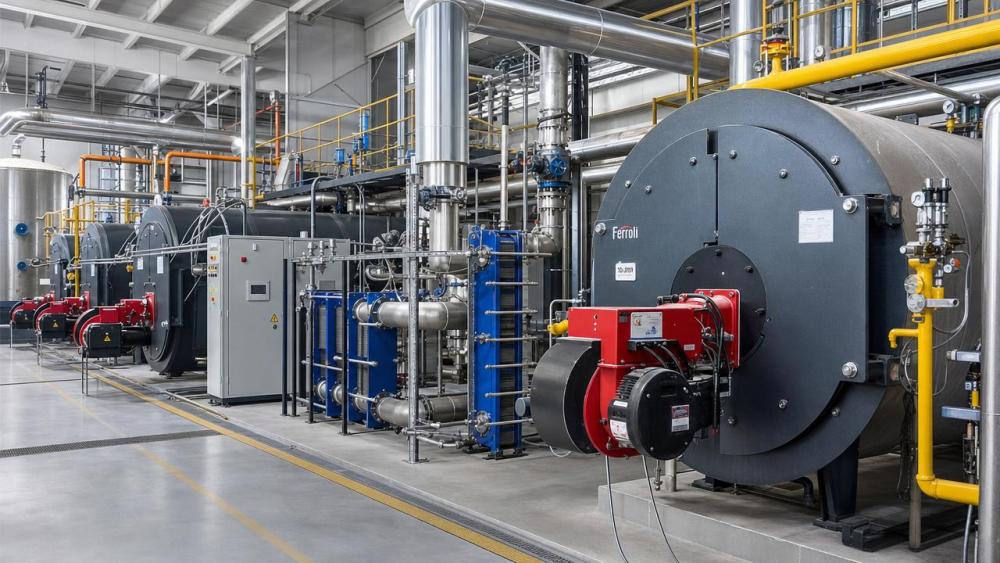
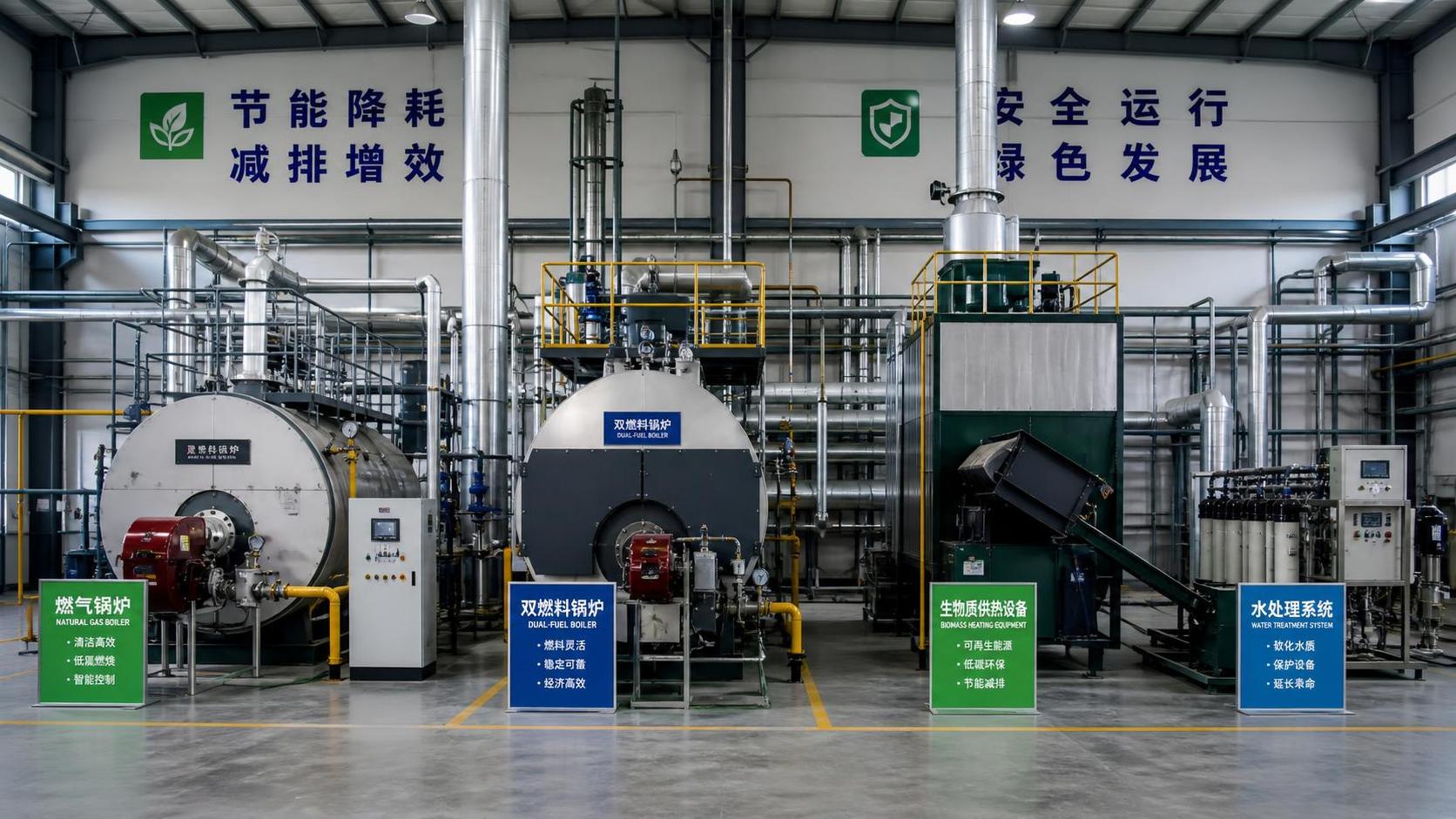
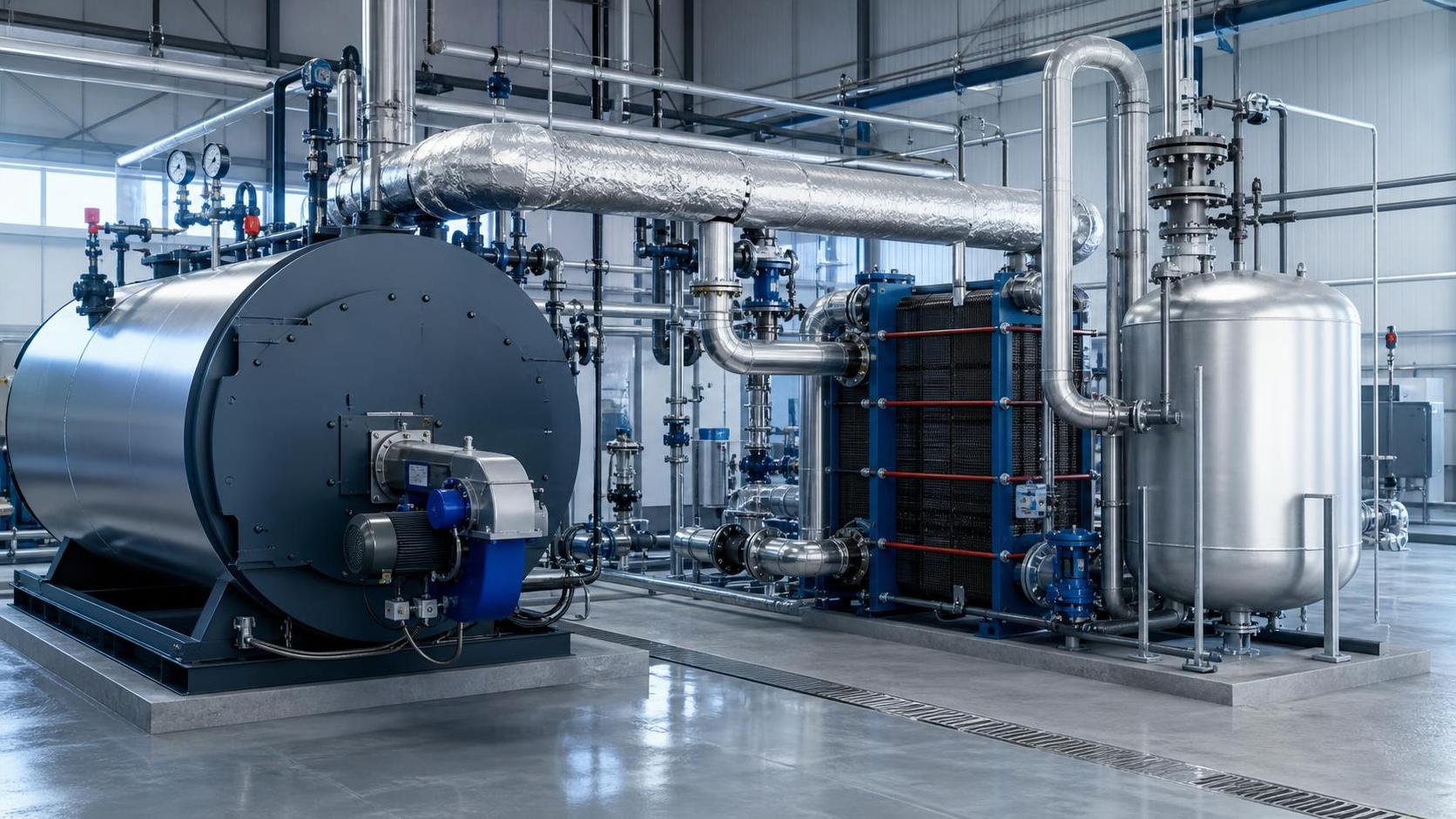
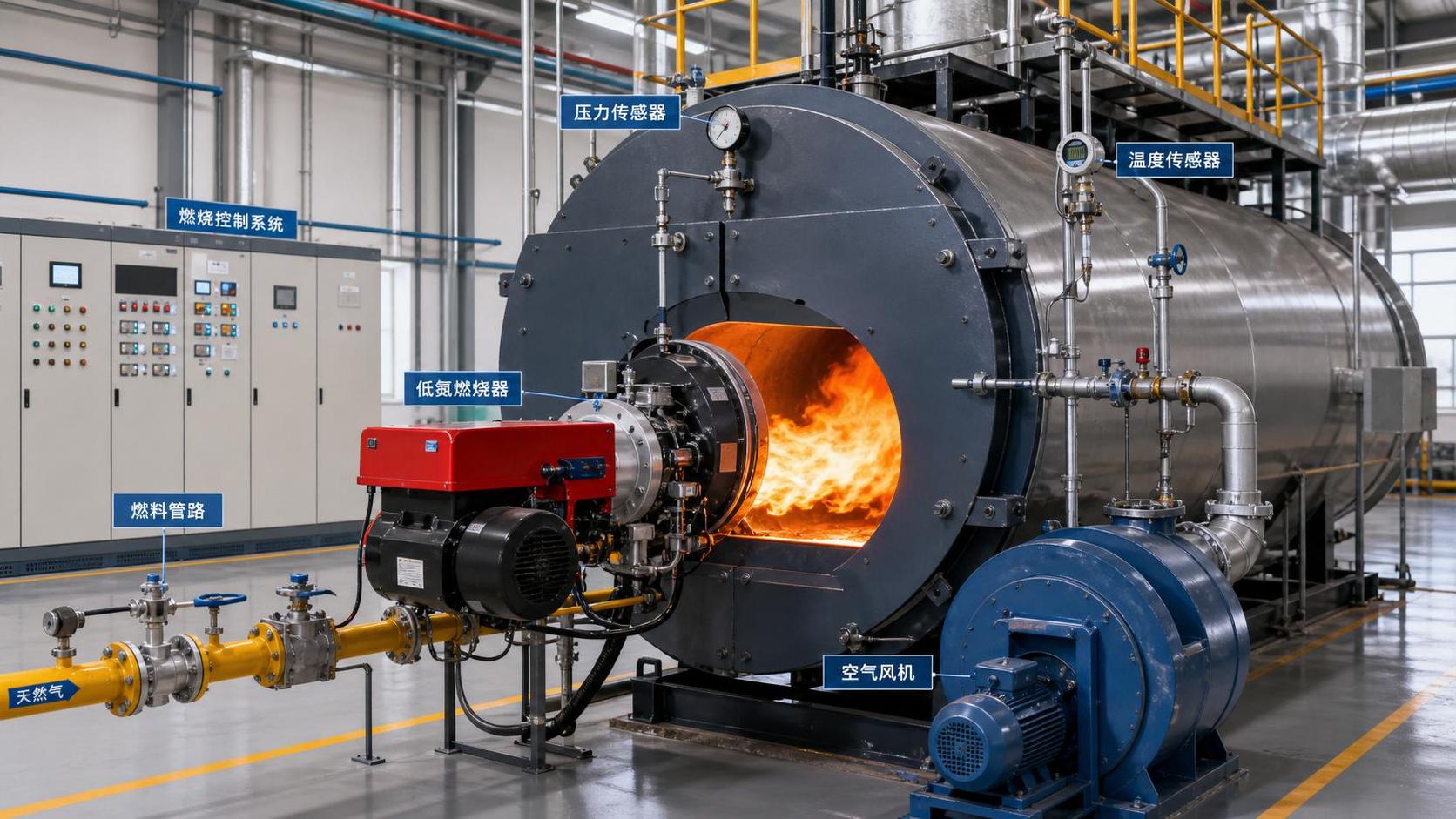
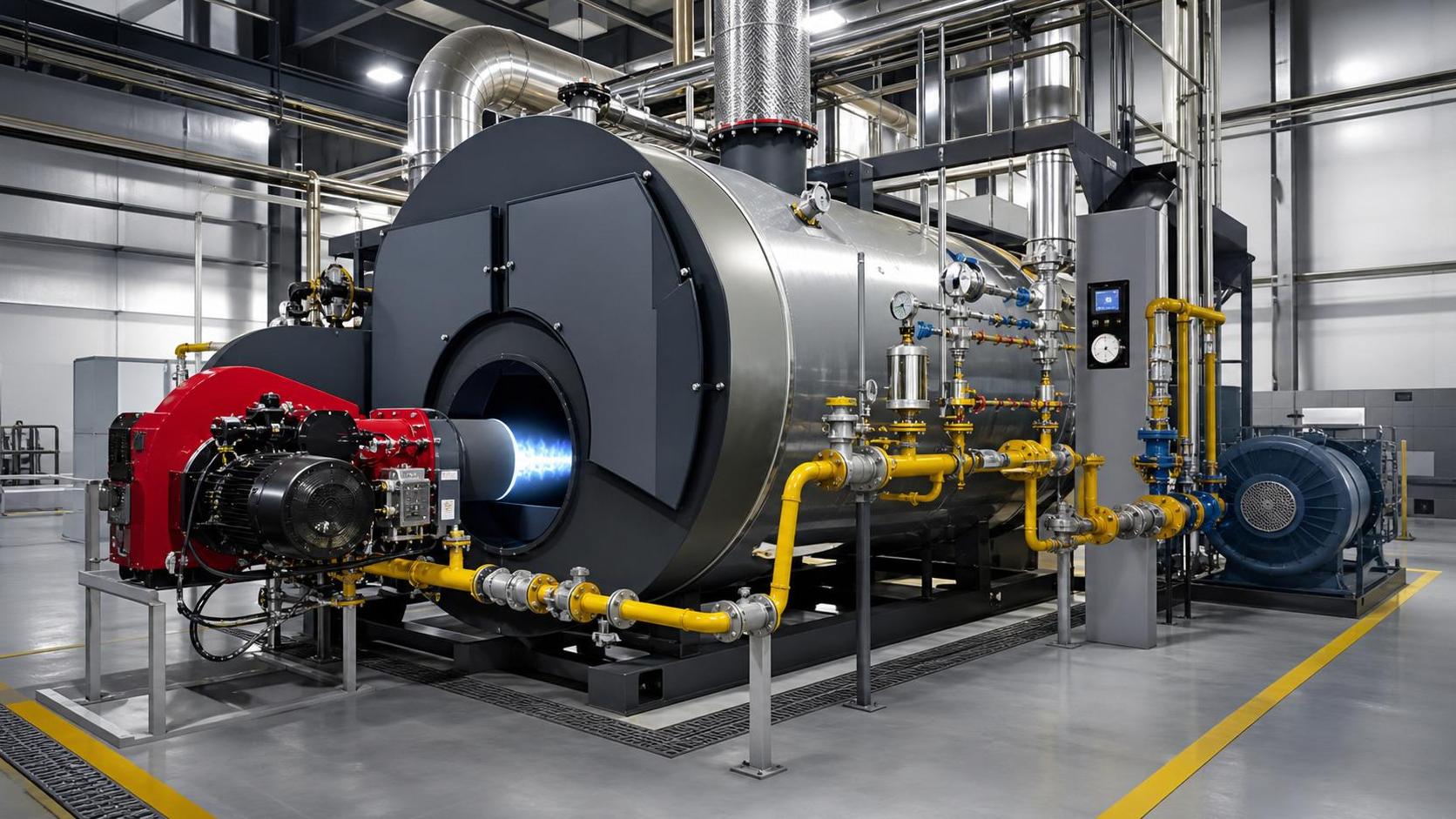
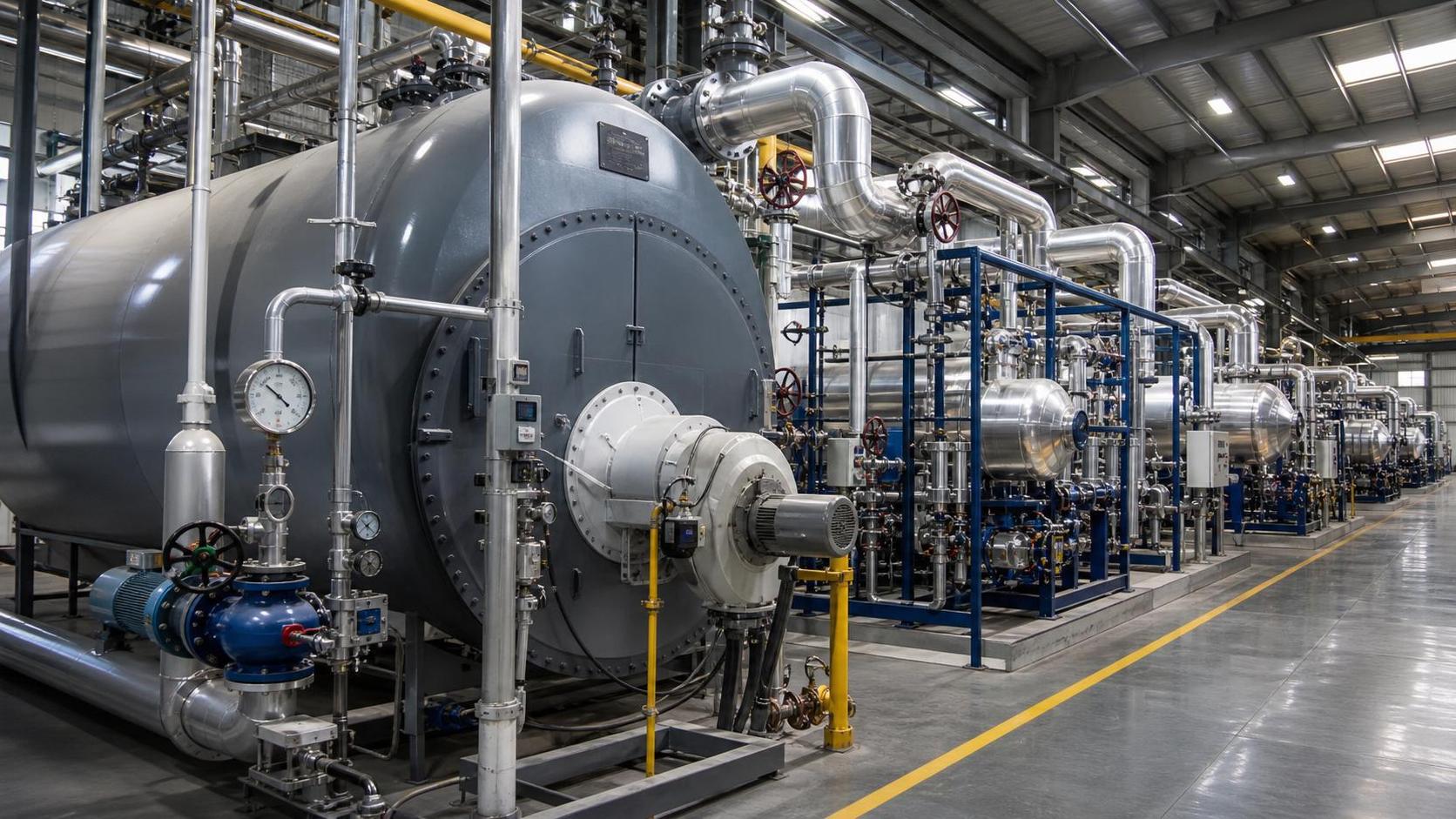
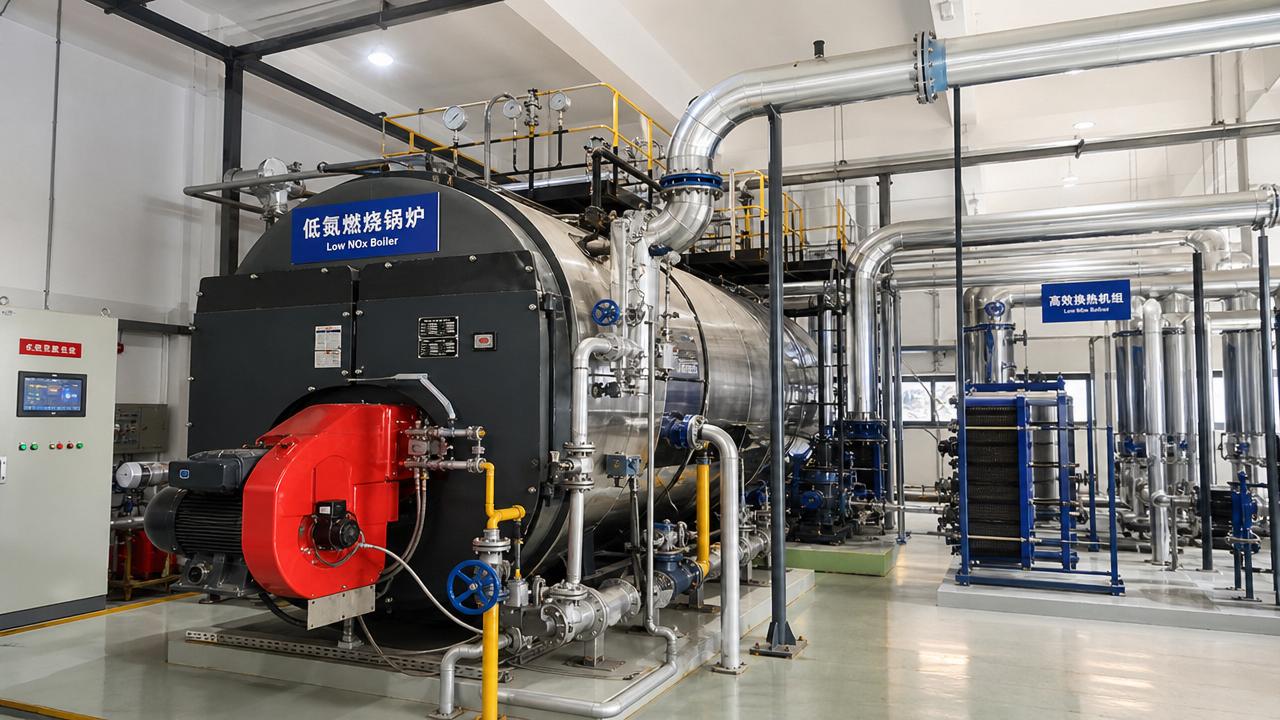
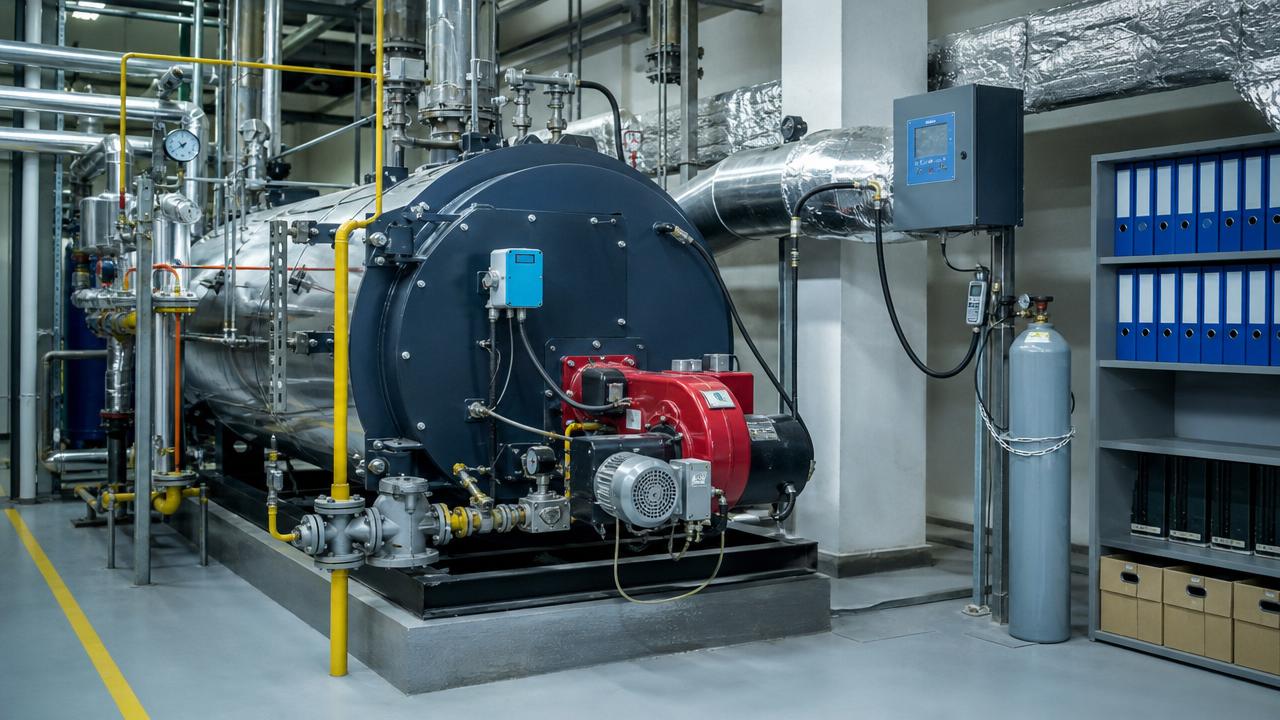
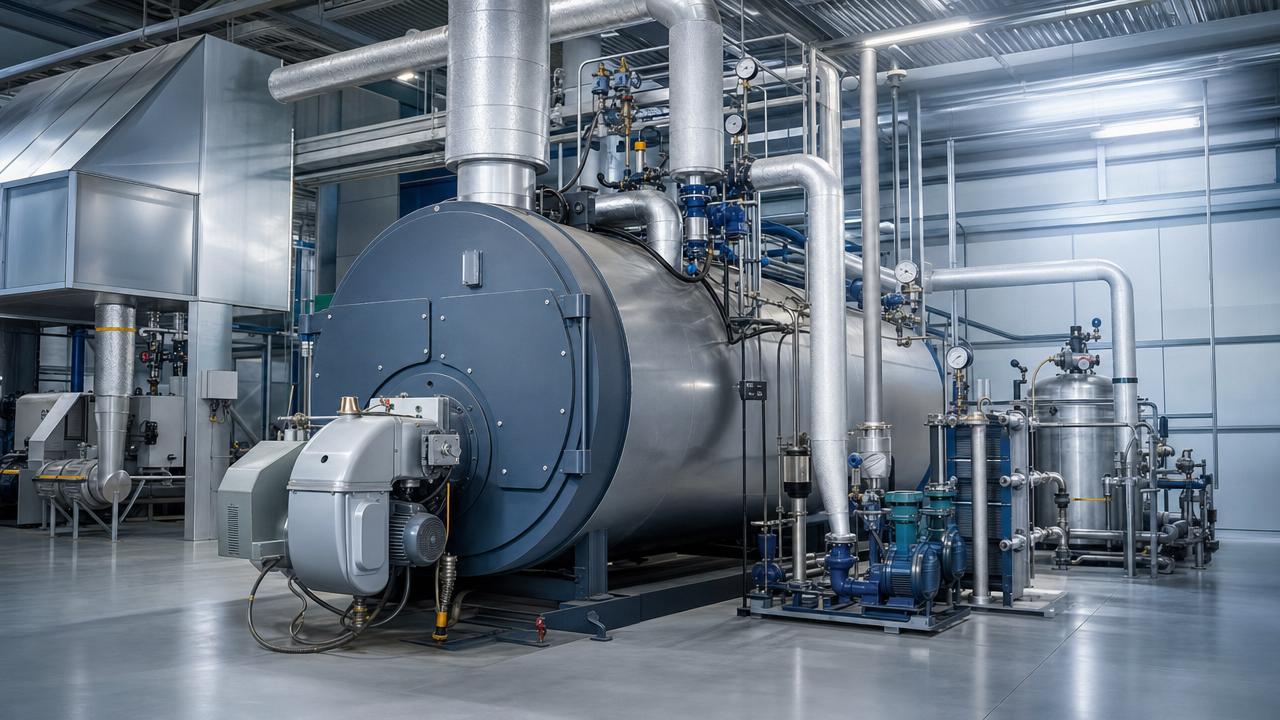
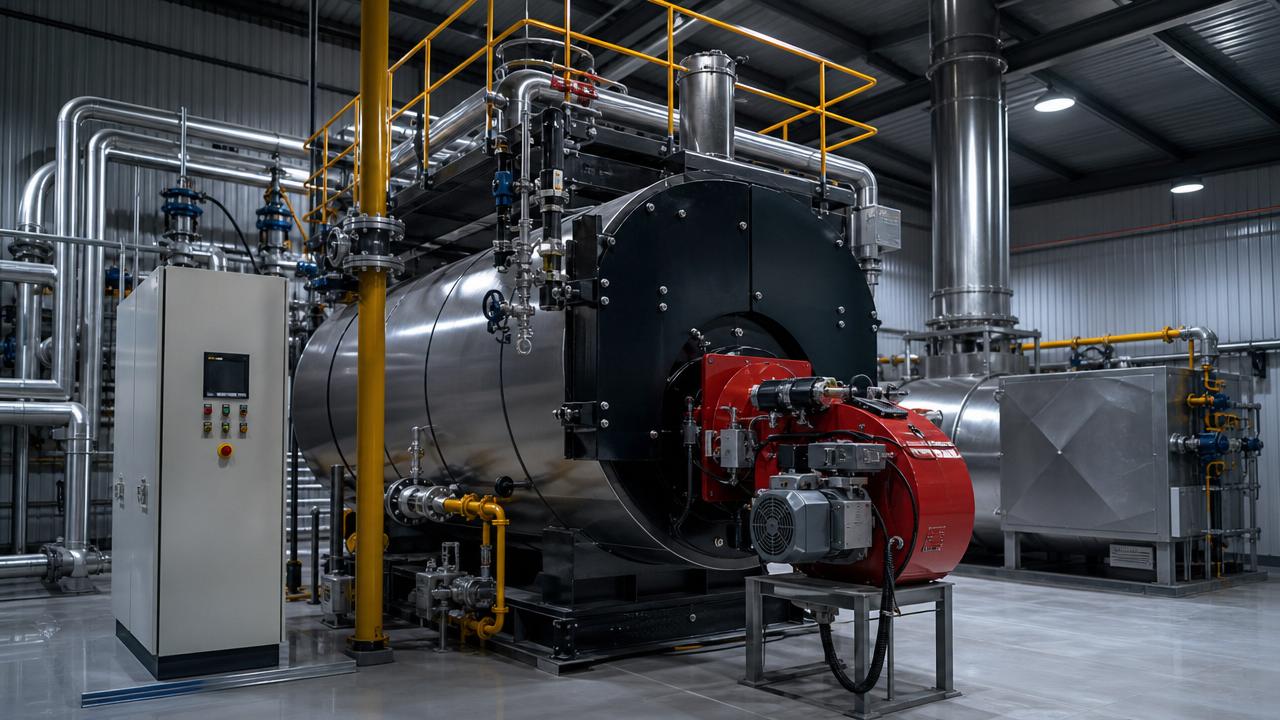
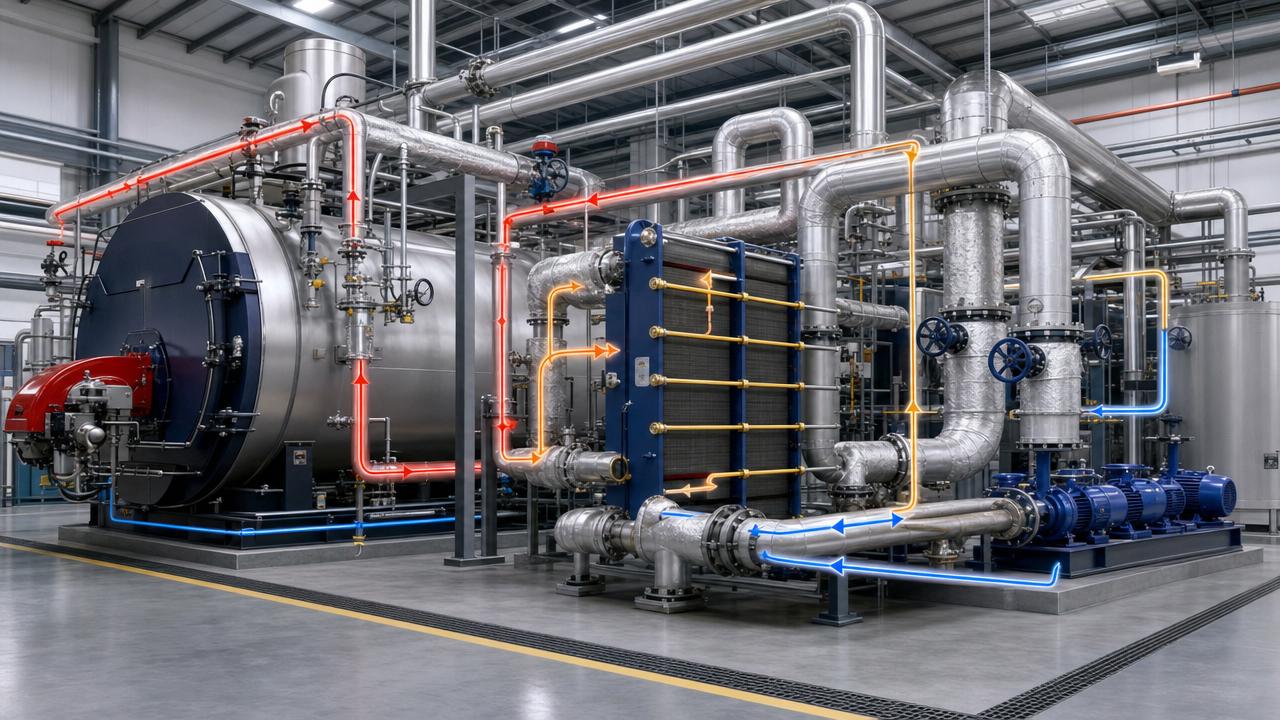
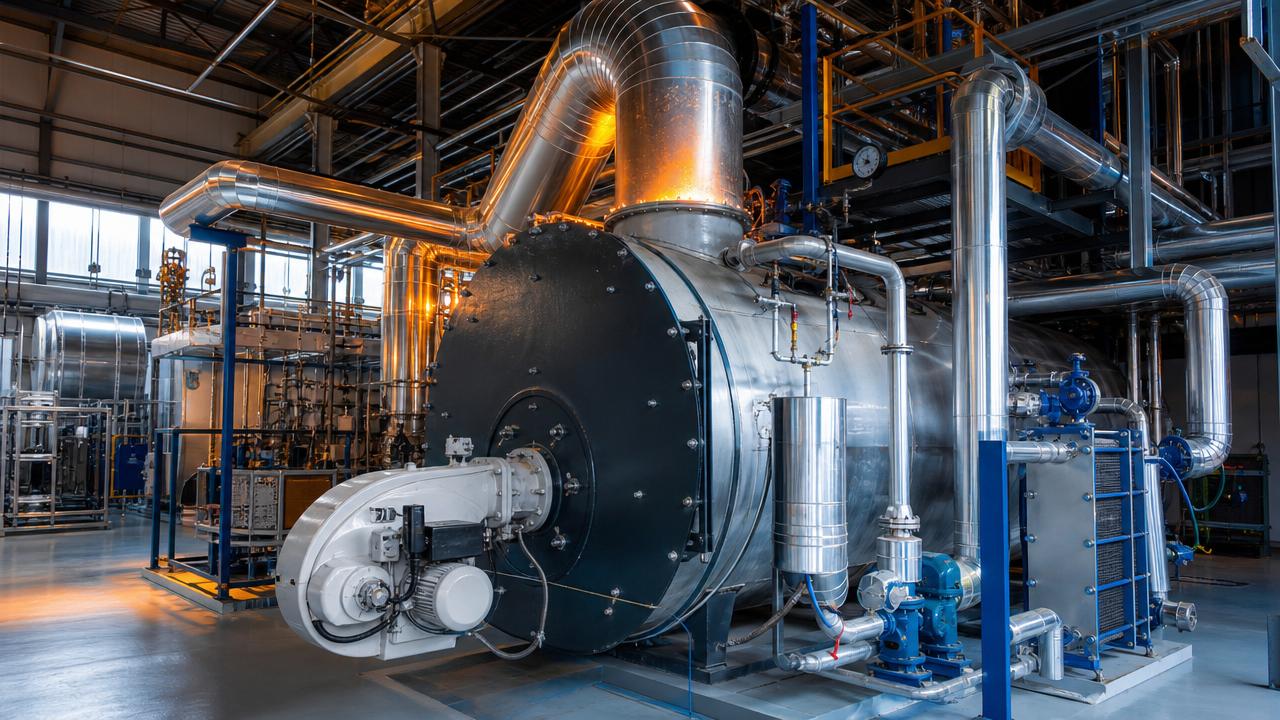
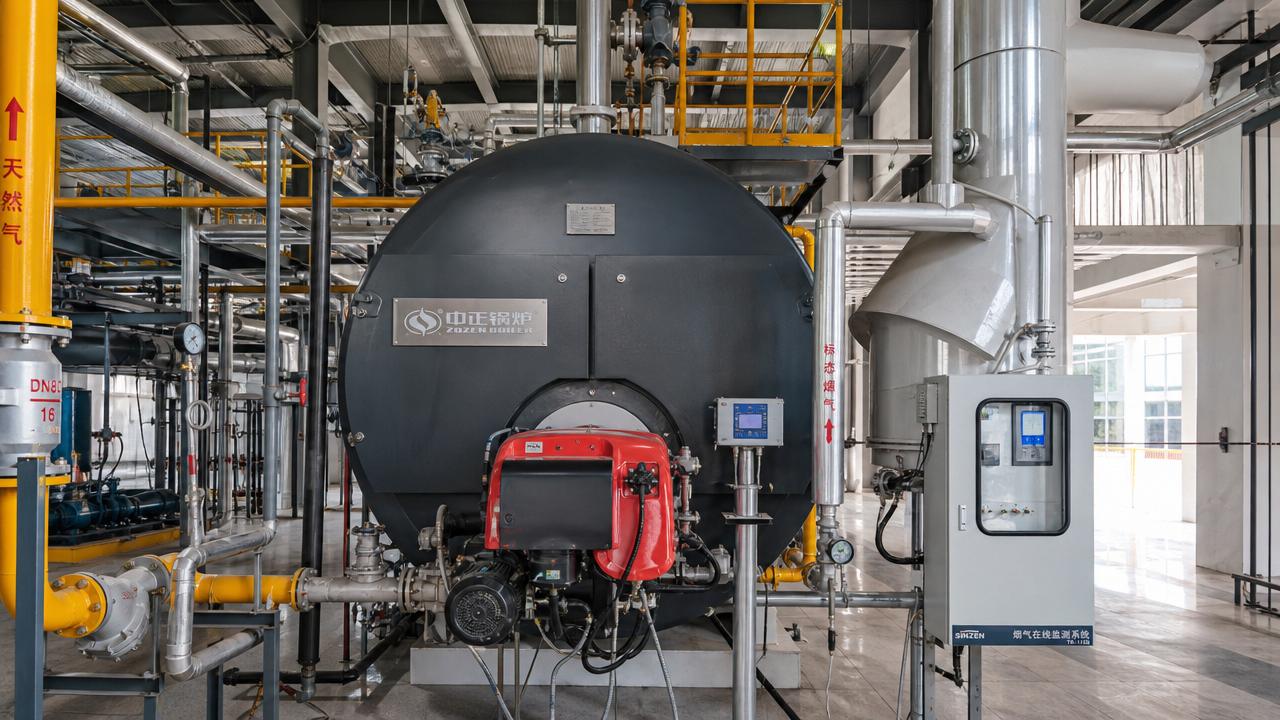
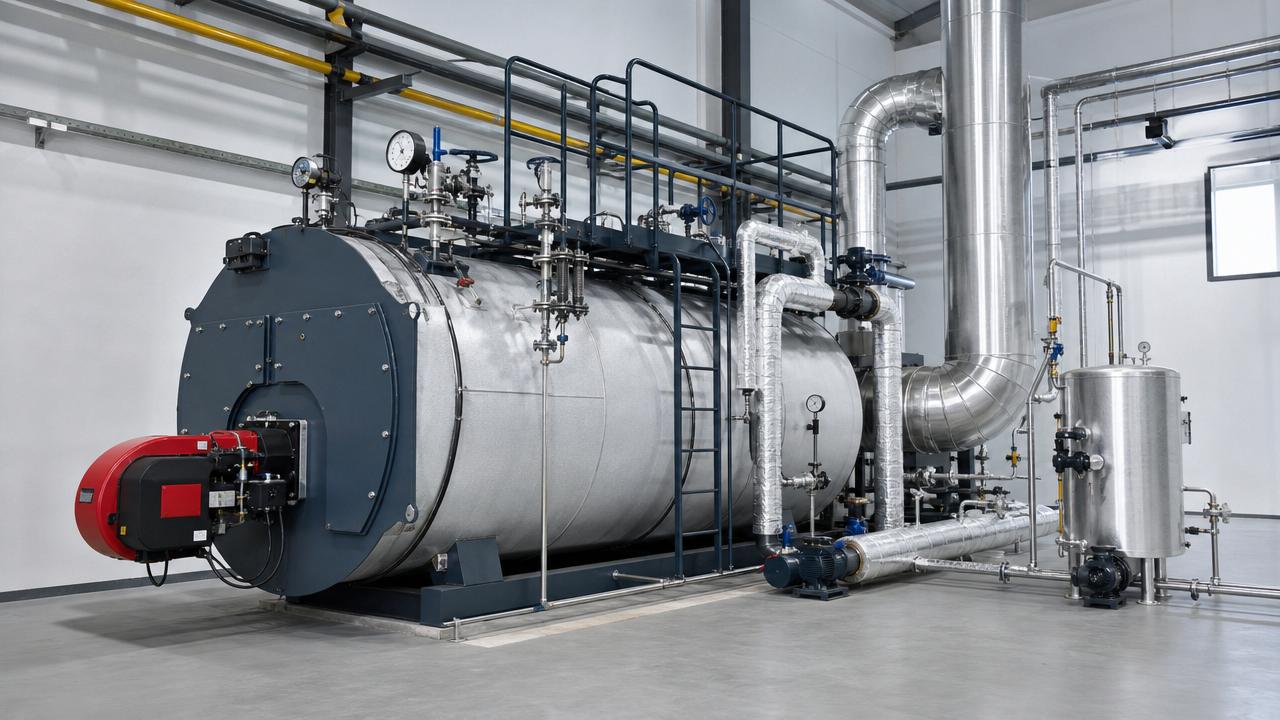
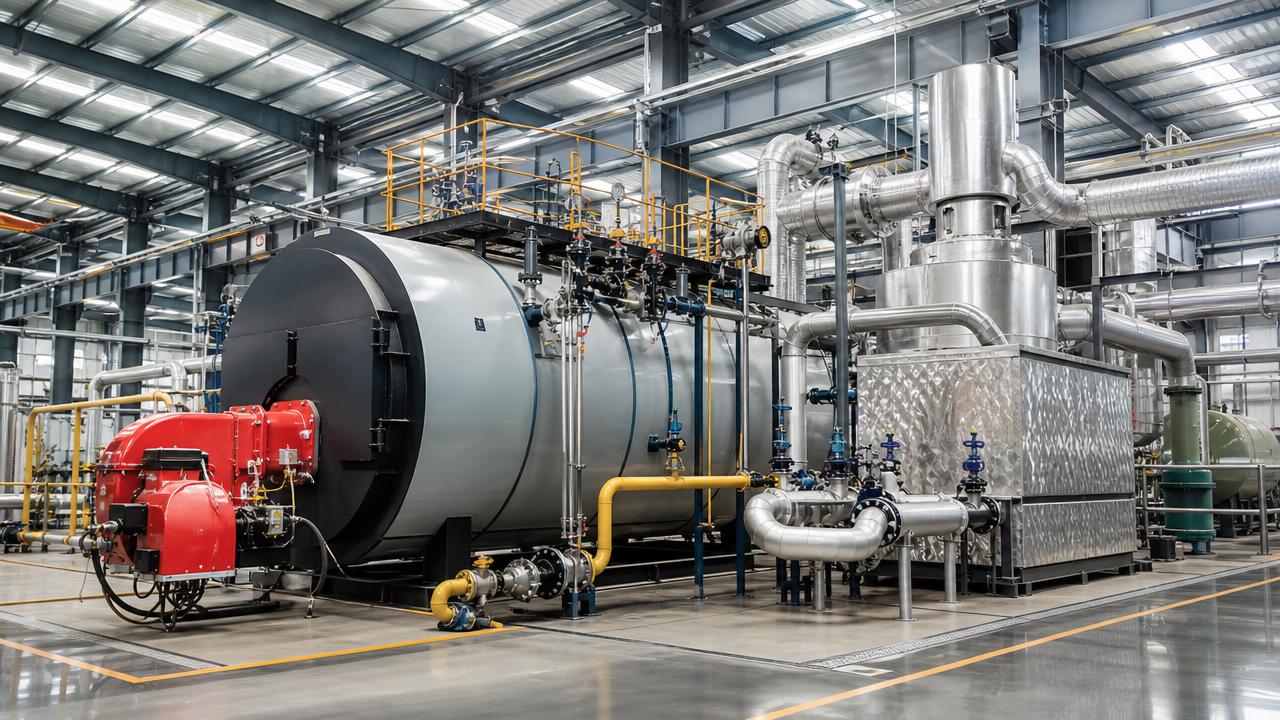
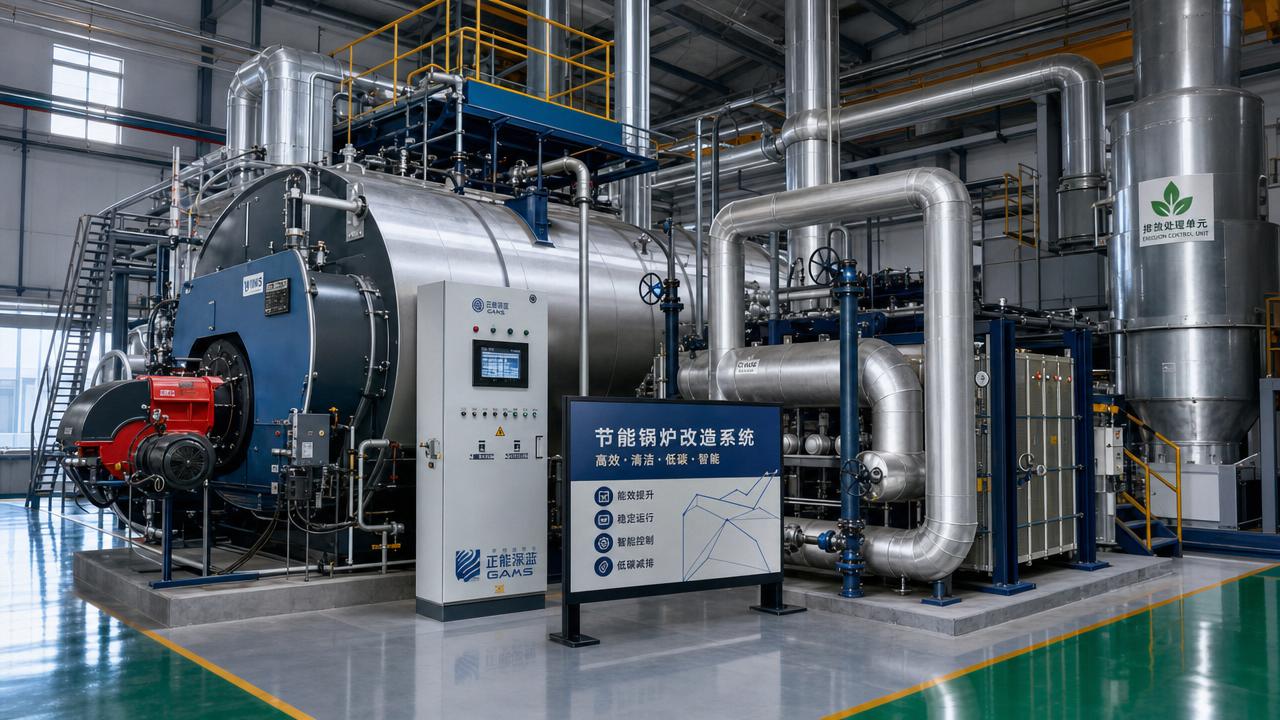
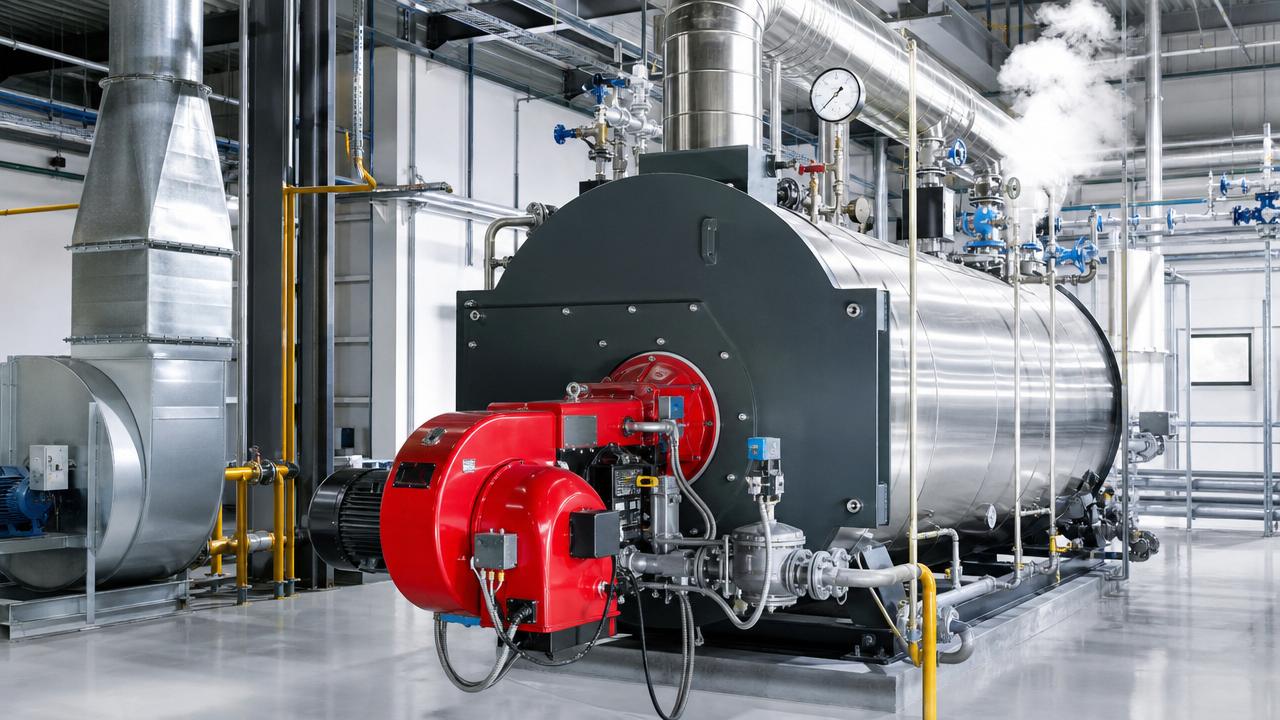
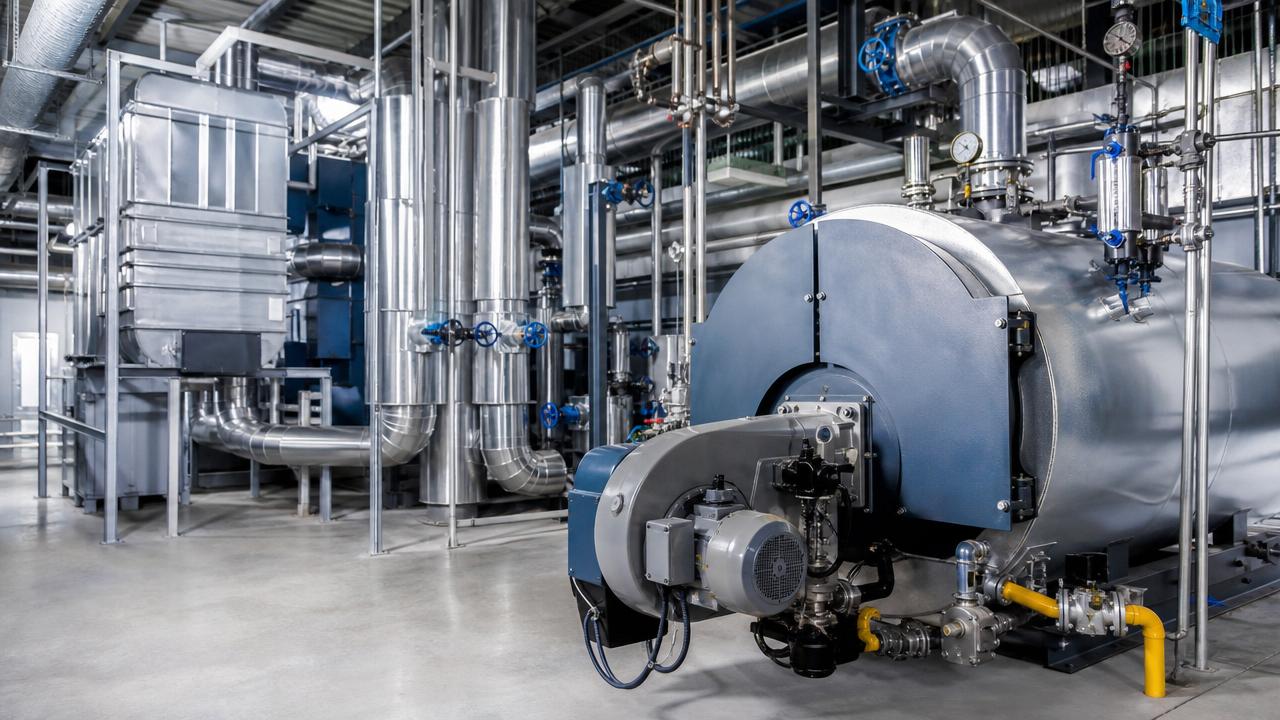
In many industrial settings, thermal power systems sit at the center of production continuity, utility cost control, and environmental compliance. They include boilers, heat exchangers, burners, steam networks, thermal recovery units, and related compression-driven equipment that convert fuel or electricity into usable heat and process energy.
For finance teams, the key question is not whether newer equipment is more efficient. It usually is. The real question is whether the efficiency gain is large enough, reliable enough, and durable enough to offset capital spending, installation disruption, and project risk.
That decision becomes easier when three signals appear together:
- Energy costs have risen enough that fuel and electricity waste now materially affects EBITDA or unit production cost.
- Existing thermal power systems show performance drift through higher specific energy consumption, unstable temperature control, or repeated maintenance events.
- Regulatory pressure, carbon reporting, refrigerant policy shifts, or customer audits make old assets more expensive to keep than to improve.
This is where GTC-Matrix adds value. Its Strategic Intelligence Center connects thermodynamic analysis, industrial economics, and evolving technology trends, helping decision-makers compare efficiency projects not as isolated engineering upgrades, but as capital allocation choices shaped by energy markets, compliance requirements, and sector demand.
What financial approvers should measure before approving thermal power systems modernization
A strong business case starts with a disciplined baseline. Too many upgrade proposals focus on nameplate efficiency and ignore the actual operating profile. Finance teams should ask for measured data over a representative period, ideally covering seasonal variation, shift changes, and load fluctuation.
Core evaluation metrics
- Specific energy consumption: fuel, steam, or electricity used per unit of production.
- Thermal efficiency under real load: not only at design point, but at partial load where many systems spend most of their time.
- Downtime cost exposure: lost output, product scrap, restart losses, and emergency repair spending.
- Maintenance trend: parts replacement frequency, labor intensity, and outsourced service dependence.
- Compliance exposure: emissions limits, combustion performance, reporting requirements, and customer sustainability audits.
The table below helps financial approvers judge whether an upgrade is driven by operational need or by avoidable technical enthusiasm.
If the proposal cannot show these metrics clearly, the investment case is incomplete. If it can, the discussion shifts from “Do we need an upgrade?” to “Which upgrade path best protects cash flow and margin?”
Which upgrade paths in thermal power systems usually deliver the strongest payback?
Not all projects in thermal power systems generate equal returns. Financial approvers should separate low-complexity efficiency measures from major asset replacement. In many plants, meaningful savings come first from controls, heat recovery, and system balancing rather than complete equipment turnover.
Typical upgrade categories
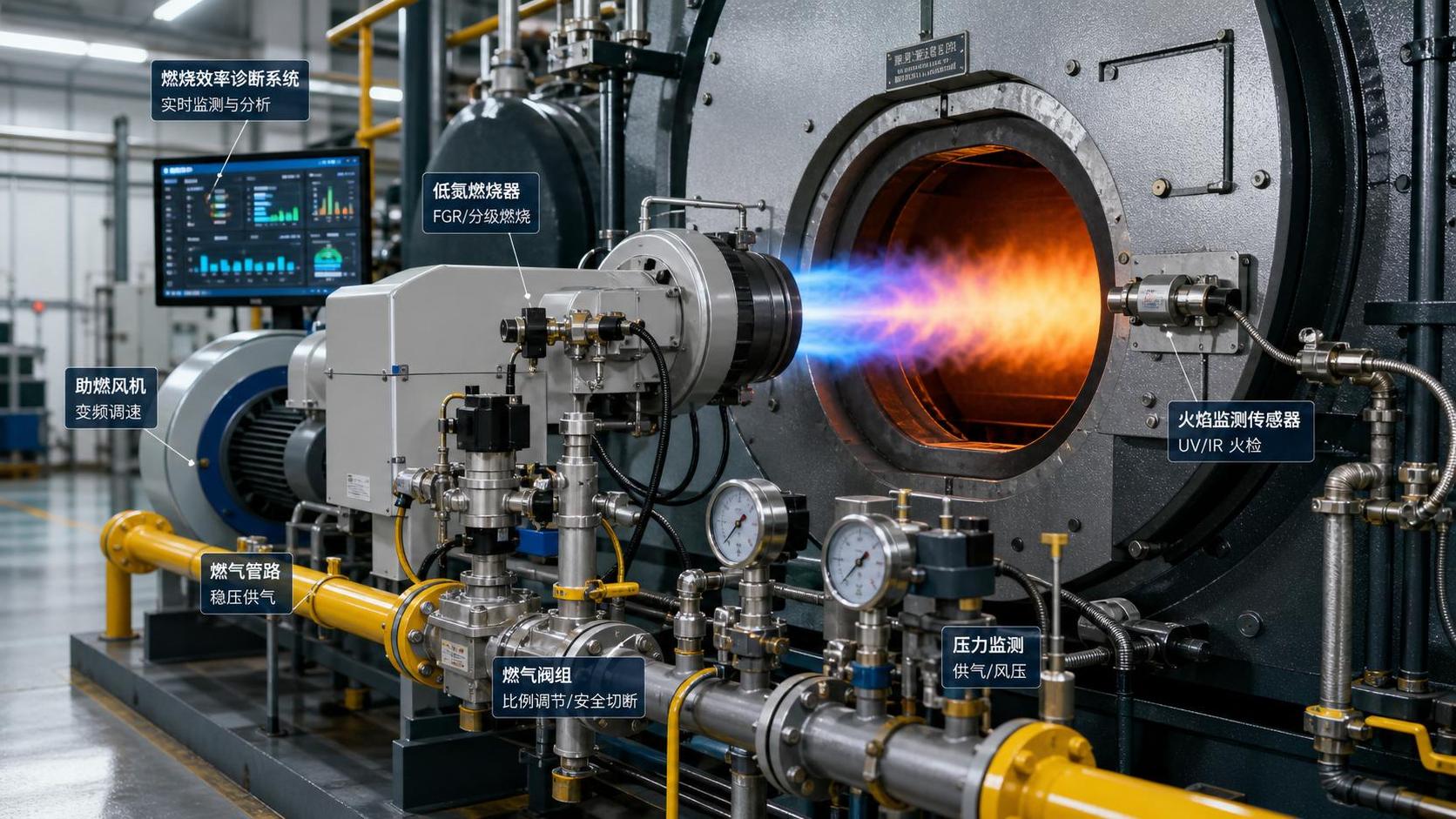
- Combustion optimization and burner control upgrades for tighter excess air management and lower fuel waste.
- Heat exchanger modernization, including improved surfaces or microchannel designs where suitable.
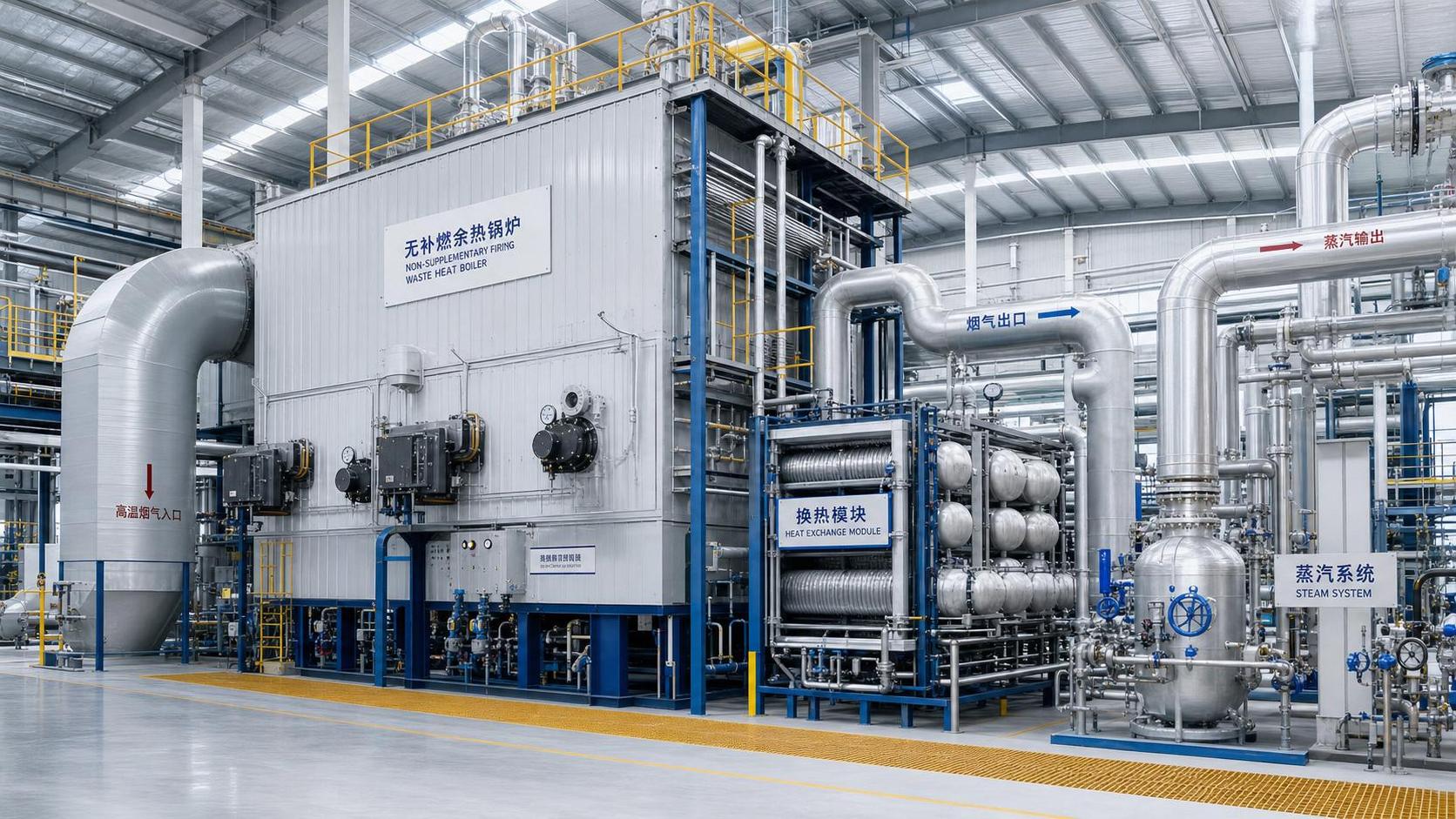
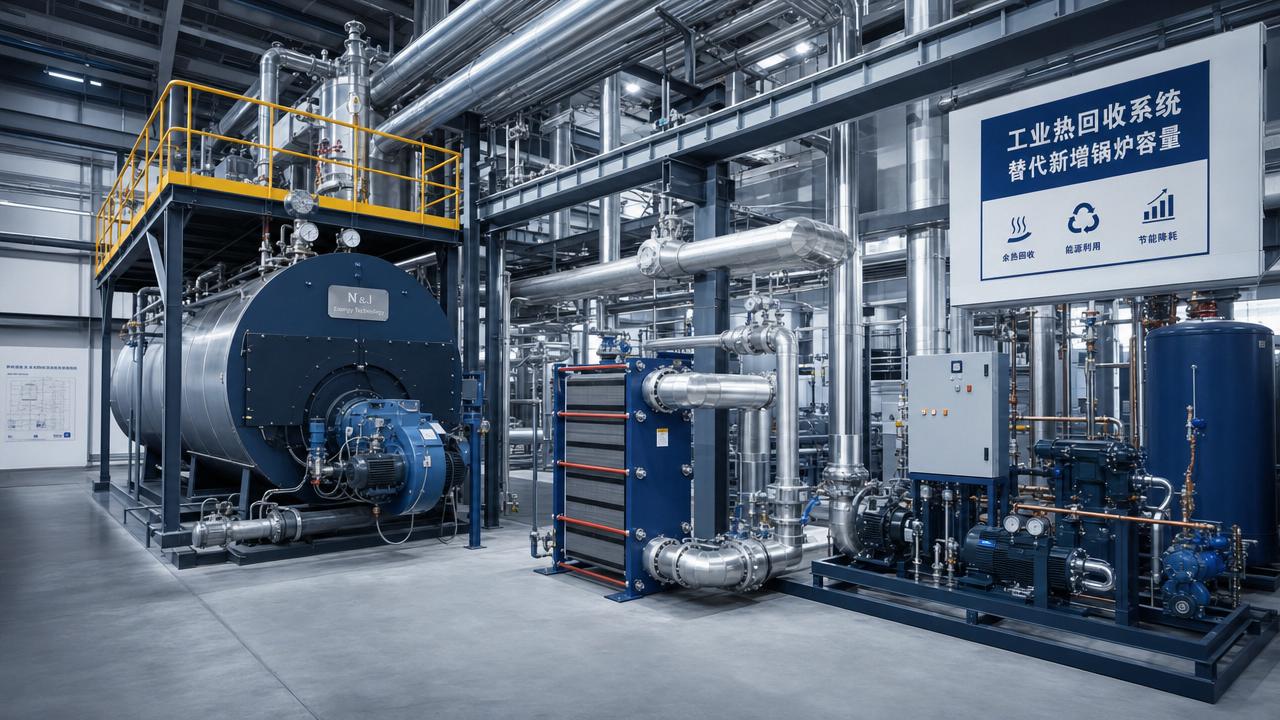
- Waste heat recovery from exhaust streams, condensate return, or process integration.
- Variable-speed drives and smarter sequencing for pumps, fans, and compression-related auxiliaries.
- Full replacement of obsolete thermal generation assets where maintenance burden and compliance risk are already high.
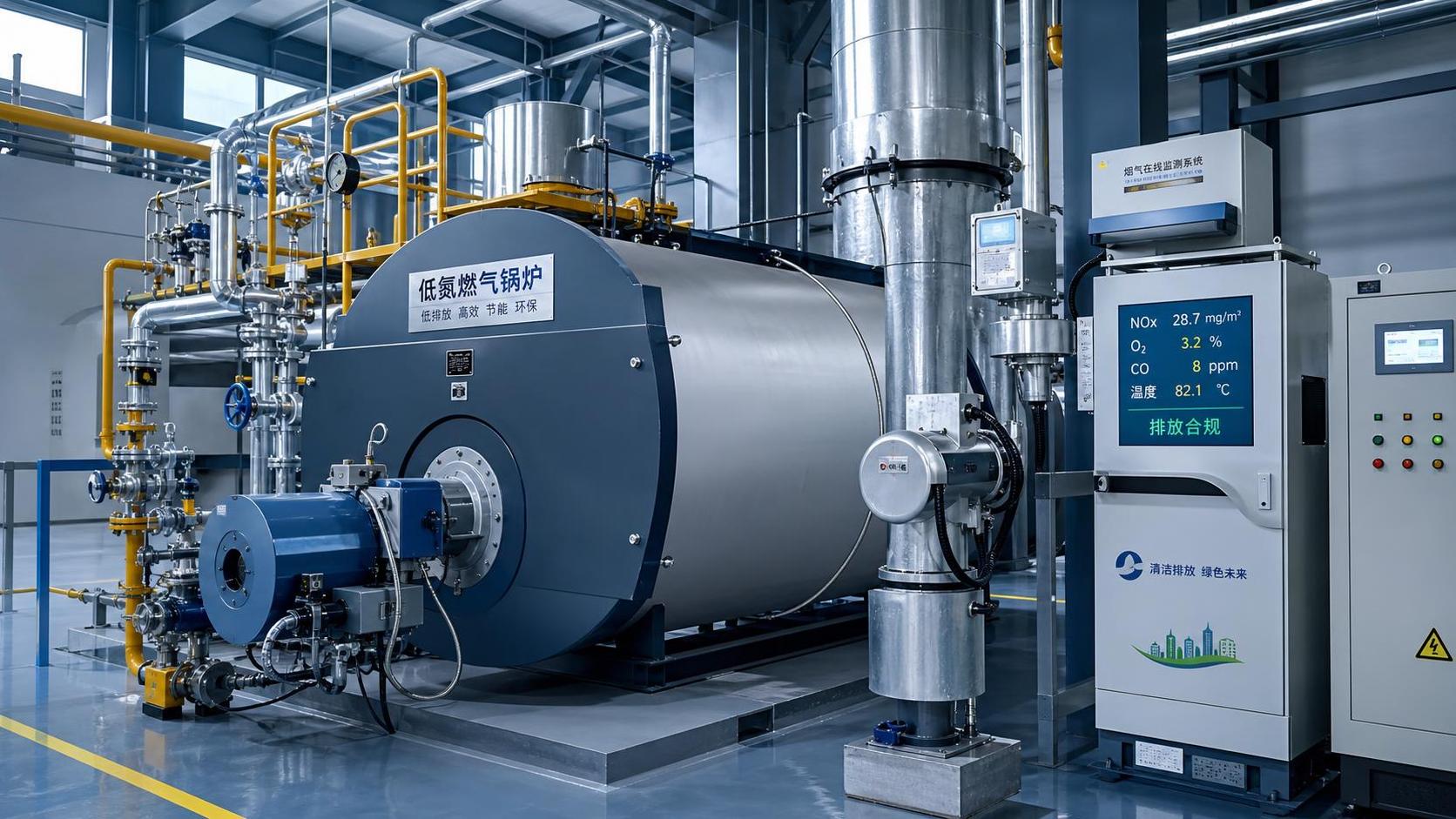
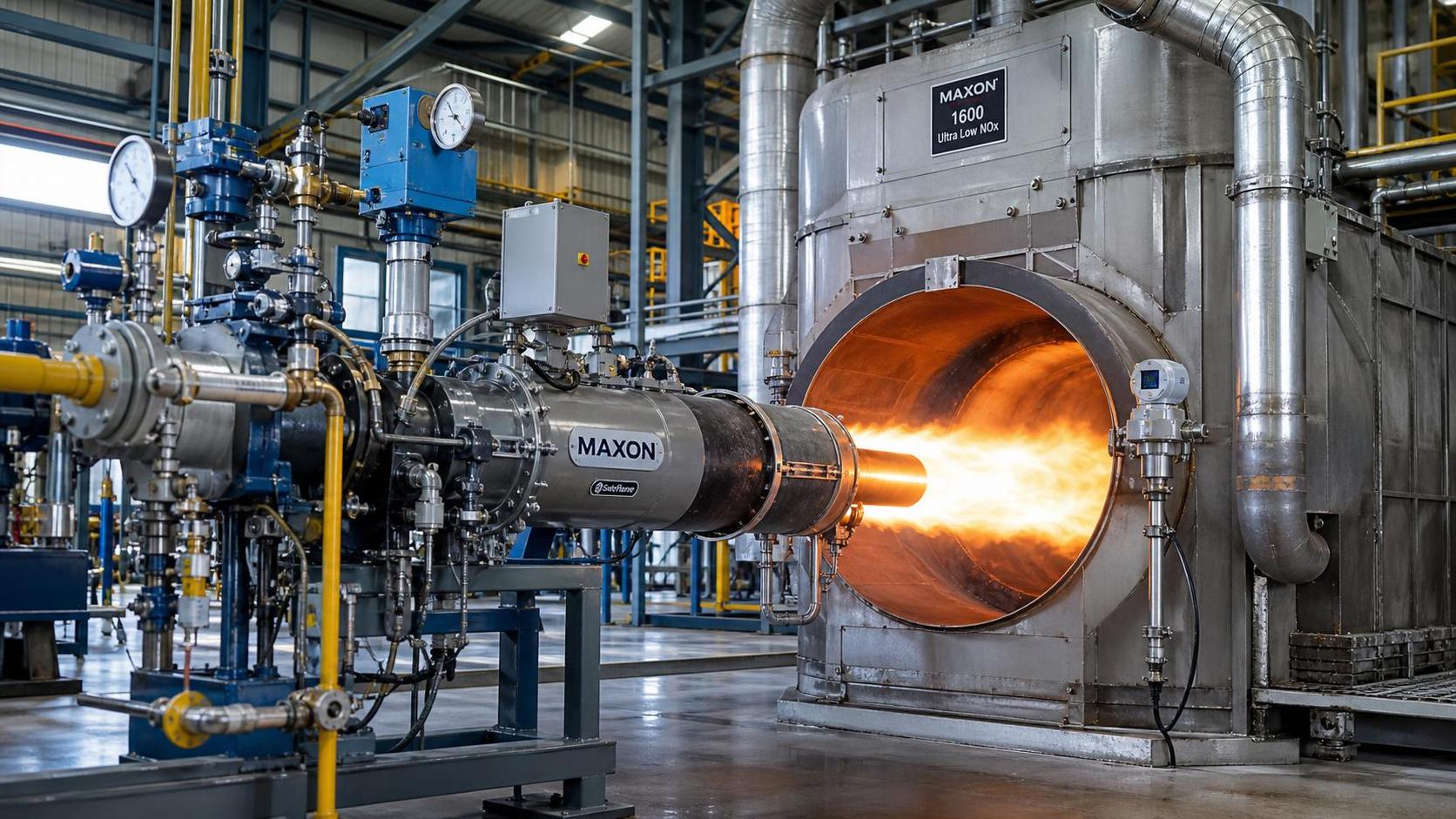
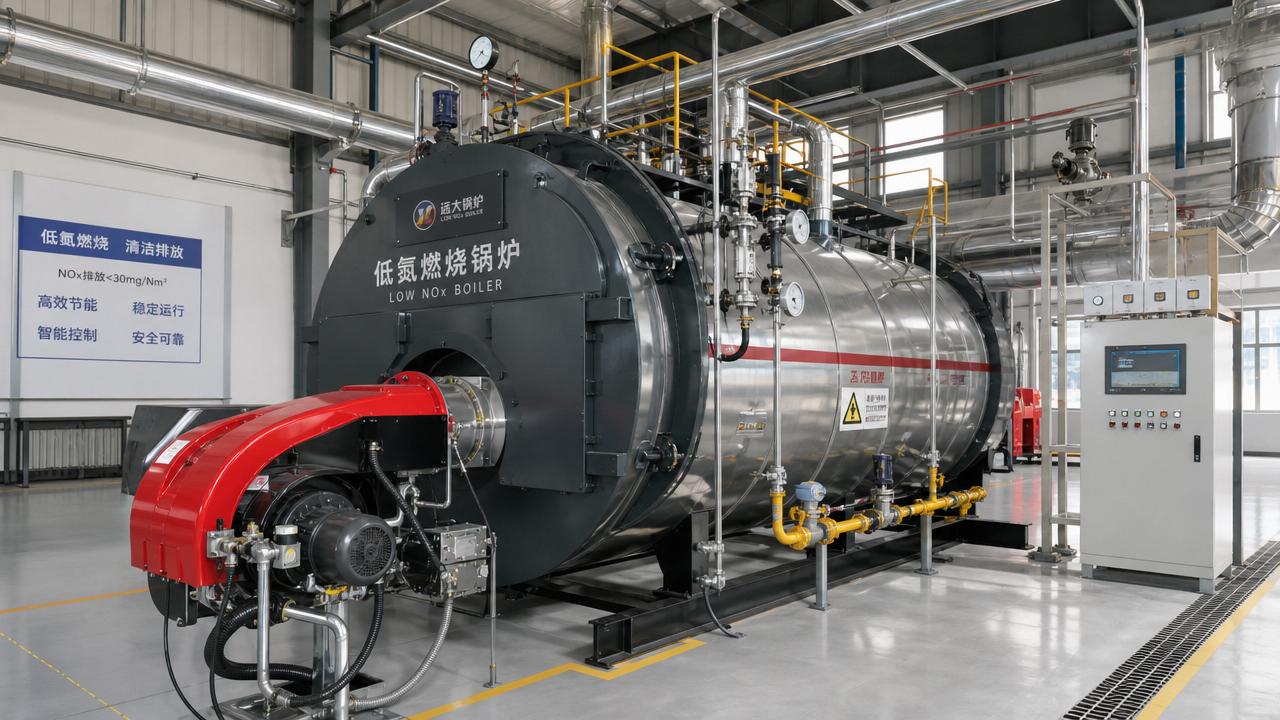
GTC-Matrix tracks the evolution of low-NOx combustion boilers, oil-free compression, and advanced heat exchange technologies. That cross-sector intelligence matters because the best return often comes from combining thermal and compression efficiency rather than optimizing one utility island in isolation.
The next table compares common upgrade paths using criteria finance teams often prioritize in approval meetings.
The most attractive project is not always the one with the highest percentage efficiency gain. It is the one where savings are easiest to verify, implementation risk is manageable, and operational dependency on the asset is high enough that reliability benefits also matter.
How to calculate whether efficiency gains justify the upgrade
A practical approval model for thermal power systems should include more than a simple payback calculation. Simple payback is useful, but it can undervalue risk reduction and overvalue aggressive savings assumptions.
Recommended approval framework
- Use current and forward energy pricing scenarios rather than a single static utility rate.
- Model savings at real operating loads, including part-load behavior and shutdown periods.
- Add maintenance avoidance, spare parts reduction, and lower emergency service cost.
- Quantify outage risk where production stoppage has a clear revenue or penalty impact.
- Include compliance value where old thermal power systems face tighter emissions or reporting standards.
For many approval boards, the most useful output is a range. A base case shows expected savings under normal operation. A downside case applies lower savings and longer ramp-up. An upside case includes higher fuel costs or stronger production utilization. Projects that remain acceptable across all three scenarios are typically easier to approve.
This scenario-based approach aligns well with the intelligence model used by GTC-Matrix. By monitoring global energy cost movement, refrigerant policy changes, and sector-specific demand shifts, the platform helps businesses avoid static assumptions in dynamic utility markets.
What risks can weaken the business case for thermal power systems upgrades?
Even well-designed thermal power systems projects can underperform if commercial and operational risks are ignored. Finance teams should look beyond vendor projections and ask where savings may leak away after commissioning.
Common risk factors
- Overstated load stability. If process demand fluctuates more than expected, actual efficiency may fall below model values.
- Poor system integration. New boilers, exchangers, or controls may inherit inefficiencies from old piping, valves, or instrumentation.
- Underestimated shutdown cost. A short installation delay can become expensive in continuous manufacturing environments.
- Insufficient operator training. Thermal power systems often lose expected gains when staff bypass optimized control logic.
- Inadequate measurement and verification. Without post-project metering, finance cannot confirm whether savings were realized.
These risks do not mean upgrades should be avoided. They mean the approval process should require implementation governance, measurement plans, and responsibility ownership. A project with modest energy savings but strong execution controls may be safer than a more ambitious retrofit with uncertain integration.
How do compliance and decarbonization affect thermal power systems investment timing?
For many companies, upgrade timing is no longer dictated only by mechanical condition. It is also shaped by emissions expectations, cleaner refrigerant transitions, customer sustainability reviews, and internal carbon targets. Waiting can turn a planned project into a forced project.
Why timing matters
- Legacy combustion systems may face tighter NOx or efficiency requirements, increasing retrofit urgency.
- Cooling and heat exchange systems tied to regulated refrigerants may need redesign rather than maintenance-only extension.
- Large customers in pharmaceutical, semiconductor, and food processing increasingly expect stable temperature control and cleaner utility profiles.
Because GTC-Matrix monitors policy shifts and technology evolution across industrial cooling, compressed air, vacuum processes, and heat exchange, it helps financial approvers see whether a delay preserves capital or simply defers a more expensive compliance-driven intervention.
Procurement checklist: what should finance ask before approving thermal power systems spending?
A better approval process does not slow projects down. It filters weak proposals early and accelerates those with clear value. Before releasing capital for thermal power systems, finance can request the following checklist.
- What is the measured current efficiency, and how was the baseline established?
- Which savings come from reduced fuel or power use, and which come from maintenance or downtime reduction?
- How sensitive is project payback to production volume, energy price, and operating hours?
- What installation window is required, and what is the cost of any production interruption?
- Which standards, emissions expectations, or customer audit requirements does the project address?
- How will post-upgrade performance be verified within the first three, six, and twelve months?
When these questions are answered well, thermal power systems investments become easier to rank against other capex requests. They move from technical wish lists to quantifiable operational finance projects.
FAQ: practical questions financial approvers ask about thermal power systems
How long should payback be for thermal power systems upgrades?
There is no single threshold. Lower-risk controls or heat recovery projects often justify shorter payback expectations than full asset replacement. The right benchmark depends on outage exposure, compliance pressure, and how much of the return comes from verifiable energy reduction versus softer operational benefits.
Are thermal power systems upgrades still attractive when production demand is uncertain?
Yes, but project type matters. Upgrades that improve part-load performance, sequencing, and flexibility may outperform large fixed-capacity replacements in uncertain markets. The best proposals are resilient across multiple utilization scenarios.
What is the most common mistake in approving thermal power systems projects?
The most common mistake is focusing only on equipment efficiency and ignoring system efficiency. A modern boiler or exchanger cannot deliver full value if controls, piping, heat recovery, or operator practice remain unchanged.
Should finance wait for equipment failure before approving replacement?
Usually not. Failure-driven replacement often compresses procurement time, weakens negotiation leverage, and increases downtime losses. Planned modernization provides better control over vendor selection, commissioning schedule, and return modeling.
Why decision-makers use GTC-Matrix before committing capital
Thermal power systems are no longer simple utility assets. They are tied to fuel economics, process quality, emissions strategy, and competitive manufacturing cost. Financial approvers need more than vendor brochures and isolated performance claims.
GTC-Matrix supports better decisions by connecting thermodynamics analysts, pneumatic power engineers, and industrial economists in one intelligence framework. That means finance teams can review upgrade options with broader context: global energy volatility, technology maturity, refrigerant policy direction, and structural demand in industries that rely on precise thermal control and clean power sources.
If you are evaluating thermal power systems for efficiency improvement, compliance planning, or asset renewal, contact GTC-Matrix for support with parameter confirmation, solution comparison, project timing, delivery-cycle assessment, certification considerations, and quotation-stage discussions. A data-backed review can clarify whether you need a controls retrofit, heat recovery integration, exchanger optimization, or a full modernization roadmap before capital is committed.
Related News
- How to Compare Boiler Systems in Latin America by Fuel Cost and ComplianceAuthor :Thermal Energy Strategist

- How to Size Low-Pressure Industrial Steam Systems for Stable Heat DemandAuthor :Thermal Energy Strategist

- Low Emissions Boilers: What to Compare Before You ChooseAuthor :Thermal Energy Strategist

- Low-NOx Boilers Cost Breakdown: Upfront Price, Fuel Savings, and PaybackAuthor :Thermal Energy Strategist

- Boiler Combustion Systems: Common Causes of Unstable Fuel PerformanceAuthor :Thermal Energy Strategist

- Hot Water Industrial Boilers: When Efficiency Gains Justify ReplacementAuthor :Thermal Energy Strategist

- What Boiler Efficiency Really Means in Daily Operation and Energy BillsAuthor :Thermal Energy Strategist

- Boiler Efficiency Testing Methods That Expose Heat Loss and Fuel WasteAuthor :Thermal Energy Strategist

- Industrial Burner Systems: Key Factors for Safe Heat OutputAuthor :Thermal Energy Strategist

- Gas-Fired Boiler Combustion Technology: Key Efficiency and Emissions Trade-OffsAuthor :Thermal Energy Strategist

- Unfired Heat Recovery Steam Generators: When Do They Pay Off?Author :Thermal Energy Strategist

- How to Evaluate Steam Generation Systems Electric for Process Heat ProjectsAuthor :Thermal Energy Strategist

- Thermal Power Systems for Industrial Heating: Common Sizing Mistakes to AvoidAuthor :Thermal Energy Strategist

- Low-NOx Condensing Boilers: How to Compare Efficiency and EmissionsAuthor :Thermal Energy Strategist
![]()
- Low Emissions Boilers for Food Processing: Key Compliance and Fuel Cost FactorsAuthor :Thermal Energy Strategist

- Steam System Efficiency Calculation: Key Inputs That Change the ResultAuthor :Thermal Energy Strategist

- How to Evaluate a Steam Boiler Components Exporter Before OrderingAuthor :Thermal Energy Strategist

- Burner Systems Troubleshooting: Common Efficiency Loss CausesAuthor :Thermal Energy Strategist

- EU PED Q2 Rules Require Digital Compliance TagsAuthor :Thermal Energy Strategist

- Thermal Power Systems: Key Efficiency Risks in Daily OperationAuthor :Thermal Energy Strategist

- Low-NOx Combustion Boilers: Key Efficiency and Compliance ChecksAuthor :Thermal Energy Strategist

- Low-NOx Combustion Boilers: Key Specs That Affect Emissions and Fuel UseAuthor :Thermal Energy Strategist

- Low-NOx Combustion Boilers: Key Compliance RisksAuthor :Thermal Energy Strategist

- Thermodynamics Analysis for Boiler Heat-Loss ReductionAuthor :Thermal Energy Strategist

- Industrial Thermal Systems: Common Operating RisksAuthor :Thermal Energy Strategist

- Low-NOx Combustion Boilers: Key Spec Checks Before PurchaseAuthor :Thermal Energy Strategist

- How Industrial Heat Recovery Cuts Boiler Fuel Costs in 2026Author :Thermal Energy Strategist

- Thermodynamics Analysis: 5 Heat Loss Clues in Steam BoilersAuthor :Thermal Energy Strategist

- Low-NOx Combustion Boilers: What Affects Real Emissions PerformanceAuthor :Thermal Energy Strategist

- Thermodynamics Analysis: Finding Heat Loss in Steam BoilersAuthor :Thermal Energy Strategist

- 2026 Steam Boiler Upgrades for Lower NOx and Fuel CostsAuthor :Thermal Energy Strategist

- EU to Expand CBAM to Steam Boilers; Exporters Must Prepare Carbon DataAuthor :Thermal Energy Strategist

- Industrial Heat Recovery: When Payback Beats New Boiler CapacityAuthor :Thermal Energy Strategist

- Carbon Neutrality Targets and the New Boiler Retrofit PaybackAuthor :Thermal Energy Strategist

- Low-NOx Combustion Boilers: Fuel Savings vs Emission LimitsAuthor :Thermal Energy Strategist

- Industrial Energy Efficiency Benchmarks for Steam Boiler Upgrades in 2026Author :Thermal Energy Strategist